Seeing how the roles fit together
Seaweed grows in the sunlight. A fish may eat the seaweed, and a bigger animal may eat the fish. Even the scraps can feed something else. Seagrass and reefs also give animals places to hide. These are examples of ecological roles, the things living creatures do that affect others around them. One kind of animal or plant can have several roles.
Producers make food
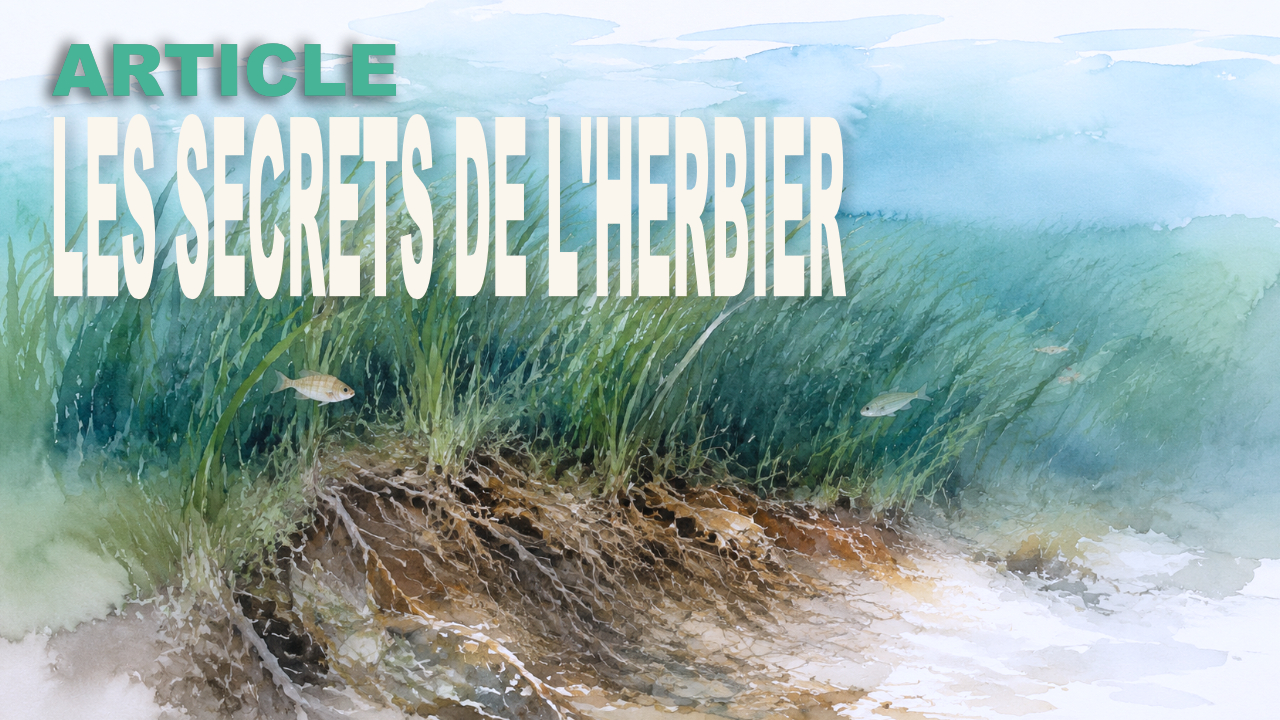
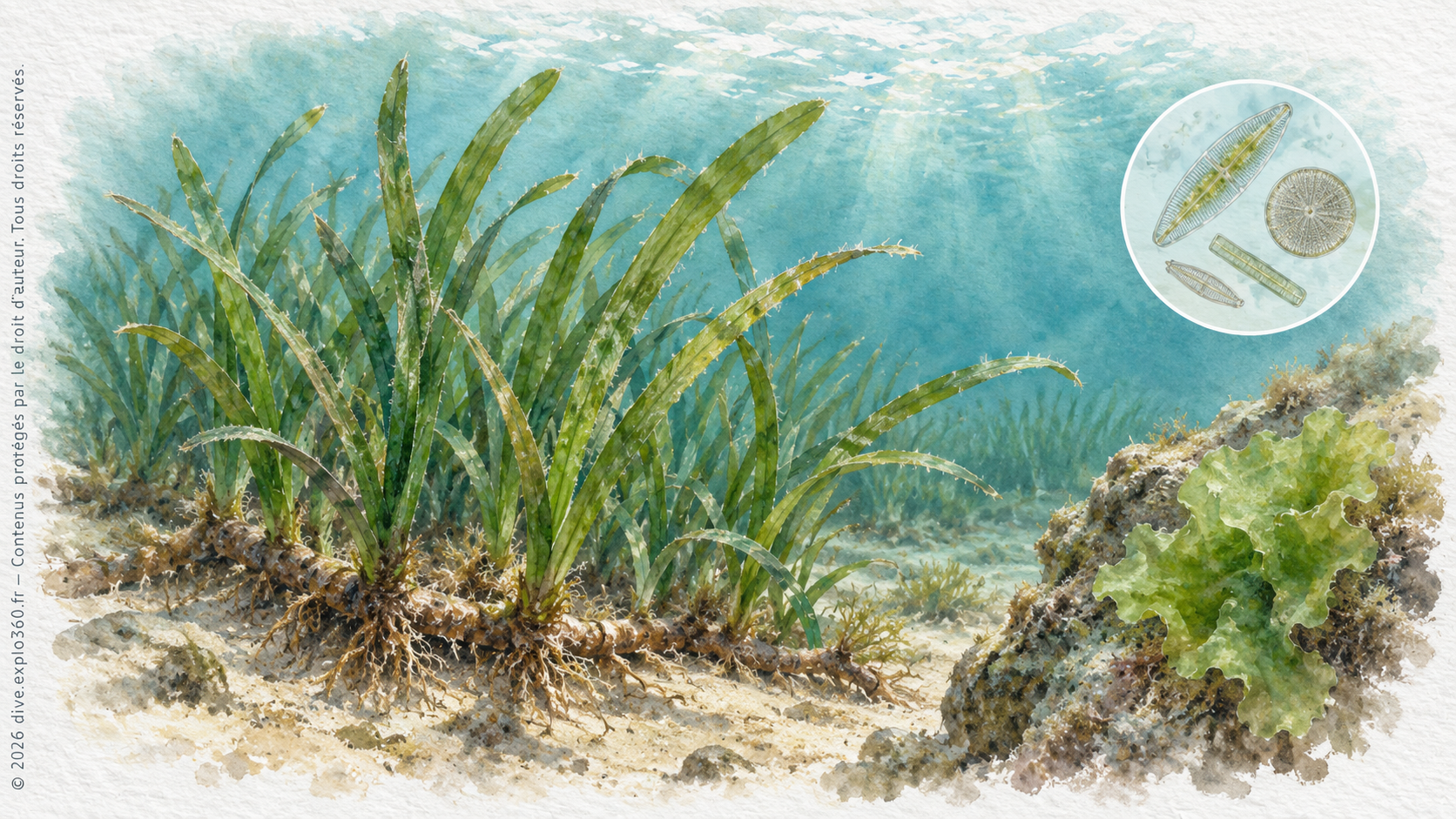
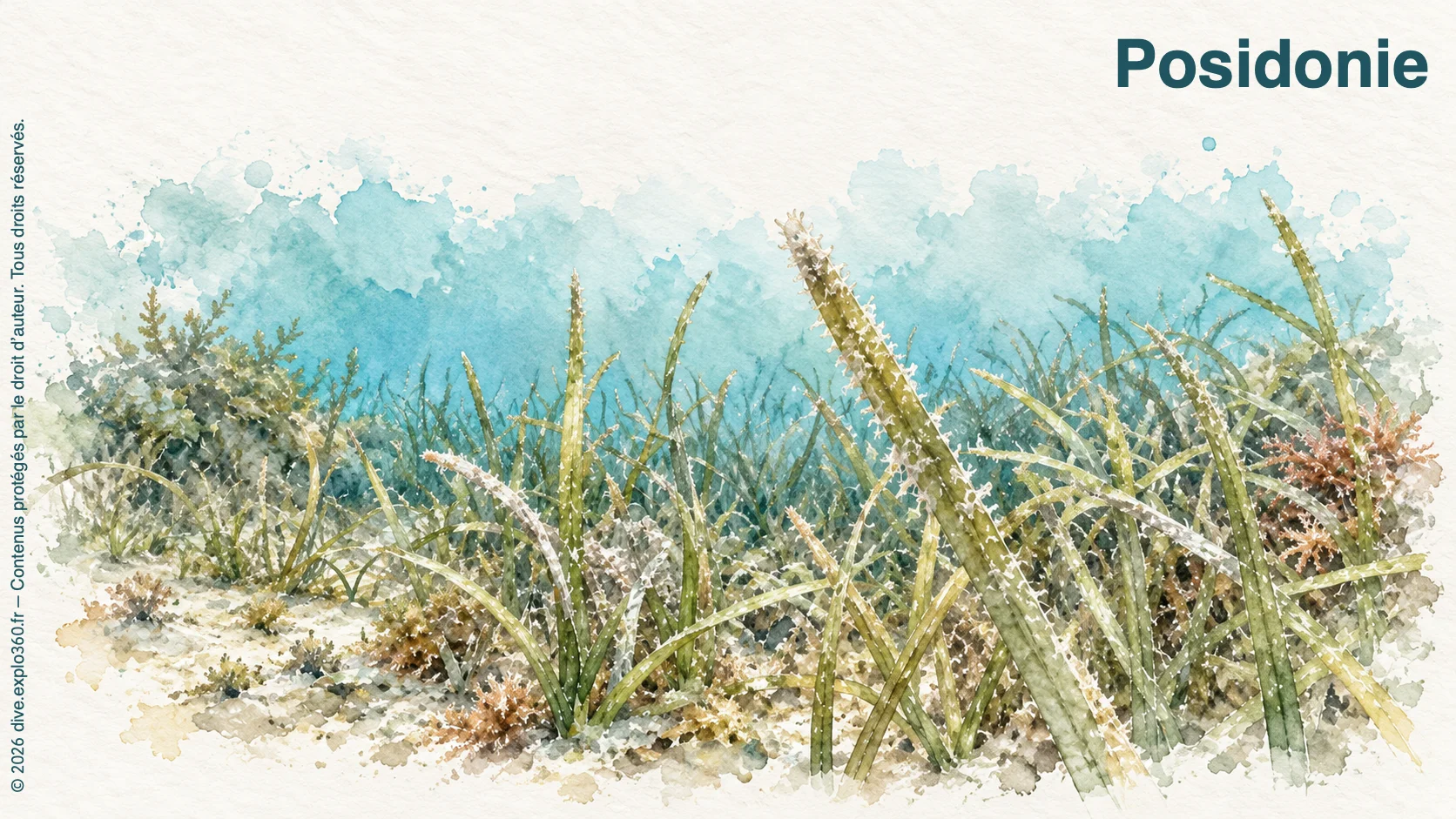
Neptune grass uses light to make sugars from water and carbon dioxide, a gas found in the water. This process is called photosynthesis. The plant also uses nutrients, substances it needs from its surroundings.
Some of what it makes can feed other living things when they eat its leaves or their remains.
Organisms that create habitats
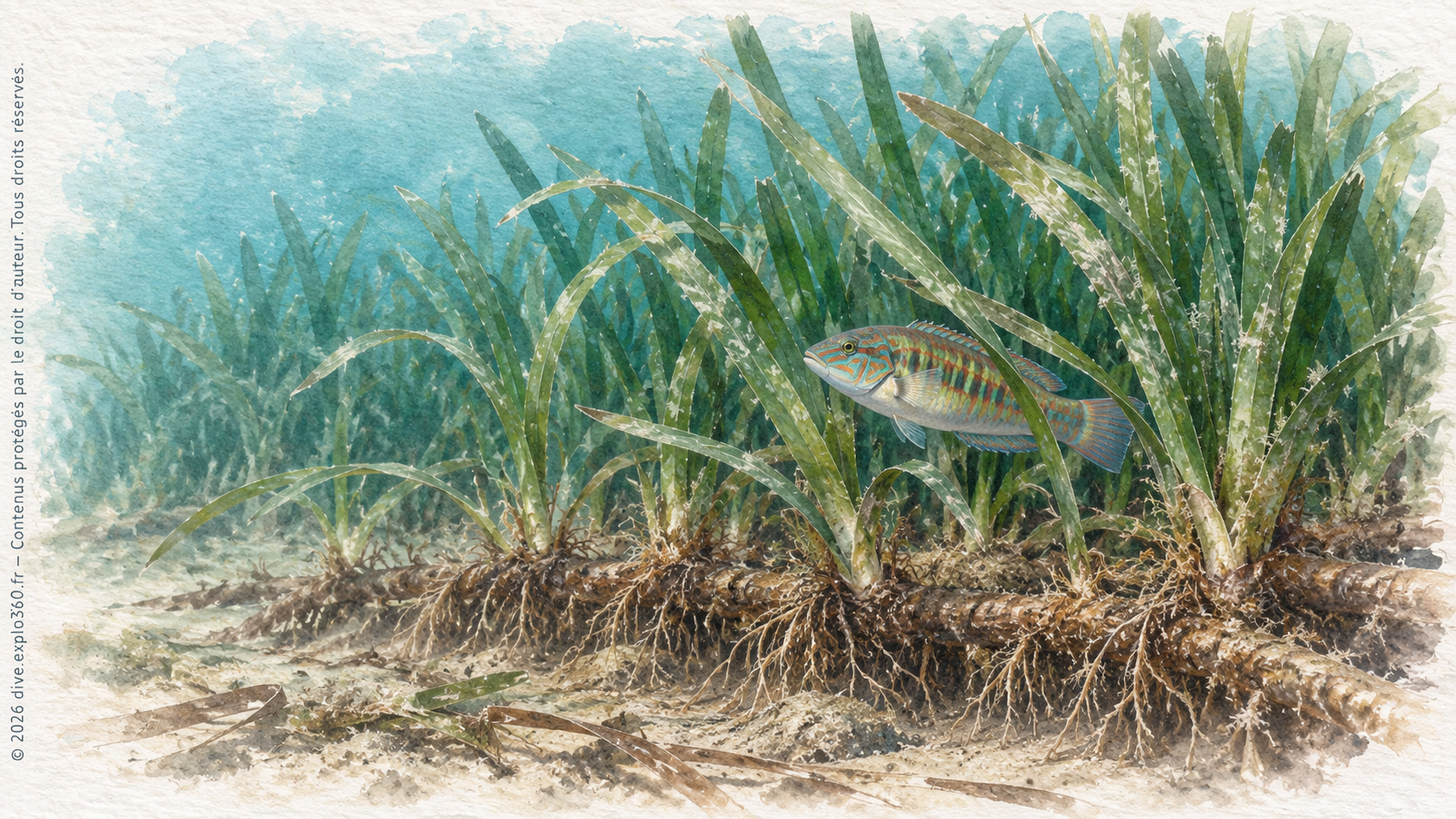
In a Neptune grass meadow, leaves make spaces where small animals can shelter. Roots and stems help keep the sand and other small bits of the seabed in place.
The same plant produces food and forms a habitat: a place where other species live.
In tropical seas, reefs built by corals also provide shelter. In some cooler seas, large seaweeds form underwater forests. Seagrass, corals and seaweeds make different kinds of places for animals to live.
Herbivores eat plants and algae
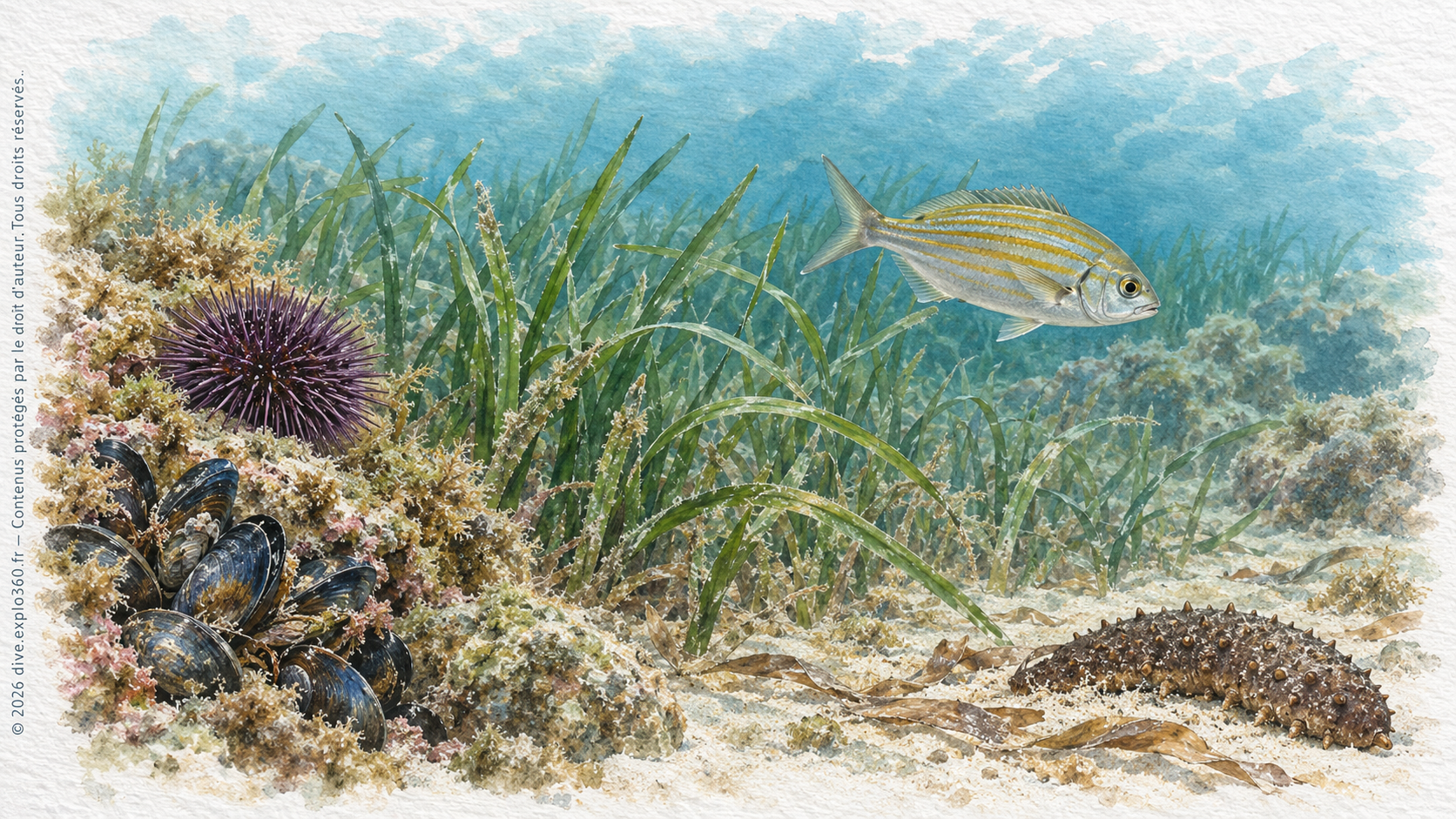
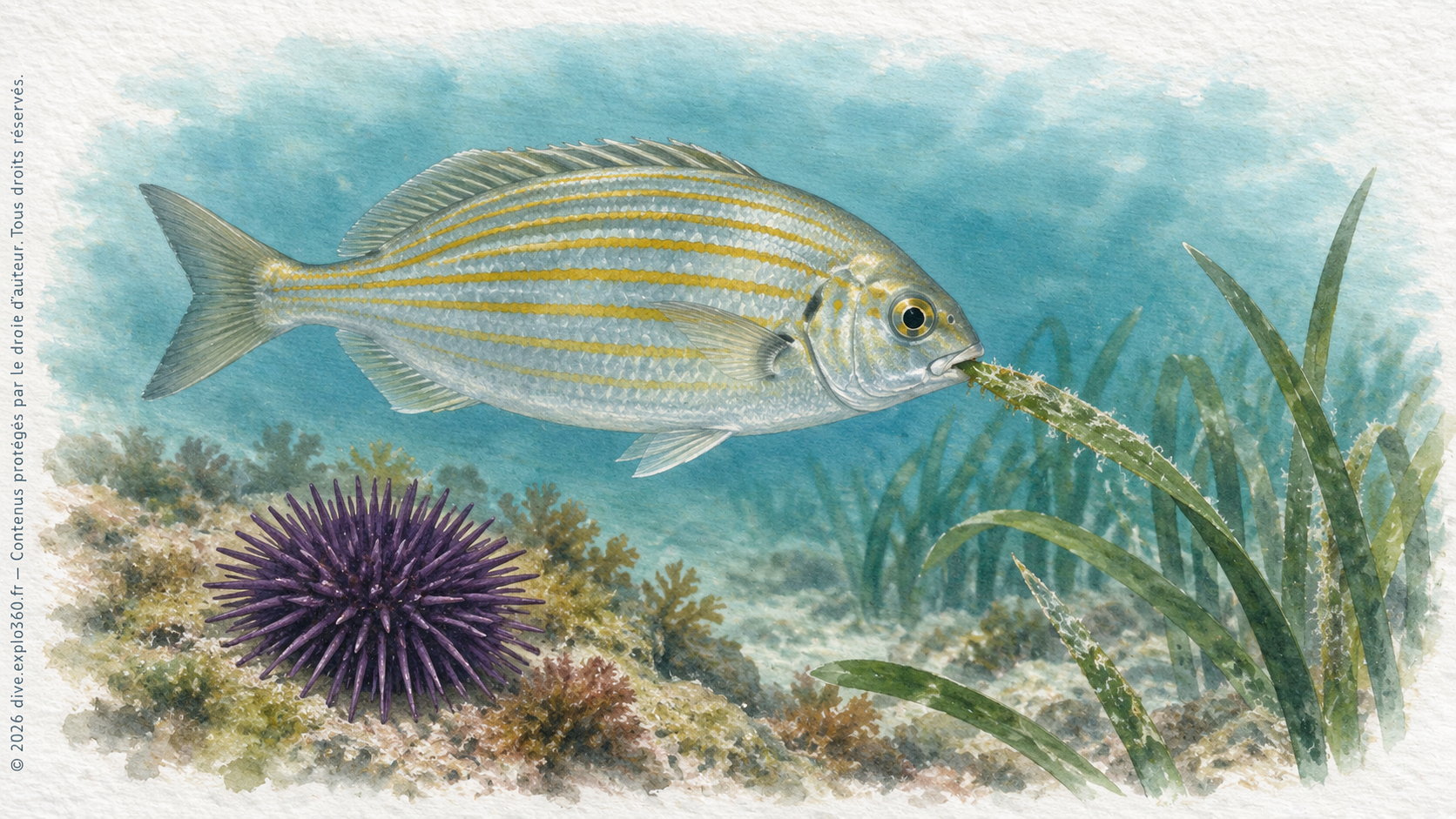
An adult salema can eat algae and Neptune grass leaves. The purple sea urchin also grazes on plants and algae. These animals are herbivores: they feed on plants or algae, among other food.
By feeding, they remove some vegetation. The effect depends on how many grazers there are and what grows there.
Animals that filter water
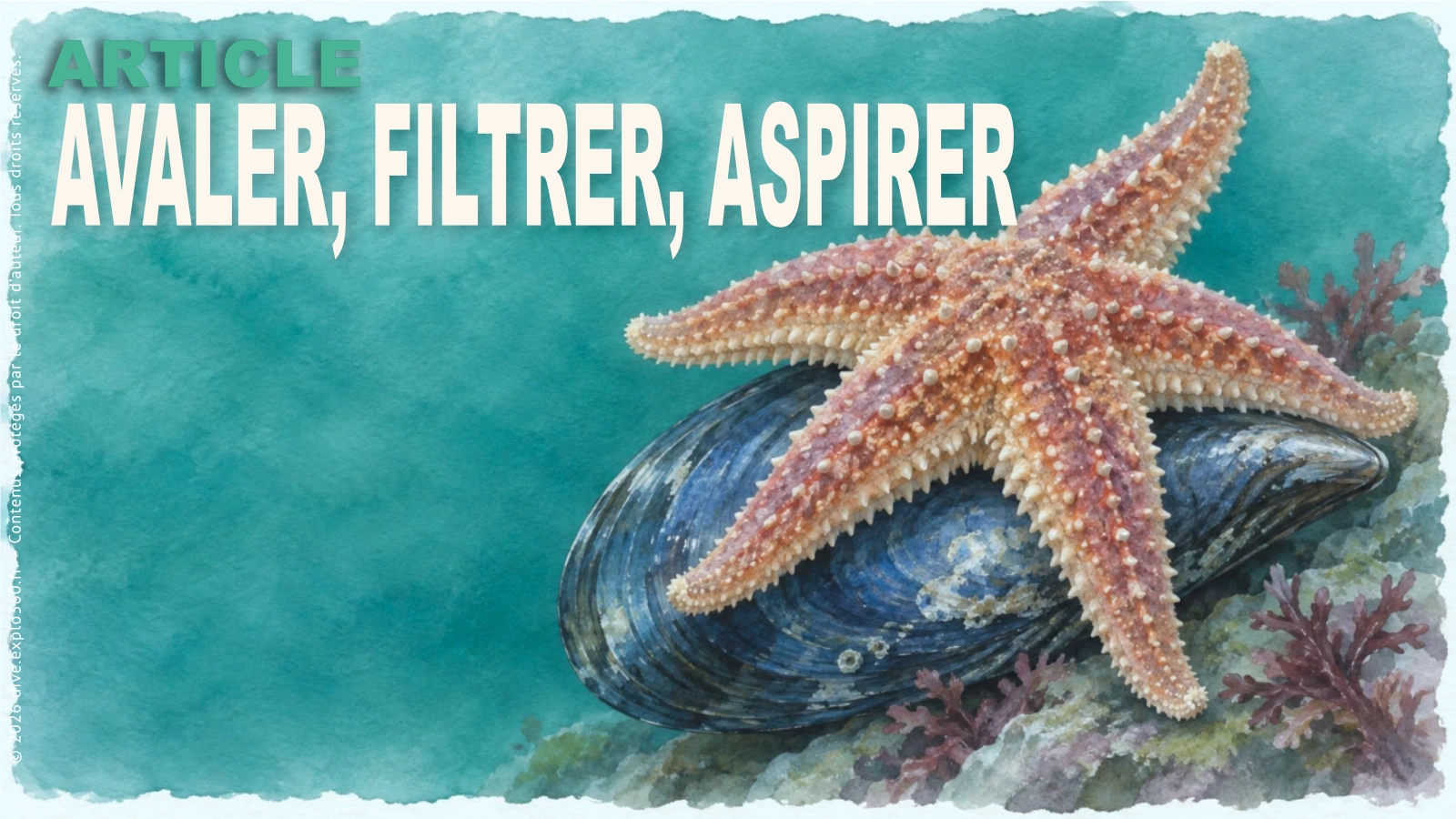
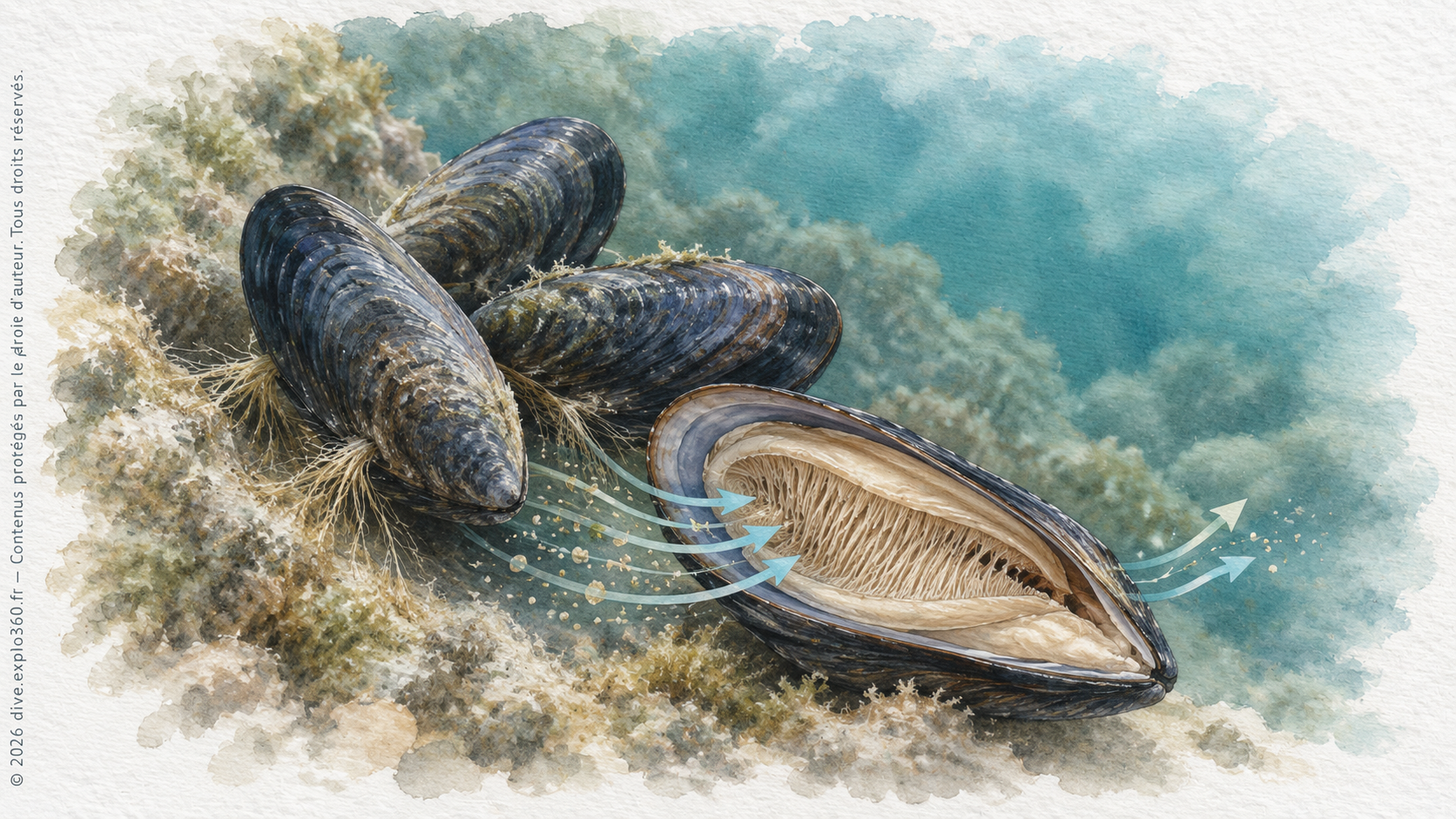
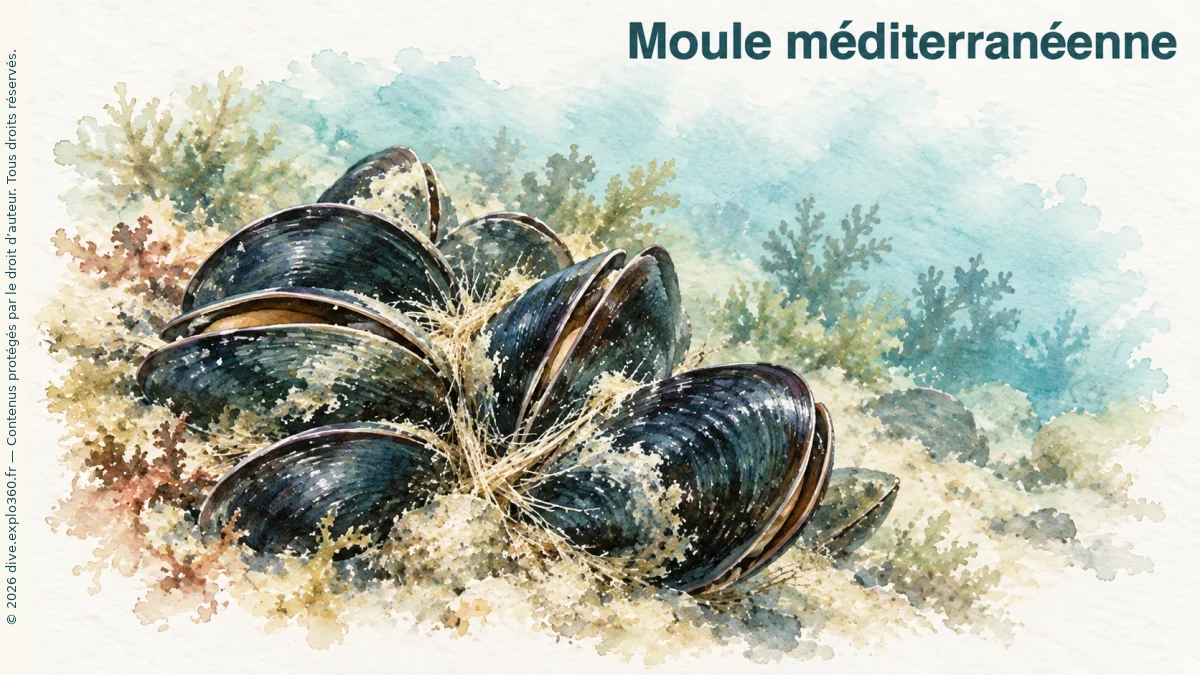
Water flows through a Mediterranean mussel. The mussel catches tiny bits of food as they pass through. This is called filter feeding.
A mussel can stay fixed to the seabed and let the water bring food to it.
Predators and their prey
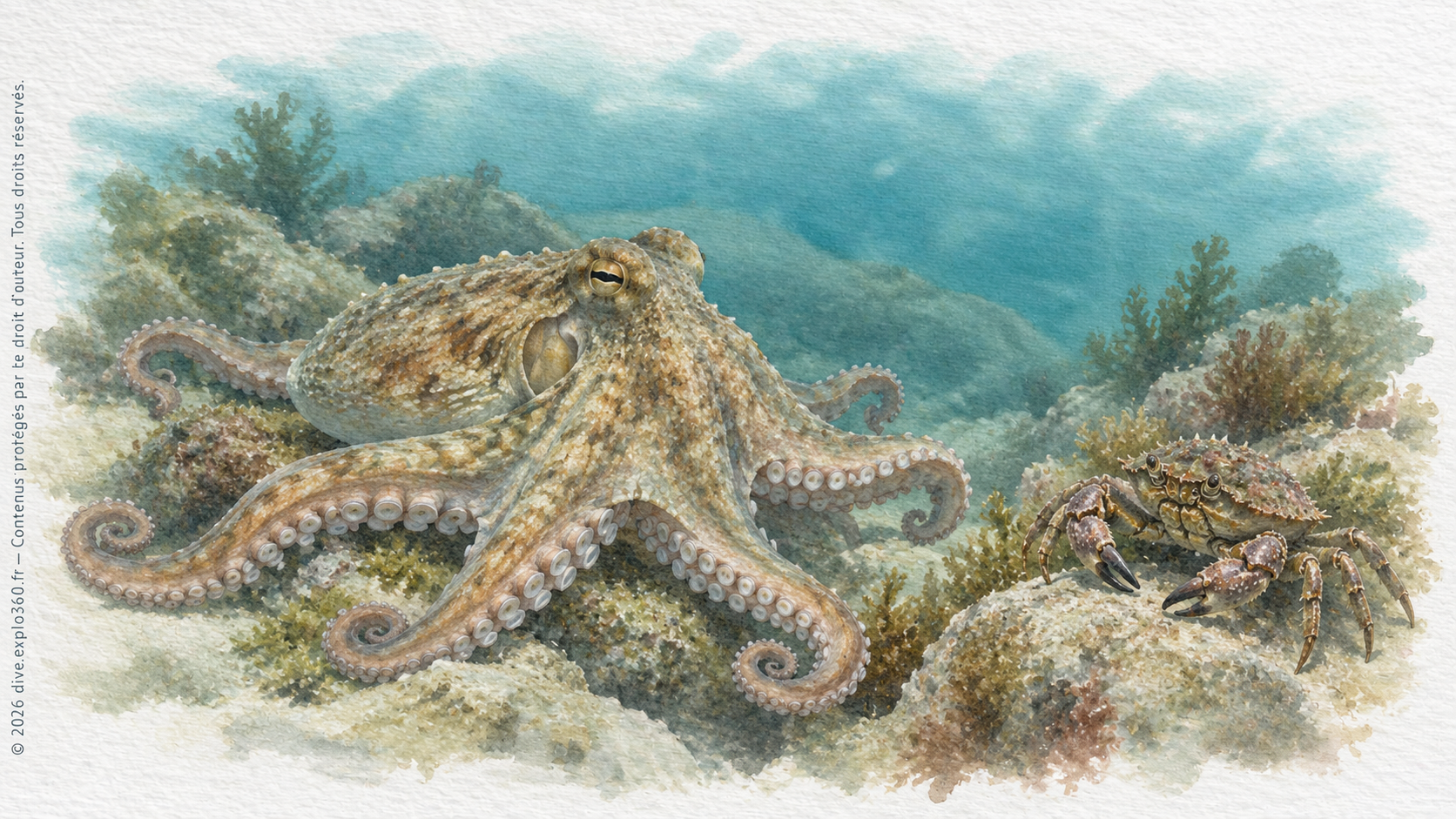
A common octopus may catch a crab. The octopus is then a predator: an animal that catches another animal to eat it. The crab is its prey.
Other animals may eat the octopus in turn. Follow what each animal eats and you’ll find several paths through the food web.
Predators at the top of the food web
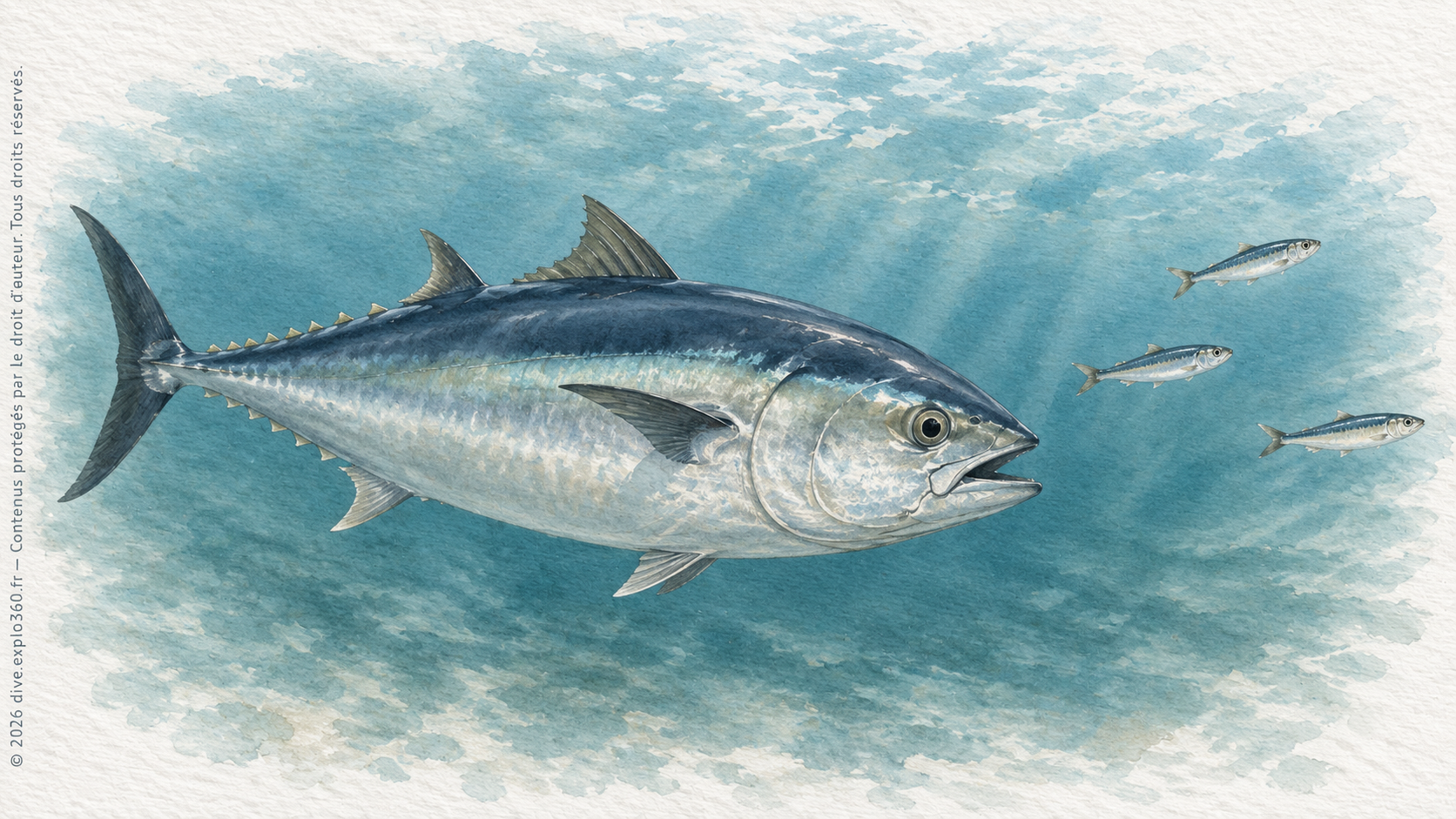
An Atlantic bluefin tuna eats fish, among other prey. The animals it eats have fed on other living things.
Large predators are often several feeding steps away from plants and algae. Small tuna do not have the same prey or enemies as large tuna.
Animals that eat debris and decomposers
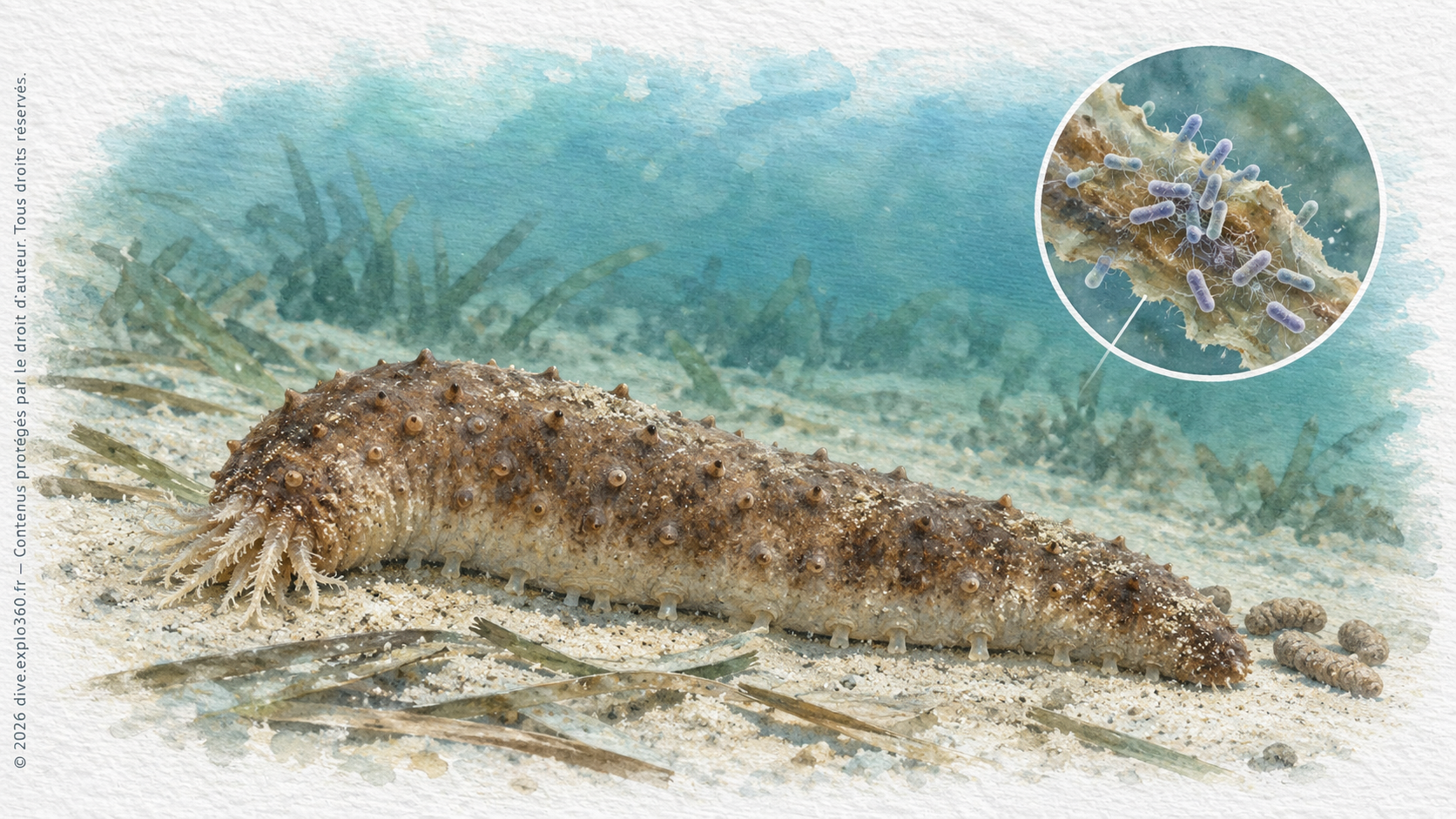
Dead leaves and animal remains reach the seabed. The tubular sea cucumber swallows sand and other bits from the seabed and finds tiny pieces of food among them.
Bacteria, living things too small to see, slowly break down dead leaves and other remains. Some of the material turns into minerals that plants and algae can use to grow. This change is called mineralisation.
How do the roles connect?
Neptune grass gives some animals food and a place to hide. A fish that eats the grass may be eaten by another animal. Scraps can feed other living things.
These links make a food web. Plants and animals can use some of the same material again. Some of the energy they use spreads as heat, and sunlight keeps bringing new energy to the meadow.
Interactive quiz
Connect the roles
Five questions about functions and their connections. Choose one answer per question.
Interactive quiz
Connect the roles
Question 1 out of 5Score: 0
What does photosynthesis, making material using light, allow?
Does a seagrass meadow provide only food?
Why does a mussel filter water?
Can a predator be eaten in turn?
Can one species have several roles?
Final result
Quiz completed
correct answers
Understanding the relationships we observe
Sources
Natural history accounts and references used to check the mechanisms and examples.
Explore the same world
Explore further
Species guides
 Species guidesMediterranean musselDiscover →
 Species guidesNeptune grassDiscover →
 Species guidesElephant Ear SpongeDiscover →
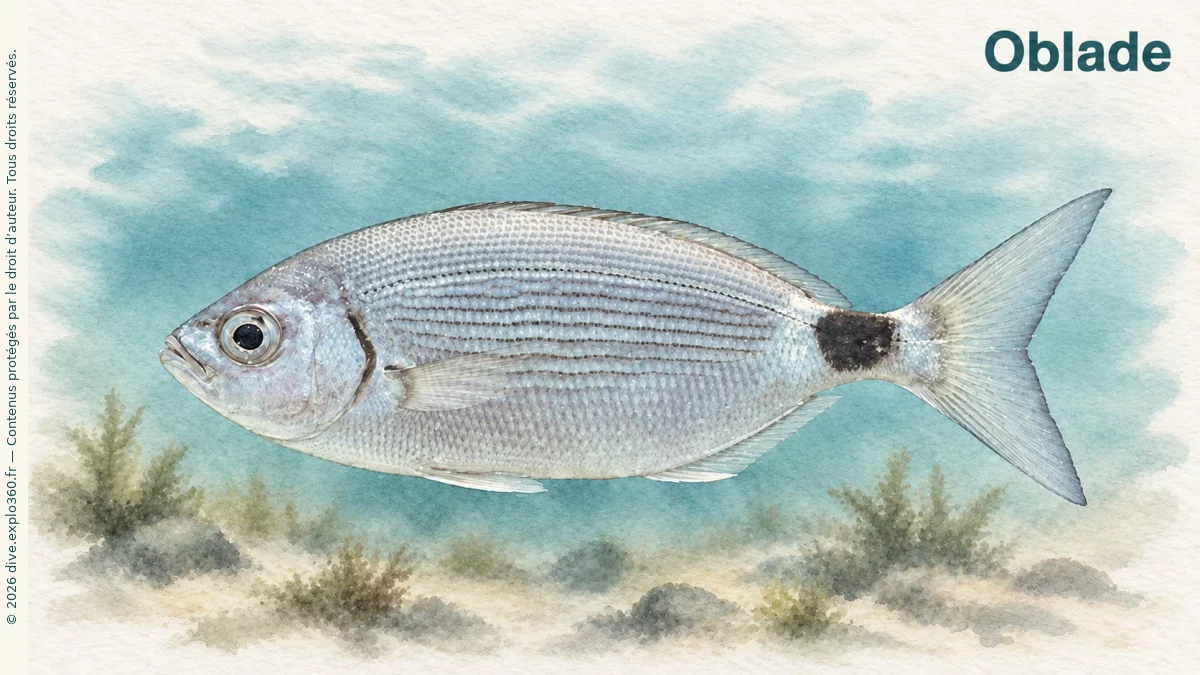 Species guidesSaddled seabreamDiscover →
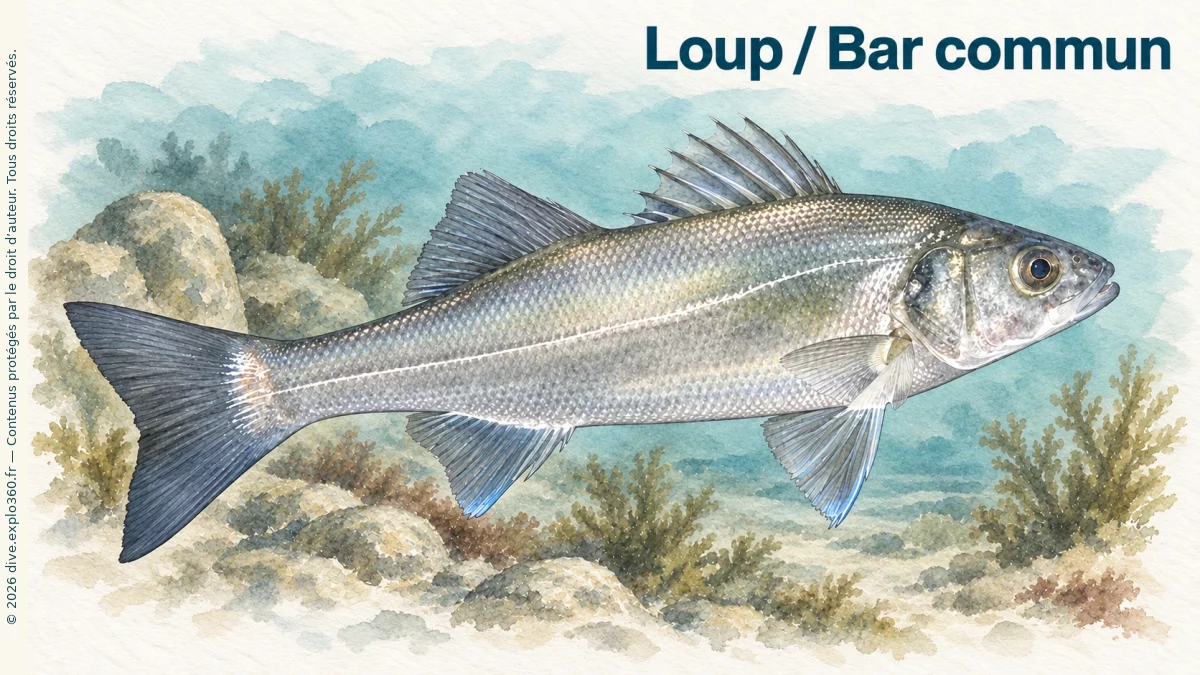 Species guidesEuropean seabassDiscover →
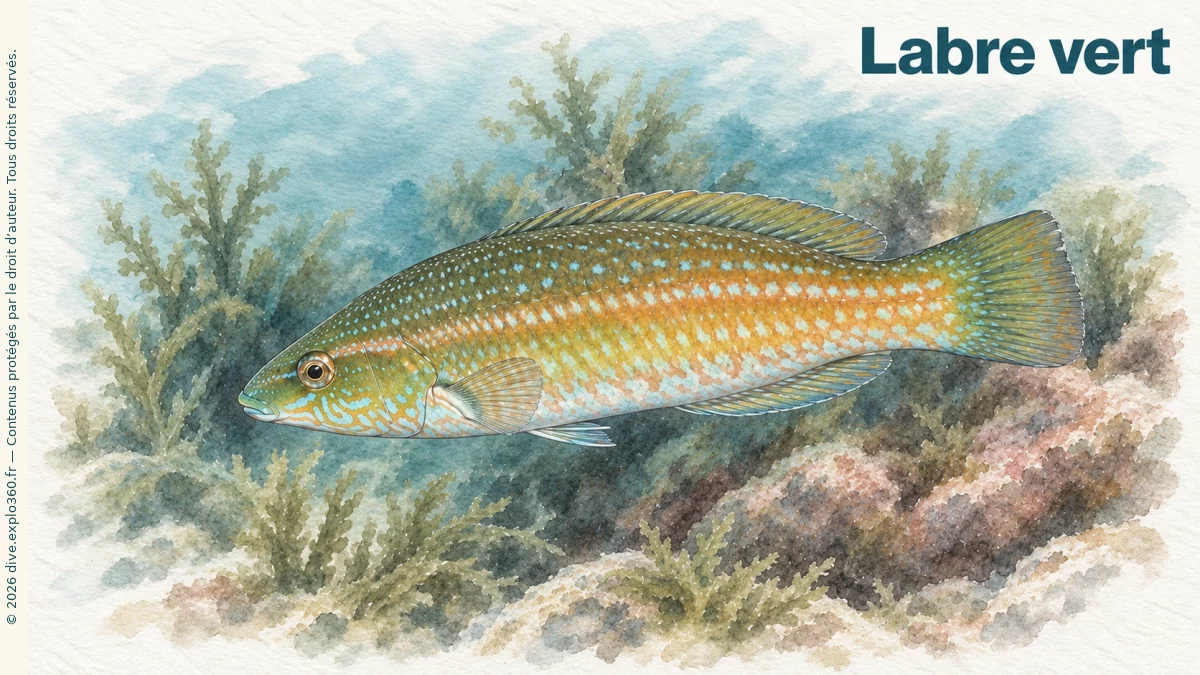 Species guidesGreen wrasseDiscover →
View the other 114 species guides
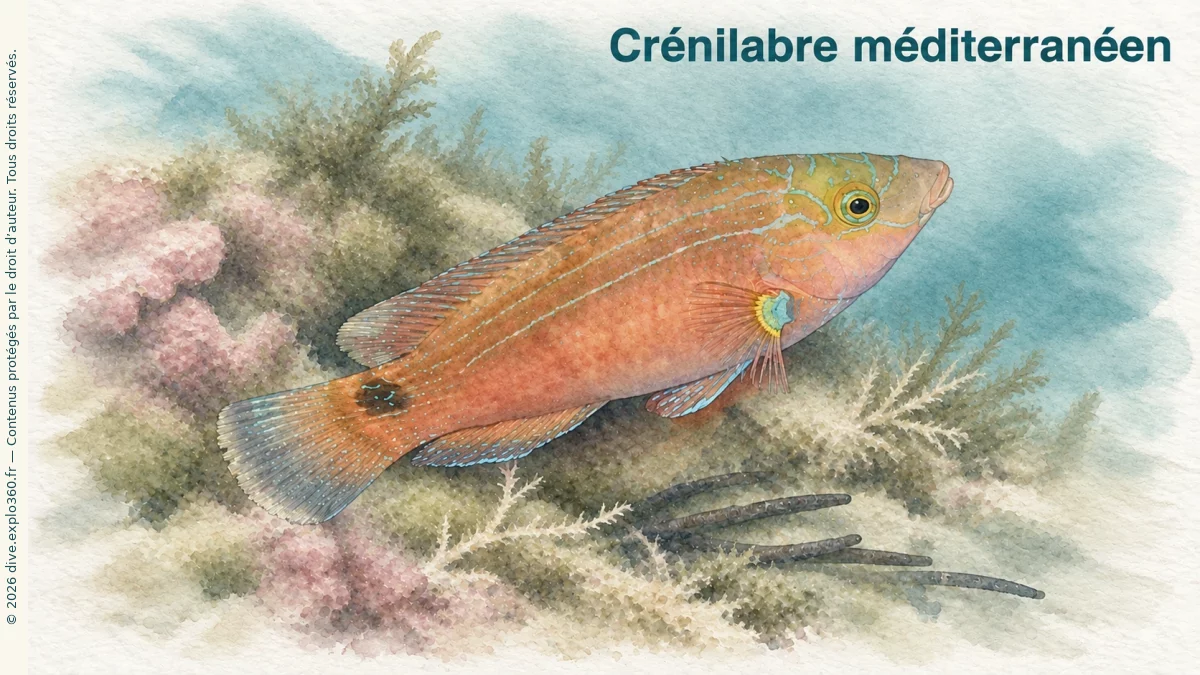 Species guidesAxillary wrasseDiscover →
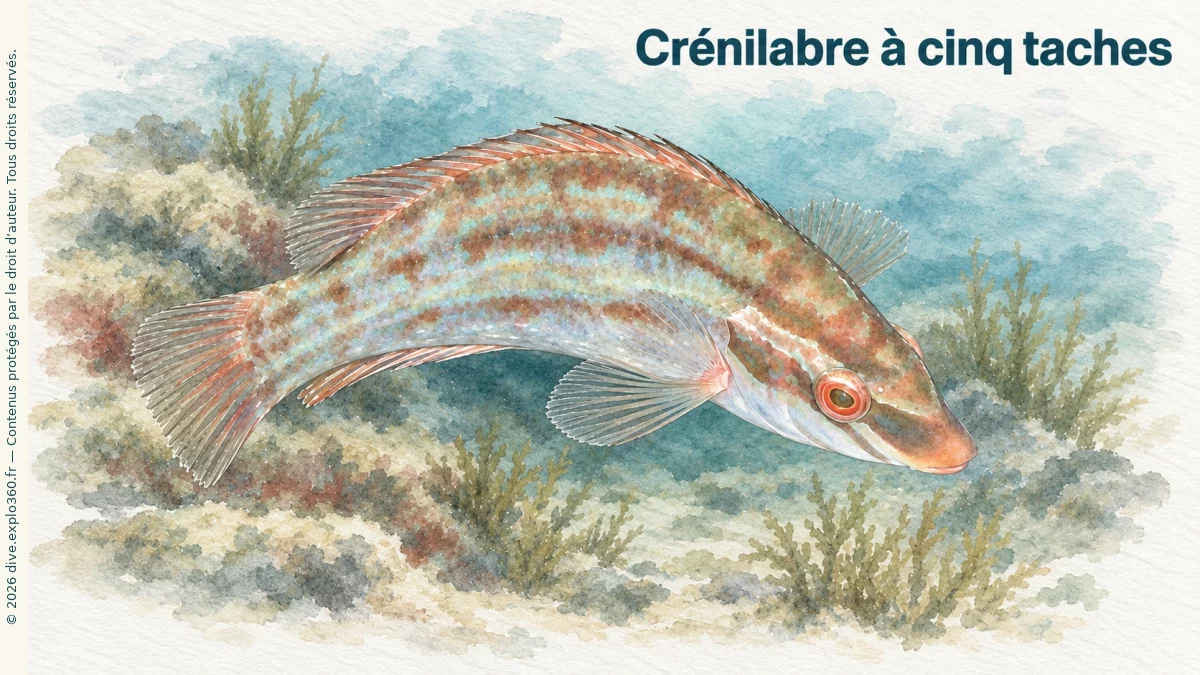 Species guidesFive-spotted wrasseDiscover →
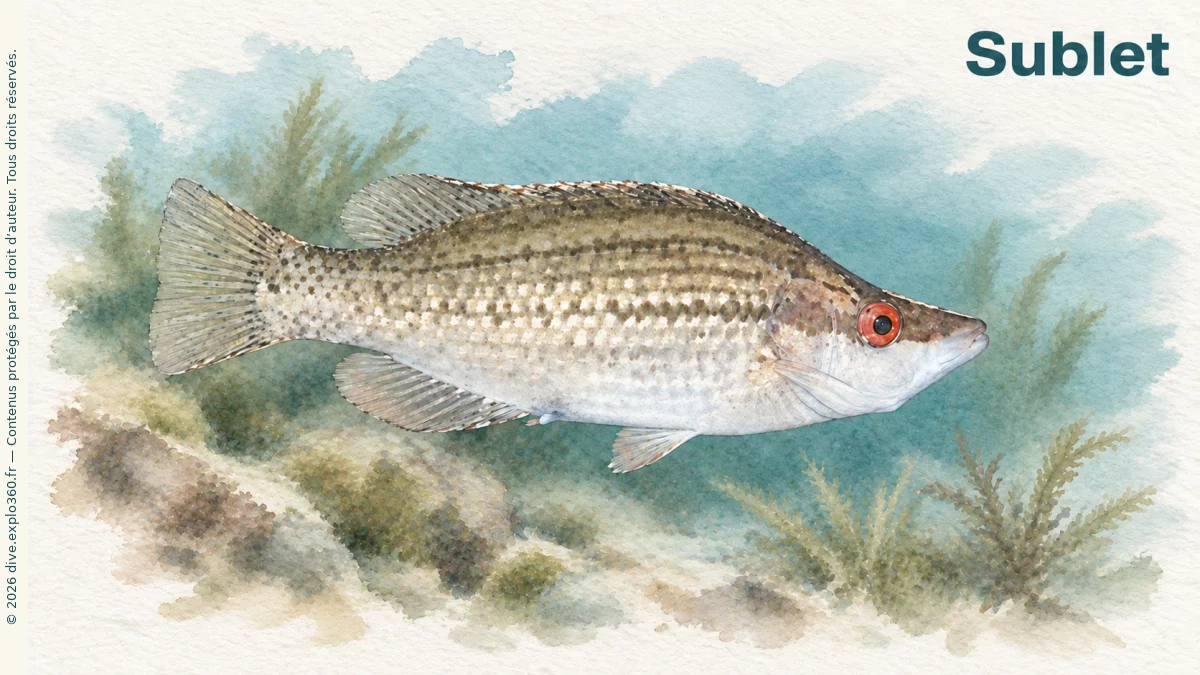 Species guidesLong-snouted wrasseDiscover →
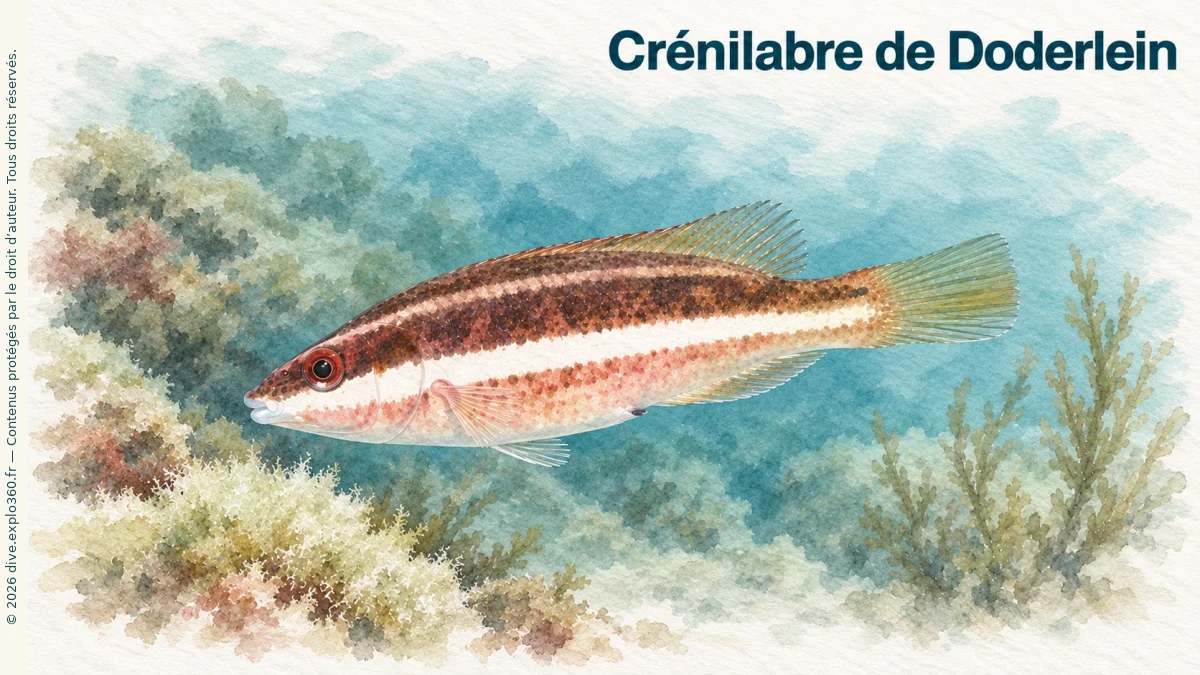 Species guidesLong-striped wrasseDiscover →
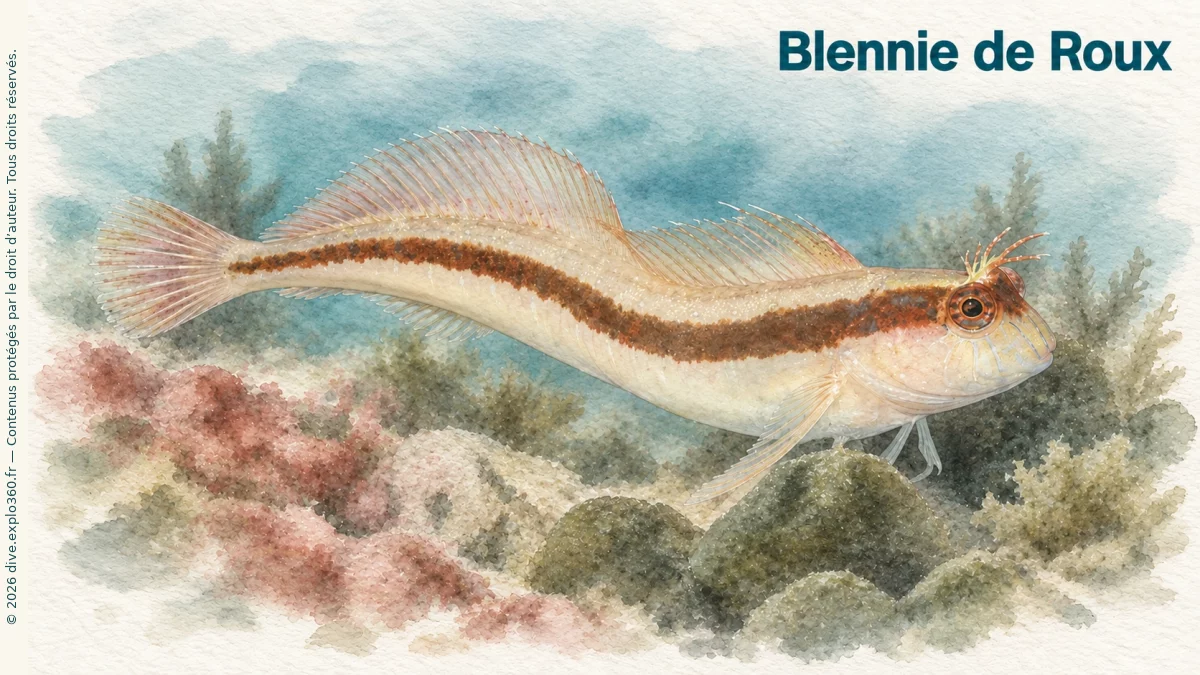 Species guidesLong-striped blennyDiscover →
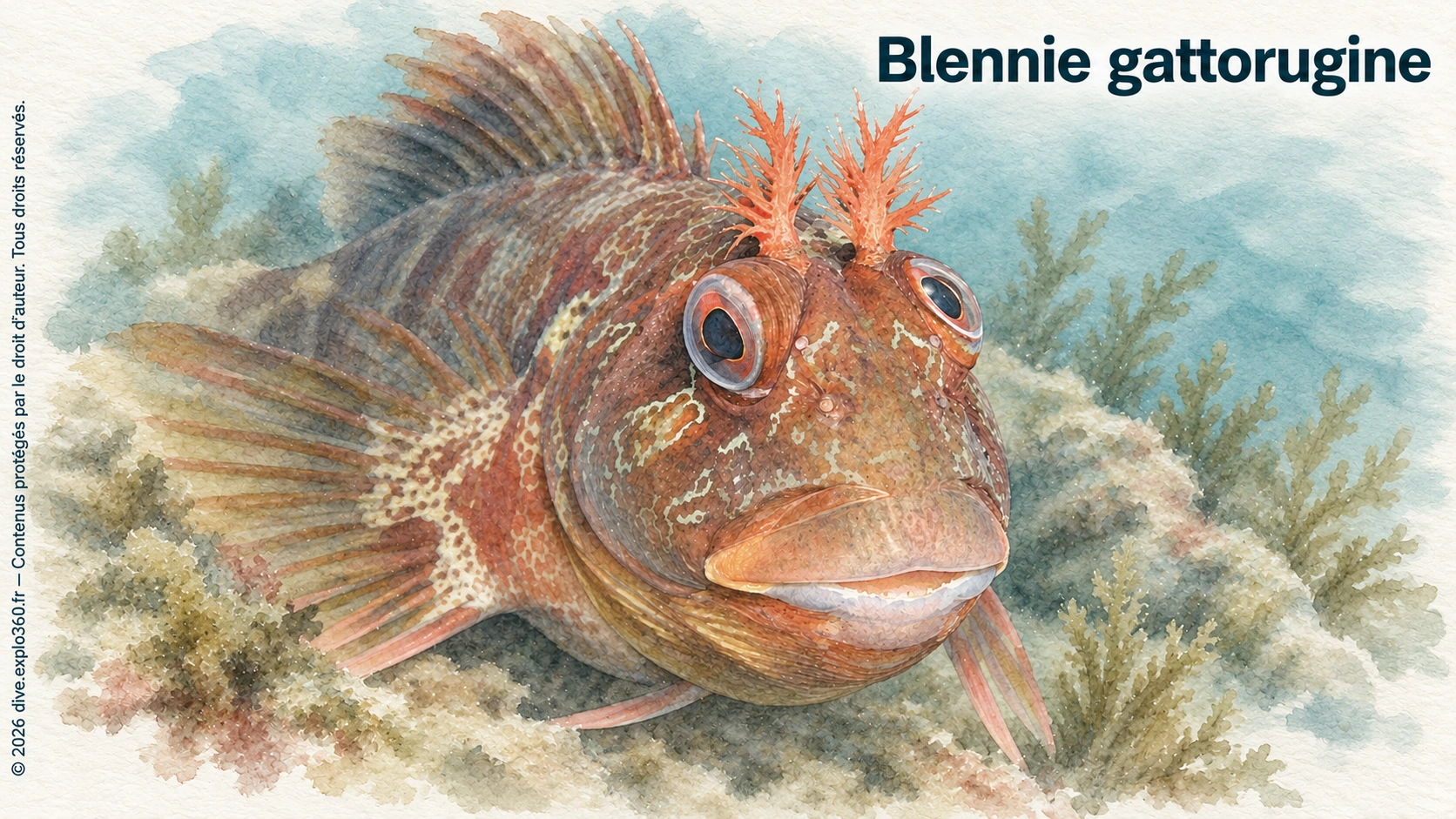 Species guidesTompot blennyDiscover →
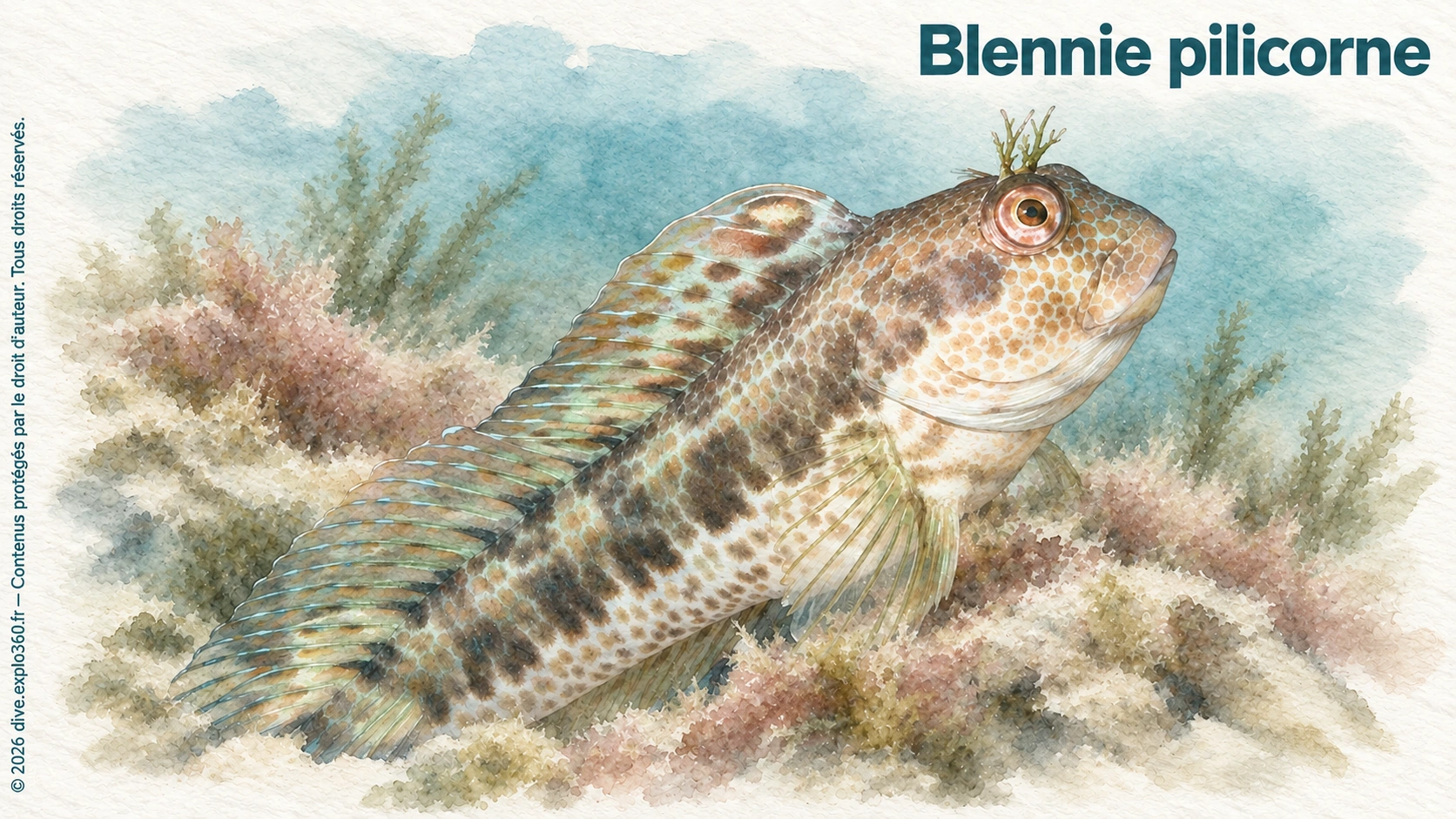 Species guidesRingneck blennyDiscover →
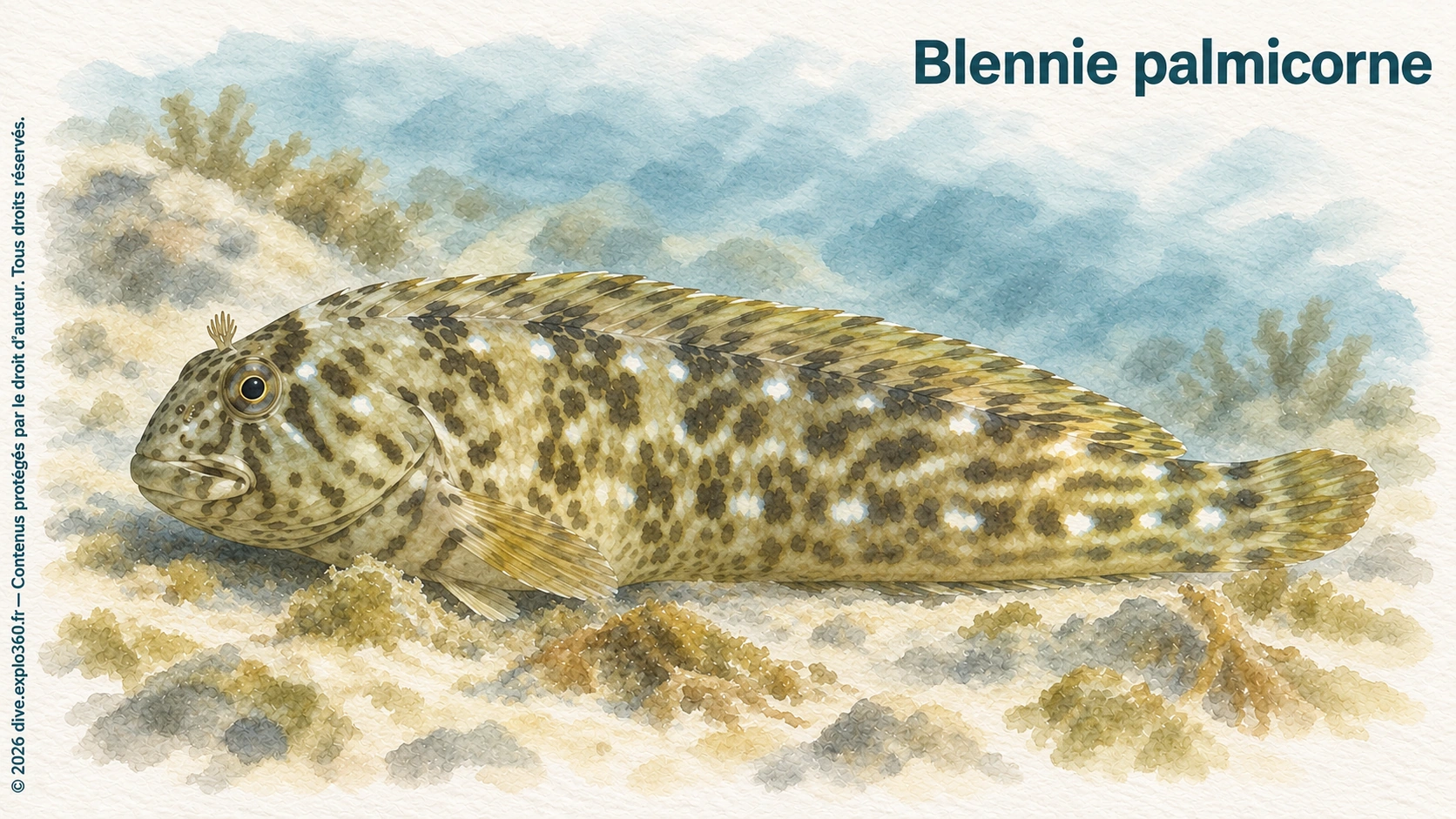 Species guidesRusty blennyDiscover →
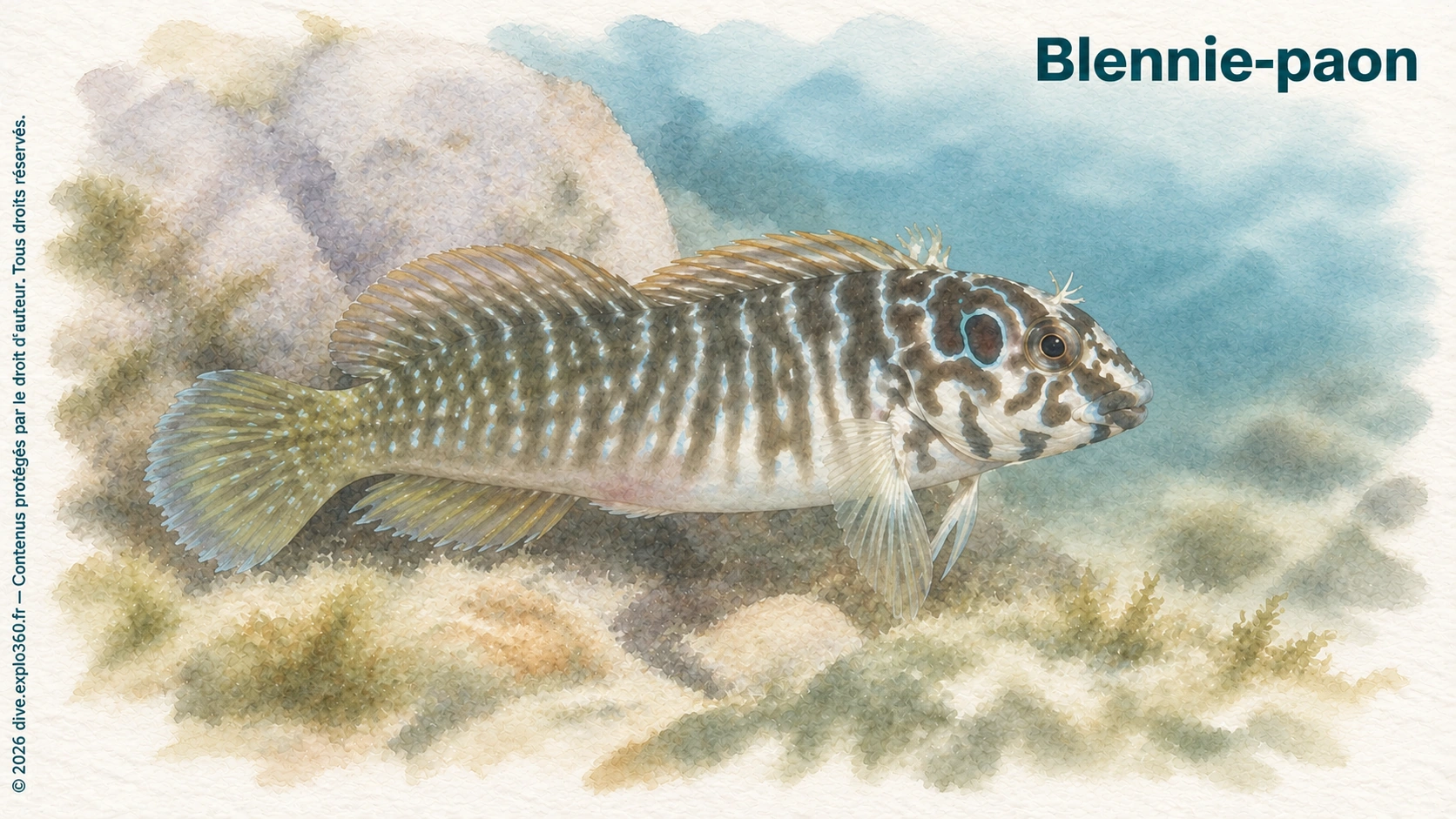 Species guidesPeacock blennyDiscover →
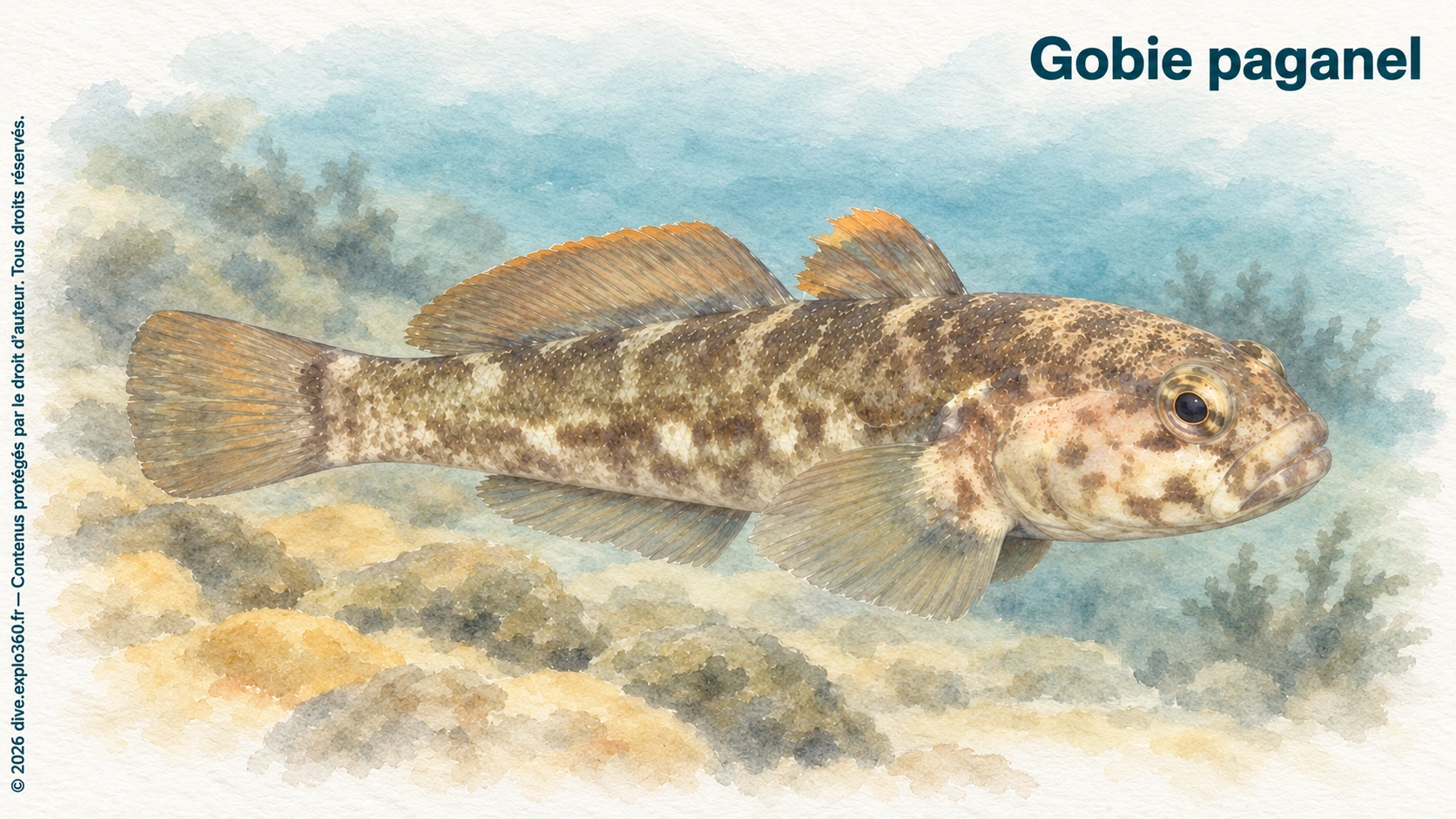 Species guidesRock gobyDiscover →
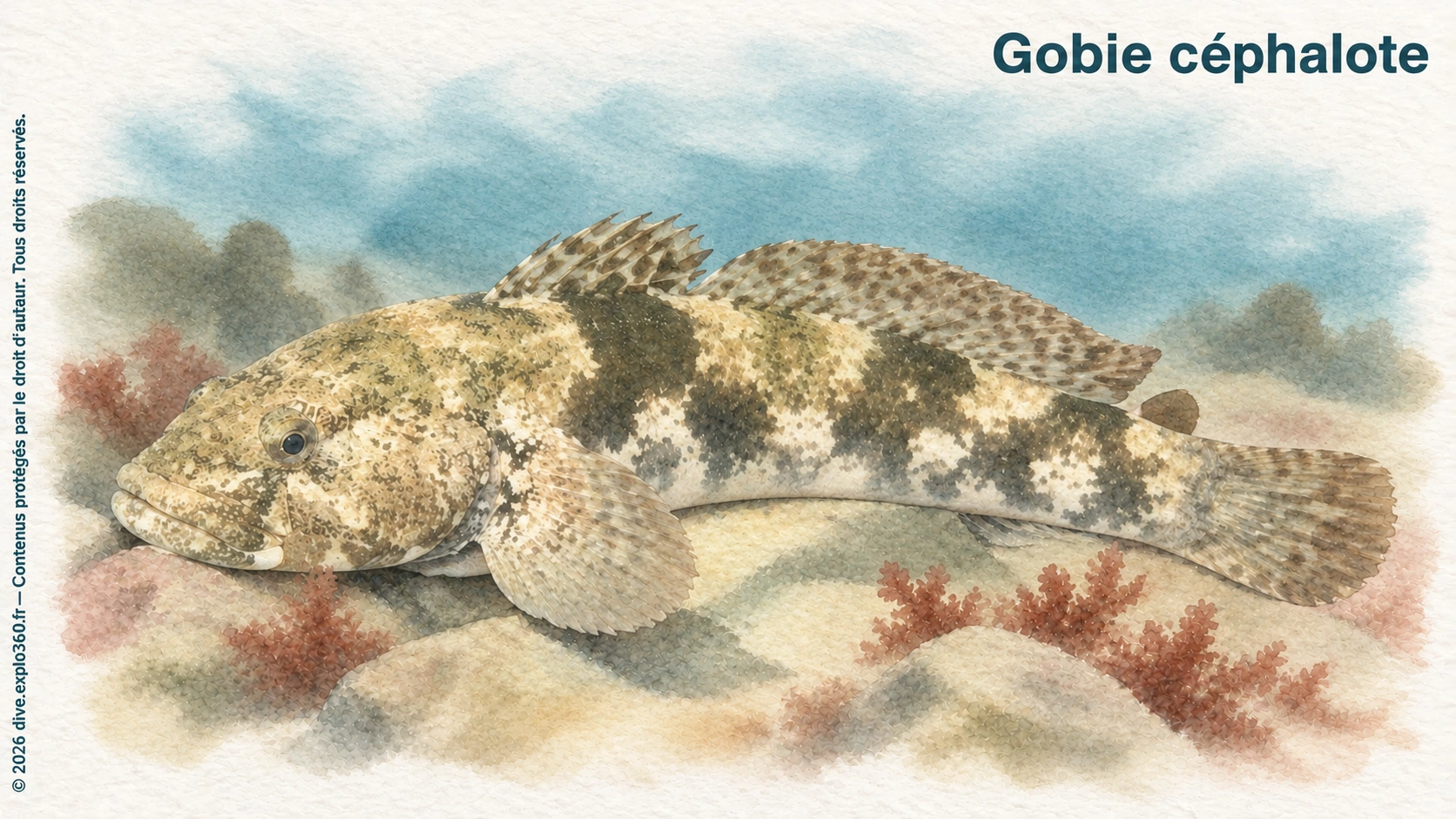 Species guidesGiant gobyDiscover →
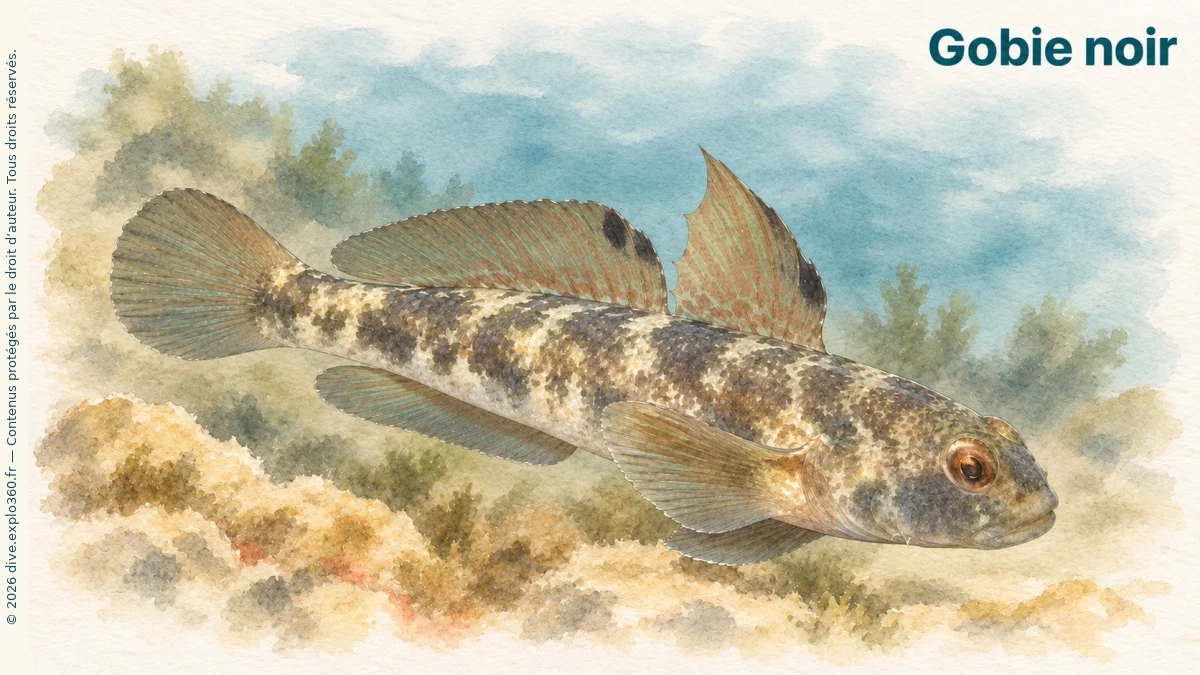 Species guidesBlack gobyDiscover →
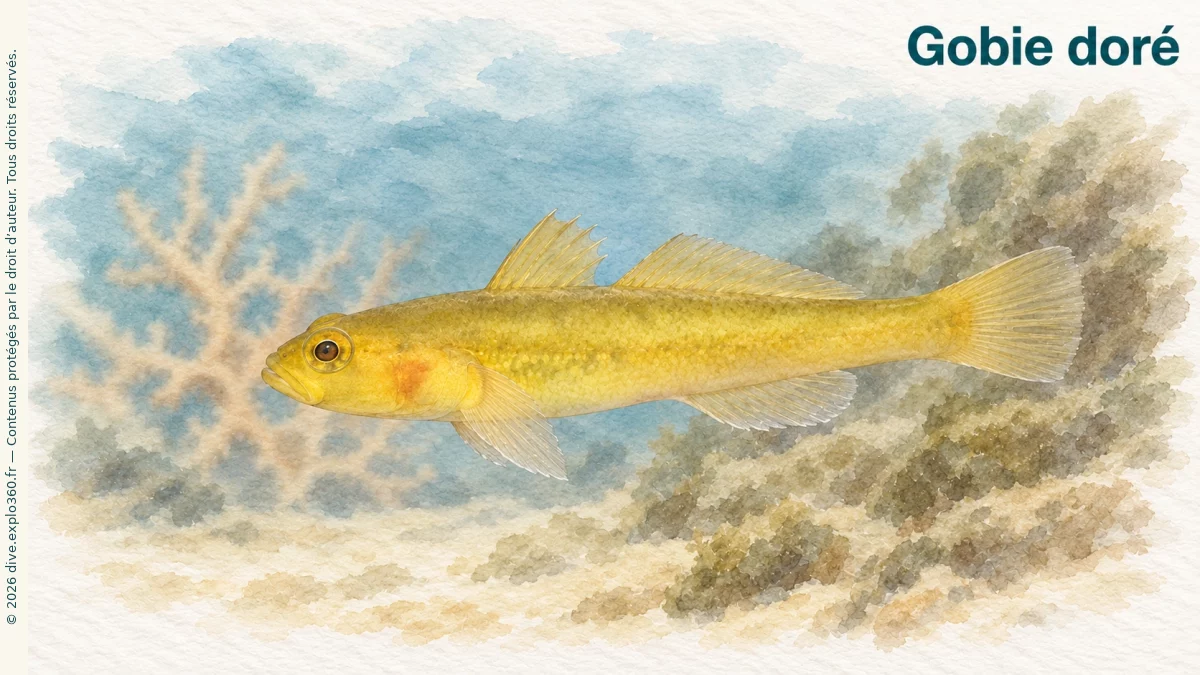 Species guidesGolden gobyDiscover →
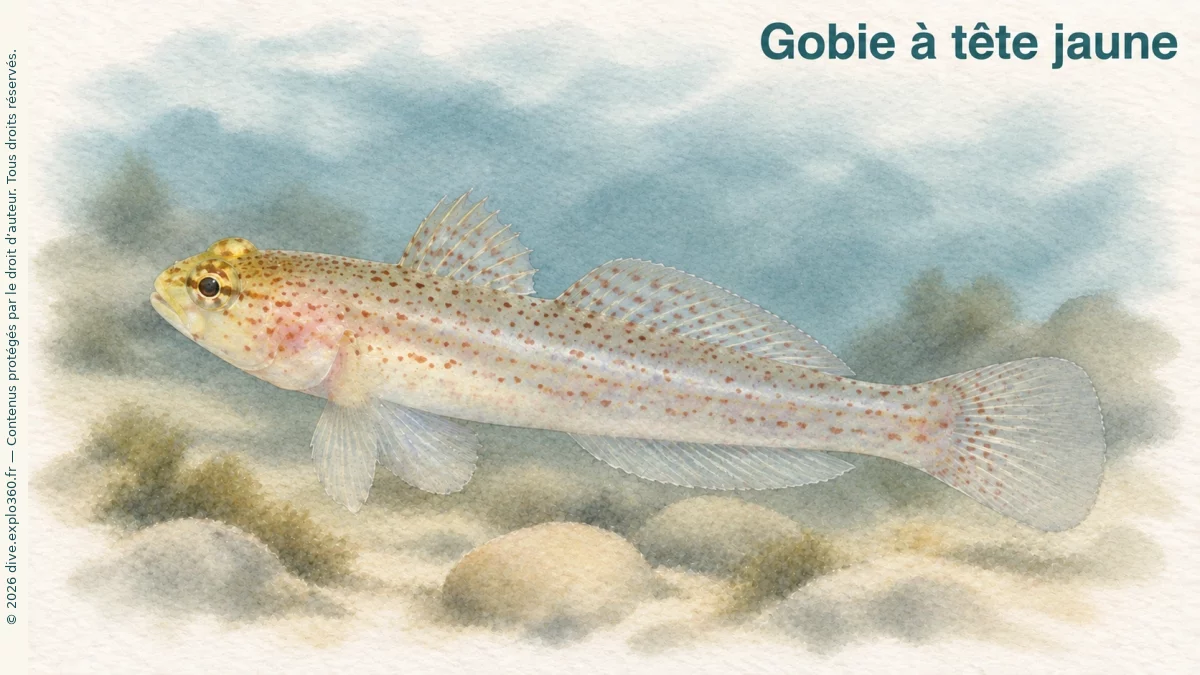 Species guidesYellow-headed gobyDiscover →
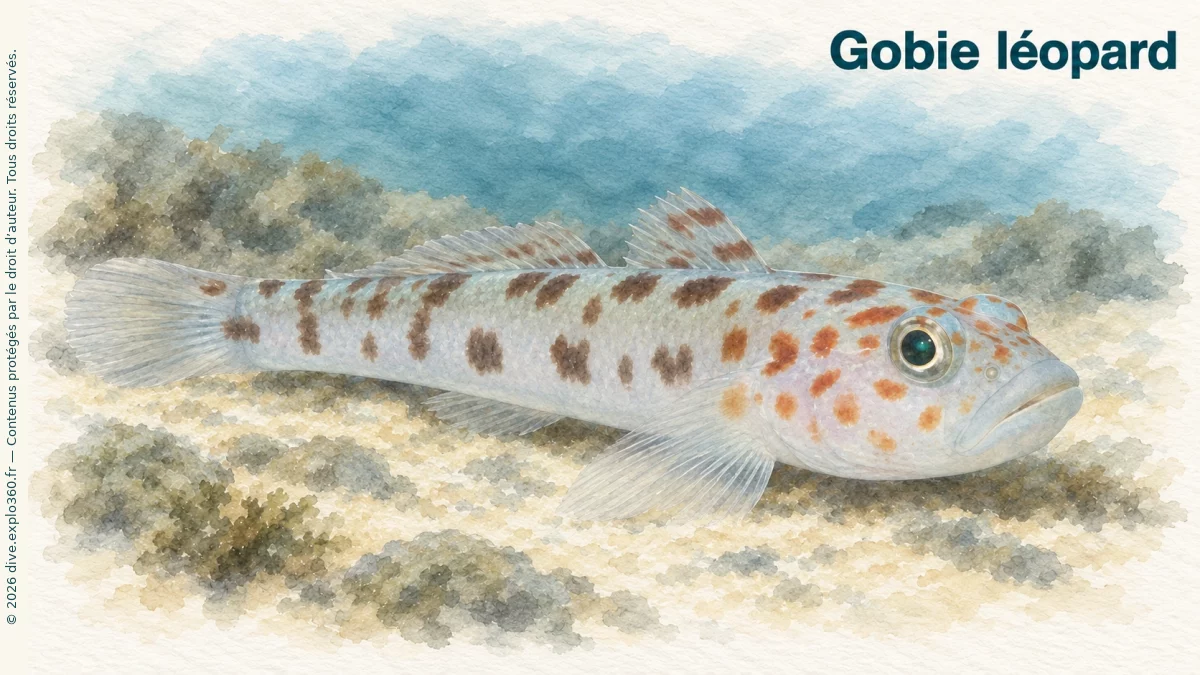 Species guidesLeopard-spotted gobyDiscover →
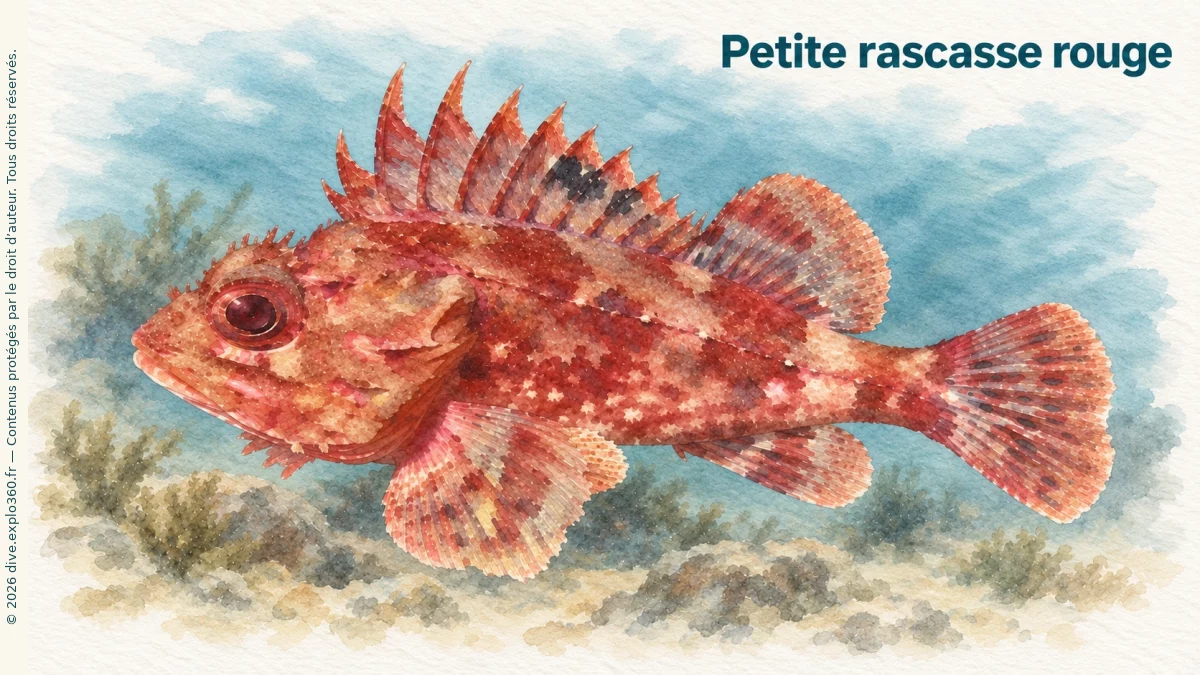 Species guidesSmall red scorpionfishDiscover →
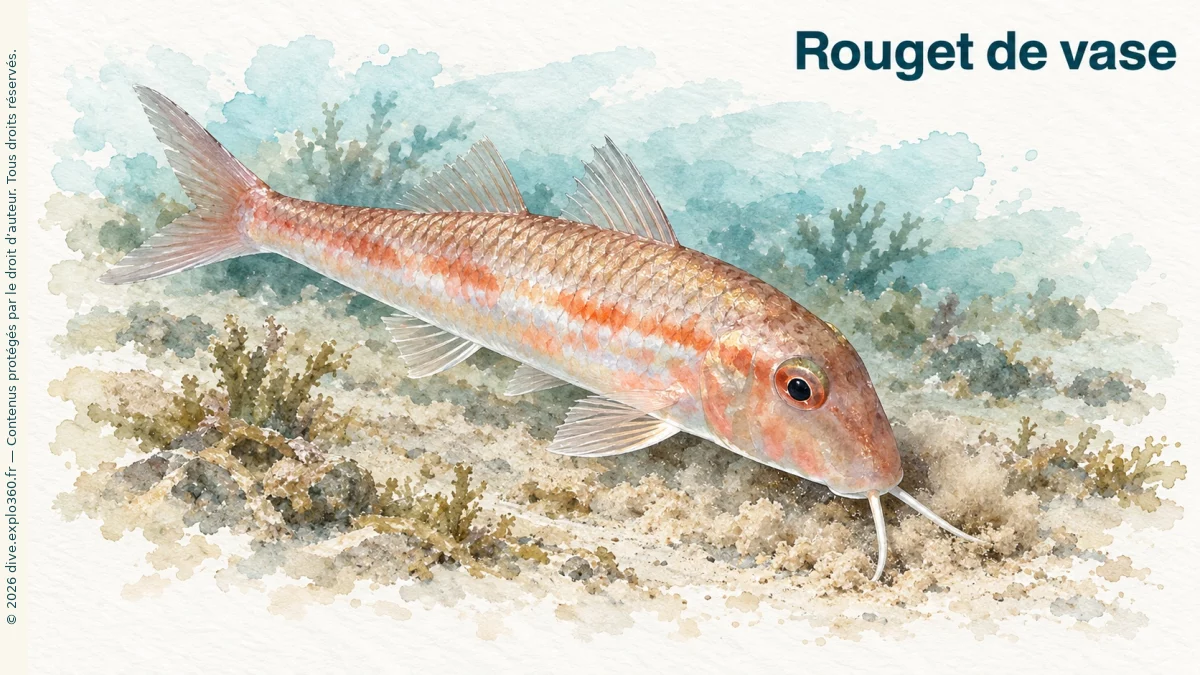 Species guidesRed mulletDiscover →
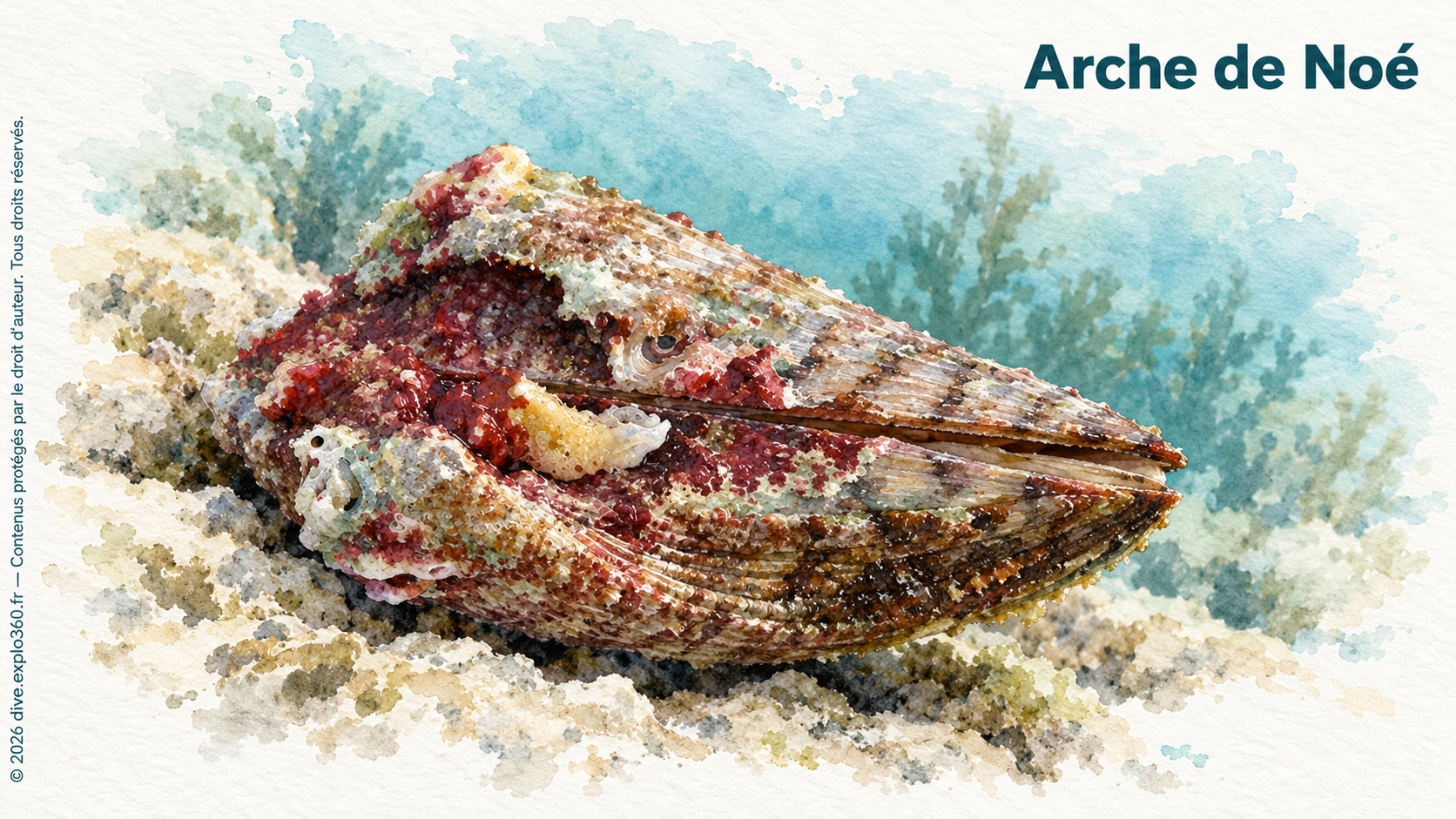 Species guidesNoah’s ark shellDiscover →
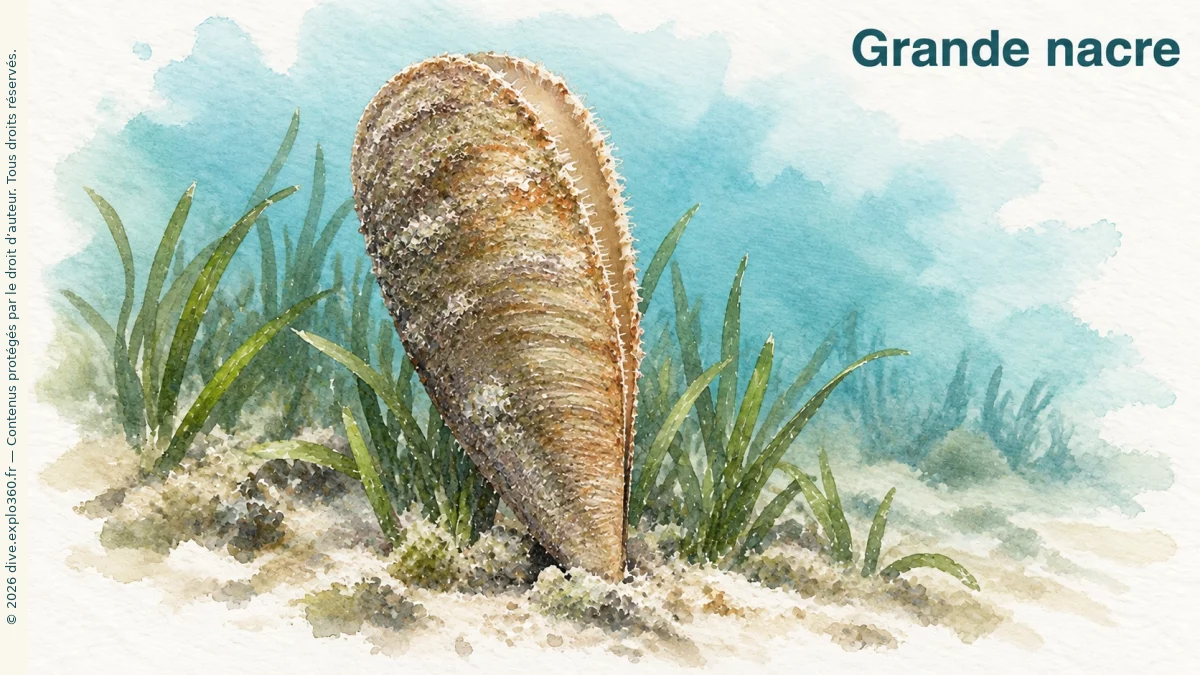 Species guidesFan musselDiscover →
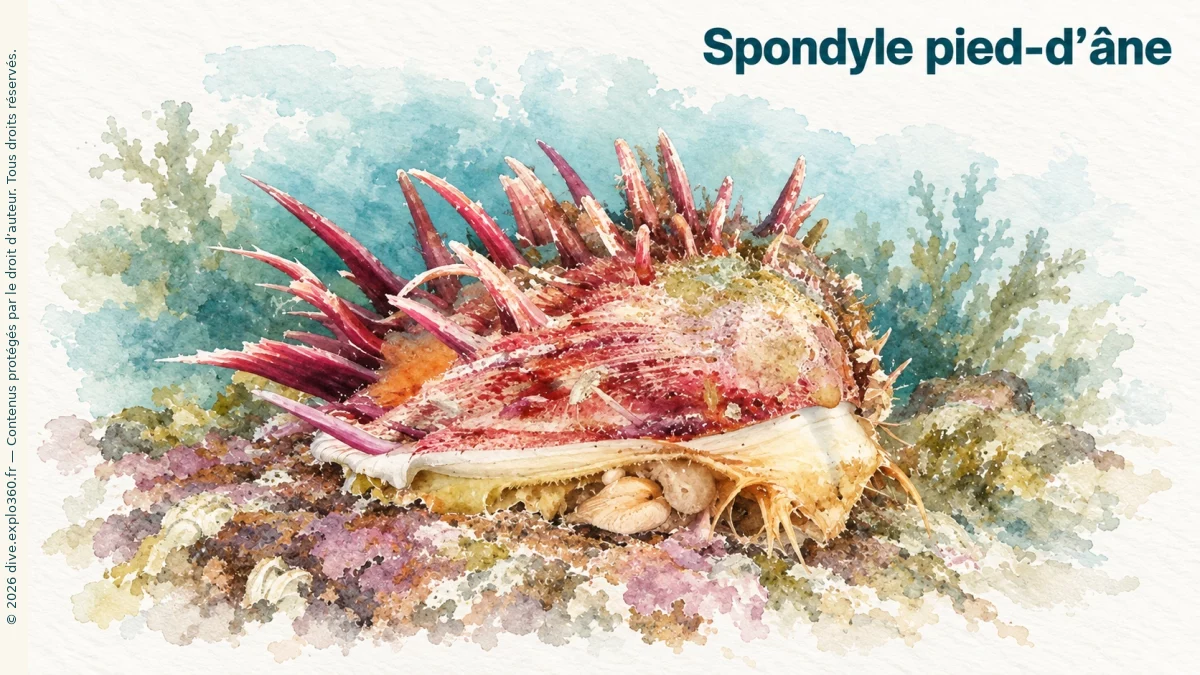 Species guidesEuropean thorny oysterDiscover →
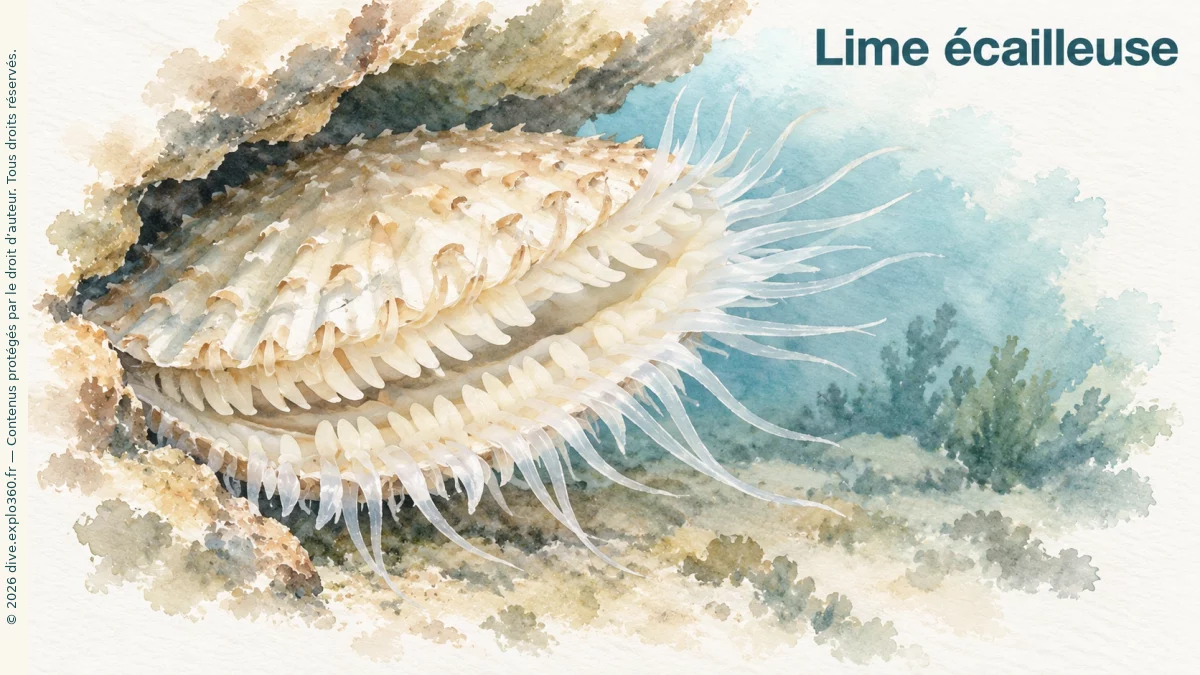 Species guidesScaly file shellDiscover →
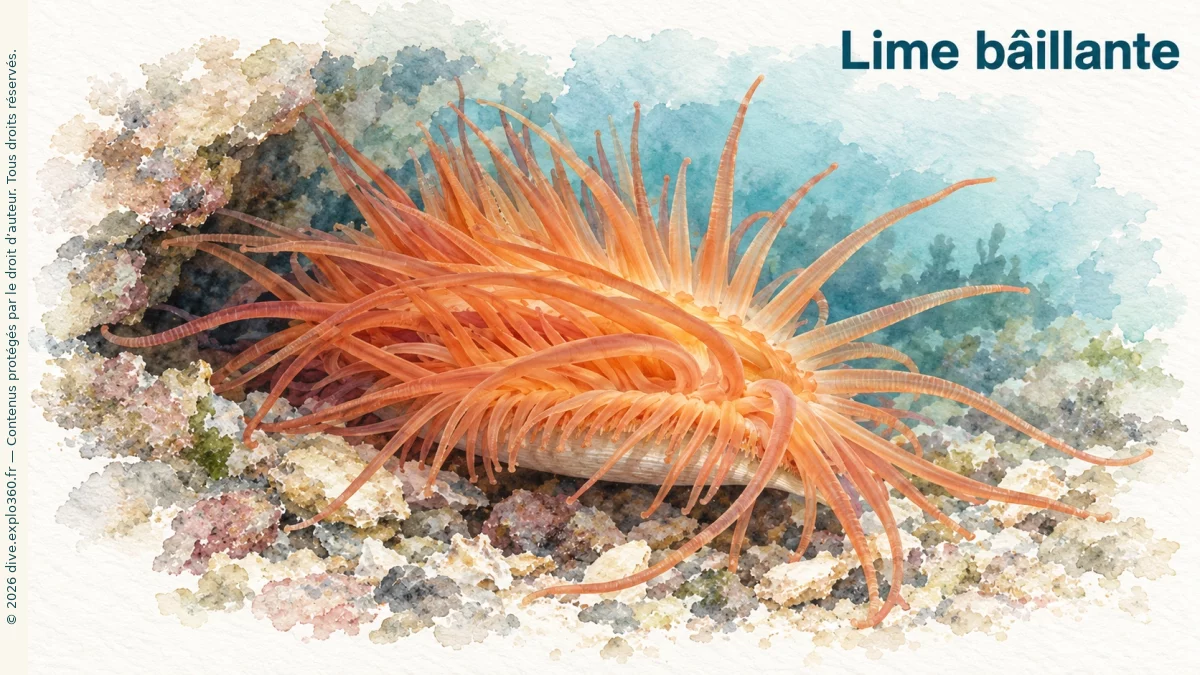 Species guidesFlame shellDiscover →
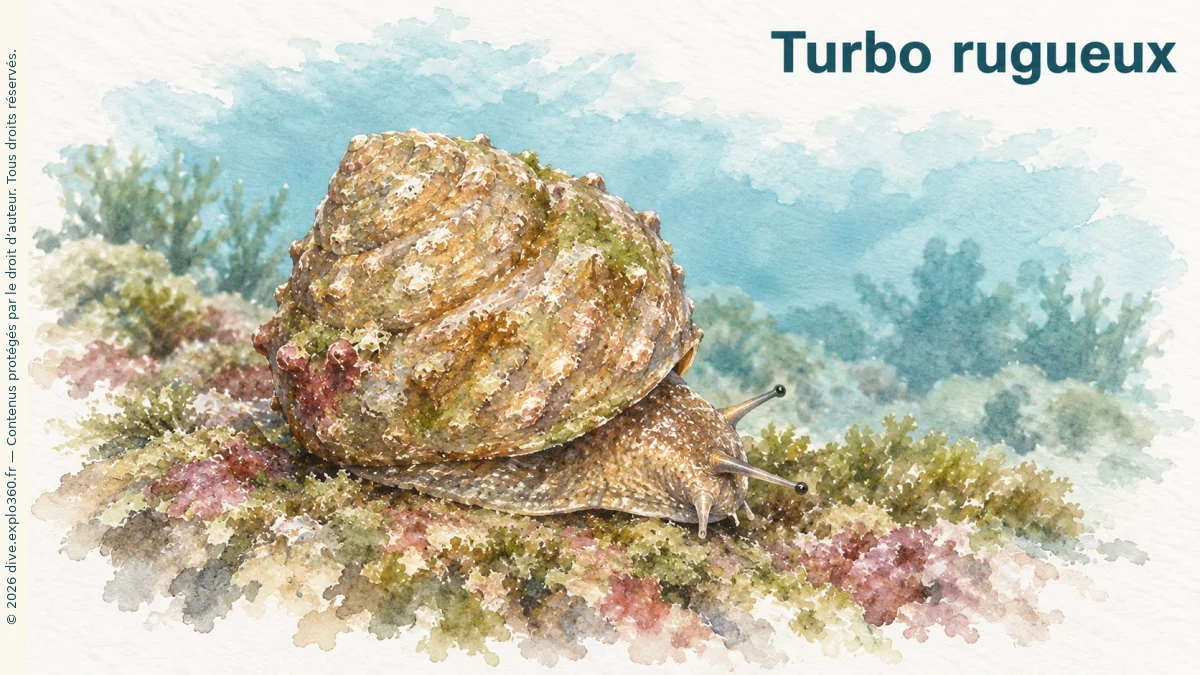 Species guidesRough turboDiscover →
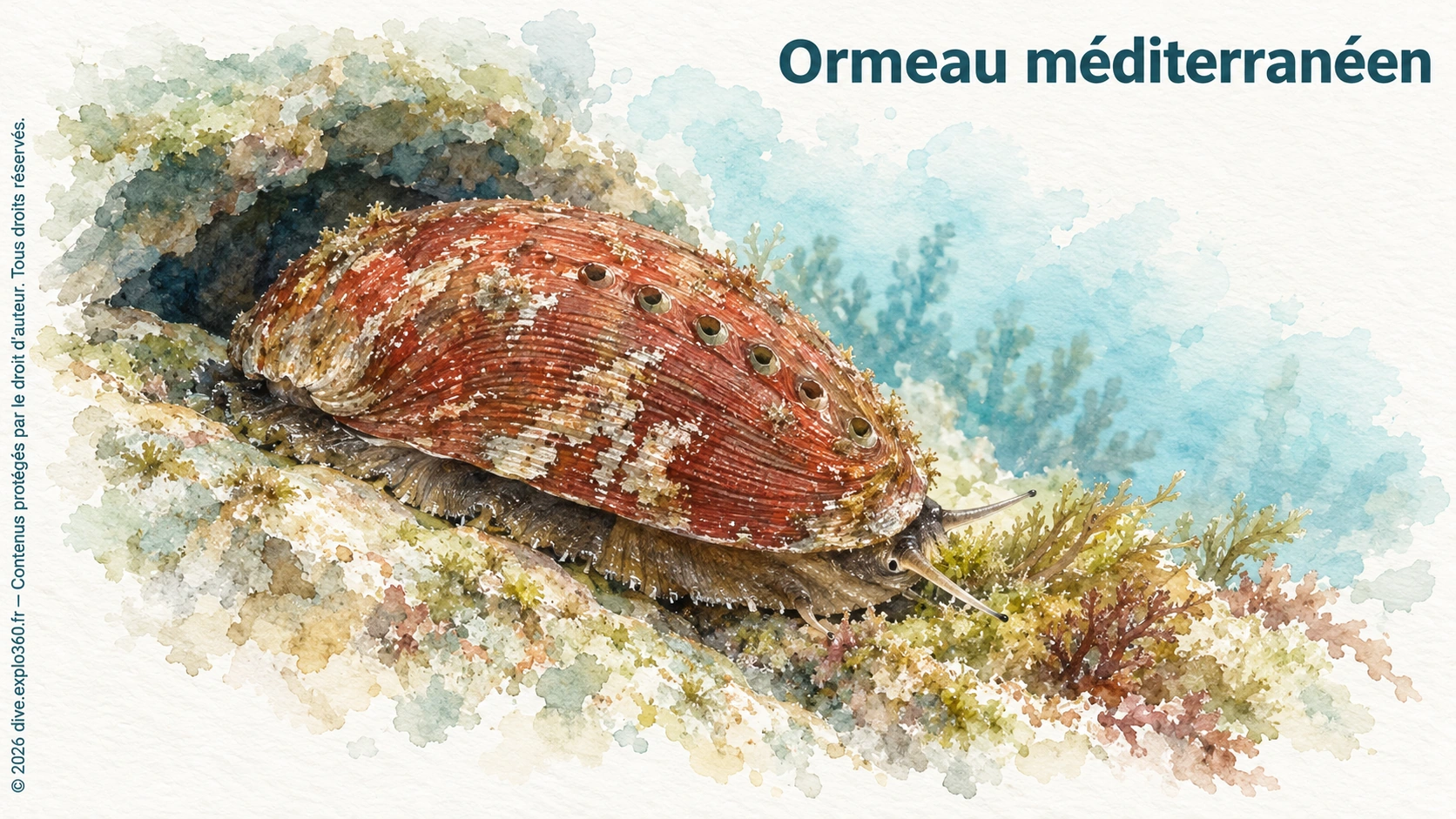 Species guidesGreen ormerDiscover →
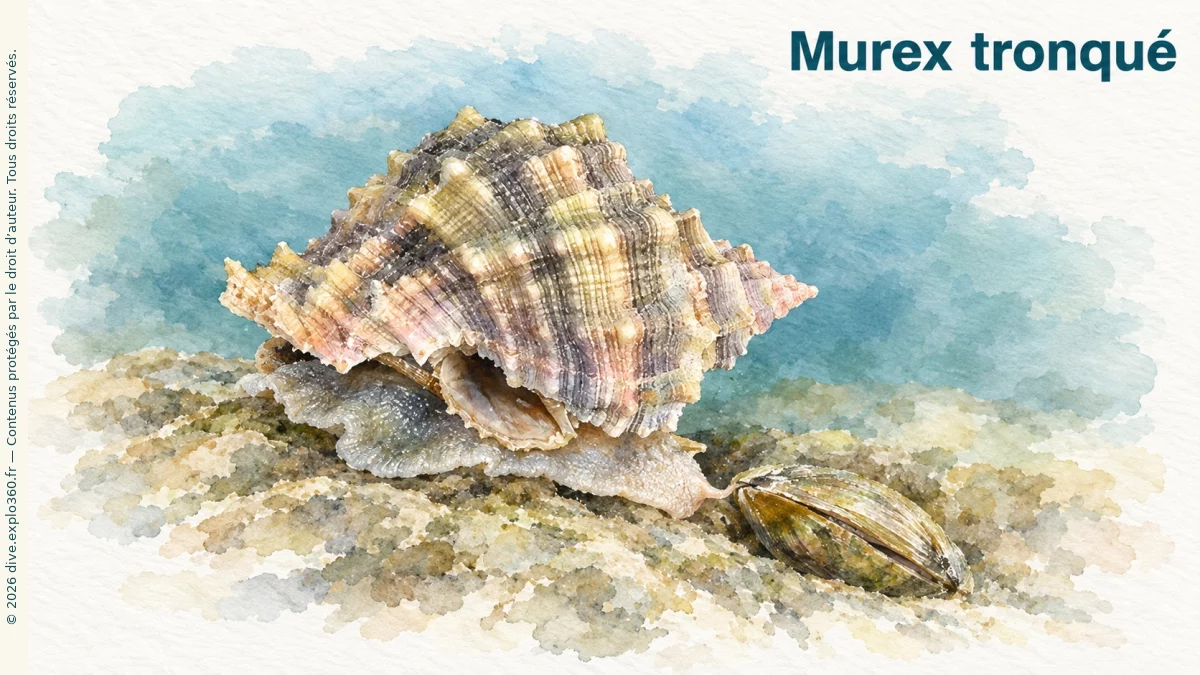 Species guidesBanded murexDiscover →
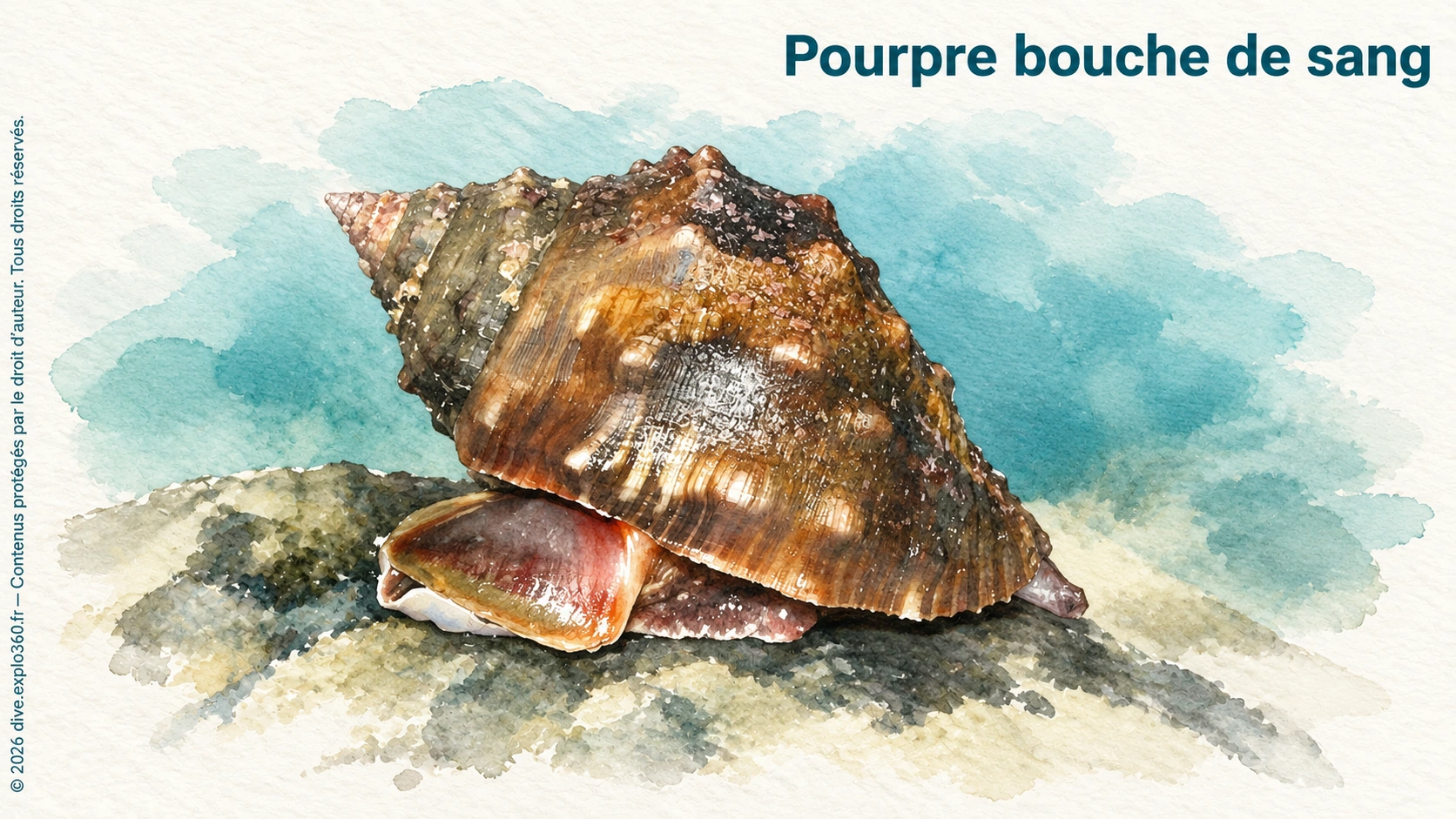 Species guidesRed-mouthed rock shellDiscover →
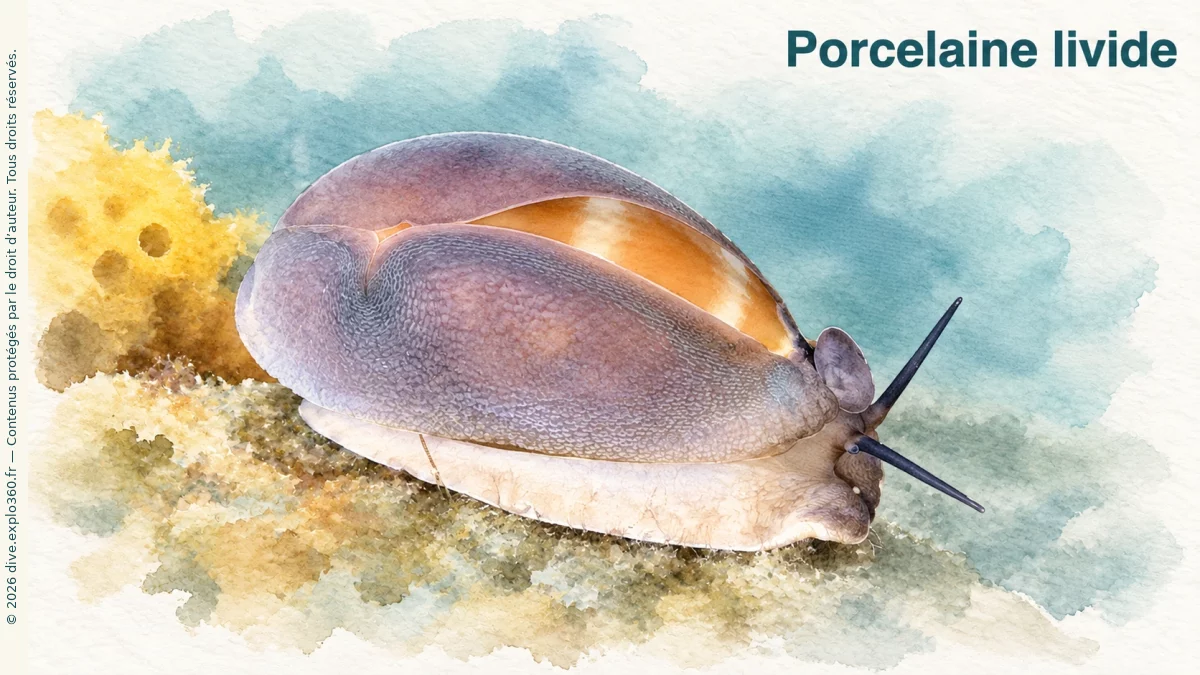 Species guidesLurid cowrieDiscover →
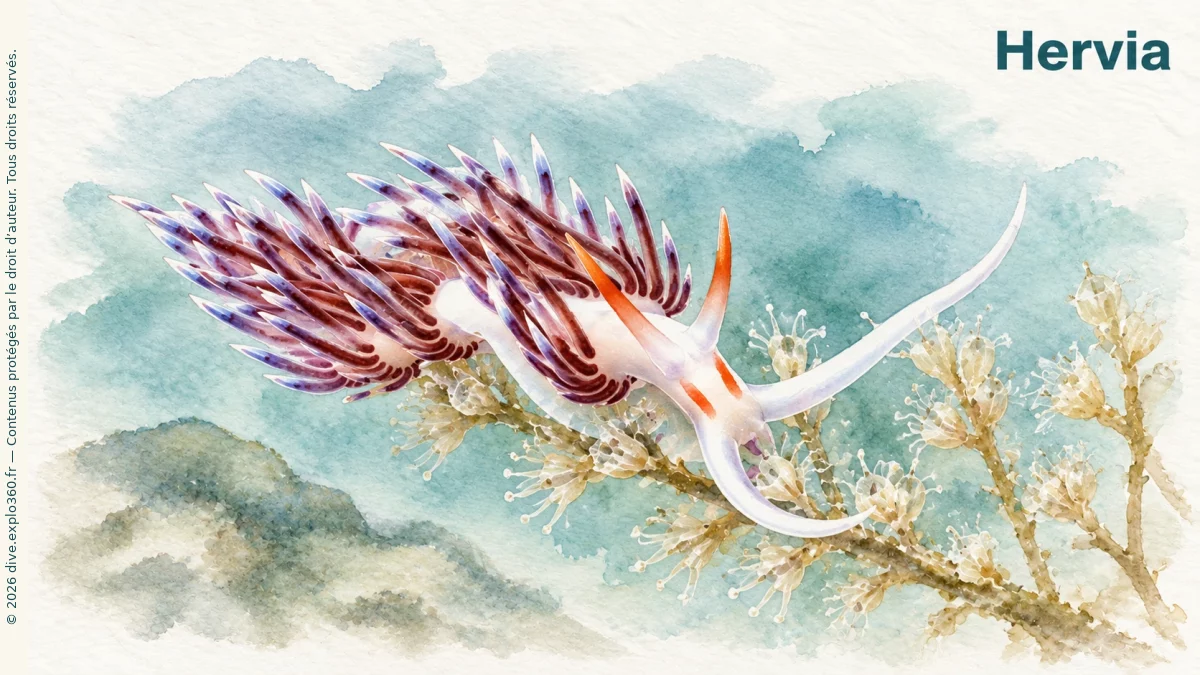 Species guidesPilgrim herviaDiscover →
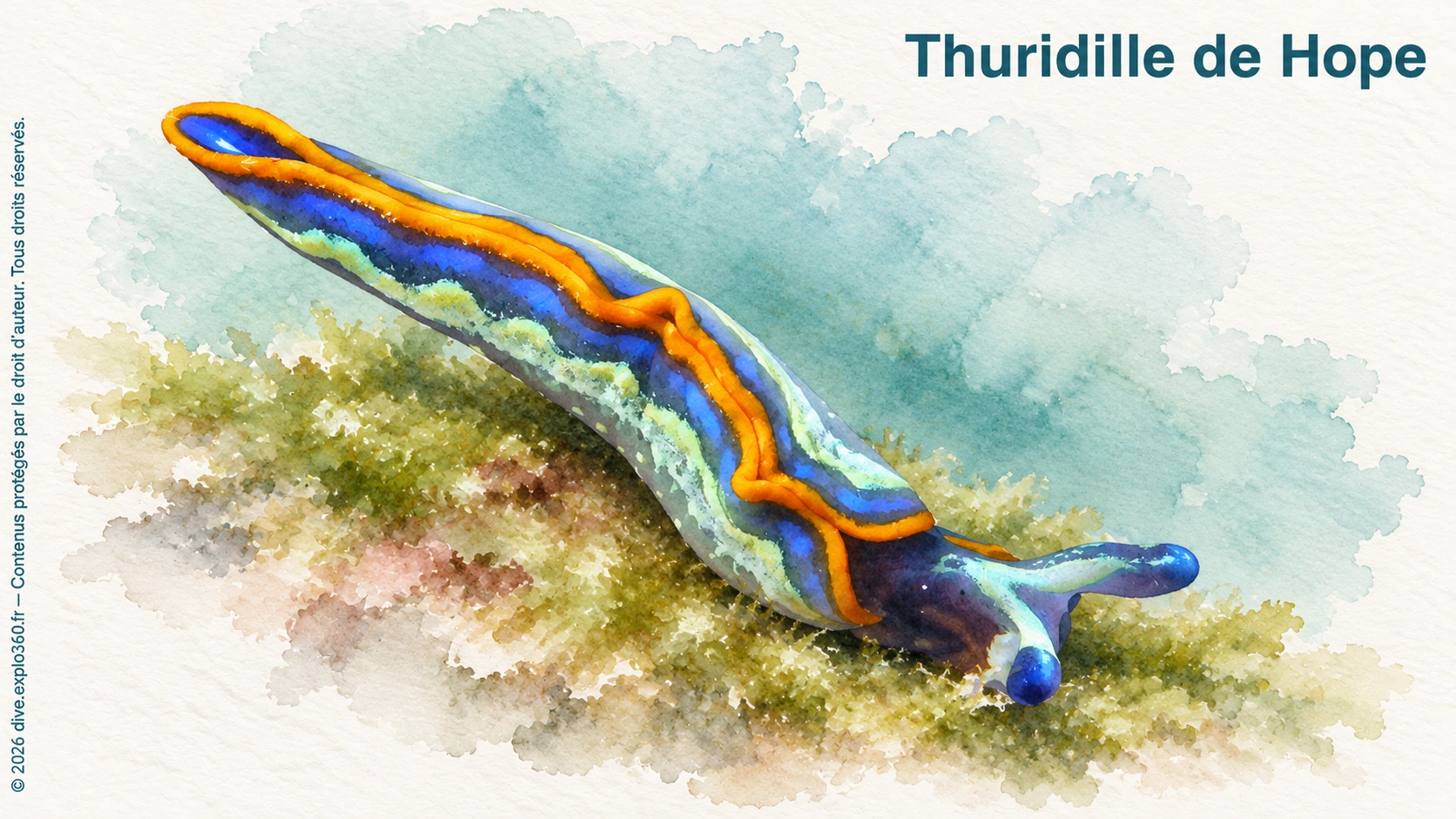 Species guidesHope’s elysiaDiscover →
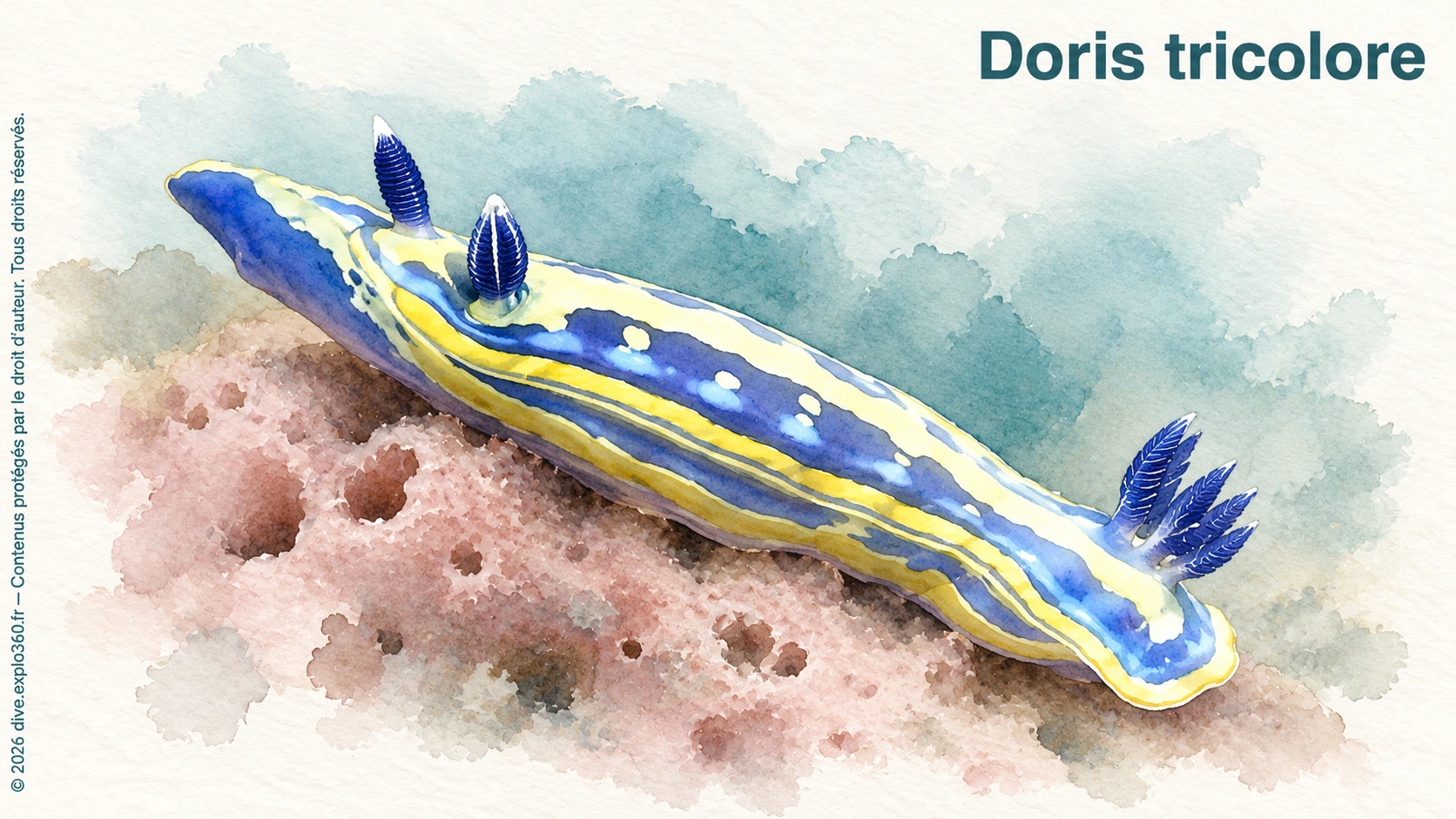 Species guidesTricolour dorisDiscover →
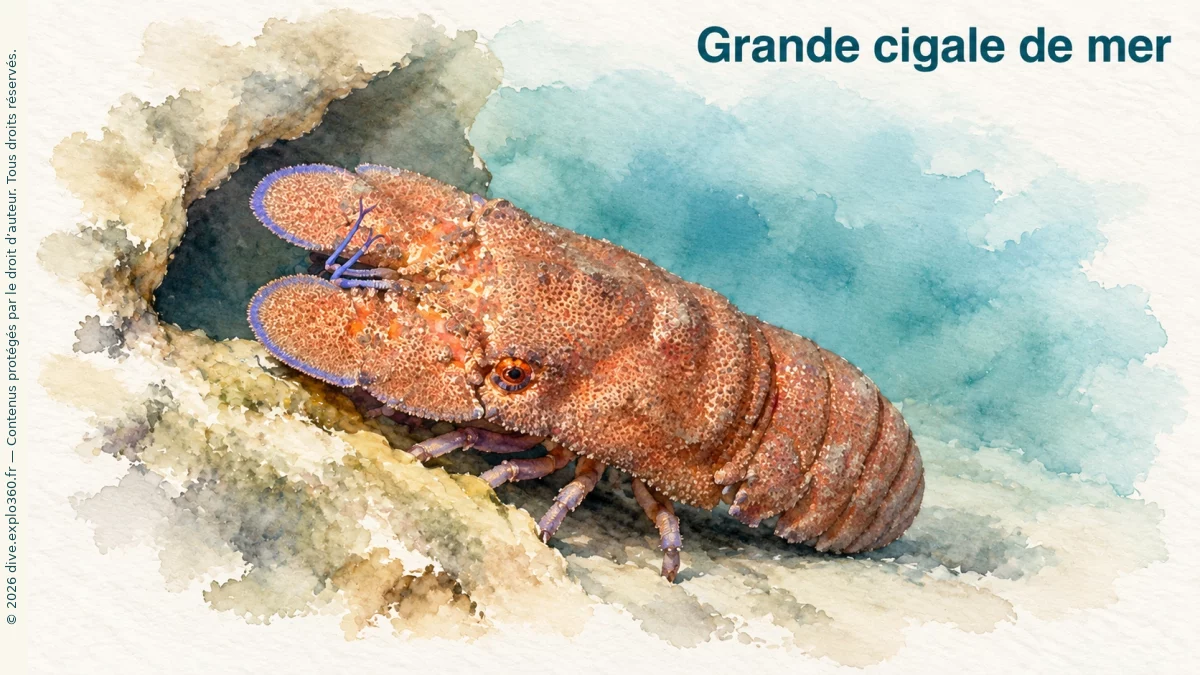 Species guidesMediterranean slipper lobsterDiscover →
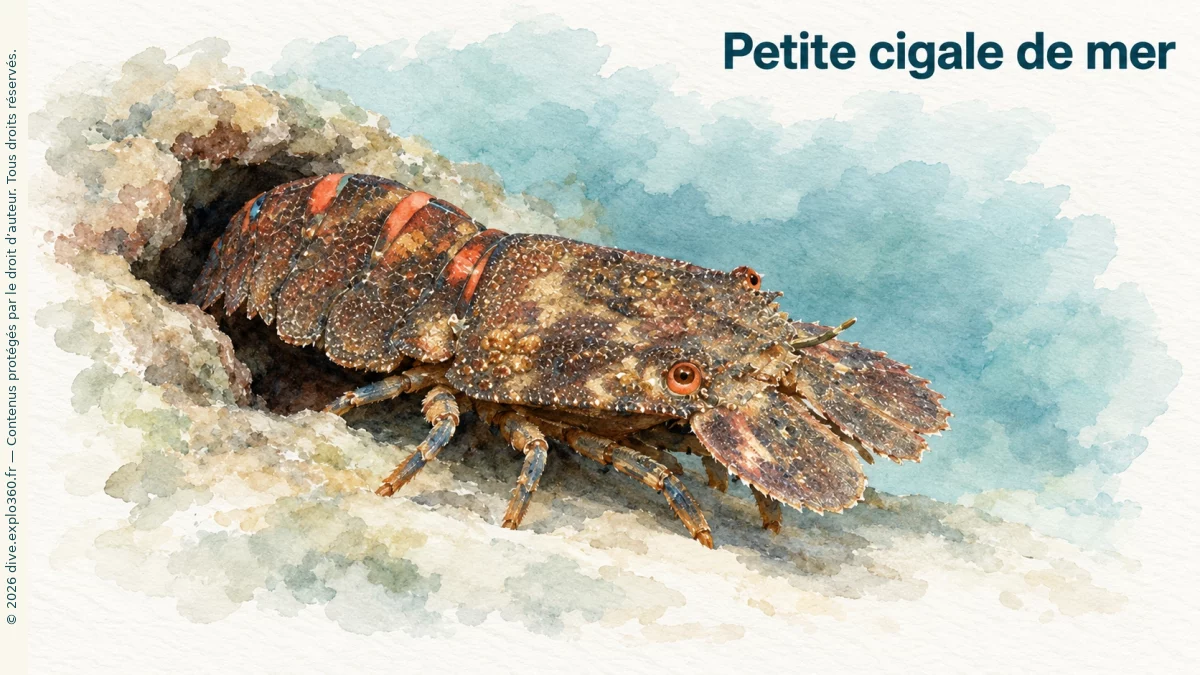 Species guidesSmall European locust lobsterDiscover →
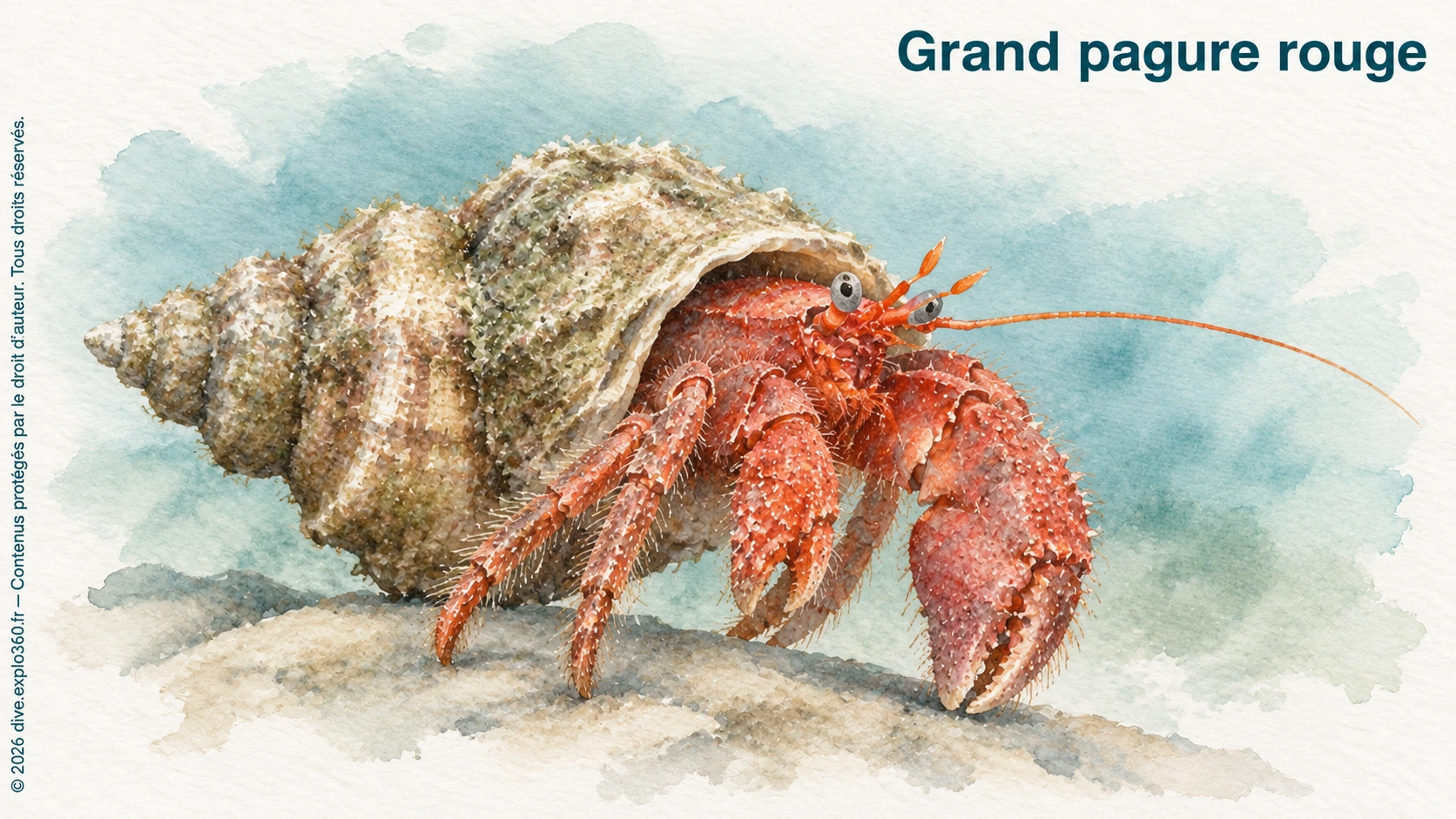 Species guidesRed hermit crabDiscover →
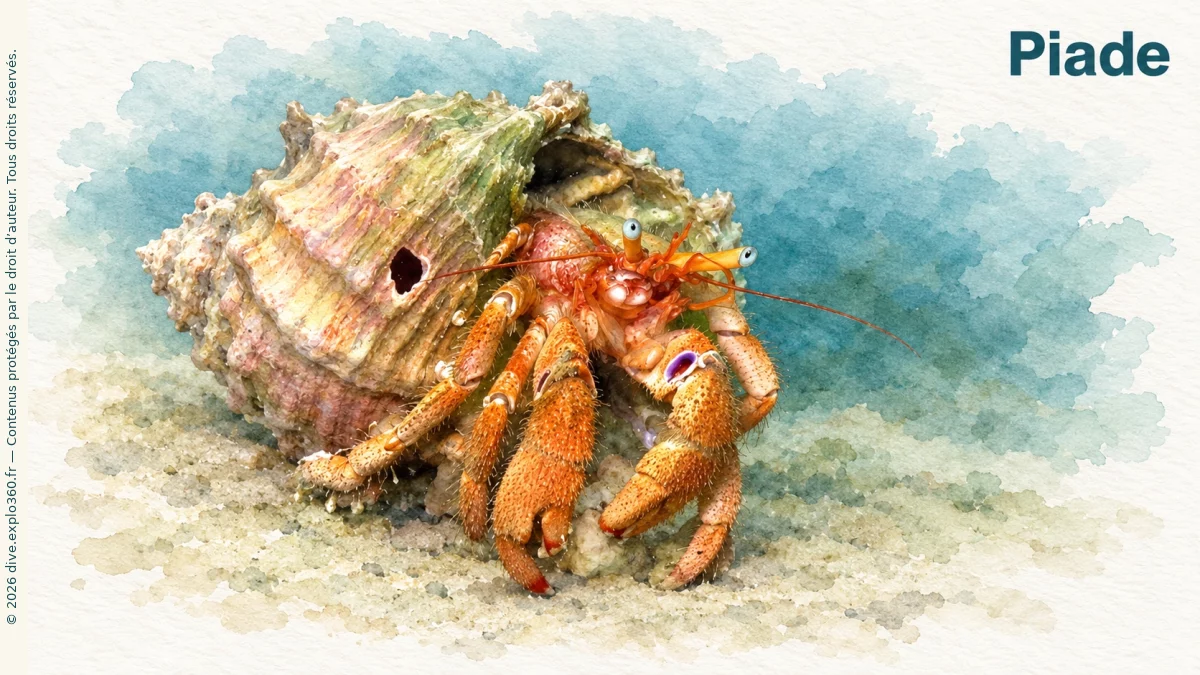 Species guidesHermit crabDiscover →
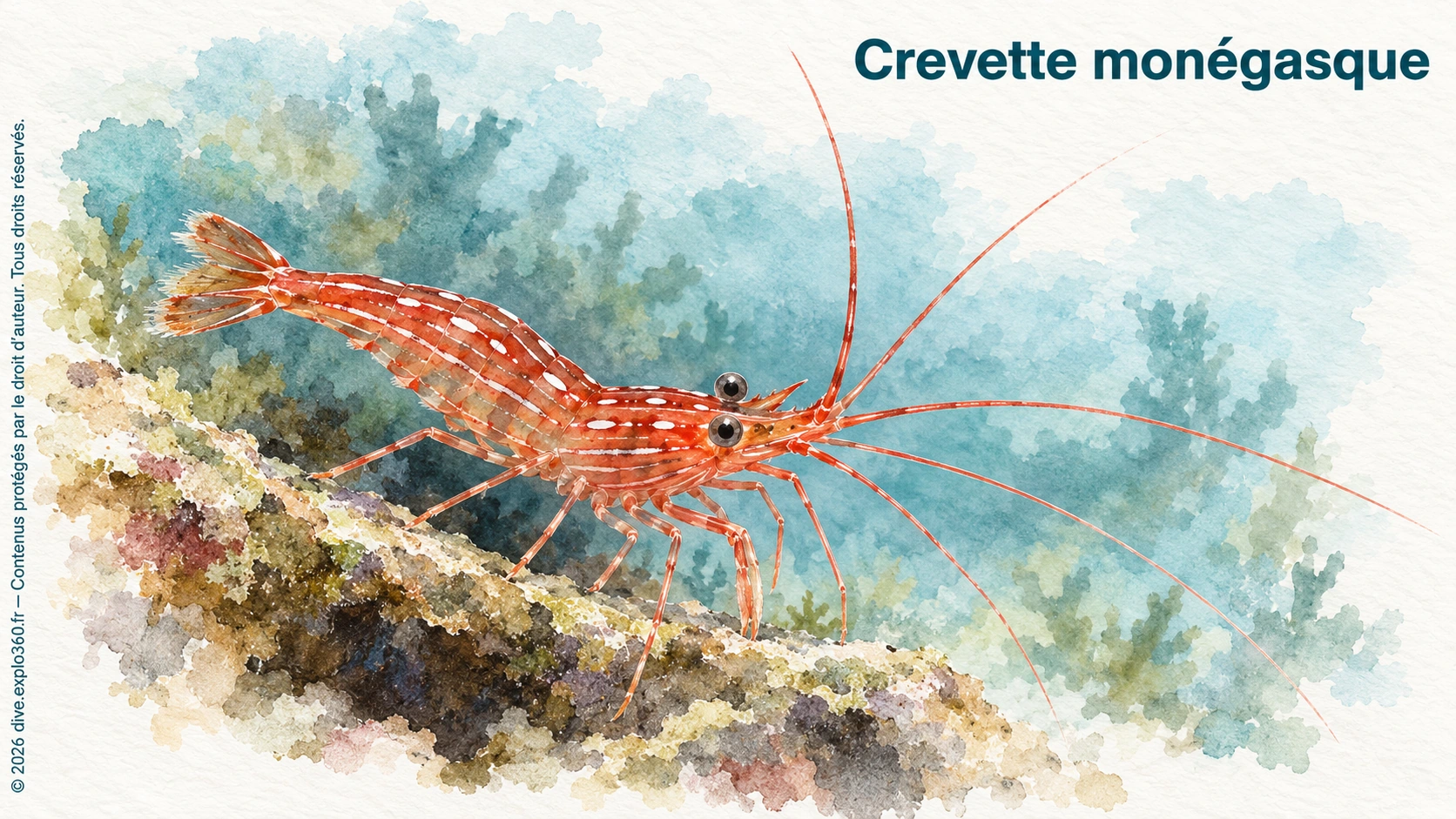 Species guidesMonaco shrimpDiscover →
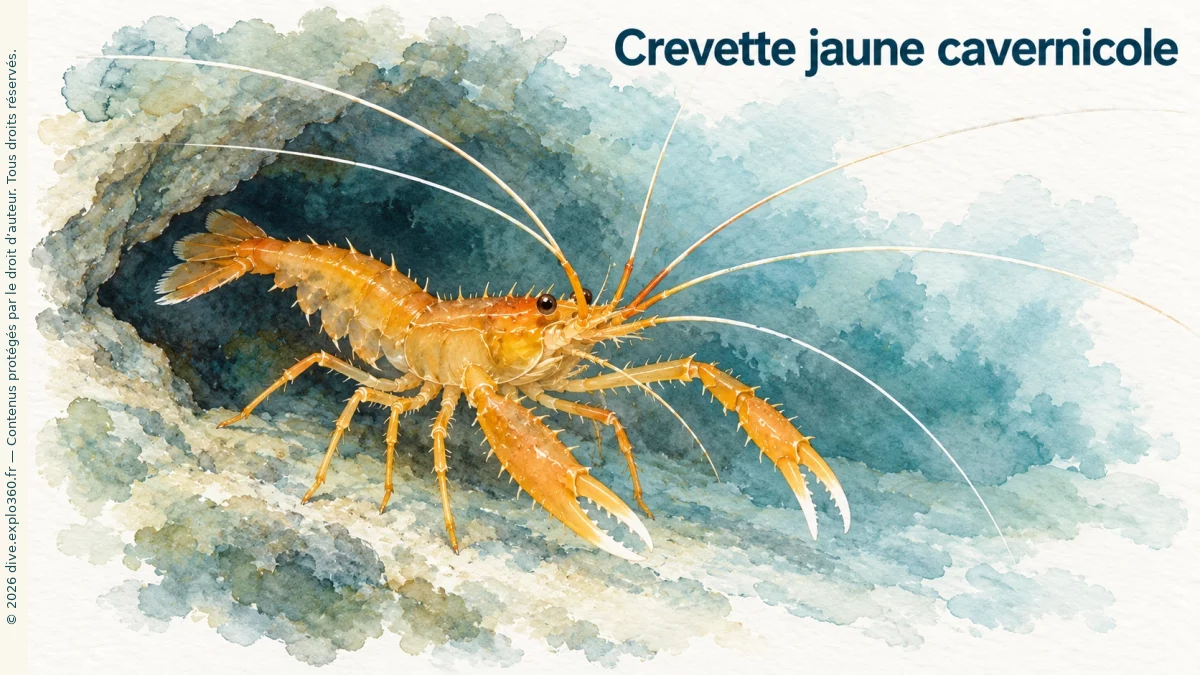 Species guidesSpiny golden shrimpDiscover →
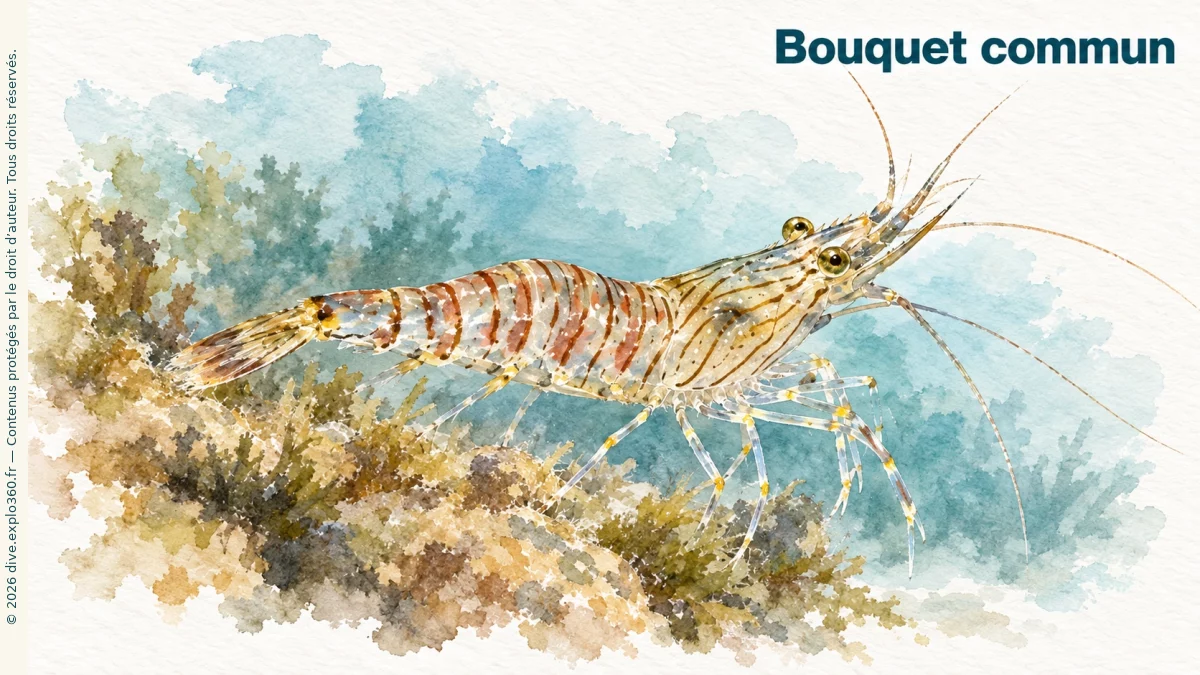 Species guidesCommon prawnDiscover →
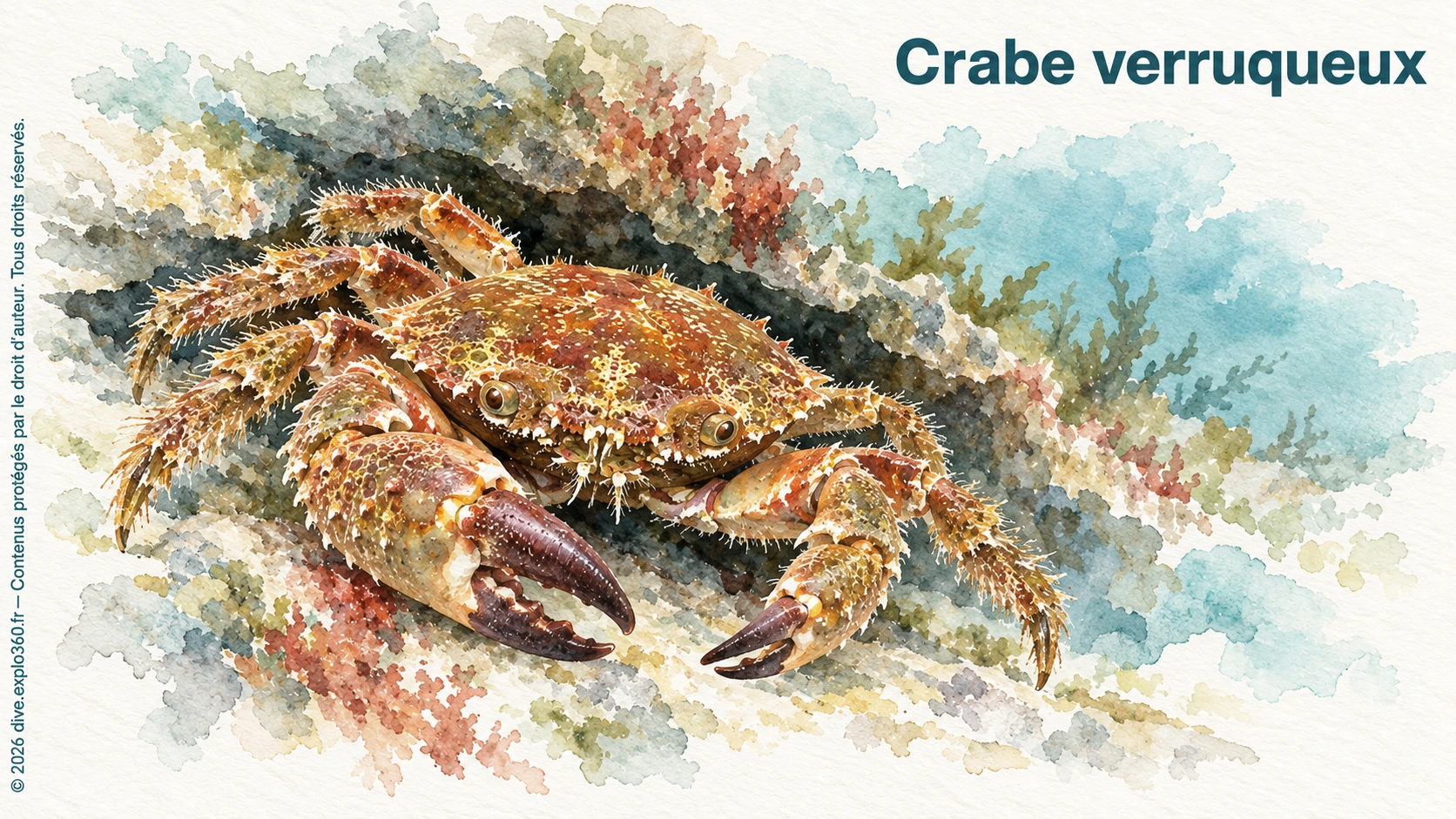 Species guidesWarty crabDiscover →
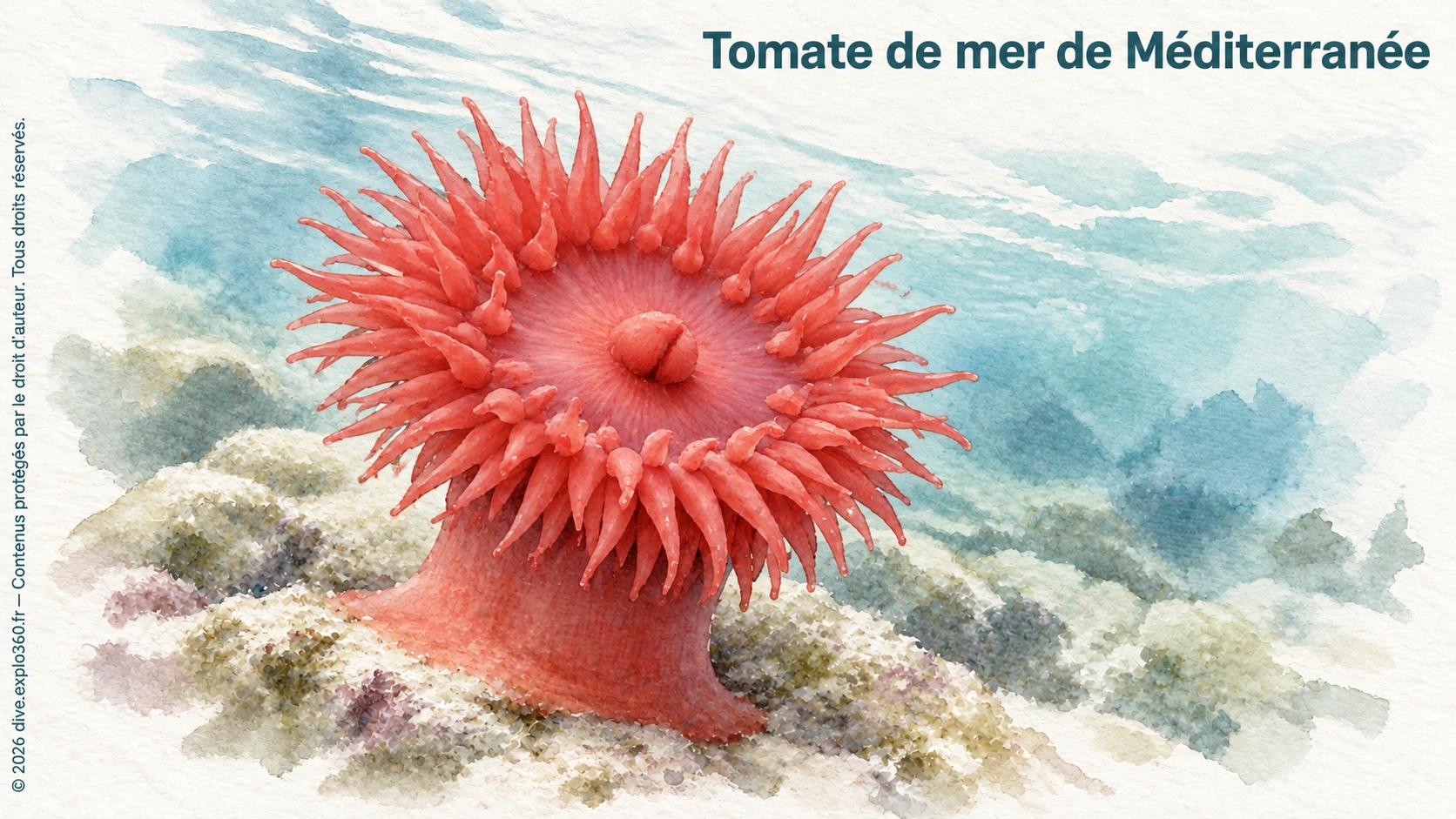 Species guidesMediterranean beadlet anemoneDiscover →
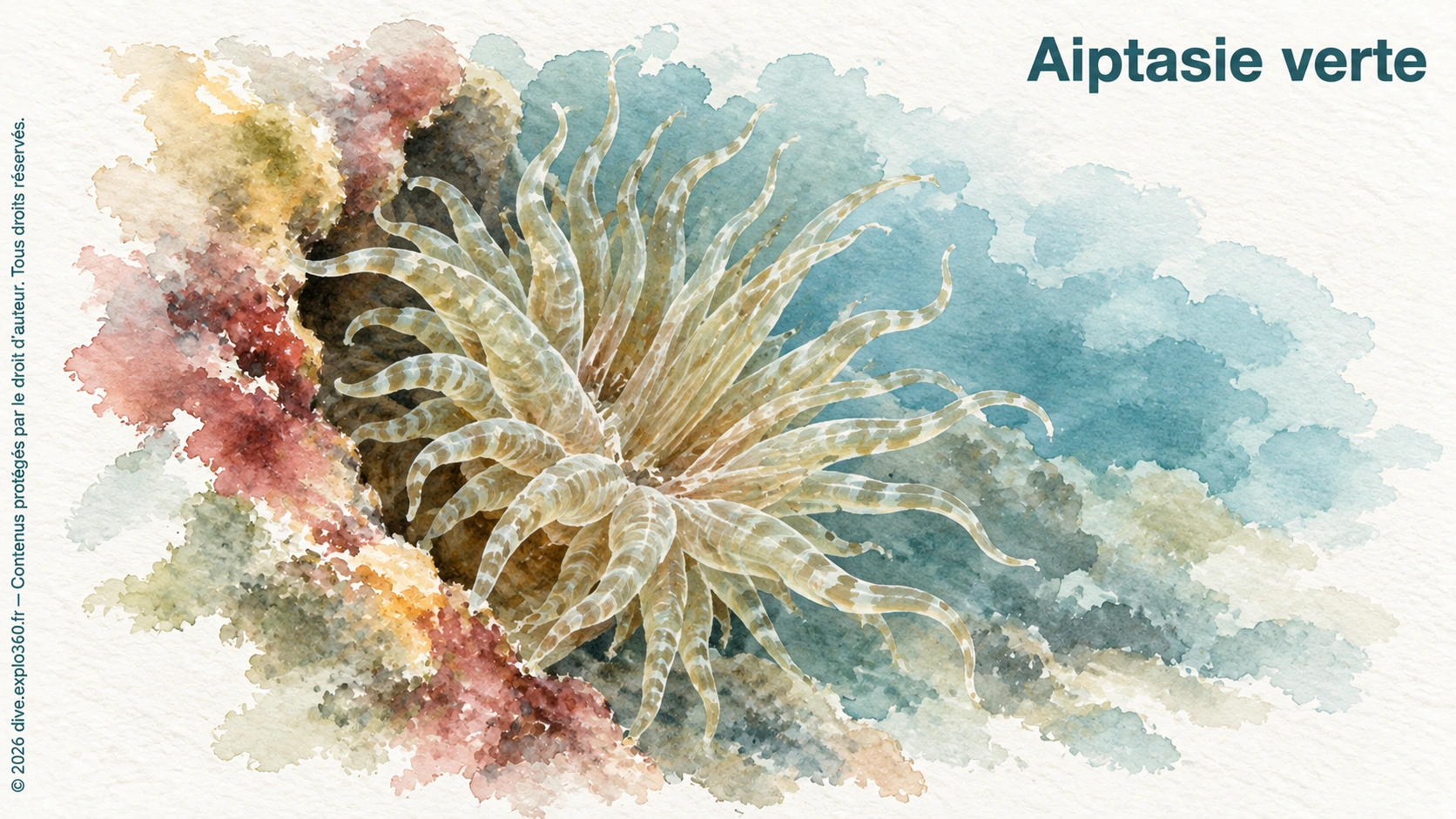 Species guidesGreen aiptasiaDiscover →
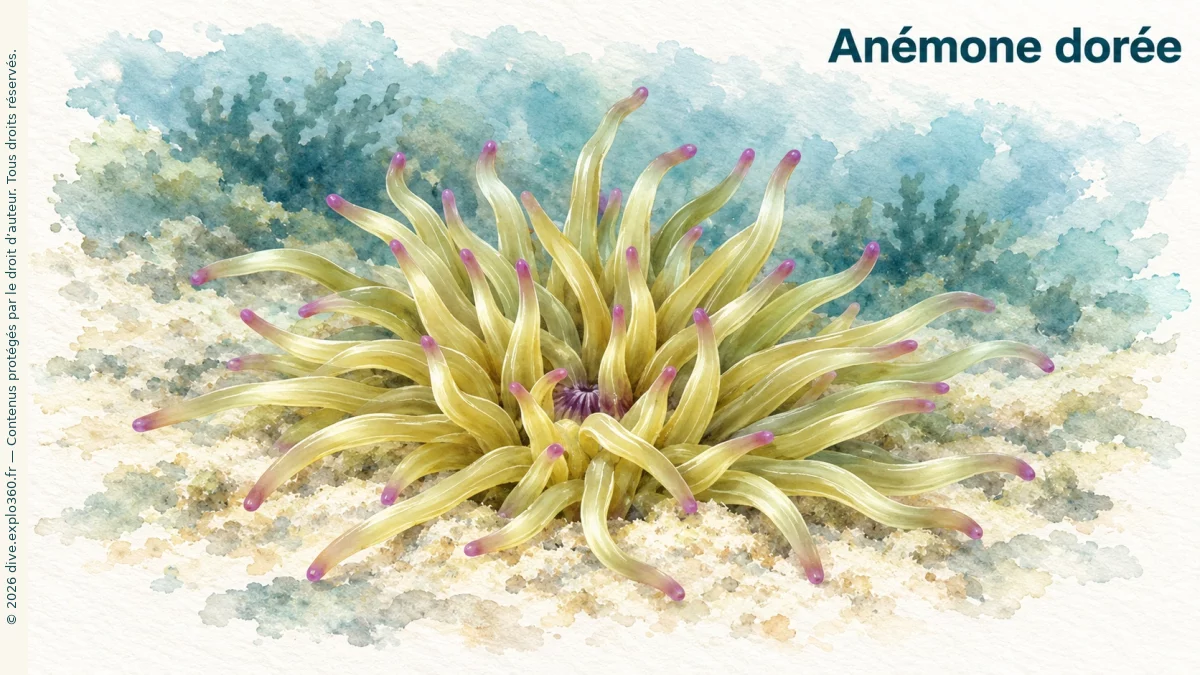 Species guidesGolden anemoneDiscover →
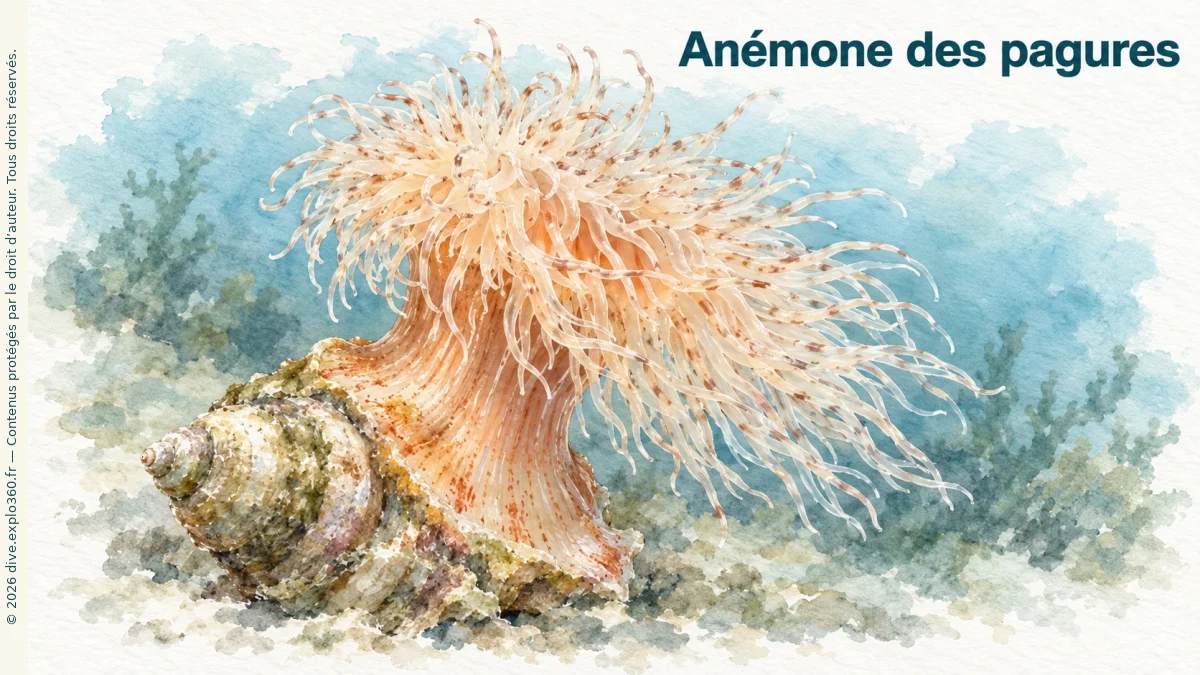 Species guidesHermit anemoneDiscover →
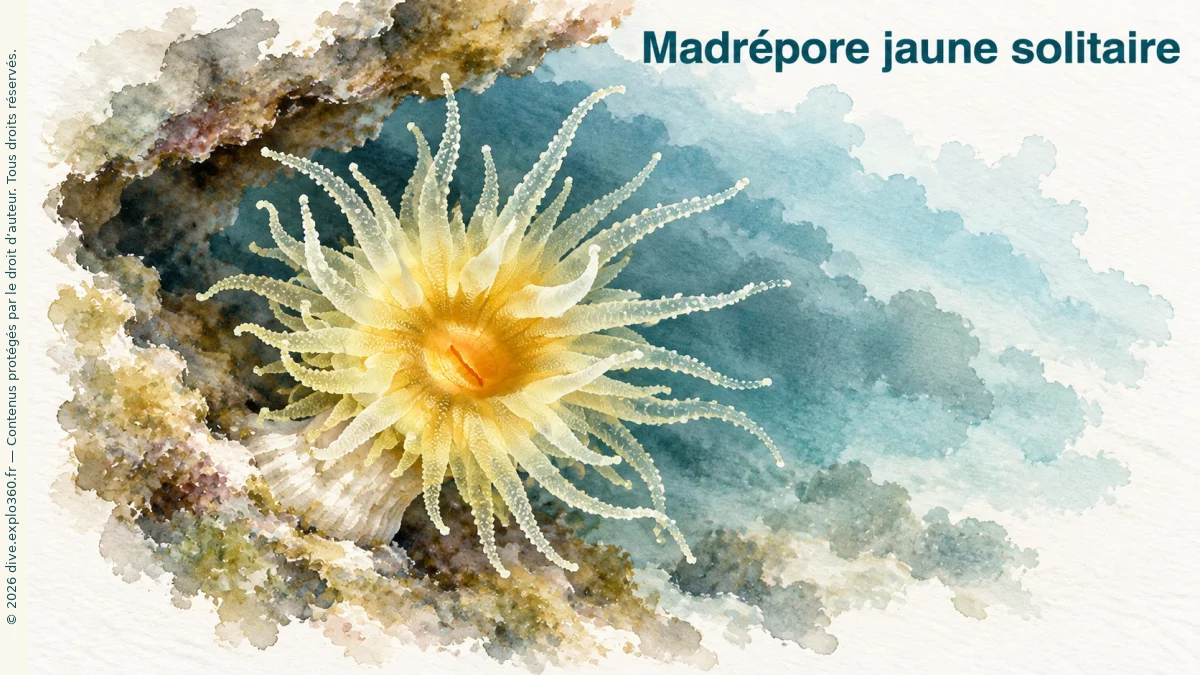 Species guidesYellow solitary coralDiscover →
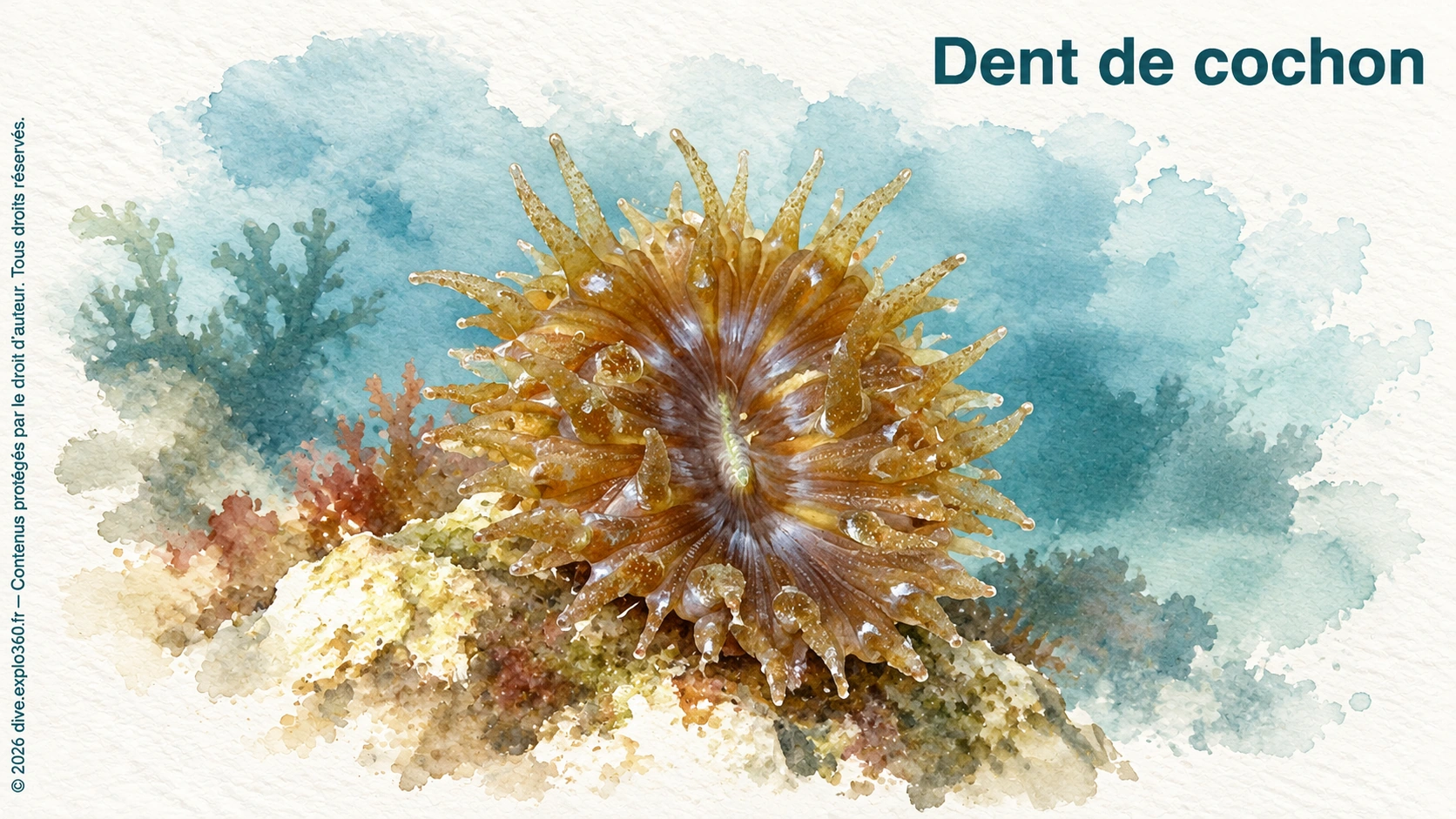 Species guidesPig-tooth coralDiscover →
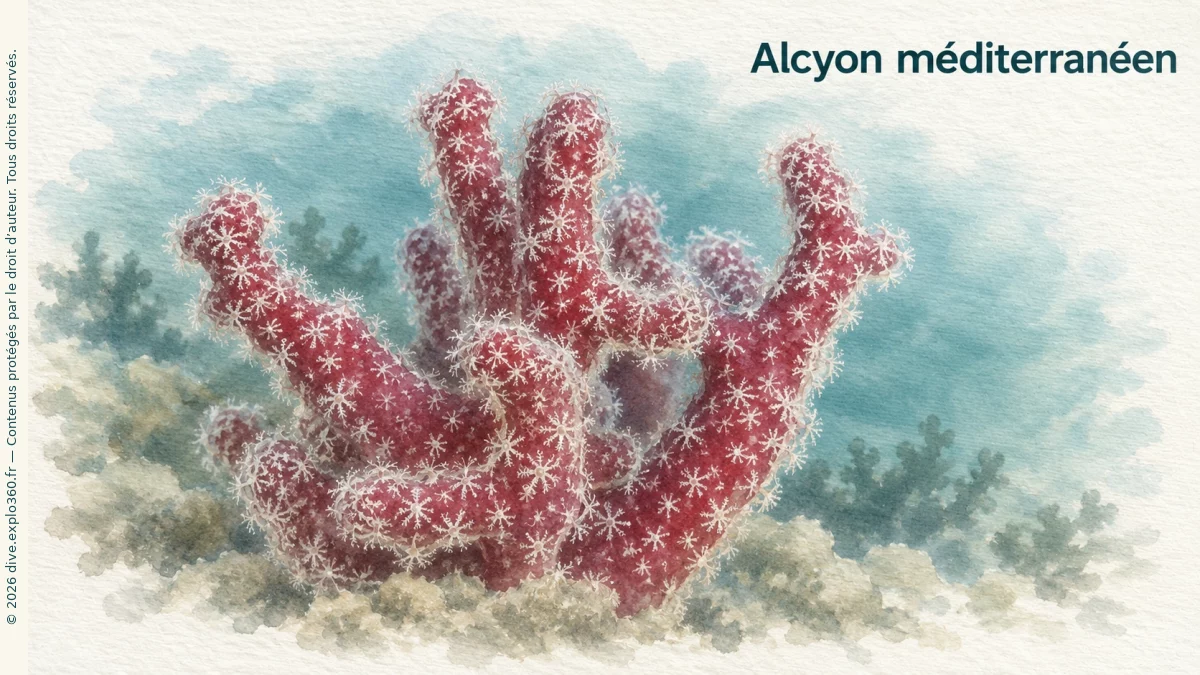 Species guidesMediterranean soft coralDiscover →
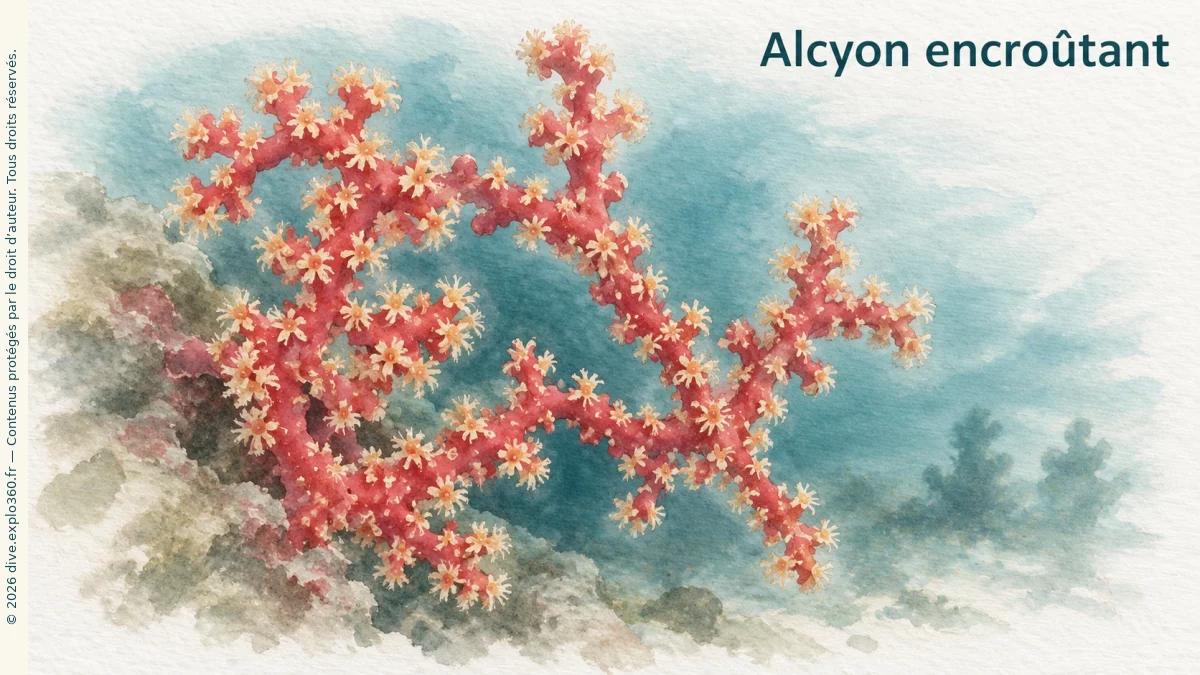 Species guidesEncrusting soft coralDiscover →
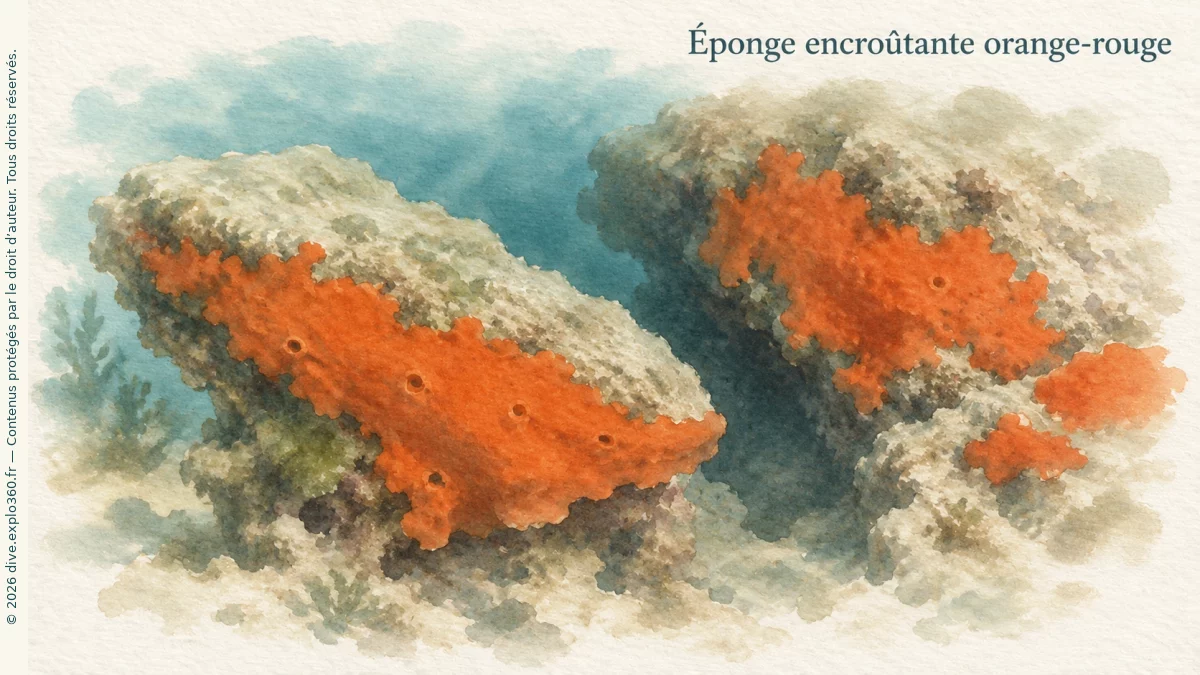 Species guidesOrange-red encrusting spongeDiscover →
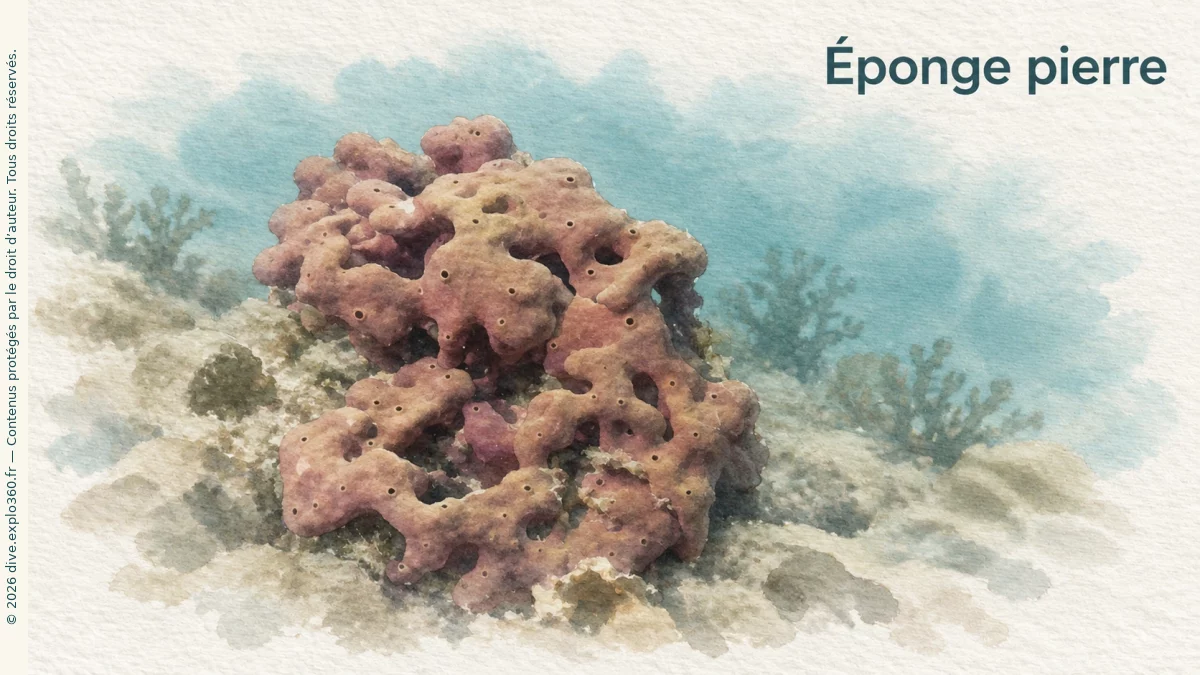 Species guidesStony spongeDiscover →
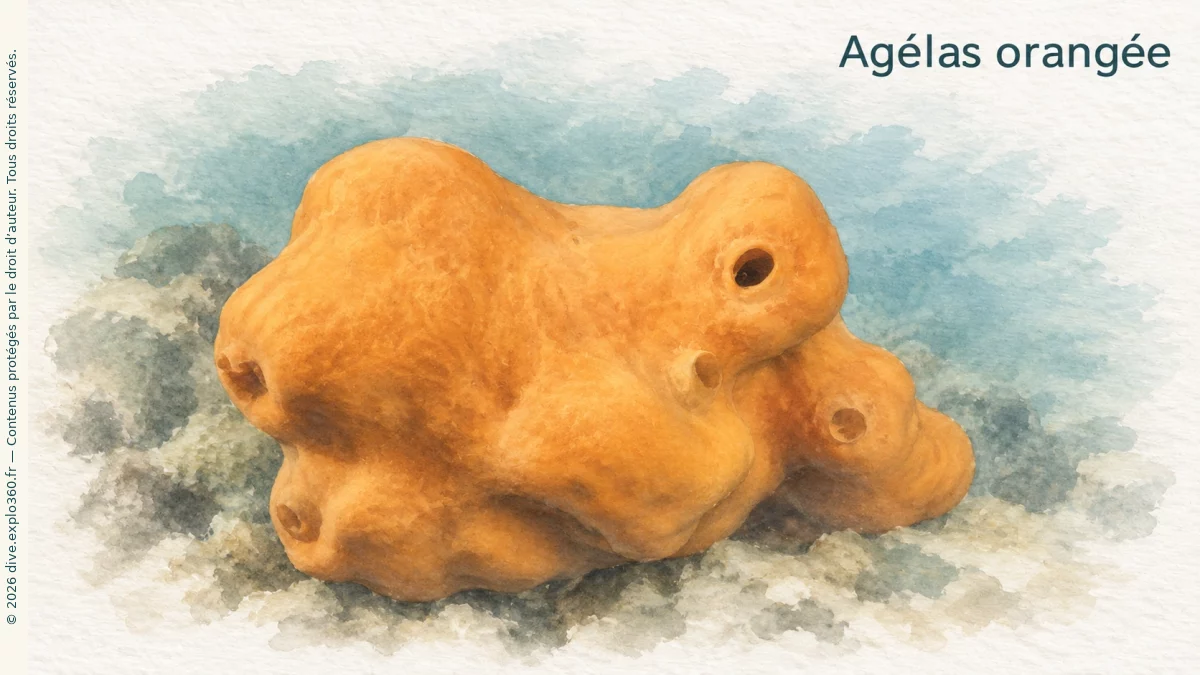 Species guidesOrange Agelas spongeDiscover →
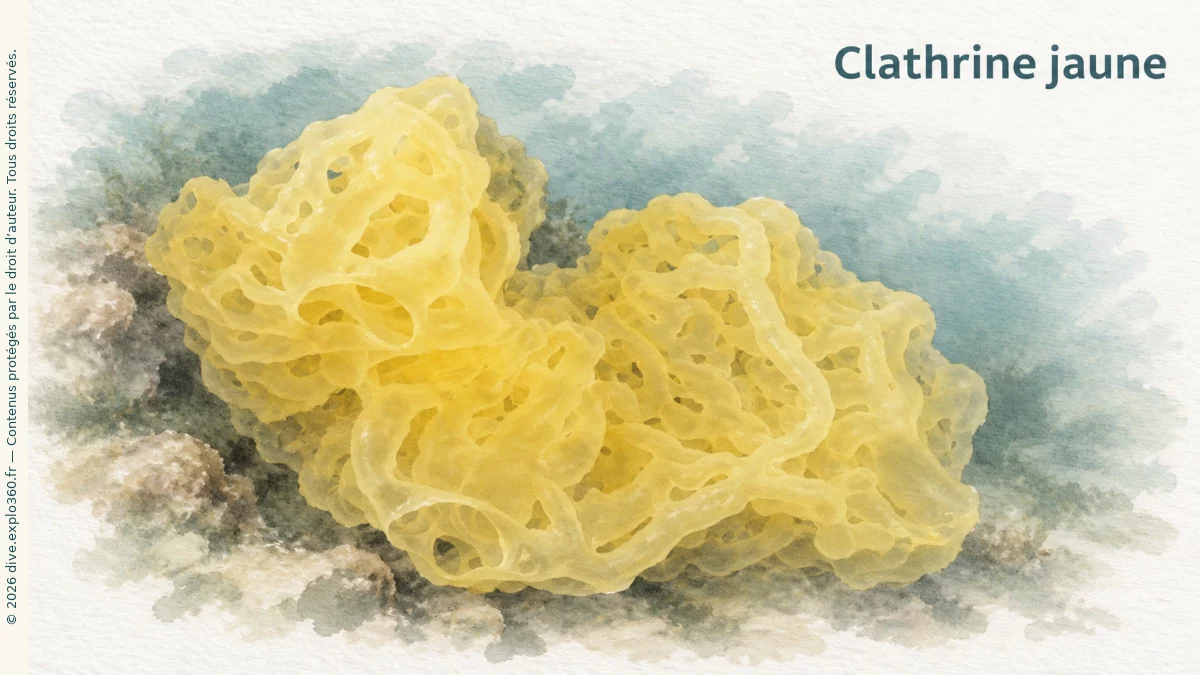 Species guidesYellow clathrinaDiscover →
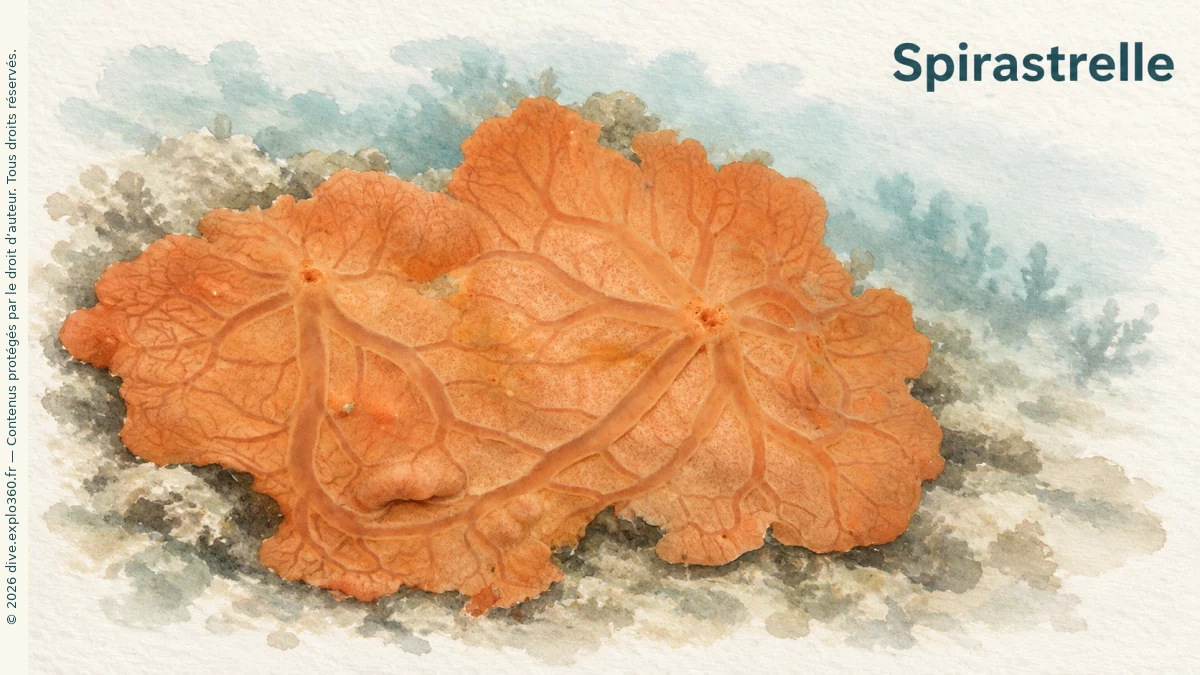 Species guidesOrange encrusting Spirastrella spongeDiscover →
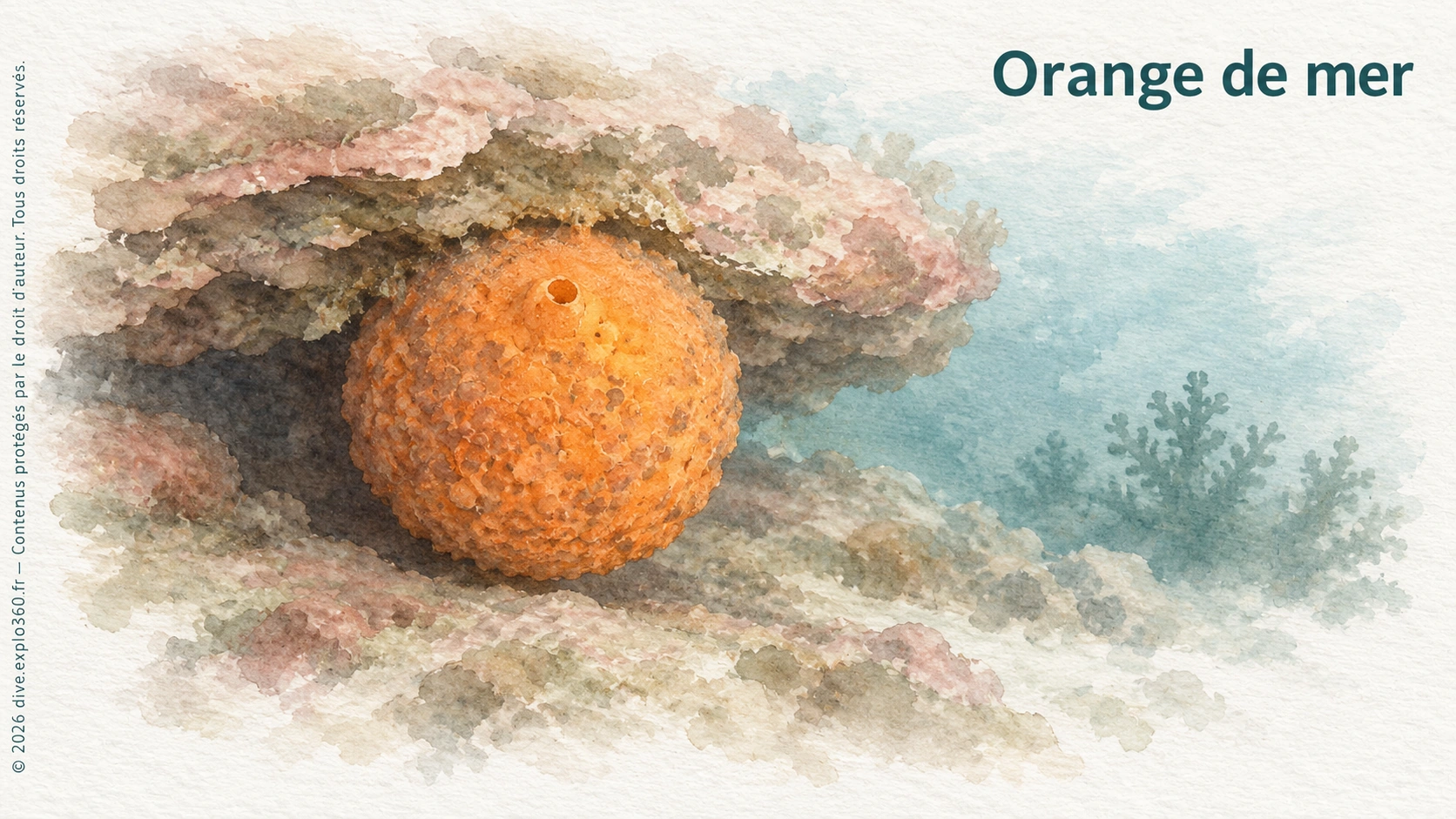 Species guidesMediterranean sea orangeDiscover →
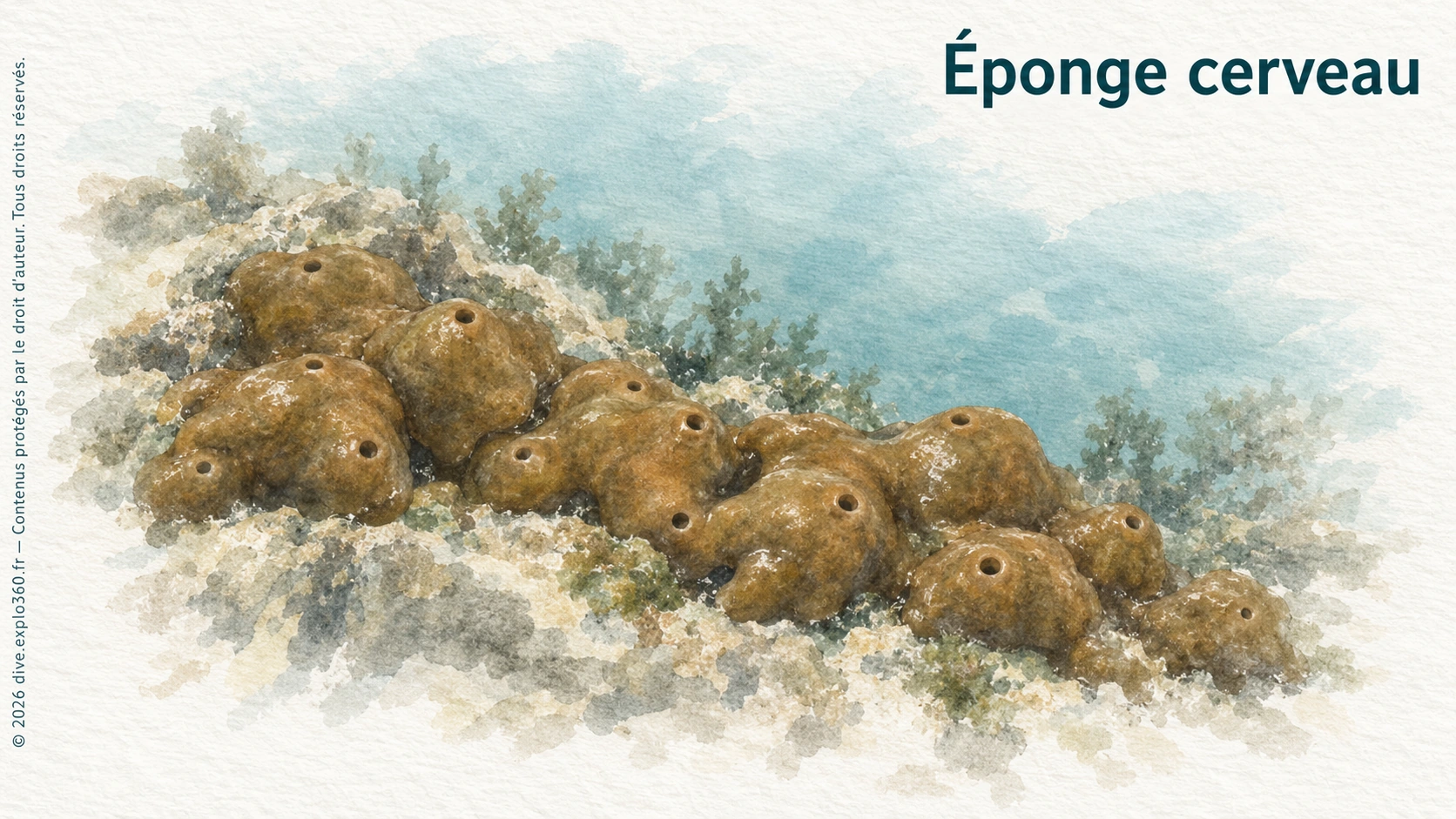 Species guidesChicken liver spongeDiscover →
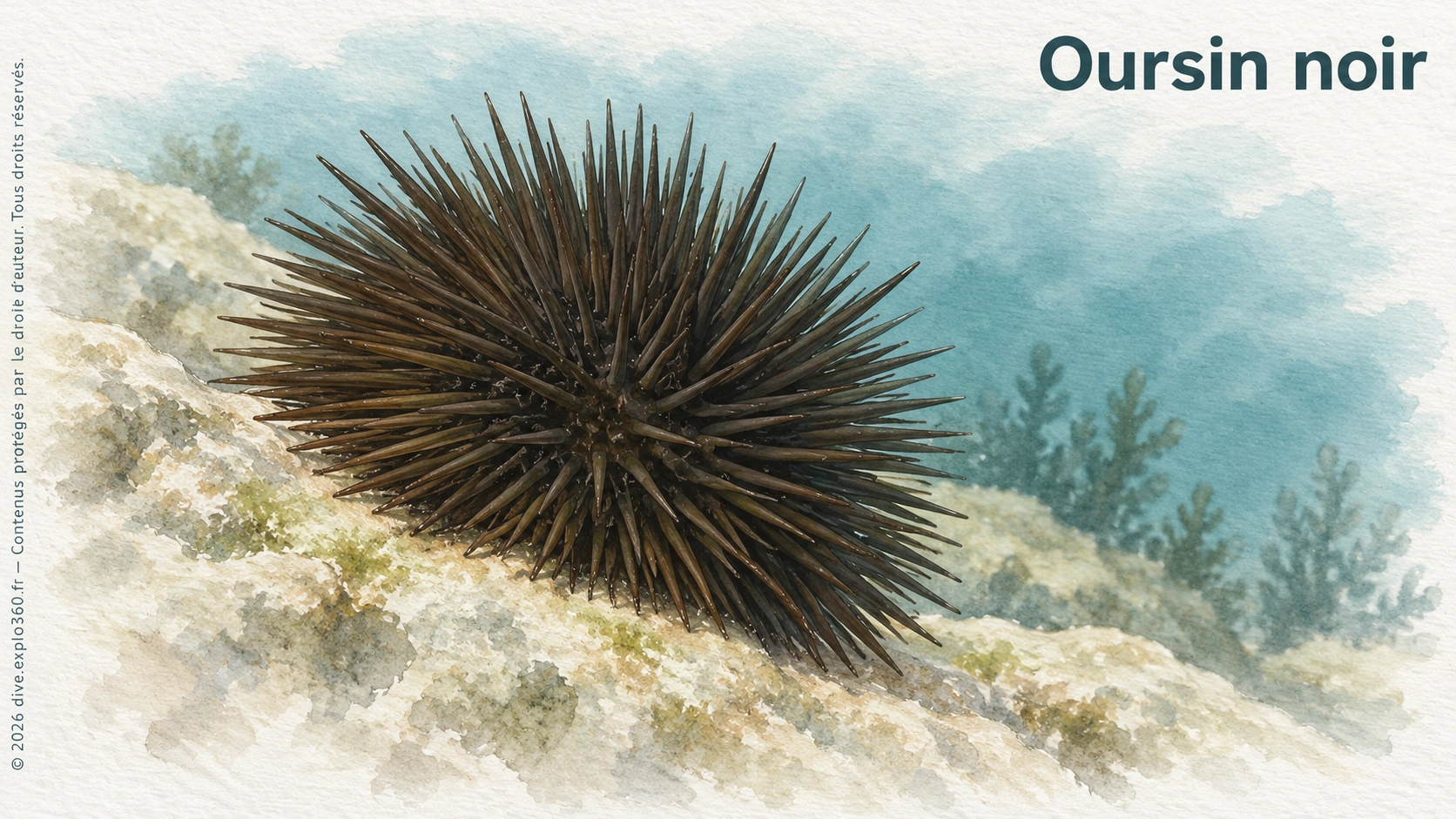 Species guidesBlack sea urchinDiscover →
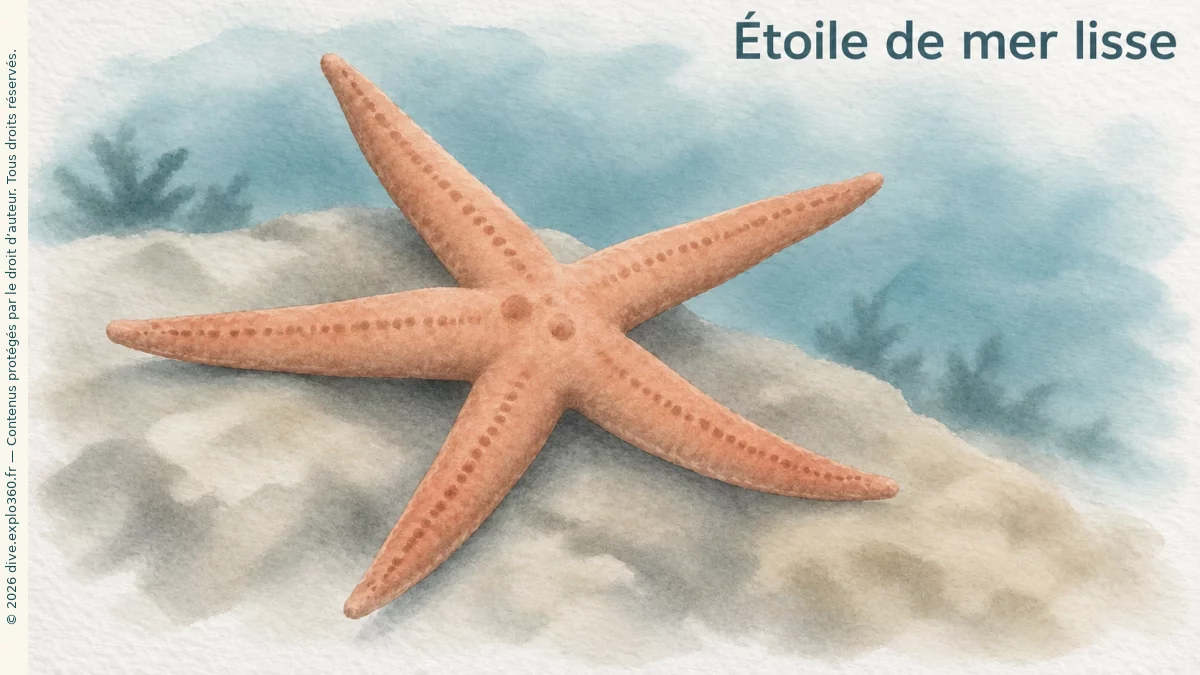 Species guidesSmooth starfishDiscover →
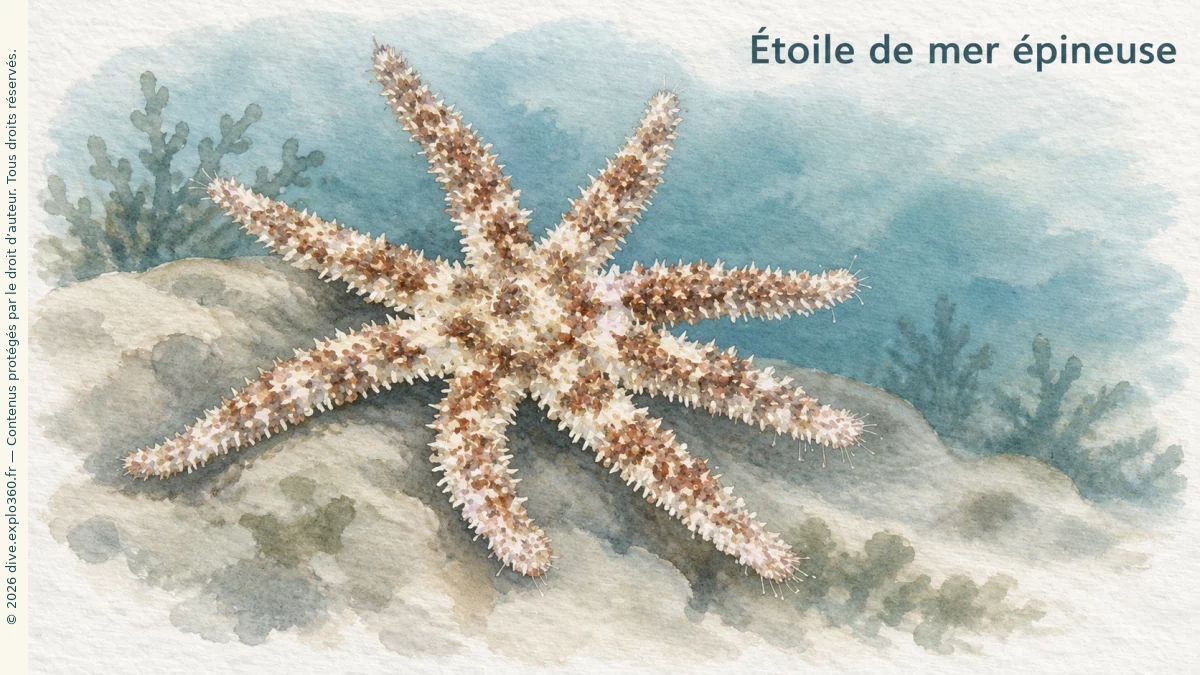 Species guidesSpiny starfishDiscover →
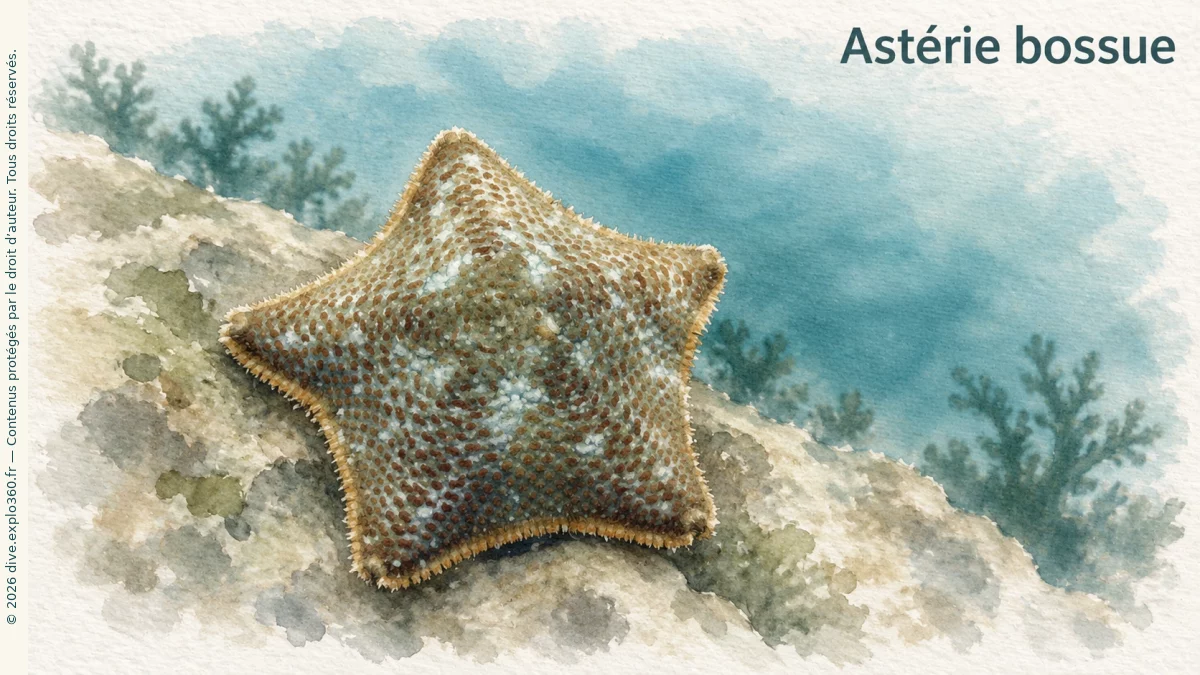 Species guidesCushion starDiscover →
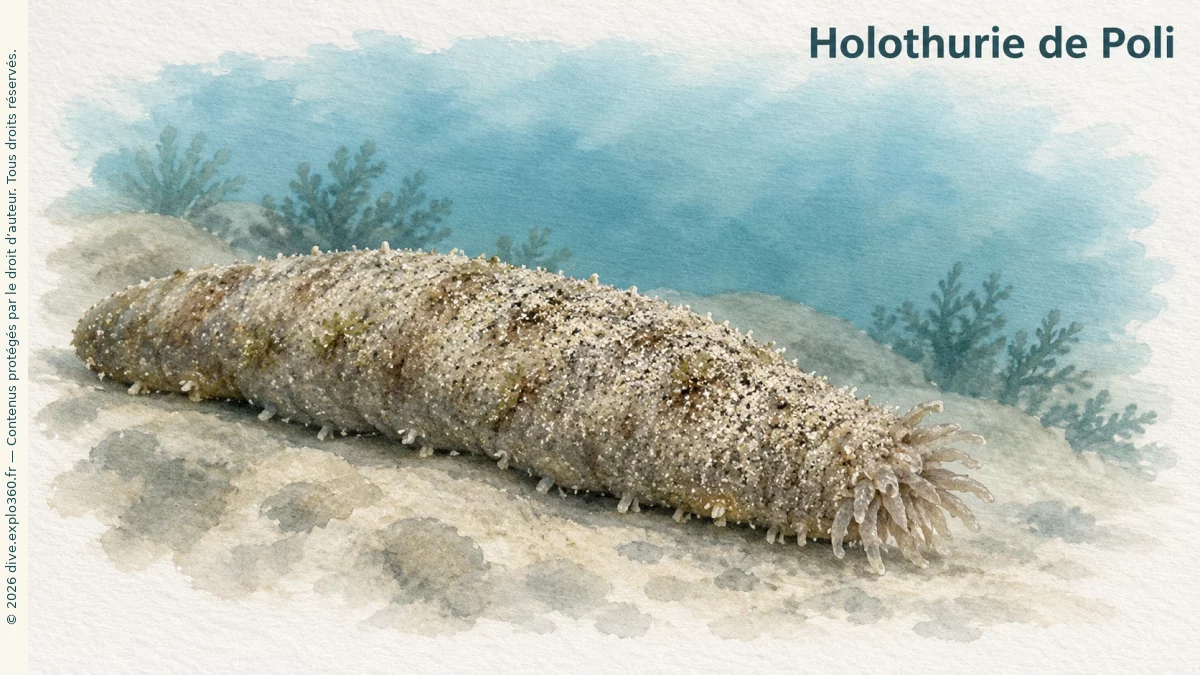 Species guidesPoli’s sea cucumberDiscover →
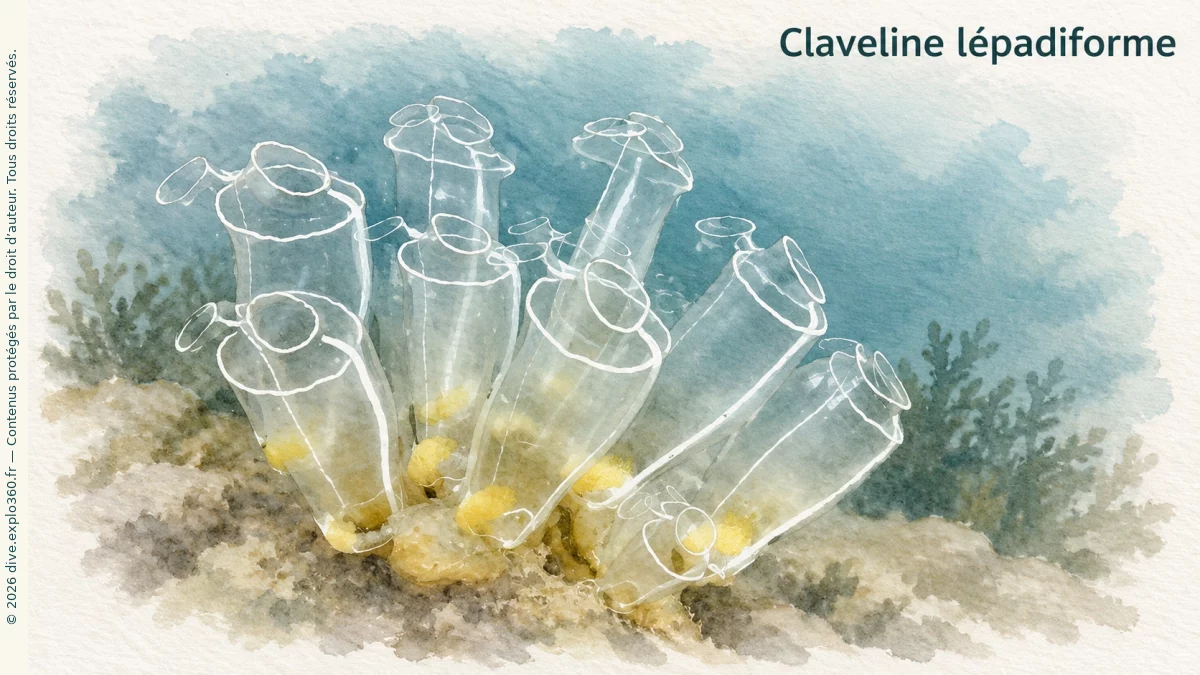 Species guidesLight-bulb sea squirtDiscover →
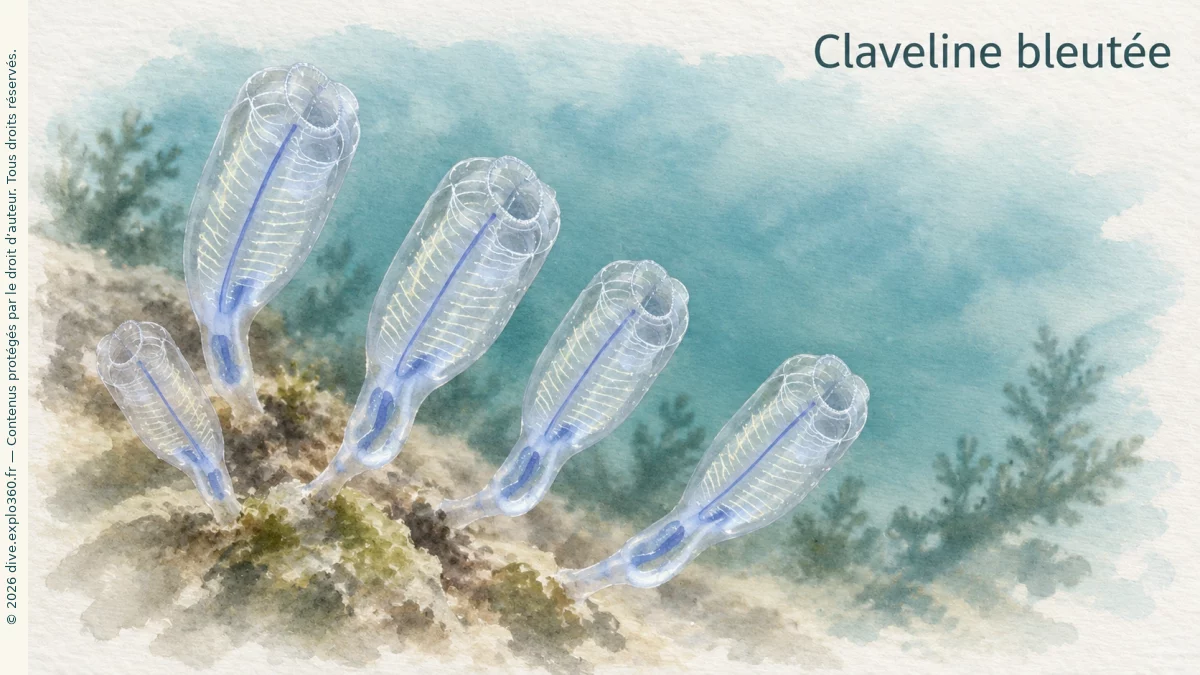 Species guidesBlue-tinted sea squirtDiscover →
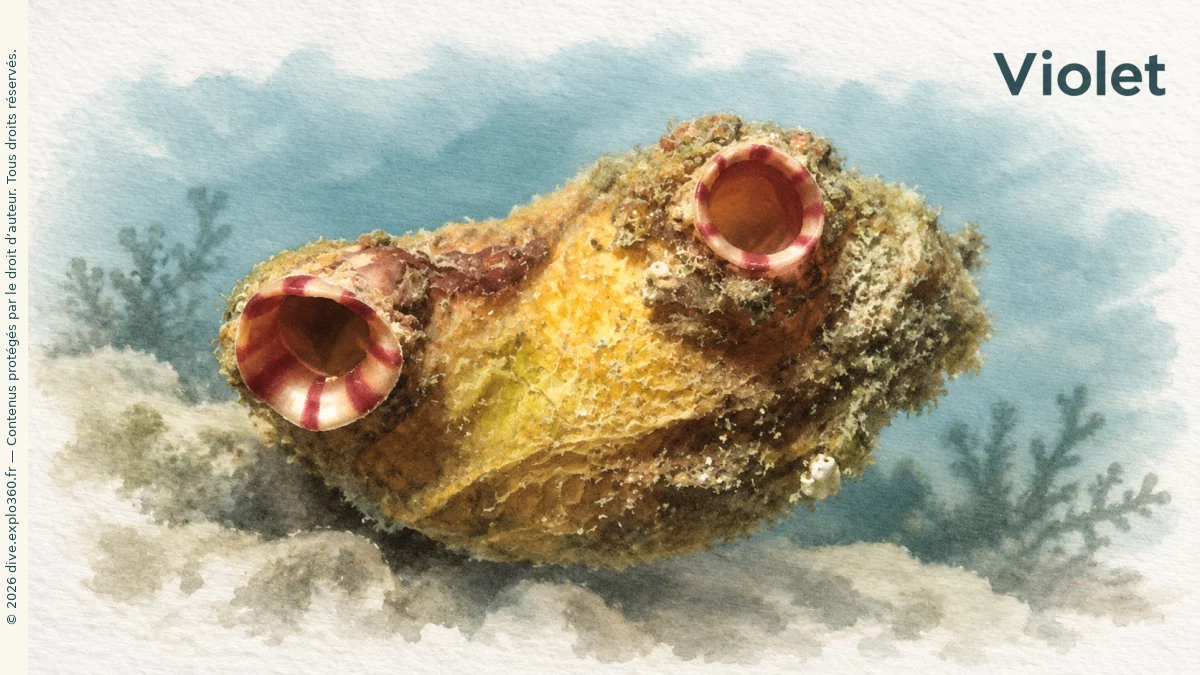 Species guidesViolet sea squirtDiscover →
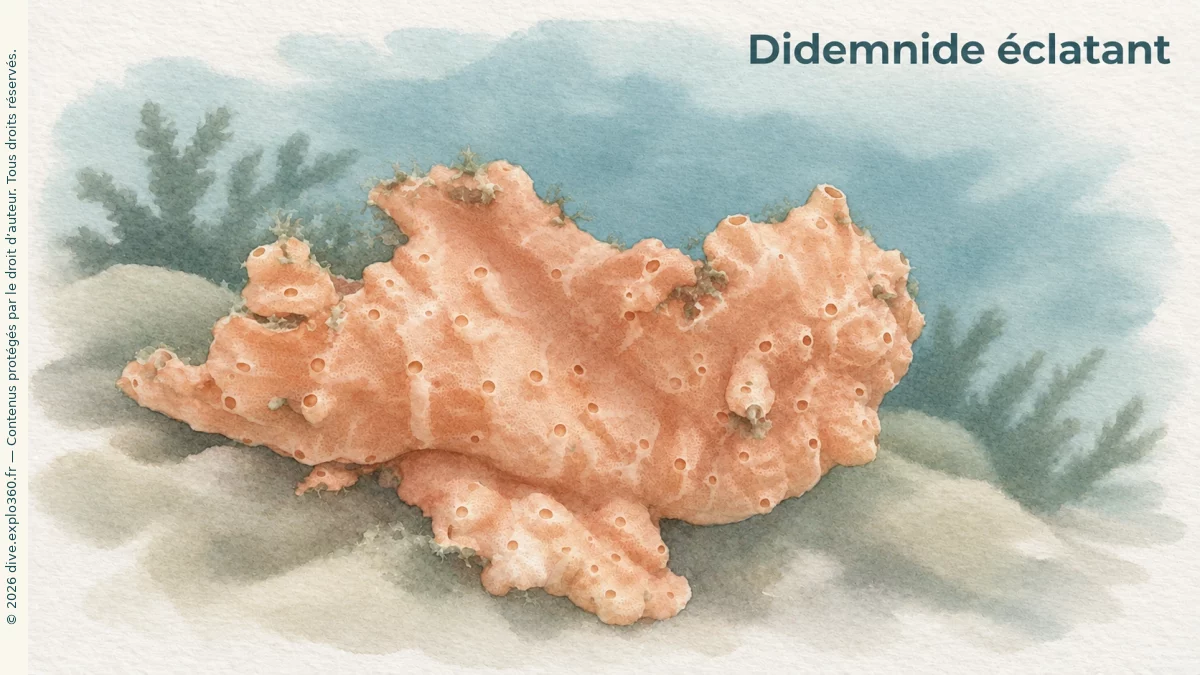 Species guidesOrange didemnid sea squirtDiscover →
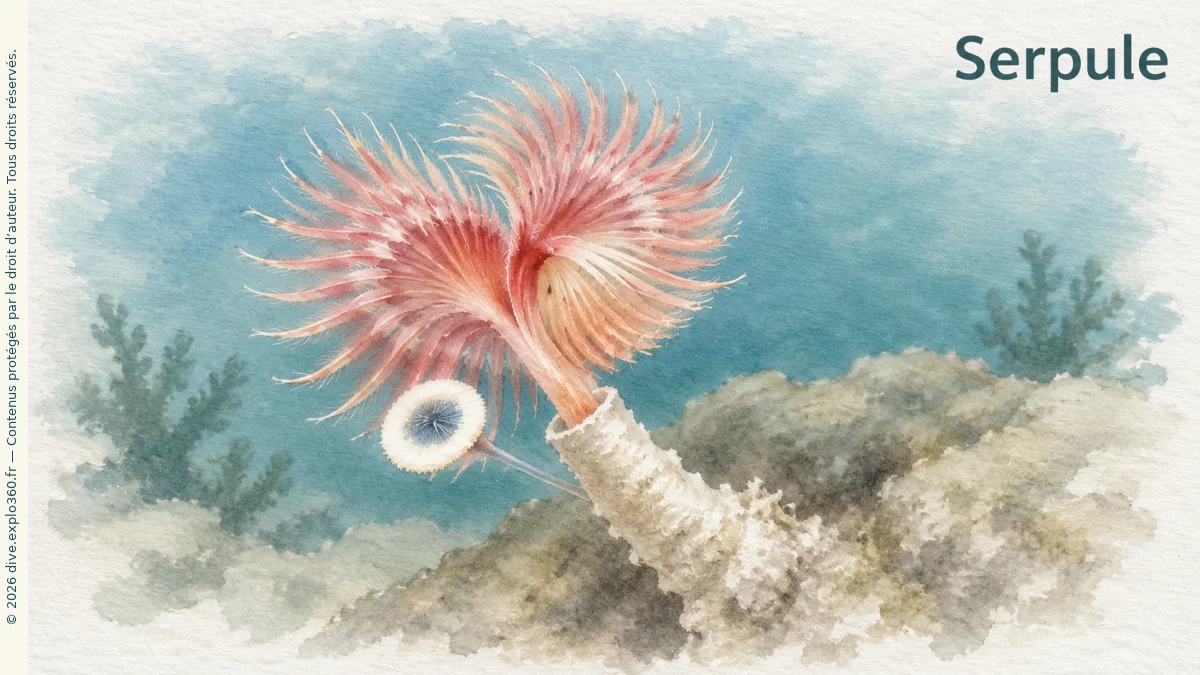 Species guidesRed tubewormDiscover →
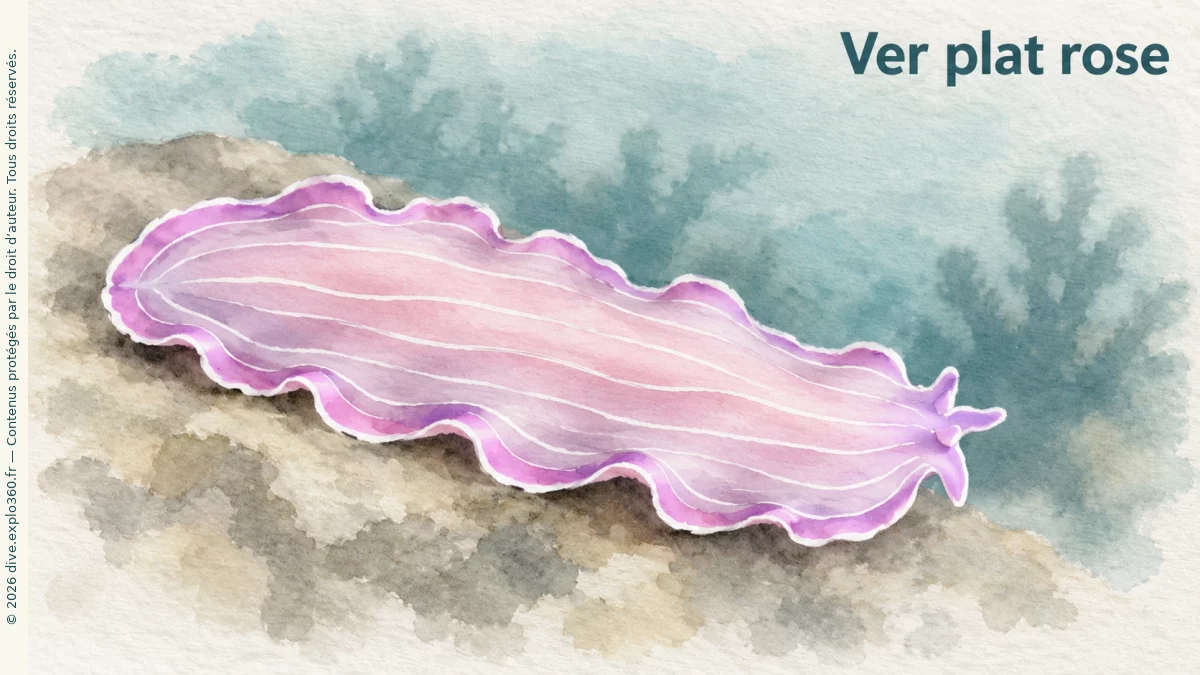 Species guidesPink flatwormDiscover →
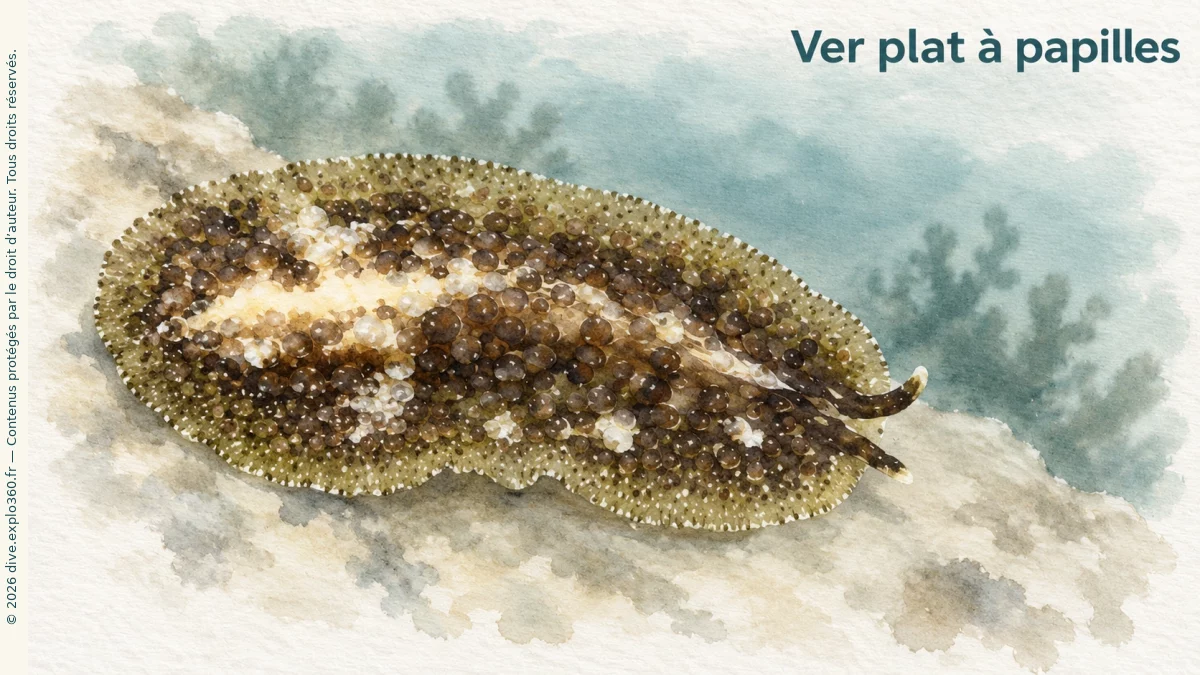 Species guidesPapillose flatwormDiscover →
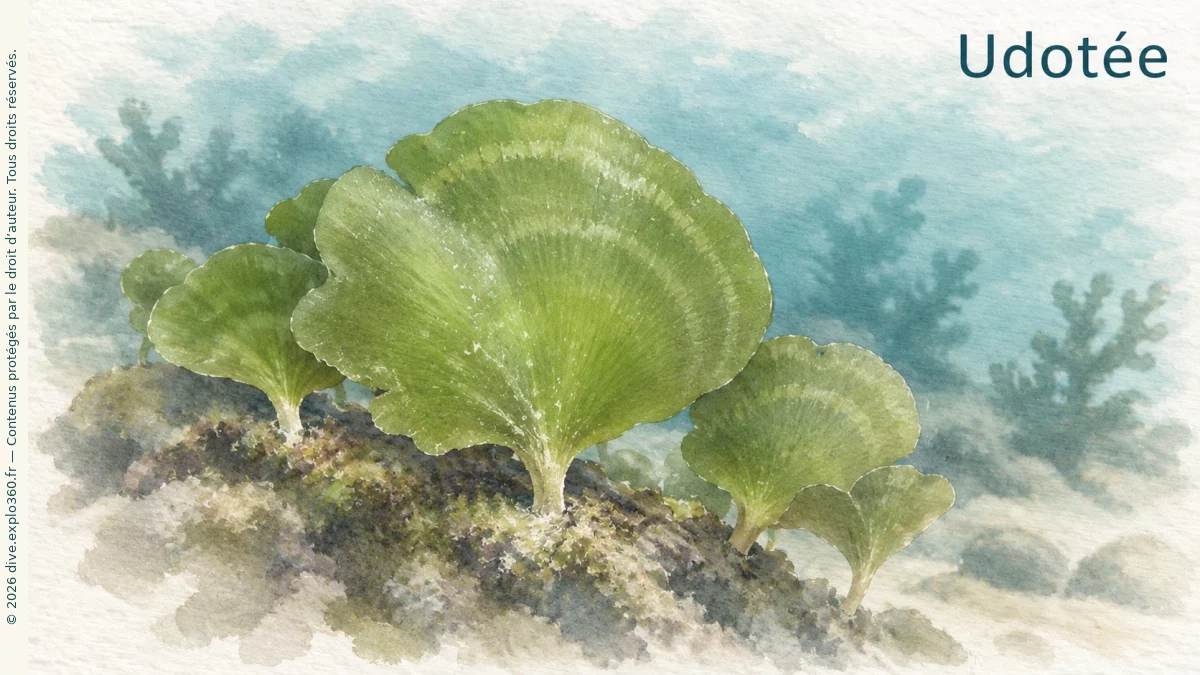 Species guidesUdoteaDiscover →
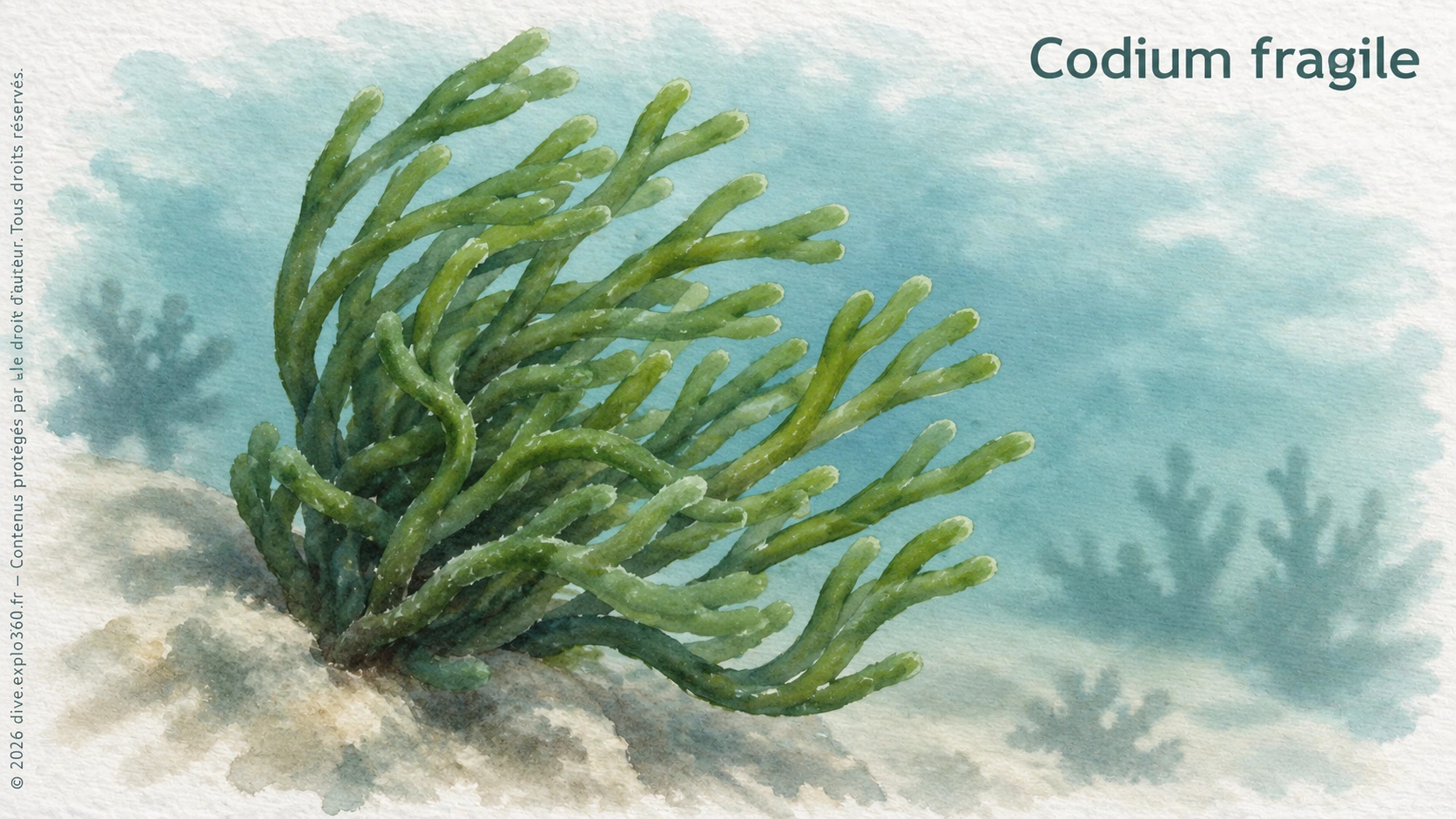 Species guidesFragile codiumDiscover →
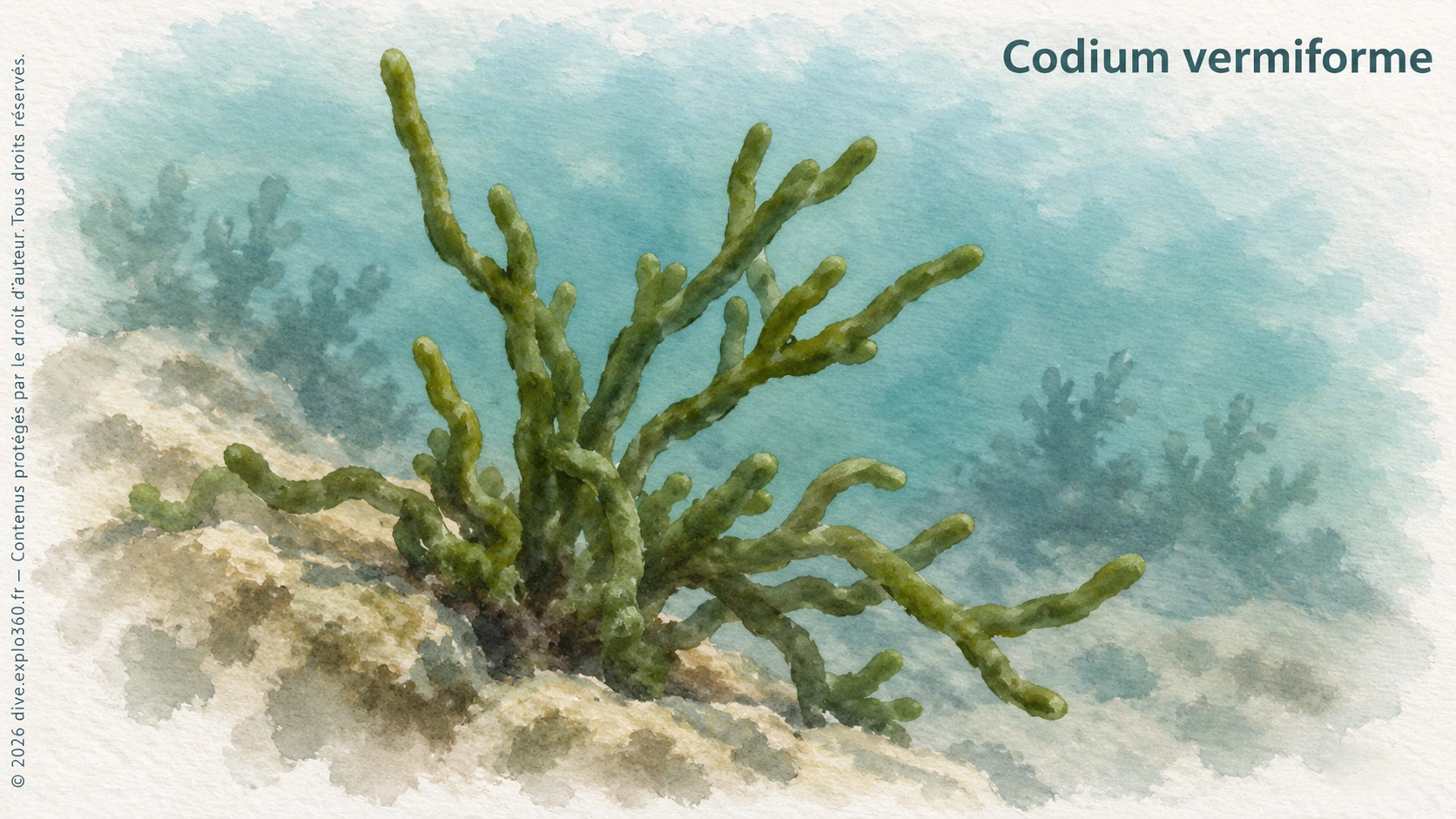 Species guidesWormlike codiumDiscover →
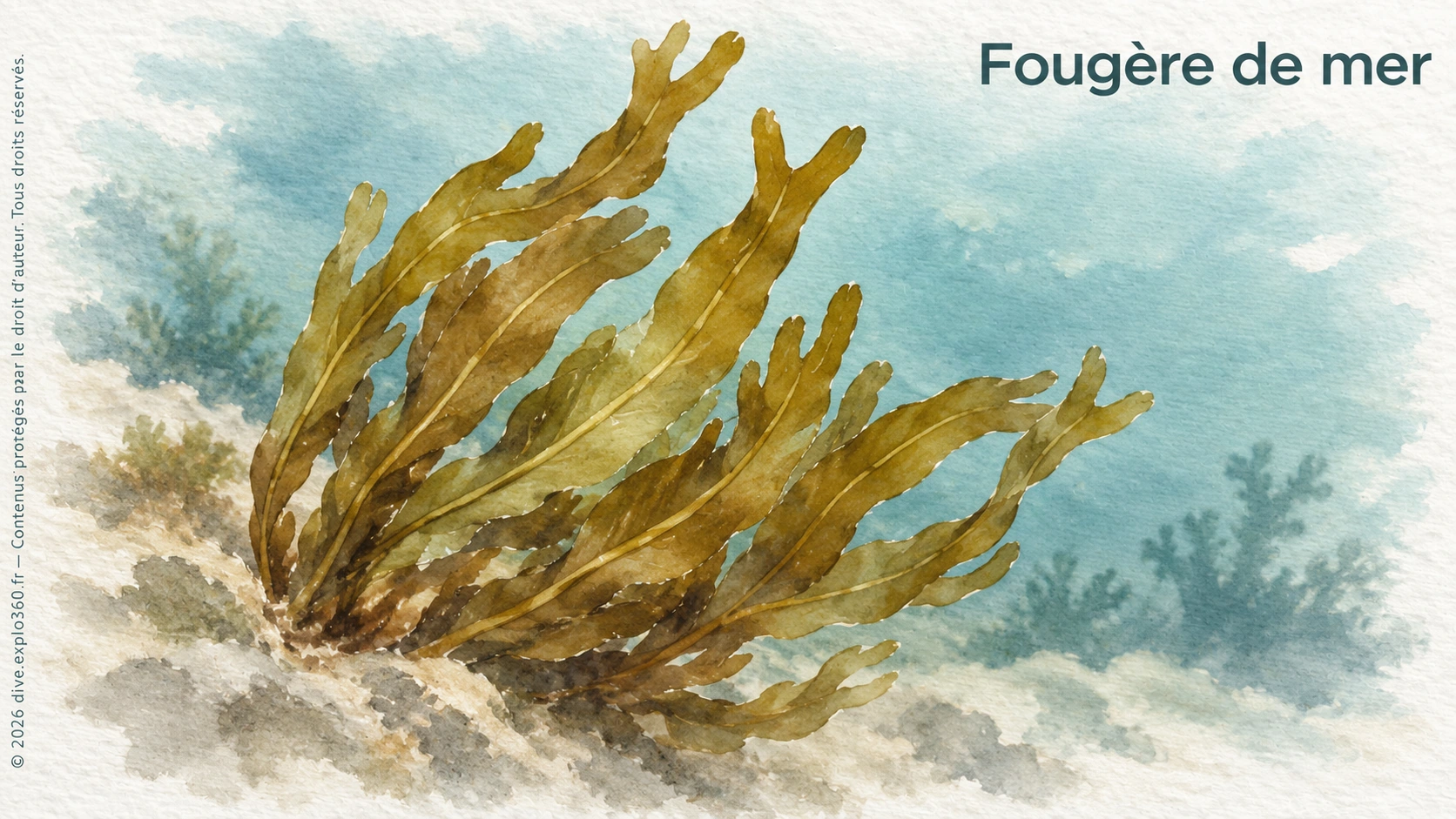 Species guidesSweet-smelling seaweedDiscover →
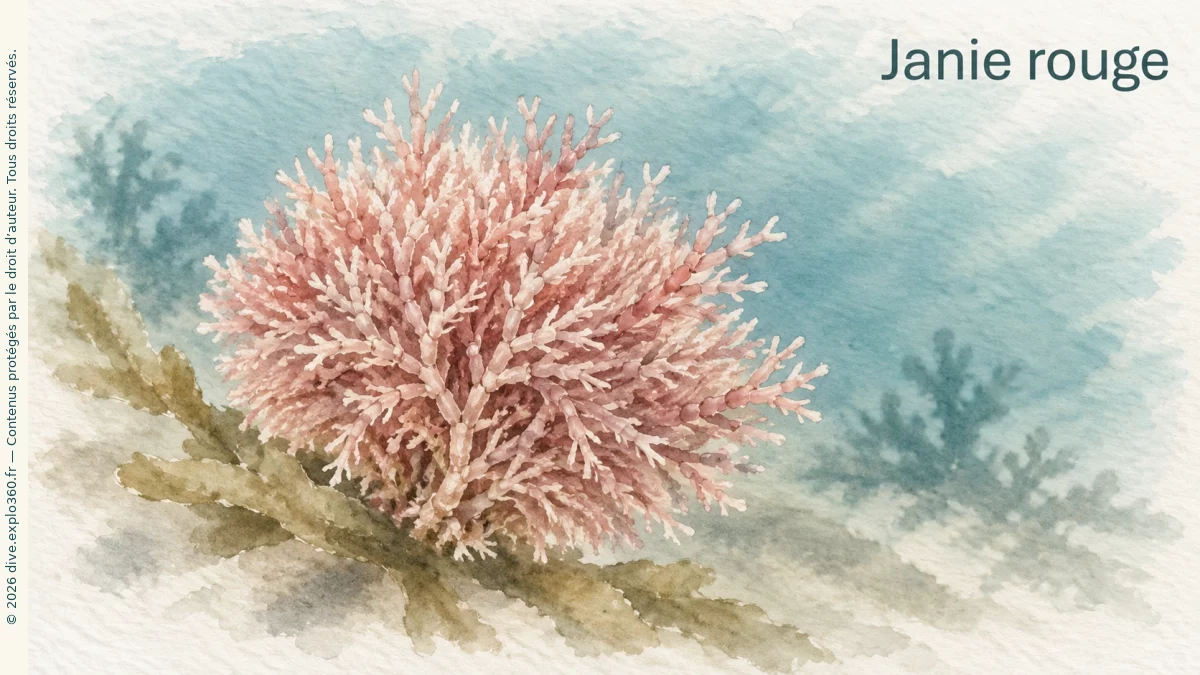 Species guidesRed janiaDiscover →
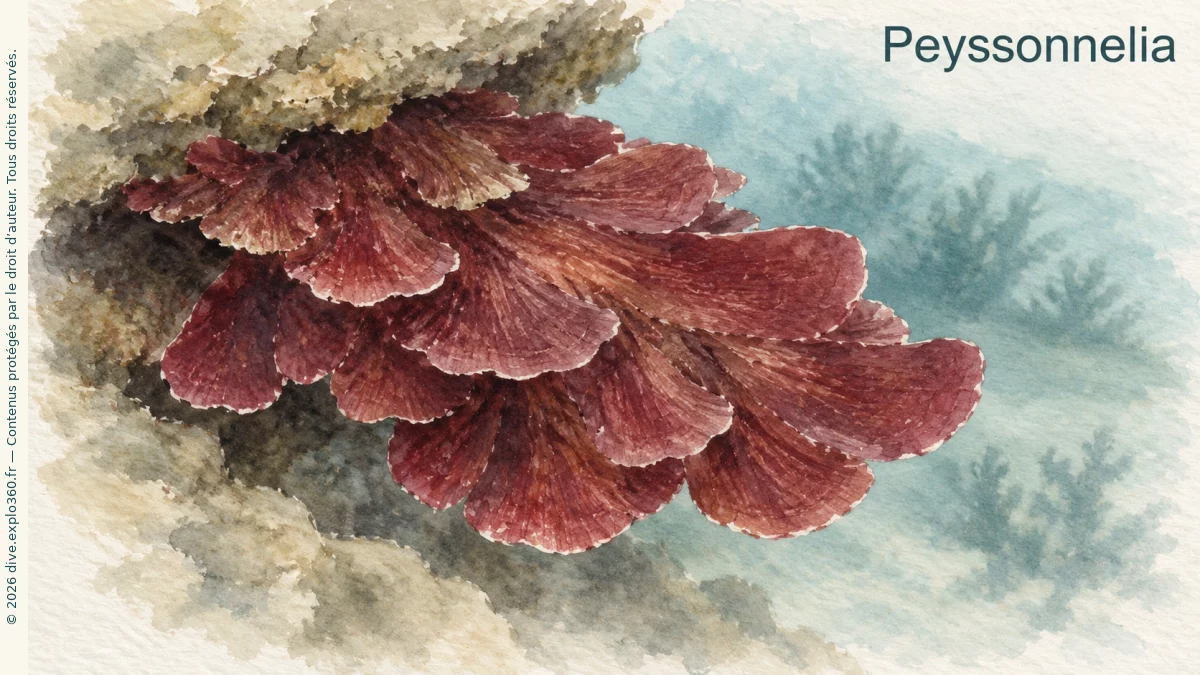 Species guidesPeyssonneliaDiscover →
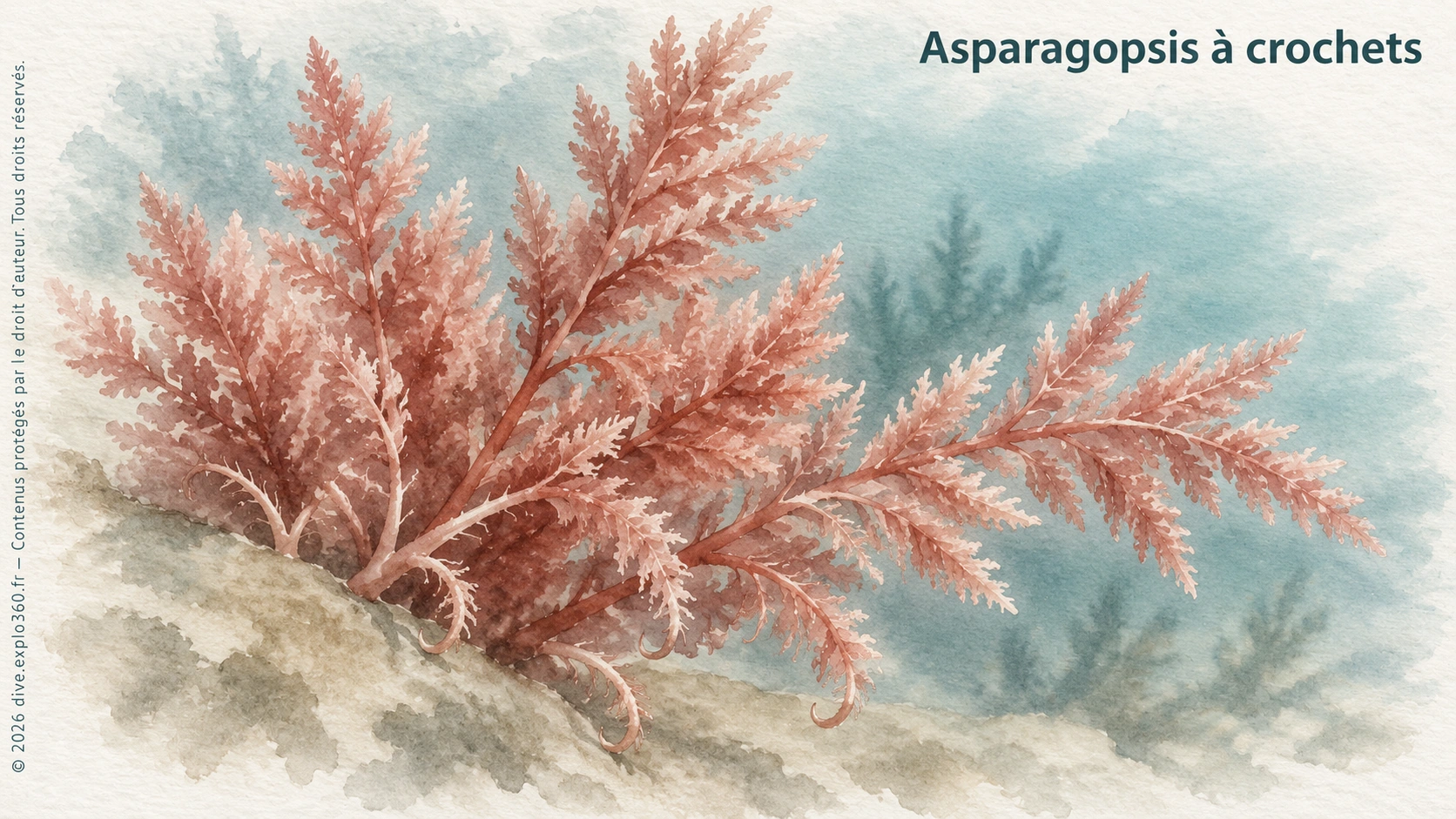 Species guidesHarpoon algaDiscover →
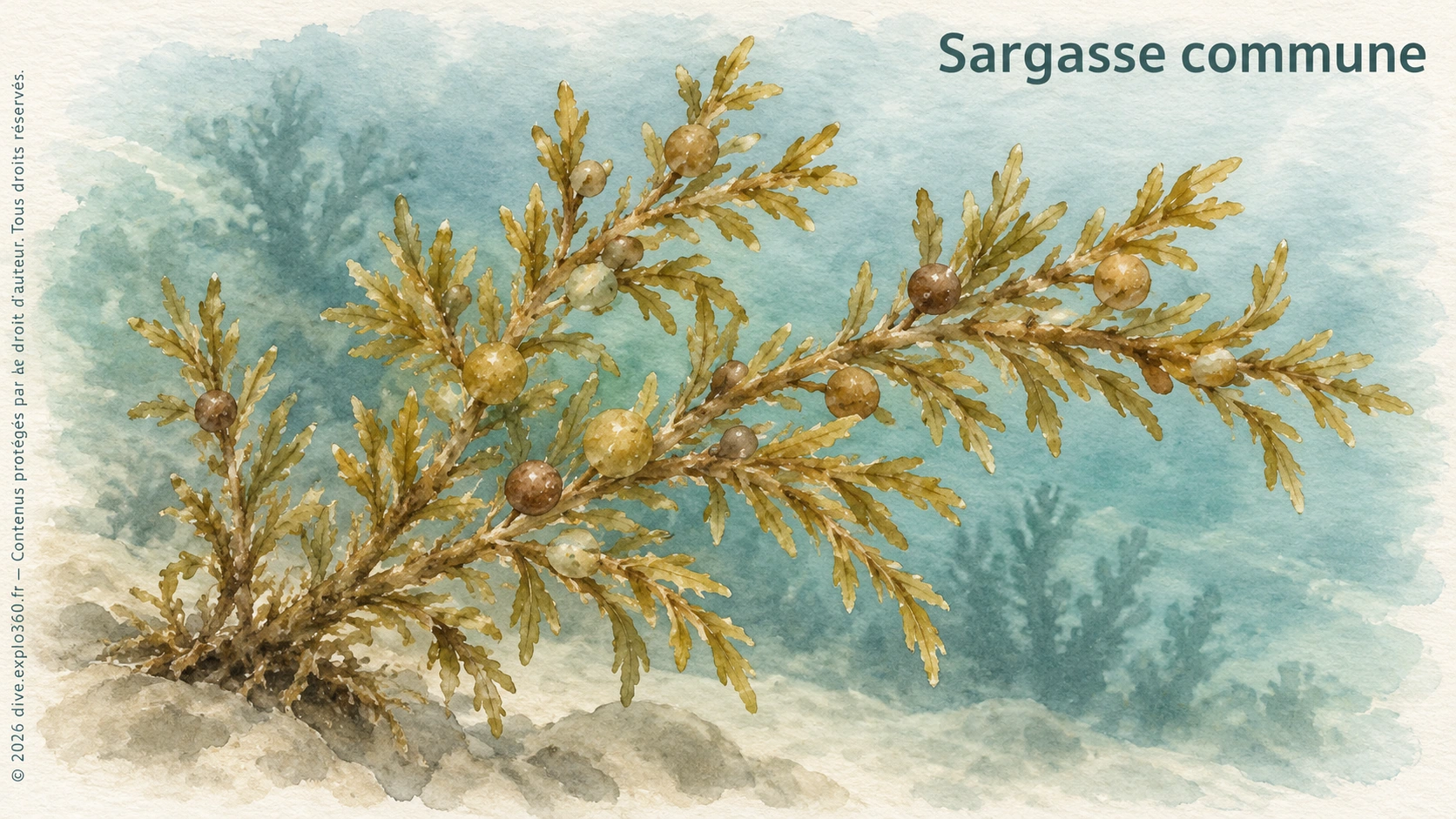 Species guidesCommon sargassumDiscover →
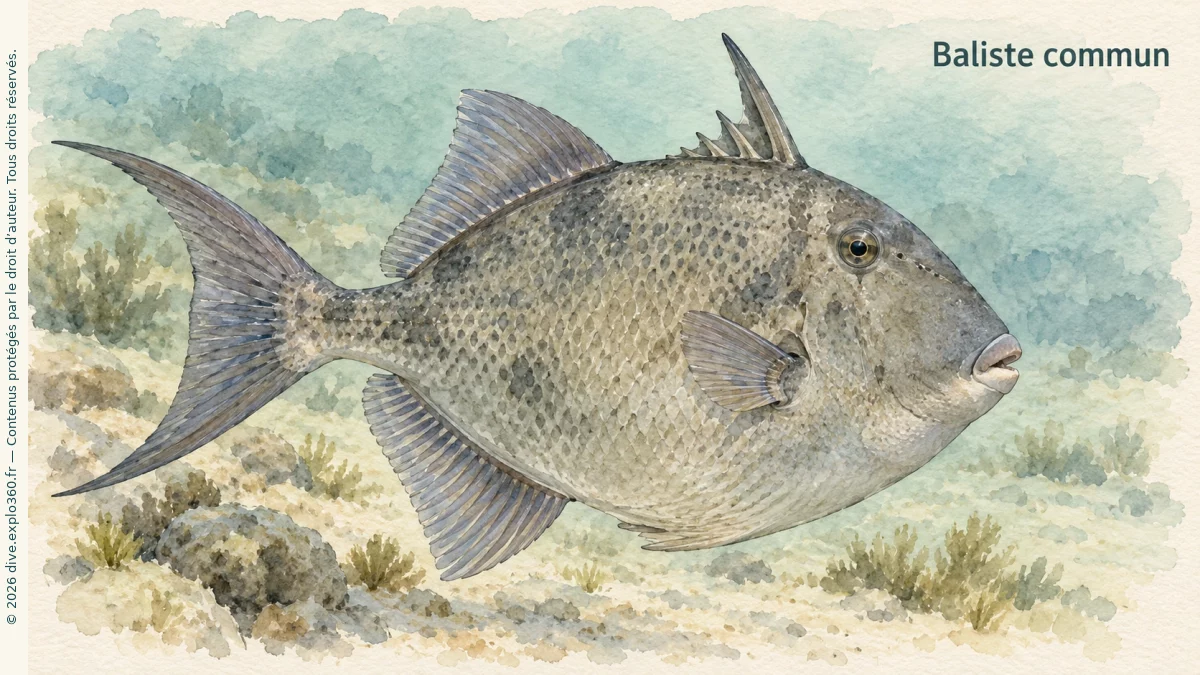 Species guidesGrey triggerfishDiscover →
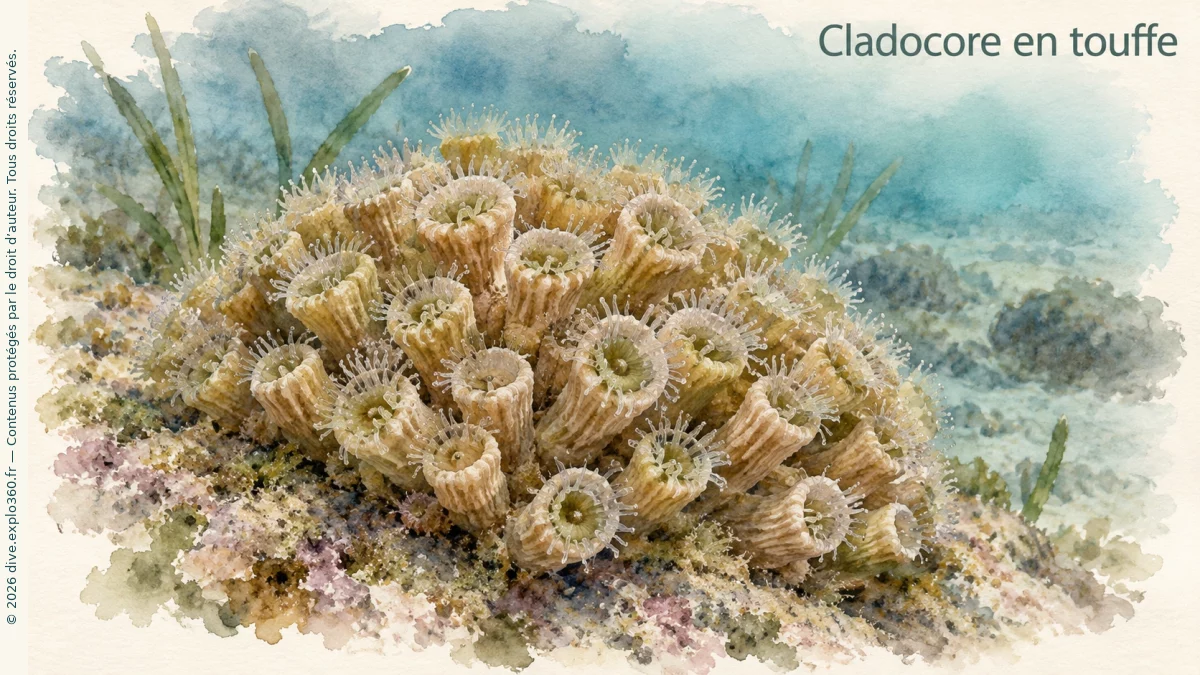 Species guidesMediterranean pillow coralDiscover →
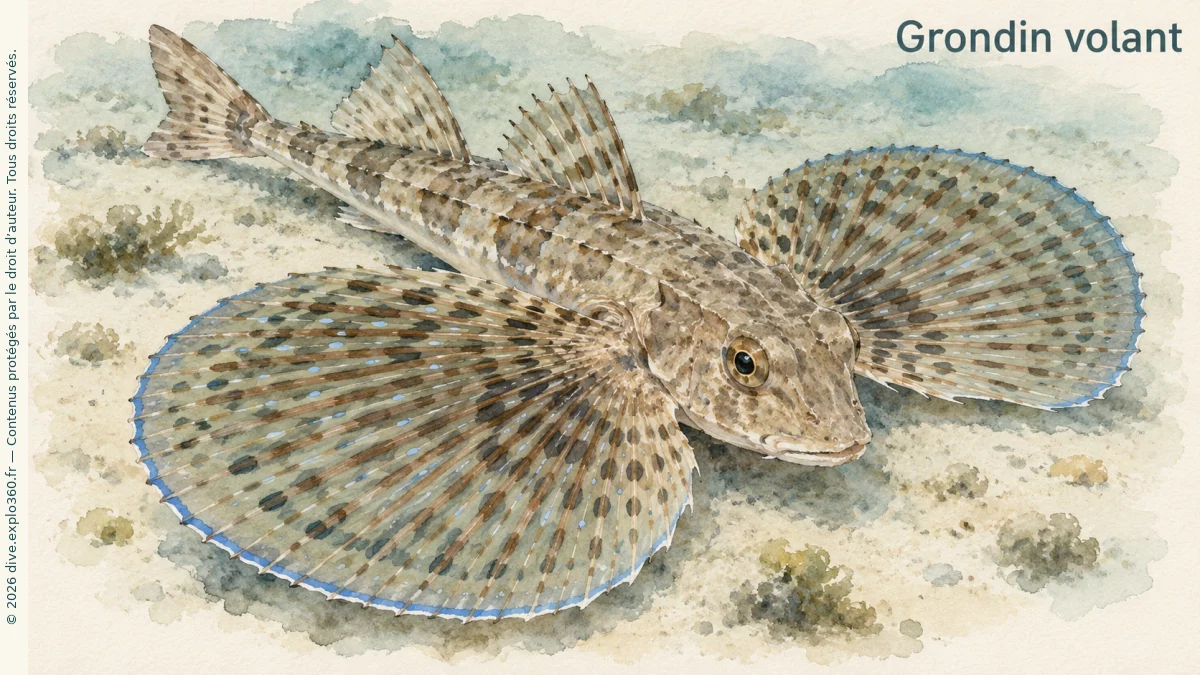 Species guidesFlying gurnardDiscover →
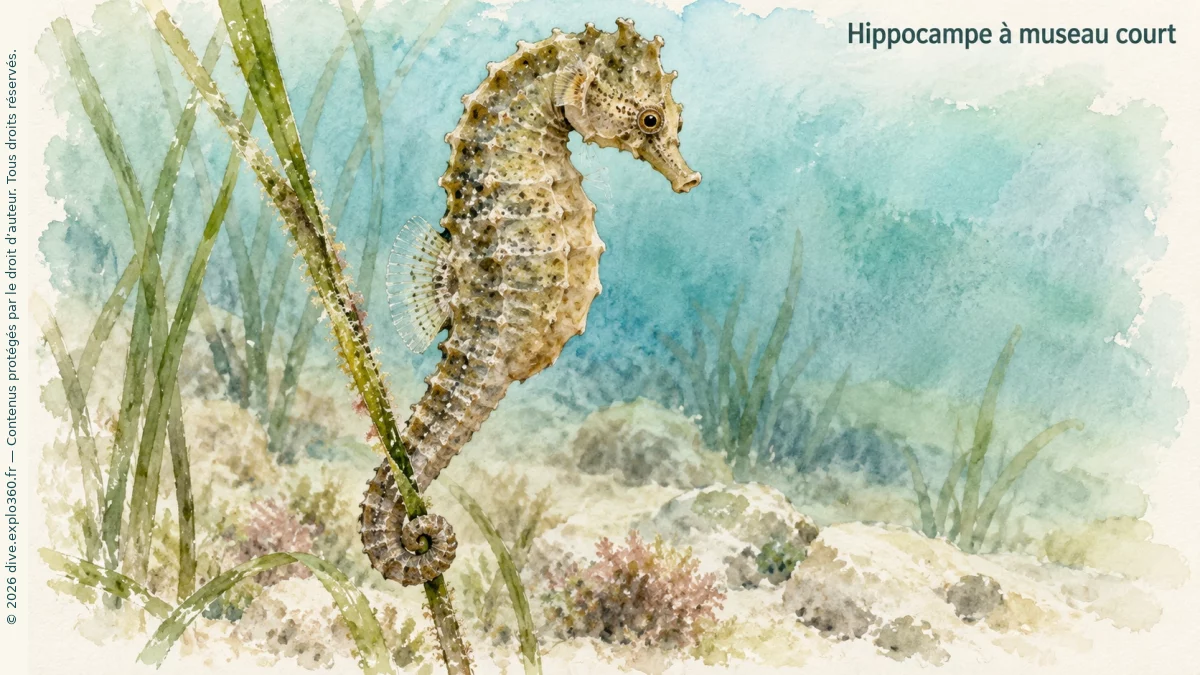 Species guidesShort-snouted seahorseDiscover →
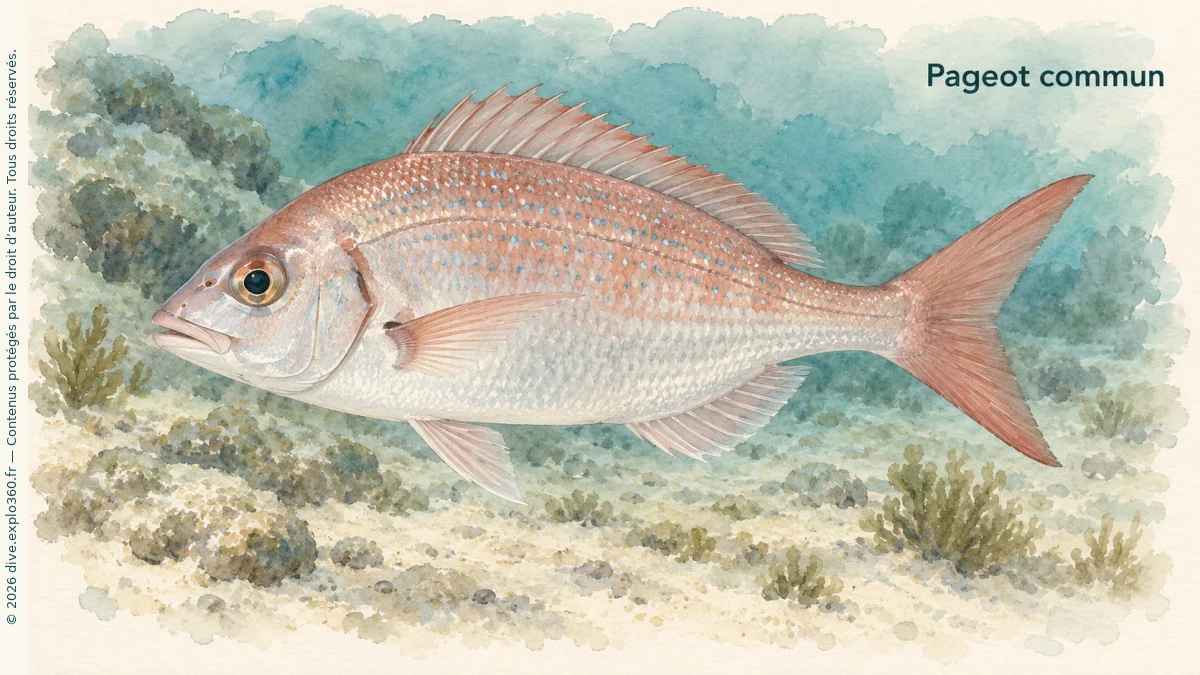 Species guidesCommon pandoraDiscover →
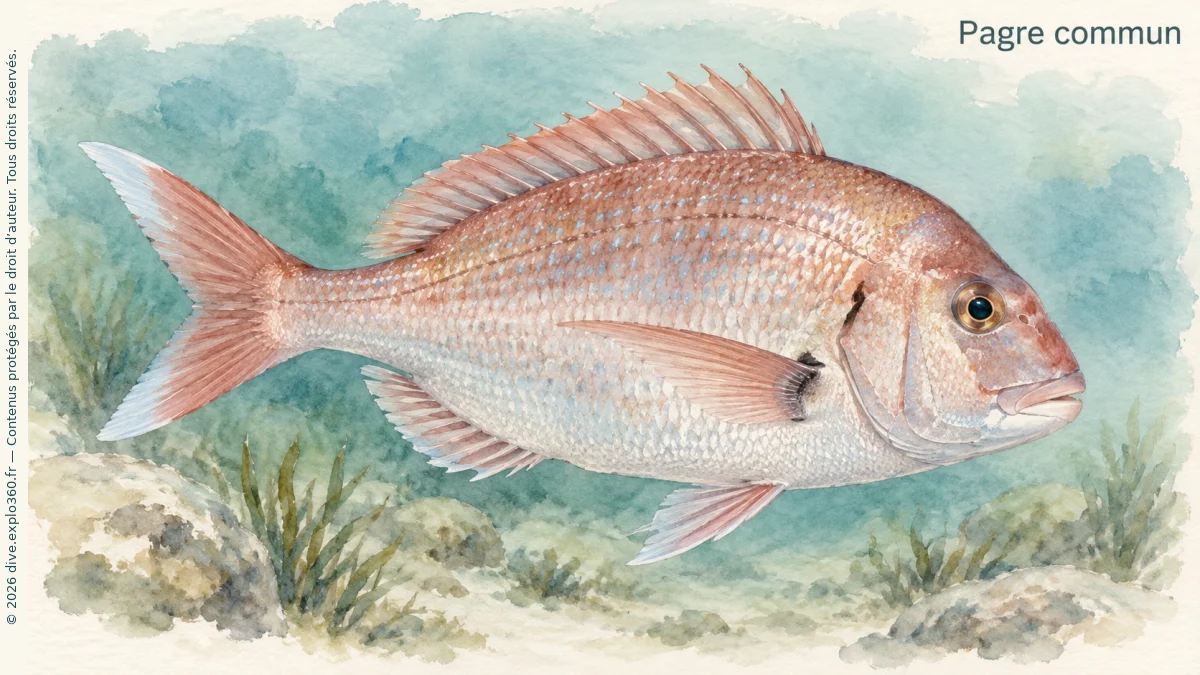 Species guidesRed porgyDiscover →
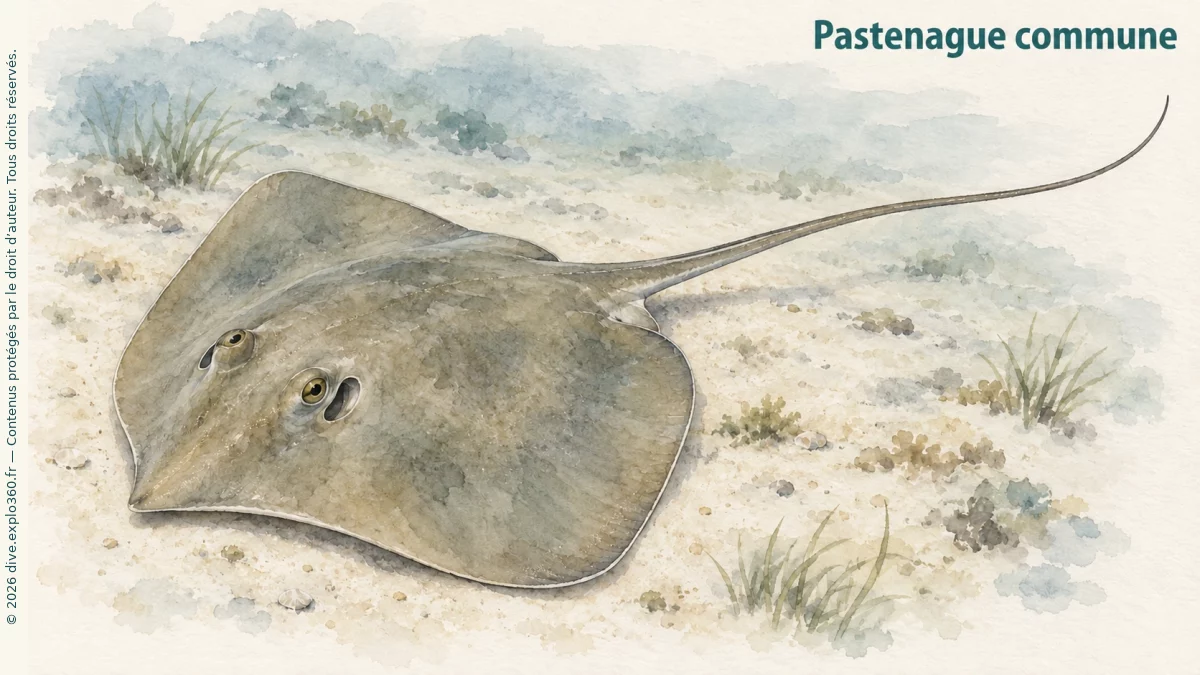 Species guidesCommon stingrayDiscover →
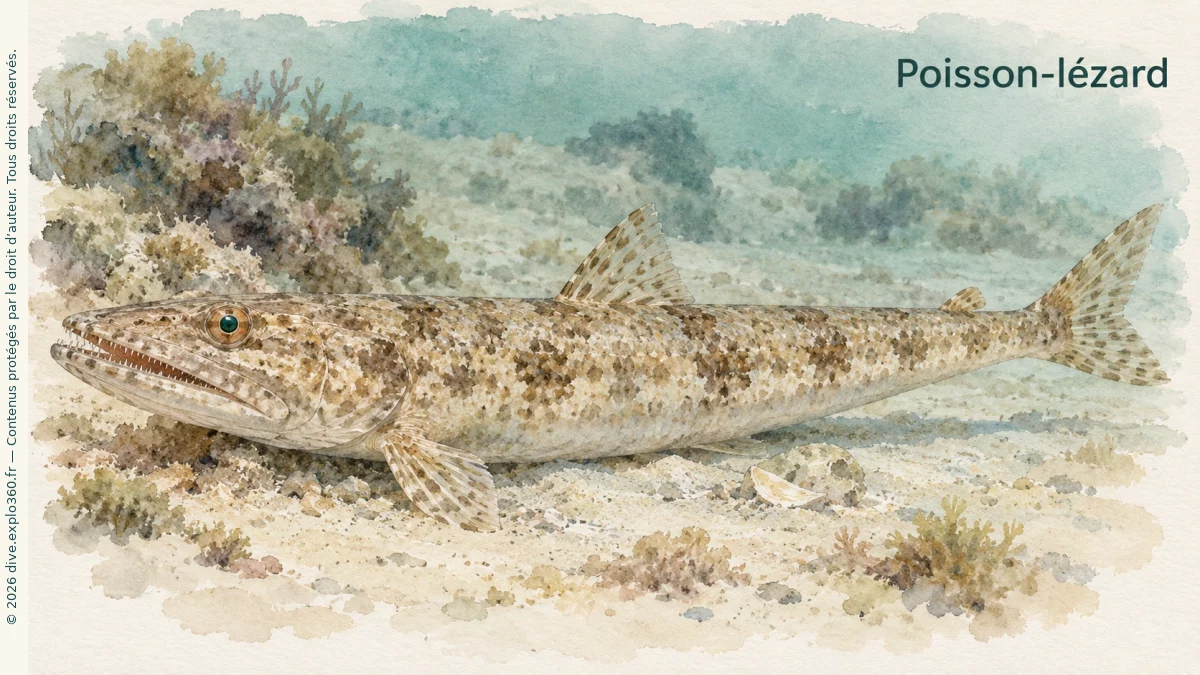 Species guidesAtlantic lizardfishDiscover →
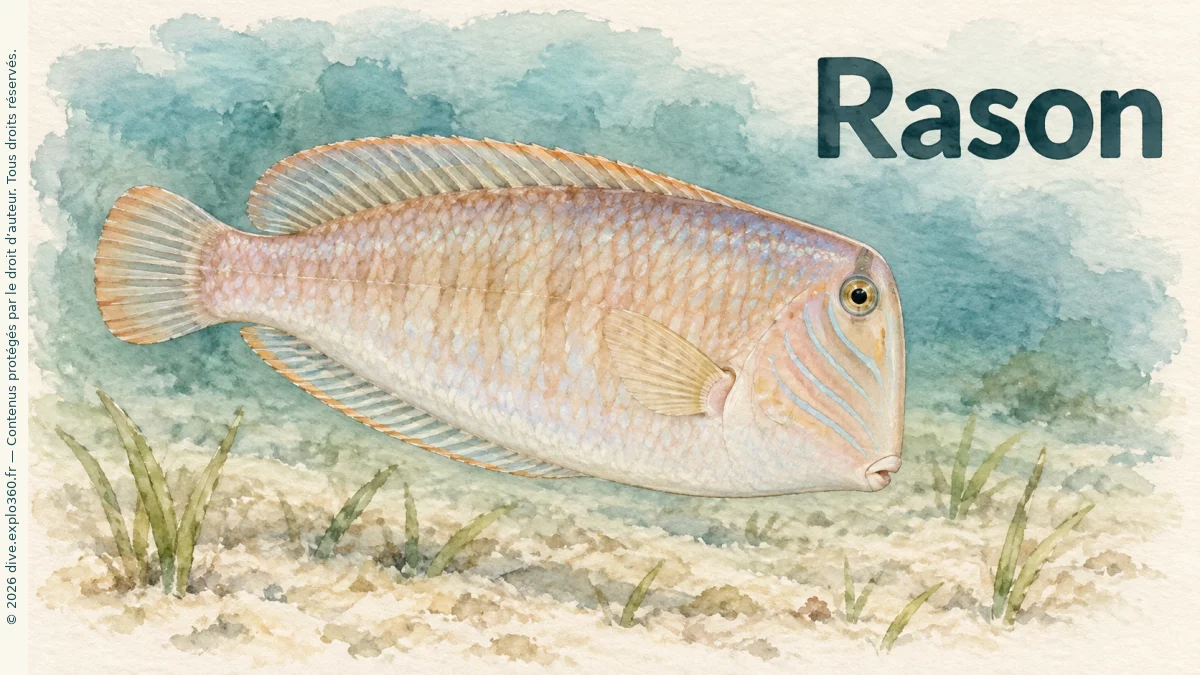 Species guidesPearly razorfishDiscover →
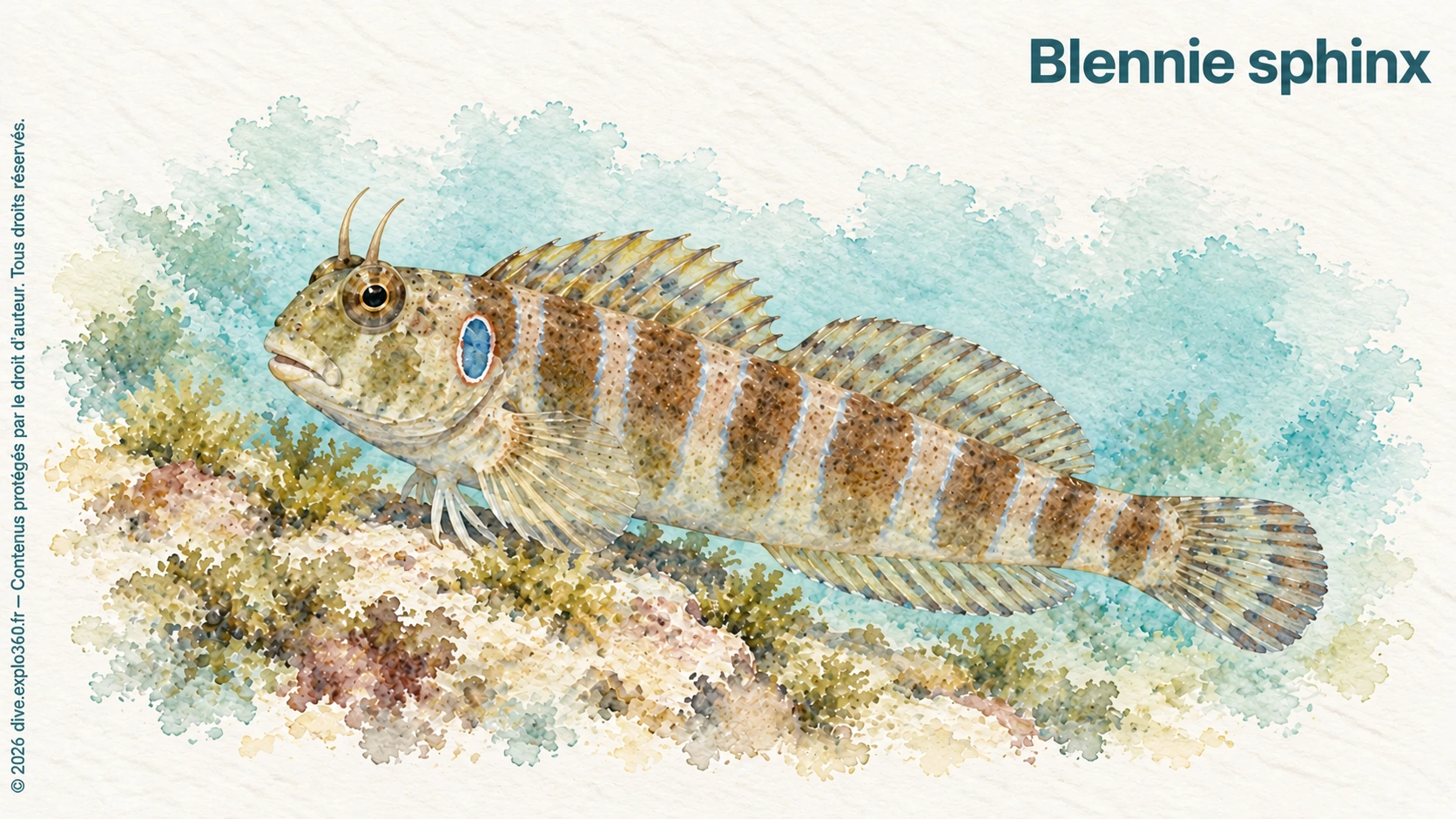 Species guidesSphinx blennyDiscover →
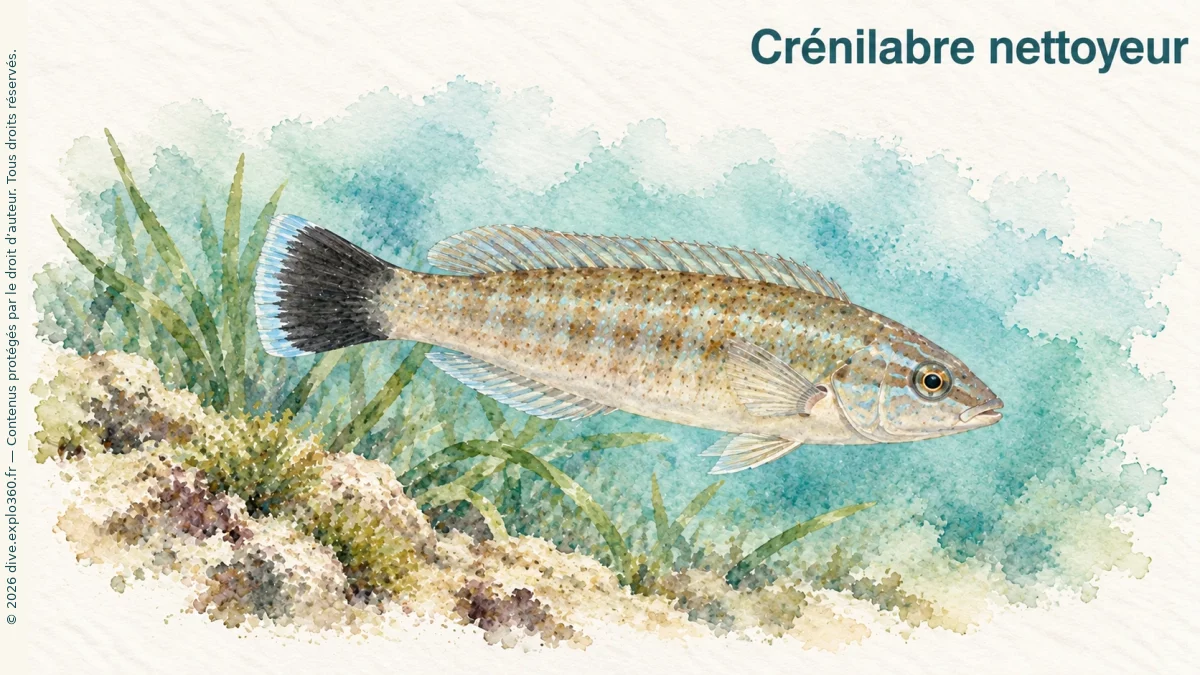 Species guidesBlack-tailed wrasseDiscover →
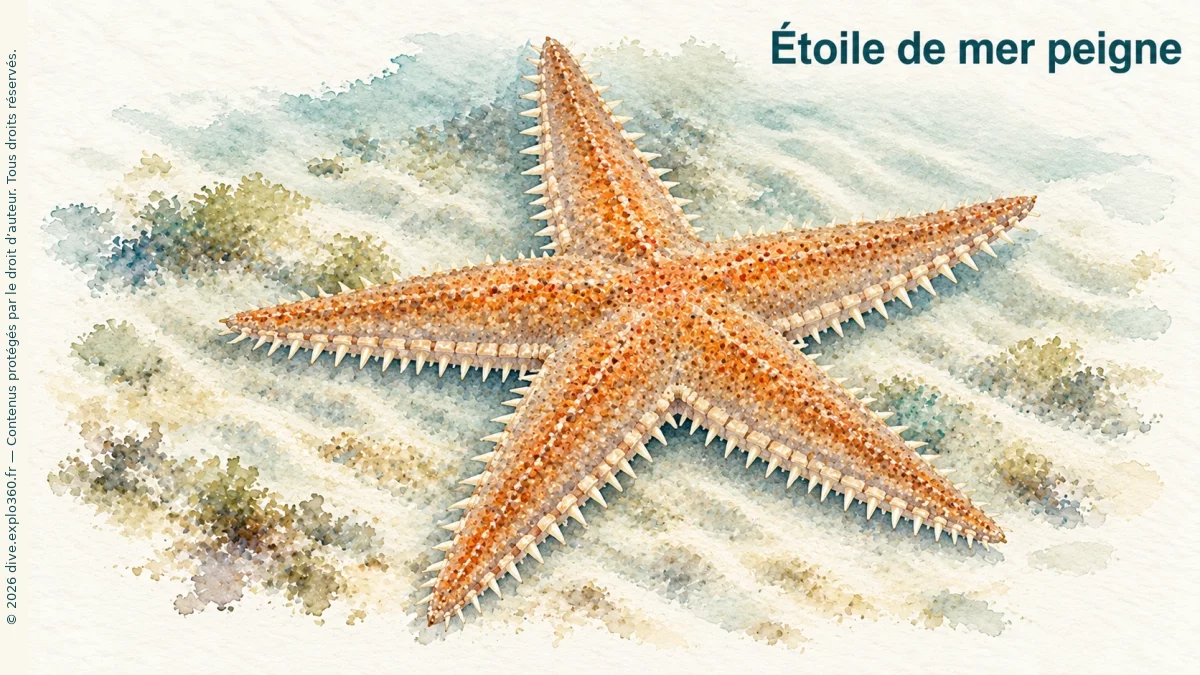 Species guidesRed comb starDiscover →
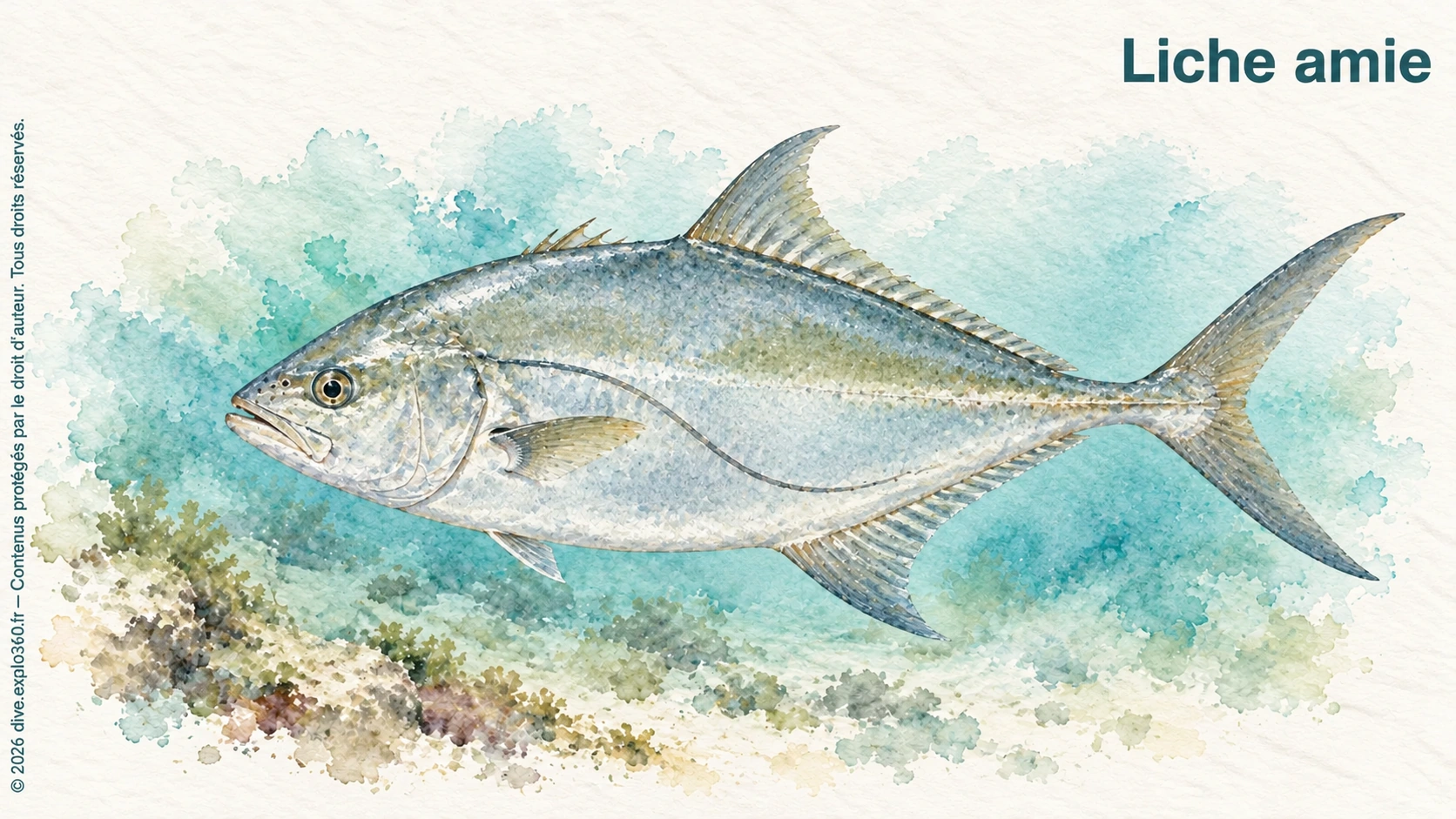 Species guidesLeerfishDiscover →
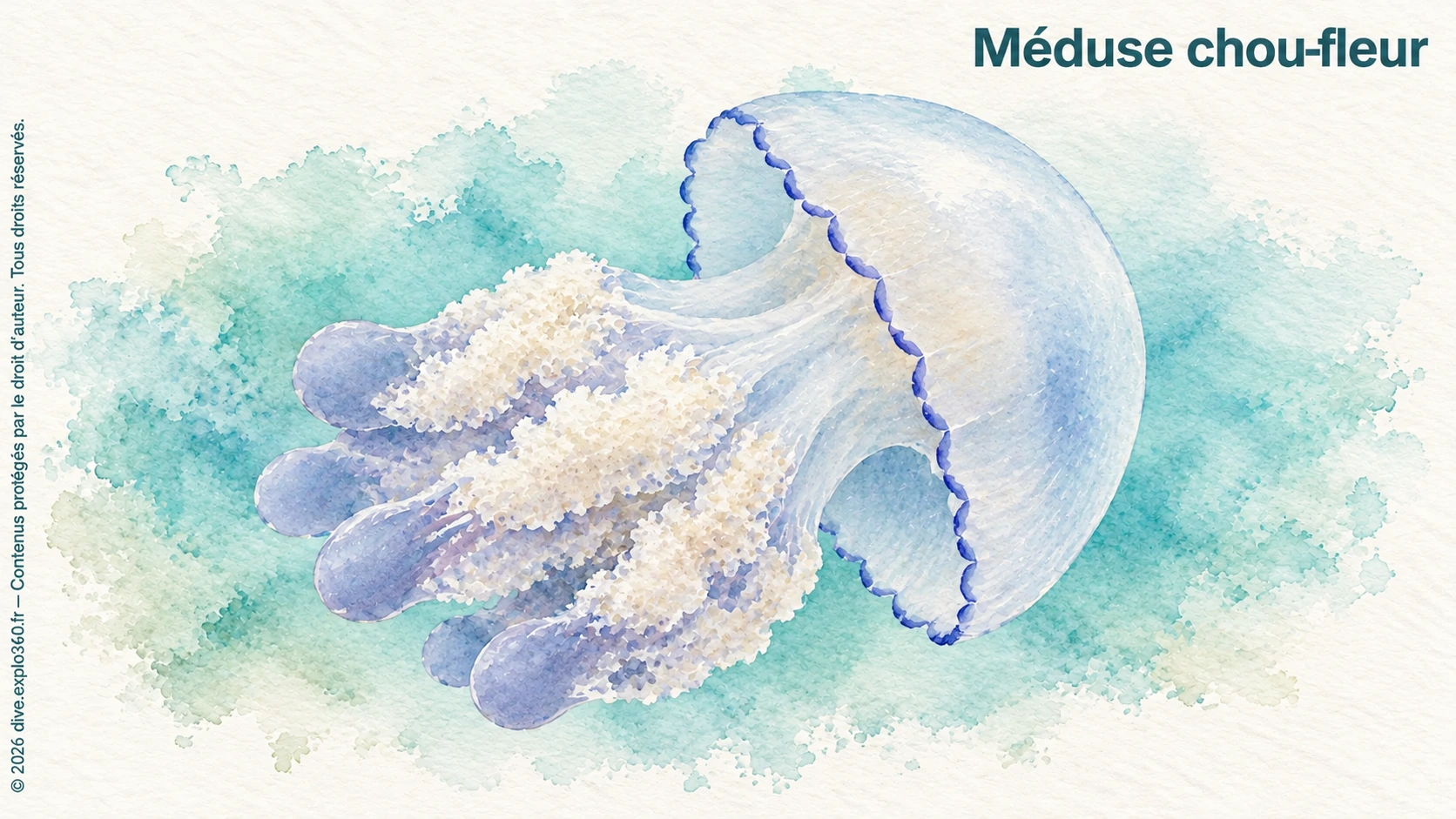 Species guidesBarrel jellyfishDiscover →
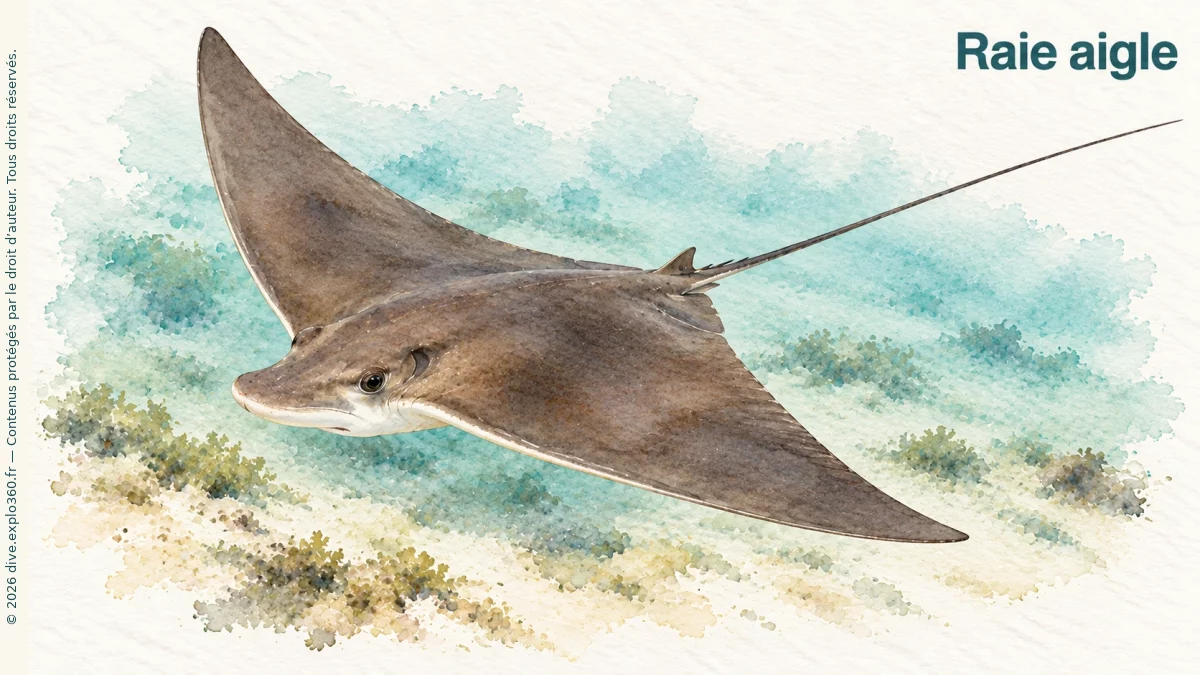 Species guidesCommon eagle rayDiscover →
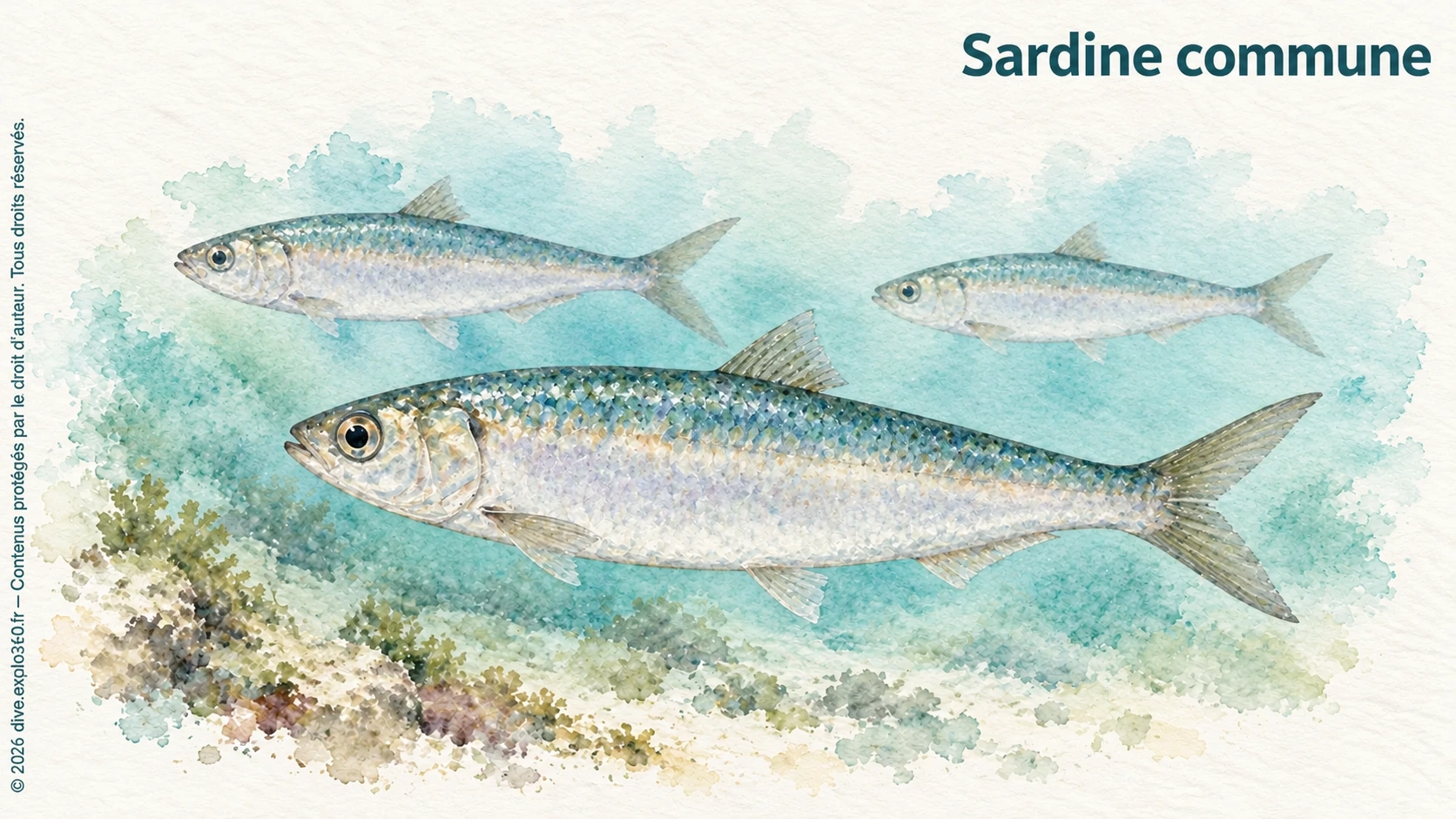 Species guidesEuropean sardineDiscover →
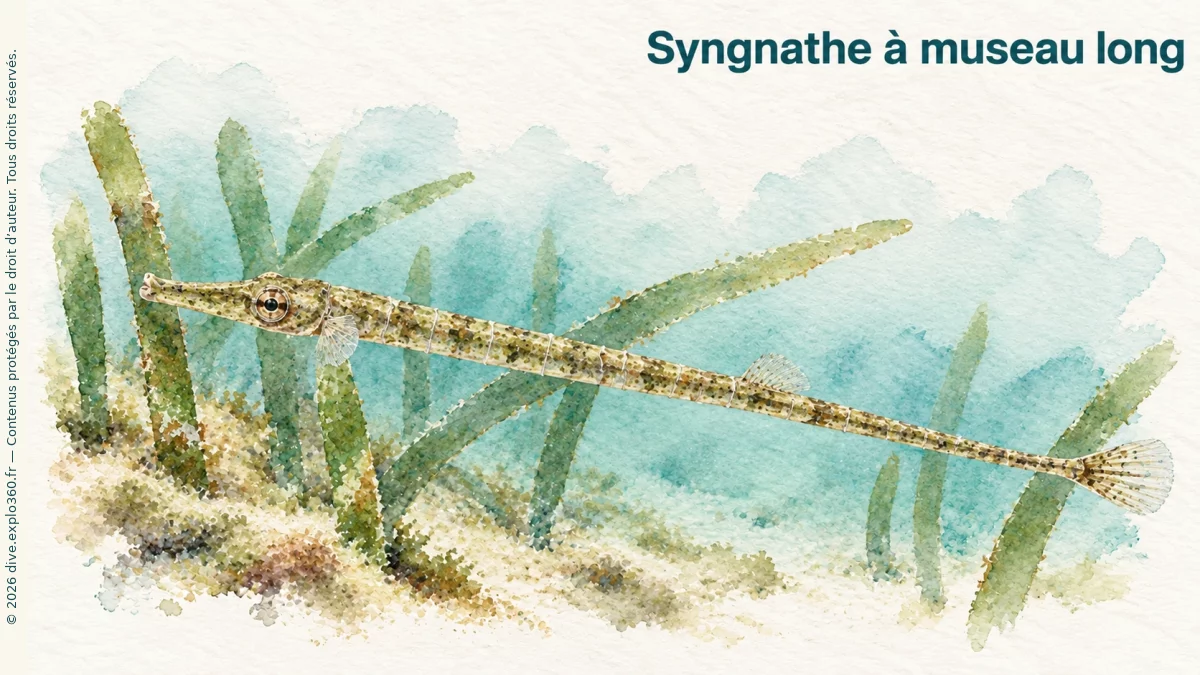 Species guidesBroad-nosed pipefishDiscover →
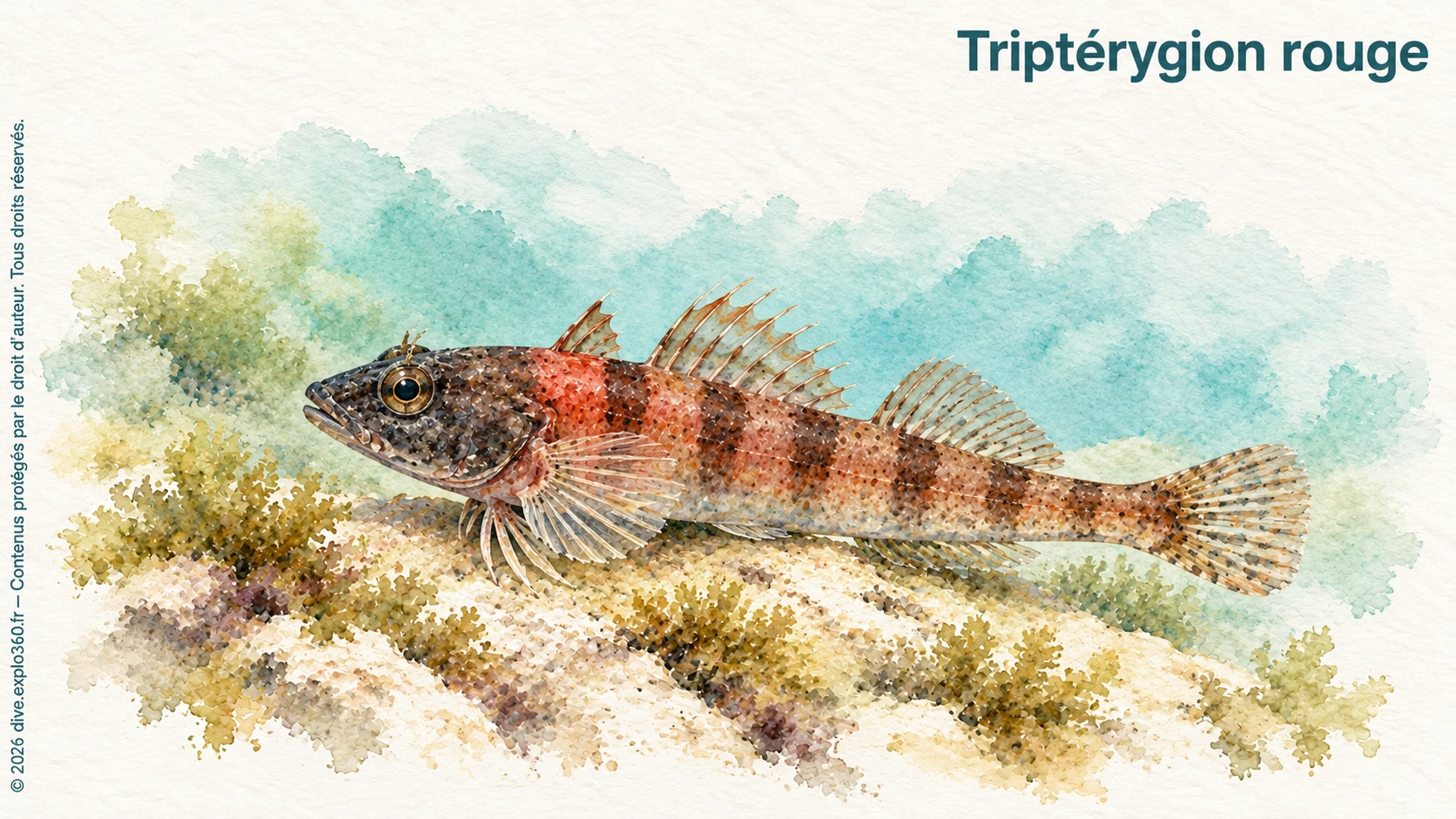 Species guidesRed-black triplefinDiscover →
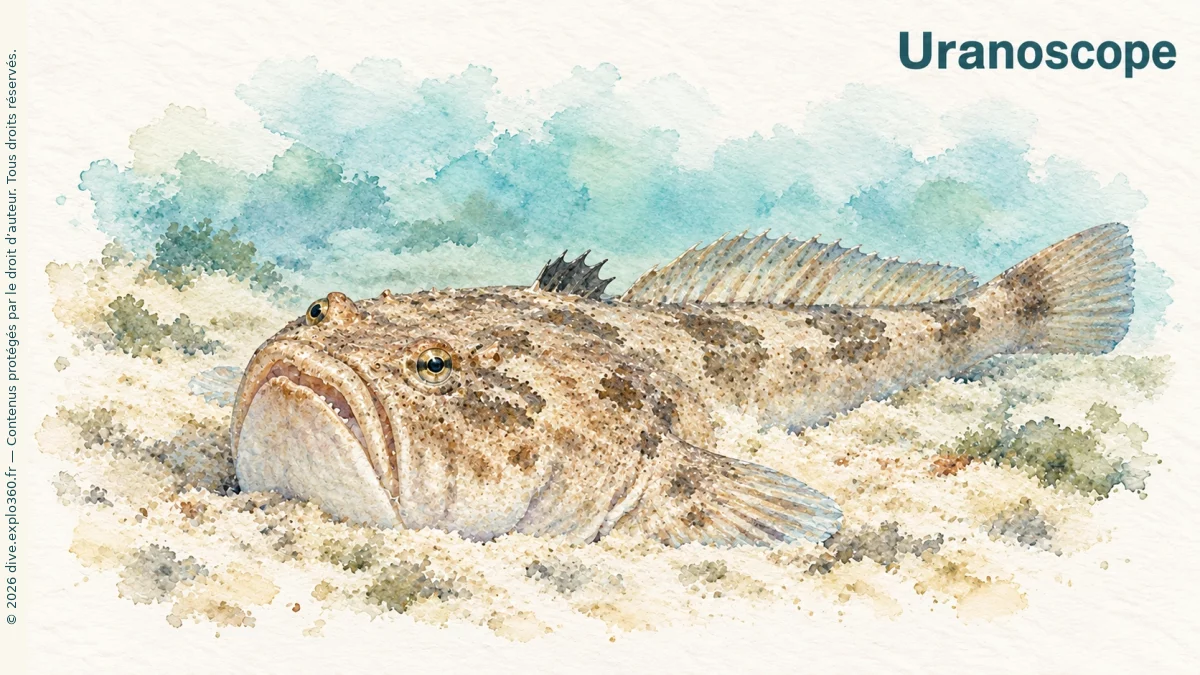 Species guidesAtlantic stargazerDiscover →
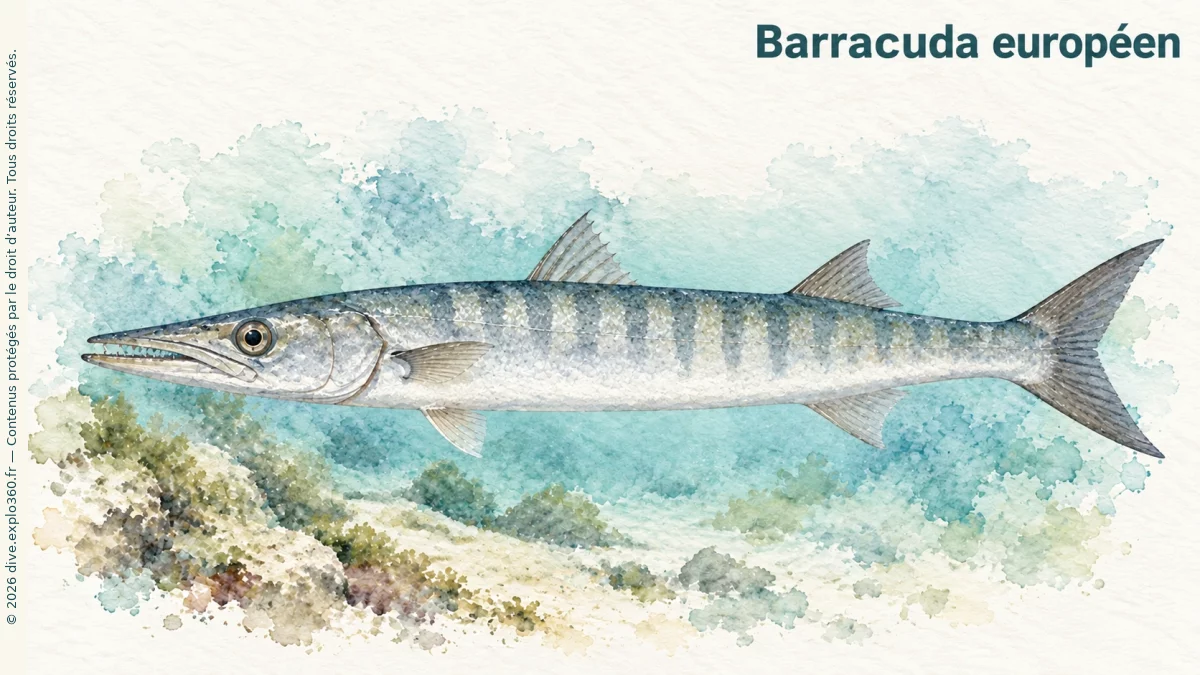 Species guidesEuropean barracudaDiscover →
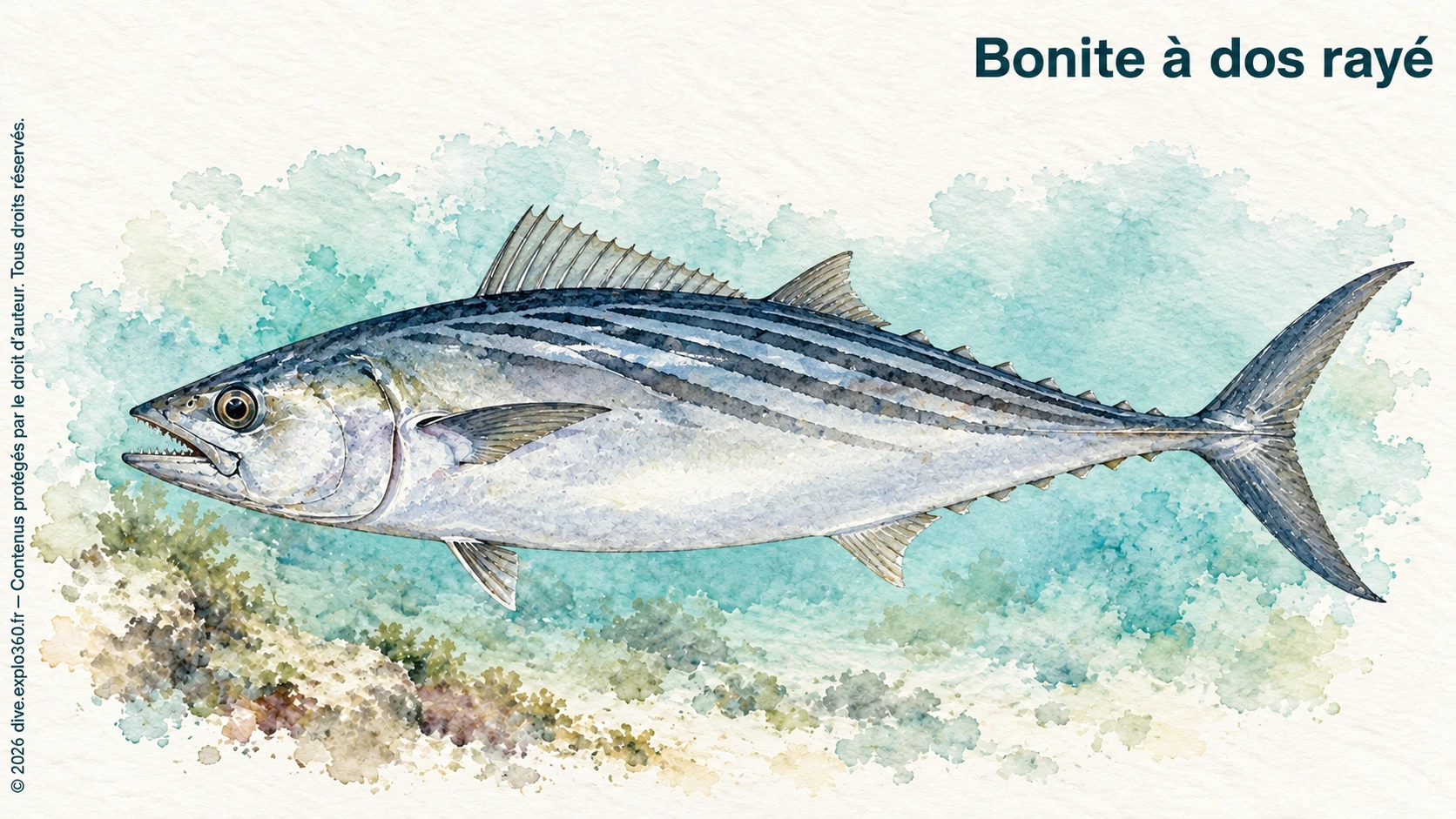 Species guidesAtlantic bonitoDiscover →
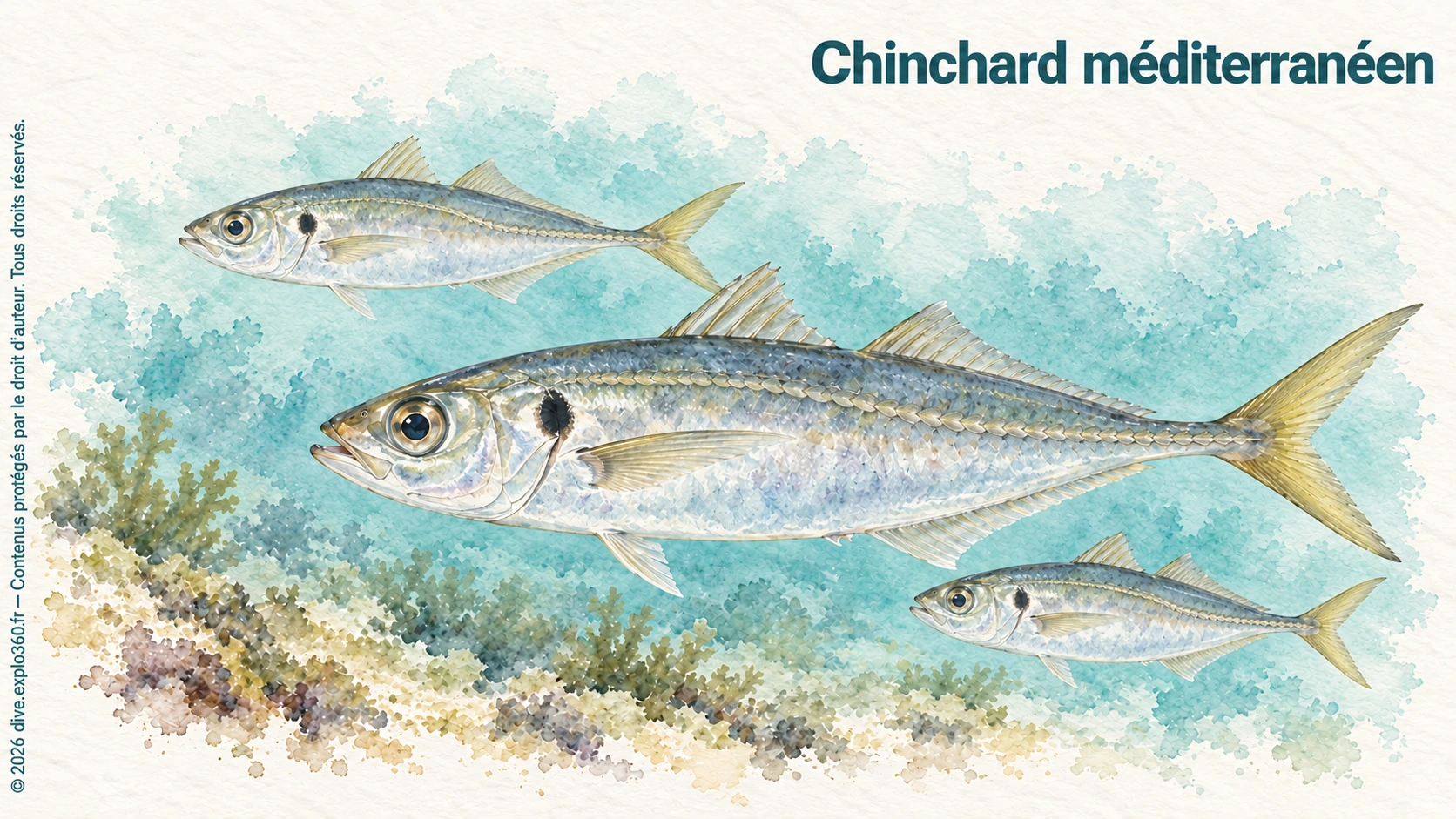 Species guidesMediterranean horse mackerelDiscover →
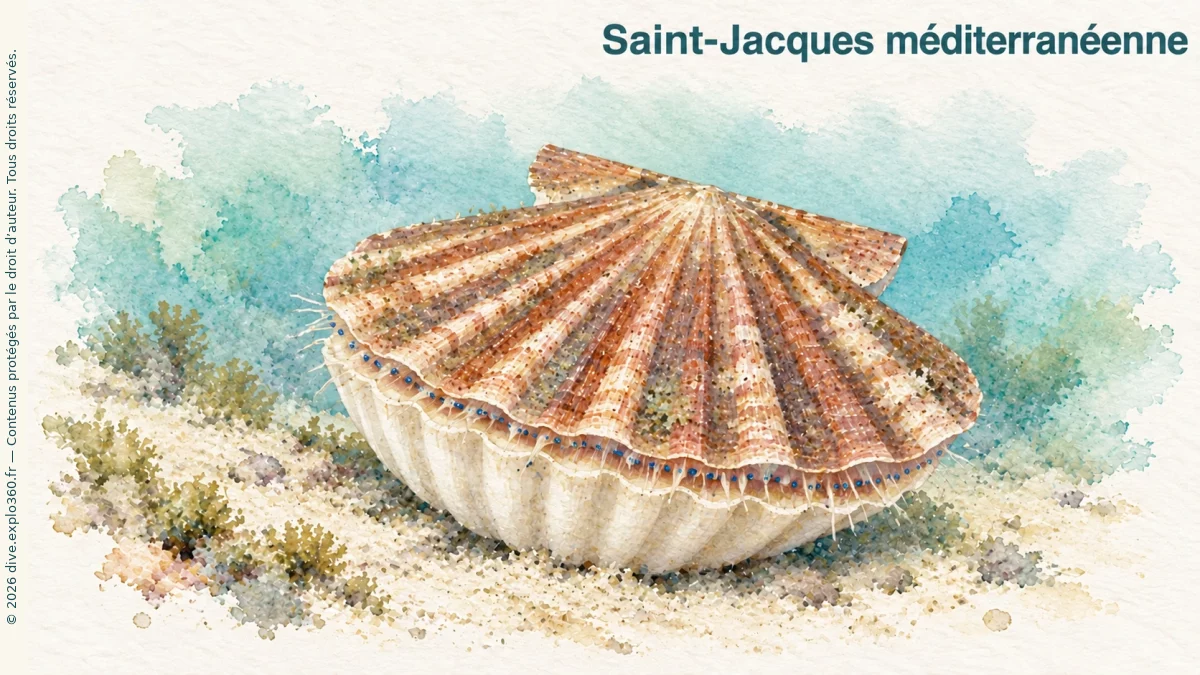 Species guidesMediterranean scallopDiscover →
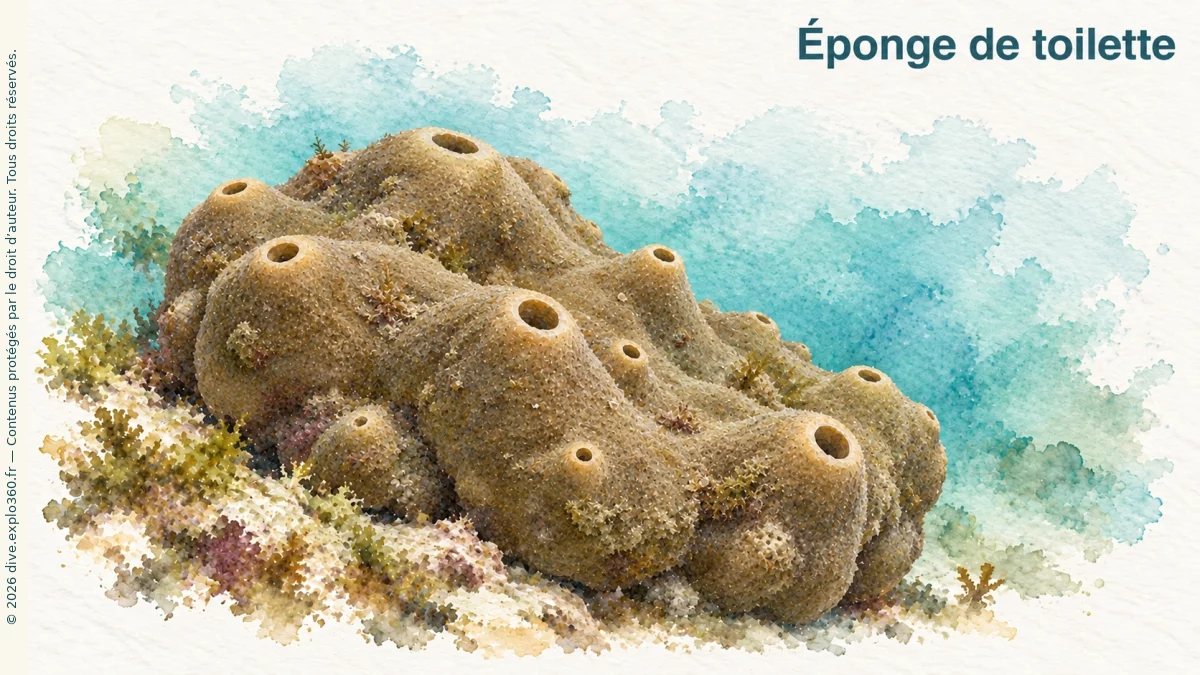 Species guidesBath spongeDiscover →
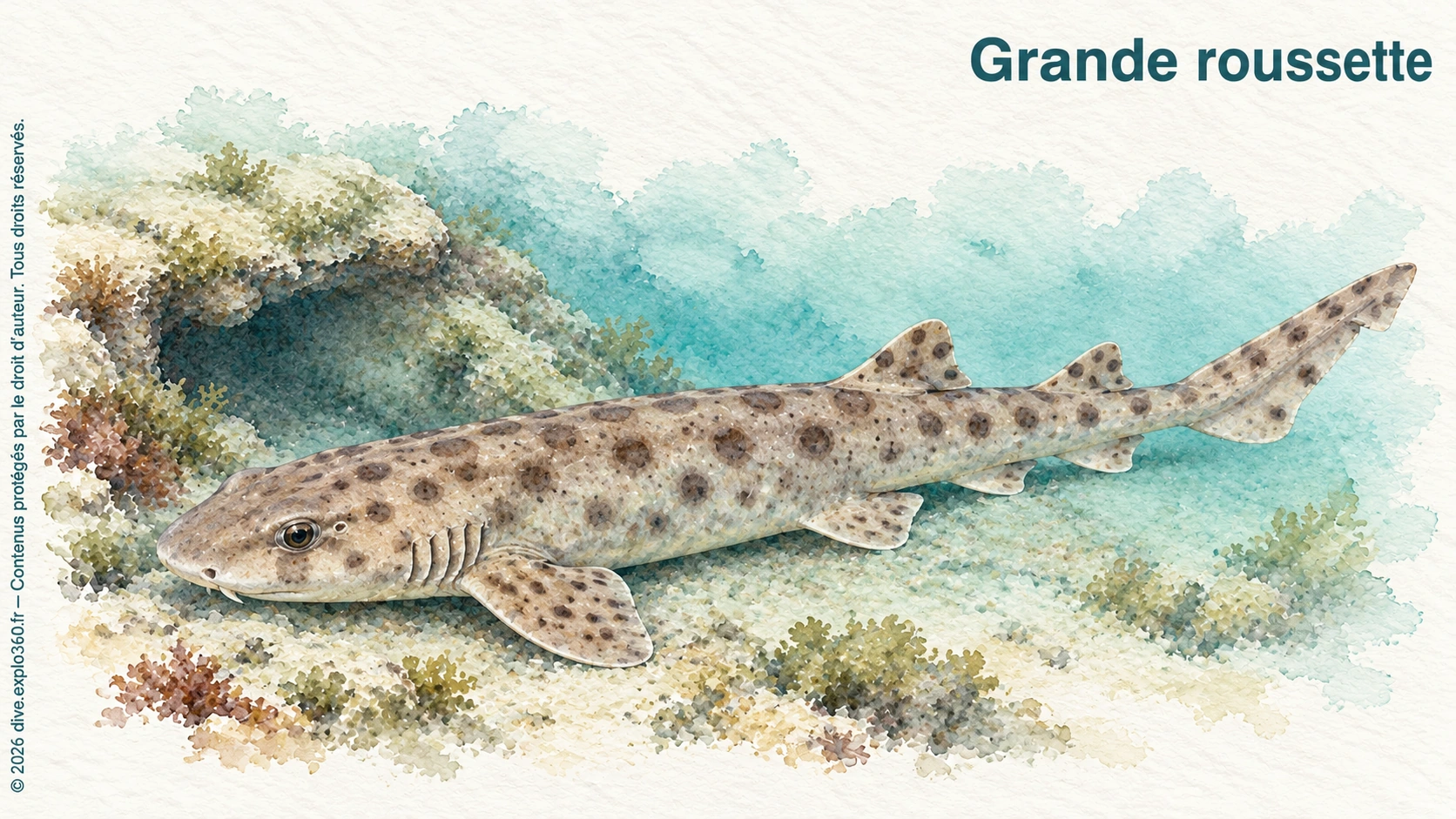 Species guidesNursehoundDiscover →
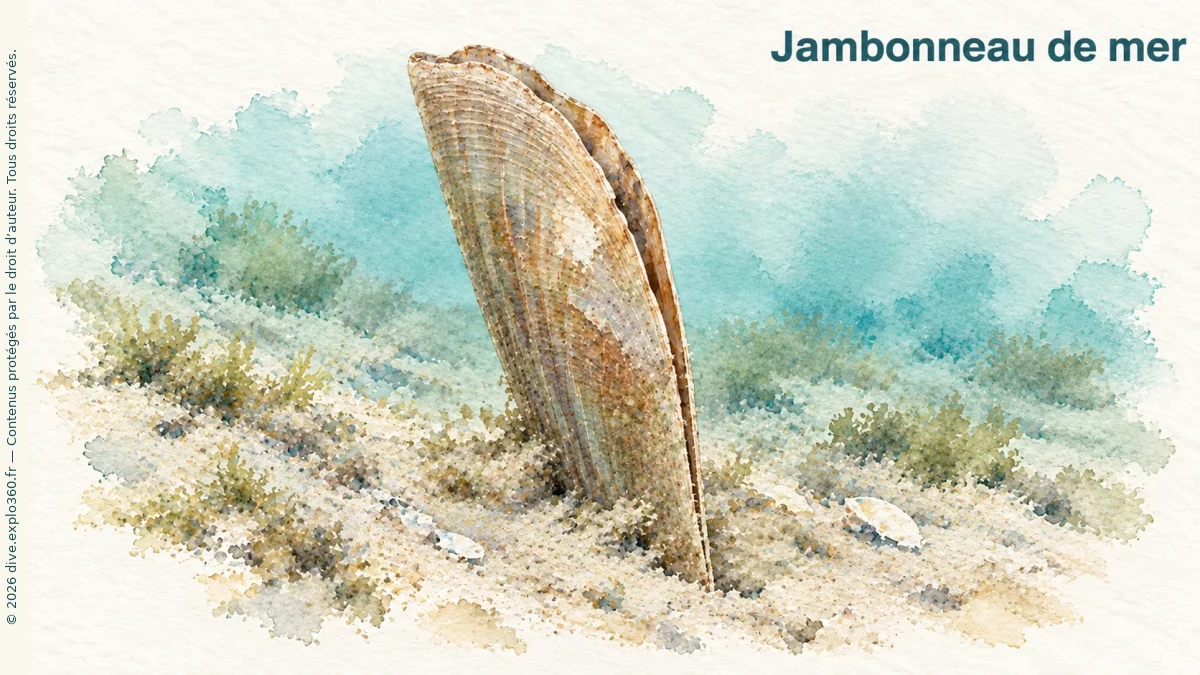 Species guidesBrittle pen shellDiscover →
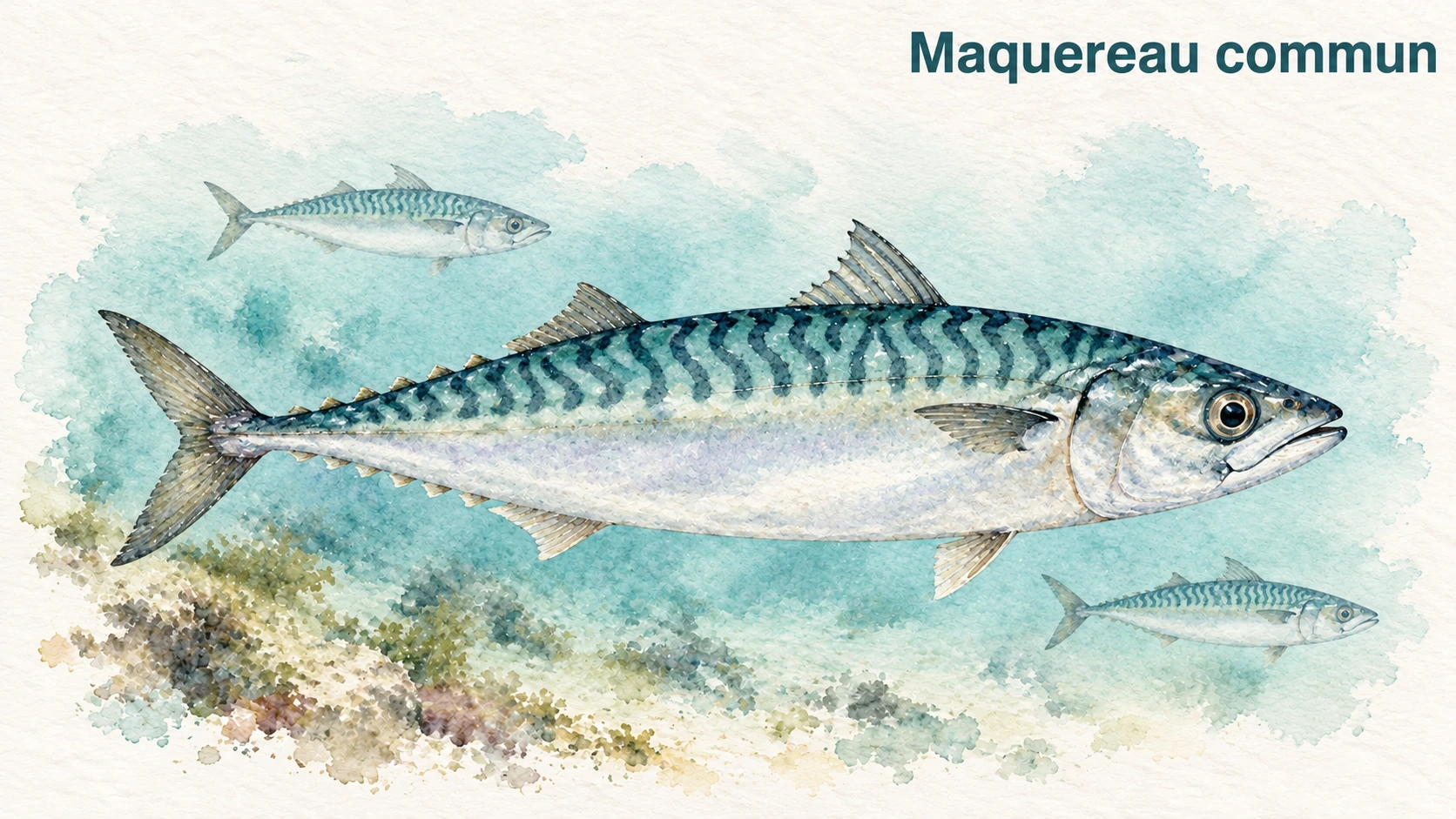 Species guidesAtlantic mackerelDiscover →
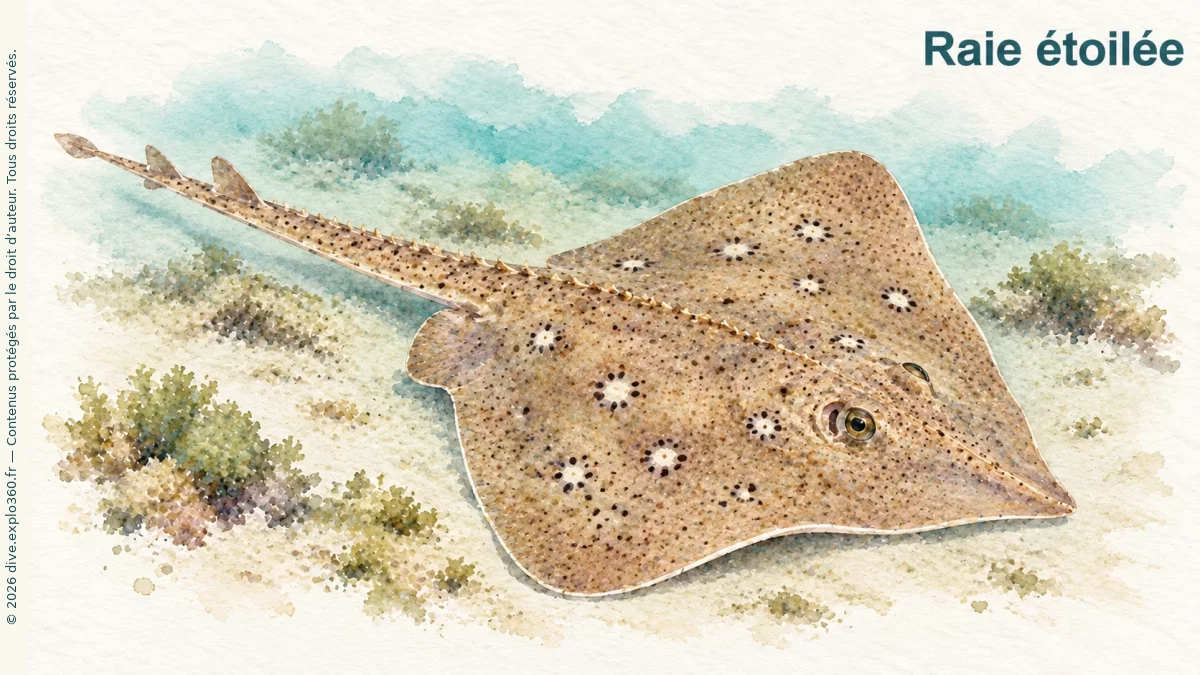 Species guidesMediterranean starry skateDiscover →
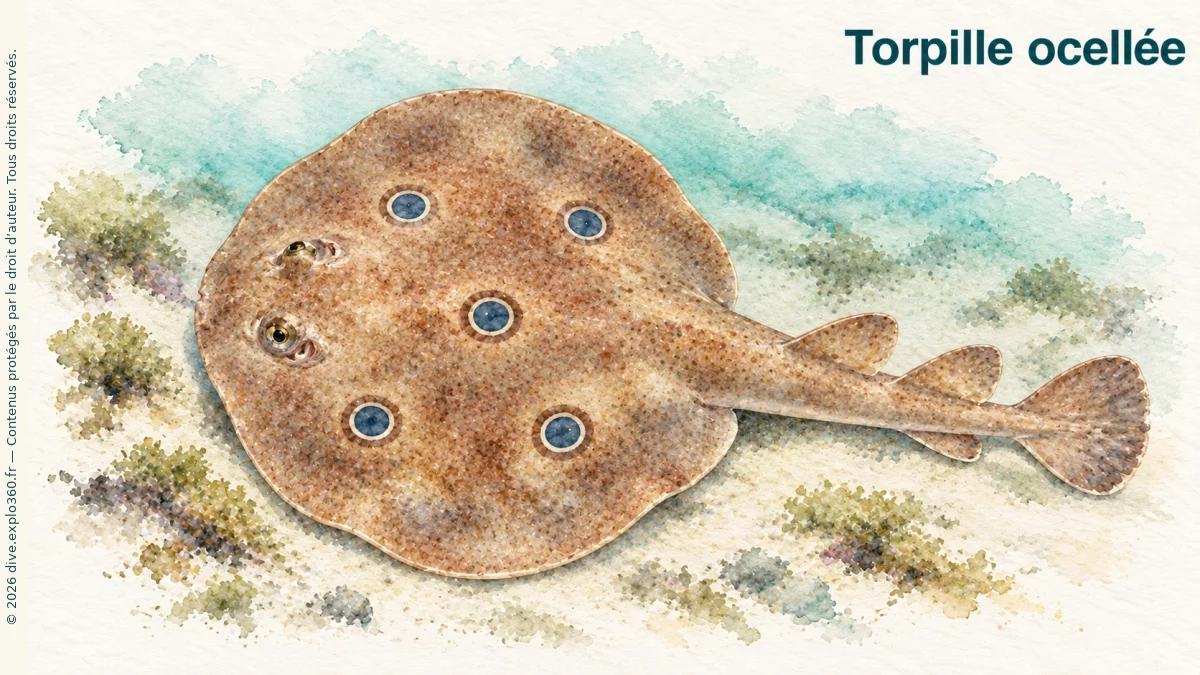 Species guidesCommon torpedoDiscover →
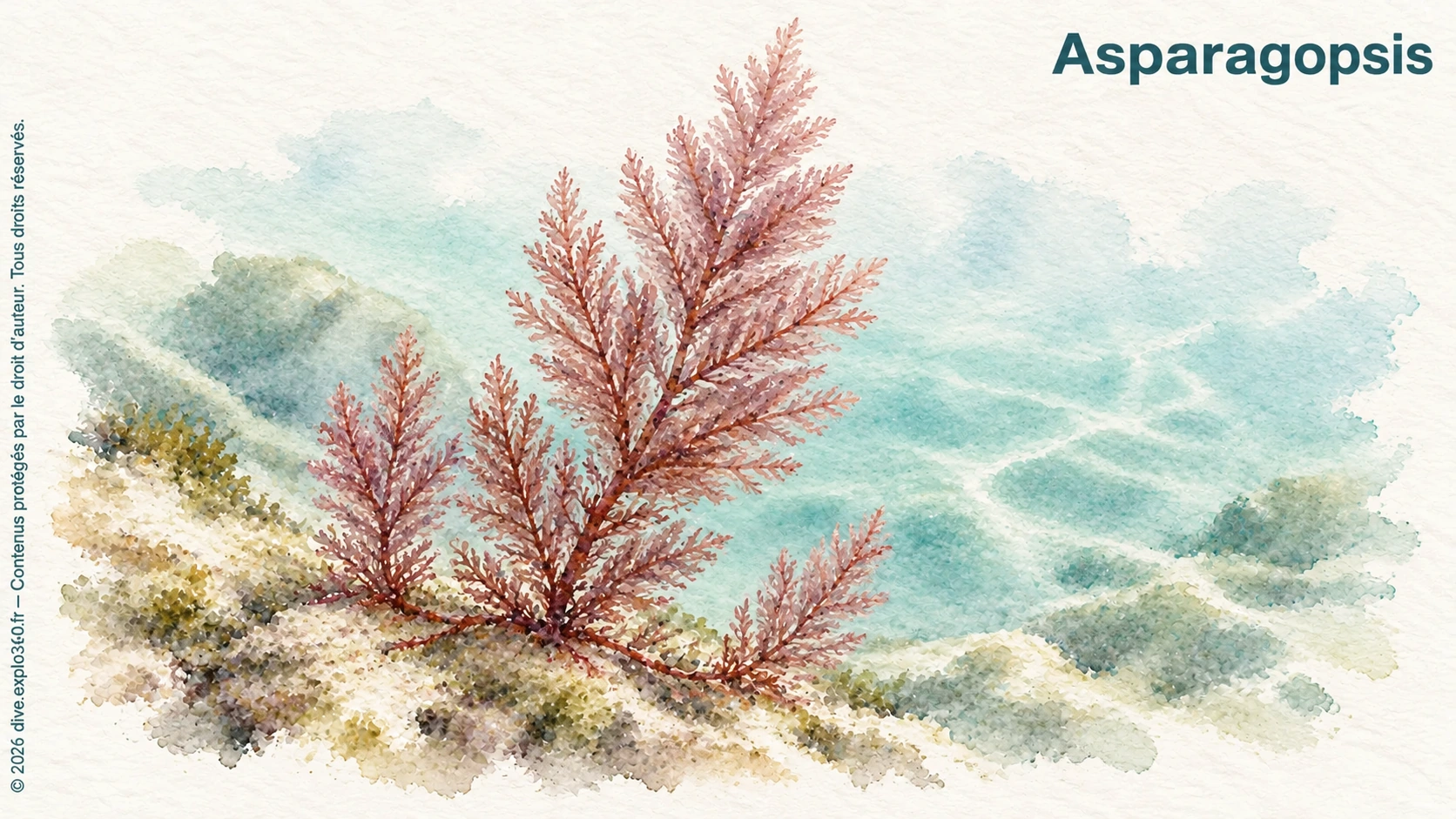 Species guidesAsparagopsis seaweedDiscover →
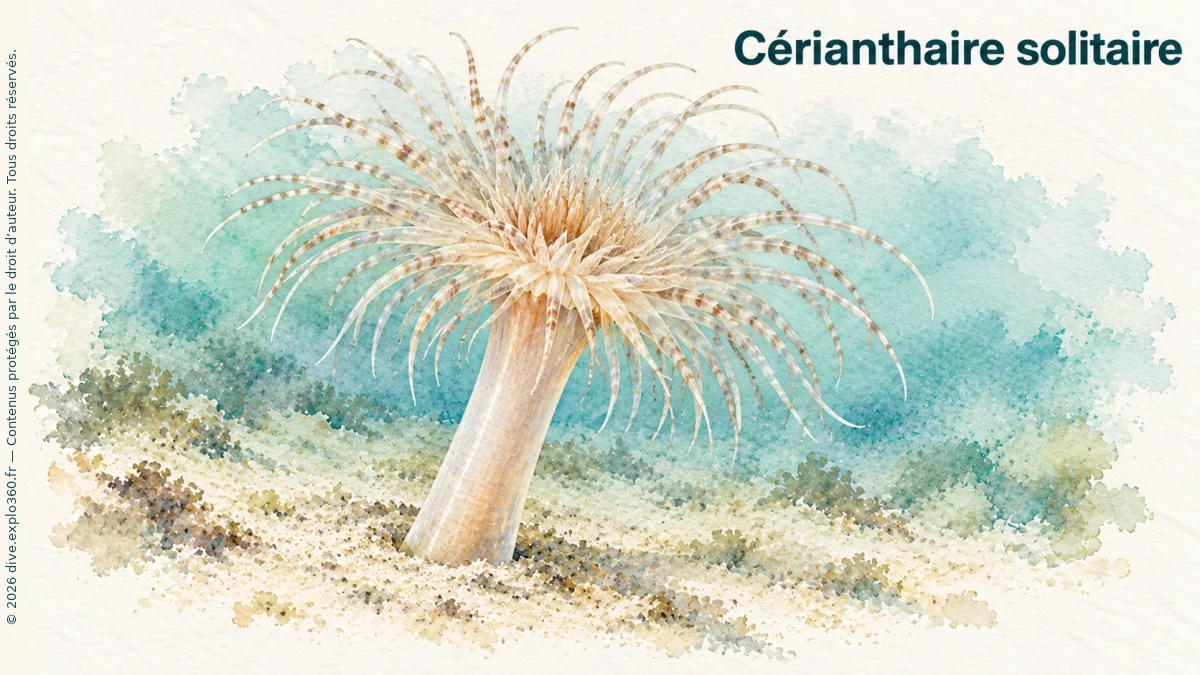 Species guidesSolitary tube anemoneDiscover →
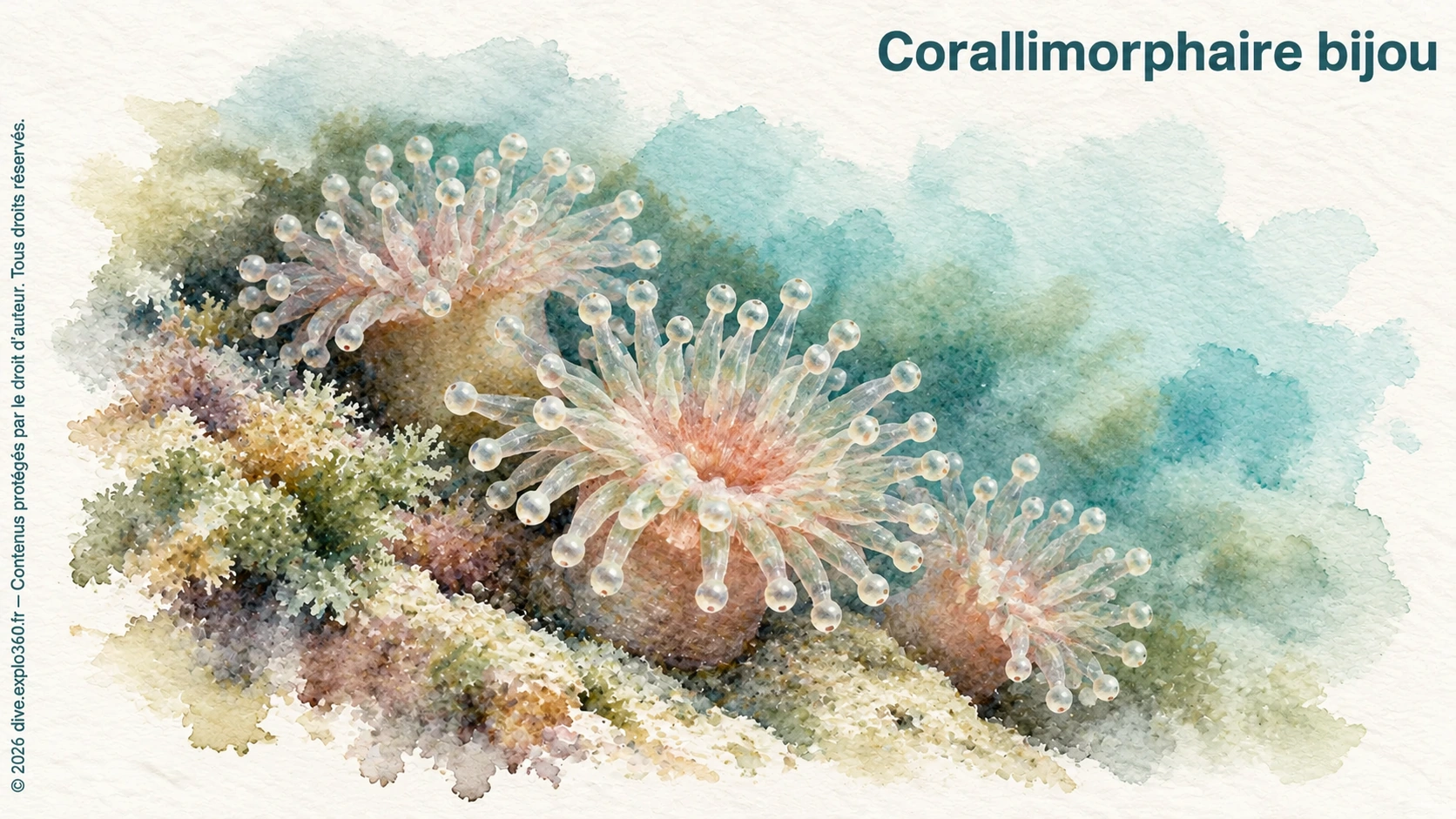 Species guidesJewel anemoneDiscover →
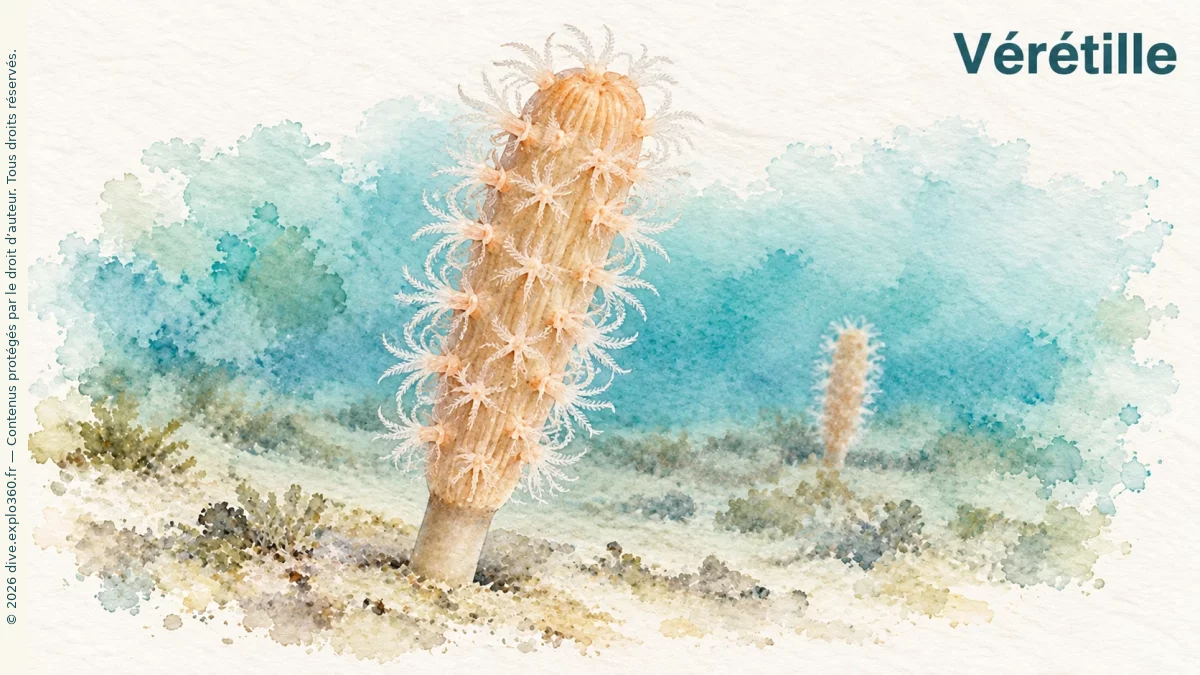 Species guidesCylindrical sea penDiscover →
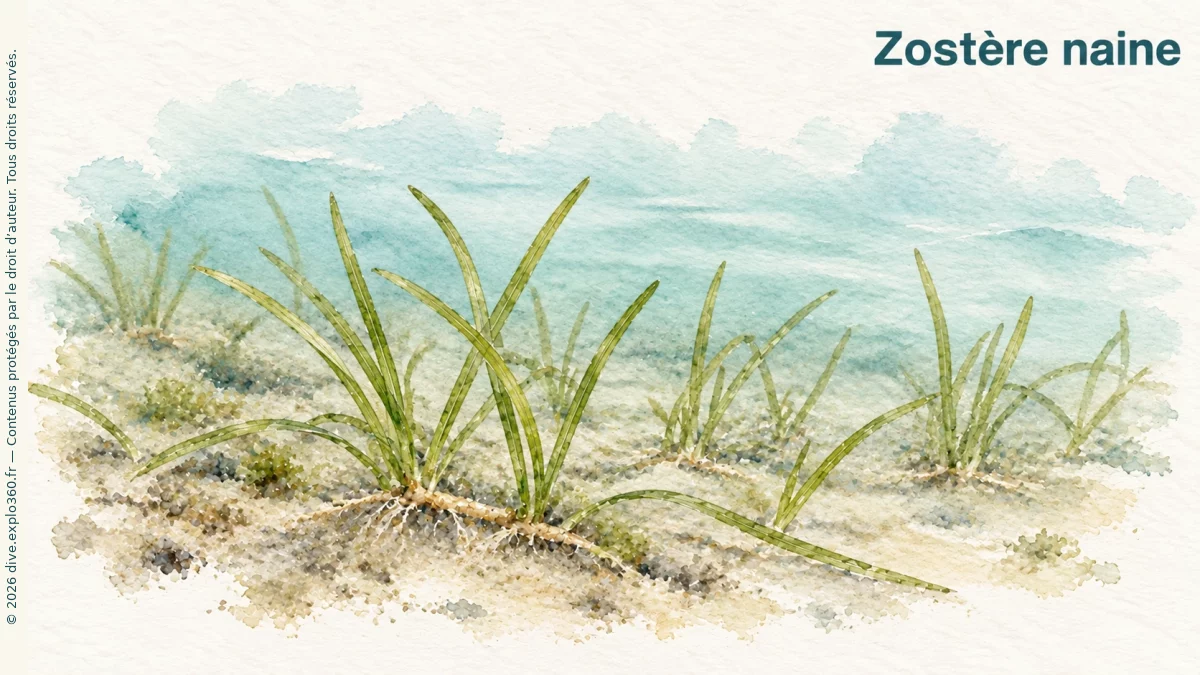 Species guidesDwarf eelgrassDiscover →
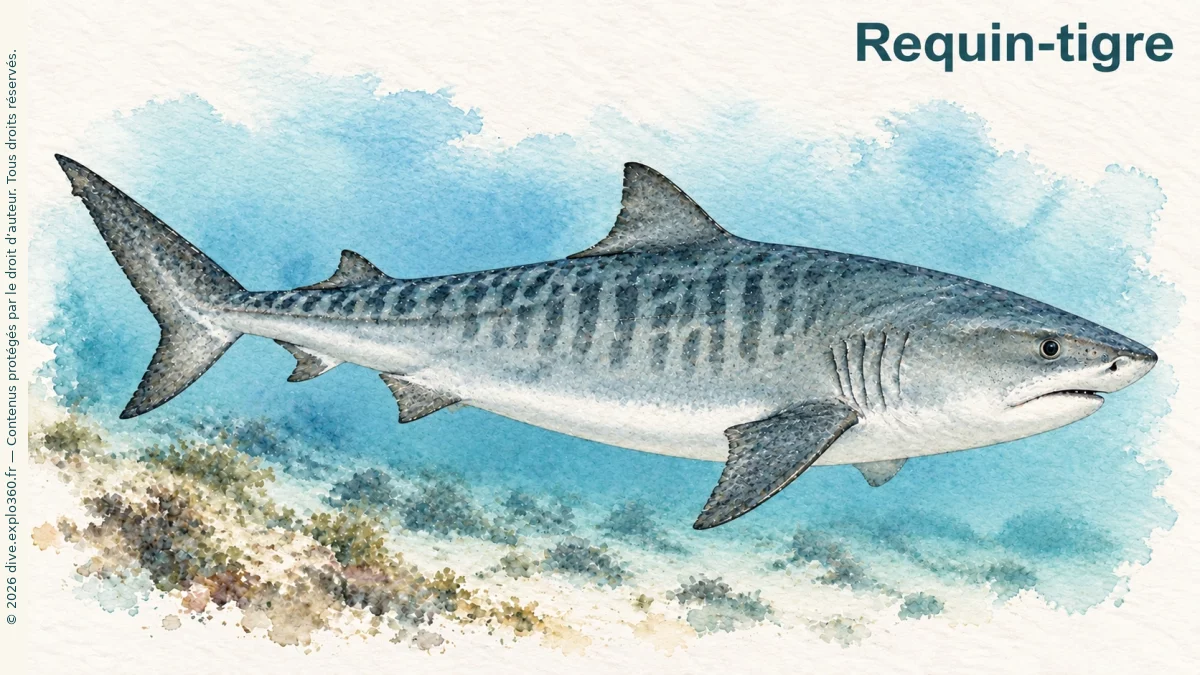 Species guidesTiger sharkDiscover →
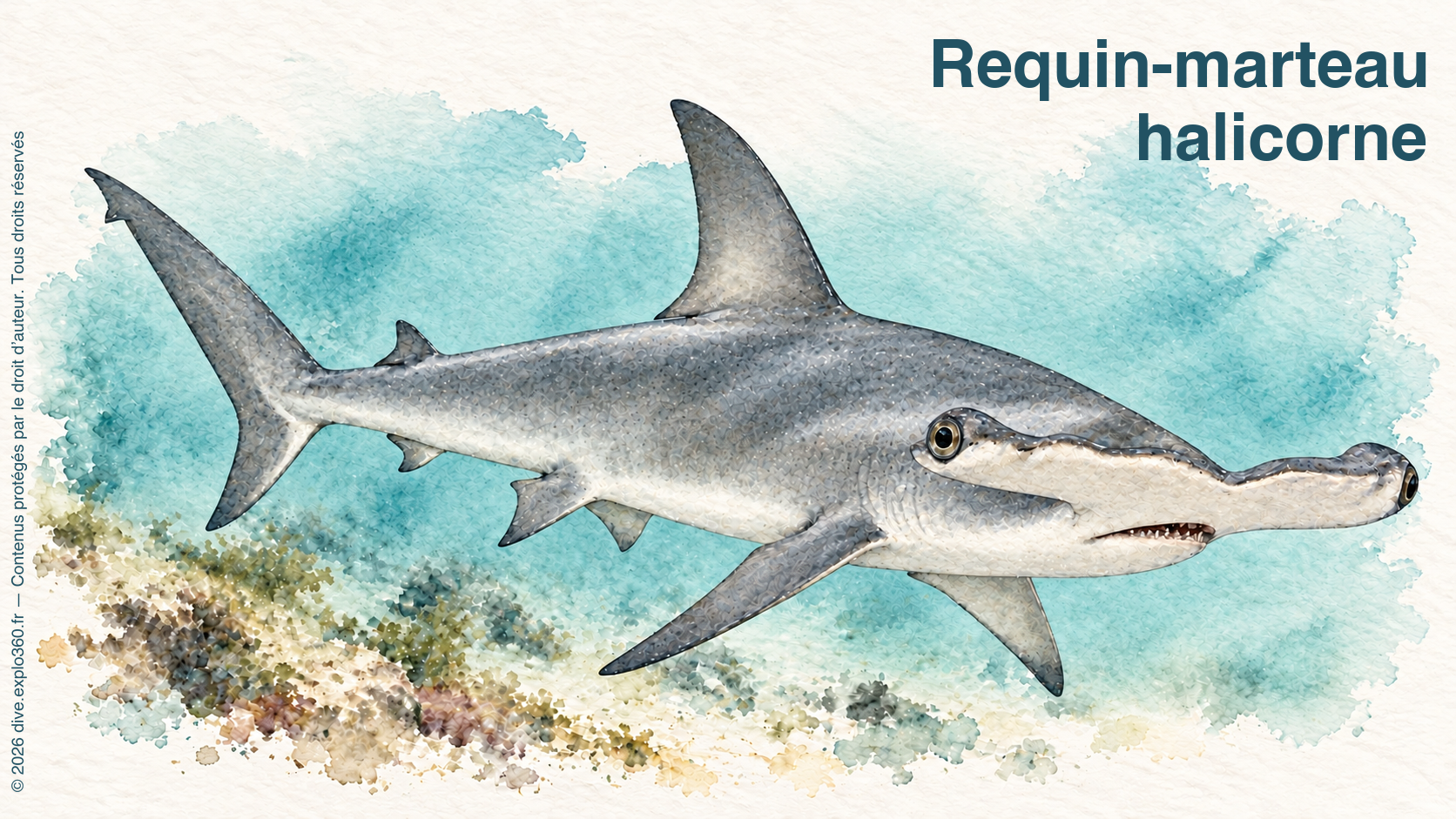 Species guidesScalloped hammerheadDiscover →
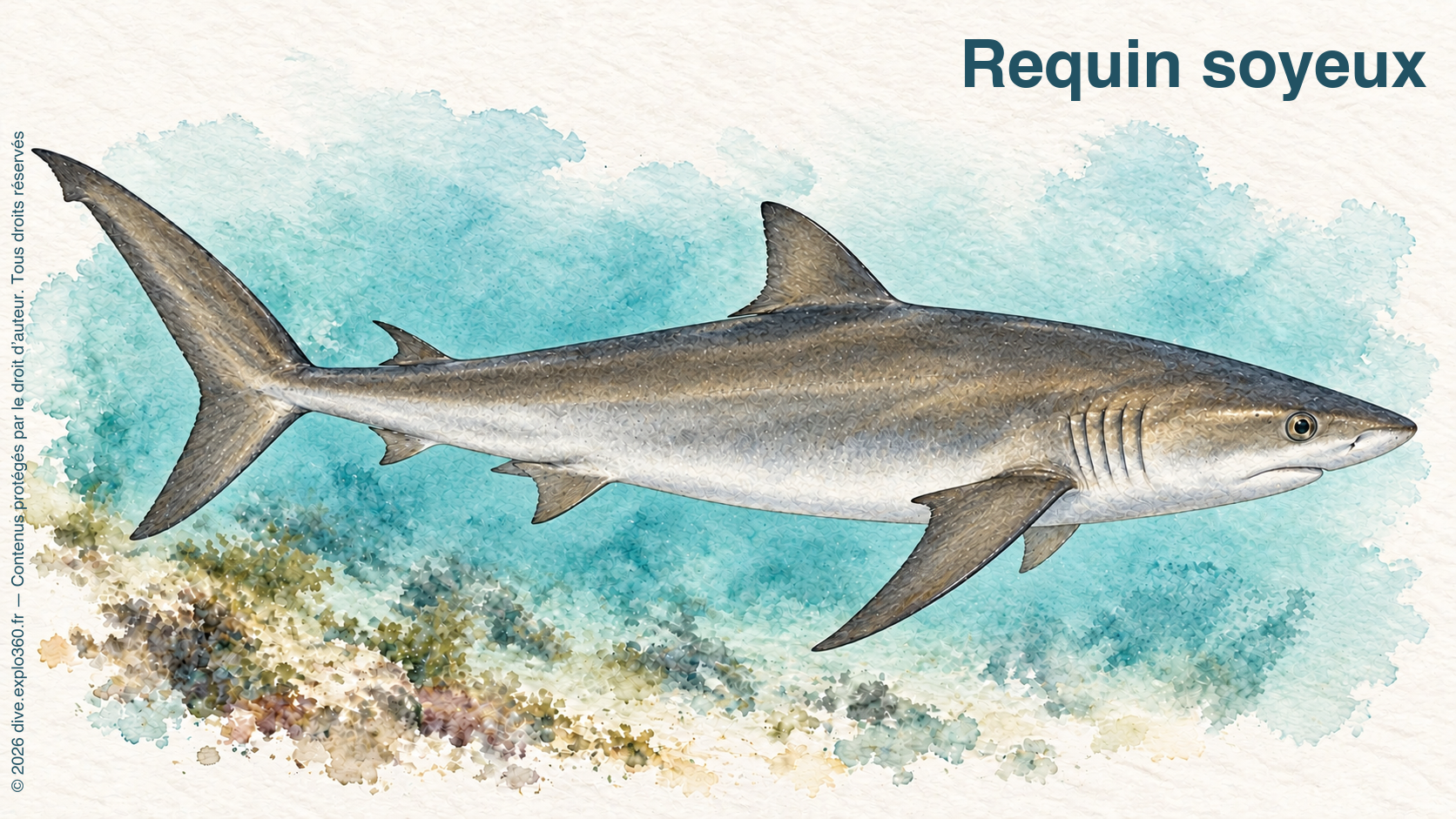 Species guidesSilky sharkDiscover →
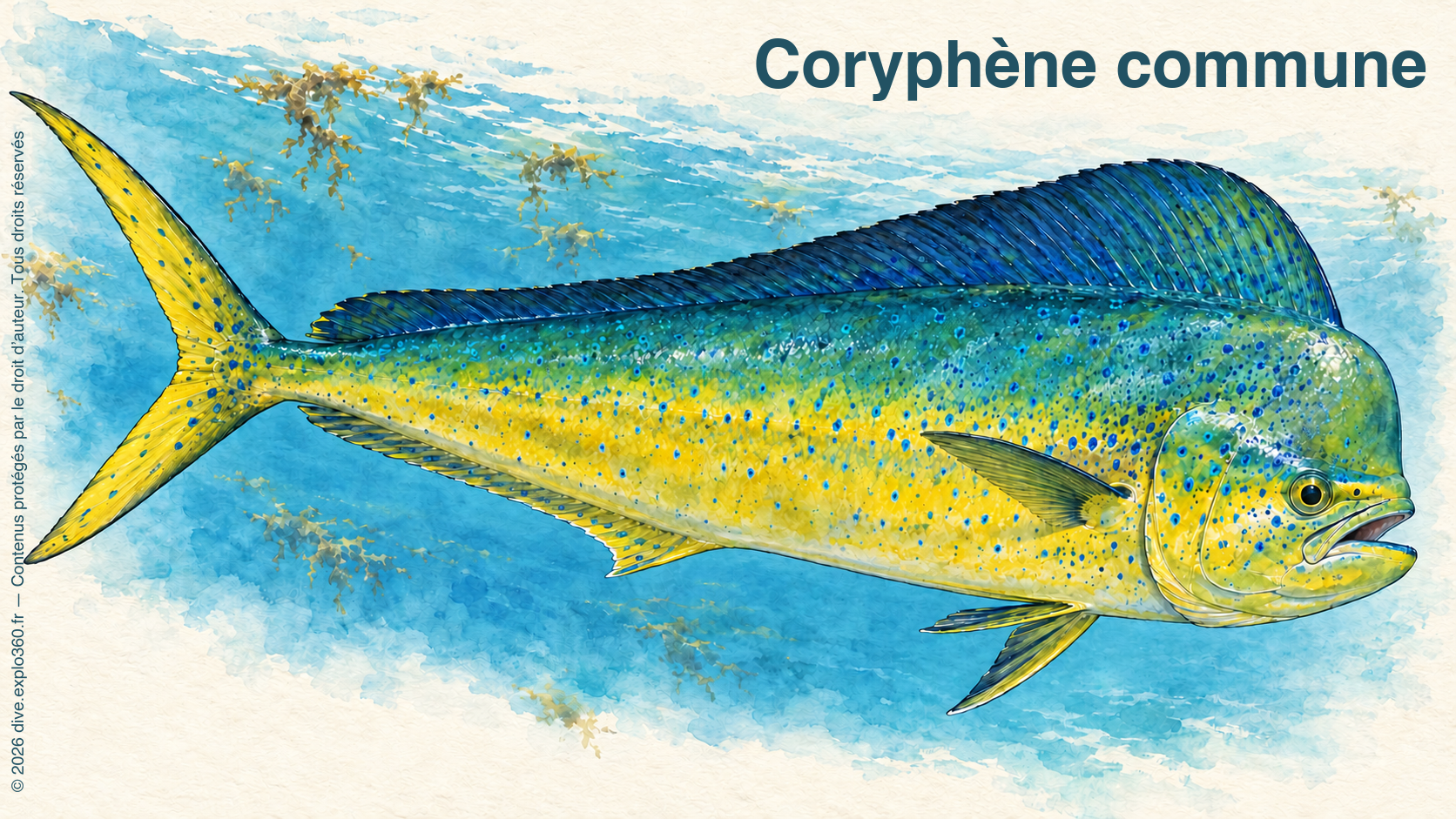 Species guidesCommon dolphinfishDiscover →
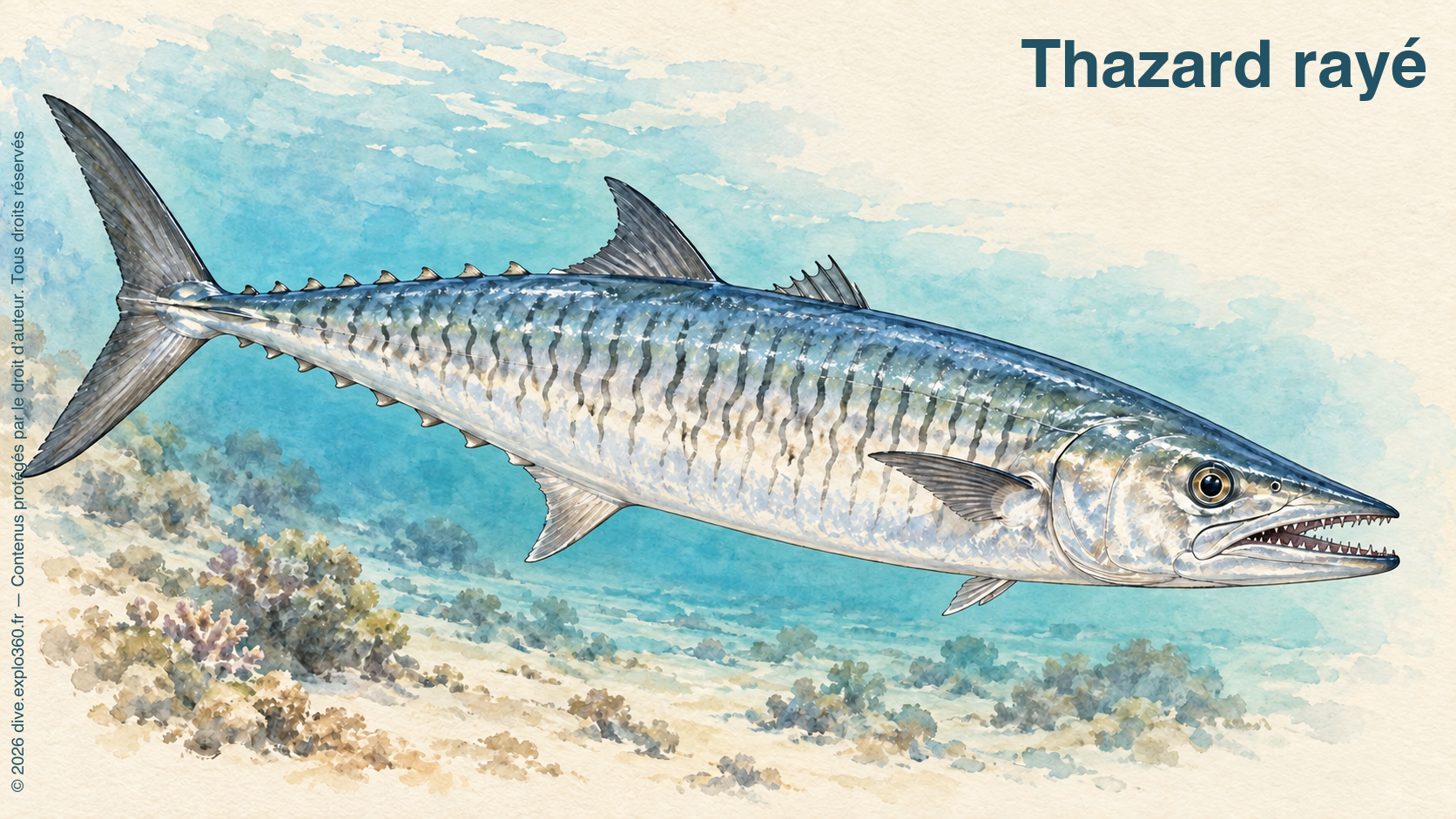 Species guidesNarrow-barred Spanish mackerelDiscover →
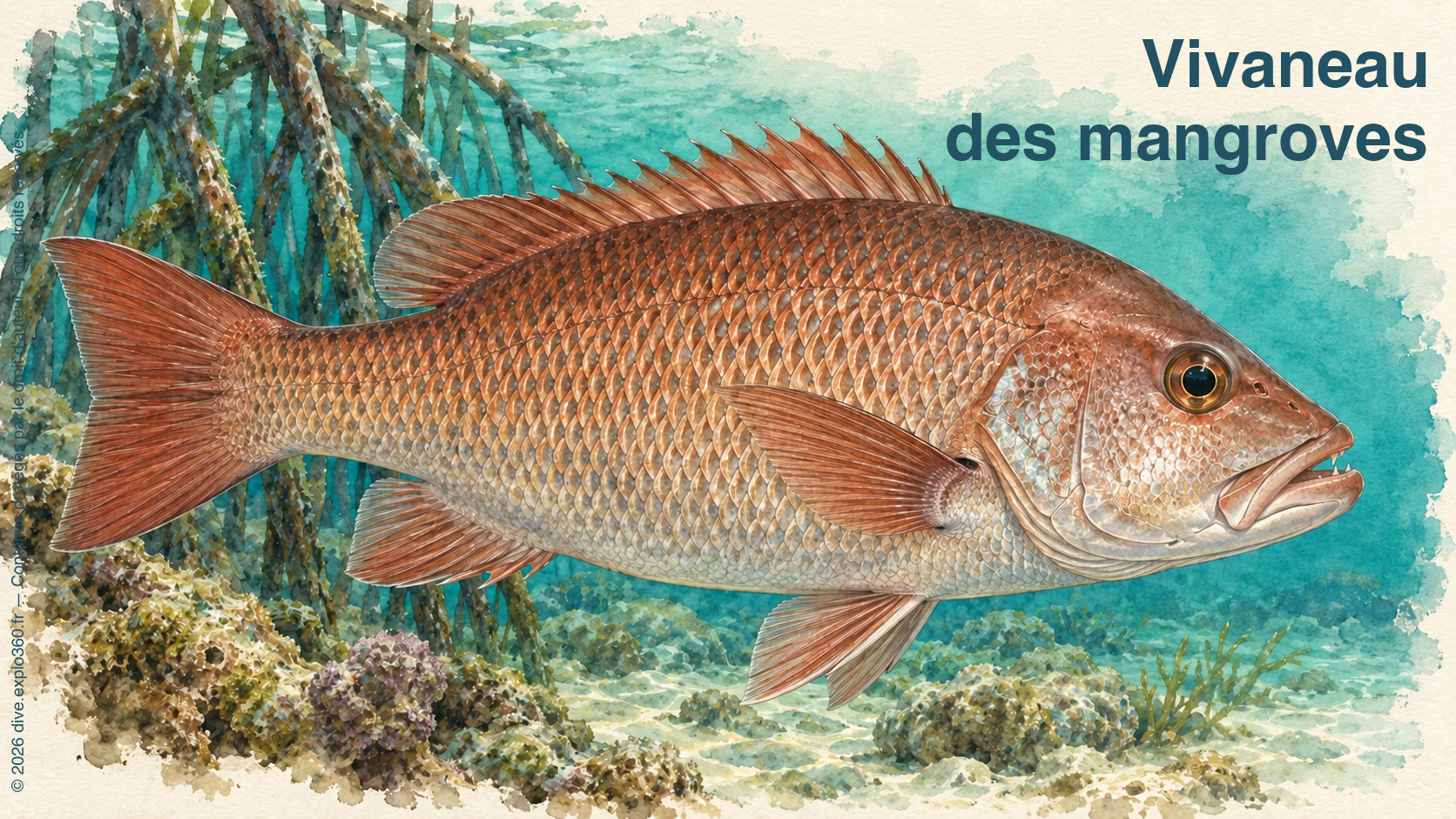 Species guidesMangrove red snapperDiscover →
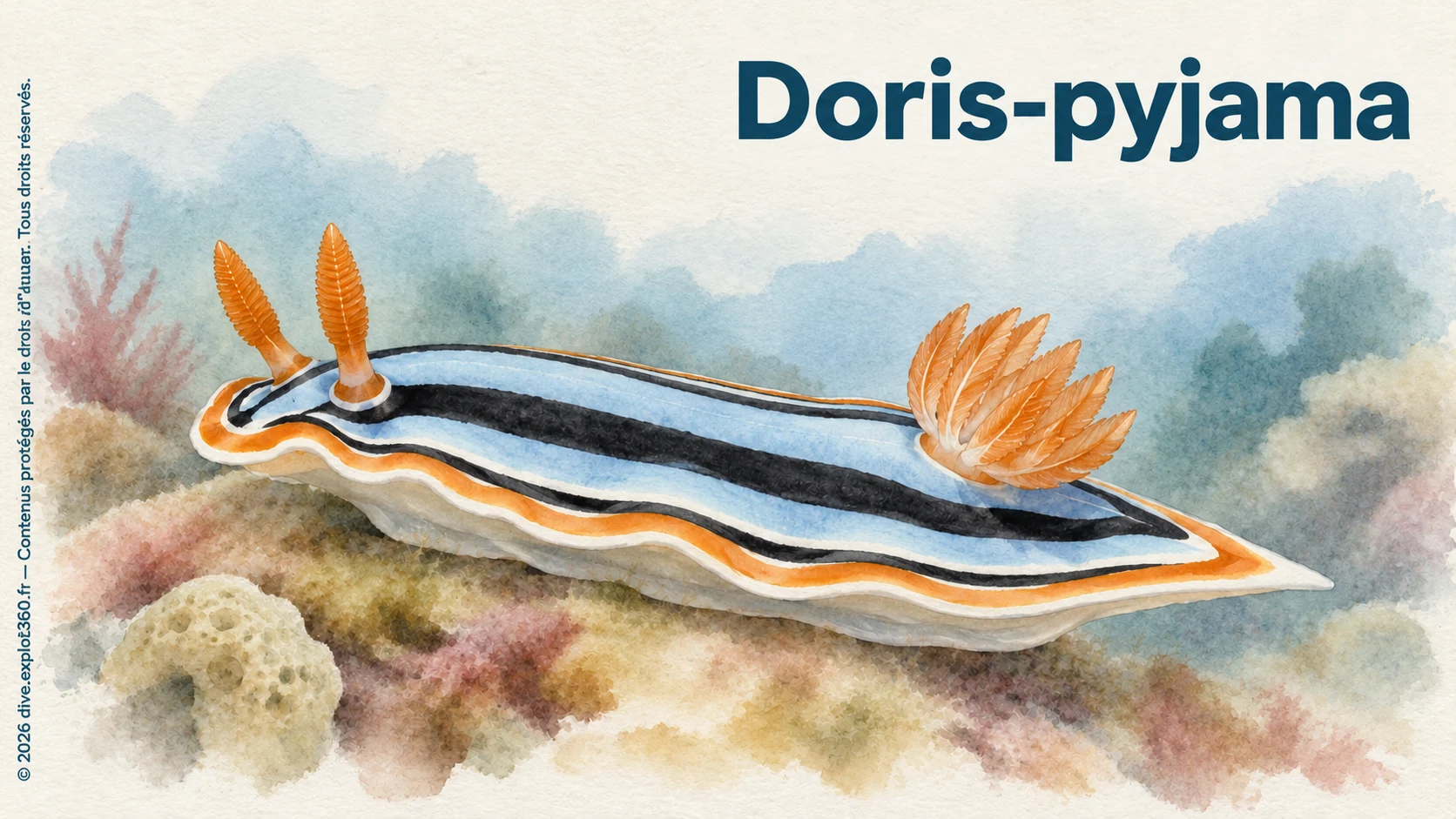 Species guidesPyjama nudibranchDiscover →