A landscape built by life
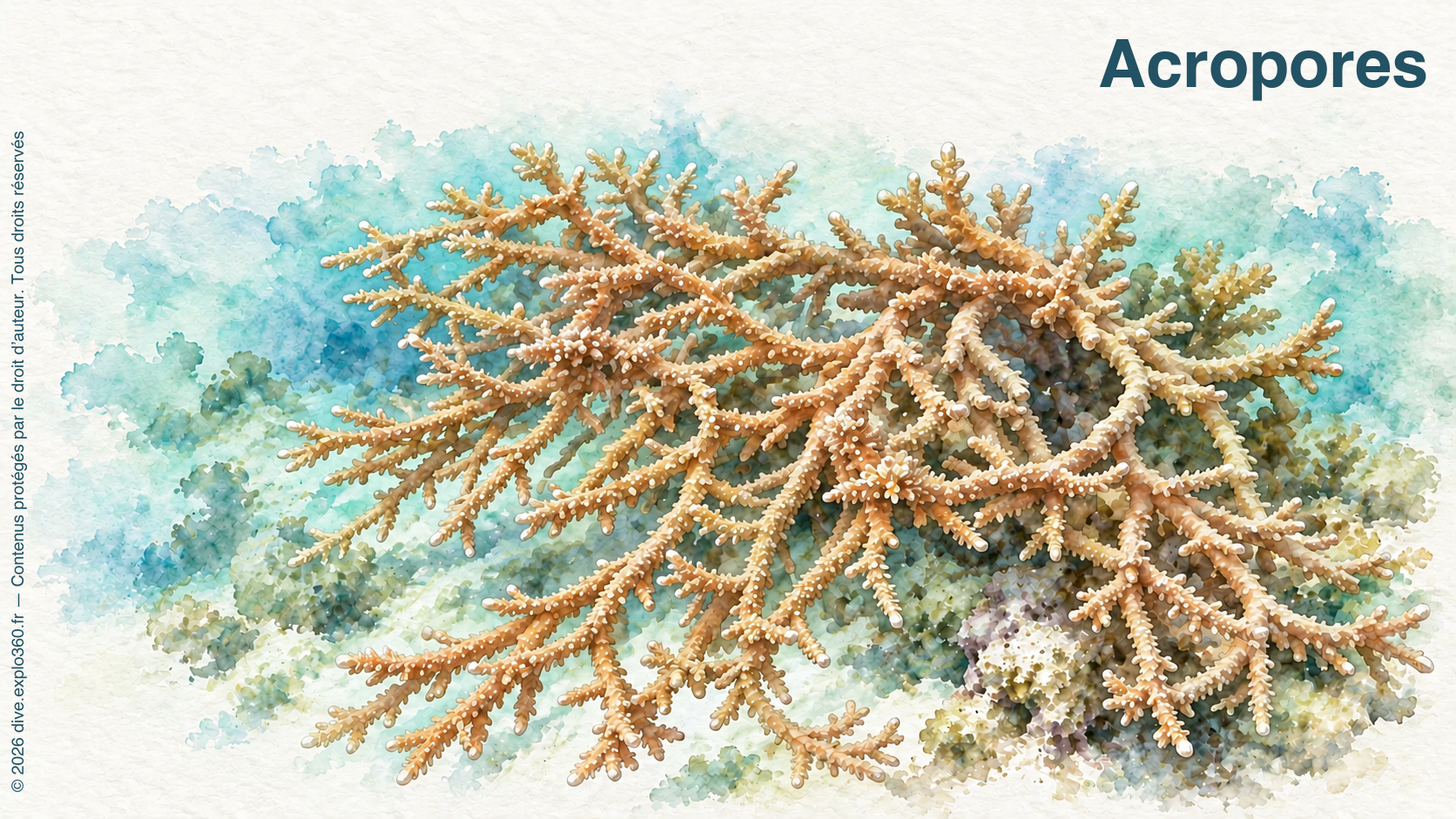
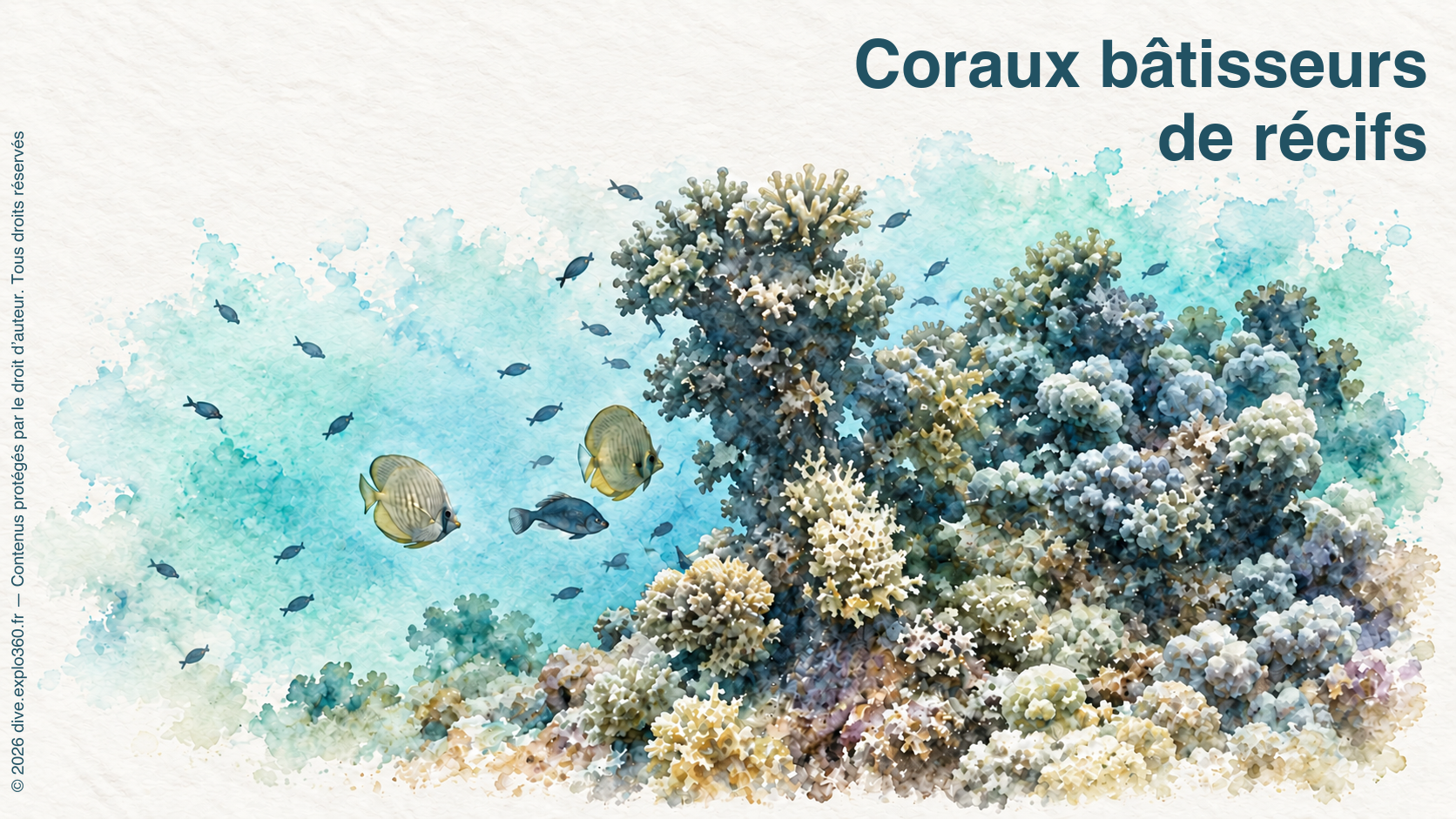
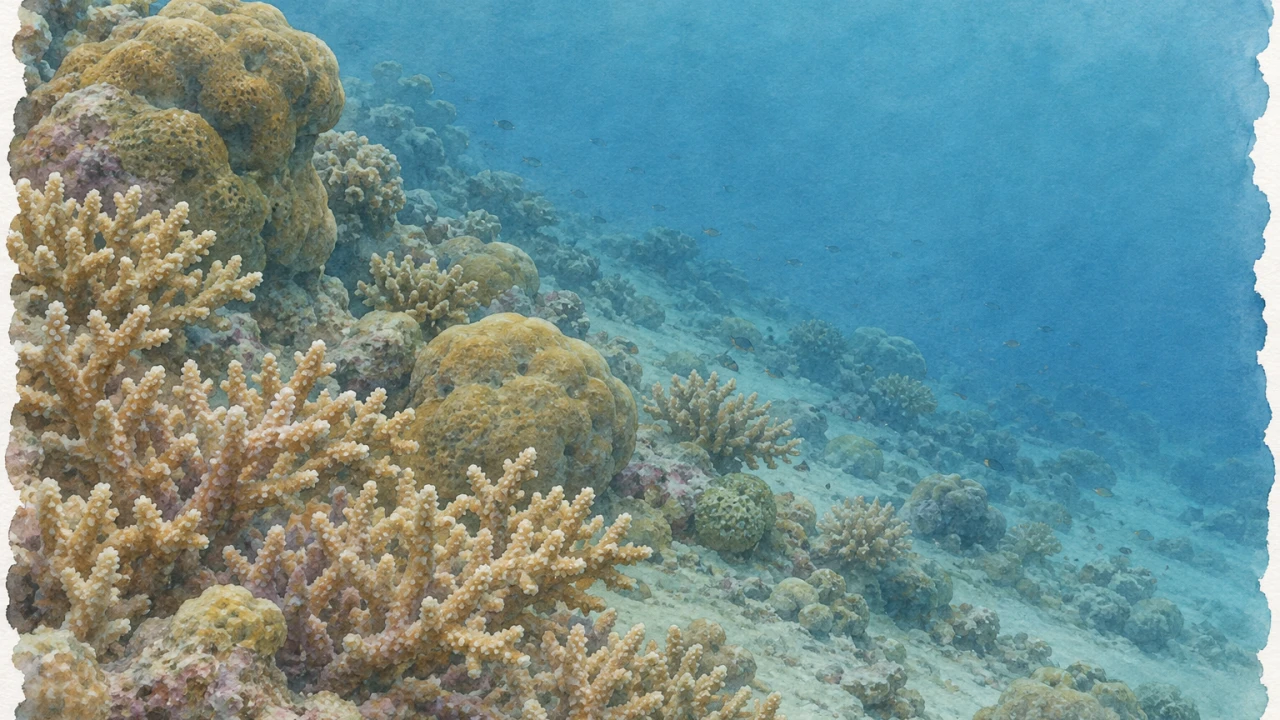
Stony corals contribute calcium carbonate as their colonies grow. Other organisms can bind or cement parts of the framework. Reef growth depends on how much carbonate accumulates after erosion and sediment export.
The secret of the tiny builders
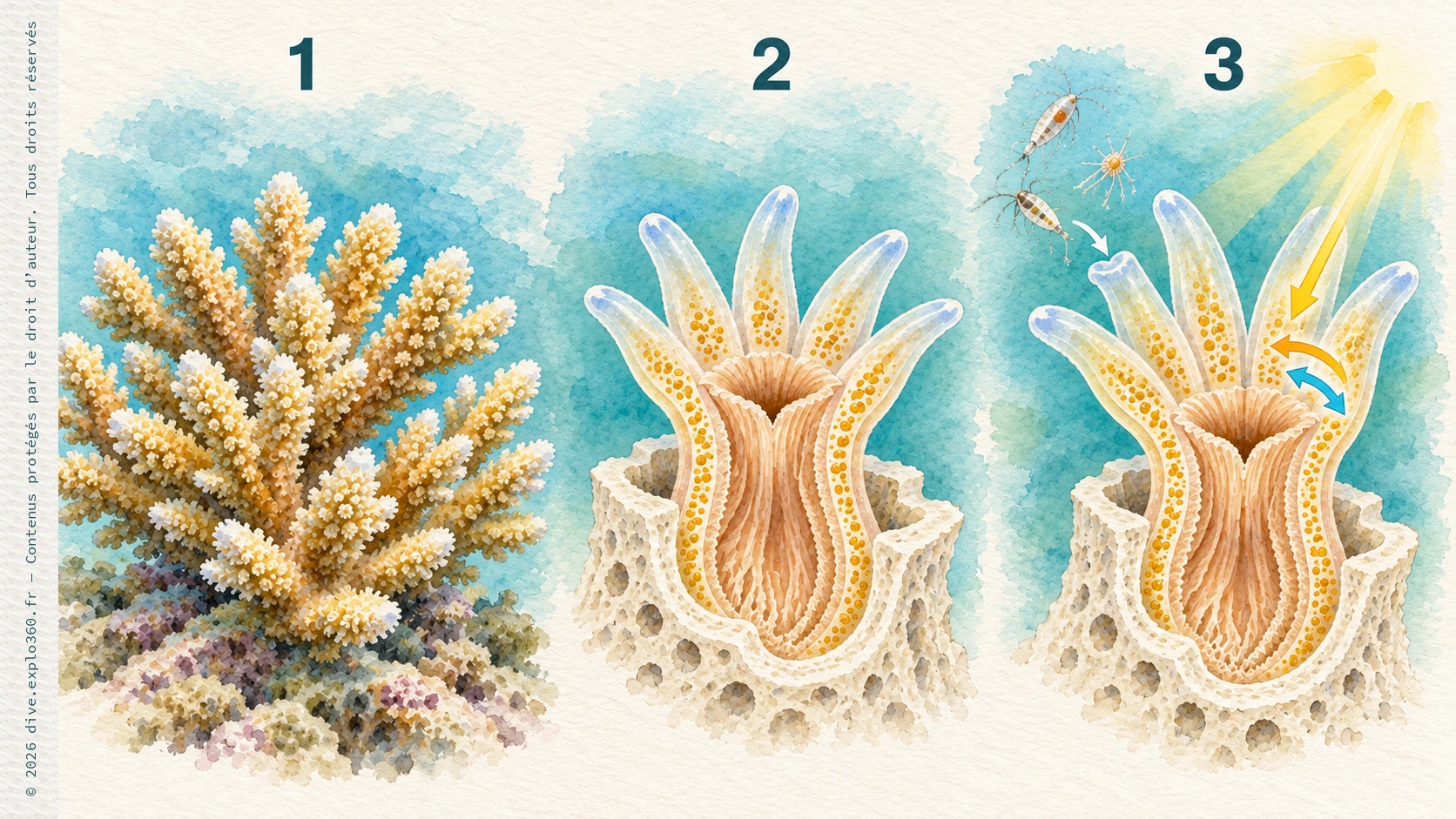
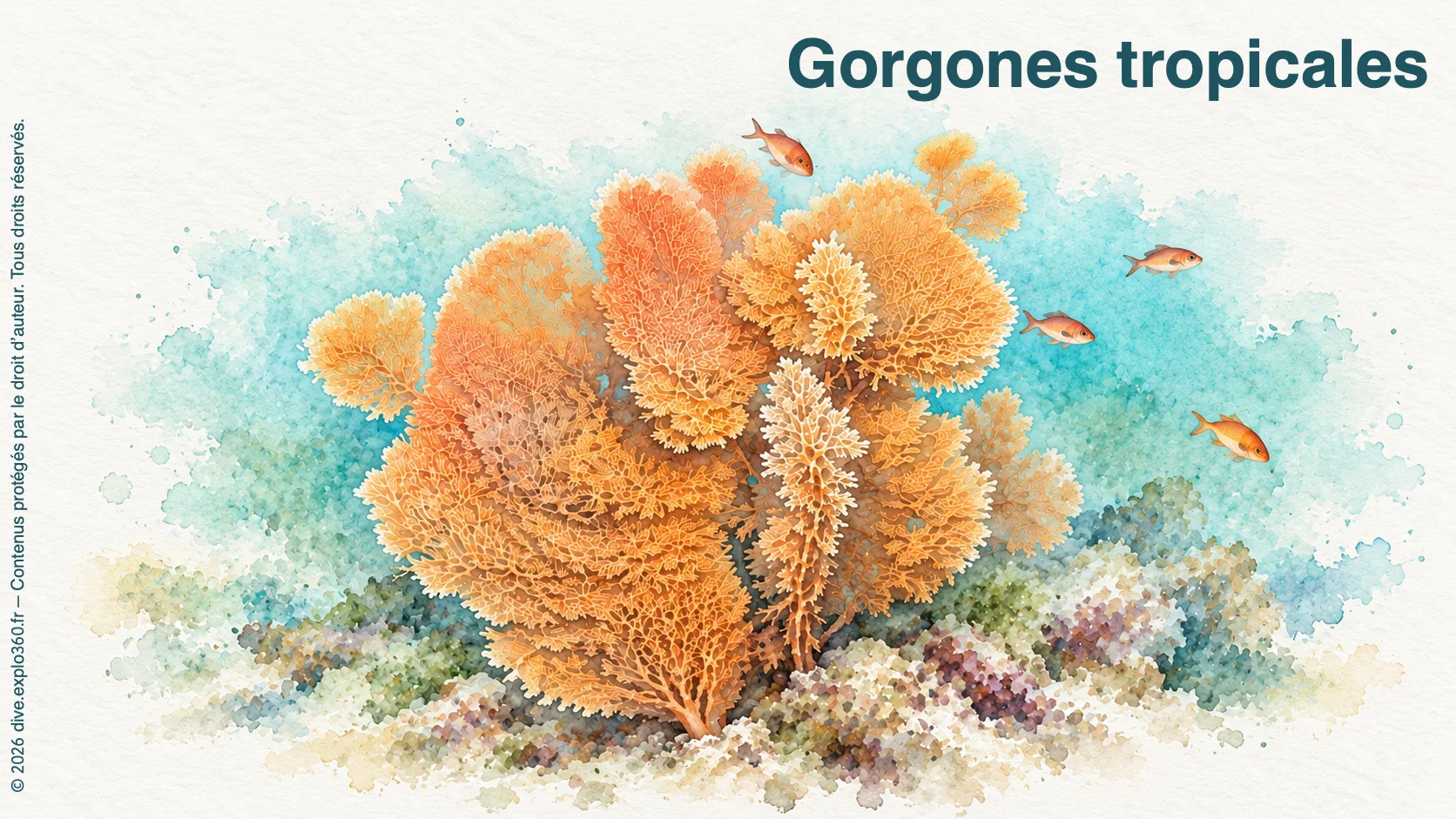
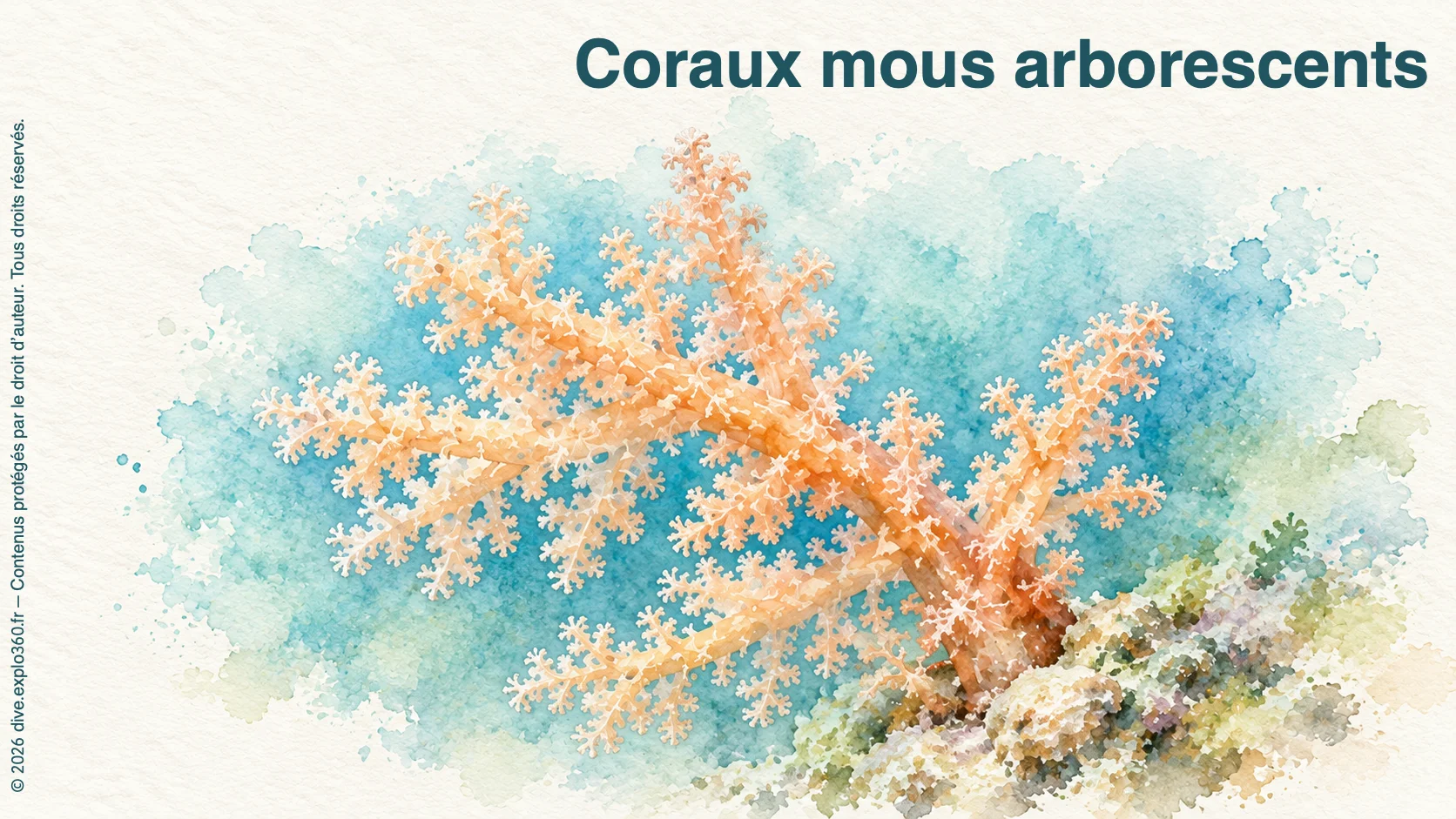
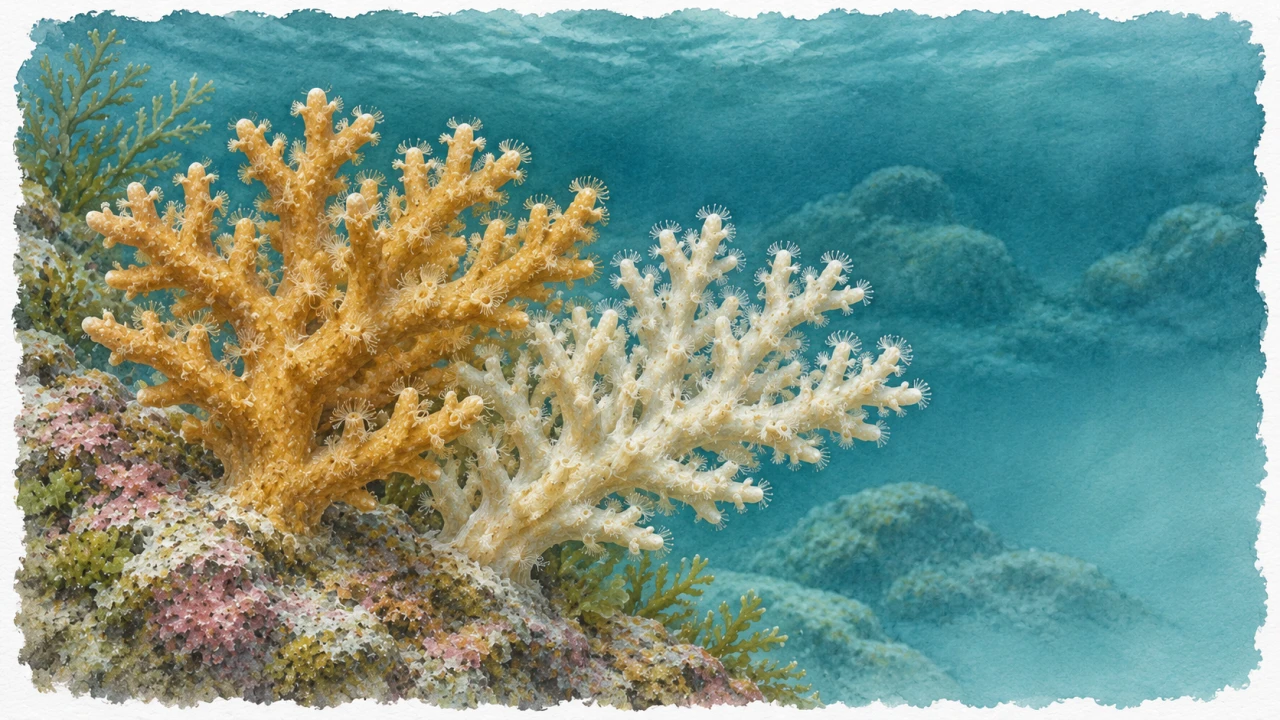
A coral polyp catches prey with tentacles arranged around its mouth. In reef-building stony corals, connected polyps deposit a shared calcium carbonate skeleton. Soft corals and sea fans have different supporting structures and usually contribute little to the rigid framework.
A partnership with light
In many tropical corals, symbiotic algae live inside the cells of their host. They transfer some of the organic compounds made by photosynthesis, while the coral supplies carbon dioxide and nutrients from its metabolism. Polyps also capture prey and suspended food particles.
Three destinations, one way of looking
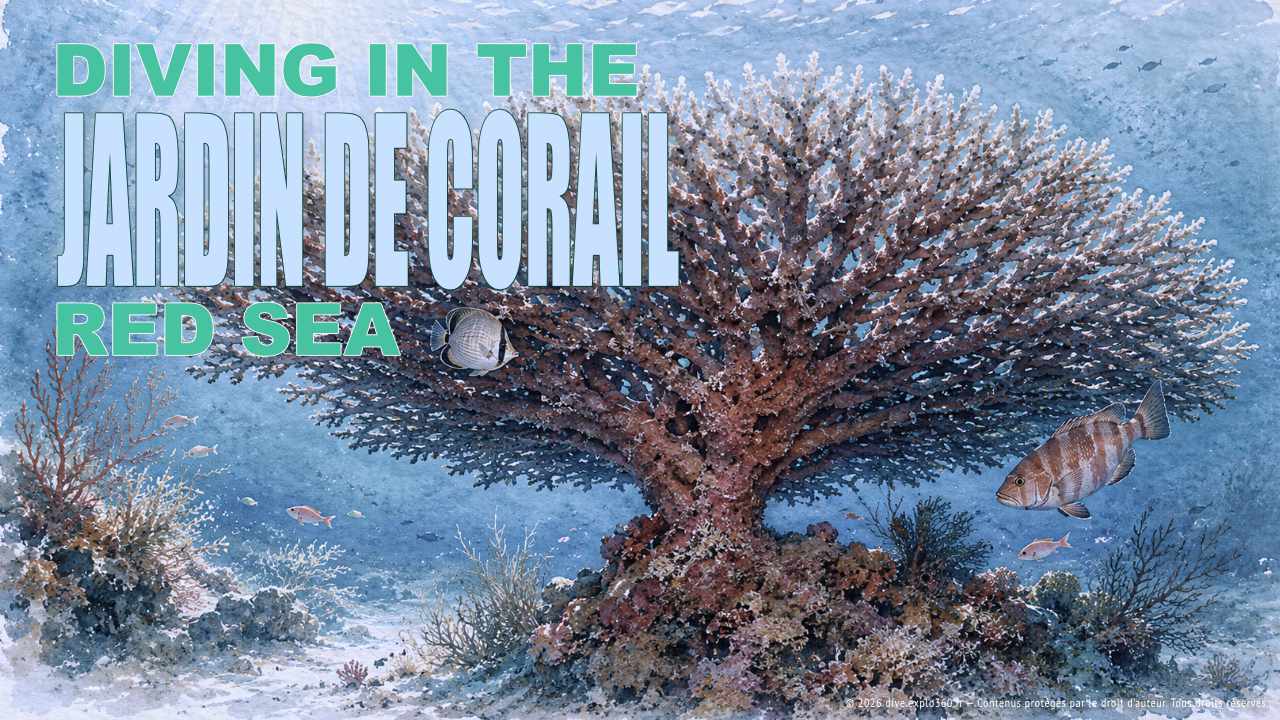
Reefs in the Red Sea, the Maldives and Raja Ampat differ in their species, structure and local conditions. Videos let us compare features such as shelter use and feeding behaviour. Each clip samples a small area at a particular time, so a broader survey is needed to assess the reef.
Shelters at every scale
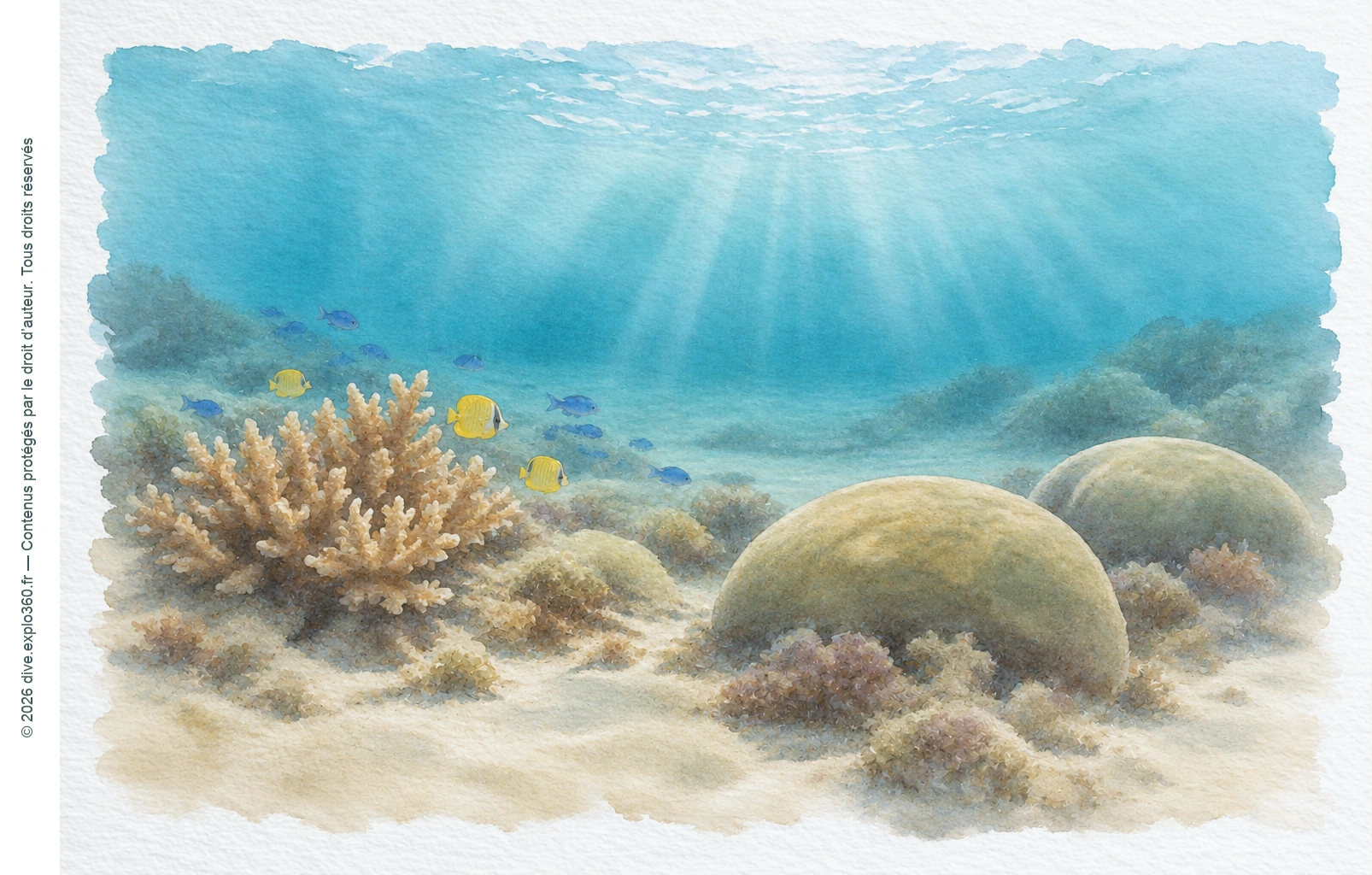
Cracks, branches and overhangs differ in light, water flow and exposure to predators. Nearby sand and seagrass can provide additional feeding or nursery habitat. Some animals move between these habitats over the course of a day, while others shift habitat as they mature.
Explore the same world