The benefits and costs of standing out
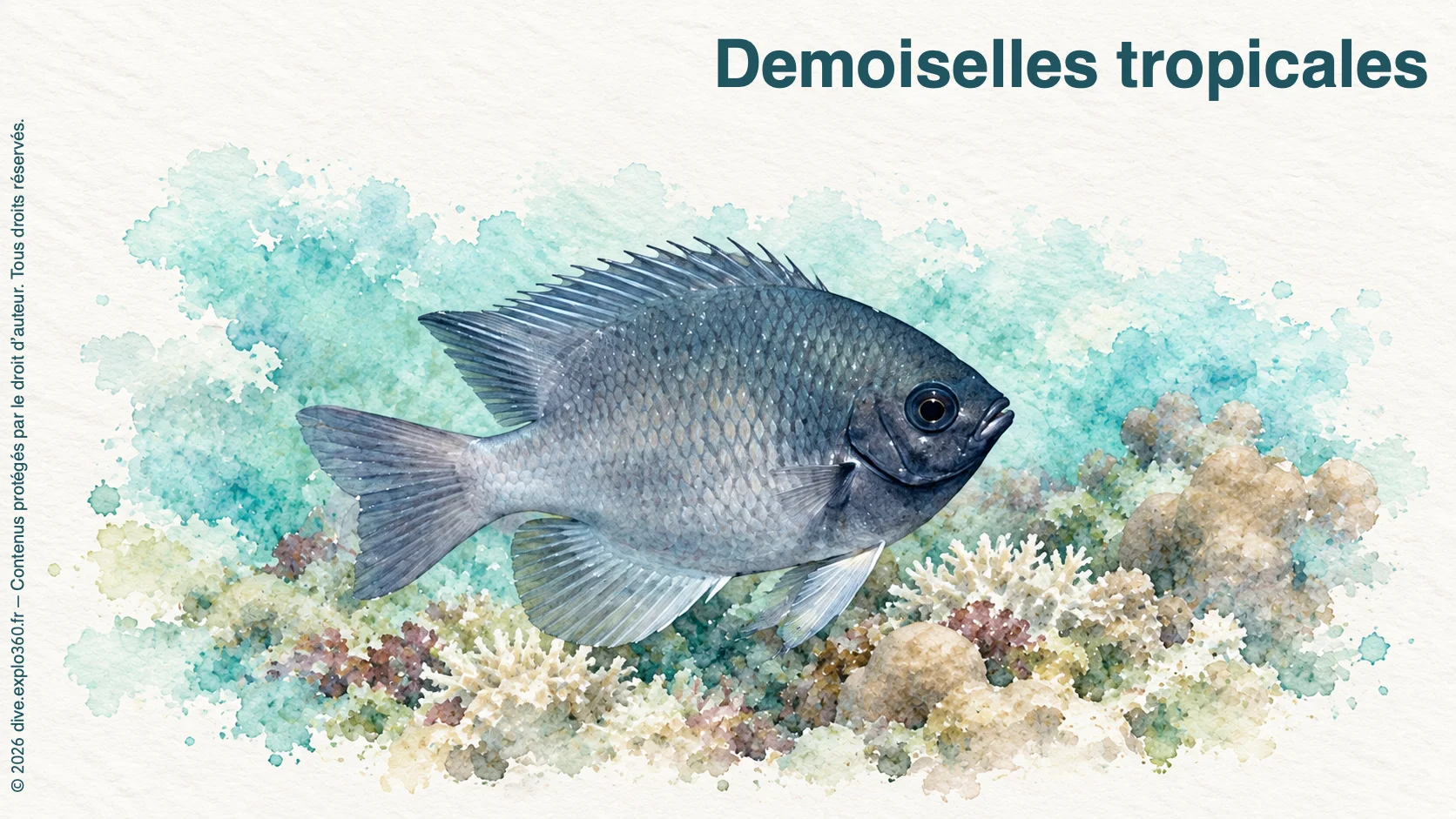
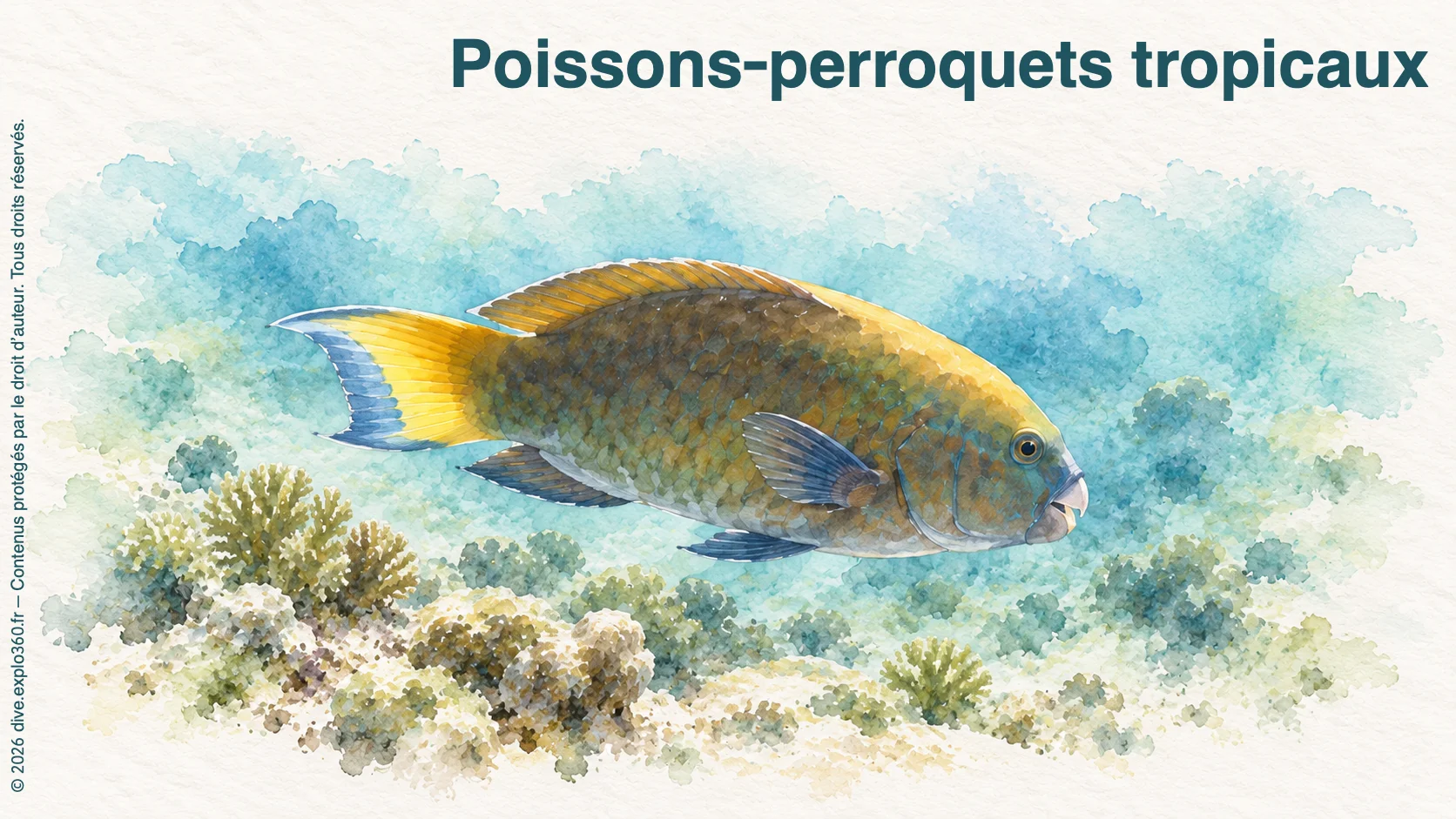
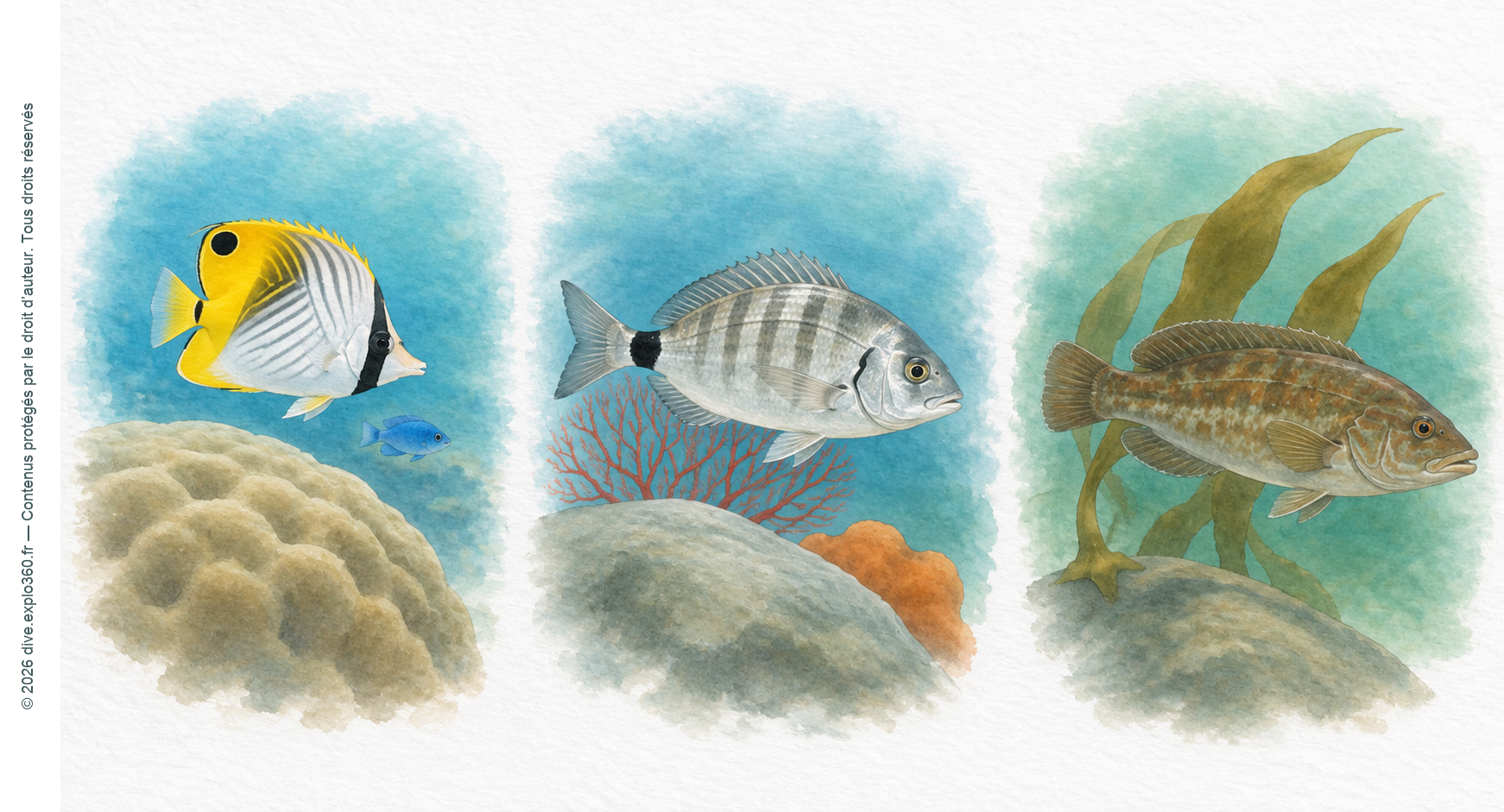
Many reef-building corals look brown or beige in natural light. Bright markings can make a fish stand out against them. The same contrast that helps a mate recognise the fish may also make it easier for a predator to detect.
Recognition and sexual selection
In some reef fish, colours and patterns help individuals recognise their own species, choose mates or assess rivals. Sexual selection can favour a heritable pattern if it improves mating success, even when it makes the fish more conspicuous to predators. To establish whether a pattern plays that role, researchers study how fish behave when they see it.

Signals in everyday reef life
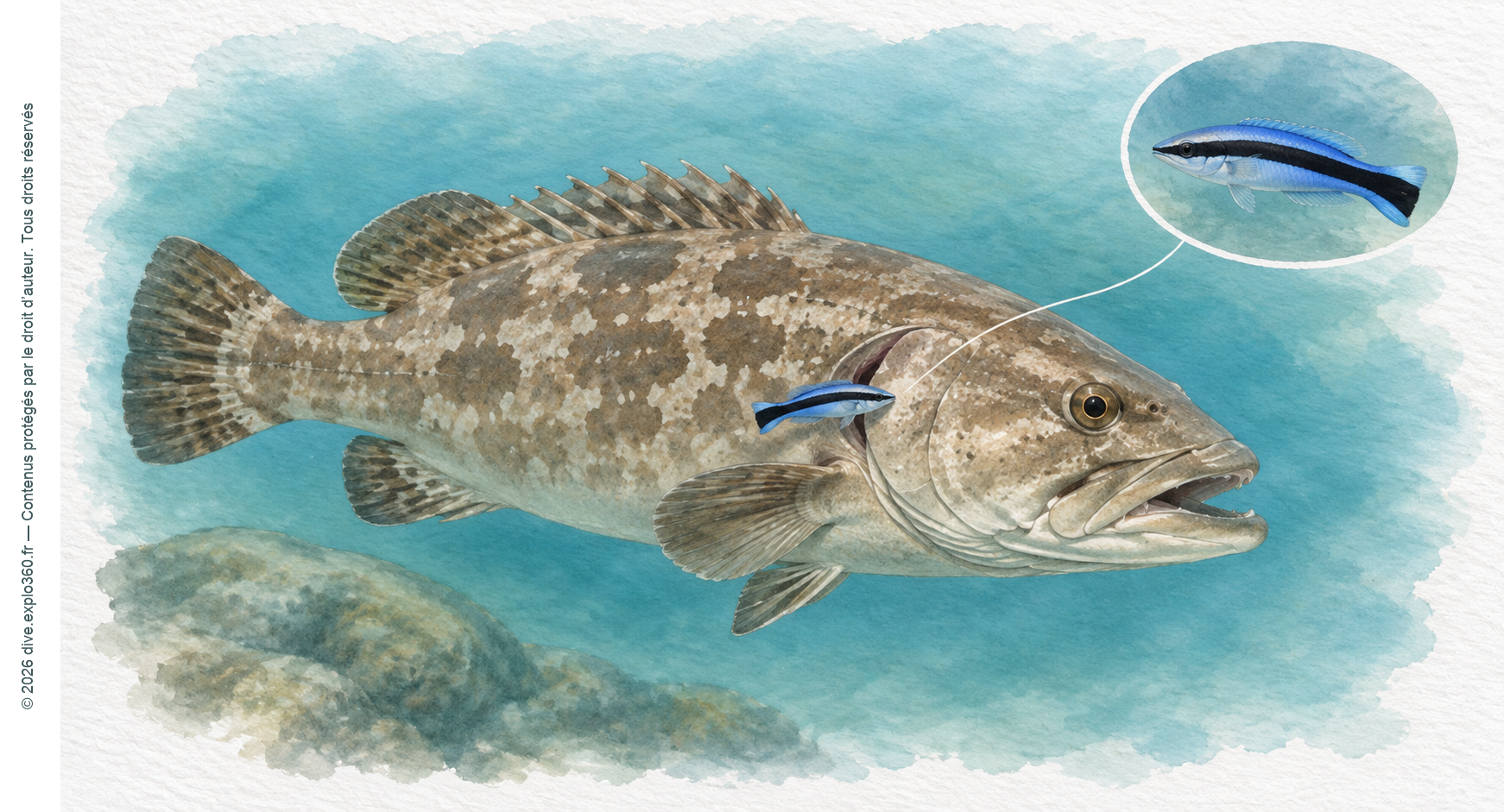
Fish may change colour or adopt a particular posture when defending a territory. Visual cues can also work between species. At cleaning stations, client fish can recognise a cleaner by its appearance and movements. The value of a signal depends on the receiver and the encounter.
Explore the same world