

© DR
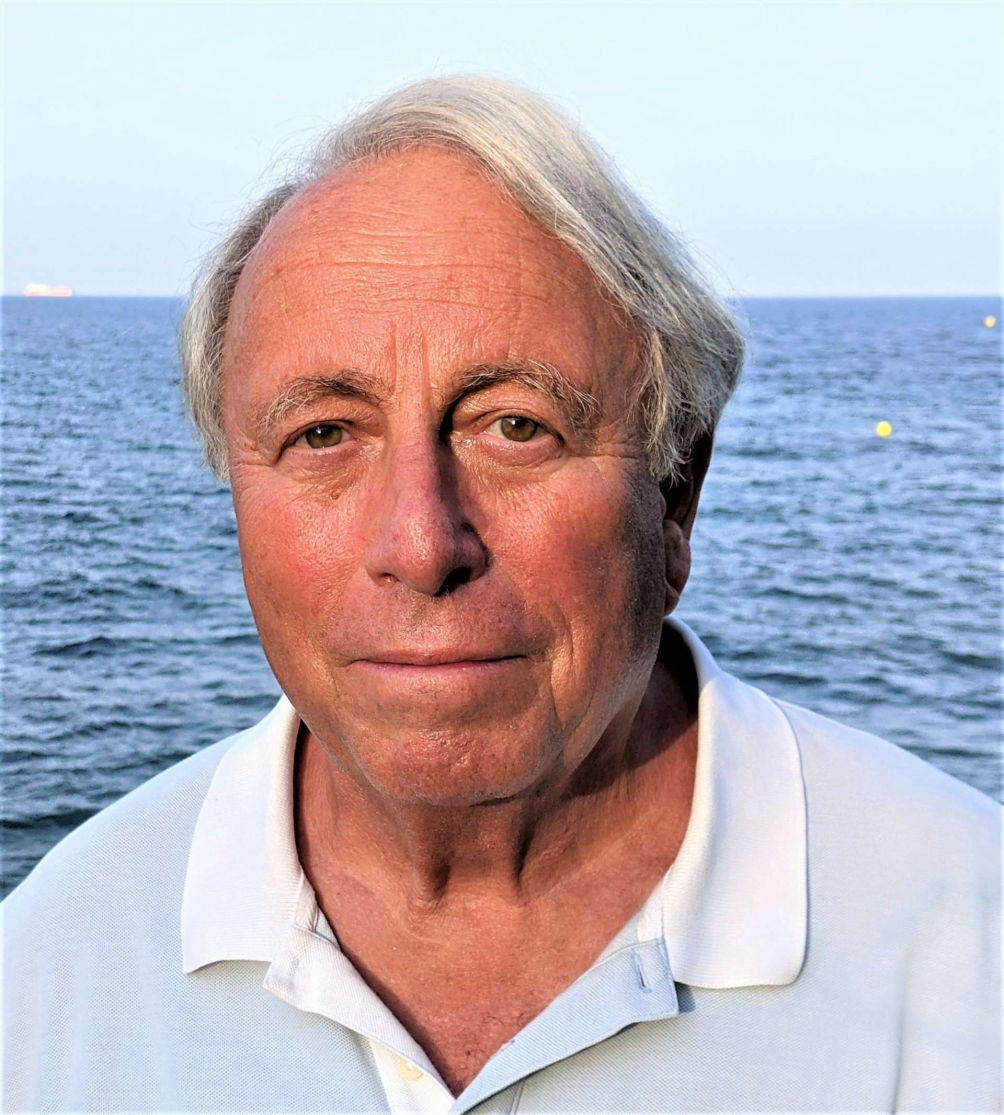
ALEXANDRE MEINESZ
Scientific patron of dive.explo360.fr
We are deeply moved to share the support of Alexandre Meinesz, emeritus professor at Université Côte d’Azur, CNRS researcher and a leading figure in Mediterranean marine ecology.
His work has been a reference for decades. He has rigorously documented changes in Posidonia meadows, the spread of invasive species such as Caulerpa taxifolia, and the complex challenges of protecting marine biodiversity. His voice, both scientific and deeply humanist, illuminates today’s debates about the future of our coastlines and marine life.
Today, he honours us by becoming the scientific patron of Dive.Explo360.fr. This gesture, both simple and deeply symbolic, sincerely touches us.
Beyond awareness-raising or popular science, it represents valuable recognition from a scientist who has worked with rigour and passion for decades to make the Mediterranean better known and protected. His attention to our approach gives us new legitimacy, which we welcome with gratitude.
We do not claim to be scientists. We are naturalists, educators, divers and teachers, and we believe everyone can contribute in their own way to raising awareness. The supportive attention of a researcher such as Alexandre Meinesz encourages us to continue with care and commitment.
A career dedicated to the sea
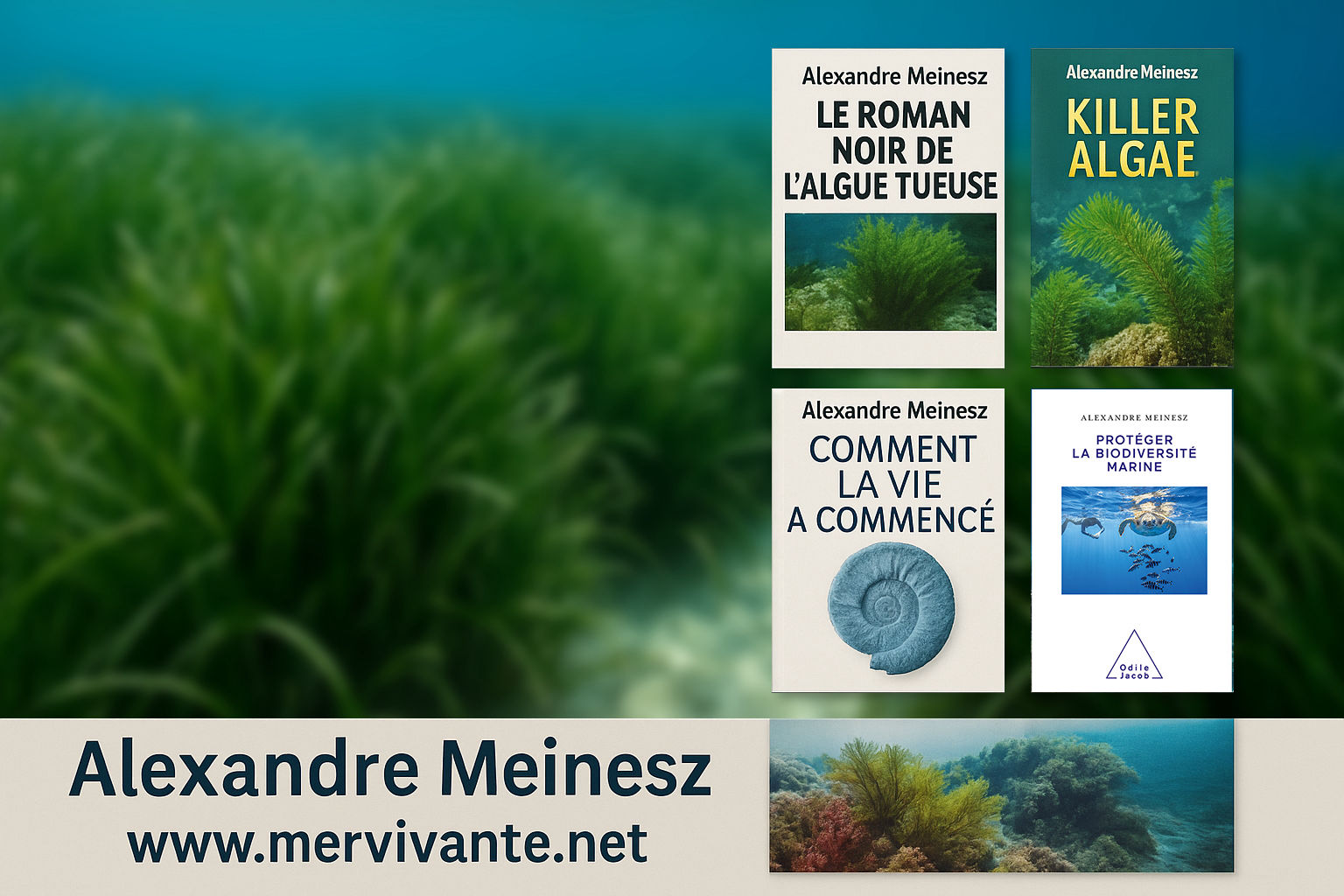
Alexandre Meinesz has left his mark on marine research through essential books, beginning with Le Roman noir de l’Algue Tueuse, a compelling account published in France by Belin, translated into English as Killer Algae and then into Italian, describing the spectacular invasion of an alga that became legendary.
His book Comment la Vie a commencé explores the origins of life with rigour and poetry, spanning countries and editions from Chicago to Paris, Italy and Türkiye. More recently, he wrote Protéger la biodiversité marine (Odile Jacob, 2021), a thoughtful exploration of ocean conservation.
Alongside his essays, Meinesz co-authored a practical guide to European algae, a reference for naturalists, and has led the Méditerranée Mer Vivante series for decades: a passionate popular-science project revealing the hidden richness of Mediterranean seabeds, accessible to everyone at www.mervivante.net.
A clear-eyed view of marine biodiversity
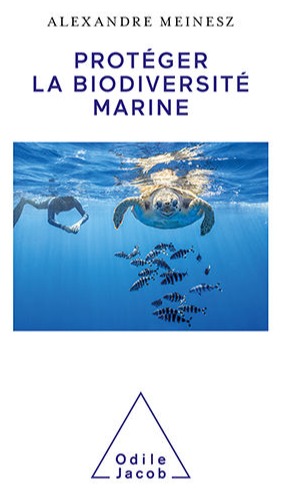
In his latest book, Protéger la biodiversité marine, marine biologist, diver and emeritus professor Alexandre Meinesz invites us to rethink our approach to the ecological crisis affecting the seas and oceans. Using the Mediterranean as a setting for observation and analysis, he offers a demanding yet accessible account of the threats to marine life — and concrete ways to protect it better.
What the sea tells us: rethinking the protection of living nature
Rather than offering simplistic explanations, this book clearly distinguishes threats to biodiversity itself from impacts on our human uses. This crucial and too often overlooked distinction helps identify conservation priorities more accurately. In doing so, it also highlights the current limitations of environmental law and calls for a redesign of the legal tools intended to protect species and habitats.