Partners and information

Contact us

Verification code

Understand marine biodiversity and underwater environments

What is hidden in the sand, around a wreck or among the algae? Dive.Explo360 articles build on your underwater observations to help you understand marine habitats, species’ ways of life and their relationships within ecosystems.

Develop your knowledge of marine life while diving: discover the features of different environments, learn to observe their inhabitants and connect your discoveries with the marine species guides and the dive videos. These readings accompany divers and anyone curious about underwater life, before or after exploring.

Your marine region: Mediterranean. Choose a marine region, then search for a subject or filter articles by category and topic. Each publication shows its availability and access conditions.

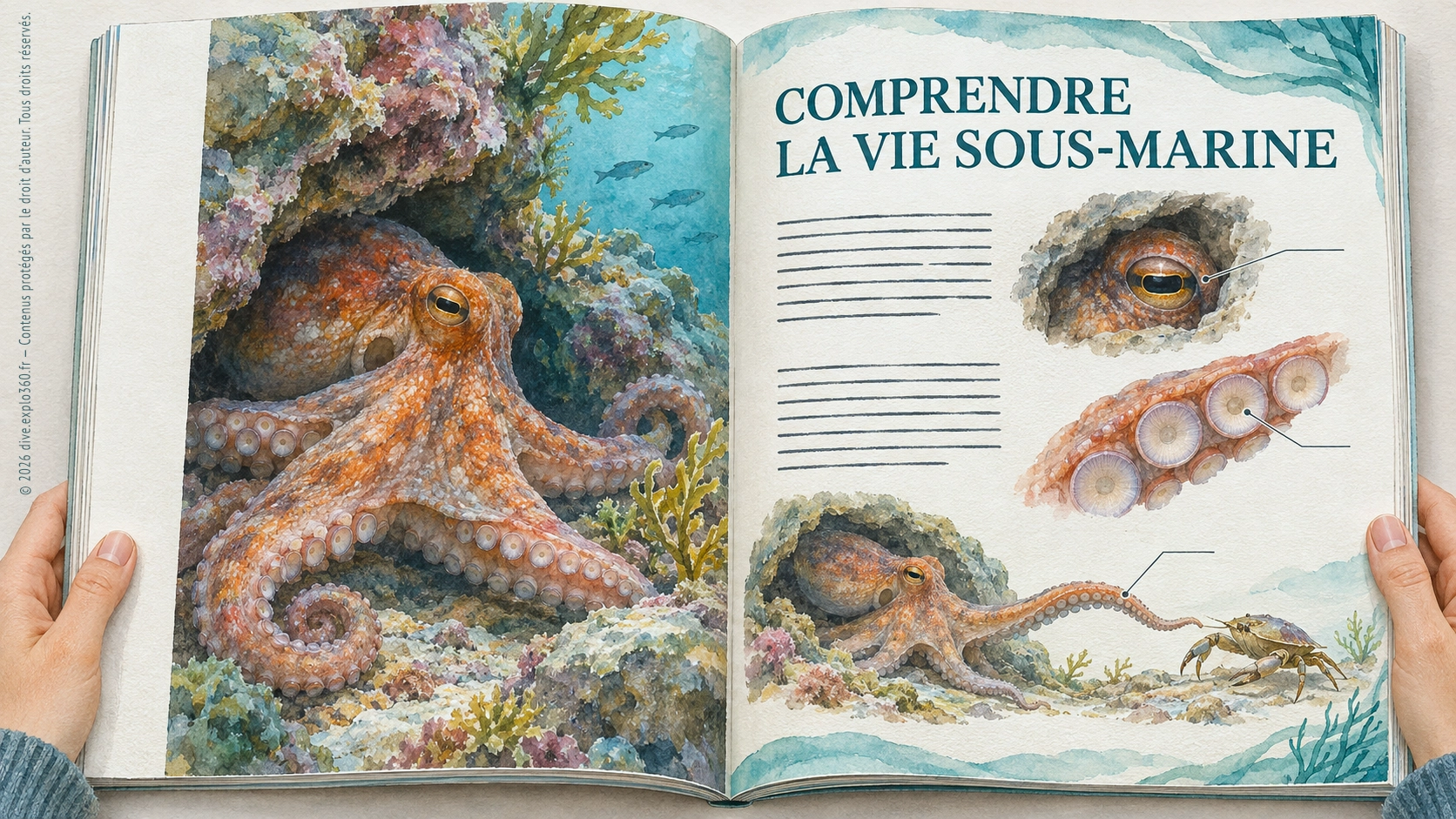
An open marine life magazine showing an octopus, its eye and its suckers.

Topic and region

Choose a reading

Content type

Quick choices

More filters

Difficulty and reading time

Topics and reading order

Access and availability

Region labels show where the topic applies. Articles that cover several seas may use tropical examples, even in the Mediterranean catalogue.

44 articles

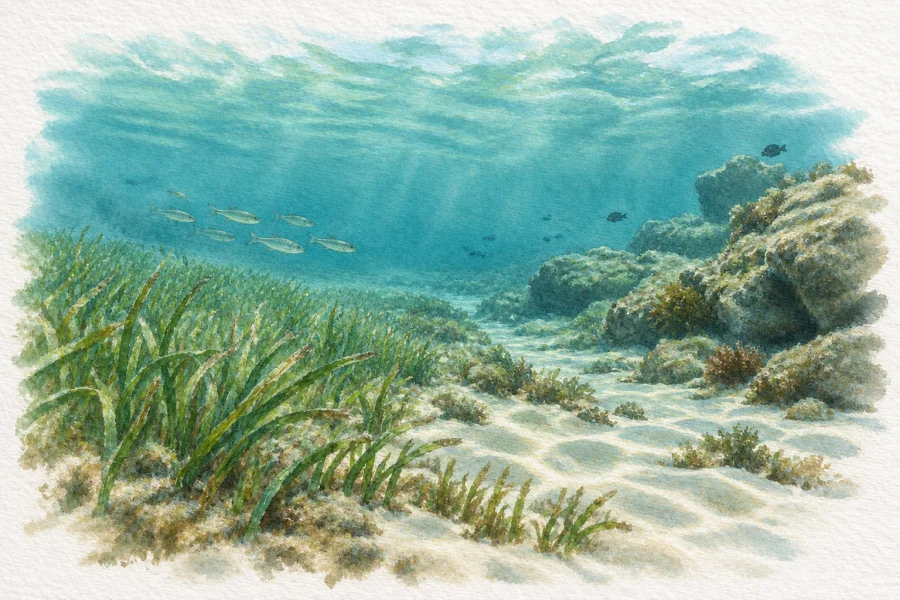
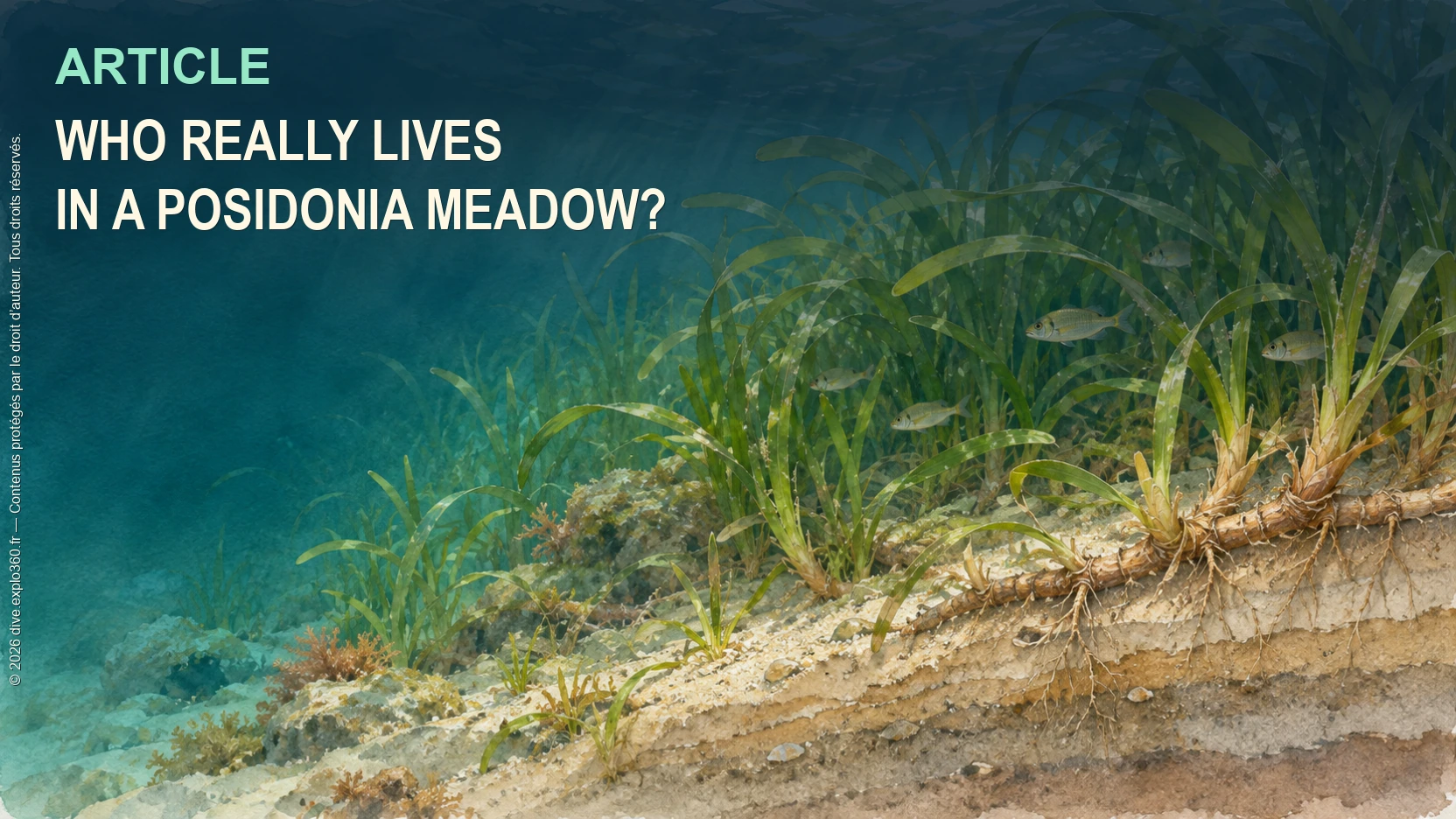
A submerged Posidonia meadow with irregular patches, sandy gaps and a small fish above the leaves. Available1/3 public · licence required for the rest

Article region: Mediterranean

Mediterranean

Biotope · Environment

Who really lives in a Posidonia meadow?

From above, a Posidonia meadow can look like a sweep of green leaves. A sea bream passes overhead, a wrasse slips between the blades and a red mullet probes the sand at the edge. Lower your gaze and a different set of…
Going deeperPublic 3 min · Lic. 6 min Read the article
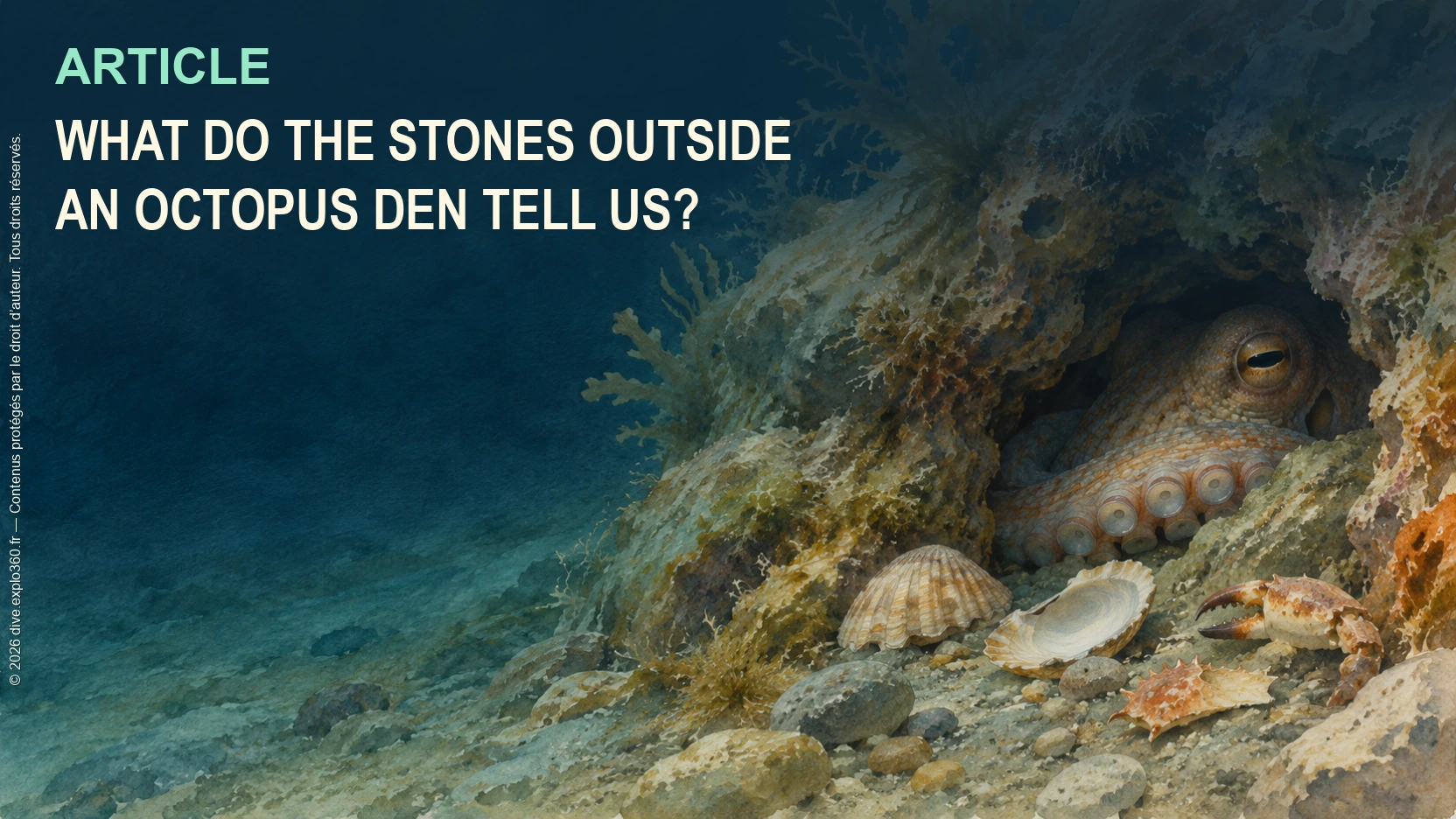
An eye peers from a rocky den beside scattered shells and pebbles. Available1/3 public · licence required for the rest

Article region: Mediterranean

Mediterranean

Way of life · Behaviour

What do the stones outside an octopus den tell us?

At the foot of a rock, open shells, bits of crab and a few stones lie outside a dark crack. A common octopus, Octopus vulgaris, might be tucked away at the back. It might have gone hunting or moved to another shelter.…

Going deeperPublic 3 min · Lic. 6 min Read the article
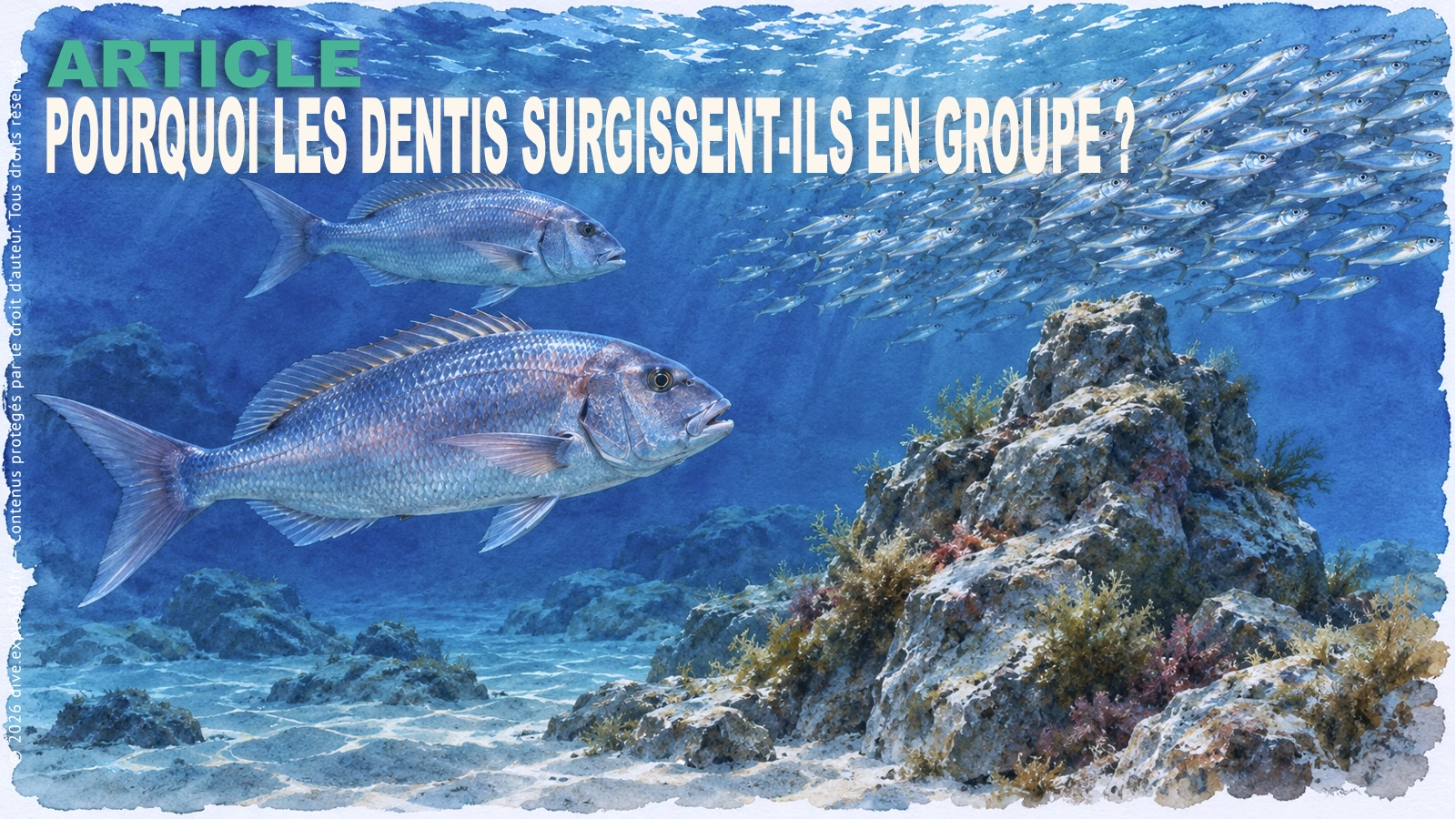
Three dentex approach a silvery school above a pinnacle. This reconstruction shows dentex near a school of bogue, without assuming that the predators coordinate. Available1/3 public · licence required for the rest

Article region: Mediterranean

Mediterranean

Way of life · Behaviour

Why do common dentex appear in groups?

A shoal of bogue flashes silver as it crosses the sand towards a rocky pinnacle. Suddenly the fish bunch up and turn almost as one. Several dentex have appeared at the edge of the blue. The shoal buckles as they close…

Going deeperPublic 4 min · Lic. 9 min Read the article
Fallen brown leaves lie near the seabed among the green shoots of a Mediterranean Posidonia meadow. AvailableFree access

Article region: Mediterranean

Mediterranean

Biotope · Environment

What happens to dead Posidonia leaves?

An easterly wind has been blowing for two days. Waves throw long brown ribbons onto the beach, and by morning they have piled into a dark mat. The ribbons are leaves of Posidonia oceanica, a flowering plant that forms…

Going deeper7 min Read the article
Underwater scene. Striped lionfish beneath a rocky overhang. Available1/3 public · licence required for the rest

Multiple marine regions

MediterraneanRed Sea

Biotope · Environment

How do fish from the Red Sea colonise the Mediterranean?

Off Cyprus, a lionfish hangs beneath a rocky ledge. It spreads its striped fins and inches towards a smaller fish sheltering by the rock. The scene might look at home on a Red Sea reef. Here, though, the lionfish is…

Going deeperPublic 5 min · Lic. 10 min Read the article
A diver descends above sea fans attached to a rocky wall. Available1/3 public · licence required for the rest

Article region: Mediterranean

Mediterranean

Biotope · Environment

Why does the sea suddenly get colder as you descend?

Sunlight flickers across the rock as the diver descends. Near the surface, the water feels pleasantly warm. A few metres lower, the cold catches the diver across the face and hands. Looking back up, there’s no obvious…

Going deeperPublic 3 min · Lic. 7 min Read the article
Flakes and threads in a dive torch beam off a rocky drop-off. AvailableFree access

Article region: Mediterranean

Mediterranean

Biotope · Environment

Where does the snow falling beneath the sea come from?

A dive torch picks out white specks against the blue. Some look like flakes, others like threads. They sink, curl around rocks or lift in a passing current. A few may be grains kicked up from the seabed. Others carry…

Going deeper4 min Read the article
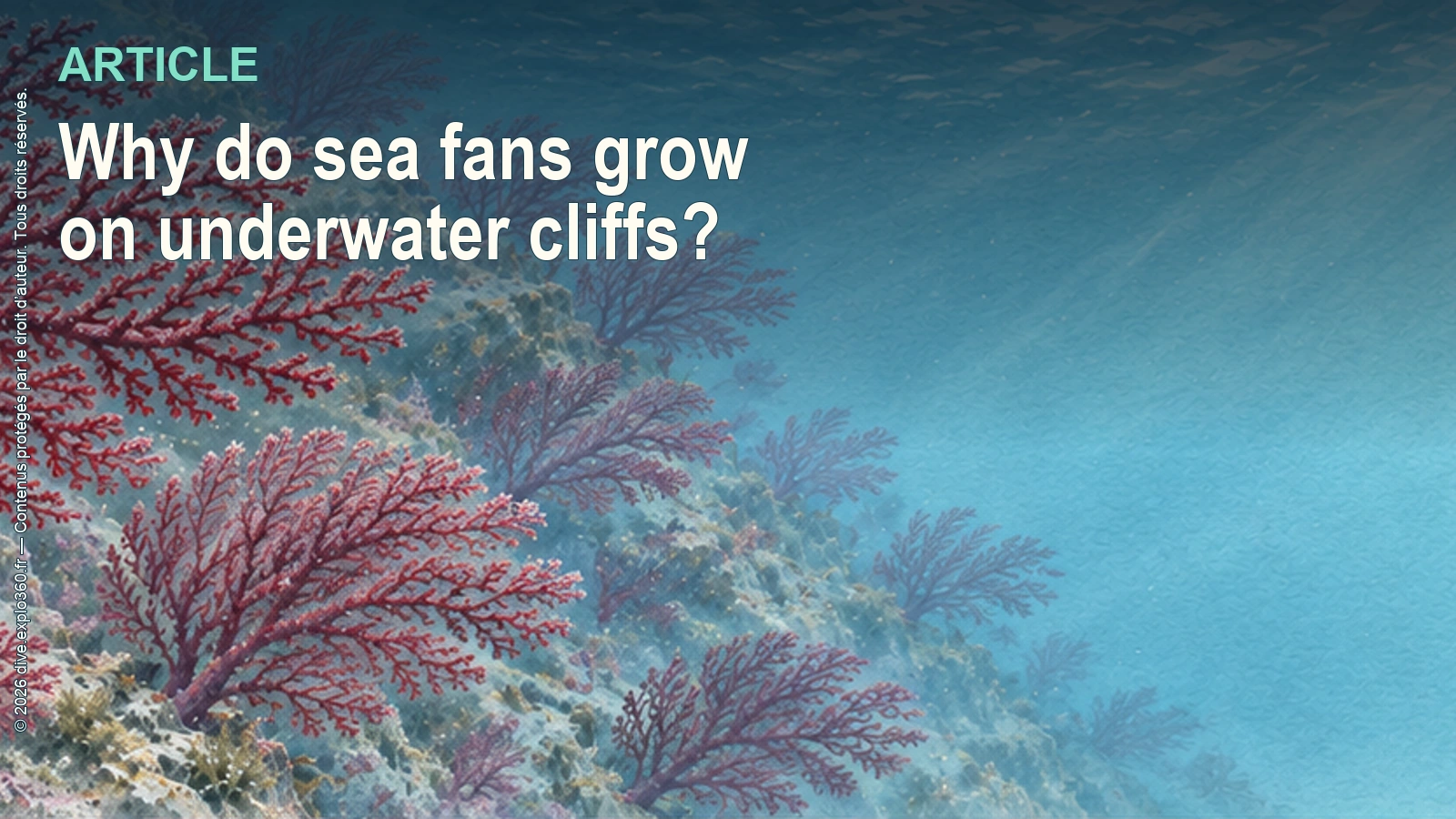
Red sea fans growing on a rocky Mediterranean cliff. Available1/3 public · licence required for the rest

Article region: Mediterranean

Mediterranean

Biotope · Natural history

Why do sea fans grow on underwater cliffs?

The rock drops away beneath the diver’s fins. Purple fans rise from the wall, some tall enough to stand clear of their neighbours, others scarcely branched. Where the cliff turns, the fans face a different way. A sea fan…

Going deeperPublic 4 min · Lic. 9 min Read the article
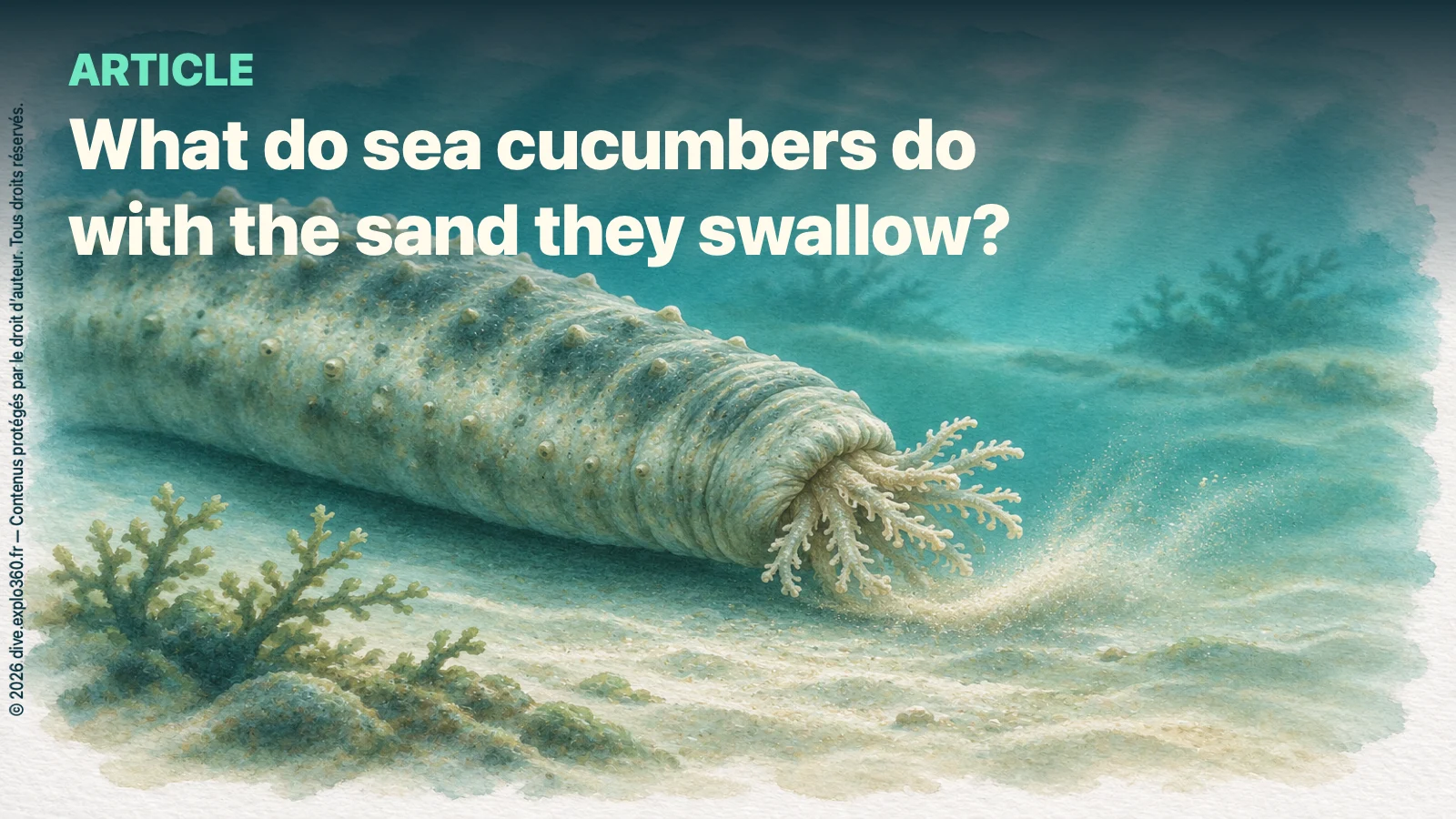
A sea cucumber on a sandy reef floor, with gritty casts behind it. Available1/3 public · licence required for the rest

Multiple marine regions

Mediterranean

Way of life · Natural history

What do sea cucumbers do with the sand they swallow?

At the foot of a reef, ripples mark the sand. A goatfish stirs up a cloud of sediment and disappears among the corals. A sea cucumber moves so slowly you can barely see it crawl. Look at its mouth. Short tentacles pick…

Going deeperPublic 4 min · Lic. 9 min Read the article
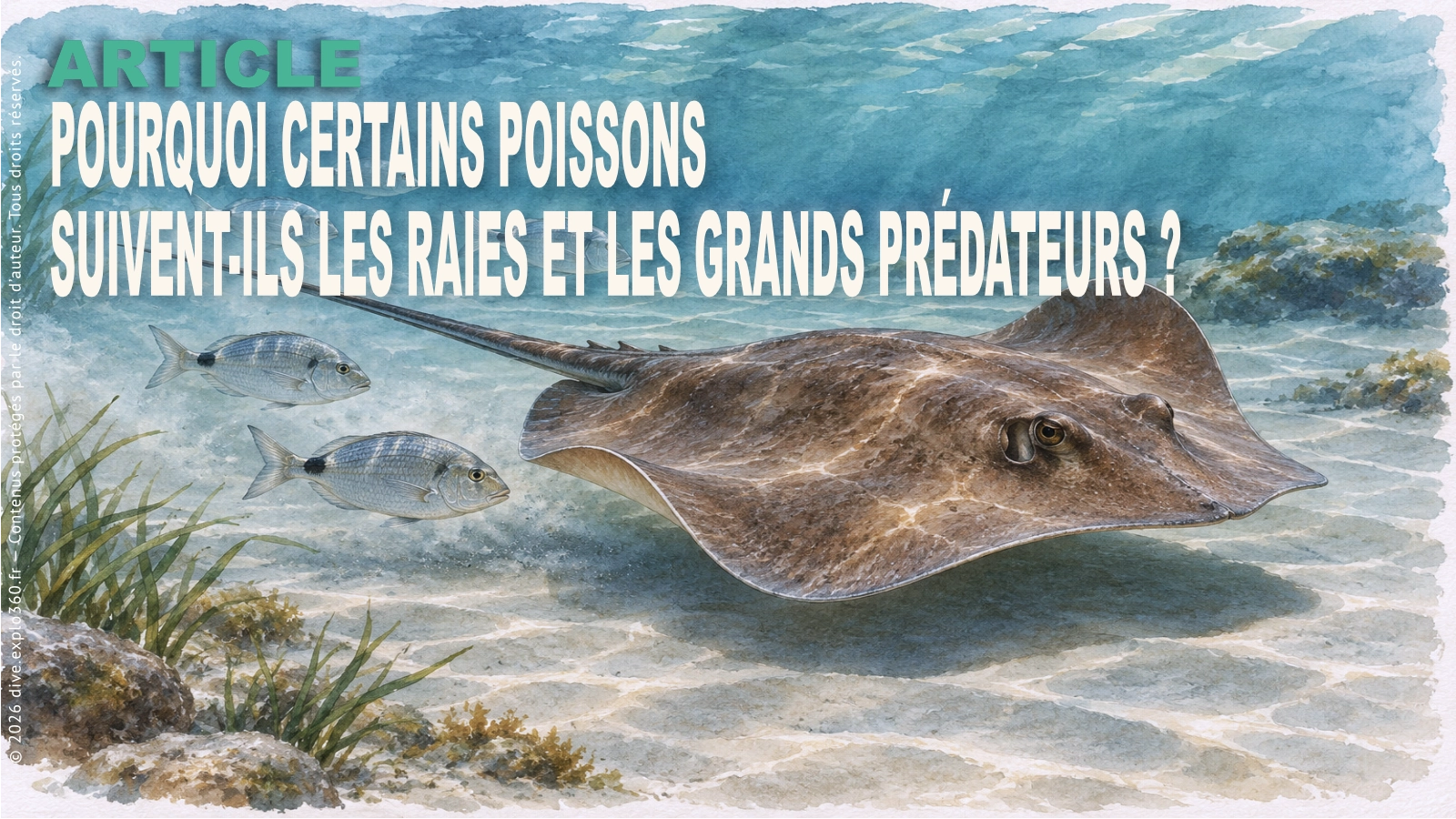
A ray and several fish over a sandy seabed Available1/3 public · licence required for the rest

Multiple marine regions

MediterraneanRed Sea

Way of life · Behaviour

In the company of hunters

Off Malta, cameras have caught blue runners darting after prey in the sand stirred up by feeding rays. On Red Sea reefs, a shake of a grouper’s head can bring a moray out of its shelter. One fish takes advantage of…
UnderstandingPublic 4 min · Lic. 9 min Read the article
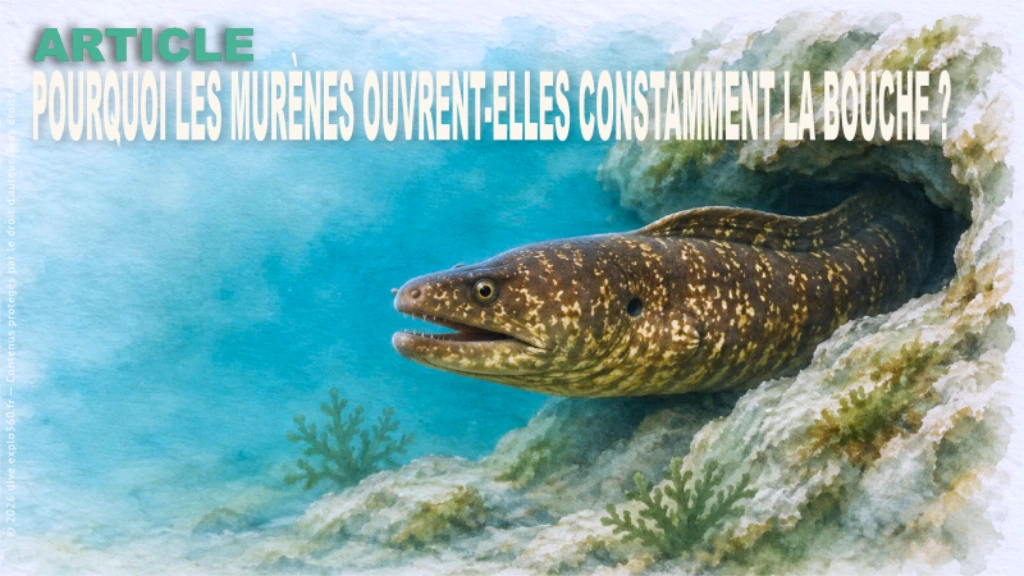
A moray with its mouth ajar in a reef crevice. Available1/3 public · licence required for the rest

Multiple marine regions

MediterraneanAtlantic

Way of life · Behaviour

Why do morays keep opening their mouths?

At the entrance to a reef crevice, a moray can lie almost entirely out of sight. Its jaws part, the pointed teeth show, and the throat moves. Then the jaws close and the whole sequence begins again. That steady rhythm…

UnderstandingPublic 3 min · Lic. 6 min Read the article
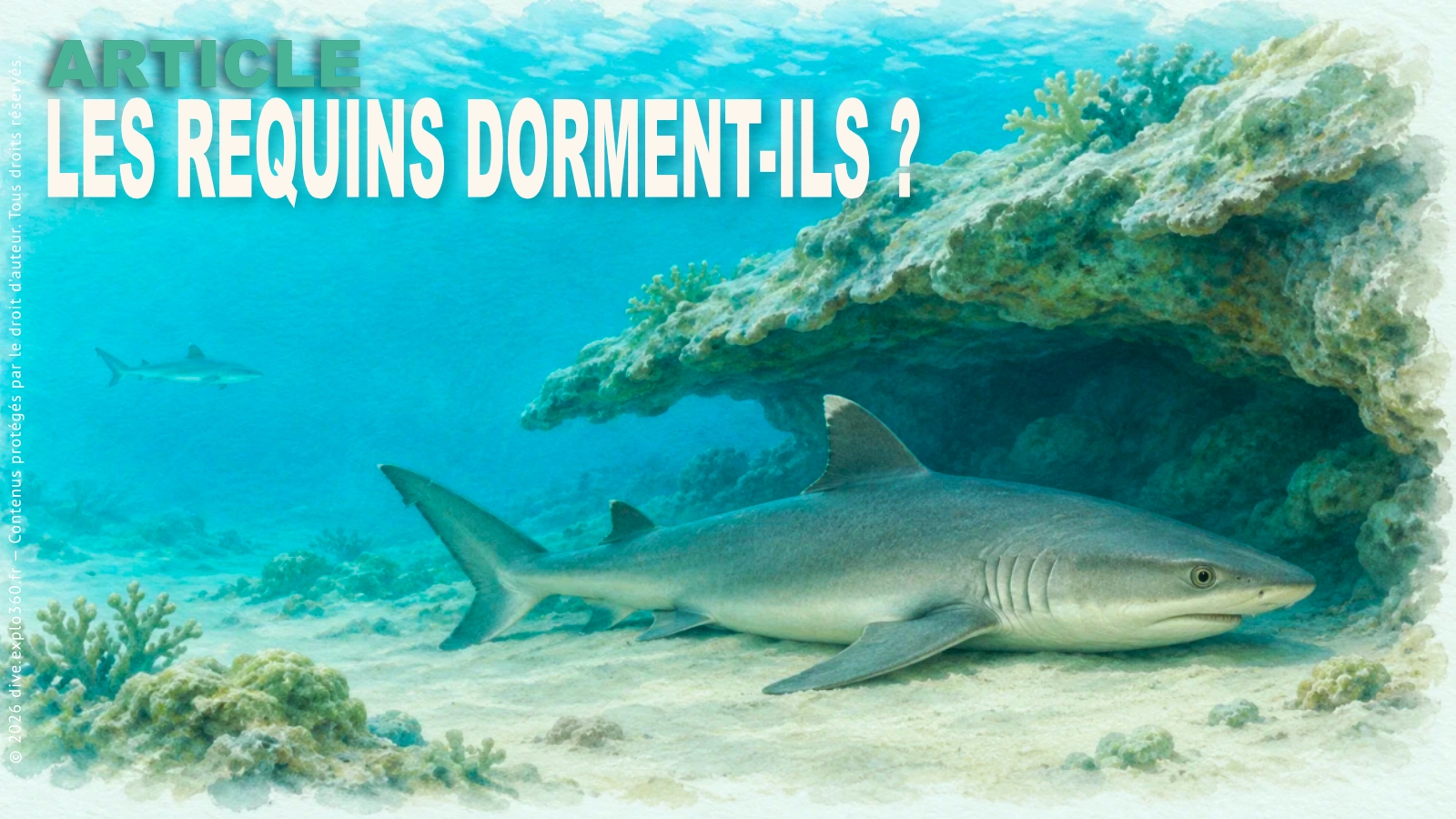
Shark resting beneath a reef ledge. Available1/3 public · licence required for the rest

Multiple marine regions

MediterraneanAtlantic

Way of life · Behaviour

Do sharks sleep?

Picture a shark lying on the sand at the back of a cave, pectoral fins spread and tail still. Its gill slits open and close in a steady rhythm. Its eyes are open. It could still be asleep. Out in the blue, a shark that…

Going deeperPublic 3 min · Lic. 7 min Read the article
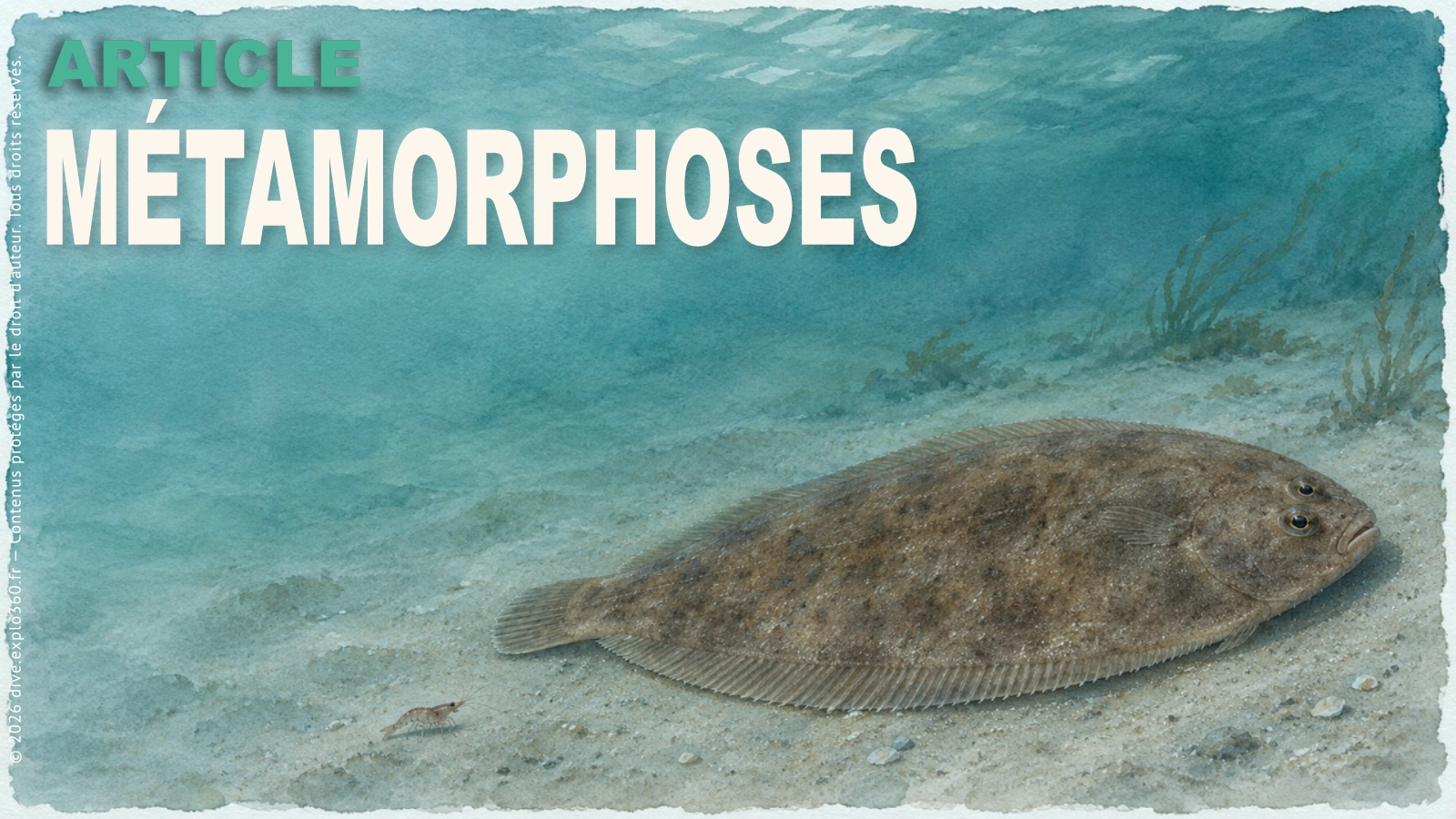
A common sole (Solea solea) on the sand, both eyes facing the water. Available1/3 public · licence required for the rest

Multiple marine regions

MediterraneanAtlantic

Anatomy · Science

Metamorphosis: when growing up means changing shape

An eye is moving from one side of a young fish’s head to the other. Across the Atlantic drifts a transparent larva shaped like a leaf, still a long way from the familiar outline of an eel. And a tiny sea squirt larva…

UnderstandingPublic 6 min · Lic. 9 min Read the article
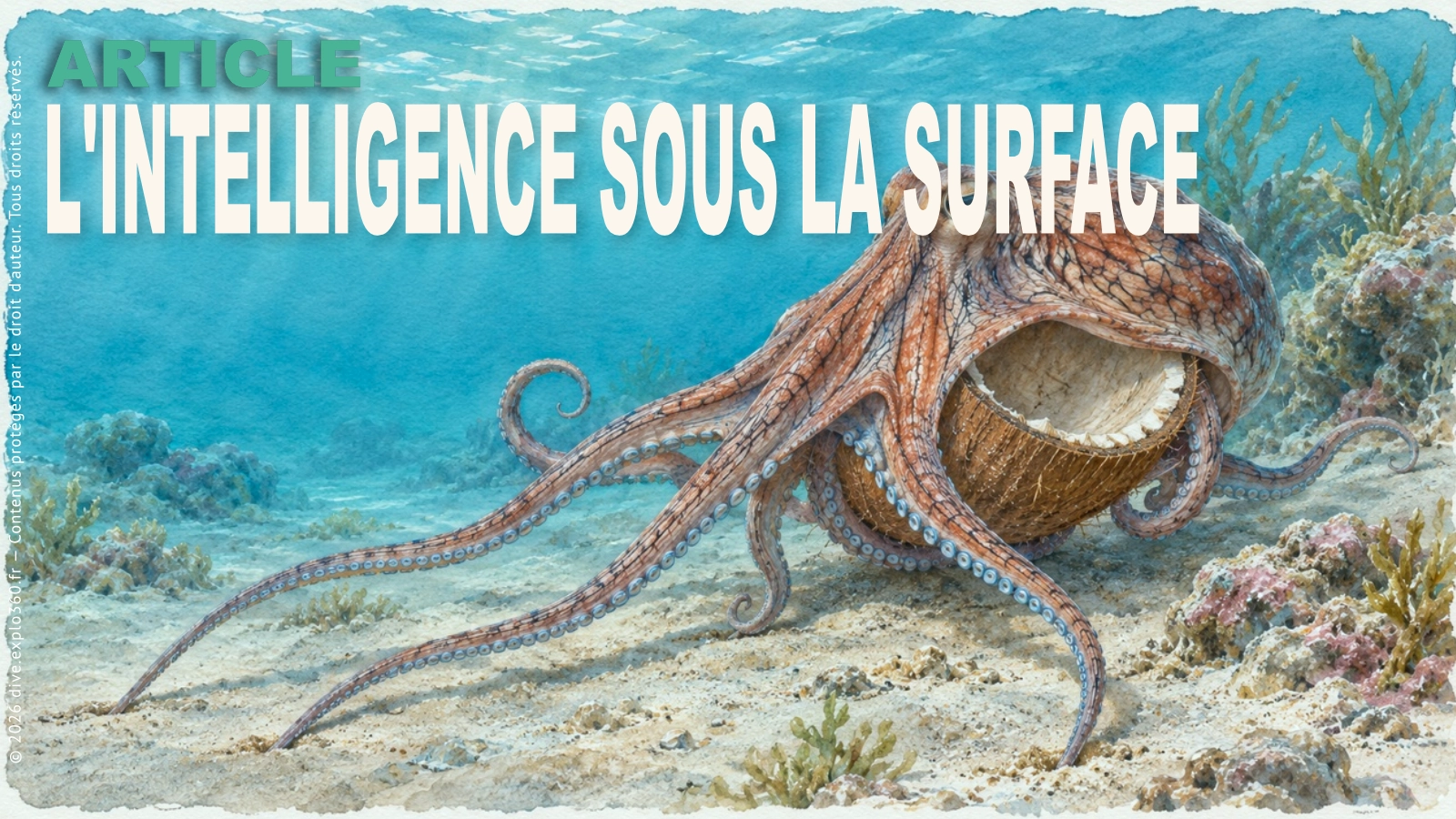
A veined octopus (Amphioctopus marginatus) carries a shell across the sand. AvailableFree access

Multiple marine regions

MediterraneanAtlantic

Way of life · Behaviour

Intelligence beneath the surface: learning, remembering and solving problems

A crab moves behind the glass of a sealed jar, within sight of an octopus but out of reach. On a Red Sea reef, a grouper can break off a chase to seek out a moray. Off Indonesia, another octopus carries coconut shells…

Going deeper11 min Read the article
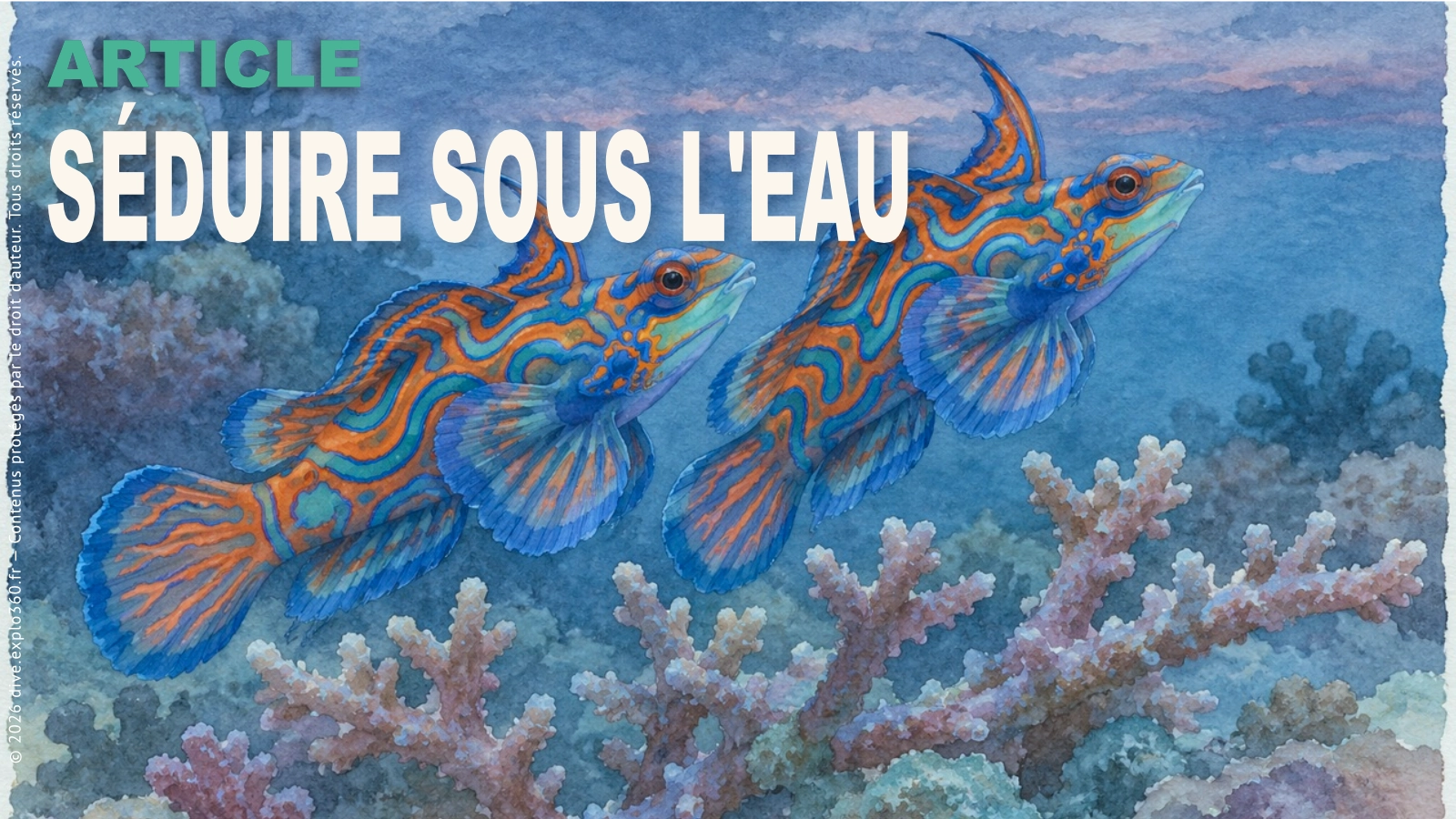
Two mandarinfish (Synchiropus splendidus) begin to rise above the reef. Available1/3 public · licence required for the rest

Multiple marine regions

MediterraneanAtlantic

Way of life · Behaviour

Courtship underwater: displays, rivals and mate choice

A flash of colour can be part of courtship or a warning to a rival. Around a wrasse’s nest, two males may vie for access while another waits for a chance to slip in. In some species, the female inspects several…

UnderstandingPublic 6 min · Lic. 11 min Read the article
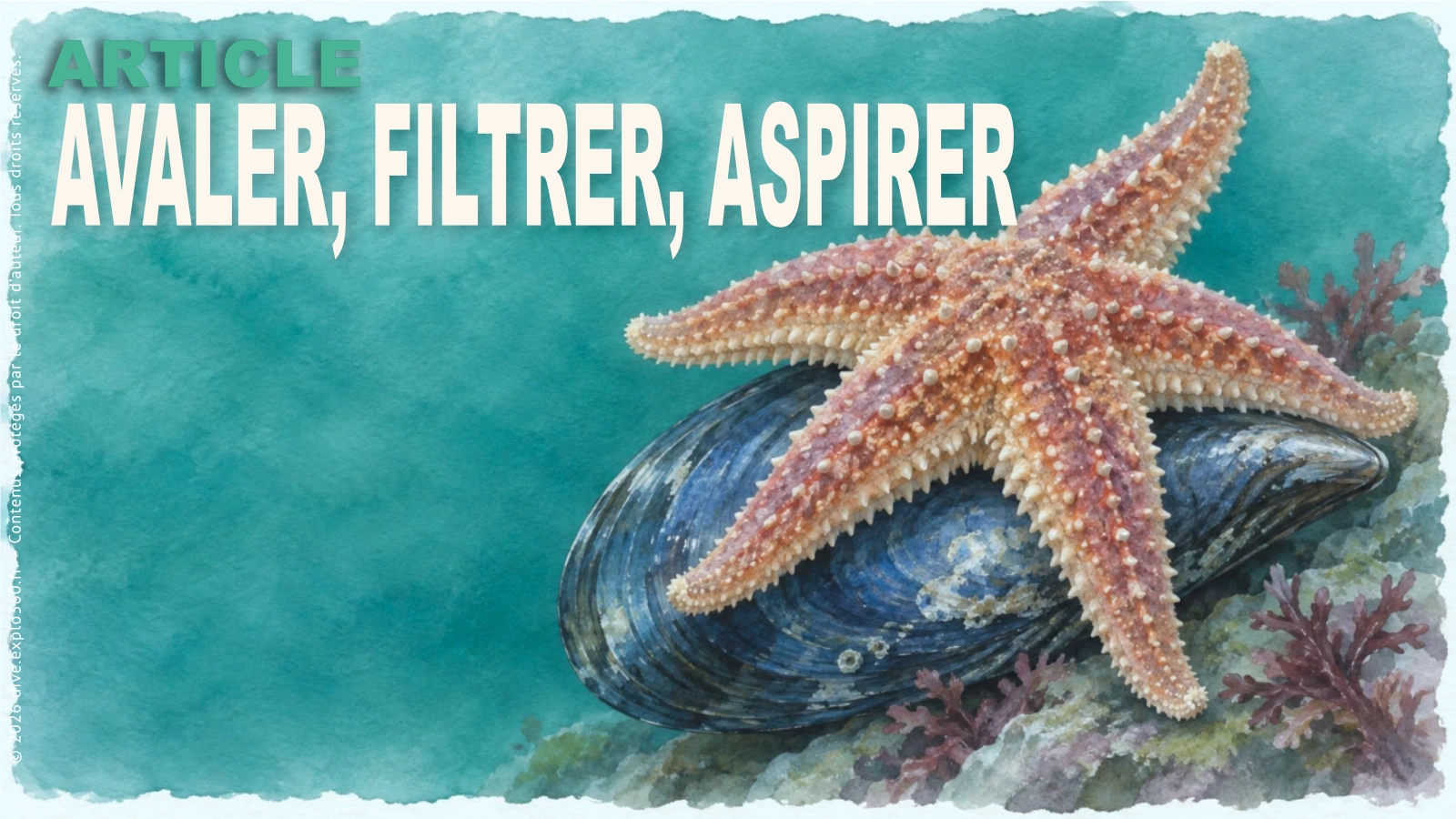
A sea star over a mussel. Available1/3 public · licence required for the rest

Multiple marine regions

MediterraneanAtlantic

Way of life · Natural history

Swallow, filter, suck in: surprising ways to feed

A mussel can clamp its shell shut with powerful muscles. A sea star needs only a sliver of space between the valves to begin its meal. A fish chasing a crustacean has a different problem: the prey can dart away before…

UnderstandingPublic 3 min · Lic. 7 min Read the article
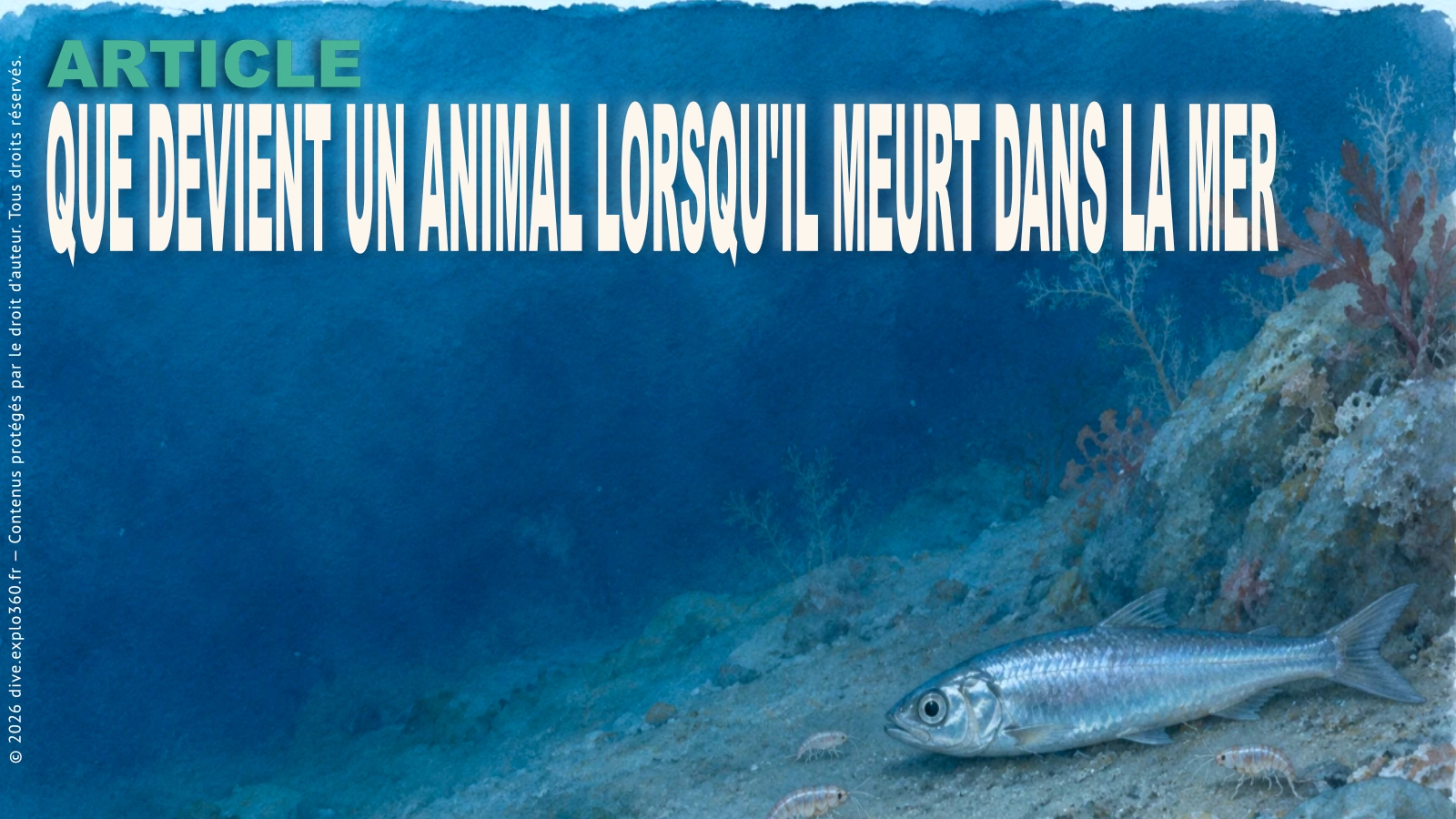
A motionless fish on the seabed. Available1/3 public · licence required for the rest

Multiple marine regions

MediterraneanAtlantic

Way of life · Natural history

What happens when an animal dies in the sea?

In an experiment in the deep Atlantic, fish arrived at a dead cetacean within about an hour. They were catching the small crustaceans that had gathered to feed. Long after the last scavenger leaves a carcass, some of its…

Going deeperPublic 4 min · Lic. 8 min Read the article
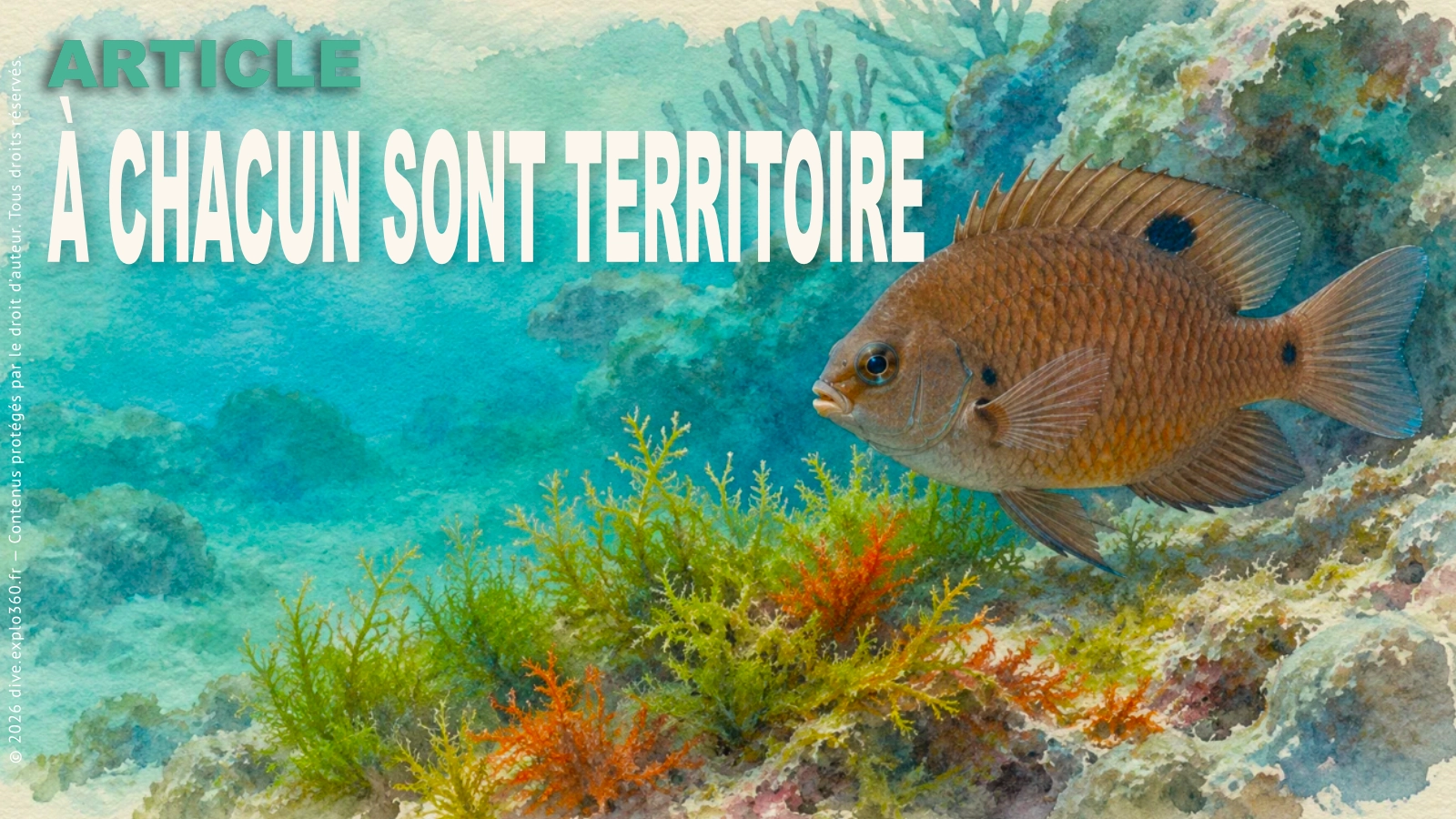
A damselfish above a Caribbean reef. Available1/3 public · licence required for the rest

Multiple marine regions

MediterraneanAtlantic

Way of life · Natural history

Territorial disputes on the reef

A fish only a few centimetres long can drive off an intruder three times its size. A short chase may be all it takes. Elsewhere on the reef, a dispute can cost a whole group its shelter. What makes a patch of rock, a…

UnderstandingPublic 4 min · Lic. 9 min Read the article
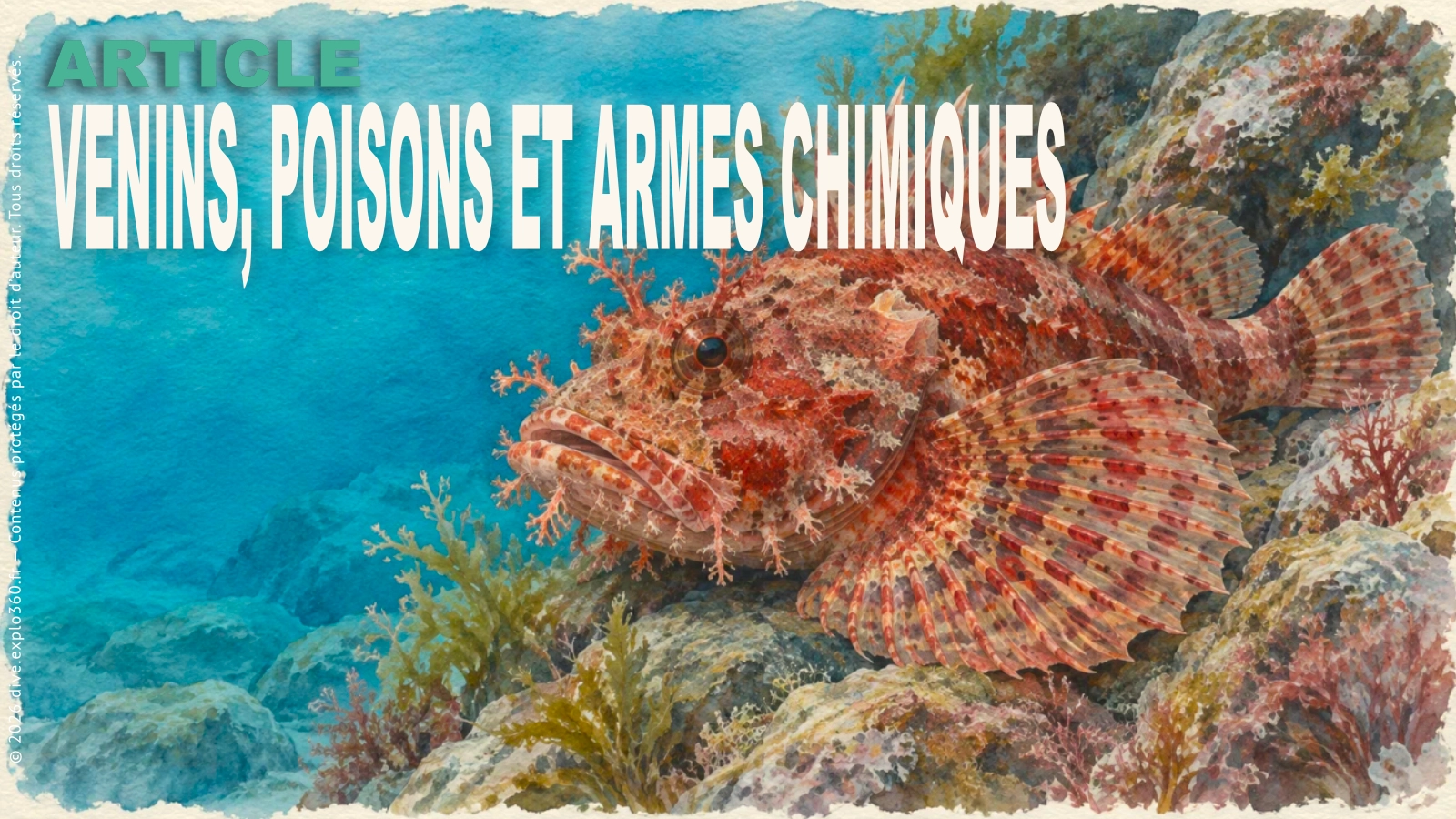
A red scorpionfish on a rocky Mediterranean seabed. Available1/3 public · licence required for the rest

Multiple marine regions

MediterraneanAtlantic

Way of life · Natural history

Venoms, poisons and chemical weapons: the invisible battle

A scorpionfish can disappear against the rocks. A brightly coloured nudibranch moves slowly in full view, and an anemone waits with its tentacles spread. The chemistry behind those encounters becomes visible in what…

UnderstandingPublic 2 min · Lic. 4 min Read the article
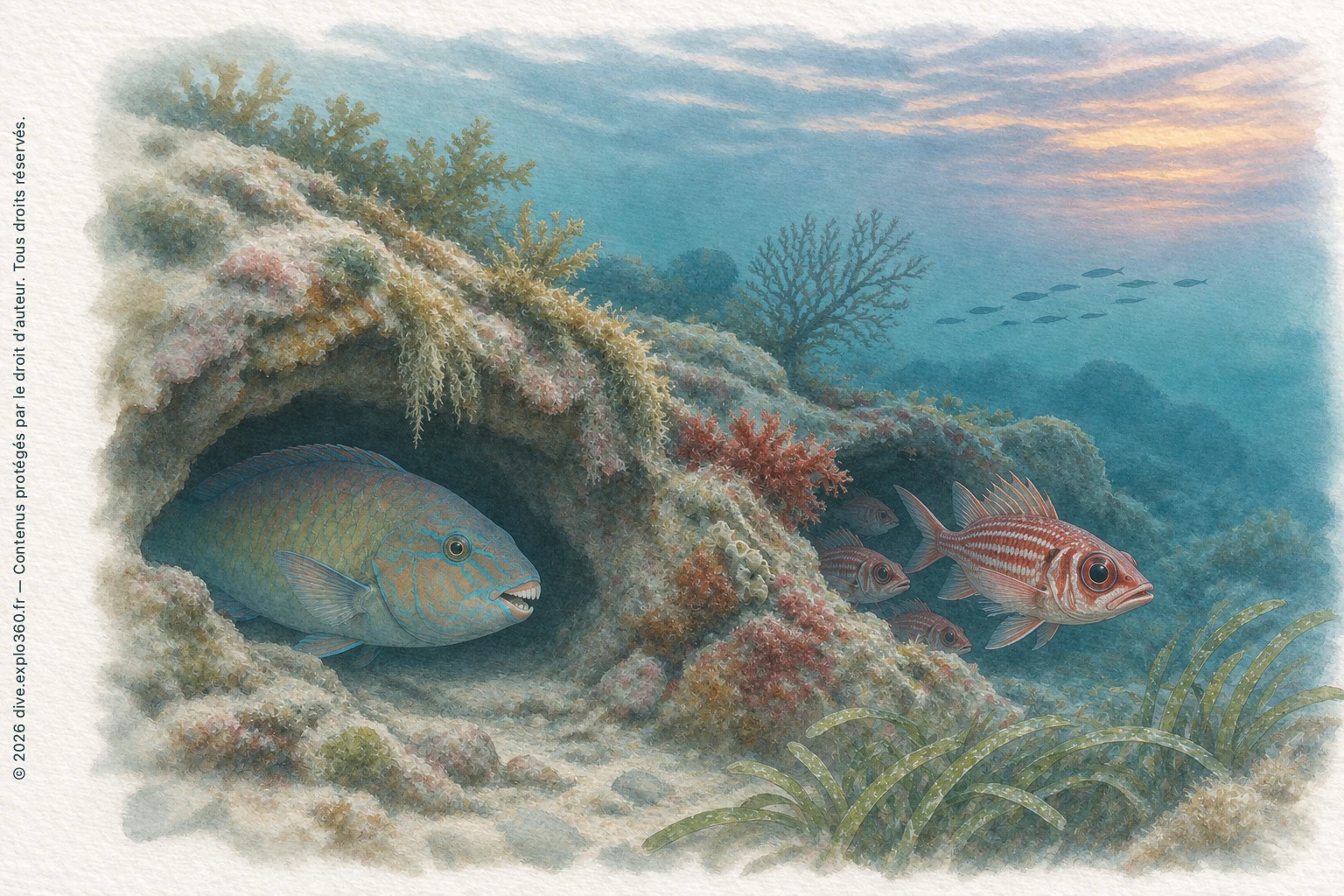
A parrotfish resting in a reef cavity. Available1/3 public · licence required for the rest

Multiple marine regions

MediterraneanAtlantic

Way of life · Natural history

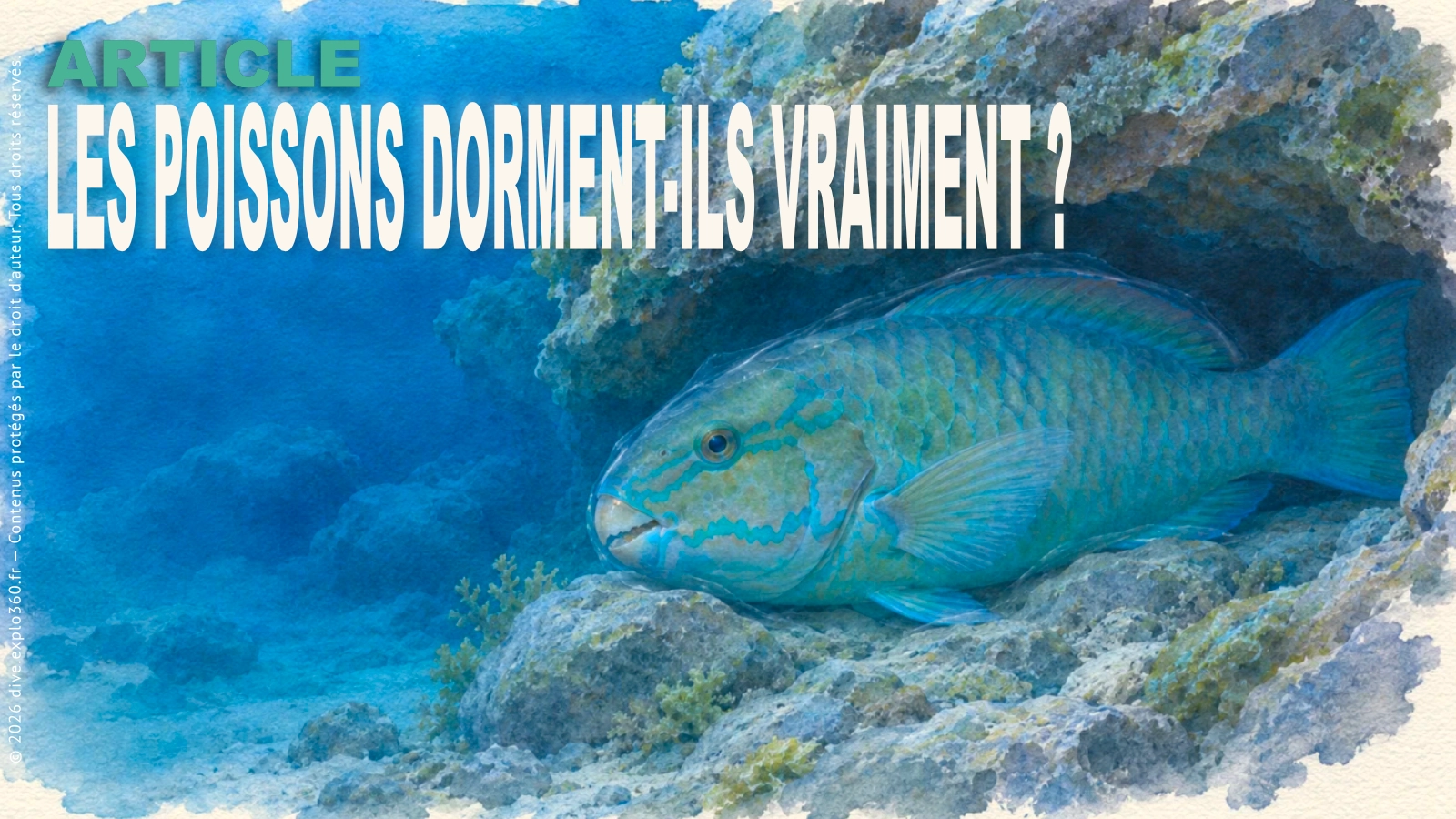
Do Fish Really Sleep?

A parrotfish spends the night in a transparent cocoon. Sharks lie still on the seabed. In the brain of a tiny zebrafish, waves of activity can spread during sleep. Each offers a different clue to what happens when fish…

UnderstandingPublic 4 min · Lic. 9 min Read the article
A terminal-phase bluehead wrasse on a Caribbean reef. Available1/3 public · licence required for the rest

Multiple marine regions

MediterraneanAtlantic

Way of life · Natural history

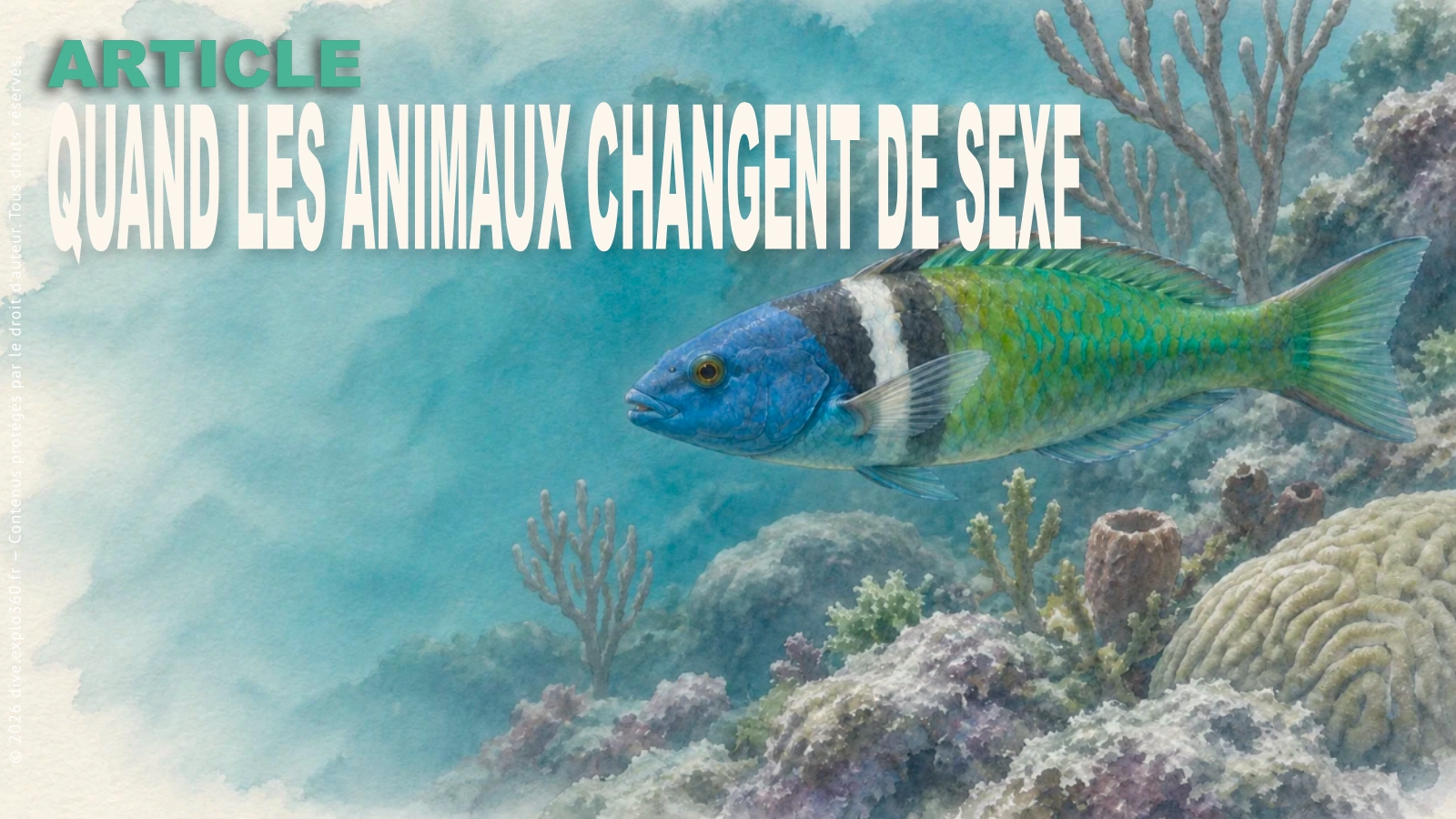
When Animals Change Sex

When a dominant bluehead wrasse disappears, a large female can take over his territory. Within days, she may be producing sperm. A clownfish can change in the opposite direction, and a small reef goby can change back…

Going deeperPublic 5 min · Lic. 10 min Read the article
A camouflaged frogfish faces a small fish on the reef. AvailableFree access

Multiple marine regions

MediterraneanAtlantic

Way of life · Natural history

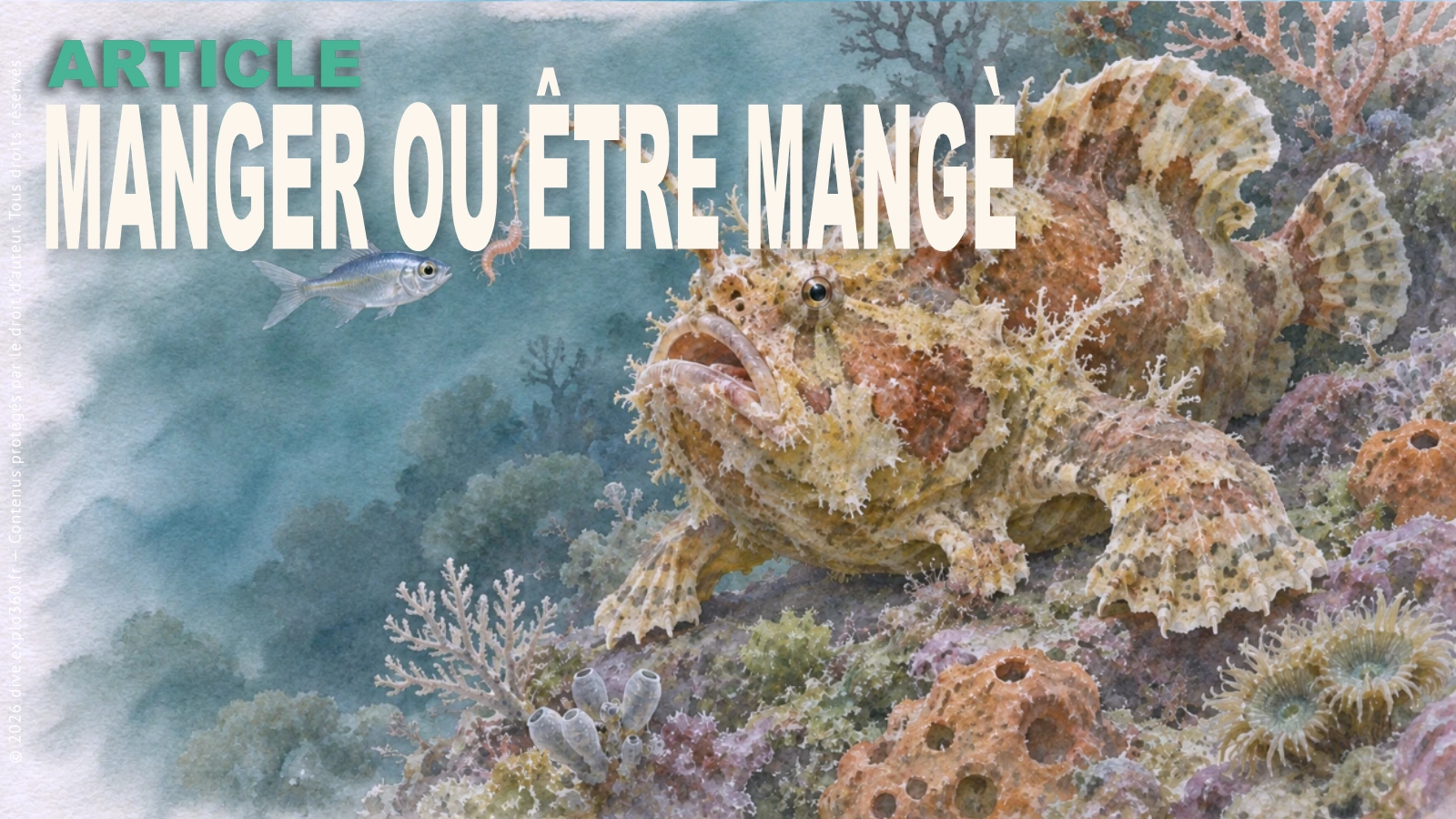
Eat or Be Eaten: Hunting Strategies Underwater

A frogfish can wait on the seabed with only its lure moving. When another fish comes close enough, the mouth opens and the water does the rest. Elsewhere, a sailfish can sweep its bill through a school or a grouper can…

Getting started10 min Read the article
Fish gathering over a reef in moonlight. Available1/3 public · licence required for the rest

Multiple marine regions

MediterraneanAtlantic

Way of life · Natural history

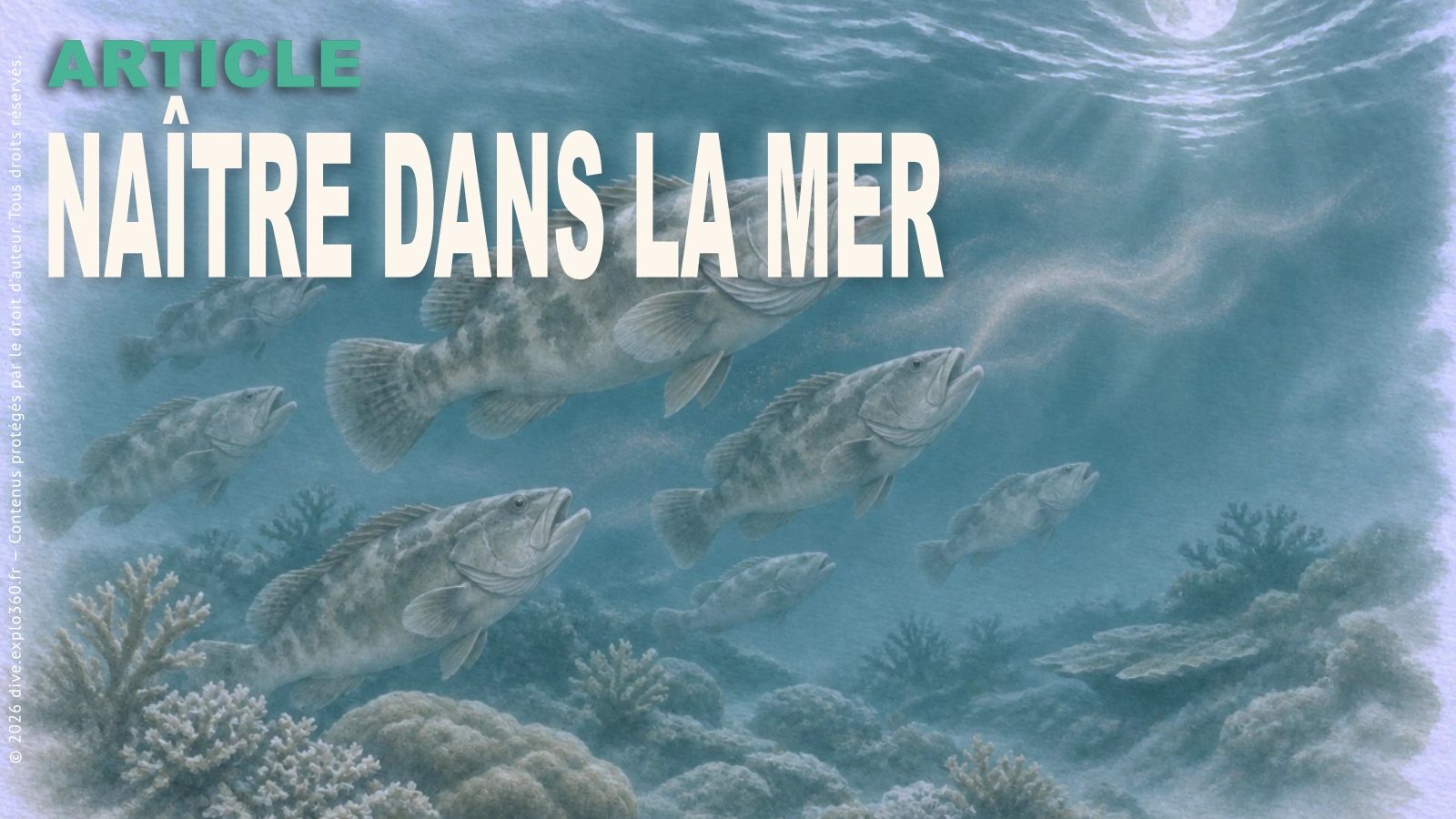
Born in the Sea: The Perils of Early Life

An egg drifts with the current. A transparent larva crosses open water. A young fish searches for shelter. Some marine animals release millions of offspring, while others spend weeks guarding a handful. What makes such…

Getting startedPublic 8 min · Lic. 15 min Read the article
A parrotfish in shelter and squirrelfish on a reef at dusk. Available1/3 public · licence required for the rest

Multiple marine regions

MediterraneanAtlantic

Ecology · Natural history

When the Sea Comes Alive at Night

At dusk, fish that fed in the open begin to tuck themselves into the reef. Others leave the crevices where they spent the day. Farther offshore, billions of small animals start swimming towards the surface. A night dive…

UnderstandingPublic 4 min · Lic. 8 min Read the article
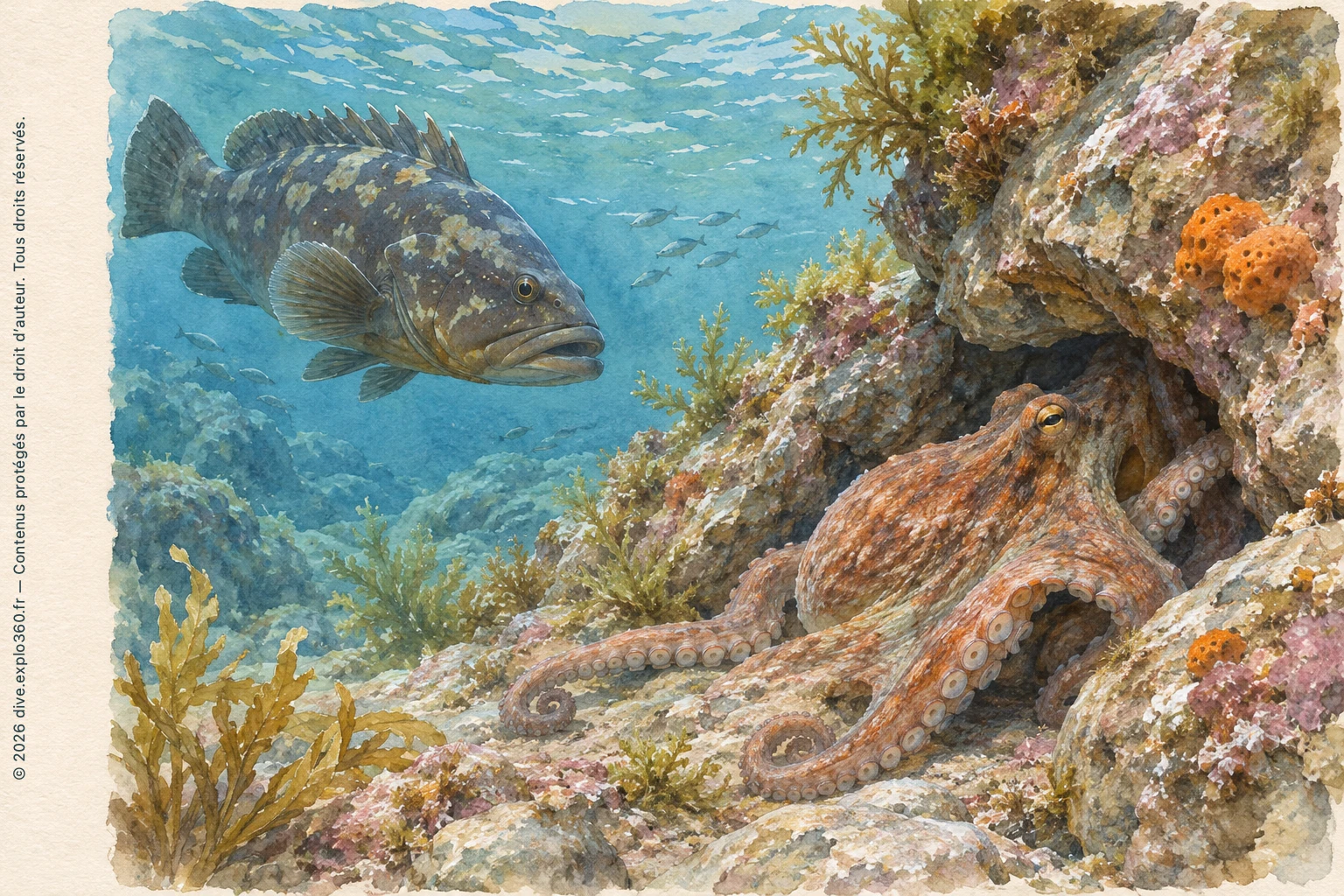
A grouper approaches an octopus at a rocky crevice. Available1/3 public · licence required for the rest

Multiple marine regions

MediterraneanAtlantic

Anatomy · Natural history

How marine animals regrow lost body parts

A sea star survives a bite but loses an arm. An octopus can lose part of an arm as it pulls free of a predator. Some sea cucumbers respond to a threat by expelling internal organs. Escaping is only the first hurdle. The…

Going deeperPublic 4 min · Lic. 10 min Read the article
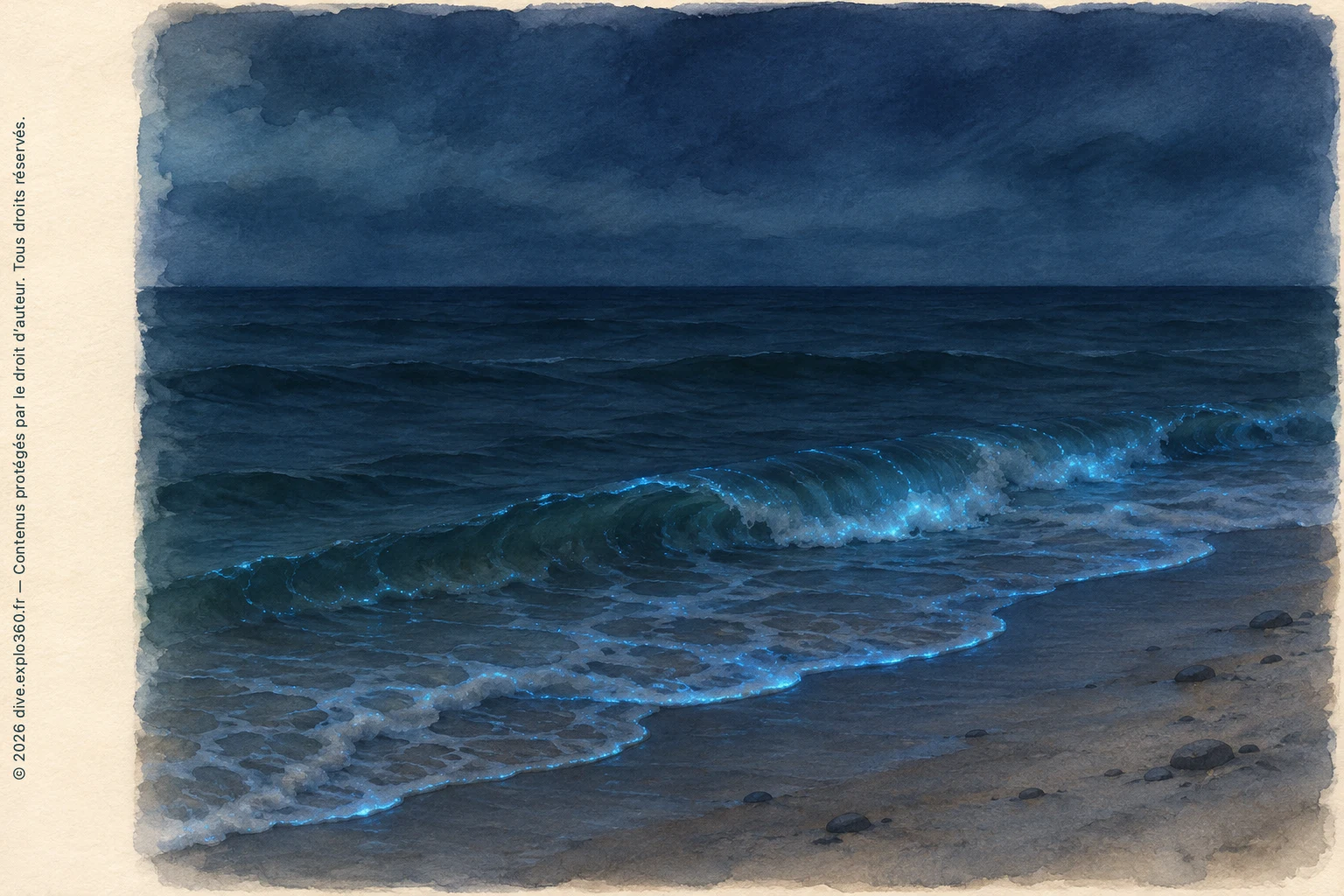
A blue glowing wave breaking on a beach at night. Available1/3 public · licence required for the rest

Multiple marine regions

MediterraneanAtlantic

Ecology · Natural history

Who Turns on the Light Underwater?

Picture a wave breaking after dark. Blue sparks run along the foam, fade, then return with the next wave. The light comes from living things, some too small to see individually. Below the reach of sunlight, a glow can…

Going deeperPublic 5 min · Lic. 8 min Read the article
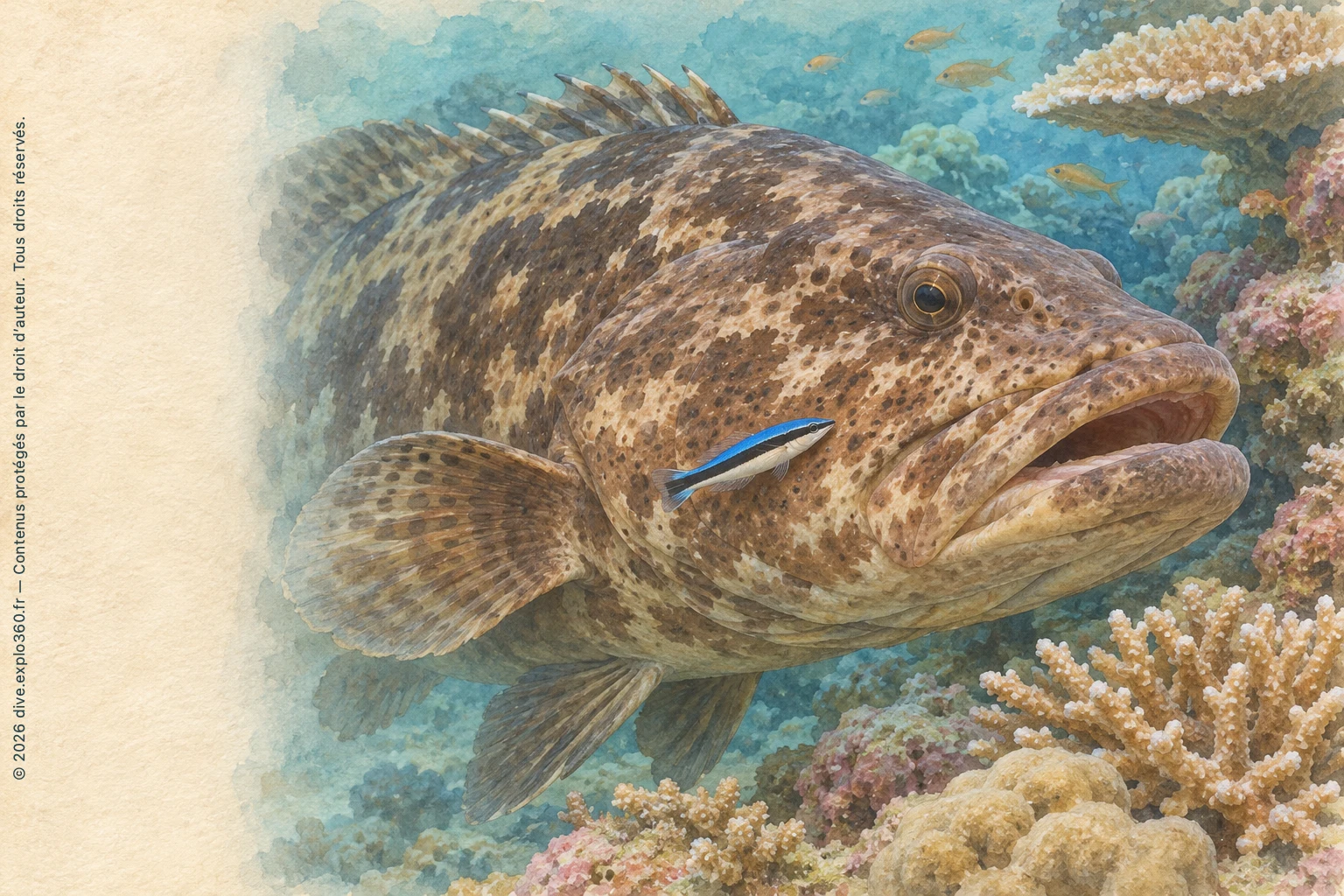
A striped wrasse approaches the head of a stationary grouper. Available1/3 public · licence required for the rest

Multiple marine regions

MediterraneanAtlantic

Ecology · Natural history

Who Helps Whom in the Sea?

On an Indian Ocean reef, a grouper can come to a stop in front of a fish striped in blue and black and open its jaws. The little fish moves closer. A grouper can swallow prey much bigger than this visitor. Yet a cleaner…

UnderstandingPublic 4 min · Lic. 9 min Read the article
White polyps of red coral (Corallium rubrum) connected along a branch. Available1/3 public · licence required for the rest

Multiple marine regions

MediterraneanAtlantic

Anatomy · Science

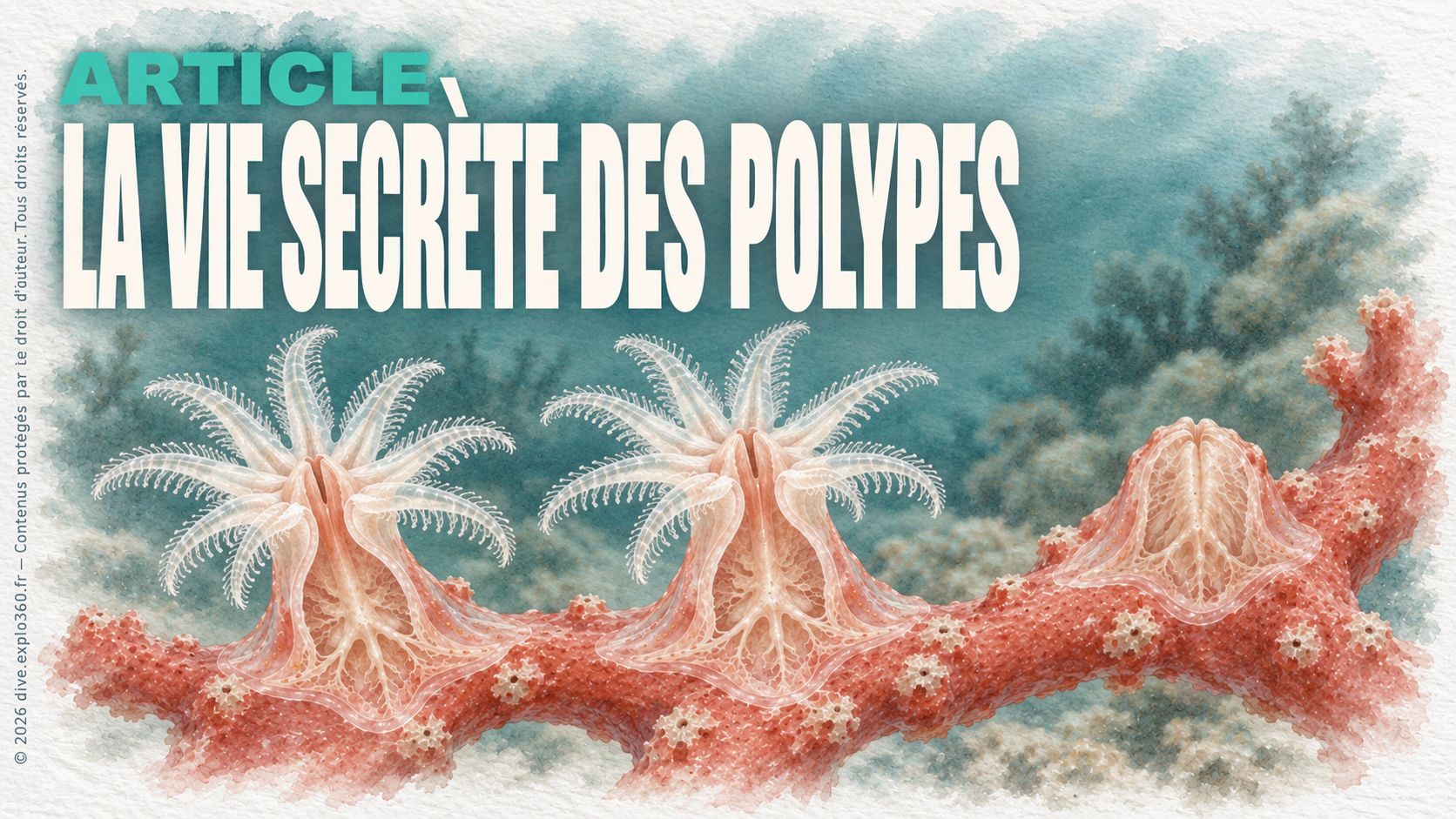
The Hidden Life of Polyps: How Does a Colony Work?

A sea fan holds its polyps out in the current. On a branch of red coral, white tentacles form little crowns against the red. Each crown surrounds a mouth that can take in food. The tissue below links those mouths to the…

UnderstandingPublic 2 min · Lic. 5 min Read the article
Mediterranean seagrass and rocky seabed with organisms whose functions are connected. AvailableFree access

Multiple marine regions

MediterraneanAtlantic

Ecology · Natural history

What marine animals do and why it matters

Some fish feed on seagrass leaves. Others shelter among them. Even leaves that fall to the seabed can feed other organisms. Ecological roles help trace those connections, in a meadow, on a reef or out in open water. The…

Understanding6 min Read the article
A wreck colonised by marine life in the Mediterranean Available1/3 public · licence required for the rest

Multiple marine regions

MediterraneanAtlantic

Ecology · Environment

THE SECRETS OF SHIPWRECKS

A ship can come to rest on sand, maerl or rock, or land against a seagrass meadow. Its hull rises above the seabed, puts hard surfaces in the current and casts shadows. What happens to the wreck and the life around it…

UnderstandingPublic 4 min · Lic. 8 min Read the article
THE SECRETS OF SAND AvailableFree access

Multiple marine regions

MediterraneanAtlantic

Biotope · Environment

THE SECRETS OF SAND

A ripple shifts. A trail disappears. Waves and currents are always rearranging a sandy seabed, and much of the life there stays out of sight. A burrow, a shell or a slight movement of sand can give away an animal you…

Getting started6 min Read the article
THE SECRETS OF MAERL Available1/3 public · licence required for the rest

Multiple marine regions

MediterraneanAtlantic

Biotope · Environment

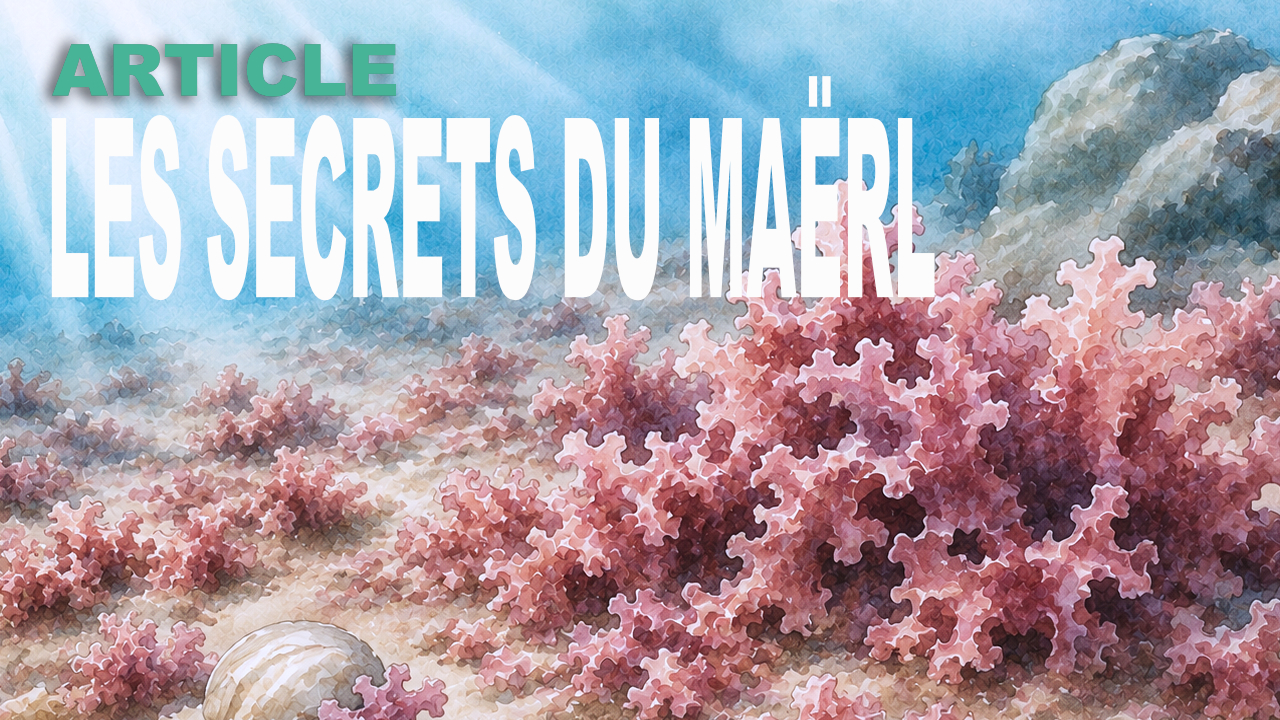
THE SECRETS OF MAERL

A patch of pink and purple gravel on the seabed can turn out to be maerl. Hard red algae grow loose on the sediment. Their branches accumulate so slowly that a well-developed bed can represent decades or centuries of…
UnderstandingPublic 2 min · Lic. 4 min Read the article
THE SECRETS OF THE SEAGRASS MEADOW Available1/3 public · licence required for the rest

Article region: Mediterranean

Mediterranean

Biotope · Environment

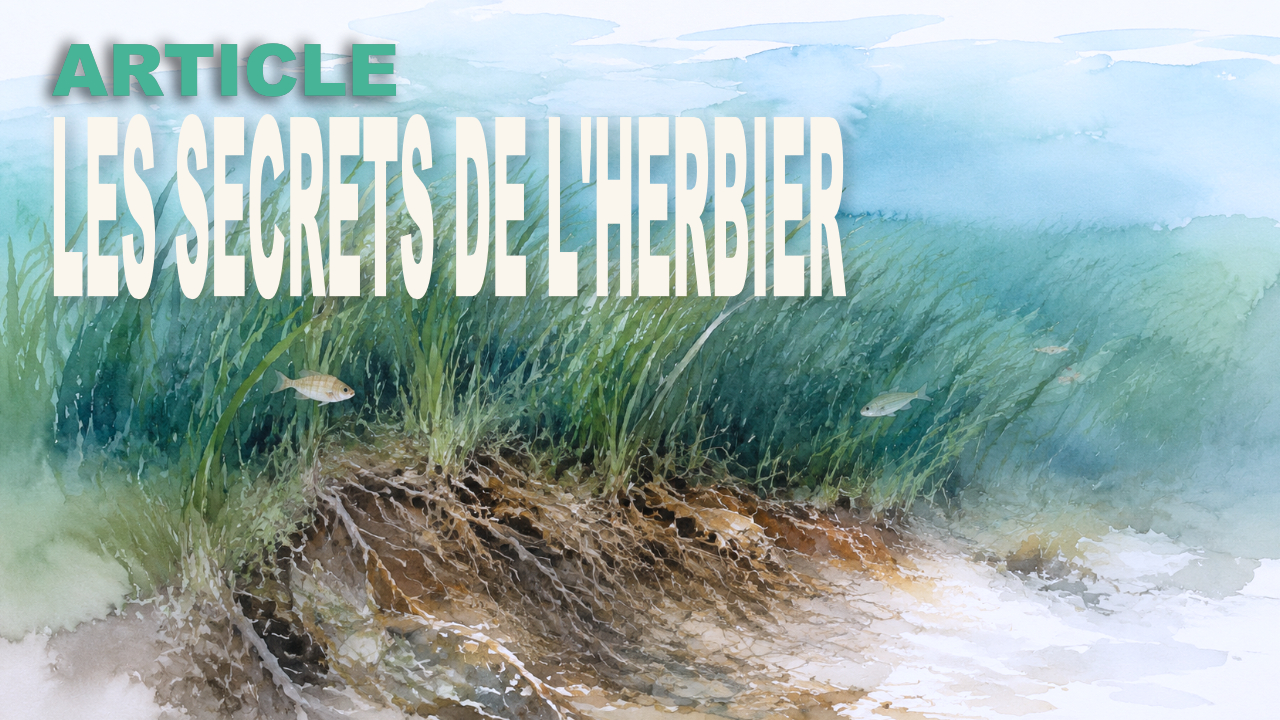
THE SECRETS OF THE SEAGRASS MEADOW

From above, a Posidonia meadow can look like a sweep of green ribbons. Each shoot belongs to a flowering plant, and some meadows have been growing for centuries. Much of their history lies beneath the leaves, in the…
Getting startedPublic 4 min · Lic. 10 min Read the article
THE SECRETS OF CORALLIGENOUS HABITATS Available1/3 public · licence required for the rest

Article region: Mediterranean

Mediterranean

Biotope · Environment

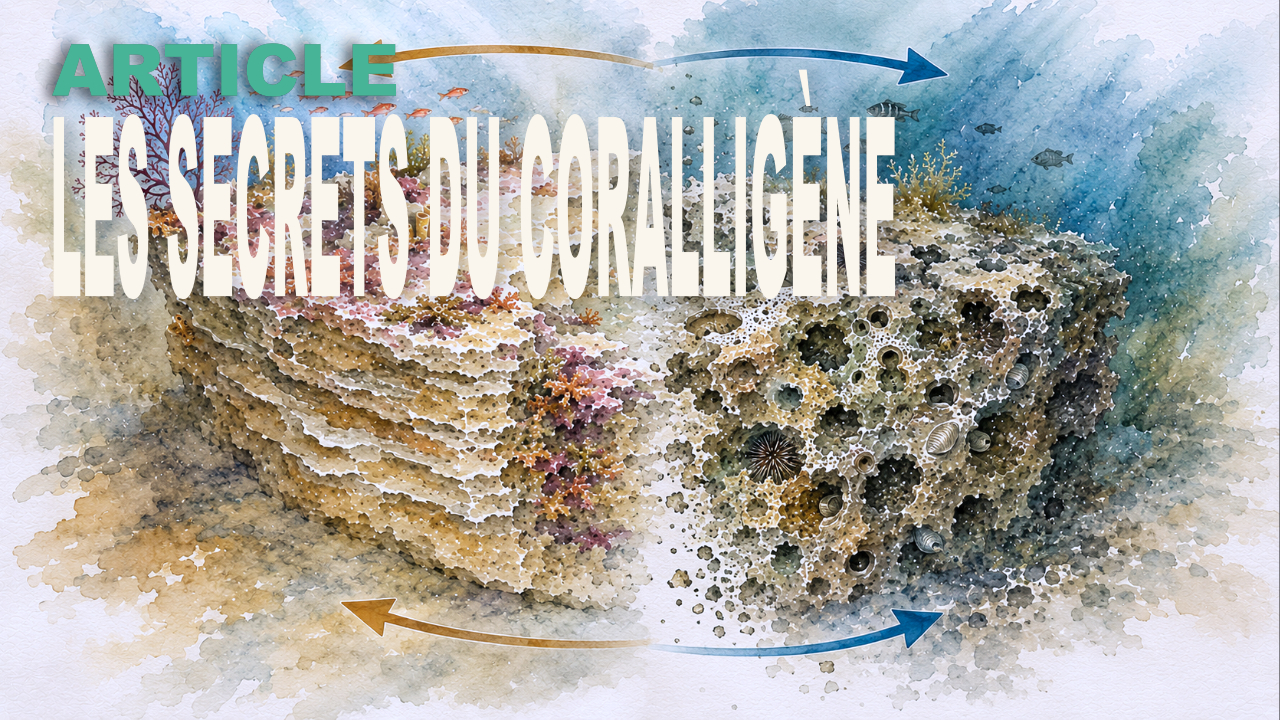
THE SECRETS OF CORALLIGENOUS HABITATS

In the dim light of the Mediterranean, hard crusts build up millimetre by millimetre. Over centuries, sometimes millennia, growth and erosion shape them into walls and platforms. These formations, known as coralligenous…

Going deeperPublic 4 min · Lic. 9 min Read the article
PHYLA WITHOUT THE FUSS Available1/3 public · licence required for the rest

Multiple marine regions

MediterraneanAtlantic

Miscellaneous · Natural history

PHYLA WITHOUT THE FUSS

If you’ve taken a marine biology course for divers, you may remember the table of phyla. It came with unfamiliar names and an evolutionary timeline, and it was easy to forget as soon as you’d learnt it. Start instead…

Getting startedPublic 2 min · Lic. 5 min Read the article
THE ARTISTS OF INVISIBILITY! Available1/3 public · licence required for the rest

Multiple marine regions

MediterraneanAtlantic

Anatomy · Behaviour

Masters of camouflage

A red scorpionfish can wait against the rocks until a small fish comes within reach. A common octopus can change colour and texture before moving off to search a crevice. In clear Mediterranean water, either animal can…

UnderstandingPublic 2 min · Lic. 5 min Read the article
WHAT IF IT ALL HAPPENED UNDERWATER? Available1/3 public · licence required for the rest

Article region: Mediterranean

Mediterranean

Ecology · Science

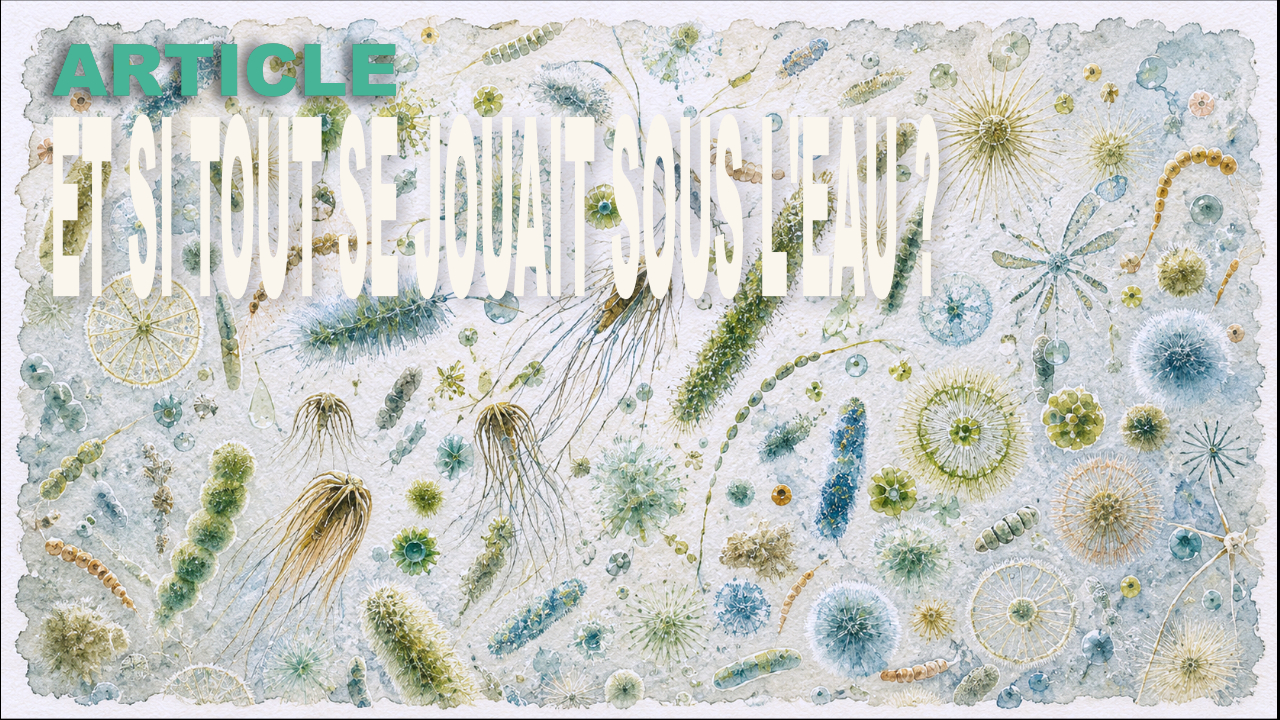
WHAT IF IT ALL HAPPENED UNDERWATER?

Between Port-Cros and Porquerolles, a calm sea gives little away about what is moving beneath it. A sardine can take in plankton and pass some of that meal on to a tuna. Other material can drift past both fish towards…

Going deeperPublic 2 min · Lic. 4 min Read the article
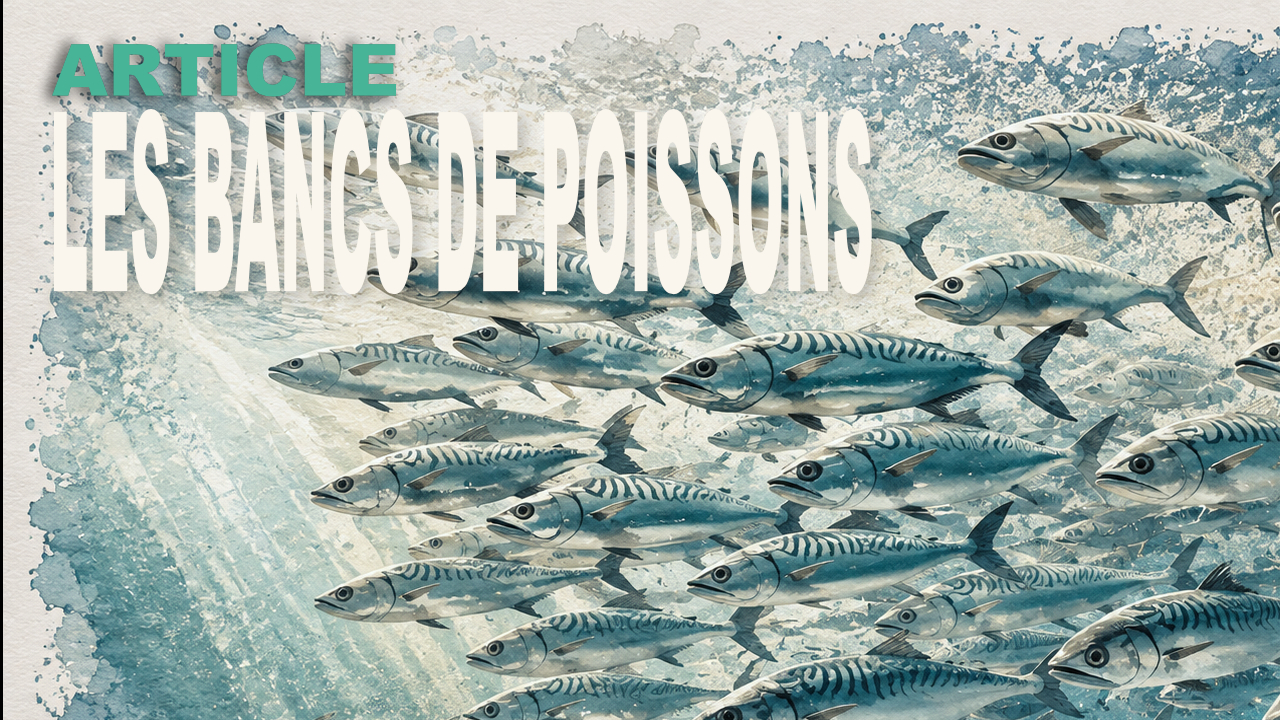
SCHOOLS OF FISH AvailableFree access

Multiple marine regions

MediterraneanAtlantic

Way of life · Behaviour

SCHOOLS OF FISH

A school can turn, tighten or stretch out as it moves. Each fish adjusts to what it sees and senses nearby, and those adjustments keep the group together. How does a change made by one fish become a movement shared by…

Understanding5 min Read the article
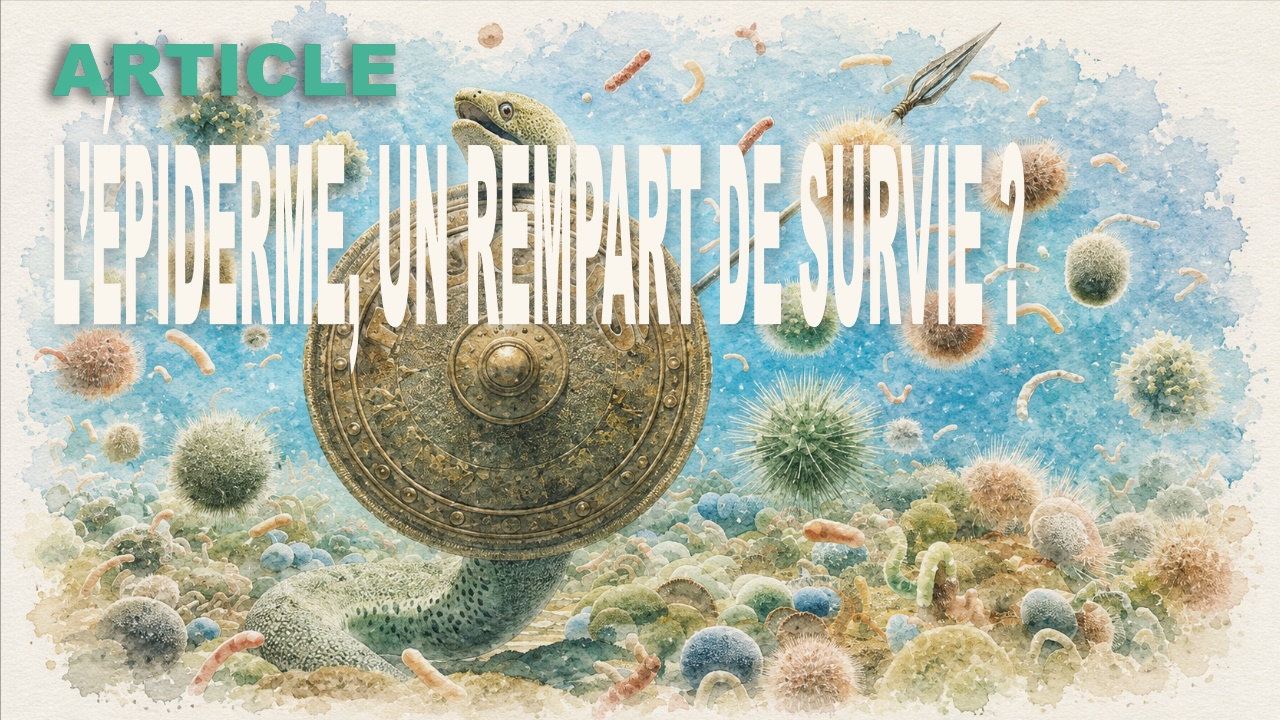
THE EPIDERMIS: A SHIELD FOR SURVIVAL? Available1/3 public · licence required for the rest

Article region: Mediterranean

Mediterranean

Anatomy · Science

How a fish’s skin protects it

A moray’s skin can look smooth, while a shark’s can be studded with structures that resemble tiny teeth. On a sole, the patterns can make the fish hard to pick out against the sand. To understand what those surfaces do,…

UnderstandingPublic 2 min · Lic. 6 min Read the article
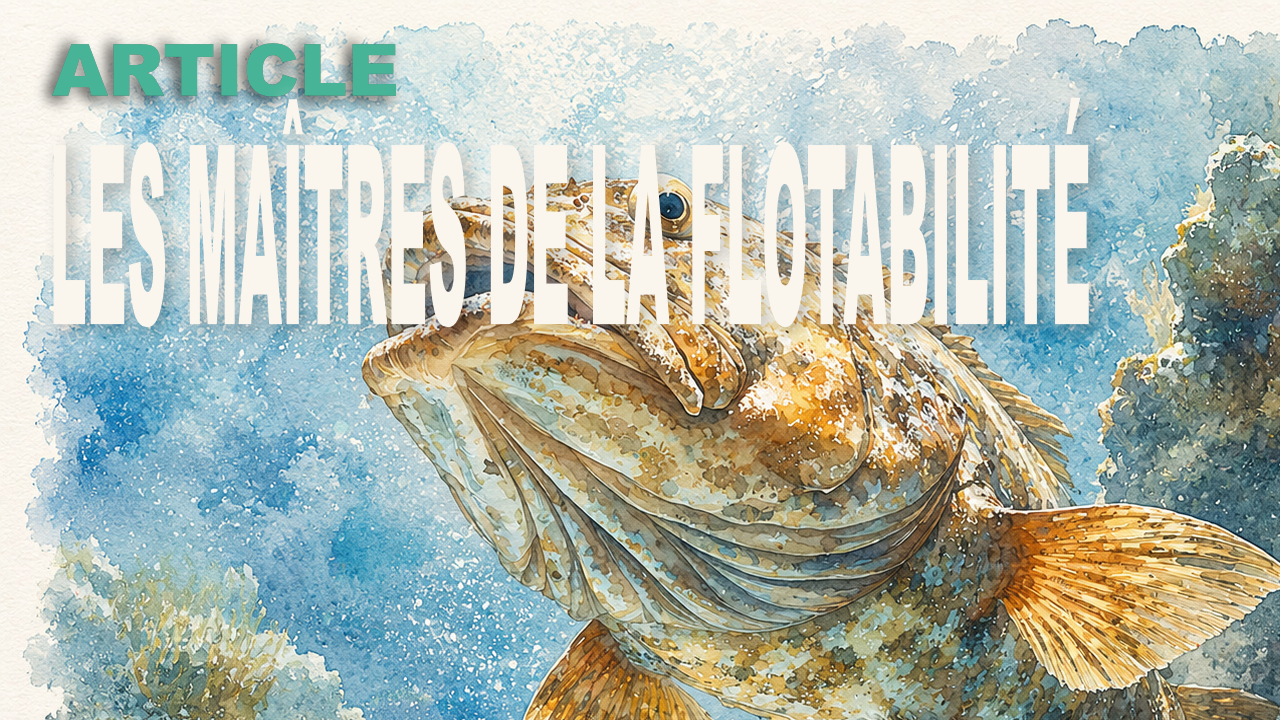
MASTERS OF BUOYANCY Available1/3 public · licence required for the rest

Multiple marine regions

MediterraneanAtlantic

Anatomy · Science

MASTERS OF BUOYANCY

A fish can hang above a Mediterranean reef with barely a stroke of its fins. In many bony fish, a pocket of gas inside the body makes that possible. The swim bladder saves effort at a steady depth, but what happens to…

UnderstandingPublic 2 min · Lic. 5 min Read the article
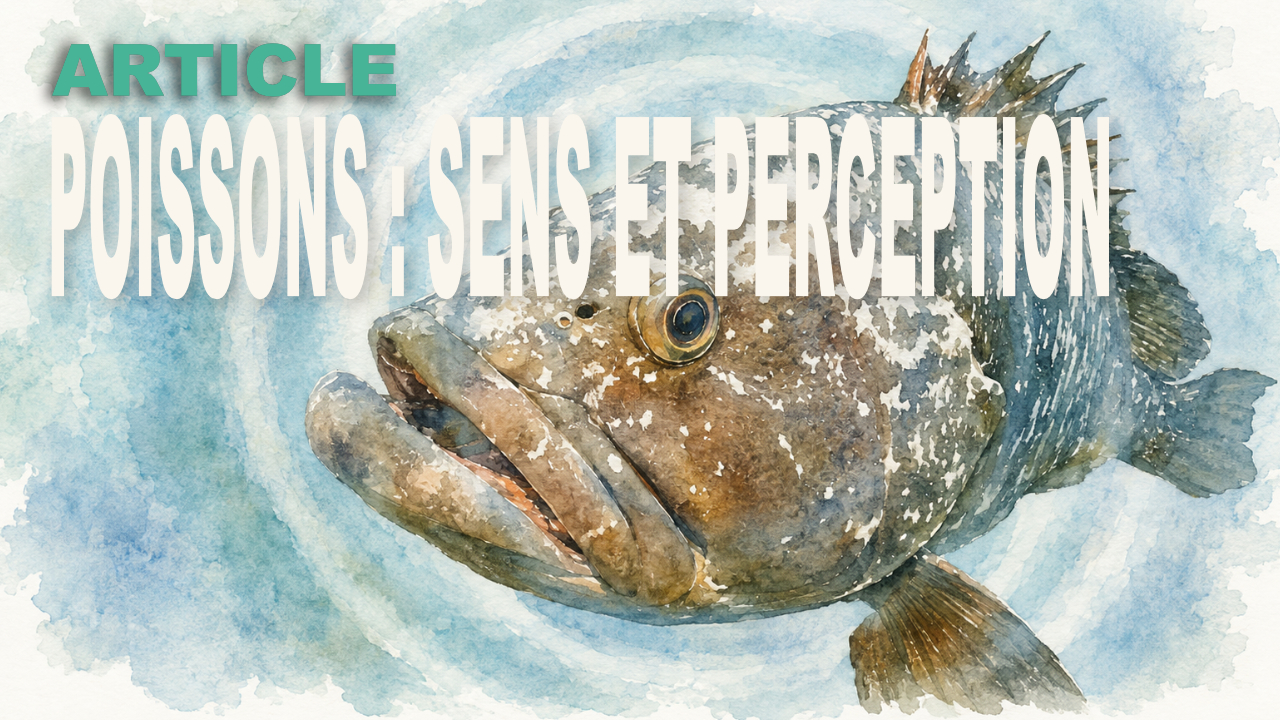
The senses of fish Available1/3 public · licence required for the rest

Multiple marine regions

MediterraneanAtlantic

Anatomy · Science

How fish sense the world around them

In murky water, a fish can lose sight of its prey before losing track of it. A disturbance nearby may register along its lateral line, and dissolved molecules can carry information about what passed. Which cue matters…

UnderstandingPublic 1 min · Lic. 3 min Read the article
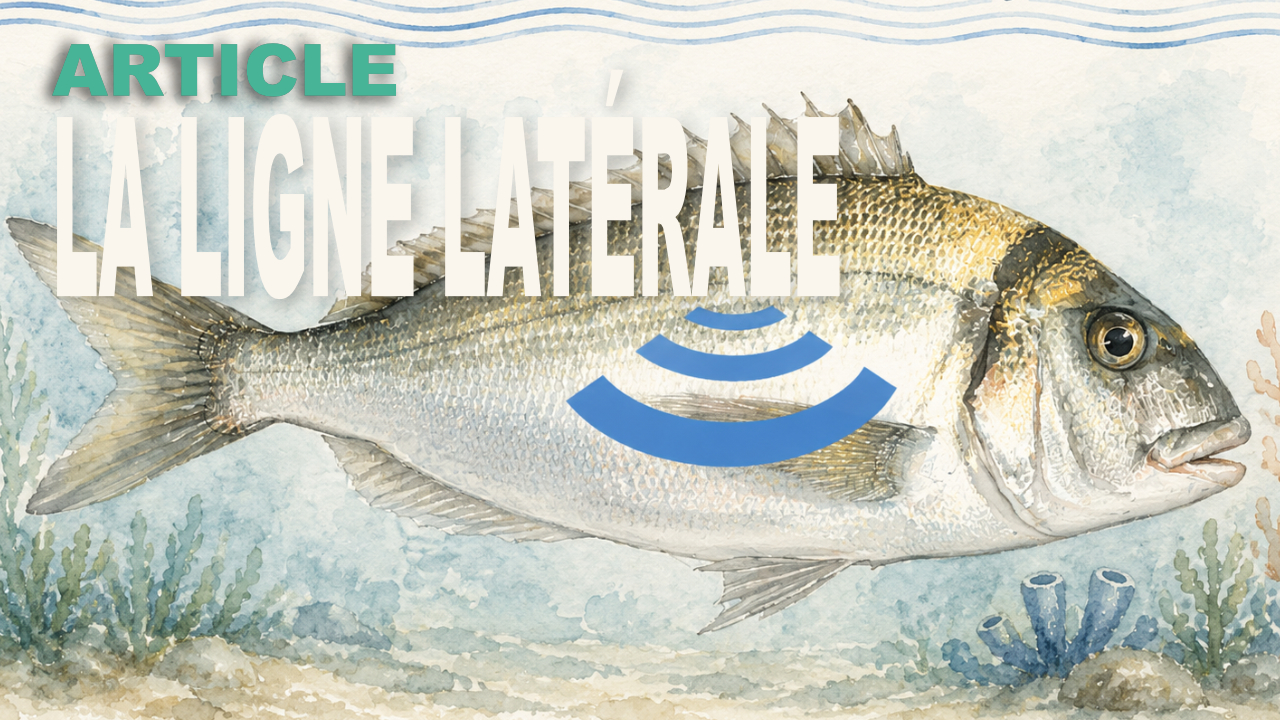
How does the lateral line in fish work? Available1/3 public · licence required for the rest

Multiple marine regions

MediterraneanAtlantic

Anatomy · Science

The lateral line, a fish’s sixth sense

A passing animal leaves a trace in the water that a fish can detect before it sees what moved. The lateral line picks up nearby flows and vibrations, adding information to what the fish learns through sight, hearing,…

UnderstandingPublic 1 min · Lic. 2 min Read the article
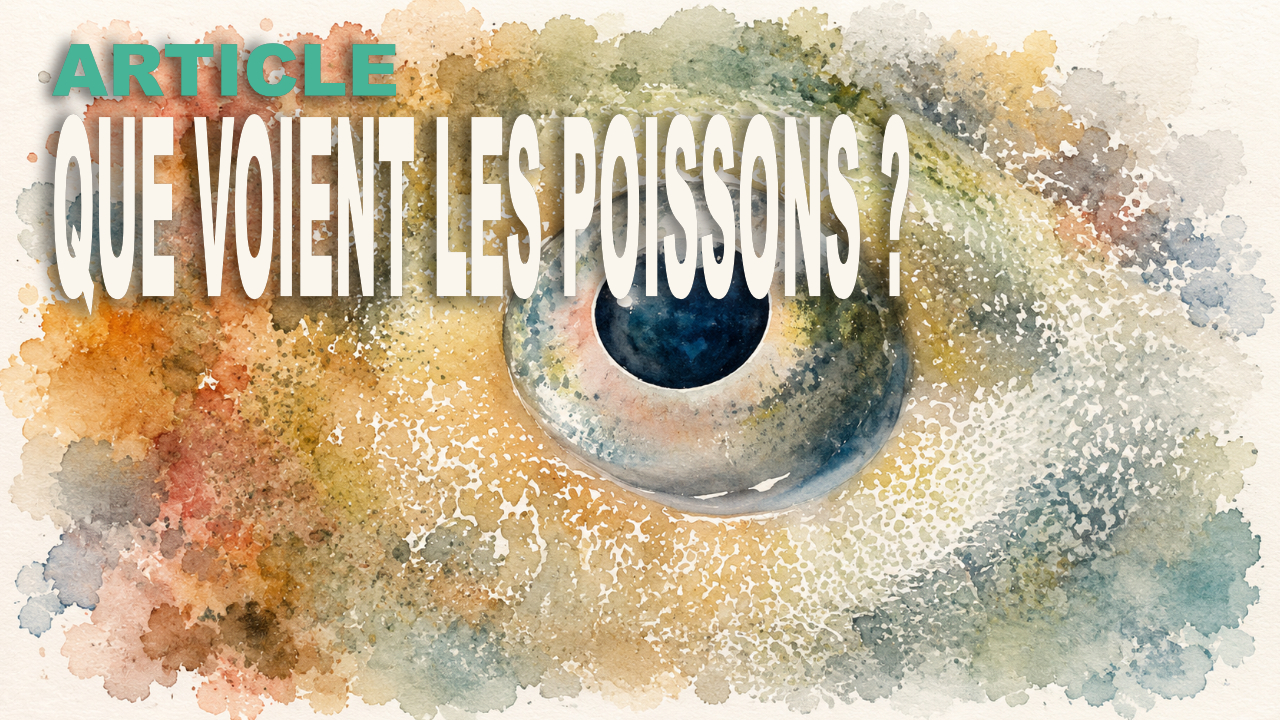
What is fish vision like? Available1/3 public · licence required for the rest

Multiple marine regions

MediterraneanAtlantic

Anatomy · Science

WHAT DO FISH SEE?

Switch on a torch underwater and colours can appear that were hard to make out a moment earlier. A fish looking at the same patch of reef has its own set of limits, set by the light and the structure of its eyes. Vision…

Getting startedPublic 1 min · Lic. 3 min Read the article
A naturalist diver and a marine biologist diver AvailableFree access

Multiple marine regions

MediterraneanAtlantic

Miscellaneous · Technique

Naturalist diving and marine biology

A dive can begin with the simple pleasure of being underwater. Then a sponge or a fish catches your eye and you start asking questions. What lives here? What is it doing? How does it fit into the habitat? For some…

Getting started3 min Read the article