Partners and information

Contact us

Verification code

Understand marine biodiversity and underwater environments

What is hidden in the sand, around a wreck or among the algae? Dive.Explo360 articles build on your underwater observations to help you understand marine habitats, species’ ways of life and their relationships within ecosystems.

Develop your knowledge of marine life while diving: discover the features of different environments, learn to observe their inhabitants and connect your discoveries with the marine species guides and the dive videos. These readings accompany divers and anyone curious about underwater life, before or after exploring.

Your marine region: Mediterranean. Choose a marine region, then search for a subject or filter articles by category and topic. Each publication shows its availability and access conditions.

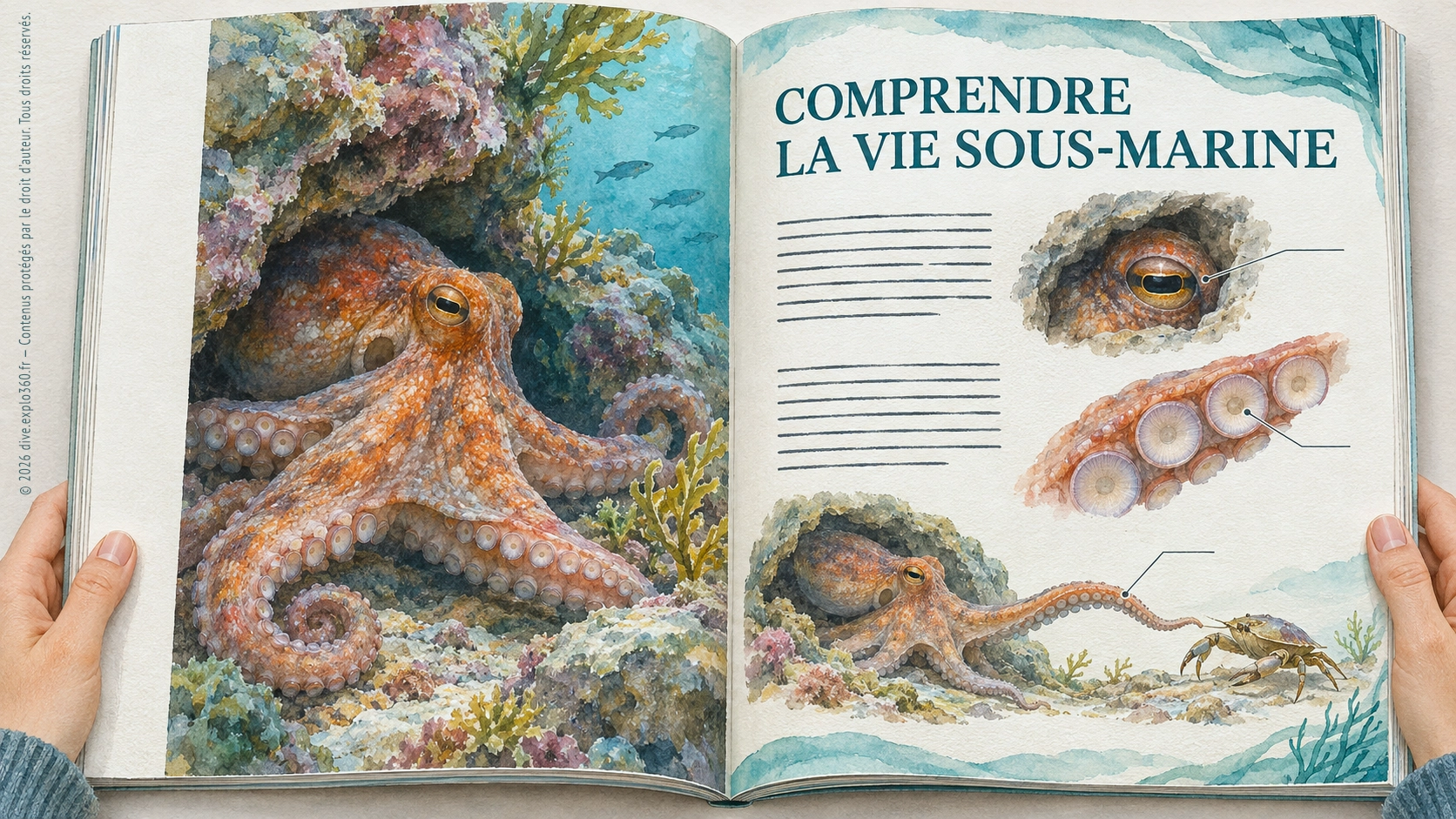
An open marine life magazine showing an octopus, its eye and its suckers.

Topic and region

Choose a reading

Content type

Quick choices

More filters

Difficulty and reading time

Topics and reading order

Access and availability

Region labels show where the topic applies. Articles that cover several seas may use tropical examples, even in the Mediterranean catalogue.

44 articles

A submerged Posidonia meadow with irregular patches, sandy gaps and a small fish above the leaves. Available1/3 public · licence required for the rest

Article region: Mediterranean

Mediterranean

Biotope · Environment

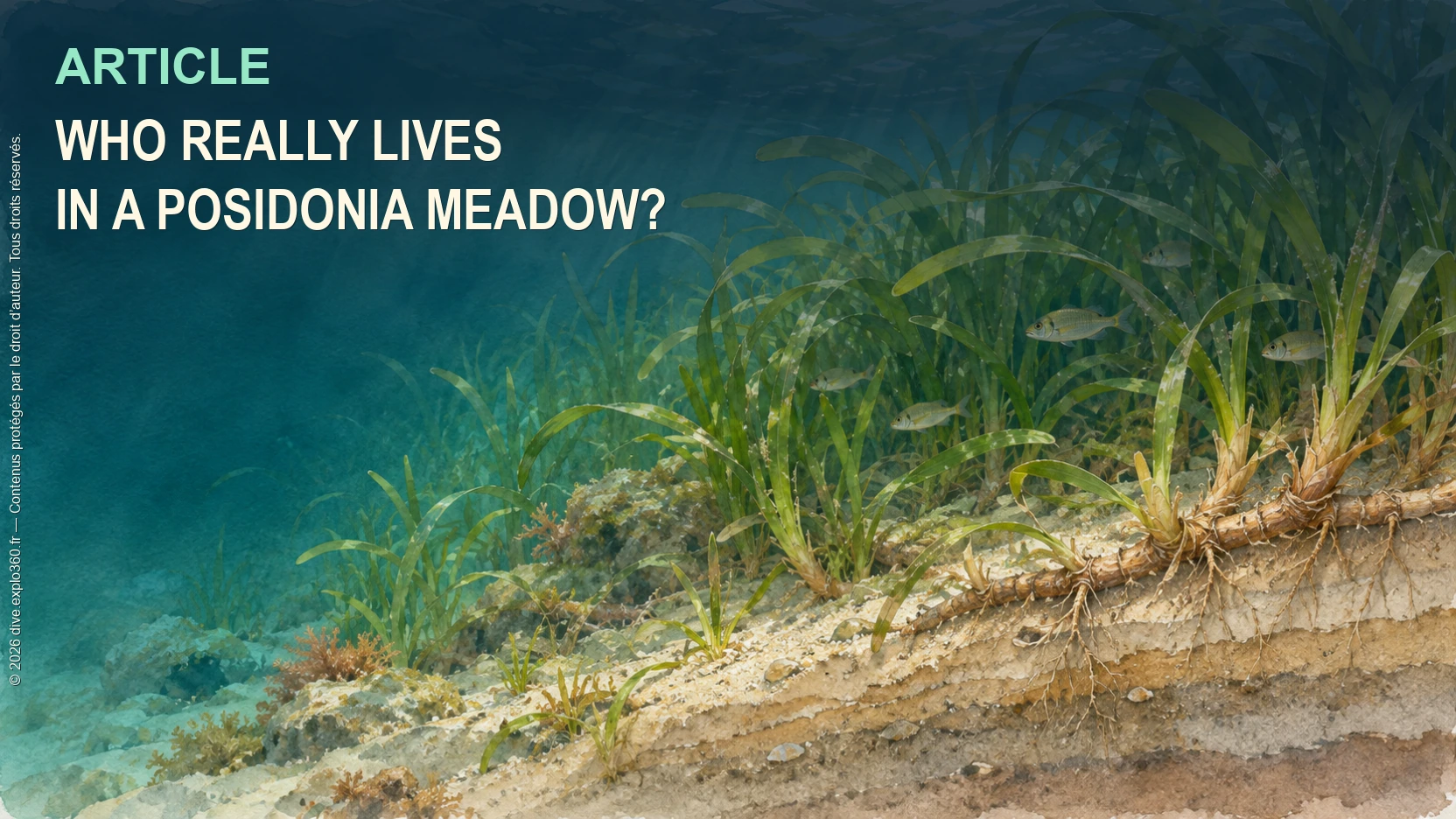
Who lives in a Posidonia meadow?

Look down on a Posidonia meadow and you’ll see fish passing over the leaves. Look between the blades and you’ll find smaller animals. Posidonia is a Mediterranean flowering plant. Its leaves grow from stems called…
UnderstandingPublic 2 min · Lic. 4 min Read the article
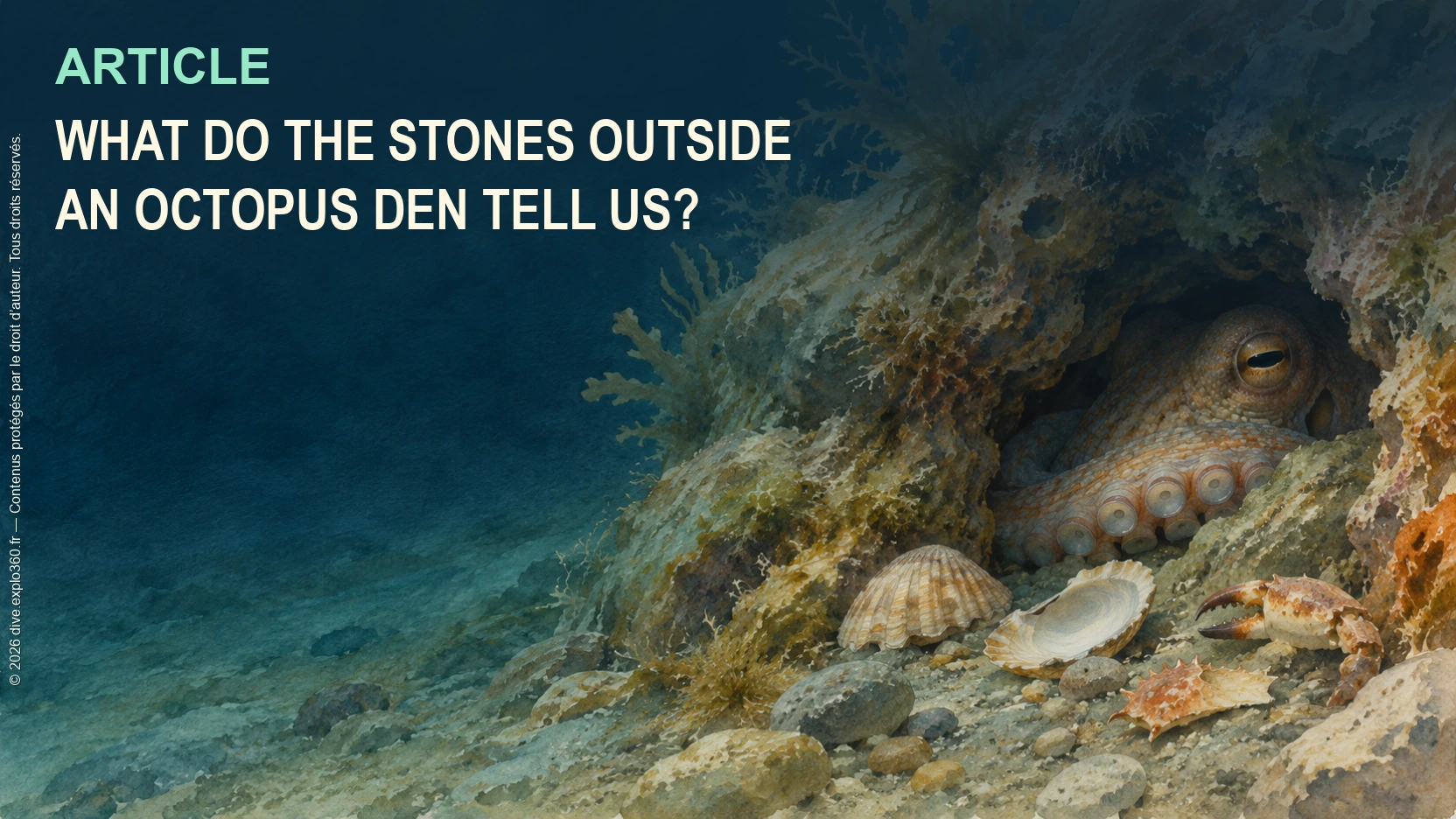
An eye peers from a rocky den beside scattered shells and pebbles. Available1/3 public · licence required for the rest

Article region: Mediterranean

Mediterranean

Way of life · Behaviour

What do the stones outside an octopus den tell us?

Spot a pile of shells and pebbles beside a crack? An octopus may have eaten there or shifted the stones to change its doorway. Look for other clues before deciding whether it’s still inside.

UnderstandingPublic 2 min · Lic. 4 min Read the article
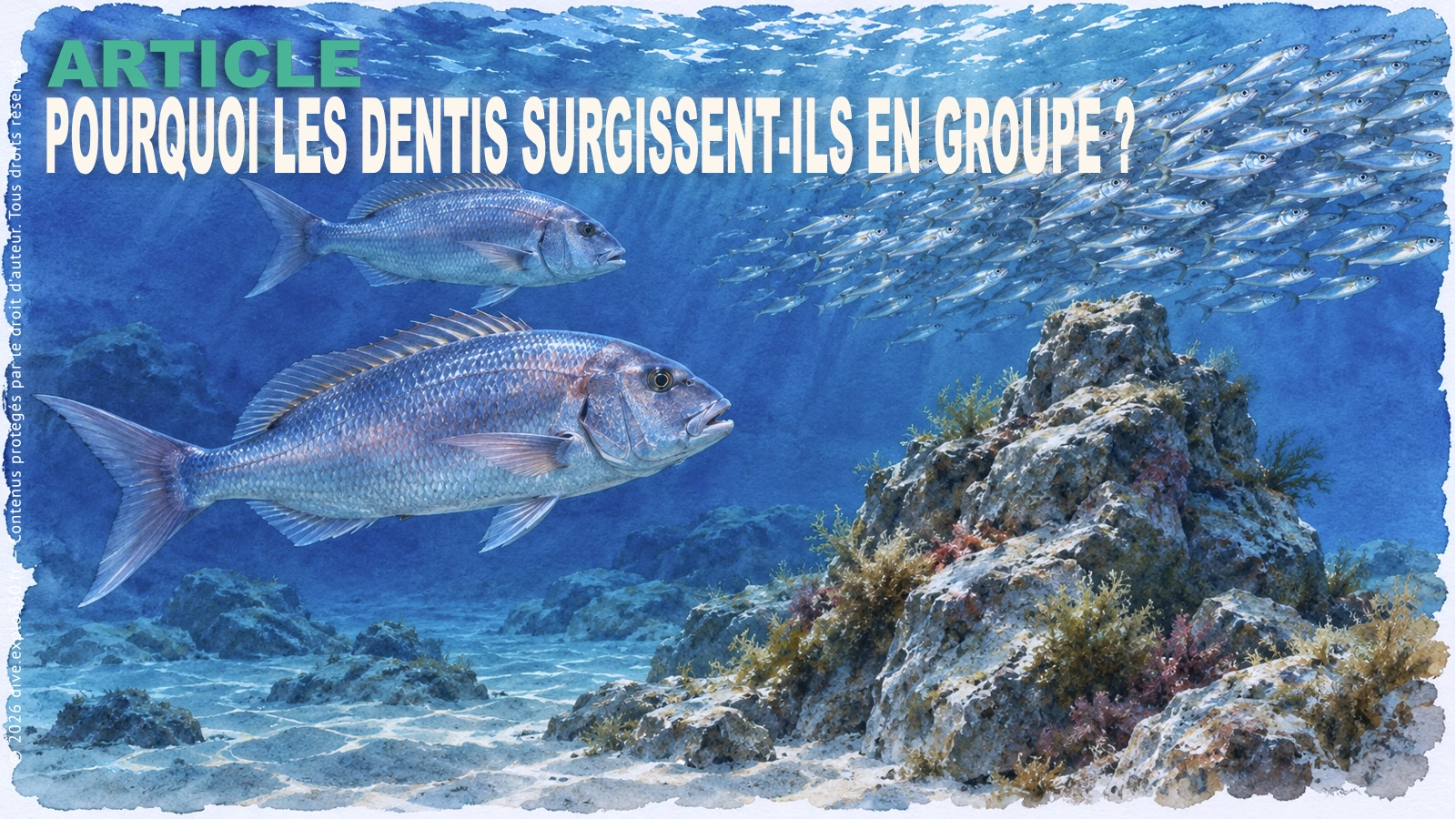
Three dentex approach a silvery school above a pinnacle. Several dentex appear near the same school of bogue. Available1/3 public · licence required for the rest

Article region: Mediterranean

Mediterranean

Way of life · Behaviour

Why do common dentex appear in groups?

A shoal of bogue turns sharply above the sand. Several dentex dart out beside a rocky pinnacle, then disappear. Did they work together, or did each see the same chance to catch a fish?

UnderstandingPublic 2 min · Lic. 5 min Read the article
Fallen brown leaves lie near the seabed among the green shoots of a Mediterranean Posidonia meadow. AvailableFree access

Article region: Mediterranean

Mediterranean

Biotope · Environment

What happens to dead Posidonia leaves?

After a storm, you might find a bank of brown ribbons on a Mediterranean beach. They’re leaves from Posidonia, a flowering plant that grows in underwater meadows. Some leaves stay among the shoots, while others wash…

Understanding4 min Read the article
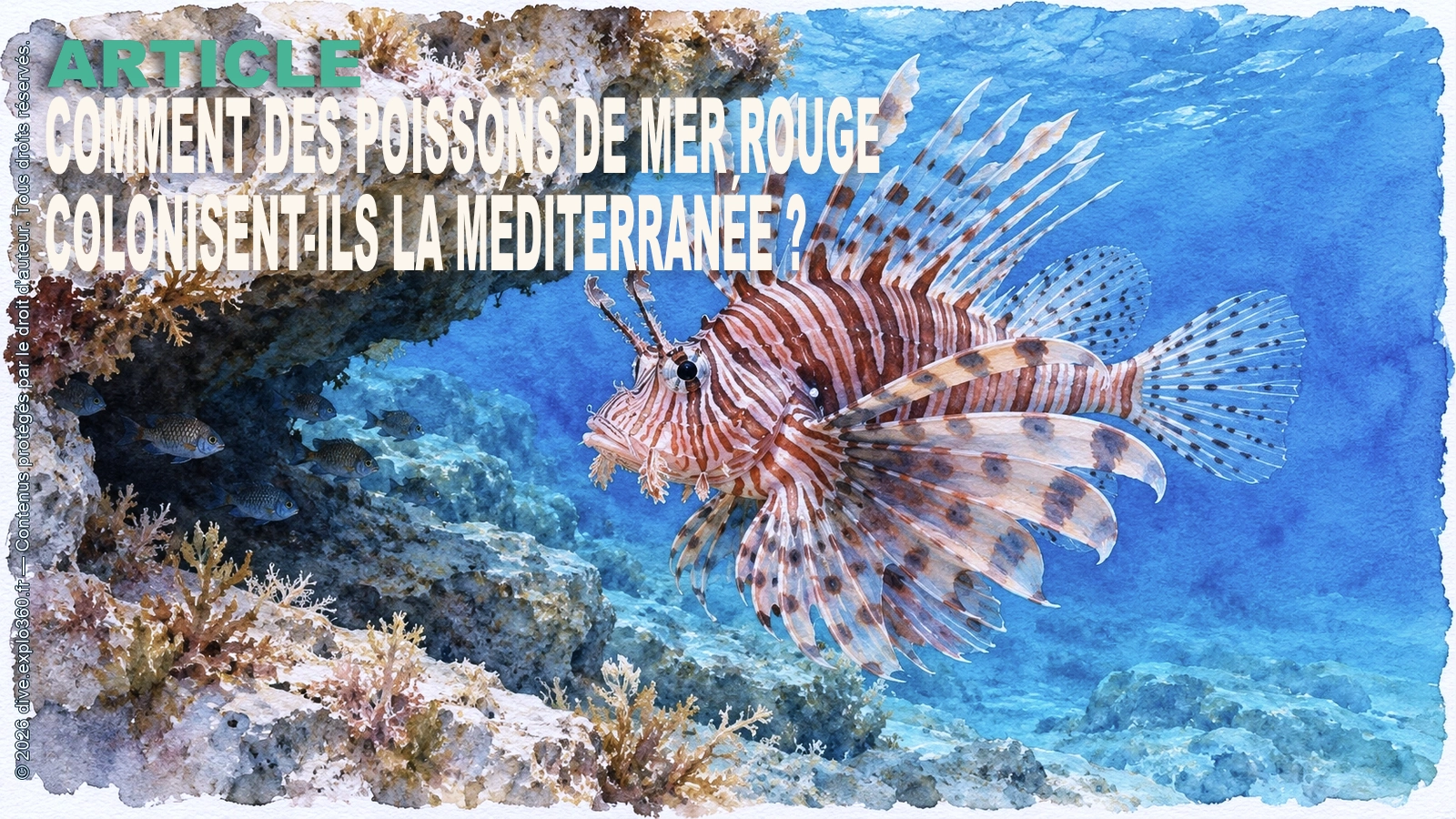
Underwater scene. Striped lionfish beneath a rocky overhang. Available1/3 public · licence required for the rest

Multiple marine regions

MediterraneanRed Sea

Biotope · Environment

How do fish from the Red Sea colonise the Mediterranean?

Off Cyprus, a lionfish spreads its fins as it creeps towards a smaller fish. Its ancestors came through the Suez Canal. Rabbitfish and cornetfish took the same route. Why did some of these newcomers become common while…

UnderstandingPublic 3 min · Lic. 5 min Read the article
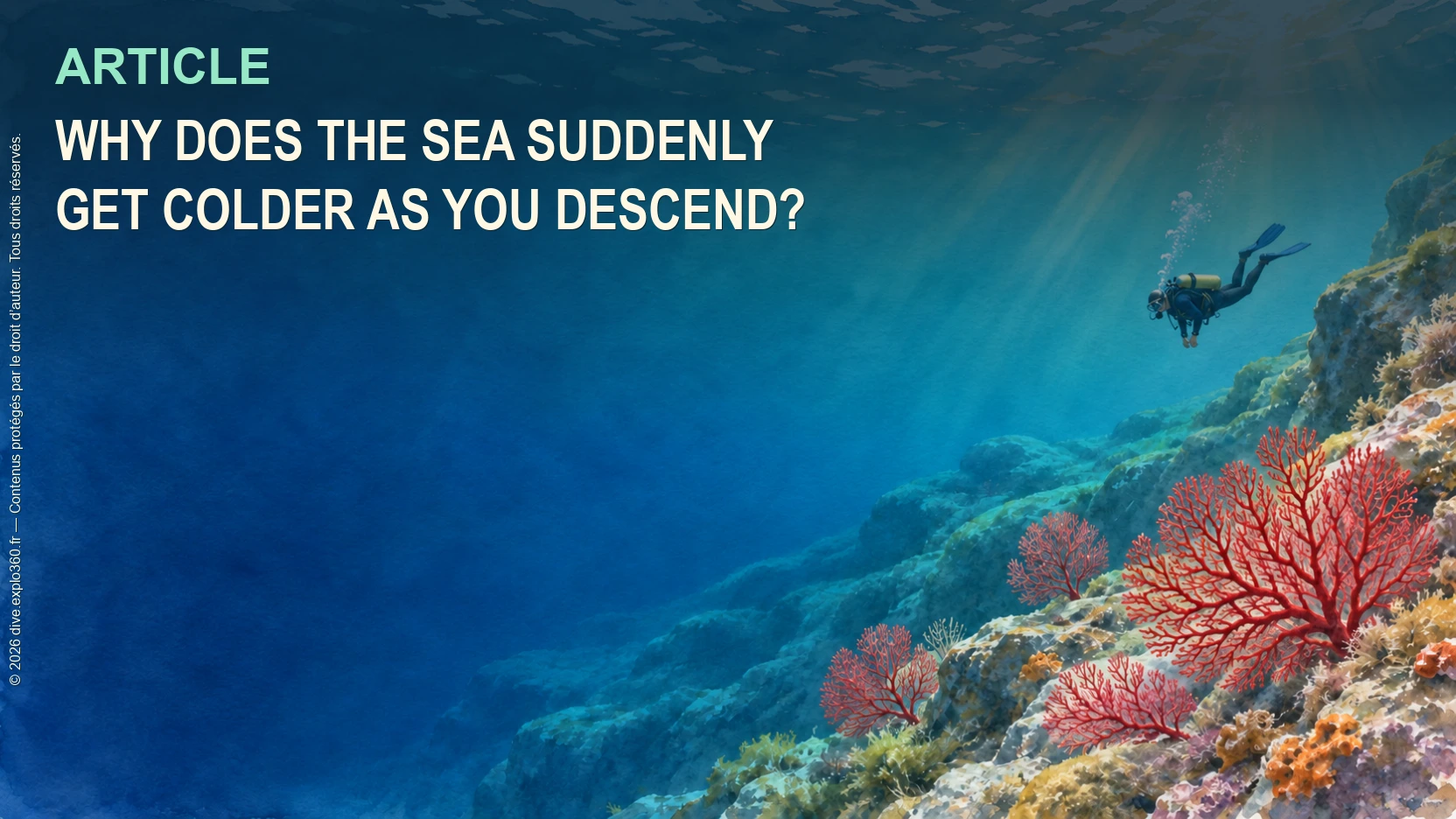
A diver descends above sea fans attached to a rocky wall. Available1/3 public · licence required for the rest

Article region: Mediterranean

Mediterranean

Biotope · Environment

Why does the water suddenly get colder as you dive?

Imagine feeling warm at the start of a dive, then suddenly cold a few metres down. You may have crossed a thermocline, a layer where the water cools sharply as you go deeper.

UnderstandingPublic 2 min · Lic. 5 min Read the article
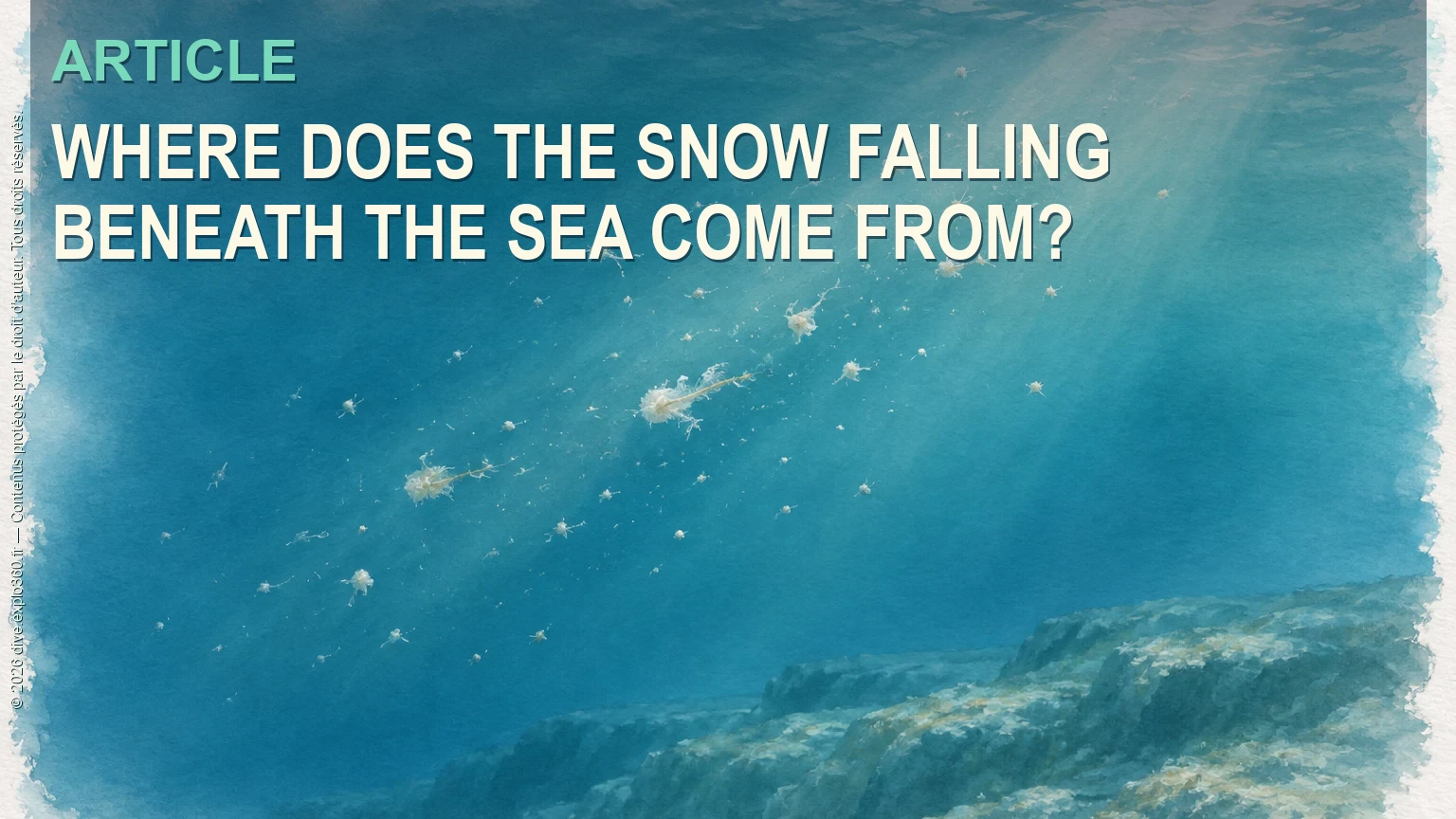
Pale particles in a torch beam near a rock wall. AvailableFree access

Article region: Mediterranean

Mediterranean

Biotope · Environment

Where does underwater snow come from?

Shine a diving torch into the water and you might see flakes drifting past. They can form when tiny scraps stick together. Some of this marine snow feeds animals far below the surface.

Understanding3 min Read the article
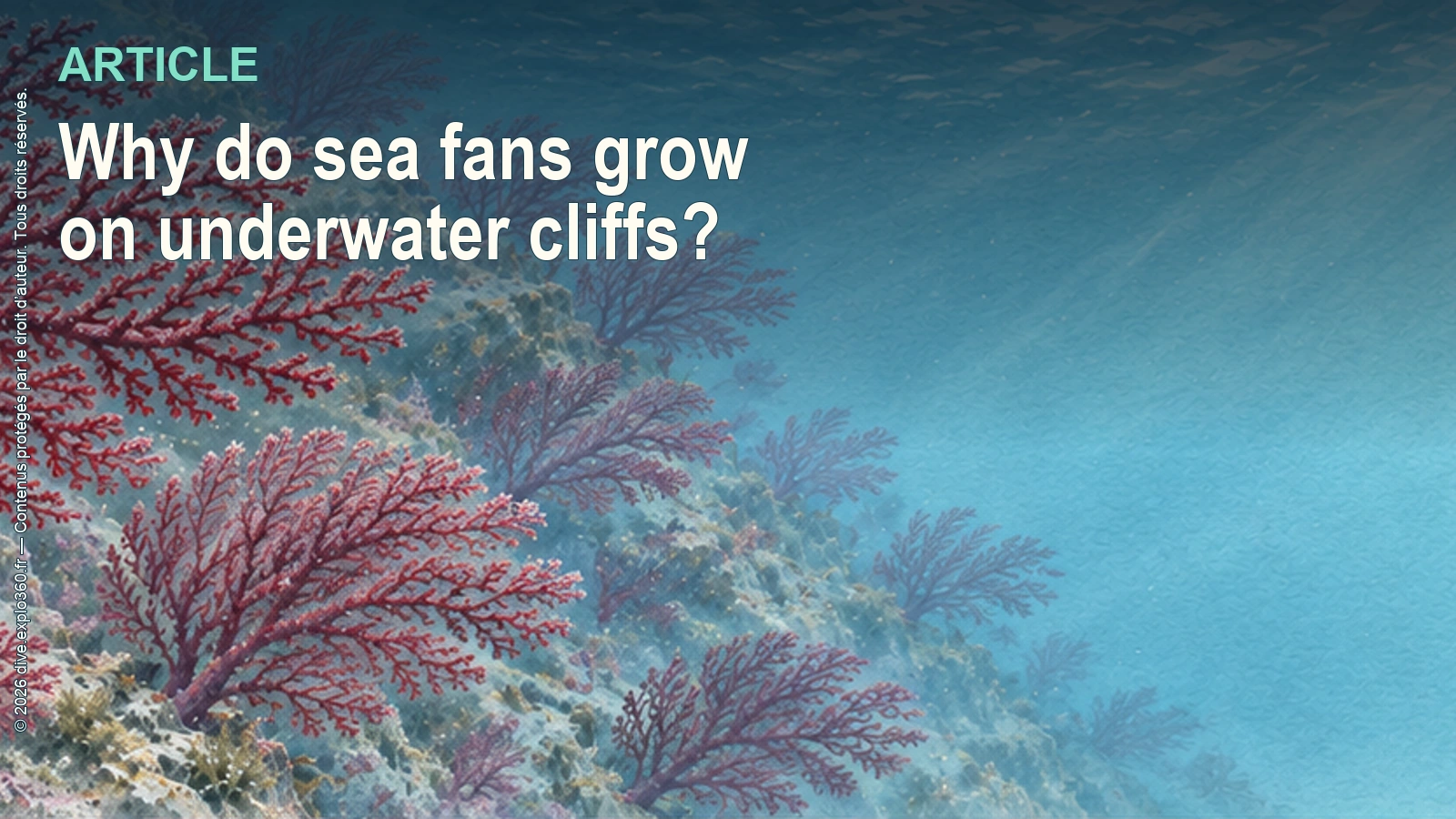
Red sea fans growing on a rocky Mediterranean cliff. Available1/3 public · licence required for the rest

Article region: Mediterranean

Mediterranean

Biotope · Natural history

Why do sea fans grow on underwater cliffs?

Follow a diver along a Mediterranean rock wall. Purple fans jut out from the cliff, and some face a different way where the rock turns. Sea fans stay fixed in place, so the water has to bring their food to them.

UnderstandingPublic 2 min · Lic. 5 min Read the article
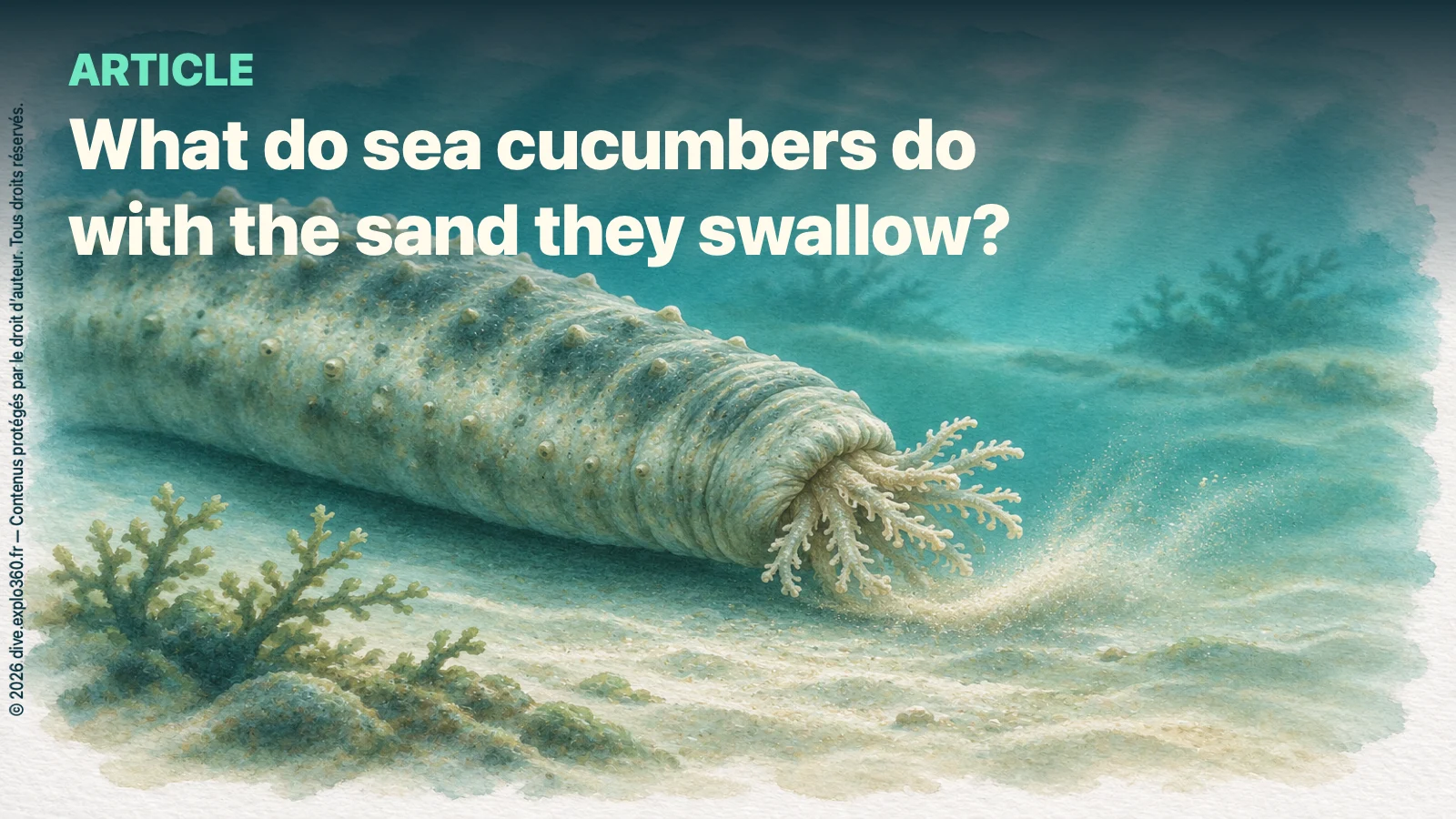
A sea cucumber on rippled sand with a short, gritty trail behind it. Available1/3 public · licence required for the rest

Multiple marine regions

Mediterranean

Way of life · Natural history

Where does the sand a sea cucumber swallows end up?

Watch a sea cucumber crawl across the sand. Its tentacles are busy picking up grains, and little rolls of sediment lie behind it. What can the animal find to eat in a mouthful of sand, and what comes back out?

UnderstandingPublic 2 min · Lic. 6 min Read the article
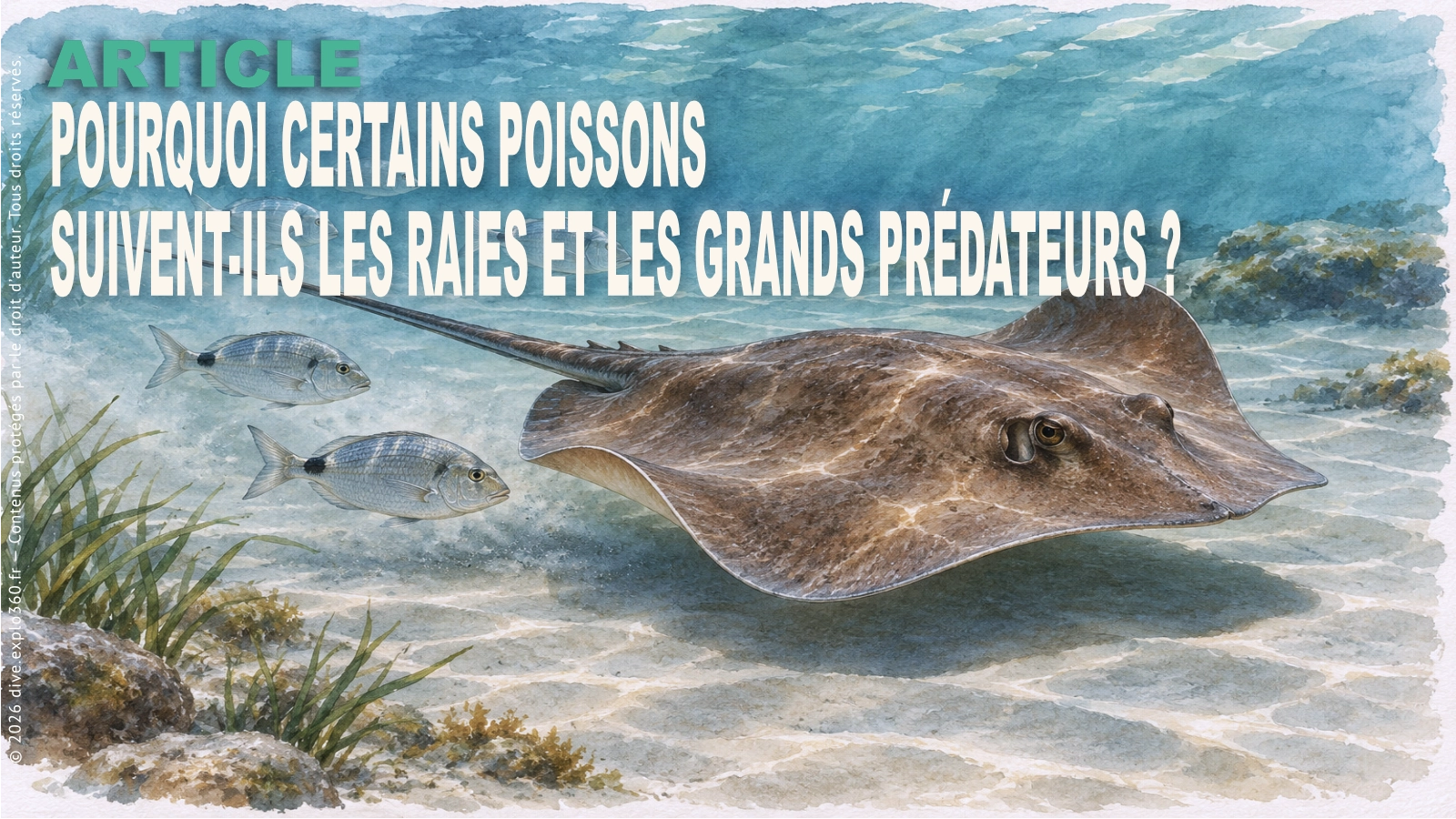
A ray and several fish over a sandy seabed Available1/3 public · licence required for the rest

Multiple marine regions

MediterraneanRed Sea

Way of life · Behaviour

Why do fish follow bigger hunters?

A cloud of sand billows up from a feeding ray. A blue runner darts in after prey. On a Red Sea reef, a grouper shakes its head at a moray eel, which may then join the hunt. Following another hunter can pay off in very…

UnderstandingPublic 3 min · Lic. 7 min Read the article
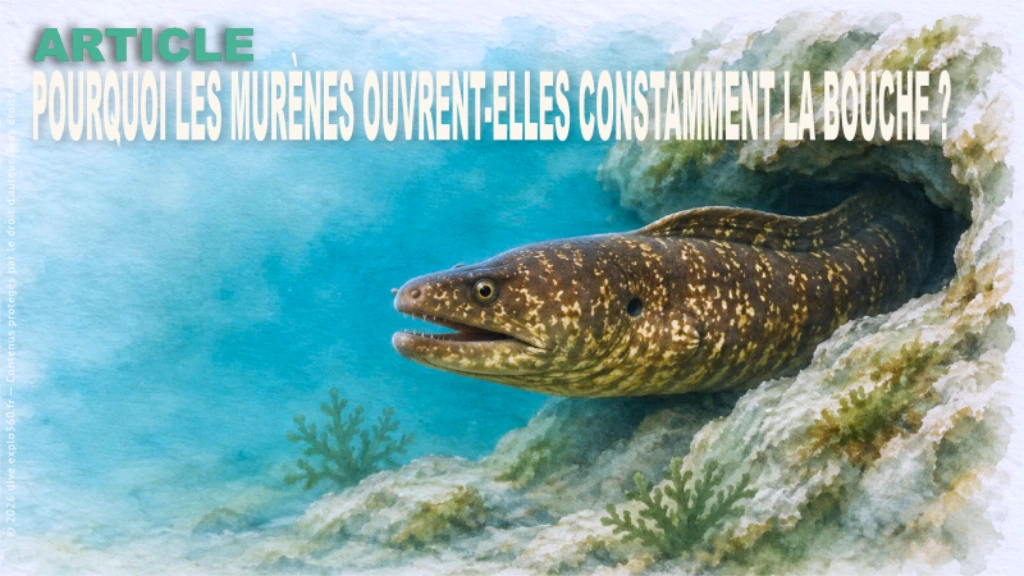
A moray with its mouth ajar in a reef crevice. Available1/3 public · licence required for the rest

Multiple marine regions

MediterraneanAtlantic

Way of life · Behaviour

Why do morays keep opening their mouths?

A moray can sit in a crack with hardly any of its body showing. Its jaws keep moving. Watch just behind the head and you’ll find two small openings that help explain why.

UnderstandingPublic 2 min · Lic. 4 min Read the article
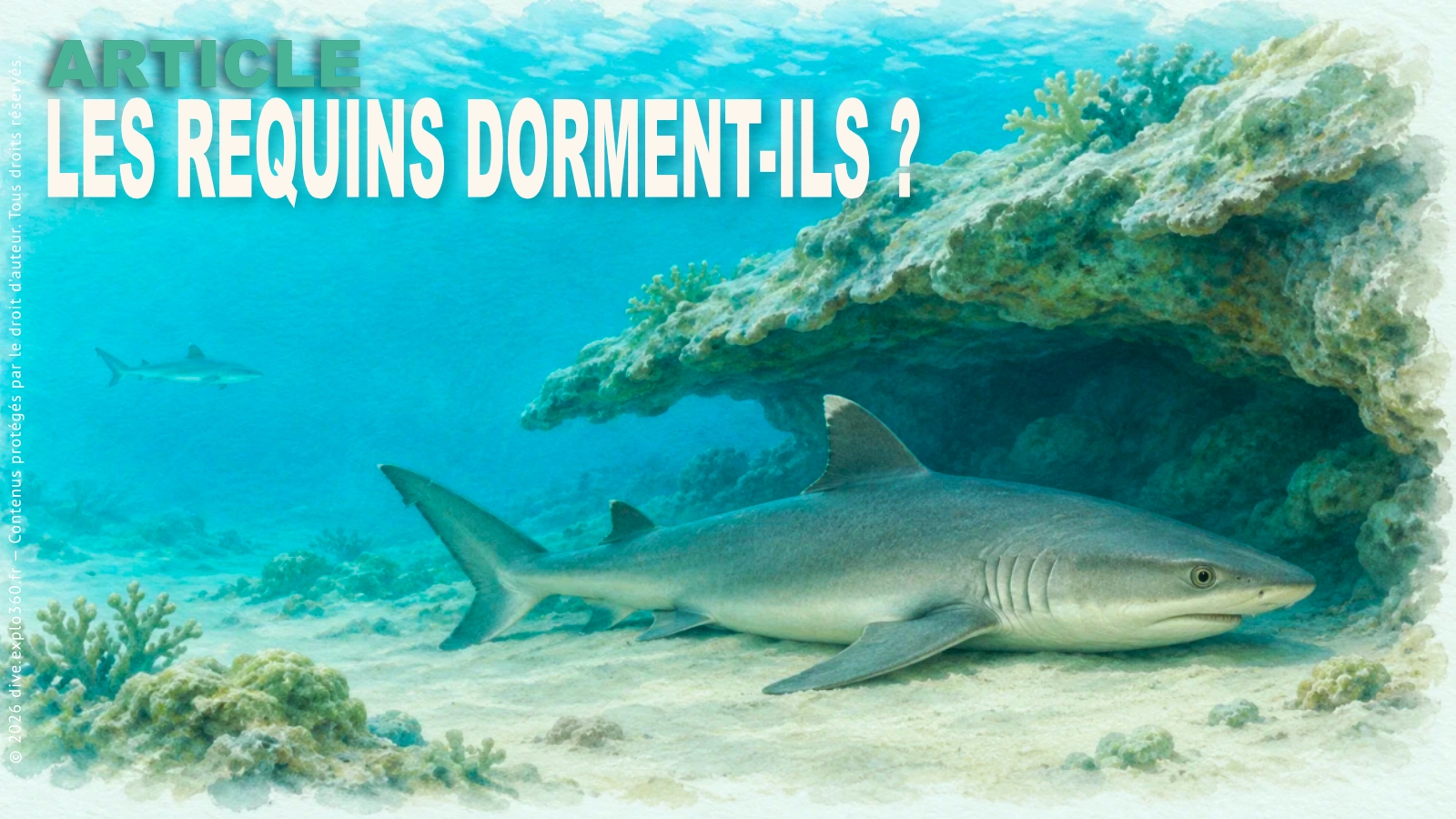
Shark resting beneath a reef ledge. Available1/3 public · licence required for the rest

Multiple marine regions

MediterraneanAtlantic

Way of life · Behaviour

Do sharks sleep?

A shark on the seabed may look asleep, even with its eyes open. But it could be wide awake. To tell the difference, researchers check how readily it reacts to a disturbance.

UnderstandingPublic 1 min · Lic. 3 min Read the article
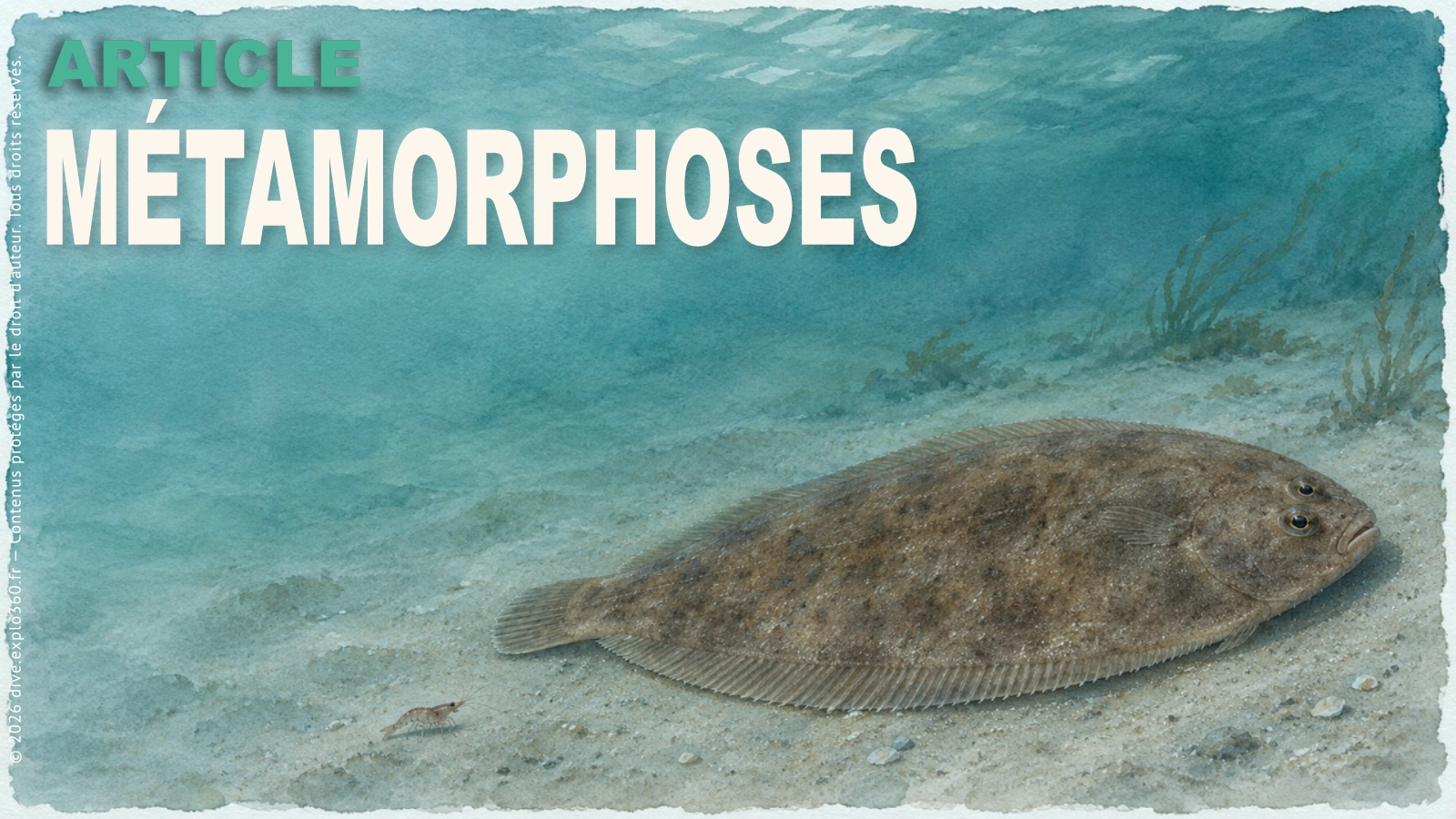
A common sole (Solea solea) on the sand, both eyes facing the water. Available1/3 public · licence required for the rest

Multiple marine regions

MediterraneanAtlantic

Anatomy · Science

Metamorphosis, from larva to adult

A sole settles on the sand. A sea squirt attaches to a rock. Both start out swimming, and the changes in their bodies help explain how they make the move.

UnderstandingPublic 3 min · Lic. 4 min Read the article
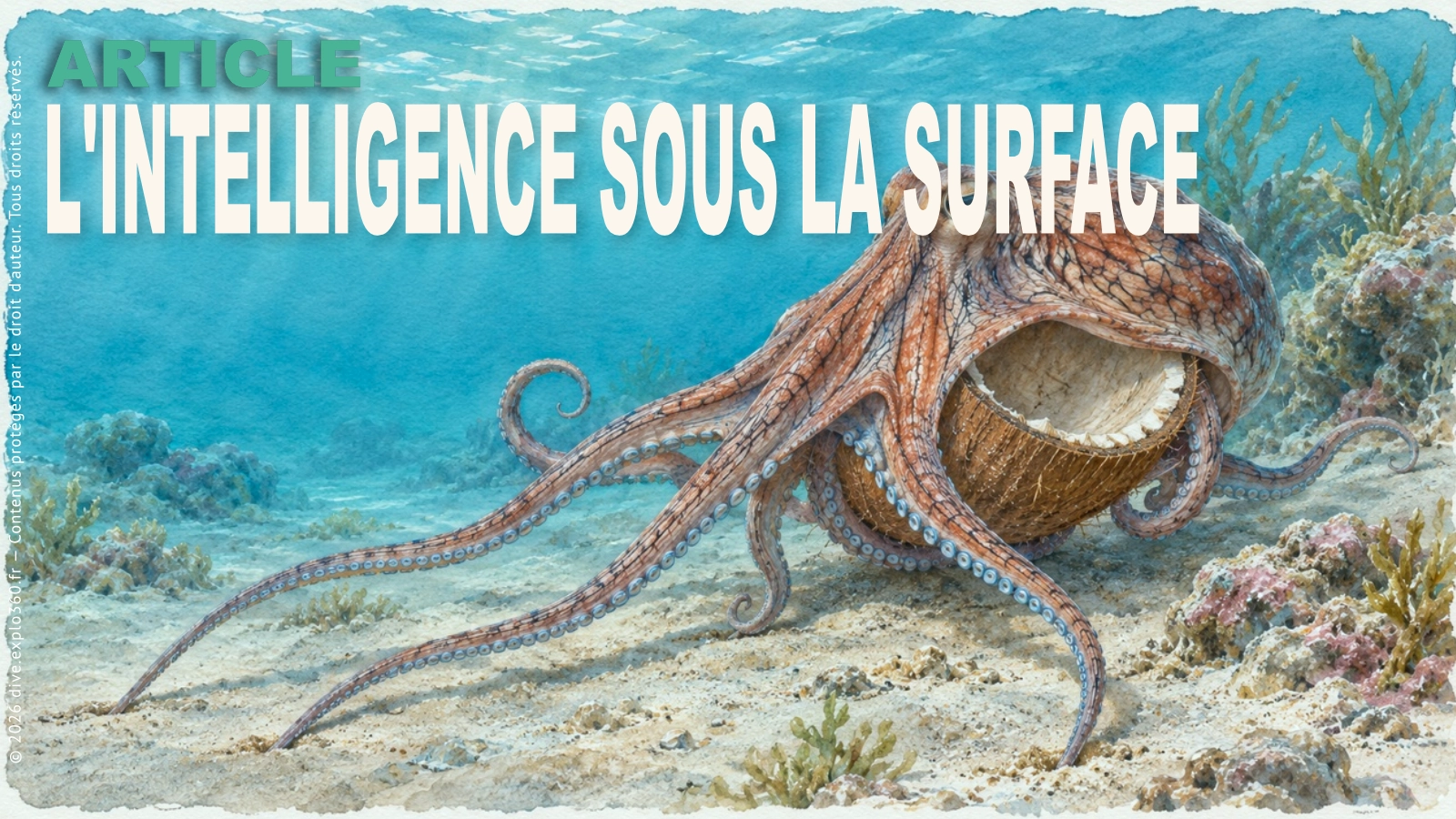
A veined octopus (Amphioctopus marginatus) carries a shell across the sand. AvailableFree access

Multiple marine regions

MediterraneanAtlantic

Way of life · Behaviour

Learning and solving problems underwater

A stopper stands between an octopus and a crab. On a Red Sea reef, a grouper loses its prey in a crack it can’t squeeze into. In both cases, getting to the prey takes a change of approach.

Going deeper4 min Read the article
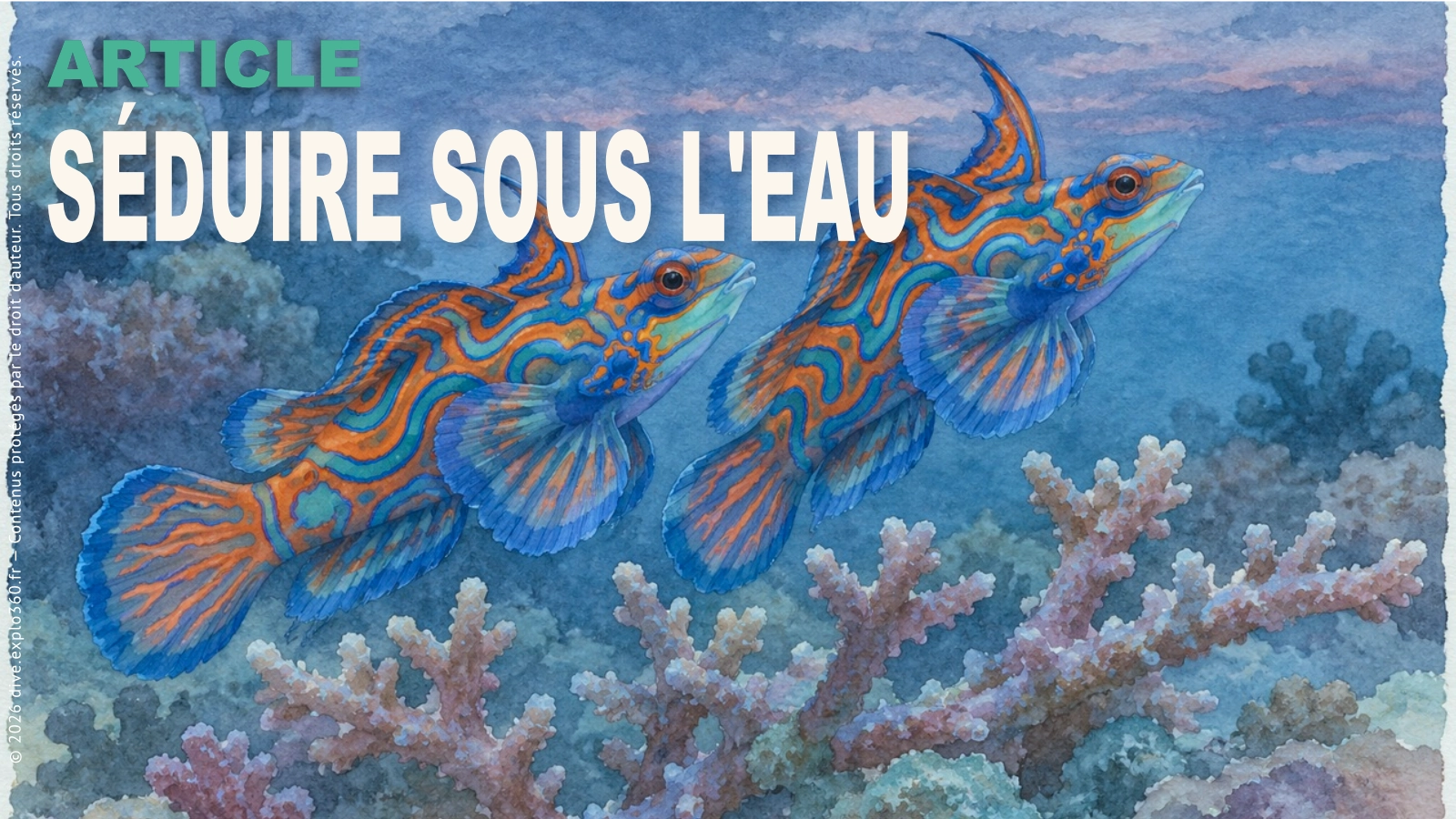
Two mandarinfish (Synchiropus splendidus) begin to rise above the reef. Available1/3 public · licence required for the rest

Multiple marine regions

MediterraneanAtlantic

Way of life · Behaviour

Underwater courtship and rivalry

A pair of mandarinfish rises above the coral to spawn. The ascent lasts only seconds, and it takes two fish moving in step to make it work.

UnderstandingPublic 2 min · Lic. 4 min Read the article
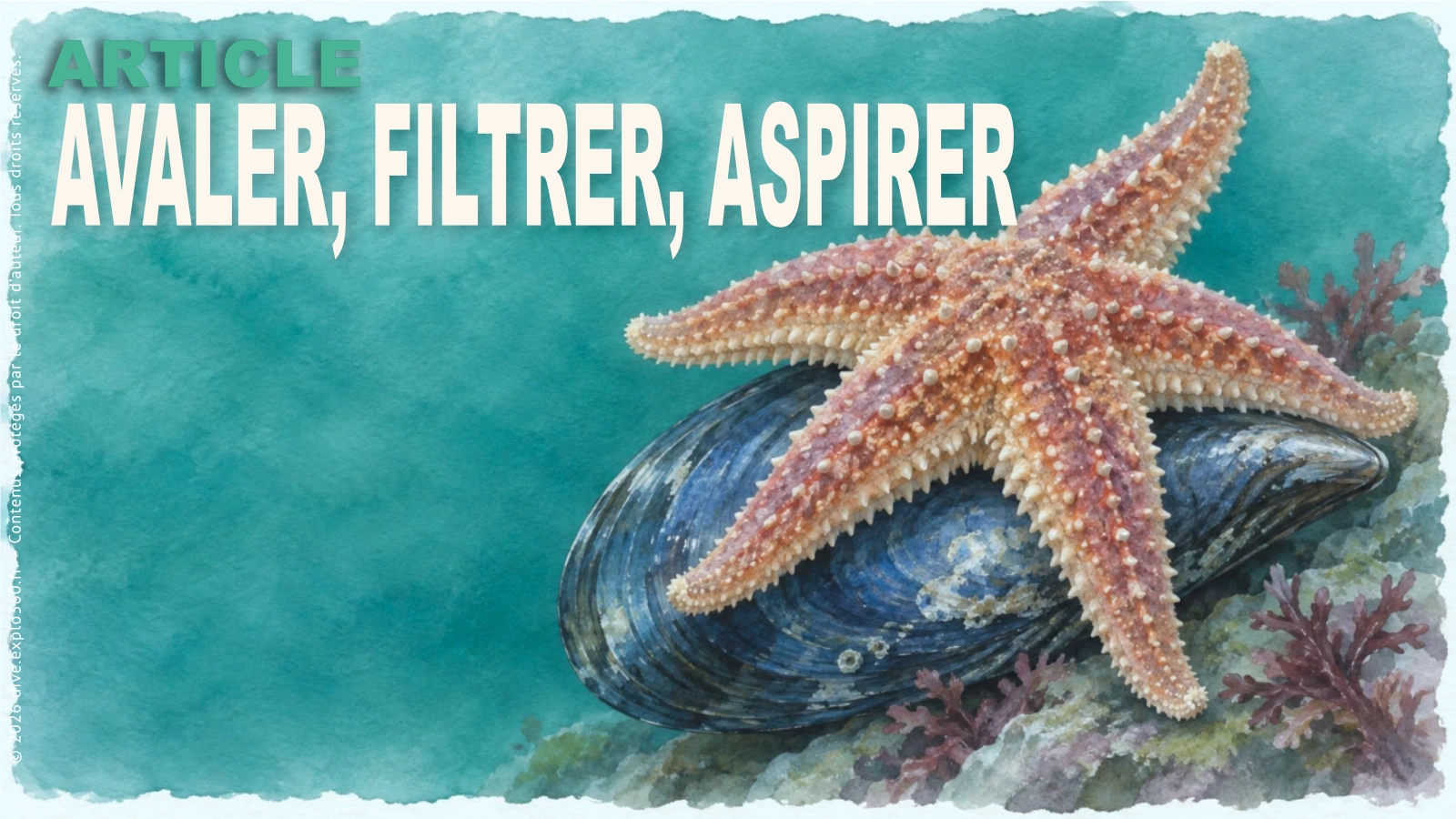
A sea star over a mussel. Available1/3 public · licence required for the rest

Multiple marine regions

MediterraneanAtlantic

Way of life · Natural history

Swallow, filter, suck in: surprising ways to feed

A sea star can start digesting a mussel while it’s still in its shell. A sea squirt lets the water bring its meal. Follow those two meals, then see how a fish catches a shrimp and a sea cucumber finds food in the sand.

UnderstandingPublic 2 min · Lic. 4 min Read the article
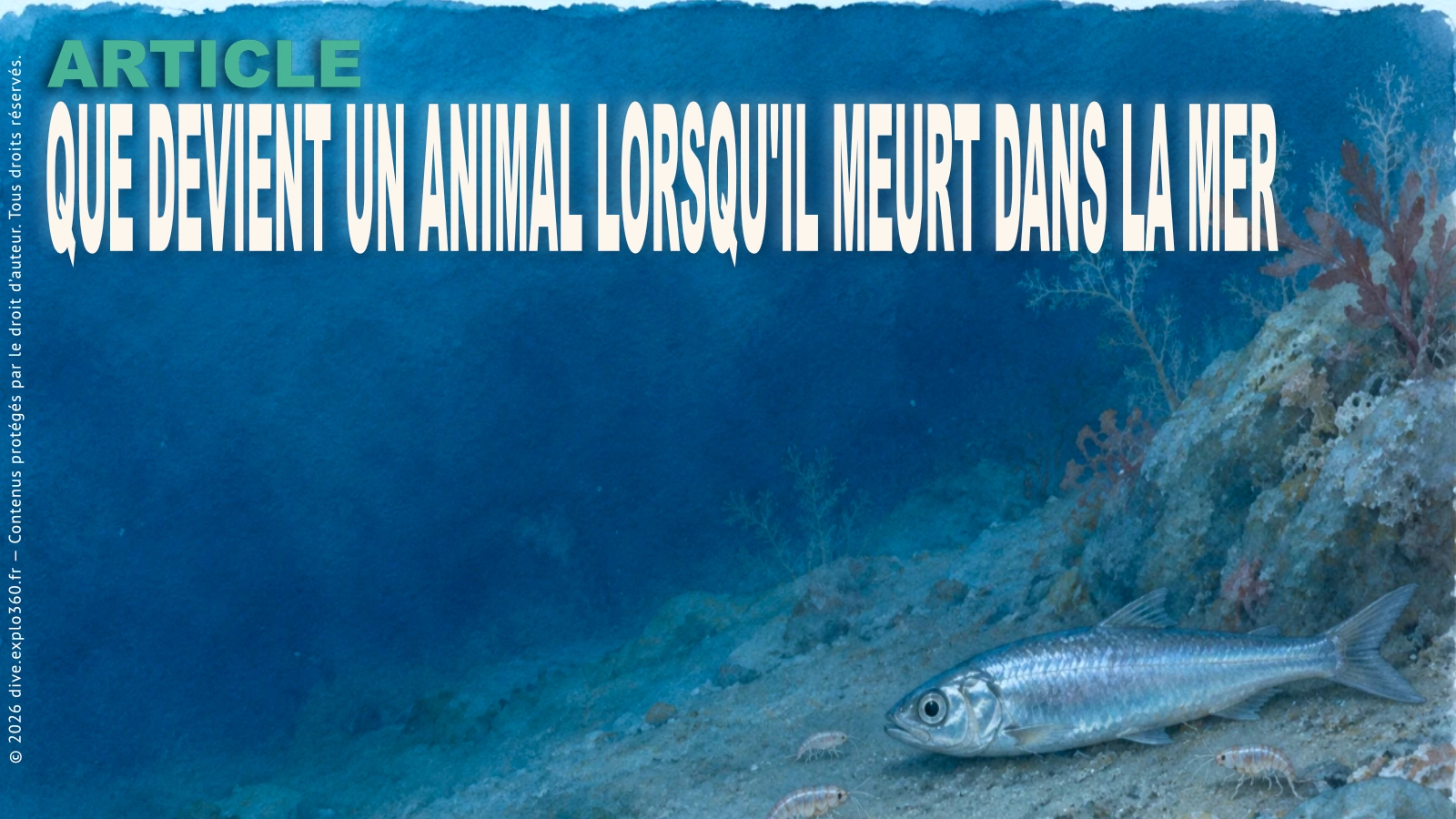
A motionless fish on the seabed. Available1/3 public · licence required for the rest

Multiple marine regions

MediterraneanAtlantic

Way of life · Natural history

What happens when an animal dies in the sea?

In the deep Atlantic, fish gathered around a dead marine mammal. They were catching the little crustaceans that had come to feed. As the body broke down, it provided food in ways that were harder to see.

Going deeperPublic 2 min · Lic. 4 min Read the article
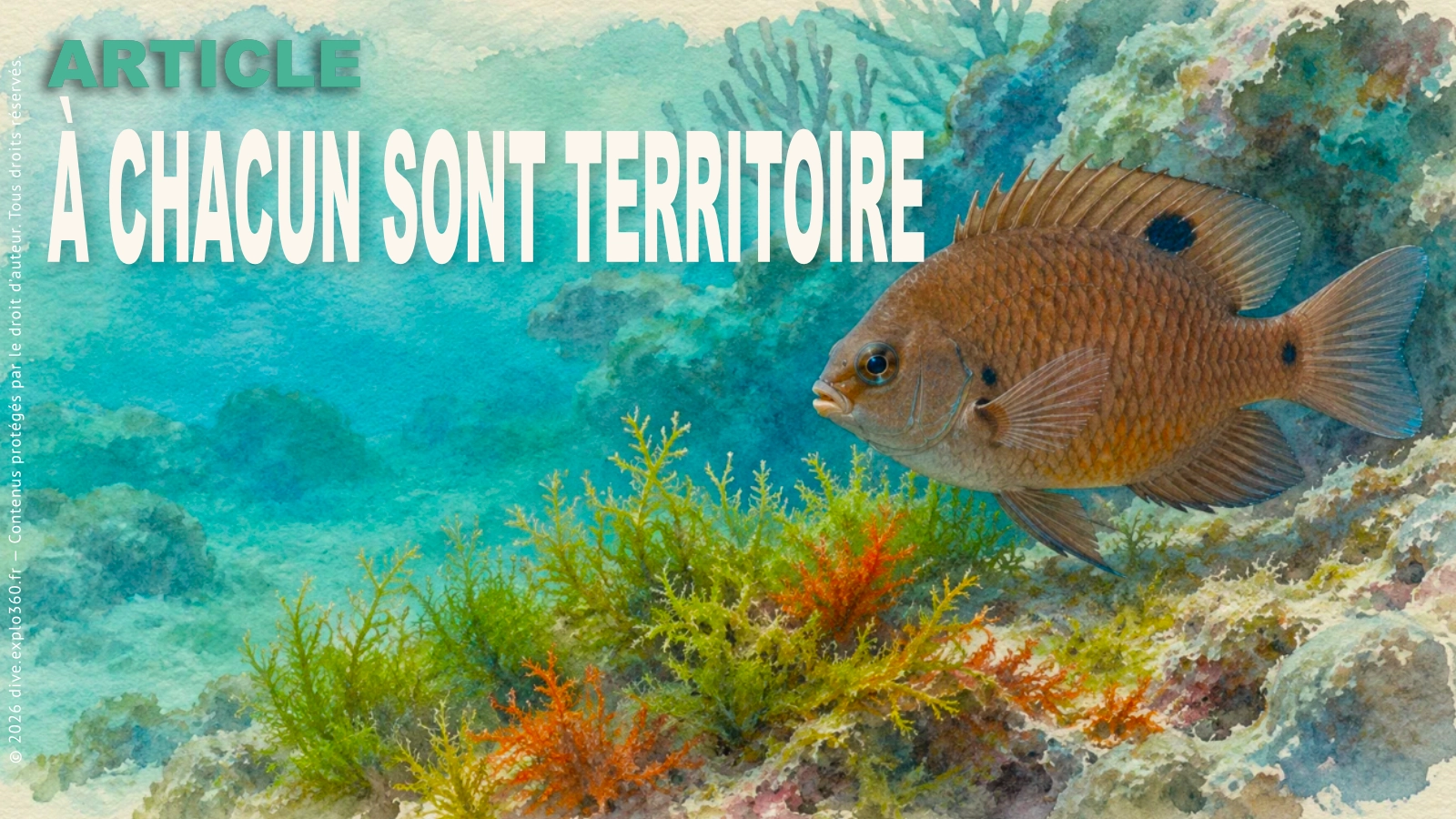
A damselfish above a Caribbean reef. Available1/3 public · licence required for the rest

Multiple marine regions

MediterraneanAtlantic

Way of life · Natural history

What makes a patch of reef worth defending?

A fish smaller than your hand can drive away a much bigger grazer. It may be protecting its next meal. Elsewhere on a reef, the prize could be a clutch of eggs or a safe place to hide.

UnderstandingPublic 2 min · Lic. 4 min Read the article
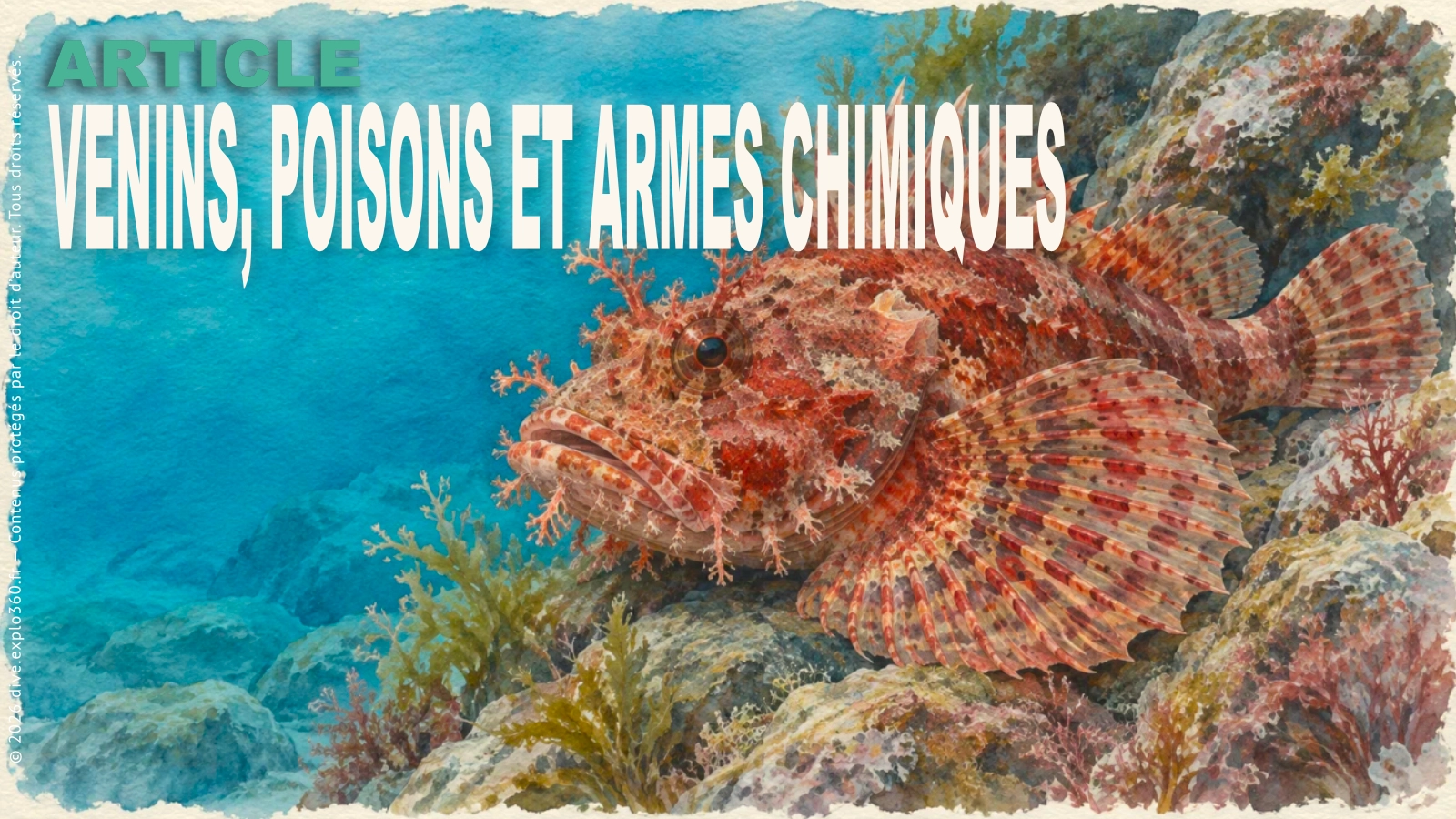
A red scorpionfish on a rocky Mediterranean seabed. Available1/3 public · licence required for the rest

Multiple marine regions

MediterraneanAtlantic

Way of life · Natural history

Venoms, poisons and chemical weapons: the invisible battle

A scorpionfish blends into the rocks, while a brightly coloured sea slug is easy to spot. An anemone stays fixed in place as its tentacles sway. Each animal uses chemicals in a different way to catch food or avoid…
UnderstandingPublic 2 min · Lic. 4 min Read the article
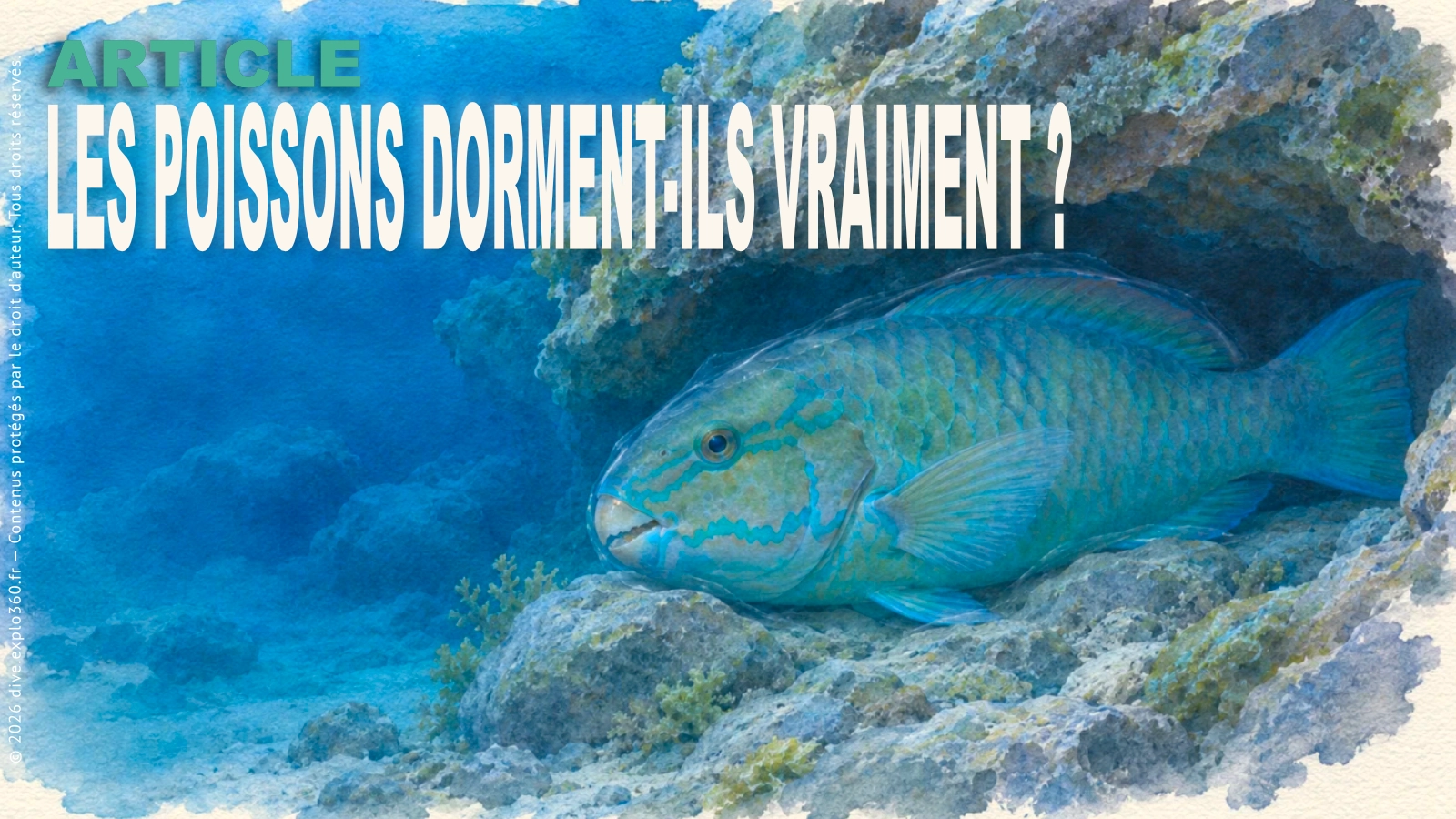
A parrotfish resting in a reef cavity. Available1/3 public · licence required for the rest

Multiple marine regions

MediterraneanAtlantic

Way of life · Natural history

Do Fish Really Sleep?

A parrotfish settles inside a cocoon of mucus. Three sharks lie still beneath a ledge. What would tell you whether they were asleep?

UnderstandingPublic 2 min · Lic. 5 min Read the article
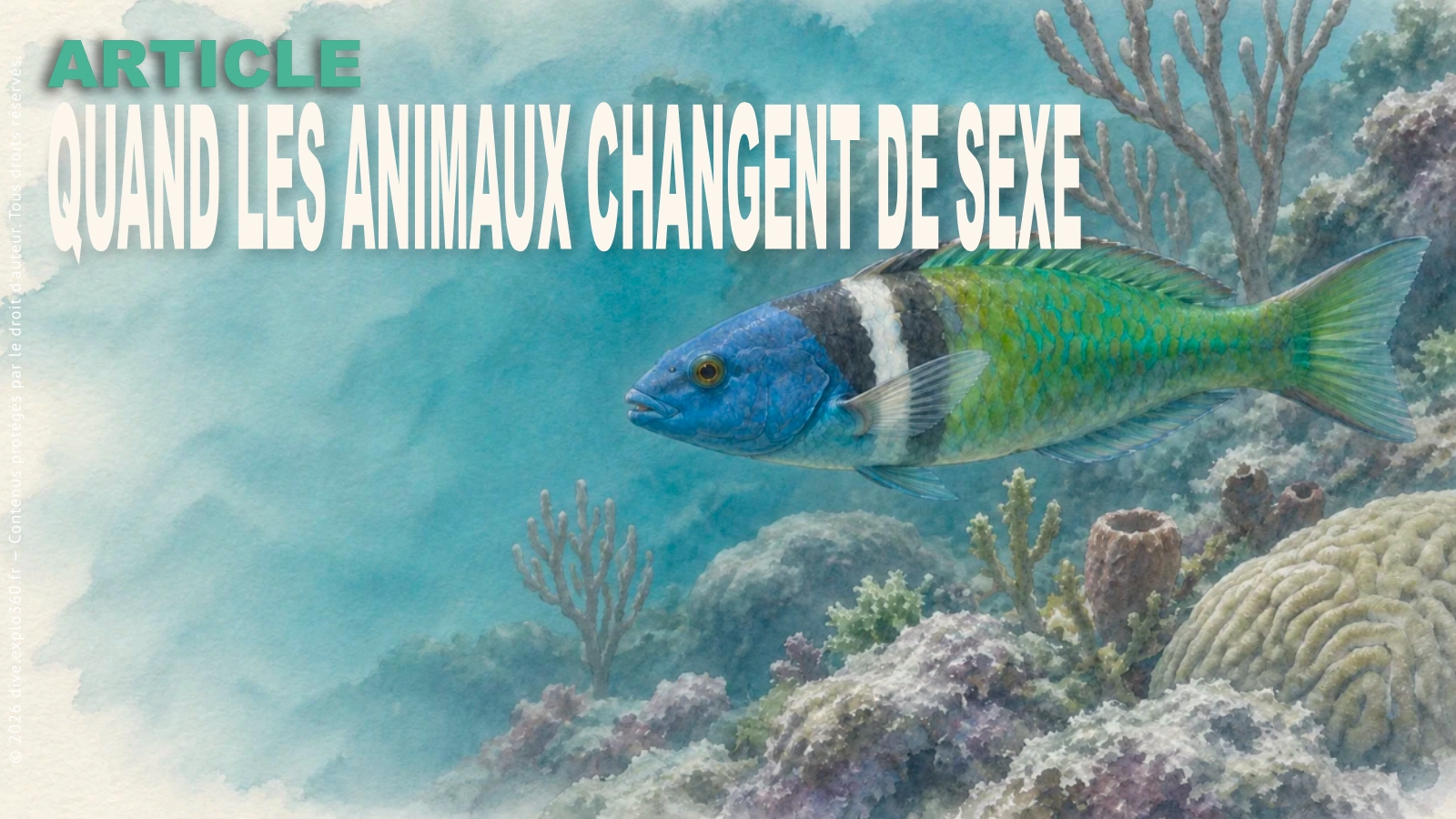
A terminal-phase bluehead wrasse on a Caribbean reef. Available1/3 public · licence required for the rest

Multiple marine regions

MediterraneanAtlantic

Way of life · Natural history

When Animals Change Sex

When a dominant fish disappears from a reef, another may take over. In some species, the change can go far beyond behaviour and reach the organs that make eggs or sperm.

Going deeperPublic 2 min · Lic. 5 min Read the article
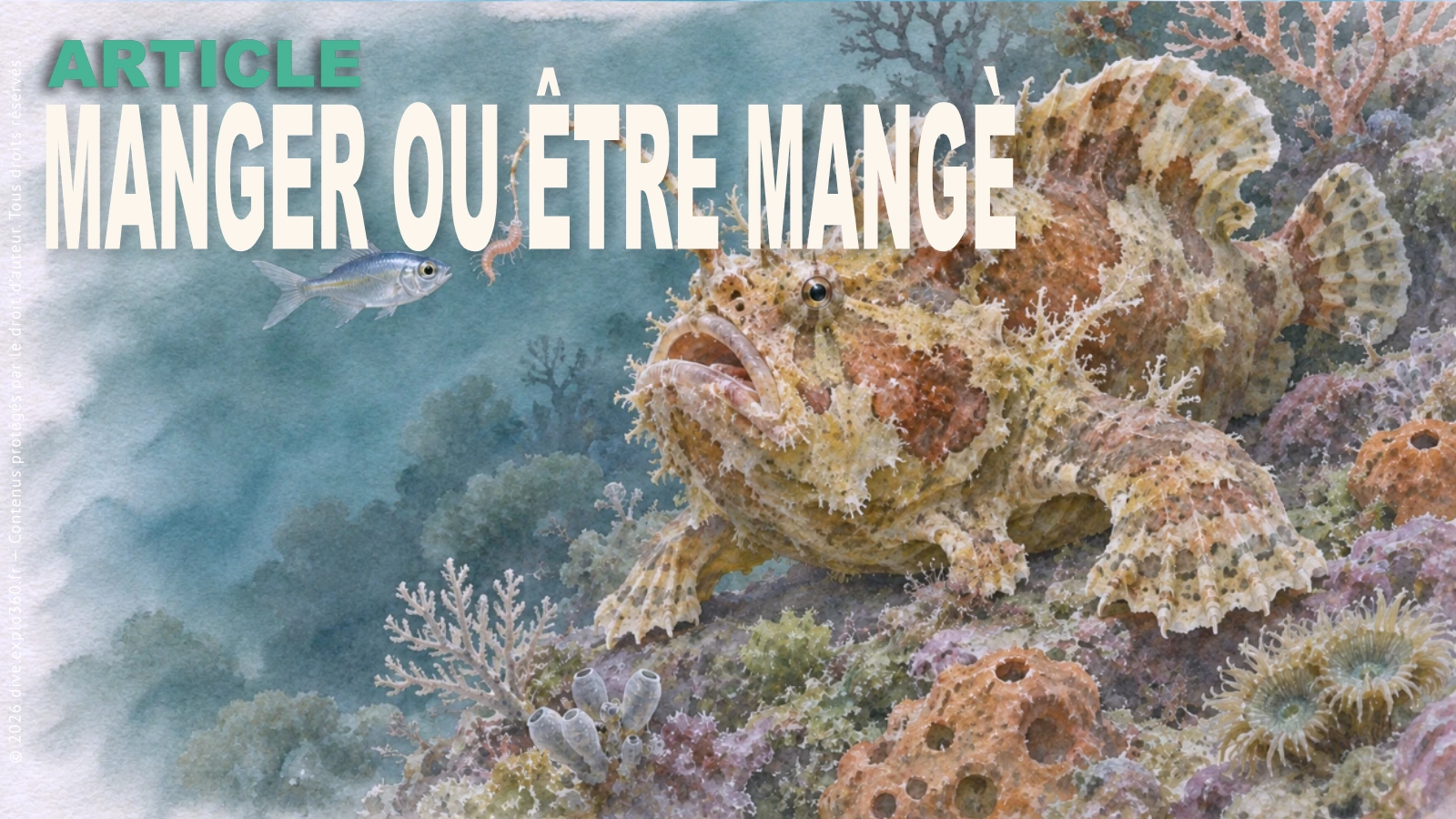
A camouflaged frogfish faces a small fish on the reef. AvailableFree access

Multiple marine regions

MediterraneanAtlantic

Way of life · Natural history

Eat or Be Eaten: Hunting Strategies Underwater

Imagine looking out from a crack in the reef. Something nearby looks like a meal. For a fish approaching a frogfish’s lure, a little closer can be close enough to get caught.

Getting started5 min Read the article
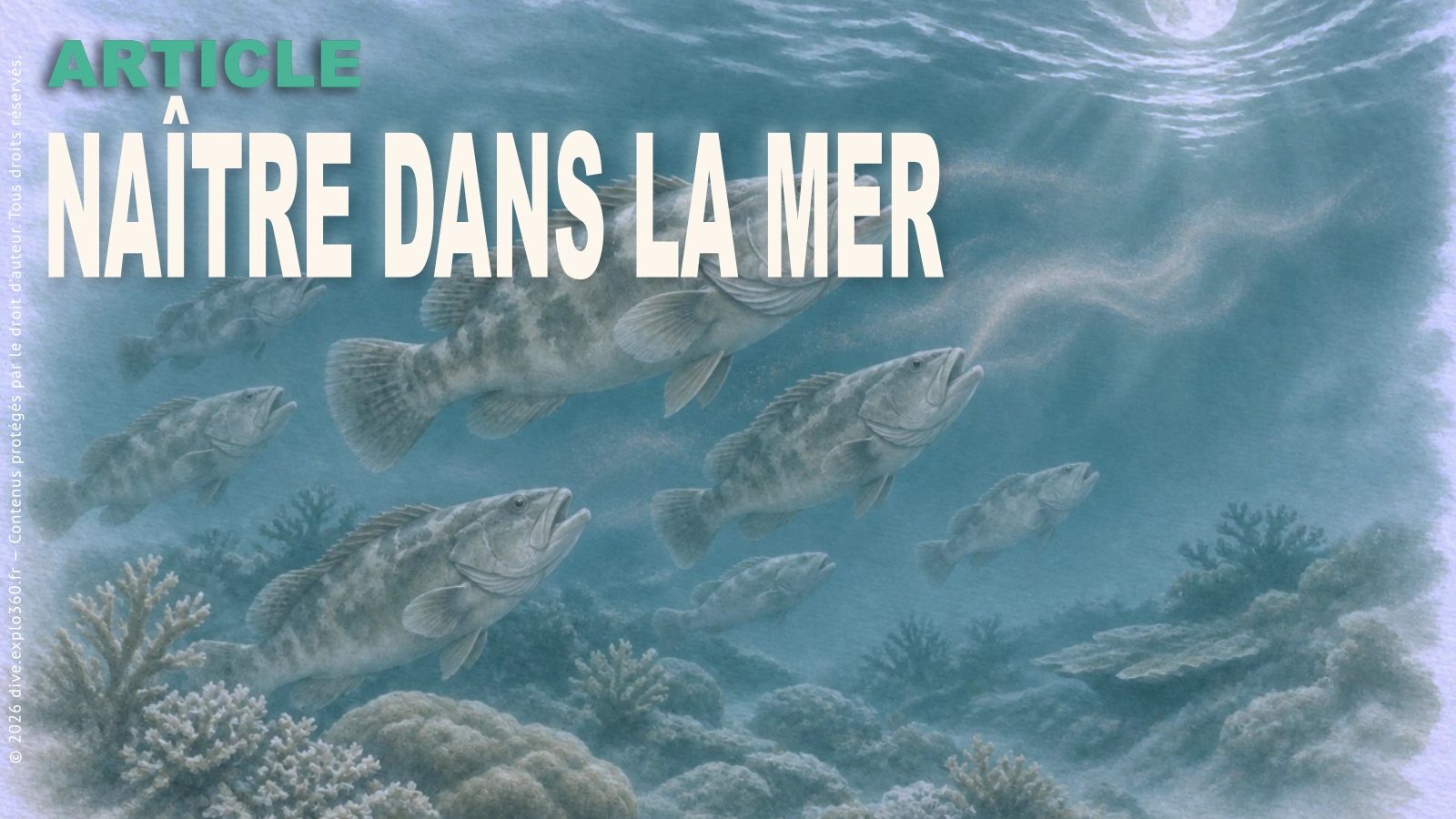
Fish gathering over a reef in moonlight. Available1/3 public · licence required for the rest

Multiple marine regions

MediterraneanAtlantic

Way of life · Natural history

Born in the Sea: The Perils of Early Life

A current carries a fish egg into open water. If it hatches, the larva must find prey small enough to eat and, in some species, reach the seabed. Other young begin life close to a parent that guards the eggs.

Getting startedPublic 3 min · Lic. 6 min Read the article
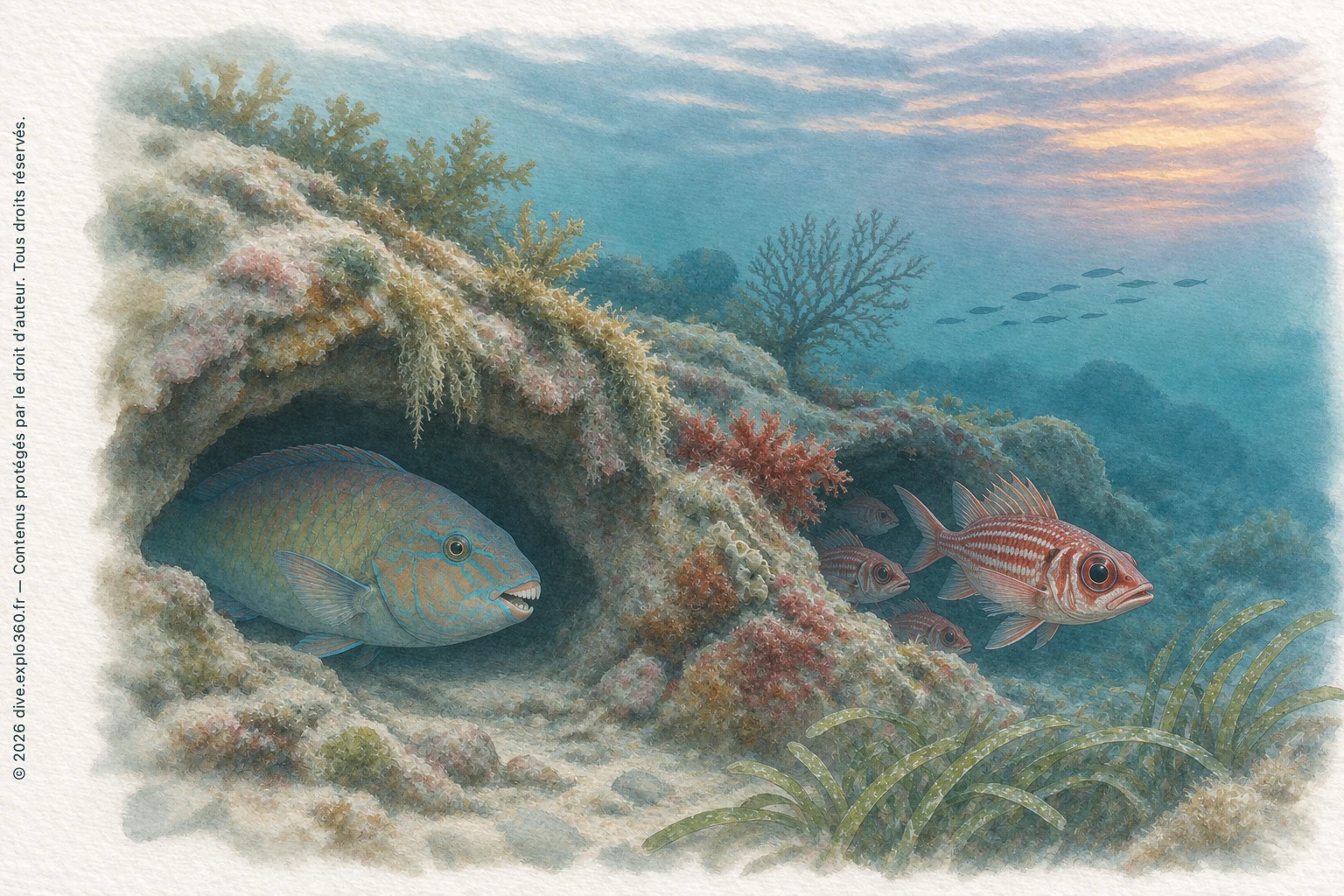
A parrotfish in shelter and squirrelfish on a reef at dusk. Available1/3 public · licence required for the rest

Multiple marine regions

MediterraneanAtlantic

Ecology · Natural history

When the Sea Comes Alive at Night

A parrotfish is settling down just as a squirrelfish comes out to feed. Out beyond the reef, darkness brings a different kind of change. Tiny animals that spent the day deep in the water begin to swim up.

UnderstandingPublic 3 min · Lic. 5 min Read the article
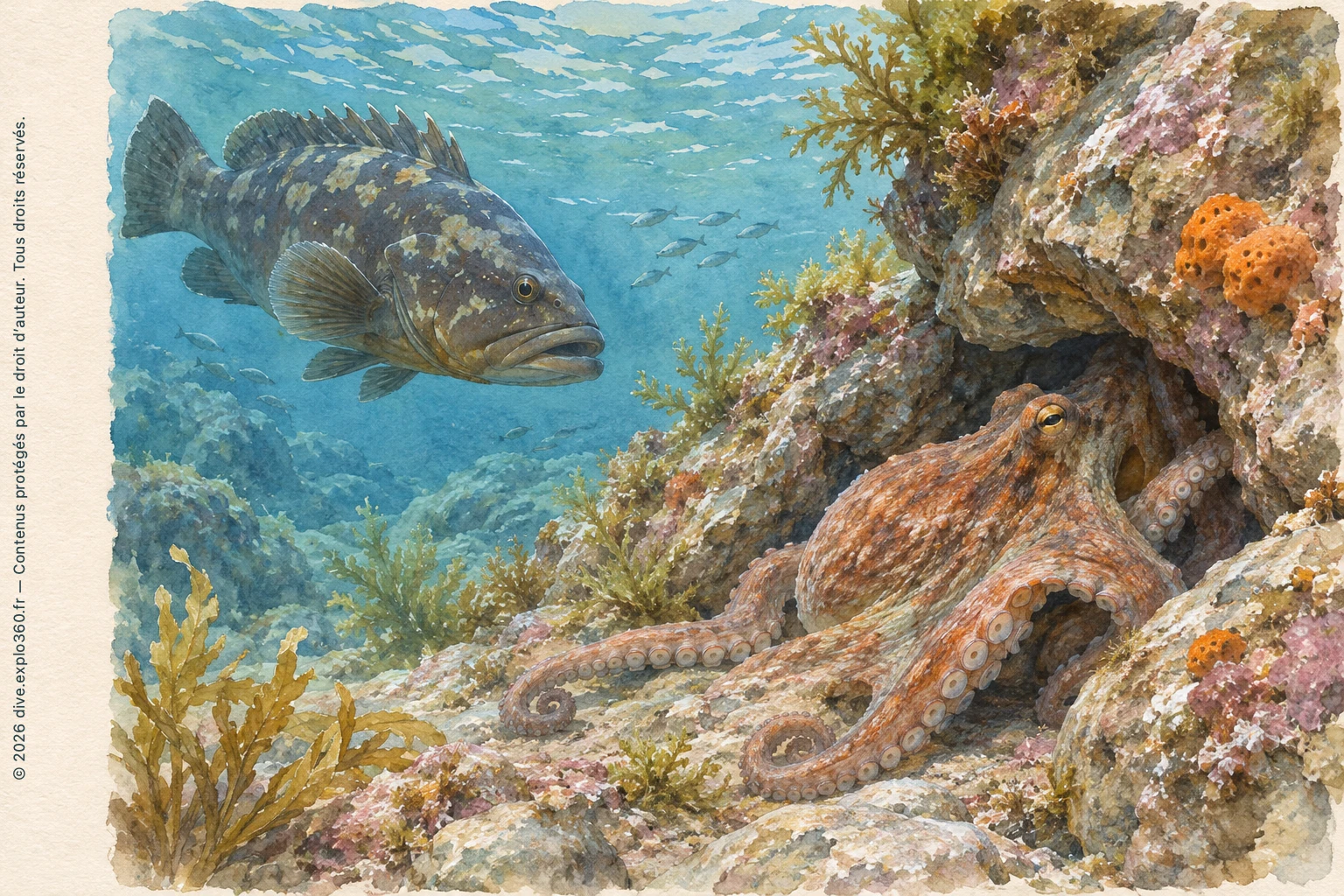
A grouper approaches an octopus at a rocky crevice. Available1/3 public · licence required for the rest

Multiple marine regions

MediterraneanAtlantic

Anatomy · Natural history

How marine animals regrow lost body parts

An octopus can lose part of an arm as it pulls free of a predator. Once it reaches shelter, the missing section may grow back. How long before the octopus can feel with it or use it to grip?

Going deeperPublic 2 min · Lic. 5 min Read the article
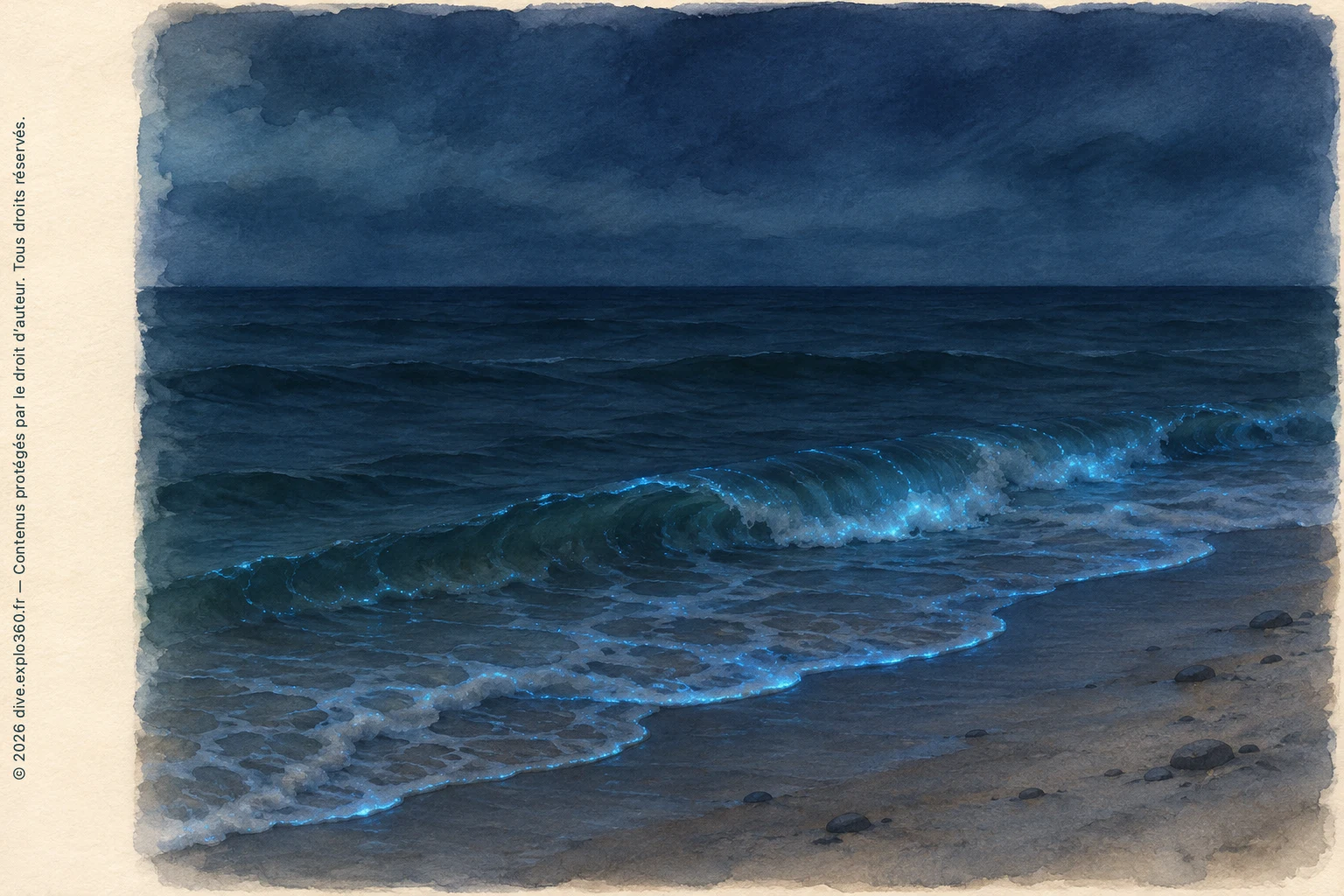
A blue glowing wave breaking on a beach at night. Available1/3 public · licence required for the rest

Multiple marine regions

MediterraneanAtlantic

Ecology · Natural history

Who Turns on the Light Underwater?

A wave can light up for a moment as it breaks. Its flashes may come from living things too small to see on their own. Deeper down, a glow can bring a meal closer or make a fish harder to spot.

UnderstandingPublic 3 min · Lic. 4 min Read the article
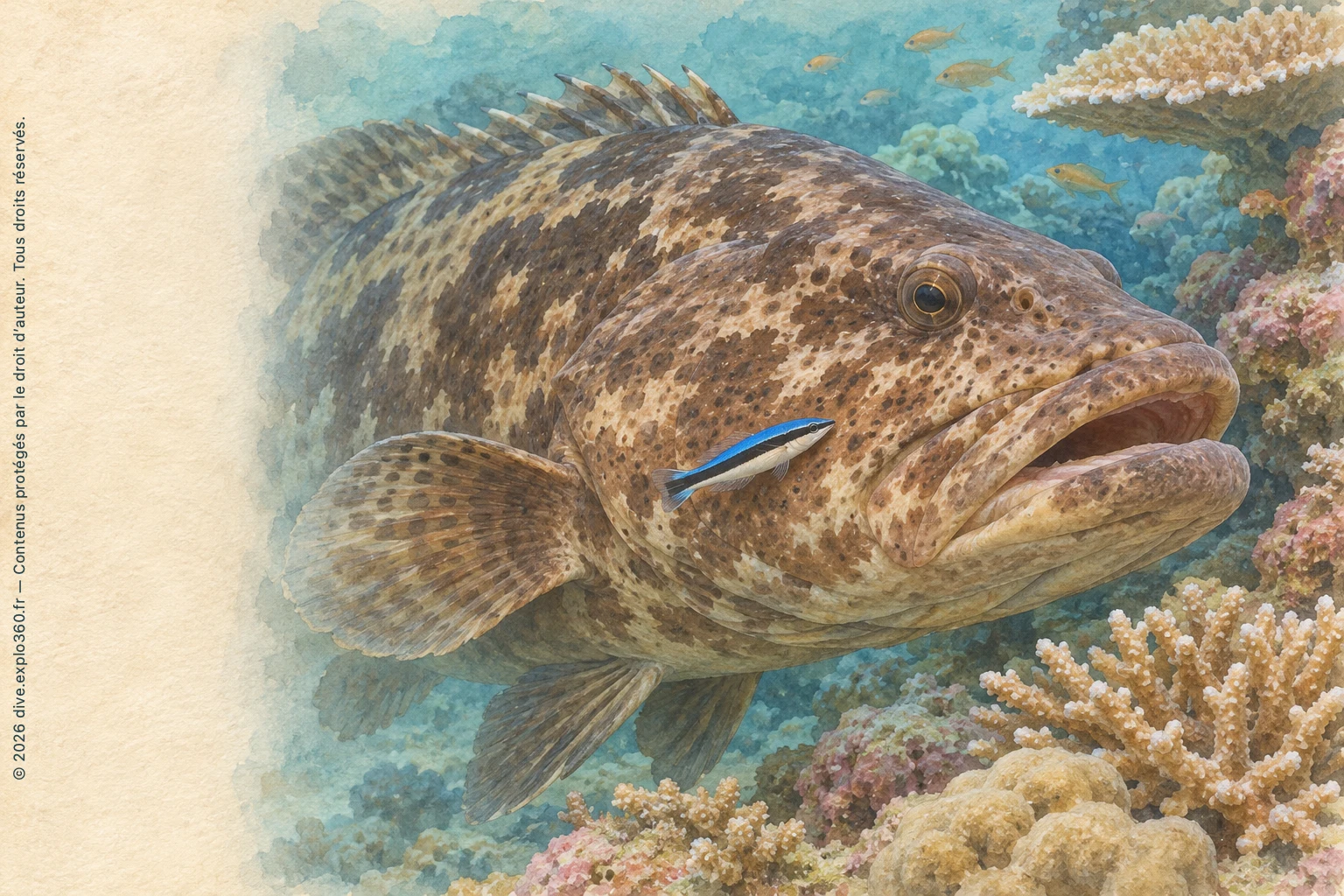
A striped wrasse approaches the head of a stationary grouper. Available1/3 public · licence required for the rest

Multiple marine regions

MediterraneanAtlantic

Ecology · Natural history

Who Helps Whom in the Sea?

A grouper stops beside a little cleaner wrasse and opens its mouth. The wrasse may take a parasite, or it may bite off some of the slippery layer that protects the grouper’s skin.

UnderstandingPublic 2 min · Lic. 4 min Read the article
White polyps of red coral connected along a branch. AvailableFree access

Multiple marine regions

MediterraneanAtlantic

Anatomy · Science

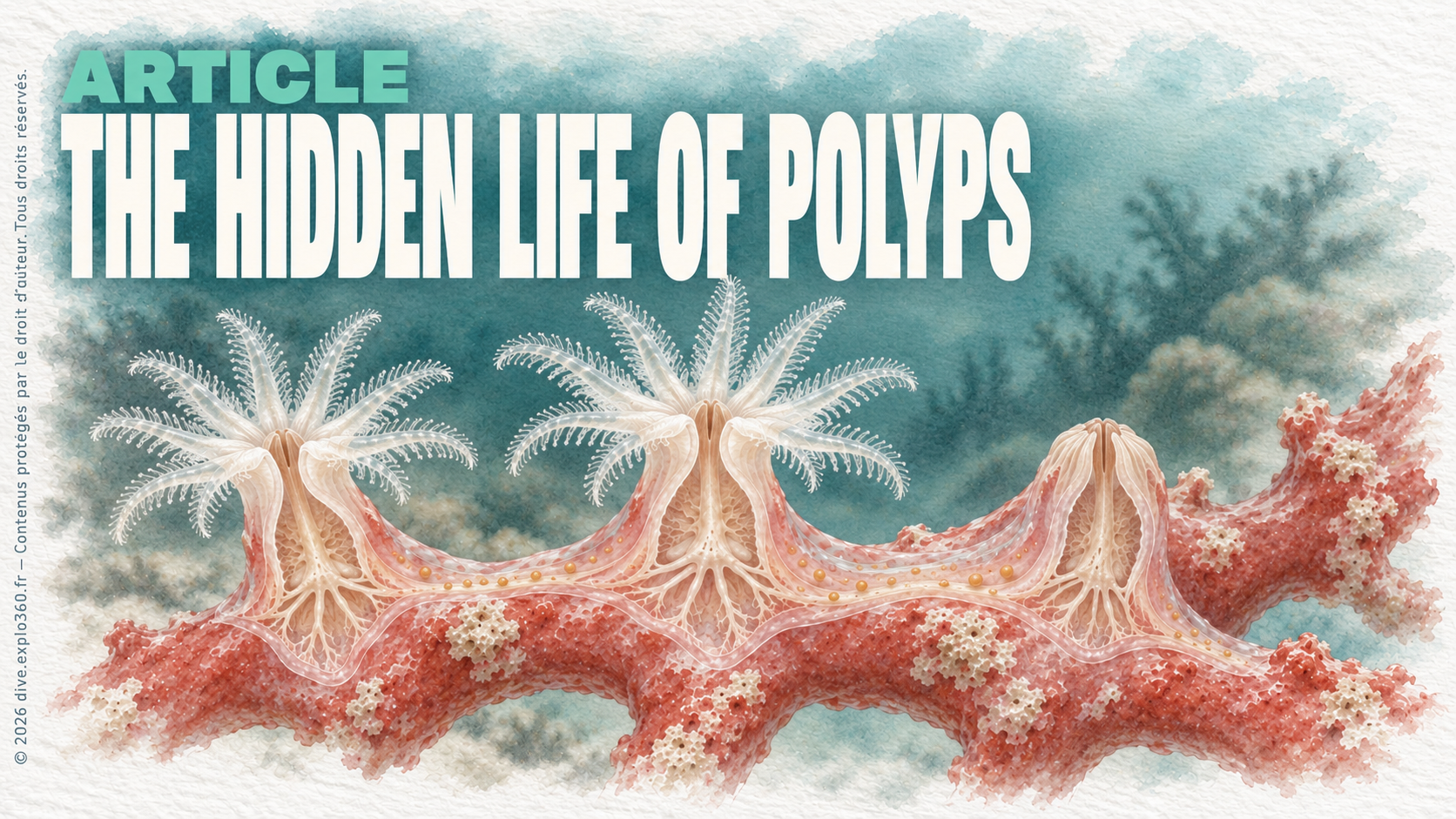
The Hidden Life of Polyps: How Does a Colony Work?

A sea fan looks like a single animal until you get close enough to see its many mouths. Each belongs to a polyp. To see what makes them a colony, look beneath the tentacles, where living tissue joins them together.

Understanding6 min Read the article
Mediterranean seagrass and rocky seabed with organisms whose functions are connected. AvailableFree access

Multiple marine regions

MediterraneanAtlantic

Ecology · Natural history

What marine animals do and why it matters

A meadow offers food and shelter. A mussel takes food from water moving past its rock. Follow what happens to that material and you can see how living things shape the sea around them. The illustrations show…
Understanding7 min Read the article
A wreck colonised by marine life in the Mediterranean Available1/3 public · licence required for the rest

Multiple marine regions

MediterraneanAtlantic

Ecology · Environment

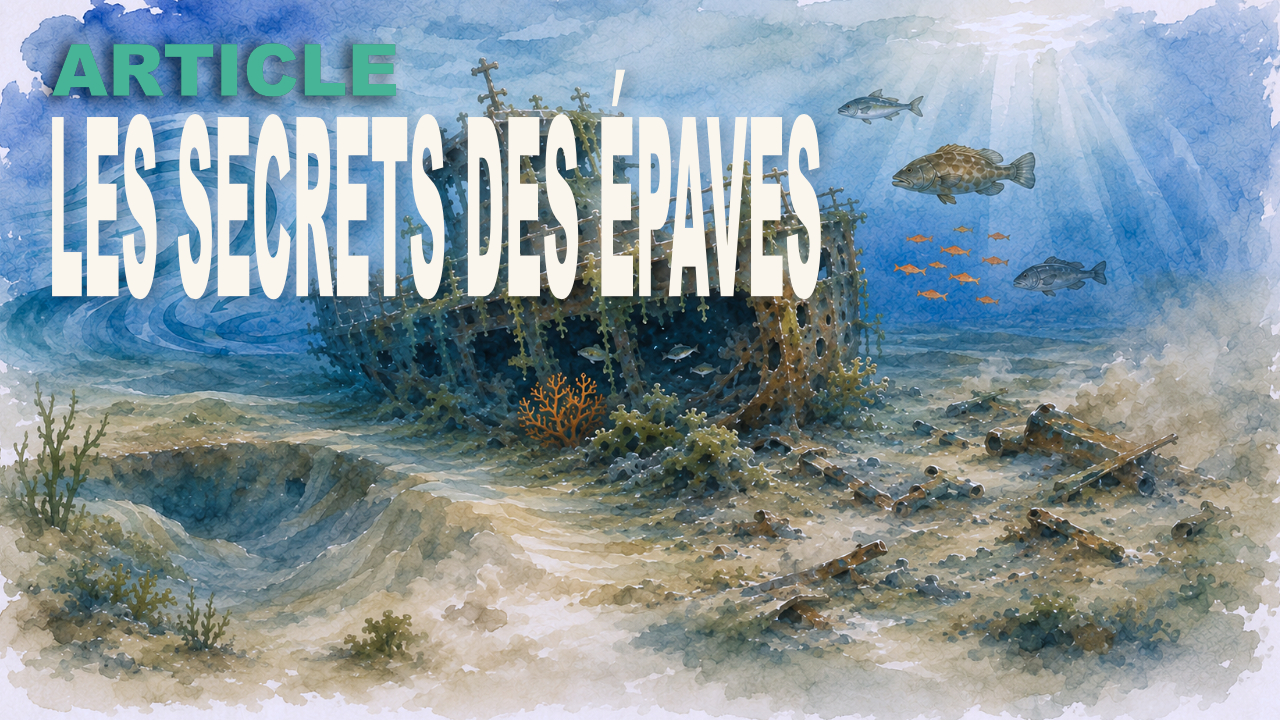
THE SECRETS OF SHIPWRECKS

On a flat stretch of sand, a sunken ship can rise like a wall. On rock, it adds more crevices to a seabed that already has them. A wreck can settle on sand, on maerl beds made up of small pieces of calcareous algae, on…

UnderstandingPublic 3 min · Lic. 6 min Read the article
THE SECRETS OF SAND AvailableFree access

Multiple marine regions

MediterraneanAtlantic

Biotope · Environment

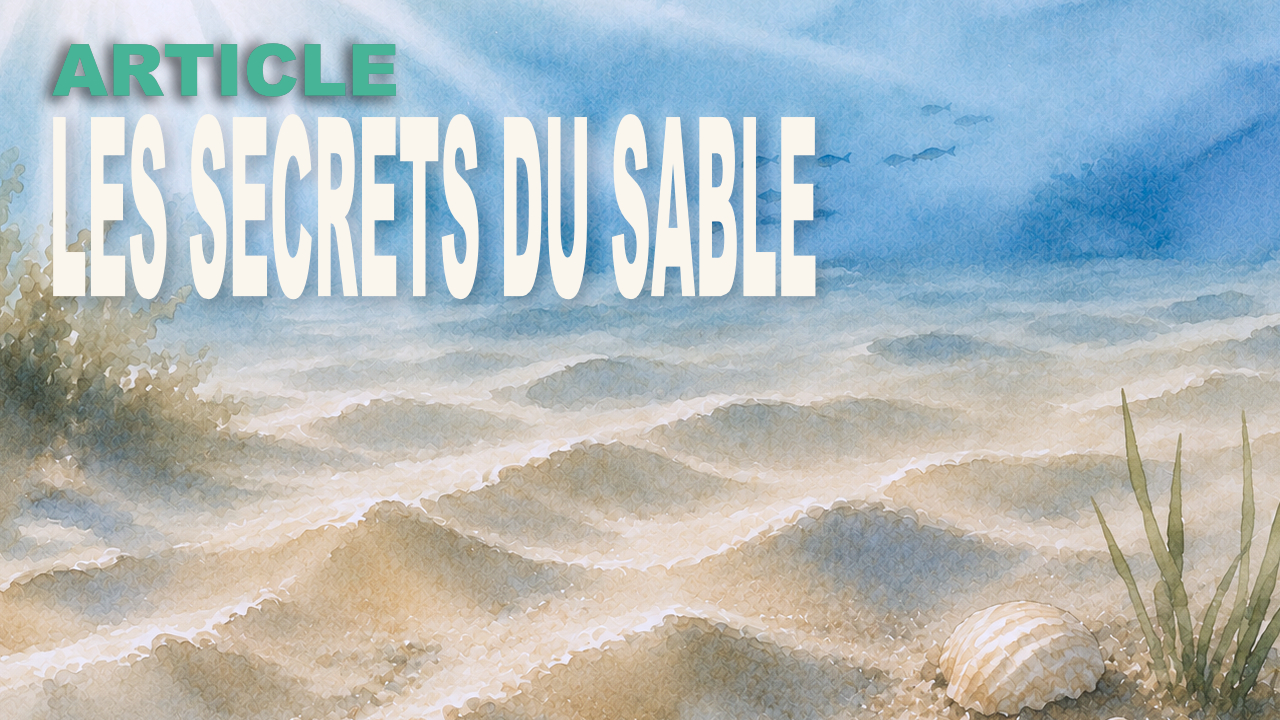
THE SECRETS OF SAND

Waves and currents keep moving the sand, and many of the animals that live there stay buried. Look for a trail, a shell or a little mound. These are often the first signs that a sandy seabed is full of life.

Getting started7 min Read the article
THE SECRETS OF MAERL Available1/3 public · licence required for the rest

Multiple marine regions

MediterraneanAtlantic

Biotope · Environment

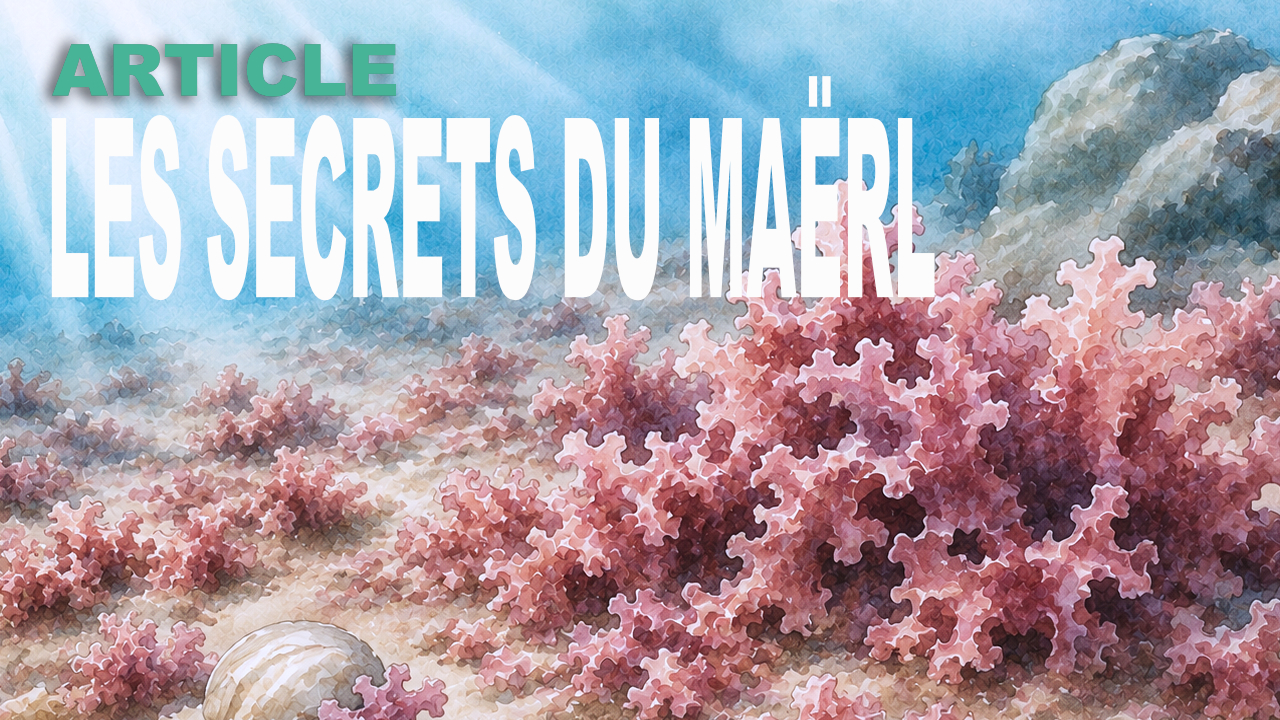
THE SECRETS OF MAERL

At first glance, a maerl bed looks like a patch of colourful gravel. The hard branches that build it belong to red algae. As they pile up, the spaces between them give other organisms somewhere to live.

UnderstandingPublic 3 min · Lic. 6 min Read the article
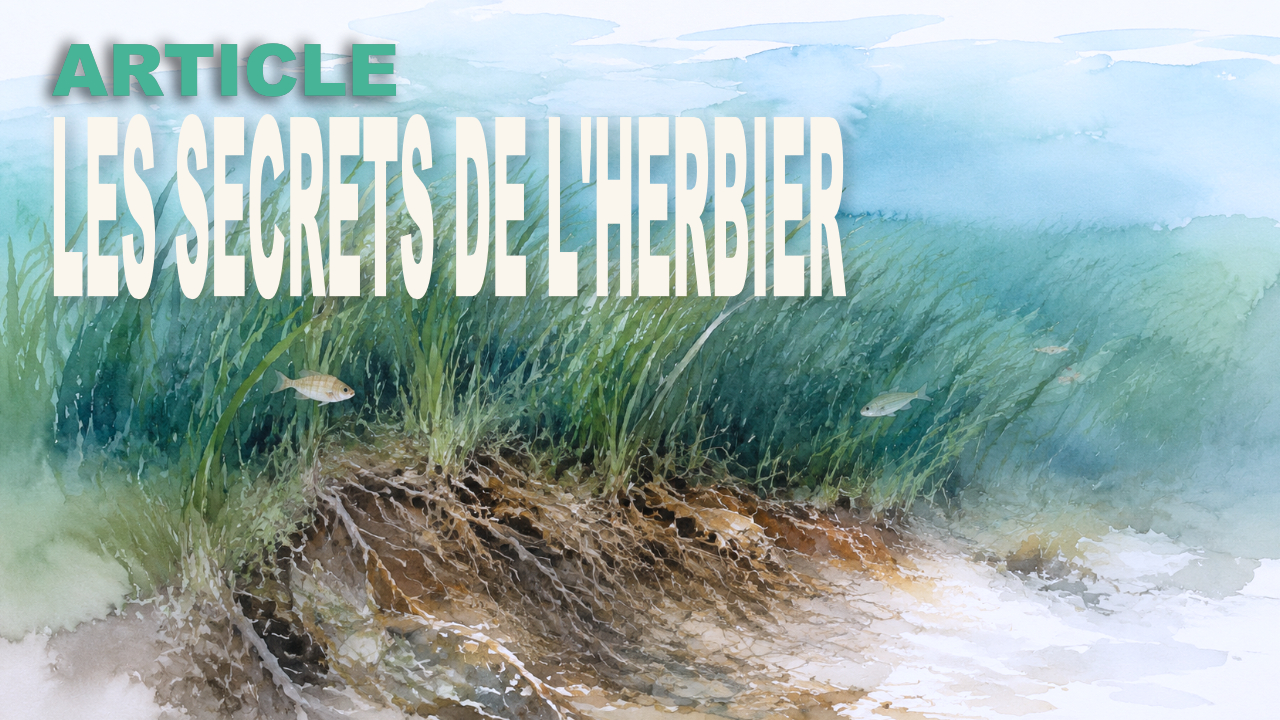
THE SECRETS OF THE SEAGRASS MEADOW Available1/3 public · licence required for the rest

Article region: Mediterranean

Mediterranean

Biotope · Environment

THE SECRETS OF THE SEAGRASS MEADOW

A Posidonia meadow begins with a flowering plant that spreads slowly along the seabed. Its leaves produce oxygen and shelter animals. Beneath them, roots and stems help hold sediment in place and build up a layer that…

Getting startedPublic 4 min · Lic. 10 min Read the article
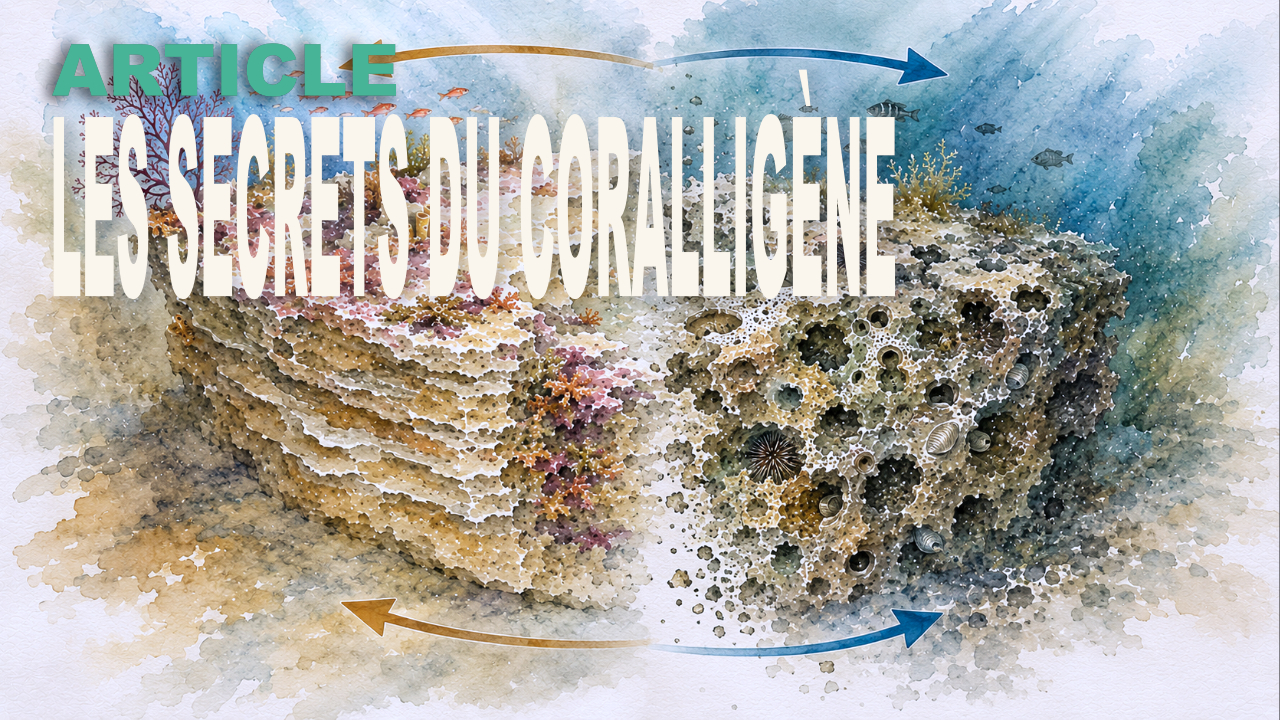
THE SECRETS OF CORALLIGENOUS HABITATS Available1/3 public · licence required for the rest

Article region: Mediterranean

Mediterranean

Biotope · Environment

THE SECRETS OF CORALLIGENOUS HABITATS

In the Mediterranean, sea fans and sponges can grow on walls and platforms that living things helped build. It can take centuries, or even thousands of years, for these coralligenous habitats to form. Their rough…

UnderstandingPublic 4 min · Lic. 11 min Read the article
PHYLA WITHOUT THE FUSS Available1/3 public · licence required for the rest

Multiple marine regions

MediterraneanAtlantic

Miscellaneous · Natural history

PHYLA WITHOUT THE FUSS

A sponge, a sea star and an anemone look very different. To make sense of that variety, scientists sort animals into major groups called **phyla**. Animals in the same phylum share features of their body plan. Once you…

Getting startedPublic 3 min · Lic. 6 min Read the article
THE ARTISTS OF INVISIBILITY! Available1/3 public · licence required for the rest

Multiple marine regions

MediterraneanAtlantic

Anatomy · Behaviour

Masters of camouflage

A red scorpionfish can look like part of the seabed. A cuttlefish can change its appearance as it moves across it. Camouflage can buy a hunter time or give its prey a chance to go unnoticed.

UnderstandingPublic 3 min · Lic. 7 min Read the article
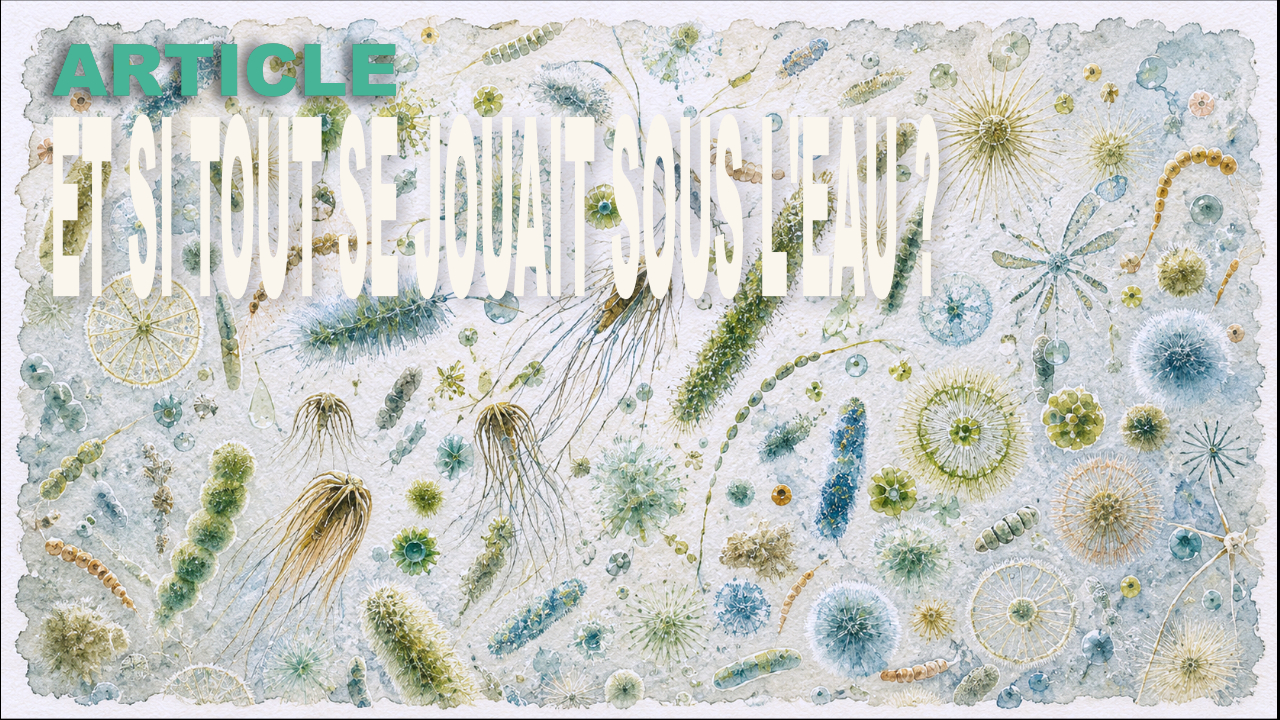
WHAT IF IT ALL HAPPENED UNDERWATER? Available1/3 public · licence required for the rest

Article region: Mediterranean

Mediterranean

Ecology · Science

WHAT IF IT ALL HAPPENED UNDERWATER?

A small crustacean eats plankton. A fish eats the crustacean, and that fish may become a meal for a larger one. In the Mediterranean, food can take that route or drift down as scraps to the seabed. Both routes are part…

UnderstandingPublic 2 min · Lic. 5 min Read the article
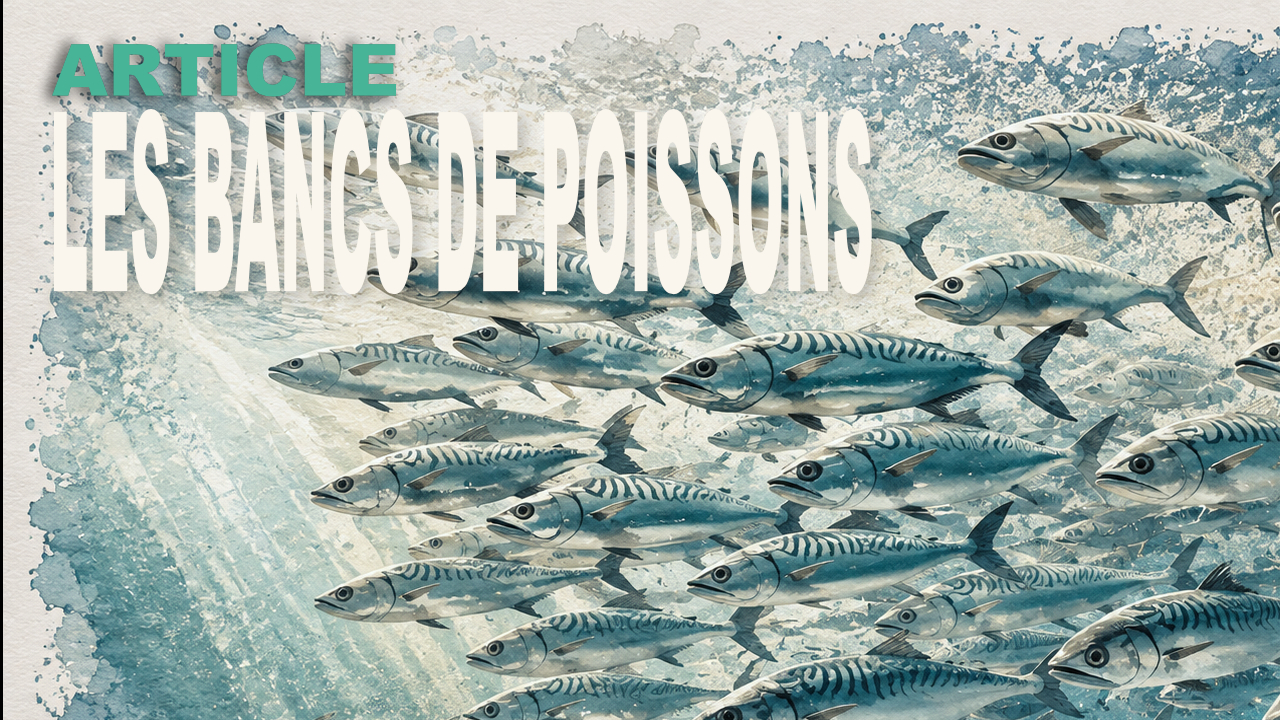
SCHOOLS OF FISH AvailableFree access

Multiple marine regions

MediterraneanAtlantic

Way of life · Behaviour

SCHOOLS OF FISH

A school is a group of fish that swim together and coordinate their movements. The whole group can change shape or turn in moments. Each fish helps keep the school together by reacting to the fish swimming near it.

Understanding7 min Read the article
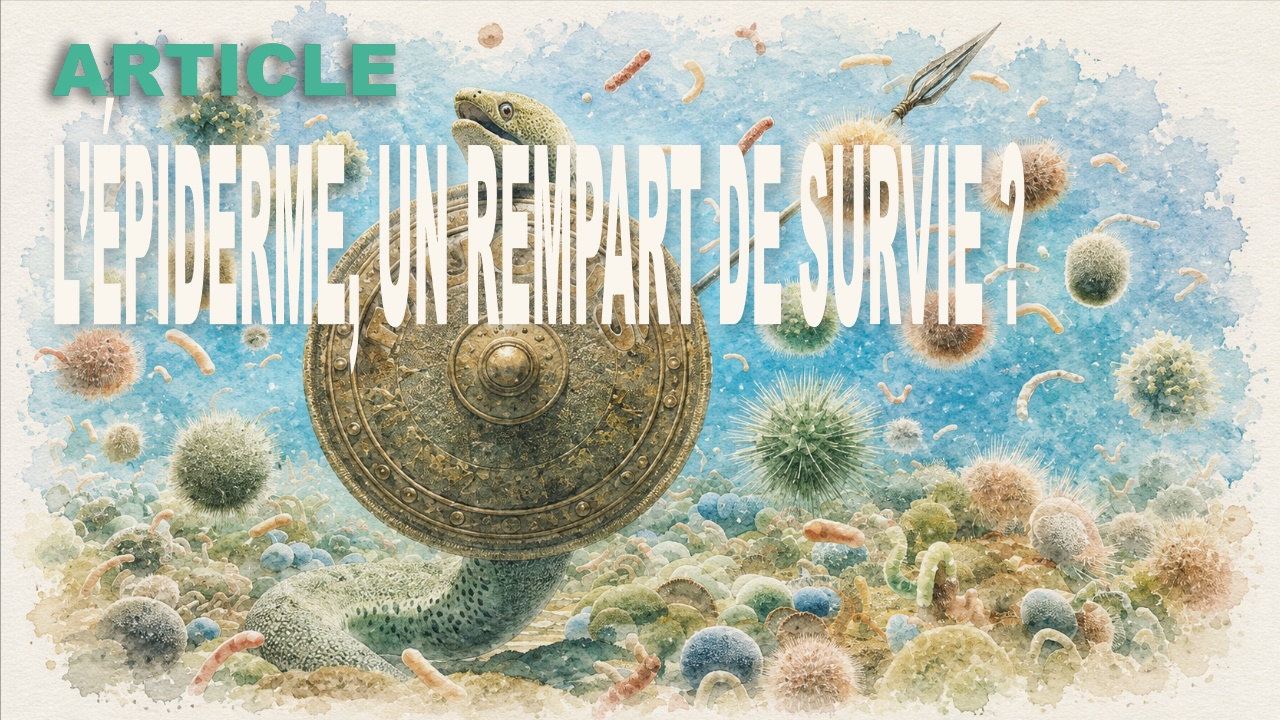
THE EPIDERMIS: A SHIELD FOR SURVIVAL? Available1/3 public · licence required for the rest

Article region: Mediterranean

Mediterranean

Anatomy · Science

How a fish’s skin protects it

The smooth skin of a moray looks quite different from the rough skin of a shark. Both help protect the fish. A closer look at the surface can also explain how some fish blend into the seabed or signal to one another.

UnderstandingPublic 3 min · Lic. 7 min Read the article
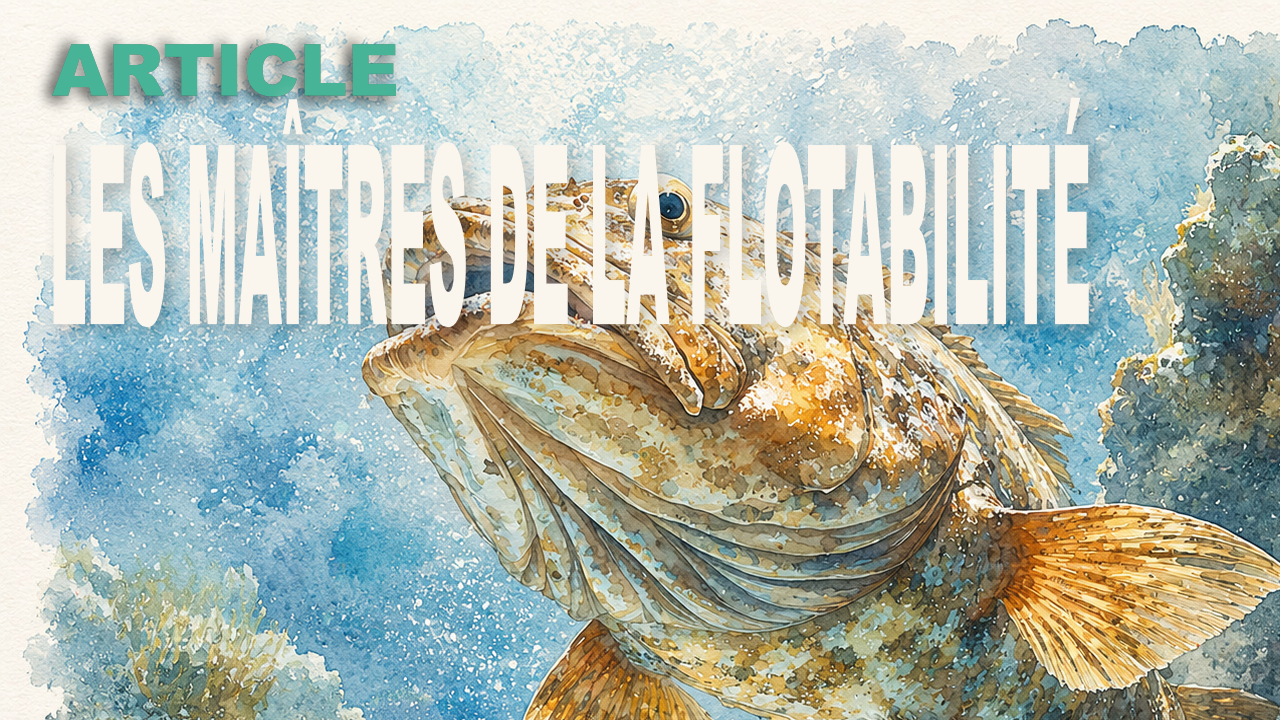
MASTERS OF BUOYANCY Available1/3 public · licence required for the rest

Multiple marine regions

MediterraneanAtlantic

Anatomy · Science

MASTERS OF BUOYANCY

A fish can hang in the water without sinking to the seabed. How does it do that? Many bony fish have a **swim bladder**, a small sac filled with gas that helps them stay at the same depth. Sharks and fish such as…

UnderstandingPublic 3 min · Lic. 7 min Read the article
The senses of fish Available1/3 public · licence required for the rest

Multiple marine regions

MediterraneanAtlantic

Anatomy · Science

How fish sense the world around them

A fish can follow its neighbours even when the water gets cloudy. It can use sight, hearing, smell, taste and touch, and it has another way to sense what’s nearby. Its lateral line picks up movements in the water.

UnderstandingPublic 2 min · Lic. 4 min Read the article
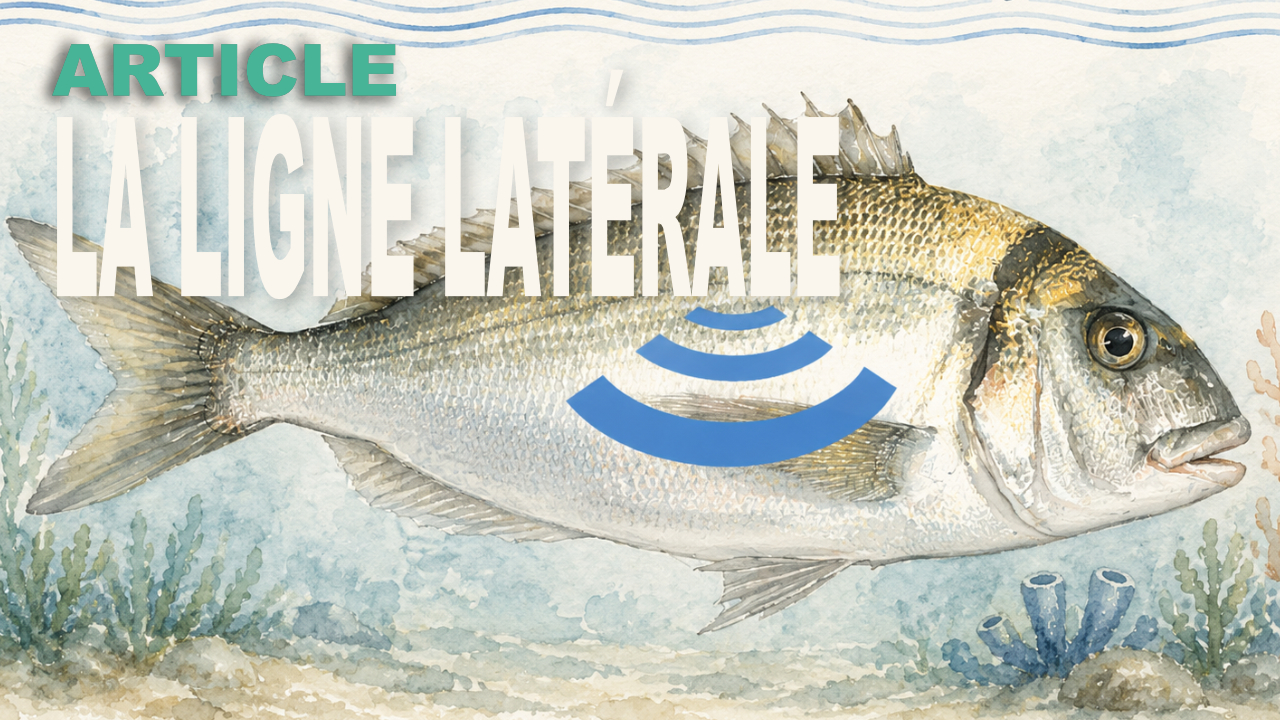
How does the lateral line in fish work? Available1/3 public · licence required for the rest

Multiple marine regions

MediterraneanAtlantic

Anatomy · Science

The lateral line, a fish’s sixth sense

When a fish swims past or water sweeps around a rock, it changes the flow nearby. Fish can feel those changes with a system called the lateral line. It gives them another clue alongside sight, hearing, smell, taste and…

UnderstandingPublic 2 min · Lic. 3 min Read the article
What is fish vision like? Available1/3 public · licence required for the rest

Multiple marine regions

MediterraneanAtlantic

Anatomy · Science

WHAT DO FISH SEE?

A fish can use its eyes to find food or spot another fish coming towards it. As it swims deeper or into cloudy water, the colours and shapes it can see may change. Sounds, smells and movements picked up by its lateral…

Getting startedPublic 2 min · Lic. 4 min Read the article
A naturalist diver and a marine biologist diver Available1/3 public · licence required for the rest

Multiple marine regions

MediterraneanAtlantic

Miscellaneous · Technique

Naturalist diving and marine biology

Look closely at a reef or a patch of sand and you might spot an animal you’ve never noticed before. Some divers try to name the fish, plants and other living things they meet. They also watch what those creatures do and…

Getting startedPublic 2 min · Lic. 4 min Read the article