Partners and information

Contact us

Verification code

Observe · understand · progress

All articles

Understand marine biodiversity and underwater environments

What is hidden in the sand, around a wreck or among the algae? Dive.Explo360 articles build on your underwater observations to help you understand marine habitats, species’ ways of life and their relationships within ecosystems.

Develop your knowledge of marine life while diving: discover the features of different environments, learn to observe their inhabitants and connect your discoveries with the marine species guides and the dive videos. These readings accompany divers and anyone curious about underwater life, before or after exploring.

Your marine region: Atlantic. Choose a marine region, then search for a subject or filter articles by category and topic. Each publication shows its availability and access conditions.

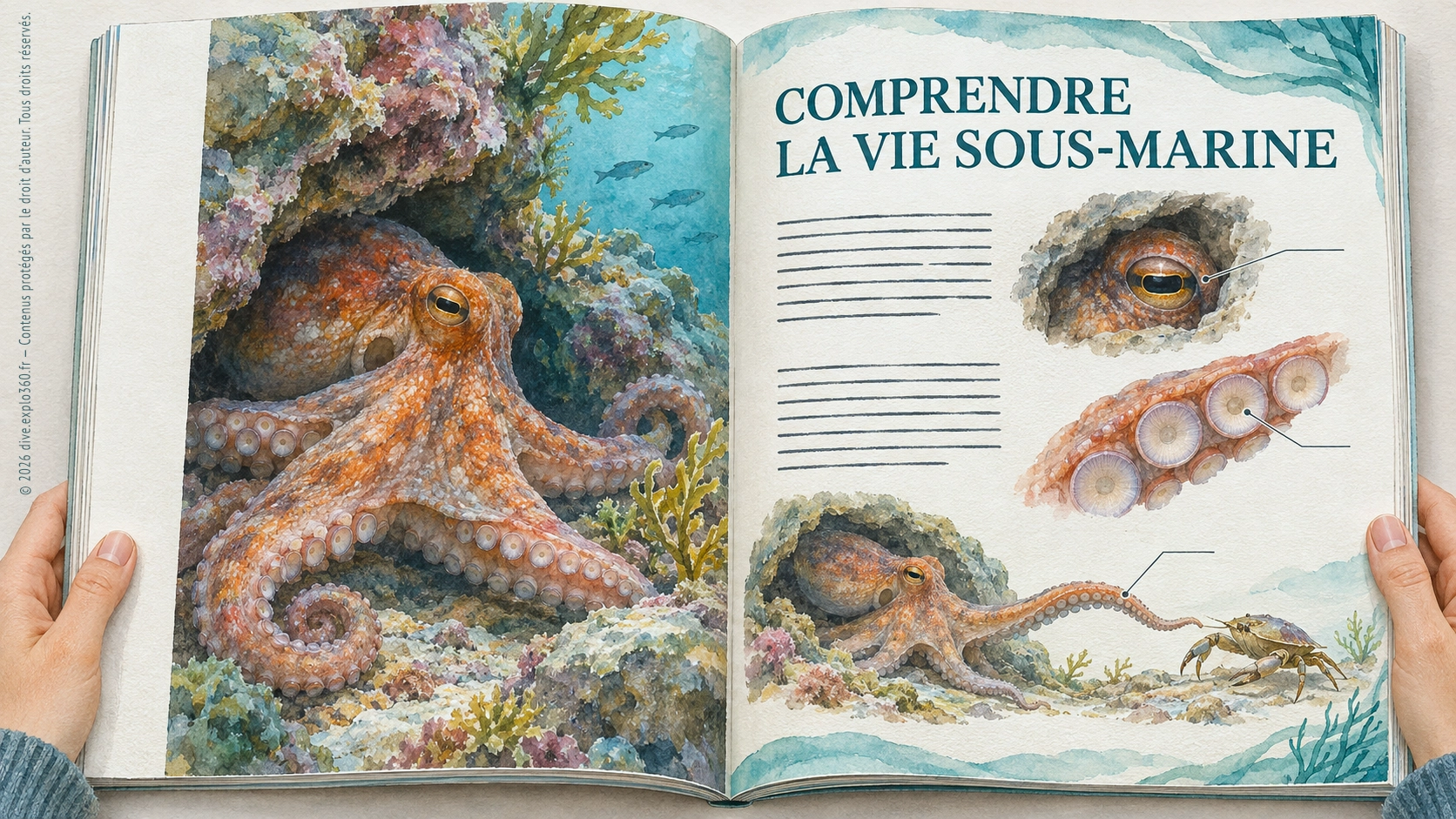
An open marine life magazine showing an octopus, its eye and its suckers.
From observations to explanations

Topic and region

Choose a reading

Content type

Quick choices

More filters

Difficulty and reading time

Topics and reading order

Access and availability

Region labels show where the topic applies. Articles that cover several seas may use tropical examples, even in the Mediterranean catalogue.

30 articles

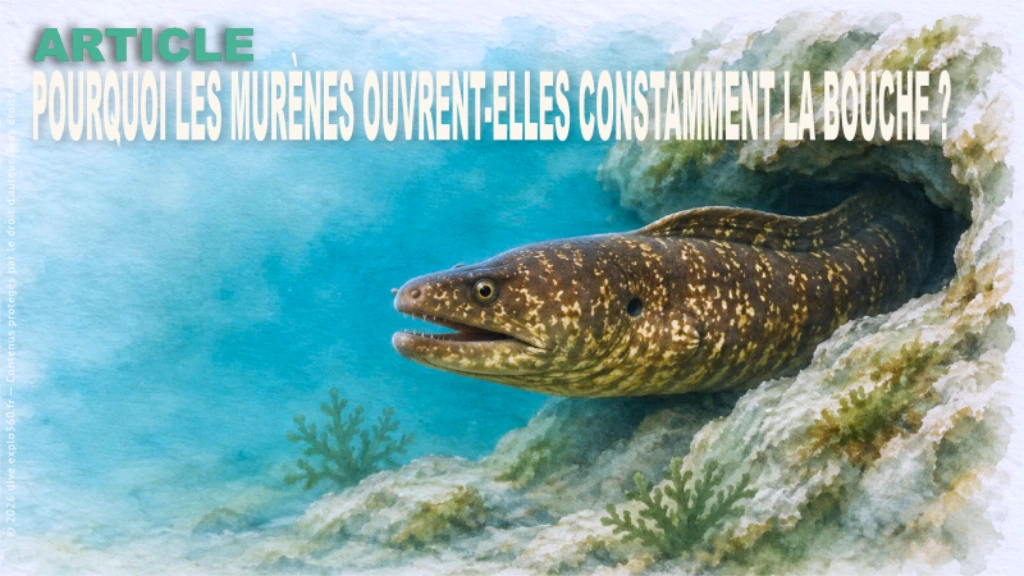
A moray with its mouth ajar in a reef crevice. Available1/3 public · licence required for the rest

Multiple marine regions

AtlanticMediterranean

Way of life · Behaviour

Why do morays keep opening their mouths?

A moray can stay still in a crevice for a long time. Its jaws keep moving all the same. The mouth and throat pump water over the gills, and two small openings behind the head let it out again.
UnderstandingPublic 1 min · Lic. 3 min Read the article
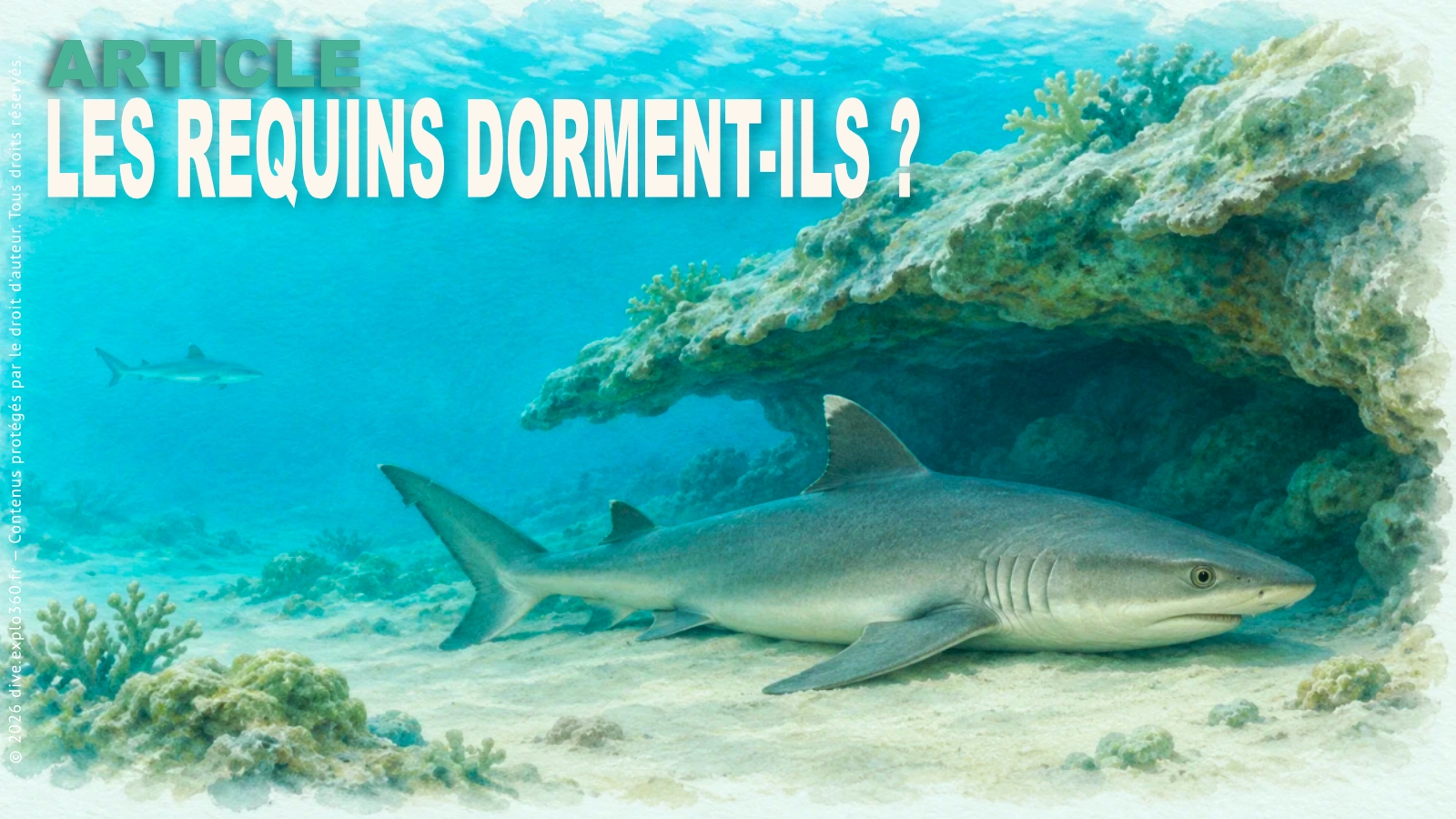
Shark resting beneath a reef ledge. Available1/3 public · licence required for the rest

Multiple marine regions

AtlanticMediterranean

Way of life · Behaviour

Do sharks sleep?

A draughtsboard shark can lie still with its eyes open and be asleep. To distinguish sleep from quiet wakefulness, researchers look for changes in how the shark responds, how it holds its body and how much oxygen it…

Going deeperPublic 1 min · Lic. 3 min Read the article
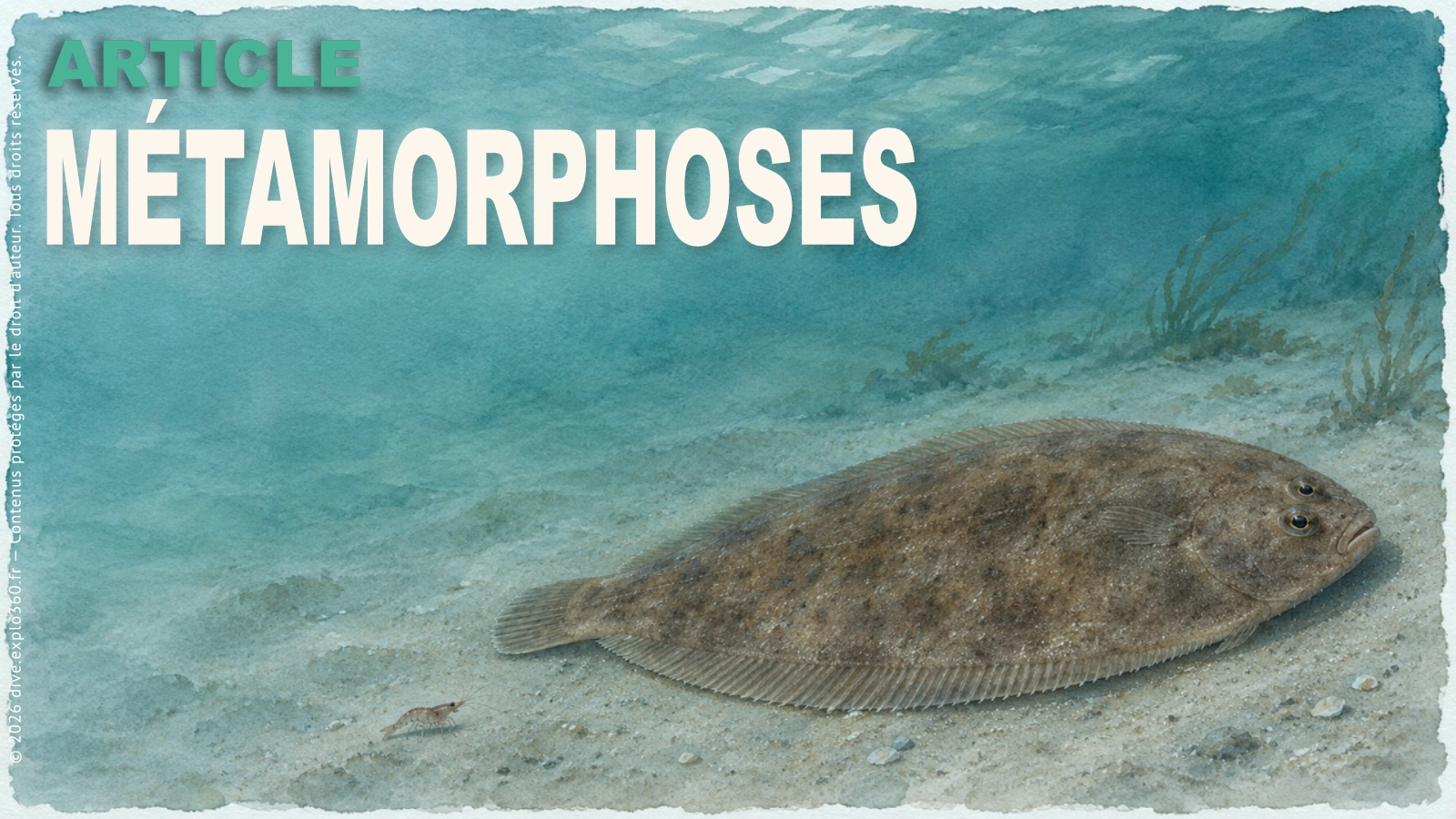
A common sole (Solea solea) on the sand, both eyes facing the water. Available1/3 public · licence required for the rest

Multiple marine regions

AtlanticMediterranean

Anatomy · Science

Metamorphosis, from tissue remodelling to a change of habitat

Metamorphosis can carry an animal into a new habitat or change how it feeds. These five examples show how the body is remodelled along the way.

Going deeperPublic 2 min · Lic. 3 min Read the article
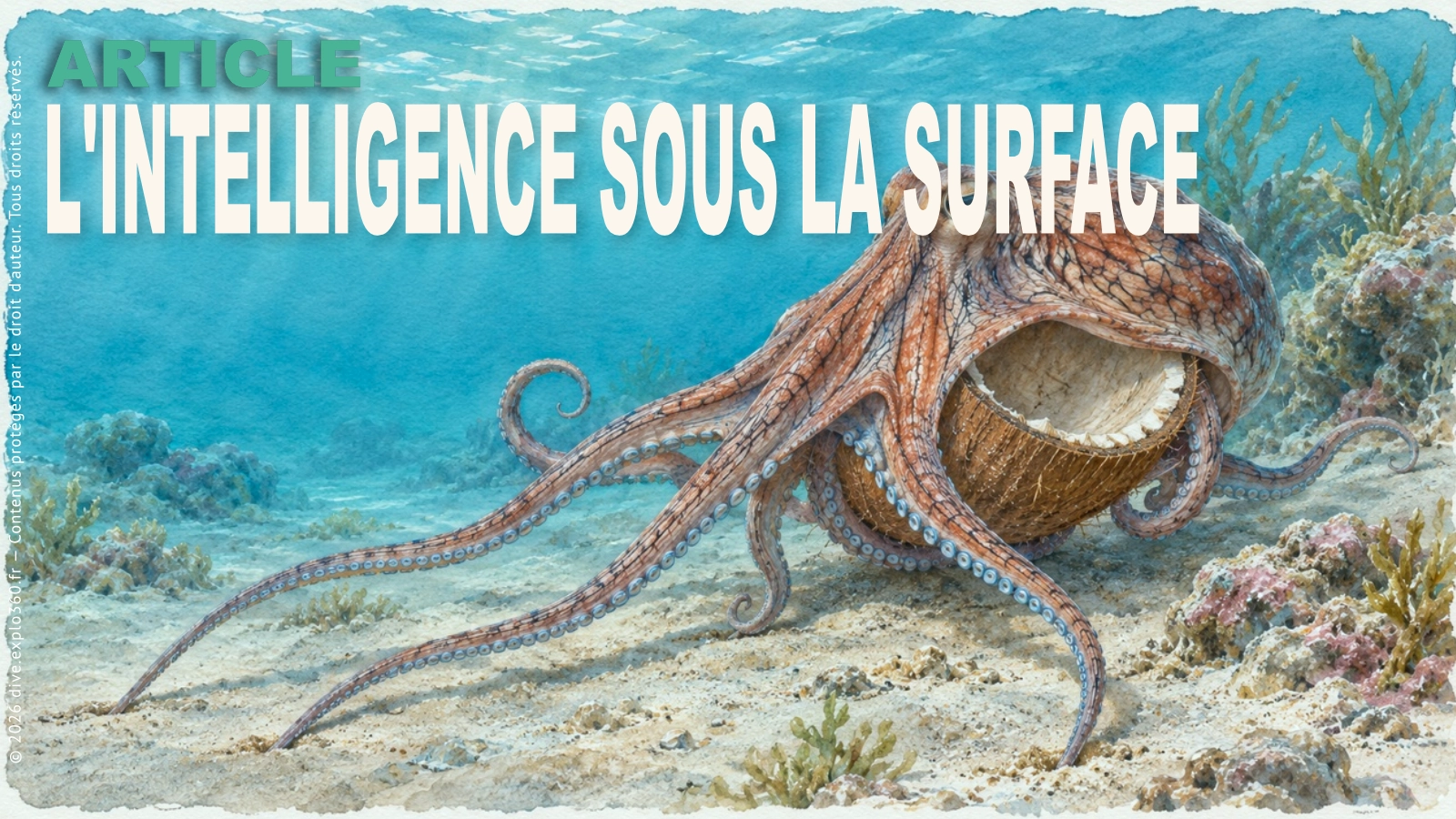
A veined octopus (Amphioctopus marginatus) carries a shell across the sand. AvailableFree access

Multiple marine regions

AtlanticMediterranean

Way of life · Behaviour

Intelligence underwater, from learning to cooperation

An octopus learns to get past a stopper. A grouper signals above a crevice where its prey has vanished. Both behaviours can be observed directly. Working out what the animals know takes a closer look at the evidence.

Going deeper4 min Read the article
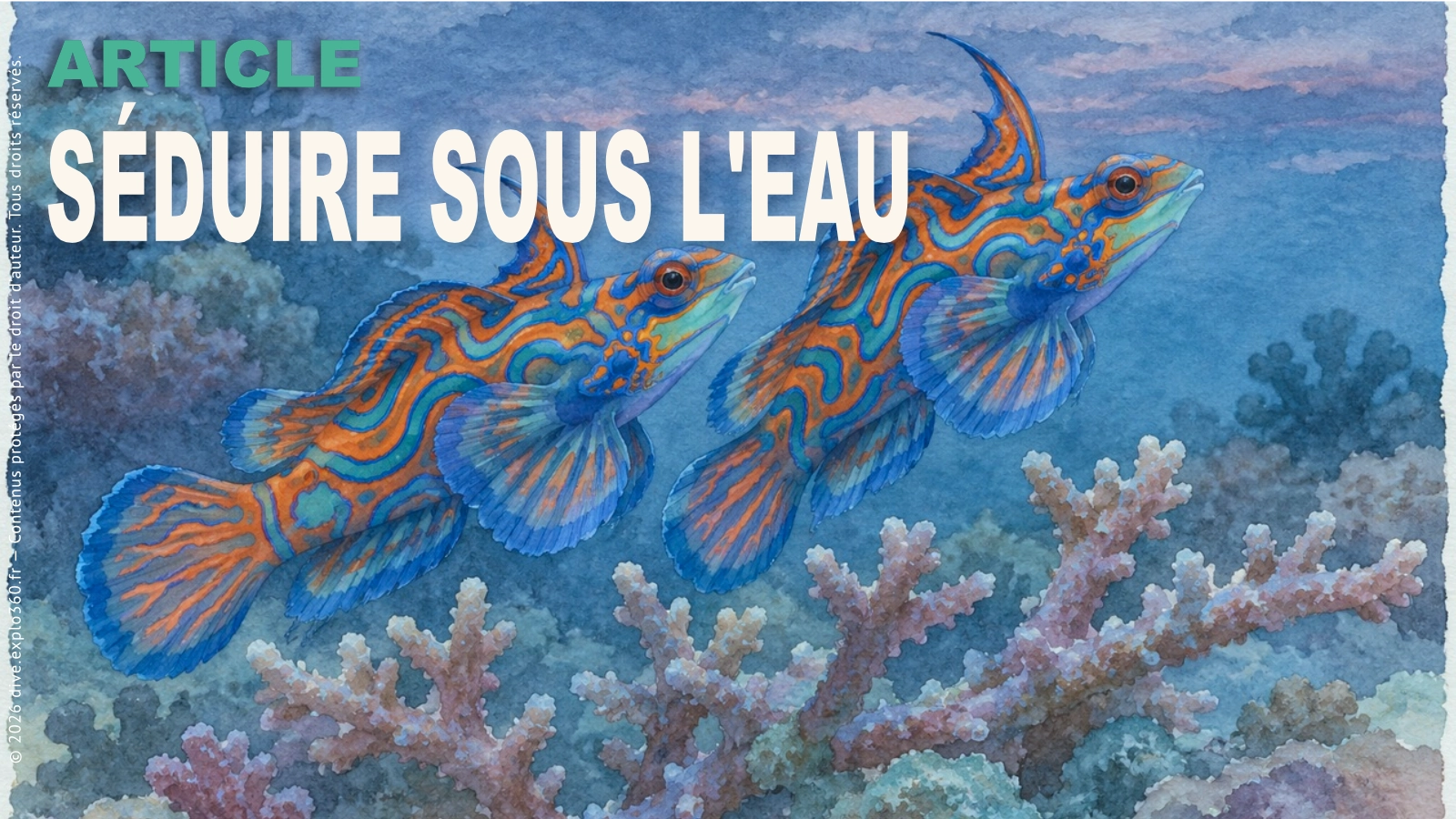
Two mandarinfish (Synchiropus splendidus) begin to rise above the reef. Available1/3 public · licence required for the rest

Multiple marine regions

AtlanticMediterranean

Way of life · Behaviour

Underwater courtship and sexual selection

Two mandarinfish rise together to spawn. At a wrasse nest, rivals can approach while eggs are being laid. Who breeds with whom matters, and what happens after mating can still affect which eggs are fertilised and by…

UnderstandingPublic 2 min · Lic. 4 min Read the article
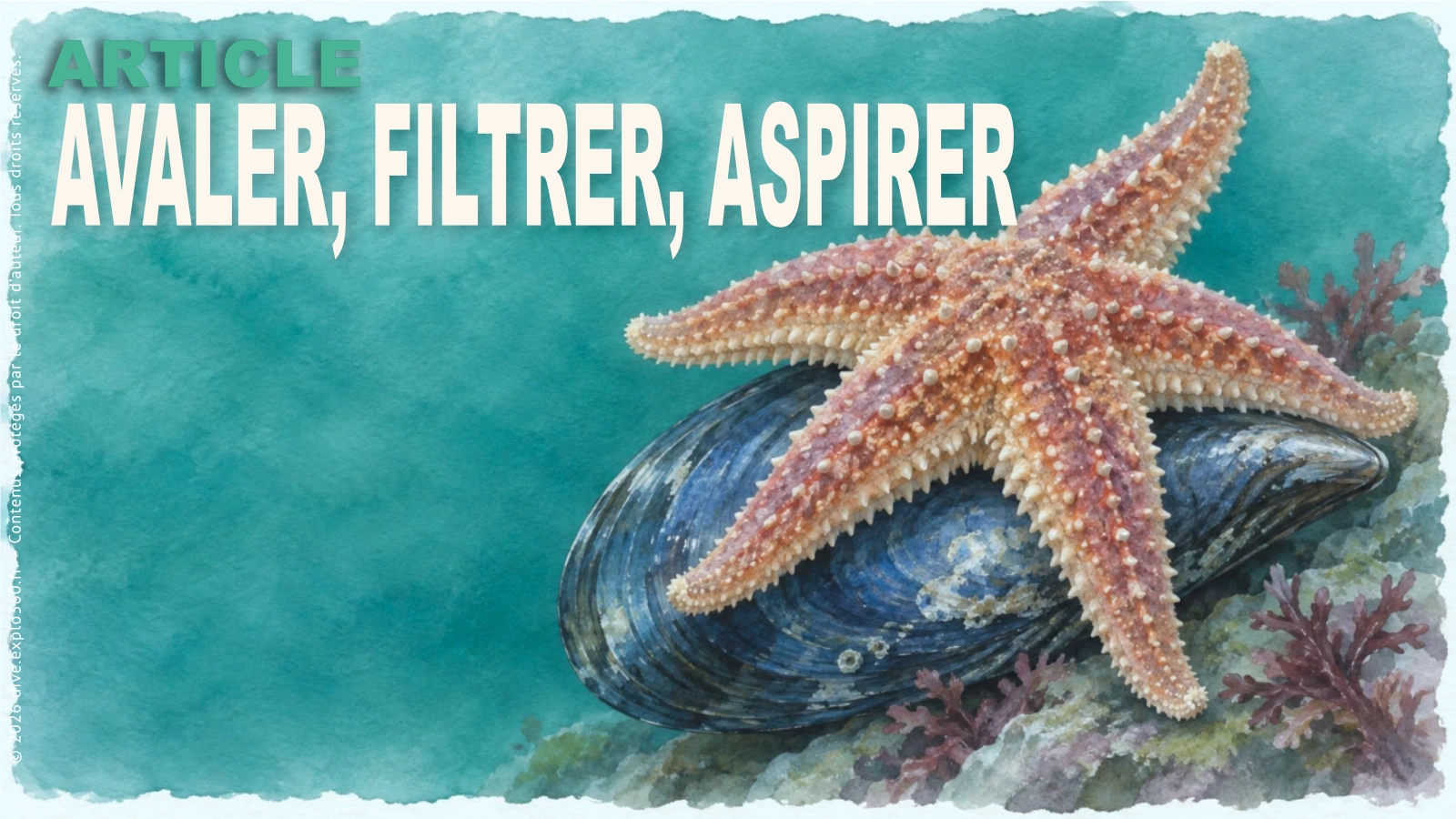
A sea star over a mussel. Available1/3 public · licence required for the rest

Multiple marine regions

AtlanticMediterranean

Way of life · Natural history

Swallow, filter, suck in: surprising ways to feed

A mussel’s shell, a shrimp’s escape and a seabed full of sand pose different problems for a hungry animal. Follow the food from where it starts to where digestion begins, including the particles a sea squirt picks out of…

UnderstandingPublic 1 min · Lic. 3 min Read the article
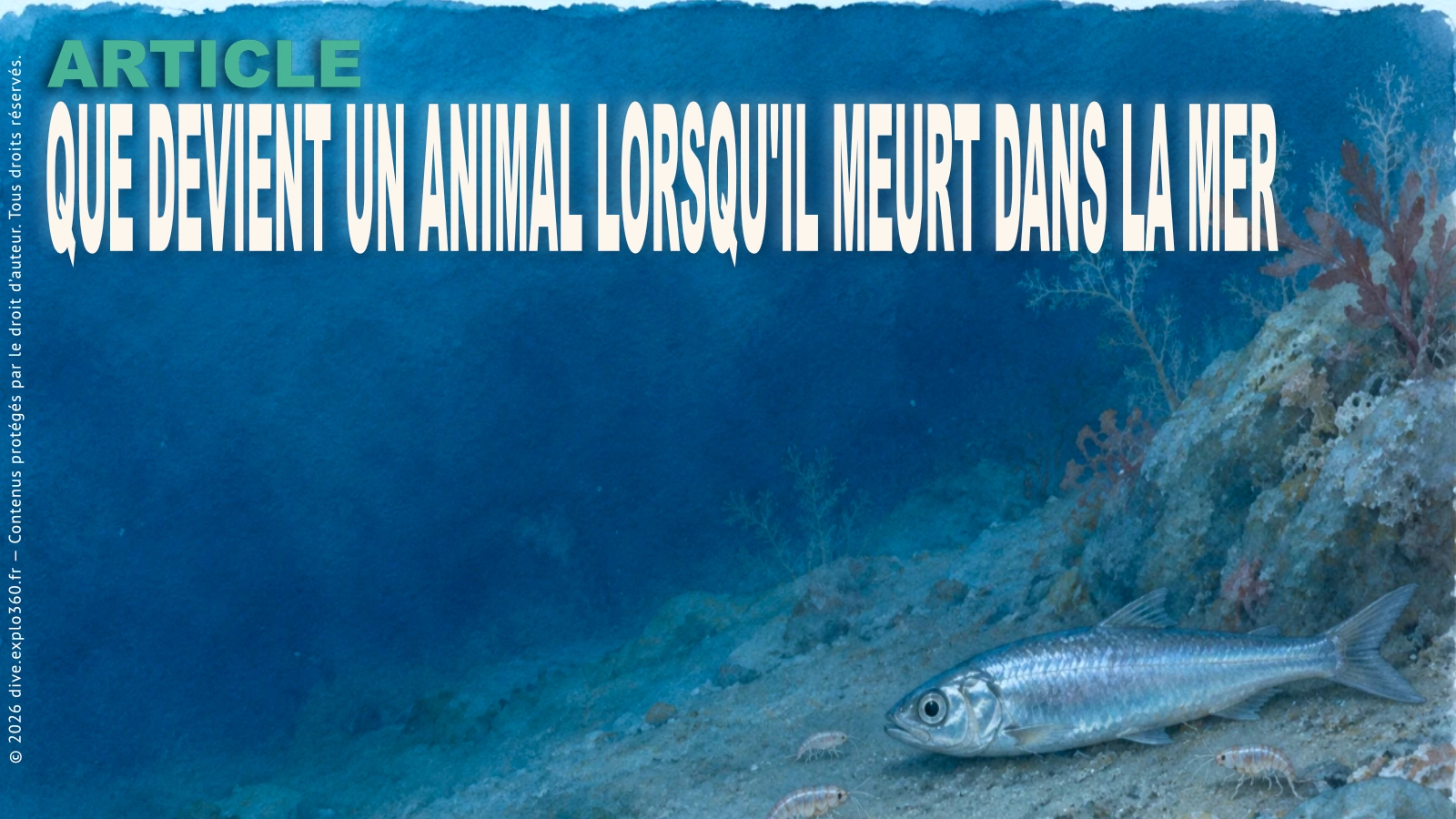
A motionless fish on the seabed. Available1/3 public · licence required for the rest

Multiple marine regions

AtlanticMediterranean

Way of life · Natural history

What happens when an animal dies in the sea?

A carcass on the seabed draws scavengers and the fish that hunt them. As its tissues break down, some of the material enters those animals, while some reaches the sediment or dissolves. Oxygen levels, microbial activity…

Going deeperPublic 1 min · Lic. 3 min Read the article
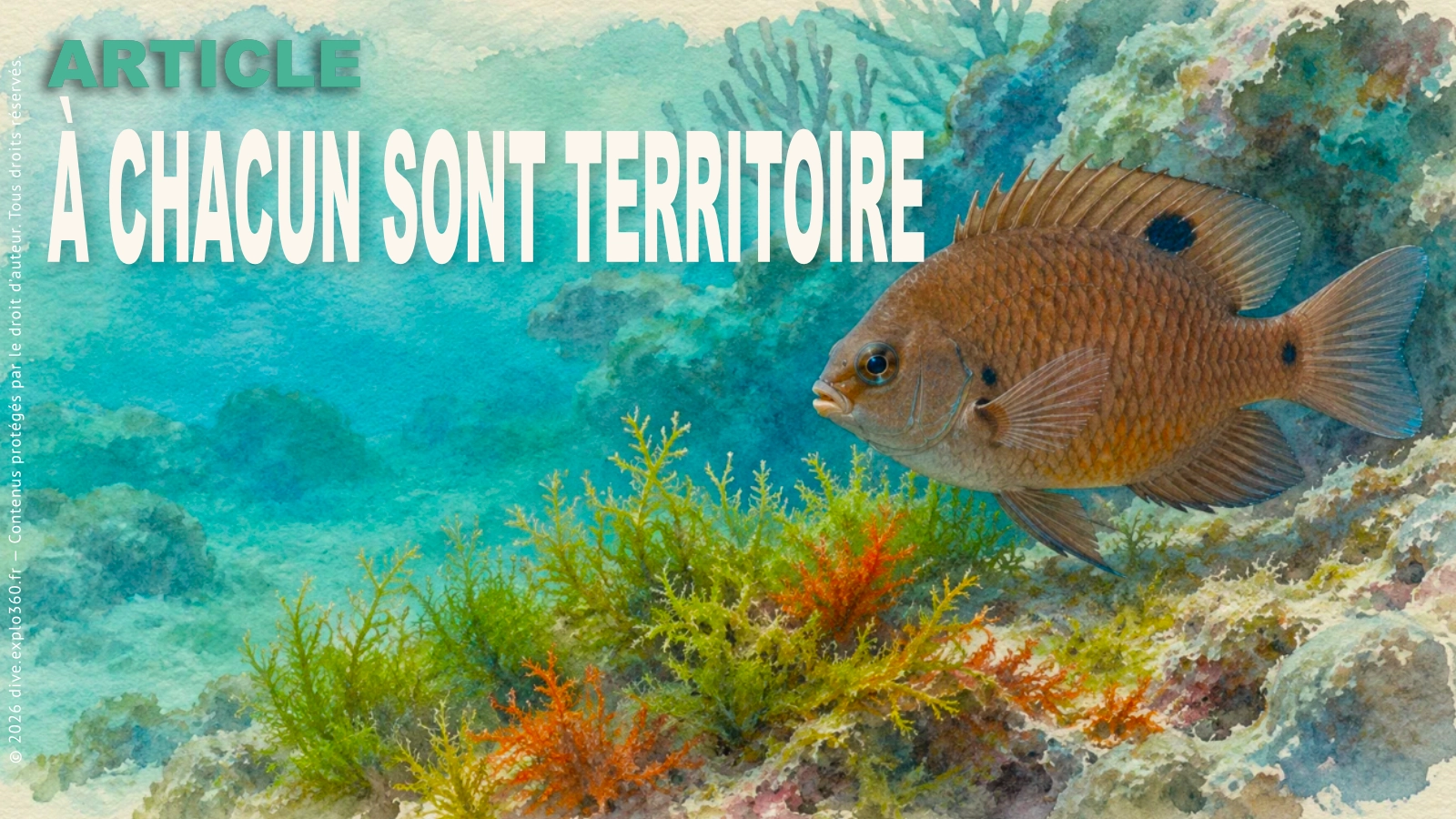
A damselfish above a Caribbean reef. Available1/3 public · licence required for the rest

Multiple marine regions

AtlanticMediterranean

Way of life · Natural history

Why reef fish defend territories

An algal garden feeds a damselfish. A rock holds eggs only while they develop. An anemone can shelter a group of clownfish for much longer. The value of each resource helps explain how fish defend it.

UnderstandingPublic 1 min · Lic. 3 min Read the article
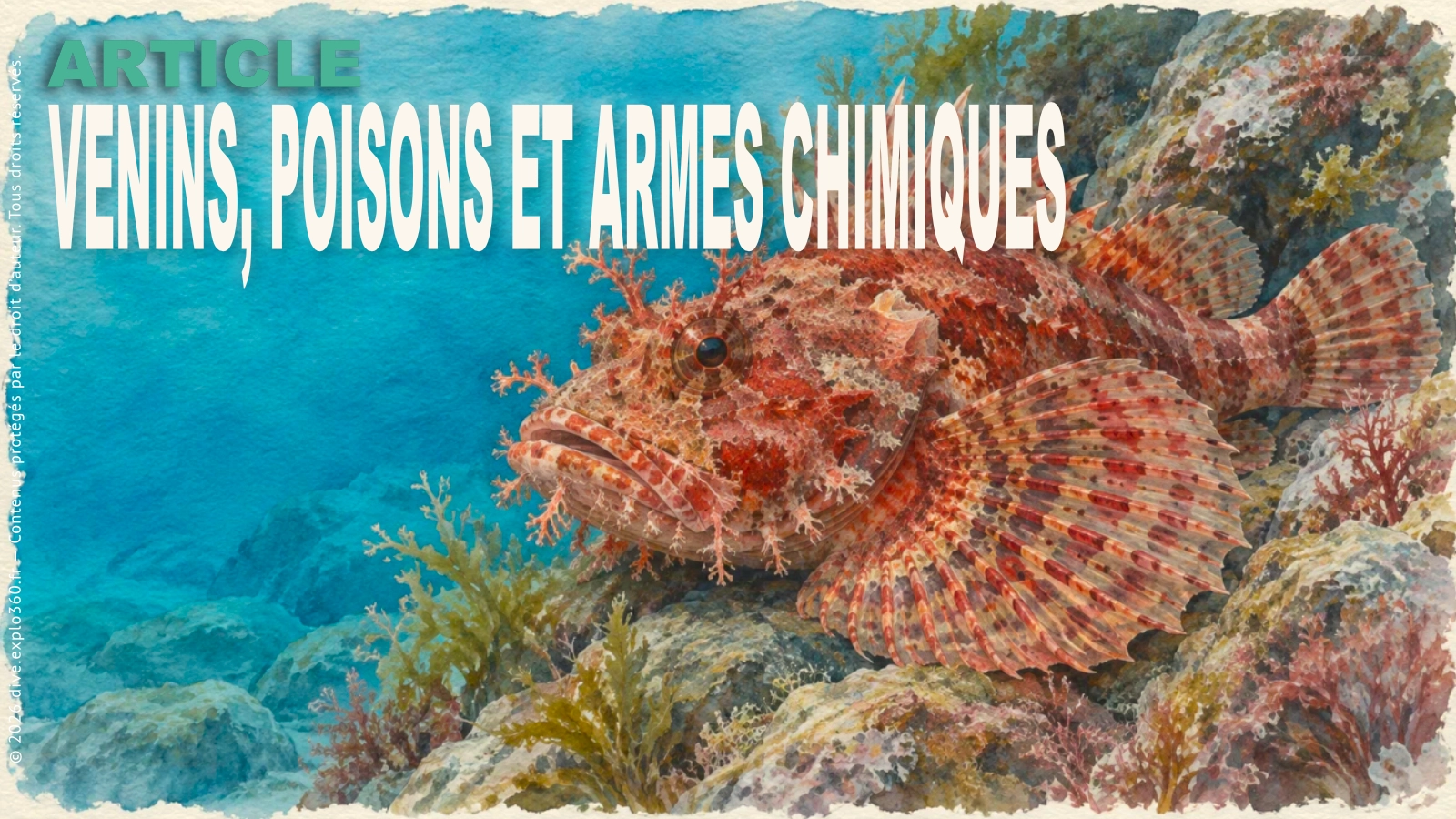
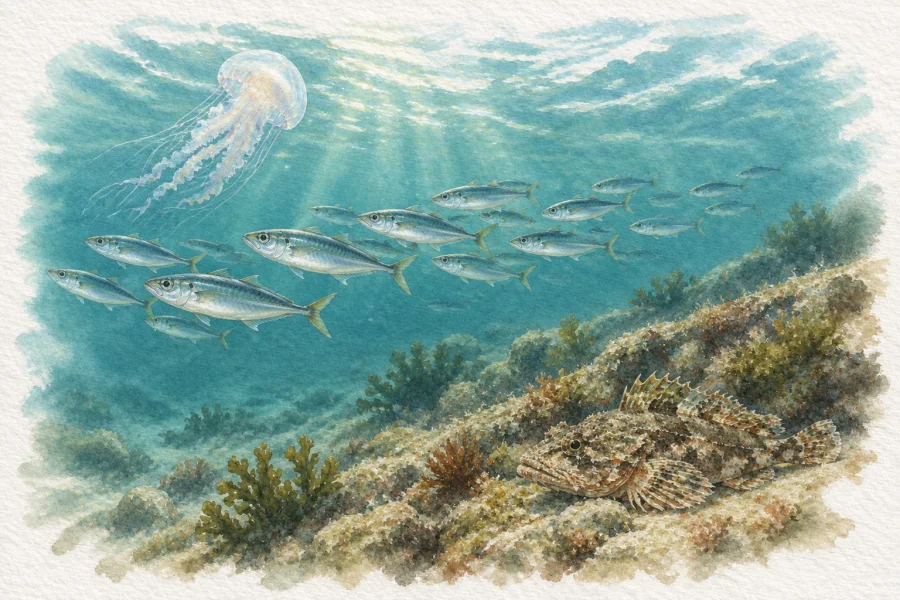
A red scorpionfish on a rocky Mediterranean seabed. Available1/3 public · licence required for the rest

Multiple marine regions

AtlanticMediterranean

Way of life · Natural history

Venoms, poisons and chemical weapons: the invisible battle

A scorpionfish stays hidden until prey comes within reach. A brightly coloured nudibranch may be conspicuous enough to warn a predator away. An anemone can catch food without leaving its patch of seabed. To understand…

Going deeperPublic 1 min · Lic. 3 min Read the article
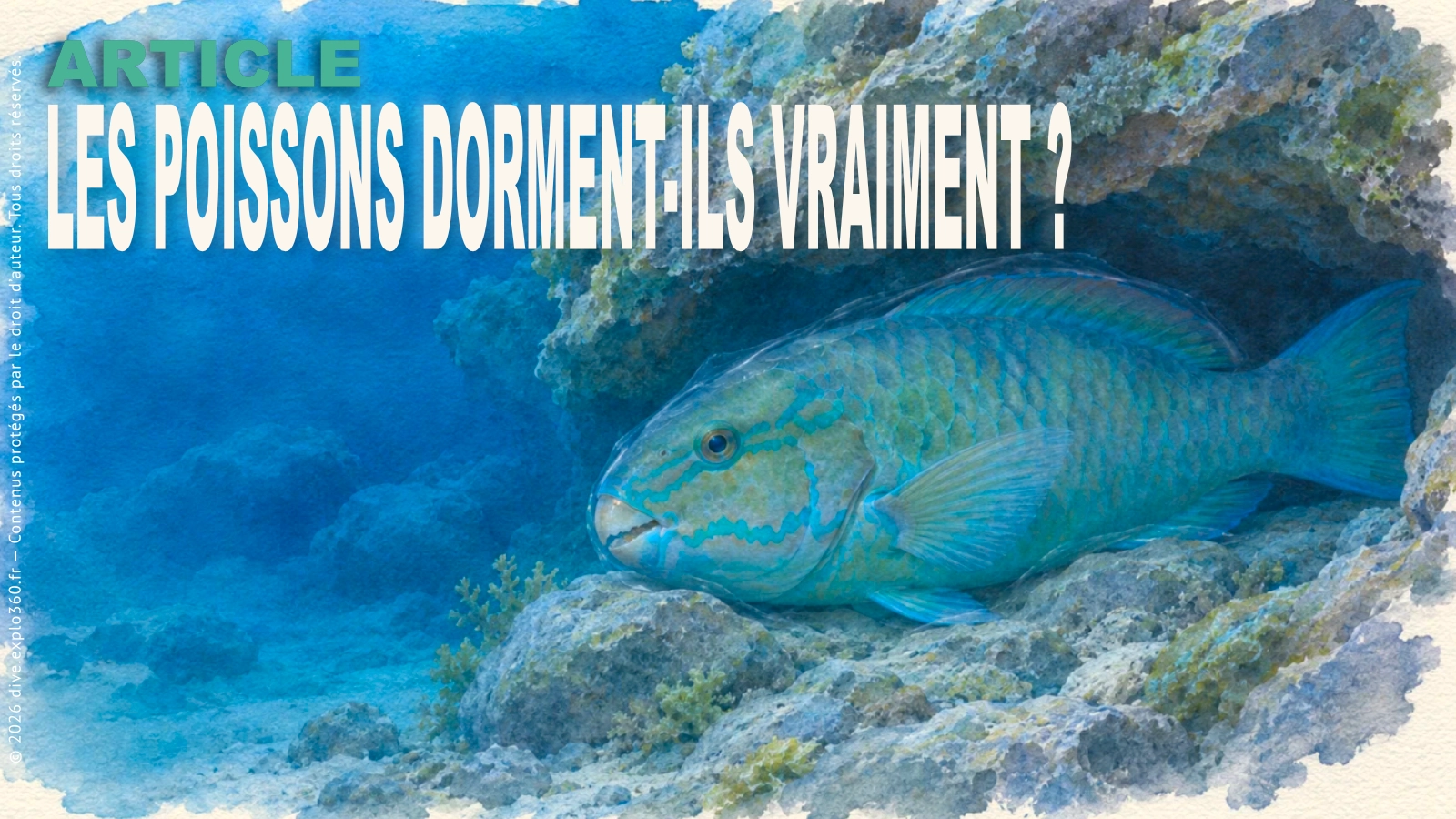
A parrotfish resting in a reef cavity. Available1/3 public · licence required for the rest

Multiple marine regions

AtlanticMediterranean

Way of life · Natural history

Do Fish Really Sleep?

Removing a parrotfish’s cocoon can reveal what it protects against. Recording activity in a zebrafish’s brain can reveal distinct sleep states. Each experiment answers a different question about what happens when fish…

Going deeperPublic 2 min · Lic. 4 min Read the article
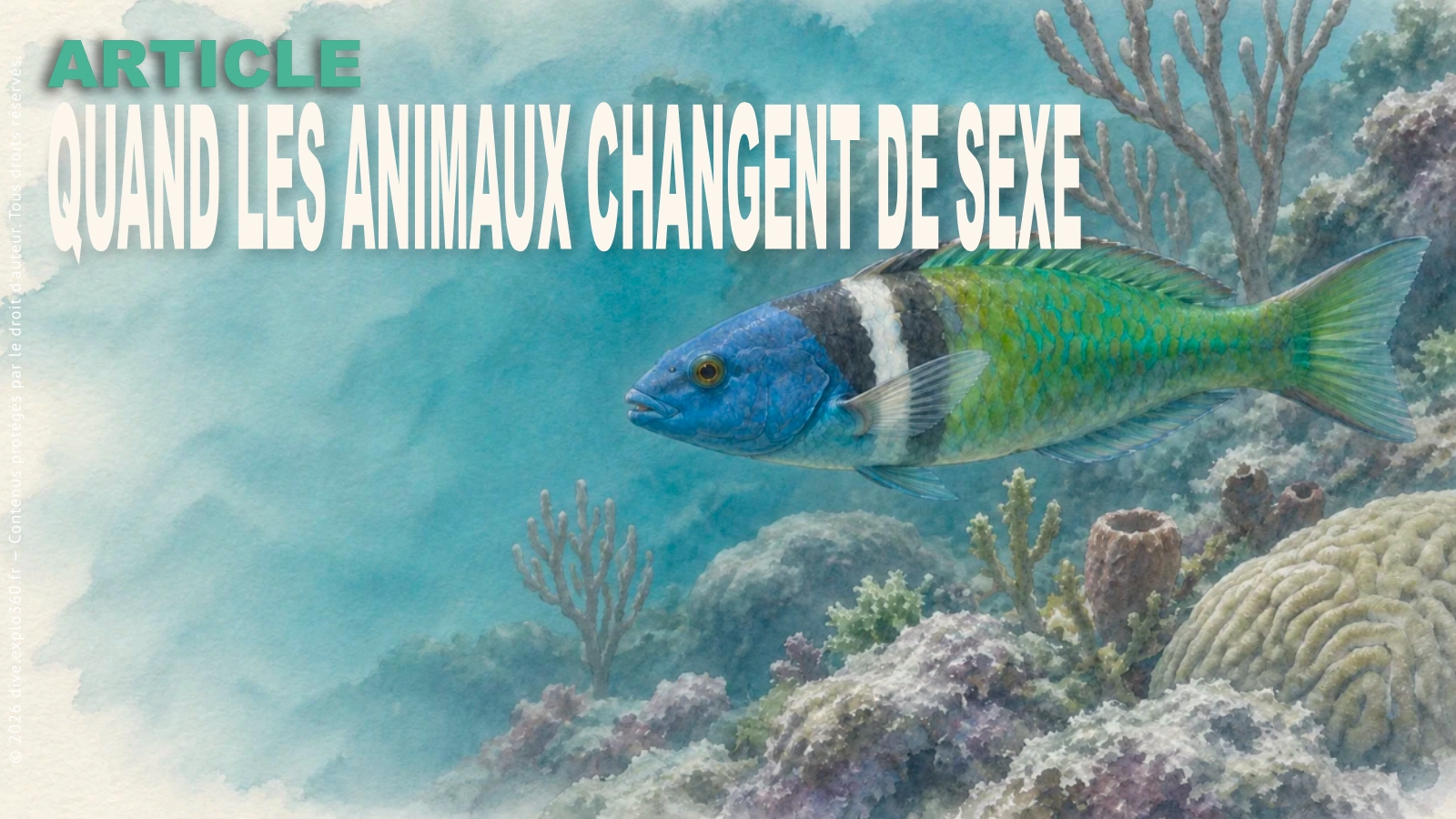
A terminal-phase bluehead wrasse on a Caribbean reef. Available1/3 public · licence required for the rest

Multiple marine regions

AtlanticMediterranean

Way of life · Natural history

When Animals Change Sex

The loss of a dominant fish can change how another behaves within minutes. Its reproductive organs may take far longer to change. Four reef fish show how social cues, tissue remodelling and the advantages of size can…

Going deeperPublic 2 min · Lic. 4 min Read the article
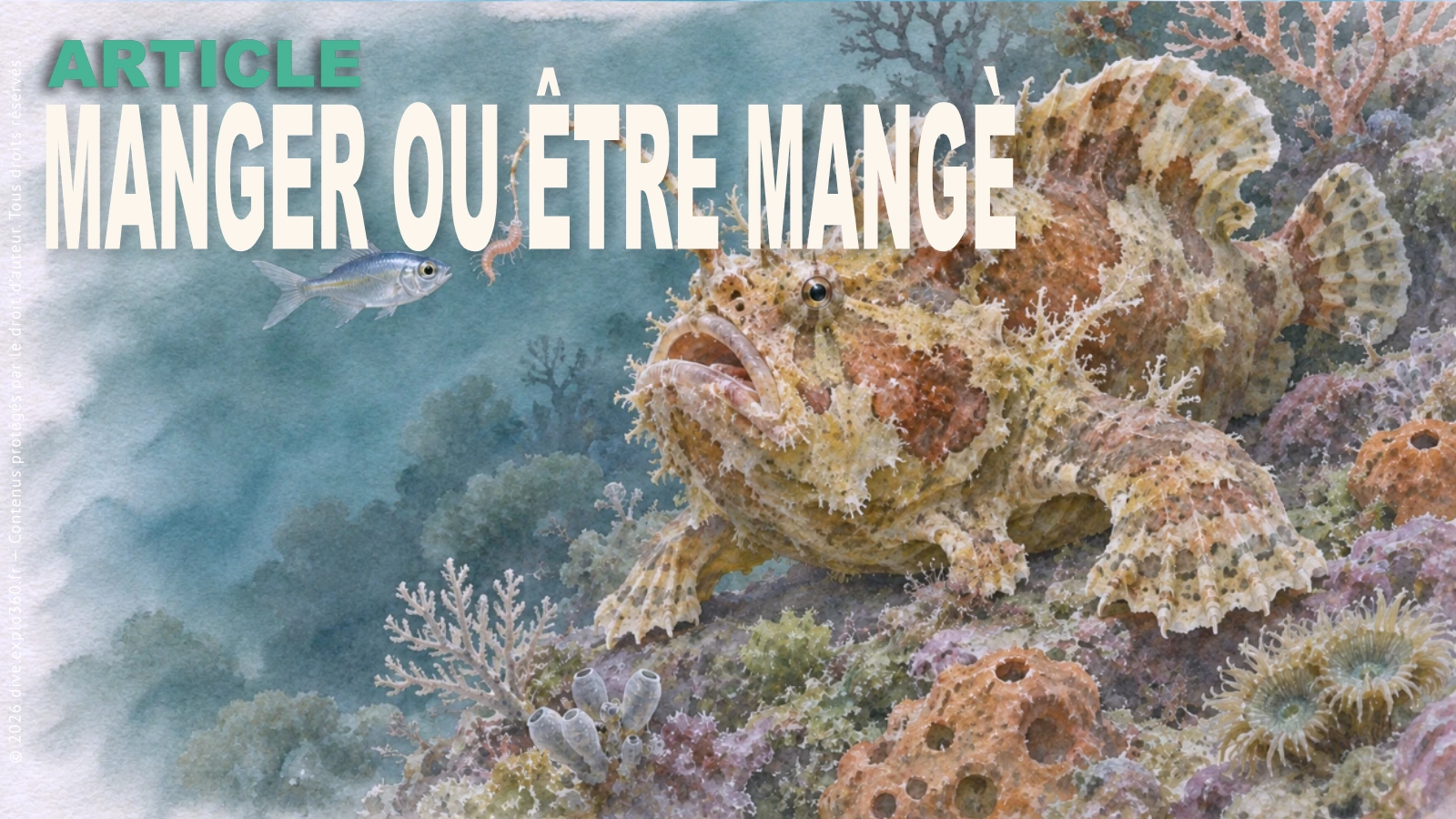
A camouflaged frogfish faces a small fish on the reef. AvailableFree access

Multiple marine regions

AtlanticMediterranean

Way of life · Natural history

Eat or Be Eaten: Hunting Strategies Underwater

A frogfish’s lure can bring prey within reach of a mouth that opens in a fraction of a second. Whether the prey escapes depends on when it senses danger and how much time it has to react.

Getting started4 min Read the article
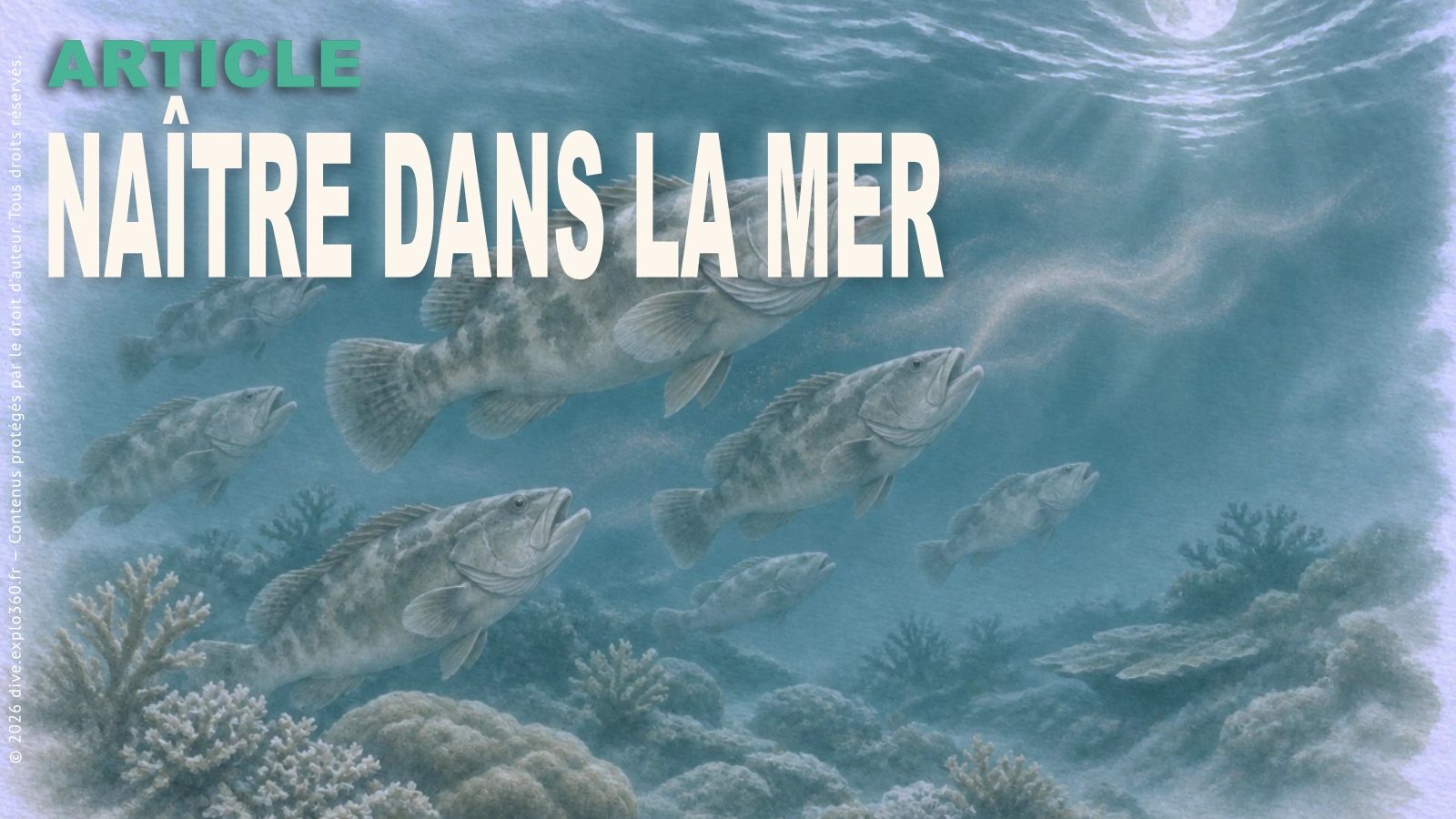
Fish gathering over a reef in moonlight. Available1/3 public · licence required for the rest

Multiple marine regions

AtlanticMediterranean

Way of life · Natural history

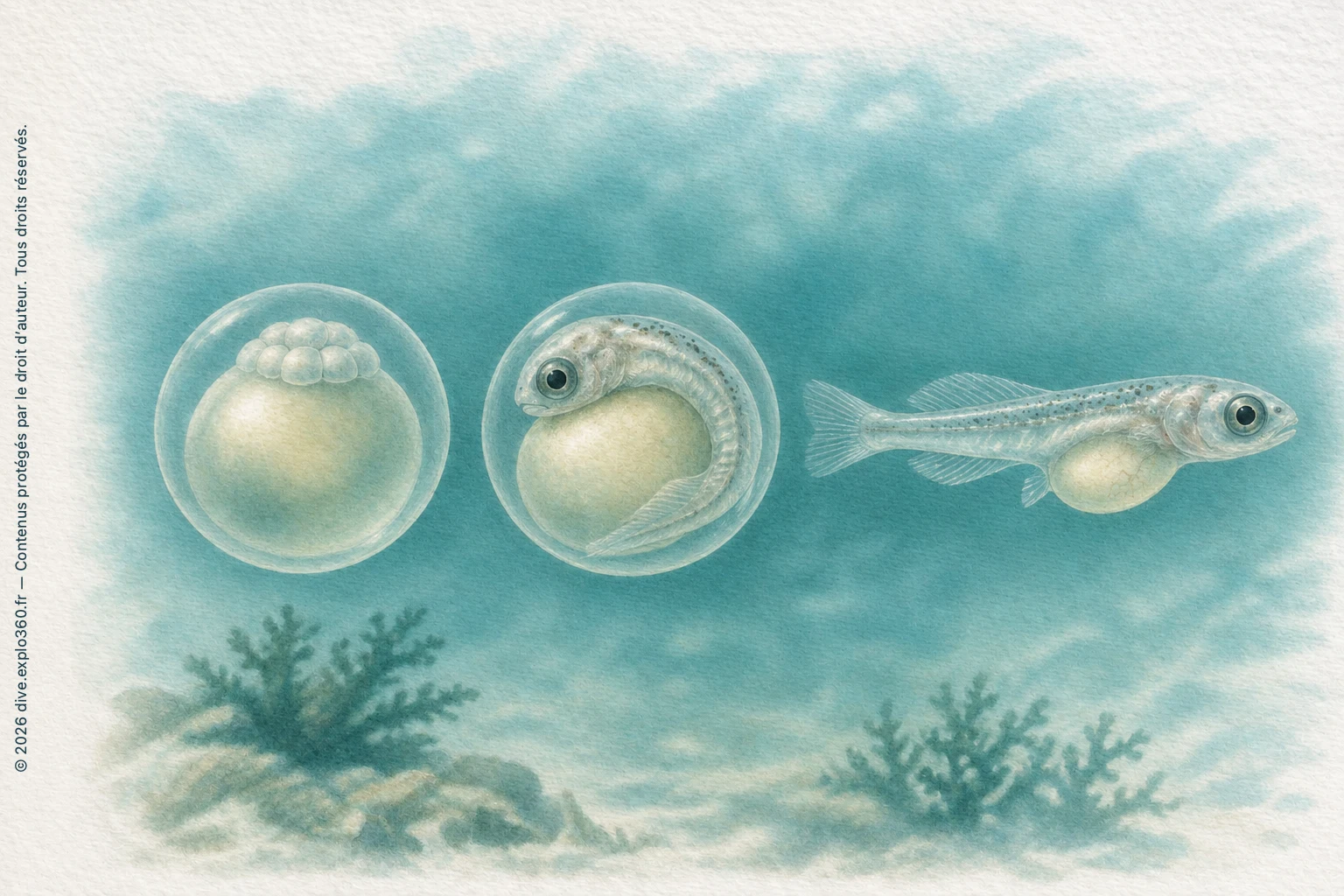
Born in the Sea: The Perils of Early Life

Some marine animals disperse large numbers of eggs. Others invest more in each offspring. How the embryos develop, where currents carry them and when larvae find their first prey can all shape the odds of survival.

Getting startedPublic 2 min · Lic. 5 min Read the article
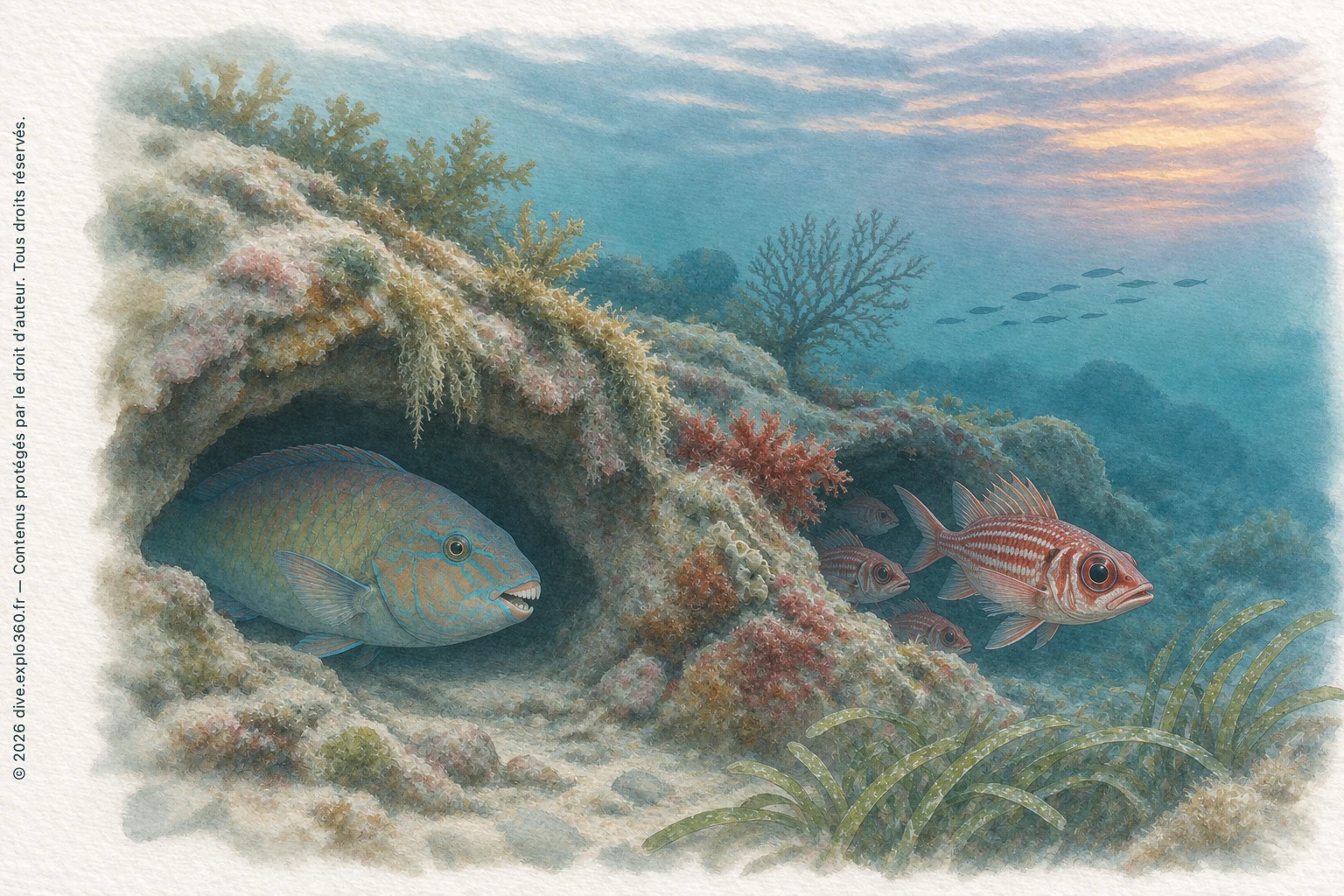
A parrotfish in shelter and squirrelfish on a reef at dusk. Available1/3 public · licence required for the rest

Multiple marine regions

AtlanticMediterranean

Ecology · Natural history

When the Sea Comes Alive at Night

As the light fades, the fish using a reef can change within hours. Farther offshore, zooplankton shift towards the surface. Their return to deeper water can carry carbon with them, linking a daily feeding trip to the…

UnderstandingPublic 2 min · Lic. 4 min Read the article
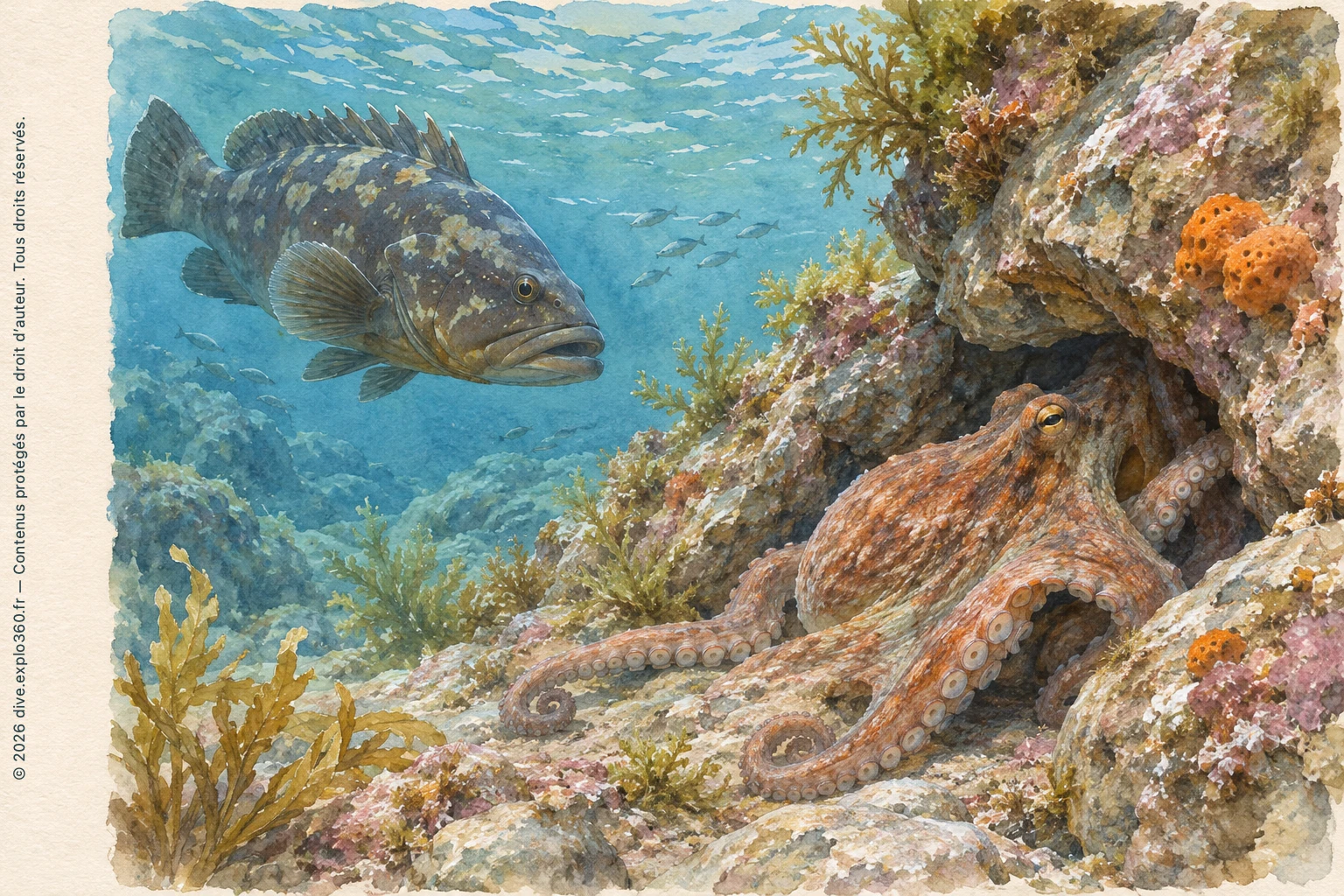
A grouper approaches an octopus at a rocky crevice. Available1/3 public · licence required for the rest

Multiple marine regions

AtlanticMediterranean

Anatomy · Natural history

How marine animals regrow lost body parts

An injury can interrupt essential functions in seconds. For an animal that survives, the next challenge is to organise the remaining tissues into a body part that works.

Going deeperPublic 2 min · Lic. 4 min Read the article
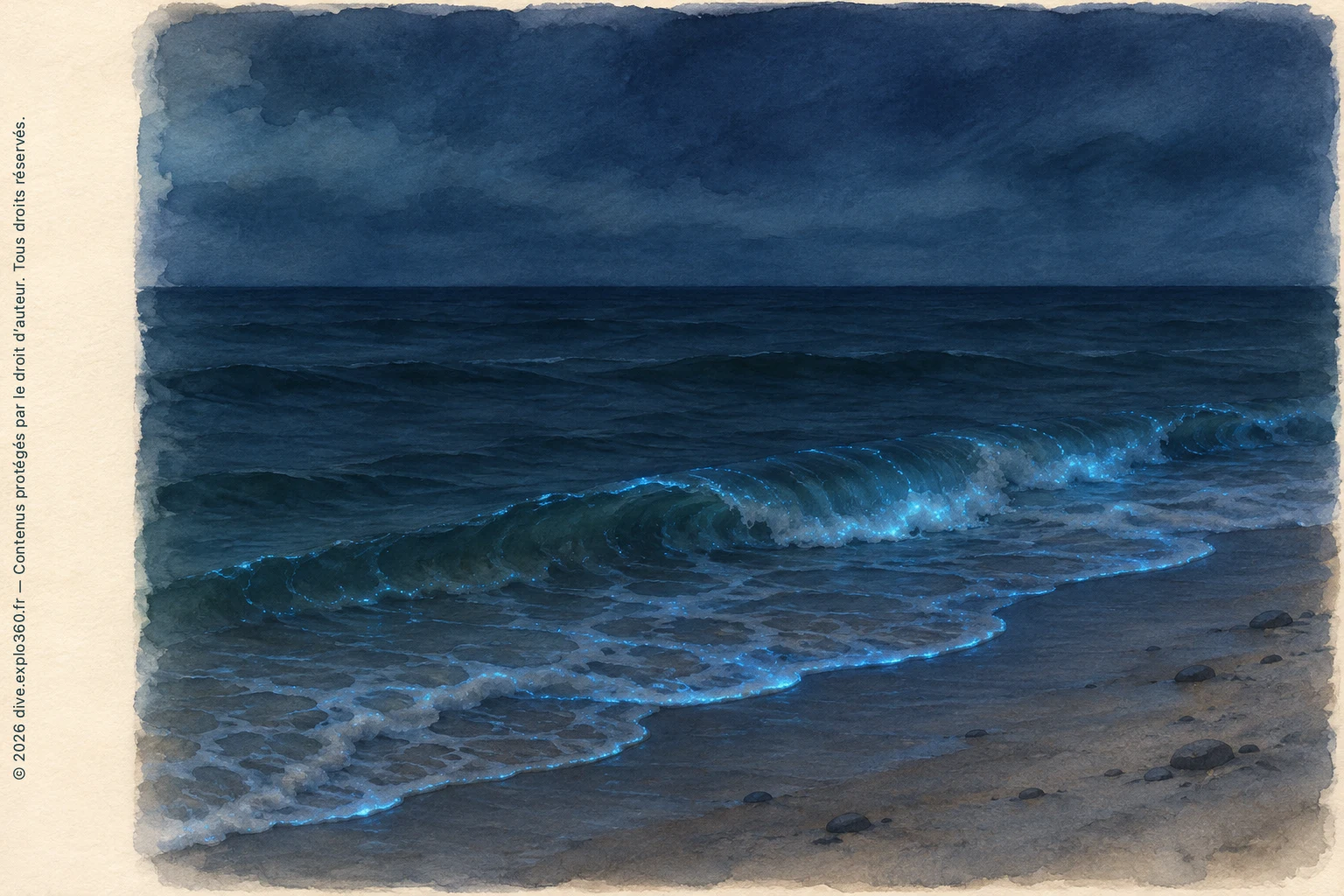
A blue glowing wave breaking on a beach at night. Available1/3 public · licence required for the rest

Multiple marine regions

AtlanticMediterranean

Ecology · Natural history

Who Turns on the Light Underwater?

A passing wave can trigger flashes in plankton, a glowing lure can draw prey closer, and light from a fish’s belly can soften its outline. The effect of the light depends on how it is produced and what the animal seeing…

Going deeperPublic 2 min · Lic. 3 min Read the article
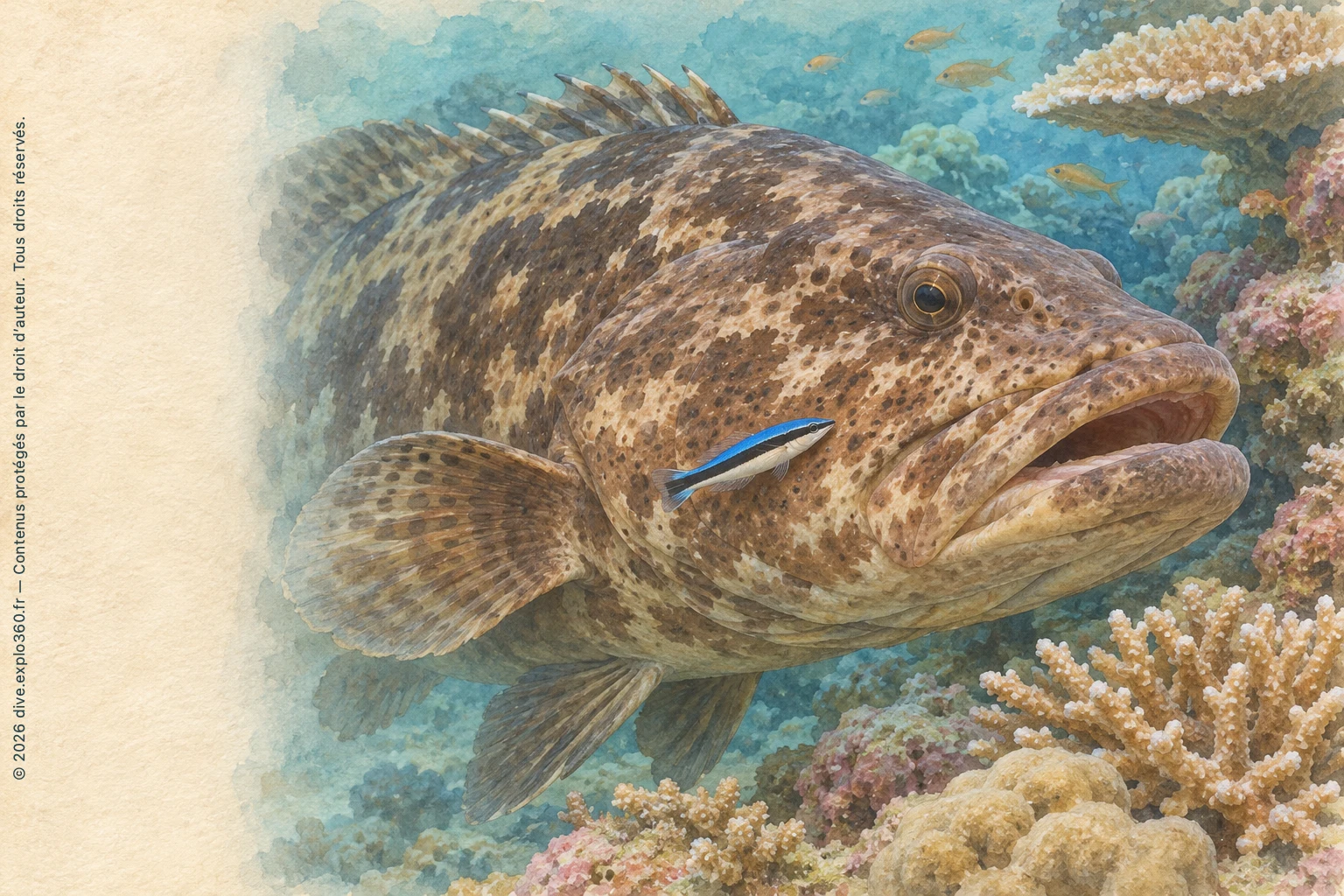
A striped wrasse approaches the head of a stationary grouper. Available1/3 public · licence required for the rest

Multiple marine regions

AtlanticMediterranean

Ecology · Natural history

Who Helps Whom in the Sea?

A grouper pauses beside a cleaner wrasse. From that encounter alone, it can be hard to tell which fish benefits and how much. The same question applies to a goby sharing a burrow, a remora on a moving host and an isopod…

UnderstandingPublic 2 min · Lic. 3 min Read the article
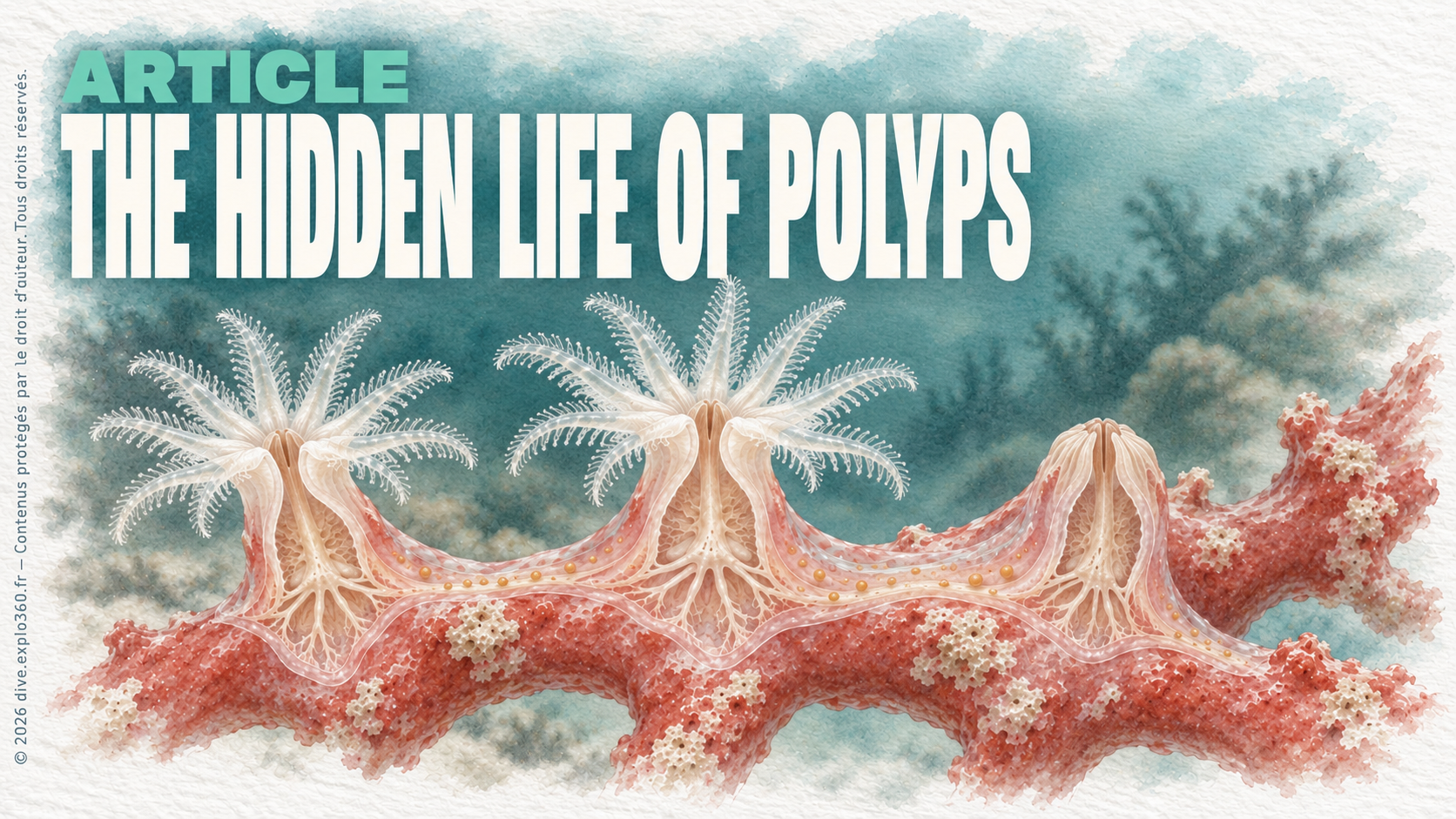
White polyps of red coral (Corallium rubrum) connected along a branch. AvailableFree access

Multiple marine regions

AtlanticMediterranean

Anatomy · Science

The Hidden Life of Polyps: How Does a Colony Work?

A sea fan seems to move as one in the current. Look closer and you can see individual polyps extend or retract. The living tissue beneath them connects their digestive cavities and helps the colony grow.

Understanding6 min Read the article
Mediterranean seagrass and rocky seabed with organisms whose functions are connected. AvailableFree access

Multiple marine regions

AtlanticMediterranean

Ecology · Natural history

What marine animals do and why it matters

The same seagrass meadow can produce food, hold sediment in place and supply debris to the seabed. Ecological roles describe how these processes connect and why their effects vary with local conditions. The examples are…

Understanding6 min Read the article
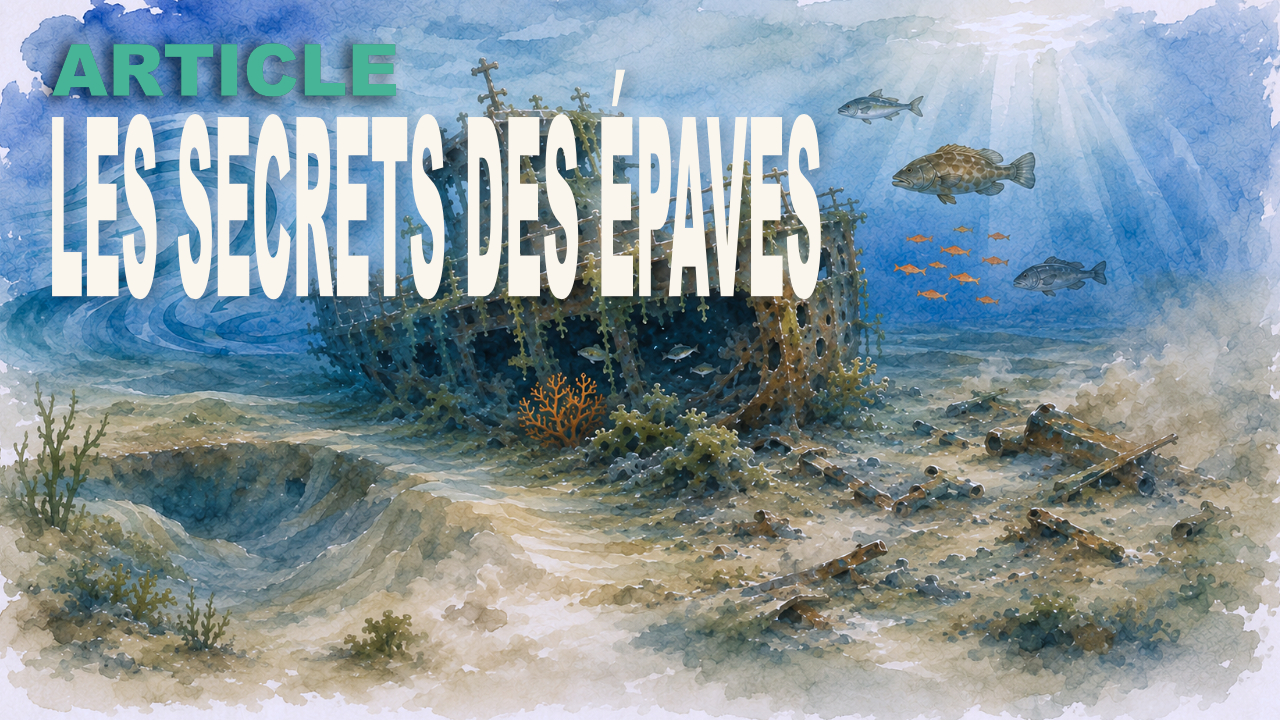
A wreck colonised by marine life in the Mediterranean Available1/3 public · licence required for the rest

Multiple marine regions

AtlanticMediterranean

Ecology · Environment

THE SECRETS OF SHIPWRECKS

A wreck adds height, hard surfaces, cavities and shade to whatever habitat was there before. A ship on sand or maerl can change the shape of the seabed considerably. On rock or near a seagrass meadow, the same structure…

UnderstandingPublic 3 min · Lic. 6 min Read the article
THE SECRETS OF SAND AvailableFree access

Multiple marine regions

AtlanticMediterranean

Biotope · Environment

THE SECRETS OF SAND

Waves and currents move grains, form ripples and erase tracks. Meanwhile, animals can stay out of sight beneath the surface. A burrow, a shell or a shift in the sand may be the only visible clue to what lives there.

Getting started6 min Read the article
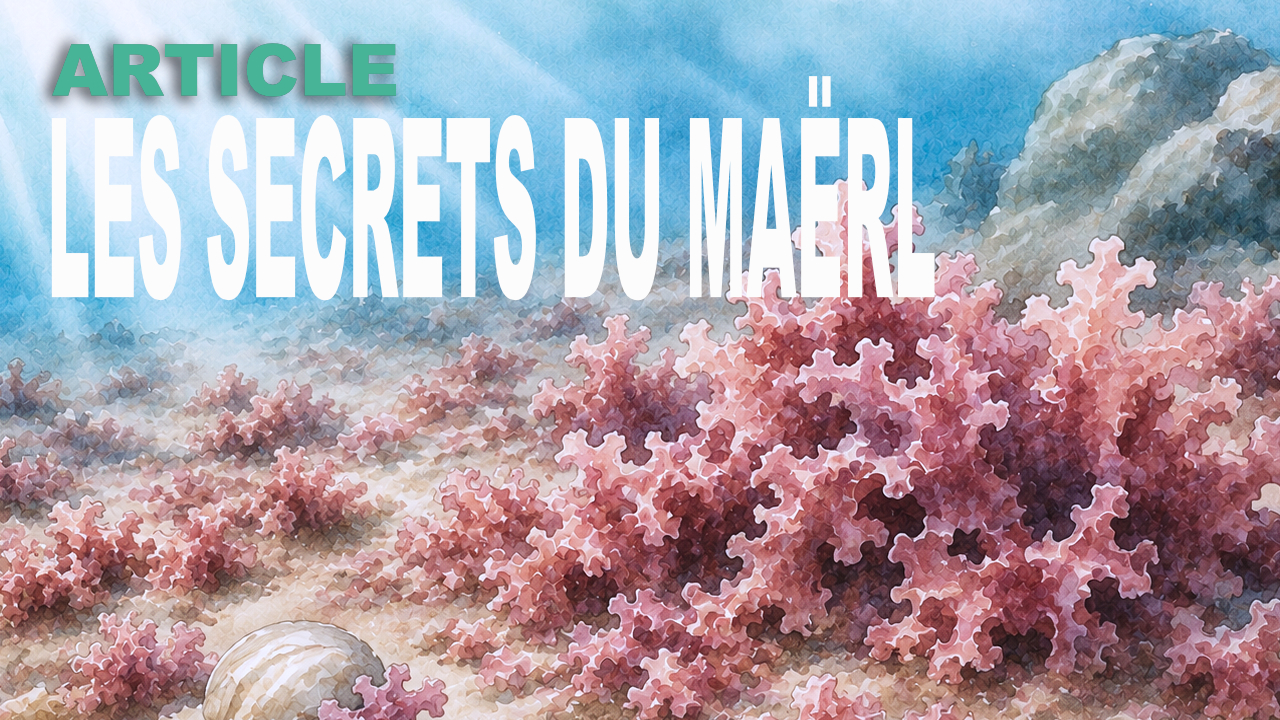
THE SECRETS OF MAERL Available1/3 public · licence required for the rest

Multiple marine regions

AtlanticMediterranean

Biotope · Environment

THE SECRETS OF MAERL

A maerl bed takes shape as unattached red algae grow and accumulate on soft sediment. Their rigid branches create surfaces and shelters that a flat seabed offers in fewer forms. The same loose structure that provides…

UnderstandingPublic 2 min · Lic. 5 min Read the article
PHYLA WITHOUT THE FUSS Available1/3 public · licence required for the rest

Multiple marine regions

AtlanticMediterranean

Miscellaneous · Natural history

PHYLA WITHOUT THE FUSS

Sponges, sea stars and anemones have very different body plans. Classifying animals into phyla helps explain where those differences come from and which features they share. Another way to read the same habitat is to…

Getting startedPublic 2 min · Lic. 6 min Read the article
THE ARTISTS OF INVISIBILITY! Available1/3 public · licence required for the rest

Multiple marine regions

AtlanticMediterranean

Anatomy · Behaviour

Masters of camouflage

A patch of colour can hide a fish against one background and make it stand out against another. Cuttlefish and octopuses can respond by changing their appearance. The result depends as much on what a predator can see as…

UnderstandingPublic 3 min · Lic. 6 min Read the article
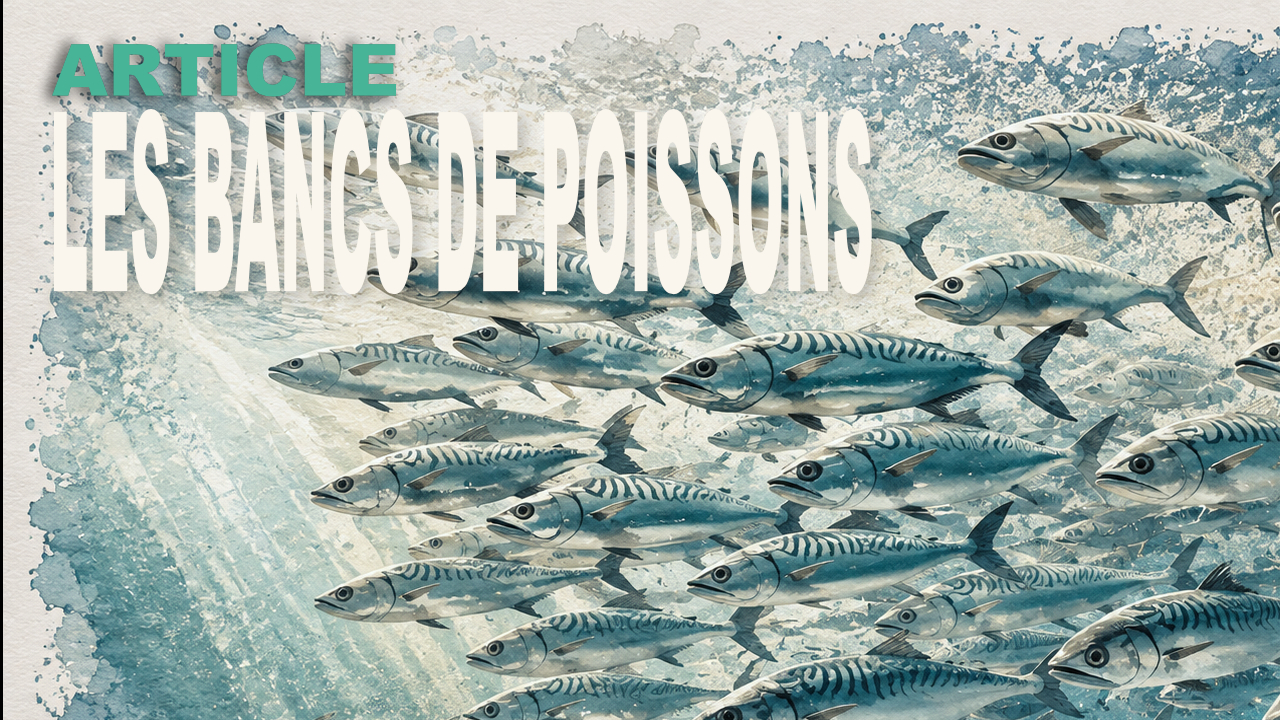
SCHOOLS OF FISH AvailableFree access

Multiple marine regions

AtlanticMediterranean

Way of life · Behaviour

SCHOOLS OF FISH

From a distance, a school can seem to move as a single animal. It turns abruptly, tightens or spreads out as its members adjust to one another. That coordination starts with the information each fish gets from its…

Understanding6 min Read the article
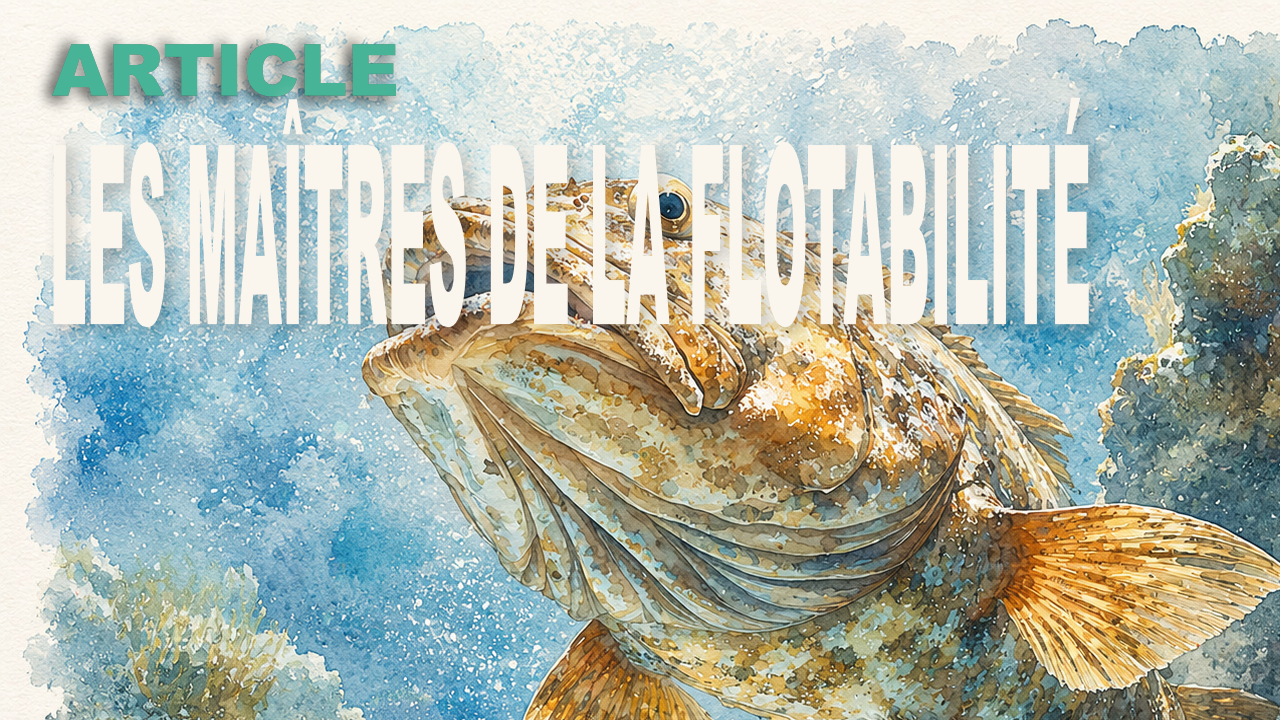
MASTERS OF BUOYANCY Available1/3 public · licence required for the rest

Multiple marine regions

AtlanticMediterranean

Anatomy · Science

MASTERS OF BUOYANCY

Holding depth, rising and sinking all take control. A **swim bladder** lets many bony fish regulate buoyancy by adjusting an internal supply of gas. Sharks and some bony fish, including bottom dwellers and strong…

UnderstandingPublic 2 min · Lic. 6 min Read the article
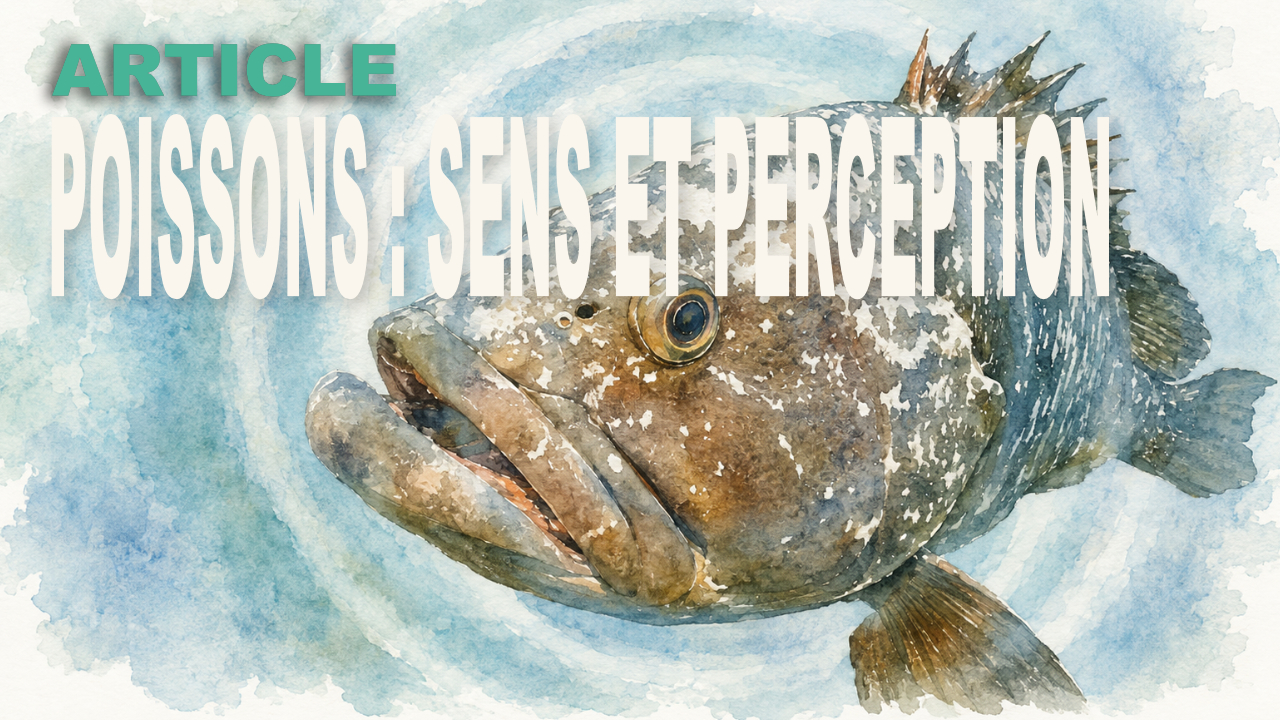
The senses of fish Available1/3 public · licence required for the rest

Multiple marine regions

AtlanticMediterranean

Anatomy · Science

How fish sense the world around them

In clear water, a fish may see a neighbour turn. In murky water, the movement it leaves behind can still provide a clue. The lateral line picks up nearby disturbances, alongside the information fish get from sight,…

UnderstandingPublic 1 min · Lic. 3 min Read the article
How does the lateral line in fish work? Available1/3 public · licence required for the rest

Multiple marine regions

AtlanticMediterranean

Anatomy · Science

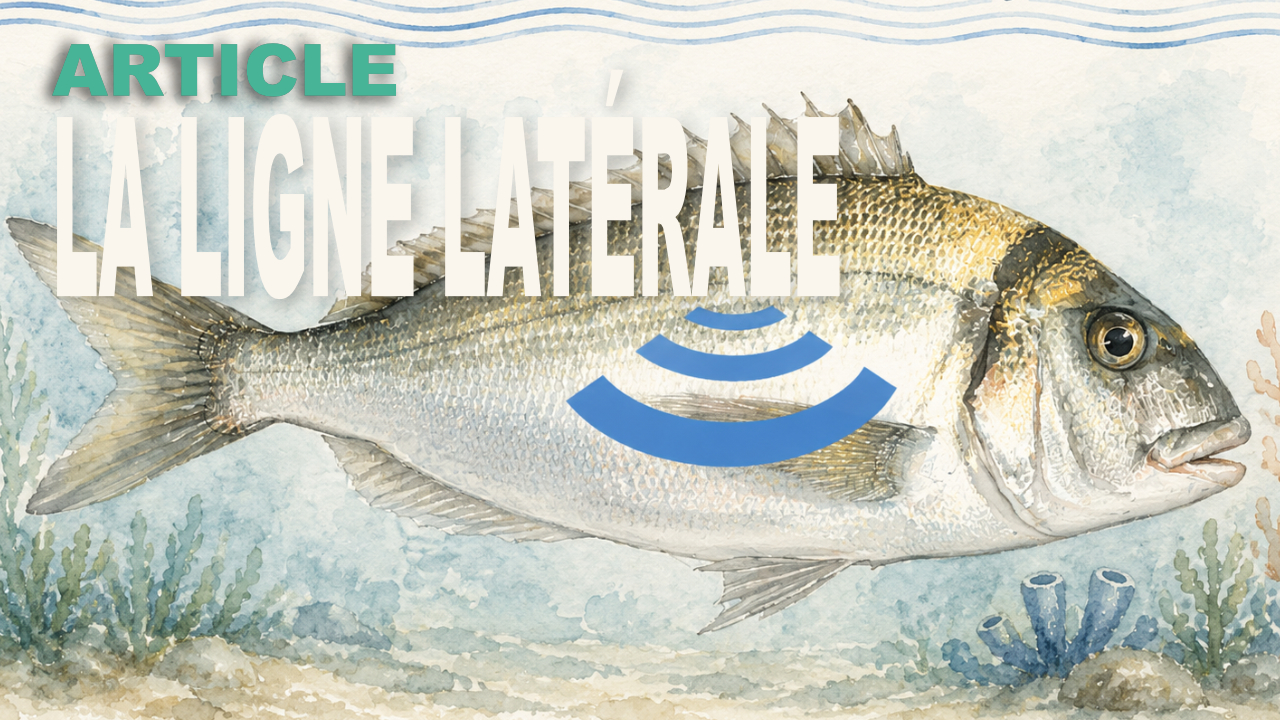
The lateral line, a fish’s sixth sense

A passing fish disturbs the water around it. So can a predator, prey or a current flowing around a rock. The lateral line detects these mechanical disturbances close to the body. It adds to the information a fish gets…

Going deeperPublic 2 min · Lic. 3 min Read the article
What is fish vision like? Available1/3 public · licence required for the rest

Multiple marine regions

AtlanticMediterranean

Anatomy · Science

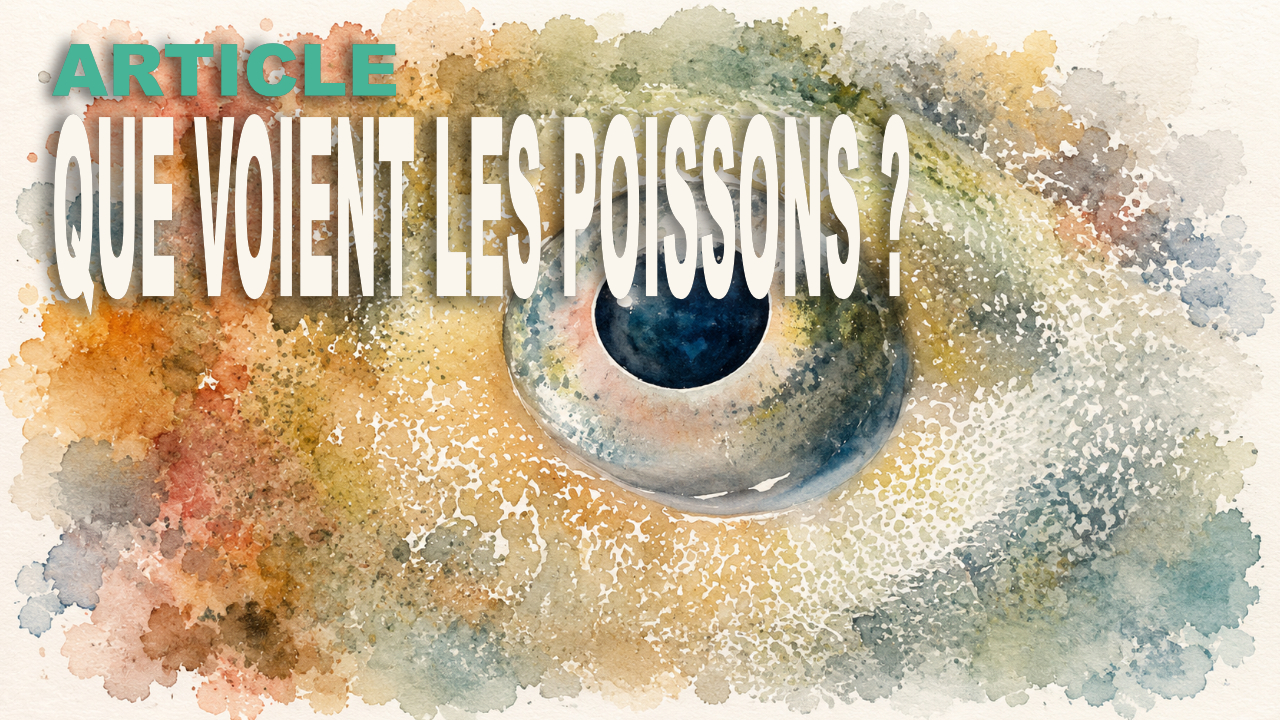
WHAT DO FISH SEE?

As sunlight travels through water, some wavelengths fade faster than others. The eyes of fish differ in the way they gather light, focus it and detect colour. Those differences shape what each species can see as it…

Getting startedPublic 2 min · Lic. 3 min Read the article
A naturalist diver and a marine biologist diver Available1/3 public · licence required for the rest

Multiple marine regions

AtlanticMediterranean

Miscellaneous · Technique

Naturalist diving and marine biology

Some divers return from an underwater landscape with questions about the species they saw, the behaviour they noticed and the habitat they explored. **Naturalist diving** and **diving focused on marine biology** share…

Getting startedPublic 2 min · Lic. 3 min Read the article