Partners and information

Contact us

Verification code

Observe · understand · progress

All articles

Understand marine biodiversity and underwater environments

What is hidden in the sand, around a wreck or among the algae? Dive.Explo360 articles build on your underwater observations to help you understand marine habitats, species’ ways of life and their relationships within ecosystems.

Develop your knowledge of marine life while diving: discover the features of different environments, learn to observe their inhabitants and connect your discoveries with the marine species guides and the dive videos. These readings accompany divers and anyone curious about underwater life, before or after exploring.

Your marine region: Atlantic. Choose a marine region, then search for a subject or filter articles by category and topic. Each publication shows its availability and access conditions.

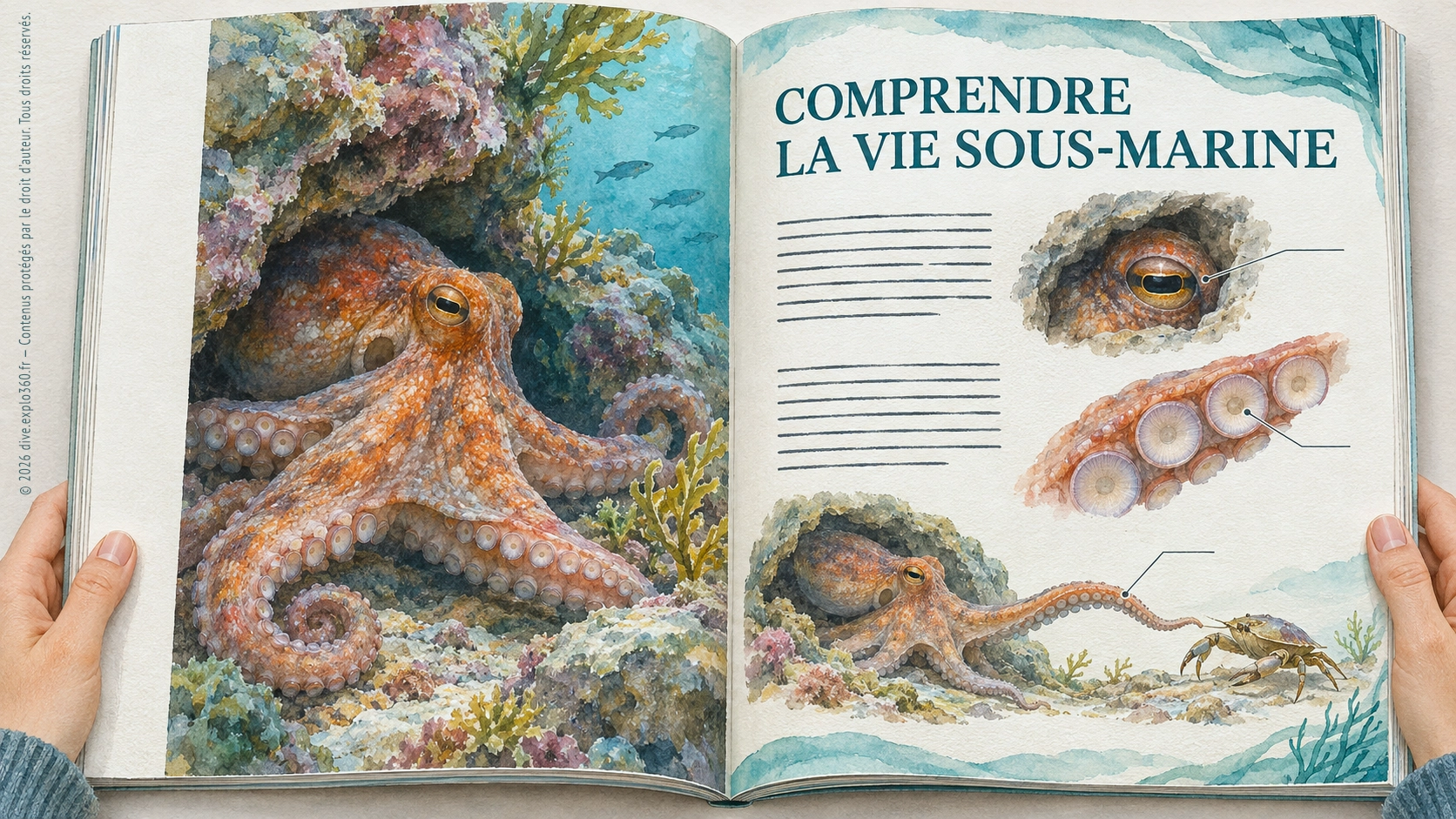
An open marine life magazine showing an octopus, its eye and its suckers.
From observations to explanations

Topic and region

Choose a reading

Content type

Quick choices

More filters

Difficulty and reading time

Topics and reading order

Access and availability

Region labels show where the topic applies. Articles that cover several seas may use tropical examples, even in the Mediterranean catalogue.

23 articles

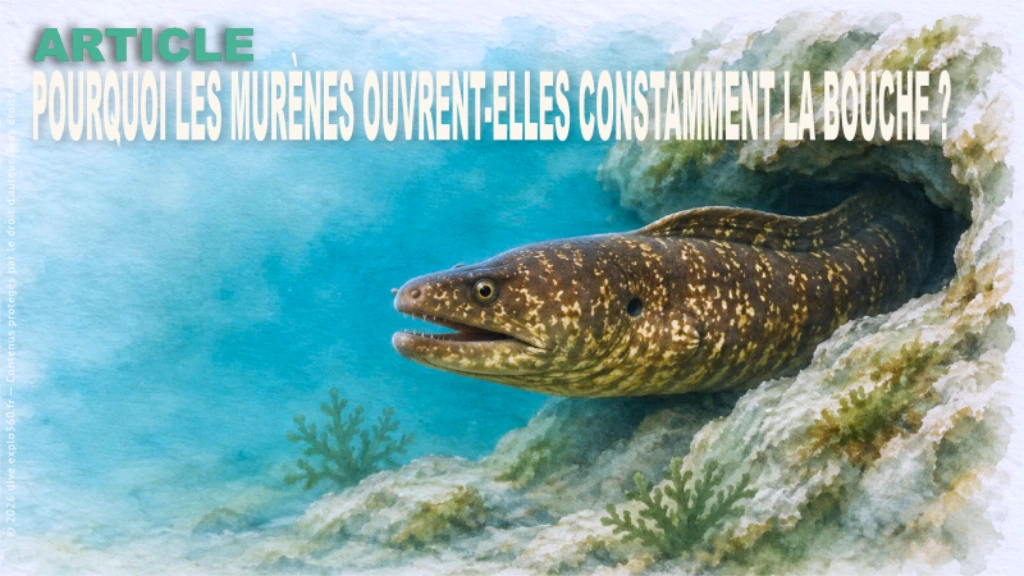
A moray with its mouth ajar in a reef crevice. Available1/3 public · licence required for the rest

Multiple marine regions

AtlanticMediterranean

Way of life · Behaviour

Why do morays keep opening their mouths?

A moray peeks out from a crack in the reef. Its mouth opens, closes, then opens again. All those teeth come into view every time it takes a breath.
UnderstandingPublic 2 min · Lic. 5 min Read the article
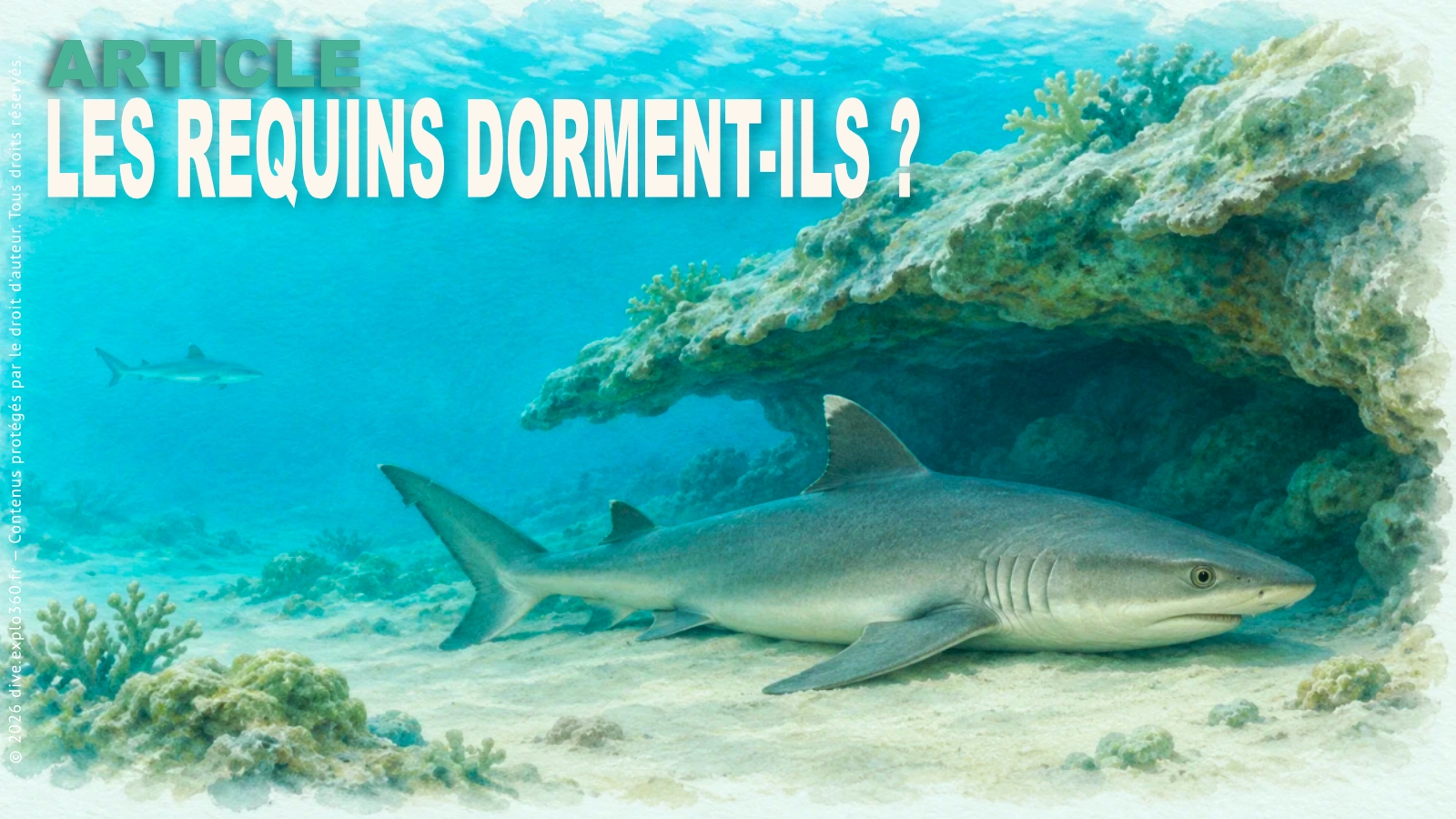
Shark resting beneath a reef ledge. Available1/3 public · licence required for the rest

Multiple marine regions

AtlanticMediterranean

Way of life · Behaviour

Do sharks sleep?

A shark can lie on the sand with its eyes wide open. It’s still breathing. Could it be asleep?

UnderstandingPublic 2 min · Lic. 4 min Read the article
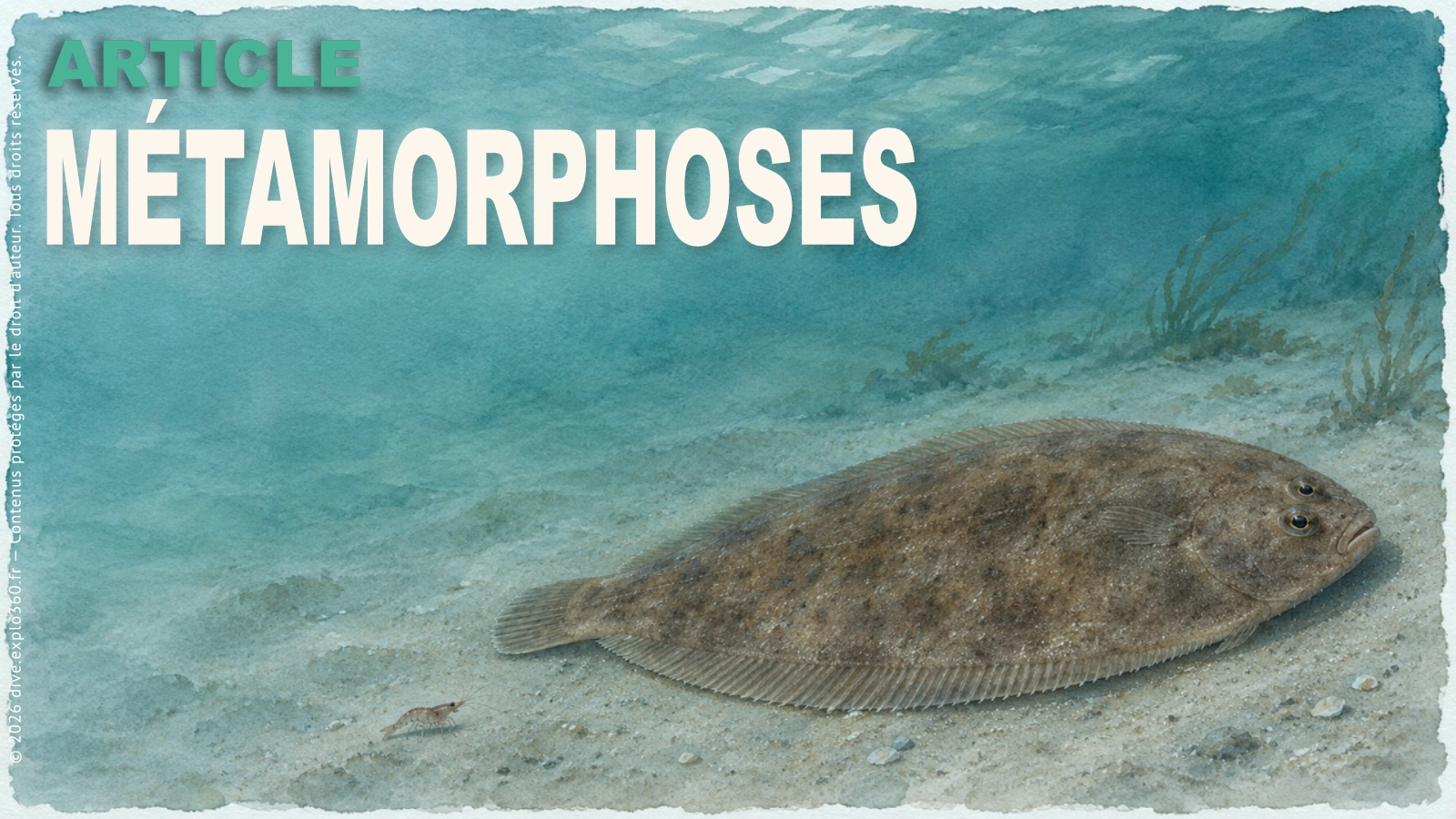
A common sole (Solea solea) on the sand, both eyes facing the water. Available1/3 public · licence required for the rest

Multiple marine regions

AtlanticMediterranean

Anatomy · Science

Metamorphosis under the sea

Imagine a little fish with an eye on each side. By the time it settles on the sand, both eyes look upwards. Follow the sole and see how other animals change as they grow.

UnderstandingPublic 3 min · Lic. 5 min Read the article
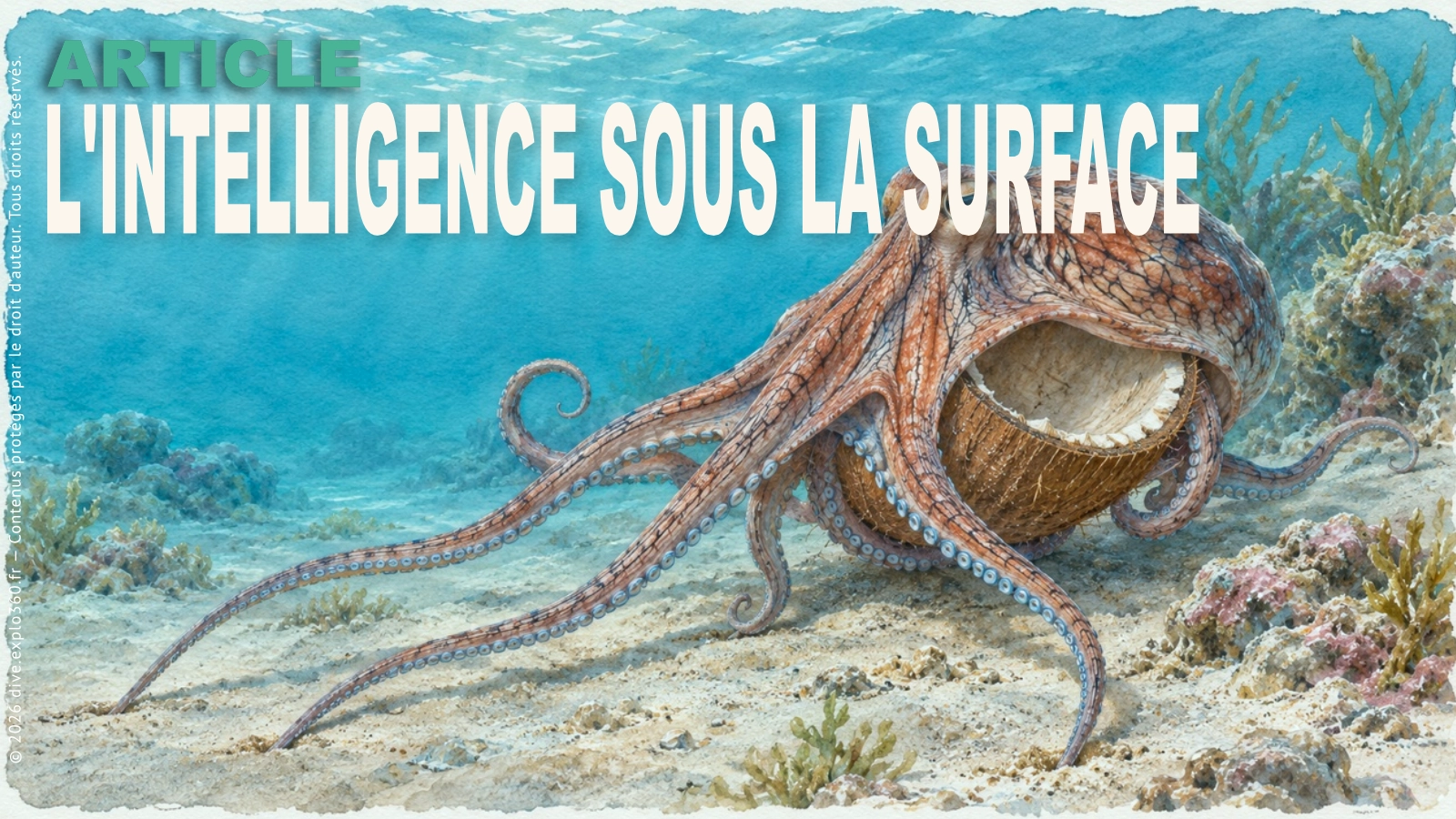
A veined octopus (Amphioctopus marginatus) carries a shell across the sand. AvailableFree access

Multiple marine regions

AtlanticMediterranean

Way of life · Behaviour

Clever moves underwater

A crab moves inside a glass jar. The octopus can see it, but the jar is shut. How will those eight arms get past the stopper?

Understanding6 min Read the article
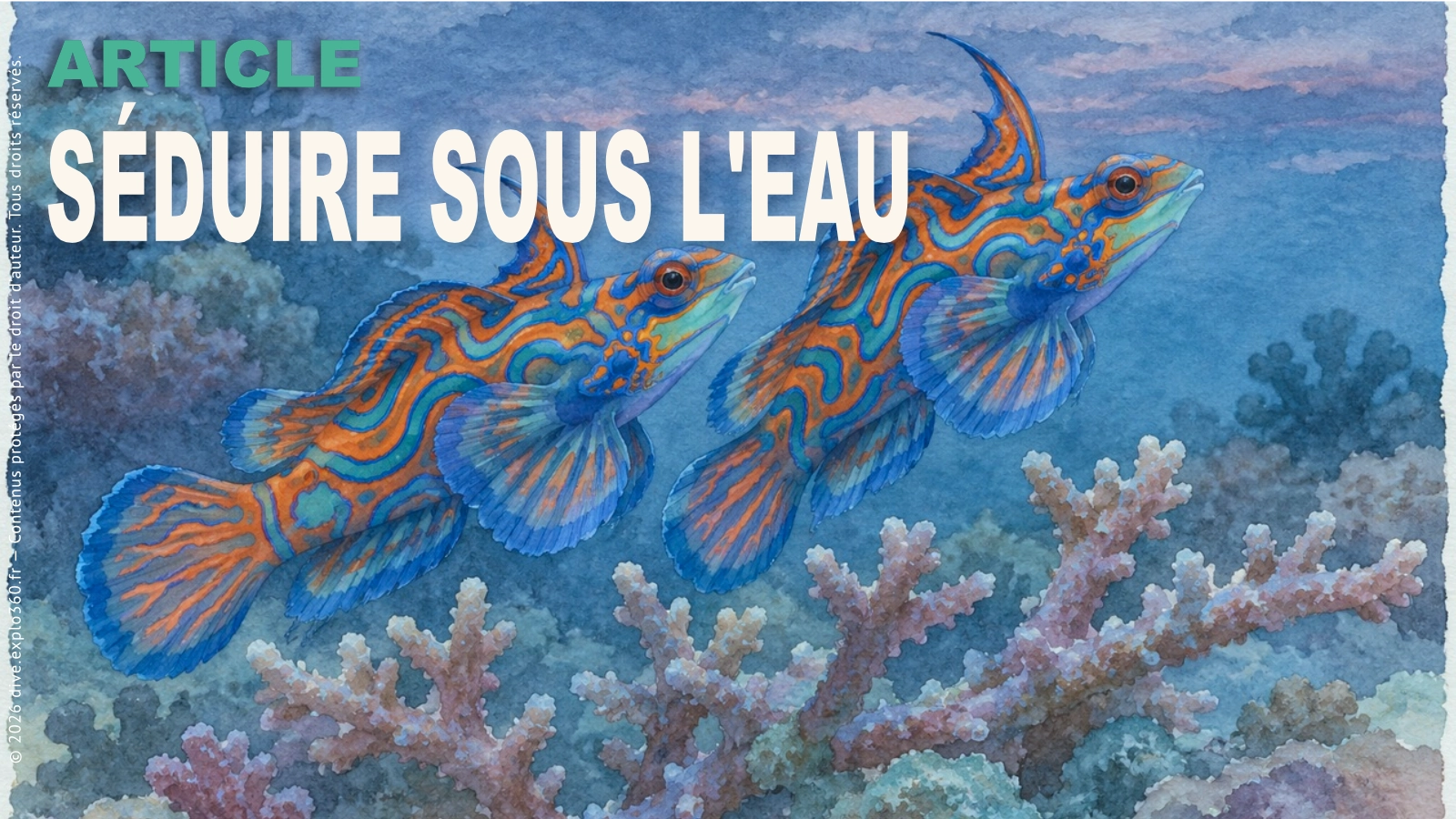
Two mandarinfish (Synchiropus splendidus) begin to rise above the reef. Available1/3 public · licence required for the rest

Multiple marine regions

AtlanticMediterranean

Way of life · Behaviour

How animals meet underwater

As the light fades, two little fish come out from the reef. Soon they’ll swim upwards side by side. What does swimming together help them do?

UnderstandingPublic 3 min · Lic. 6 min Read the article
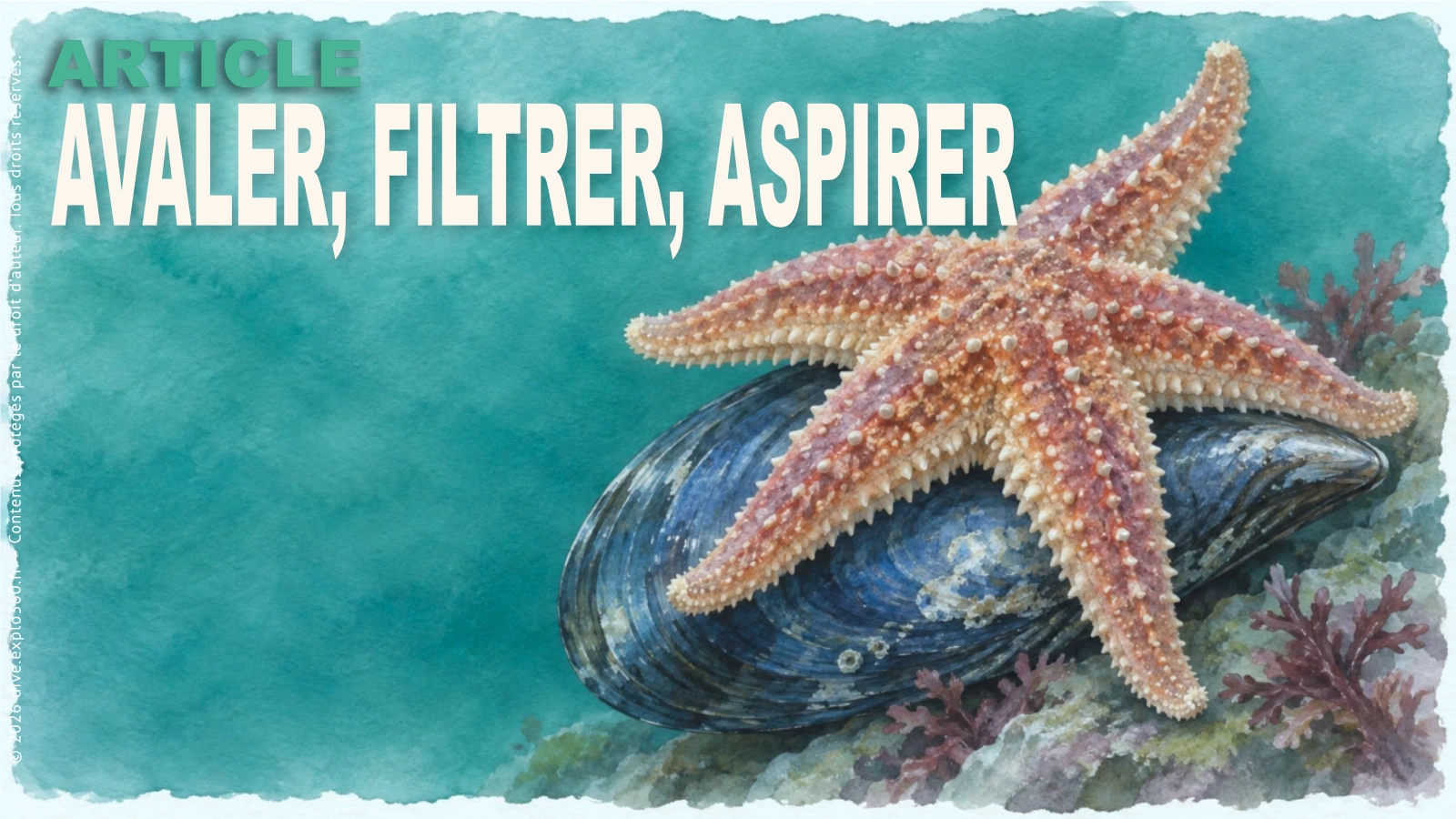
A sea star over a mussel. Available1/3 public · licence required for the rest

Multiple marine regions

AtlanticMediterranean

Way of life · Natural history

Swallow, filter, suck in: surprising ways to feed

A mussel snaps its shell shut. A sea star settles over it. All it needs is a tiny gap. Elsewhere, a fish uses rushing water to catch a shrimp, and a sea cucumber finds food between grains of sand.

UnderstandingPublic 3 min · Lic. 5 min Read the article
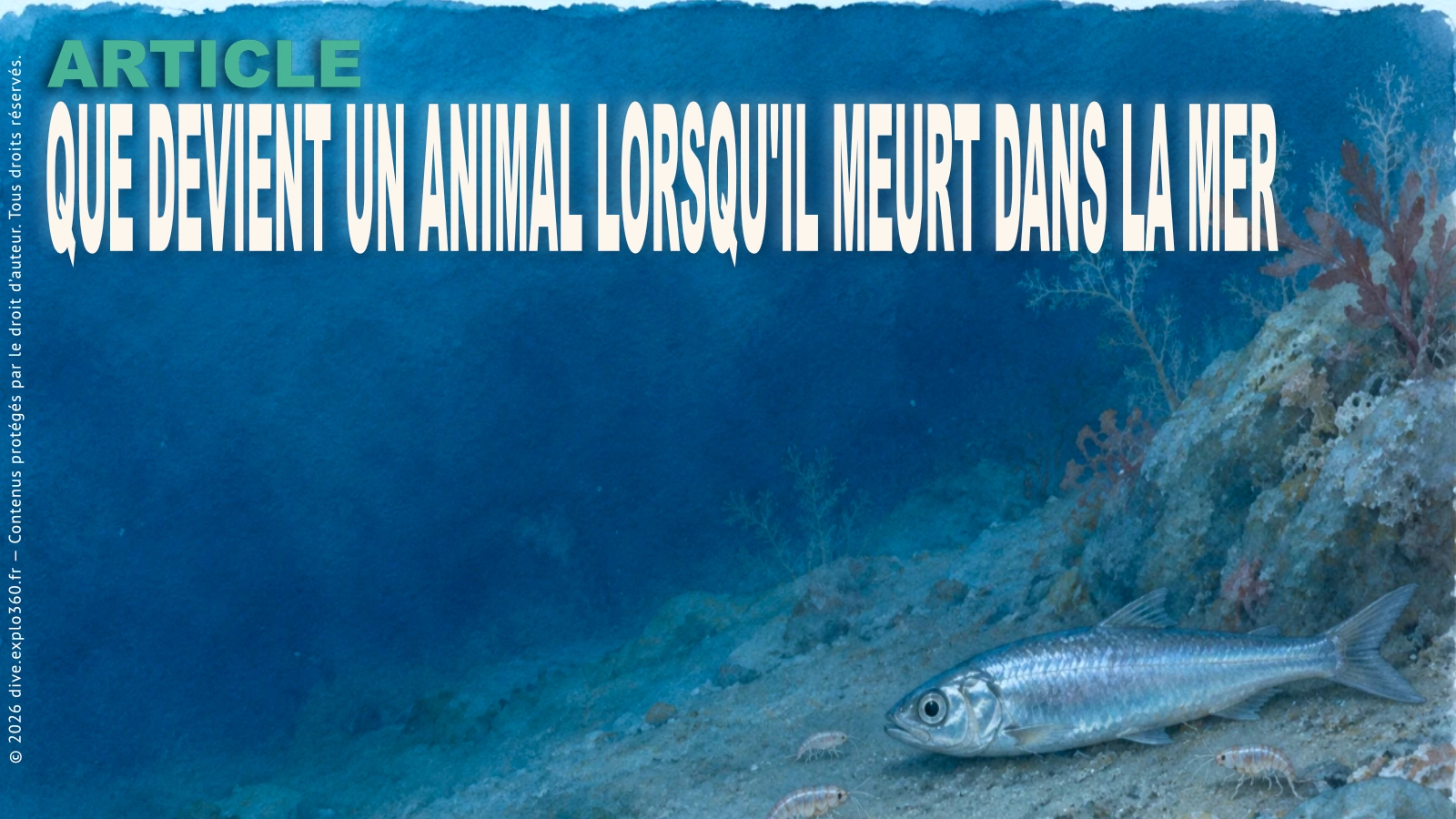
A motionless fish on the seabed. Available1/3 public · licence required for the rest

Multiple marine regions

AtlanticMediterranean

Way of life · Natural history

What happens when an animal dies in the sea?

A dead fish can sink all the way to the seabed. Small animals may gather to feed, and other fish may come to catch them. Where does the dead fish go once there’s nothing left to see?

UnderstandingPublic 2 min · Lic. 5 min Read the article
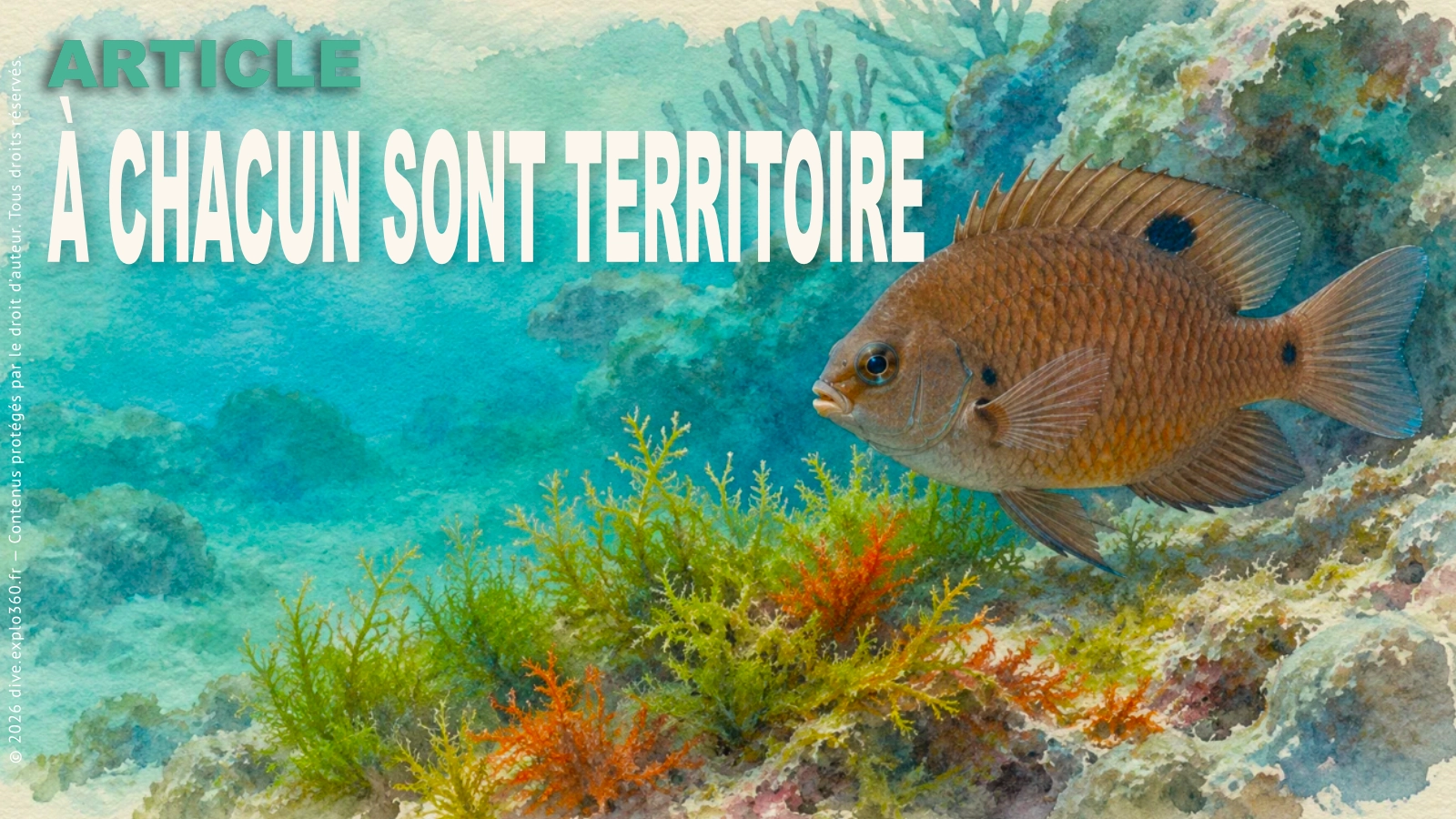
A damselfish above a Caribbean reef. Available1/3 public · licence required for the rest

Multiple marine regions

AtlanticMediterranean

Way of life · Natural history

Why do reef fish chase their neighbours?

A little reef fish darts towards a much bigger one. What makes it give chase? Watch where the fish lives and what it guards.

UnderstandingPublic 2 min · Lic. 5 min Read the article
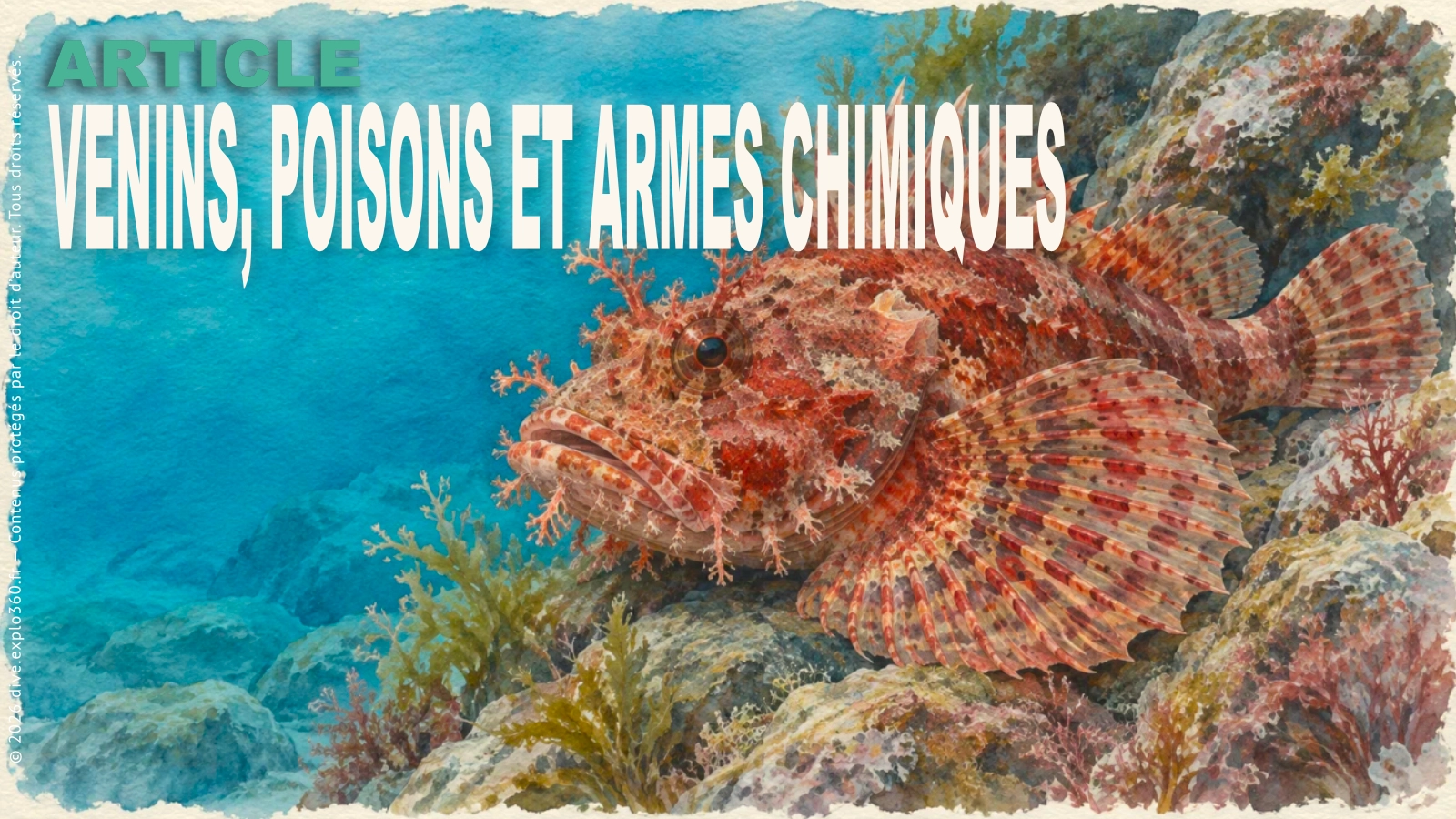
A red scorpionfish on a rocky Mediterranean seabed. Available1/3 public · licence required for the rest

Multiple marine regions

AtlanticMediterranean

Way of life · Natural history

Venoms, poisons and chemical weapons: the invisible battle

A scorpionfish can be hard to spot among the rocks. An anemone leaves its tentacles out in the open. Look closely at both animals to see how they catch food and protect themselves.

UnderstandingPublic 3 min · Lic. 5 min Read the article
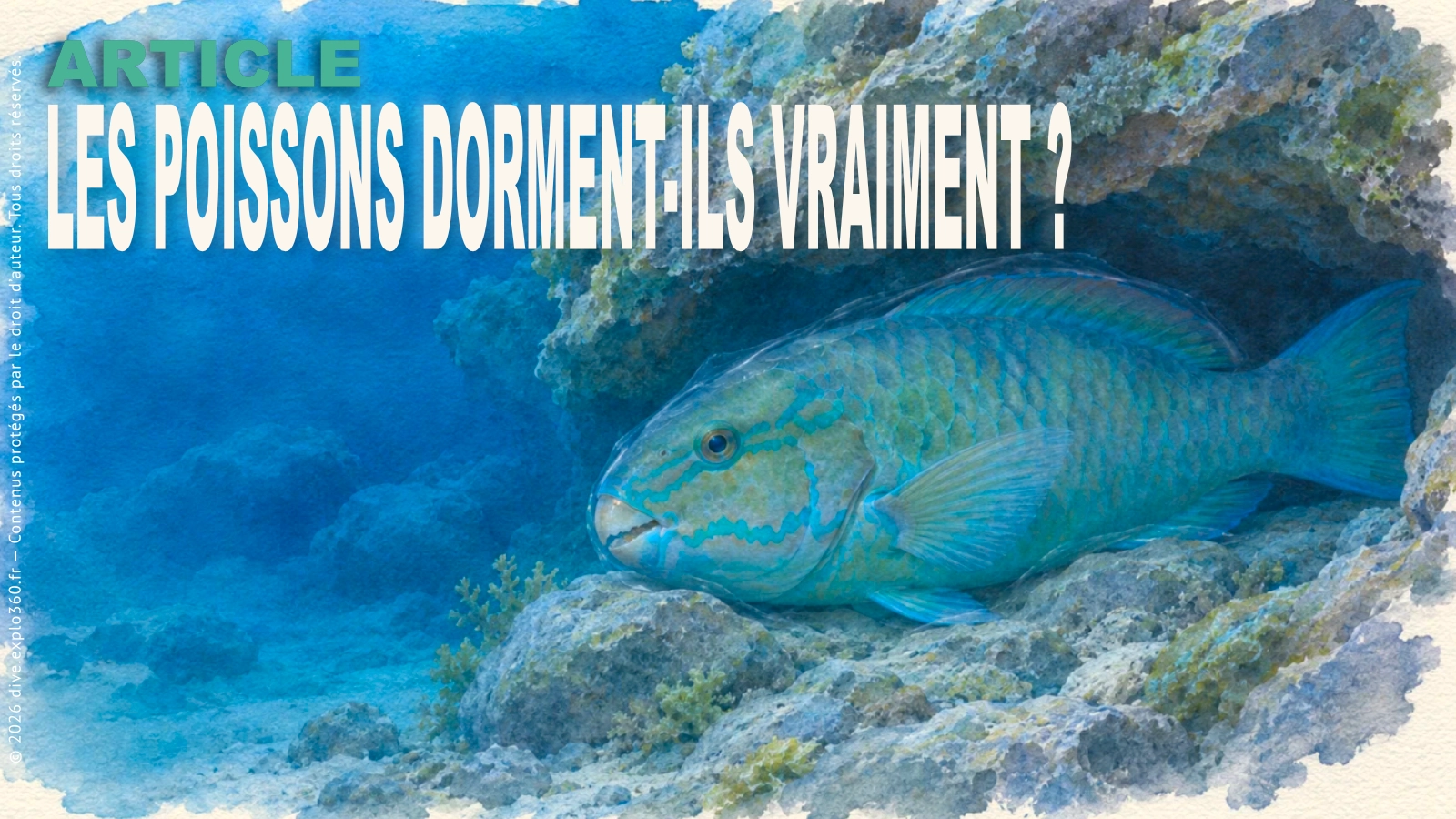
A parrotfish resting in a reef cavity. Available1/3 public · licence required for the rest

Multiple marine regions

AtlanticMediterranean

Way of life · Natural history

Do Fish Really Sleep?

Imagine a fish sleeping with its eyes open. How could you tell? From a reef to a research tank, several animals give us clues.

UnderstandingPublic 3 min · Lic. 7 min Read the article
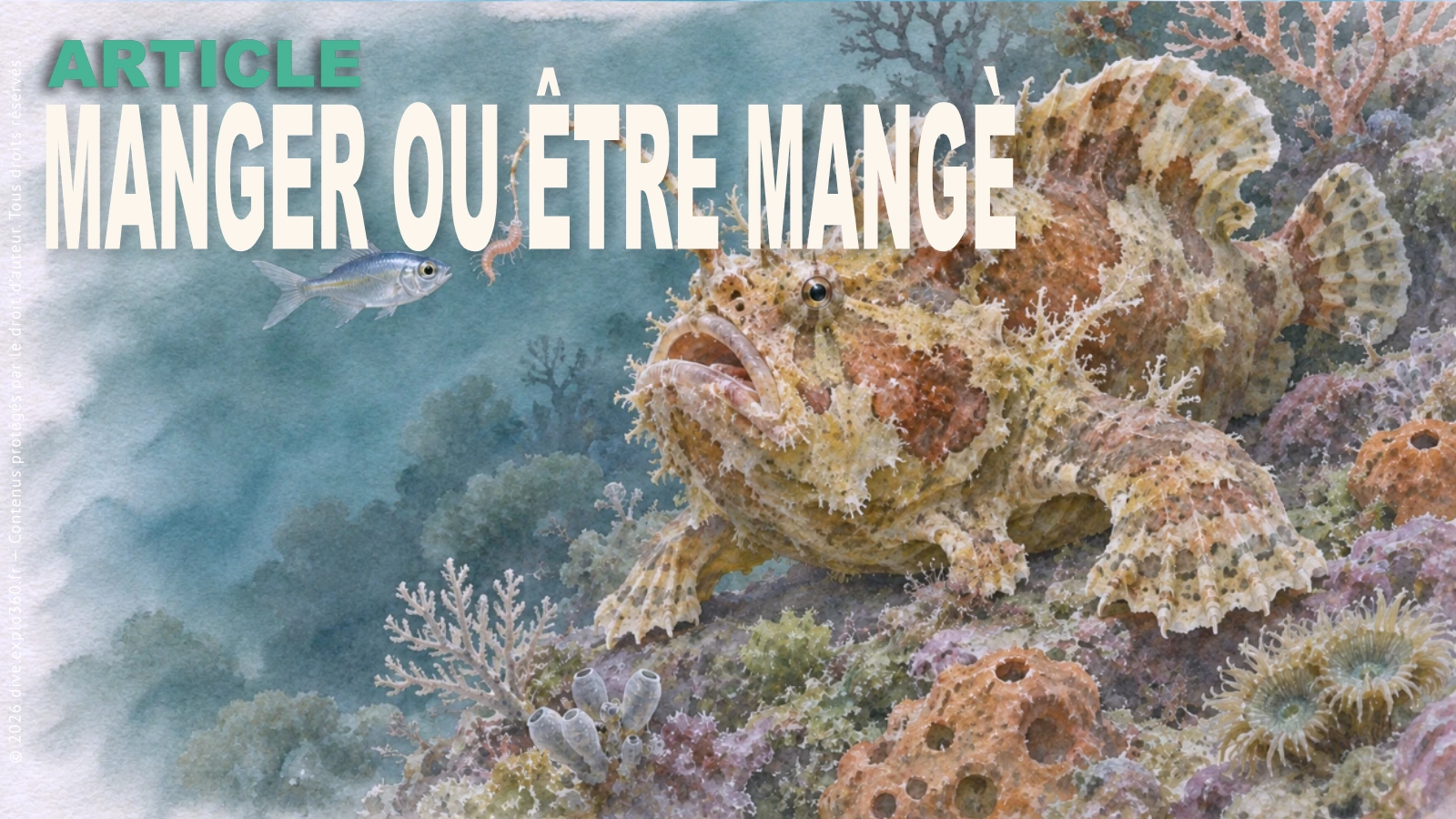
A camouflaged frogfish faces a small fish on the reef. AvailableFree access

Multiple marine regions

AtlanticMediterranean

Way of life · Natural history

Eat or Be Eaten: Hunting Strategies Underwater

Imagine a little fish spotting what looks like a worm. It swims closer. The wriggling thing is a lure, and it belongs to a frogfish hiding on the seabed.

Getting started7 min Read the article
Fish gathering over a reef in moonlight. Available1/3 public · licence required for the rest

Multiple marine regions

AtlanticMediterranean

Way of life · Natural history

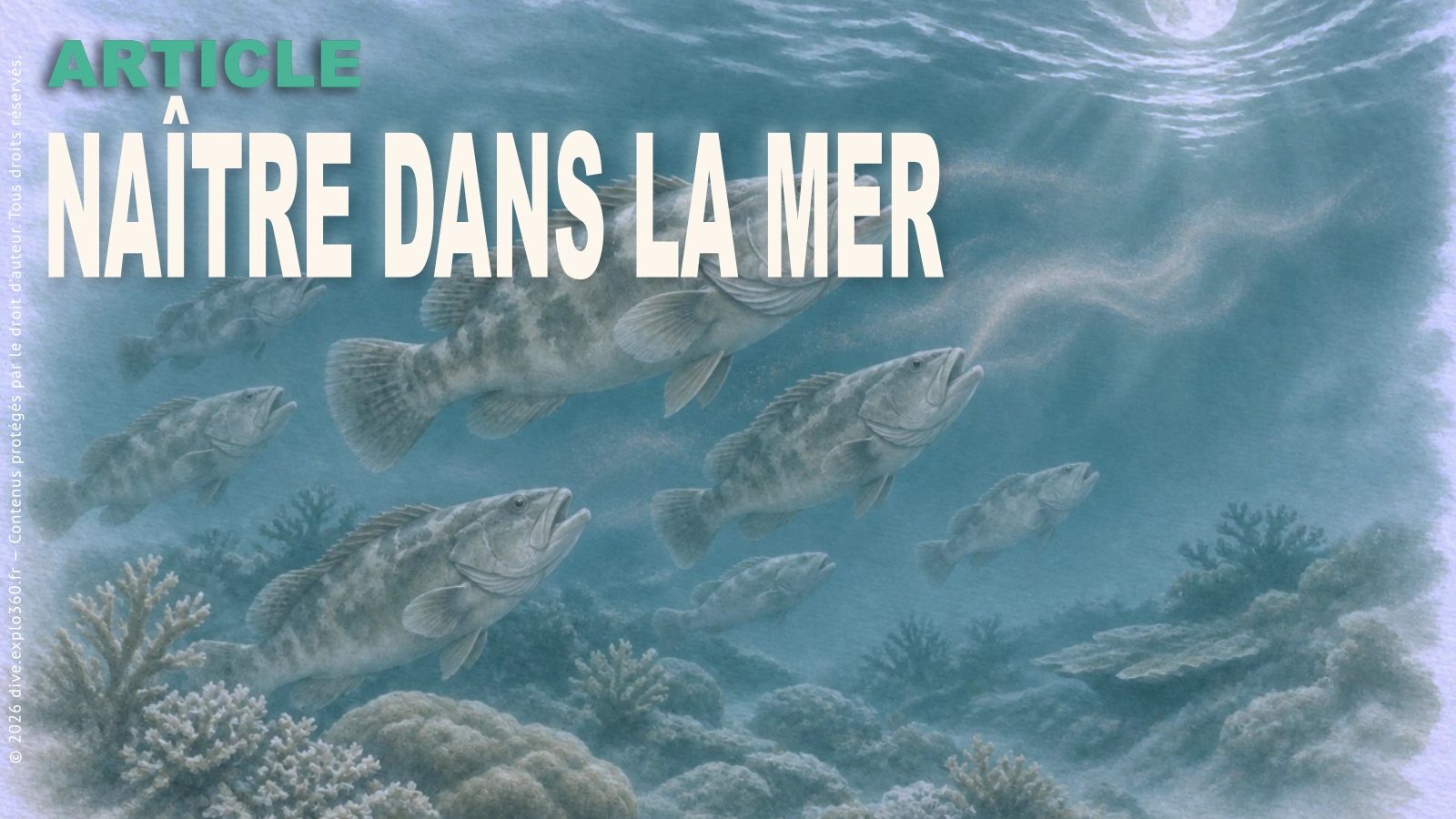
Born in the Sea: The Perils of Early Life

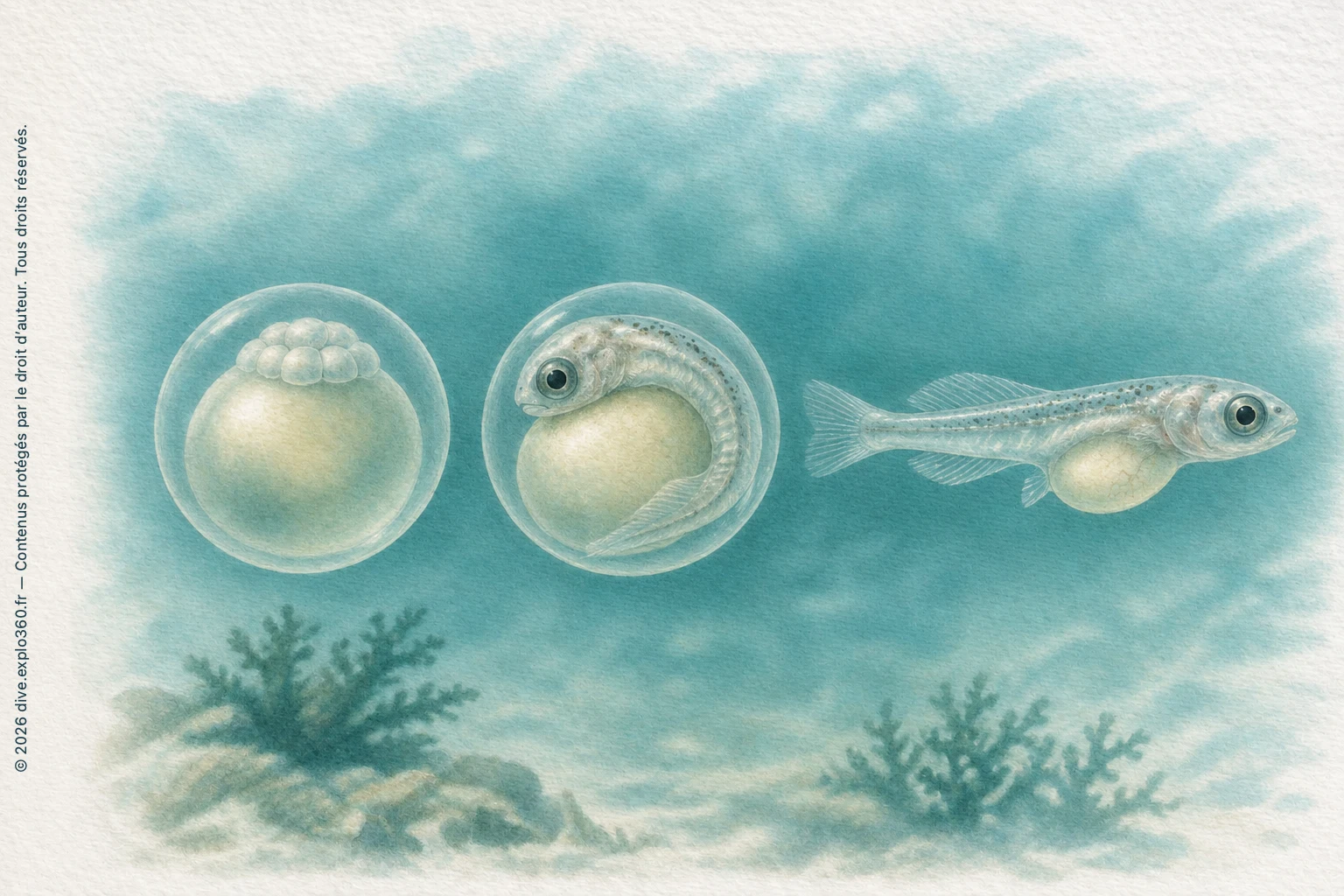
Imagine an egg smaller than a grain of rice drifting in a current. When it hatches, a tiny larva must find food and, in some species, reach a shelter. Follow its journey and discover how other parents protect their…

Getting startedPublic 4 min · Lic. 8 min Read the article
A parrotfish in shelter and squirrelfish on a reef at dusk. Available1/3 public · licence required for the rest

Multiple marine regions

AtlanticMediterranean

Ecology · Natural history

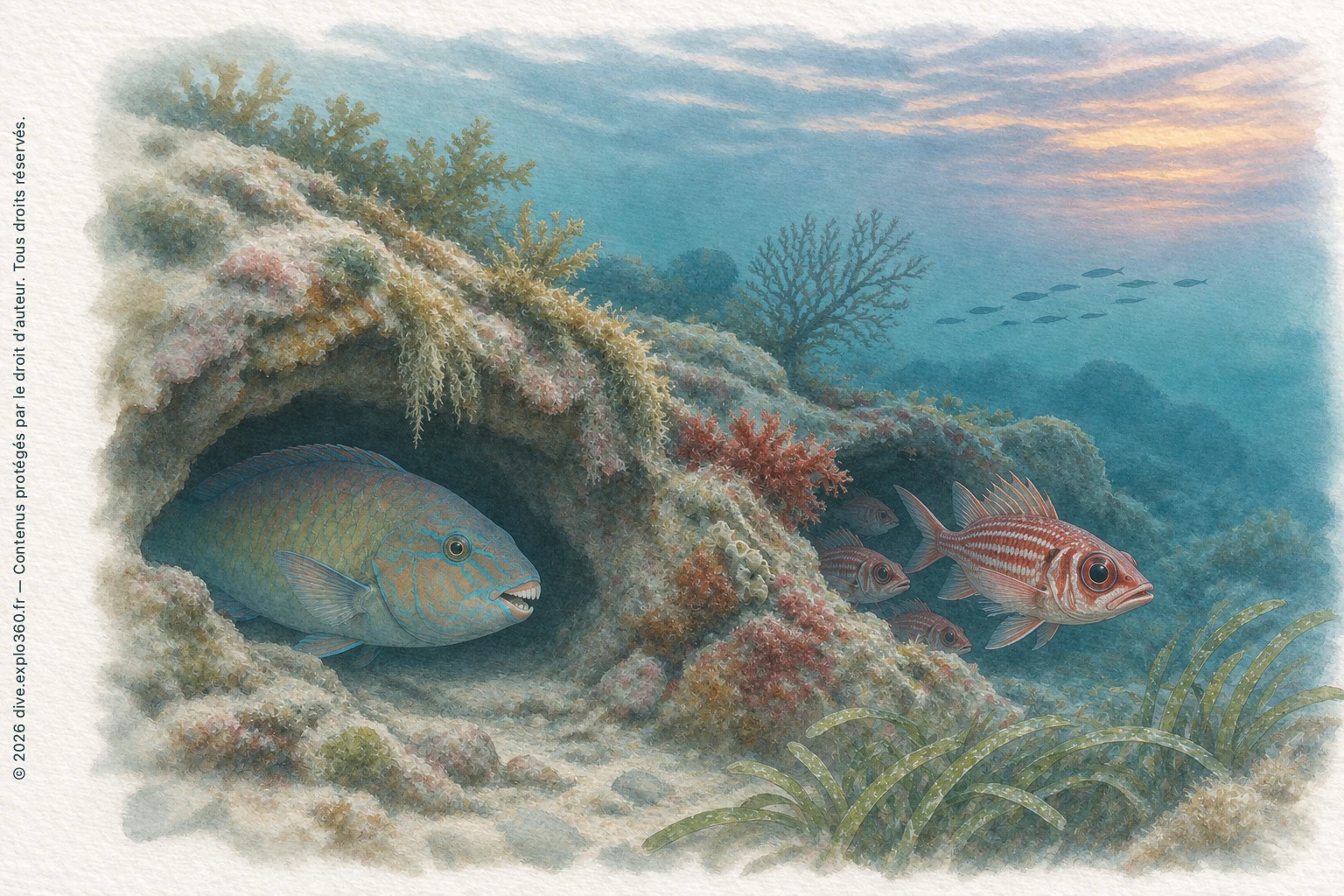
When the Sea Comes Alive at Night

As the sun sets, some reef fish slip into hiding. Others come out to feed. Farther out at sea, tiny animals are already swimming up towards the surface.

UnderstandingPublic 3 min · Lic. 6 min Read the article
A grouper approaches an octopus at a rocky crevice. Available1/3 public · licence required for the rest

Multiple marine regions

AtlanticMediterranean

Anatomy · Natural history

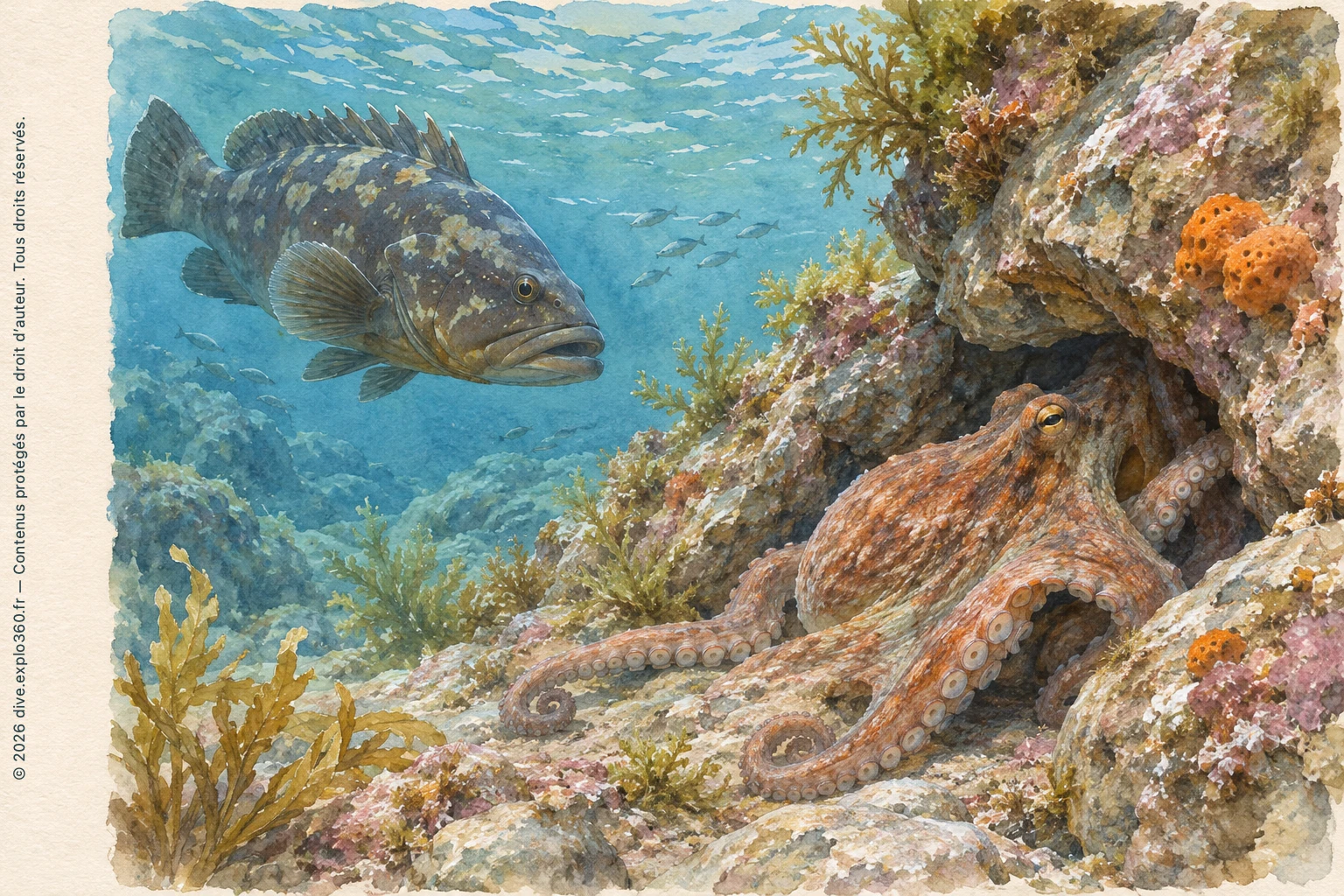
How marine animals regrow lost body parts

Picture an octopus slipping between rocks to escape a fish. If it loses part of an arm and survives, the arm can grow back. A sea star can also regrow an arm. A sea cucumber can even rebuild its intestine.

UnderstandingPublic 3 min · Lic. 7 min Read the article
A blue glowing wave breaking on a beach at night. Available1/3 public · licence required for the rest

Multiple marine regions

AtlanticMediterranean

Ecology · Natural history

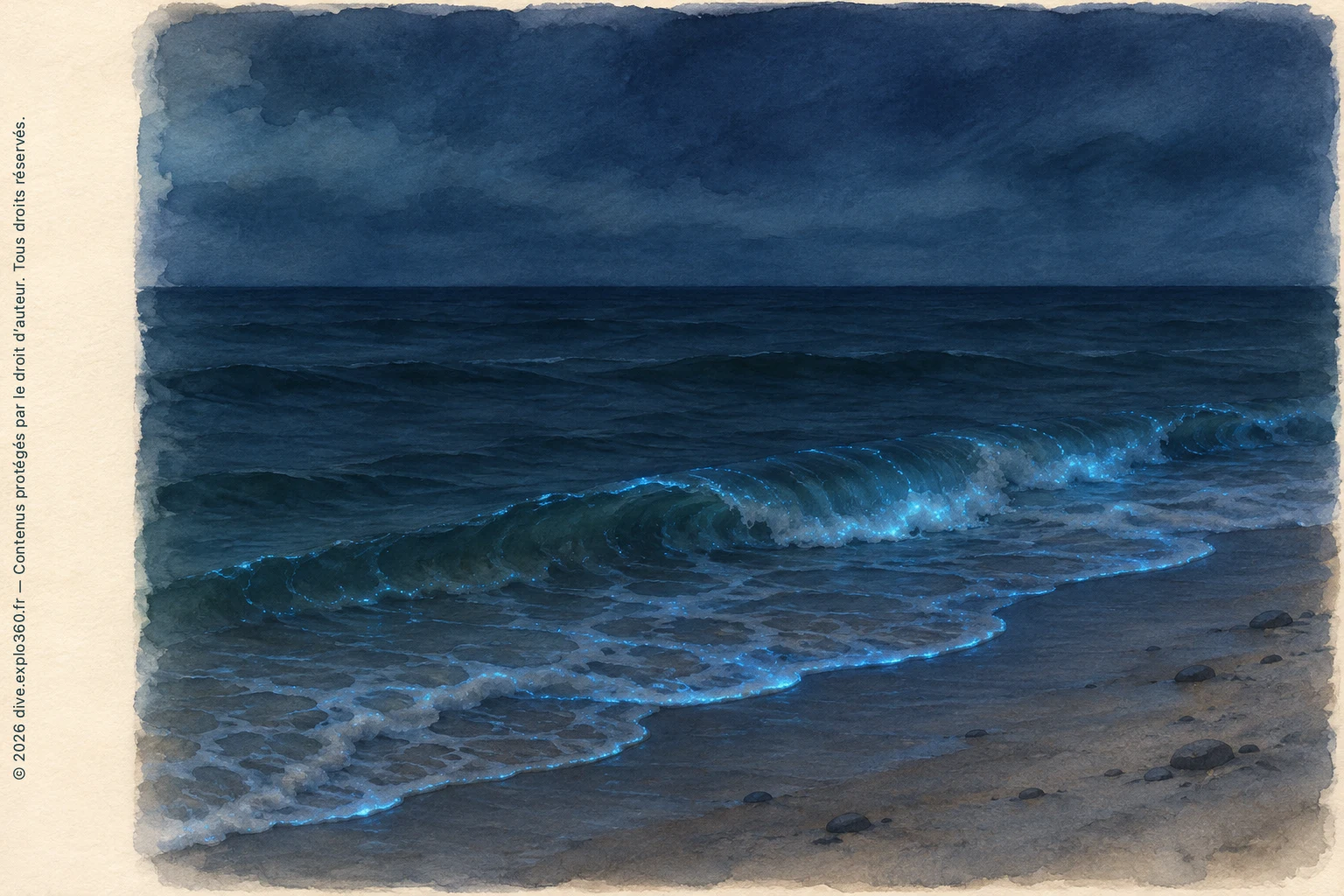
Who Turns on the Light Underwater?

Picture a wave breaking after dark. A blue line runs along it and fades. Tiny living things in the water make those flashes. Deeper down, some fish and jellyfish can make light too.

UnderstandingPublic 4 min · Lic. 6 min Read the article
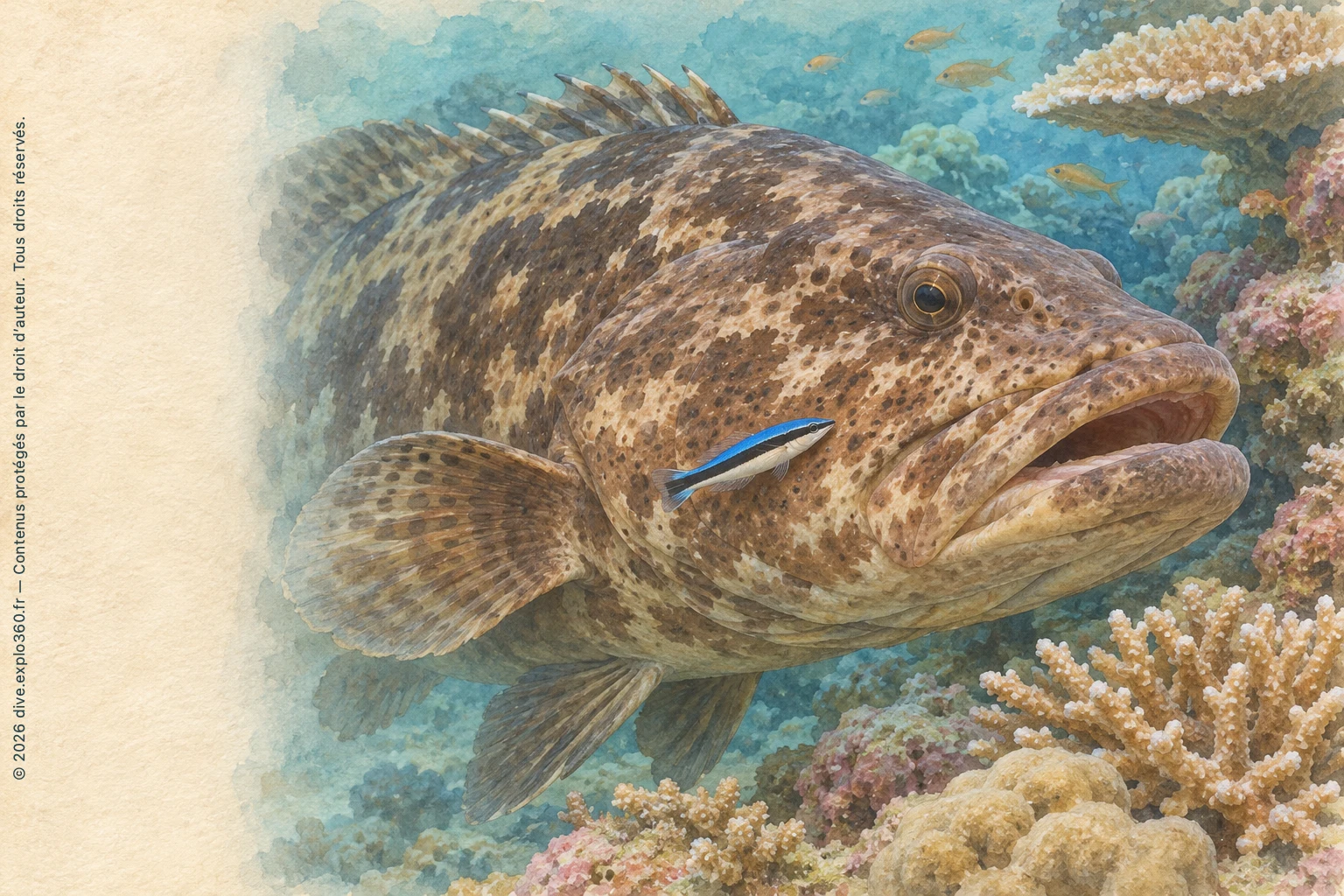
A striped wrasse approaches the head of a stationary grouper. Available1/3 public · licence required for the rest

Multiple marine regions

AtlanticMediterranean

Ecology · Natural history

Who Helps Whom in the Sea?

Imagine a large grouper opening its mouth beside a tiny fish. The little fish comes closer and looks for parasites on its skin. What could each fish gain from the encounter?

UnderstandingPublic 3 min · Lic. 5 min Read the article
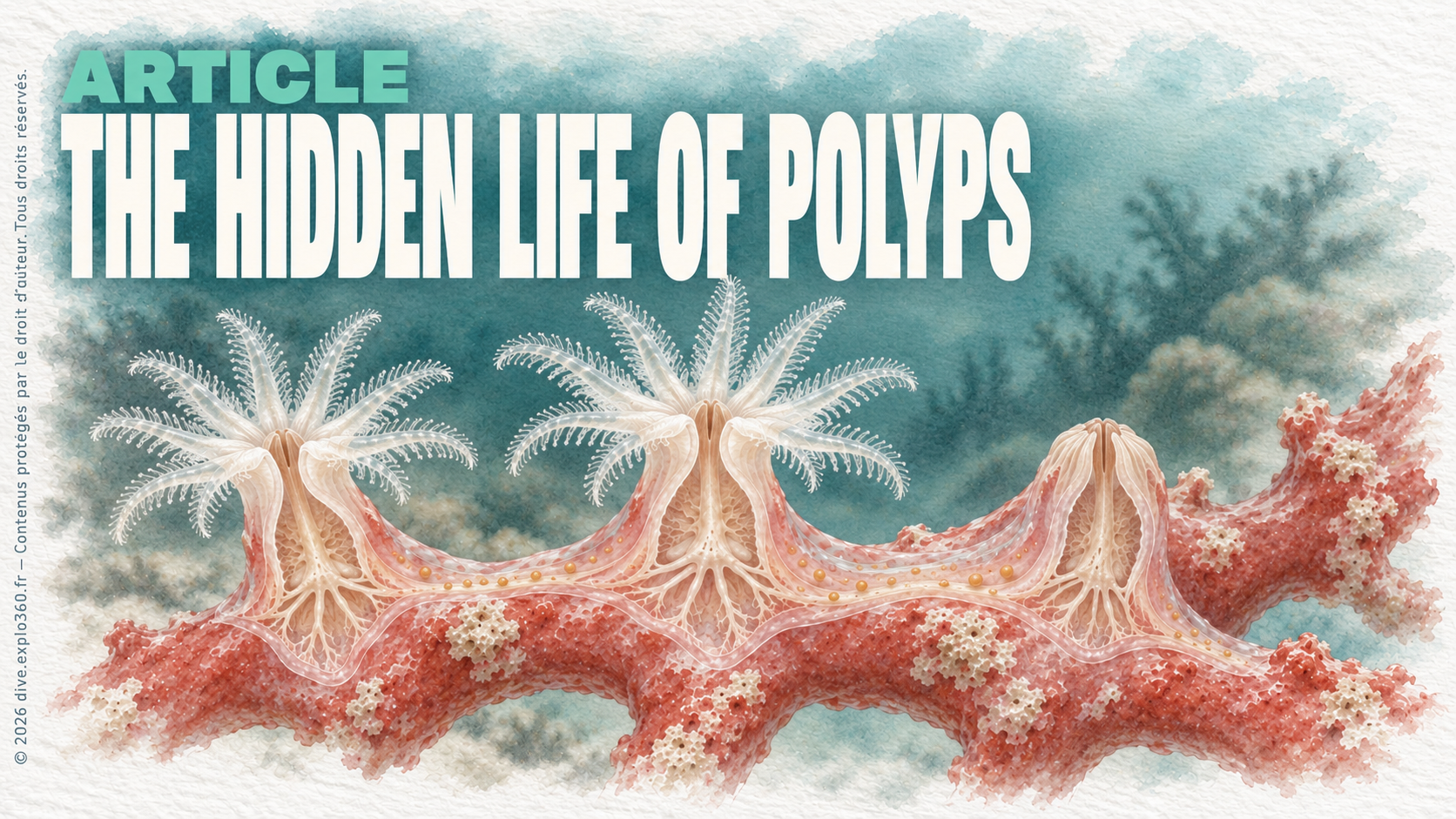
White polyps of red coral connected along a branch. AvailableFree access

Multiple marine regions

AtlanticMediterranean

Anatomy · Science

The Hidden Life of Polyps: How Does a Colony Work?

The white crowns on a branch of red coral may look like flowers. Look closer and you’ll find a mouth at the centre of each one. Each crown belongs to a tiny animal called a polyp.

Understanding6 min Read the article
Mediterranean seagrass and rocky seabed with organisms whose functions are connected. AvailableFree access

Multiple marine regions

AtlanticMediterranean

Ecology · Natural history

What marine animals do and why it matters

A fish can eat a leaf or hide among leaves. A mussel catches food that drifts past in the water. These are examples from the Mediterranean. Look for the same kinds of links between living things in other seas.

Understanding8 min Read the article
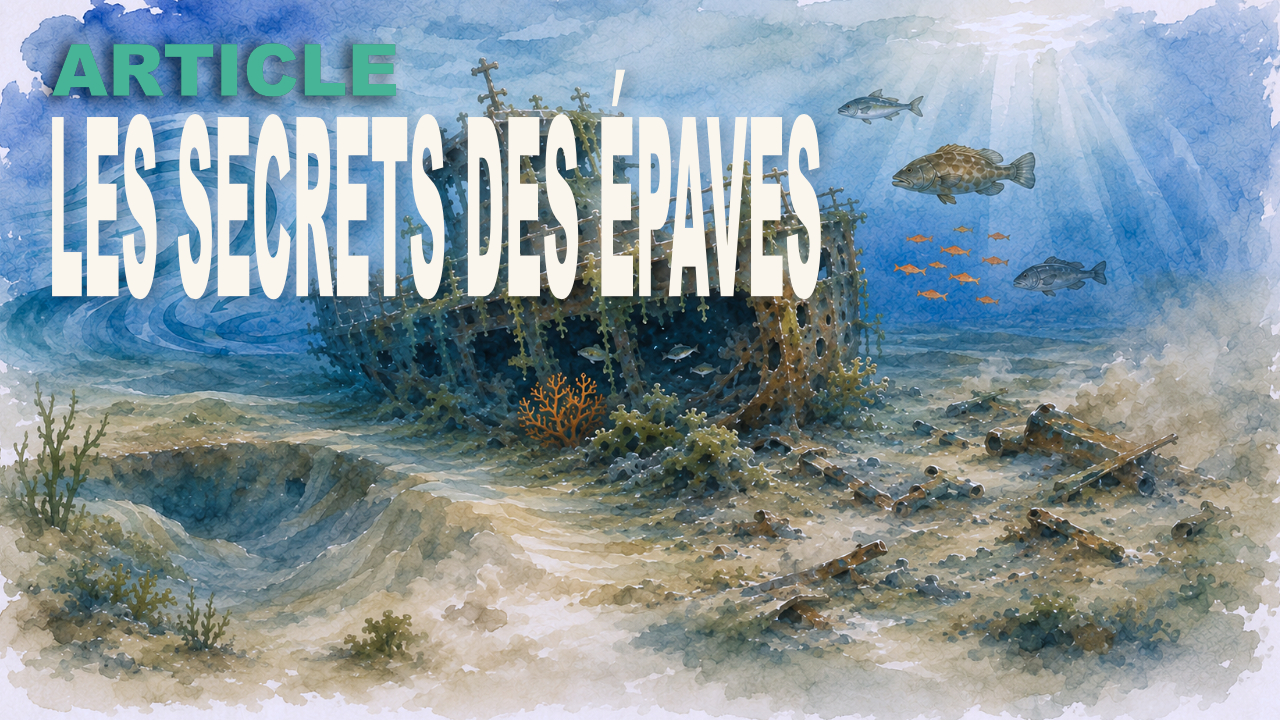
A wreck colonised by marine life in the Mediterranean Available1/3 public · licence required for the rest

Multiple marine regions

AtlanticMediterranean

Ecology · Environment

THE SECRETS OF SHIPWRECKS

A boat can come to rest on sand or rock, or near a meadow of seagrass. Animals already live there. The wreck gives them new walls to cling to and dark corners to hide in.

UnderstandingPublic 5 min · Lic. 9 min Read the article
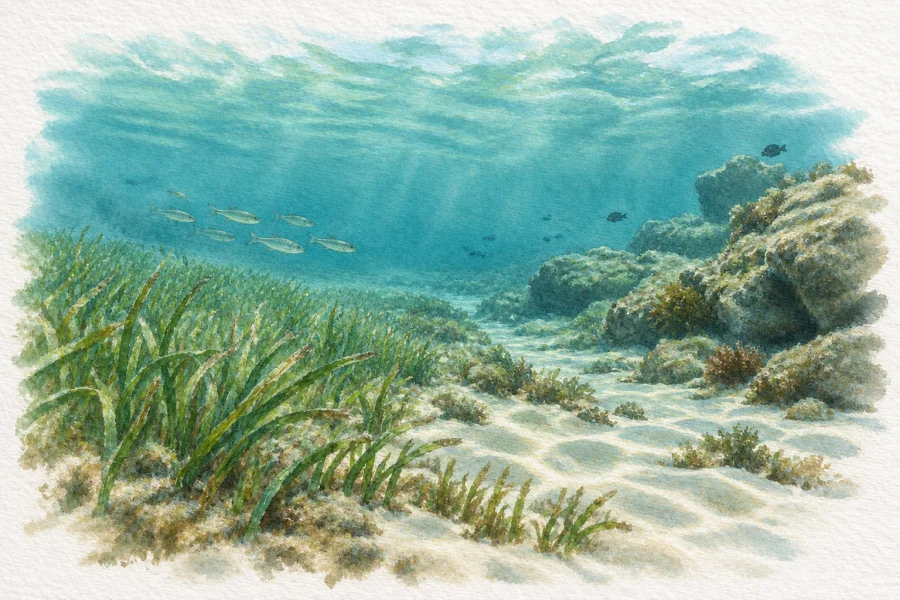
THE SECRETS OF SAND AvailableFree access

Multiple marine regions

AtlanticMediterranean

Biotope · Environment

THE SECRETS OF SAND

Can you spot a little hole or a trail in the sand? An animal may have left it there. Many sea animals live on the sand or hide just underneath it.

Getting started10 min Read the article
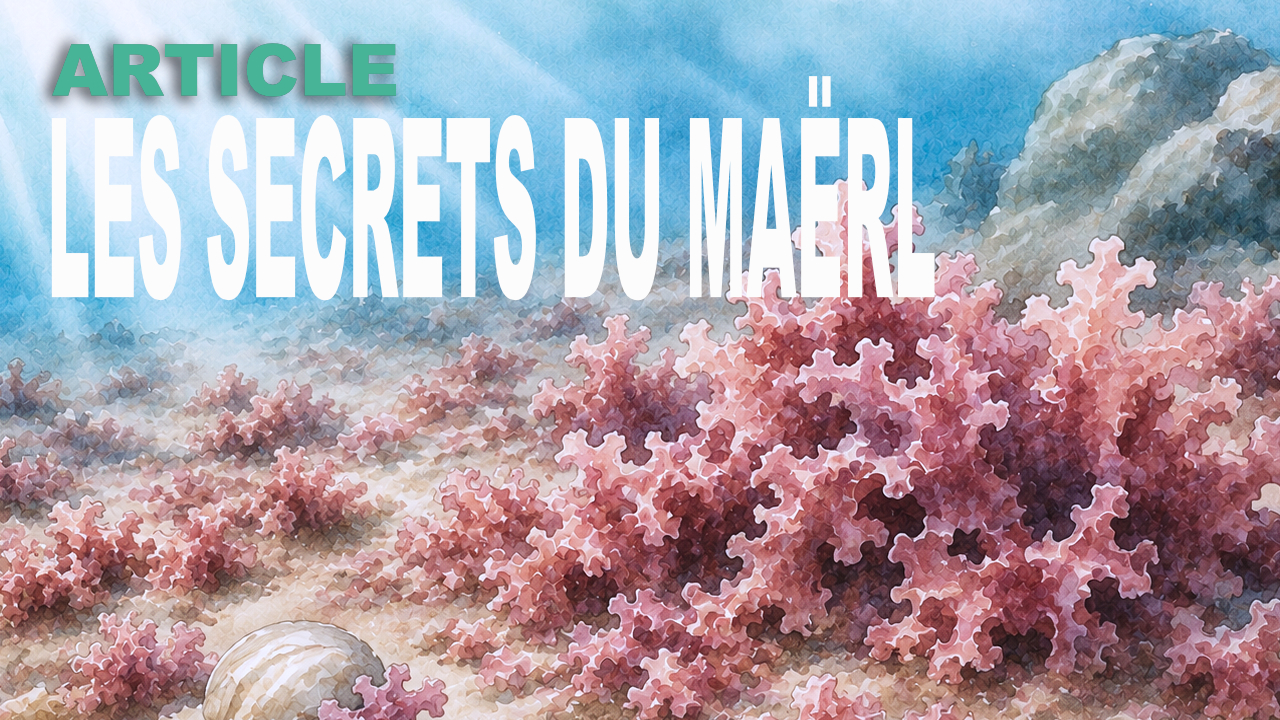
THE SECRETS OF MAERL Available1/3 public · licence required for the rest

Multiple marine regions

AtlanticMediterranean

Biotope · Environment

THE SECRETS OF MAERL

What looks like a carpet of pink and purple pebbles can be alive. Hard red algae called maerl grow slowly on the seabed. As their branches pile up, little animals find places to hide between them.

UnderstandingPublic 4 min · Lic. 8 min Read the article
THE ARTISTS OF INVISIBILITY! Available1/3 public · licence required for the rest

Multiple marine regions

AtlanticMediterranean

Anatomy · Behaviour

Masters of camouflage

A fish can sit on a rock and be hard to pick out. Another can hide in the sand with just its eyes showing. These are ways of using camouflage. It can help an animal stay safe or get close to its food.

UnderstandingPublic 4 min · Lic. 8 min Read the article
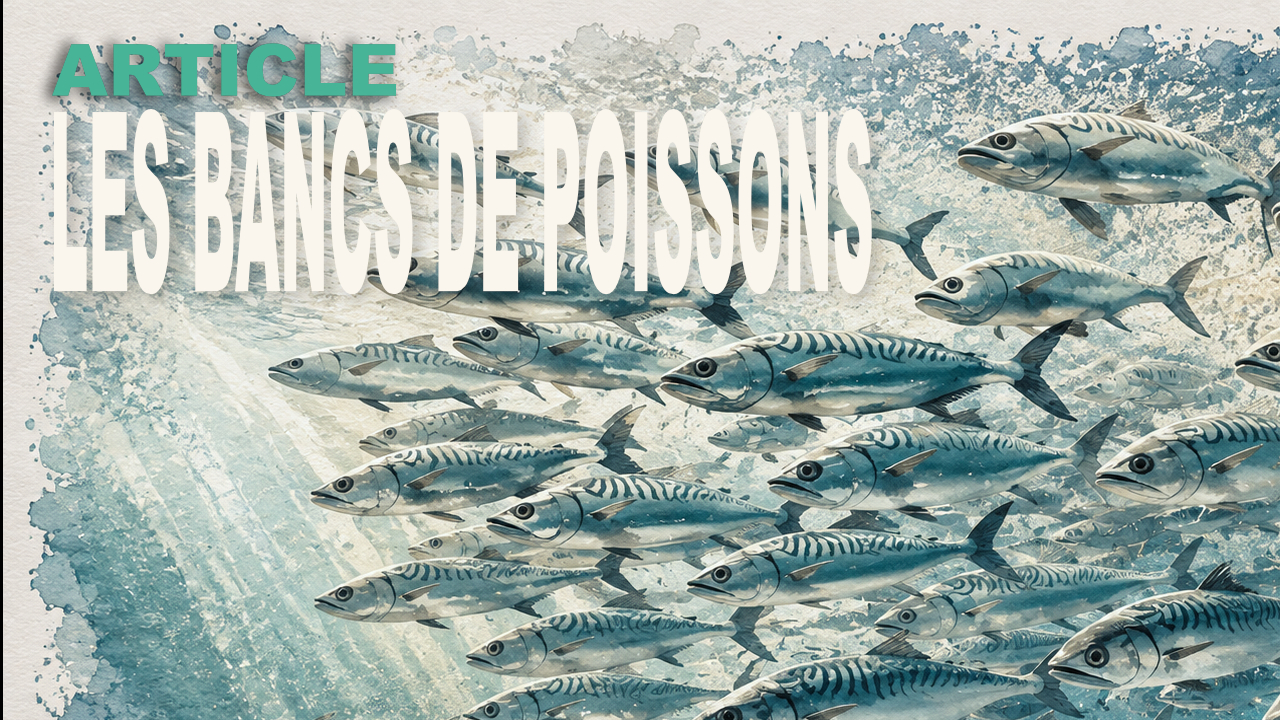
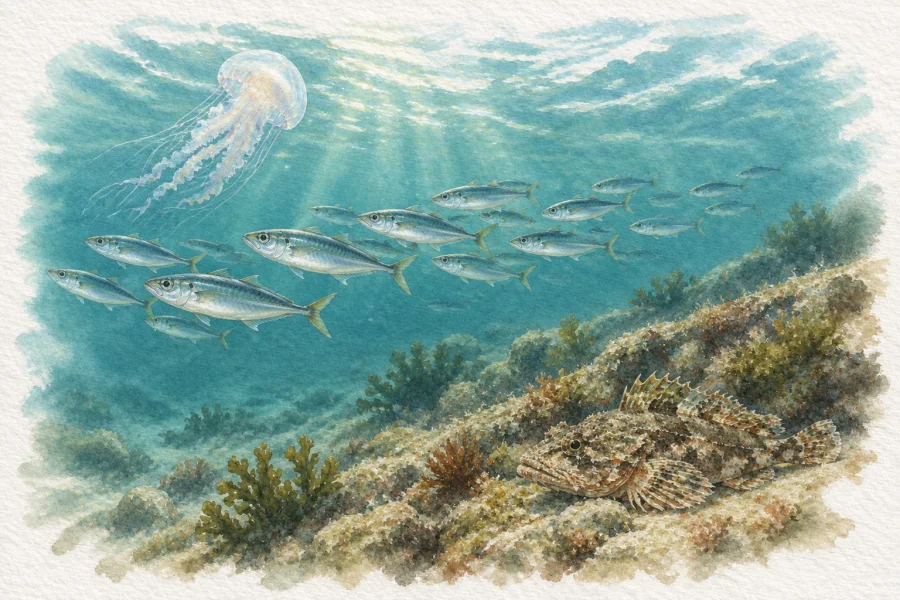
SCHOOLS OF FISH AvailableFree access

Multiple marine regions

AtlanticMediterranean

Way of life · Behaviour

SCHOOLS OF FISH

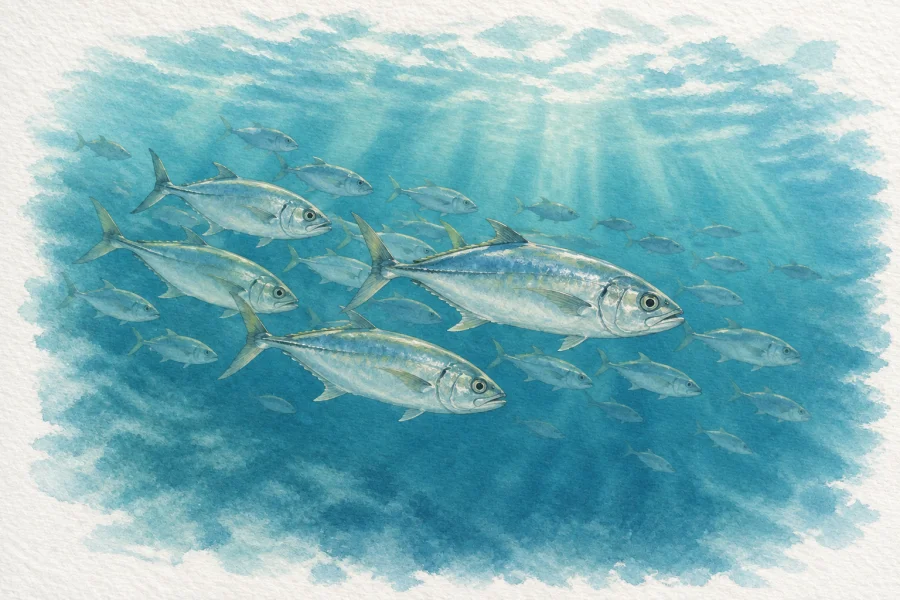
Hundreds of fish can turn almost at once. They swim closer together, then spread out again. This group is called a **school of fish**. Each fish pays attention to the ones nearby. That helps the whole school move…

Understanding9 min Read the article