
Observe · understand · progress

All articles

Understand marine biodiversity and underwater environments

What is hidden in the sand, around a wreck or among the algae? Dive.Explo360 articles build on your underwater observations to help you understand marine habitats, species’ ways of life and their relationships within ecosystems.

Develop your knowledge of marine life while diving: discover the features of different environments, learn to observe their inhabitants and connect your discoveries with the marine species guides and the dive videos. These readings accompany divers and anyone curious about underwater life, before or after exploring.

Your marine region: Maldives. Choose a marine region, then search for a subject or filter articles by category and topic. Each publication shows its availability and access conditions.

From observations to explanations

8 articles

PHYLA WITHOUT THE FUSSAvailable1/3 public · licence required for the rest

Miscellaneous · naturaliste

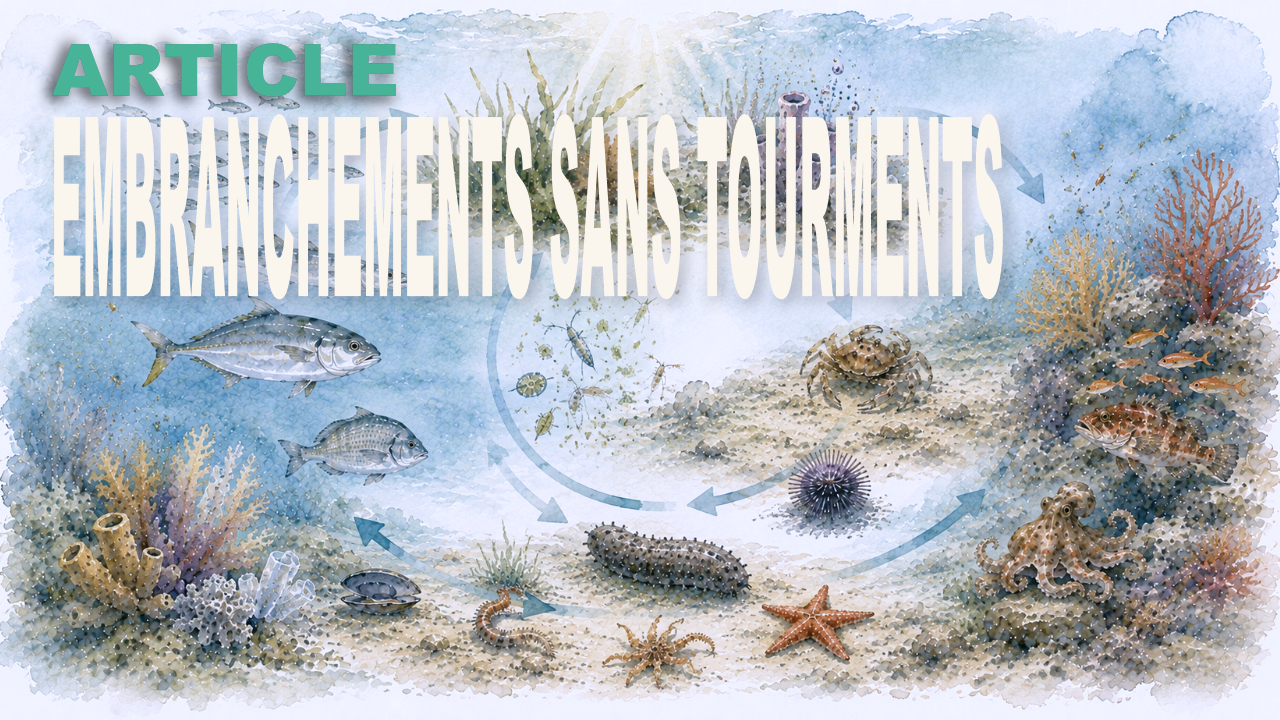
PHYLA WITHOUT THE FUSS

We have all experienced that awkward moment—to put it mildly—in marine biology diving training: the list of phyla. Strange names, an evolutionary timeline and a table we learn without understanding… then immediately forget. What if we stopped treating it like a badly digested biology lesson?

Read the article
THE ARTISTS OF INVISIBILITY!Available1/3 public · licence required for the rest

Anatomy · comportement

THE ARTISTS OF INVISIBILITY!

In the clear, sunlit waters of the Mediterranean, marine life is in constant competition. Predation is an ever-present threat, and fish have developed different strategies to escape predators or, conversely, become formidable ambush hunters. Camouflage plays a key role among these strategies. From changing colour to adopting patterns that disrupt visual perception, Mediterranean fish use sophisticated techniques that exploit not only their own biological abilities but also the limits of their predators’ vision.

Read the article
SCHOOLS OF FISHAvailableFree access

Way of life · comportement

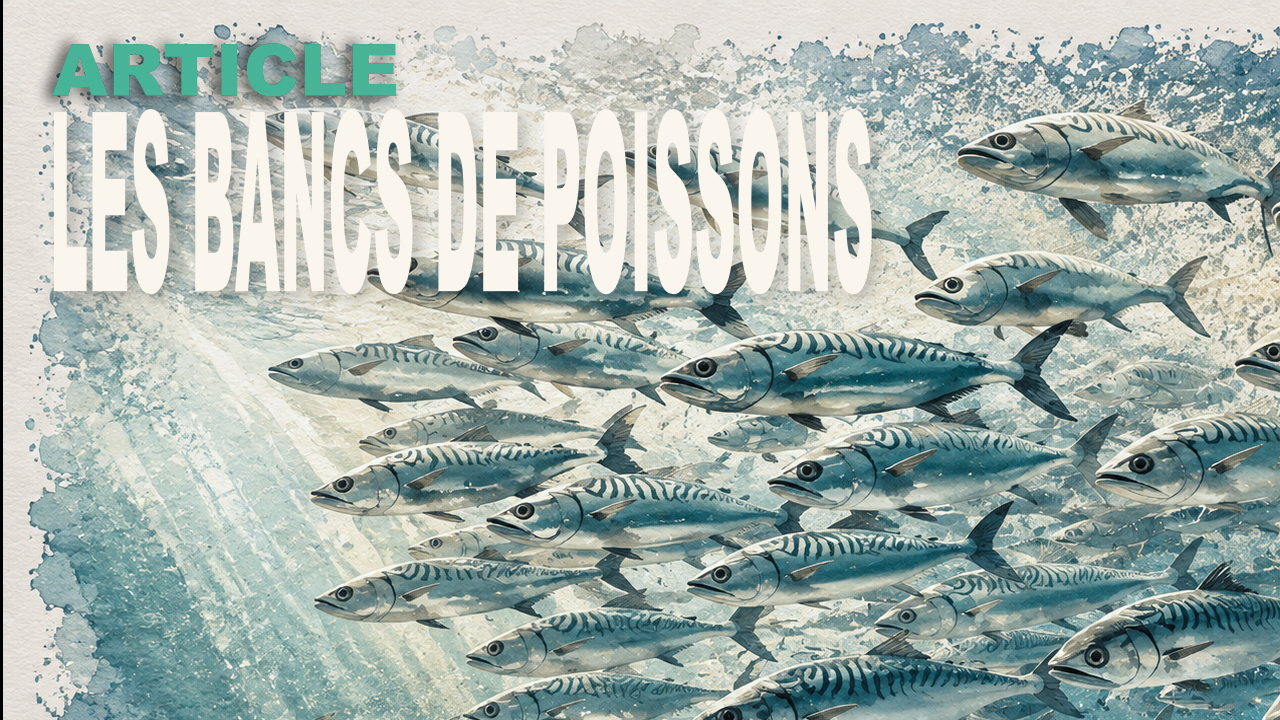
SCHOOLS OF FISH

A school of fish is a gathering of individuals of the same species swimming together in a synchronised, coordinated way, forming a dynamic and harmonious unit. This social strategy relies on constant communication between fish, using visual and sensory signals to maintain cohesion.

Read the article
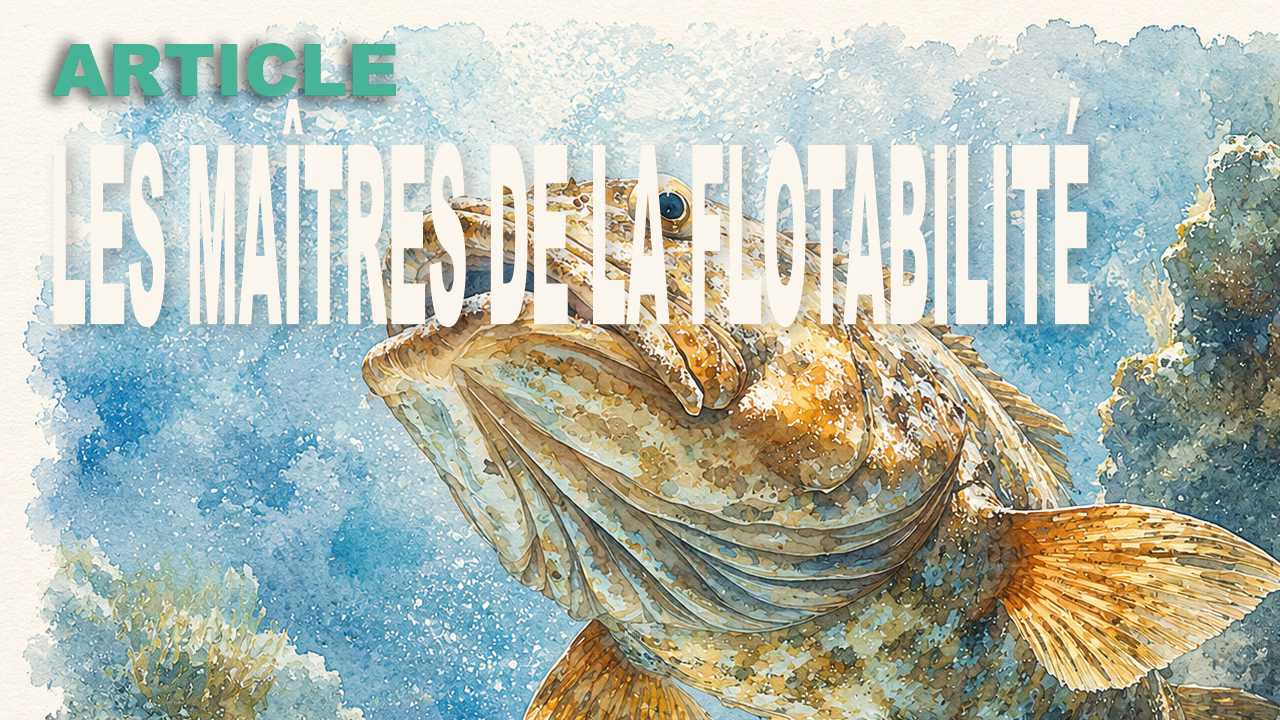
MASTERS OF BUOYANCYAvailable1/3 public · licence required for the rest

Anatomy · sciences

MASTERS OF BUOYANCY

In the crystal-clear waters of the Mediterranean, where marine life has adapted to a wide range of conditions, the swim bladder plays an essential role for many bony fish. Often compared to an ‘internal air pocket’, this organ allows them to control their buoyancy with great precision. But what happens to those without one? How do these fish compensate for the absence of this physiological advantage?

Read the article
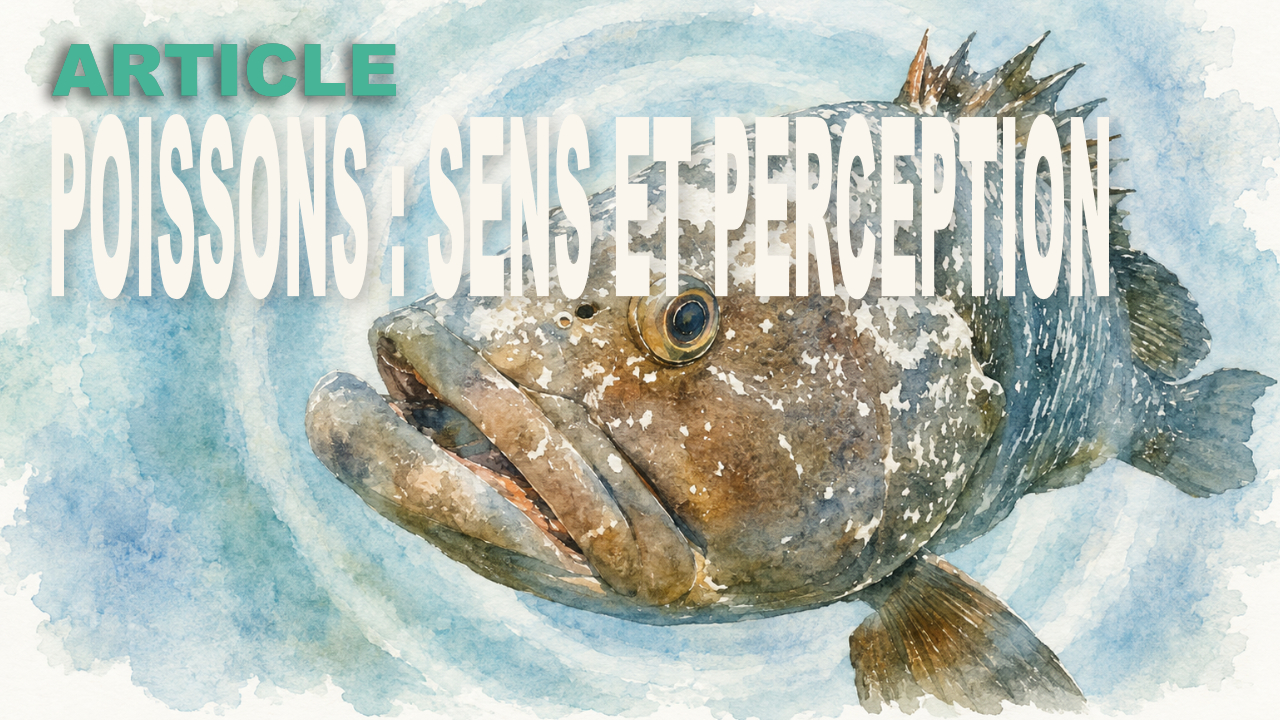
The senses of fishAvailable1/3 public · licence required for the rest

Anatomy · sciences

FISH: SENSES AND PERCEPTION

Like humans, fish possess a complex range of senses that allows them to navigate, feed, reproduce and avoid predators in their aquatic environment.

Read the article
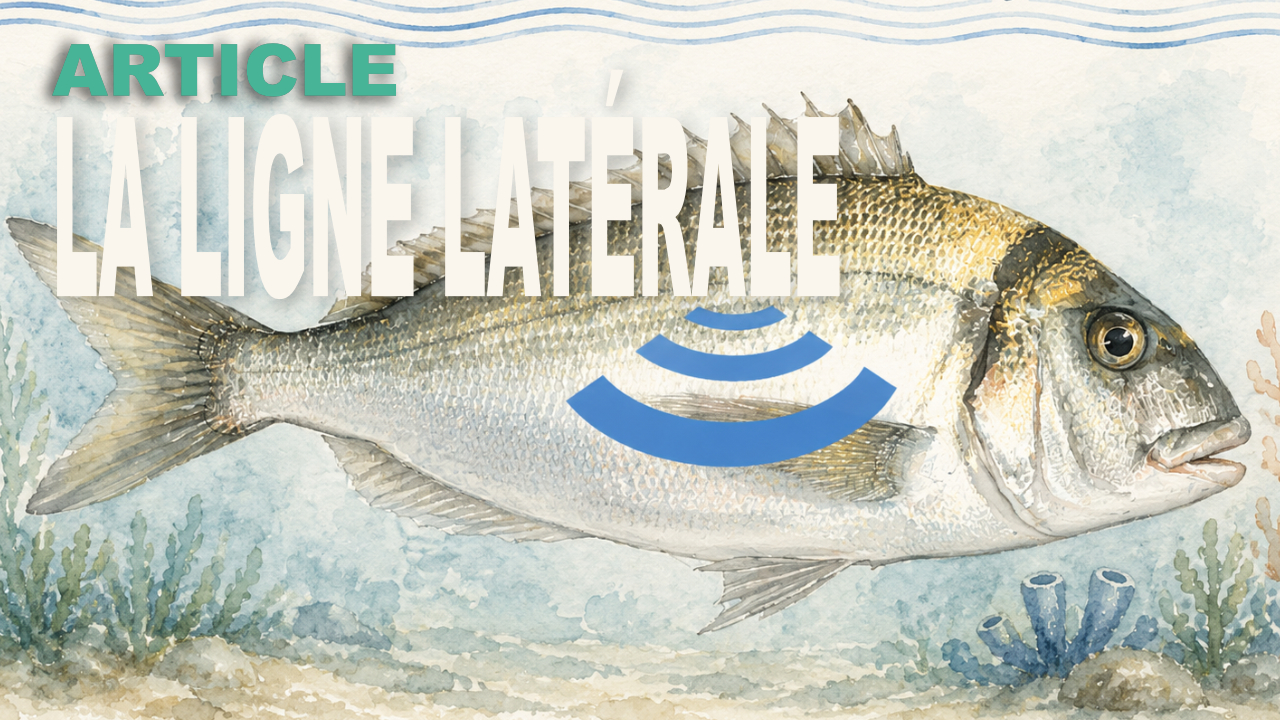
How does the lateral line in fish work?Available1/3 public · licence required for the rest

Anatomy · sciences

THE LATERAL LINE: THE SIXTH SENSE OF FISH!

The lateral line is a crucial sixth sense in fish, allowing them to detect movements and vibrations in the water. This sixth sense complements sight, hearing, smell, touch and taste.

Read the article
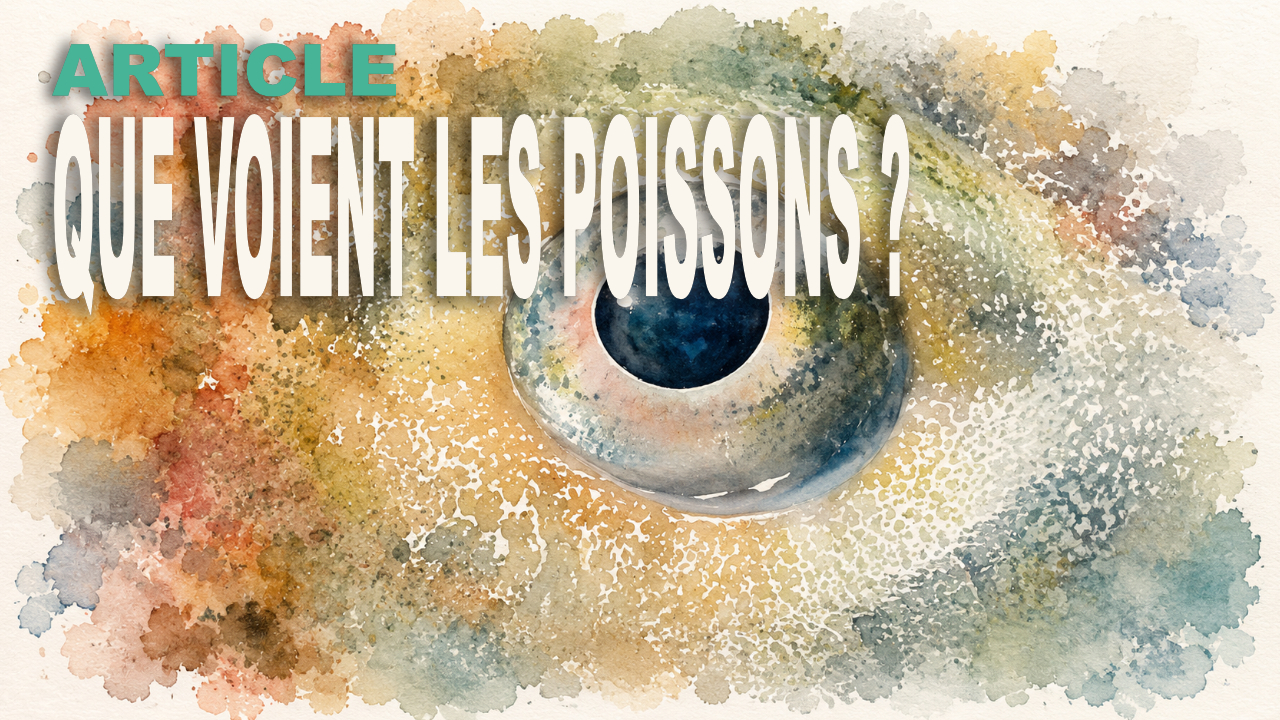
What is fish vision like?Available1/3 public · licence required for the rest

Anatomy · sciences

WHAT DO FISH SEE?

Fish vision is highly developed. They use it to feed, reproduce, hunt and escape predators. Yet vision alone is nothing without their other senses, such as hearing, smell, touch, taste and the lateral line.

Read the article
A naturalist diver and a marine biologist diverAvailableFree access

Miscellaneous · technique

NATURALIST DIVER vs BIOLOGY DIVER

Scuba diving offers a unique window onto the mysterious world of the seas and oceans. Beyond the simple pleasure of immersion, however, some divers develop a more specific approach by taking an interest in marine life and ecosystems.

Read the article

Follow up your reading with observation

Connect the explanations in the articles with the species seen in the videos and species guides. Continue with a learning path to explore a marine environment, then test your knowledge with the games.