The meal begins outside
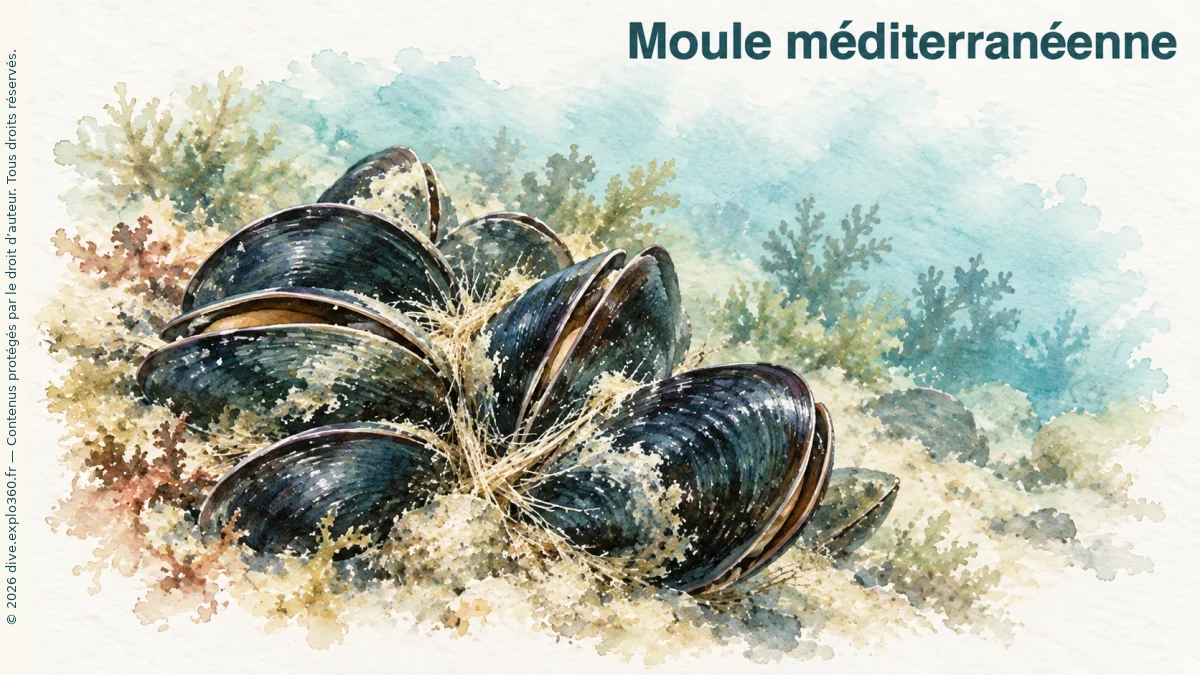
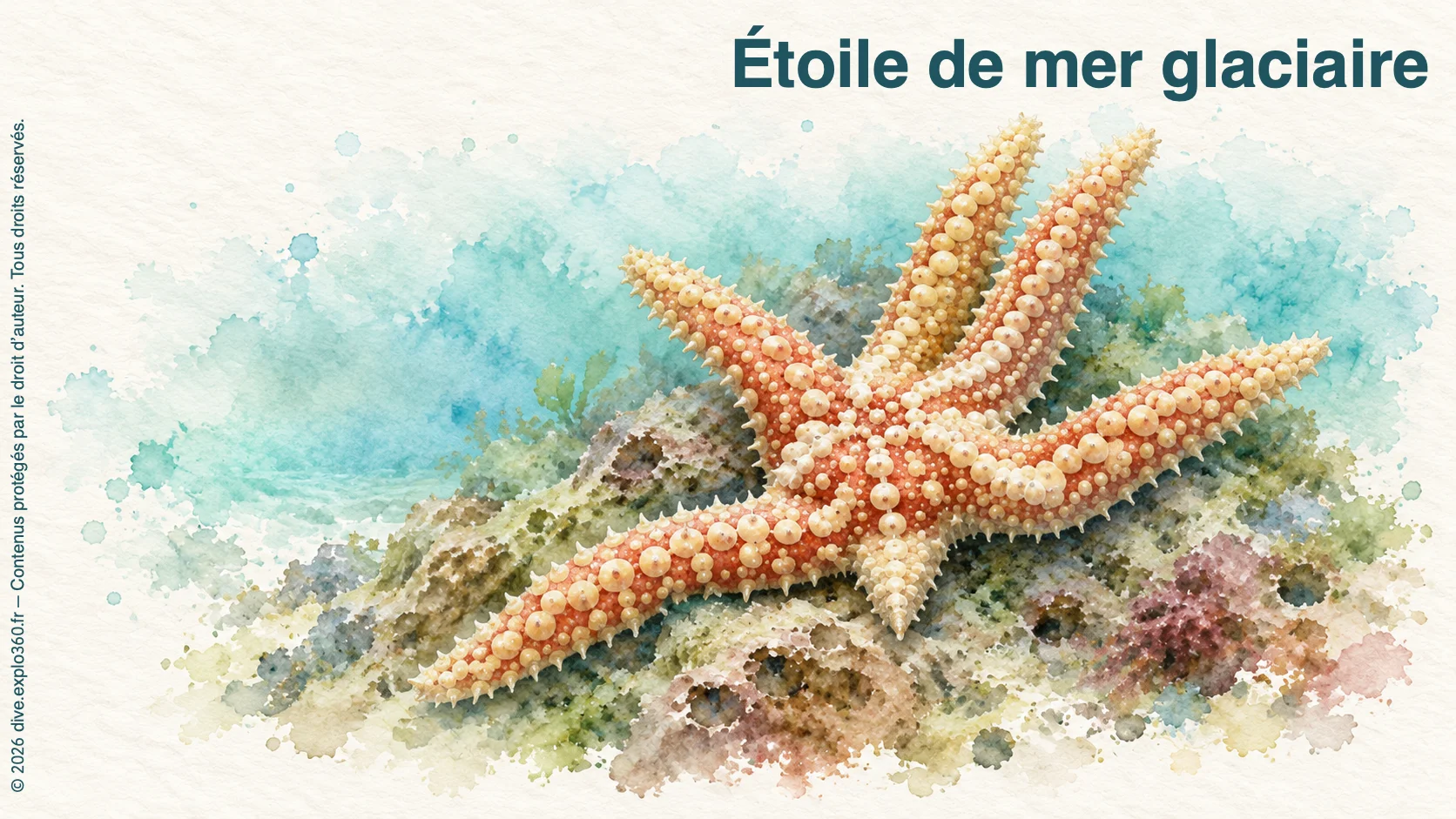
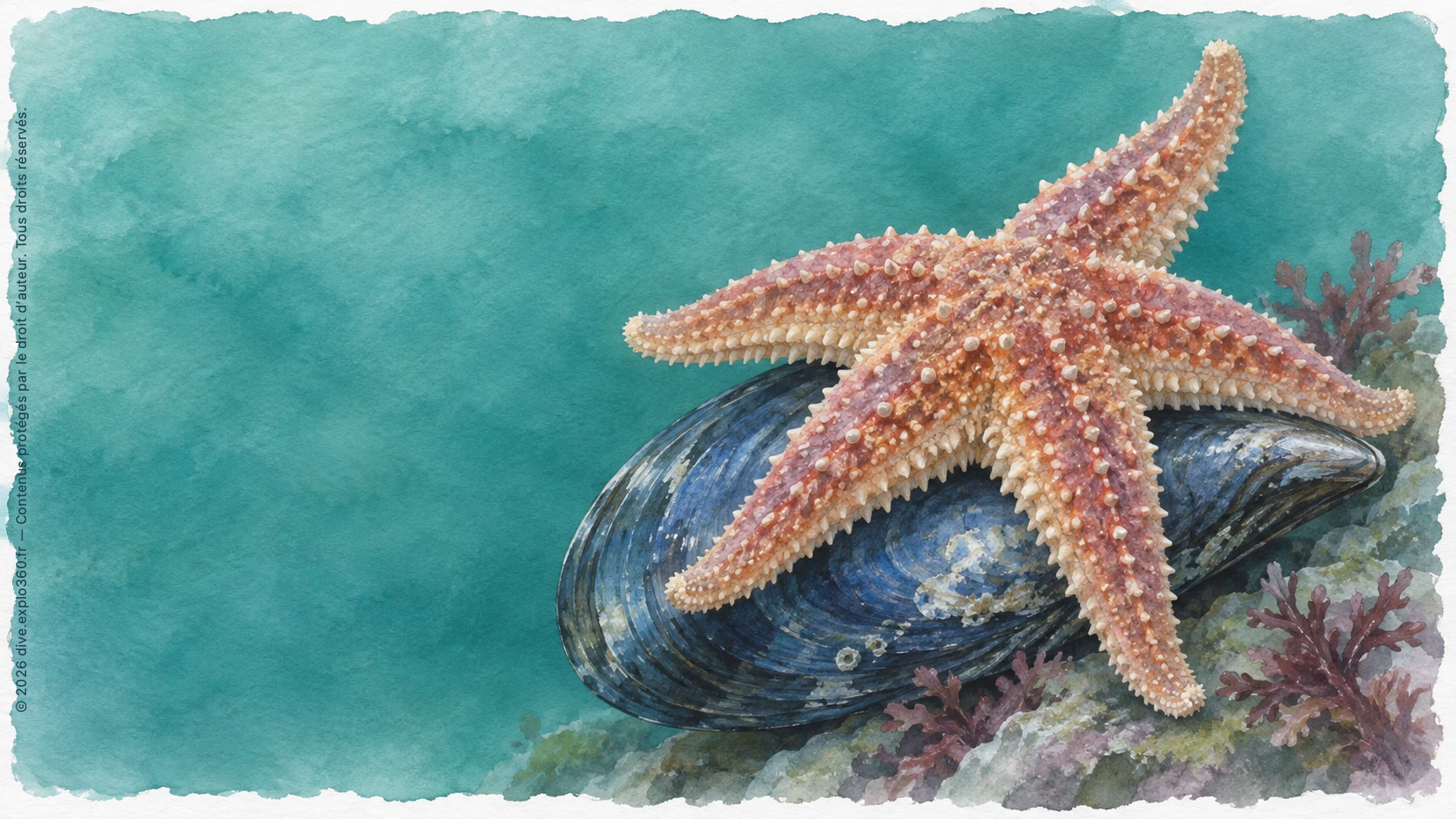
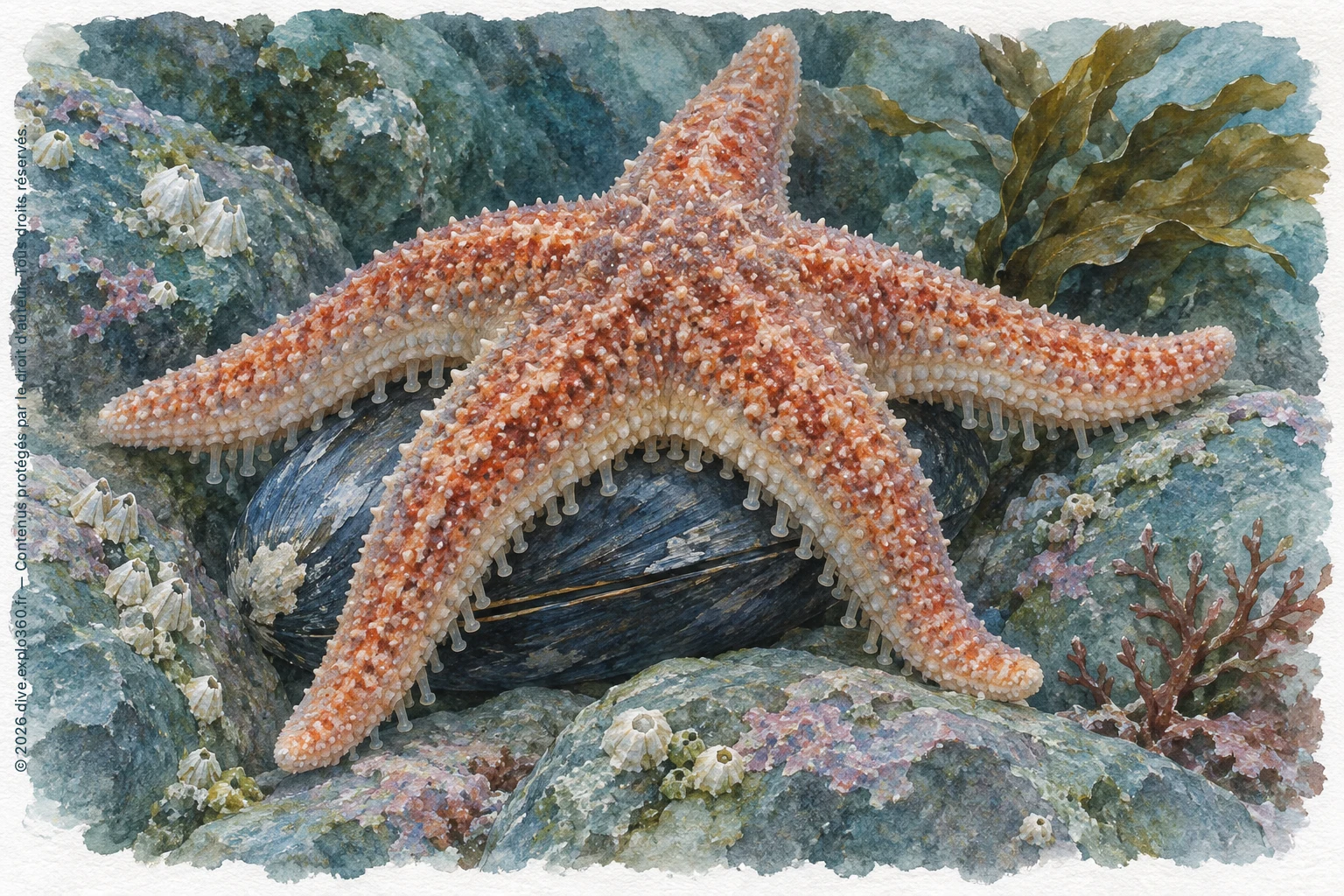
A mussel’s soft body lies between two valves held shut by powerful muscles. The shell puts the flesh beyond the reach of many predators. A sea star can wrap its arms around the mussel and grip both valves with the hundreds of tube feet on its underside. The sea star pulls. The mussel holds shut, but under sustained tension the valves may part just enough.
Something soft emerges from the mouth on the underside of the sea star. It is the stomach. In many sea stars, the cardiac stomach can turn outwards through the mouth and press against the prey’s flesh. This is stomach eversion. Digestive enzymes begin to break down the tissues they reach. The products of digestion can be absorbed or passed to the internal parts of the digestive system. The sea star then withdraws its stomach.
Digestion can begin inside the mussel’s shell. The same mechanism lets sea stars feed on prey too large to swallow whole.
Some sea stars swallow small prey whole, and others feed on different kinds of food. A sea squirt on the same sort of reef has a different problem. Its food arrives in particles so small they could drift past unseen.
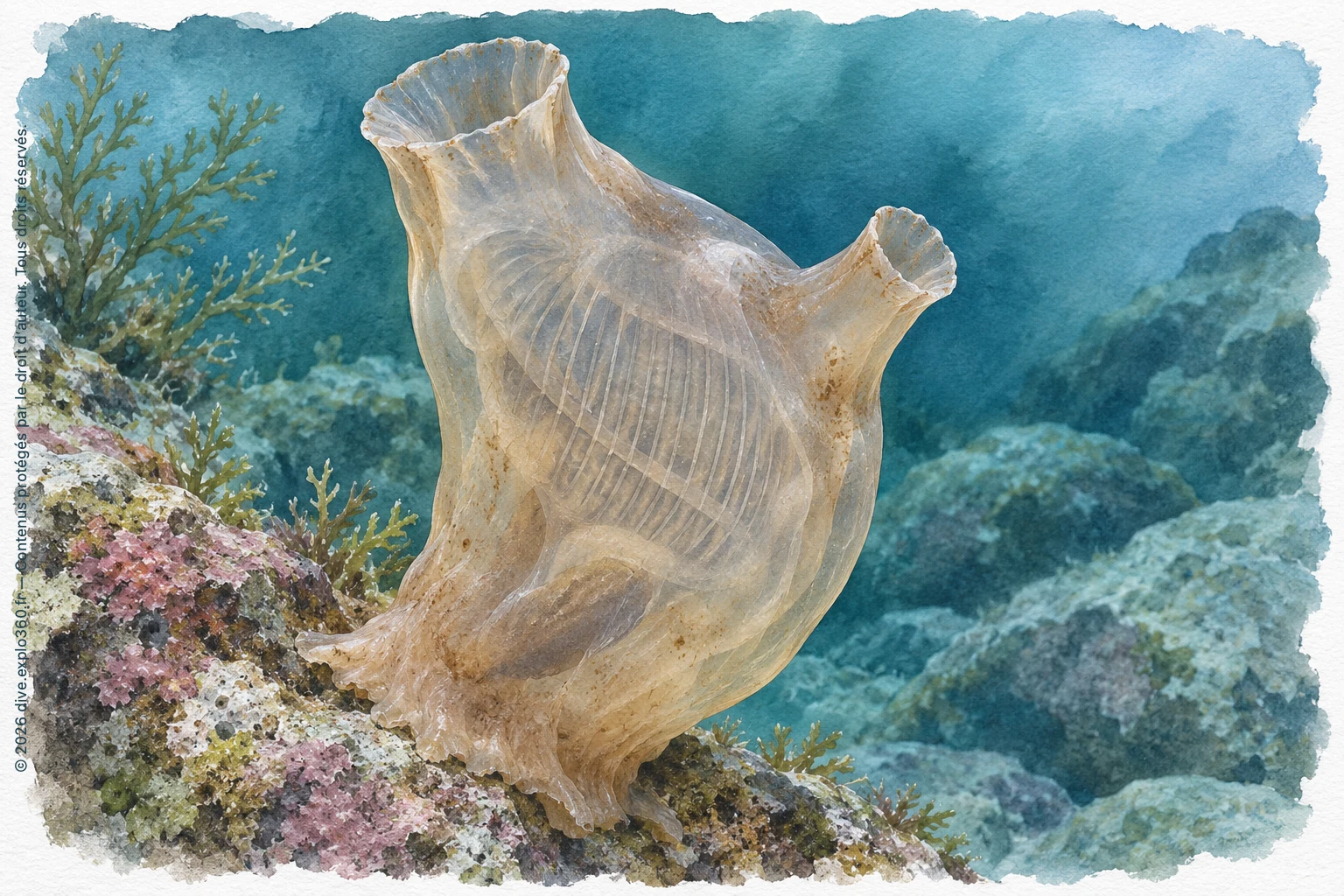
Two openings, one current
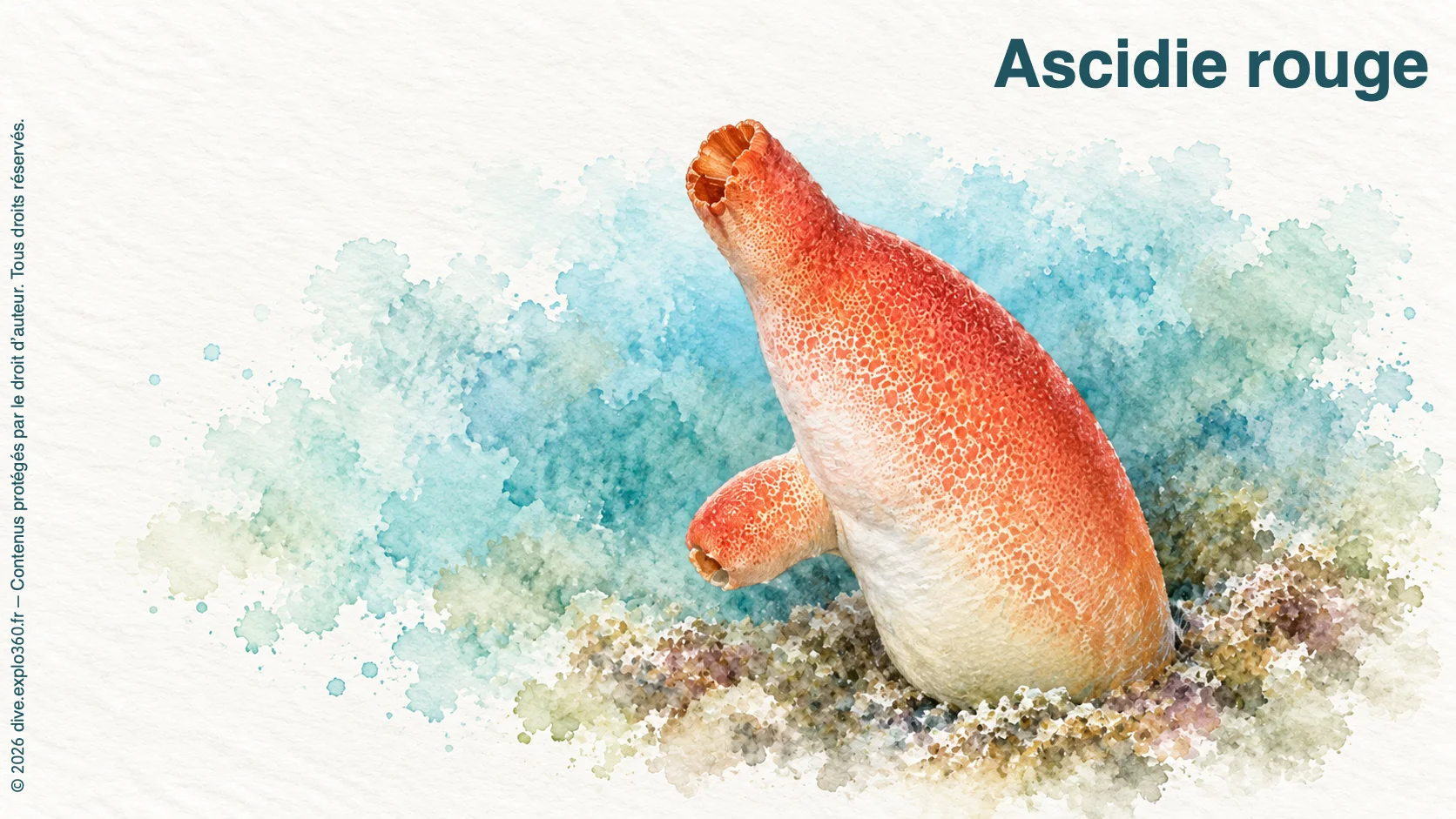
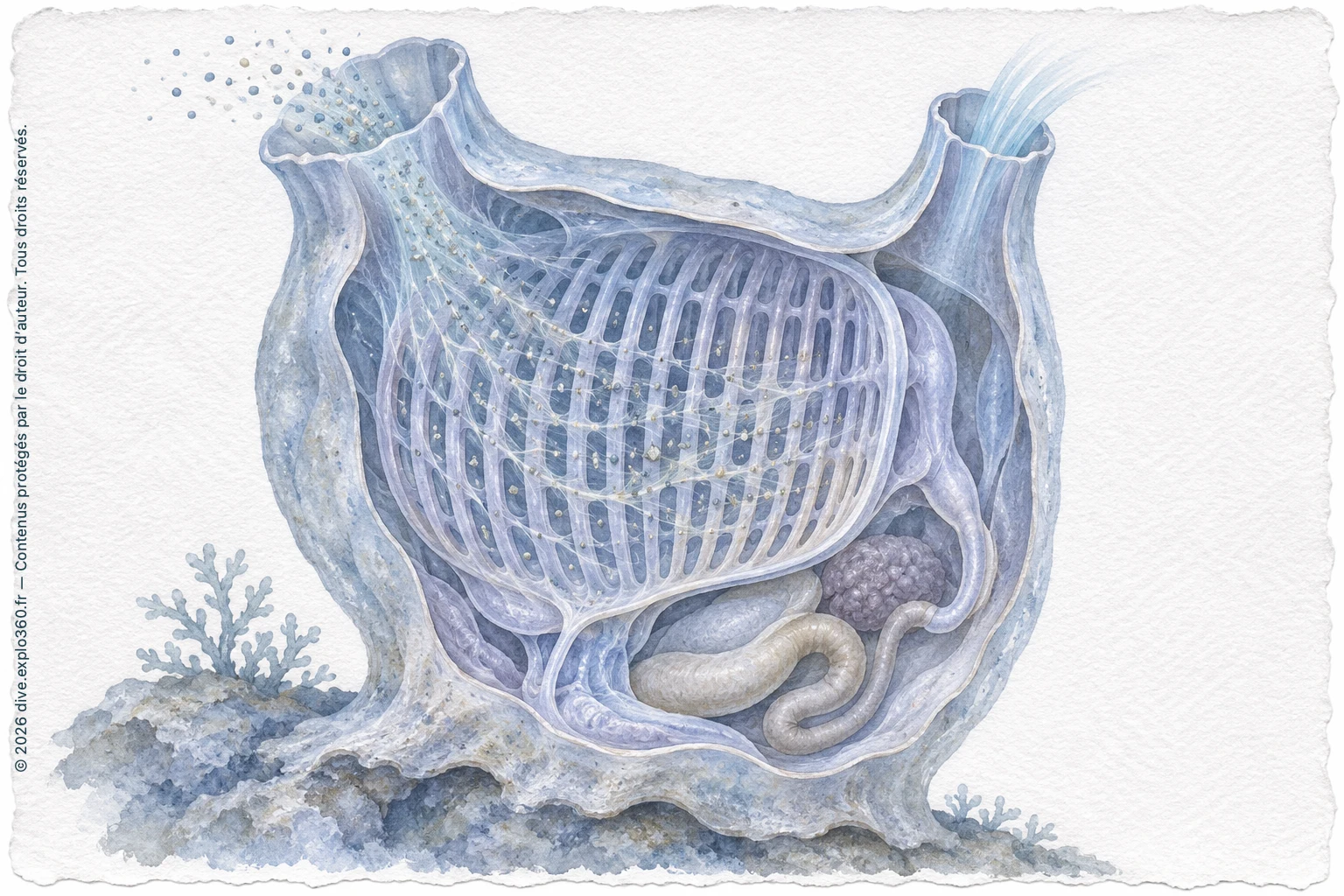
A sea squirt attached to a rock looks like a soft pouch with two openings. One siphon admits water and the other releases it. The incoming flow passes through the branchial basket, a perforated region of the pharynx. Beating cilia help maintain the flow.
Look at what moves between the openings. The water brings in suspended particles. The sea squirt’s feeding apparatus concentrates part of that material before it is swallowed.
A net made of mucus
The holes in the branchial basket let water through. To catch food, the sea squirt uses a finer filter.
A glandular groove called the endostyle makes a mesh of mucus that spreads across the inside of the pharynx. The mesh traps microalgae, bacteria and other organic particles suspended in the water.
The water flows on towards the outlet siphon. The mucus and its load are carried to the upper side of the pharynx, gathered into a strand and passed to the oesophagus and stomach.
By the time the sea squirt swallows, the particles are already concentrated. Some species can retain particles around a micrometre across, or smaller in some conditions.
A heavy load of particles the animal cannot use can disrupt filtration. What the water brings in and what the sea squirt actually swallows can be quite different.
For a sea squirt, the current brings food a particle at a time. For a fish facing a small crustacean, a sudden rush of water may bring in the entire meal.
The decisive movement can take milliseconds.
Explore the same world