A stomach that reaches out

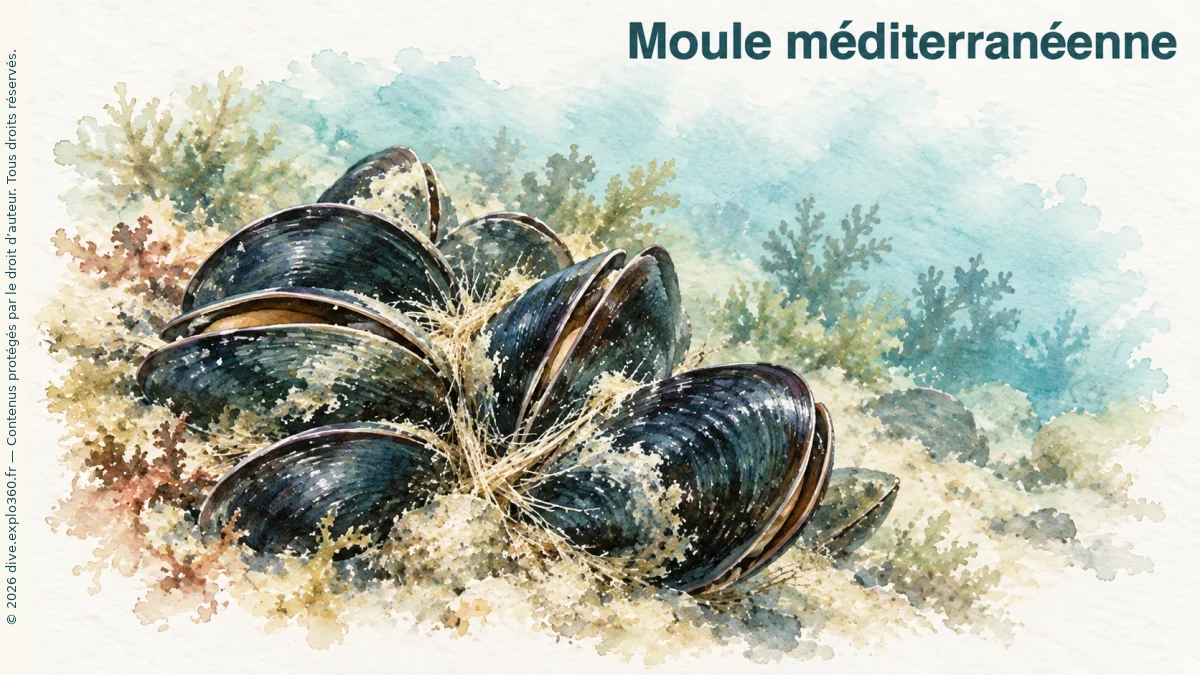
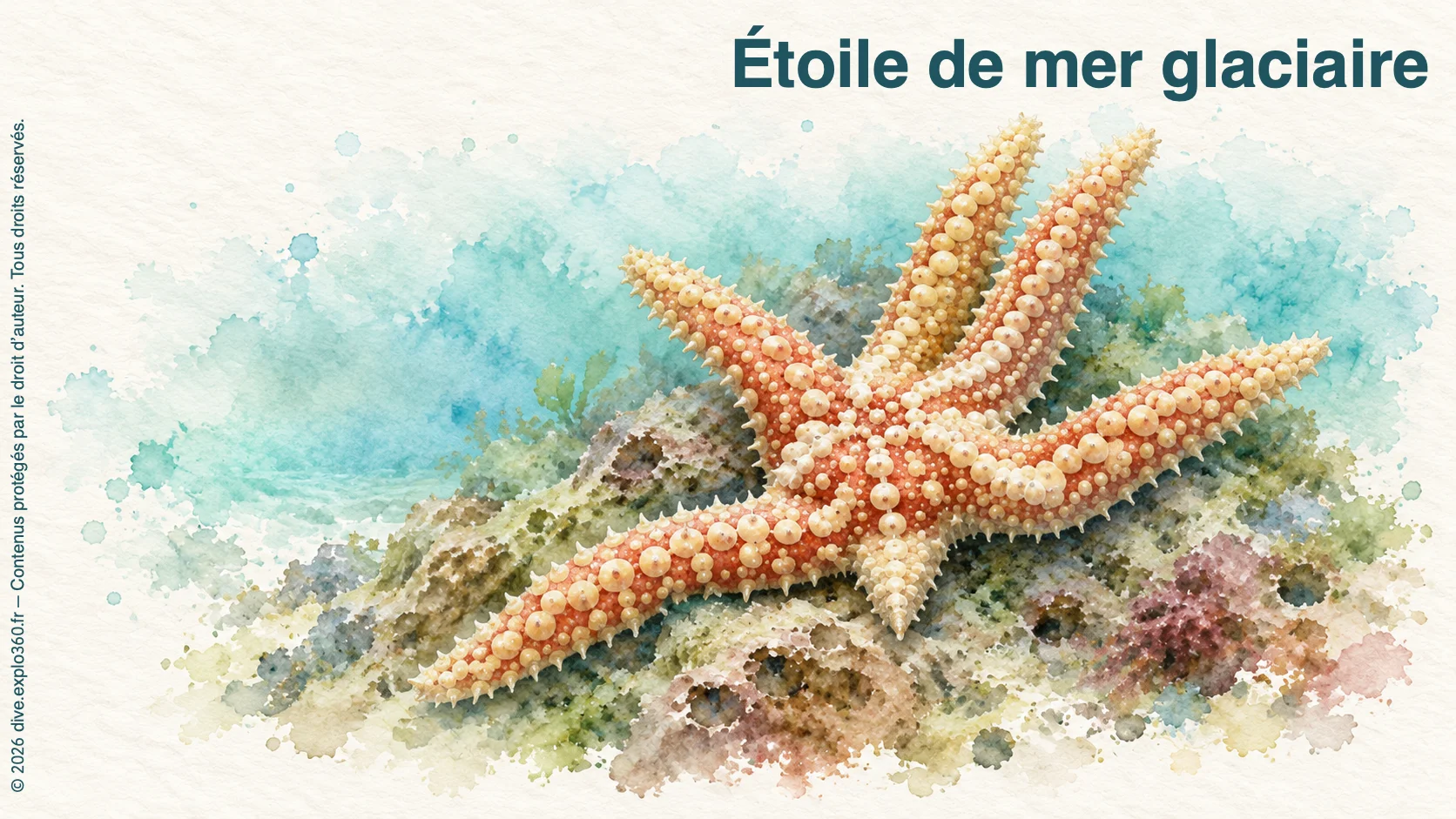
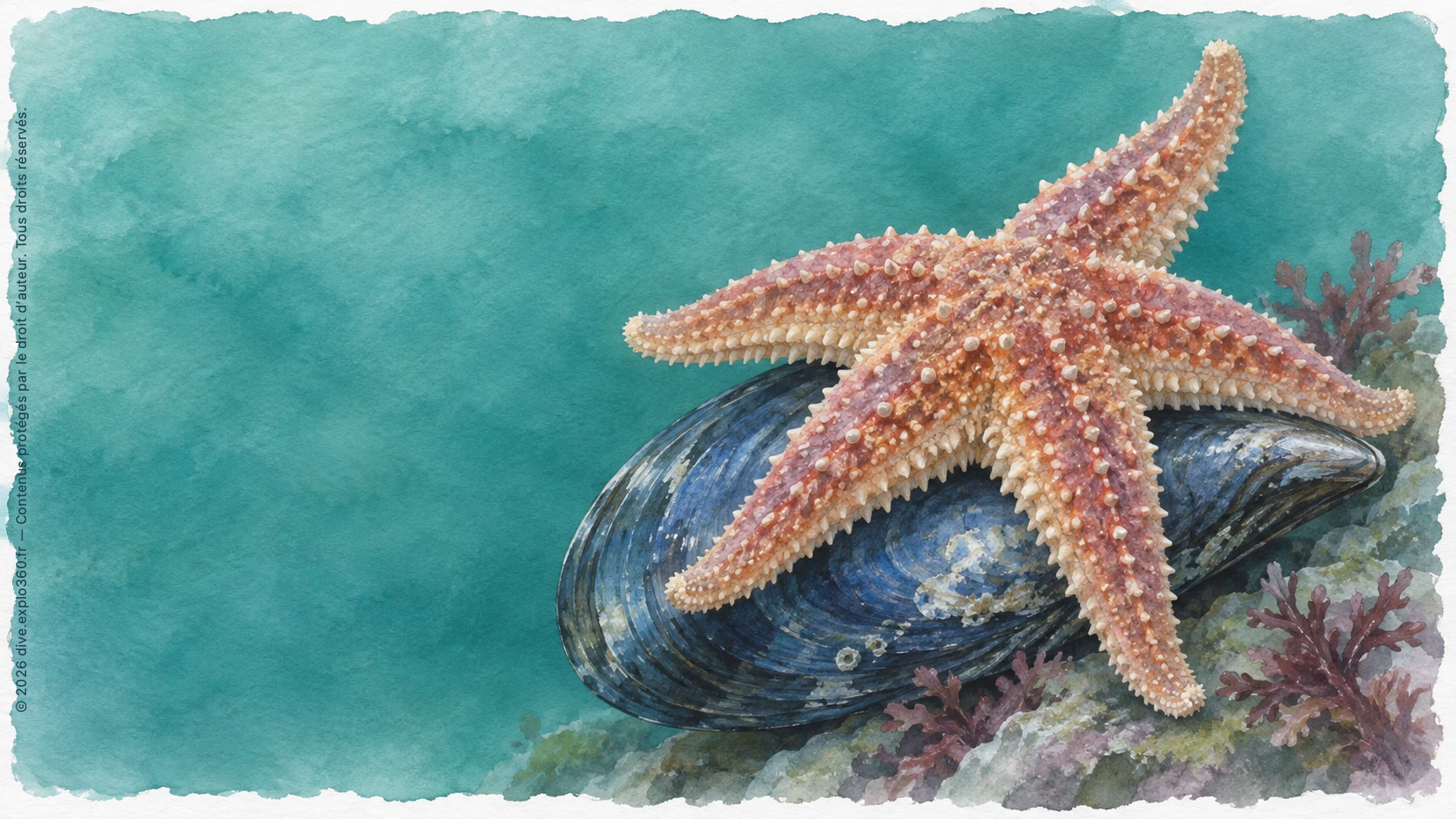
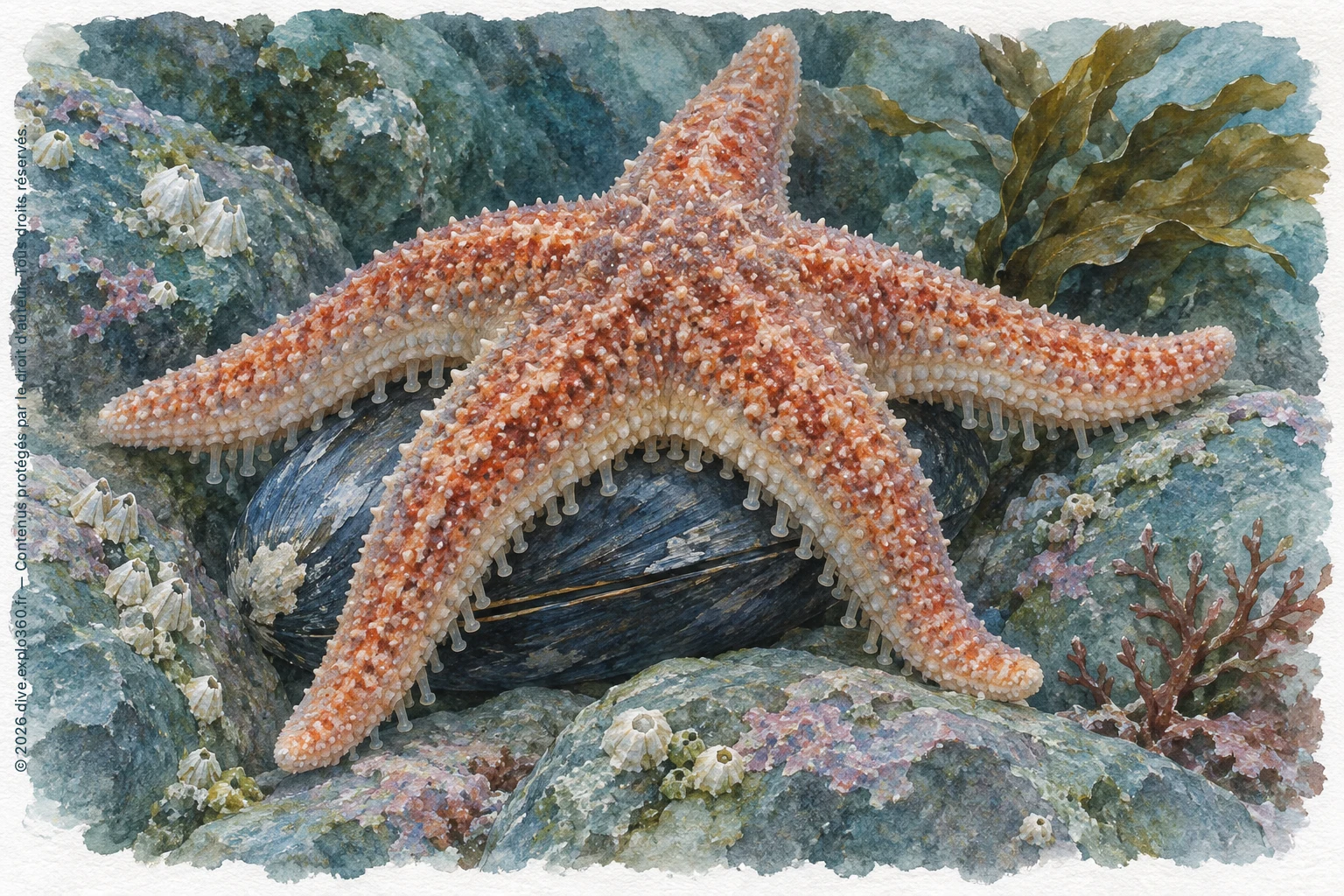
The sea star holds on with tiny tube feet under its arms. If the two halves of the shell part a little, it can push its stomach out through its mouth to reach the soft flesh.
A sea star and a mussel on rocky ground.
The tube feet grip the valves. A tiny gap can give access to the tissue. © dive.explo360.fr — All rights reserved. Reproduction requires permission.
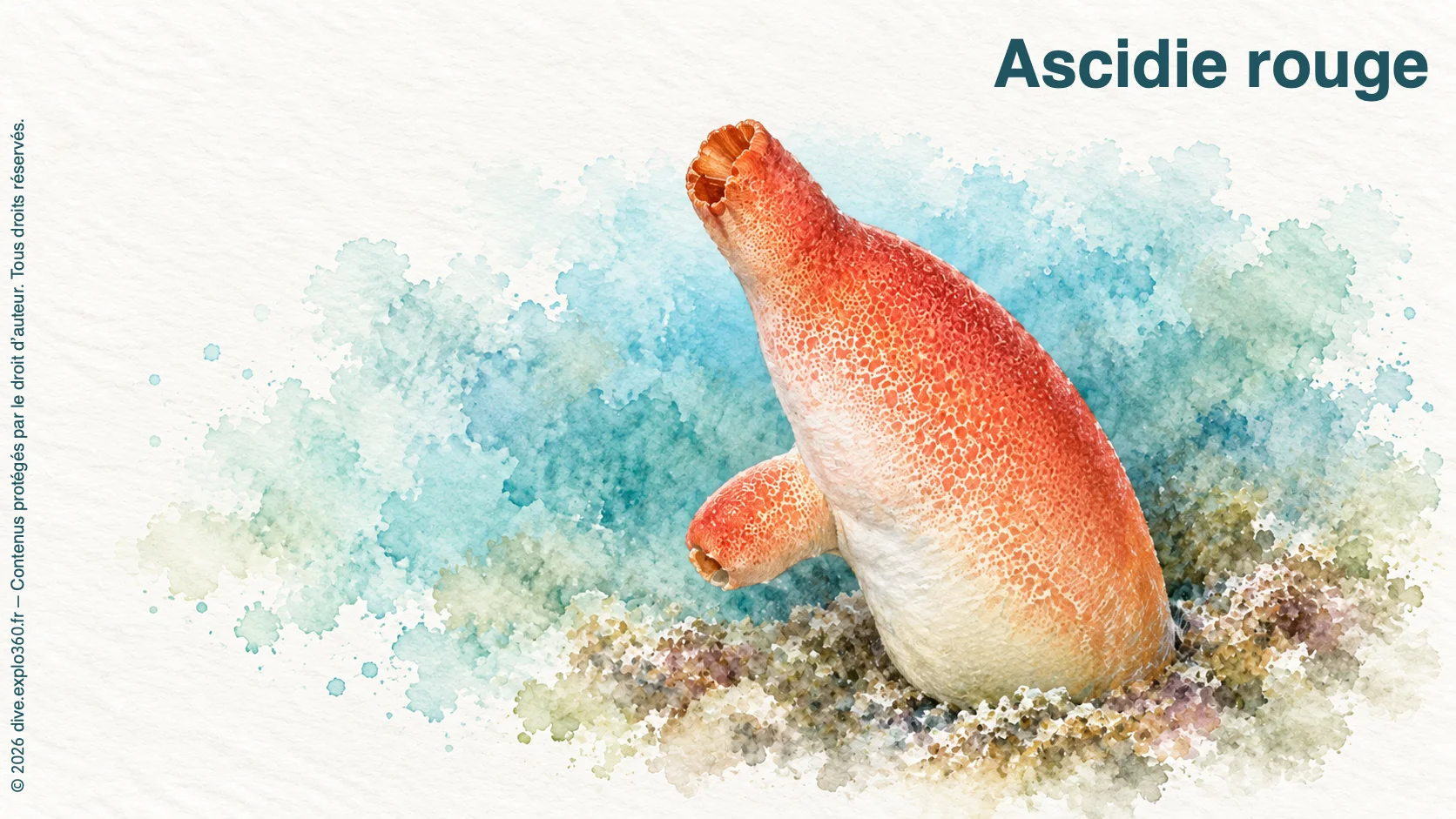
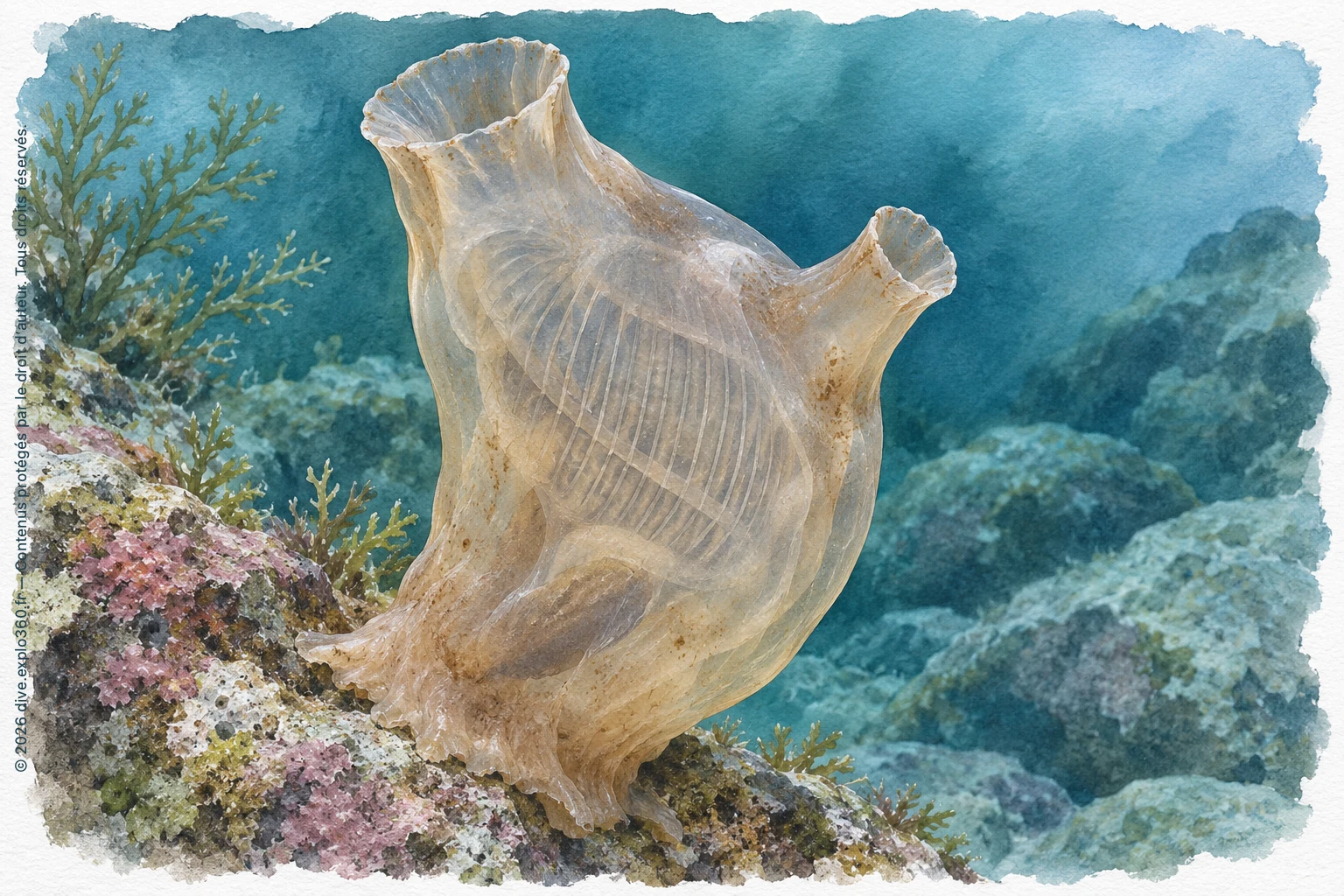
A sea squirt attached to a rock, with two openings.
Water enters through one siphon and leaves through the other. © dive.explo360.fr — All rights reserved. Reproduction requires permission.

Two openings, one current

A sea squirt lives attached to a rock. Look at its two openings. Water enters through one and leaves through the other, bringing tiny pieces of food.

Where is the food?

1

Inside a shell

The sea star reaches tissue through a gap.
2

In the water

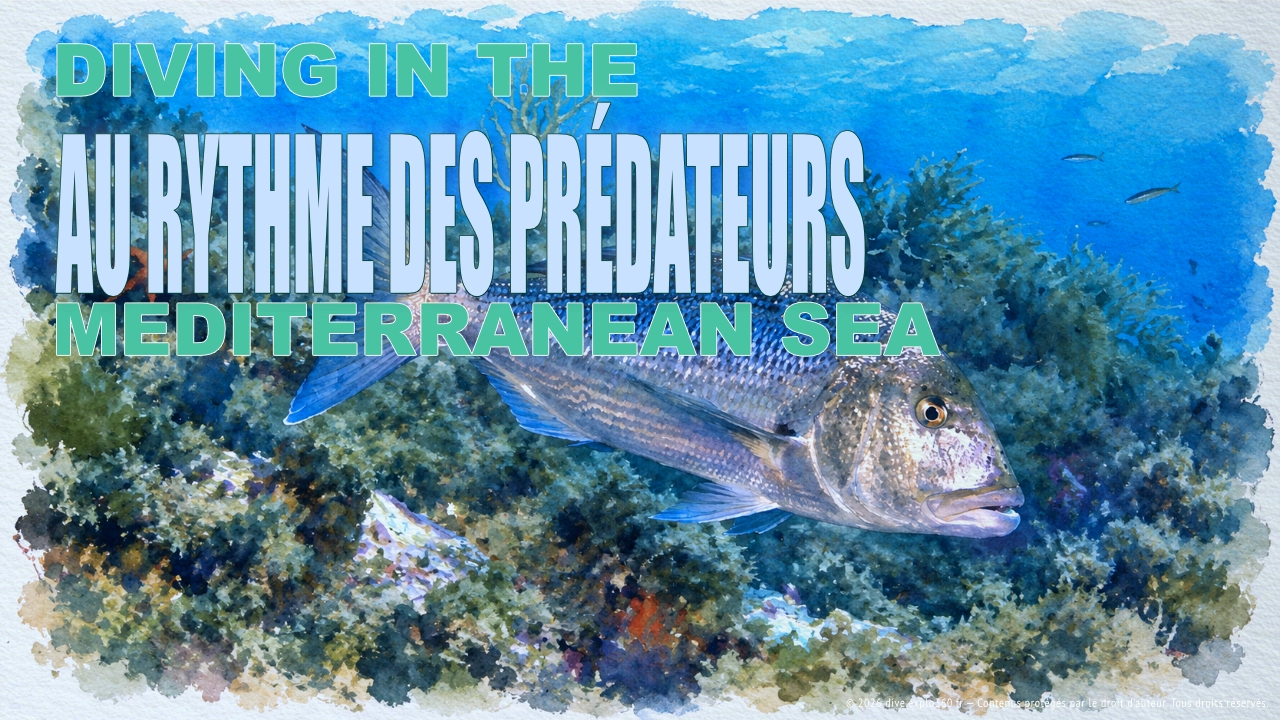
A sea squirt traps particles and a fish can suck in prey.
3

In the sediment

The sea cucumber gathers particles deposited on the bottom.

A net made of mucus

Inside the sea squirt is a fine net made of mucus, a sticky substance the animal makes. Tiny bits of food get caught in it. The sea squirt swallows the net and the food together.
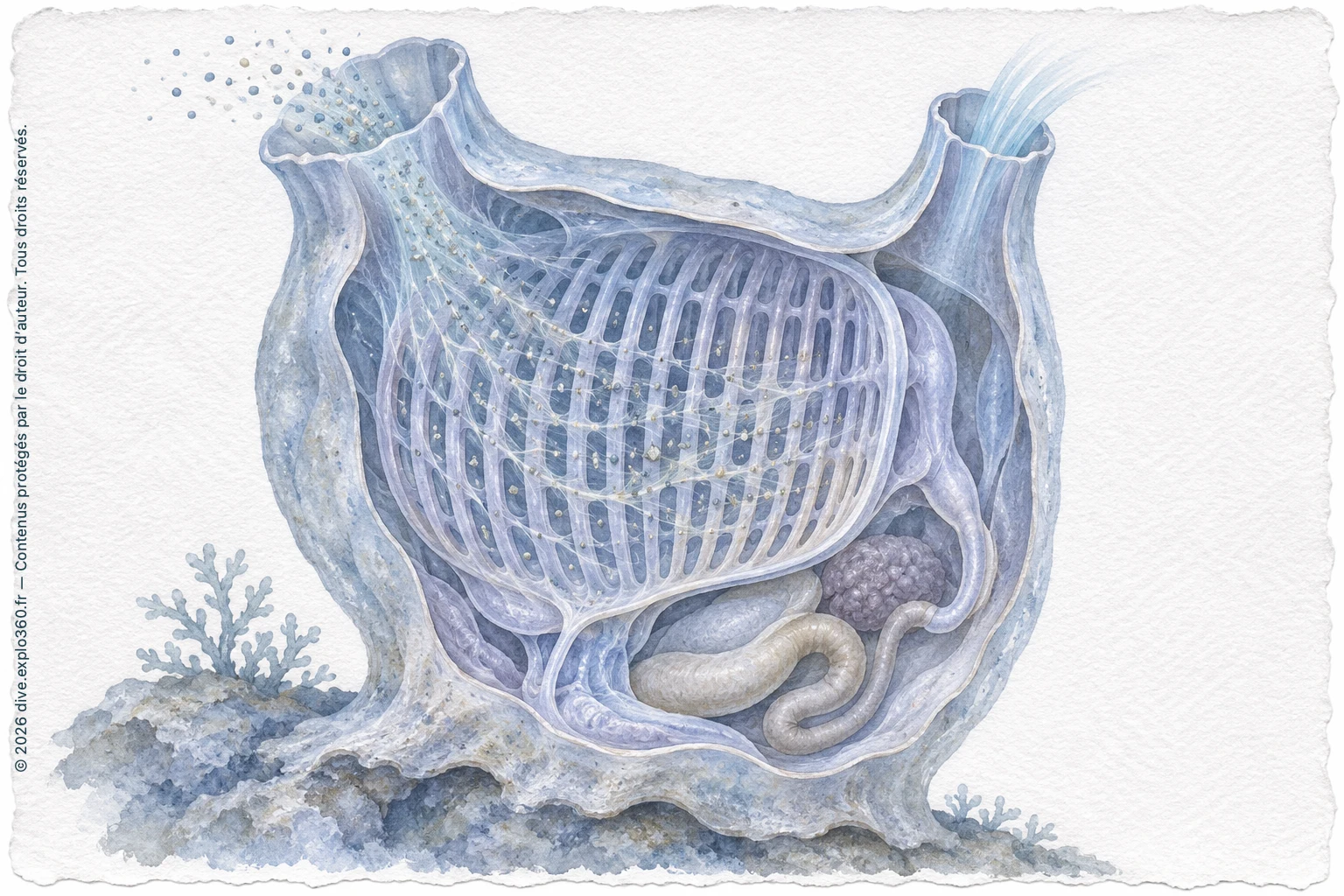
Schematic cutaway of a sea squirt.
A mucus net traps tiny bits of food in the water. © dive.explo360.fr — All rights reserved. Reproduction requires permission.

Continue reading

AMIGANSEAU CONTENT

The rest of this article is for subscribers

Log in with your AMIGANSEAU licence to continue reading.

All active AMIGANSEAU licences give access to the full article.