


The canal that links two seas
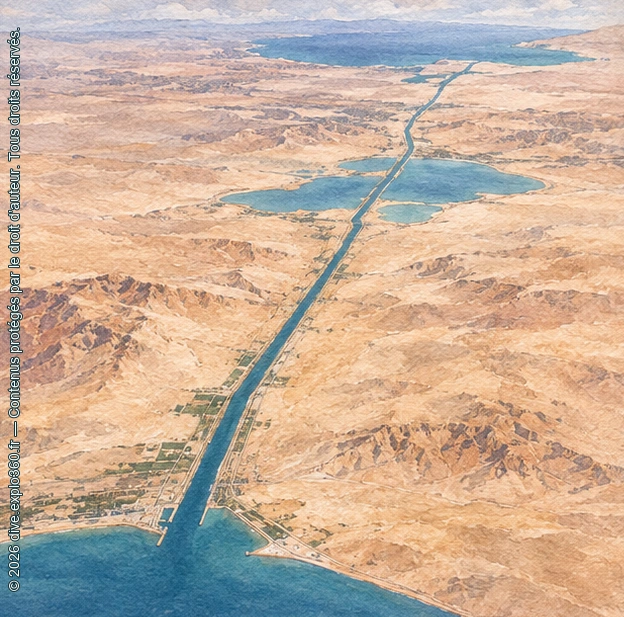
Before the Suez Canal opened on 17 November 1869, a strip of land separated the two seas. The canal made a permanent route, but very salty water in the Bitter Lakes and fresh water from the Nile made it hard for some fish to cross. Water exchange, the Aswan High Dam and later work on the canal changed those conditions. The spread of species through Suez over successive generations is called Lessepsian migration, after Ferdinand de Lesseps.
From a sighting to a population
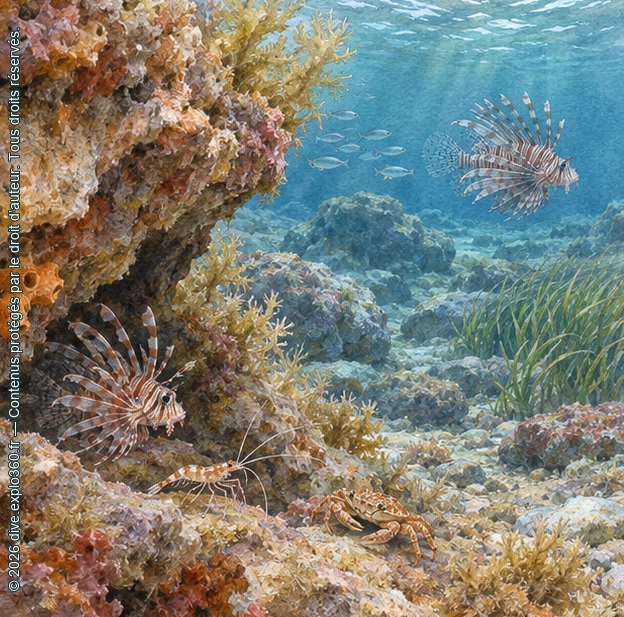
A fish that reaches the Mediterranean still needs food, shelter and a temperature it can tolerate. If its young survive and breed in turn, a population can take hold. A first sighting tells you a fish was there. It may have arrived alone, or others may have been there for years before anyone spotted them. A varied diet and the use of different habitats can help it survive.
Lionfish become established
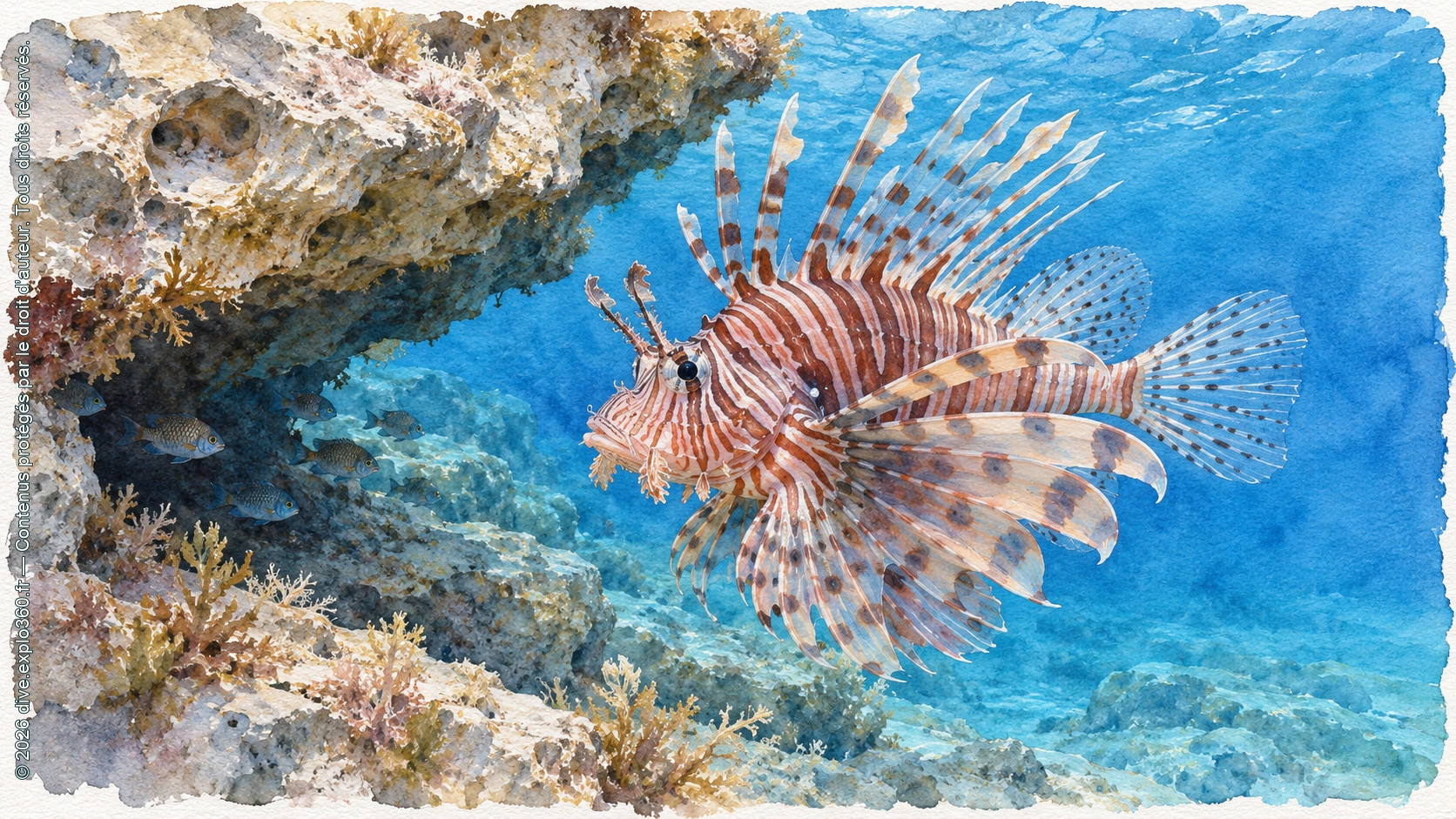
After an isolated record off Israel in 1991, two lionfish were reported off Lebanon in 2012. Sightings then multiplied from Cyprus to Turkey and Greece. Young fish and breeding adults show that populations had become established, especially around Cyprus. Lionfish use natural and artificial shelters, eat fish and crustaceans, carry venomous spines and breed over a long season, especially in warm months.
Currents carry the young
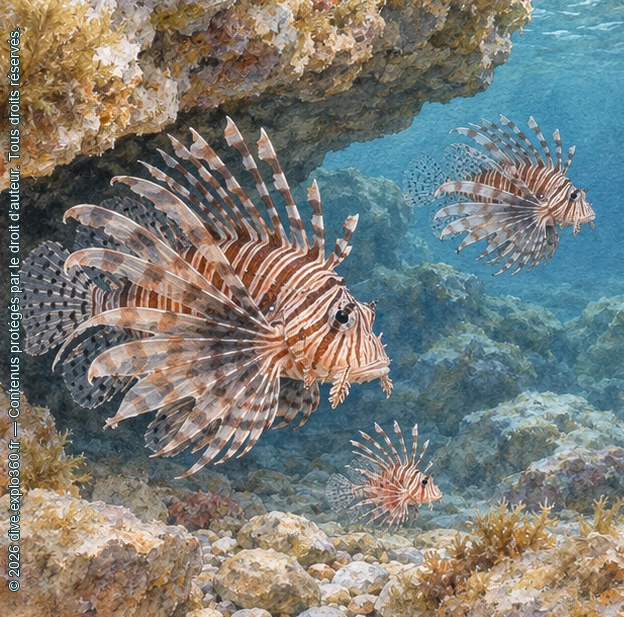
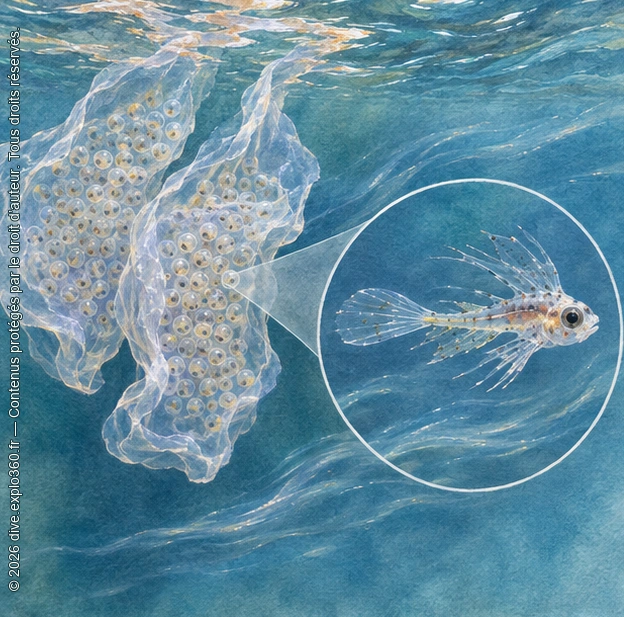
Lionfish release their eggs in jelly-like masses. Currents can carry the young far from the reefs where the adults live. If they survive and breed on another coast, their own young can travel onwards. Cold water or a lack of food or shelter can break that chain. Sightings in Sicily, Malta, the Adriatic and Sardinia tell us where lionfish have been seen. In 2026, most evidence of lasting populations comes from the east.