


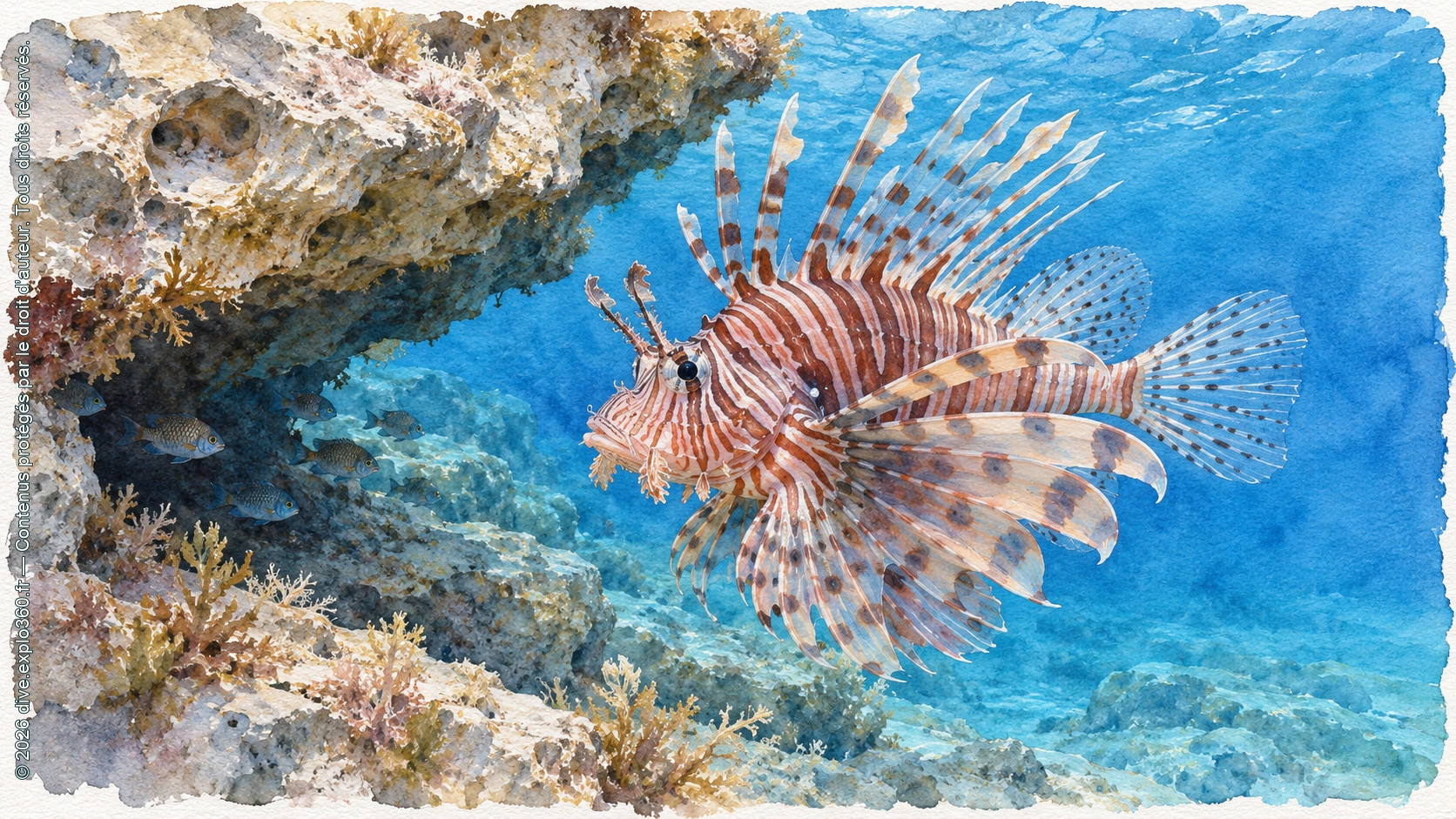
From a land barrier to a marine corridor
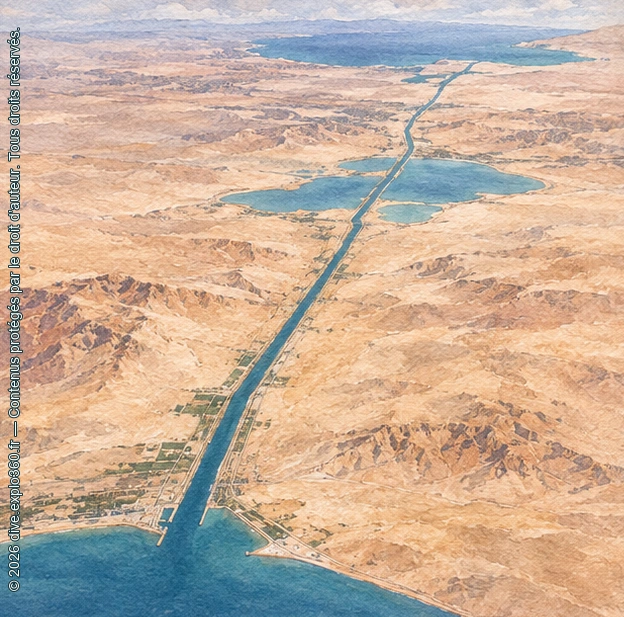
The Suez Canal has connected the two seas since 17 November 1869. High salinity in the Bitter Lakes and freshwater inputs from the Nile initially acted as filters. Water exchange reduced the extreme salinity, the Aswan High Dam altered Nile discharge, and canal enlargements influenced circulation. Named after Ferdinand de Lesseps, Lessepsian migration here describes a progressive process of colonisation over several generations.
Survival, reproduction and detection
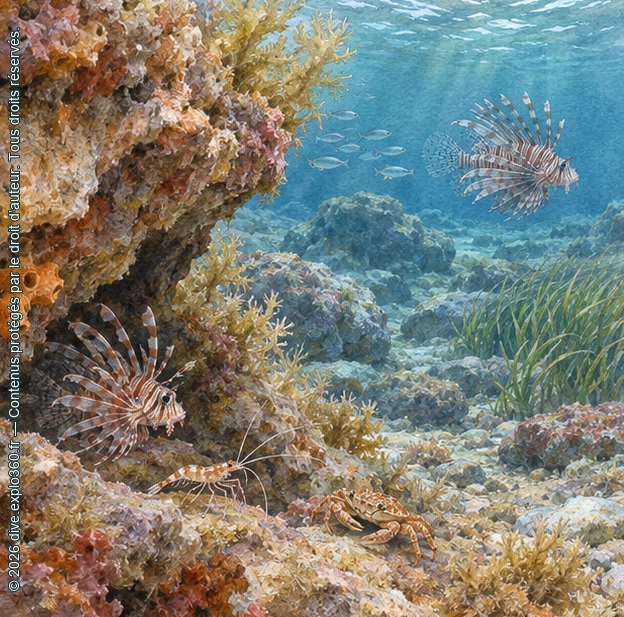
To establish a population, fish arriving through the canal must survive and produce offspring that go on to breed. Food, shelter, predation and temperature all affect their chances. A broad diet and the ability to use several habitats can help. The first sighting may come years after arrival, especially if a species is scarce or difficult to detect.
From detection to establishment in Pterois miles
The isolated 1991 record off Israel preceded two sightings off Lebanon in 2012 and a rise in records across the eastern Mediterranean. Juveniles and breeding adults off Cyprus demonstrate local recruitment. A varied diet, several kinds of shelter, venomous spines and an extended breeding season help explain the species’ success.
Larval dispersal and stepwise expansion
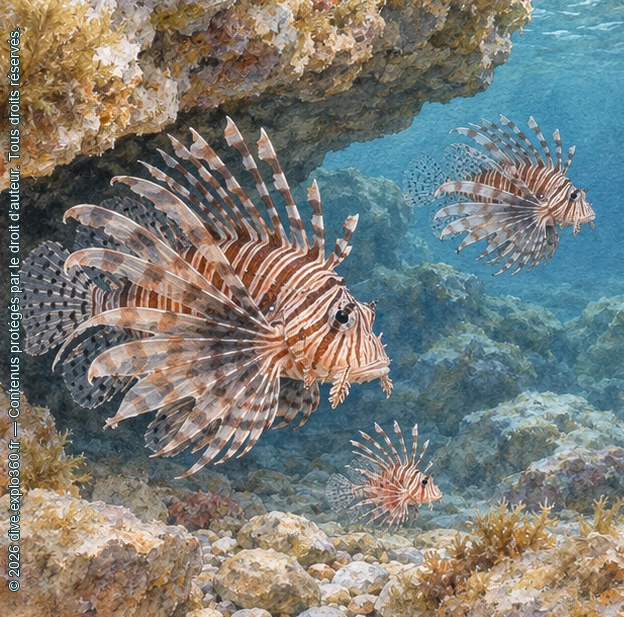
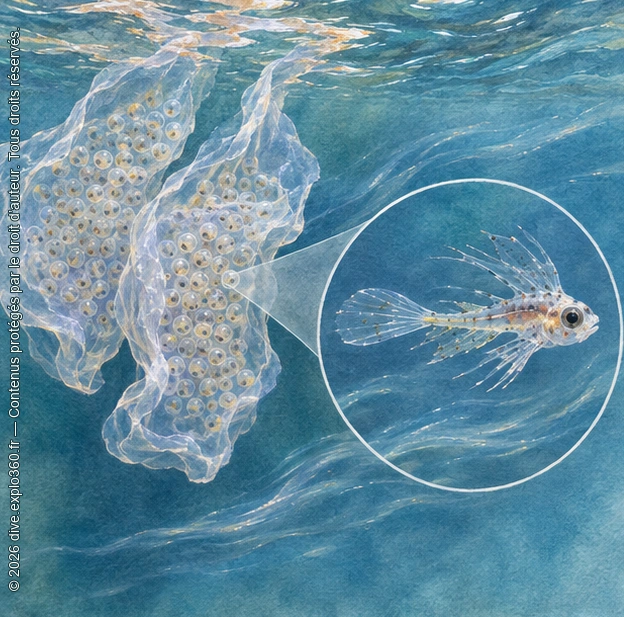
Lionfish spawn in gelatinous egg masses. During their pelagic stages, currents can carry the young far from the adult population. If they settle, survive and reproduce, they can form a new source of larvae. Low temperatures or unsuitable habitat can interrupt the process. Lionfish have been reported in Sicily, Malta, the Adriatic and occasionally Sardinia. In 2026, evidence of lasting populations is concentrated in the east.