


A waterway between two seas
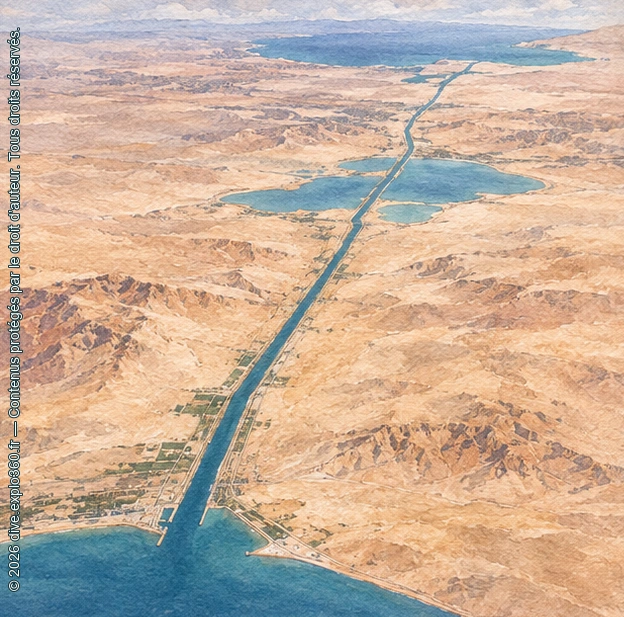
The Red Sea and the Mediterranean were once separated here by land. On 17 November 1869, the Suez Canal opened a path through it. Some parts of the journey were too salty for many fish, and fresh water from the Nile also made it hard to cross. As conditions changed, some fish crossed and their young grew up in the new sea. This is called Lessepsian migration.
Arriving and finding a home
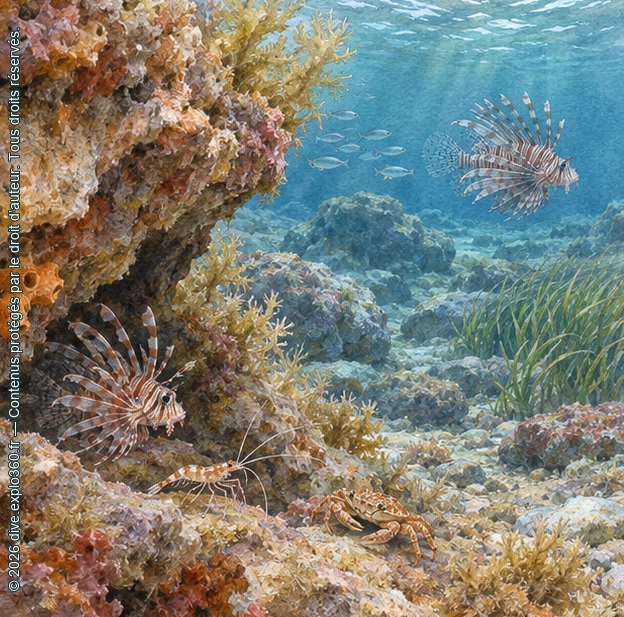
Once a fish gets through the canal, it needs water at the right temperature, food and somewhere to hide. It might be the only one a diver ever sees. To make a lasting home in the new sea, the fish must have young that grow up and have young of their own.
Lionfish grow and multiply
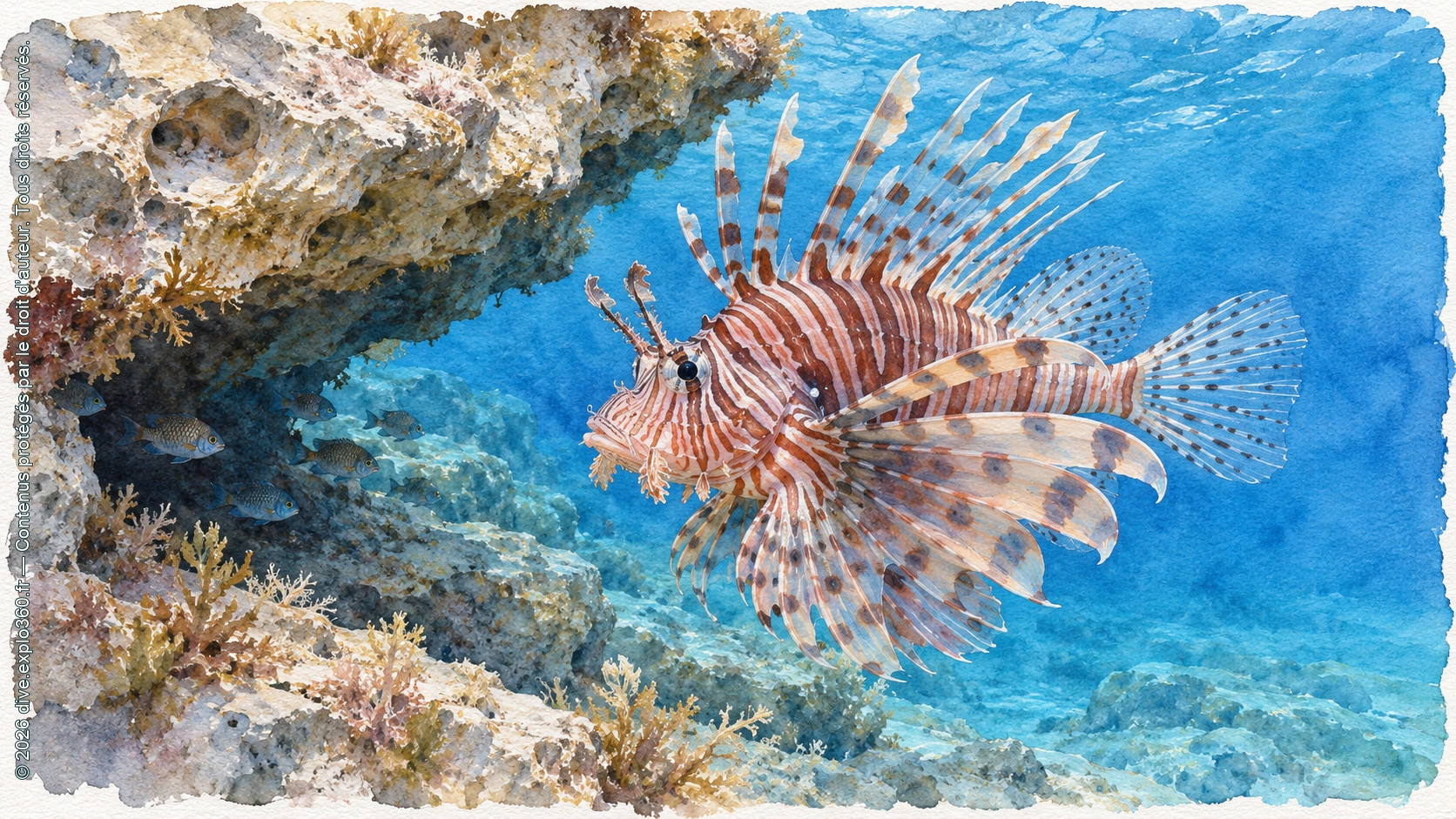
A lionfish was first reported off Israel in 1991. Two more were seen off Lebanon in 2012. Many more turned up afterwards, including around Cyprus, Turkey and Greece. Young lionfish grew up there. Lionfish shelter around rocks, eat various small animals and defend themselves with venomous spines. They can breed for much of the year, especially in the warm months.
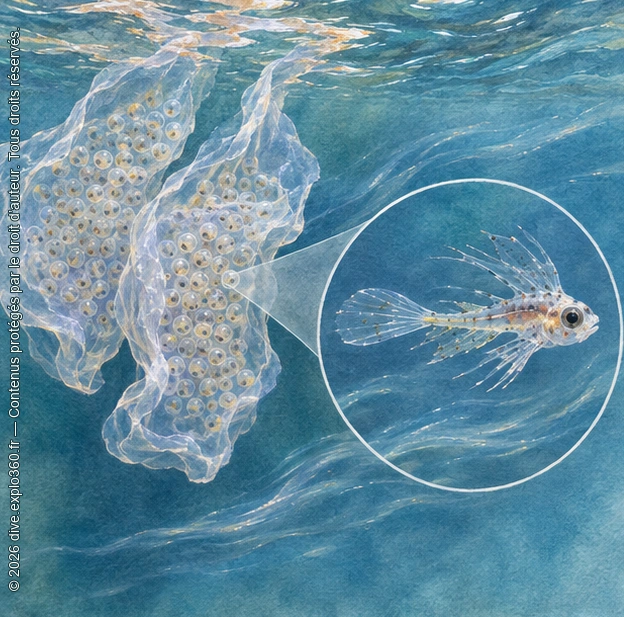
The smallest travellers go with the flow
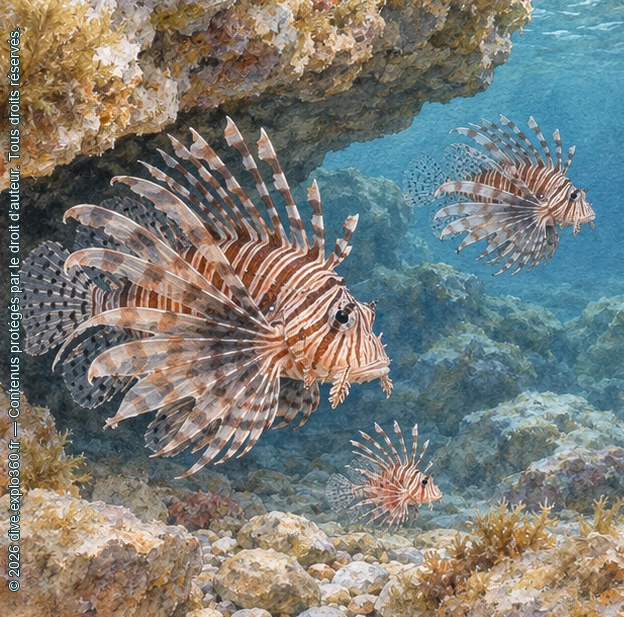
A female lionfish releases eggs in jelly-like bundles. The adults can stay near their rocky shelters while the current carries the tiny young away. Some find food and shelter and grow up to have young of their own. Lionfish have been spotted near Sicily and Malta, in the Adriatic and sometimes off Sardinia. Seeing one fish tells us it reached that spot. It takes more sightings to find out whether lionfish are breeding there.