The colony and its gametes
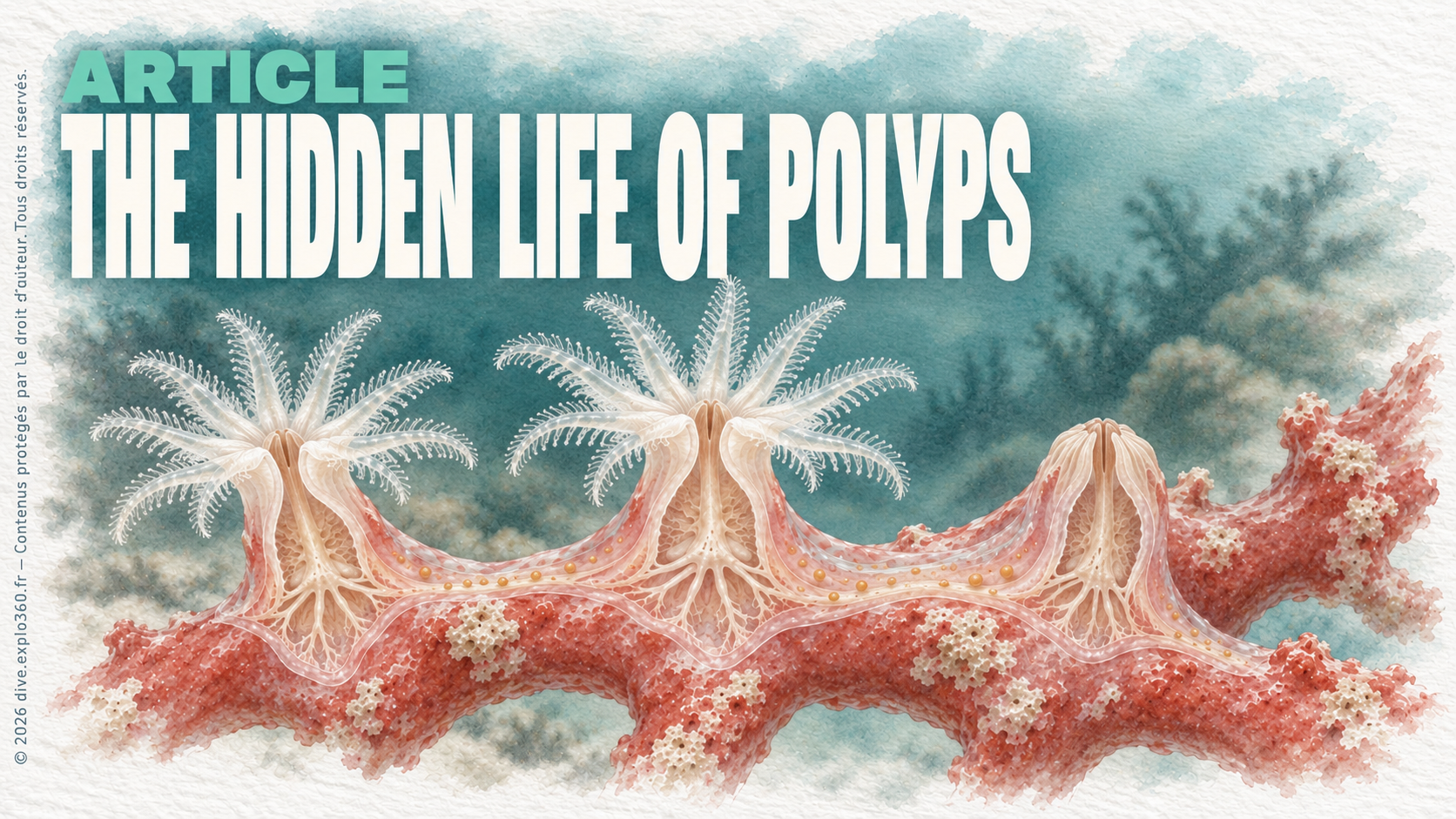
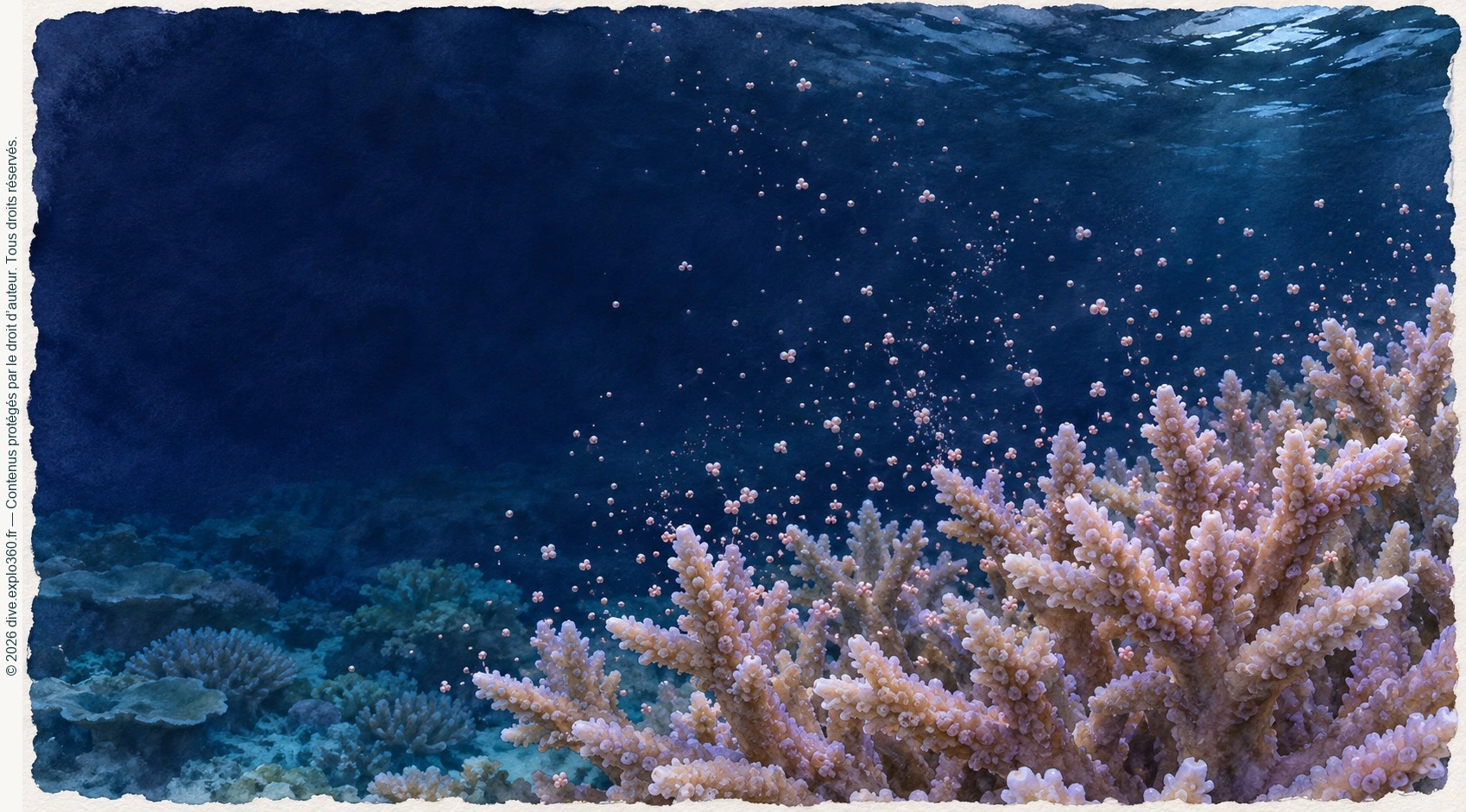
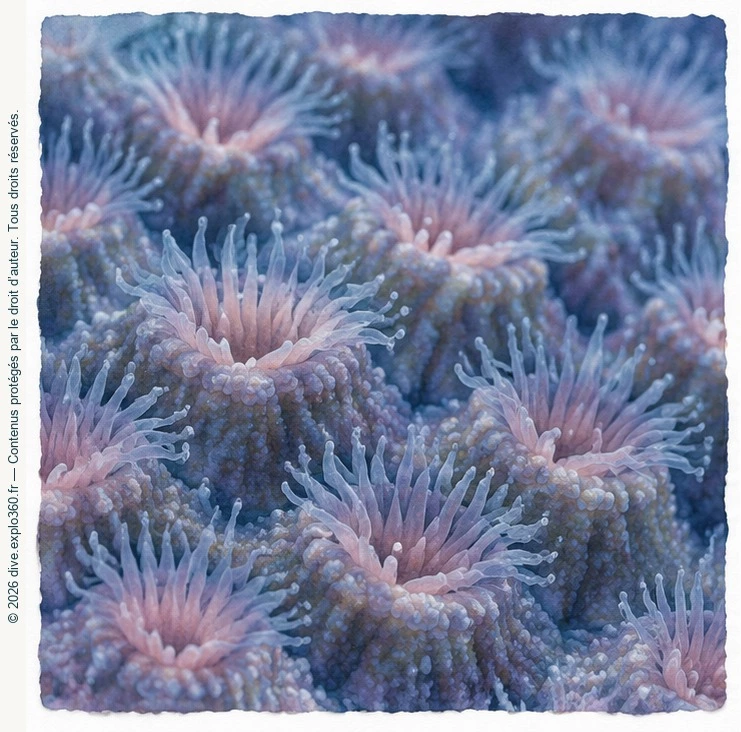
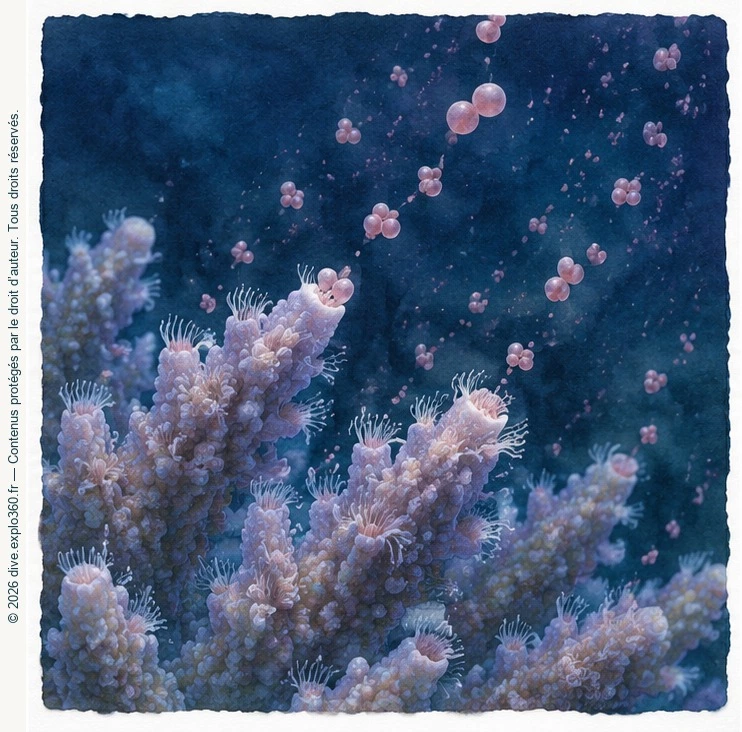
Budding increases the number of polyps within a colony. Sexual reproduction begins with eggs and sperm. Some corals have separate sexes, and many hermaphroditic broadcast spawners release egg-and-sperm bundles.
Cues that set spawning time
Seasonal conditions influence gamete maturation, while lunar phase and the time of night can help synchronise spawning. Experiments on Dipsastraea speciosa point to the dark interval between sunset and moonrise after the full moon as a trigger in that species. Other species follow different schedules.
Two larval routes
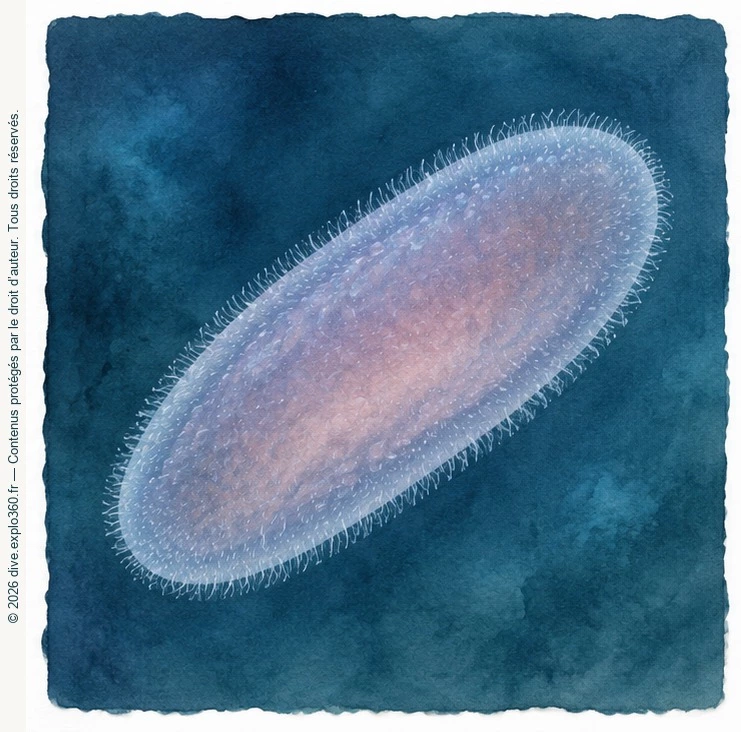
After external fertilisation, the embryo develops into a ciliated planula. Currents and larval swimming influence where it goes. The time spent in open water varies with the species and the conditions it encounters.
Larvae under shelter
In brooding species, fertilisation and early development take place inside the polyps. Some larvae are ready to settle soon after release, which can shorten the time available for dispersal.