A colony made of polyps

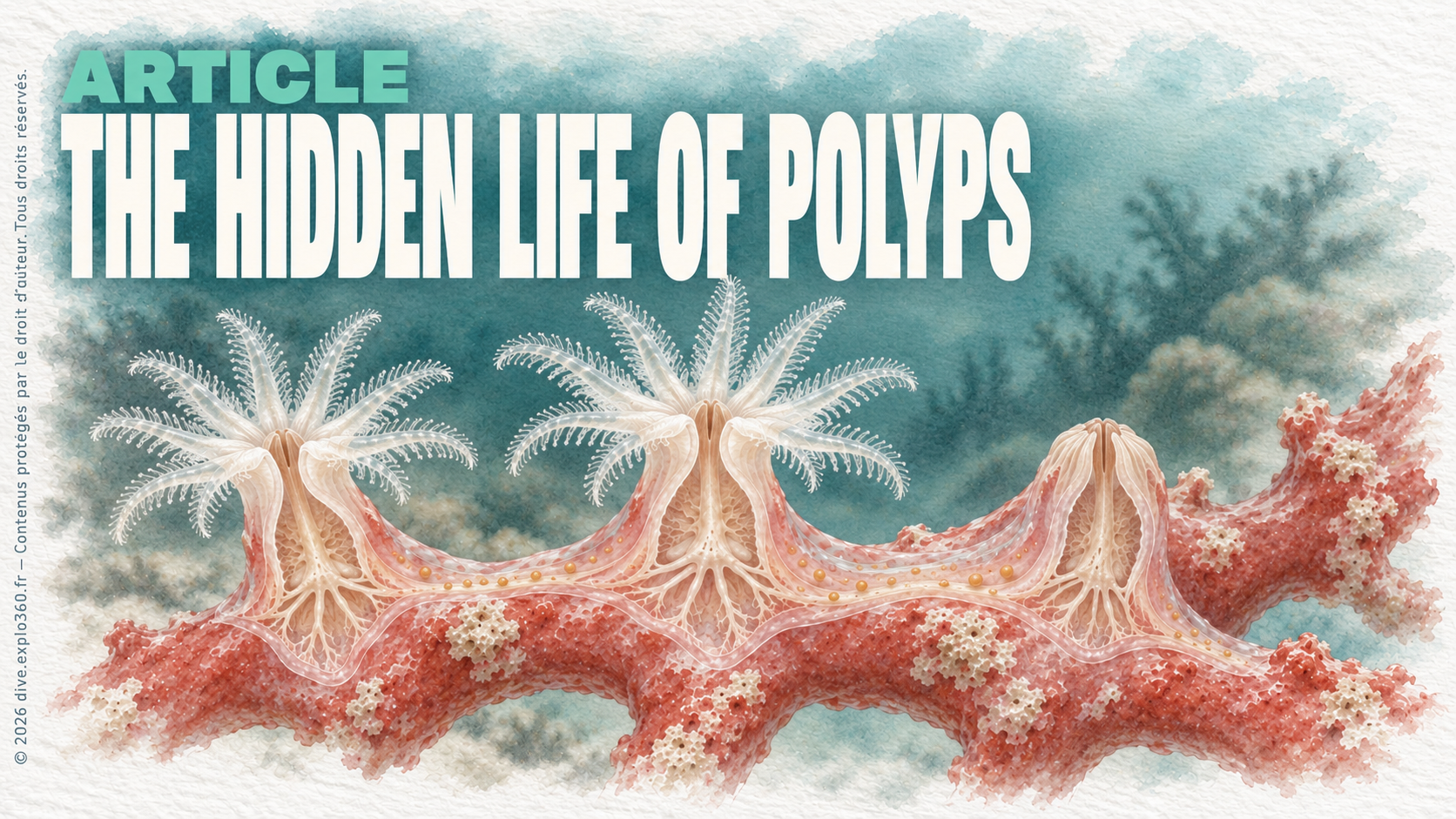
Look closely at a coral and you may see rows of little mouths, each surrounded by tentacles. Each mouth belongs to an animal called a polyp. In reef-building corals, the polyps live together and build a hard skeleton.
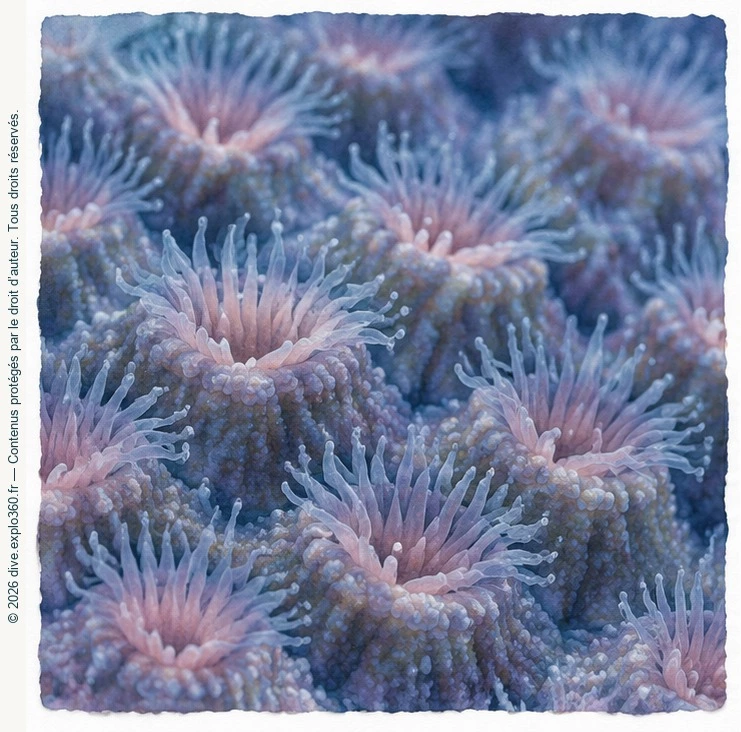
Neighbouring polyps form a colony. Each has a ring of tentacles.
Neighbouring polyps form a colony. Each has a ring of tentacles. © dive.explo360.fr — All rights reserved. Reproduction requires permission.

Spawning in the water

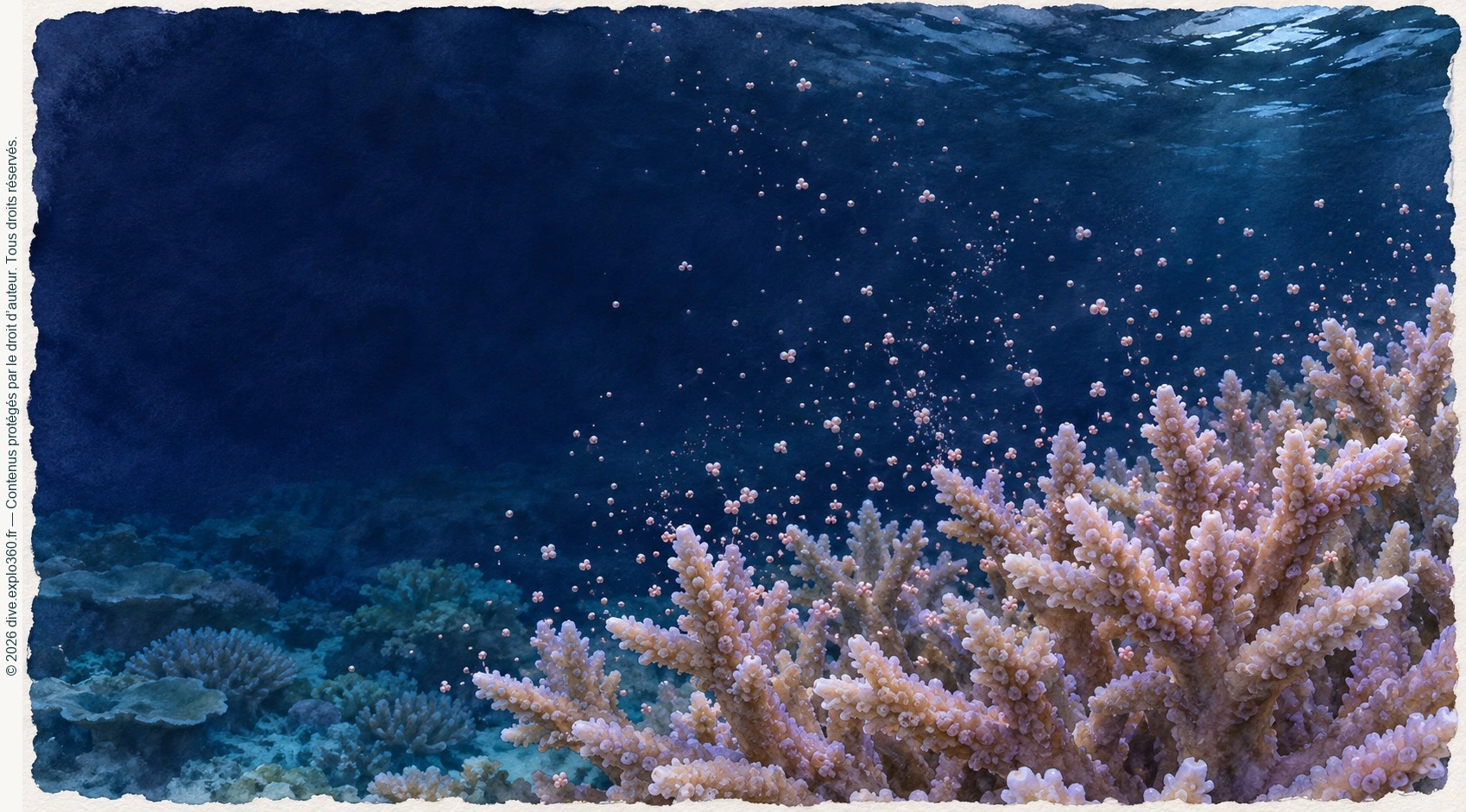
Some corals let go of their bundles on the same night. The bundles rise and break apart. When a sperm cell joins an egg, the egg can start to grow.
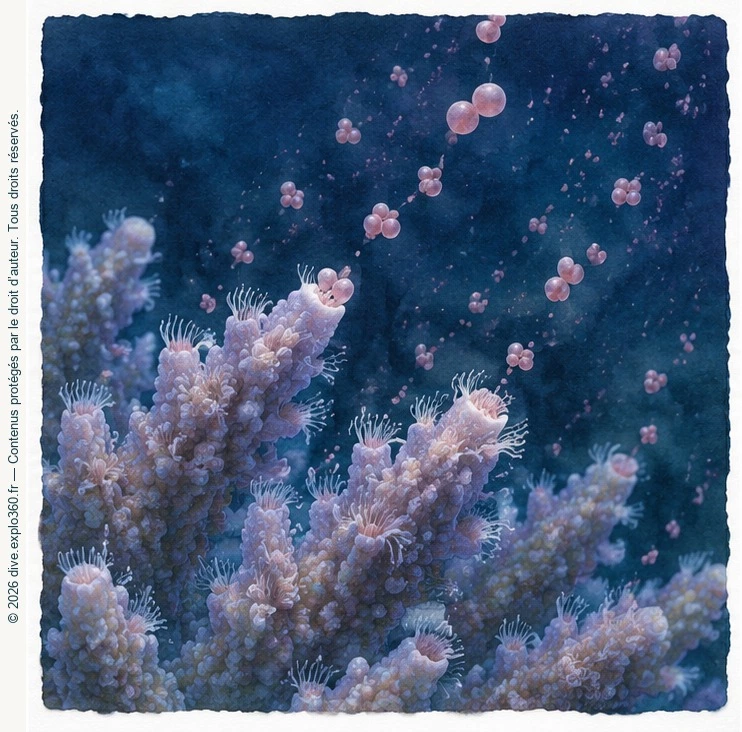
Bundles containing eggs and sperm leave a colony. Illustrated reconstruction.
An illustration of a coral colony releasing bundles of eggs and sperm. © dive.explo360.fr — All rights reserved. Reproduction requires permission.
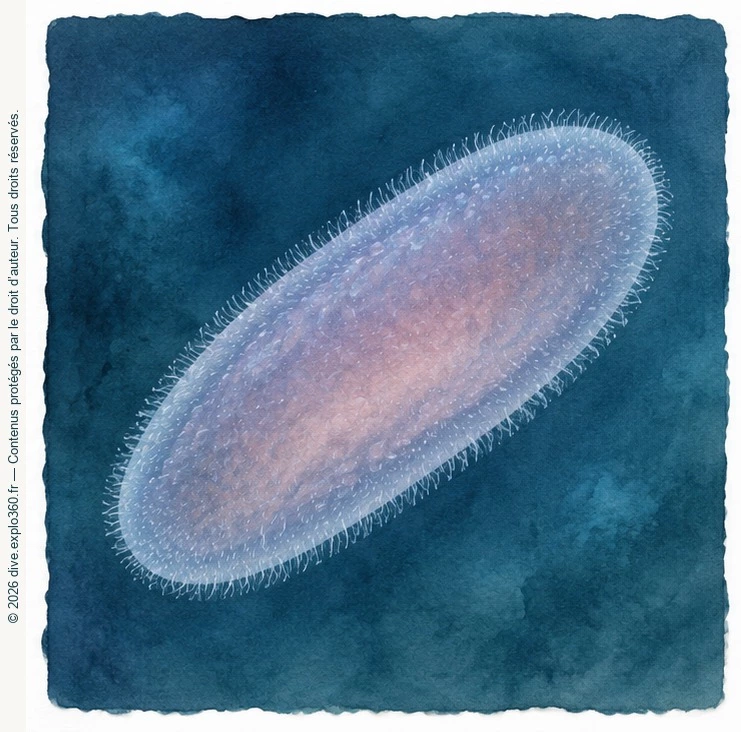
Enlarged planula. Surface cilia help it swim.
An enlarged view of a planula, with the tiny cilia it uses to swim. © dive.explo360.fr — All rights reserved. Reproduction requires permission.

A swimming larva

A young coral that can swim is called a planula. Tiny hairs beat along its body and move it through the water. The current can carry it to another part of the reef.

Larvae under shelter

Some corals keep their young inside the polyps for a while. When the tiny larvae come out, they are already able to swim.
Continue reading

AMIGANSEAU CONTENT

The rest of this article is for subscribers

Log in with your AMIGANSEAU licence to continue reading.

All active AMIGANSEAU licences give access to the full article.