How an anemone stings its prey
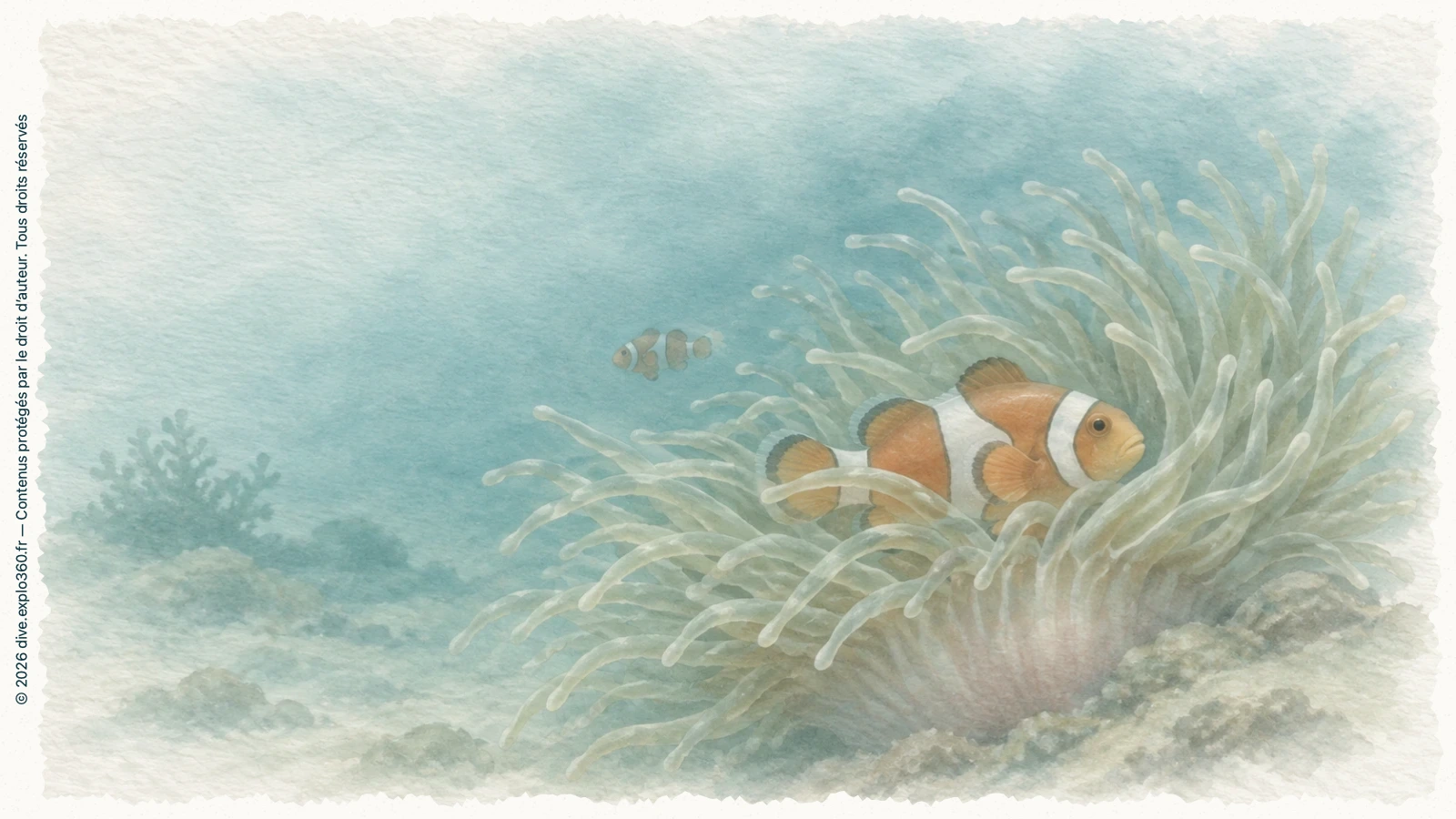
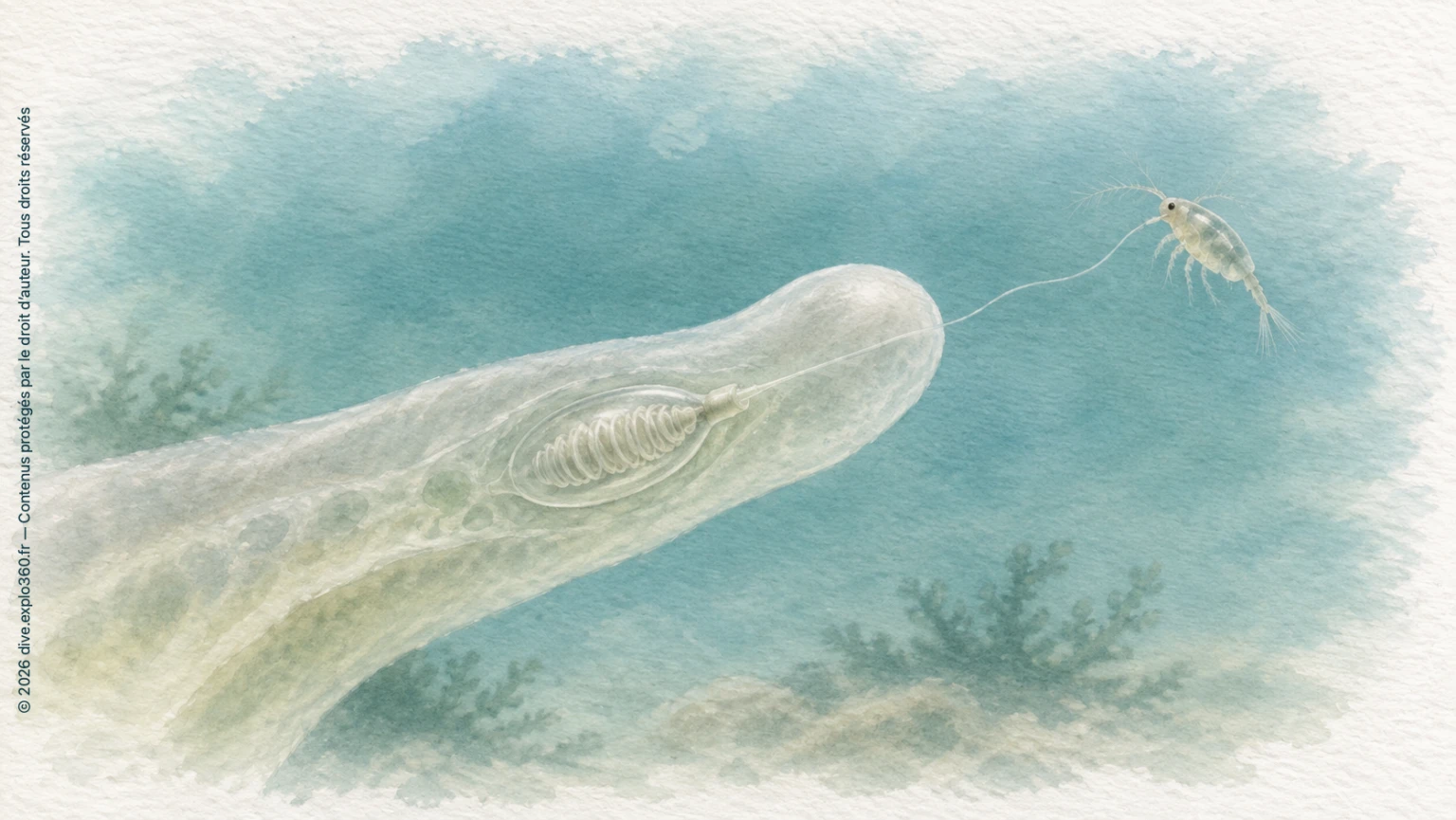
A sea anemone catches prey with the tentacles that give it the shape of a flower. It belongs to the cnidarians, along with jellyfish and corals. Its tentacles carry specialised cells, cnidocytes, which contain capsules called nematocysts. Inside each one is a coiled filament, that can shoot out almost instantly when triggered. Mechanical and chemical stimuli can trigger discharge. The filament can pierce the prey’s tissues and deliver venom.
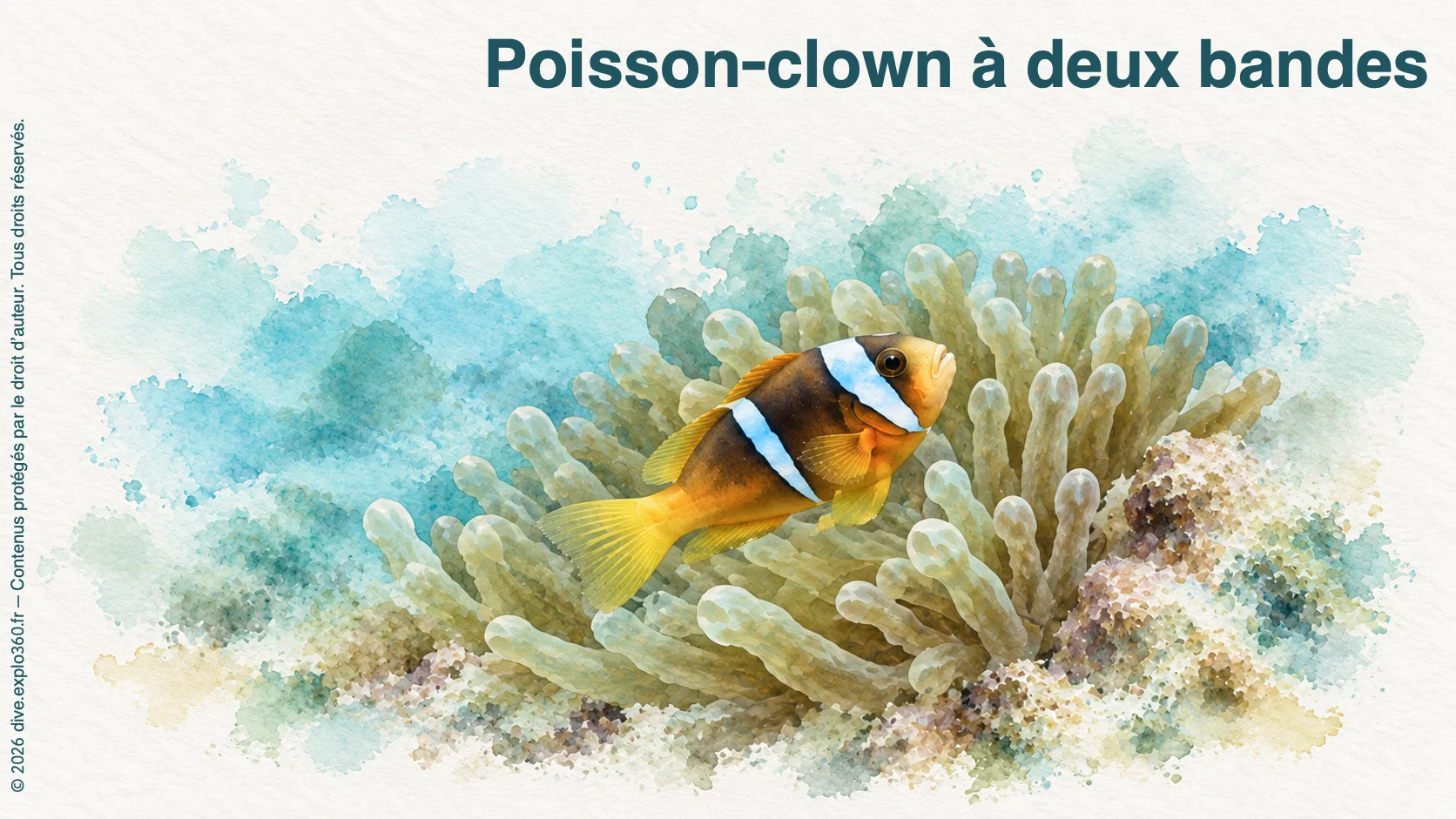
A shrimp or small fish caught in the tentacles can be immobilised and passed towards the mouth. An anemone that shelters clownfish can still catch its usual prey. The clownfish spends much of its time pressed against tentacles that can still sting other animals.
What the mucus changes
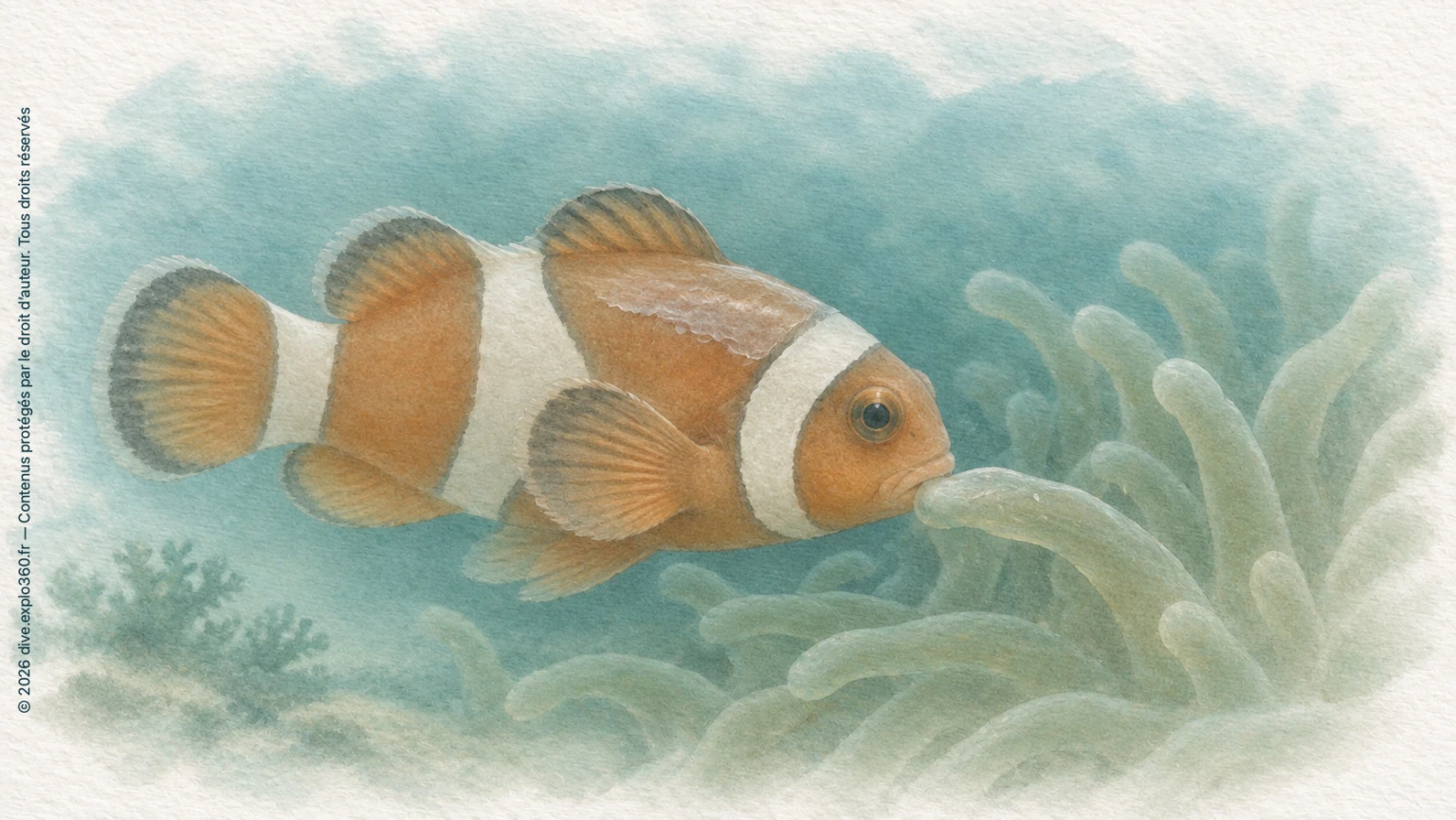
Between the fish and the tentacle lies a thin film of skin mucus. Researchers have long suspected that this coating helps clownfish avoid stings. Part of that protection seems to come into play before the stinging capsule fires. Among the molecules involved are sialic acids, a family of sugars present on the surface of many animal cells and in the substances that cover them.
Sialic acids can contribute to the chemical cues that trigger nematocysts. The mucus of several clownfish examined in experiments contained relatively low concentrations of these sugars. A 2025 study found evidence that clownfish regulate these concentrations in the mucus. In developing fish, the changes coincided with reduced sensitivity to stings. The sugars were still detectable in fish associated with anemones.
Low concentrations may help reduce discharge, alongside other properties of the coating that are still being investigated.
Approaching the host
A young clownfish can spend time at the edge of an anemone before moving farther in. In some pairings, acclimatisation starts with brief touches. The fish moves away and returns, gradually spending more time among the tentacles. The duration and nature of this phase varies depending on the species of clownfish, the anemone species and the fish’s previous experience.
Changes also occur in the mucus that covers the fish. Both partners carry communities of microbes on their surfaces. Those communities can change as the association develops. In Amphiprion percula and its host anemone Heteractis magnifica, changes in the surface microbiota were even observed before the first physical contact. The early change suggests that compounds or microbes in the shared water can influence the surfaces of both animals.
The mucus of the anemone and the mucus of the fish can also exchange certain compounds. This convergence in their chemical profiles is one of the explanations proposed for their reciprocal tolerance. How much each of these changes contributes to protection from stings remains uncertain.
Finding a compatible anemone
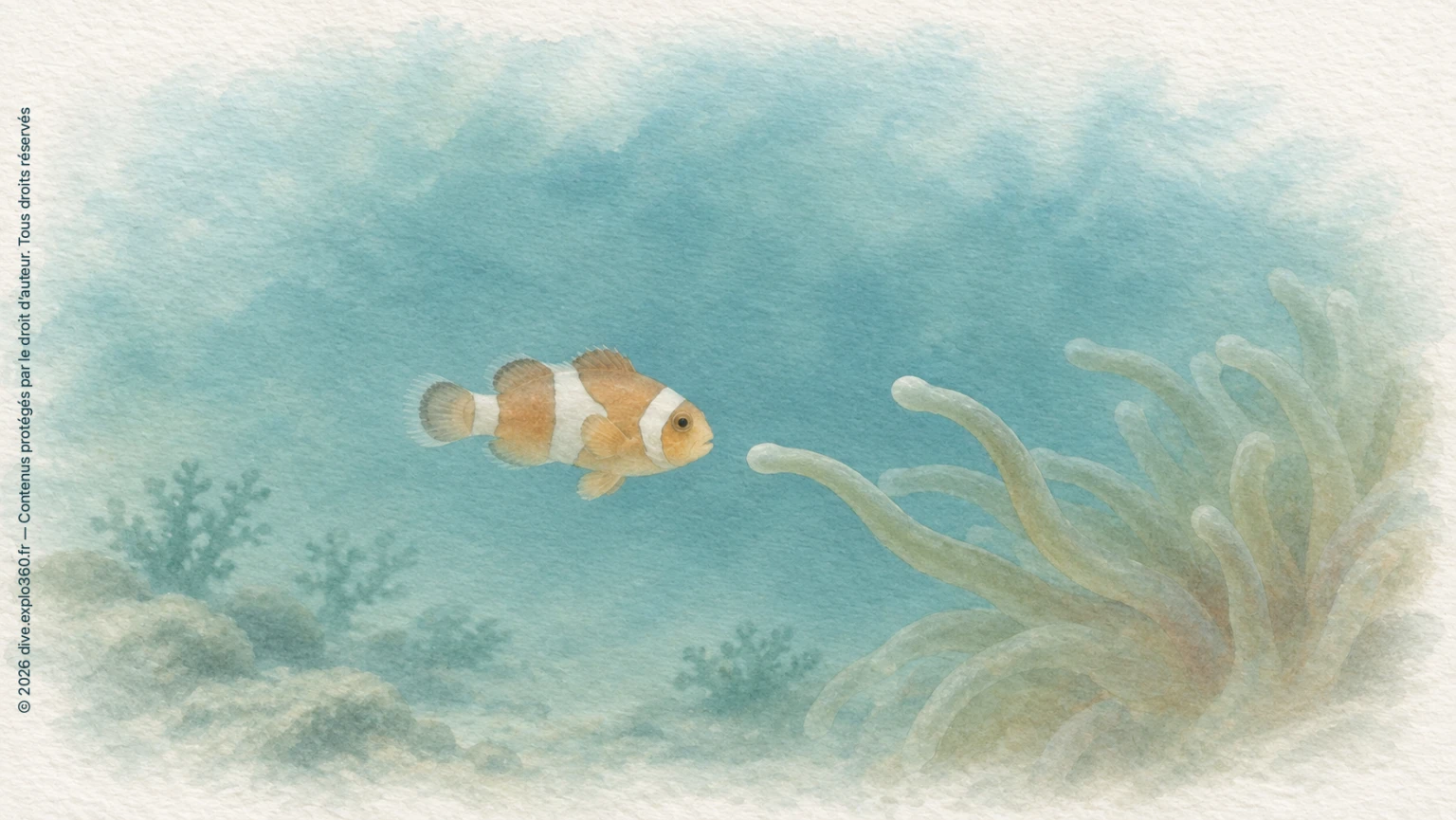
Each clownfish species has a limited set of compatible hosts. The species of the clownfish group, which includes the genera Amphiprion and Premnas in some traditional classifications, have specific associations with a limited number of host anemones. Some use a narrow range of hosts. Others live with several species. The three-banded clownfish, Amphiprion ocellaris, can live with Heteractis magnifica, Stichodactyla gigantea and Stichodactyla mertensii.
The outcome depends on the biology of both partners. Experiments with young Amphiprion ocellaris have shown that some individuals may acclimatize to their natural host anemone, whereas they fail to establish an association with several other tested species. A fish that settles readily in one host can struggle to establish itself in another. Wiley Online Library