What triggers a sting

An anemone’s tentacles carry stinging cells. Each can fire a capsule called a nematocyst. Touch and chemical cues can trigger it to release a thread that helps immobilise prey.
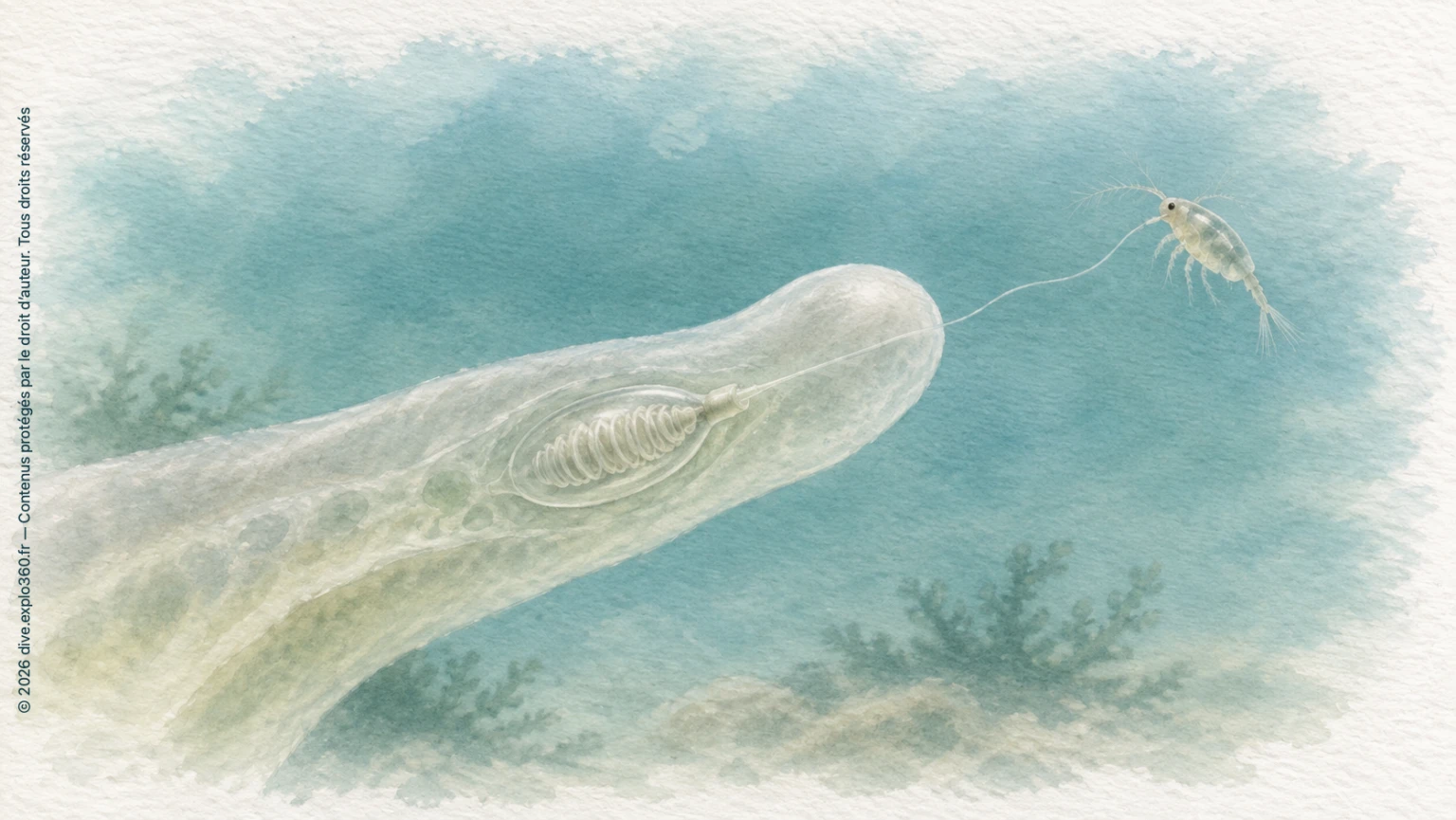
A tentacle can sting. A thread shoots from the stinging capsule.
The tentacle can release a tiny stinging thread. A stinging capsule ejects a thread when triggered. © dive.explo360.fr — All rights reserved. Reproduction requires permission.

Protection can act before the sting

Researchers found low levels of sugars called sialic acids in the skin mucus of some clownfish. These sugars can help trigger a sting, so lower levels may make the stinging cells less likely to fire.
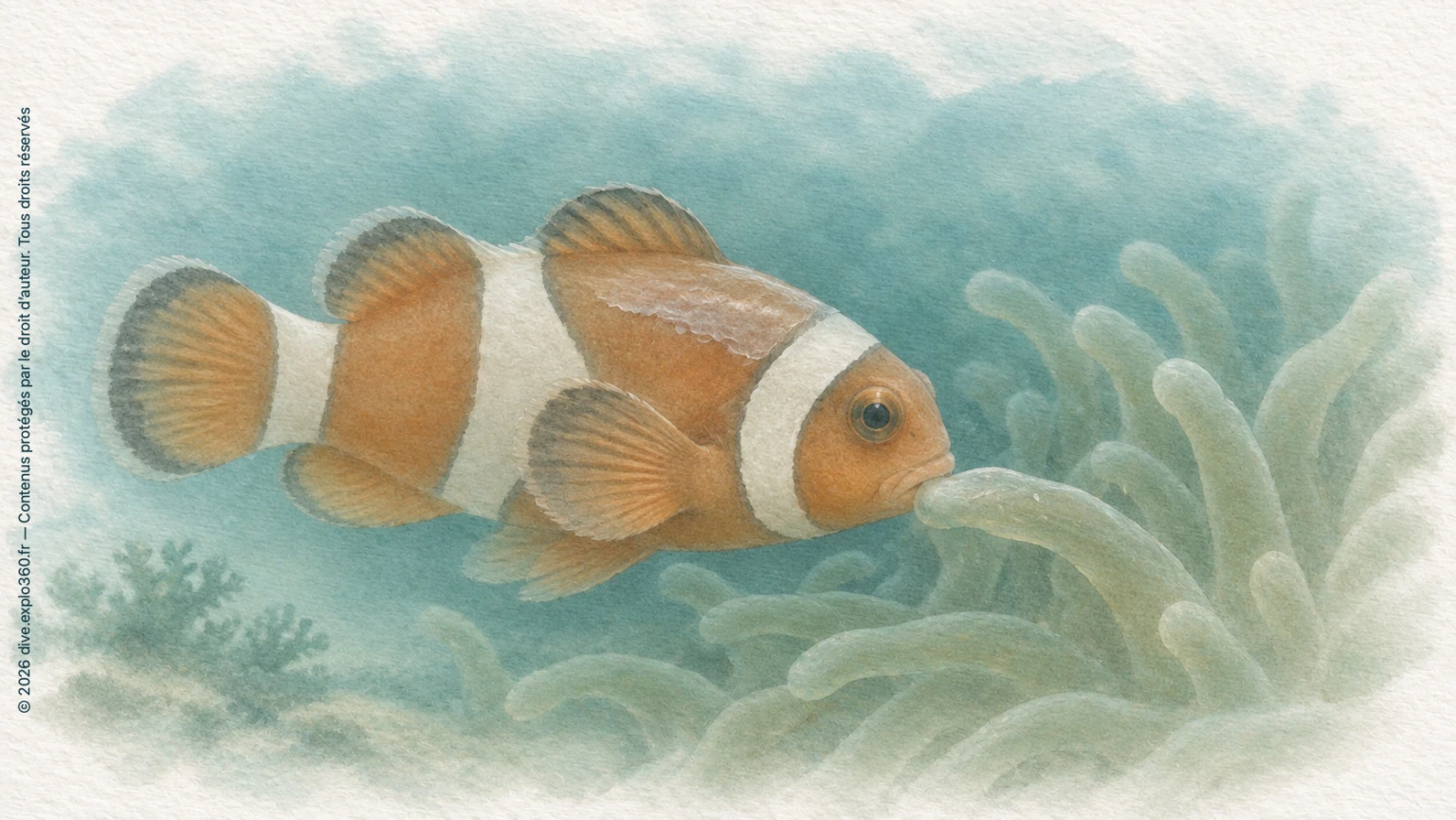
Mucus reduces the signal. Some surface sugars occur at lower levels.
Clownfish have a slippery skin coating that helps protect them. The sugar composition of the mucus can reduce some of the signals that trigger stinging cells. © dive.explo360.fr — All rights reserved. Reproduction requires permission.

Finding a refuge

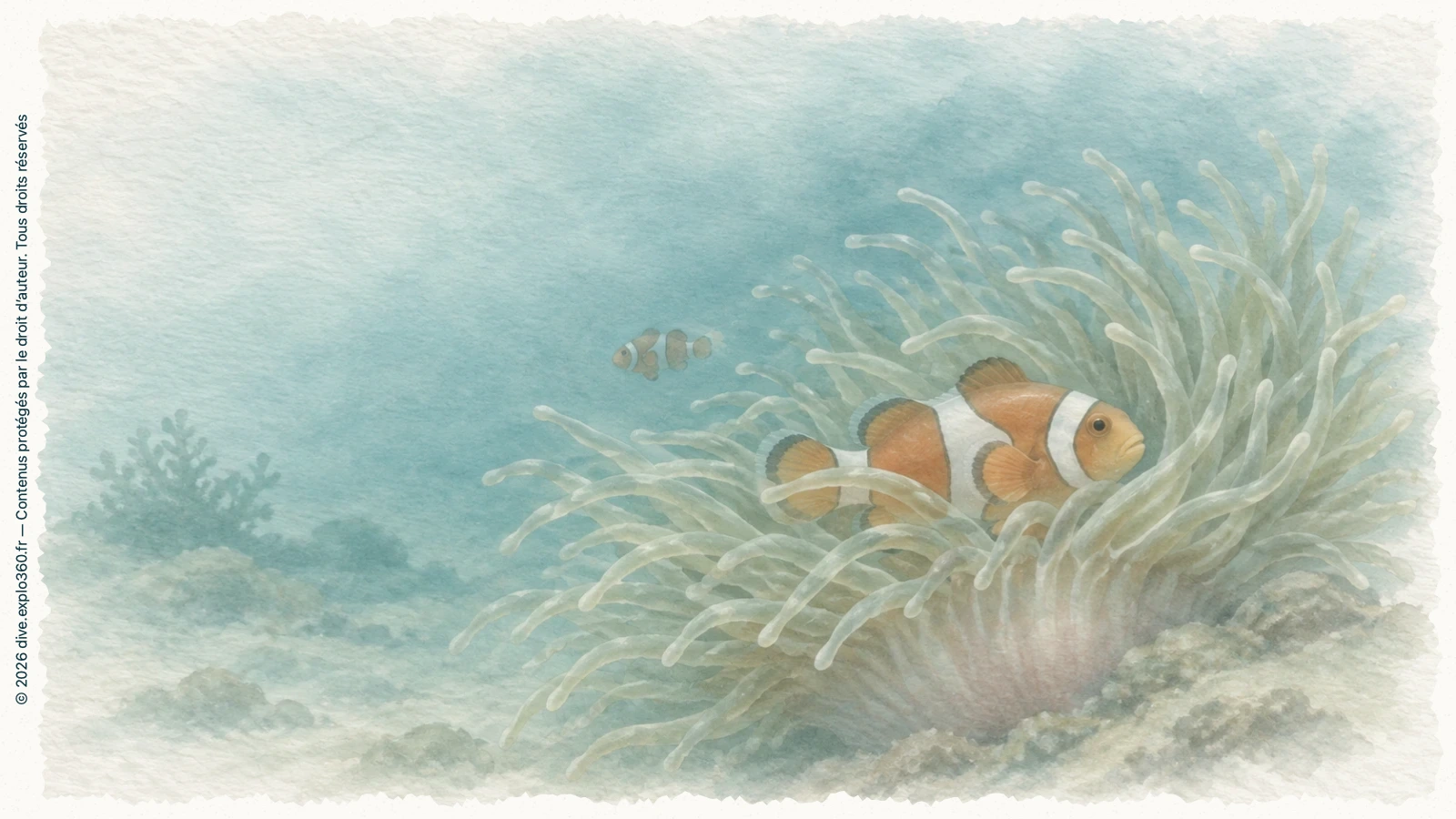
A young clownfish may begin with brief brushes against the tentacles. How long it takes to settle depends on the fish, the anemone and the fish’s previous experience.
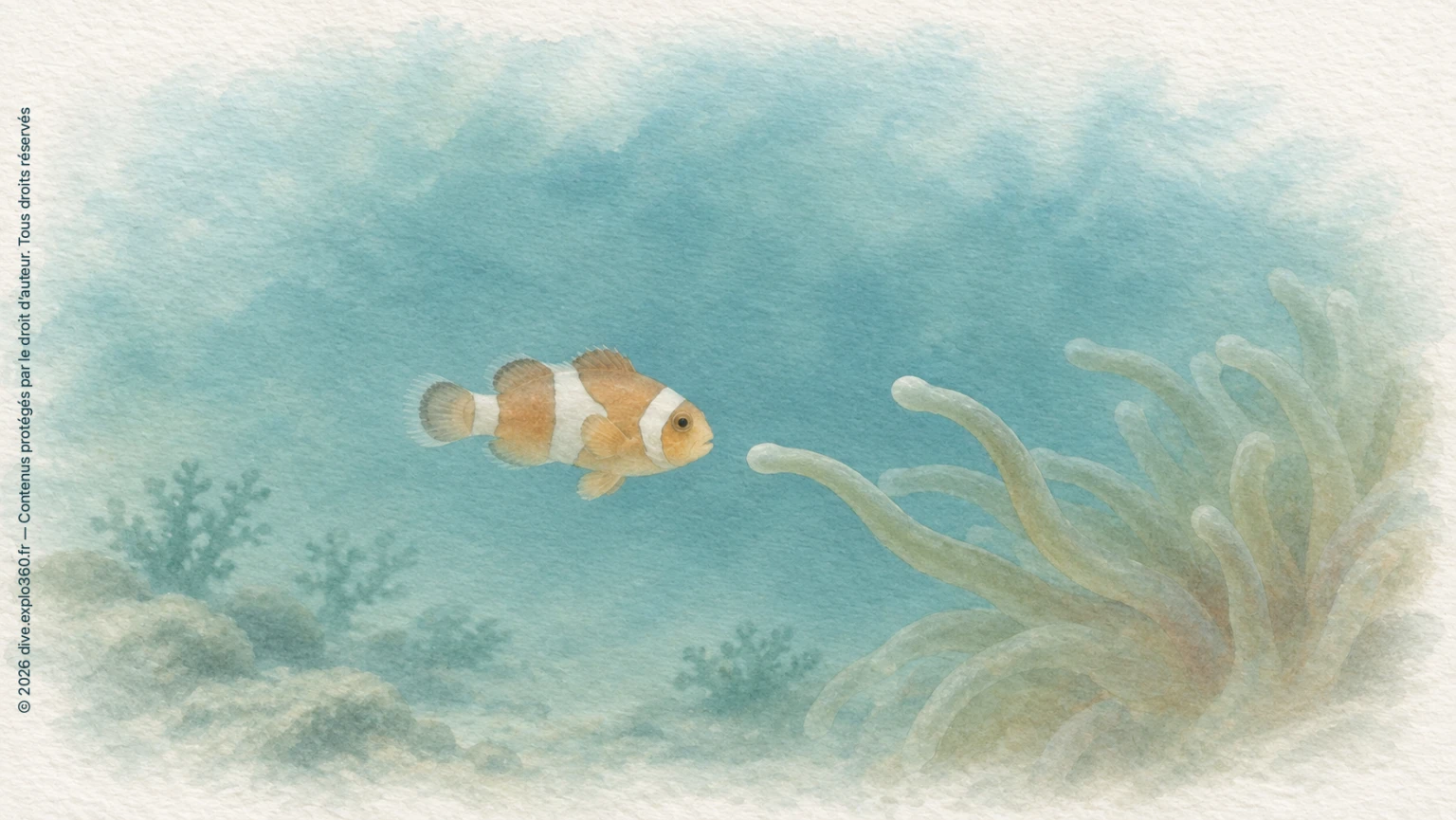
Gradual first contact. A young fish brushes the tentacles.
The young fish gently touches the tentacles. Initial contact can be gradual, with brief touches before the fish settles into the anemone. © dive.explo360.fr — All rights reserved. Reproduction requires permission.

A suitable anemone

A clownfish can live with certain species of anemone. The same fish can react differently when it meets a species outside its usual set of hosts.

Continue reading

AMIGANSEAU CONTENT

The rest of this article is for subscribers

Log in with your AMIGANSEAU licence to continue reading.

All active AMIGANSEAU licences give access to the full article.