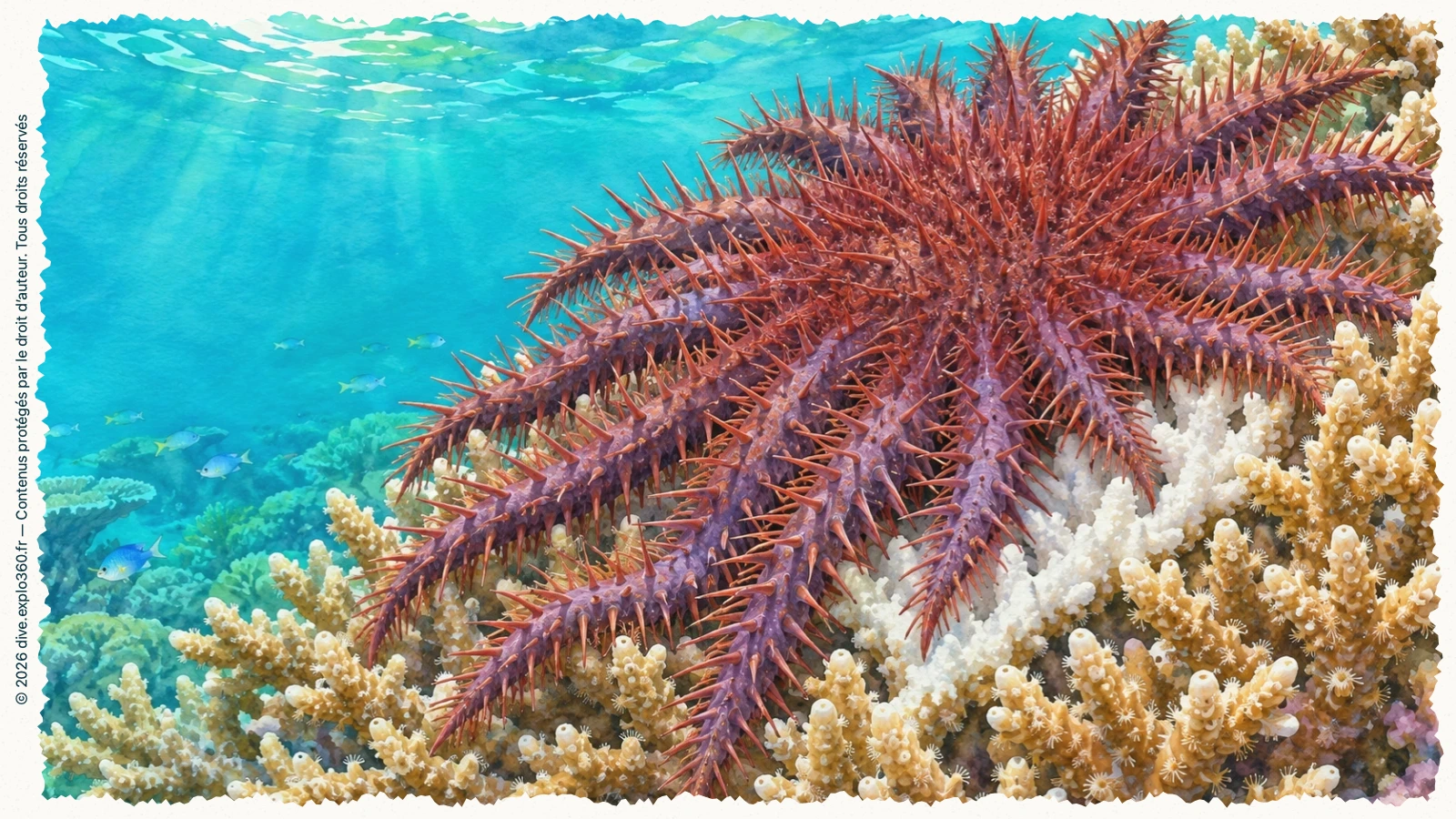
The stomach spreads beneath the sea star

The sea star holds on with tiny tube feet. It pushes its stomach out through its mouth and spreads it over the coral polyps. As it digests their soft tissue, the hard skeleton is left behind.
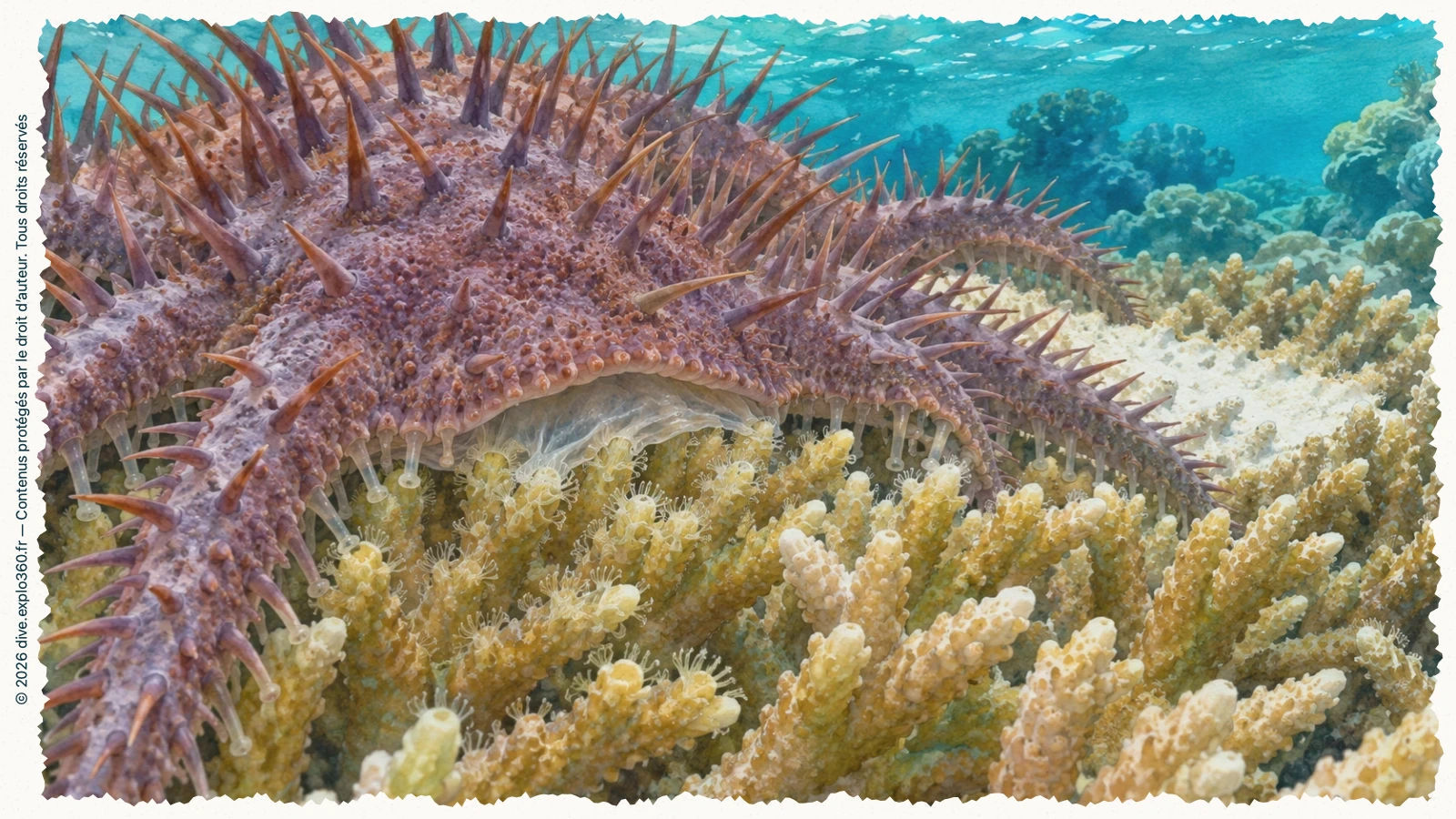
A crown-of-thorns sea star grips branching coral beside a white feeding scar.
The sea star spreads its stomach over the coral to feed. The crown-of-thorns sea star extends its stomach over the colony and digests the tissue outside its body. © dive.explo360.fr — All rights reserved. Reproduction requires permission.

Which corals get eaten?

The crown-of-thorns starfish may choose different corals depending on which species are available and accessible.
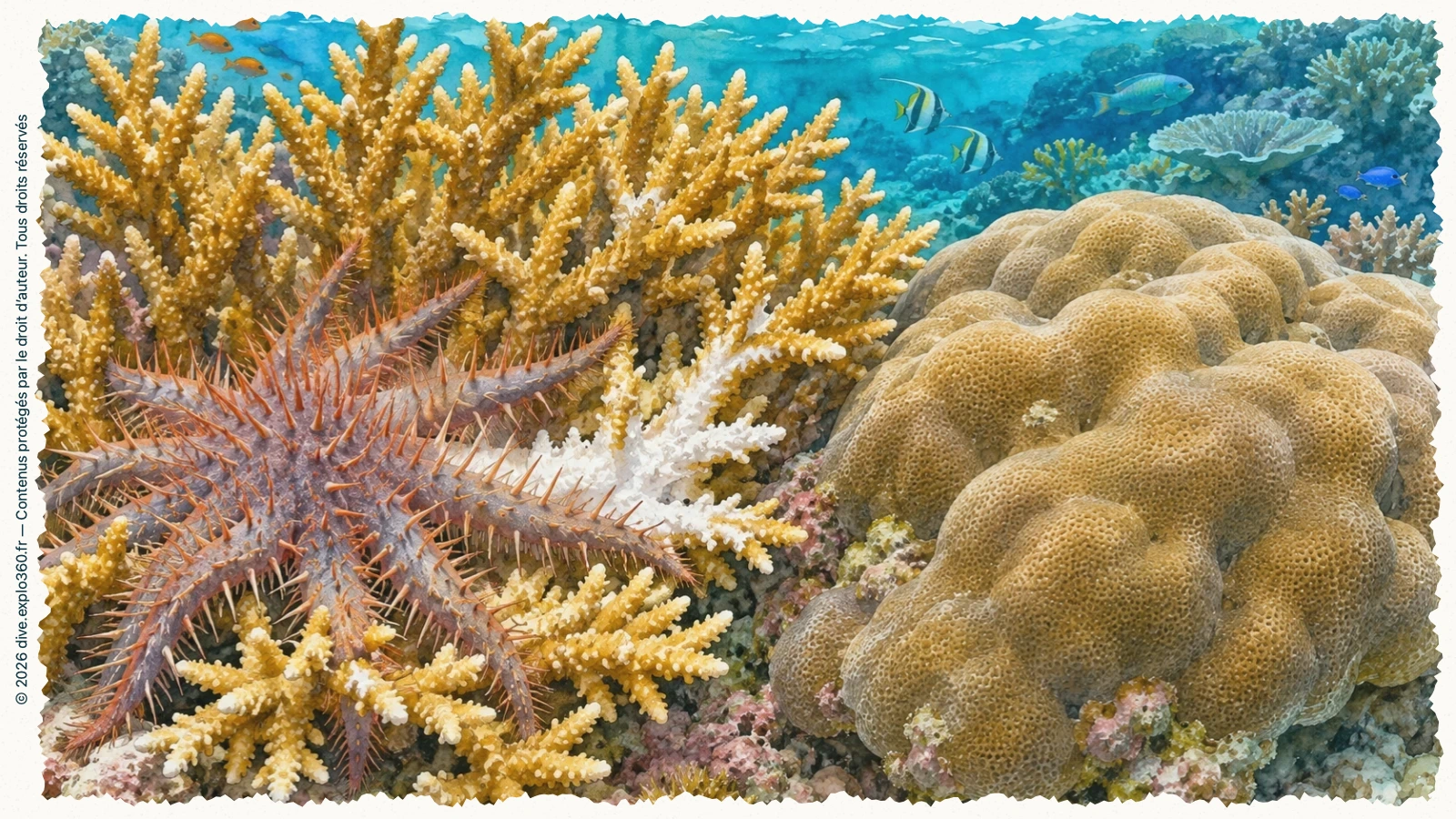
Branching coral with a white feeding scar next to a massive coral.
The kinds of coral this sea star prefers can vary from one reef to another. © dive.explo360.fr — All rights reserved. Reproduction requires permission.

When starfish multiply

An outbreak happens when crown-of-thorns sea stars become numerous enough to eat large areas of coral in a short time.
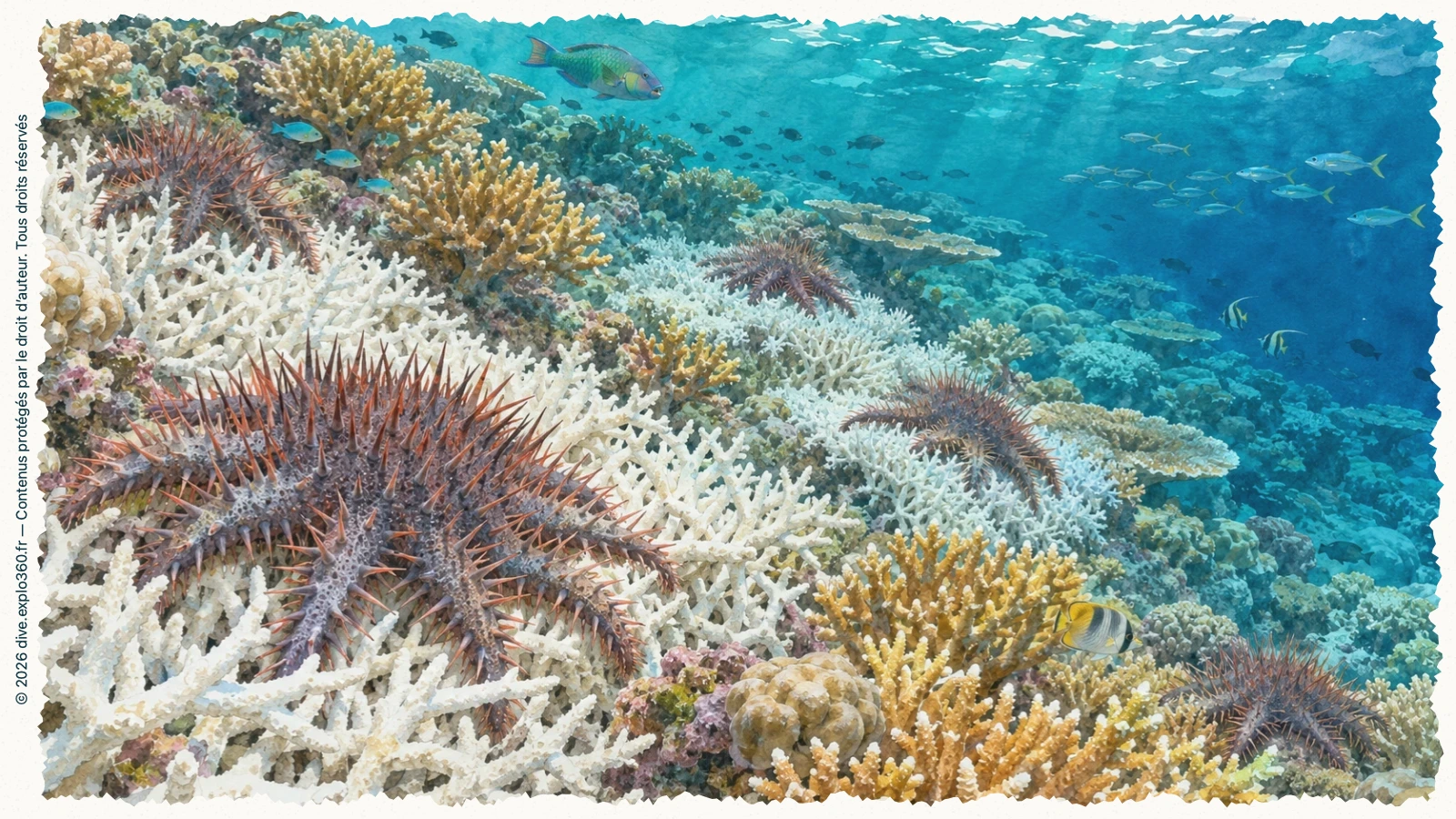
Several crown-of-thorns sea stars on a reef slope with pale coral skeletons.
During an outbreak, sea stars can eat coral faster than it can grow back. © dive.explo360.fr — All rights reserved. Reproduction requires permission.

A hidden early life

At first, the larvae drift in the plankton. After they settle on the seabed, the young sea stars graze on hard crusts of coralline algae. Some keep eating algae for a long time before they switch to coral.
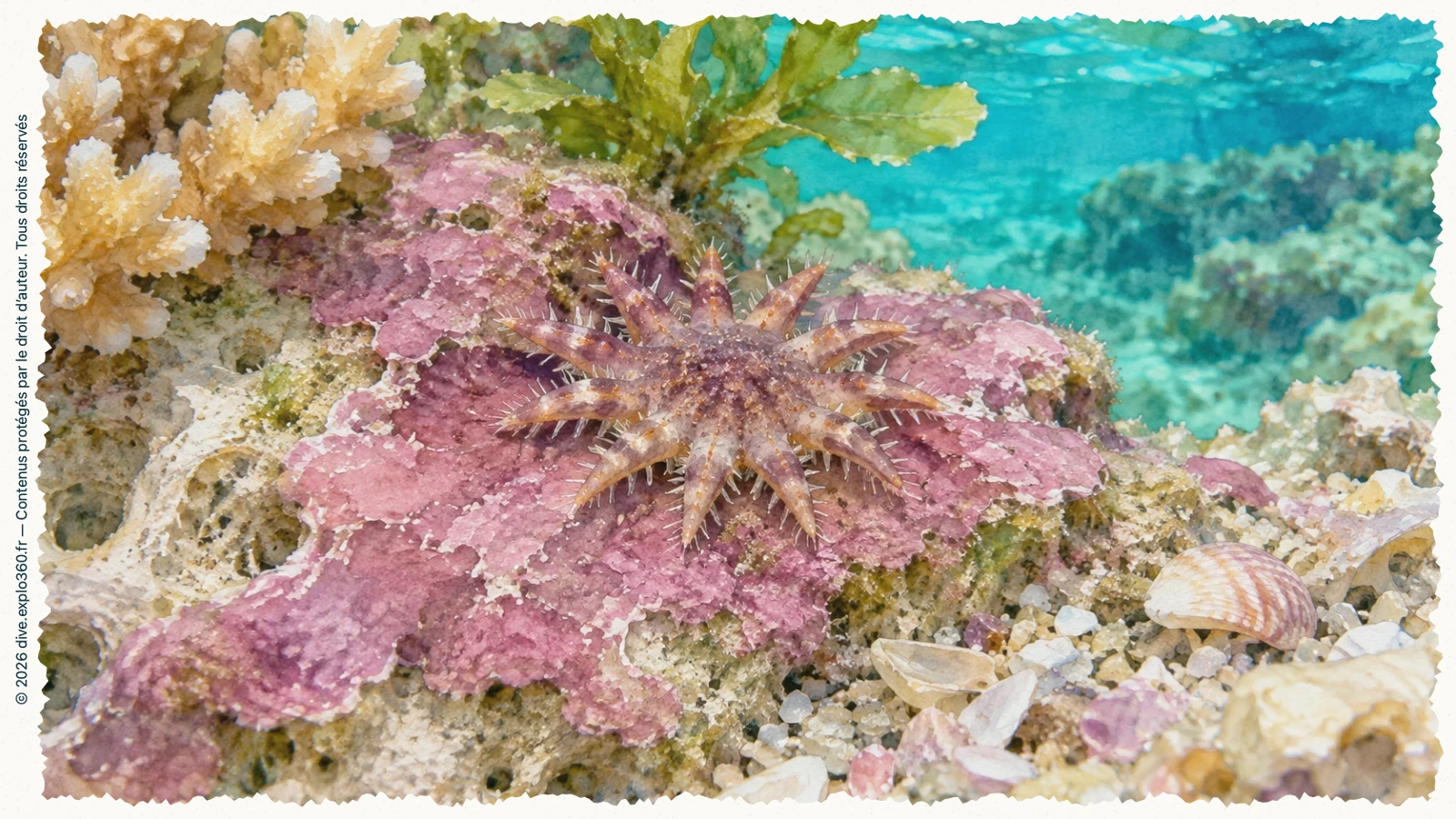
A juvenile sea star on a crust of pink coralline algae.
This young sea star can graze on algae on the rock before feeding on coral. After settlement, the juvenile crown-of-thorns sea star may first feed on crust-forming coralline algae. © dive.explo360.fr — All rights reserved. Reproduction requires permission.

Larvae need food

Abundant planktonic food can improve larval survival under some conditions.
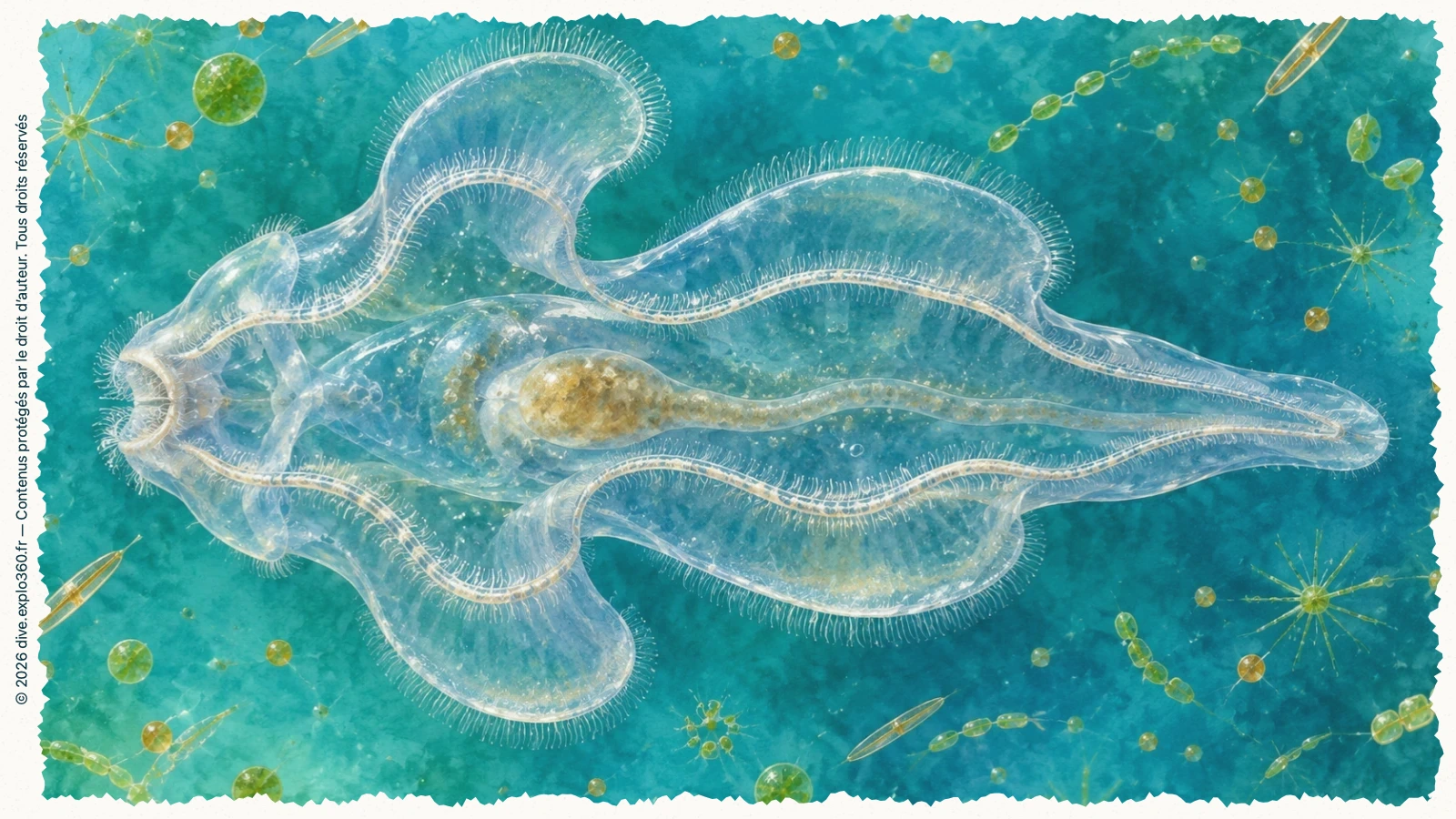
A transparent larva drifts among phytoplankton cells.
The larva feeds in the plankton. Food availability can affect its survival. © dive.explo360.fr — All rights reserved. Reproduction requires permission.

What eats these starfish?

A giant triton can eat an adult crown-of-thorns sea star. Some fish also eat crown-of-thorns sea stars or their young. How much difference those predators make depends on the reef.
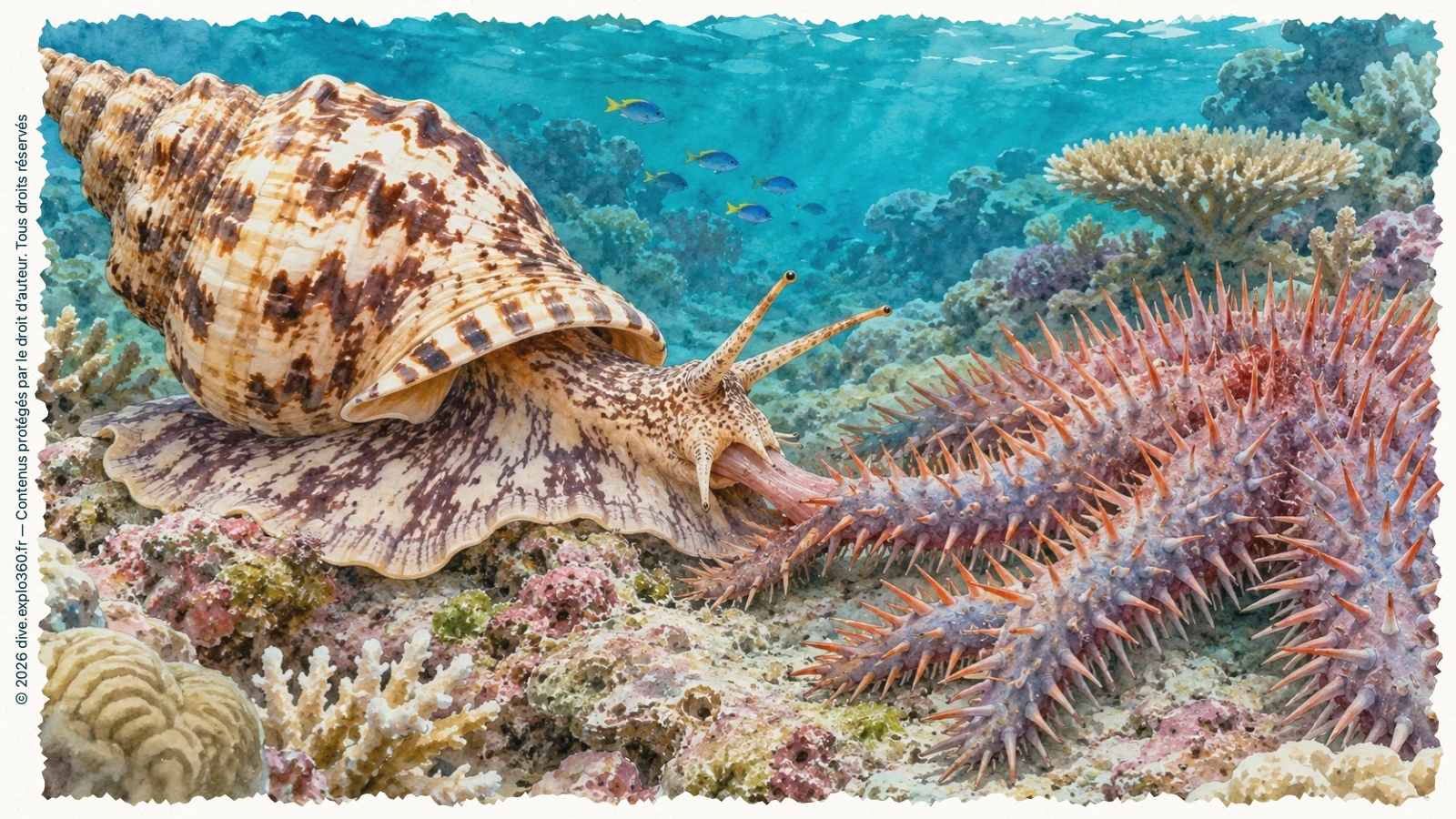
A giant triton extends its foot towards a crown-of-thorns sea star.
The giant triton is among the predators of adult crown-of-thorns sea stars. © dive.explo360.fr — All rights reserved. Reproduction requires permission.

Why a reef can lose coral

Food, currents and predators all affect how many young sea stars survive. When sea stars become abundant, they can eat coral faster than it grows.
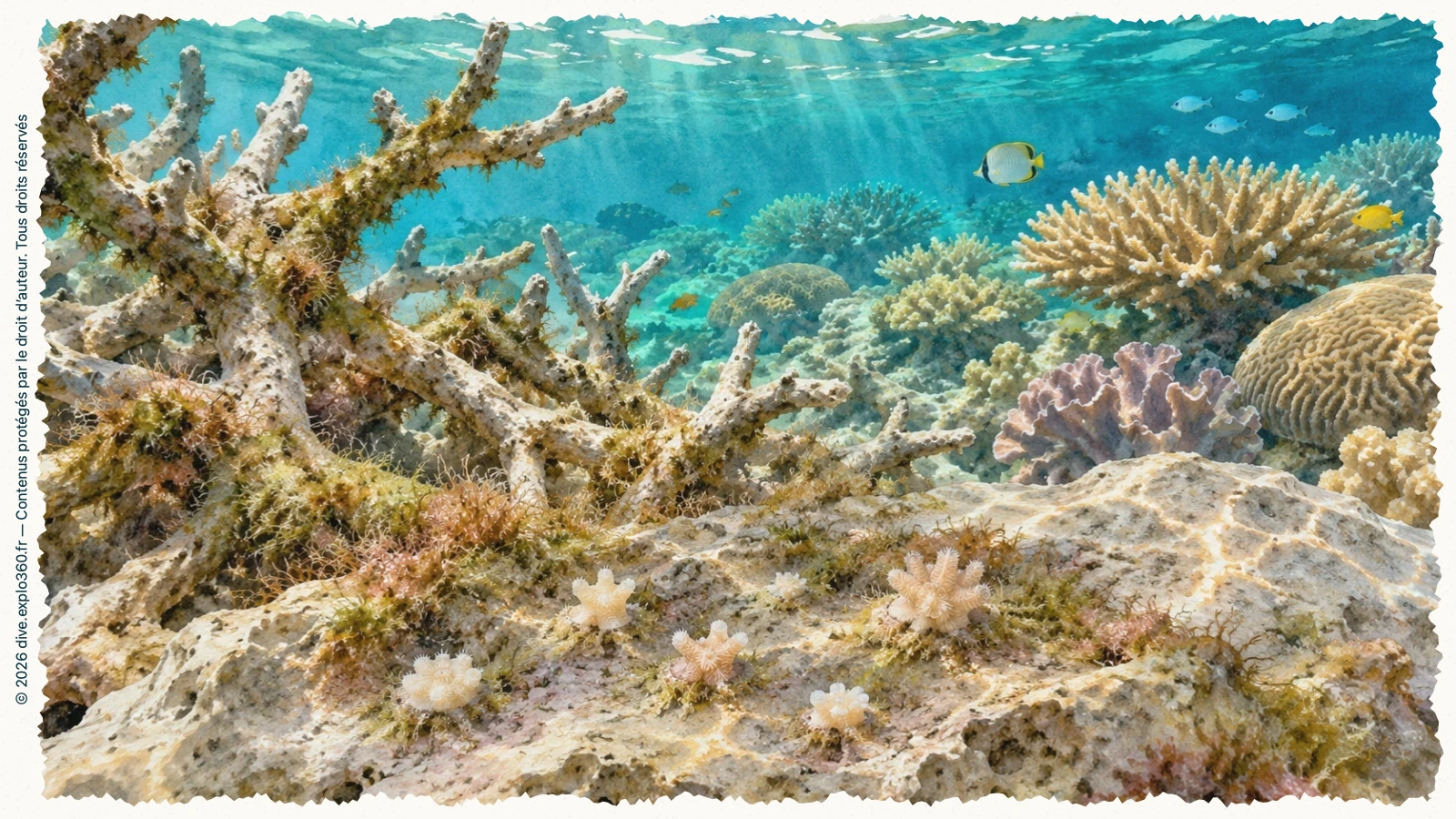
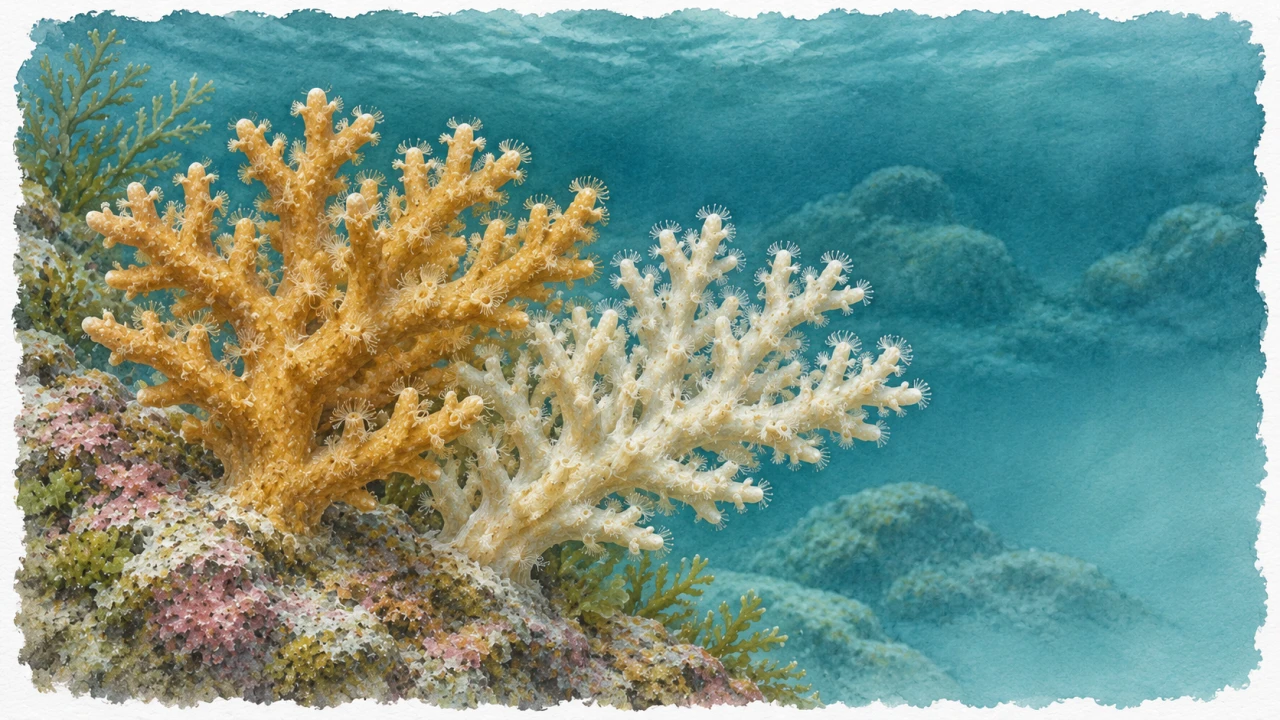
Young corals settle on the reef near skeletons covered by algae.
Reef recovery depends in part on surviving colonies and the settlement of new corals. © dive.explo360.fr — All rights reserved. Reproduction requires permission.

A species that belongs on the reef

The crown-of-thorns starfish is a natural coral predator. The effect on the reef depends on how many sea stars live there and how quickly the coral can recover.

Interactive quiz

Test what you know

5 question(s) to test your knowledge.

Conclusion

Crown-of-thorns sea stars belong on Indo-Pacific reefs. When their numbers rise sharply, they can eat coral faster than the reef can replace it. Recovery can take years.

Sources

Research and observations on crown-of-thorns sea stars.
Byrne, M. et al. (2022). Crown of thorns starfish life-history traits contribute to outbreaks, a continuing concern for coral reefs. Emerging Topics in Life Sciences, 6(1), 67–79. Reproduction, développement larvaire, changement de régime alimentaire et dynamique des populations.pmc.ncbi.nlm.nih.govThe hidden army: corallivorous crown-of-thorns seastars can spend years as herbivorous juveniles (2020). Communications Biology. Maintien prolongé du stade herbivore et reprise de croissance après accès aux coraux.pmc.ncbi.nlm.nih.govContrasting size and fate of juvenile crown-of-thorns starfish linked to ontogenetic diet shifts (2020). Proceedings of the Royal Society B. Changement de régime alimentaire et accélération de la croissance des jeunes acanthasters.pmc.ncbi.nlm.nih.govKroon, F. J., Barneche, D. R. & Emslie, M. J. (2021). Fish predators control outbreaks of Crown-of-Thorns Starfish. Nature Communications, 12, 6986. Relations entre populations de poissons, pêche et densité des acanthasters.doi.orgCrown-of-thorns seastar (Acanthaster spp.) feeding ecology across species and regions (2024). Science of the Total Environment. Préférences alimentaires, différences entre espèces et effets sur les communautés coralliennes.pubmed.ncbi.nlm.nih.govDaily Variation in the Feeding Activity of Pacific Crown-of-Thorns Starfish (Acanthaster cf. solaris) (2025). Biology, 14(8), 1001. Quantification de la consommation corallienne et variations individuelles.doi.orgBiophysical and eDNA sampling reveals upwelling-enhanced food availability for larvae of the corallivorous crown-of-thorns seastar, Acanthaster cf. solaris (2026). Marine Pollution Bulletin. Distribution verticale des larves, disponibilité du phytoplancton et rôle possible des remontées d'eaux profondes.www.sciencedirect.comAustralian Institute of Marine Science. Causes of crown-of-thorns starfish outbreakswww.aims.gov.au

Explore the same world

Explore further