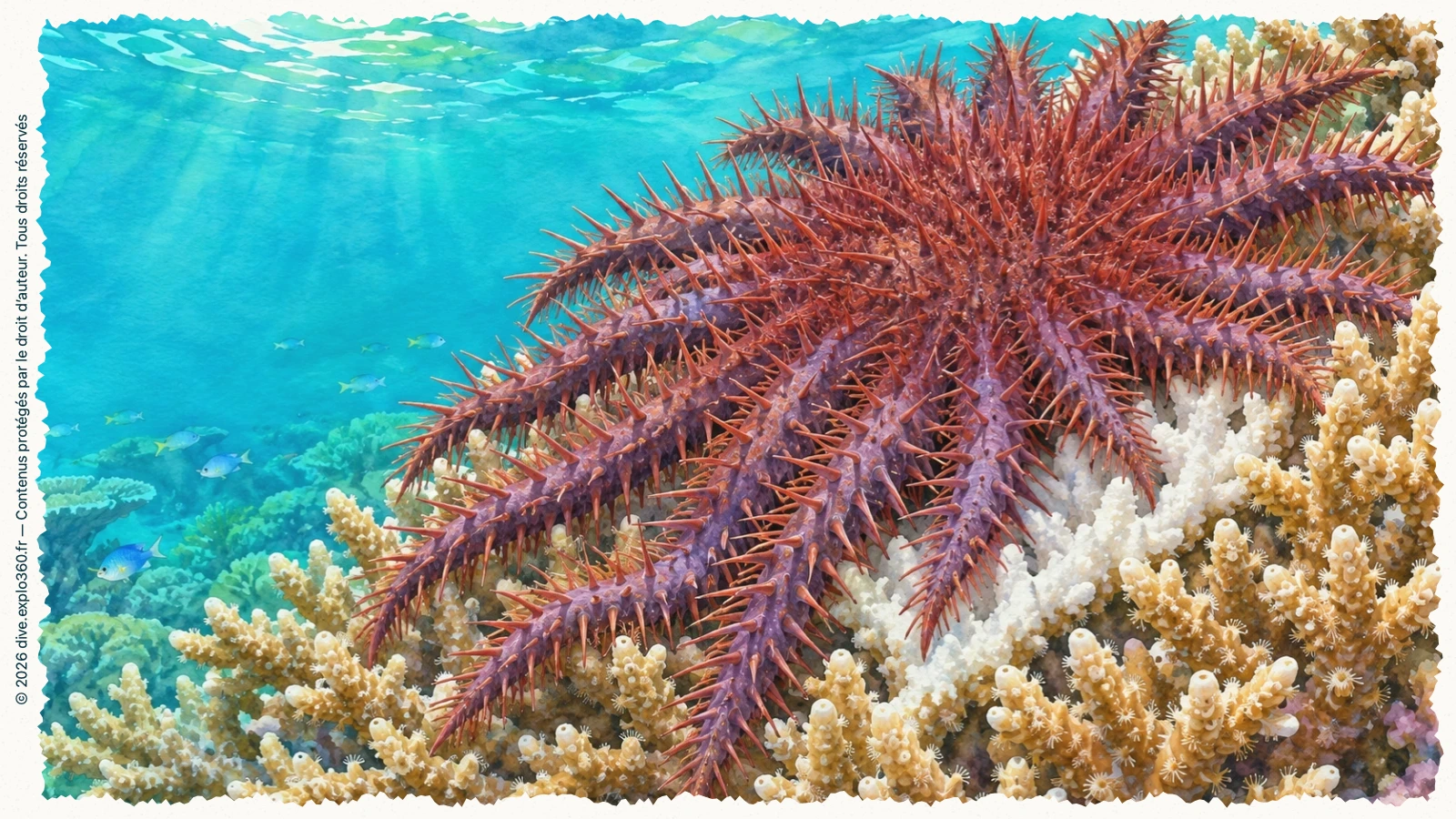
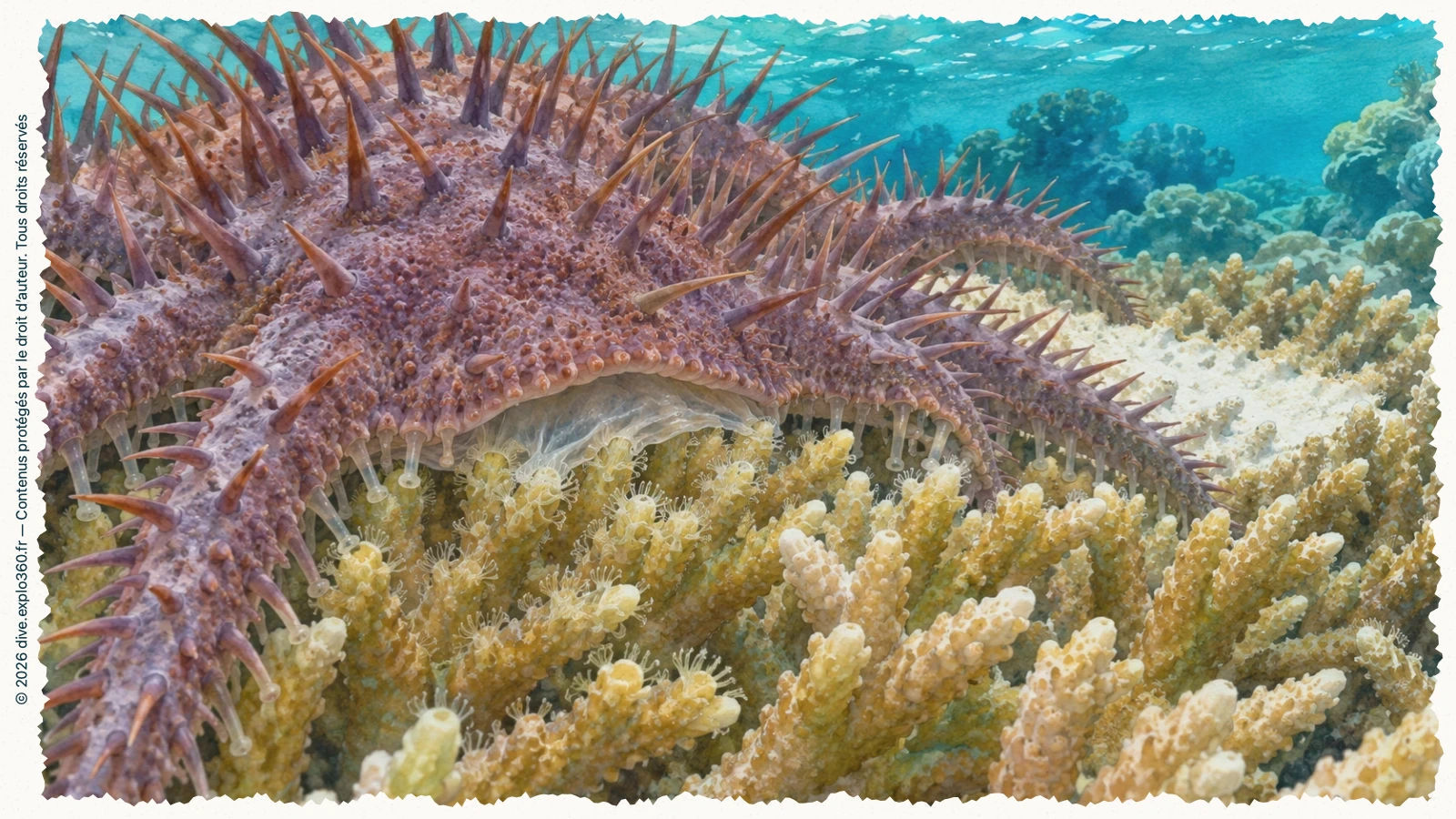
The stomach spreads beneath the sea star
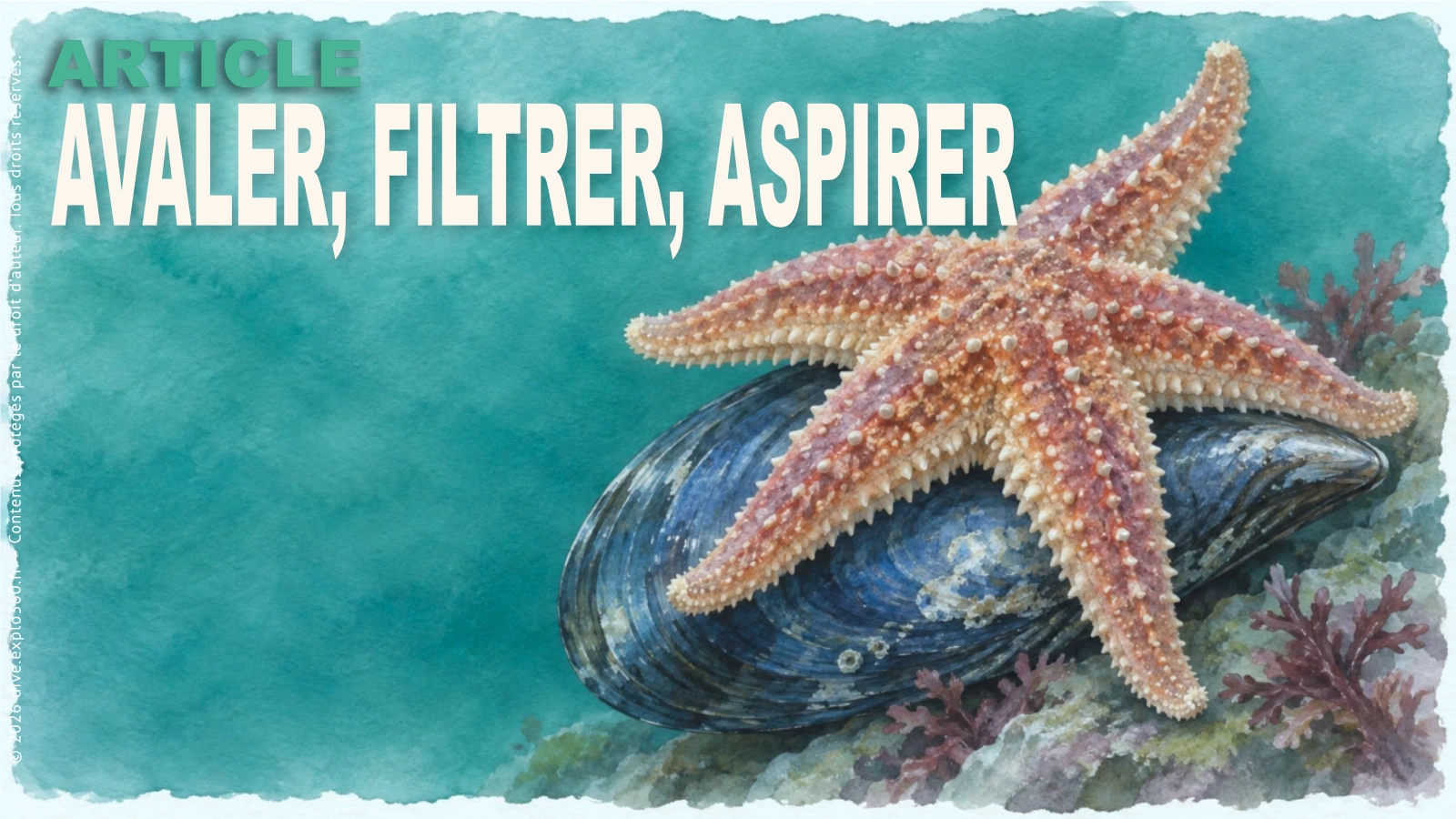
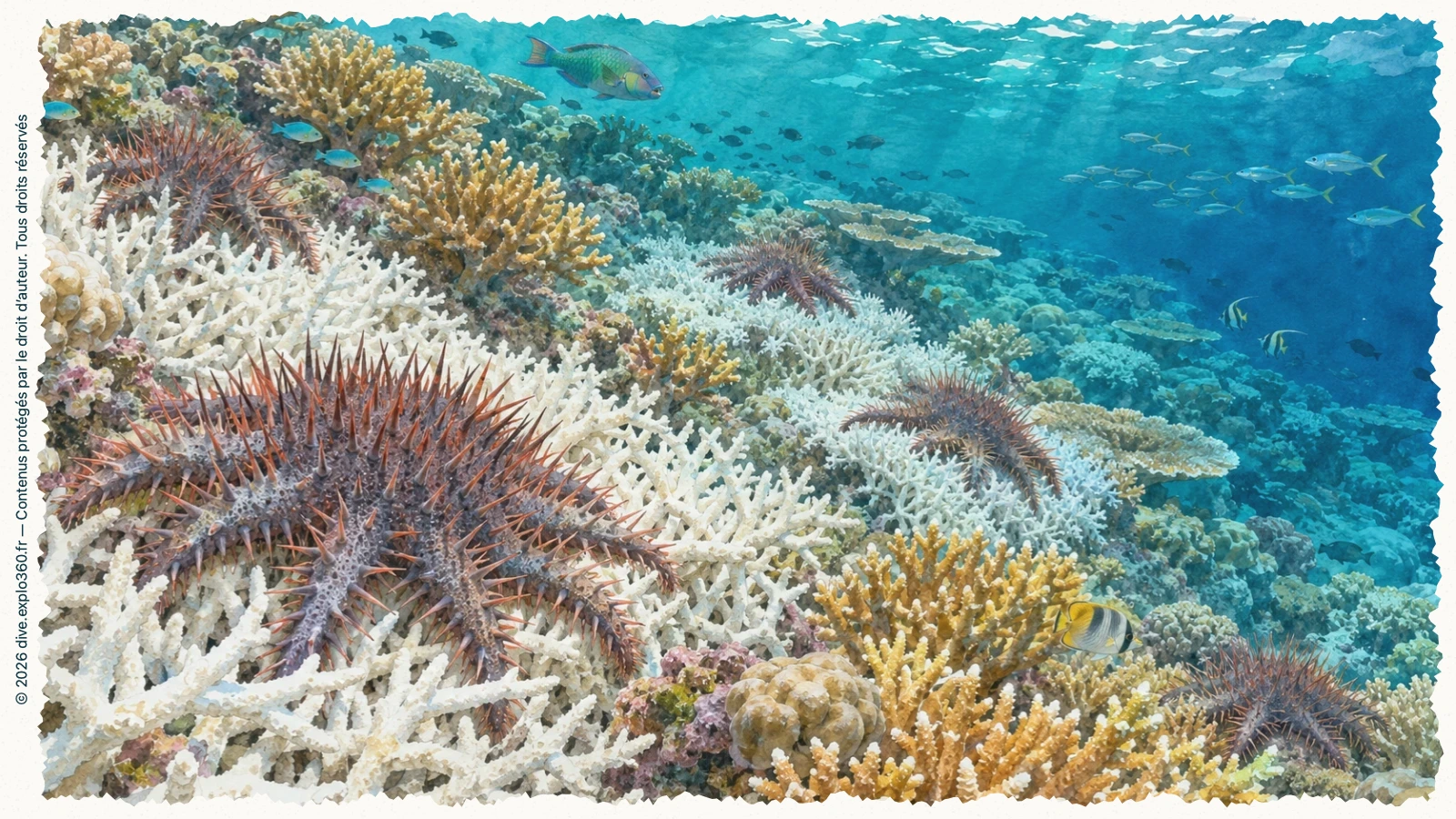
The sea star holds on with tiny tube feet. It pushes its stomach out through its mouth and spreads it over the coral polyps. As it digests their soft tissue, the hard skeleton is left behind.
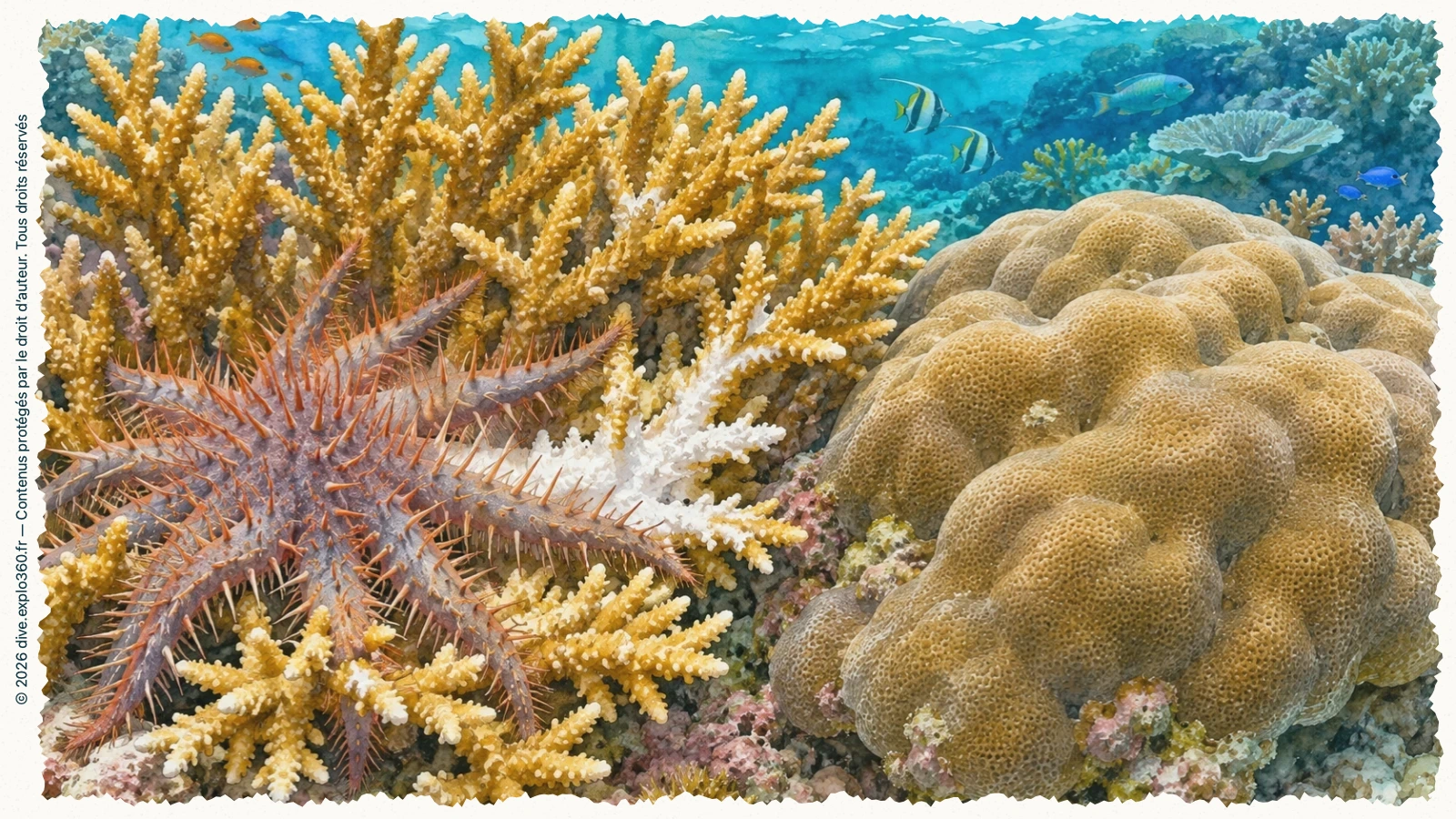
Which corals get eaten?
The crown-of-thorns starfish may choose different corals depending on which species are available and accessible.
When starfish multiply
An outbreak happens when crown-of-thorns sea stars become numerous enough to eat large areas of coral in a short time.
A hidden early life
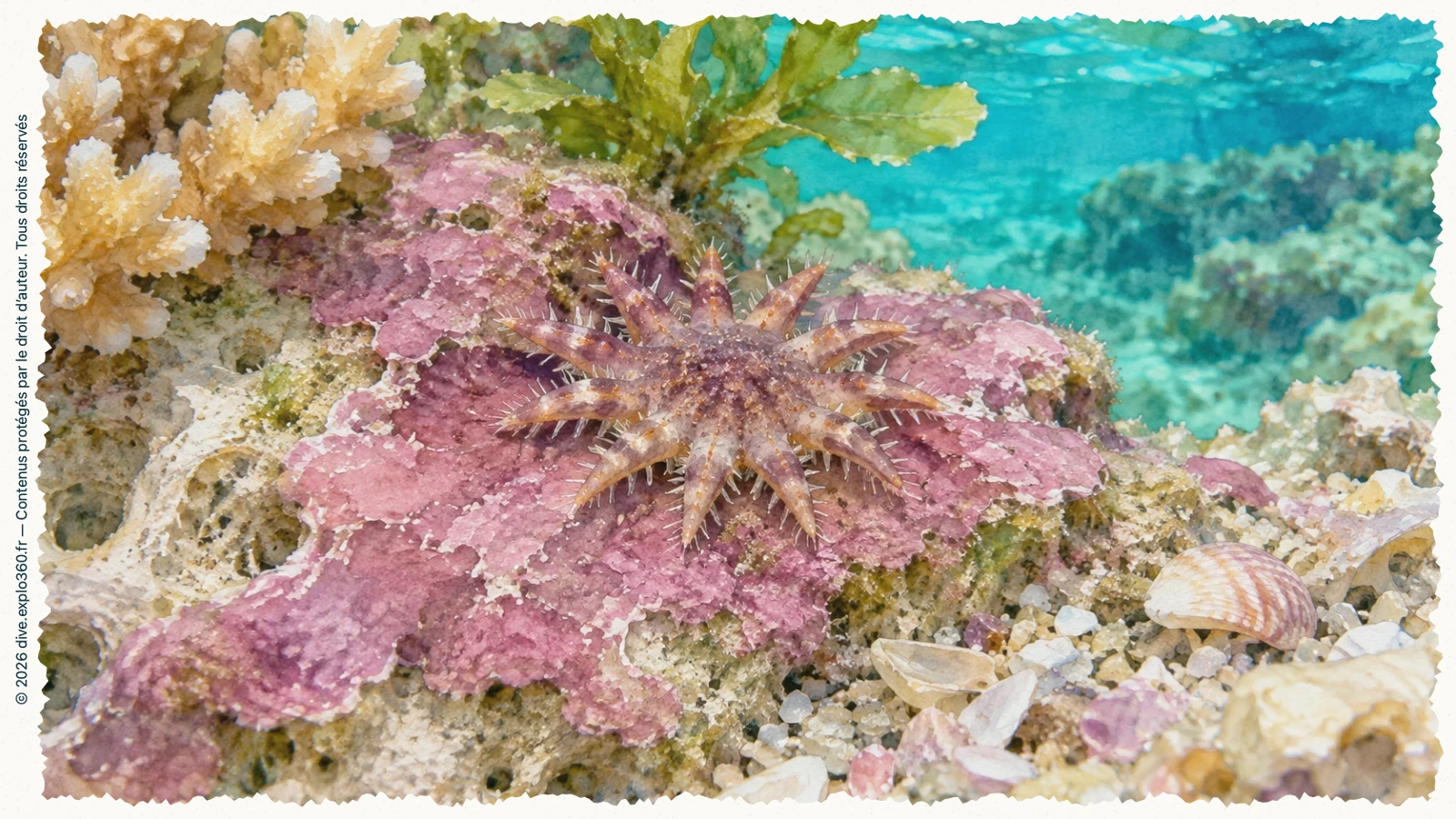
At first, the larvae drift in the plankton. After they settle on the seabed, the young sea stars graze on hard crusts of coralline algae. Some keep eating algae for a long time before they switch to coral.
Larvae need food
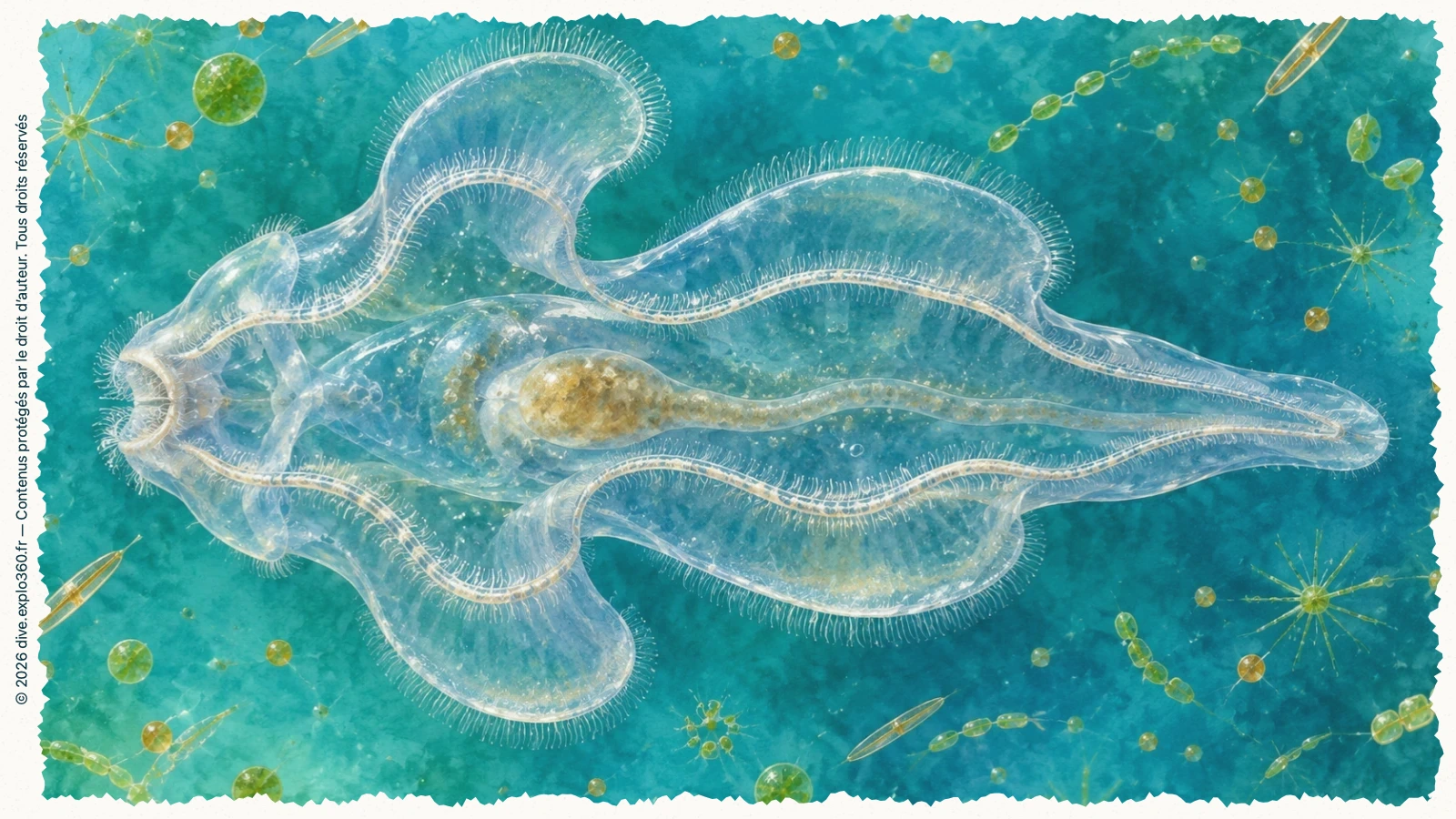
Abundant planktonic food can improve larval survival under some conditions.
What eats these starfish?
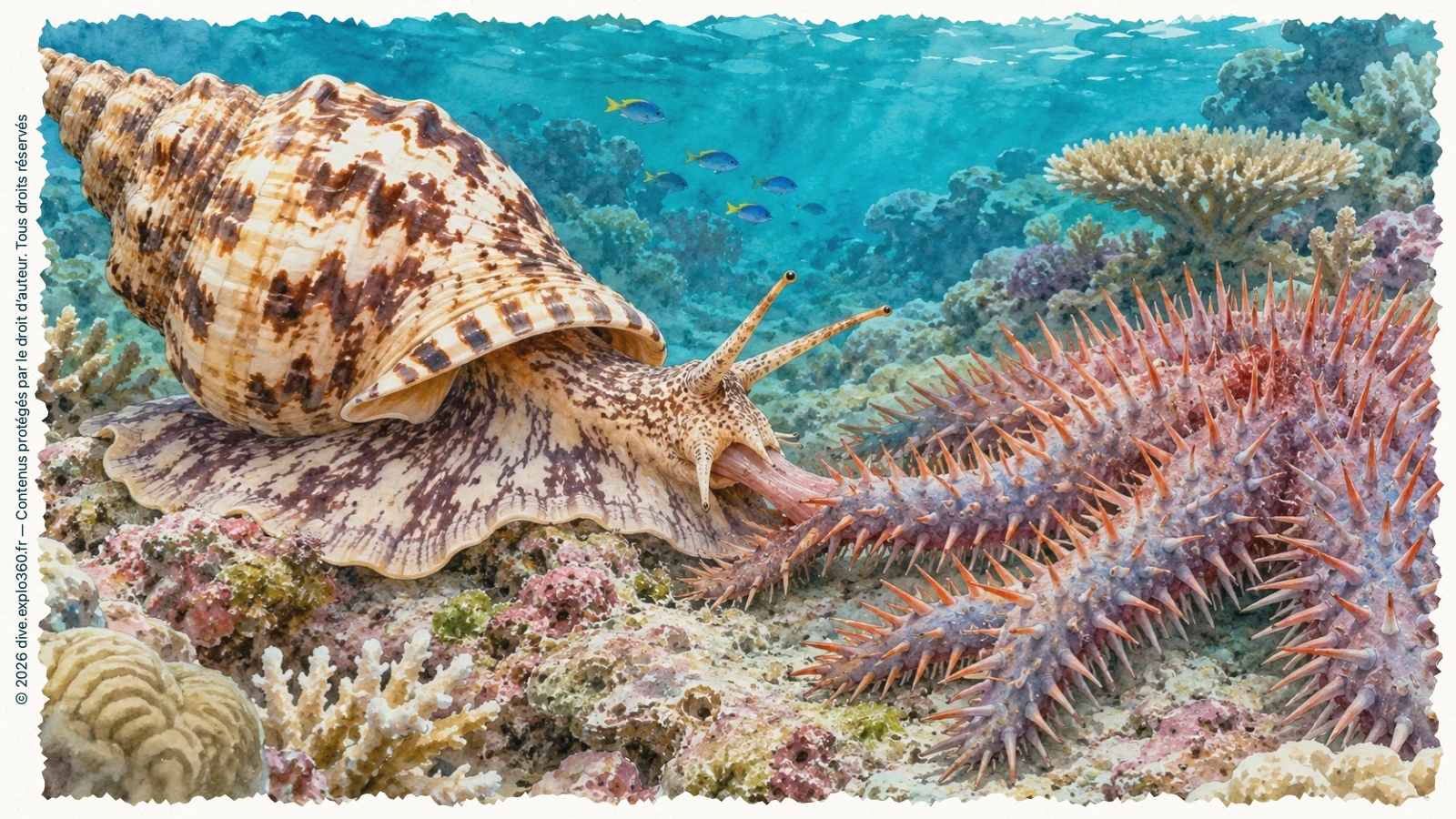
A giant triton can eat an adult crown-of-thorns sea star. Some fish also eat crown-of-thorns sea stars or their young. How much difference those predators make depends on the reef.
Why a reef can lose coral
Food, currents and predators all affect how many young sea stars survive. When sea stars become abundant, they can eat coral faster than it grows.
A species that belongs on the reef
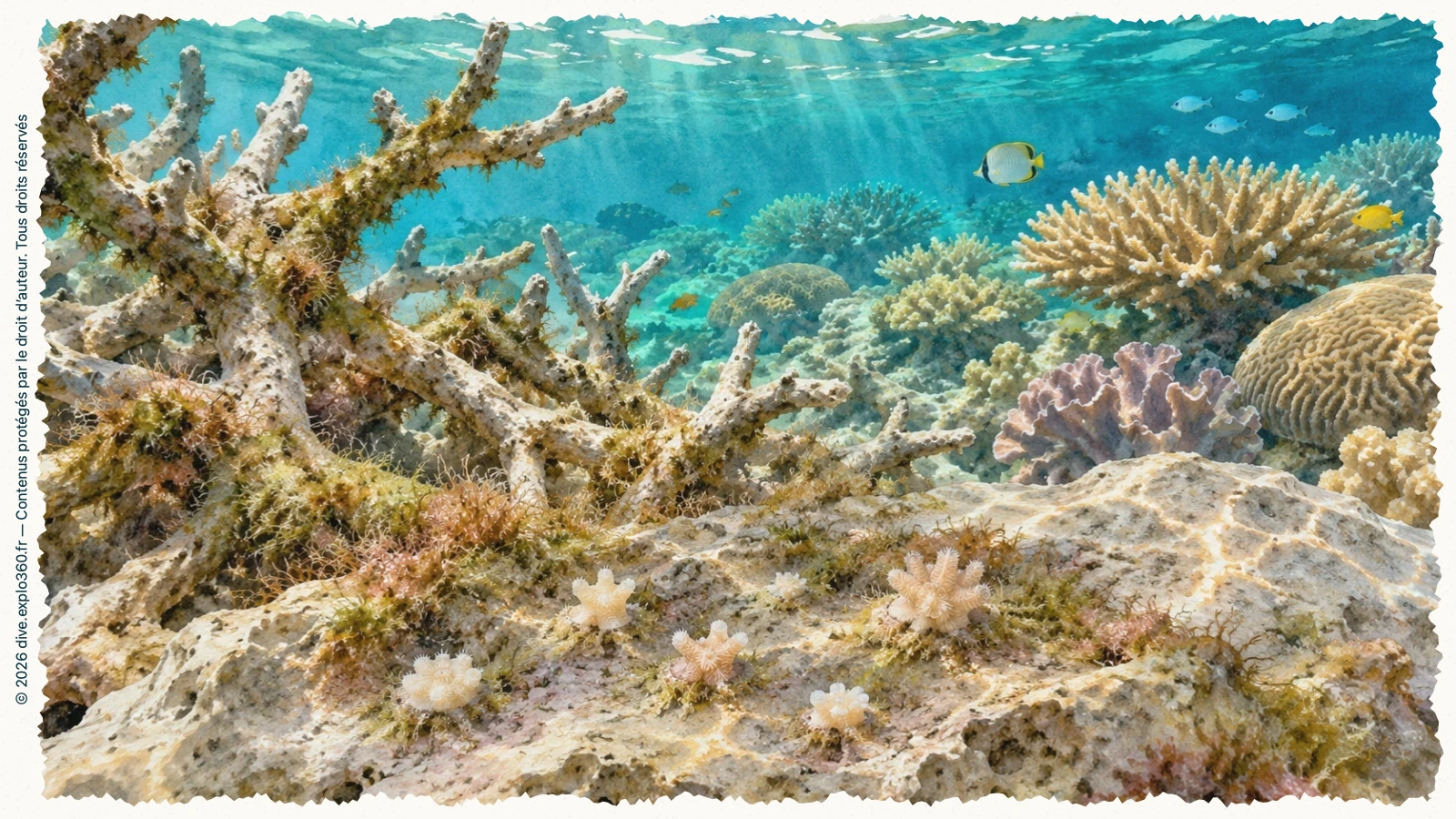
The crown-of-thorns starfish is a natural coral predator. The effect on the reef depends on how many sea stars live there and how quickly the coral can recover.
Interactive quiz
Test what you know
5 question(s) to test your knowledge.
Interactive quiz
Test what you know
Question 1 out of 5Score: 0
How does a crown-of-thorns starfish eat coral?
Which part of the coral does it eat?
Where do young larvae live?
When can the sea stars do serious damage?
What helps a reef recover?
Final result
Quiz completed
correct answers
Conclusion
Crown-of-thorns sea stars belong on Indo-Pacific reefs. When their numbers rise sharply, they can eat coral faster than the reef can replace it. Recovery can take years.
Sources
Research and observations on crown-of-thorns sea stars.