What does each partner gain?

The balance of costs and benefits depends on the conditions and on what researchers measure.

Start with the same question for every encounter: what changes for each animal?

Three outcomes to compare

1

Mutualism

Both partners benefit.
2

Commensalism

One benefits and the other is largely unaffected.
3

Parasitism

One benefits by taking resources from a host that bears a cost.

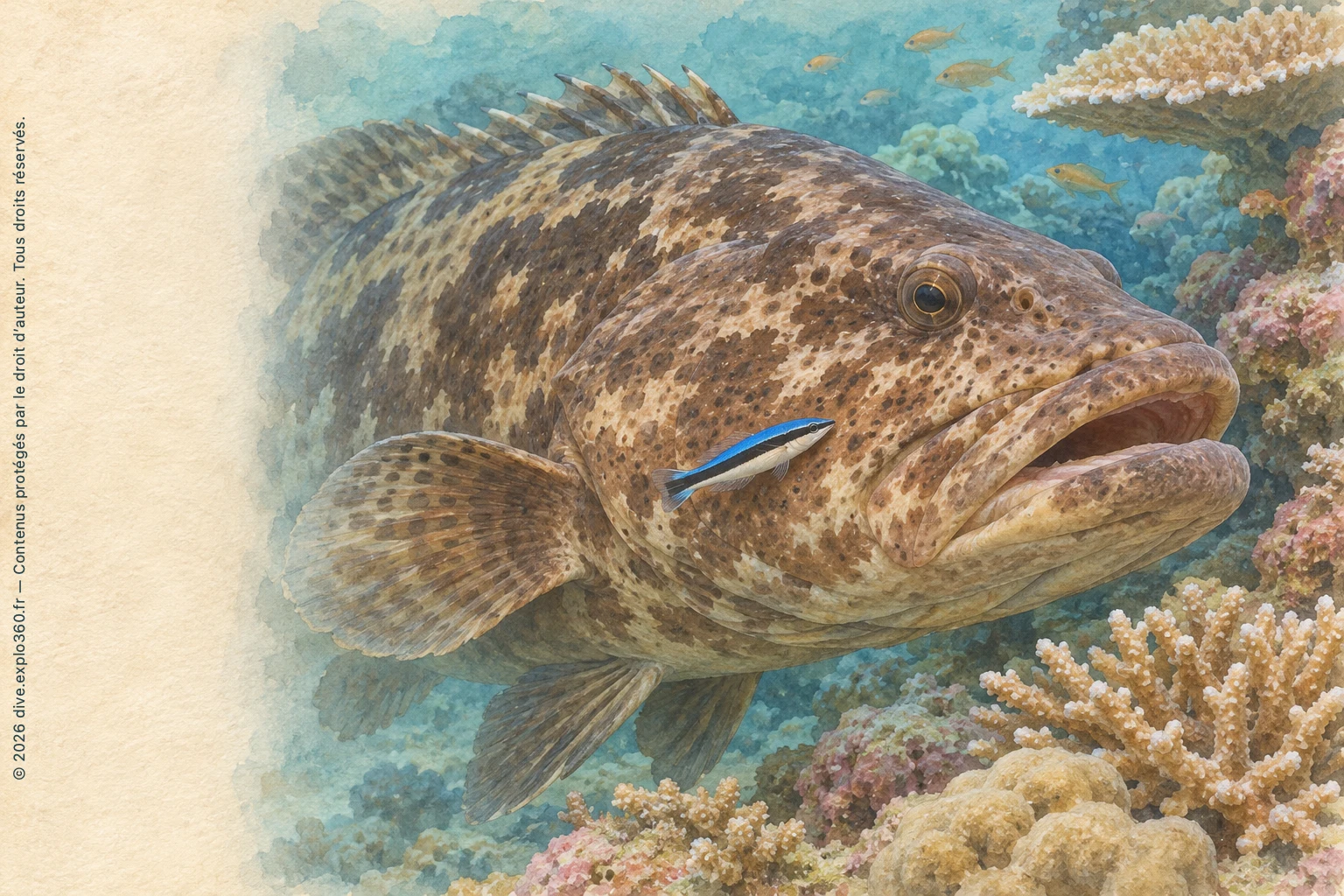
When the cleaner takes mucus

The client can interrupt the visit. The option to leave helps explain why taking mucus can cost the cleaner a meal.

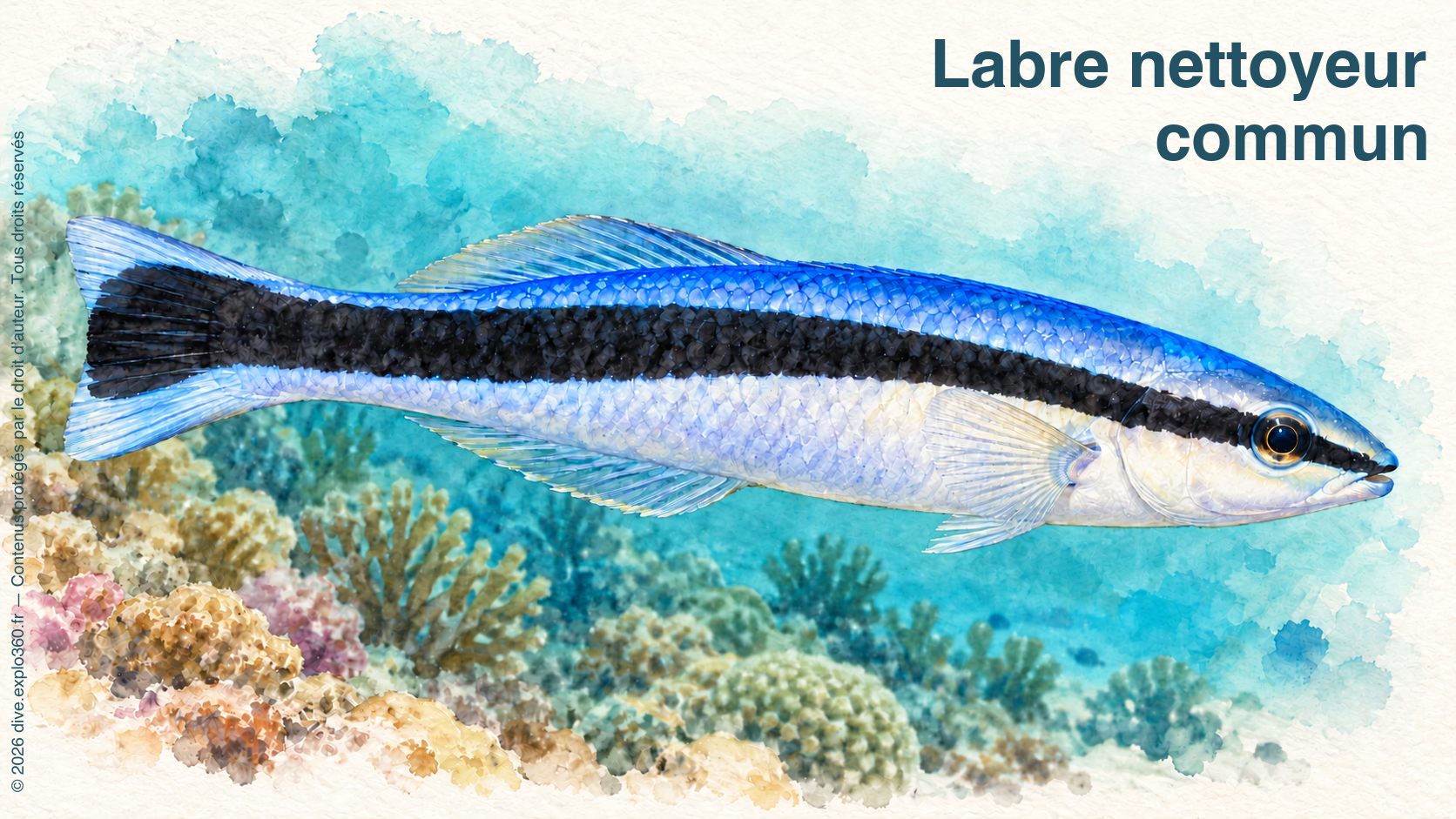
A cleaner wrasse gets a meal from a client’s ectoparasites, and removing them can benefit the client. Mucus is another source of food for the cleaner. Experiments show that cleaners adjust their behaviour depending on how a client responds to a bite or whether it can leave. The cleaner’s food preference is one piece of evidence. The net effect also depends on what the client gains and loses.

The fish that keeps watch for two

Steinitz’s shrimp goby keeps watch while the shrimp maintains the shelter. An antenna in contact with the goby lets the shrimp detect its movements. Without the shrimp, the goby would lose access to a burrow. Without the goby, the shrimp would face more risk when it ventured outside.
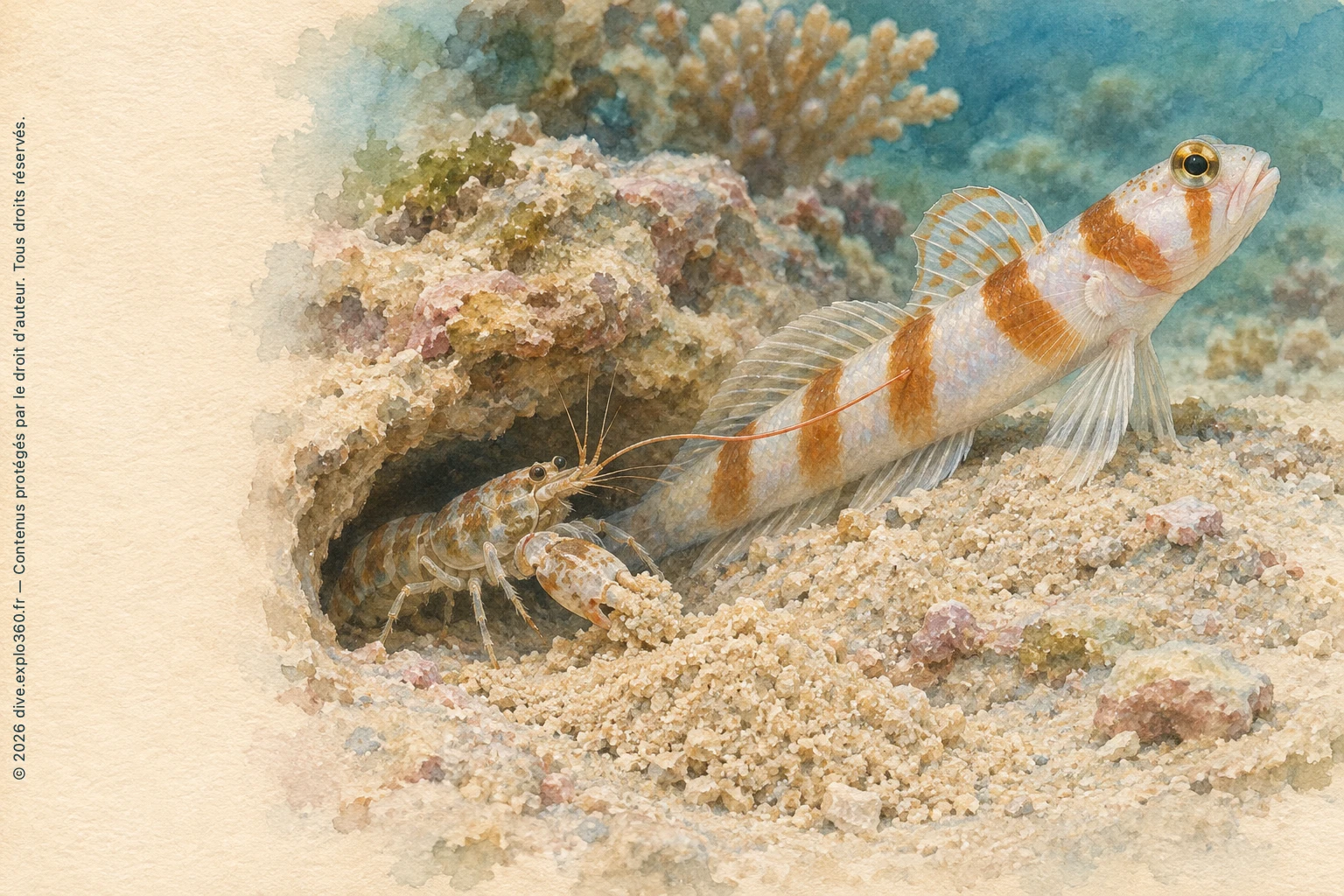
A goby watches a burrow entrance as a shrimp moves sand.
The shrimp maintains the shelter while the goby detects danger and signals it through movement. © dive.explo360.fr — All rights reserved. Reproduction requires permission.

Continue reading

AMIGANSEAU CONTENT

The rest of this article is for subscribers

Log in with your AMIGANSEAU licence to continue reading.

All active AMIGANSEAU licences give access to the full article.

Explore the same world

Explore further