A shelter for two
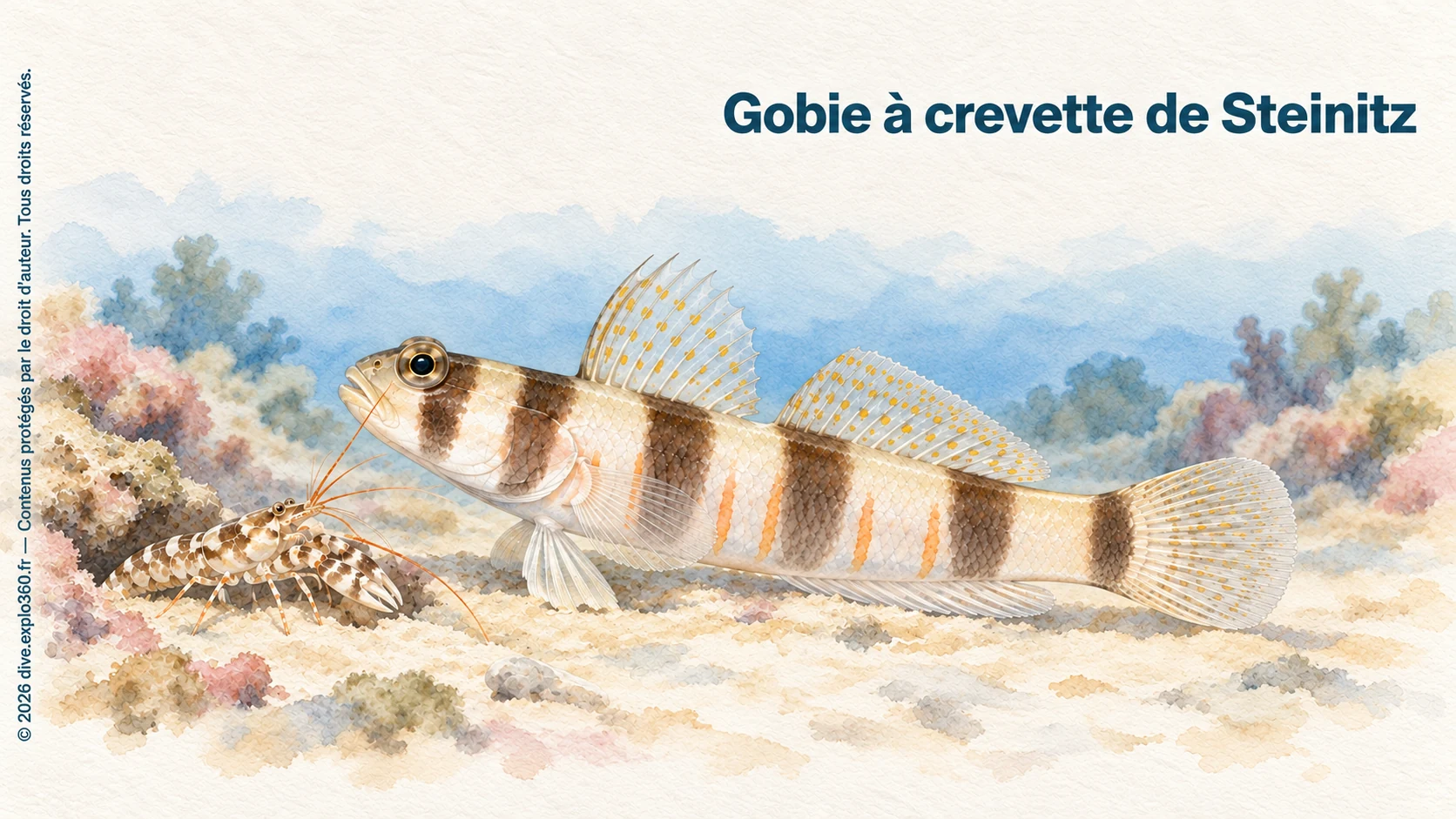
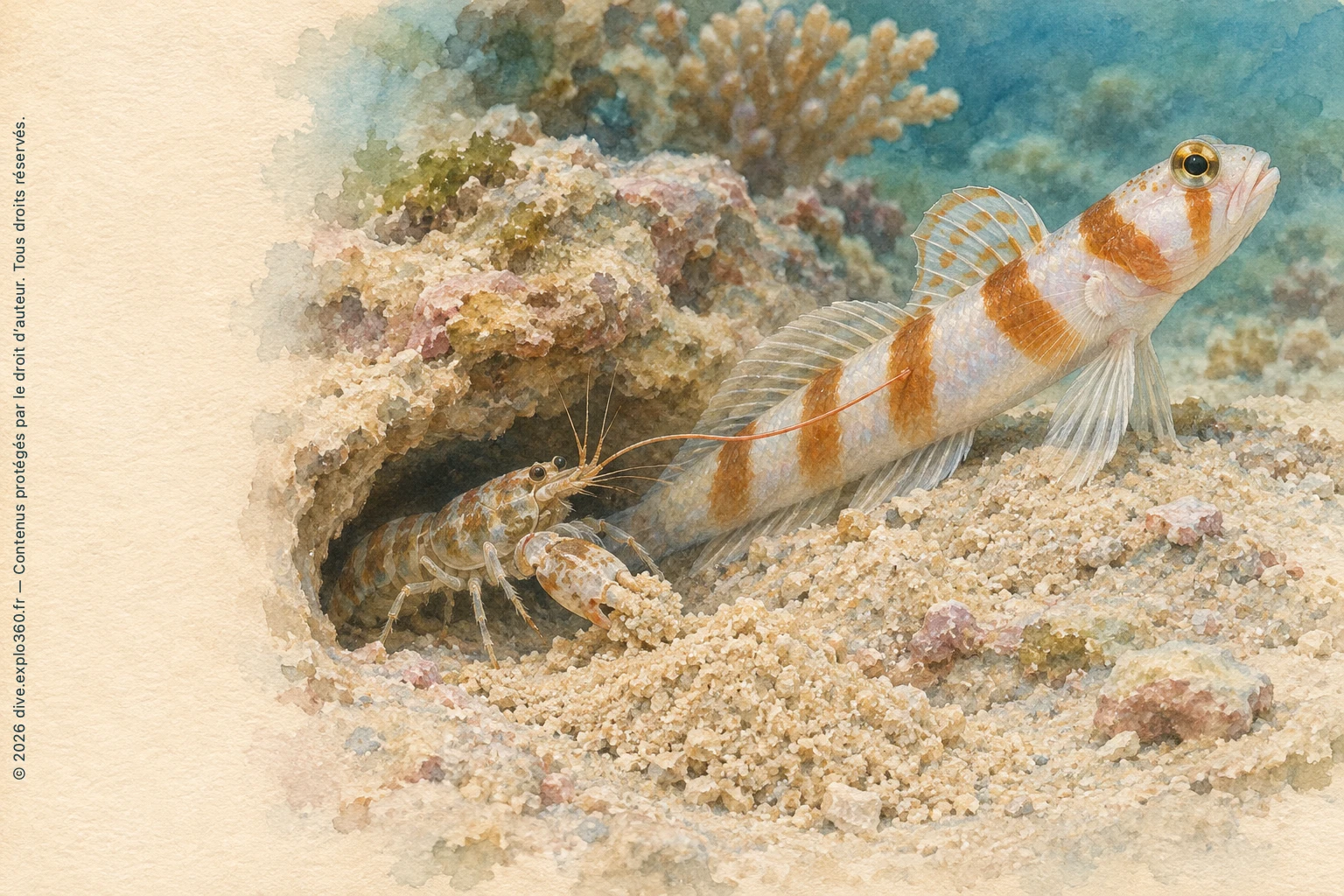
A snapping shrimp digs a hiding place in the sand. A fish called a goby keeps watch. The shrimp rests one antenna against the goby and can feel it move if danger comes close. Both can dart into the burrow.
Explore the same world
Ecology · Natural history
How sea animals help each other and what happens when only one benefits
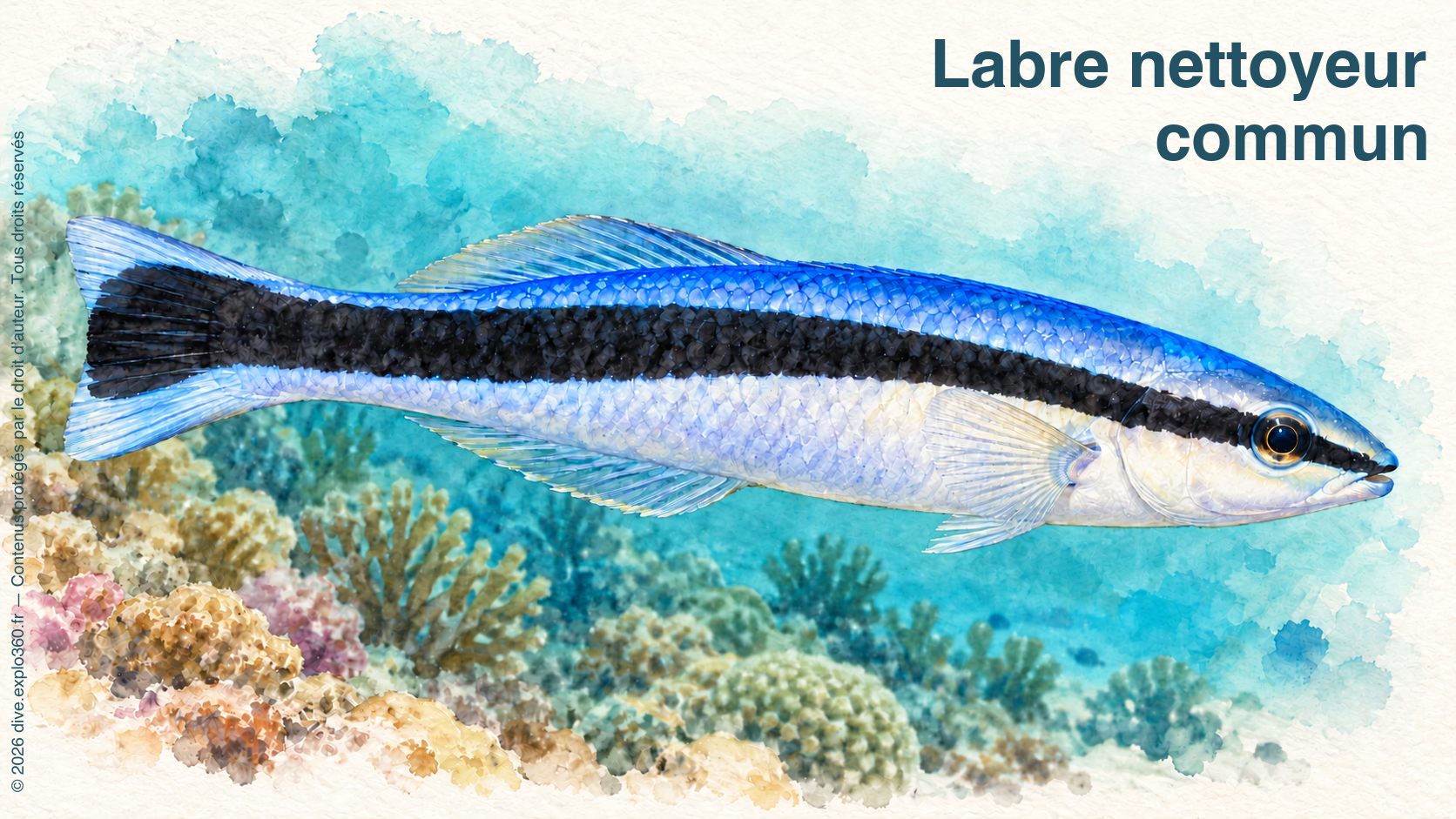
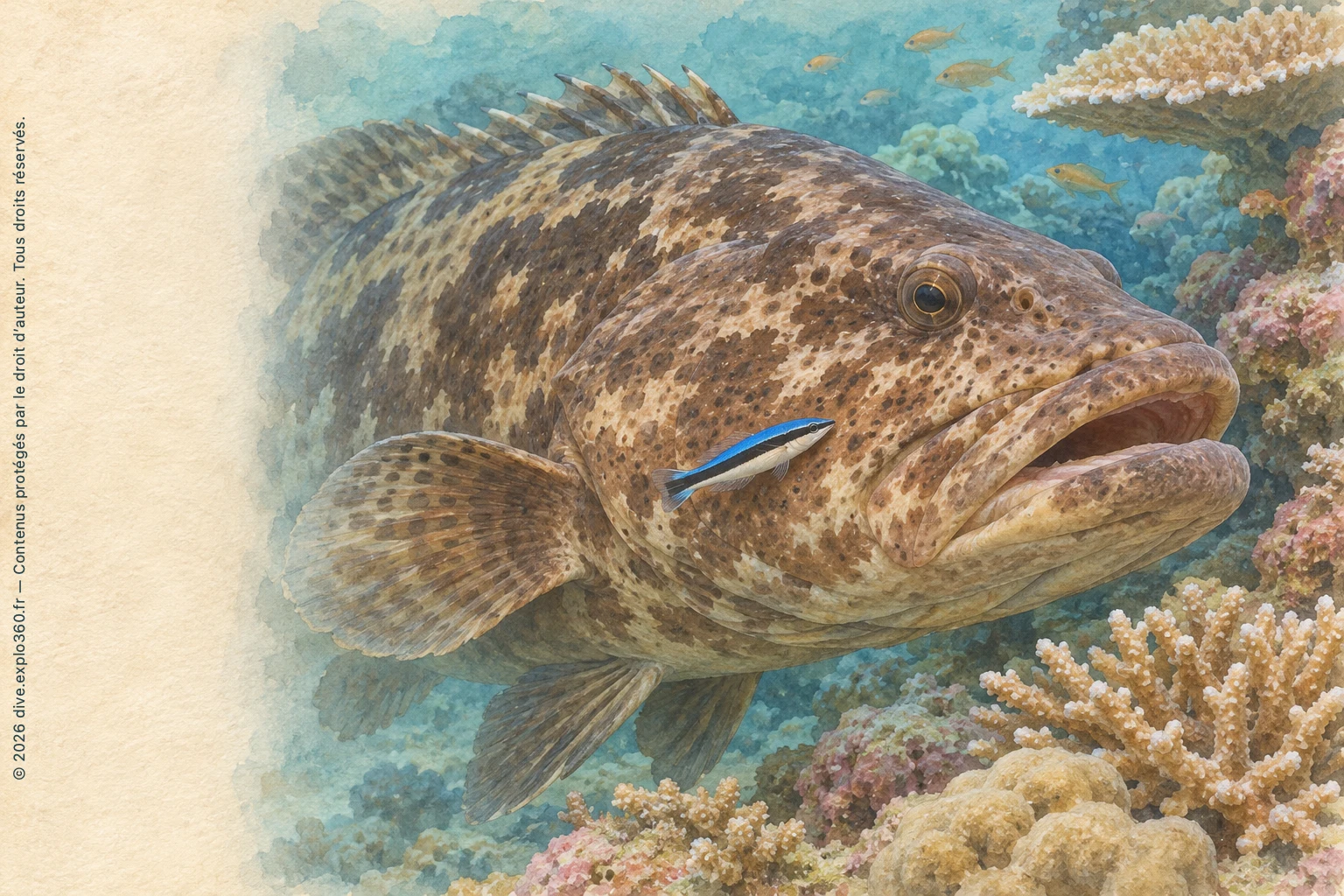
Imagine a large grouper opening its mouth beside a tiny fish. The little fish comes closer and looks for parasites on its skin. What could each fish gain from the encounter?
At a cleaning station, a grouper tolerates the approach of a cleaner wrasse. Its pose alone does not reveal whether the wrasse takes a parasite or mucus. © dive.explo360.fr — All rights reserved. Reproduction requires permission.
A snapping shrimp digs a hiding place in the sand. A fish called a goby keeps watch. The shrimp rests one antenna against the goby and can feel it move if danger comes close. Both can dart into the burrow.
Explore the same world