
Diving into a living, connected world
Under the sea, a well-established natural organisation.
What we do not immediately see is that every organism has a precise role. It does not live there by chance. It contributes to a larger whole: an ecosystem where all forms of life are connected.
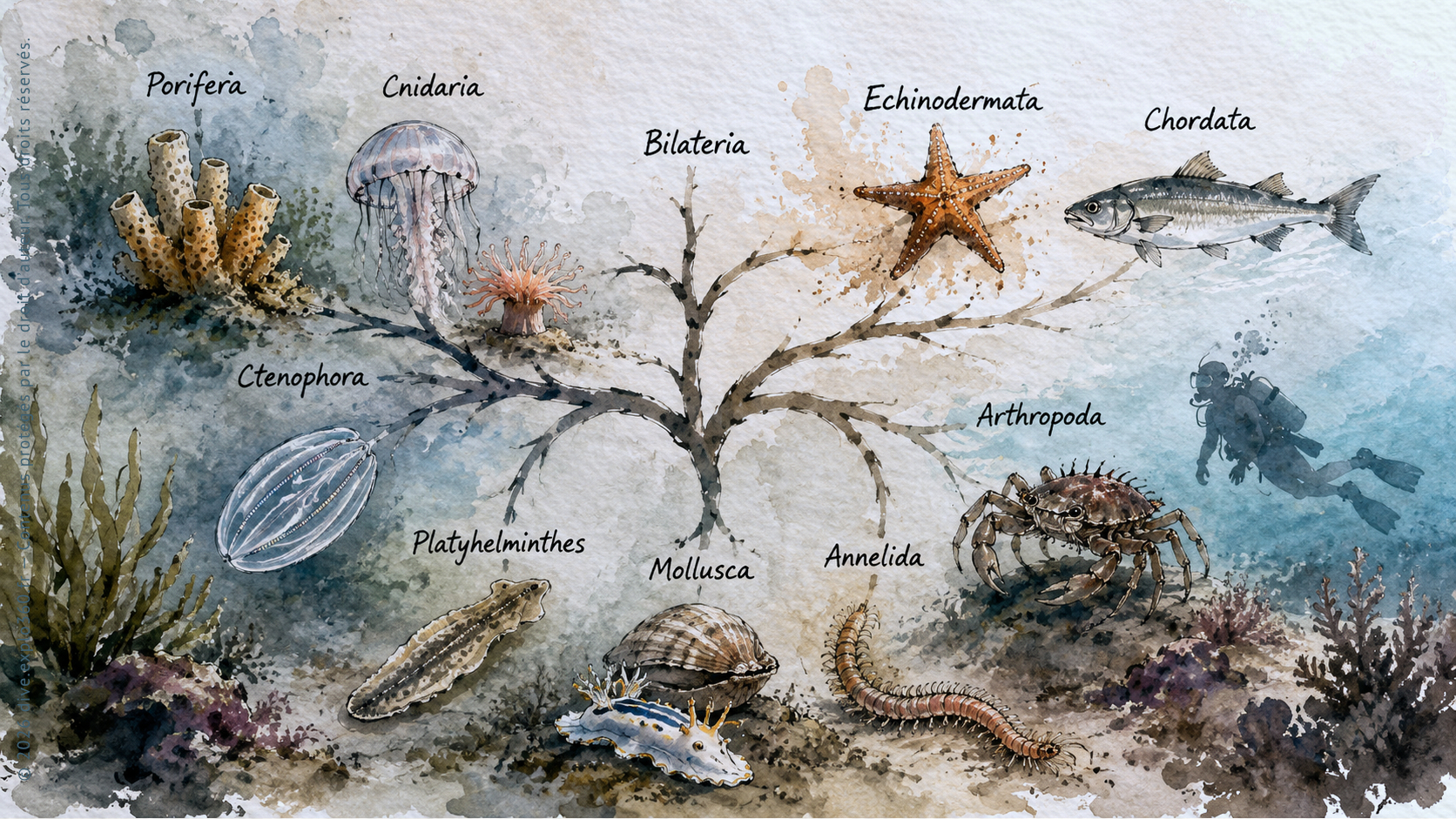
Each phylum plays a precise role, like a component of a vast living machine in which every part supports the others to maintain the marine ecosystem’s balance.
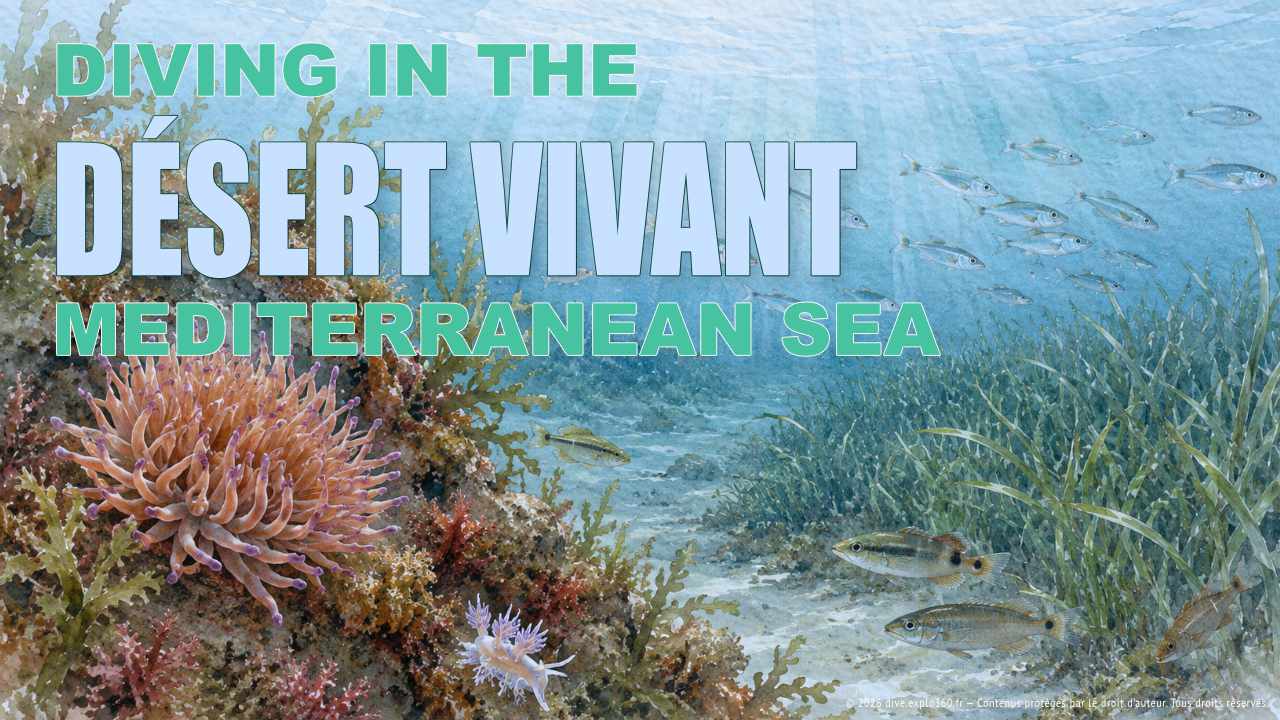
ALGAE, PLANTS
Produce oxygen essential to underwater life. They also provide shelter and food for many species, playing a key role in ecosystem balance.
SPONGES, CNIDARIANS, BRYOZOANS, TUNICATES
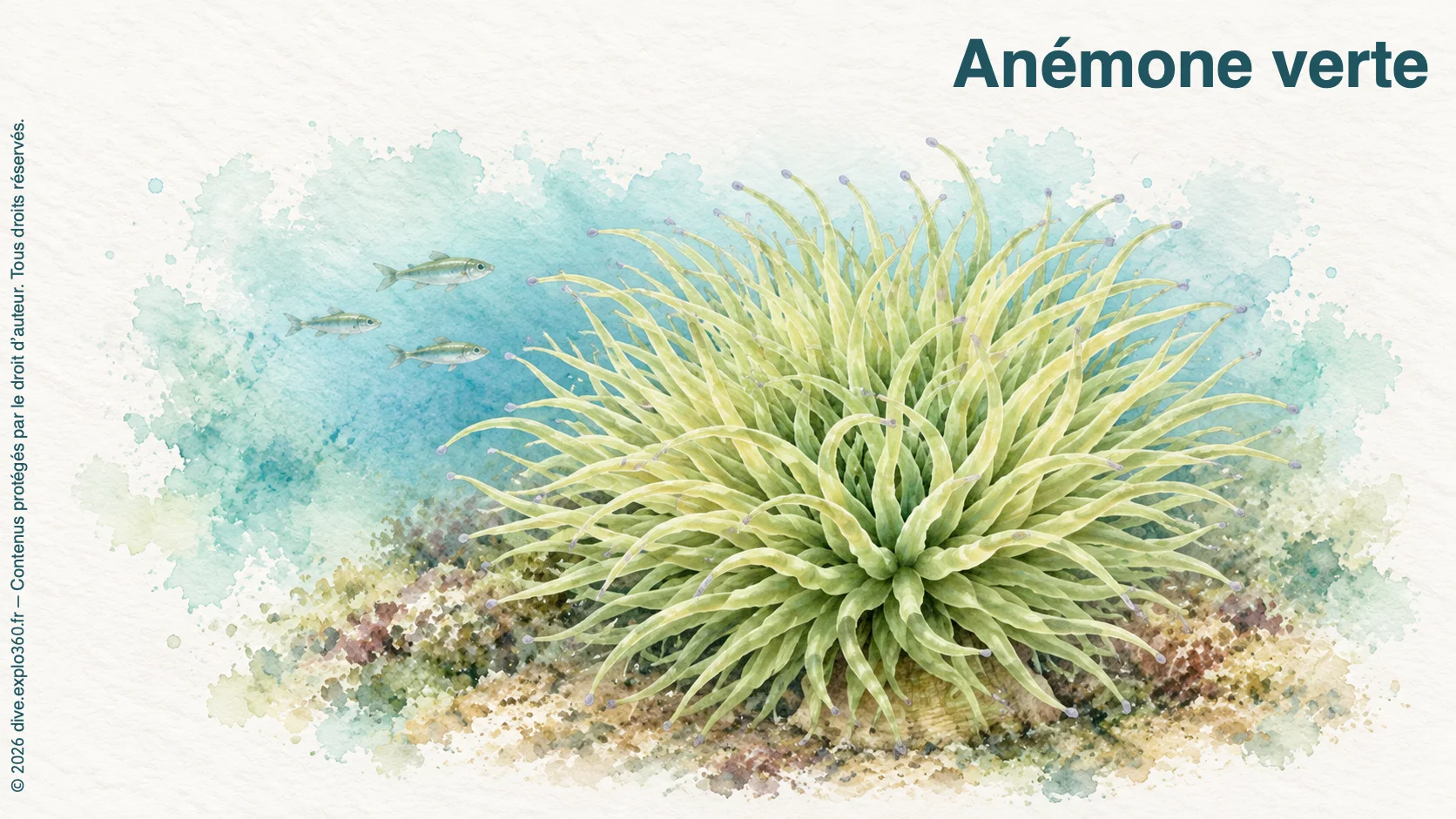
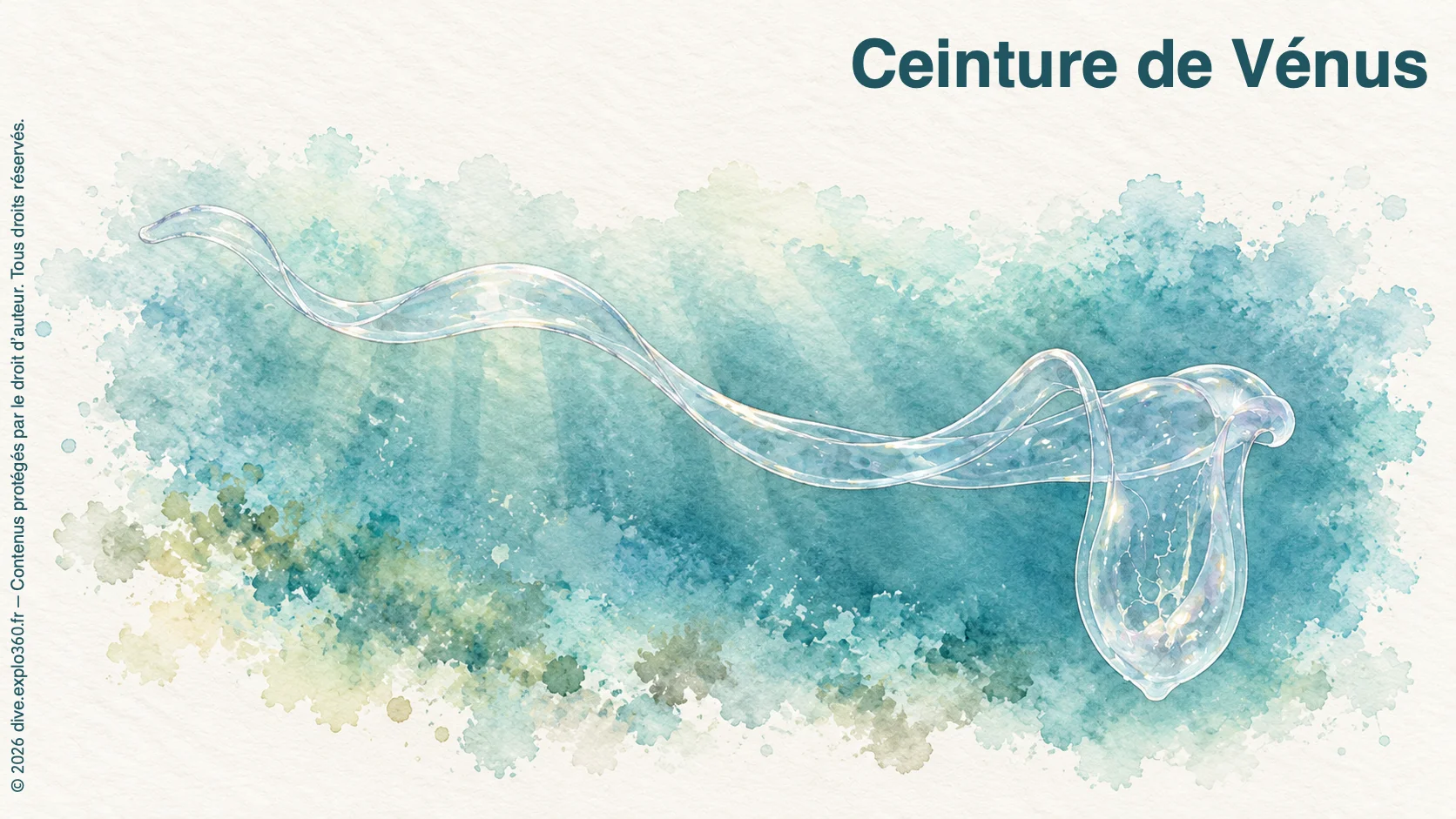
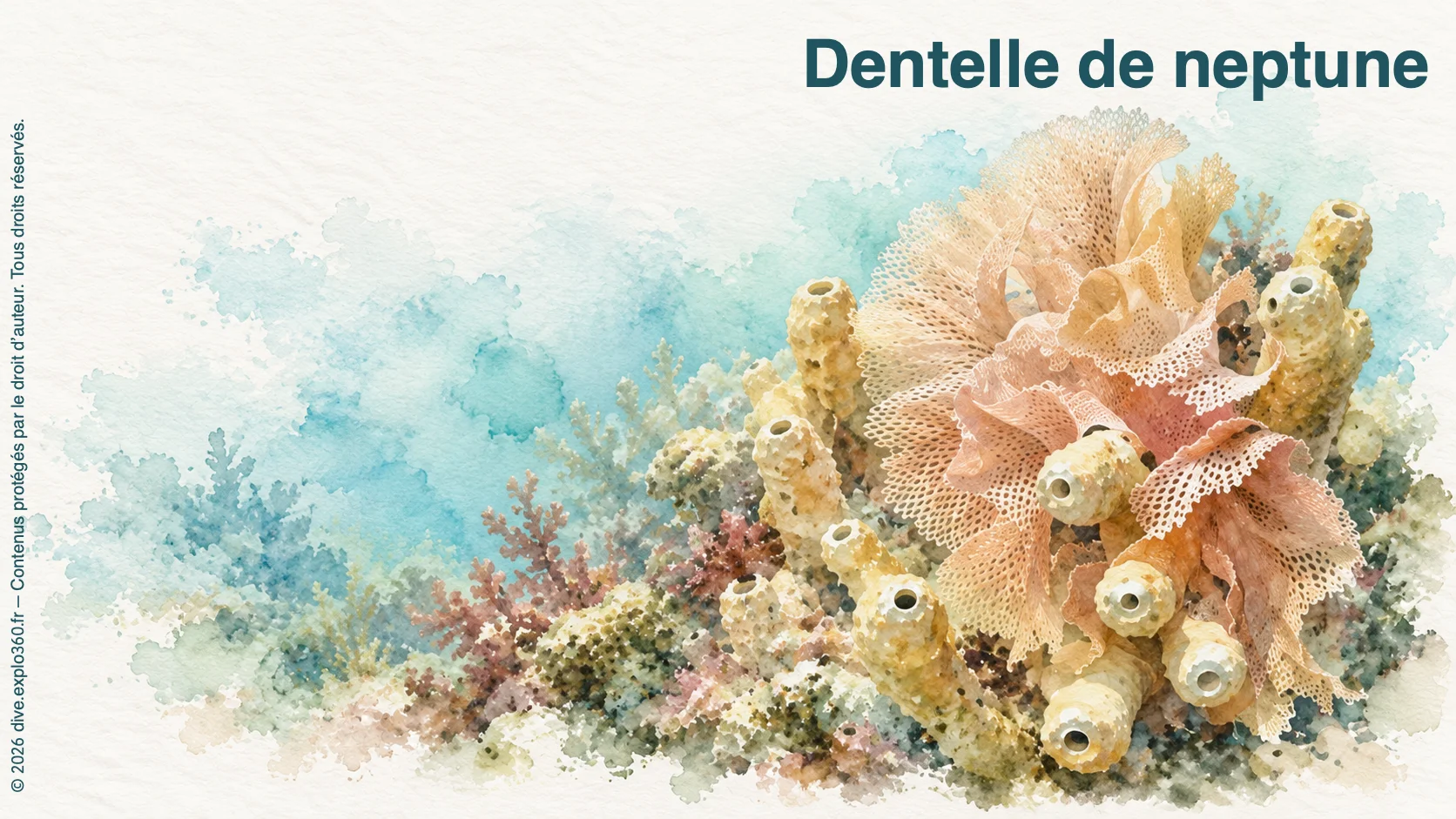
Play an important role by filtering water, helping keep marine environments clean and oxygenated. Their structure provides valuable shelter for many small species.
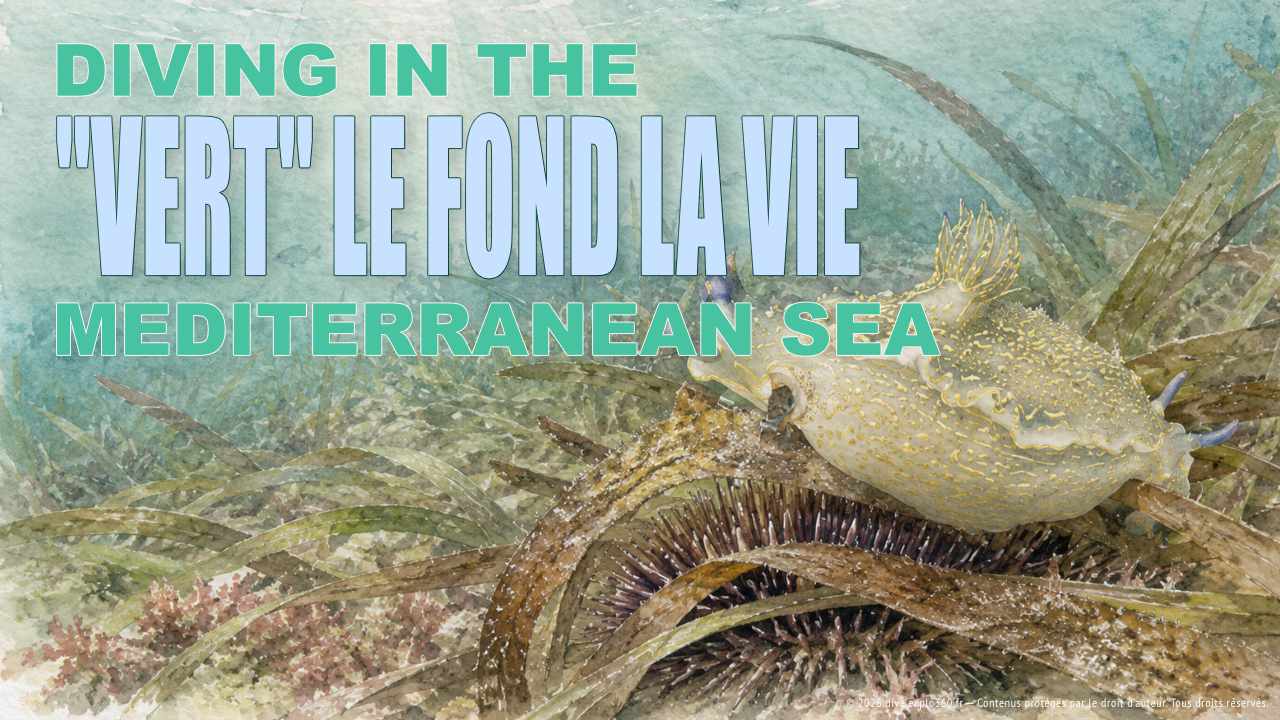
MOLLUSCS
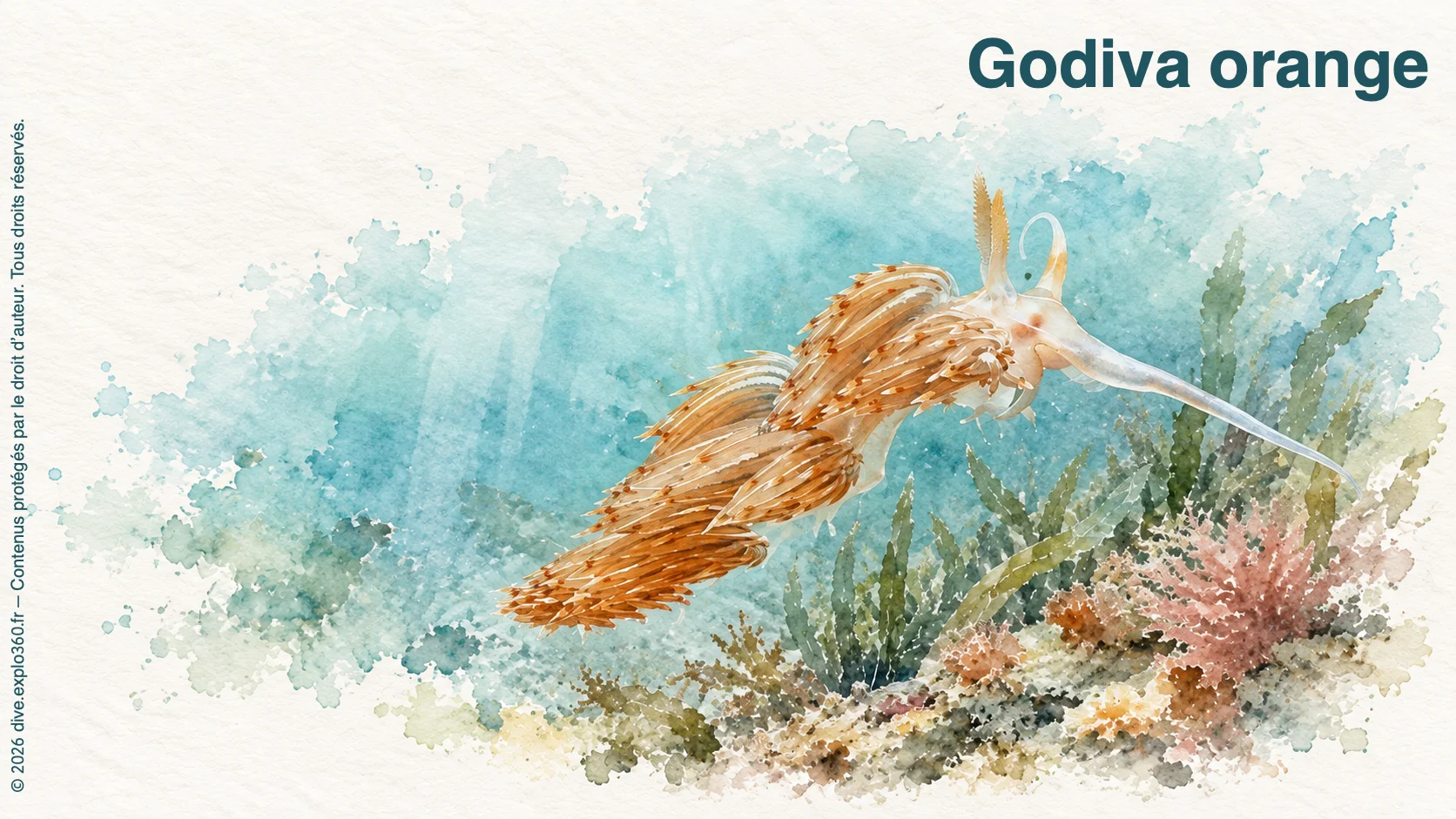
Occupy an important place in the marine food chain. They provide prey for many predators and feed on algae, plankton or organic debris, thereby contributing to ecosystem balance.
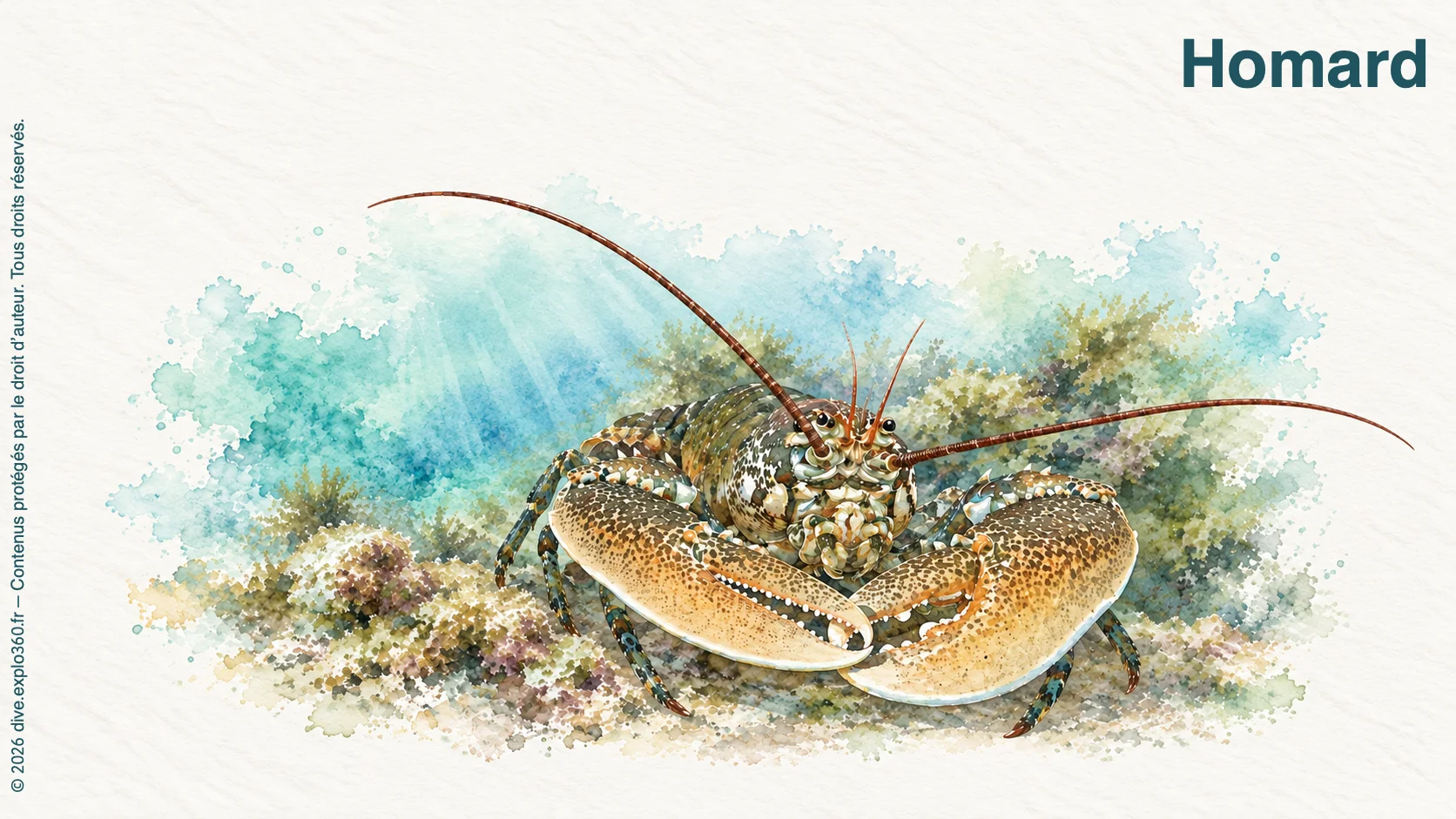
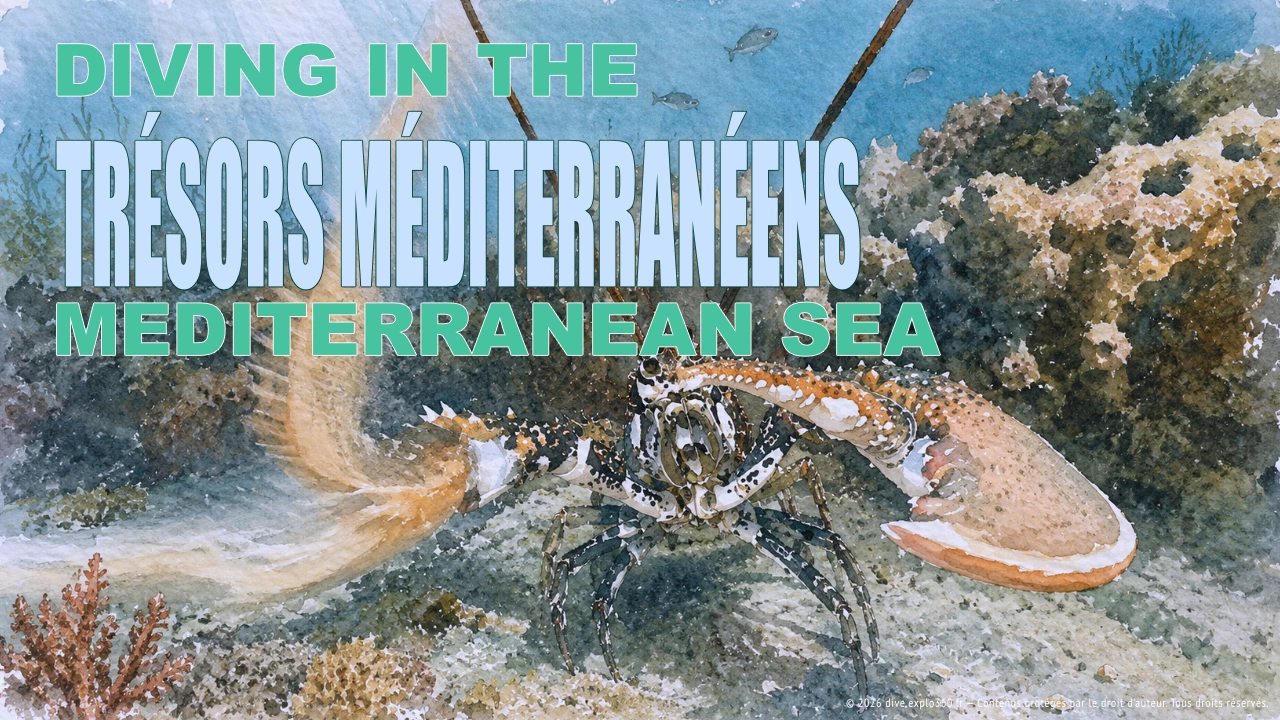
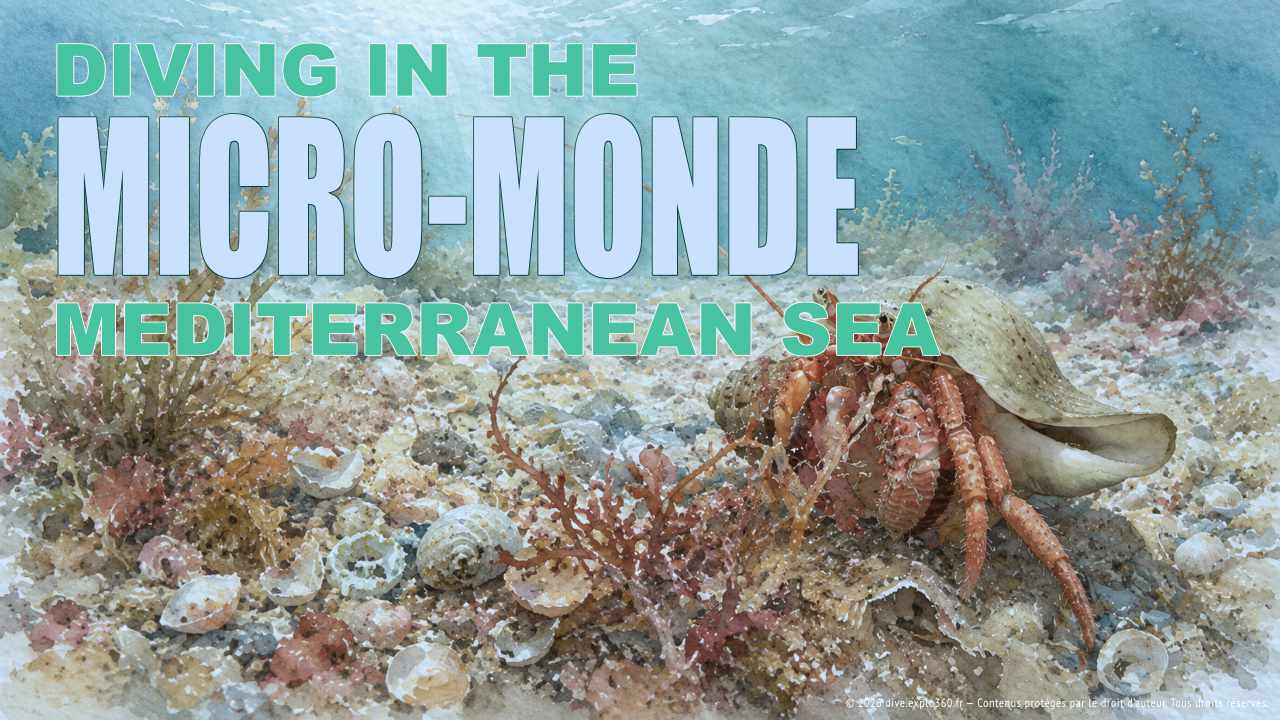
CRUSTACEANS
Play an essential role in cleaning the seabed by feeding on waste and organic remains. Their activity helps recycle matter and maintain a healthy environment for the ecosystem’s other inhabitants.
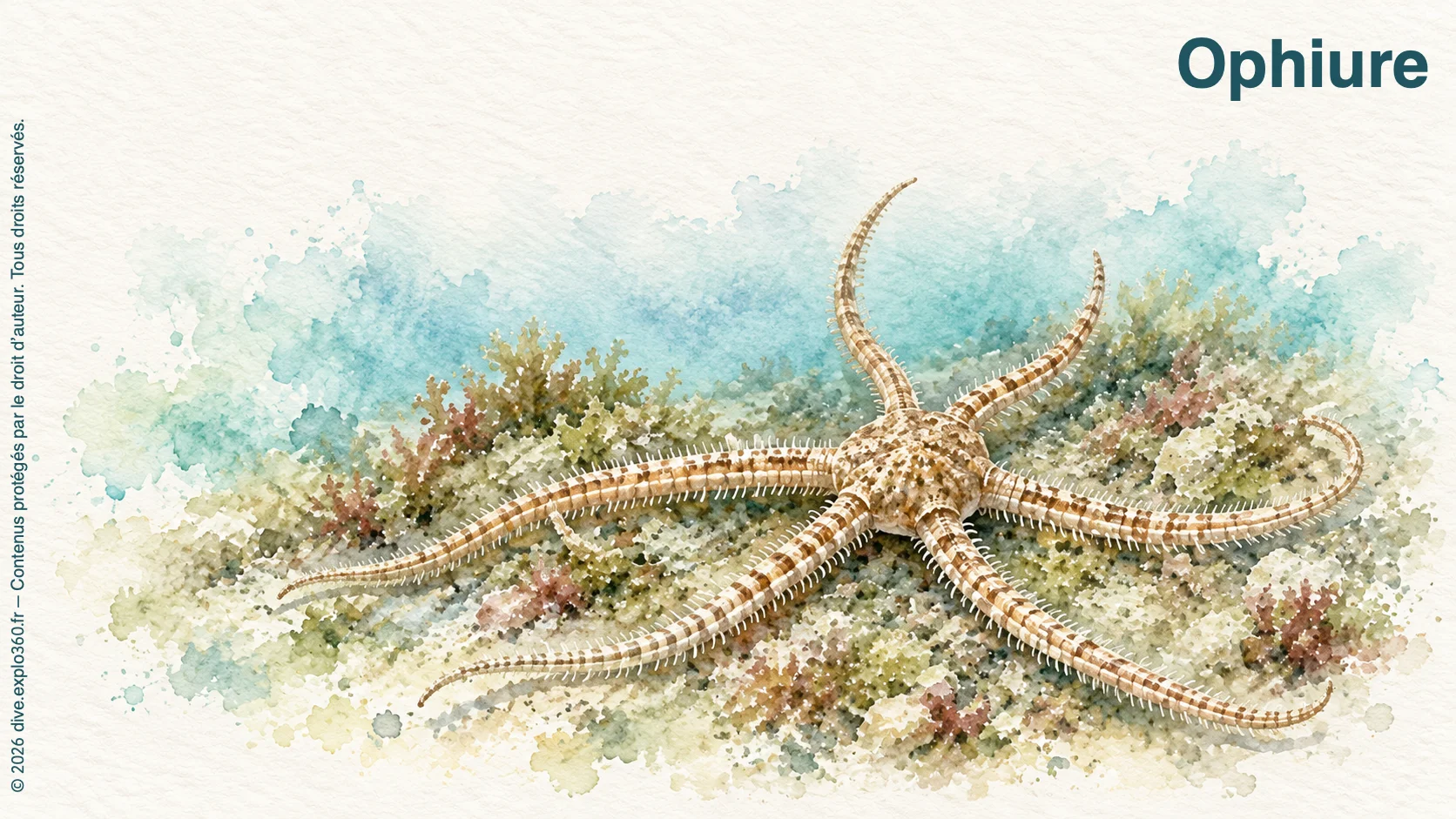
ECHINODERMS
Actively contribute to recycling organic matter by breaking down debris and dead remains. Through their cleaning role, they help maintain the cleanliness and health of the seabed.
FISH
Play a crucial role by regulating other species’ populations, preventing imbalances. They also help connect marine habitats through their movements, promoting nutrient circulation and biological diversity.
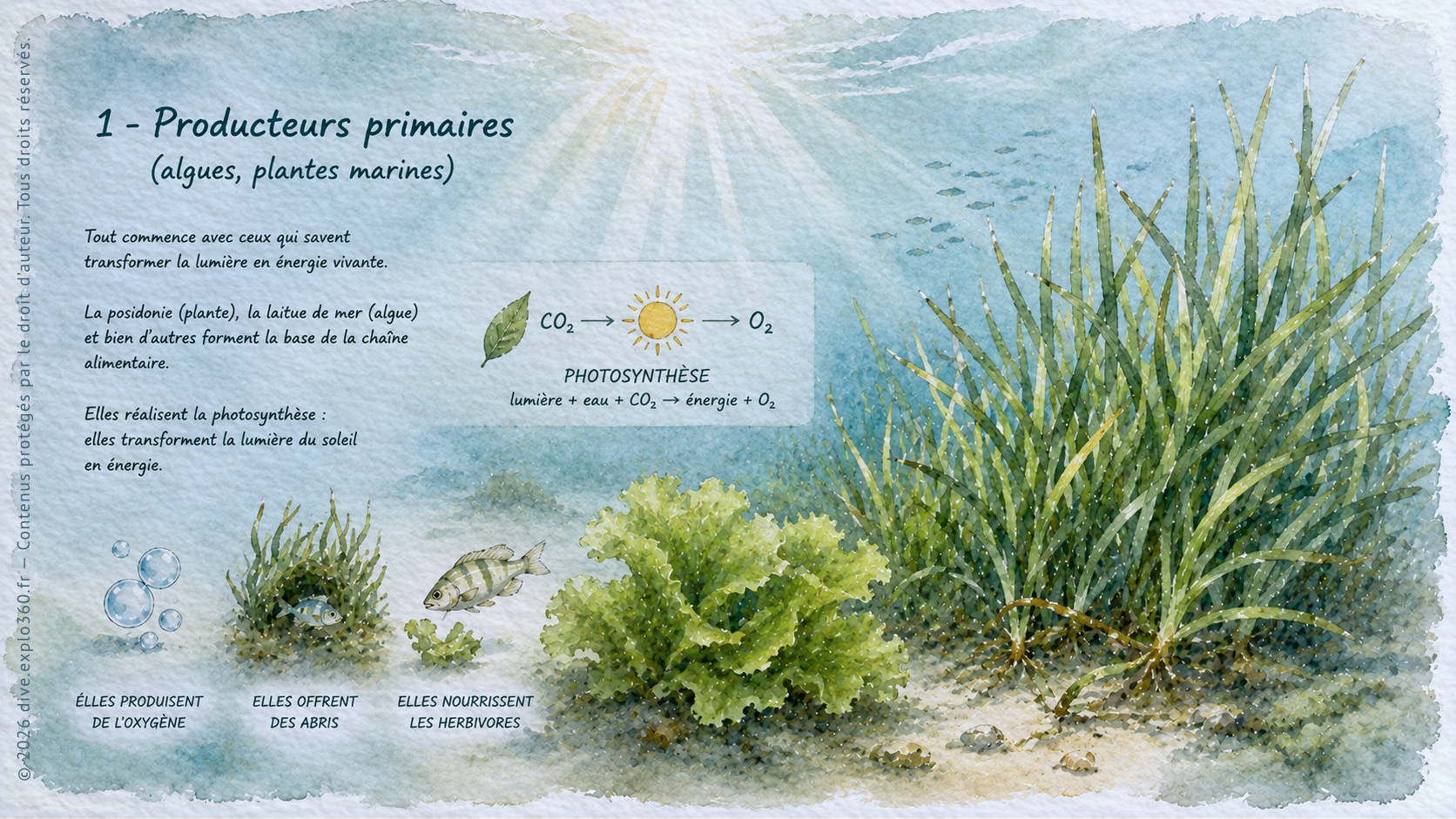
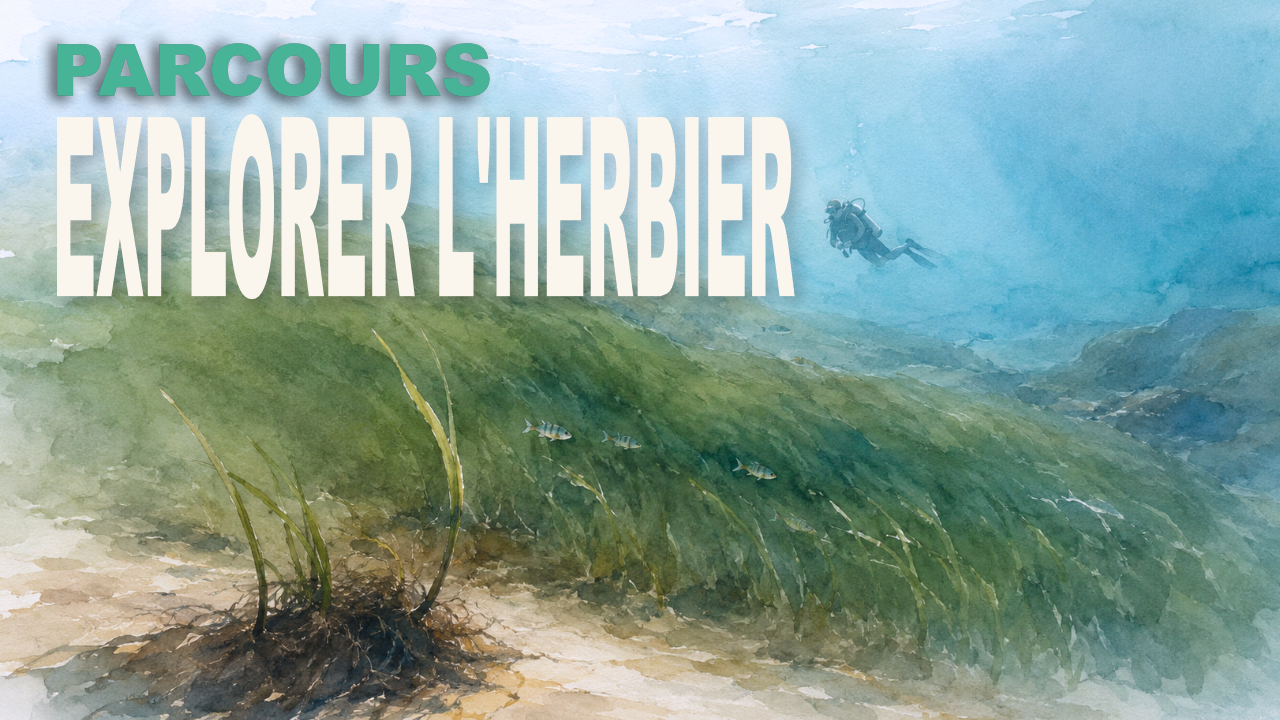
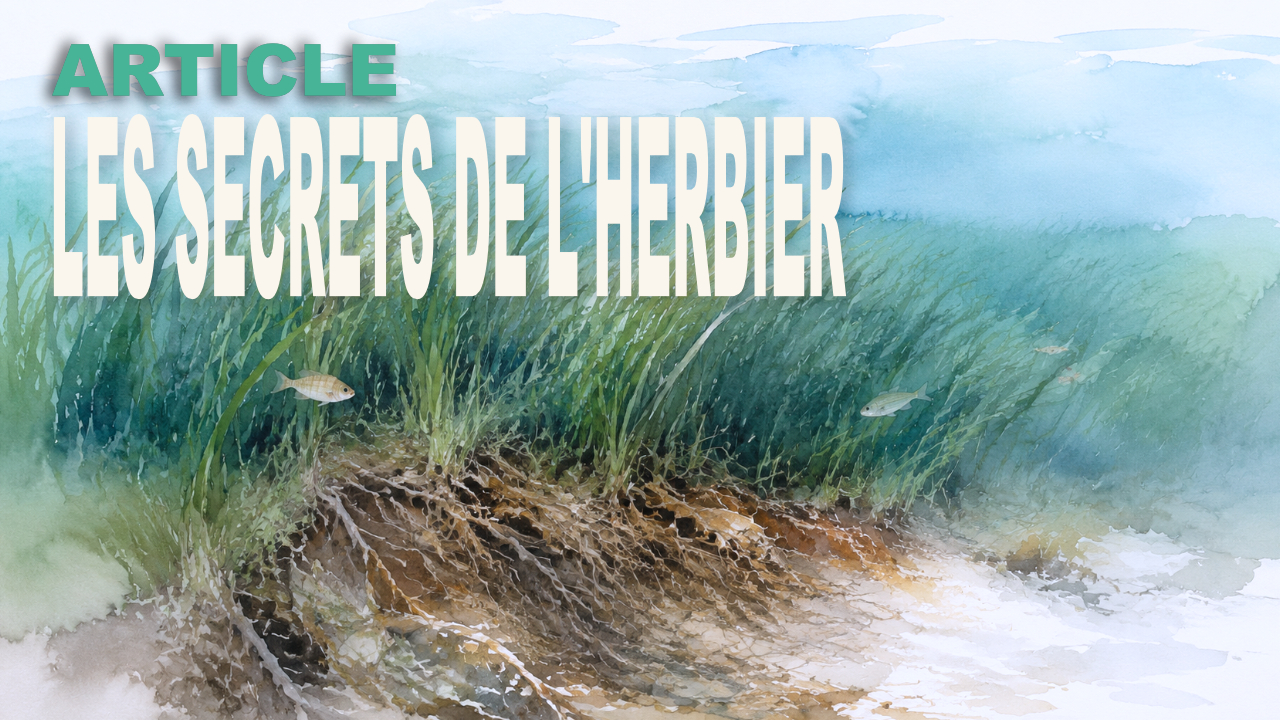
It all begins with those able to turn light into living energy. Posidonia (a plant), sea lettuce (an alga) and many others form the base of the food chain. They carry out photosynthesis: they turn sunlight into energy.
They produce oxygen, provide shelter and feed herbivores.
Without them, the food chain cannot begin. (learn more about the food chain)
AMIGANSEAU CONTENT
The rest of this article is for subscribers
Log in with your AMIGANSEAU licence to continue reading.
All active AMIGANSEAU licences give access to the full article.Explore the same world