
Diving into a living, connected world
Yet each is part of a whole.
Organisms feed, provide food for others, transform matter, provide shelter or alter their environment.
An ecosystem therefore works through relationships between many species.
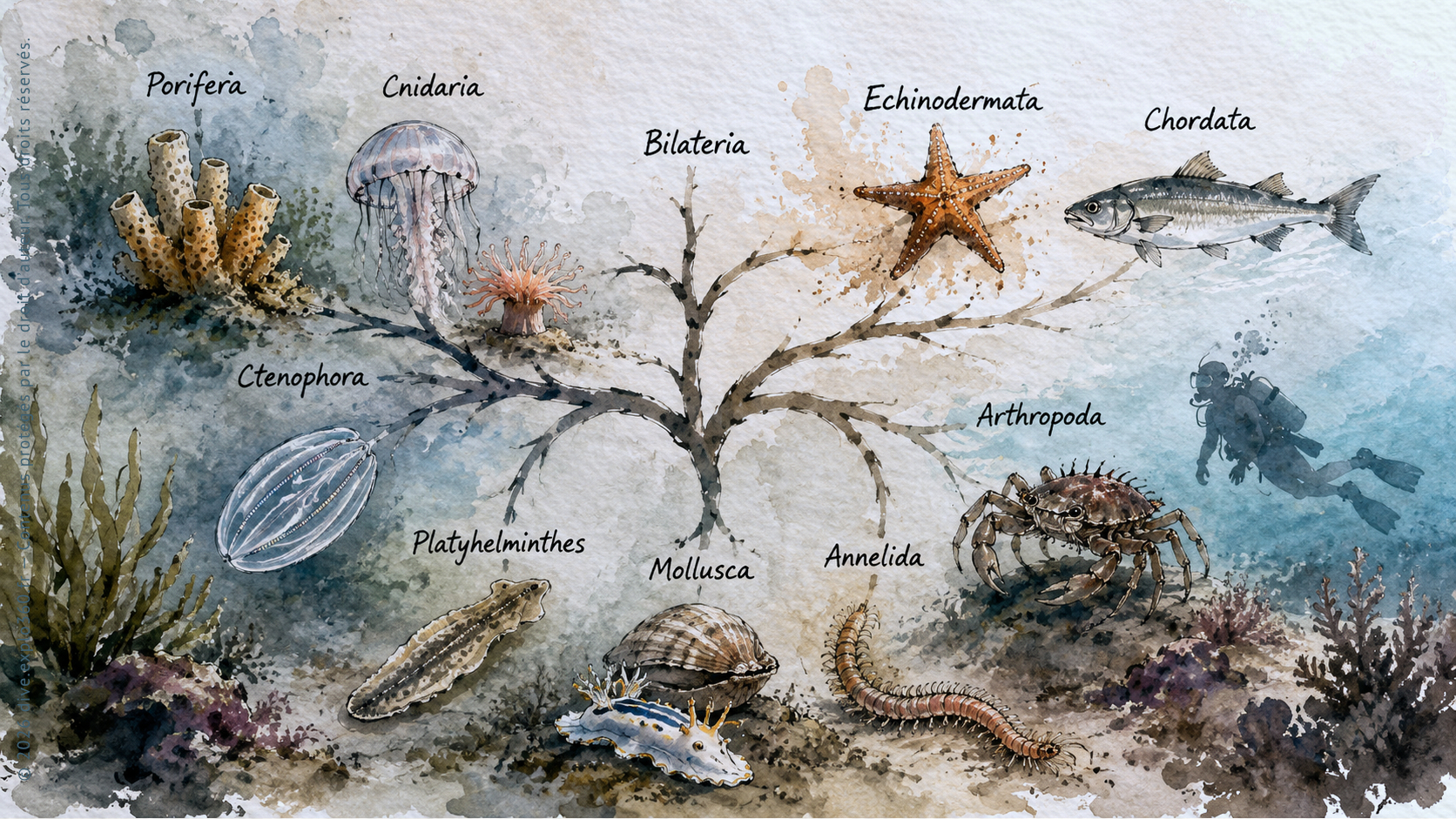
A few examples help us recognise the major marine groups:
These groups do not each perform just one role. A single phylum may include species with different diets and ecological functions.
Algae and plants
Sponges
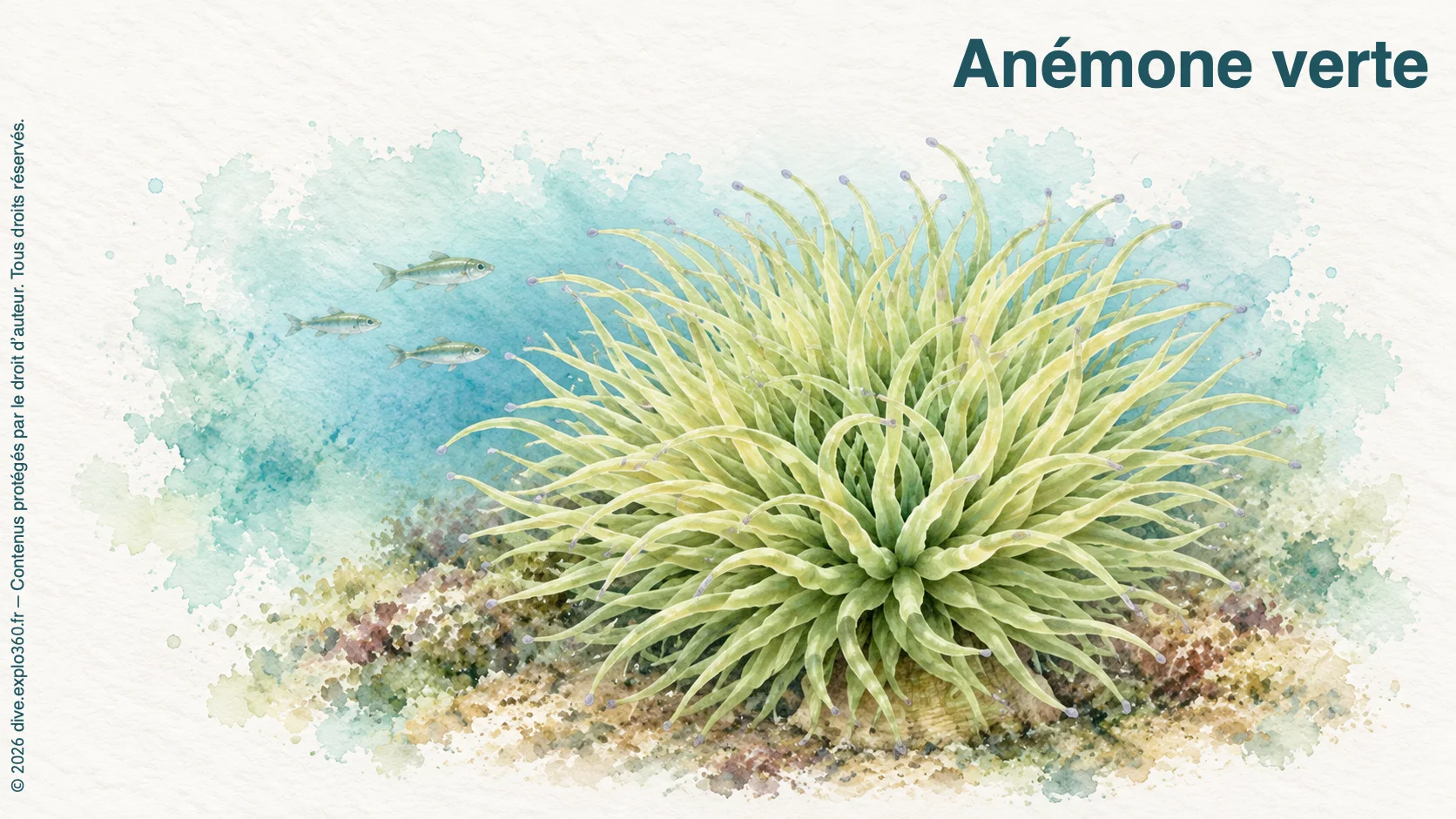
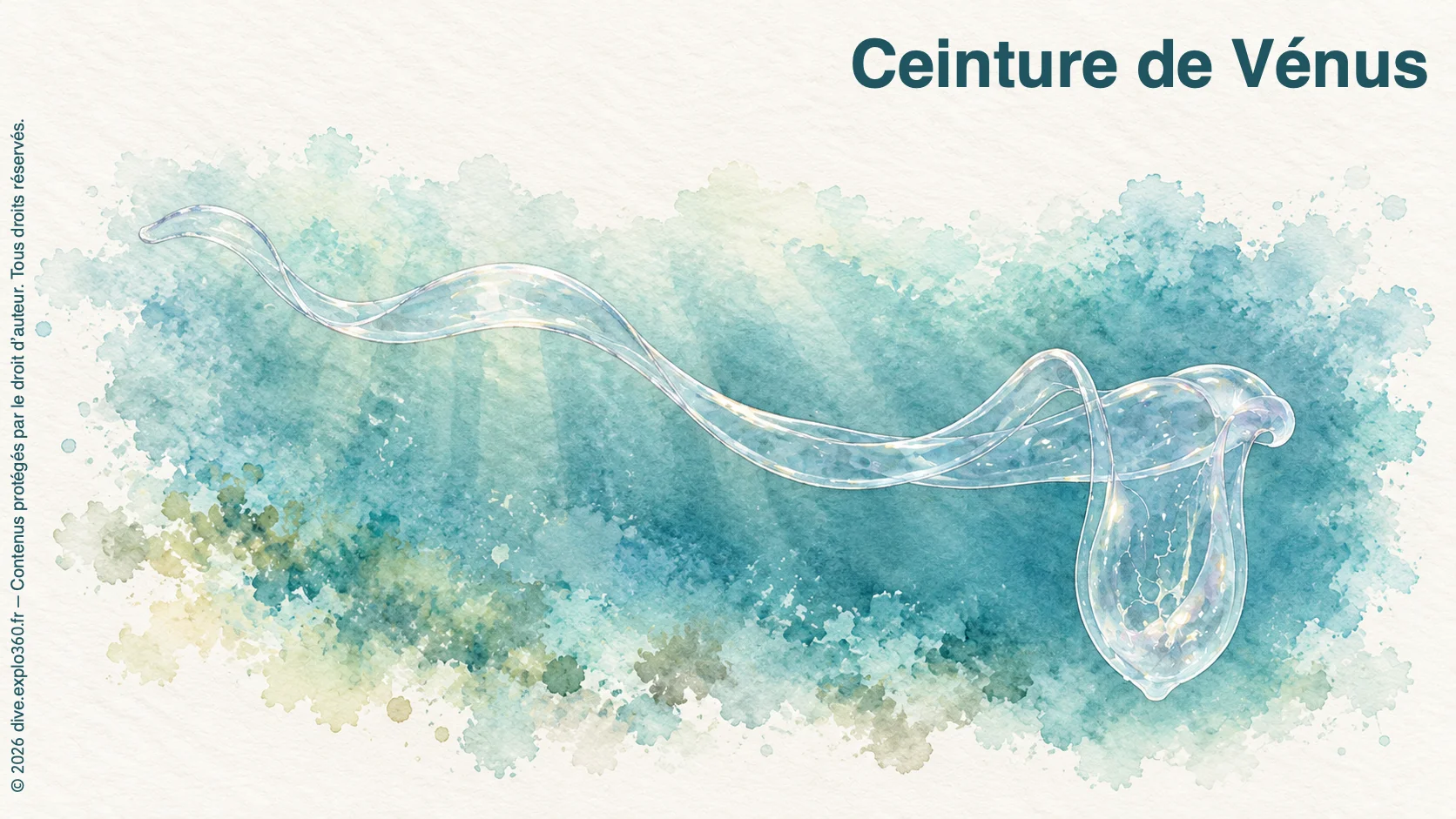
Cnidarians
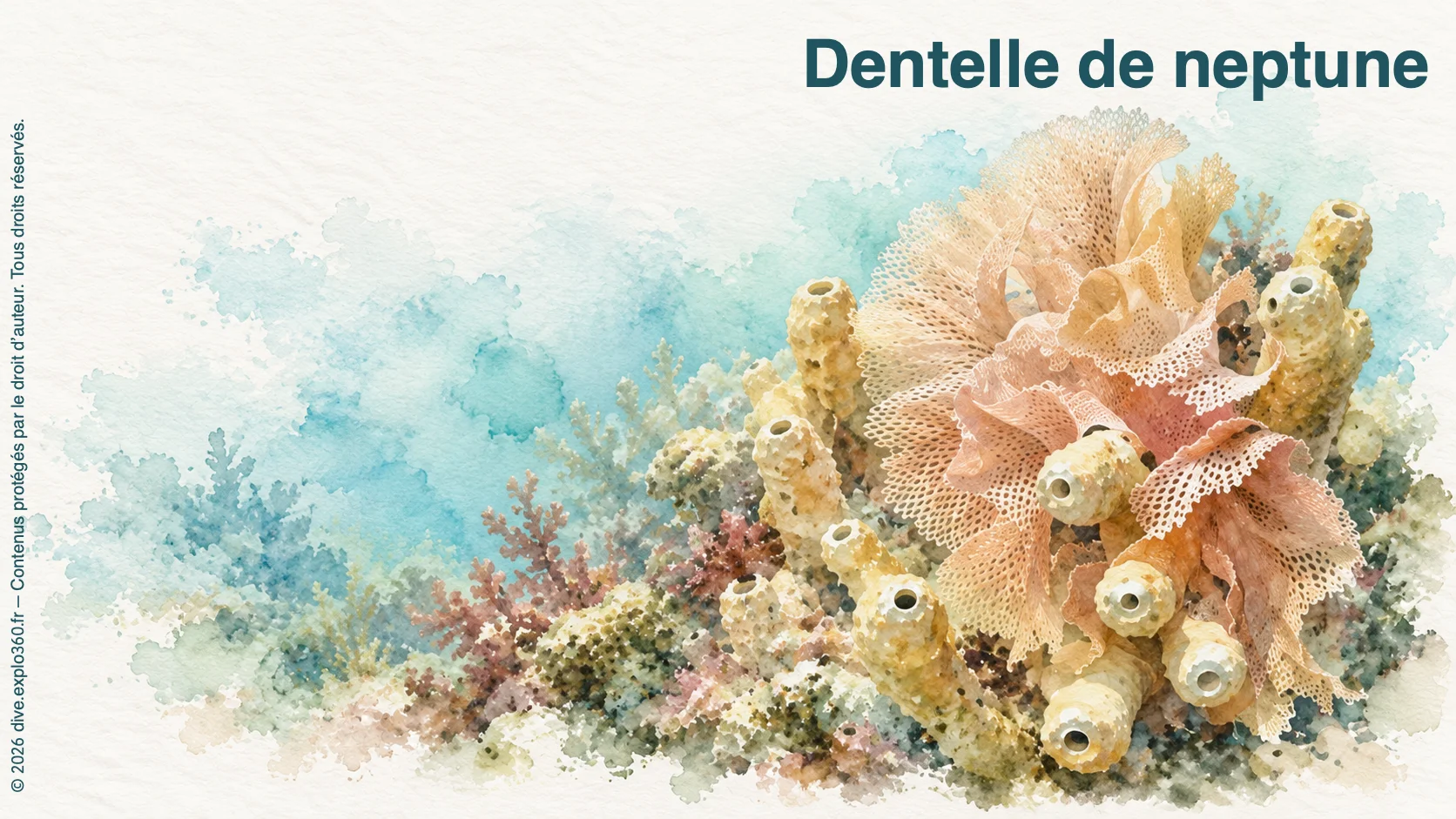
Bryozoans
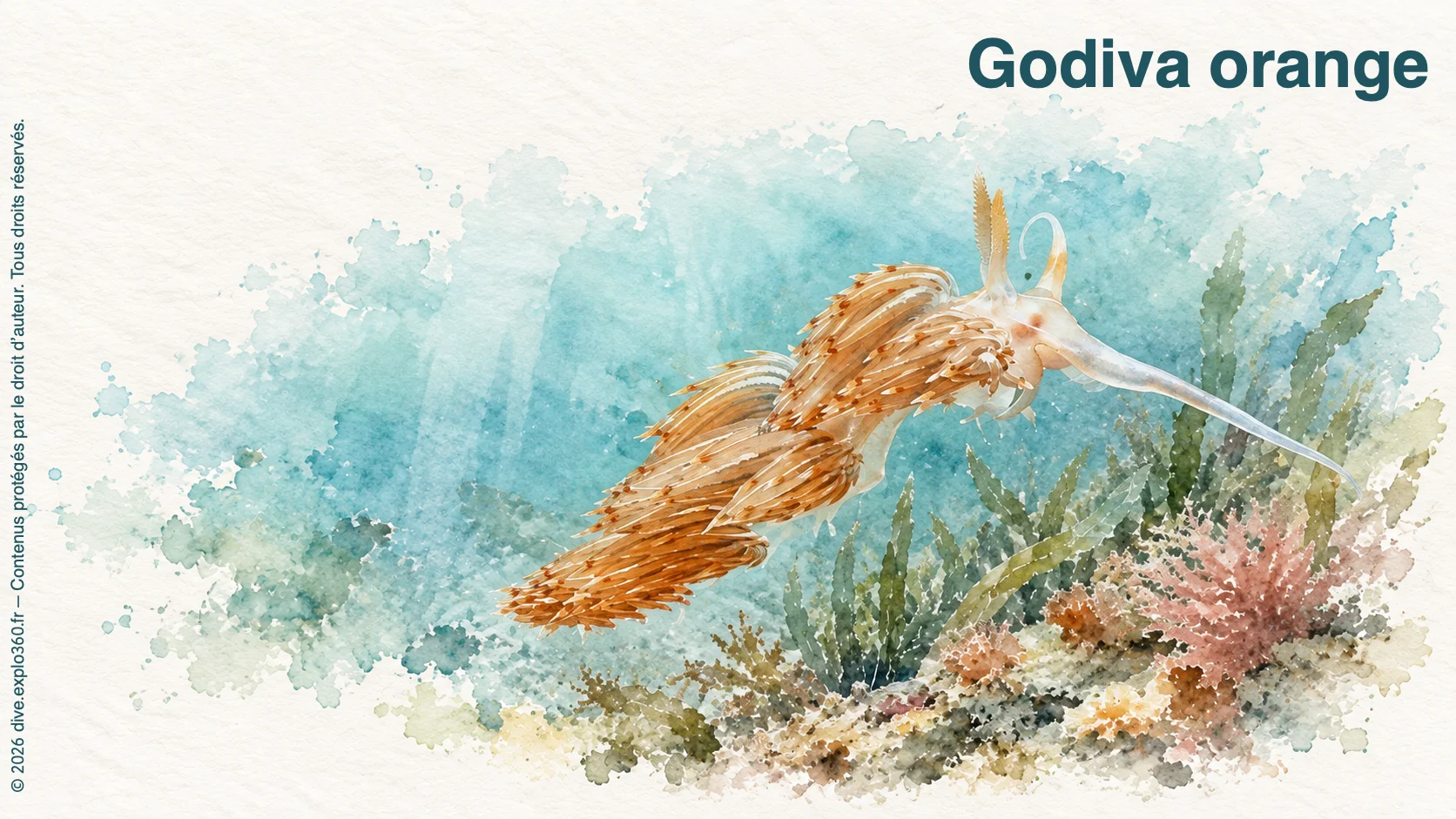
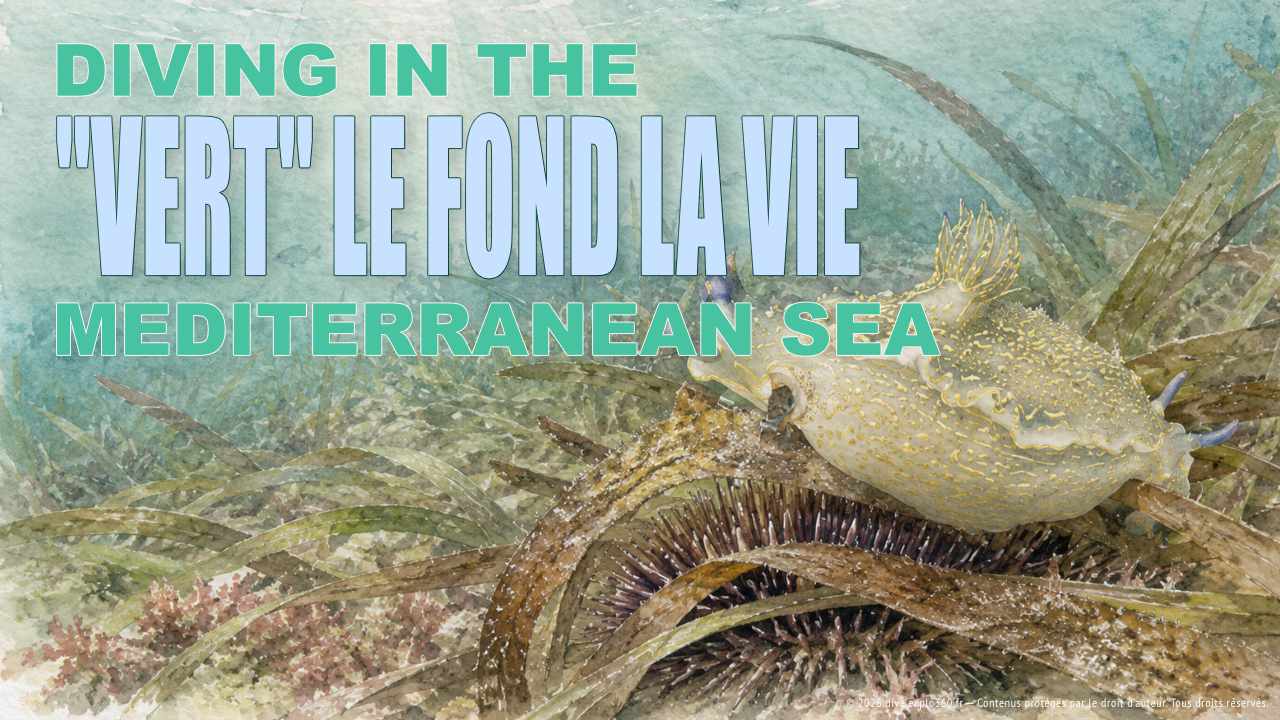
Molluscs
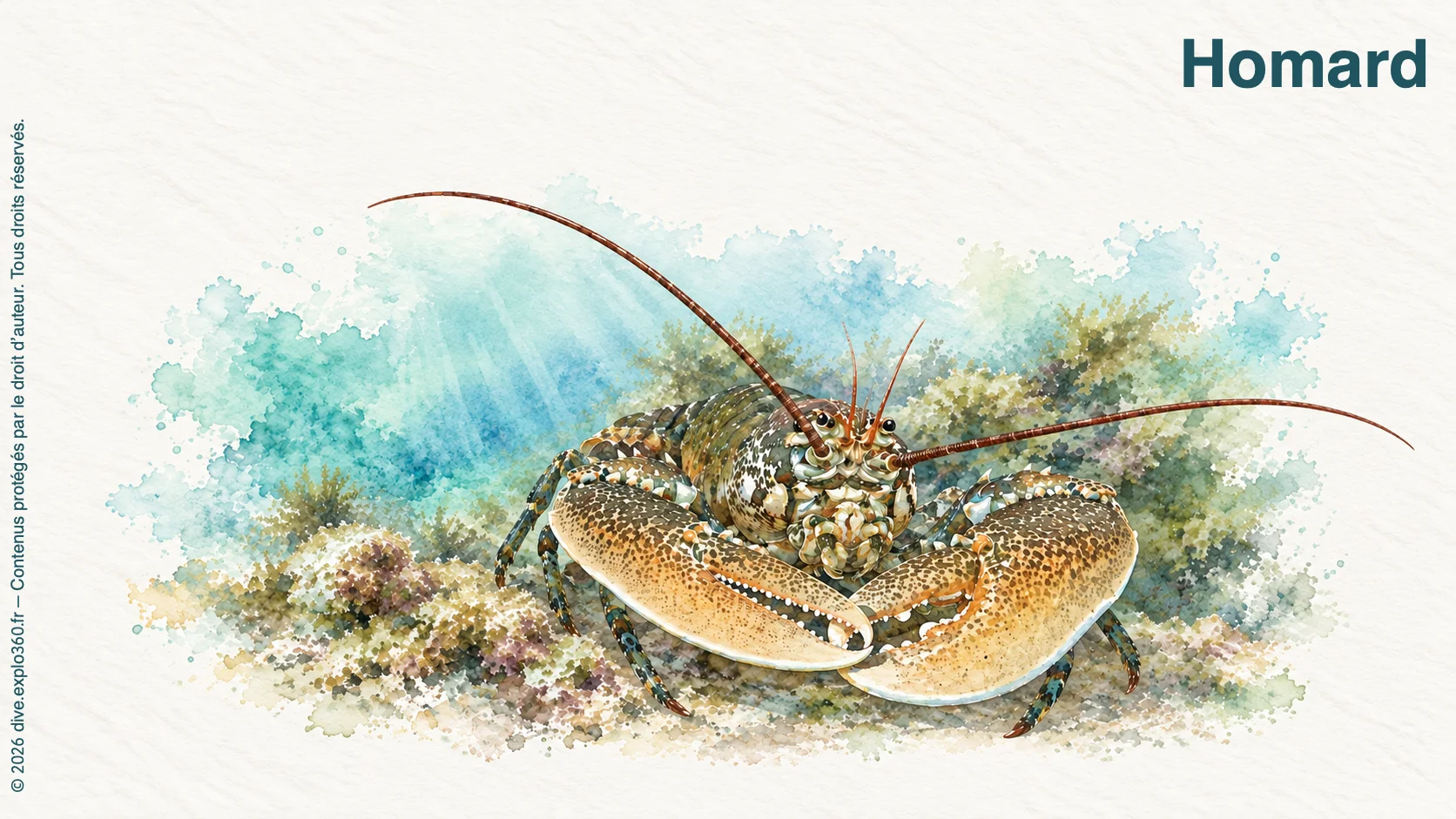
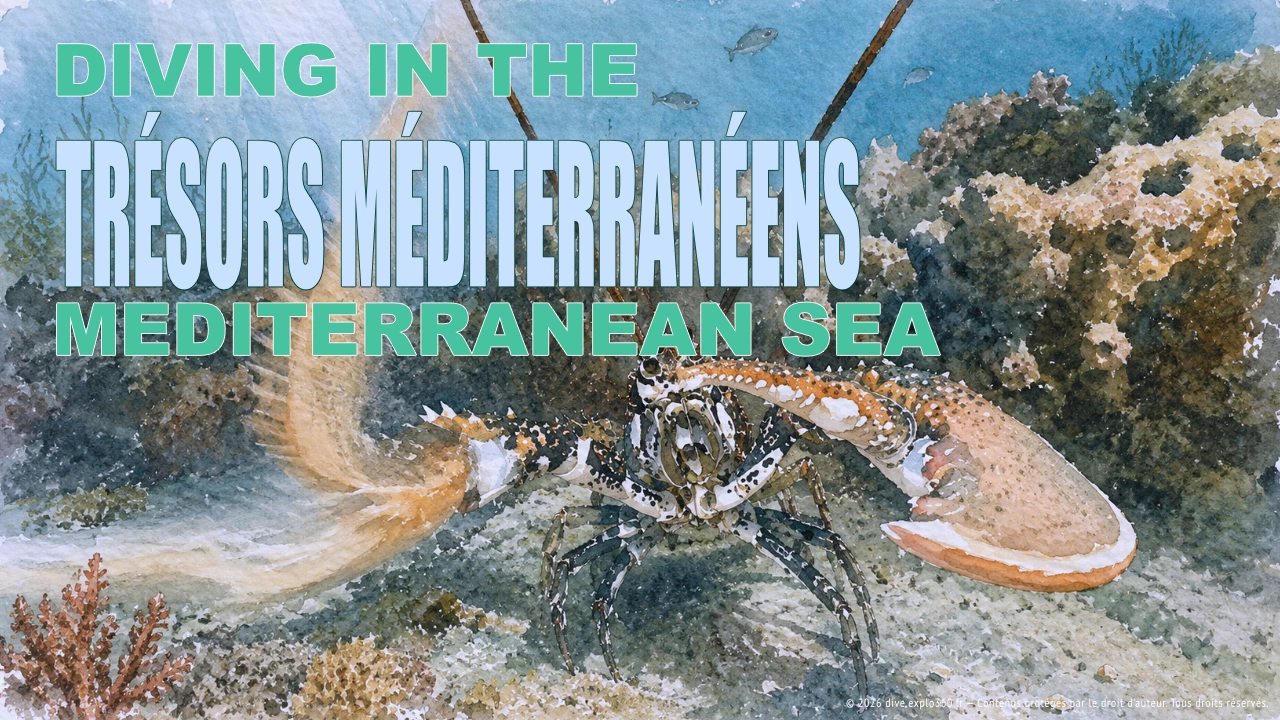
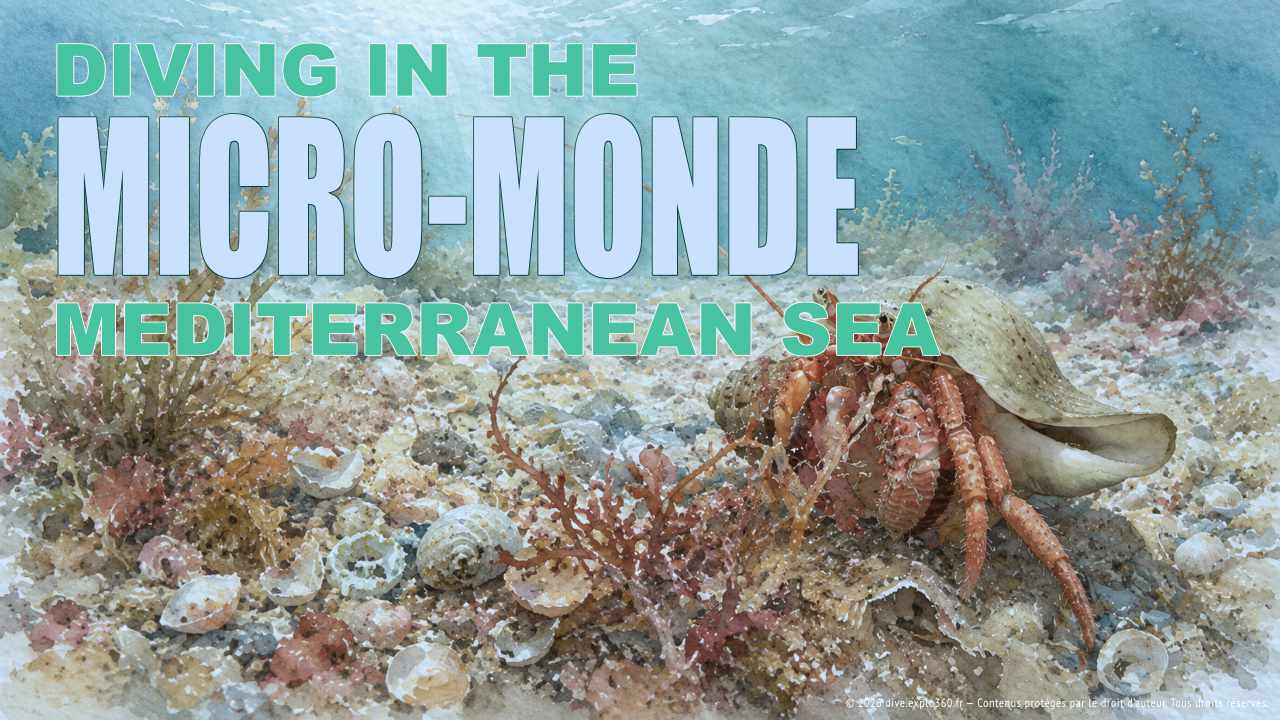
Crustaceans
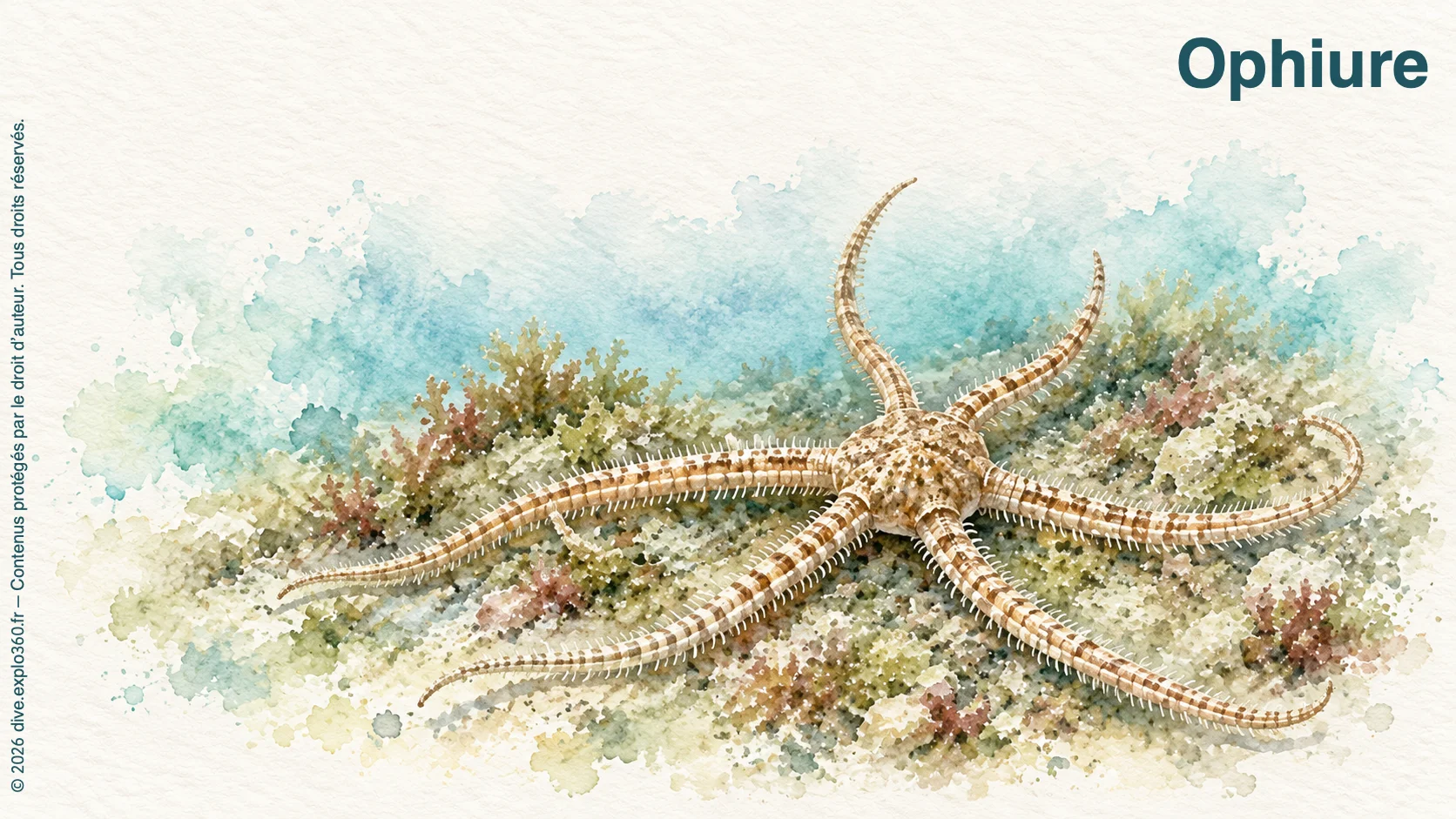
Echinoderms
Tunicates
Fish
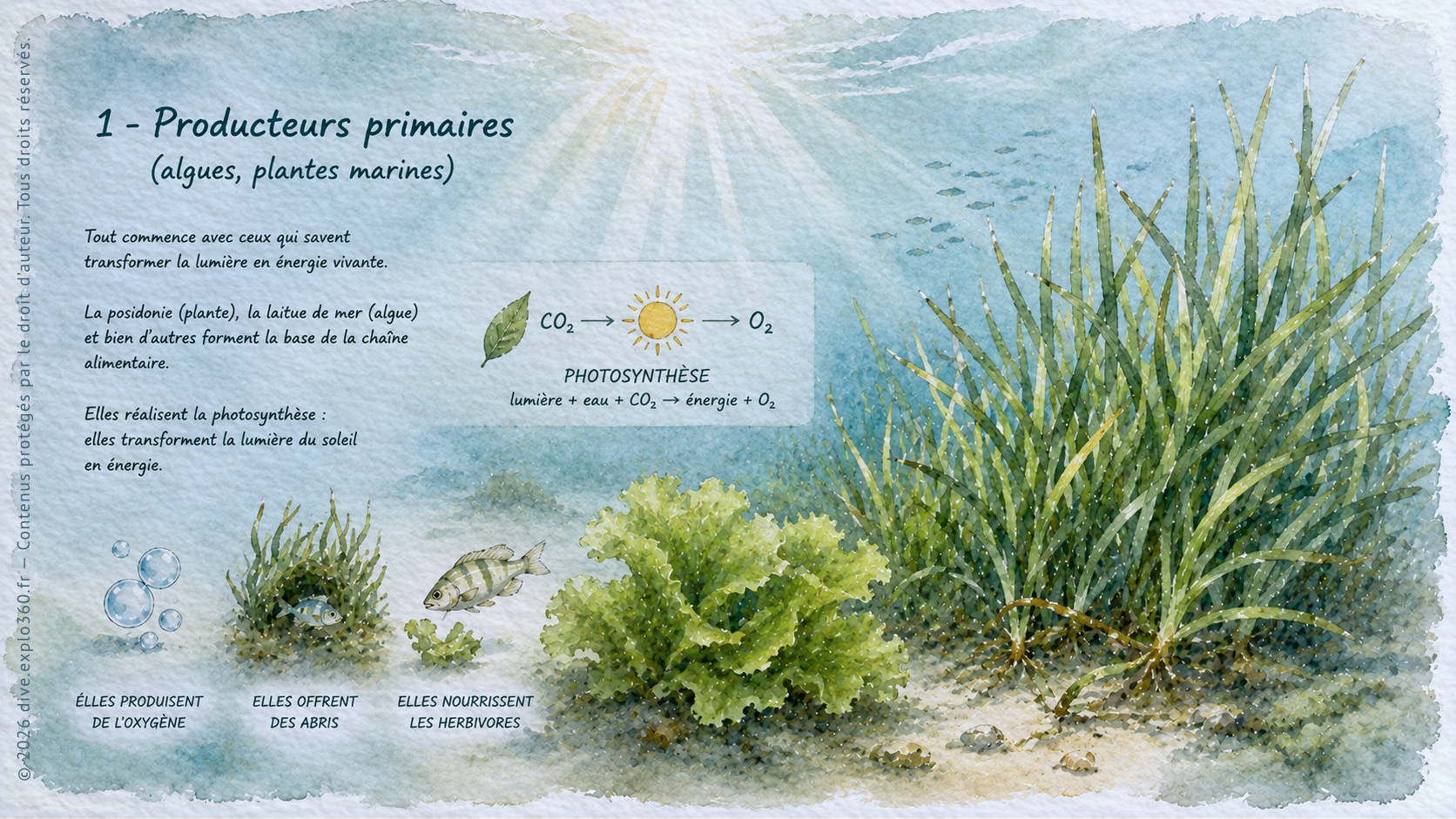
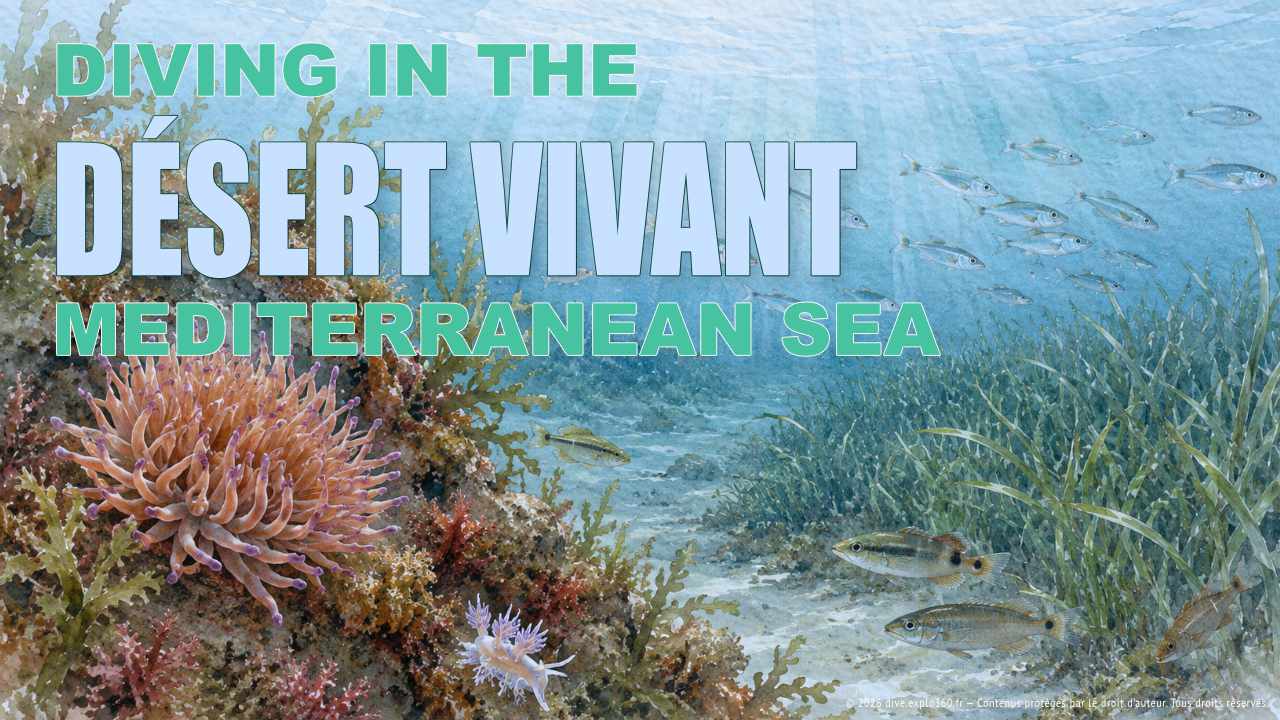
Algae and plants such as Posidonia carry out photosynthesis.
Using light energy, they make their organic matter from mineral substances.
They also produce oxygen and directly or indirectly provide food for many organisms.
Seagrass meadows and some algal formations also offer shelter to many species.
AMIGANSEAU CONTENT
The rest of this article is for subscribers
Log in with your AMIGANSEAU licence to continue reading.
All active AMIGANSEAU licences give access to the full article.Explore the same world