Diving into a living, connected world
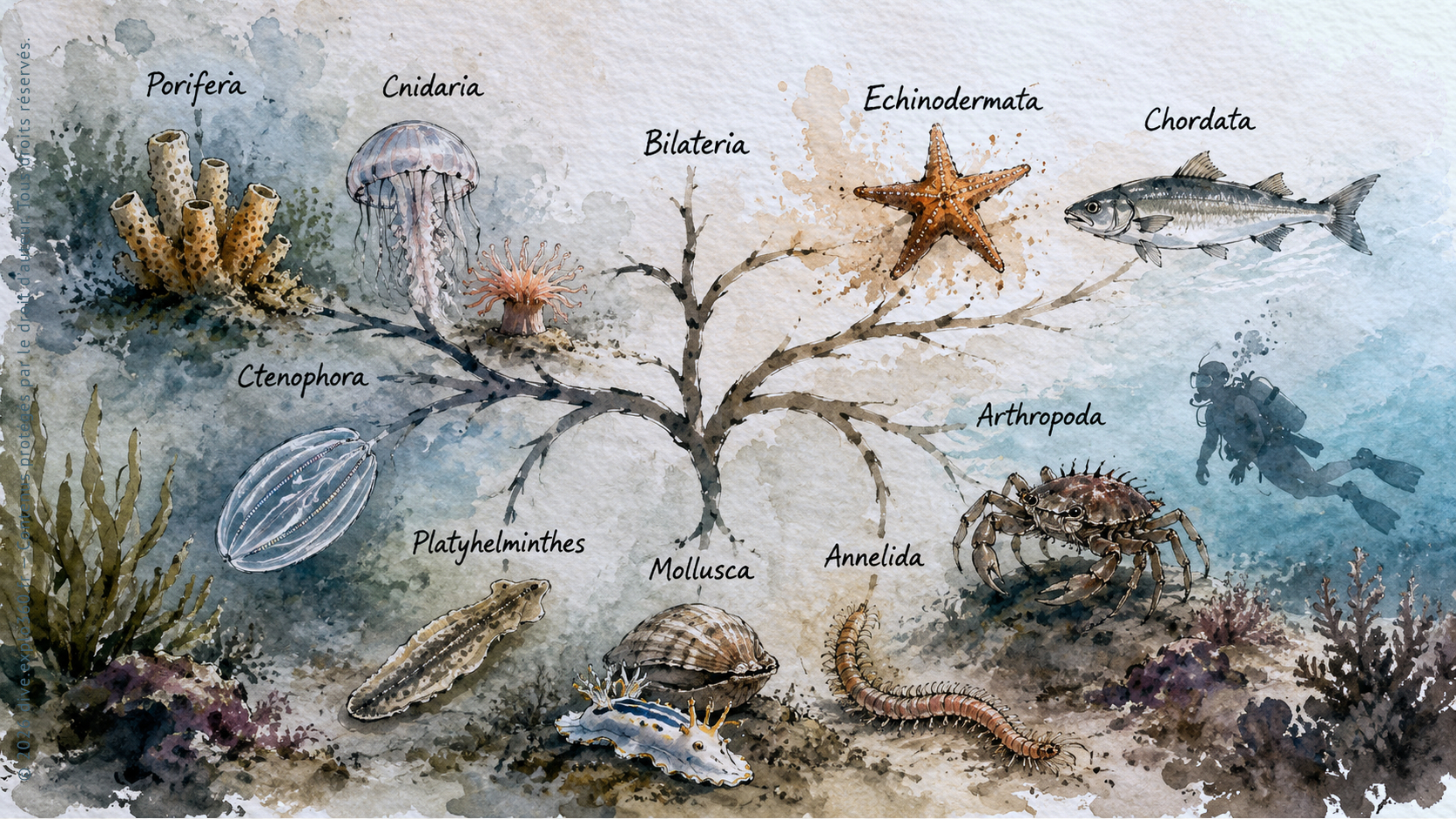
When observing an animal, ask two questions: which group does it belong to, and how does it feed? These pieces of information complement each other.
Algae and plants
Algae and plants generally use light to produce organic matter. “Algae” include several lineages; seagrasses are flowering plants.
Sponges
Sponges, sea squirts and bryozoans capture suspended particles. Anemones and many other cnidarians capture prey with tentacles: they cannot all be classified as filter feeders.
Cnidarians
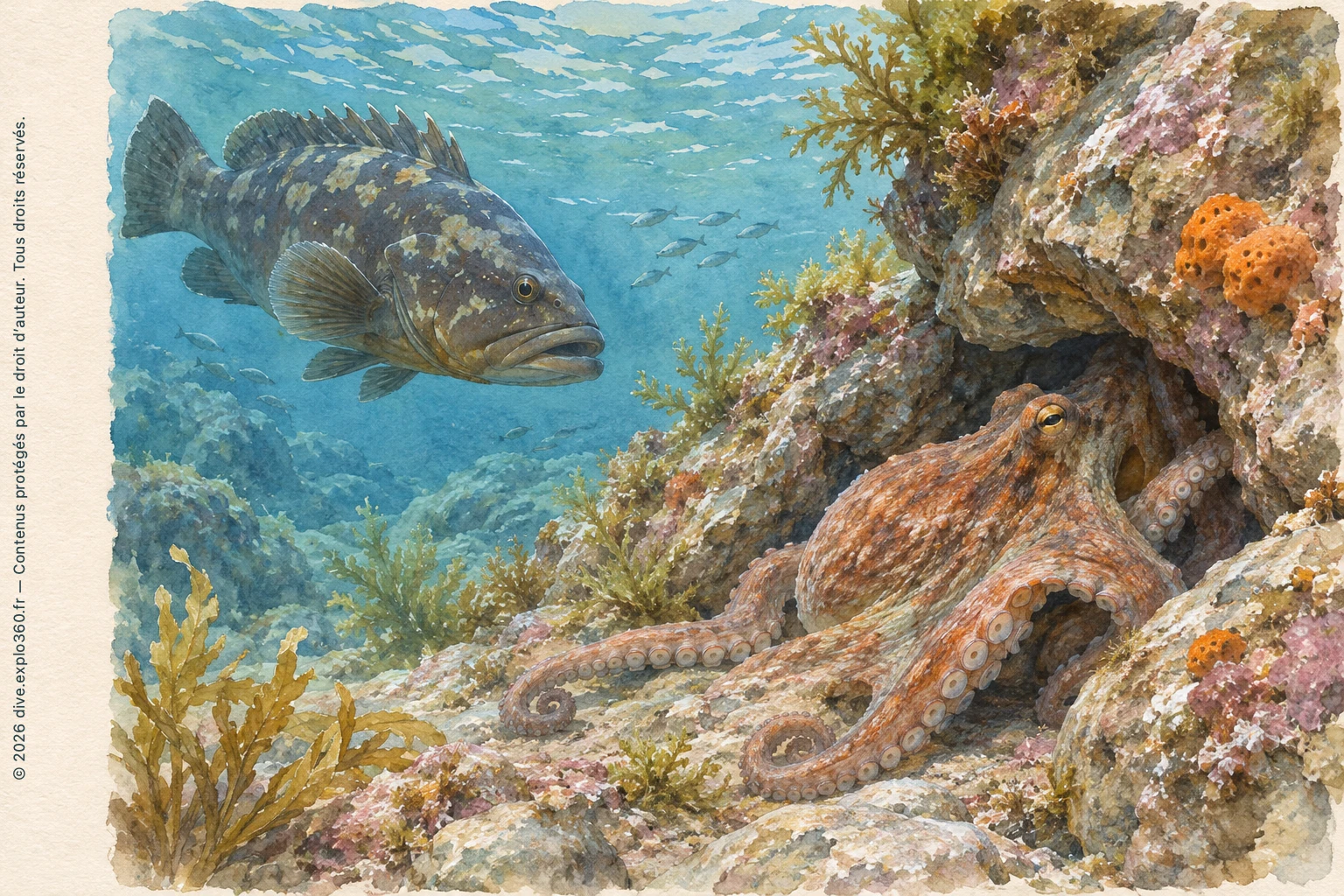
Molluscs have varied diets: a mussel filters, some gastropods graze and an octopus is a predator. The group does not determine a single function.
Bryozoans
Among crustaceans, some species eat remains; others graze, filter or capture prey. They are not all “cleaners”.
Molluscs
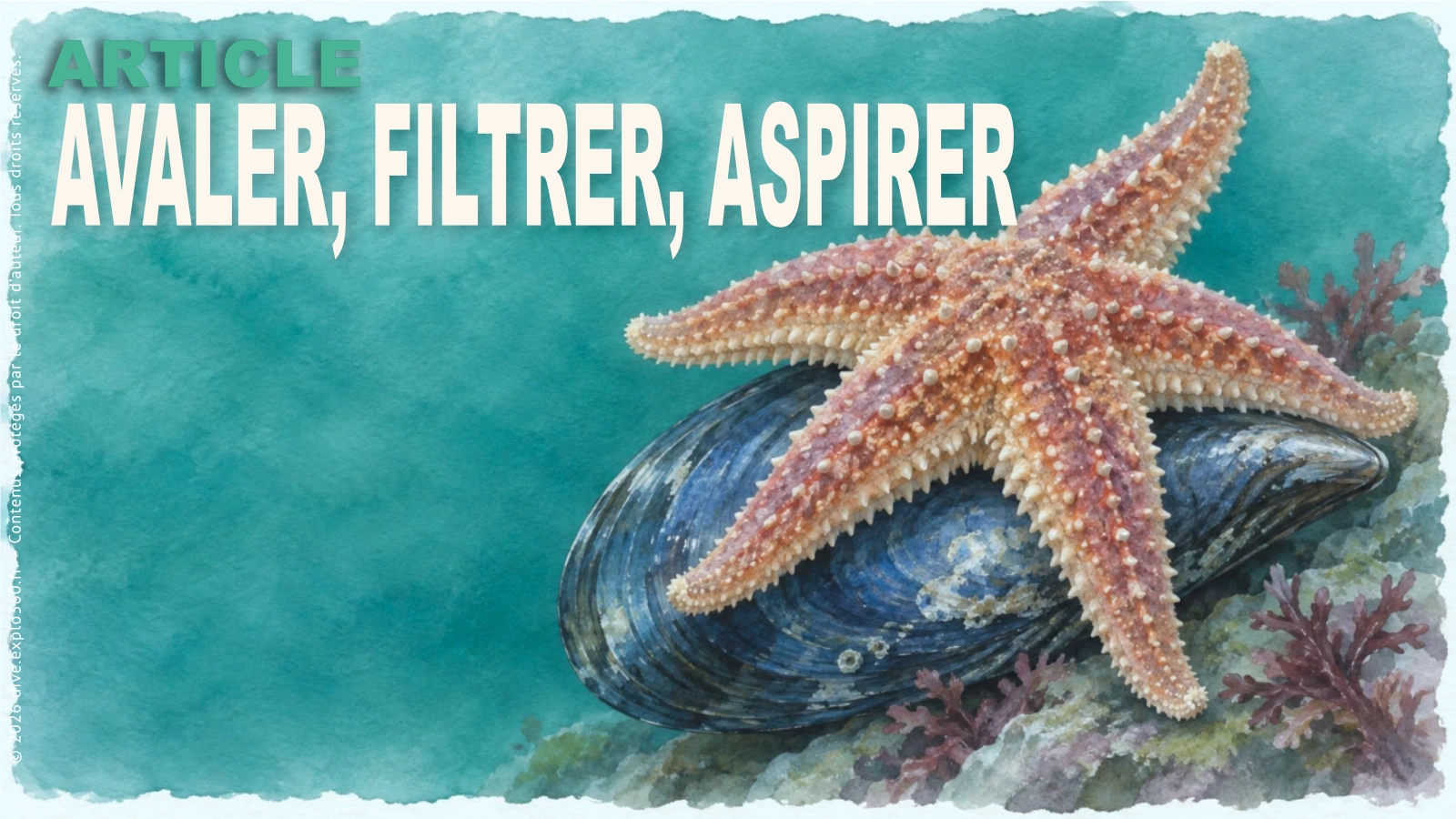
Sea urchins, sea stars and sea cucumbers are echinoderms. Depending on the species, they may graze, capture prey or consume organic particles.
Crustaceans
Fish include herbivores, predators, plankton feeders and other diets. Their movements can transfer matter between habitats.
Echinoderms
sea urchins, starfish, sea cucumbers.
Tunicates
sea squirts.
Fish
benthic, demersal or pelagic species.
Primary producers
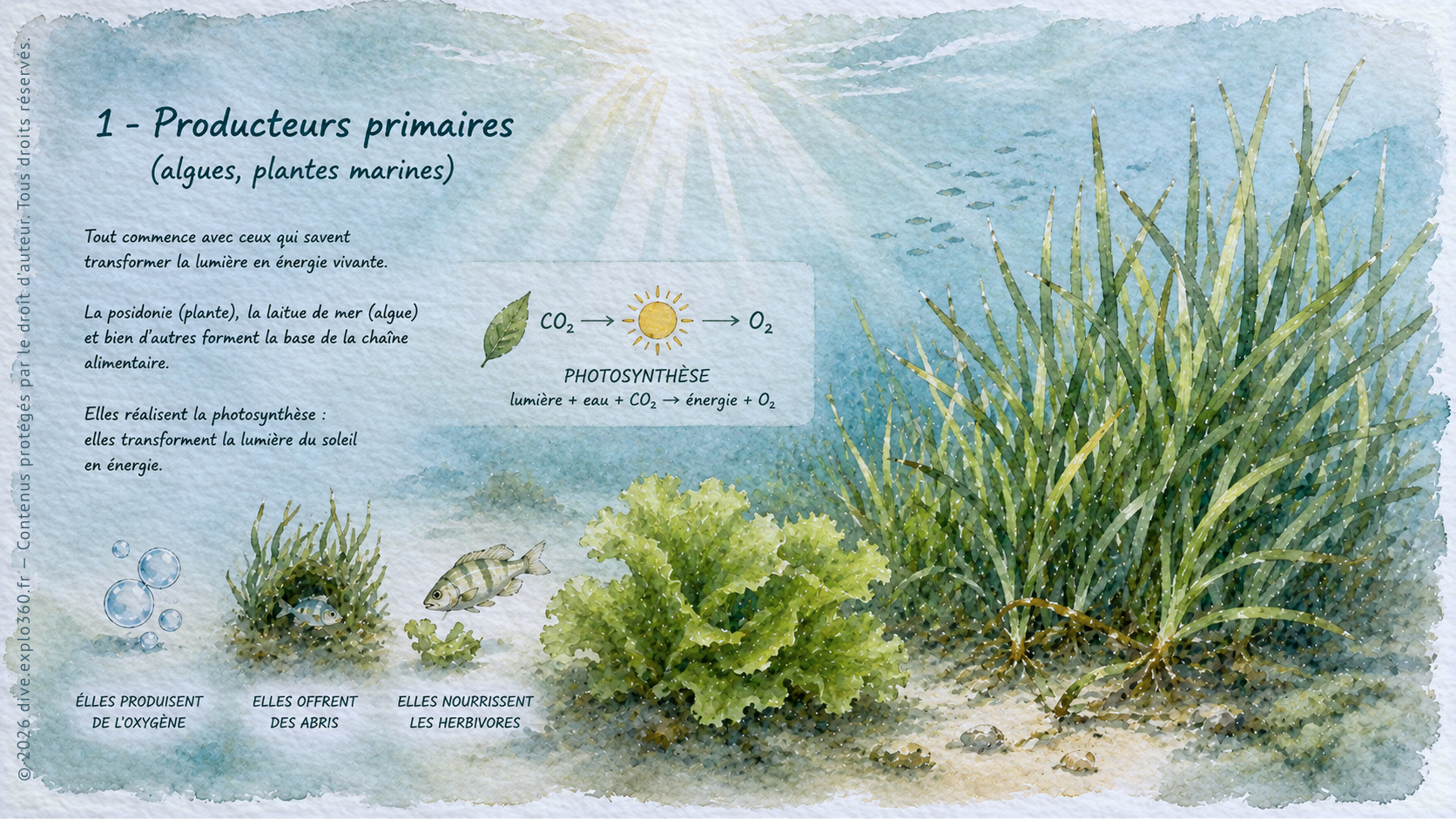
Through photosynthesis, plants and many algae use light to make organic matter. They also release oxygen. Other organisms can feed on the organic matter they make.
Explore the same world
Explore further
Habitats
Species guides
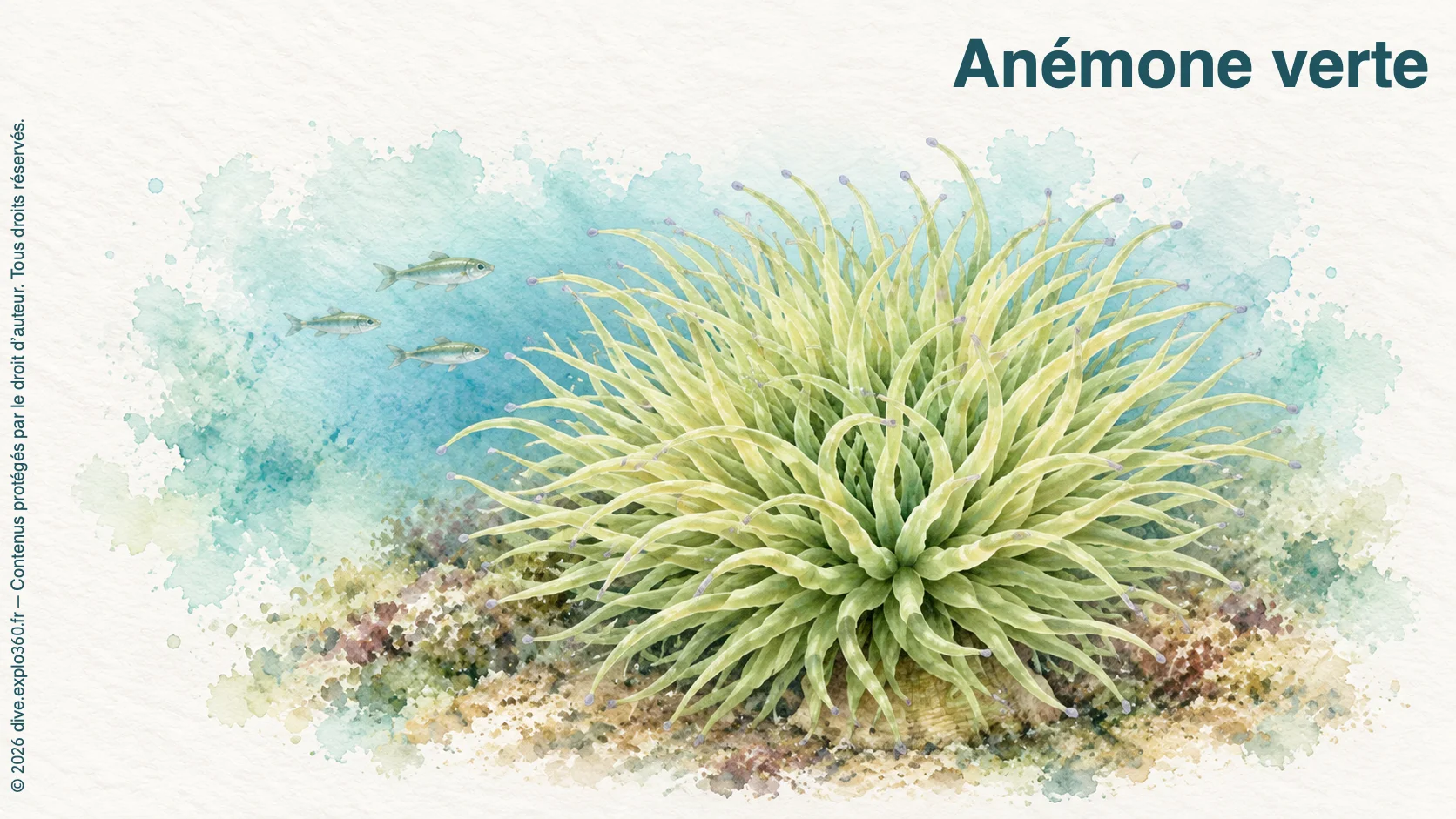 Species guidesSnakelocks AnemoneDiscover →
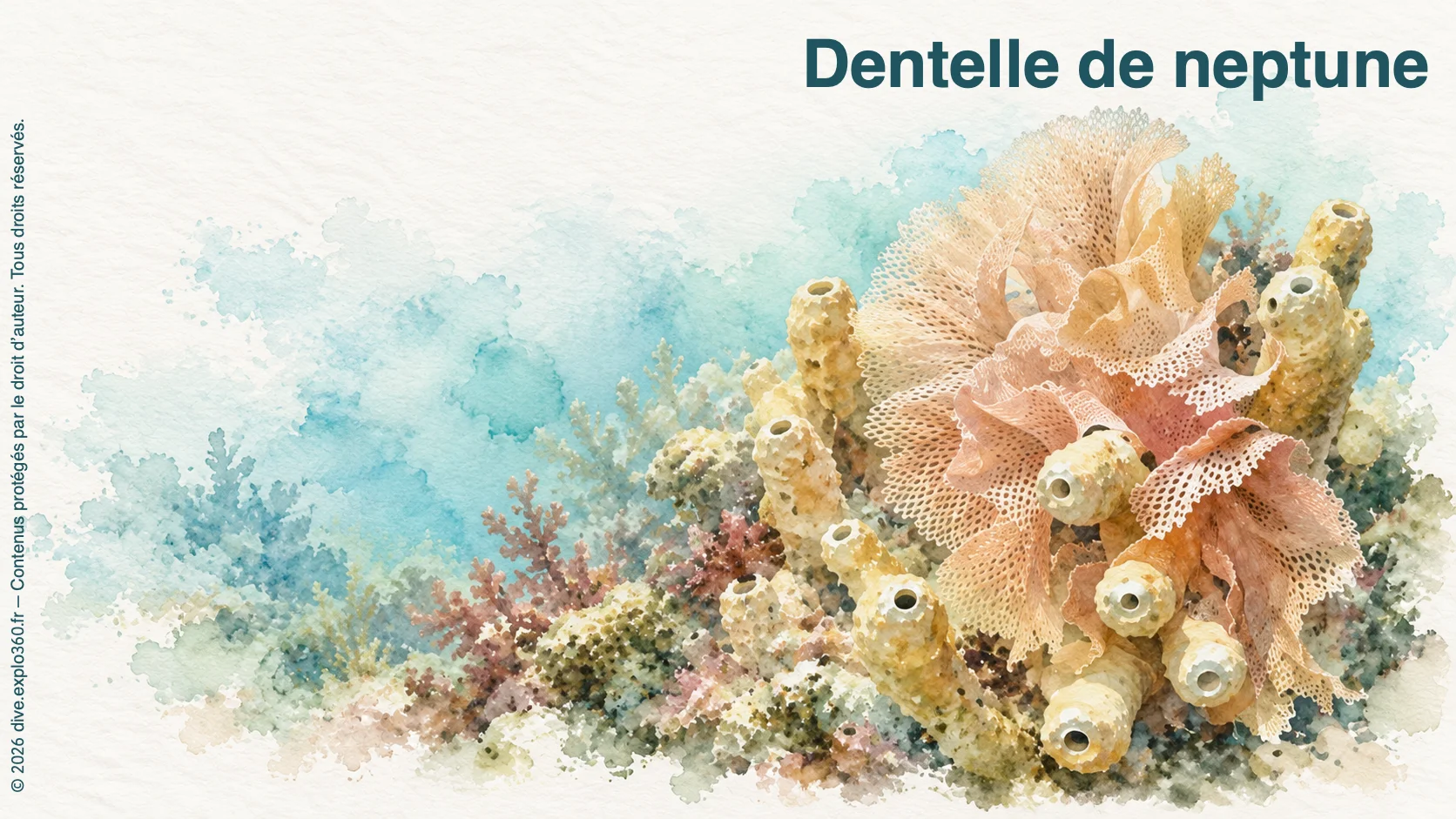 Species guidesNeptune's LaceDiscover →
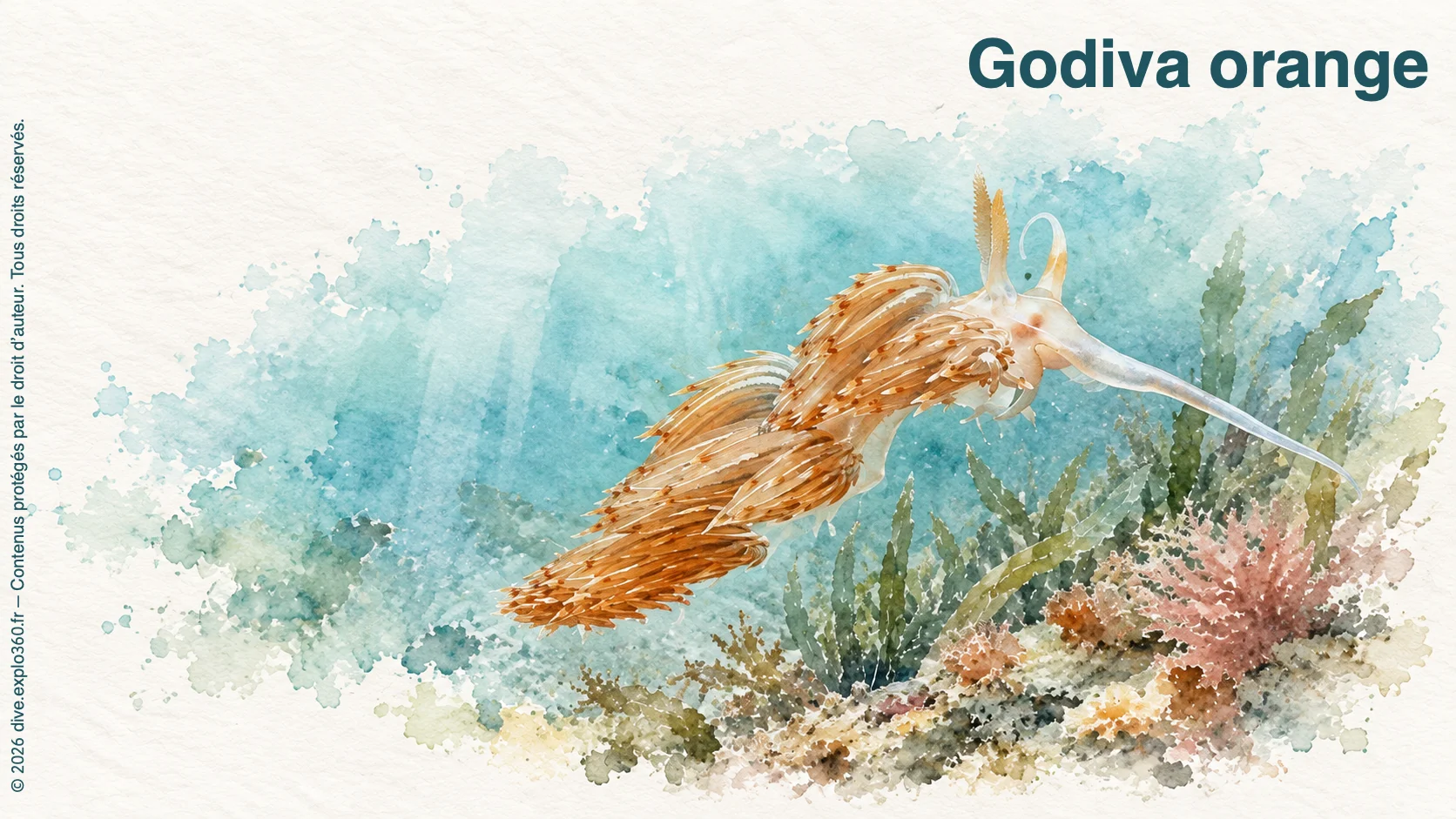 Species guidesBanyuls AeolidDiscover →
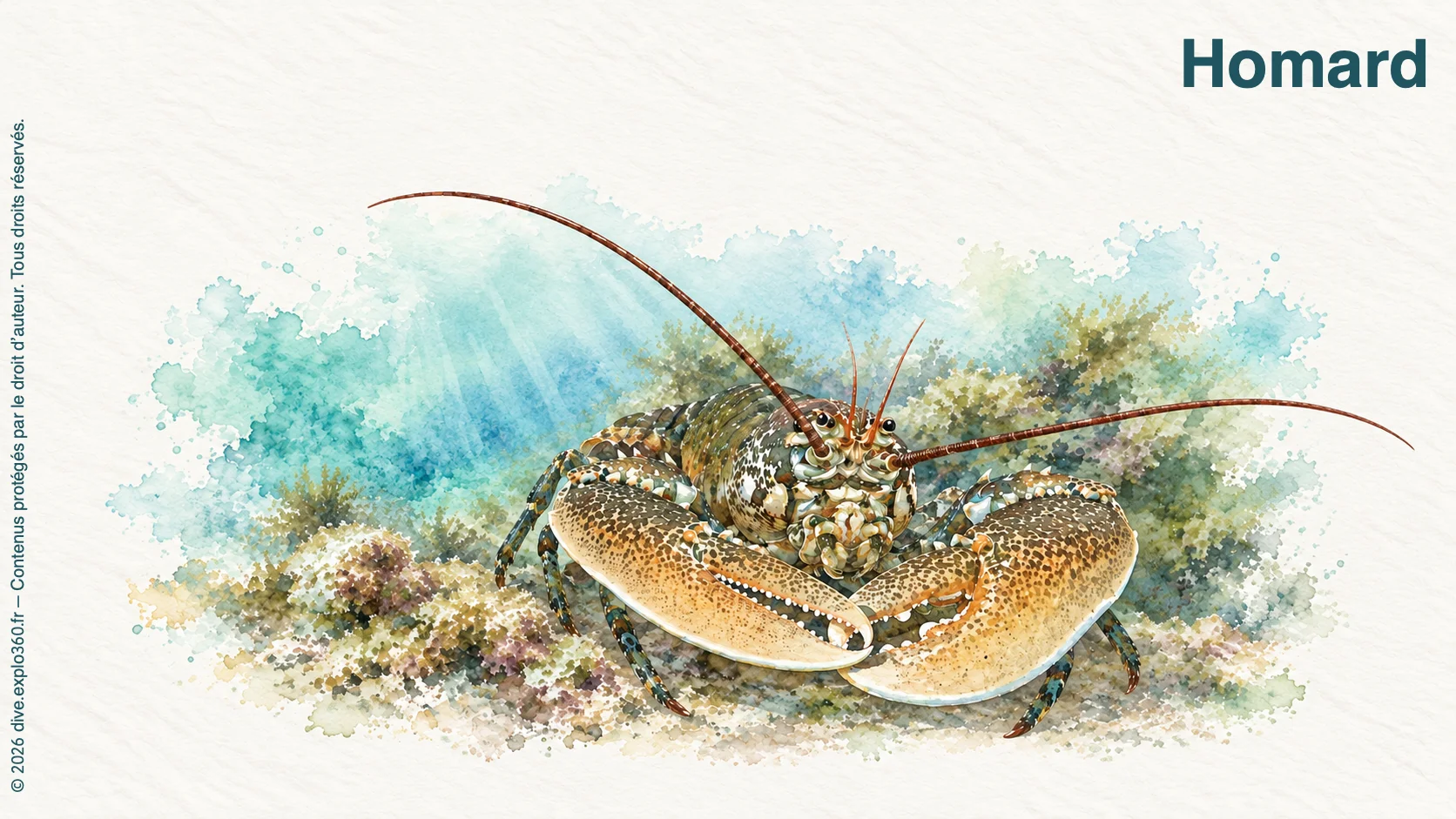 Species guidesEuropean lobsterDiscover →
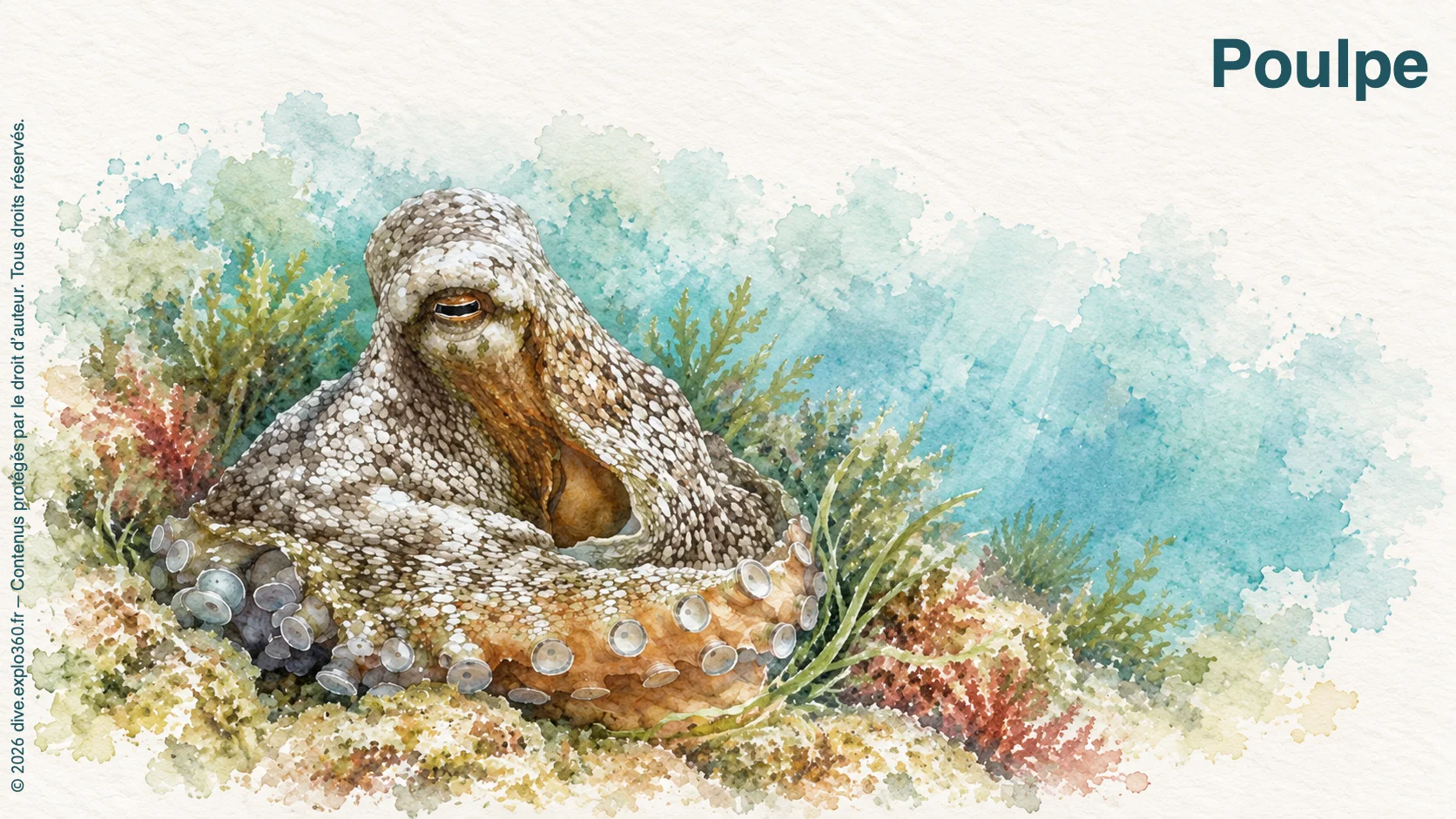 Species guidesCommon octopusDiscover →
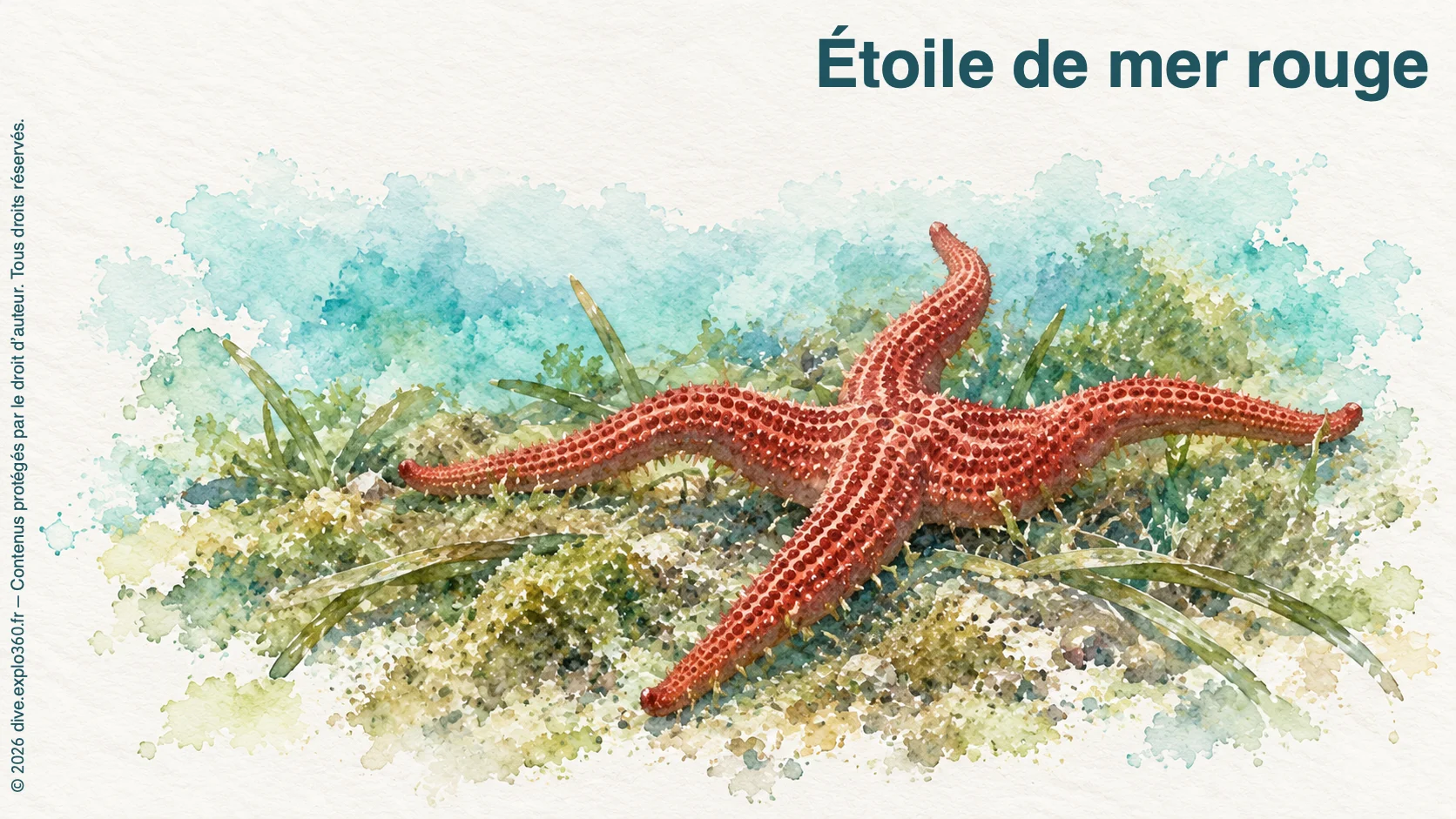 Species guidesRed StarfishDiscover →
View the other 14 species guides
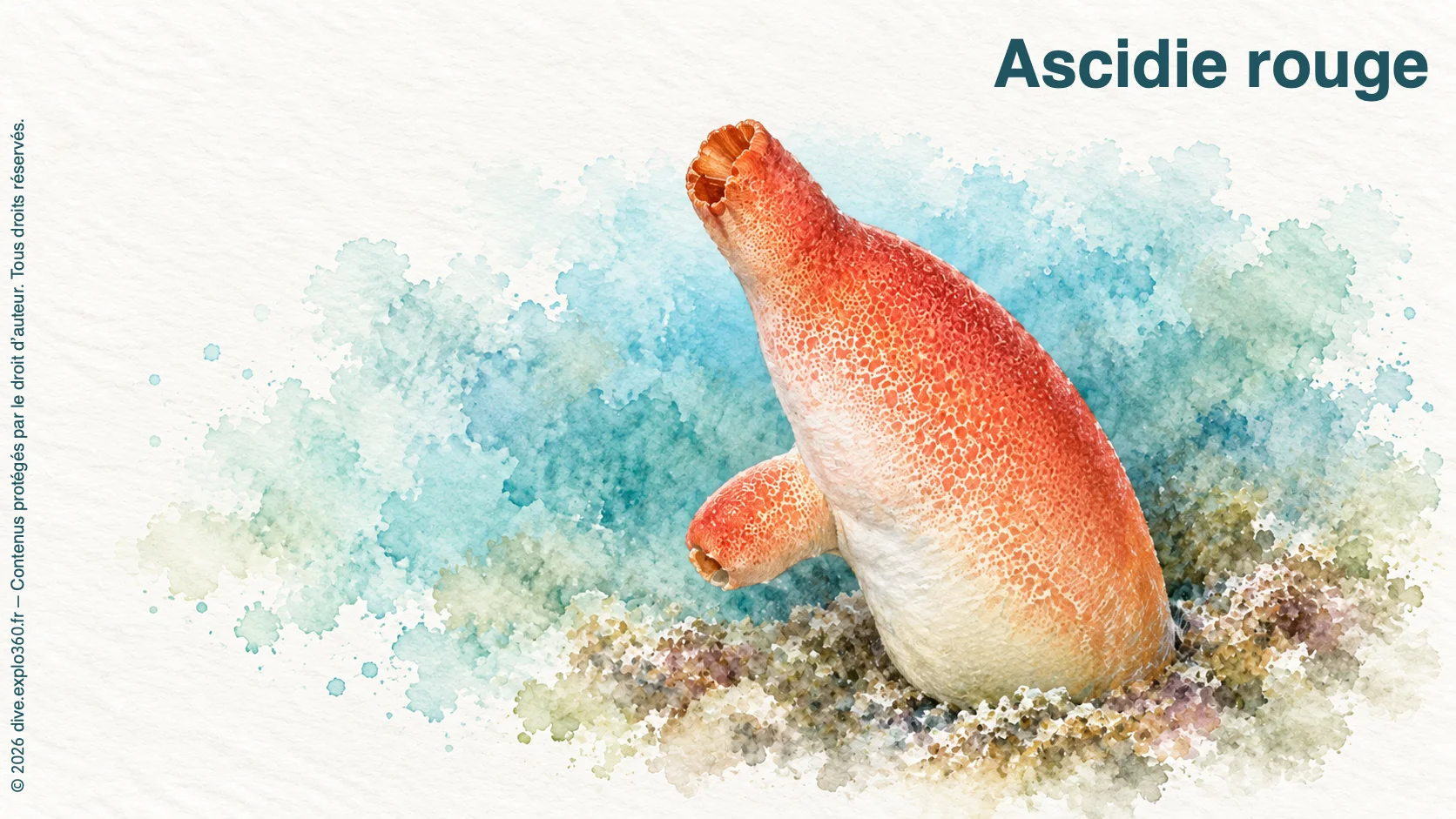 Species guidesRed Sea SquirtDiscover →
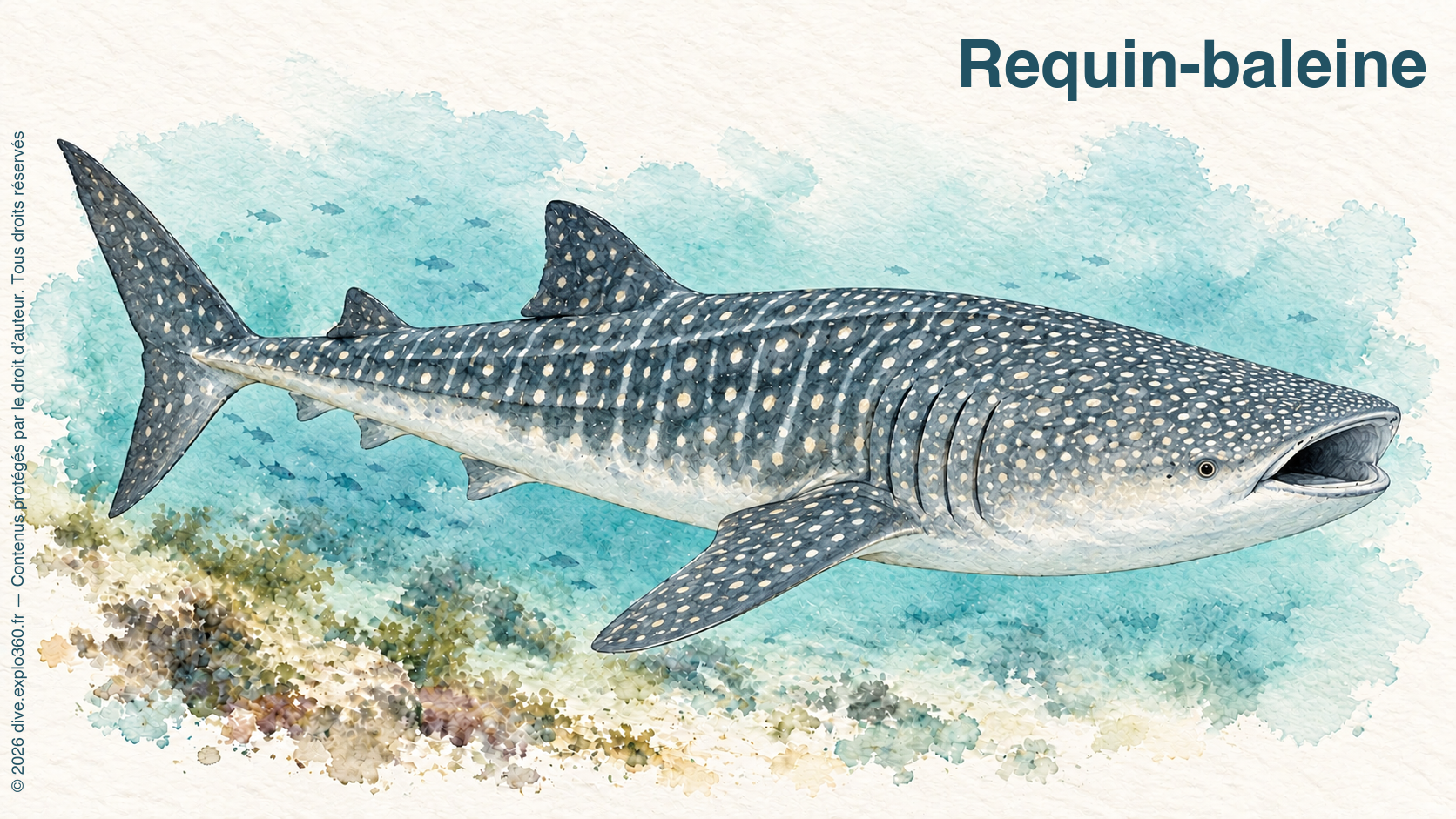 Species guidesWhale sharkDiscover →
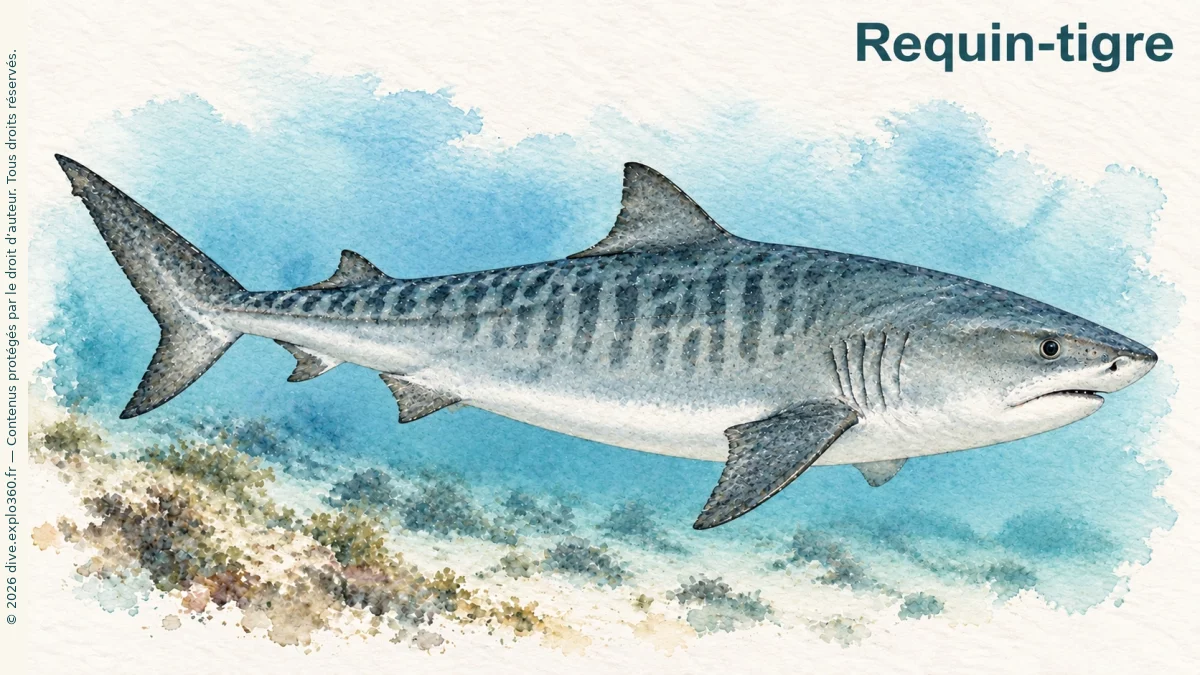 Species guidesTiger sharkDiscover →
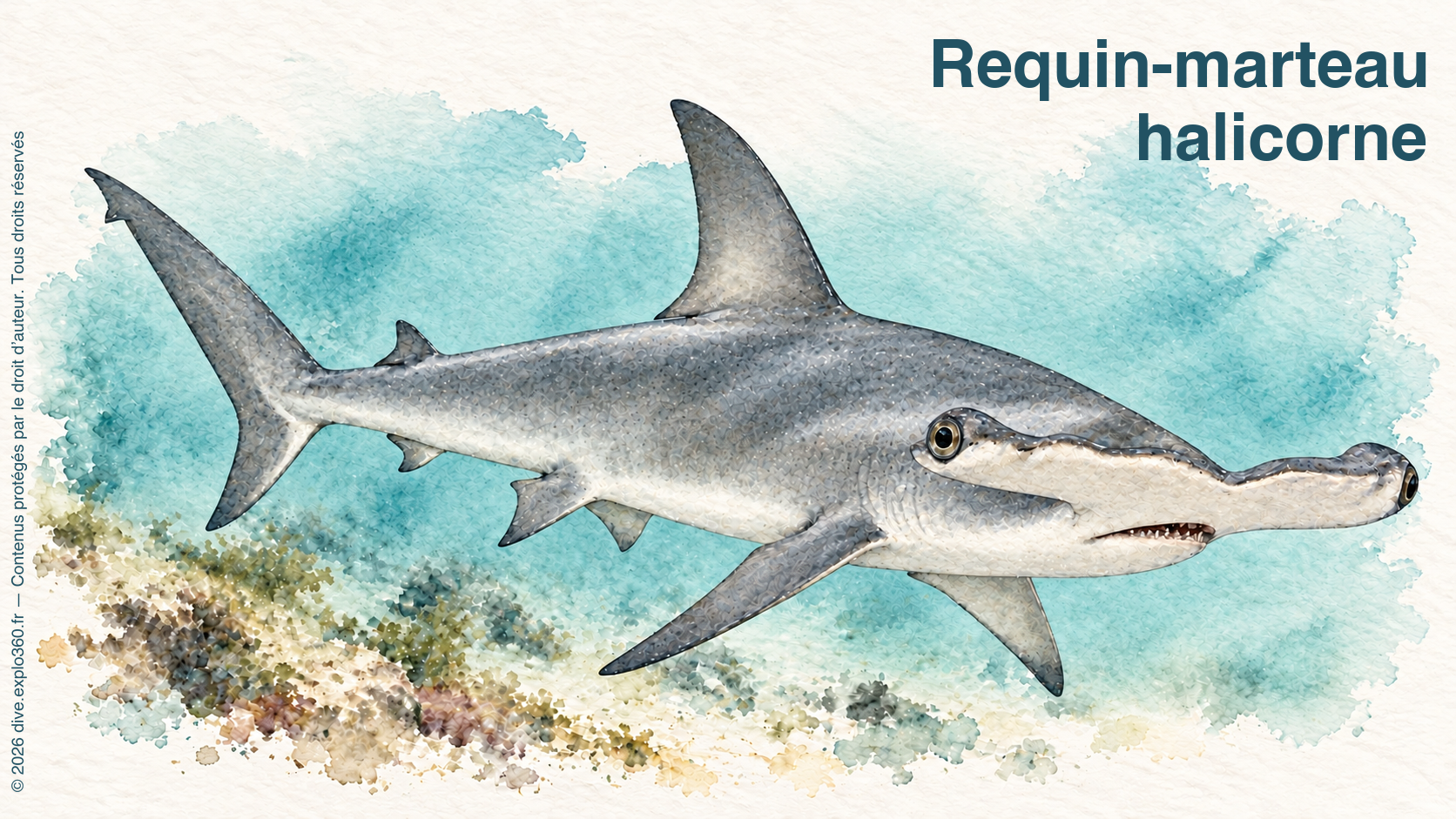 Species guidesScalloped hammerheadDiscover →
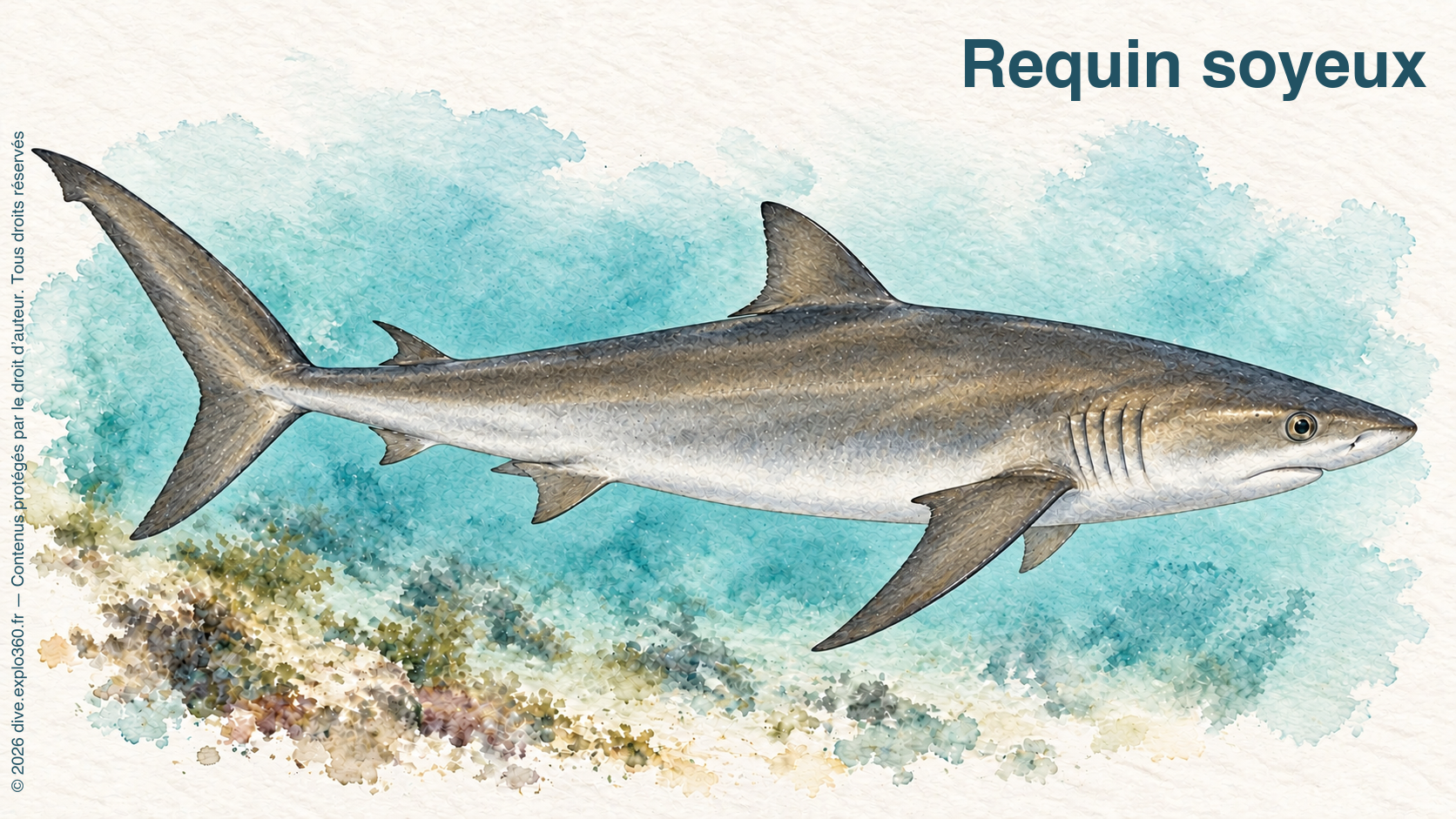 Species guidesSilky sharkDiscover →
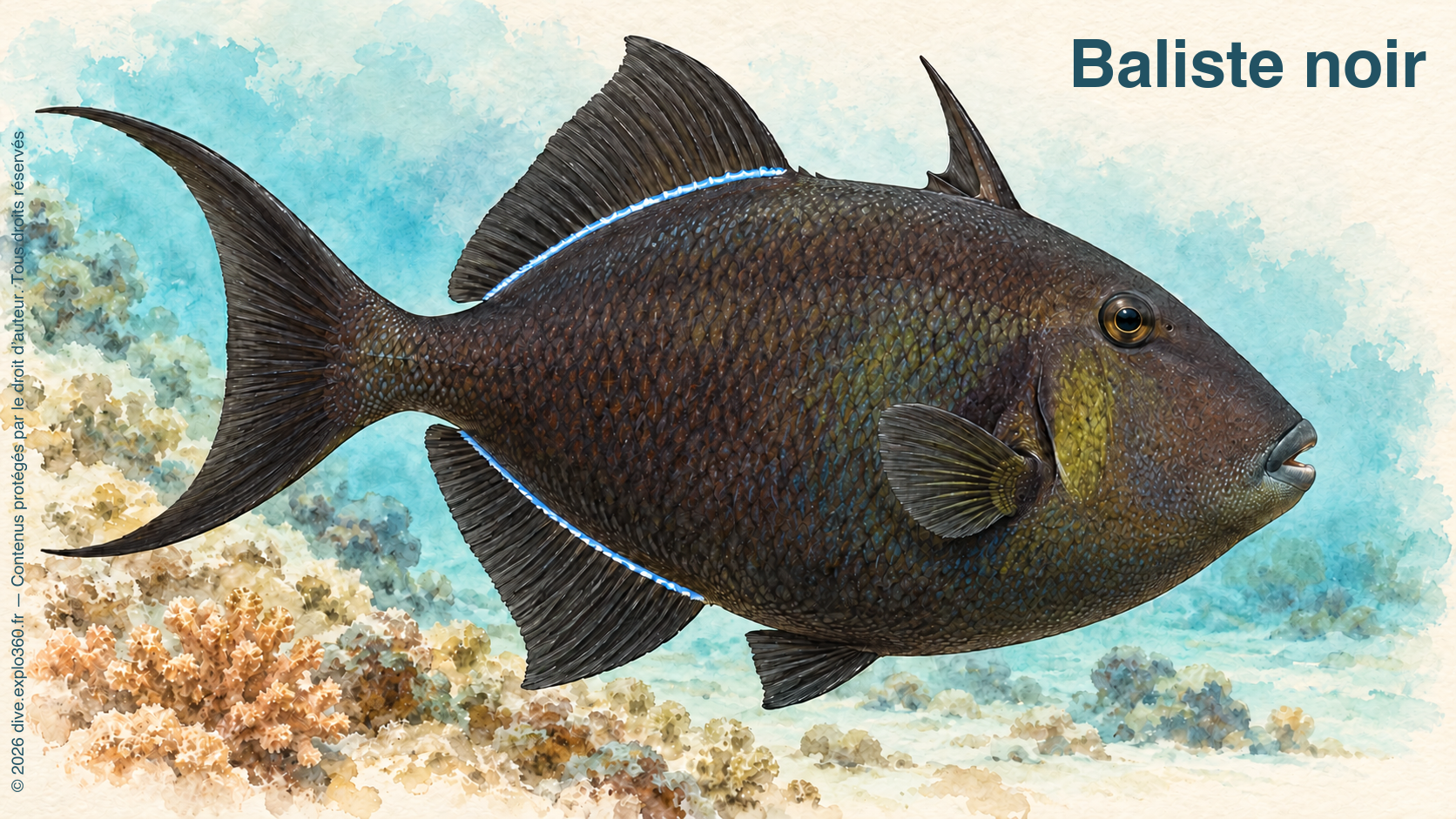 Species guidesBlack triggerfishDiscover →
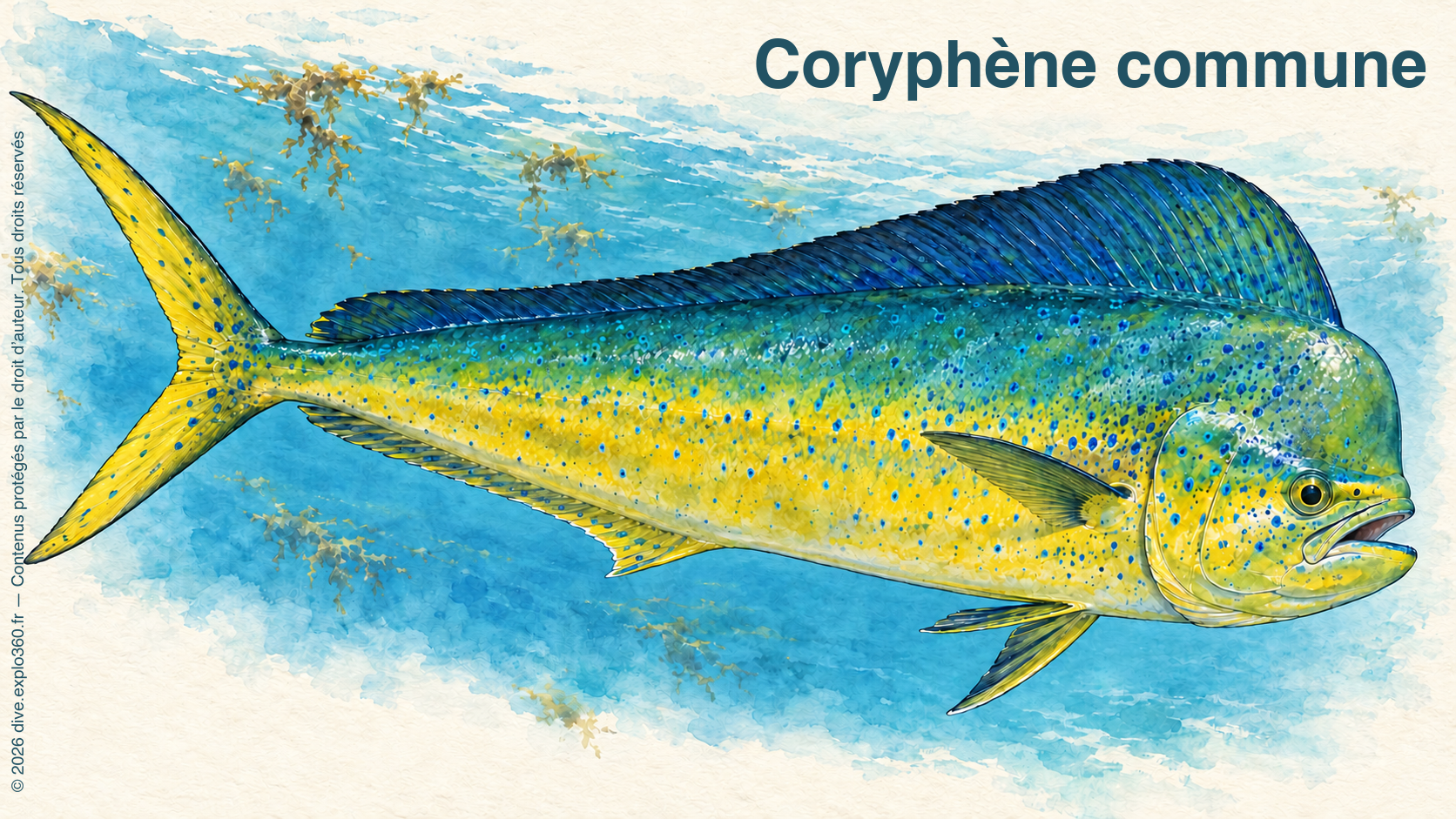 Species guidesCommon dolphinfishDiscover →
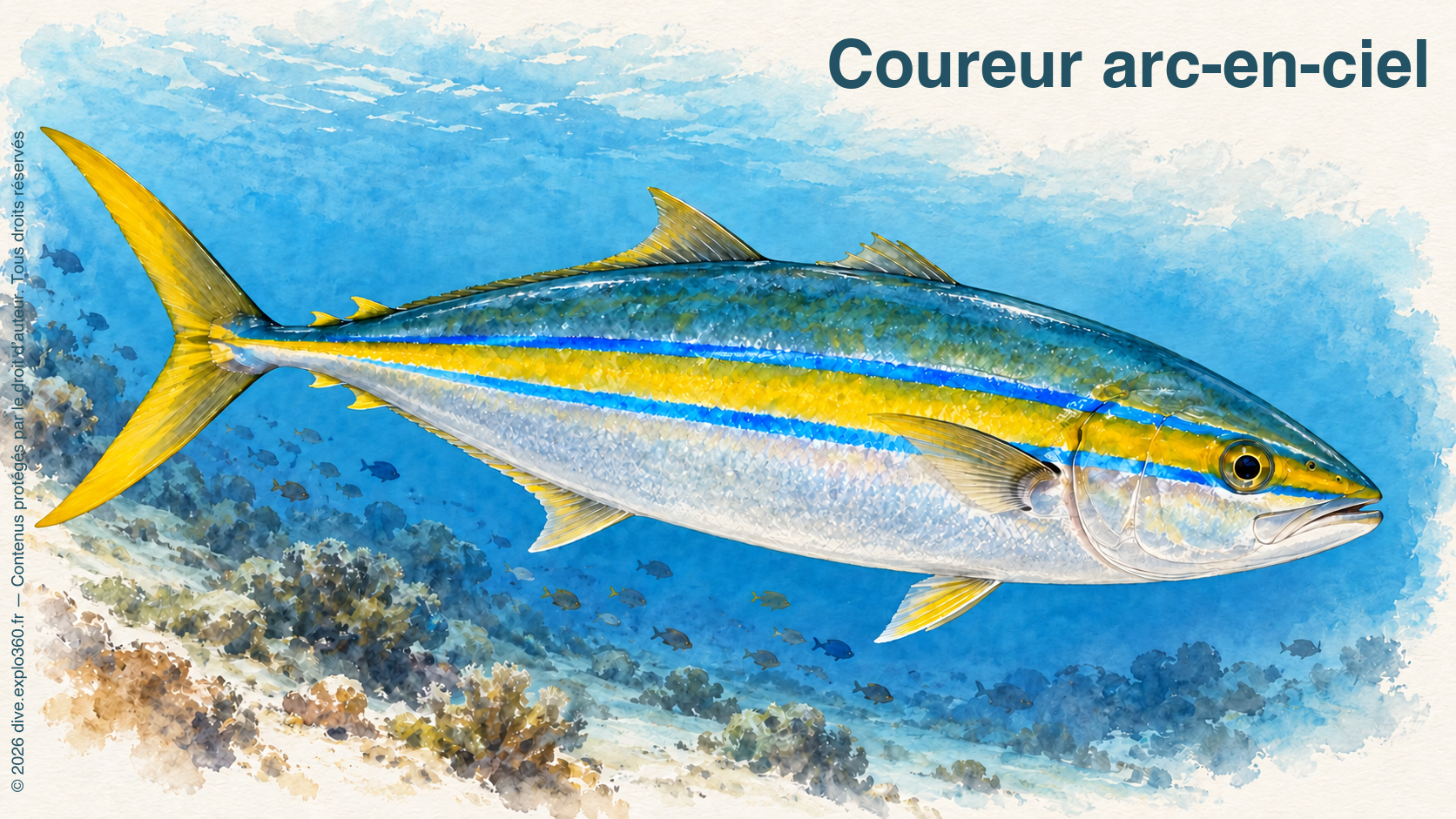 Species guidesRainbow runnerDiscover →
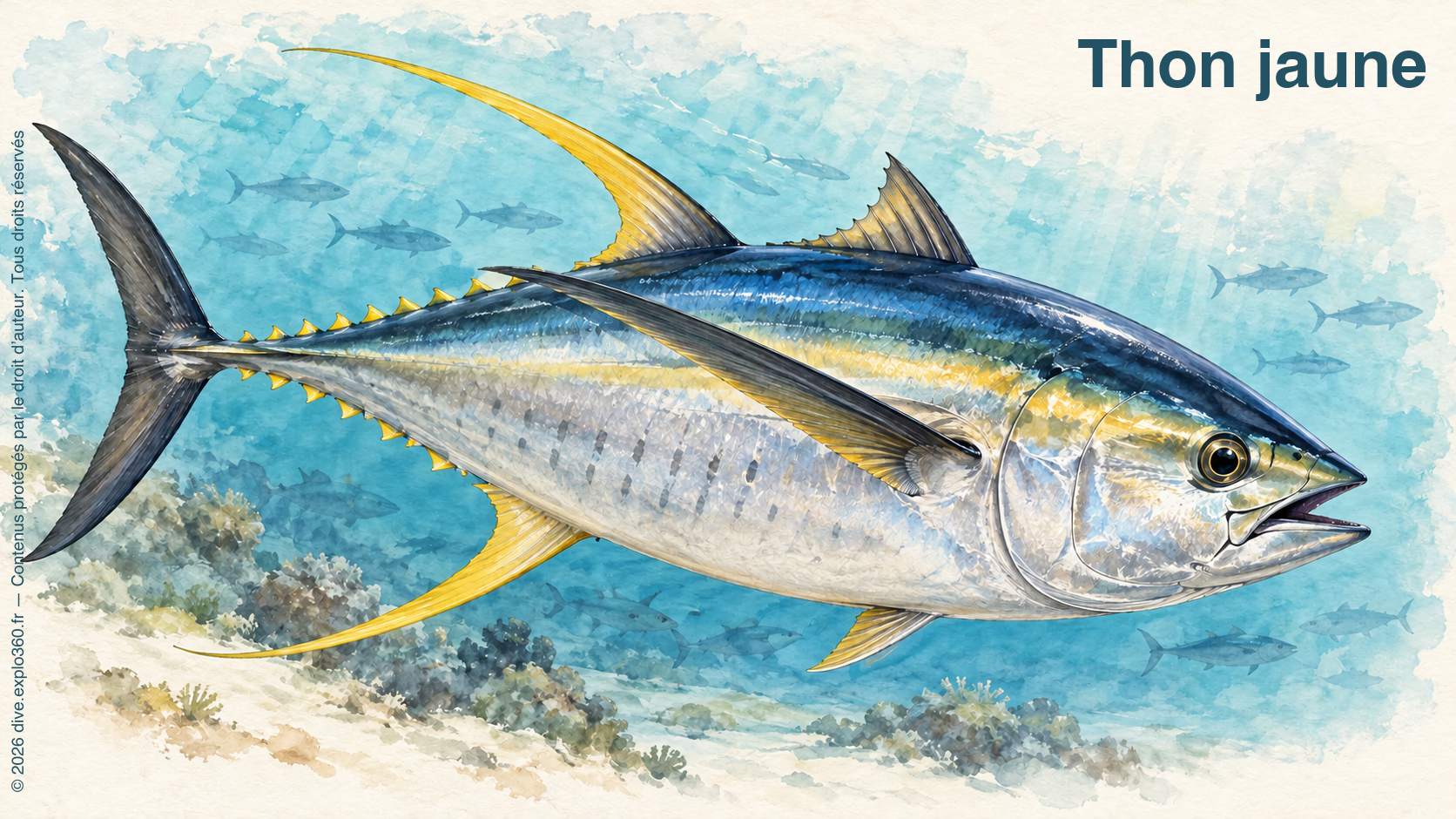 Species guidesYellowfin tunaDiscover →
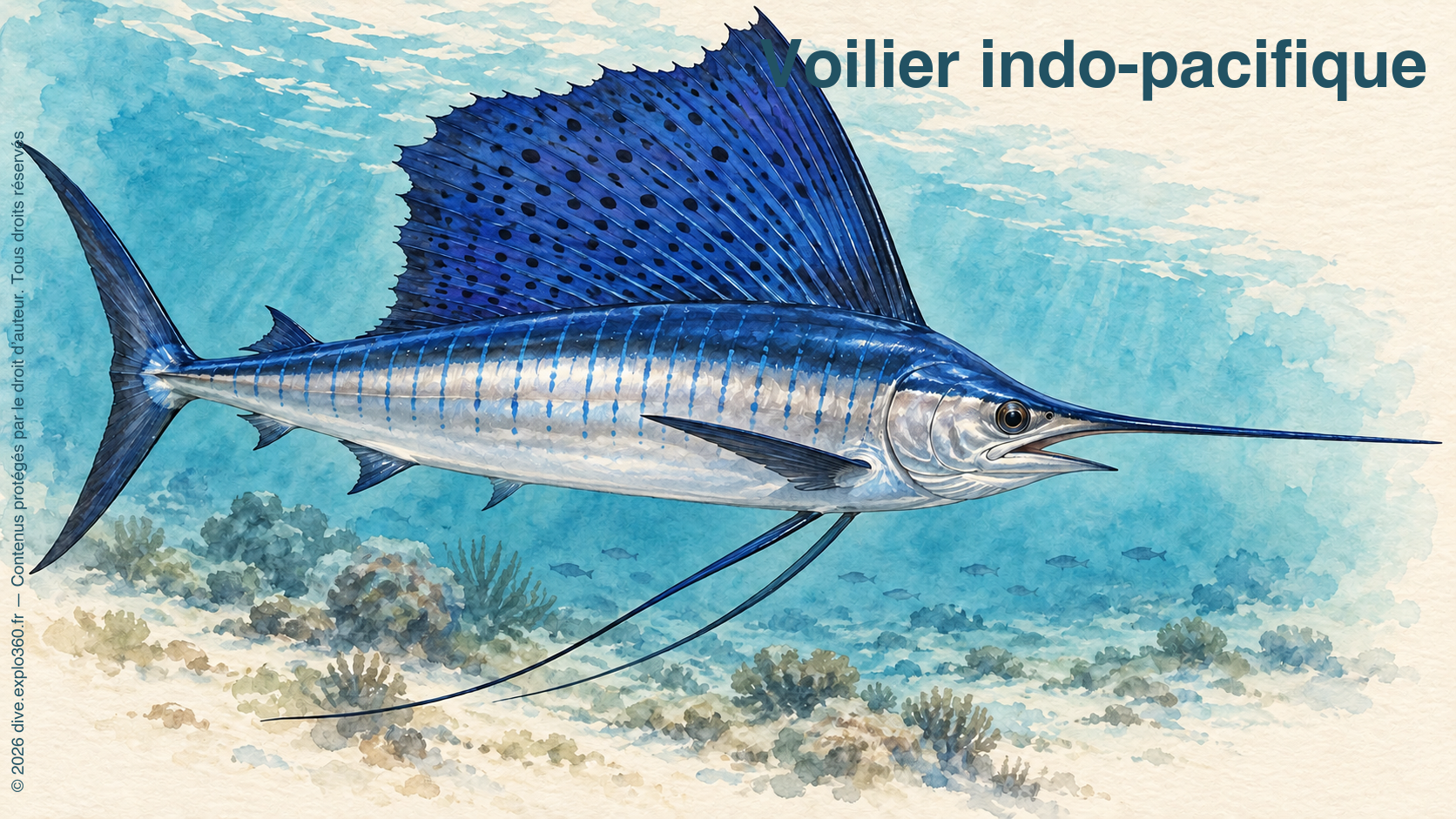 Species guidesIndo-Pacific sailfishDiscover →
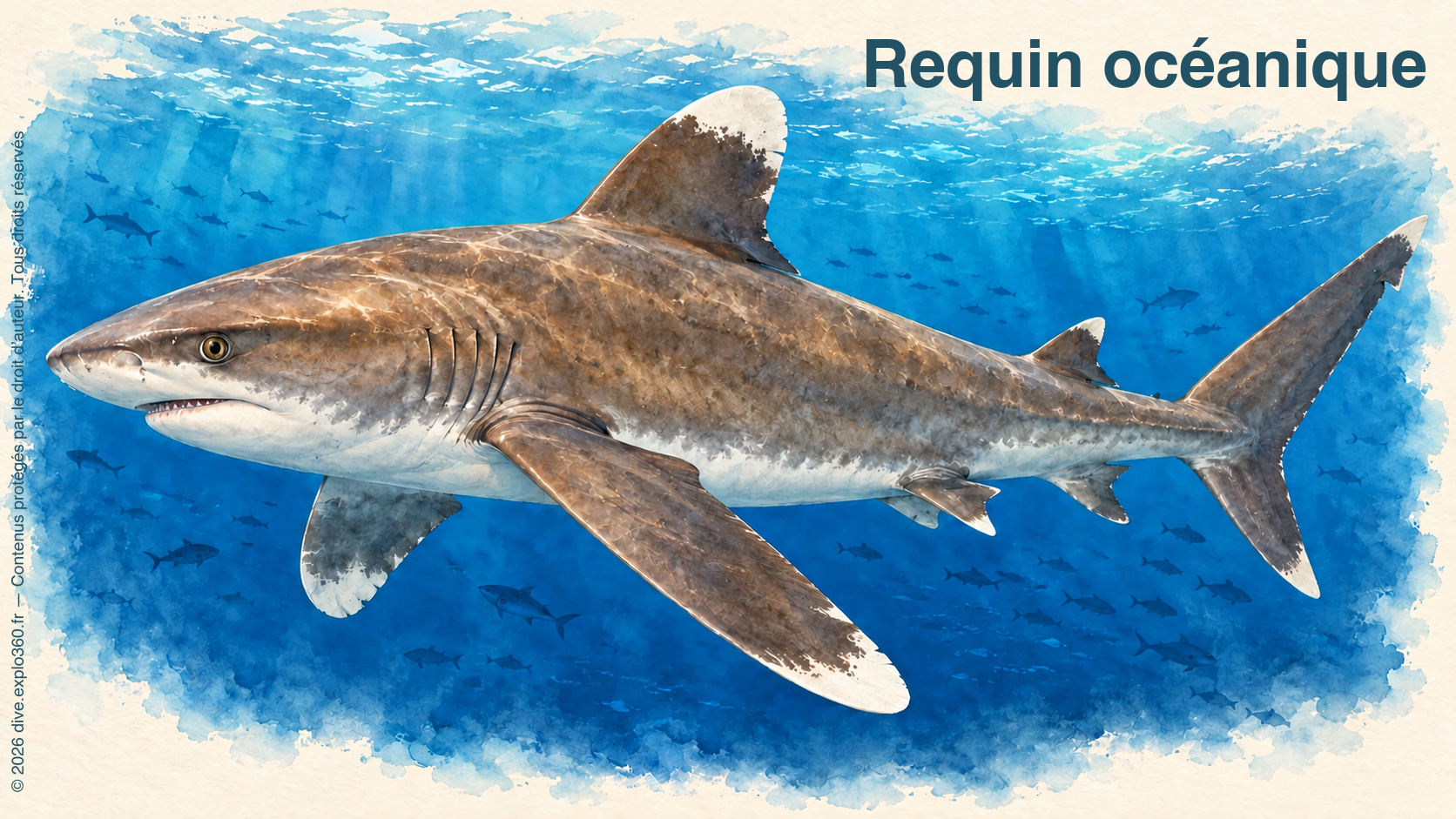 Species guidesOceanic whitetip sharkDiscover →
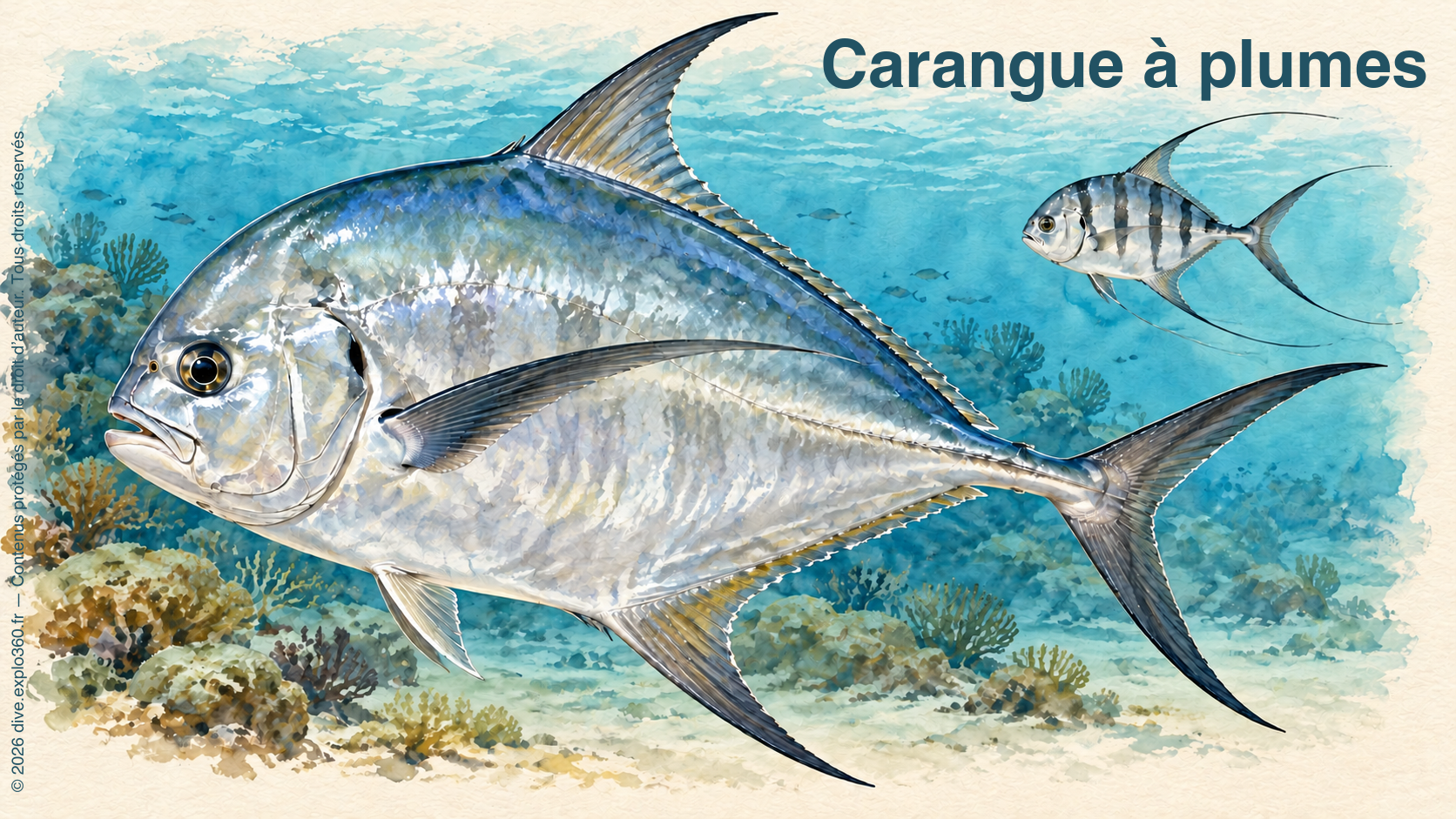 Species guidesAfrican pompanoDiscover →
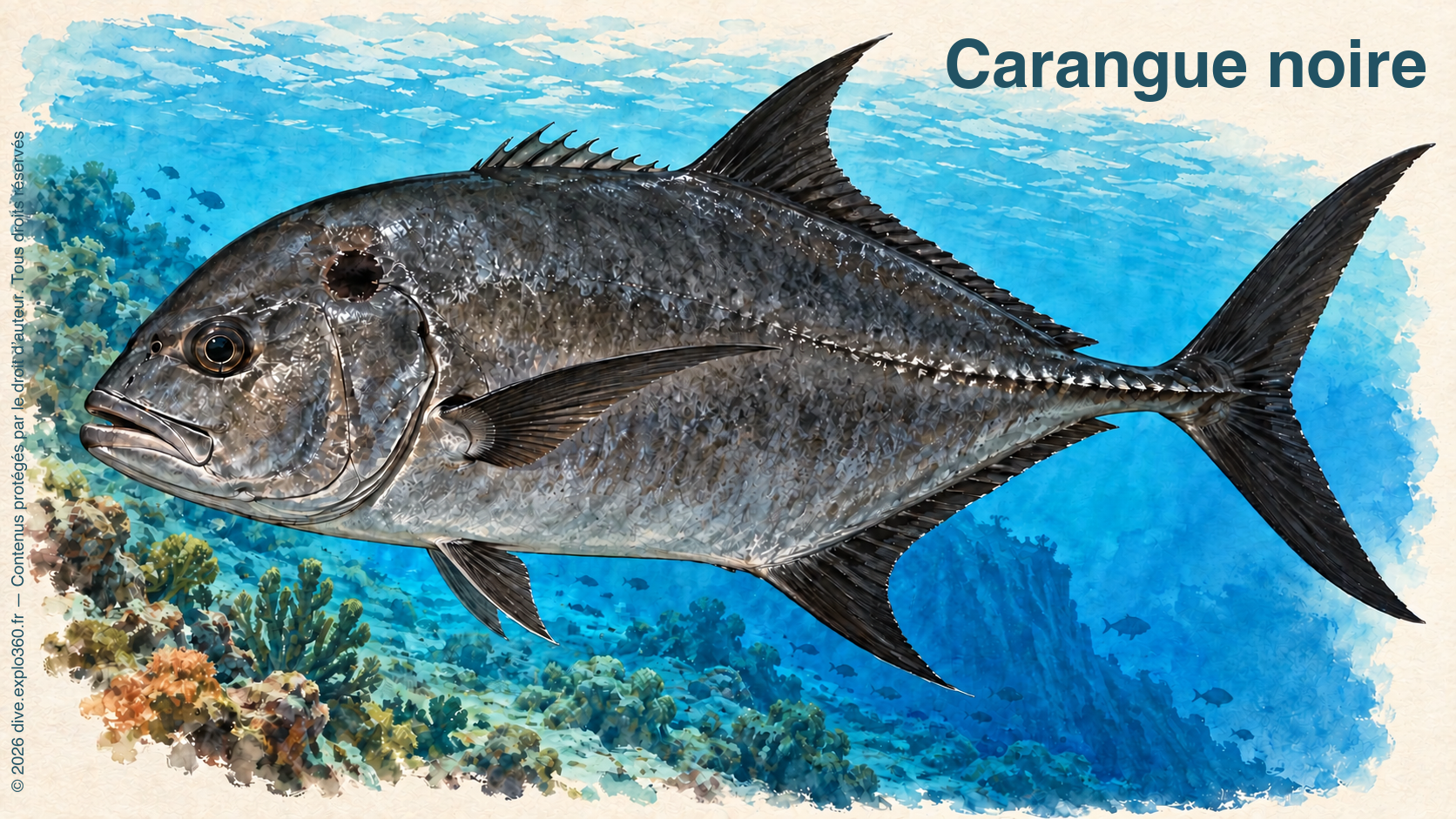 Species guidesBlack jackDiscover →
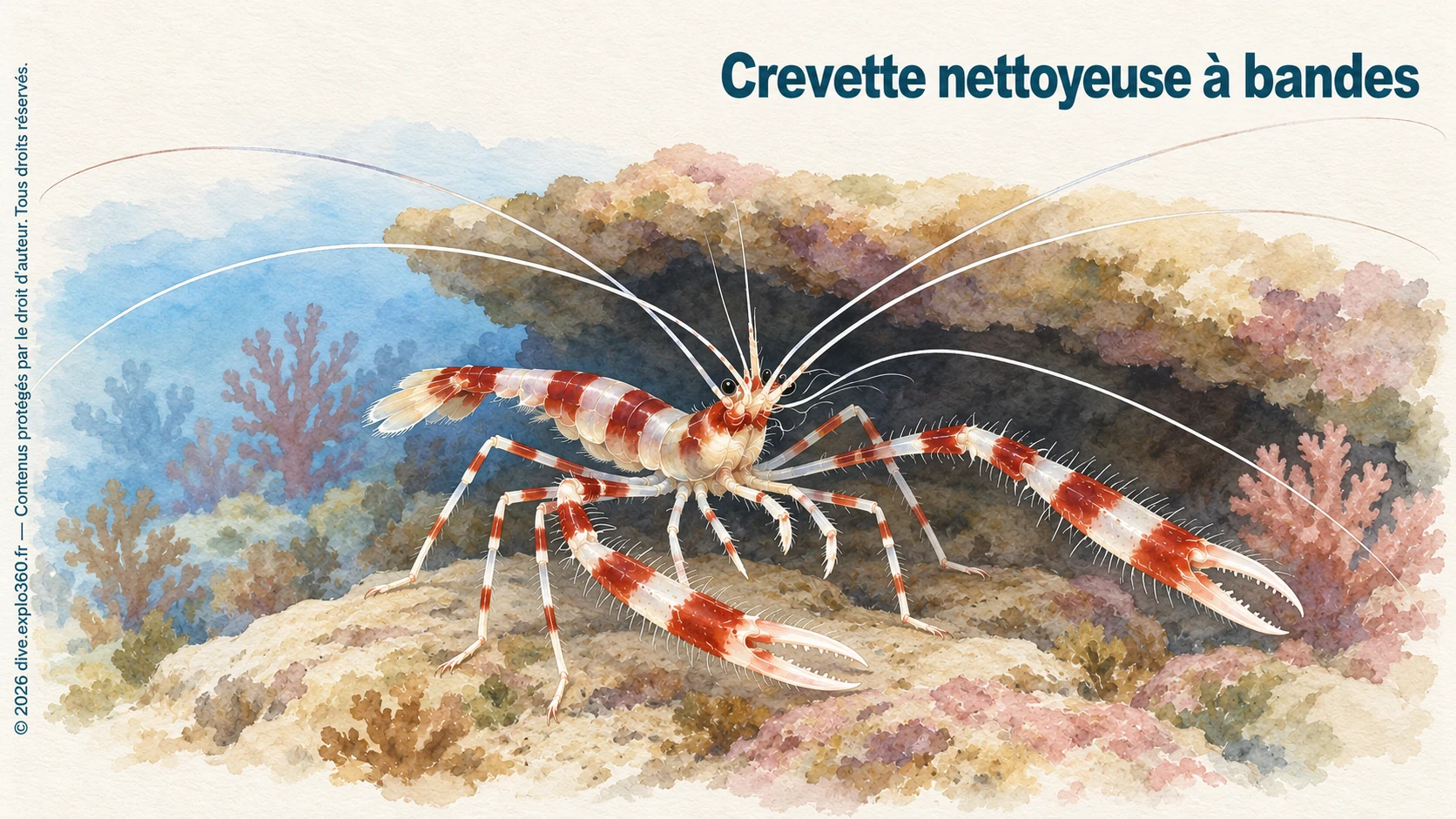 Species guidesBanded coral shrimpDiscover →