
Diving into a living, connected world
Under the sea, organisms constantly interact
But an ecosystem is not simply a collection of species living in the same place.
Organisms interact with one another and their environment. Some produce organic matter; others filter water, consume plants or animals, recycle organic matter or move between habitats.
These relationships form a complex network contributing to the functioning of the ecosystem.
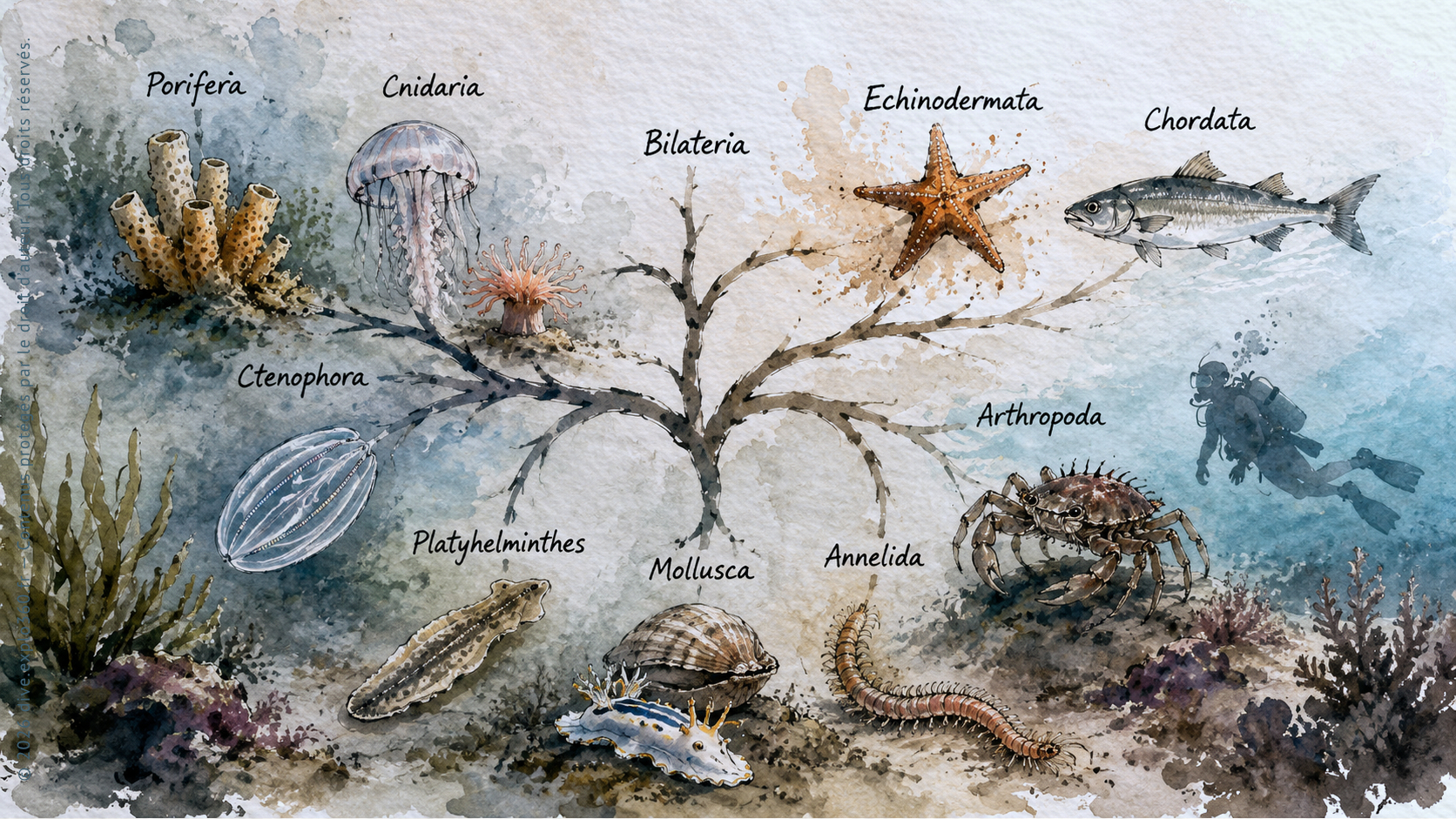
A sponge, an anemone, an octopus, a crab and a starfish therefore have different body plans and belong to different phyla.
This classification helps us understand the diversity of life.
However, a phylum does not correspond to just one ecological role. Organisms in the same group may have very different ways of life and functions. Conversely, one function, such as filtration or predation, may be performed by organisms from several groups.
The aim is therefore to connect classification, way of life and ecological role, rather than merely learning a list of names.
ALGAE AND PLANTS
Algae and plants capable of photosynthesis use light energy to make organic matter from mineral matter.
They thus occupy an essential place among primary producers in sunlit marine ecosystems.
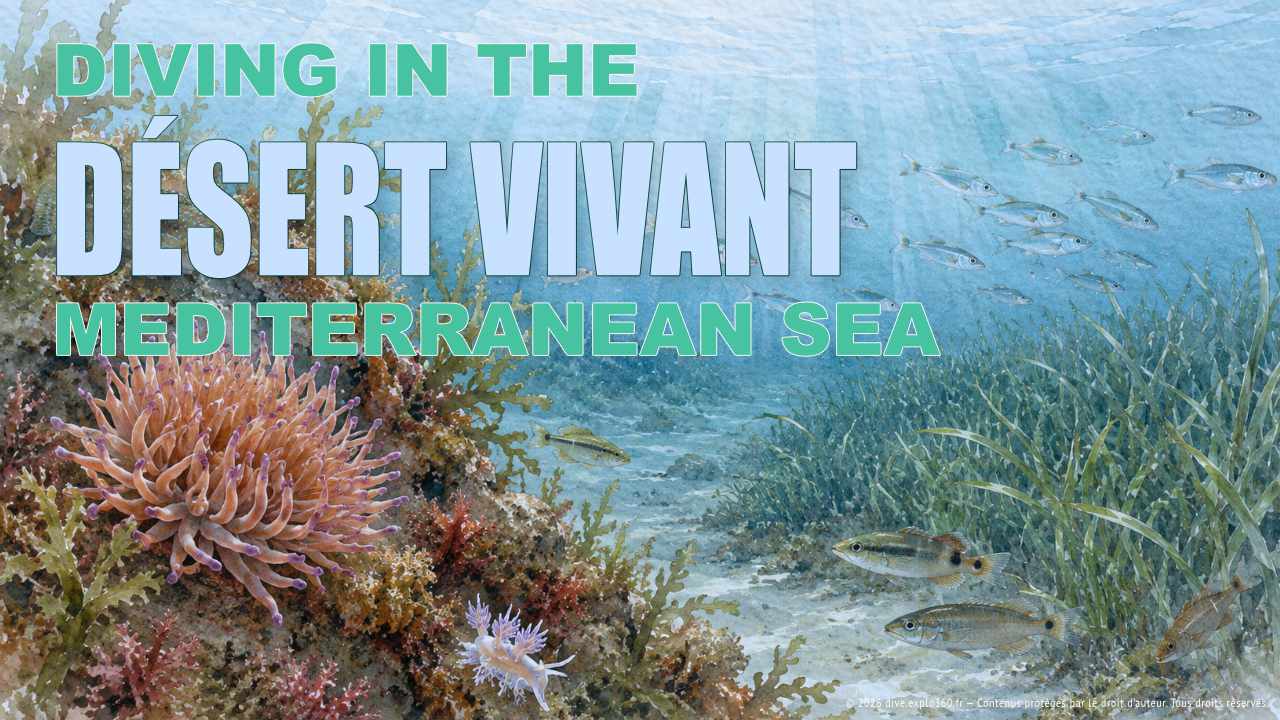
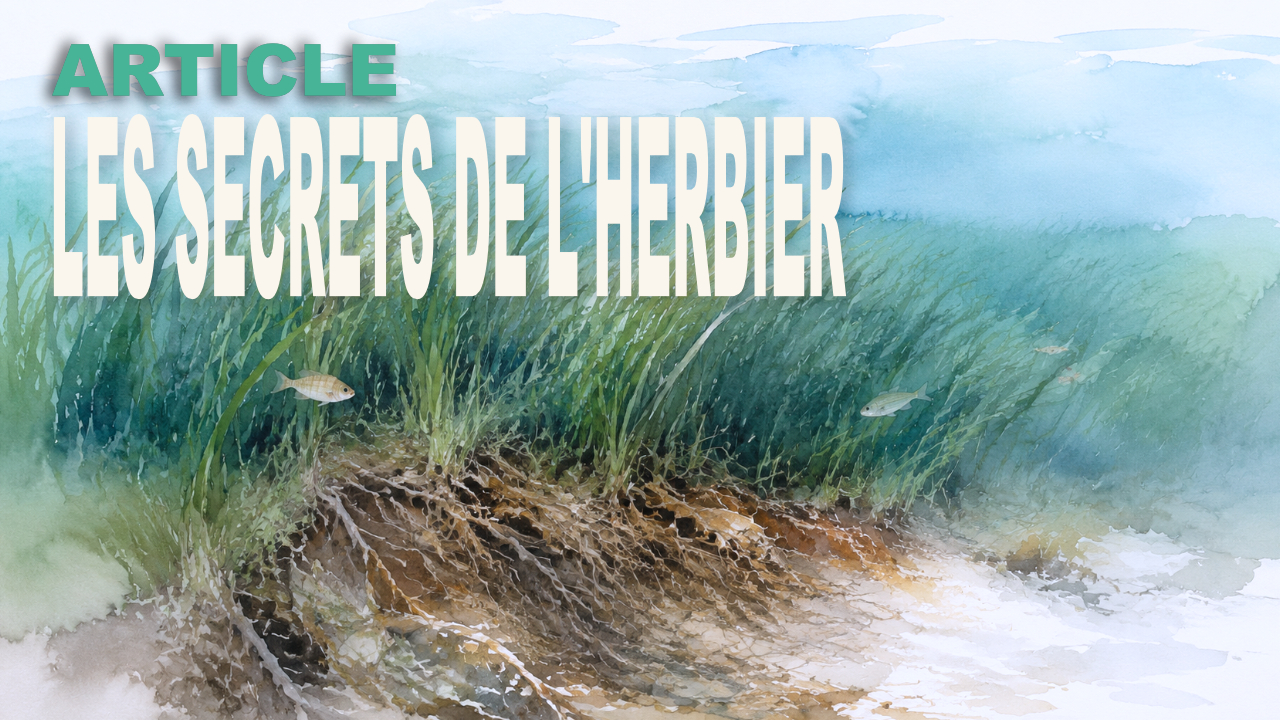
They also produce oxygen during photosynthesis. Some, such as Posidonia, form genuine habitats providing food, support and shelter for many species.
SPONGES, CNIDARIANS, BRYOZOANS AND TUNICATES
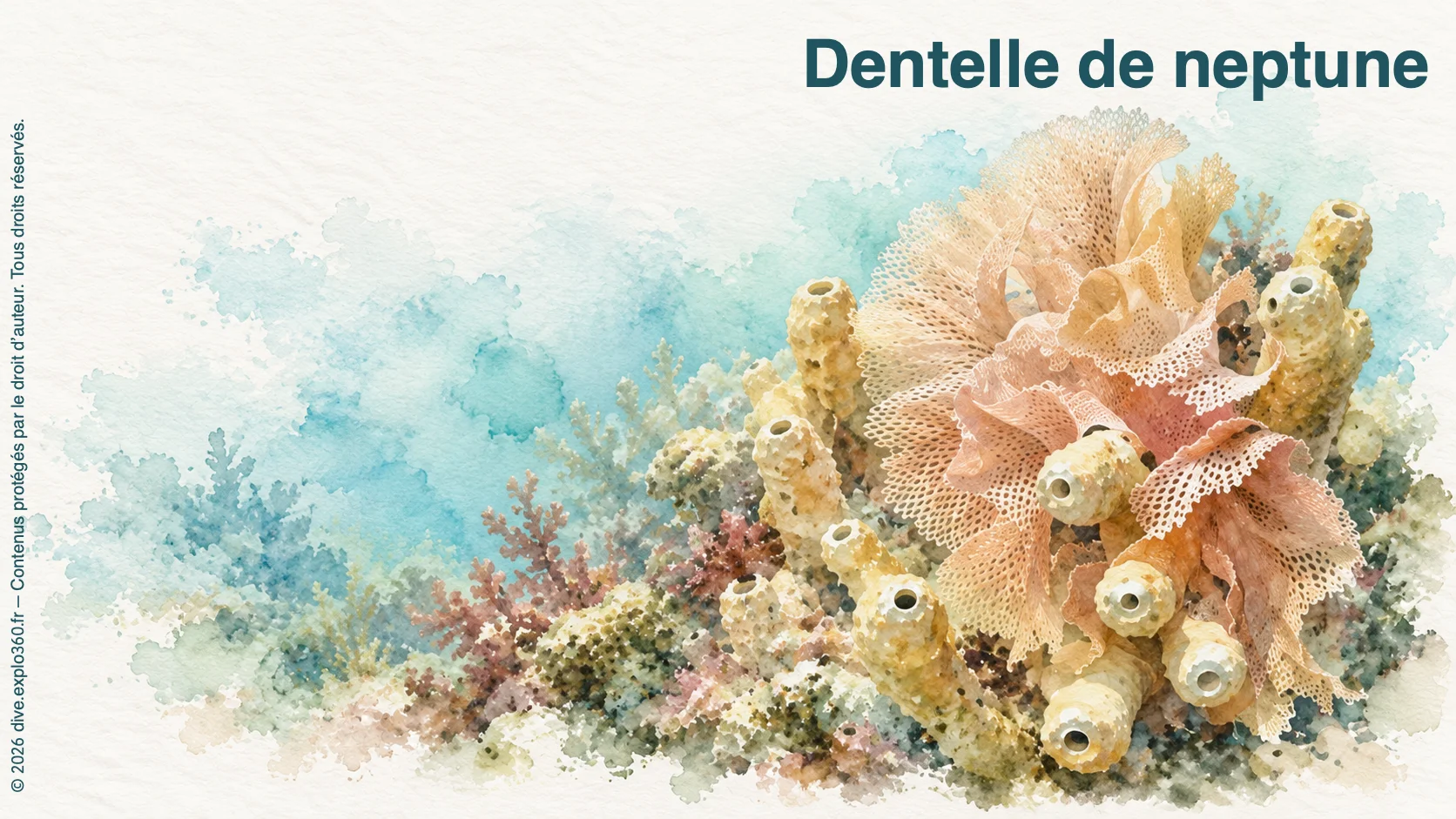
These groups include very different organisms. Some are attached to the substrate and contribute strongly to the structure of marine habitats.
Many sponges, sea squirts and bryozoan species capture food from the water. They thus contribute to exchanges between the water column and attached organisms.
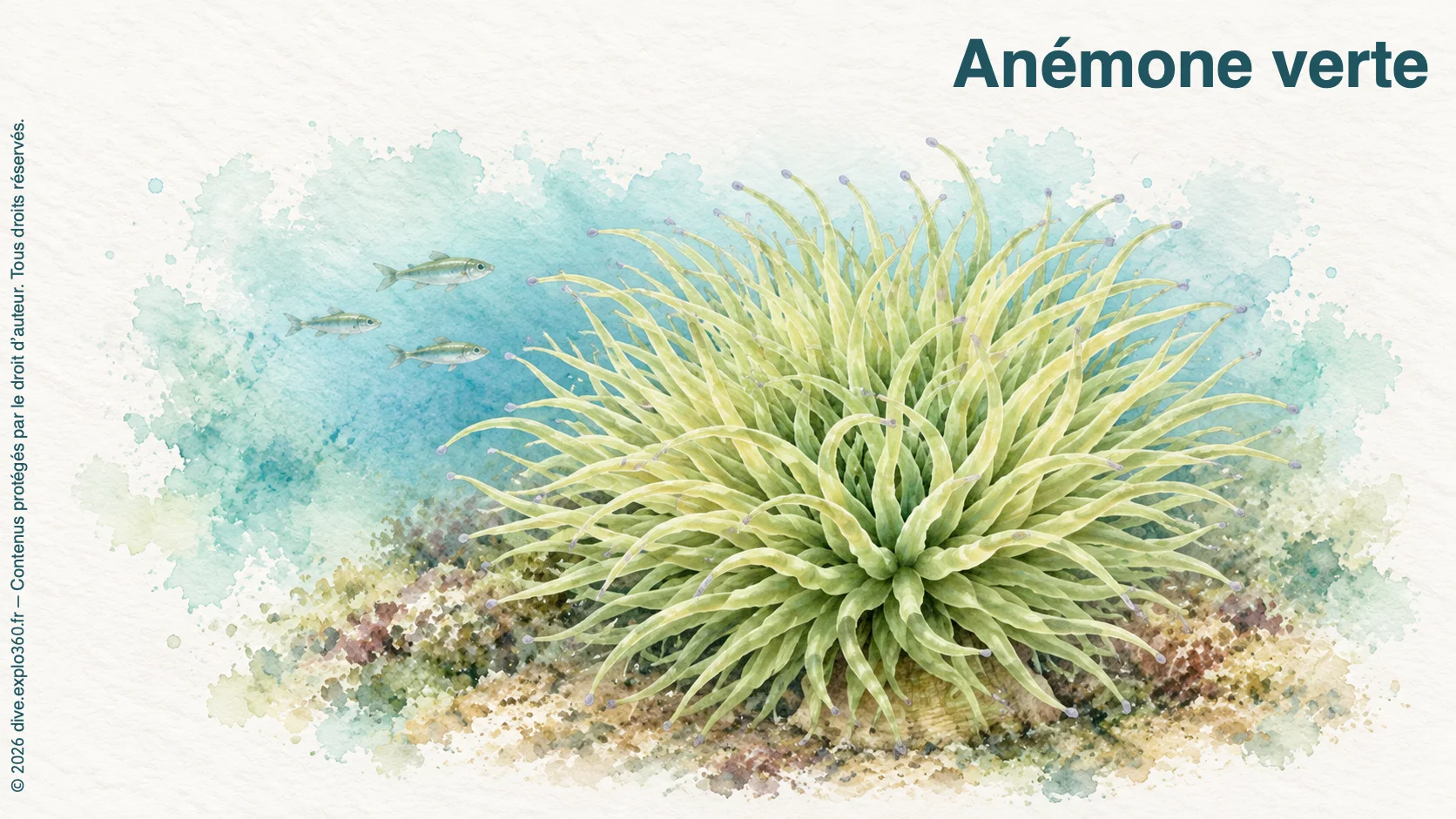
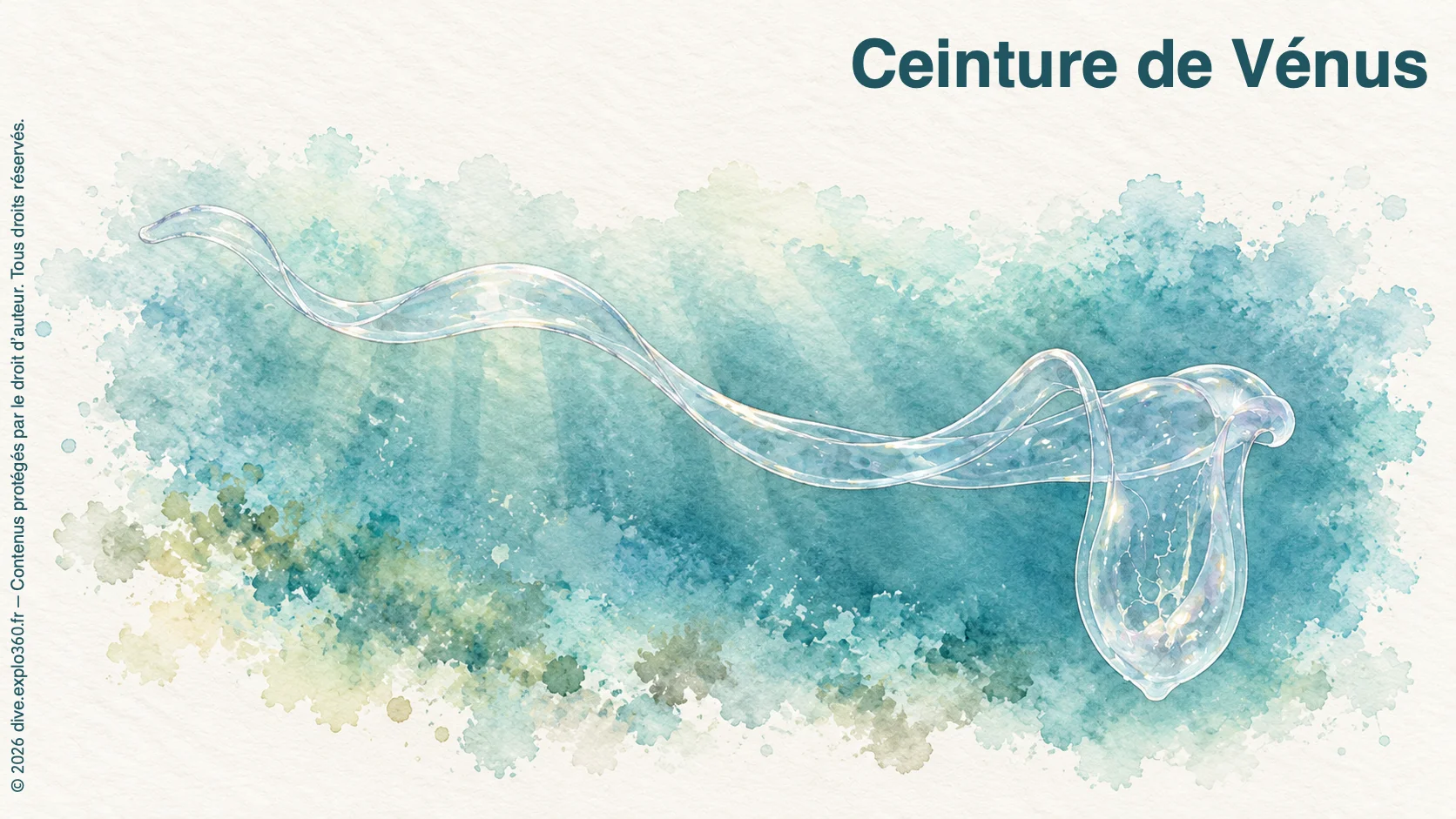
Cnidarians have varied feeding methods and include predators using their stinging cells to capture prey.
MOLLUSCS
Molluscs display a great diversity of forms and diets.
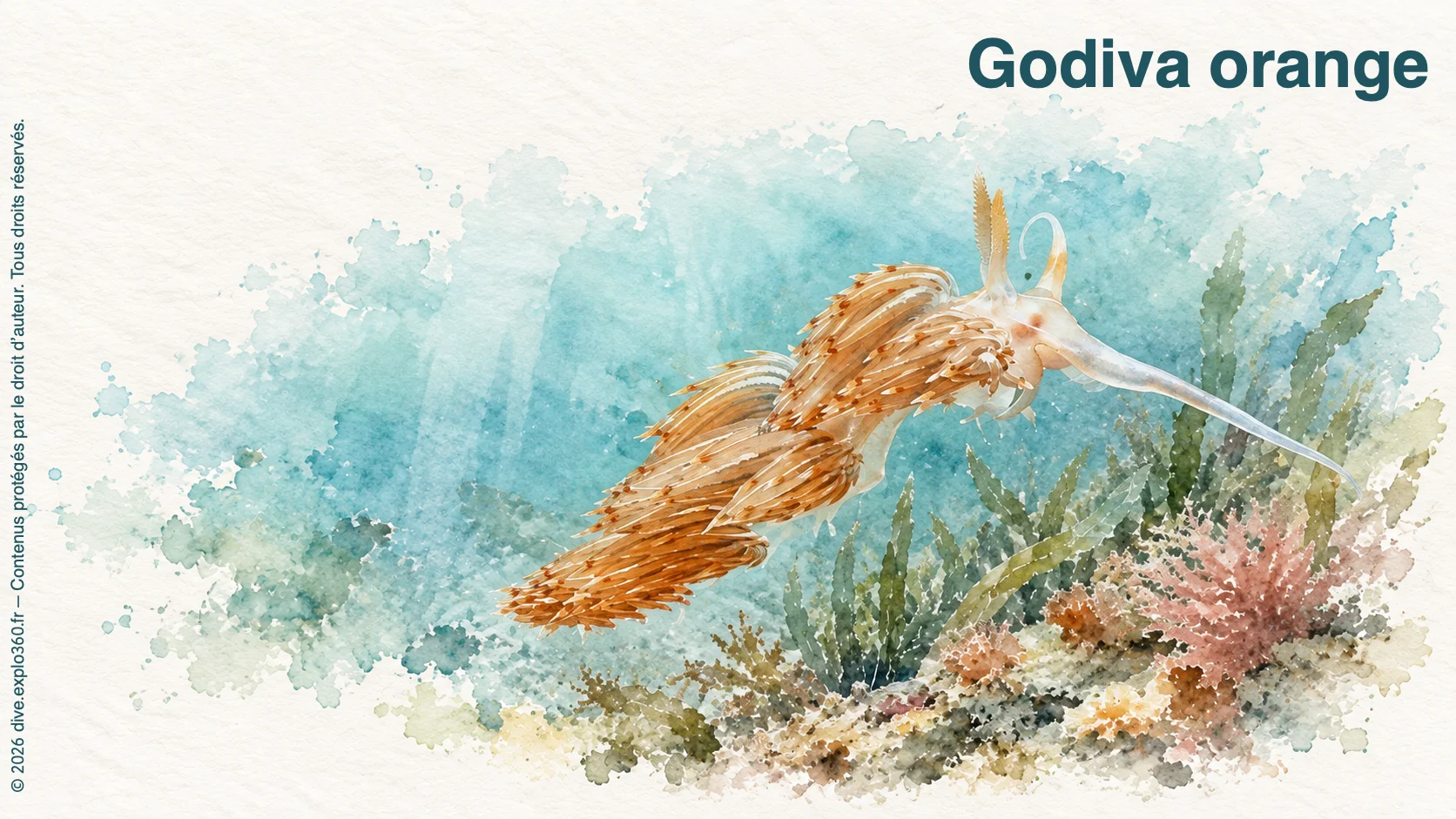
Some filter water; others consume algae, attached organisms or animals. Octopuses, for example, are predators, whereas mussels are filter feeders.
Molluscs therefore occupy different positions in food webs and can be both consumers and prey for other species.
CRUSTACEANS
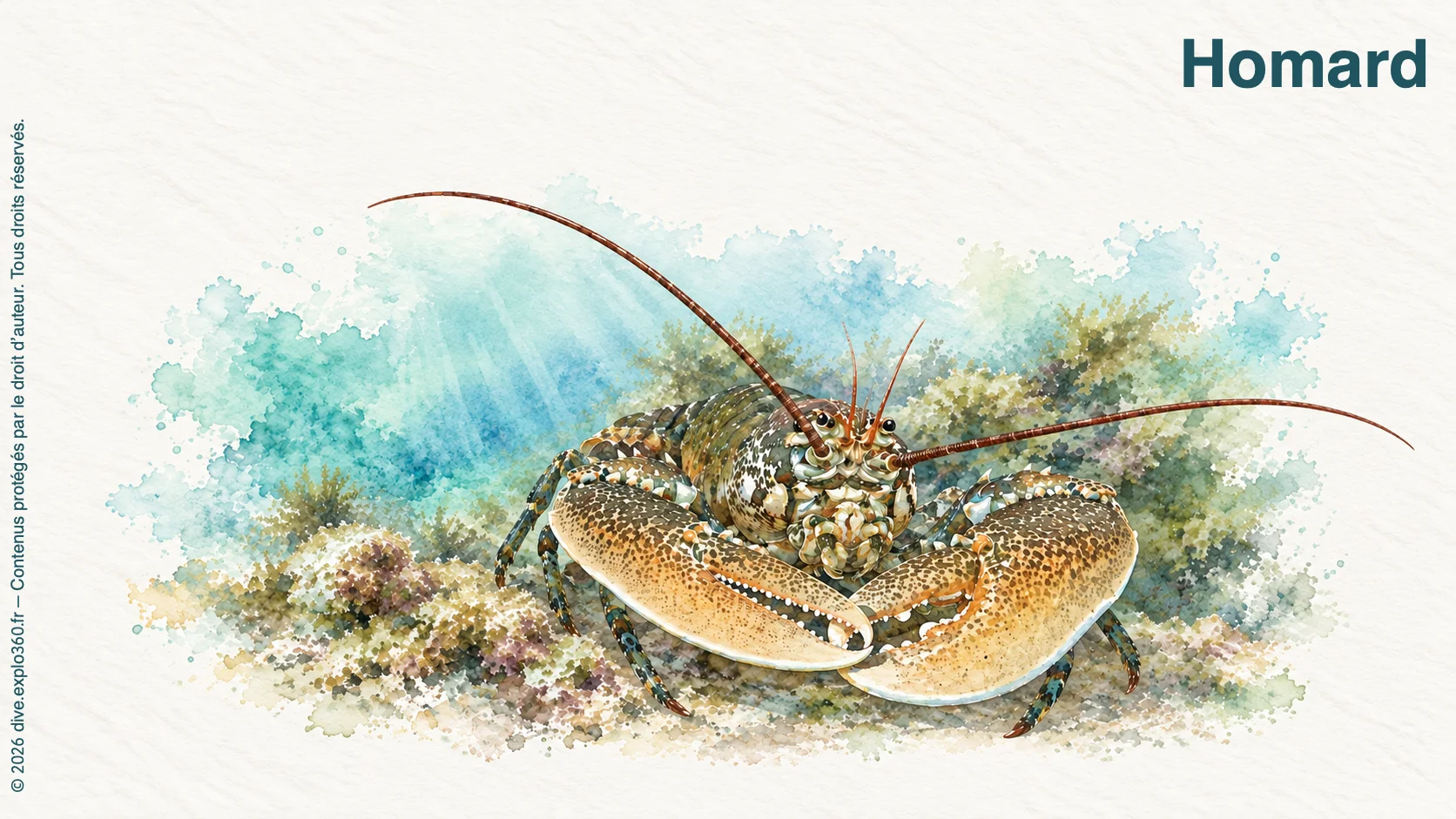
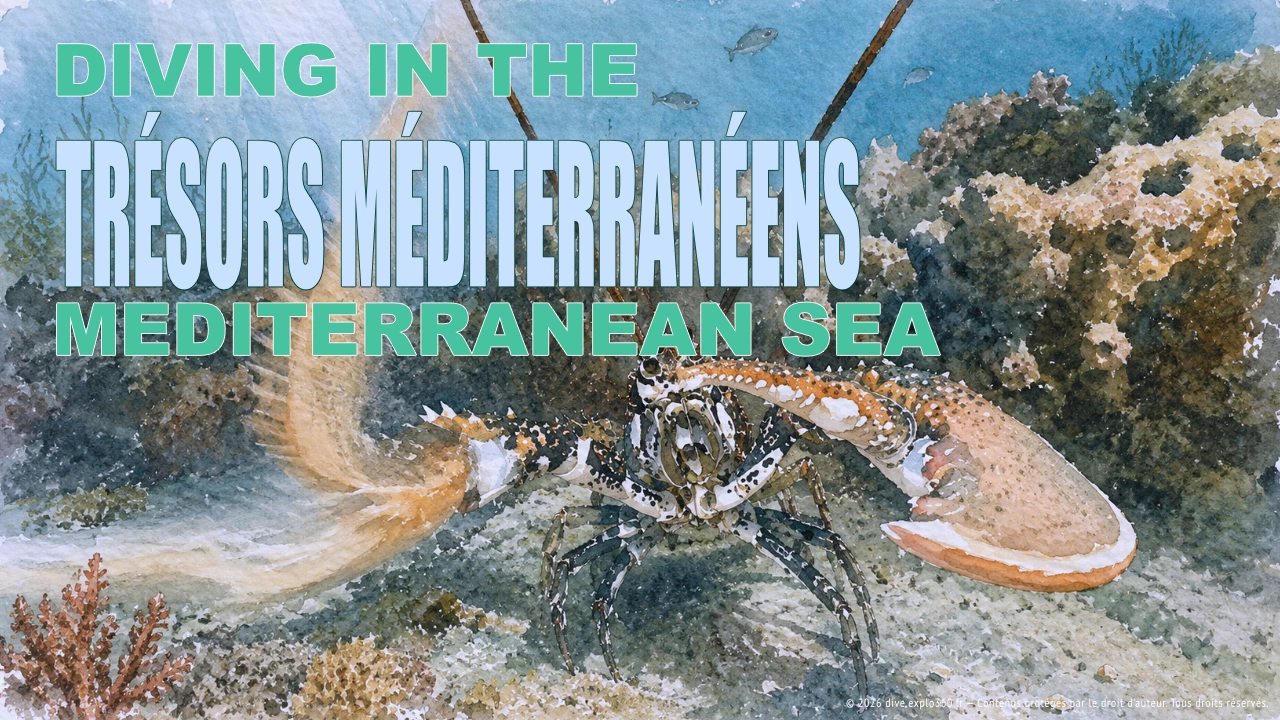
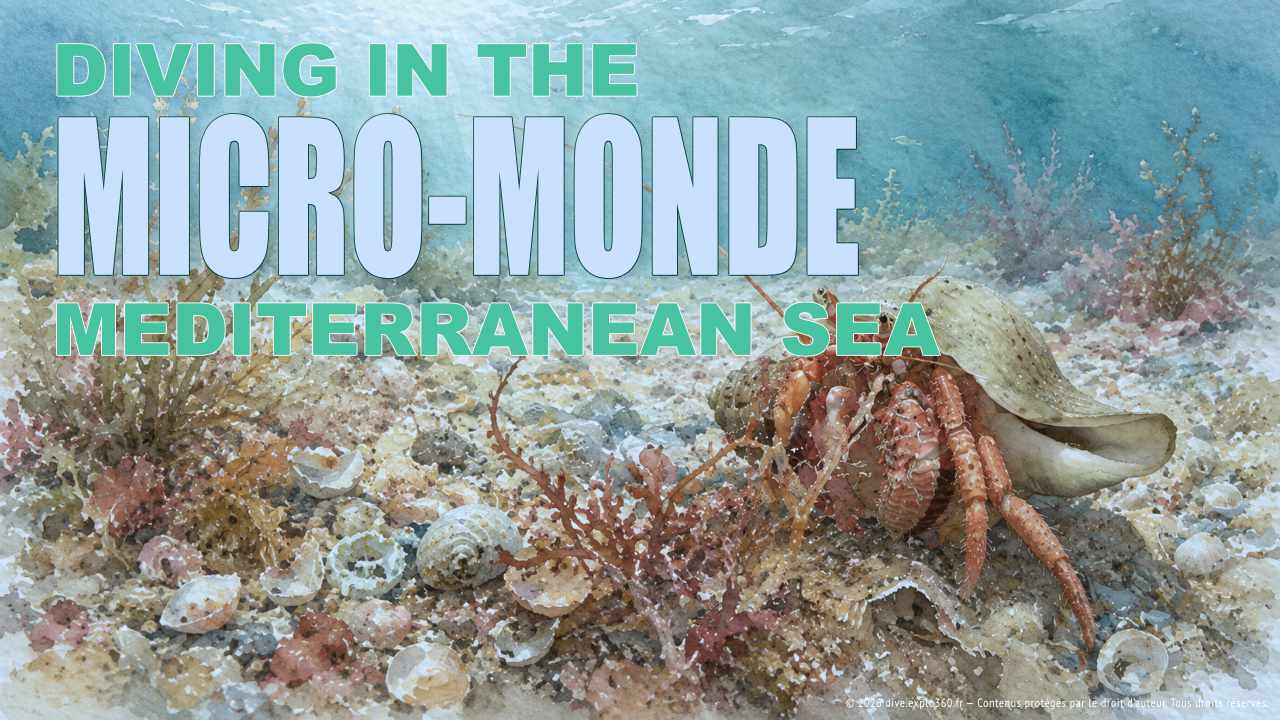
Crustaceans belong to the arthropods and notably have jointed appendages.
Their diets are very diverse. Some consume organic debris, others plants or animals.
By consuming organic matter and themselves providing food for many predators, they contribute to transfers of matter and energy within ecosystems.
ECHINODERMS
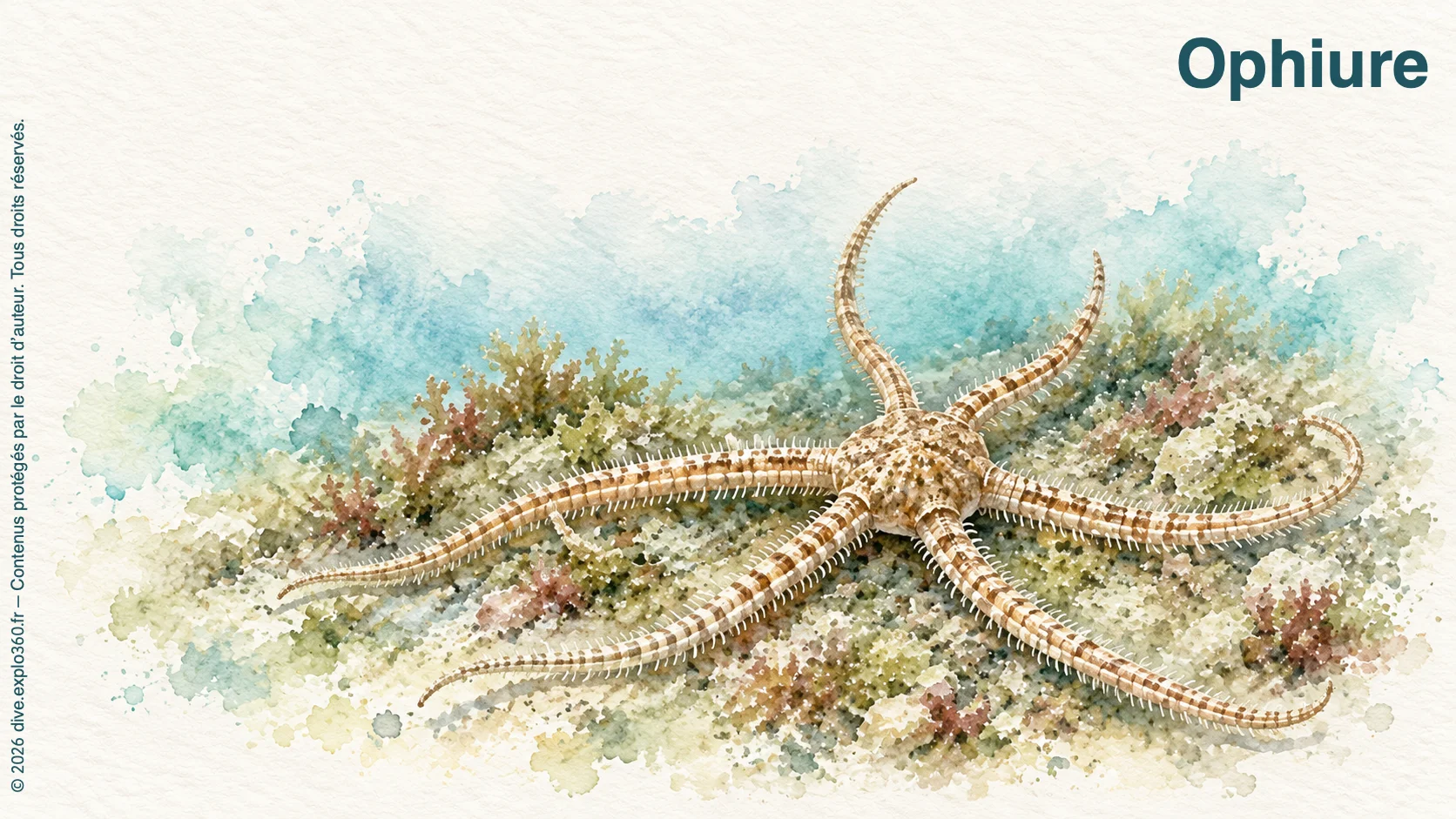
Echinoderms also play very different roles.
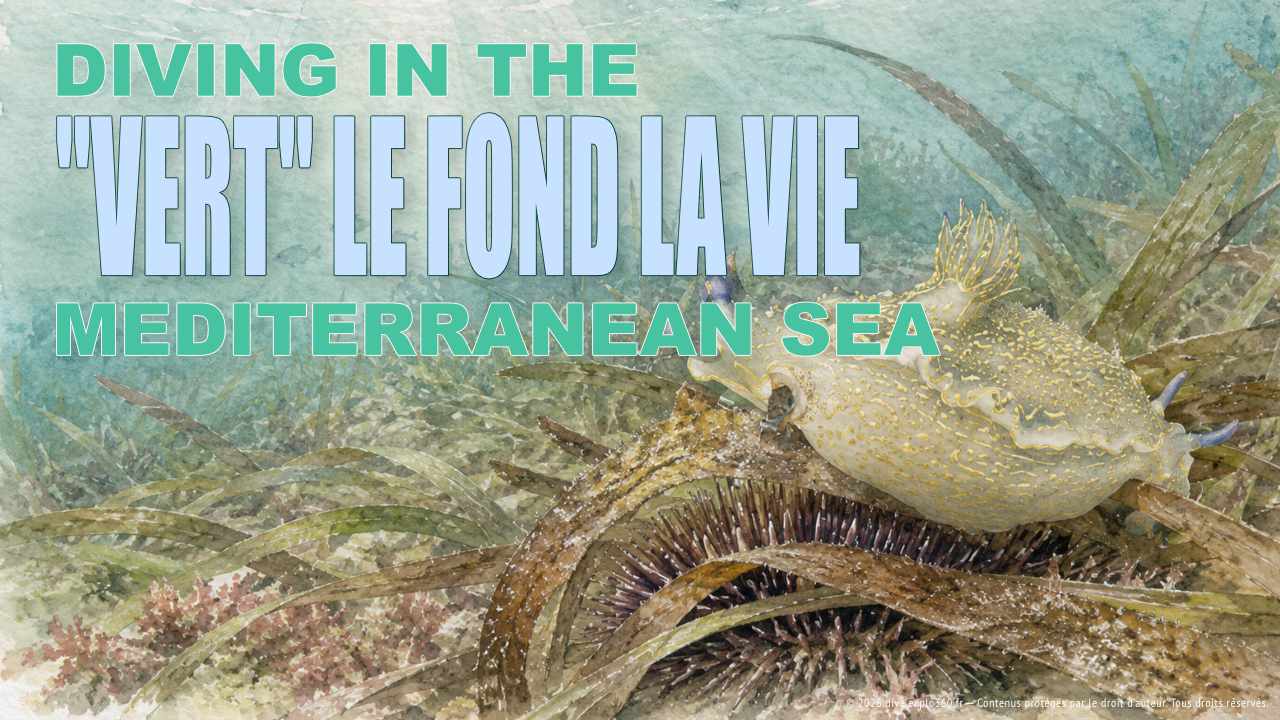
Sea urchins may consume algae. Some starfish are predators. Sea cucumbers ingest sediments rich in organic matter, thereby helping recycle it.
They therefore contribute to several important processes: consumption, predation, sediment transformation and recycling organic matter.
FISH
Fish occupy very diverse positions in food webs. Some consume plankton, others plants, invertebrates or other fish.
Predators contribute in particular to regulating their prey populations.
The movements of certain species between habitats also contribute to exchanges of matter and energy between these environments.
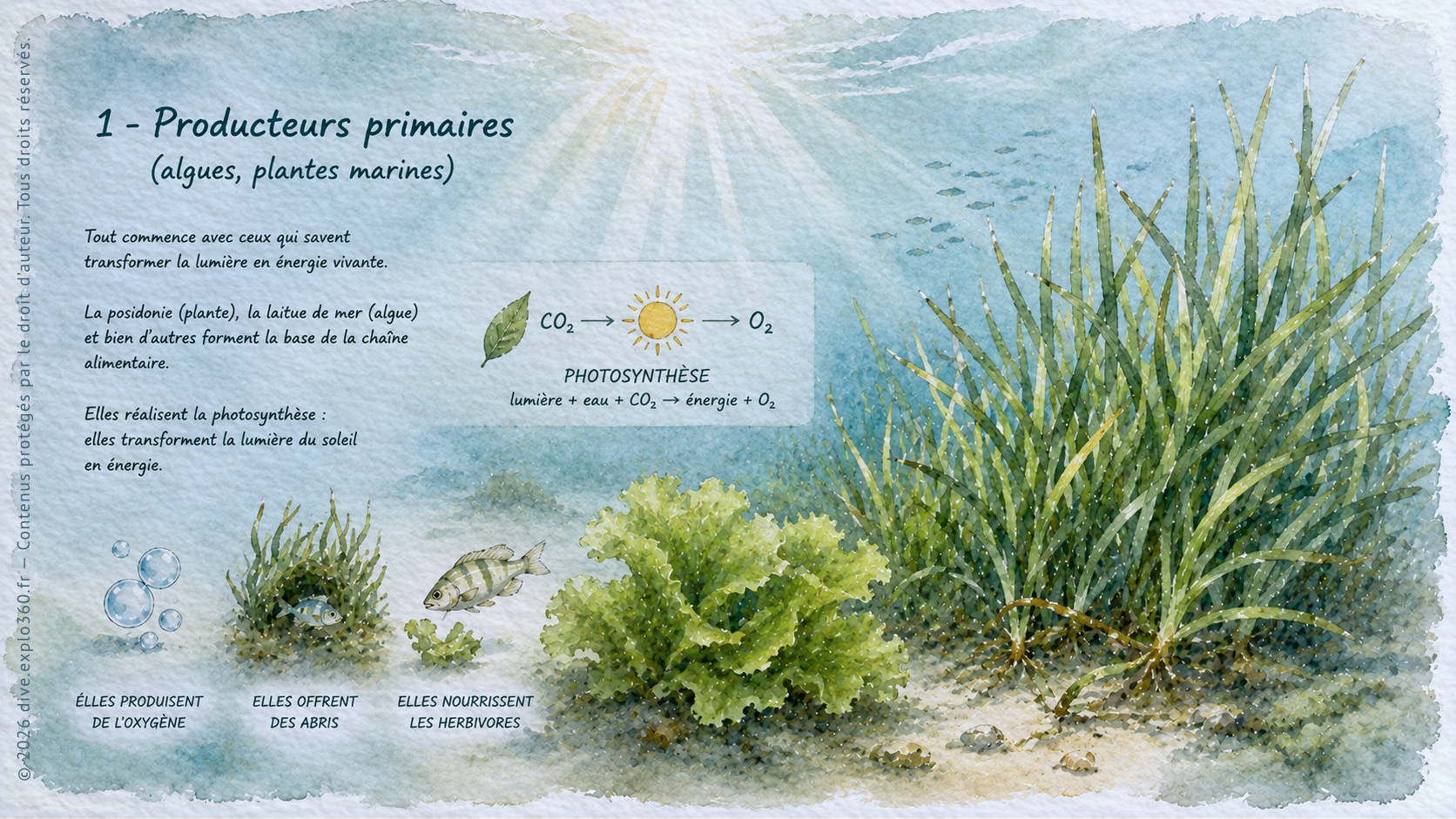
Everything begins with organisms capable of photosynthesis.
Using light energy, algae and marine plants produce organic matter. They thus form the basis of many food webs.
Posidonia, a flowering plant, and sea lettuce, an alga, belong to these primary producers.
They directly or indirectly provide food for many consumers and produce oxygen through photosynthesis.
Without primary production, much of the marine food web could not function.
AMIGANSEAU CONTENT
The rest of this article is for subscribers
Log in with your AMIGANSEAU licence to continue reading.
All active AMIGANSEAU licences give access to the full article.Explore the same world