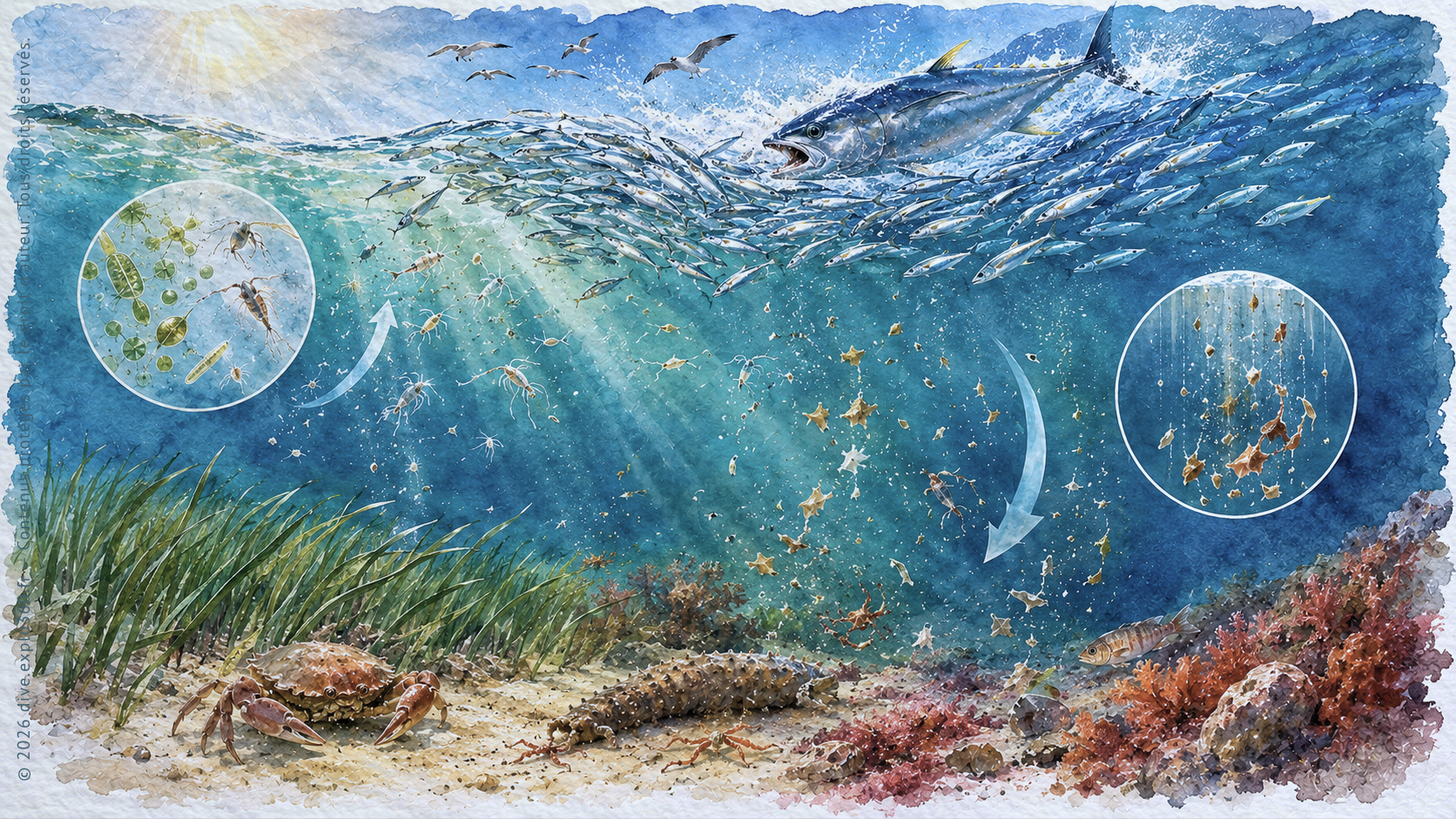
The sun feeds the invisible: a flow begins
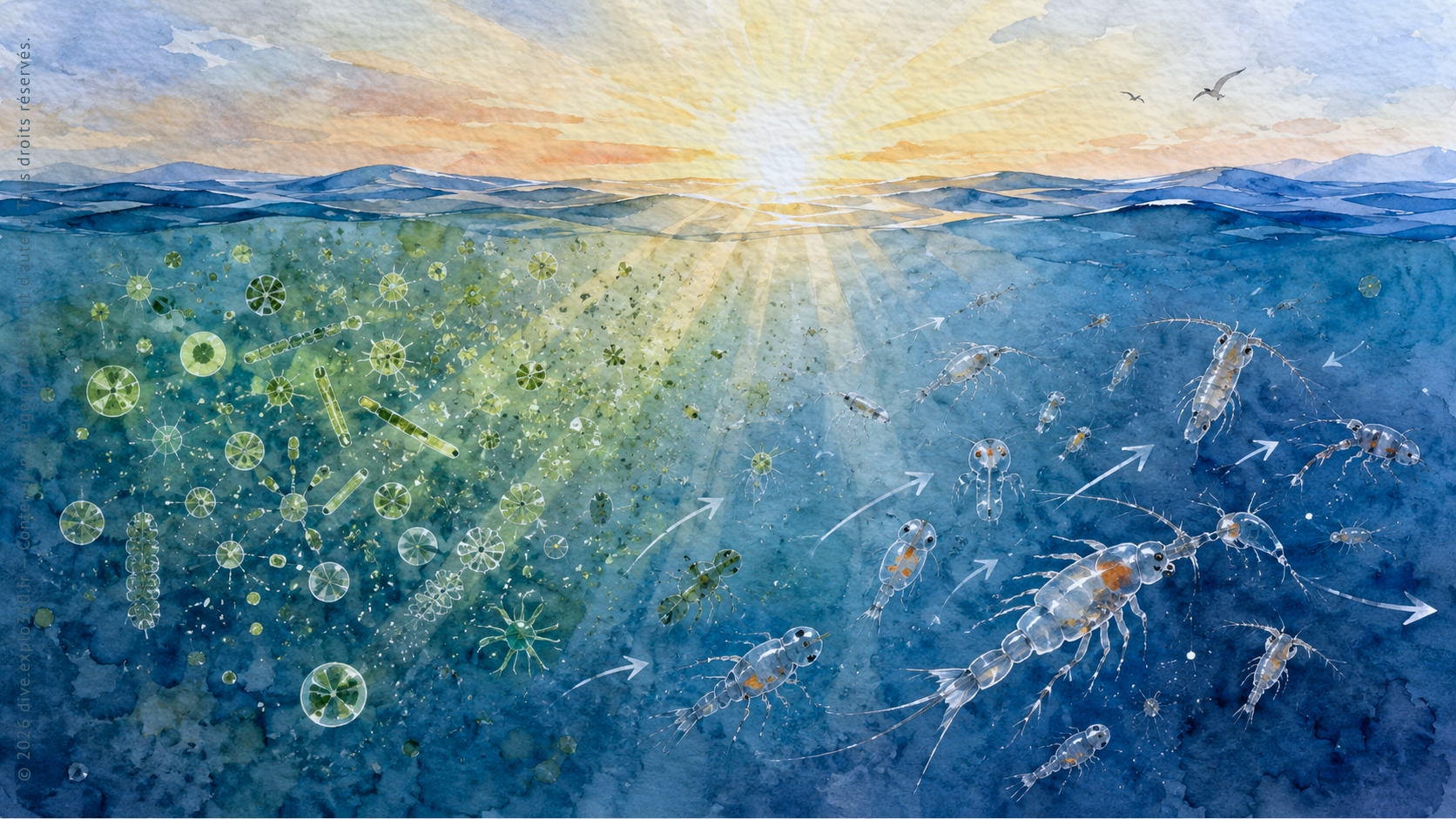
In sunlit water, much of the phytoplankton uses light to make organic matter from carbon dioxide and water. It also needs mineral nutrients to grow. Some of these organisms get part of their food by eating other organisms.
Tiny animals in the zooplankton, including small crustaceans, eat some of what the phytoplankton produces. Some ends up as debris or is broken down by microbes.
A change of scale: from zooplankton to sardines
The European pilchard is a sardine that feeds on plankton. What it eats depends in part on its size and what food is available. When a bigger fish eats it, part of that plankton meal passes along too.
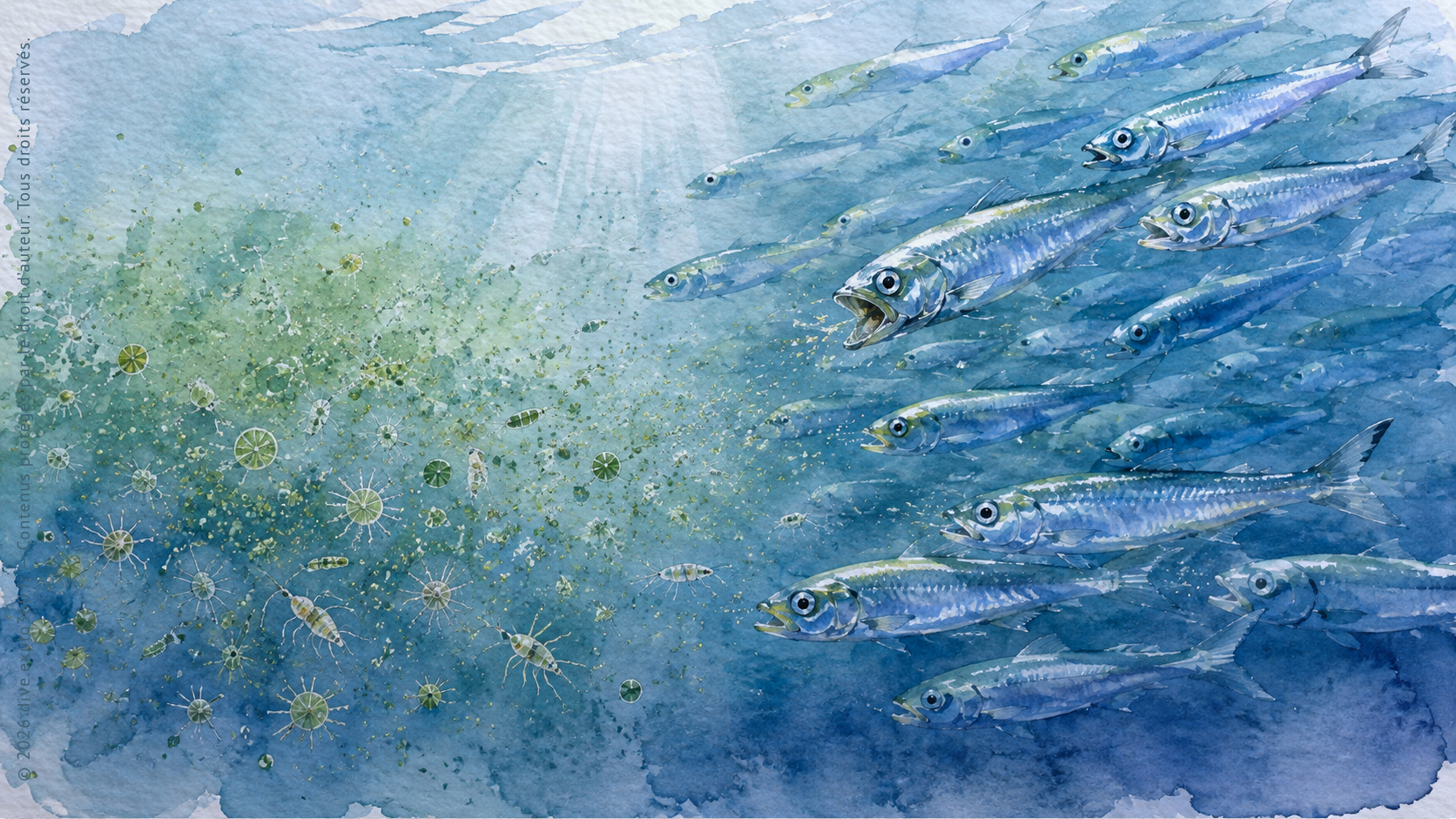
From sardines to tuna
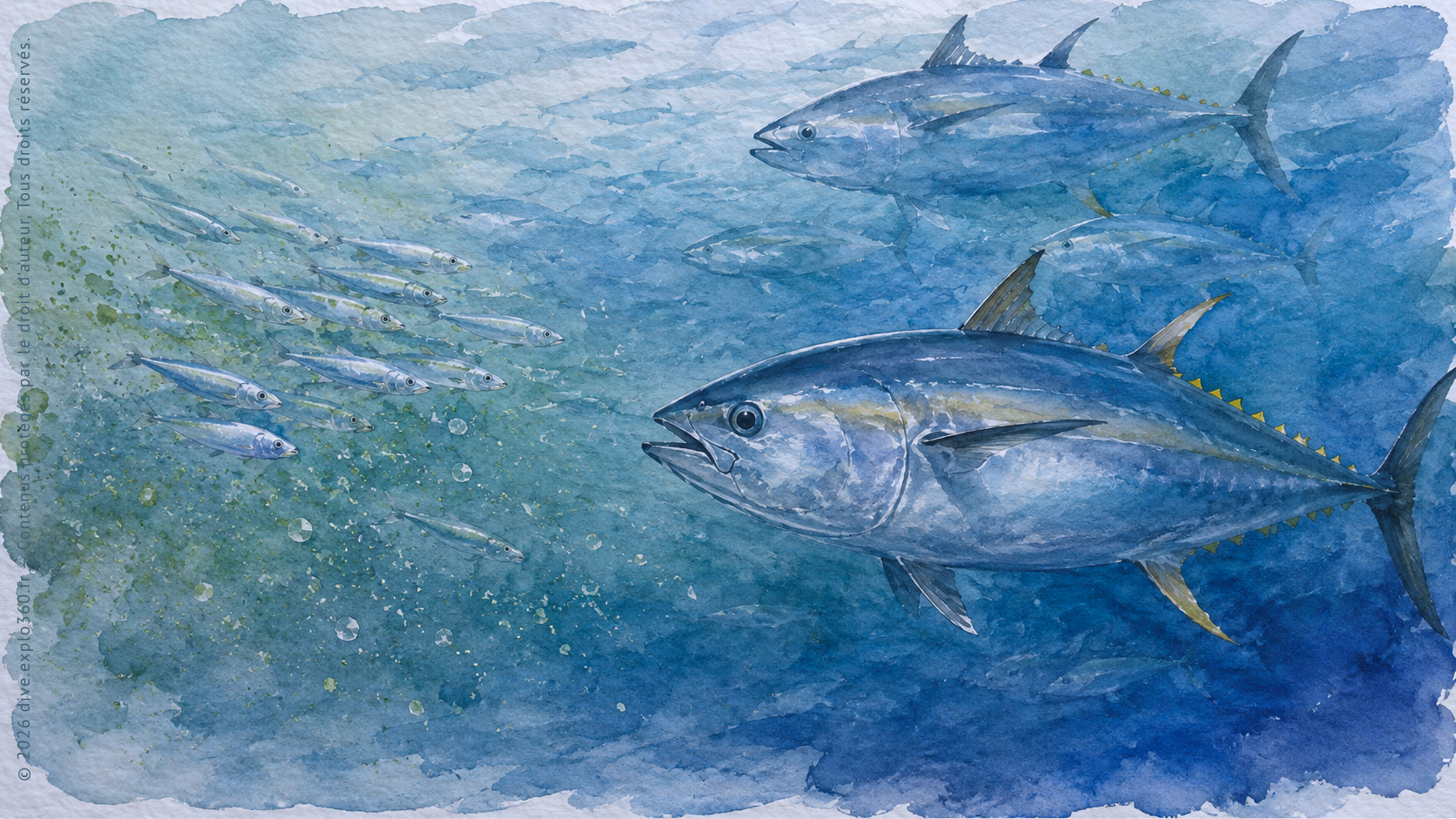
An Atlantic bluefin tuna can eat sardines as well as other prey. Some of the energy in each meal powers the fish’s life and is eventually released as heat. Only part is available to the next animal that eats it.
Explore the same world
Explore further
Habitats
Species guides
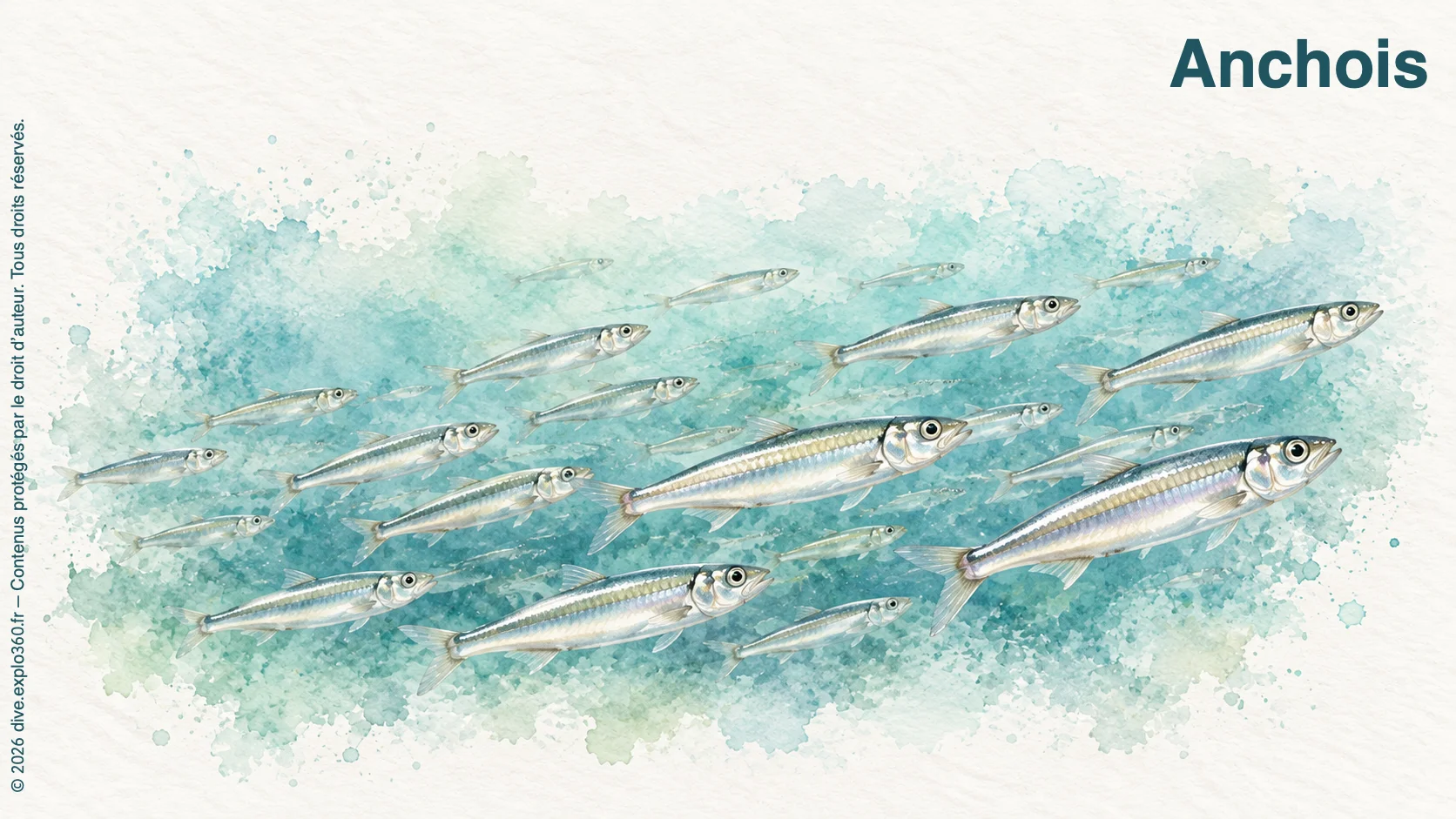 Species guidesEuropean AnchovyDiscover →
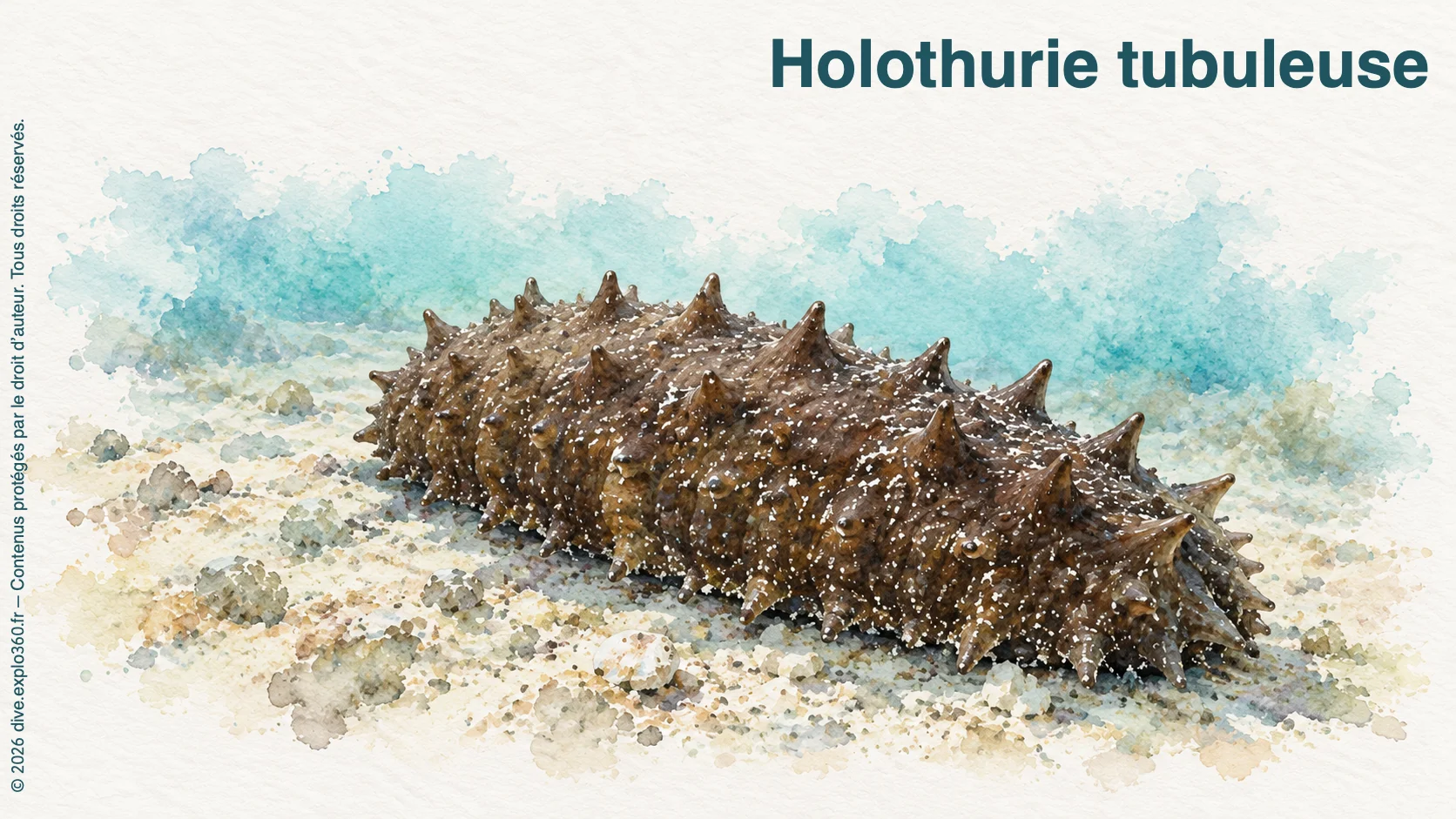 Species guidesSea cucumberDiscover →
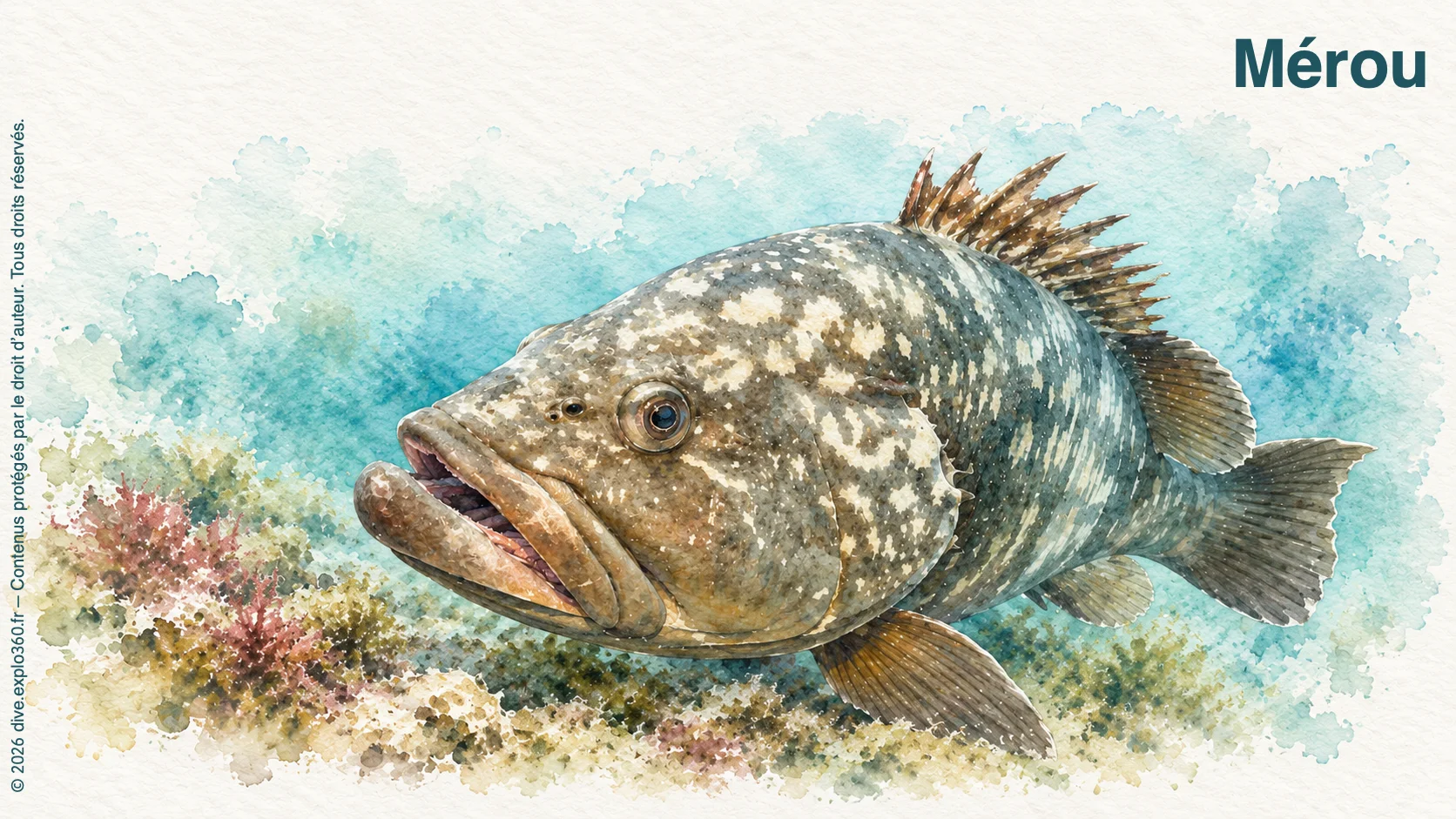 Species guidesDusky grouperDiscover →
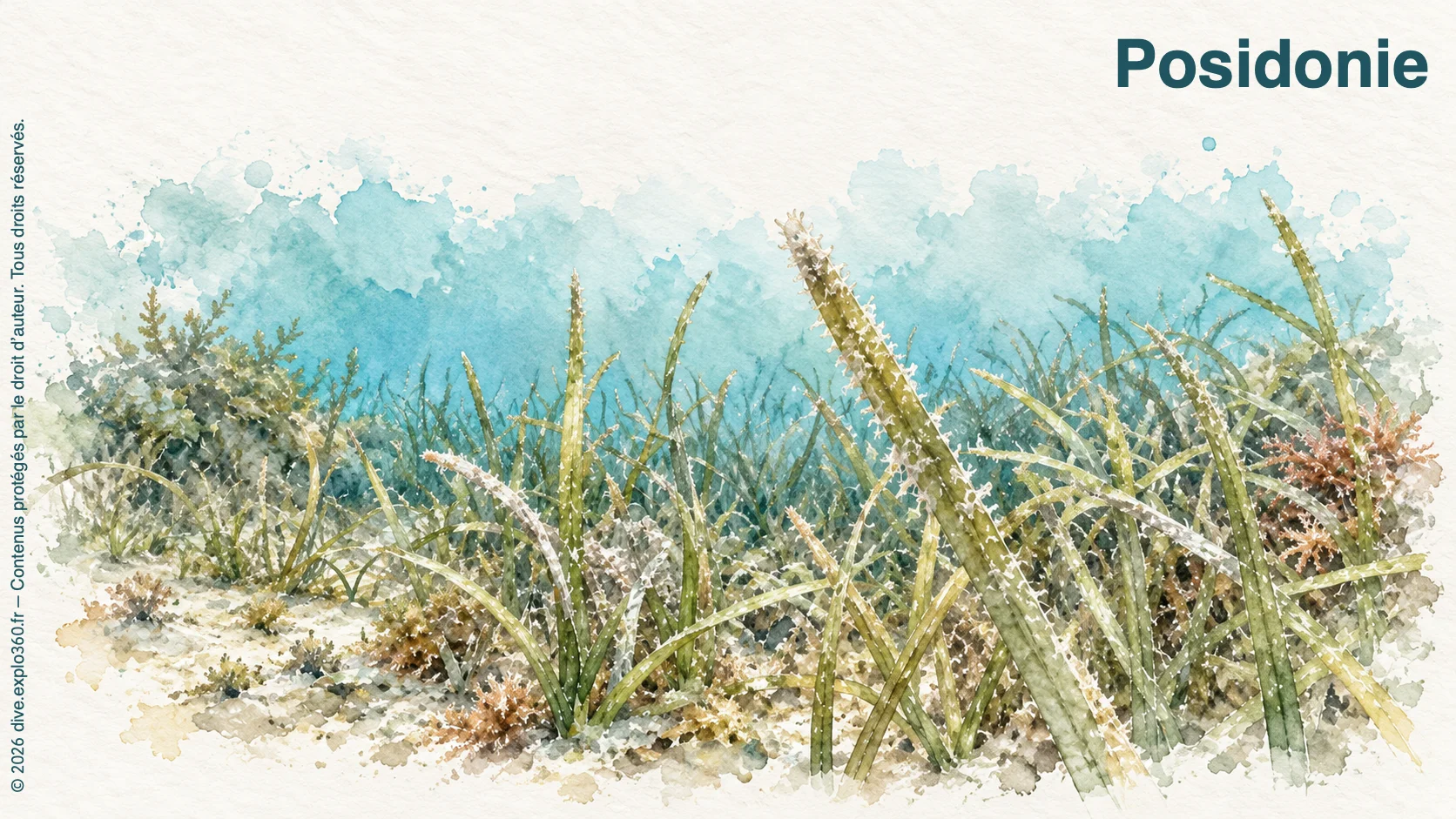 Species guidesNeptune grassDiscover →
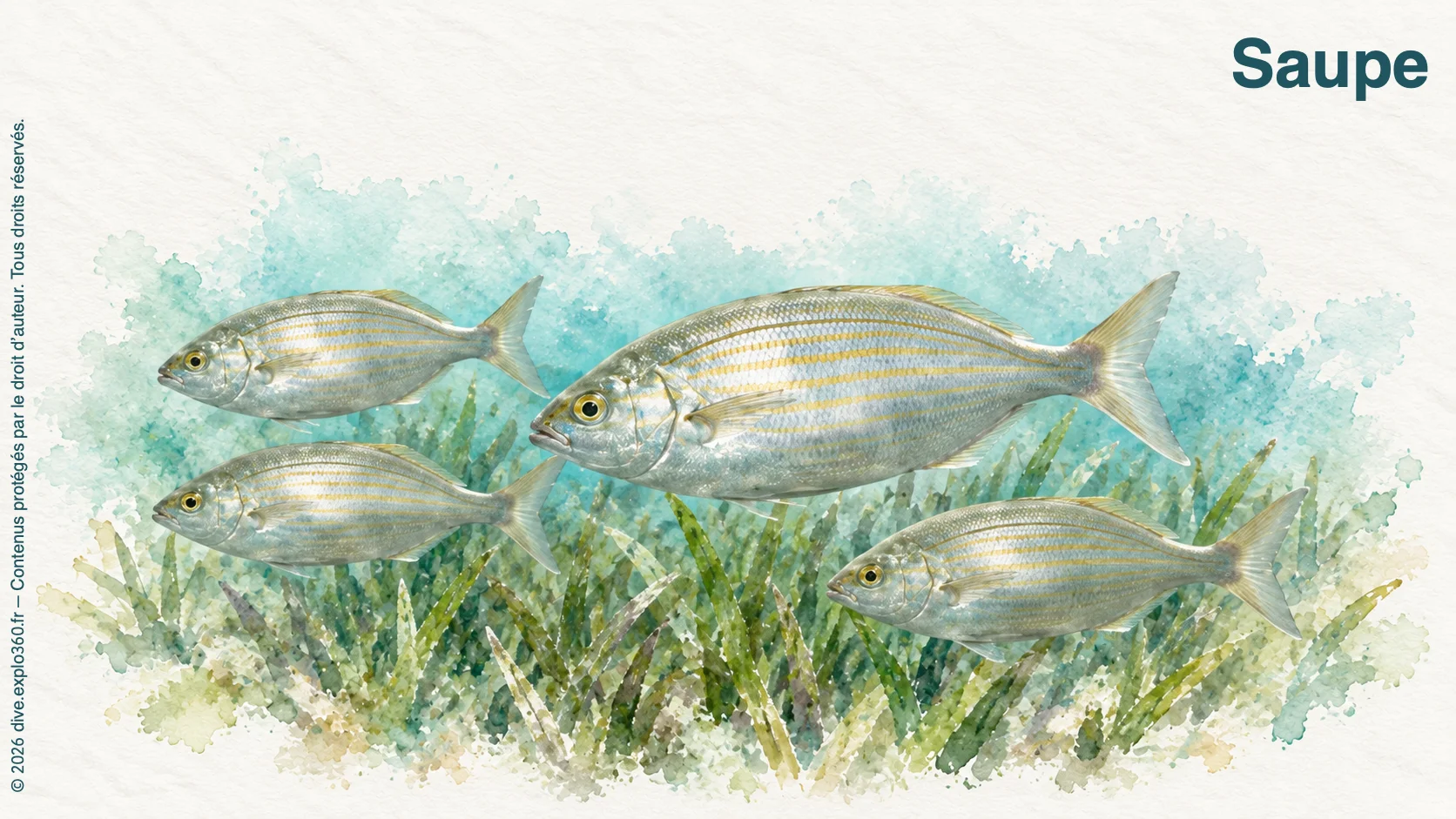 Species guidesSalema porgyDiscover →
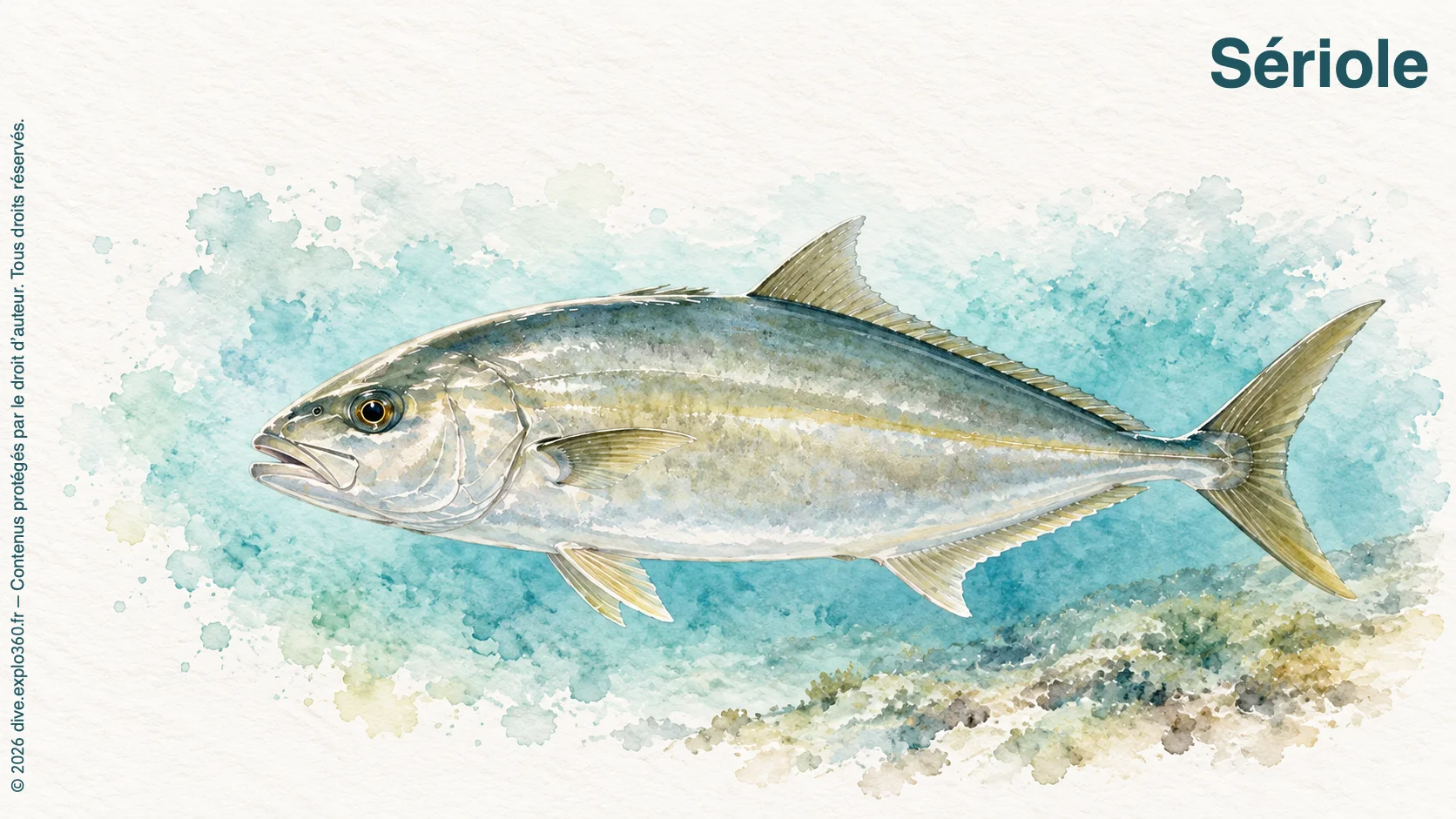 Species guidesGreater amberjackDiscover →
View the other 41 species guides
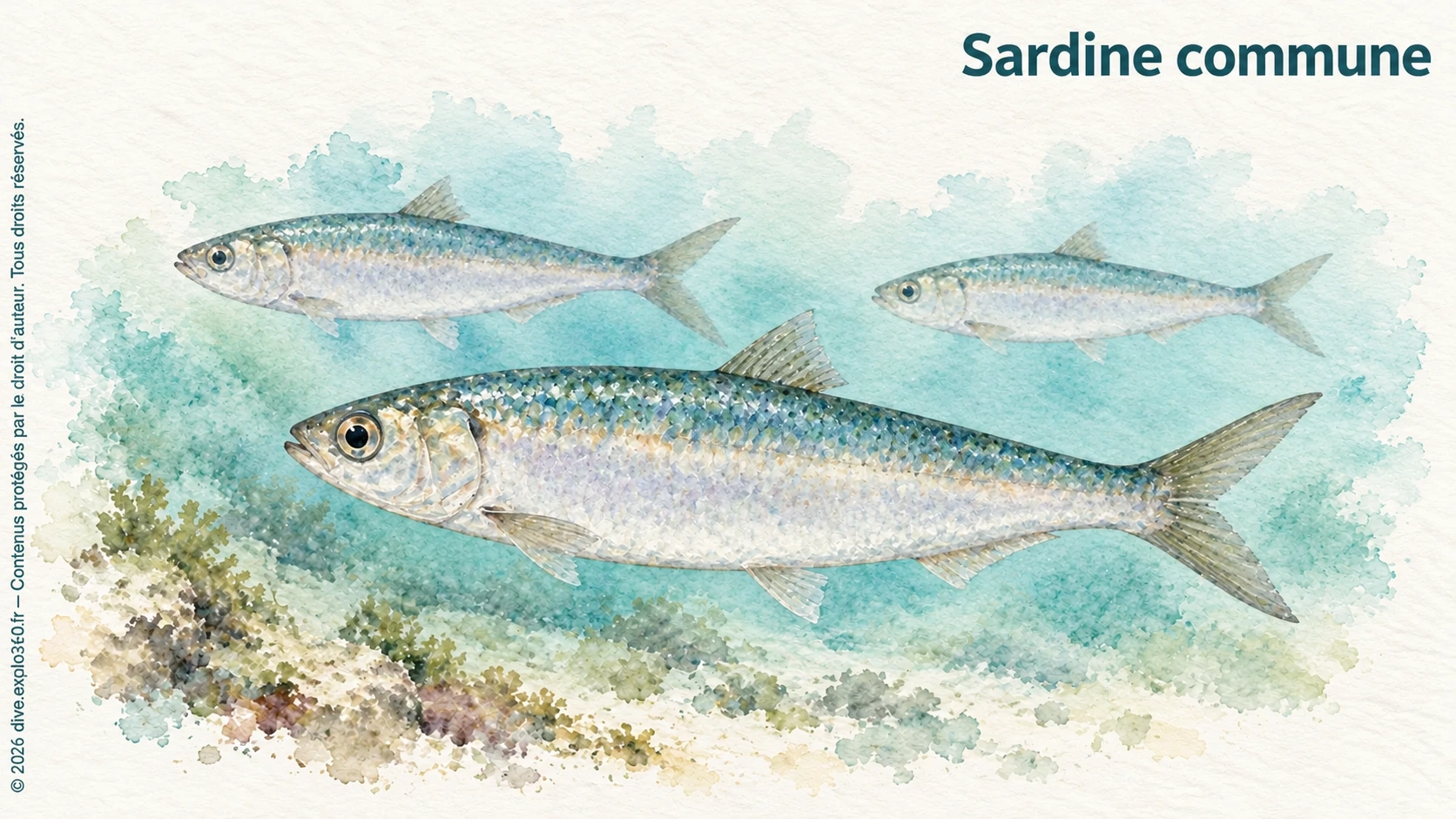 Species guidesEuropean sardineDiscover →
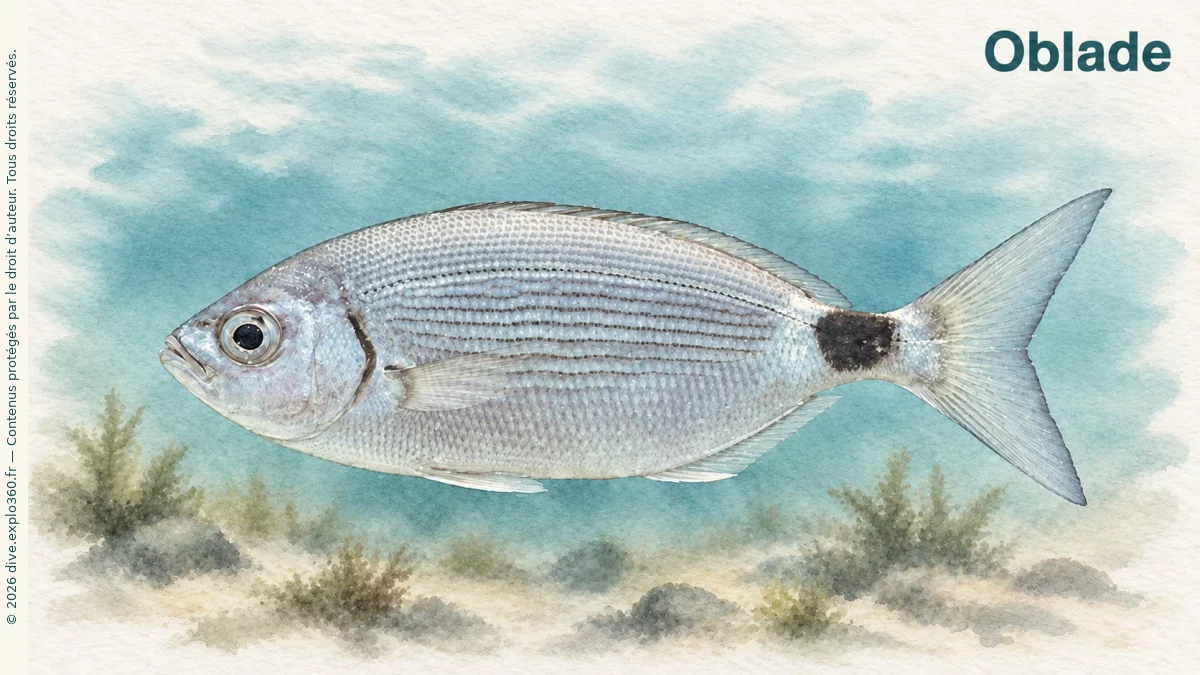 Species guidesSaddled seabreamDiscover →
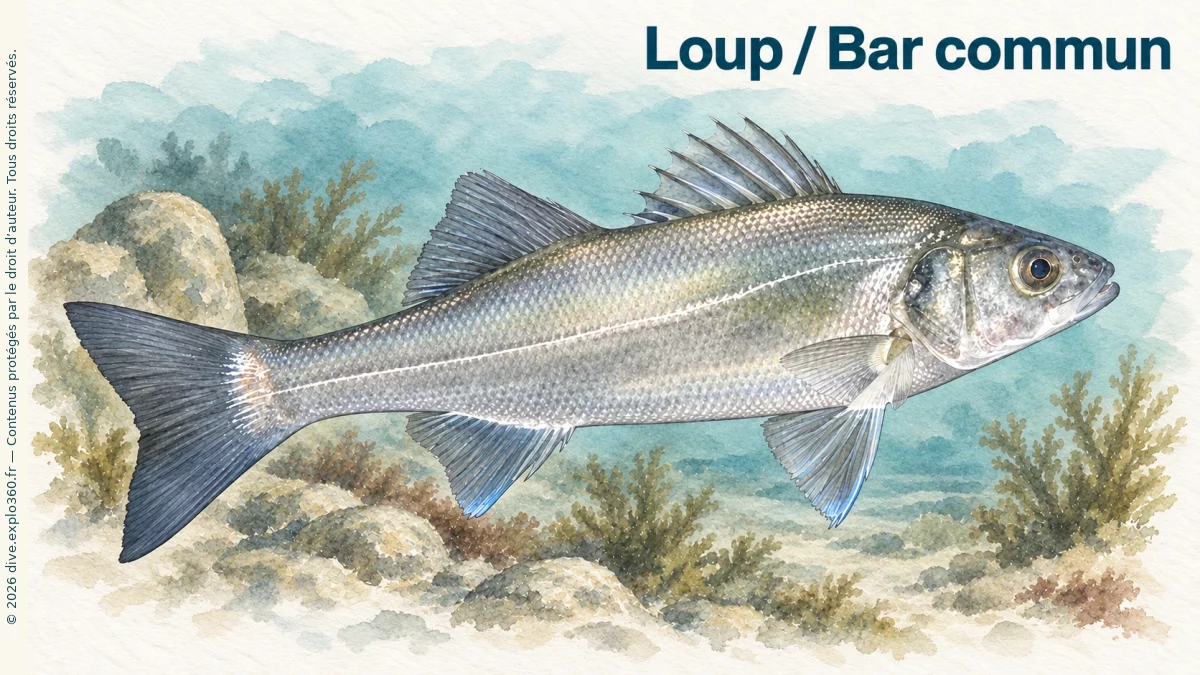 Species guidesEuropean seabassDiscover →
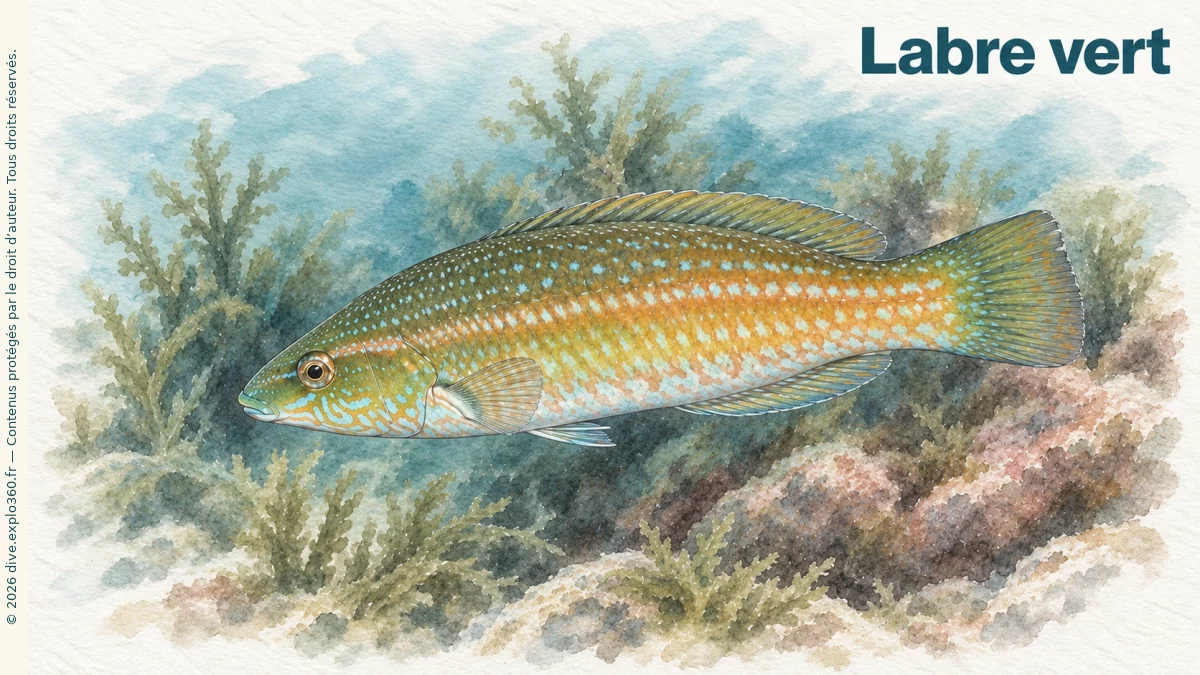 Species guidesGreen wrasseDiscover →
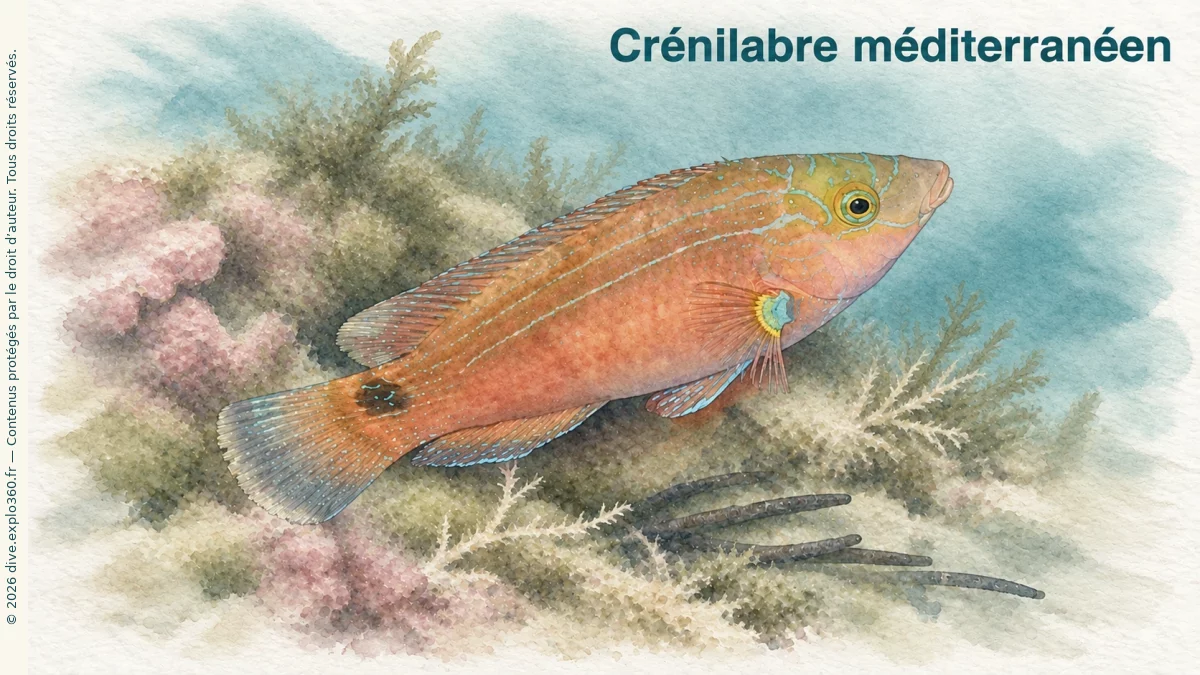 Species guidesAxillary wrasseDiscover →
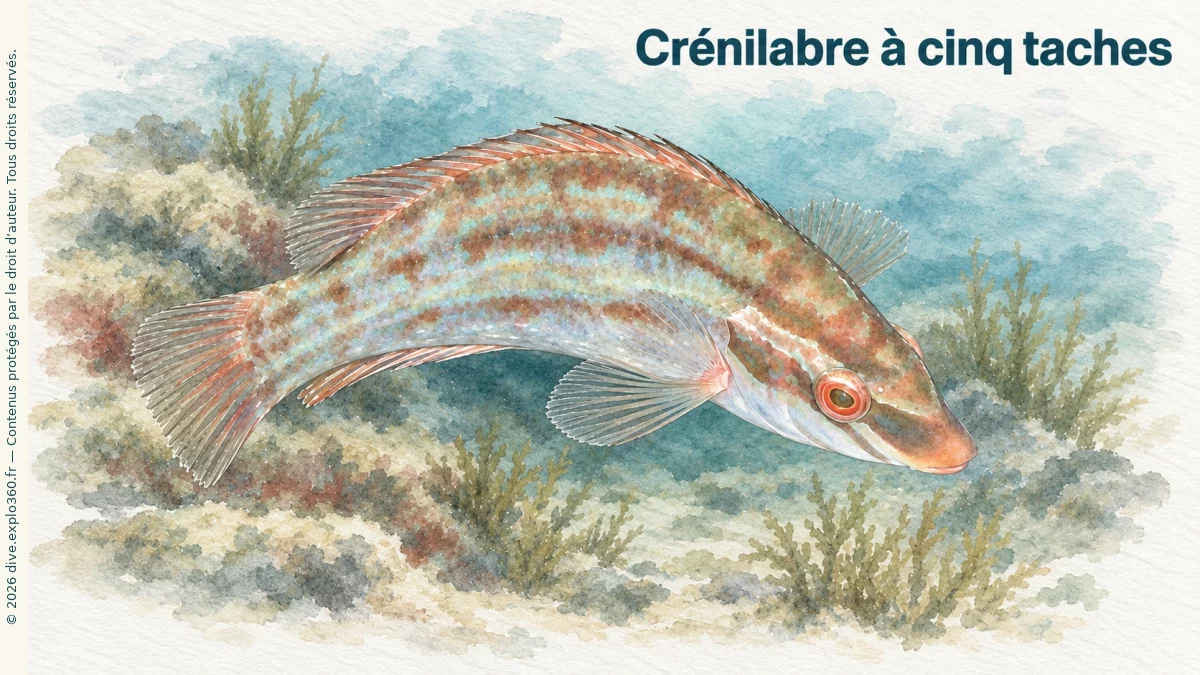 Species guidesFive-spotted wrasseDiscover →
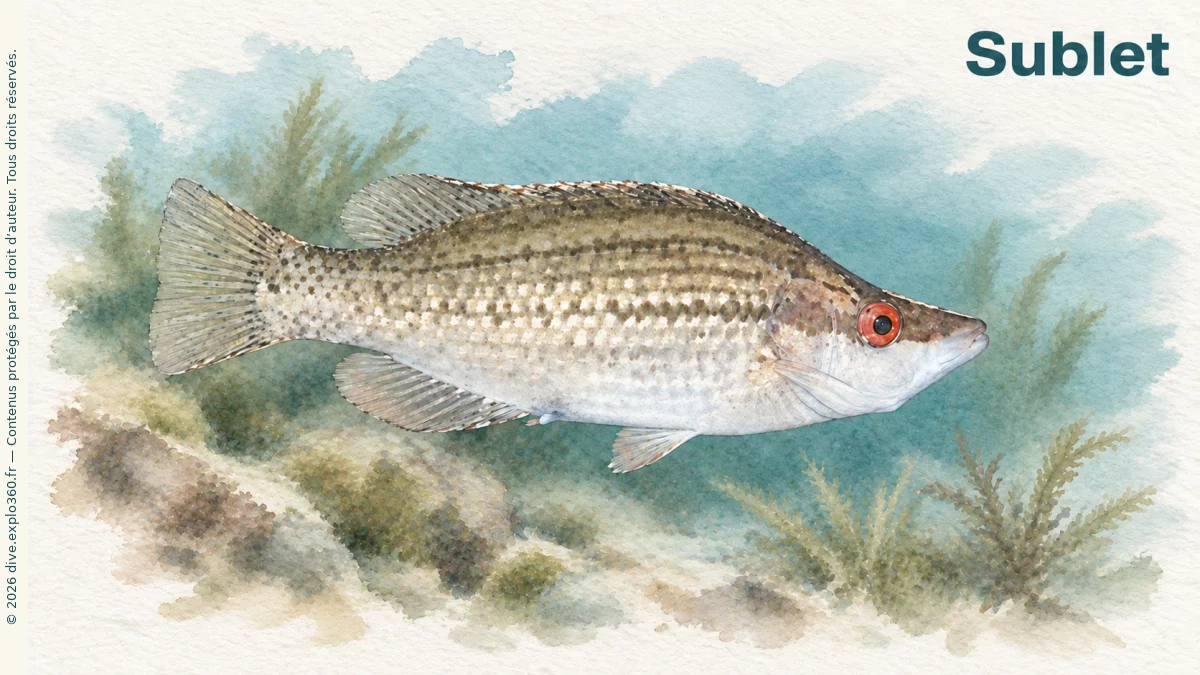 Species guidesLong-snouted wrasseDiscover →
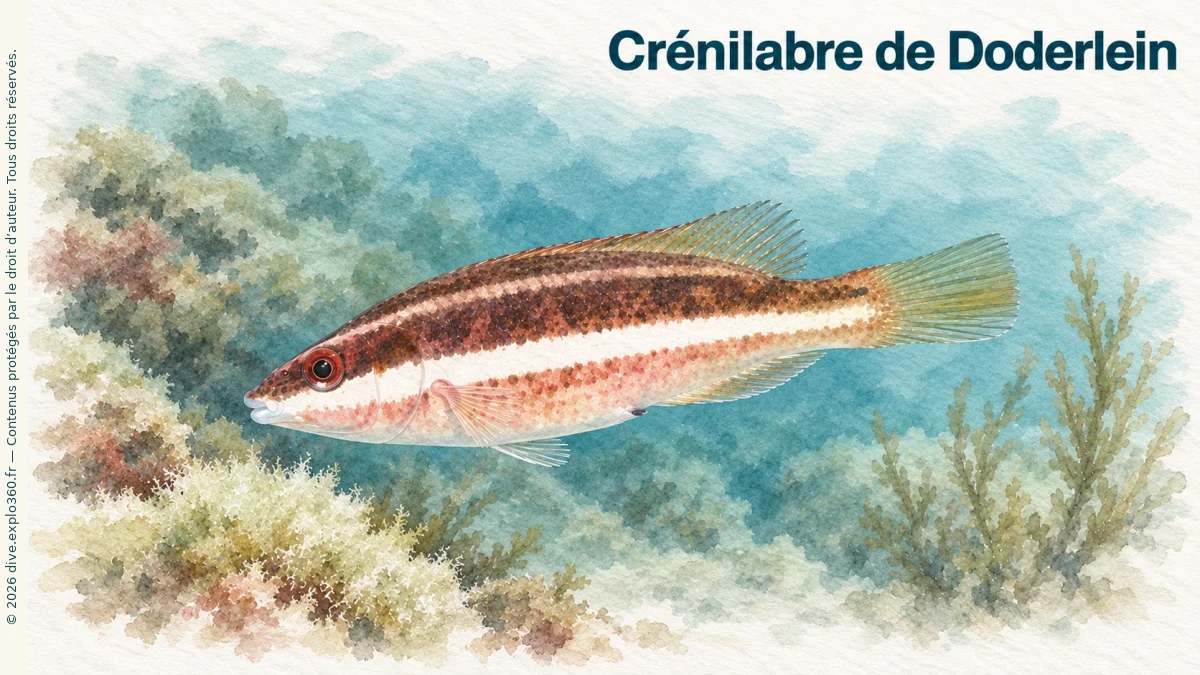 Species guidesLong-striped wrasseDiscover →
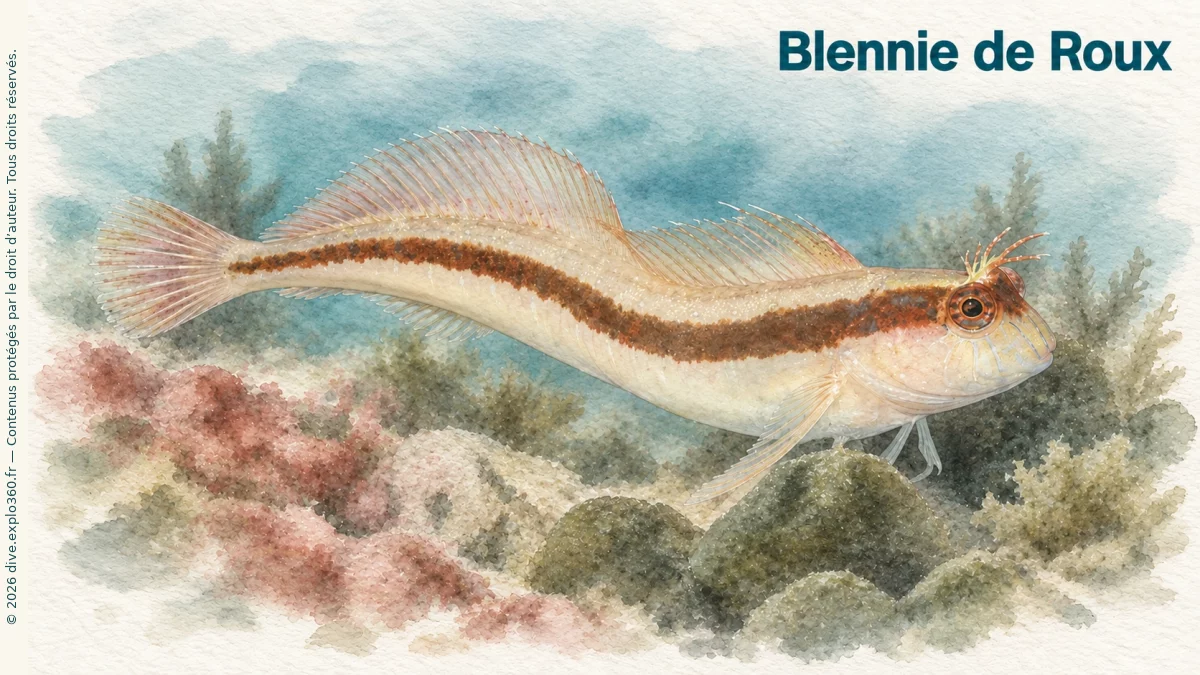 Species guidesLong-striped blennyDiscover →
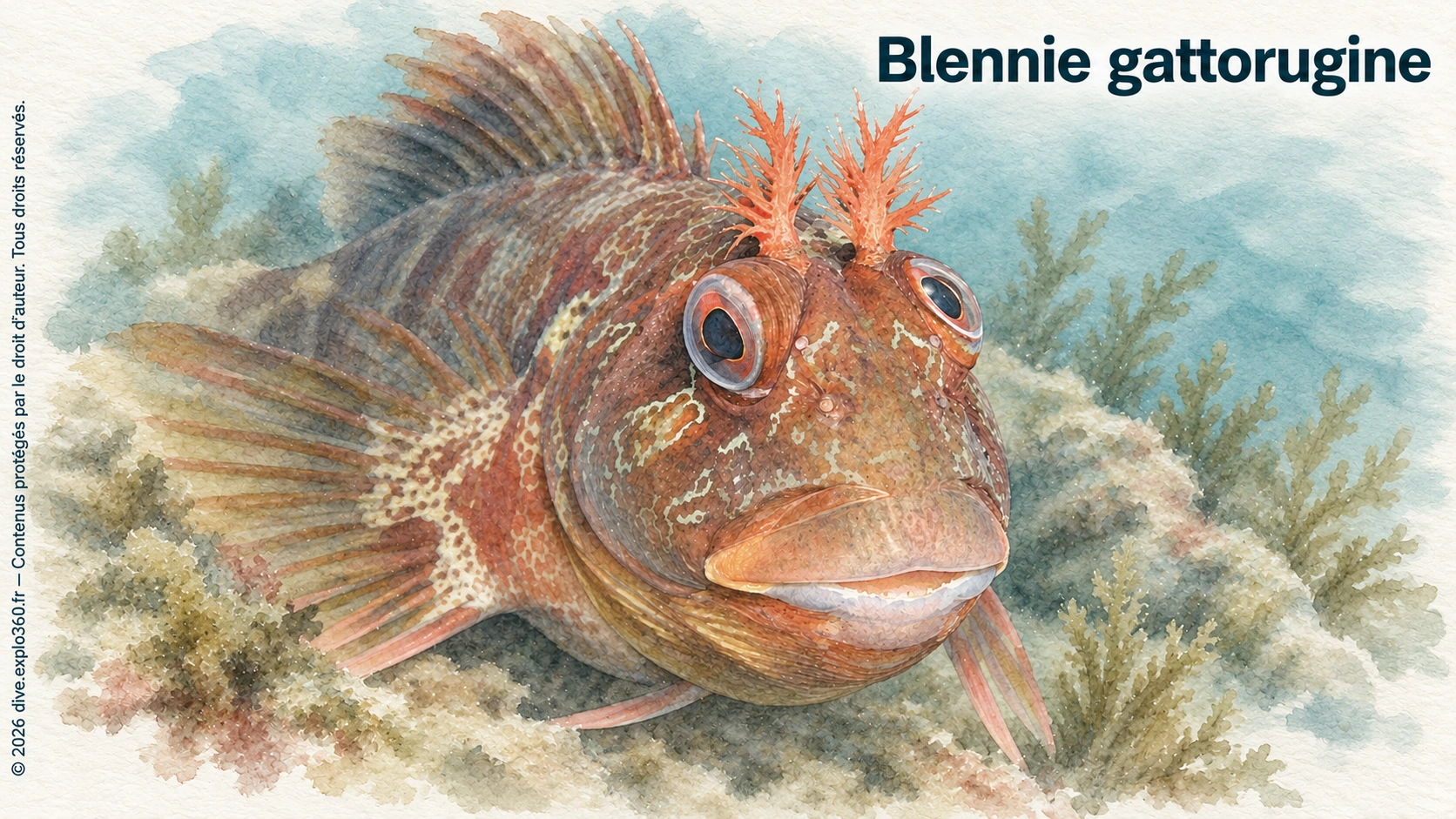 Species guidesTompot blennyDiscover →
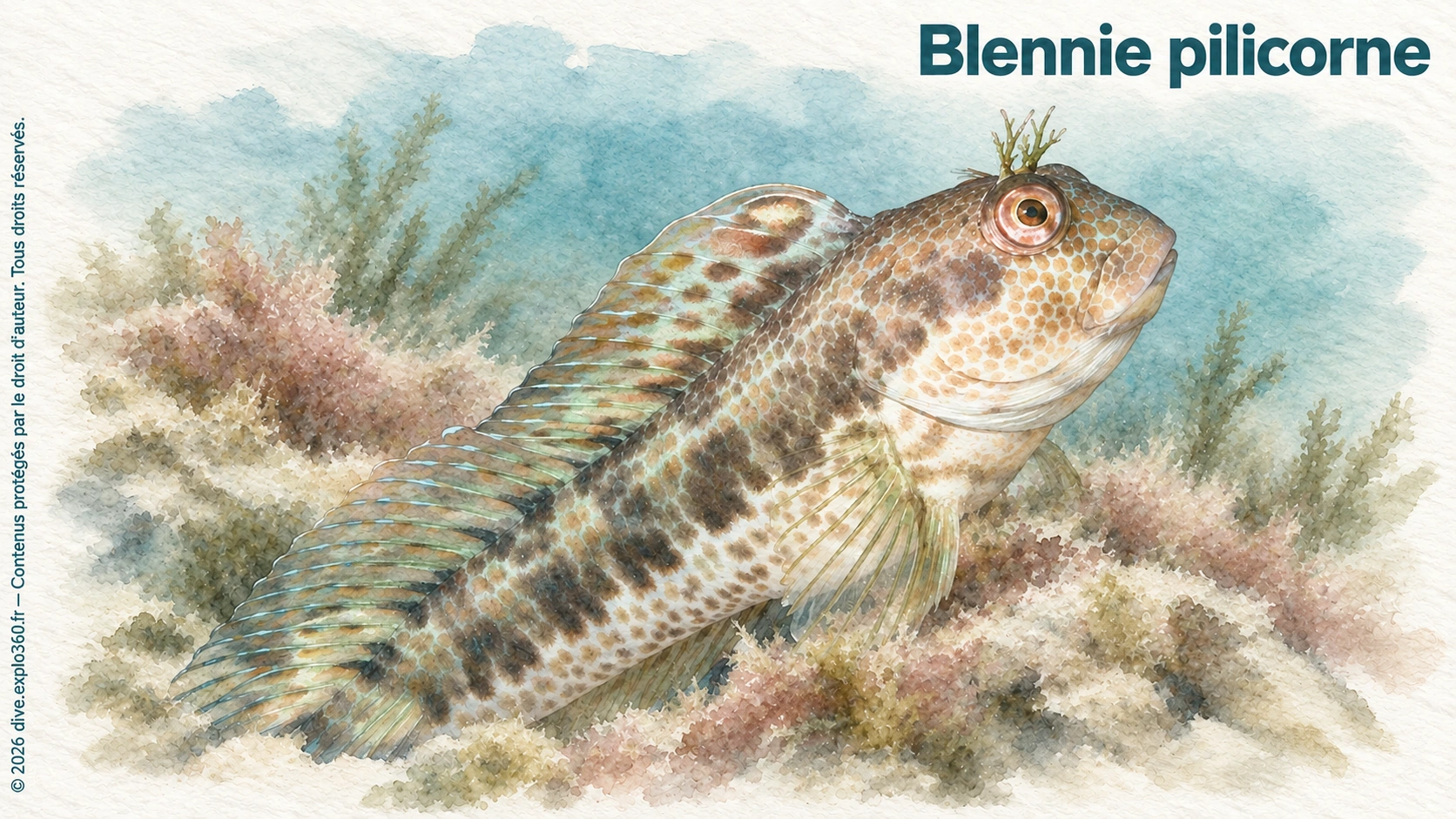 Species guidesRingneck blennyDiscover →
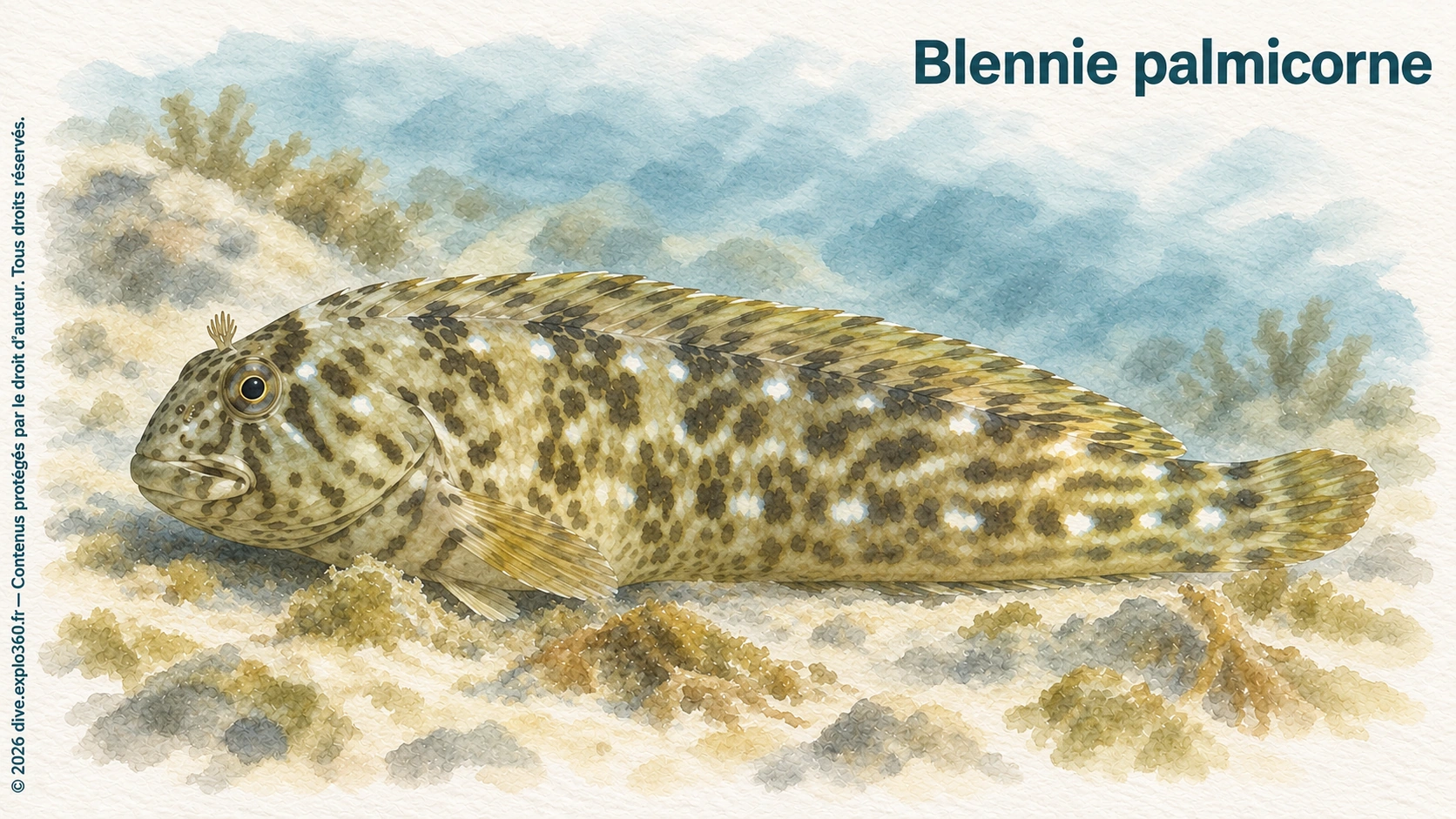 Species guidesRusty blennyDiscover →
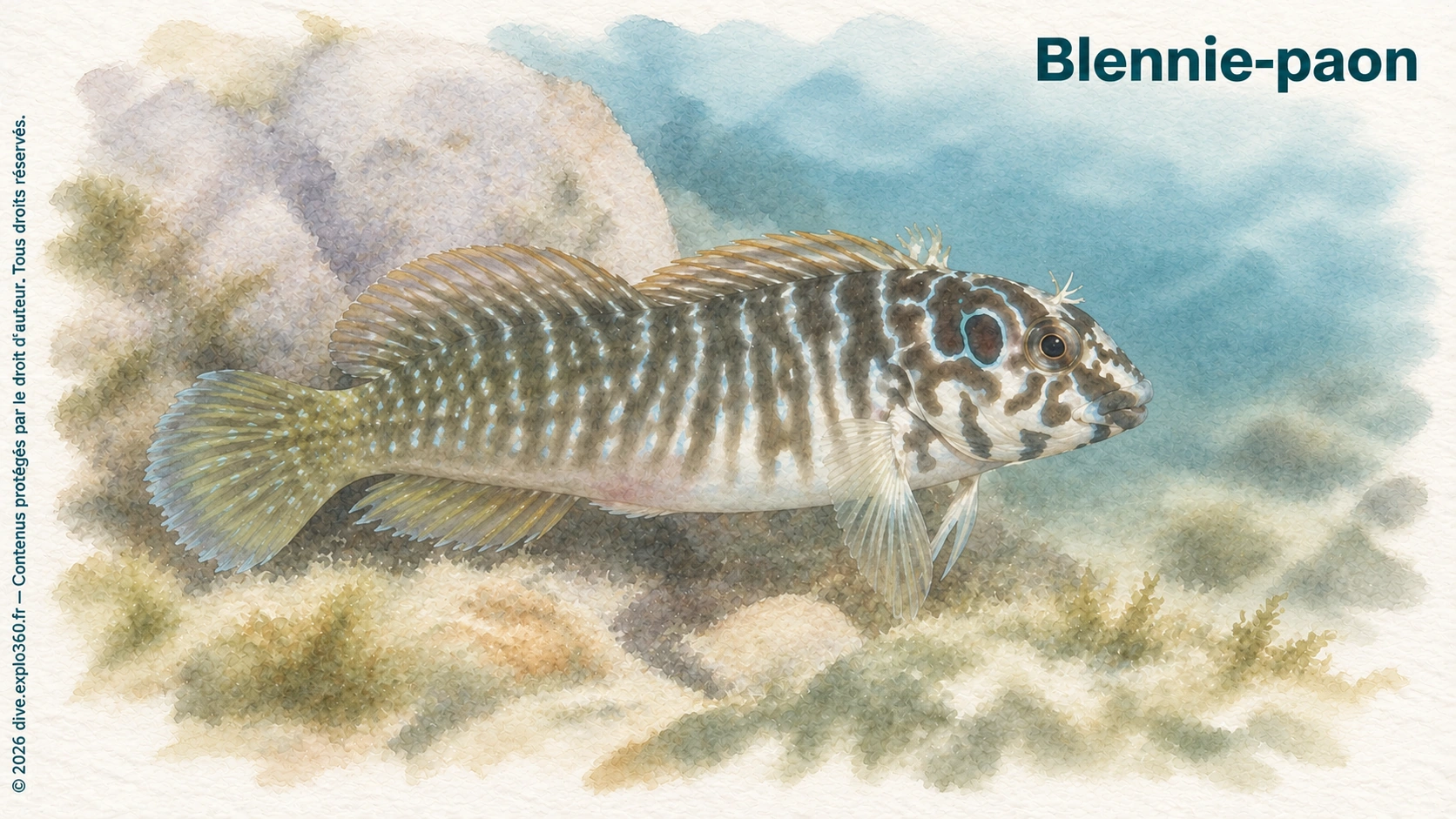 Species guidesPeacock blennyDiscover →
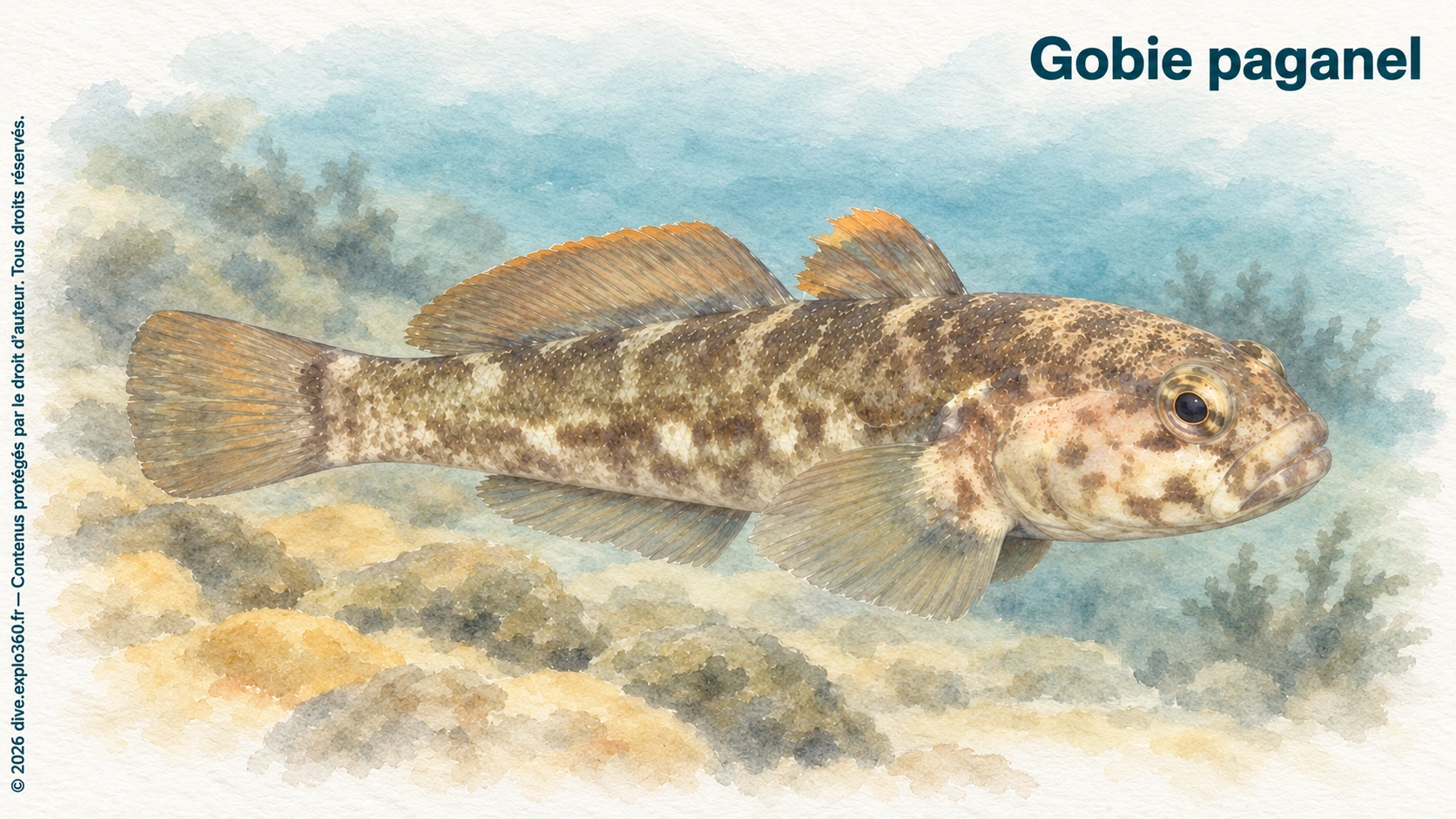 Species guidesRock gobyDiscover →
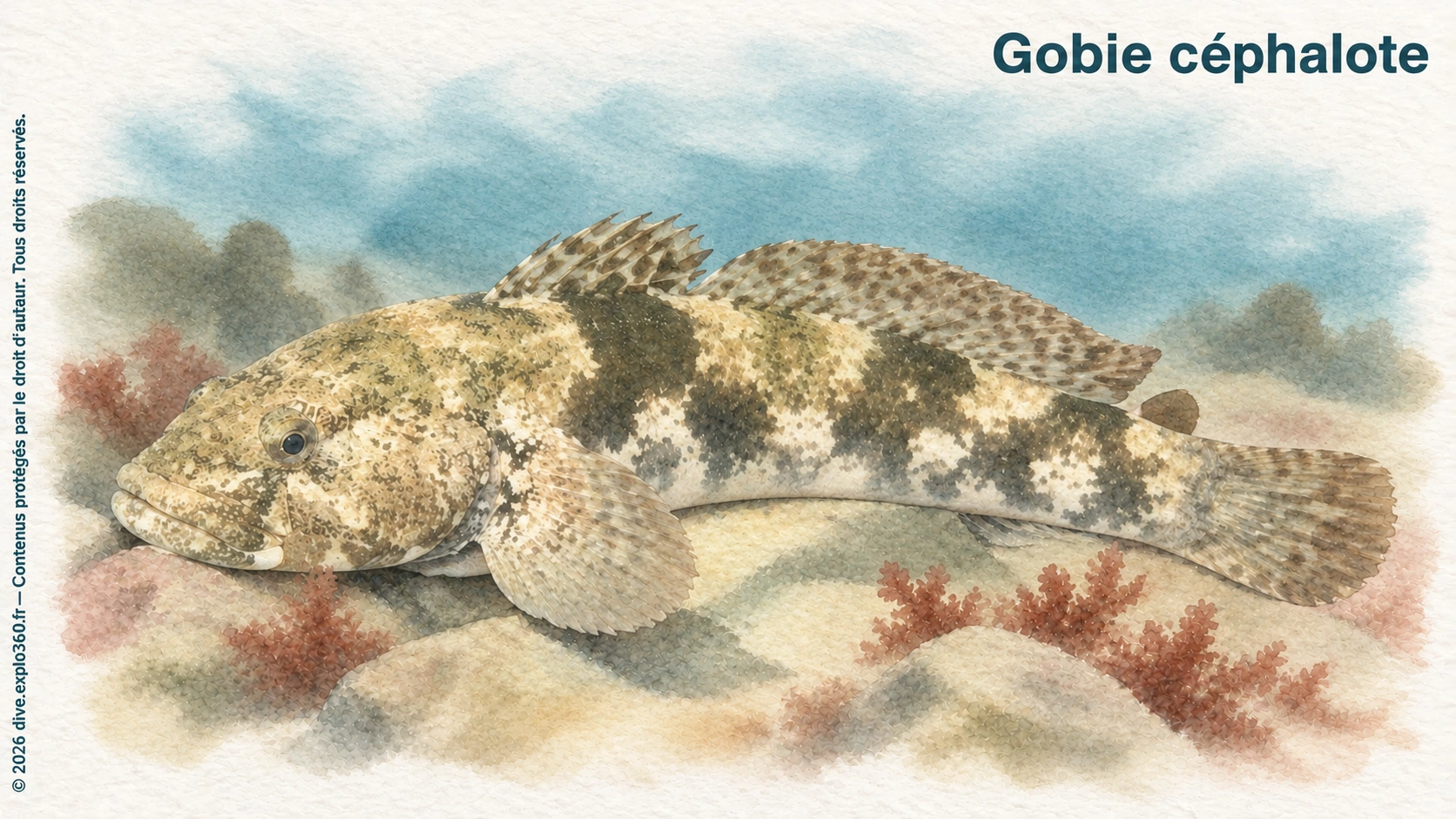 Species guidesGiant gobyDiscover →
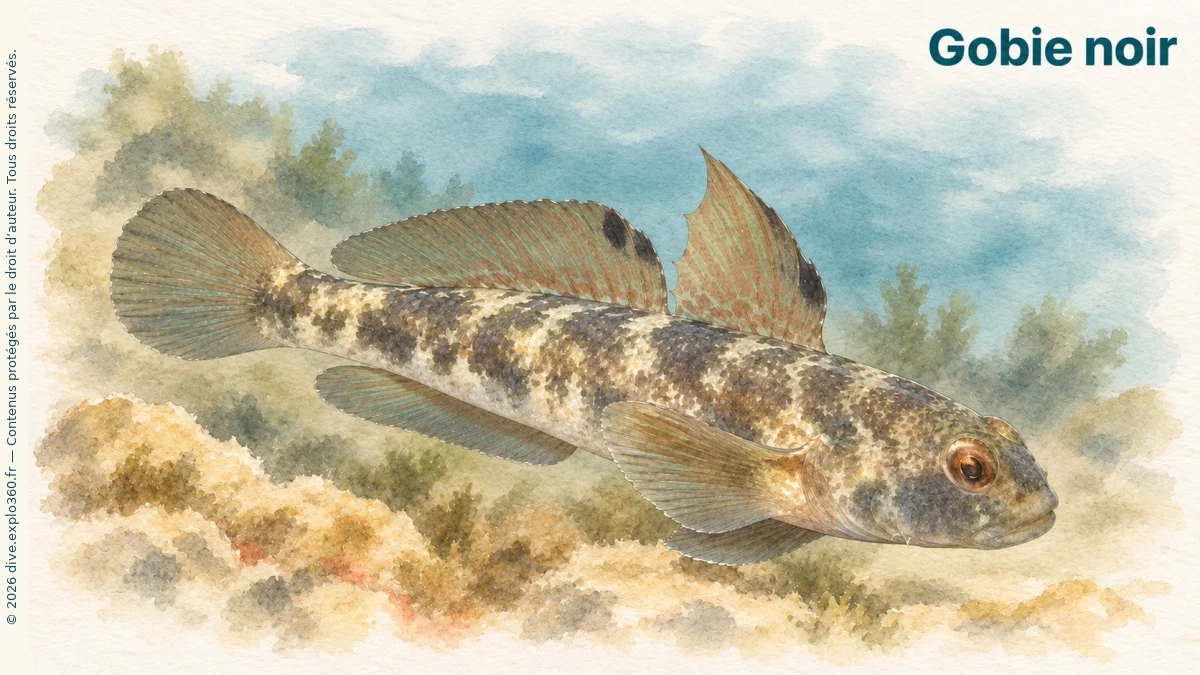 Species guidesBlack gobyDiscover →
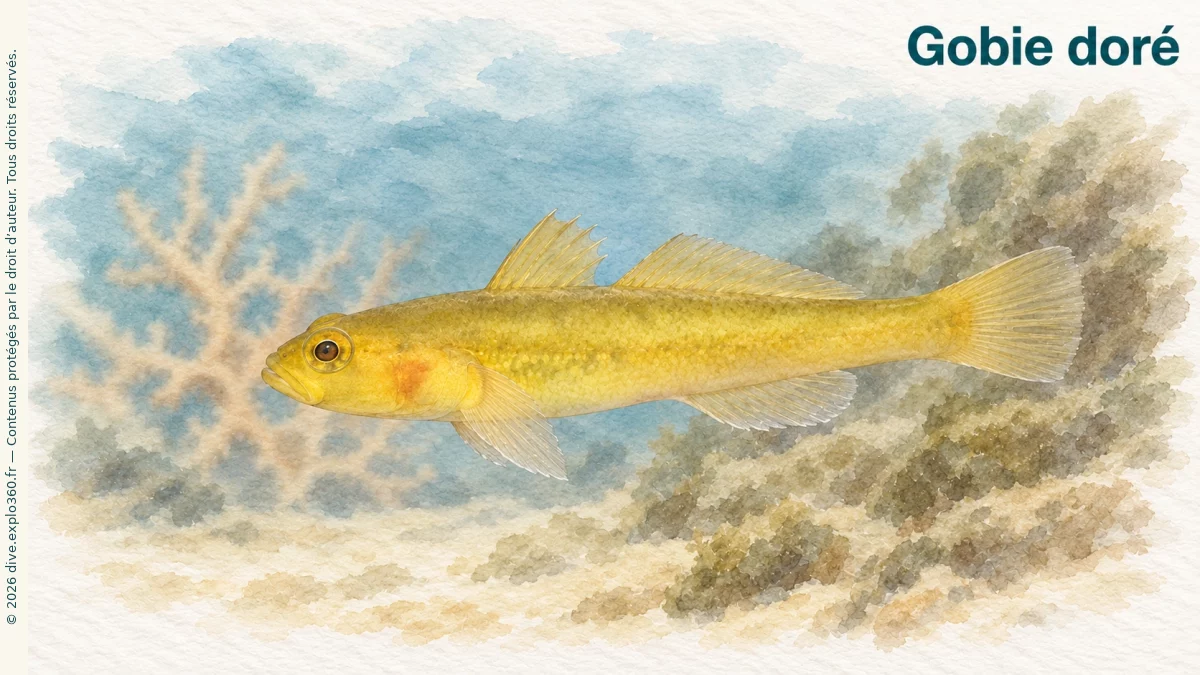 Species guidesGolden gobyDiscover →
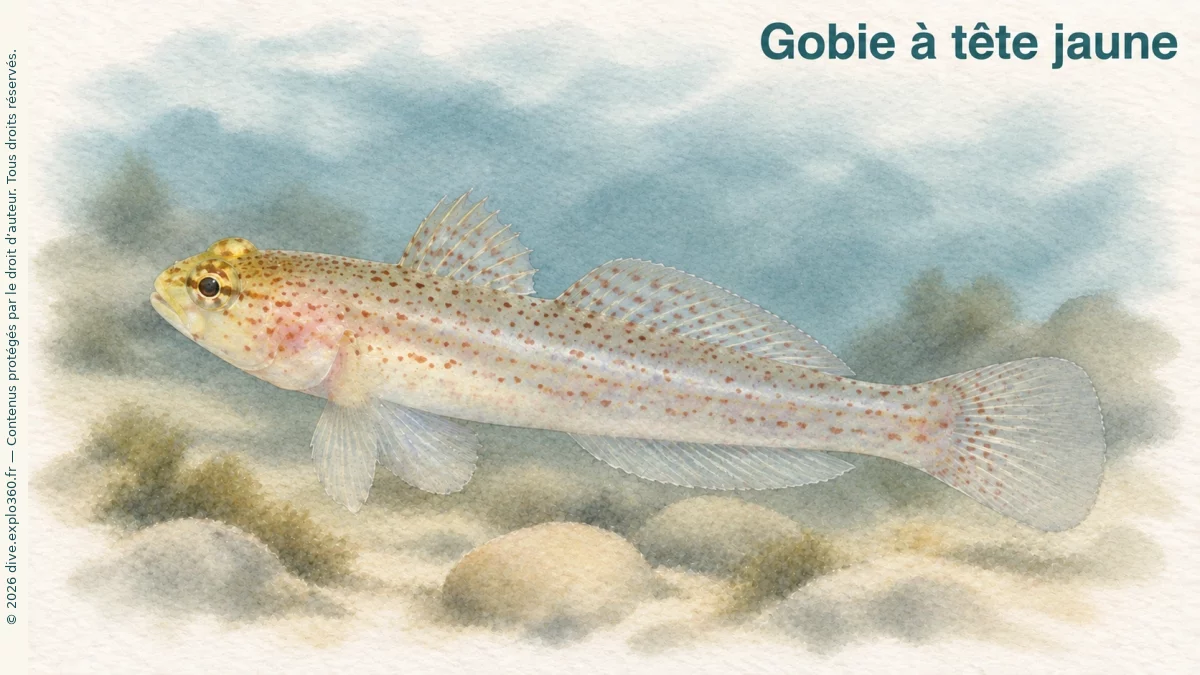 Species guidesYellow-headed gobyDiscover →
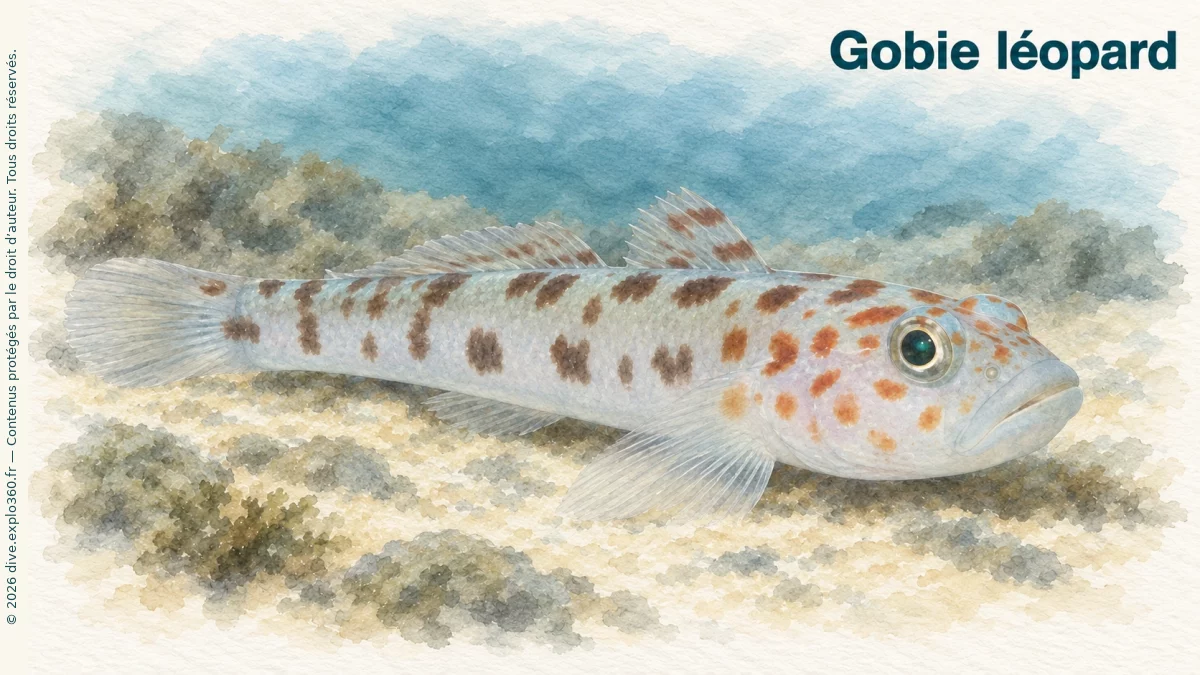 Species guidesLeopard-spotted gobyDiscover →
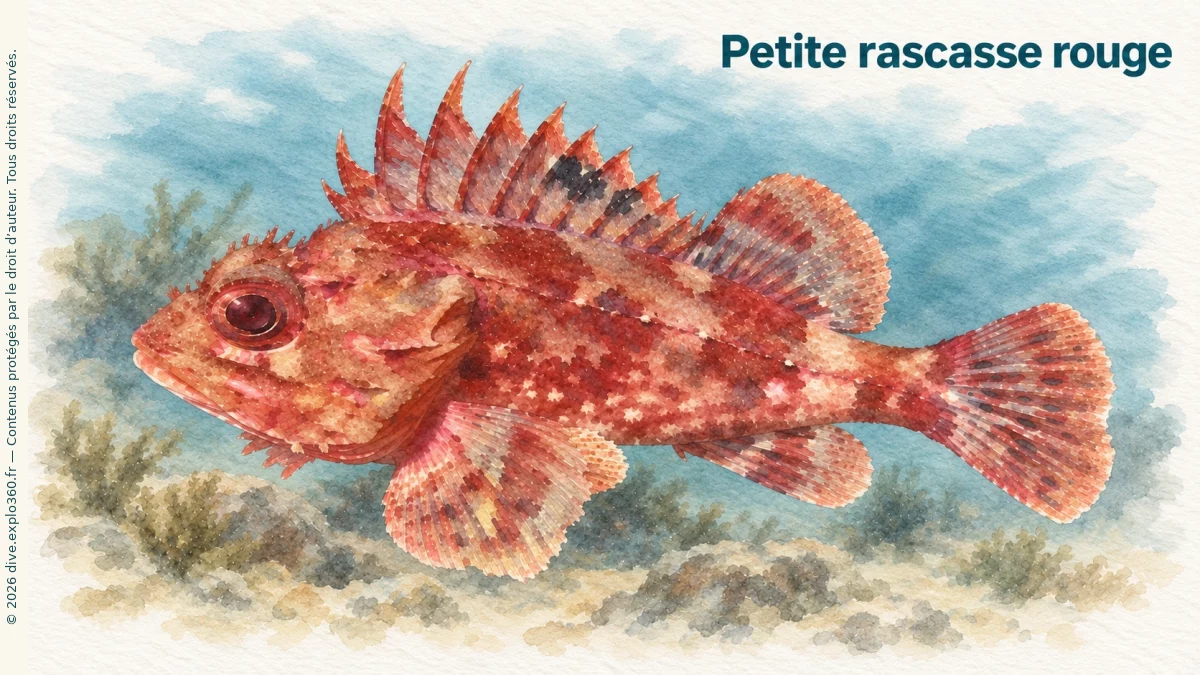 Species guidesSmall red scorpionfishDiscover →
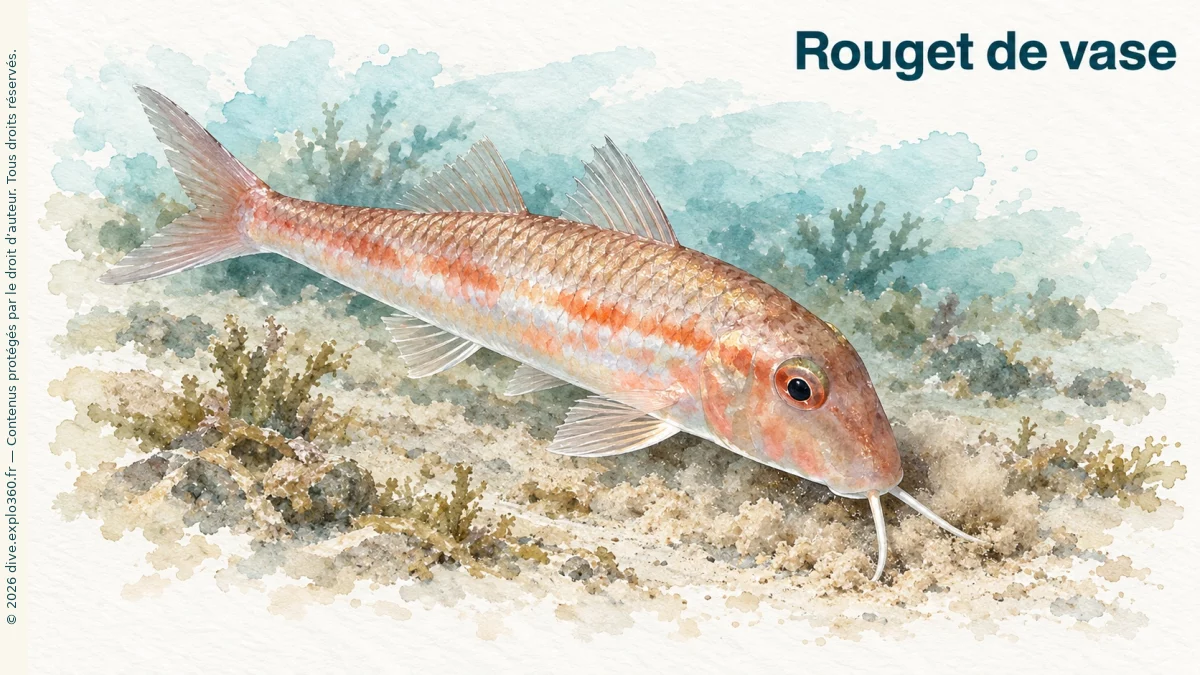 Species guidesRed mulletDiscover →
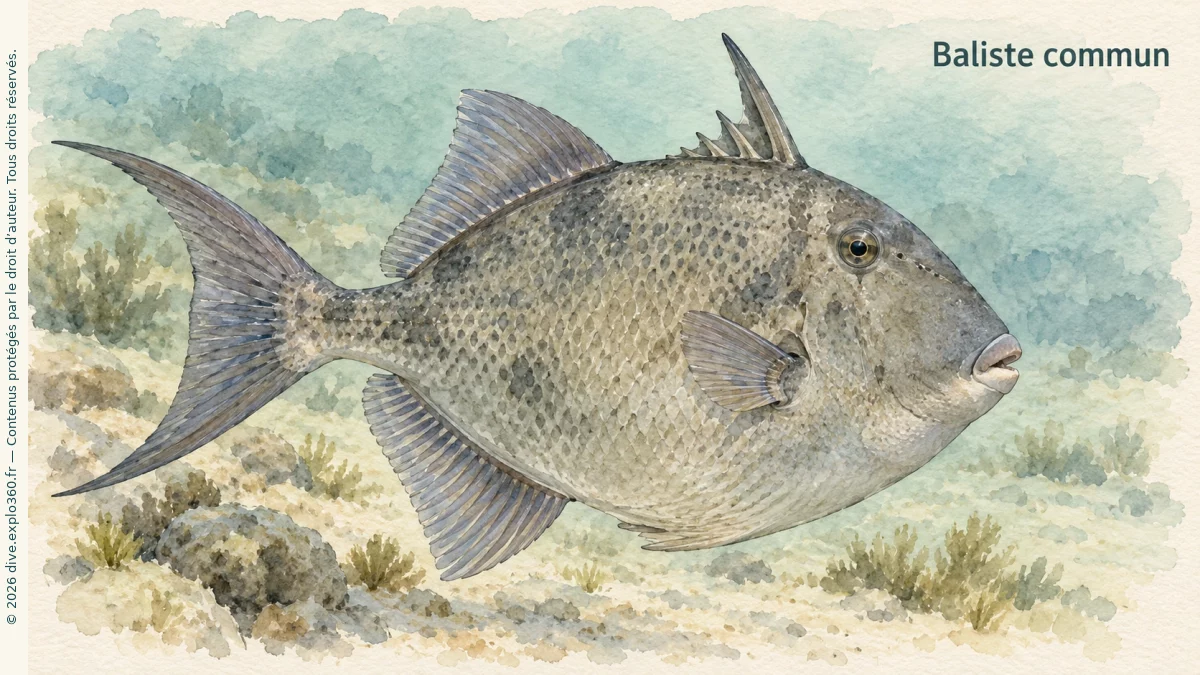 Species guidesGrey triggerfishDiscover →
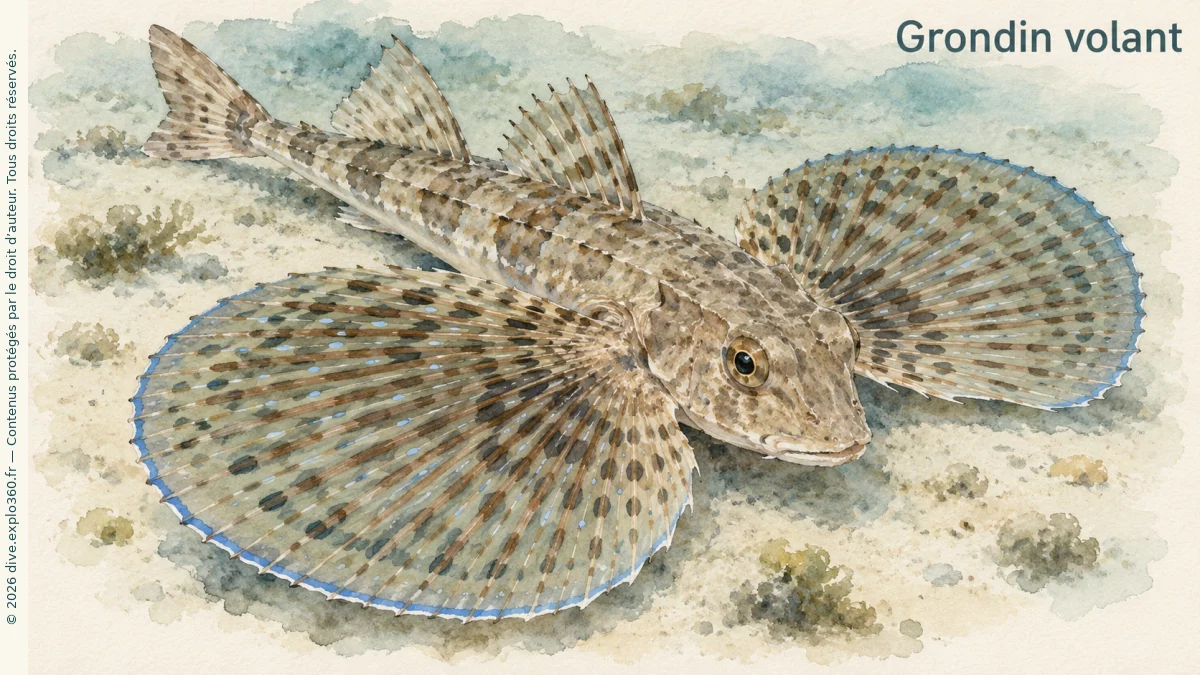 Species guidesFlying gurnardDiscover →
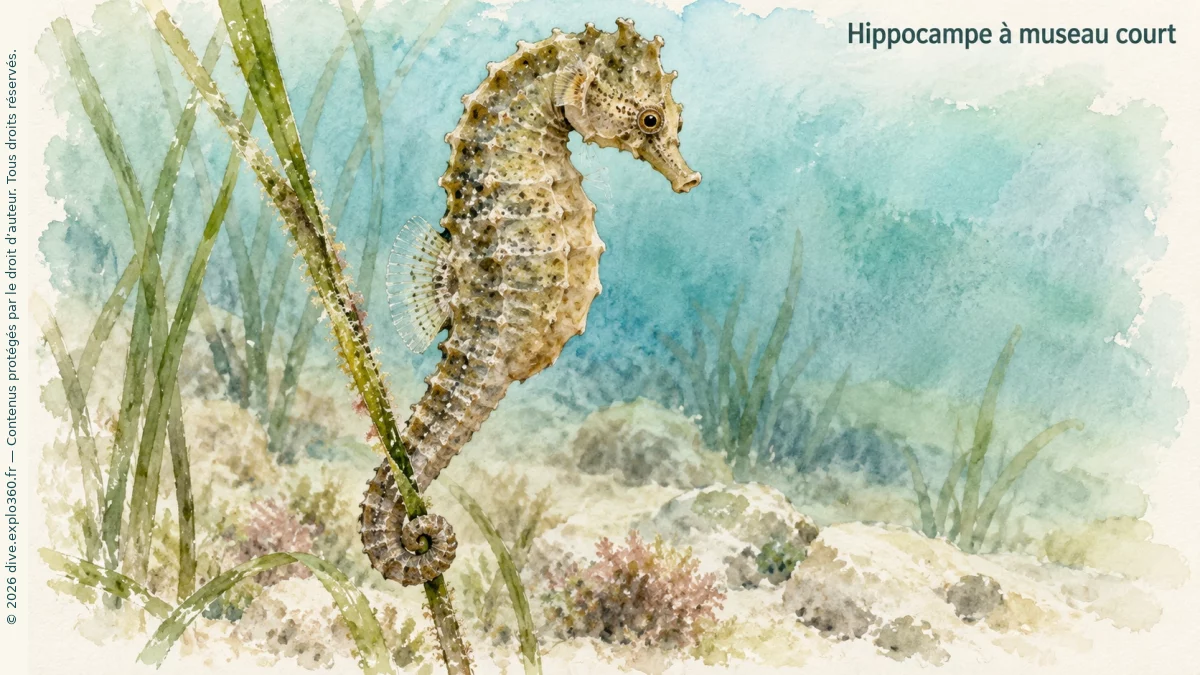 Species guidesShort-snouted seahorseDiscover →
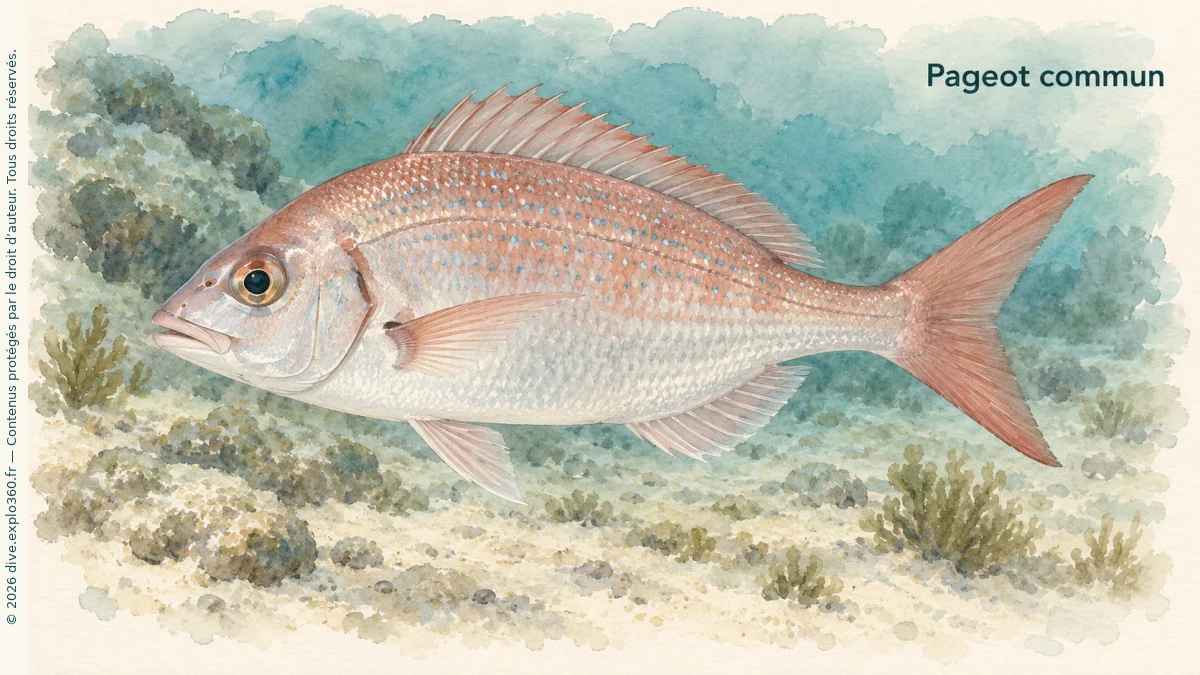 Species guidesCommon pandoraDiscover →
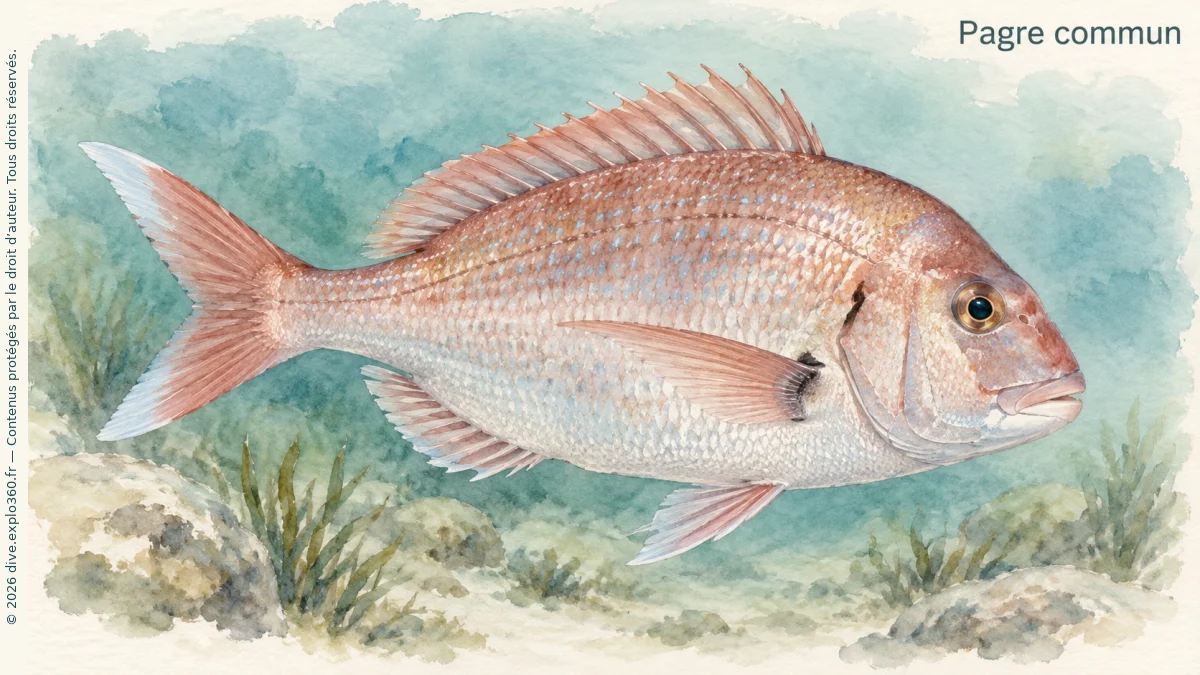 Species guidesRed porgyDiscover →
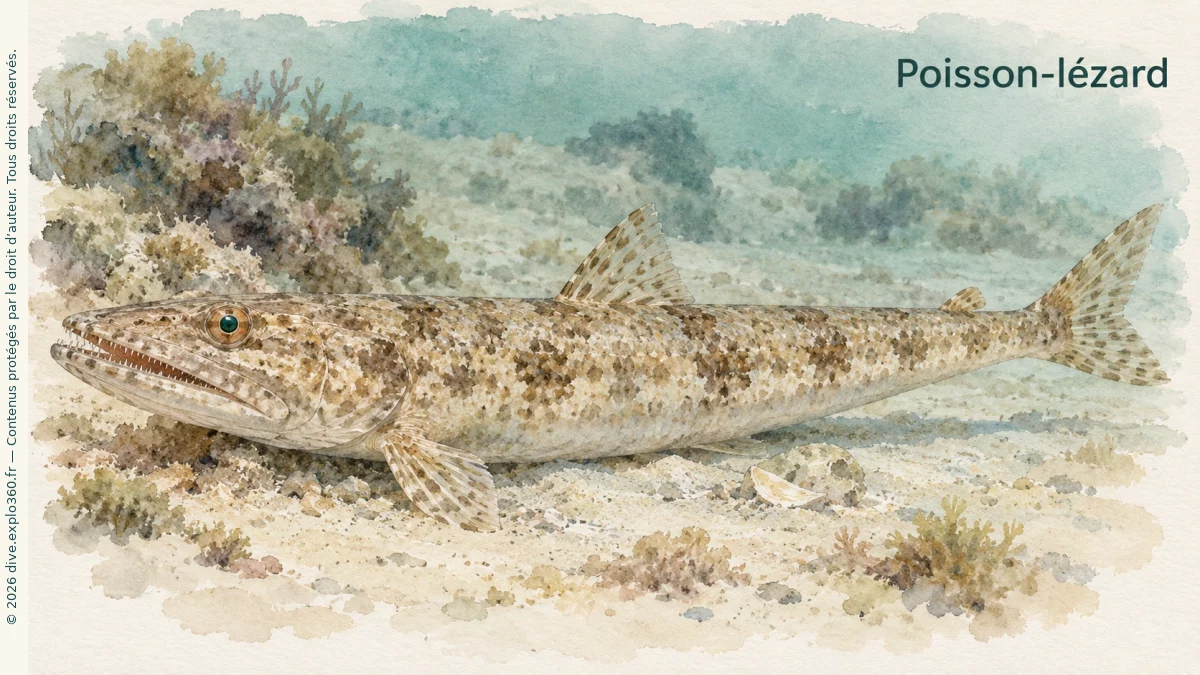 Species guidesAtlantic lizardfishDiscover →
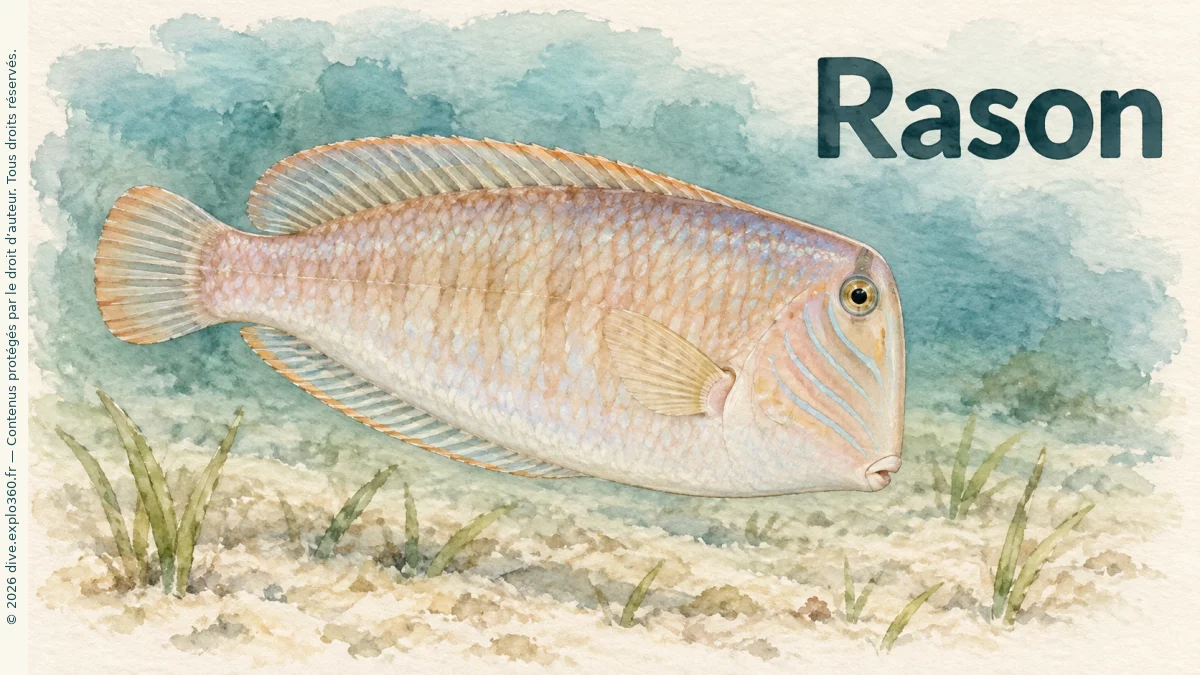 Species guidesPearly razorfishDiscover →
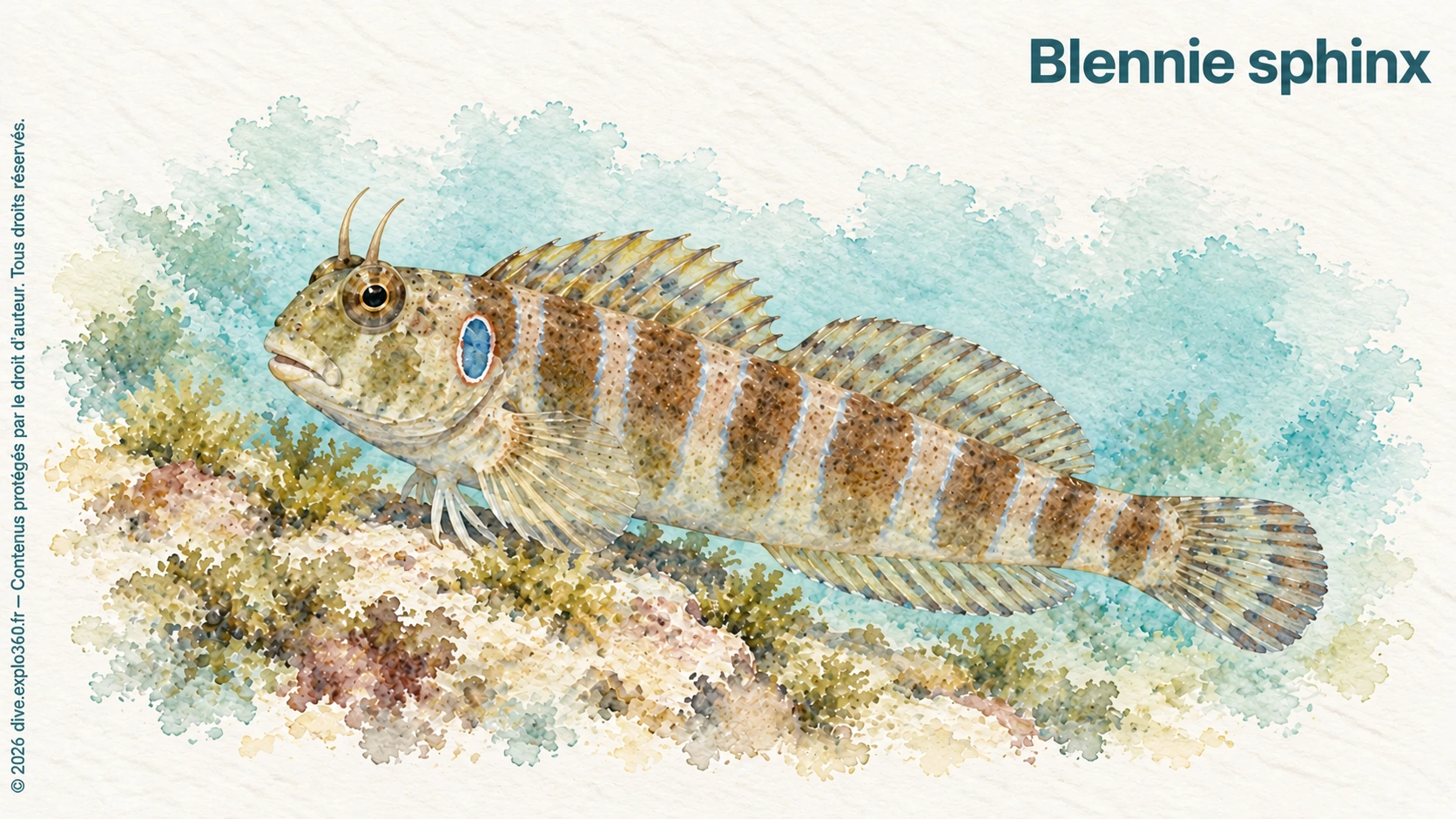 Species guidesSphinx blennyDiscover →
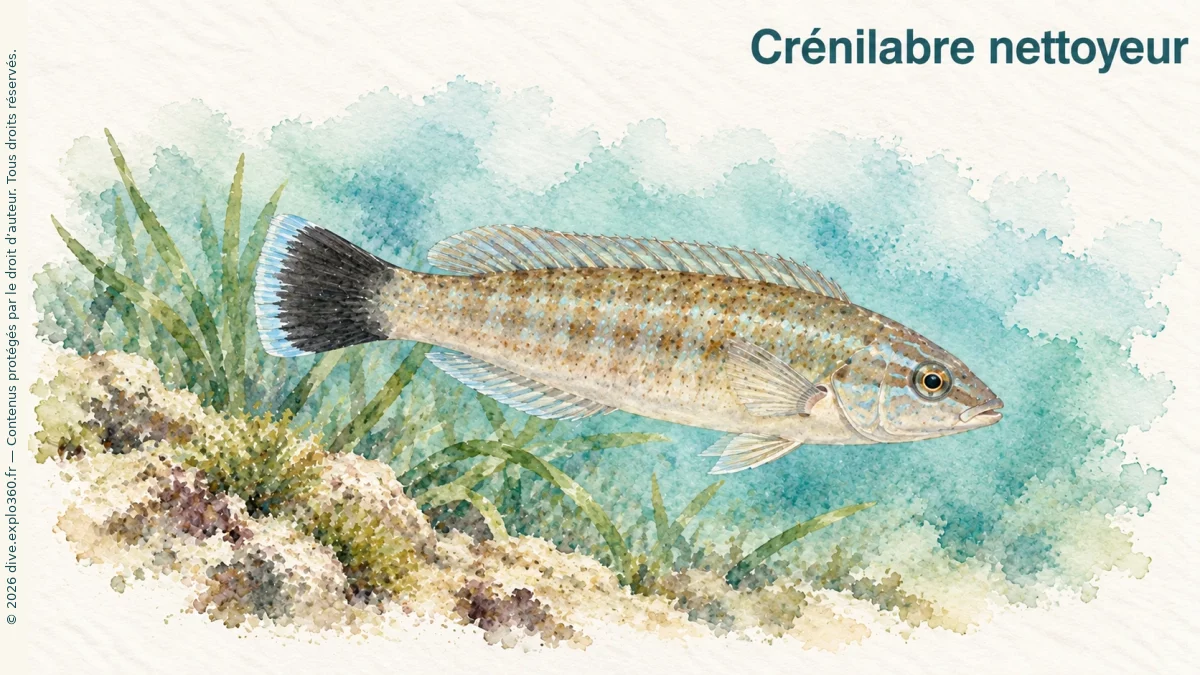 Species guidesBlack-tailed wrasseDiscover →
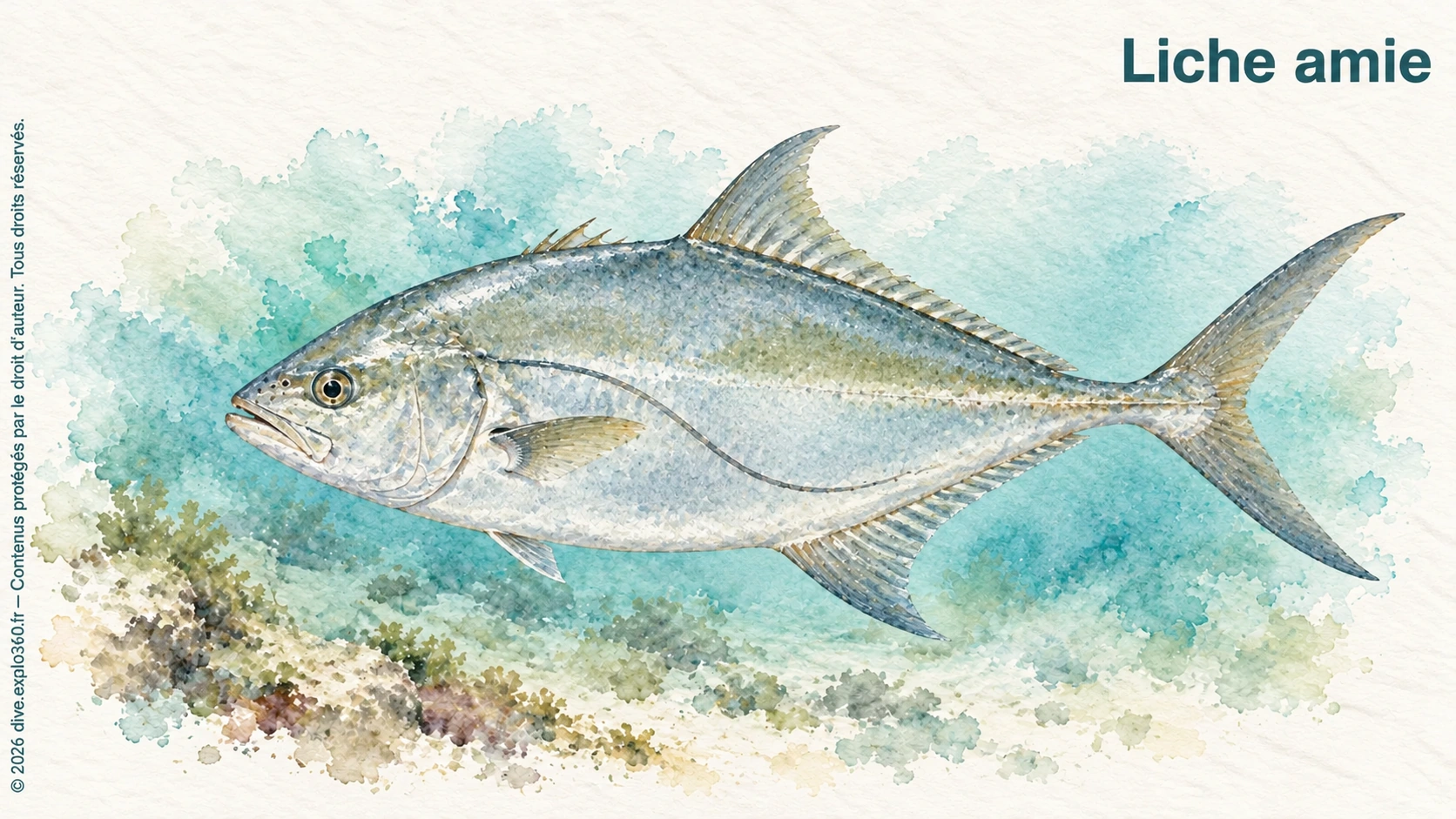 Species guidesLeerfishDiscover →
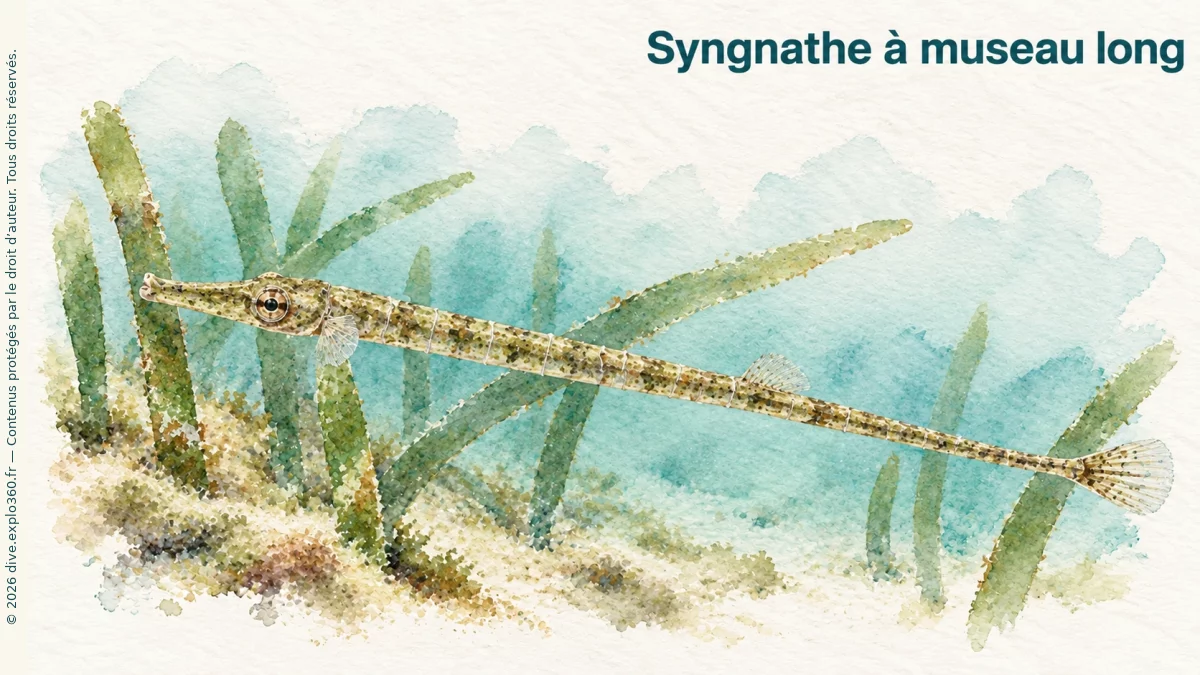 Species guidesBroad-nosed pipefishDiscover →
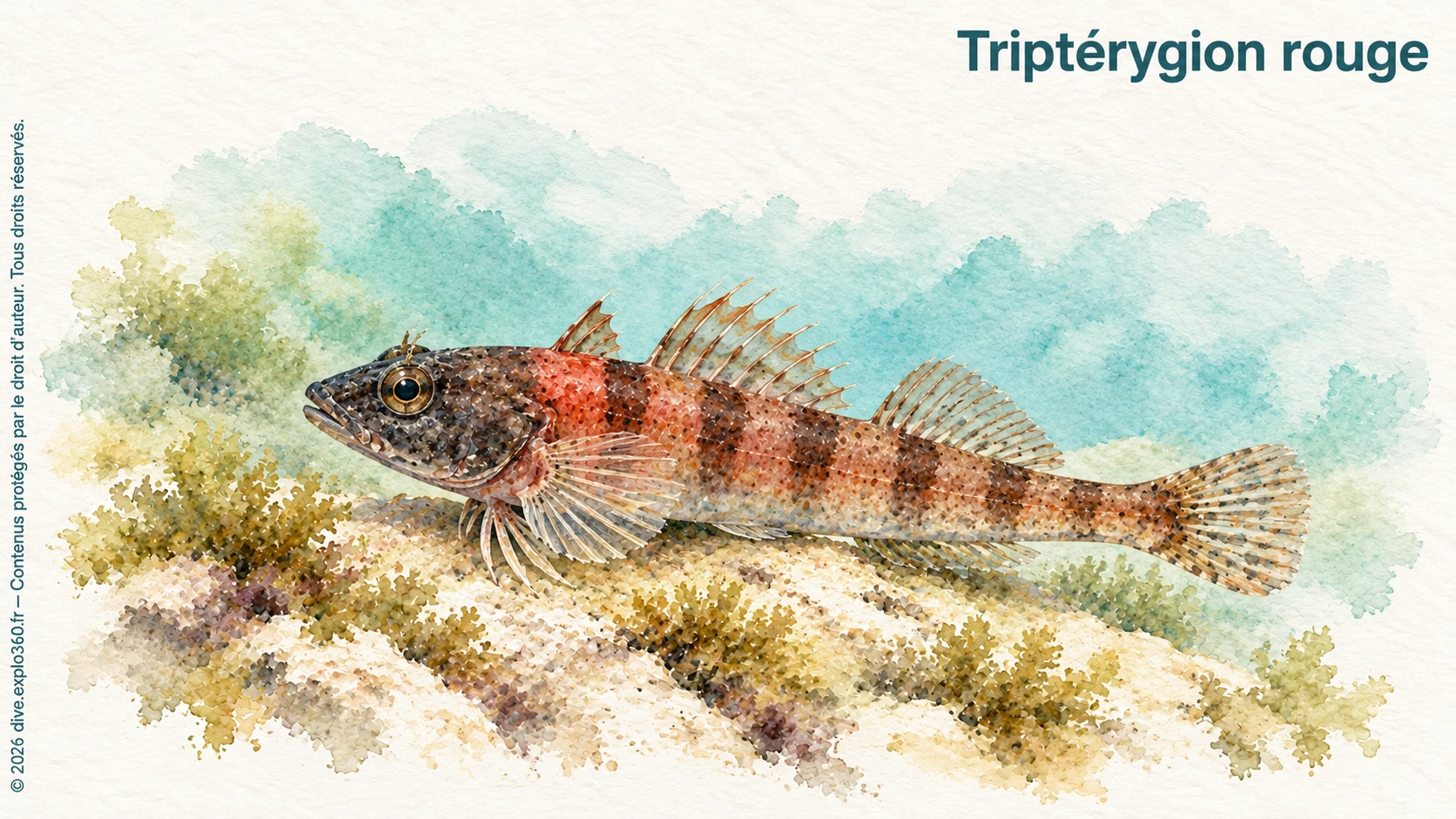 Species guidesRed-black triplefinDiscover →
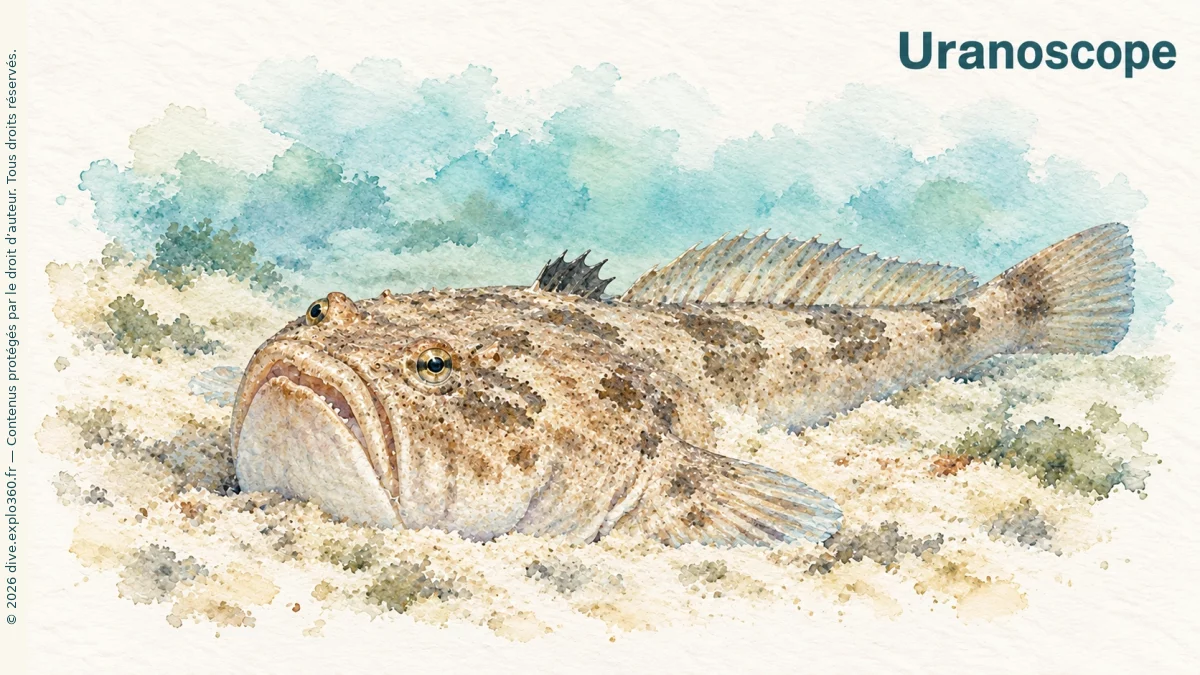 Species guidesAtlantic stargazerDiscover →
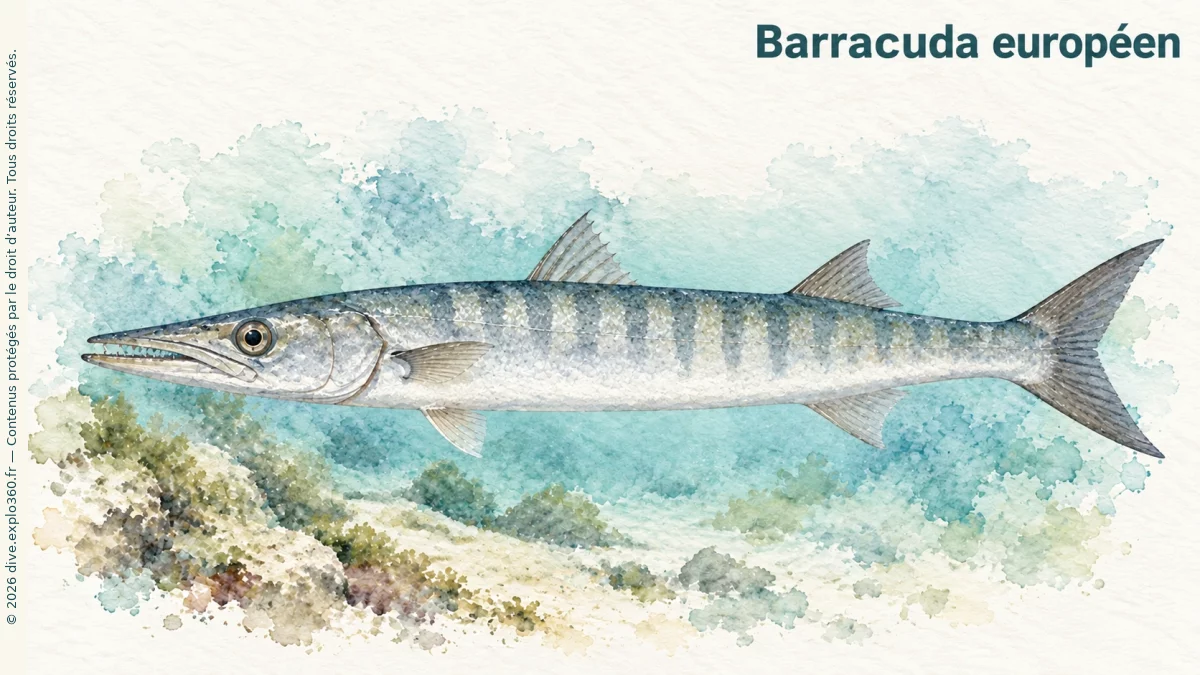 Species guidesEuropean barracudaDiscover →
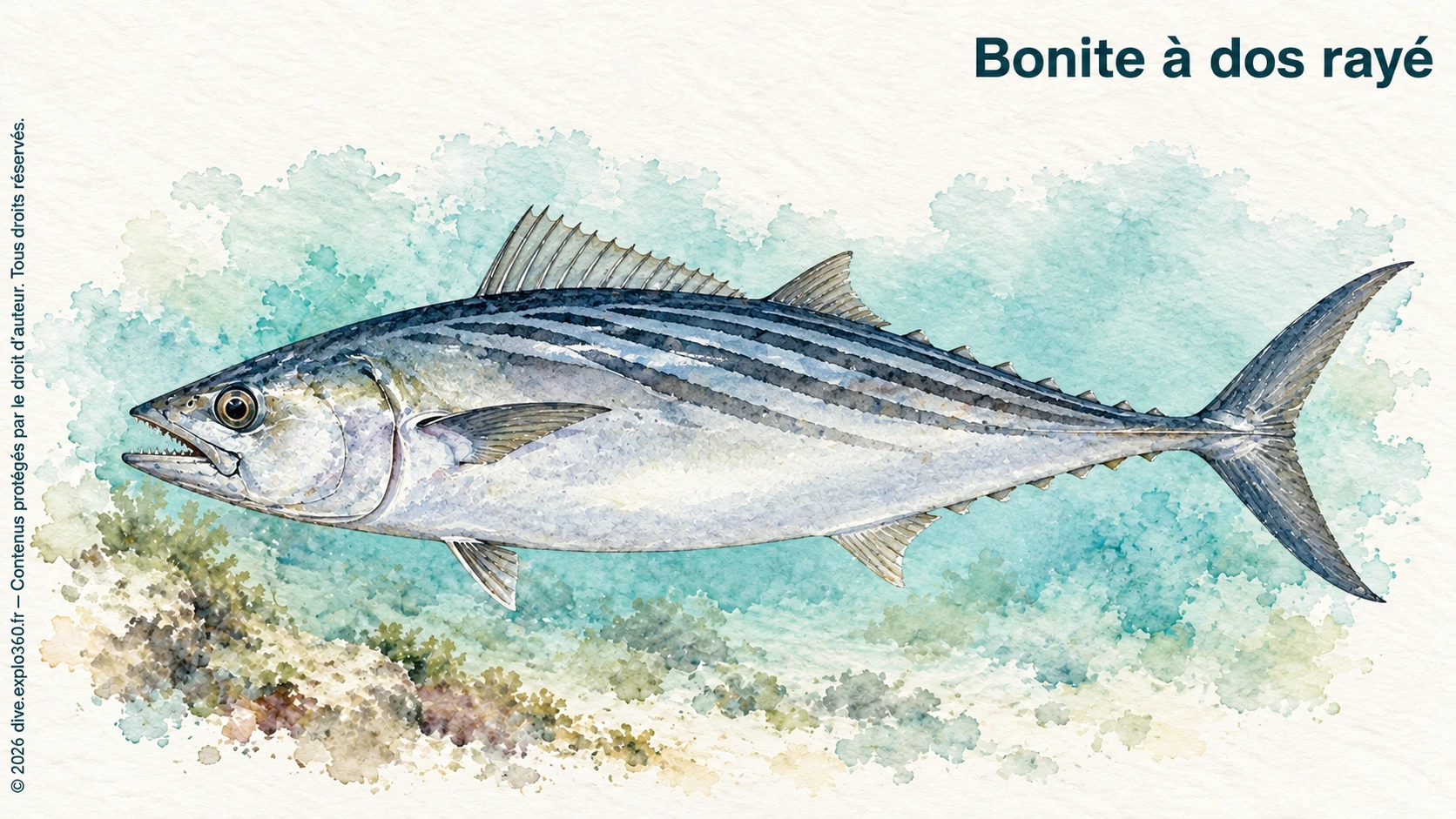 Species guidesAtlantic bonitoDiscover →
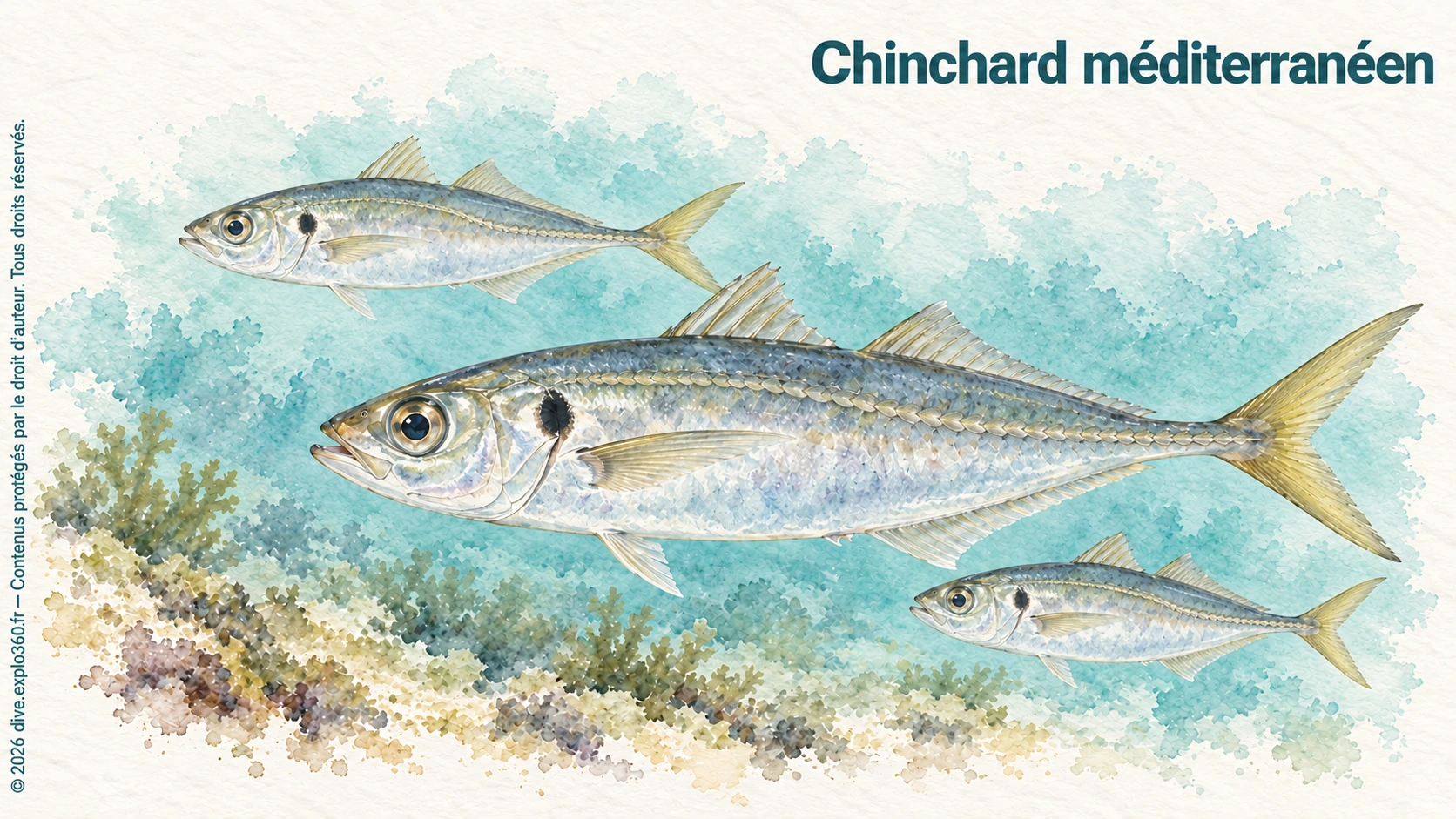 Species guidesMediterranean horse mackerelDiscover →
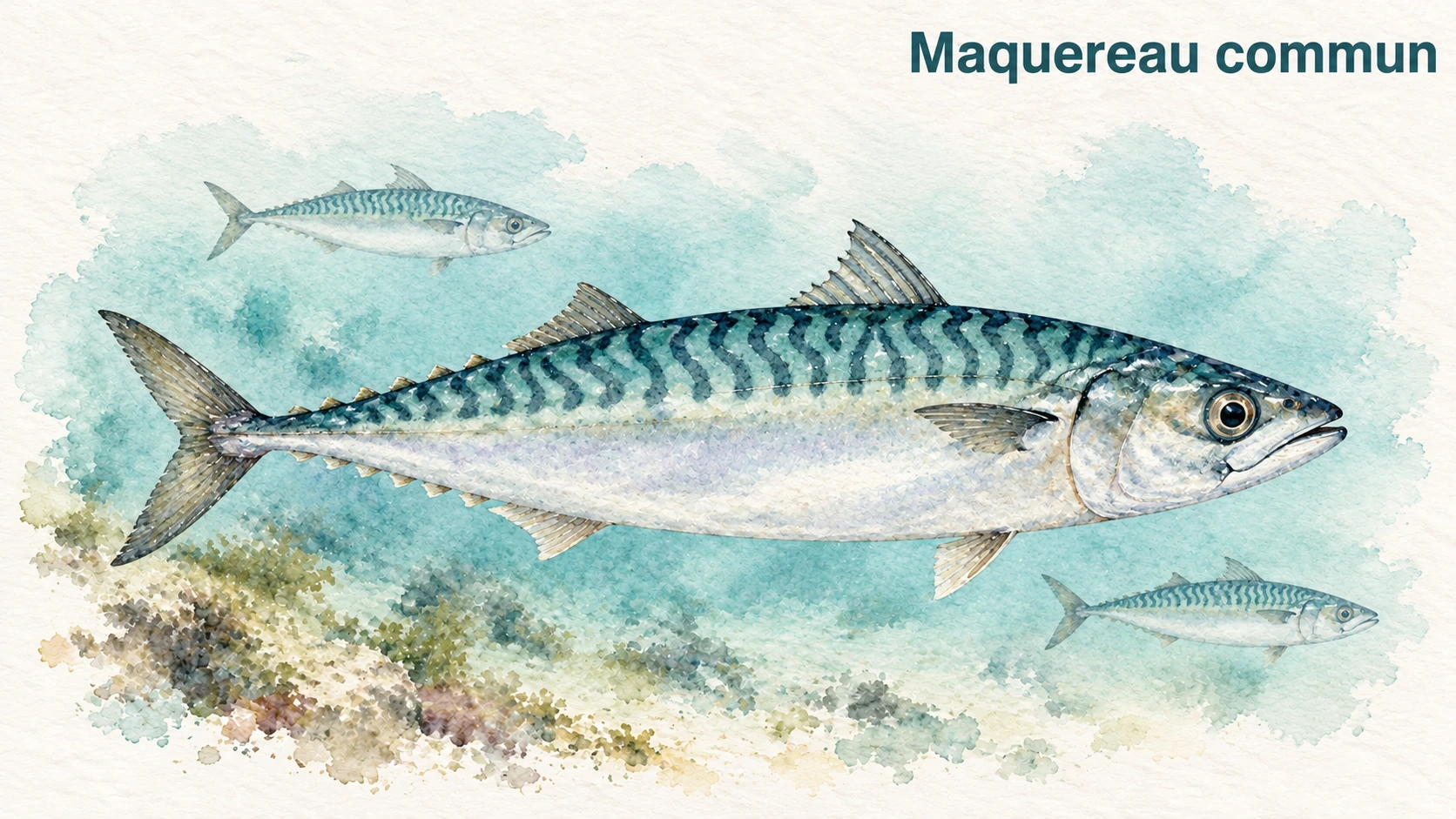 Species guidesAtlantic mackerelDiscover →
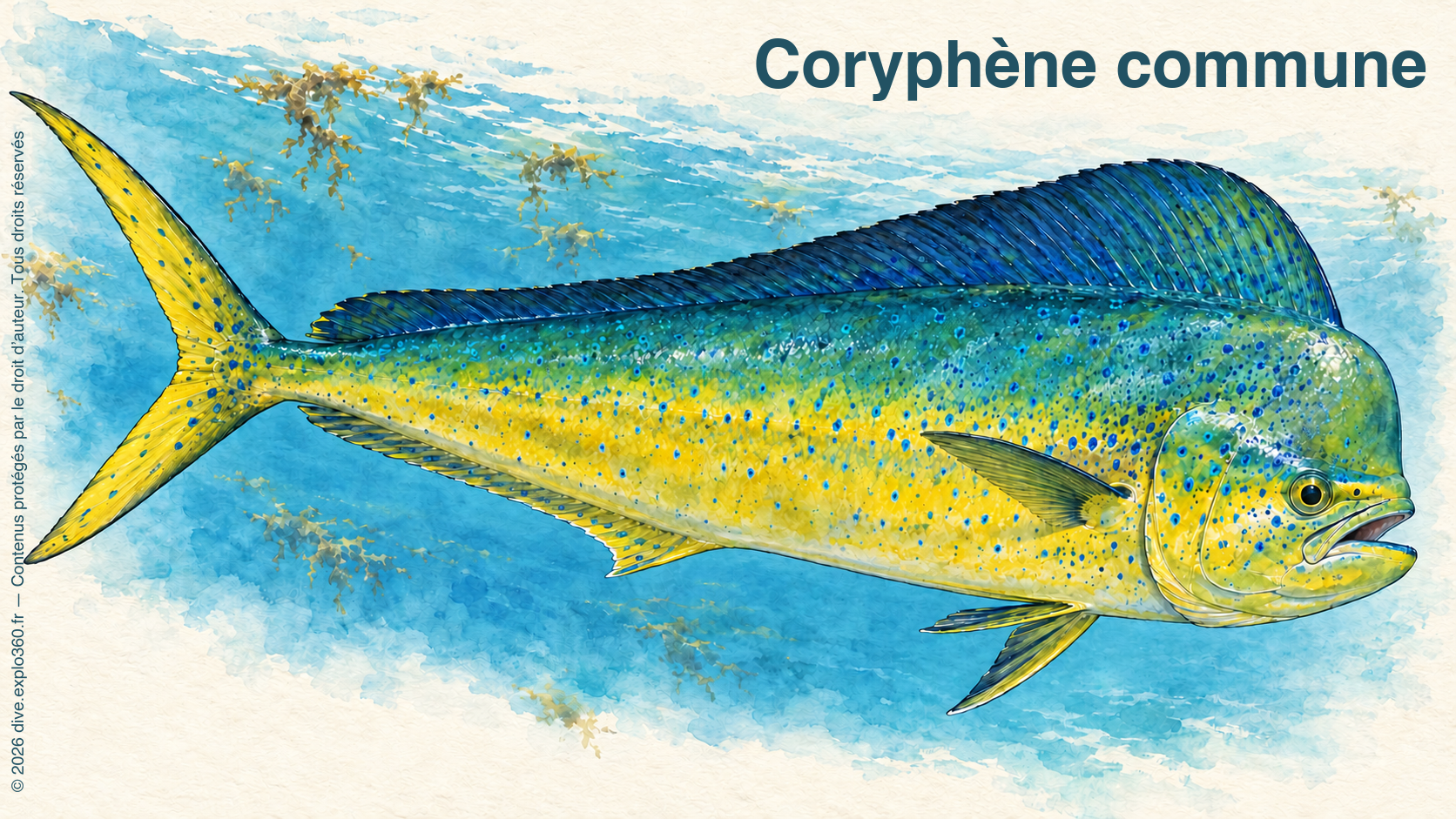 Species guidesCommon dolphinfishDiscover →
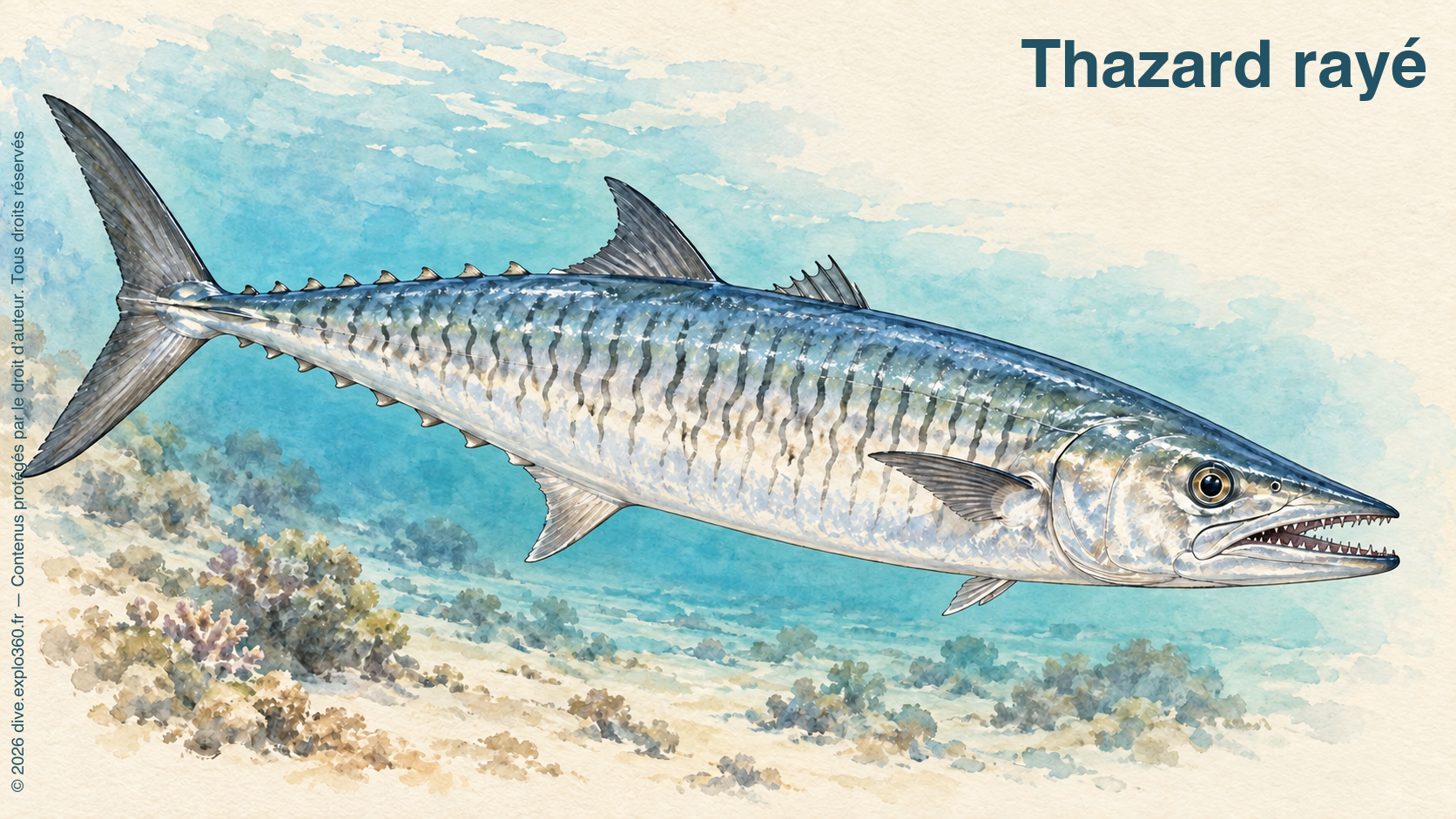 Species guidesNarrow-barred Spanish mackerelDiscover →
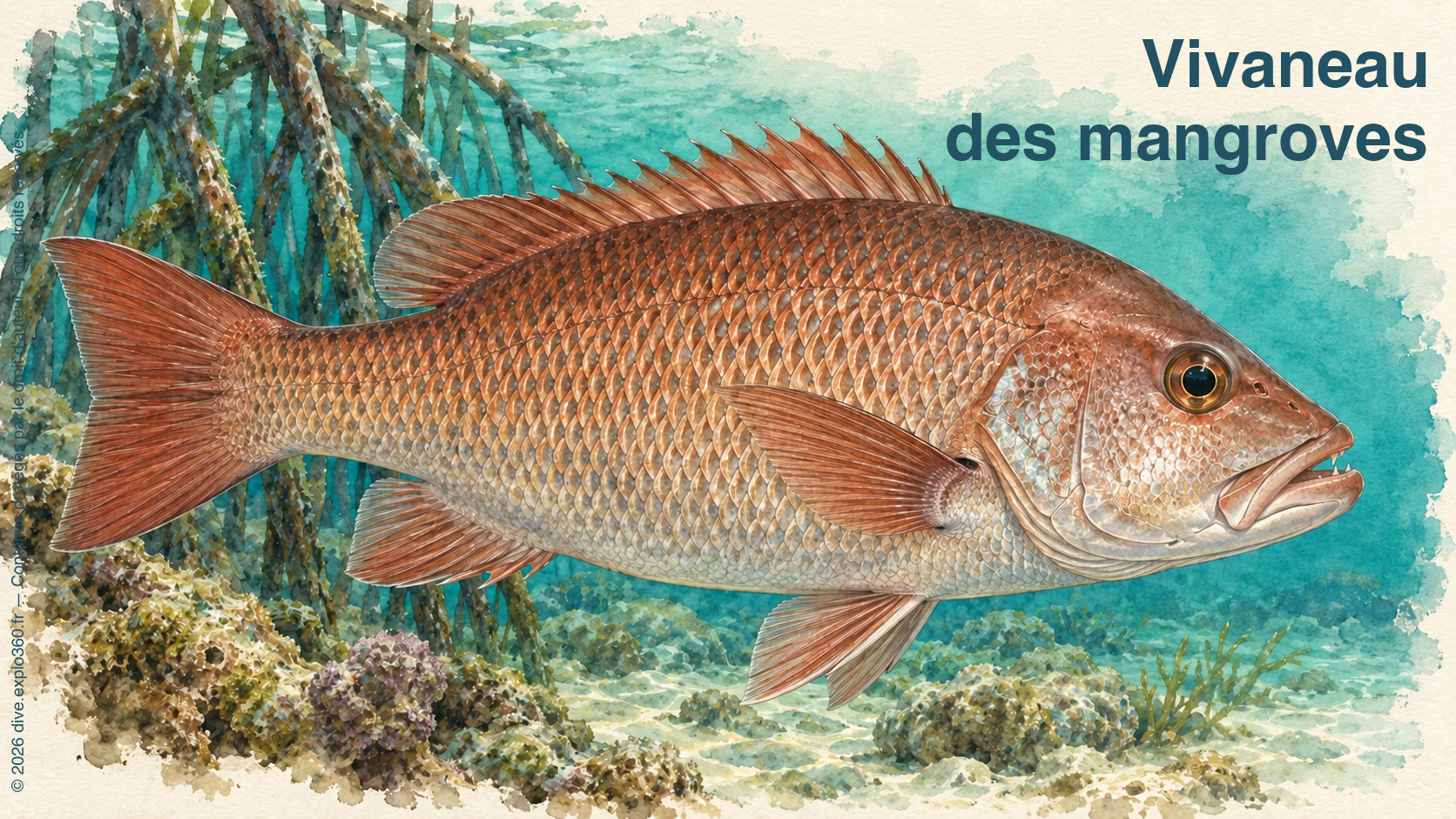 Species guidesMangrove red snapperDiscover →