Measuring learning
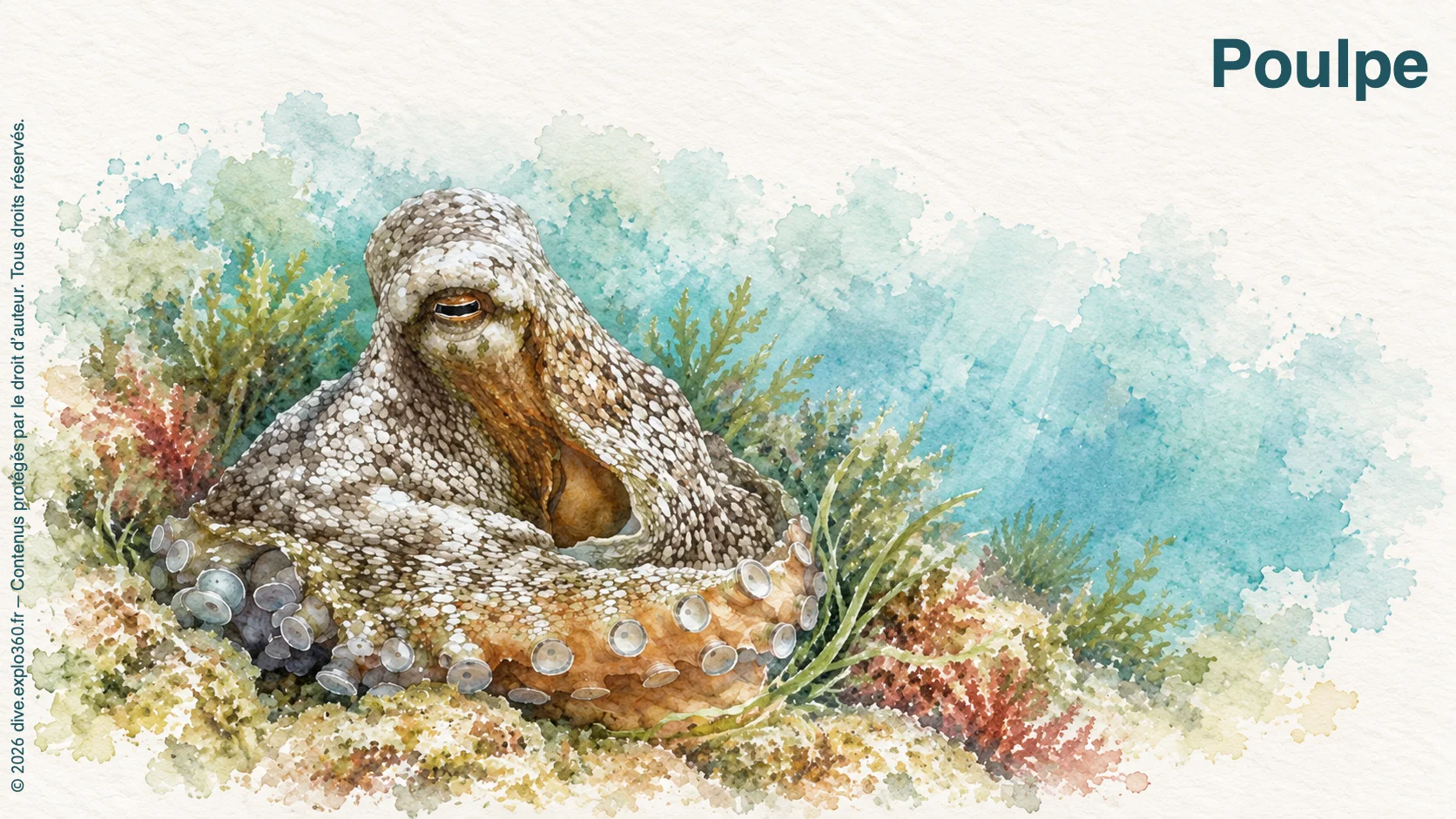
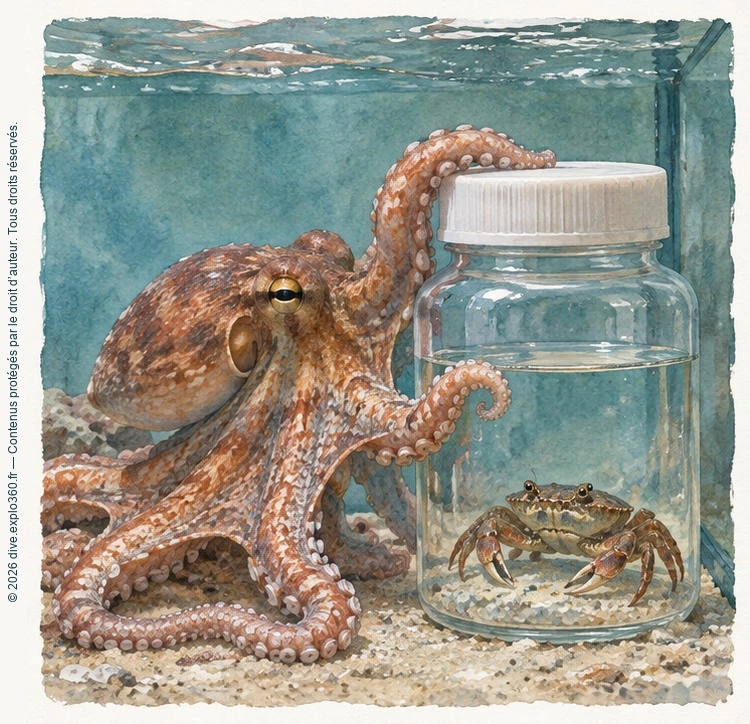
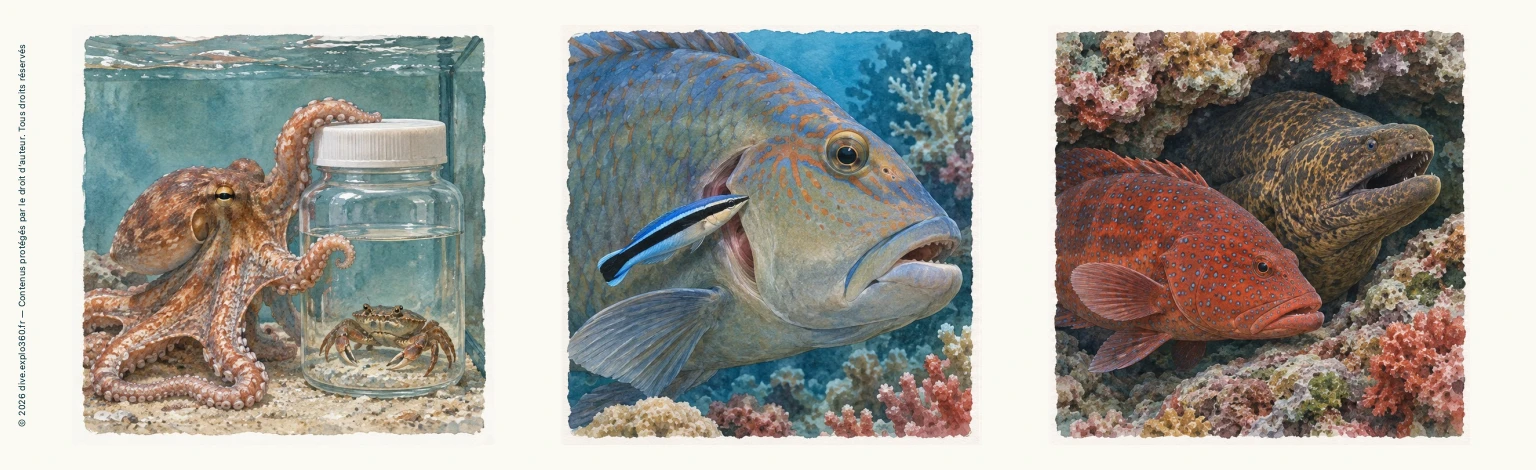
A common octopus can pull a plastic stopper from a jar to reach a crab. Over successive trials, failed attempts become less frequent, while the time spent exploring stays about the same. The measures tell different stories. The octopus becomes more successful with practice, but the experiment leaves open how it understands the problem.
Watching another octopus
An octopus may choose differently after watching a demonstration. It might have learnt which object to choose, or the other octopus might simply have drawn its attention to an object or a spot in the tank. The experiment has to distinguish those possibilities.
From watching a choice to carrying a shelter
In a study published in 1992, octopuses that watched another octopus make a choice later preferred the same object. The demonstration may have drawn their attention to the object. The result leaves open whether they copied the action.
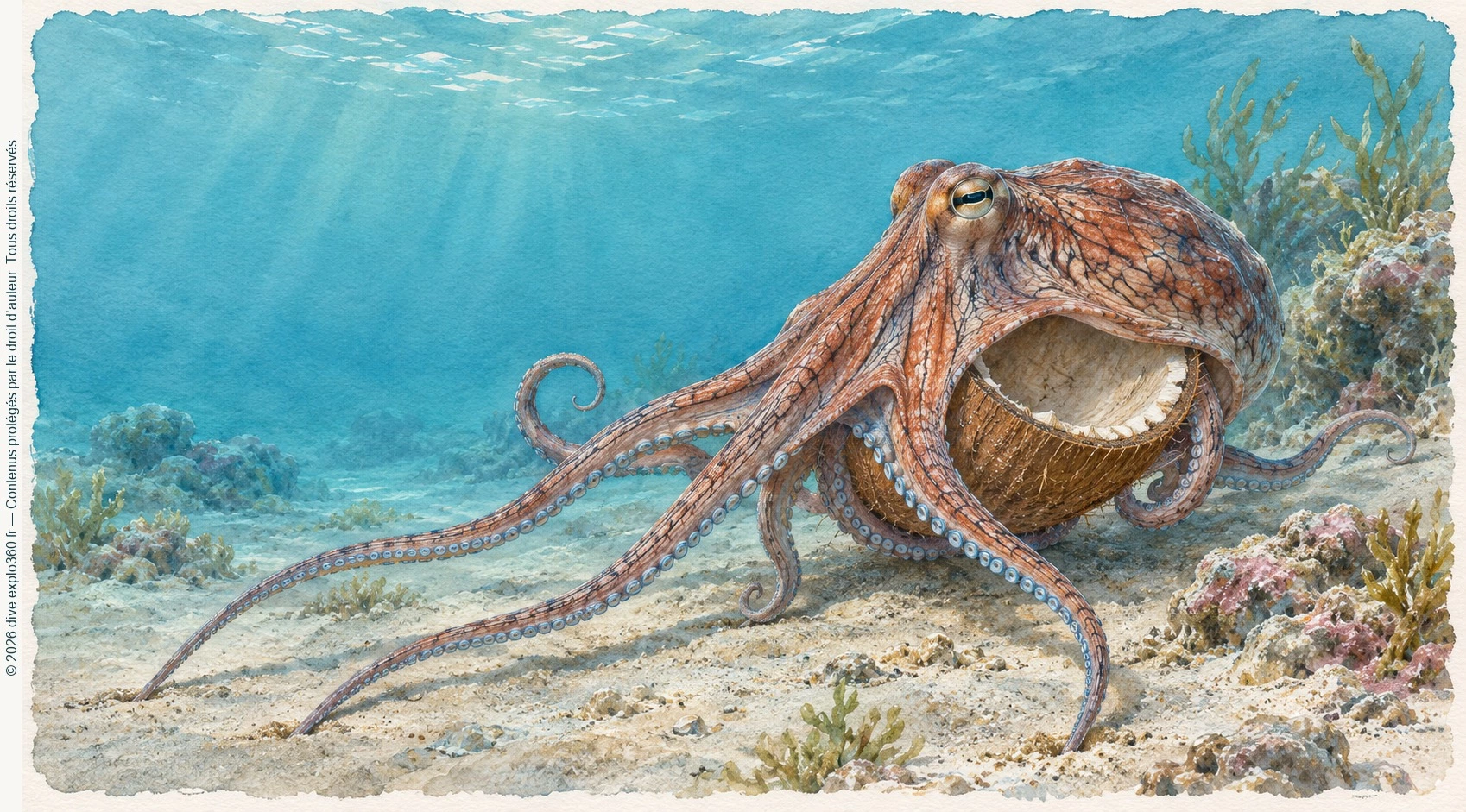
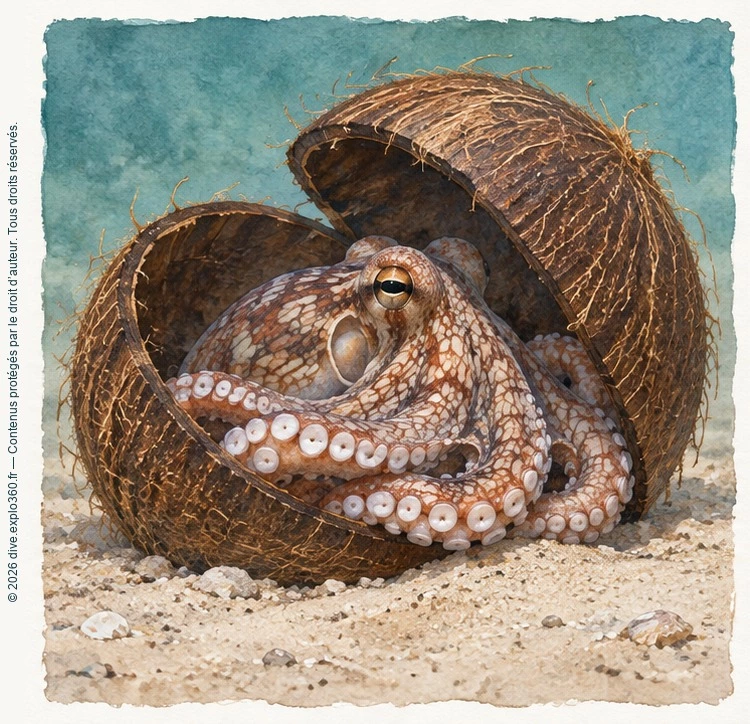
On soft seabeds, veined octopuses carry coconut shells and later assemble them into a refuge. That gap between carrying the shells and using them for shelter is visible. Whether the octopus consciously anticipates the need for shelter is harder to establish.
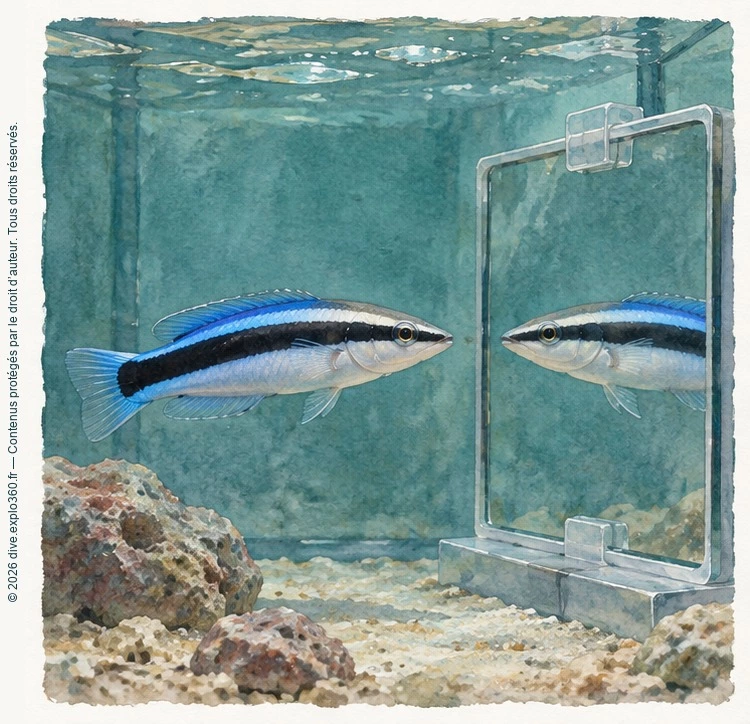
Testing the use of a reflection
Some cleaner wrasses scraped their throats when they could see a coloured mark there in a mirror. Trials without a mirror or with a transparent mark helped researchers distinguish a response to seeing the mark from a response to having it applied. Later experiments used photographs to test whether the fish could recognise their own appearance. What these responses imply about self-awareness remains debated.
Learning which choice comes first
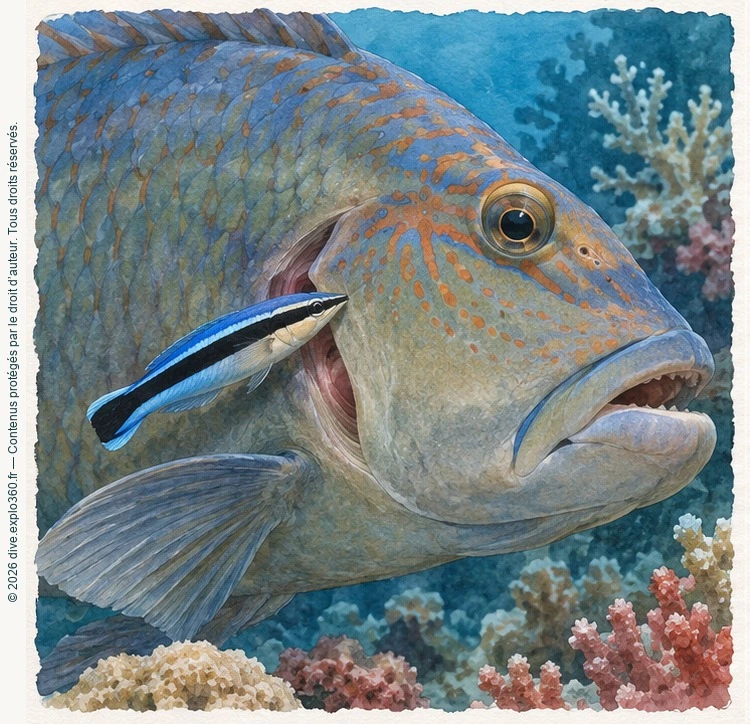
In a task modelled on a cleaning station, researchers remove one plate if a wrasse starts eating from the other. Adult cleaner wrasses learnt to start with the plate that could be removed, giving them access to both. On the reef, a client that can swim to another station presents a similarly fleeting opportunity.
Signalling a hiding place
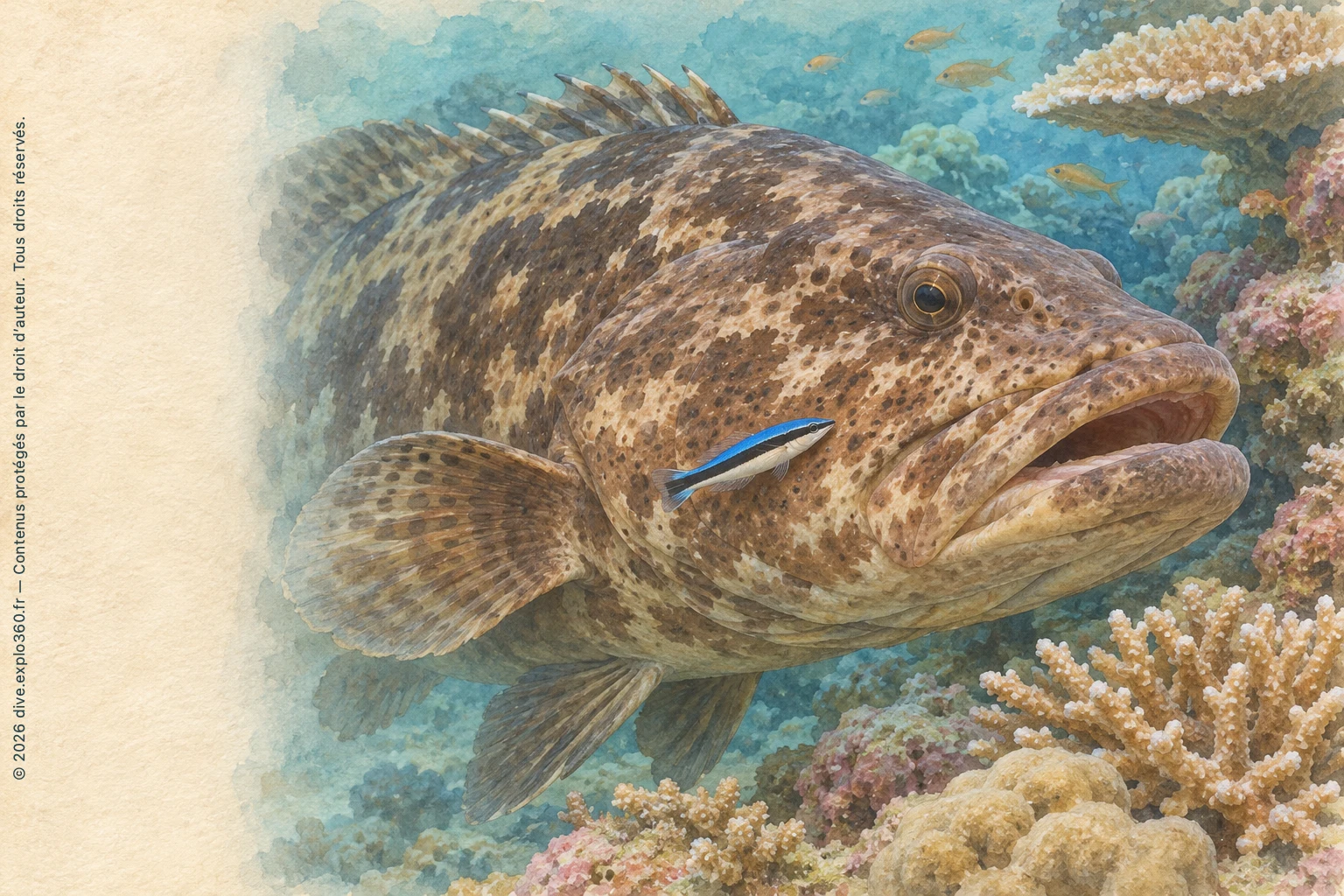
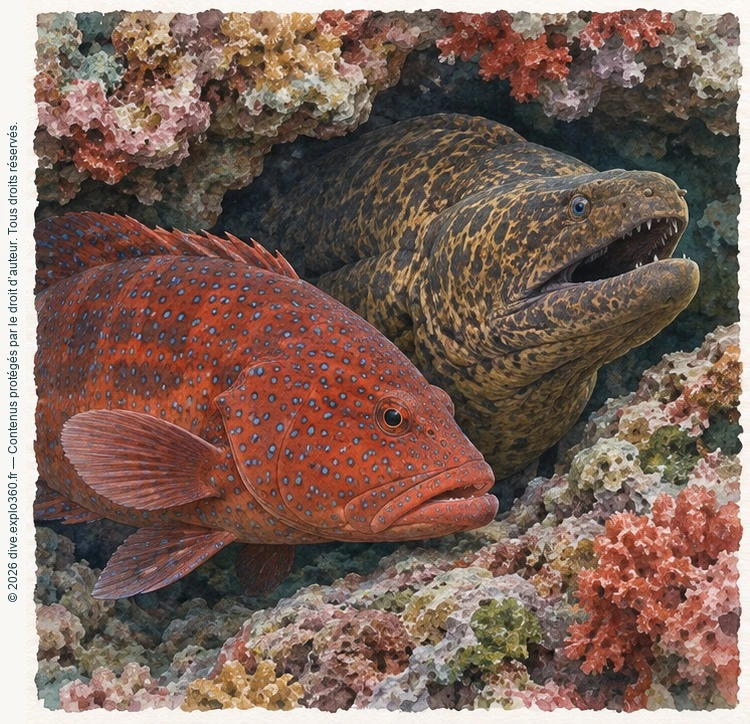
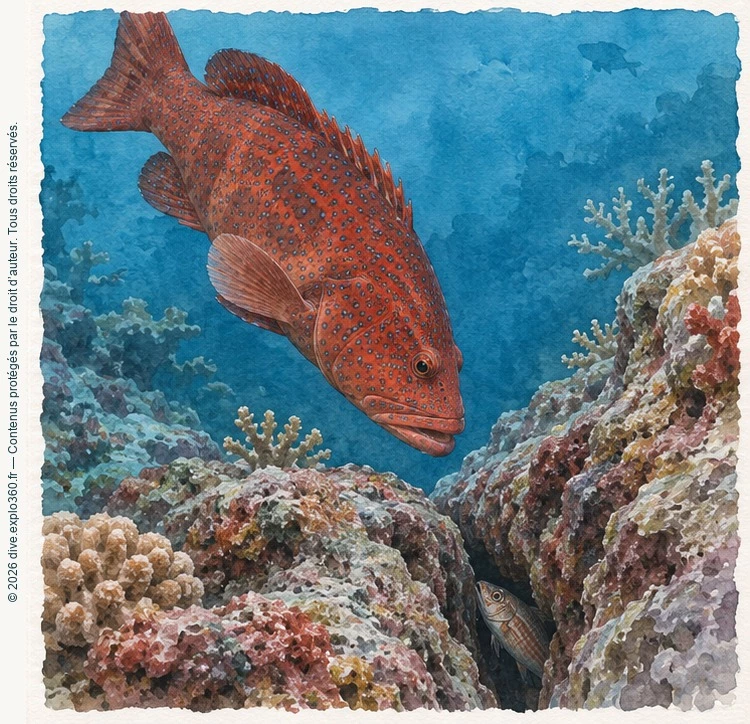
In the Red Sea, a grouper can recruit a moray by shaking its head. Turning head down above a prey fish’s hiding place can direct a partner’s attention there. Pursuit in open water and searching crevices are complementary. The observations show when the signal occurs and how the partner responds. What each animal intends remains a matter of interpretation.
How can we detect a memory?
A delayed trial tests what an animal retains after learning. Keeping the test conditions comparable helps researchers interpret any change in performance.
Returning to the jar
Opening a jar shows what the octopus can do. Repeated trials, with controls on the cues available, help researchers work out how its performance improved.
Interactive quiz
Test your knowledge
Pick one answer for each question.
Interactive quiz
Test your knowledge
Question 1 out of 5Score: 0
What became less frequent as the octopus repeated the jar test?
What are the shells carried by the veined octopus used for?
Which part of its body does the wrasse scrape in the mirror test?
In what order can the wrasse eat from both plates?
What can the moray do during a coordinated hunt?
Final result
Quiz completed
correct answers
What the evidence lets us say
The jar shows what changes with practice. The mirror tests how a fish uses a reflection, and a joint hunt shows how another predator responds to a signal. In each case, the conditions and the controls determine how far we can go in explaining the behaviour.
Sources
Studies behind the examples in this article.
Explore the same world