The crab and the stopper
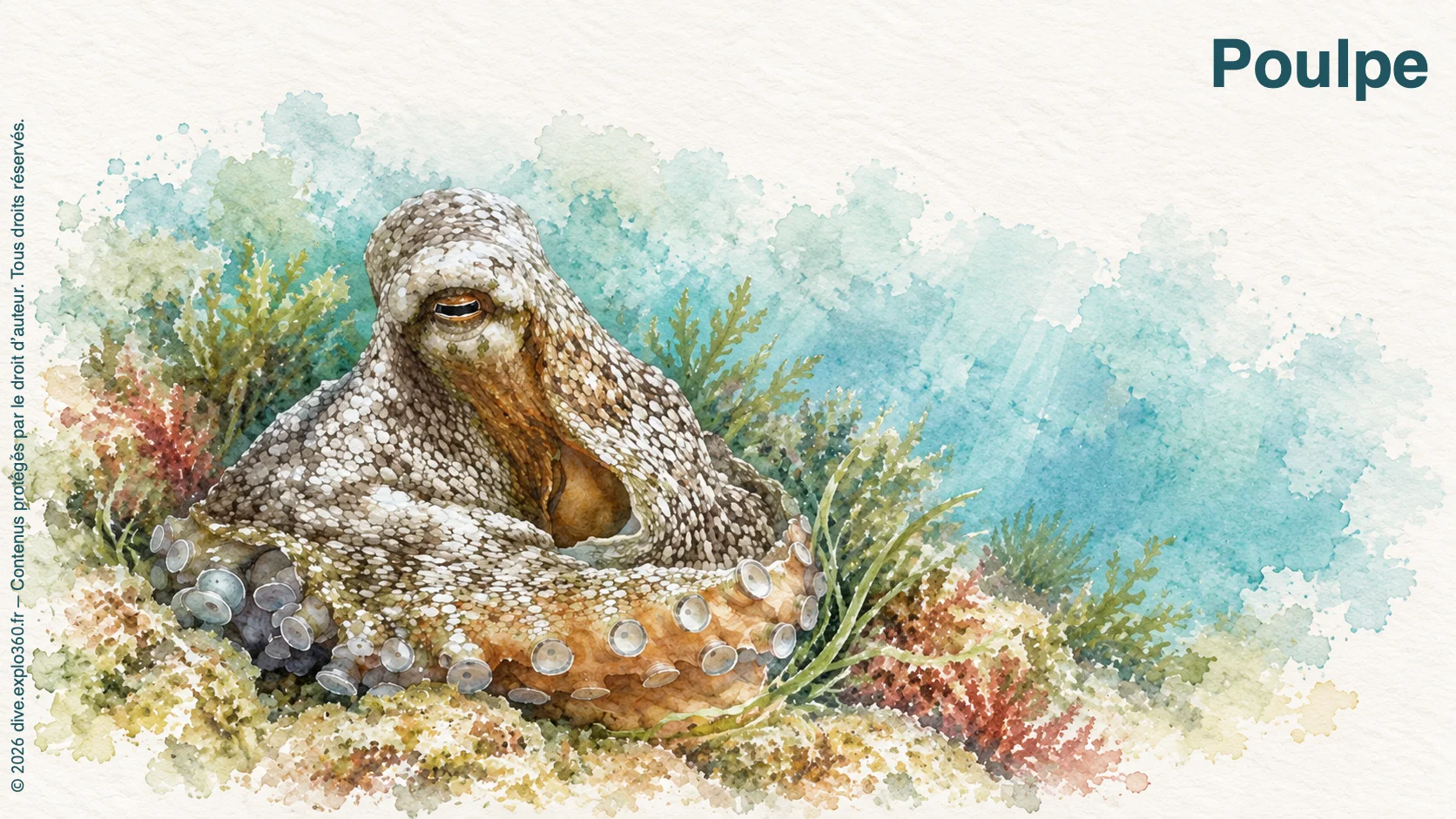
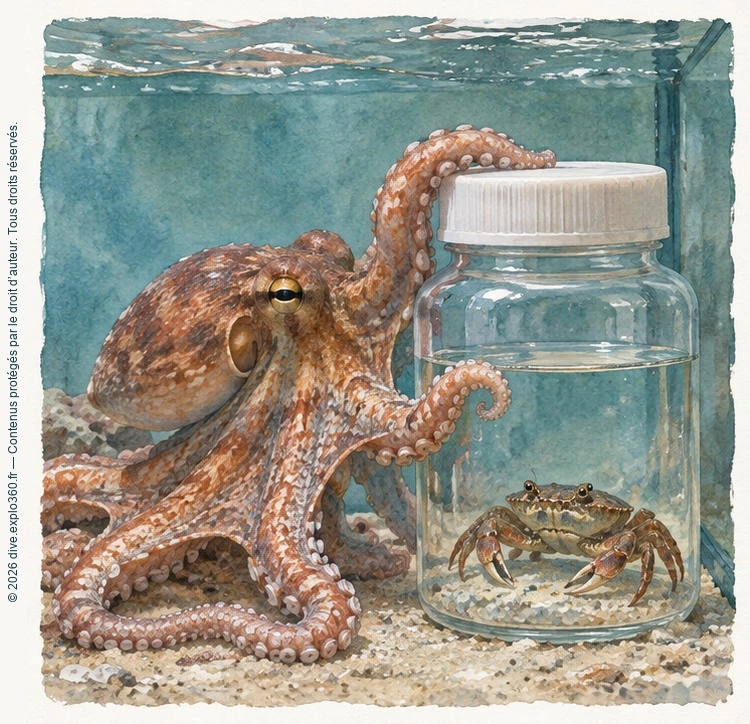
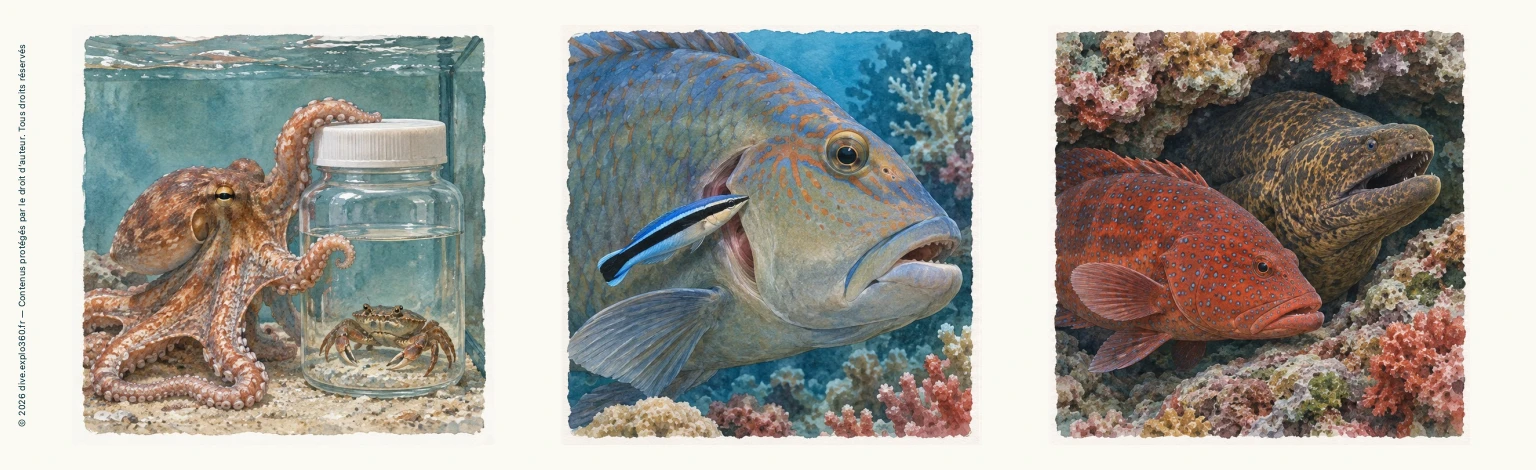
The octopus feels the glass with its suckers. In the lab, octopuses worked out how to pull out the stopper and grab the crab. They made fewer mistakes as they tried again. Think of a box you’ve had trouble opening. What might you do differently the second time?
Watching another octopus
An octopus can watch another one make a choice. When it gets a turn on its own, researchers can see if watching changed what it chooses.
A shelter to carry
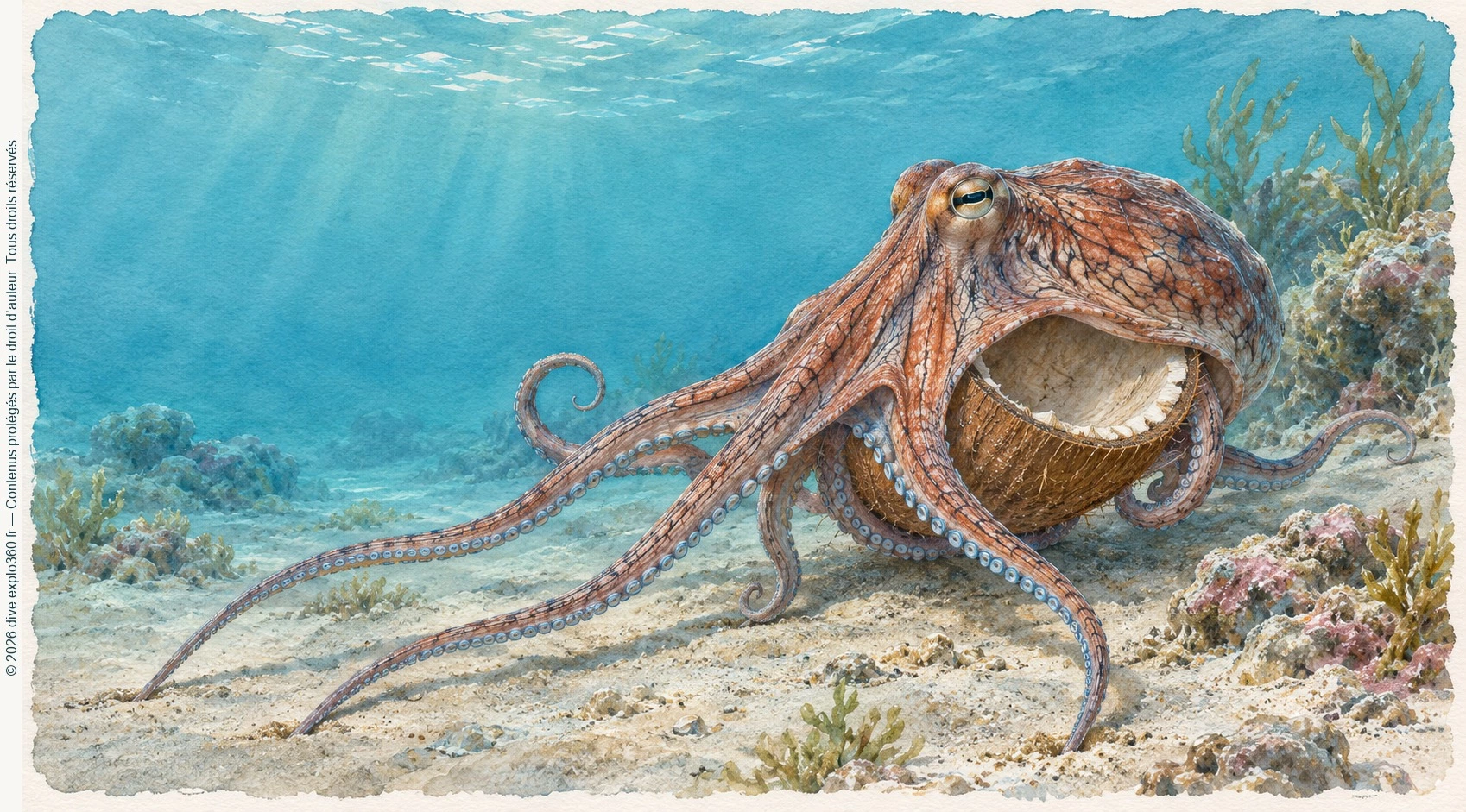
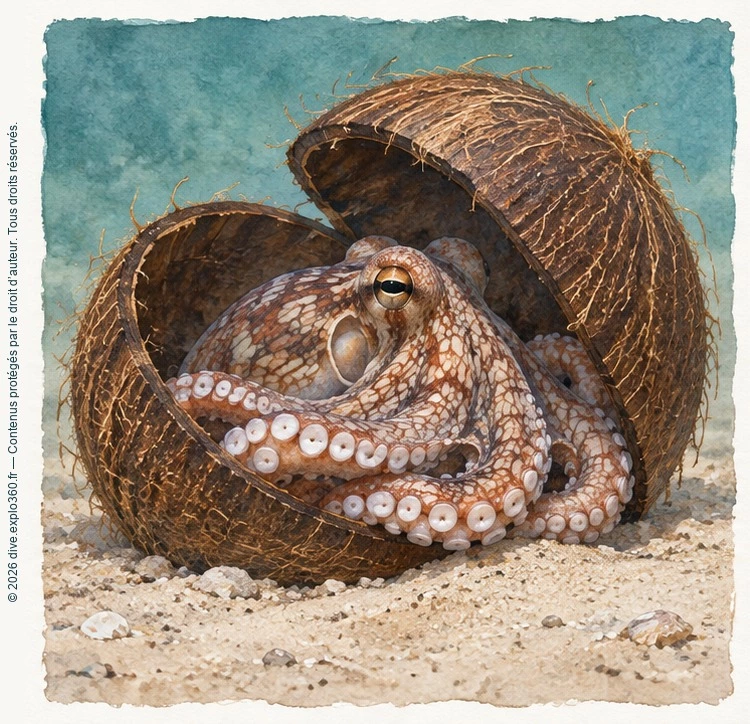
A veined octopus can carry two coconut shell halves across the sand. The shells make it harder to move. Once the octopus stops, it can fit them together and hide inside.
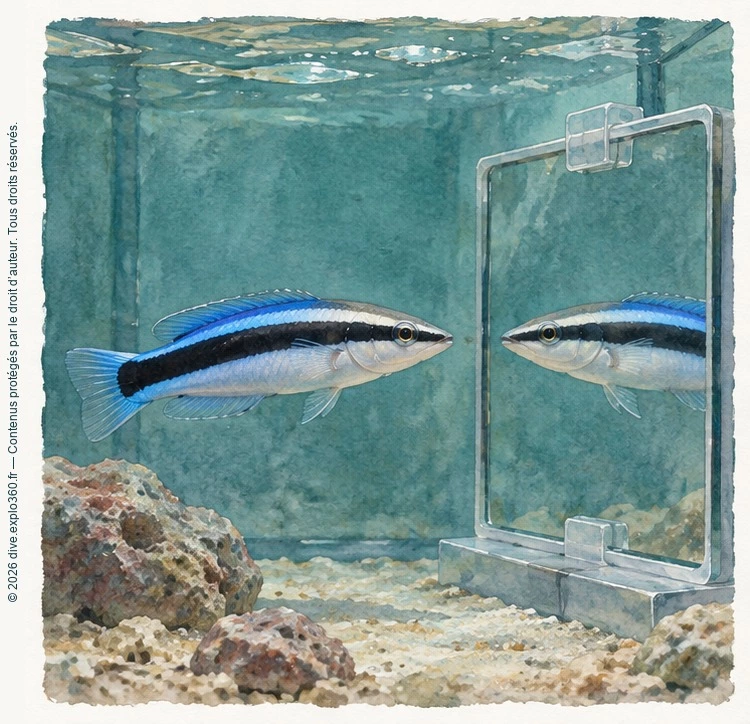
A fish and its reflection
Researchers put a coloured mark where a cleaner wrasse could only see it in a mirror. Some fish rubbed the marked spot against a surface. They acted differently when they couldn’t see the mark in the mirror.
Which customer comes first?
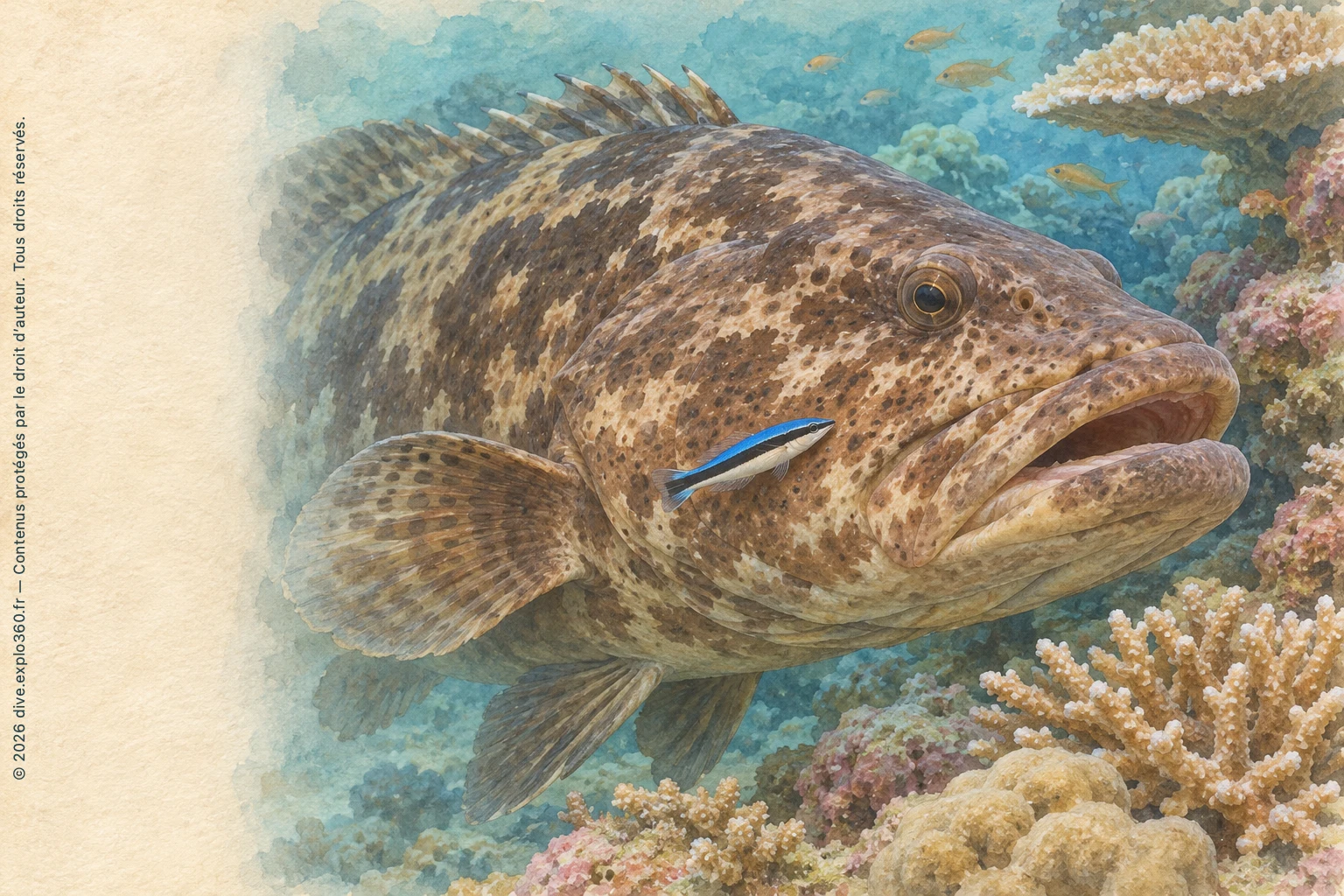
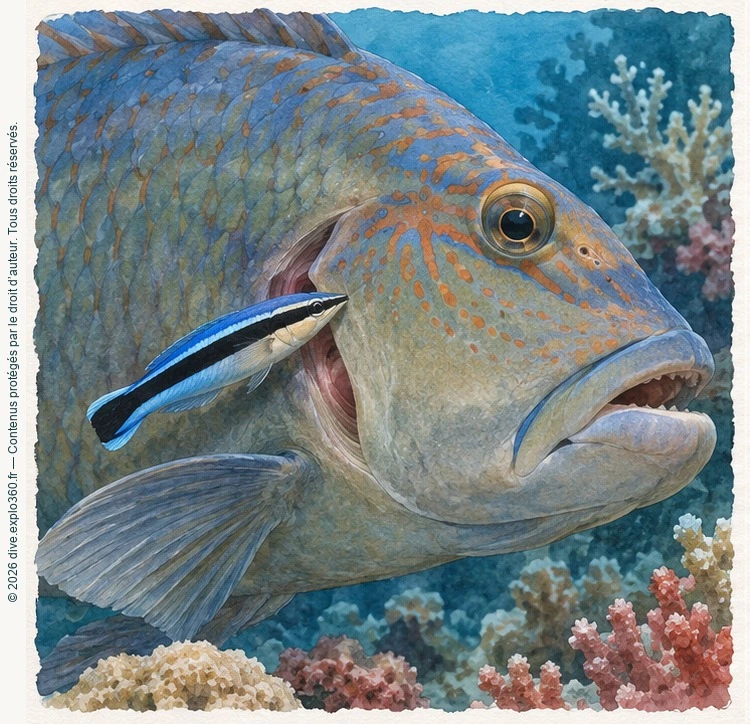
A cleaner wrasse eats parasites, tiny animals that live on other fish. Some of the fish it cleans can swim away. In a tank, cleaner wrasses learnt to eat first from the plate that could be taken away. Then they could still eat from the other one.
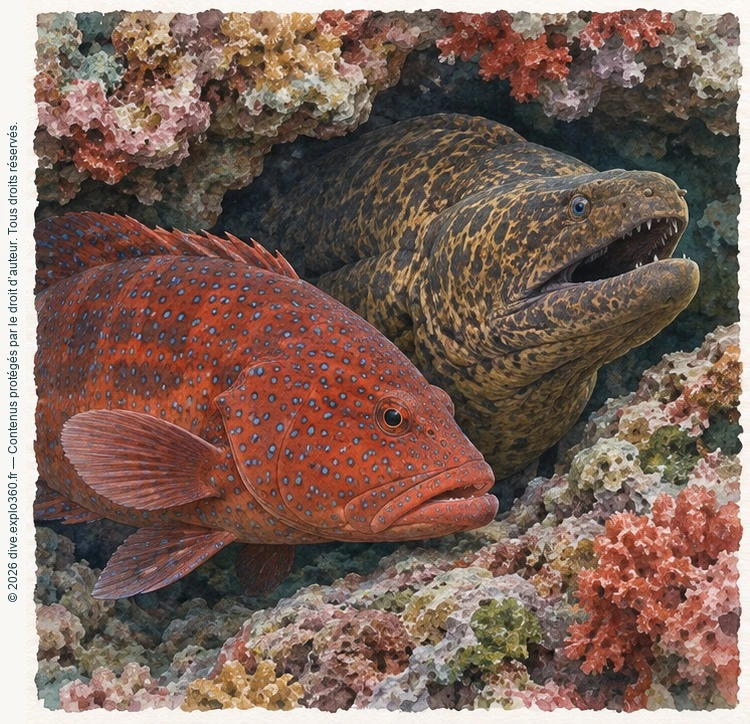
Two hunters at a crack
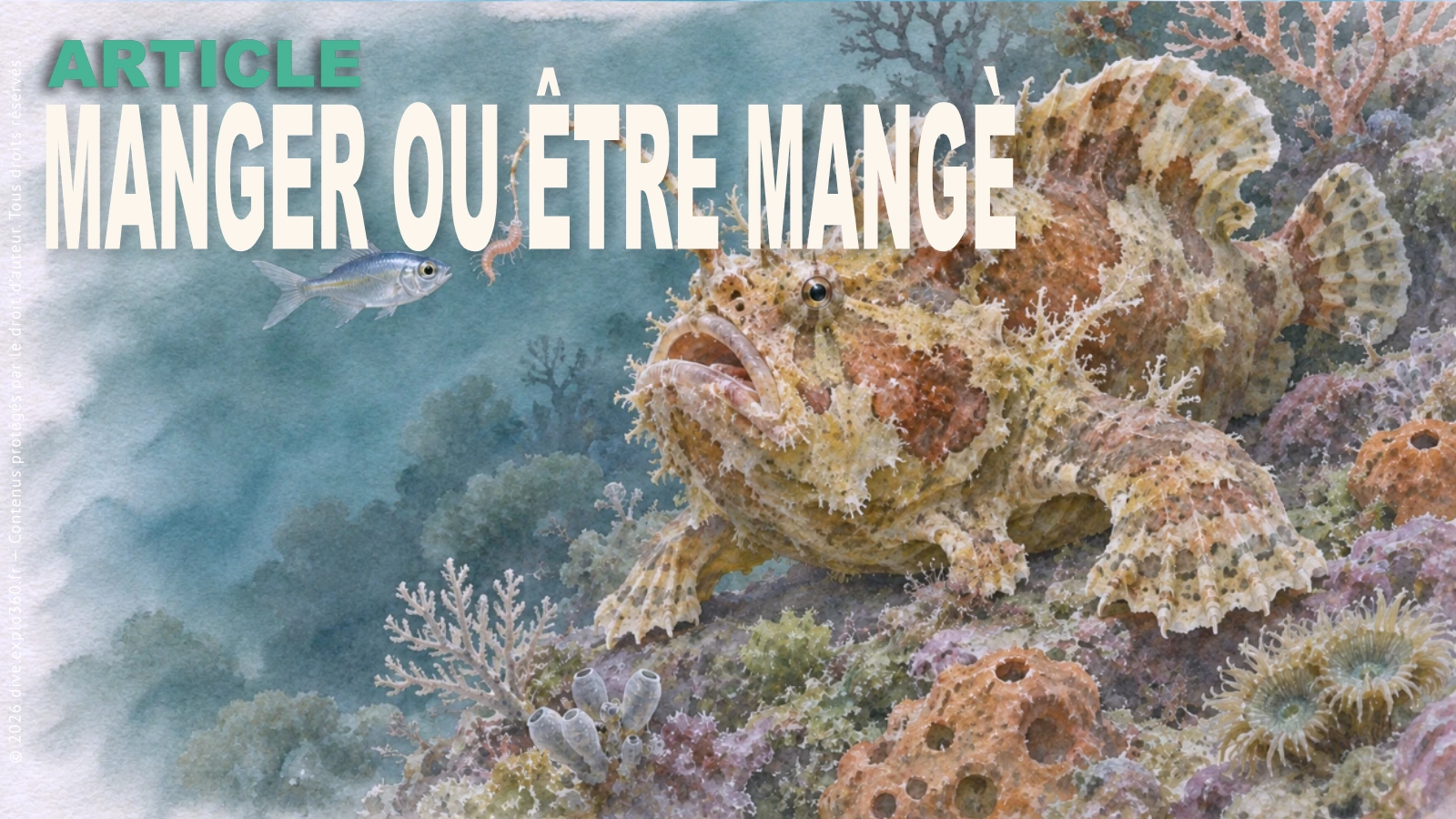
In the Red Sea, a grouper can shake its head beside a moray eel, which sometimes comes out of hiding. Follow the two hunters. The grouper can chase fish in open water. The moray can enter a crack where a small fish has hidden.
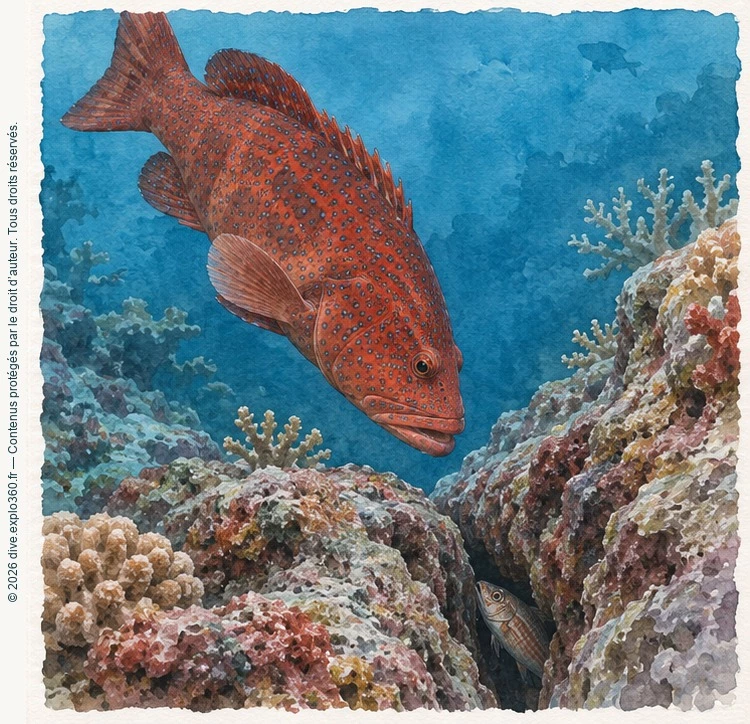
Does it remember what worked?
After a break, can the animal solve the same problem again? Researchers watch to see if it uses the same trick or has to work it out again.
Returning to the jar
An octopus might open a jar once by chance. When researchers watch it try again, they can see whether it uses the same move to get the stopper out.
Interactive quiz
Test what you know
Pick one answer for each question.
Interactive quiz
Test what you know
Question 1 out of 5Score: 0
What became less frequent as the octopus repeated the jar test?
What are the shells carried by the veined octopus used for?
Which part of its body does the wrasse scrape in the mirror test?
In what order can the wrasse eat from both plates?
What can the moray do during a coordinated hunt?
Final result
Quiz completed
correct answers
Conclusion
One octopus gets better at opening a jar. Another carries shells it can turn into a hiding place. A grouper can bring a moray along on a hunt. If you’re watching an animal, see what happens just before it makes a move and what changes afterwards.
Sources
Studies behind the examples in this article.
Explore the same world