
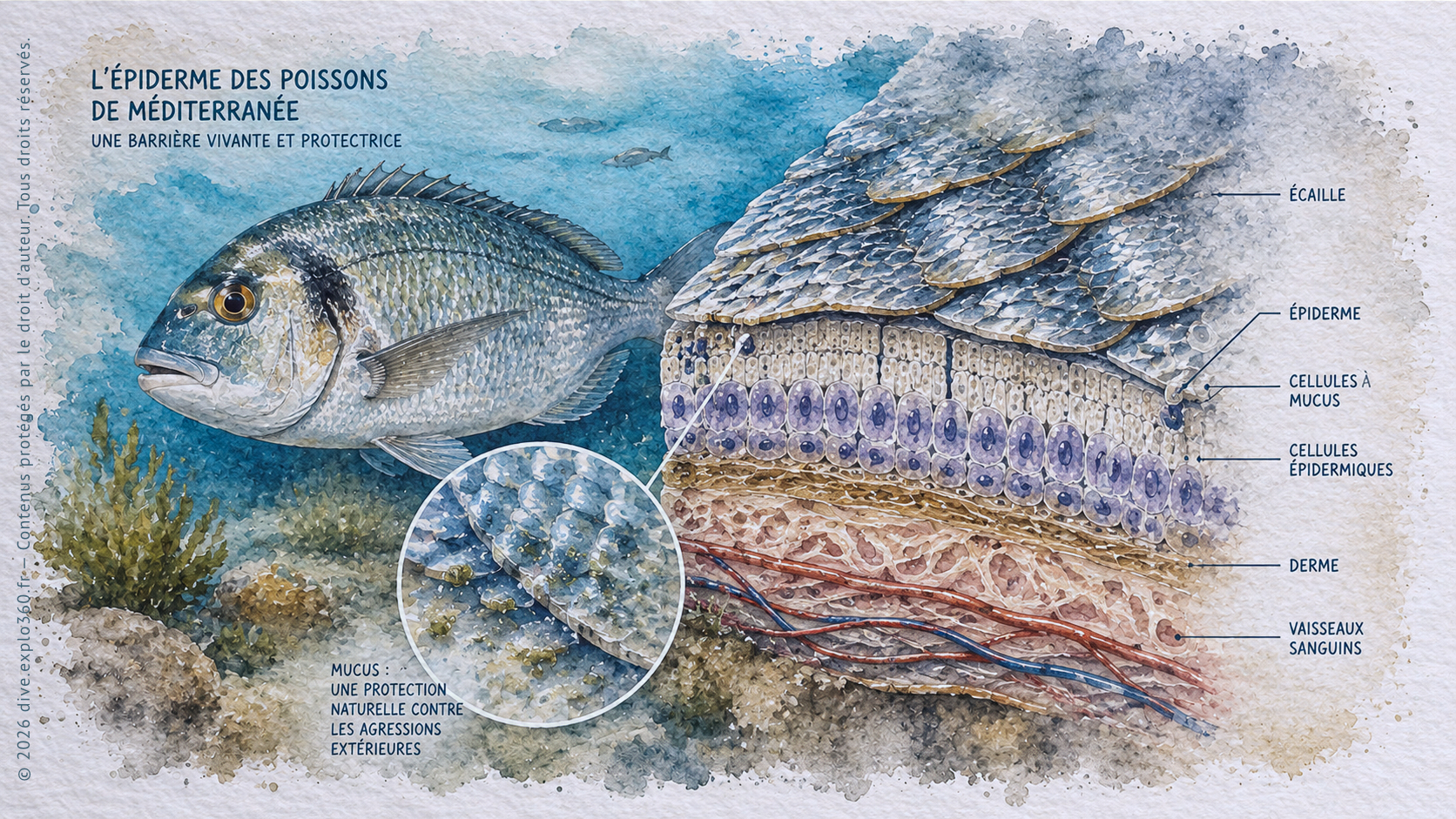
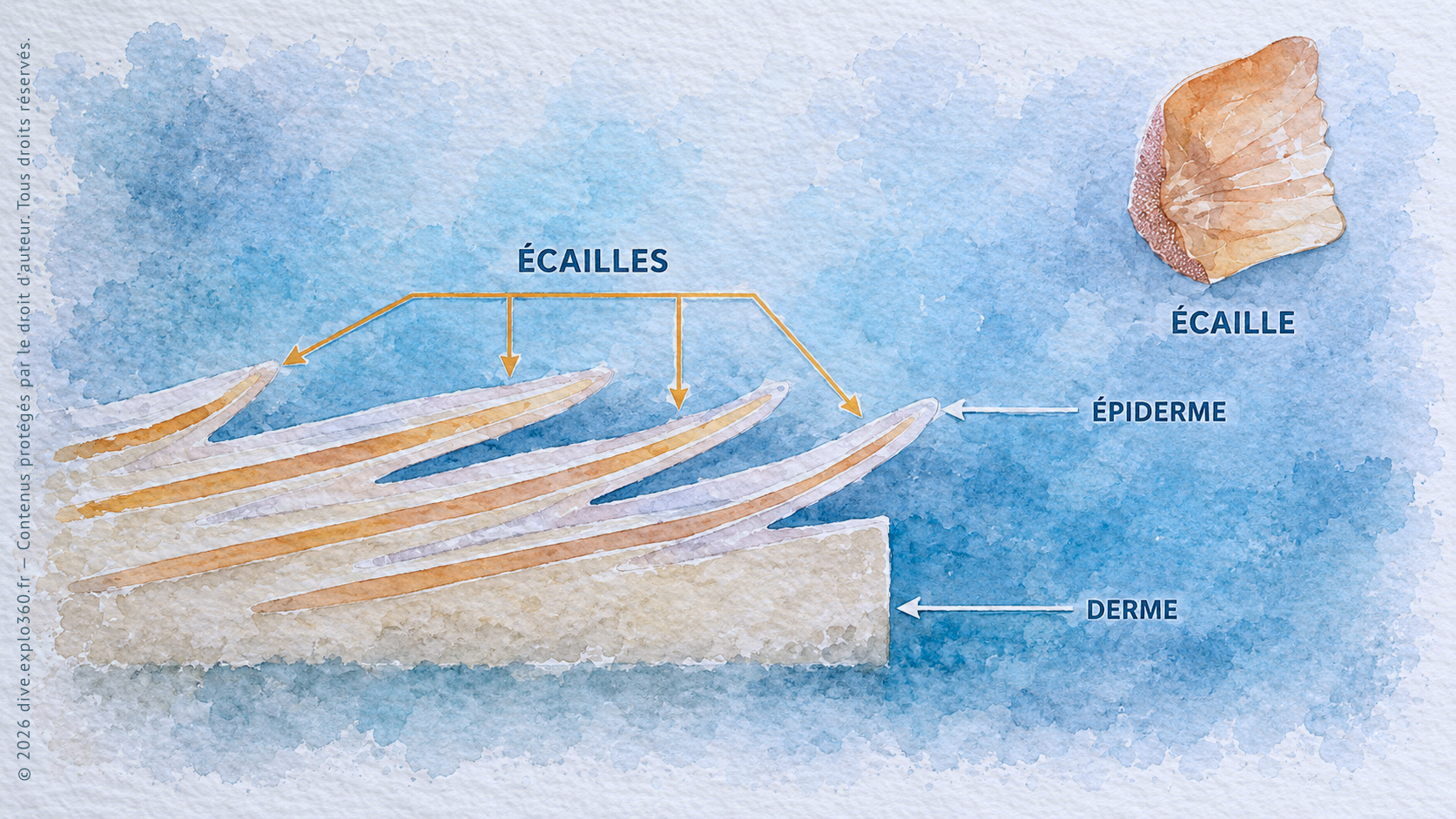
- The epidermis, an outer layer that produces mucus.
- The dermis, a deeper layer containing scales*, blood vessels and nerve endings.
* Scales, formed from bony or horny plates arranged in overlapping rows, are an integral part of the fish’s skeleton.
INVISIBLE ARMOUR
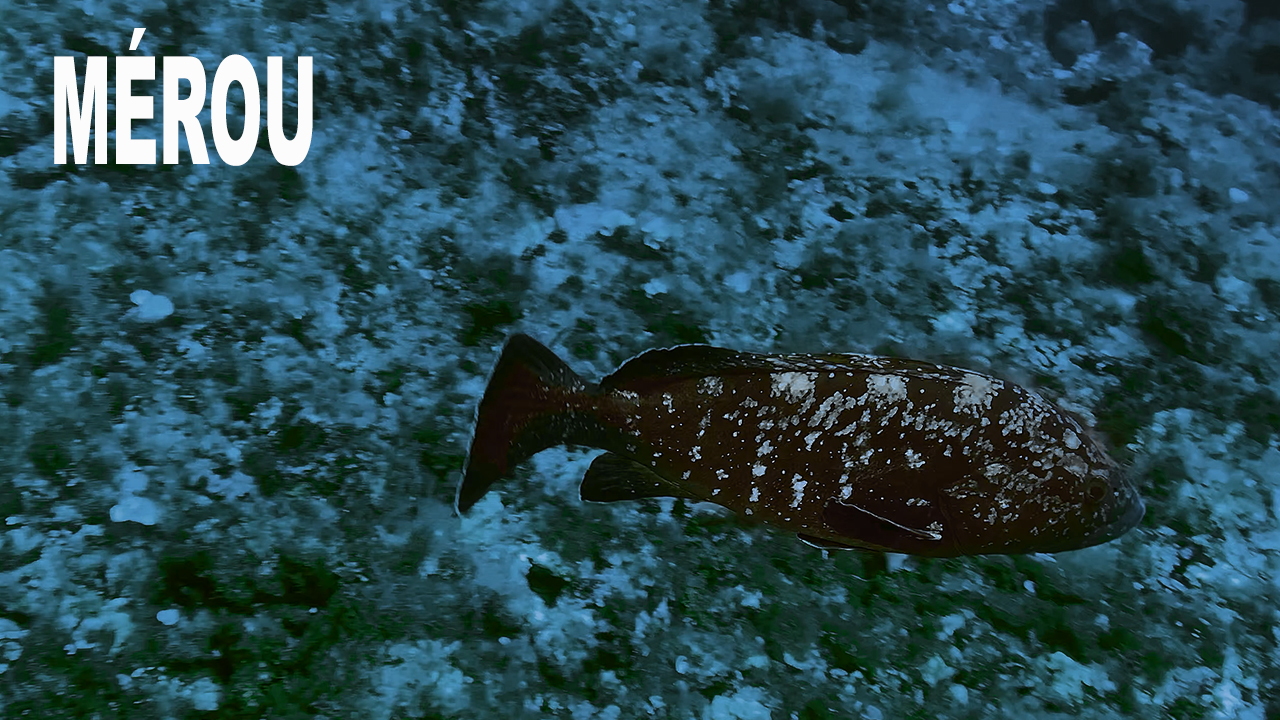
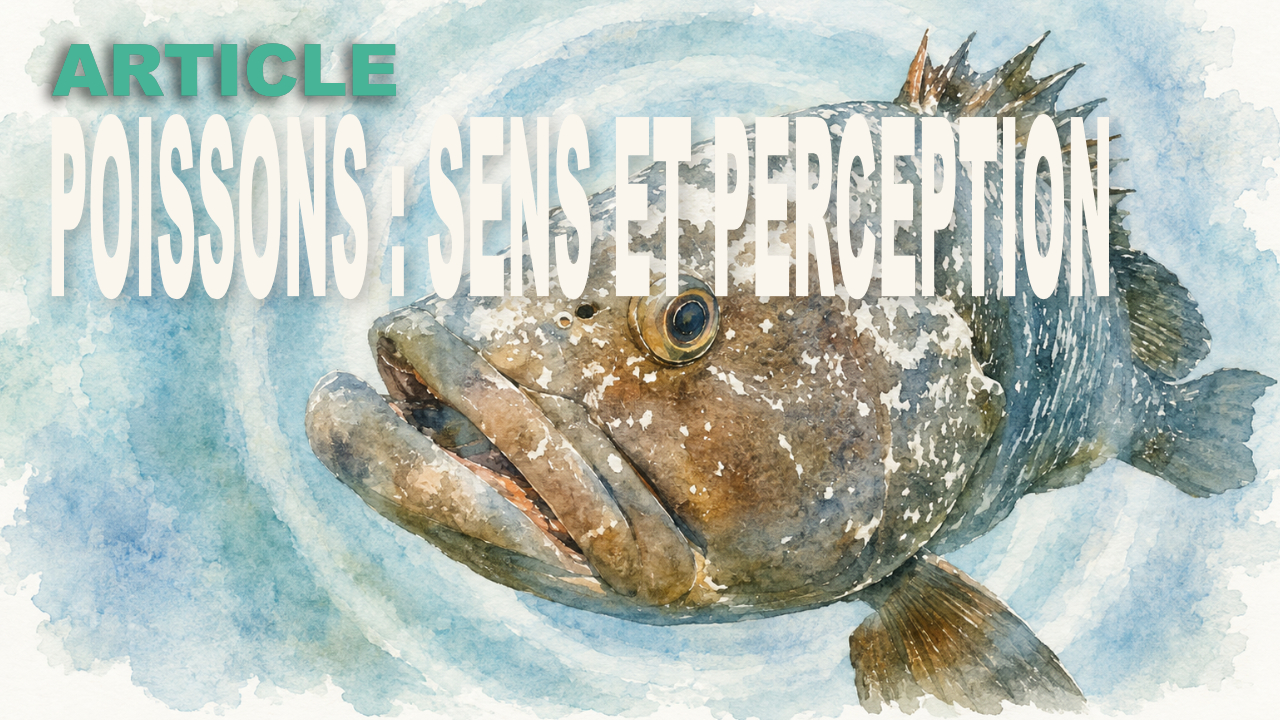
The fish epidermis is covered with a thin layer of mucus, a key element in survival. A remarkable example is the dusky grouper. This emblematic Mediterranean fish produces particularly thick mucus, allowing it to withstand a wide range of parasites found in its rocky habitat.
Produced by specialised epidermal cells, this mucus is a true chemical and physical barrier.
Protection against infection
It also limits parasites attaching to the body surface.
Improved hydrodynamics
By forming a smooth, moist layer, mucus limits damage from rubbing against rocks, sand or other abrasive surfaces.
Defence against predators
It can also make the skin slippery, making capture by a predator more difficult.
Healing and regeneration
Chemical communication
EXCEPTIONAL SKINS
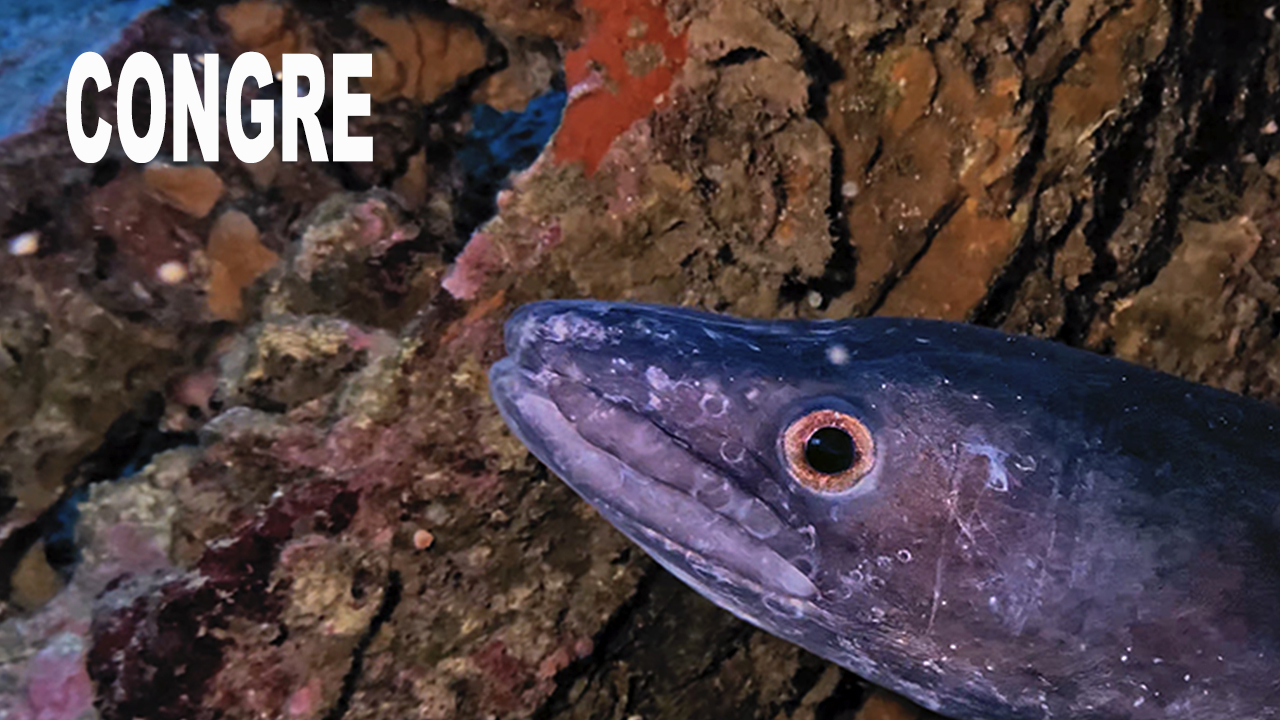
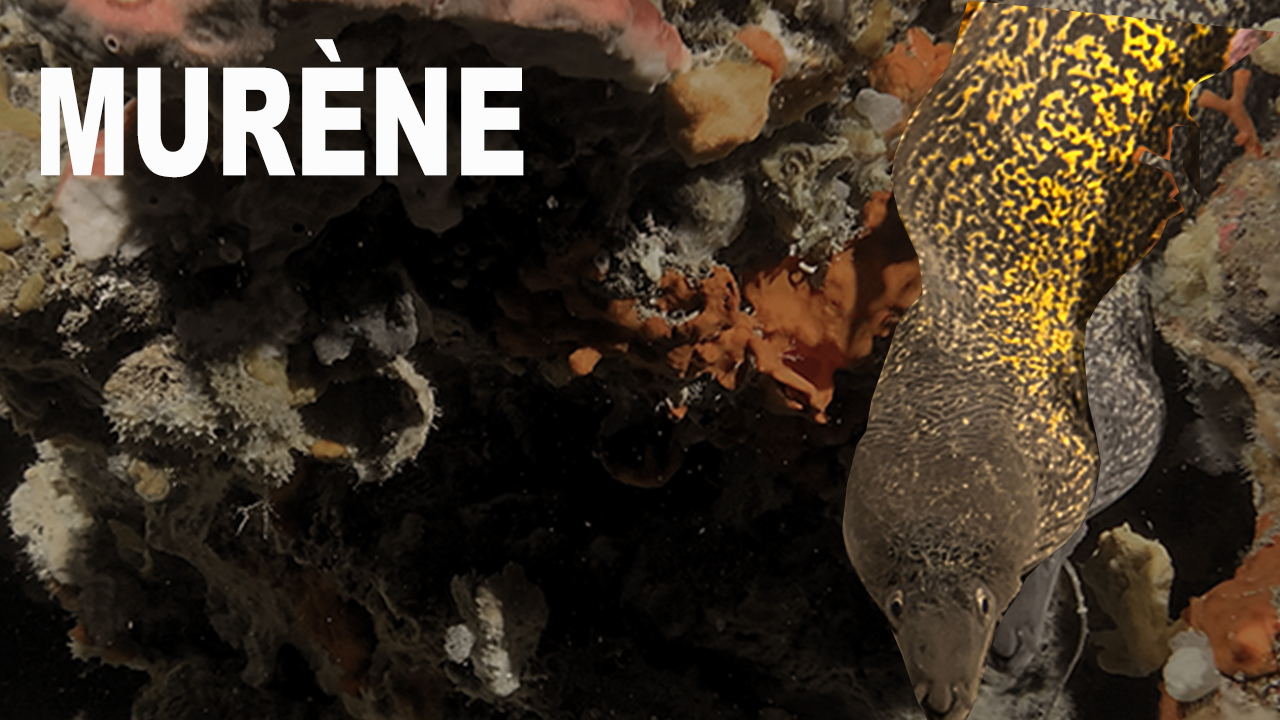
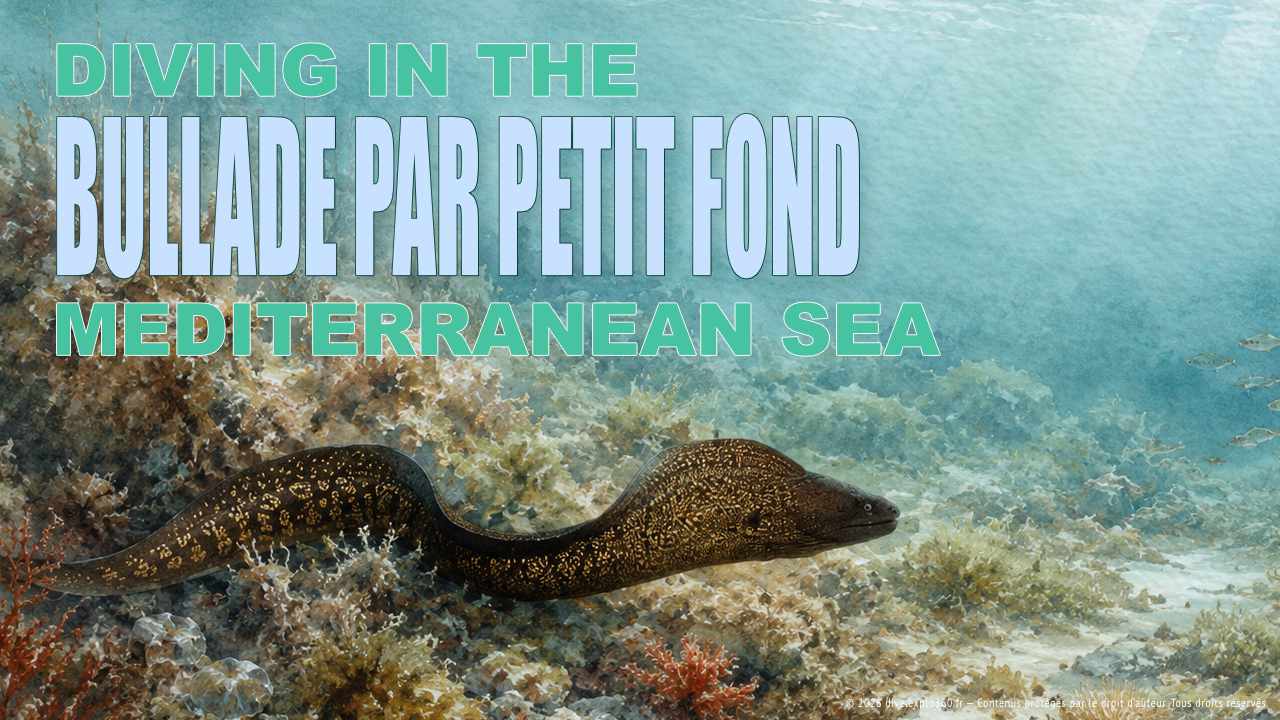
Conger and moray eels: scaleless skin adapted to life among rocks
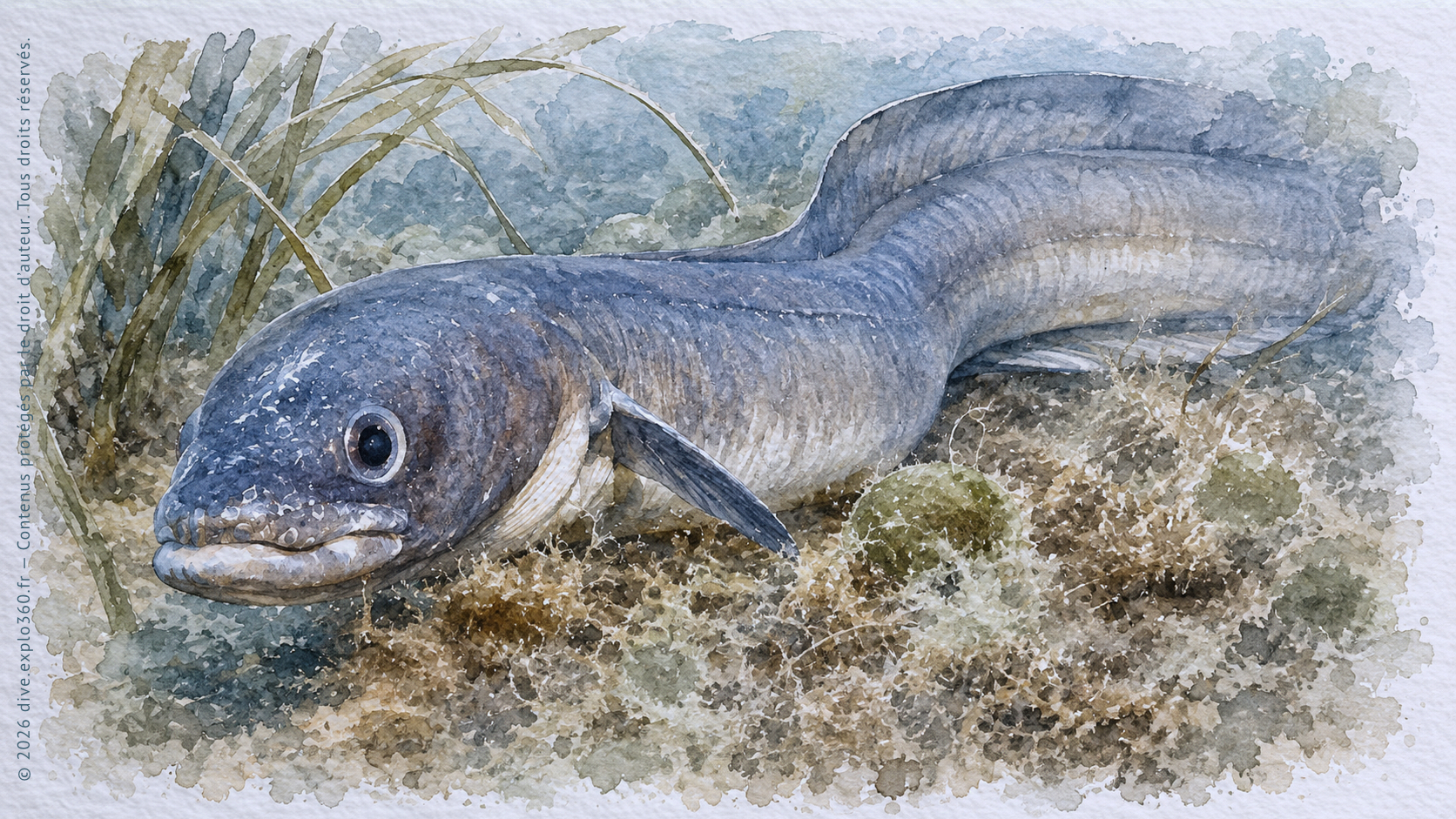
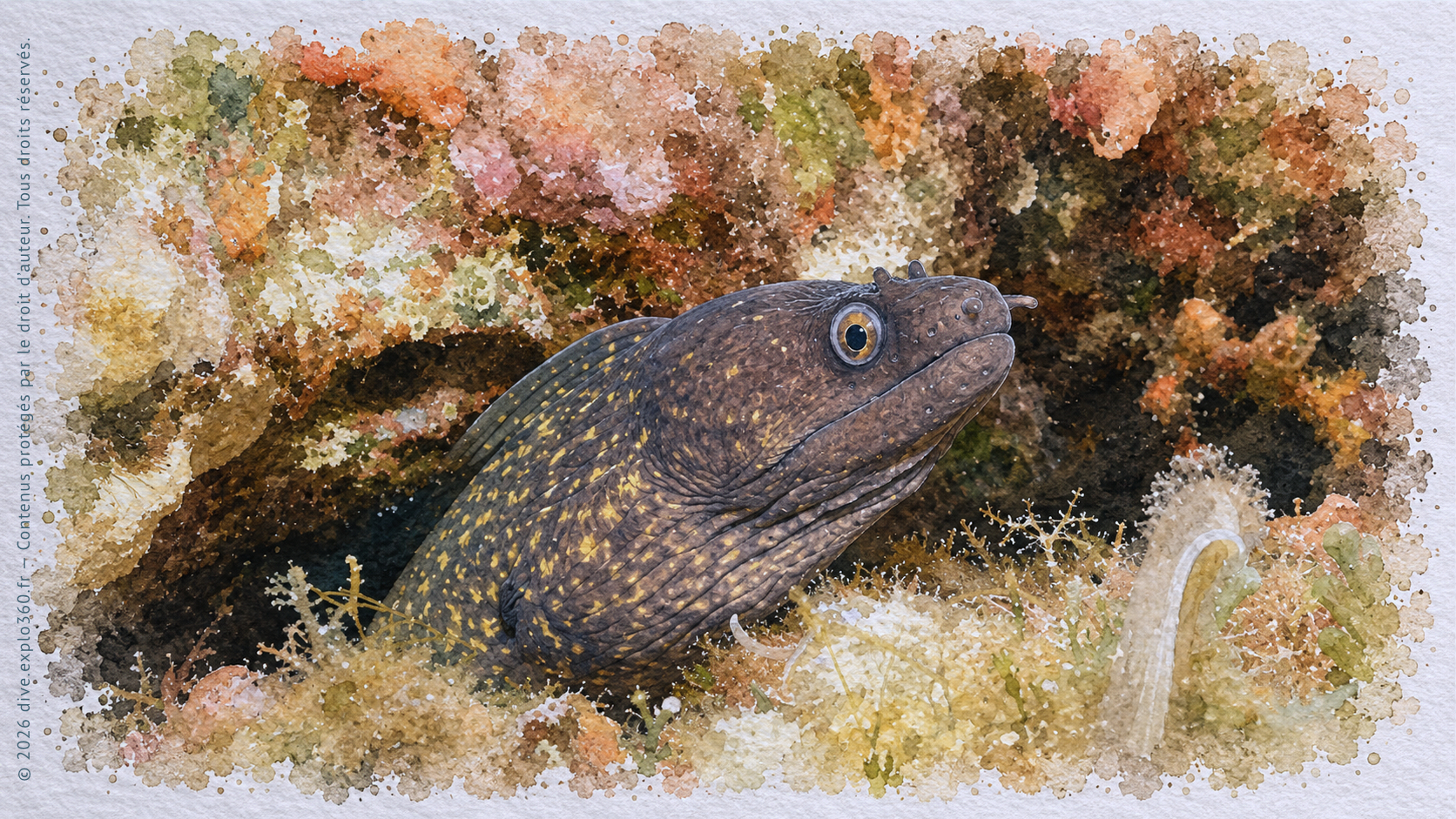
- Protection against injury: The smooth texture and mucus reduce the risk of abrasion as they move through rocky environments.
- Defence against predators: In moray eels, mucus may contain unpleasant or toxic substances to deter predators. Their mucus is so effective that it allows the animal to survive in sometimes heavily polluted water by forming a chemical barrier against toxins.
These adaptations make them formidable hunters, perfectly suited to a hidden life in the rocky areas of the Mediterranean.
AMIGANSEAU CONTENT
The rest of this article is for subscribers
Log in with your AMIGANSEAU licence to continue reading.
All active AMIGANSEAU licences give access to the full article.Explore the same world