Limits of marine predators’ vision
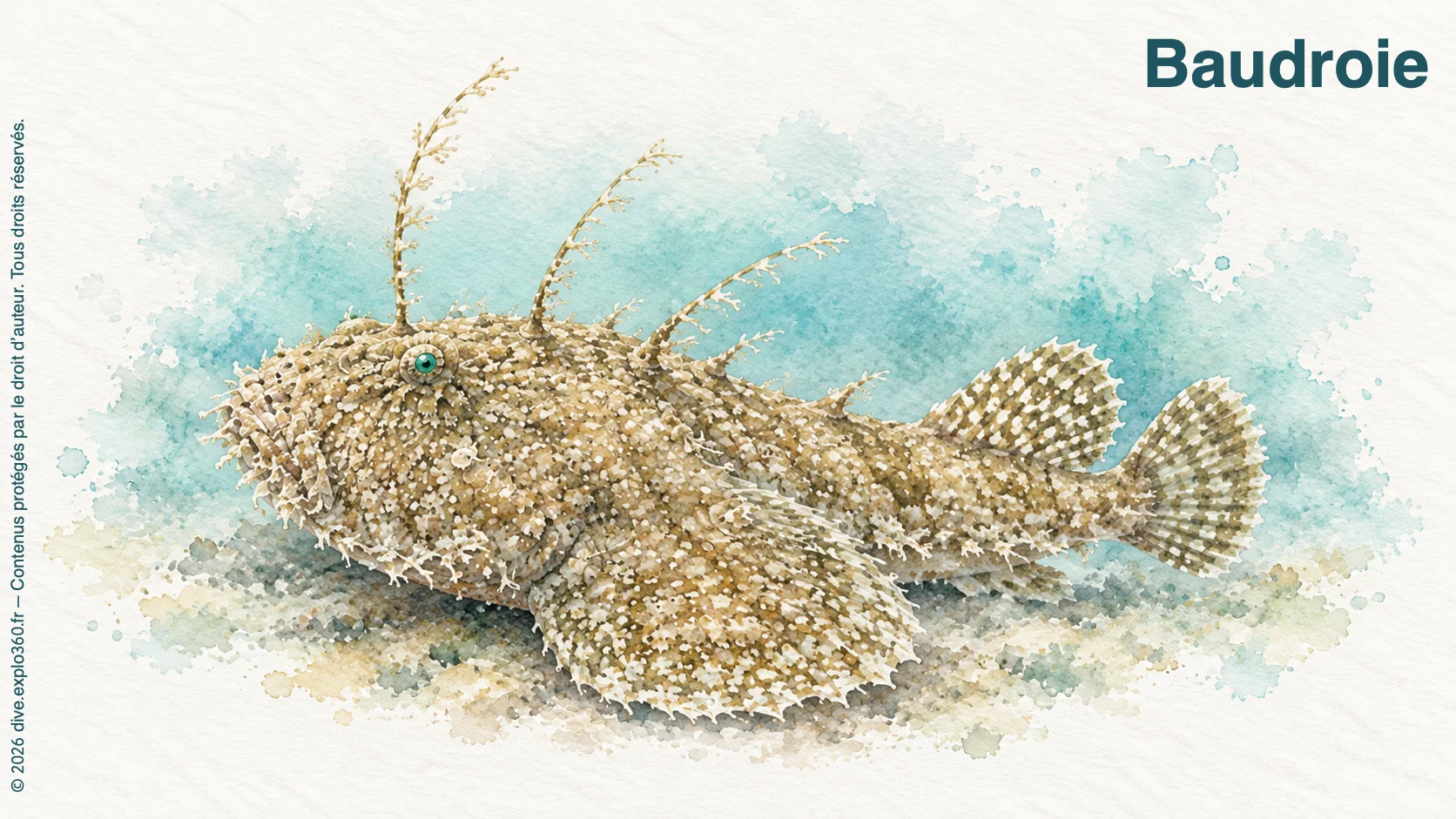
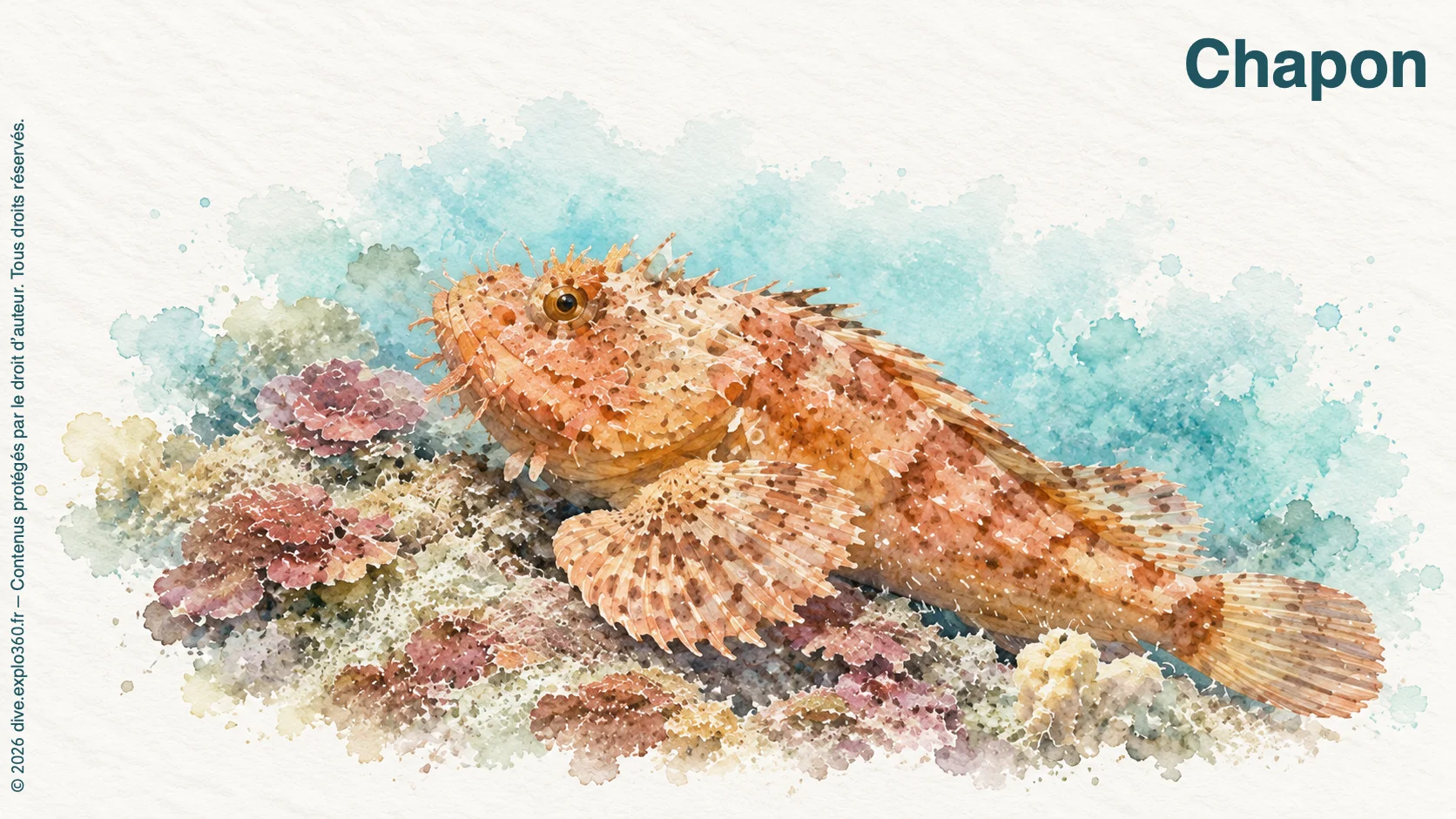
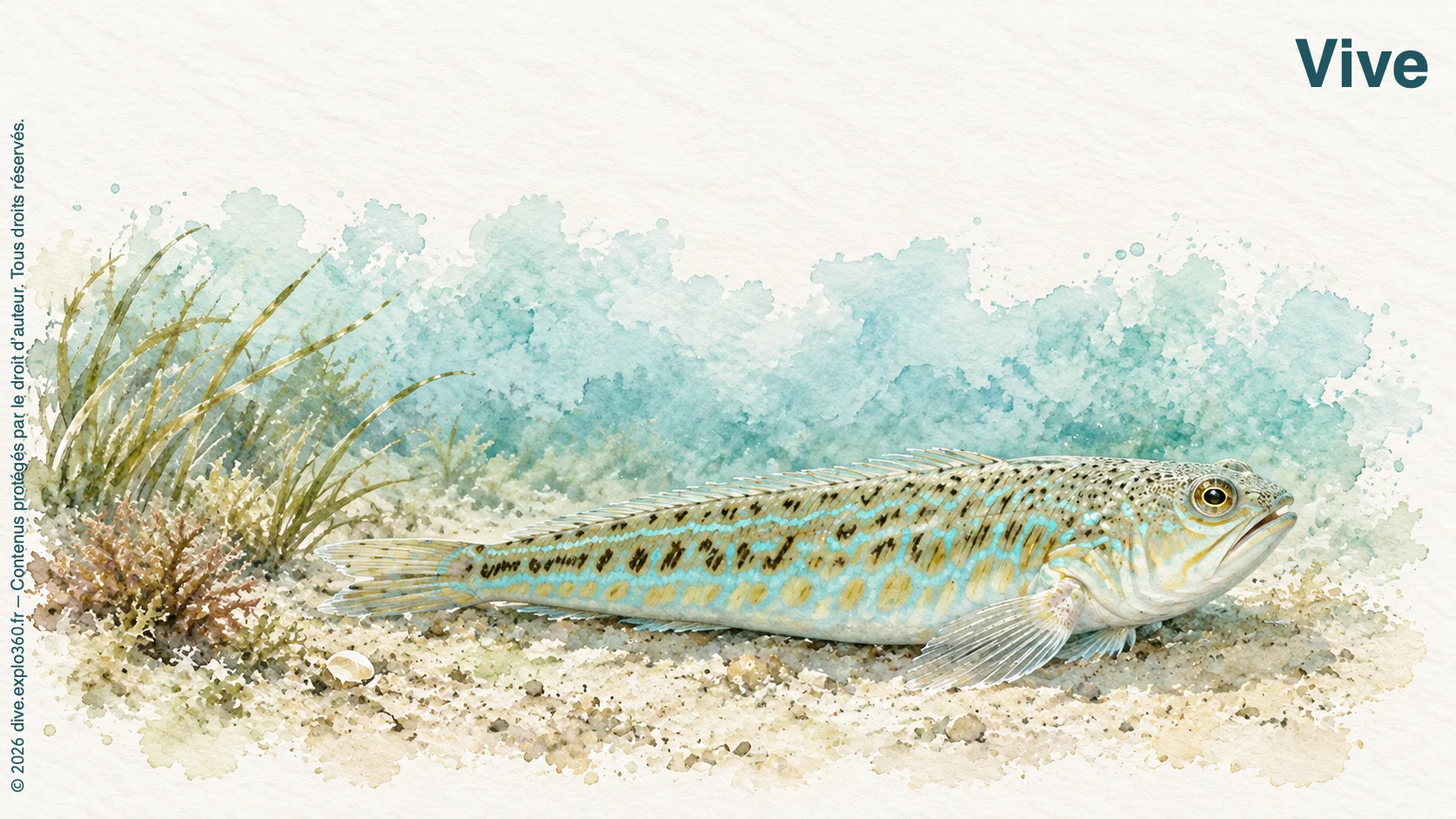
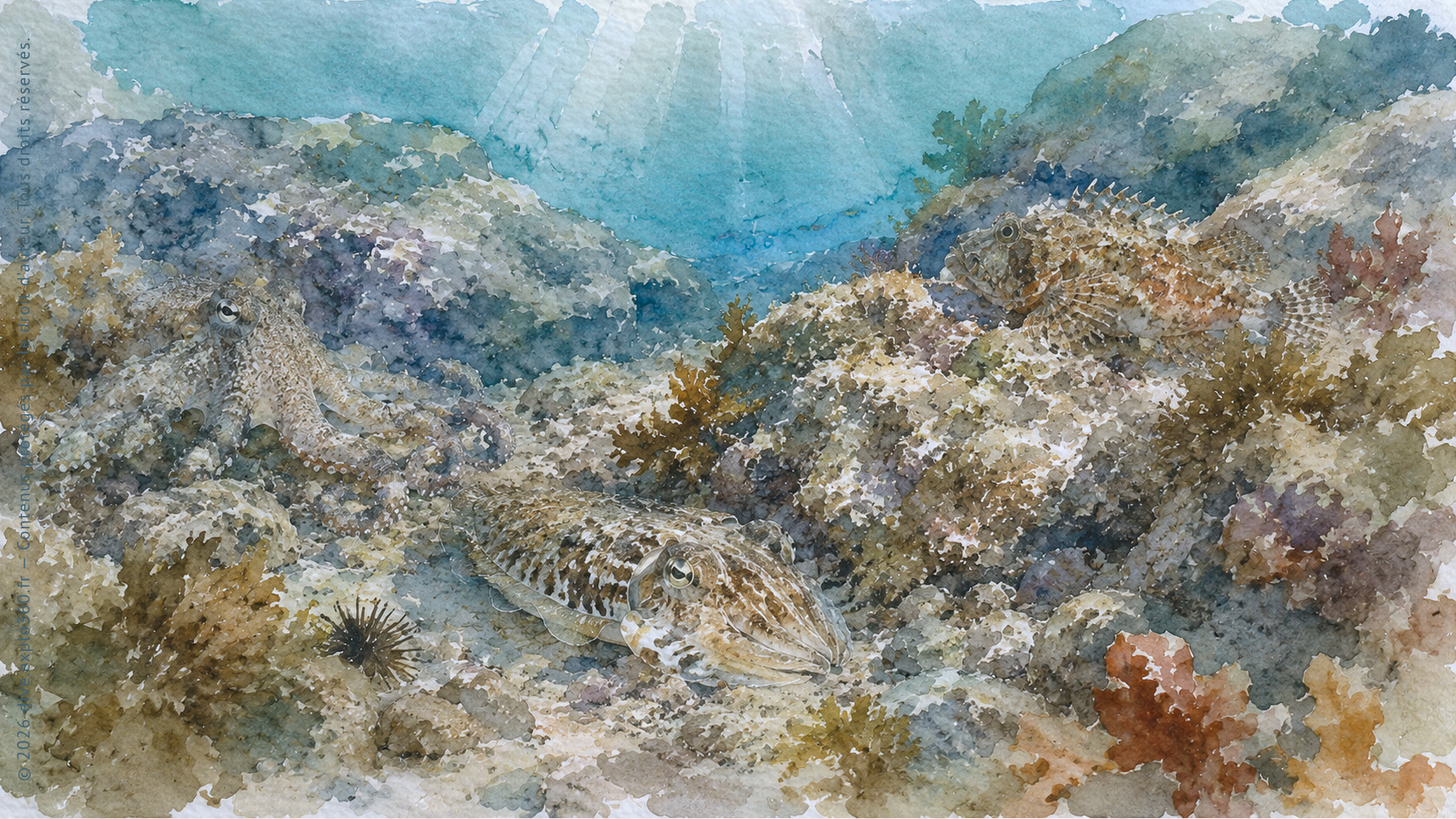
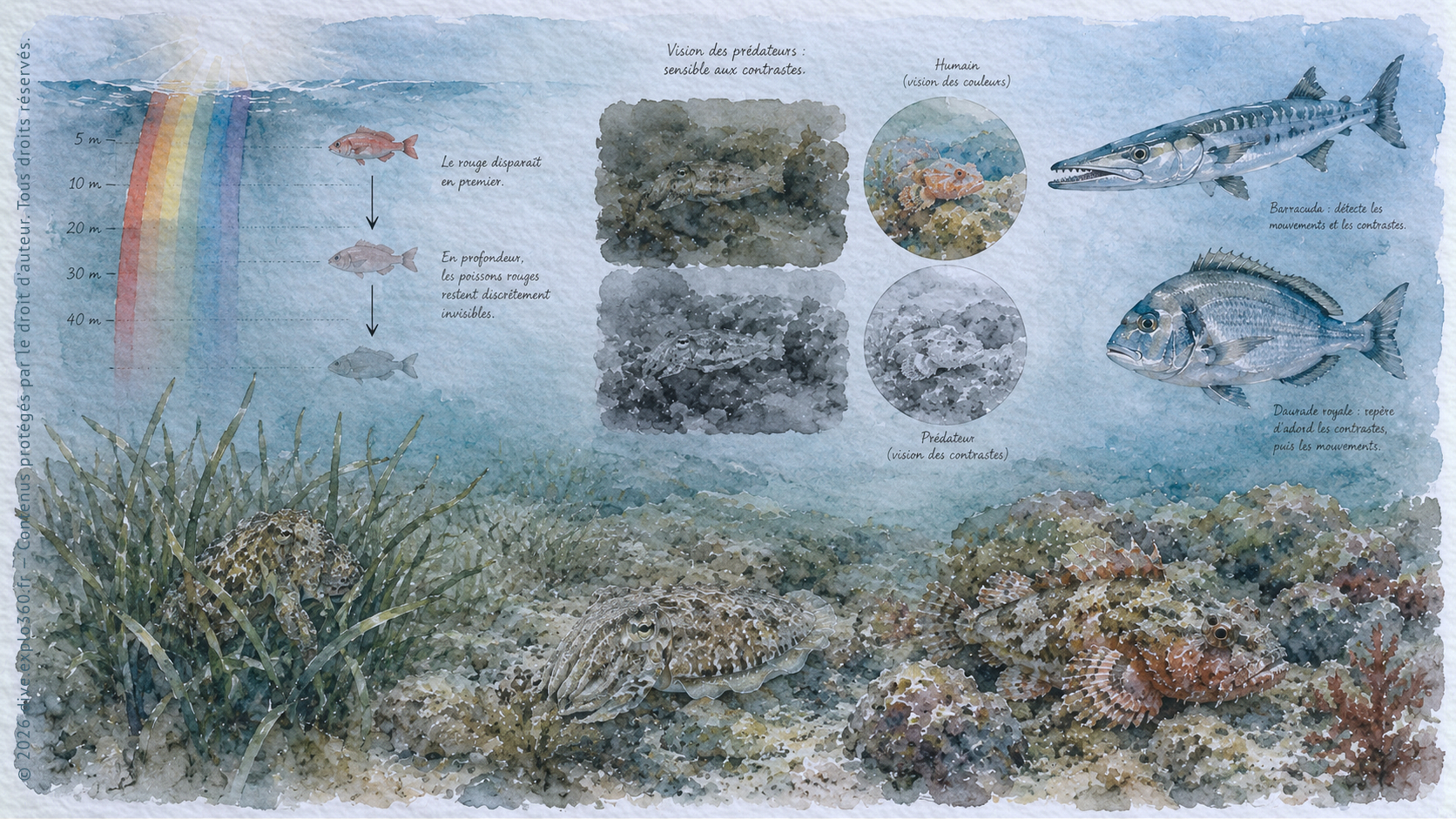
An animal’s visibility depends on light, distance and the viewer’s visual system. Matching the background may reduce contrast; irregular patterns can make outlines harder to follow. Predators do not all see the same colours, so camouflage effective against one may be less effective against another.
ACTIVE CAMOUFLAGE
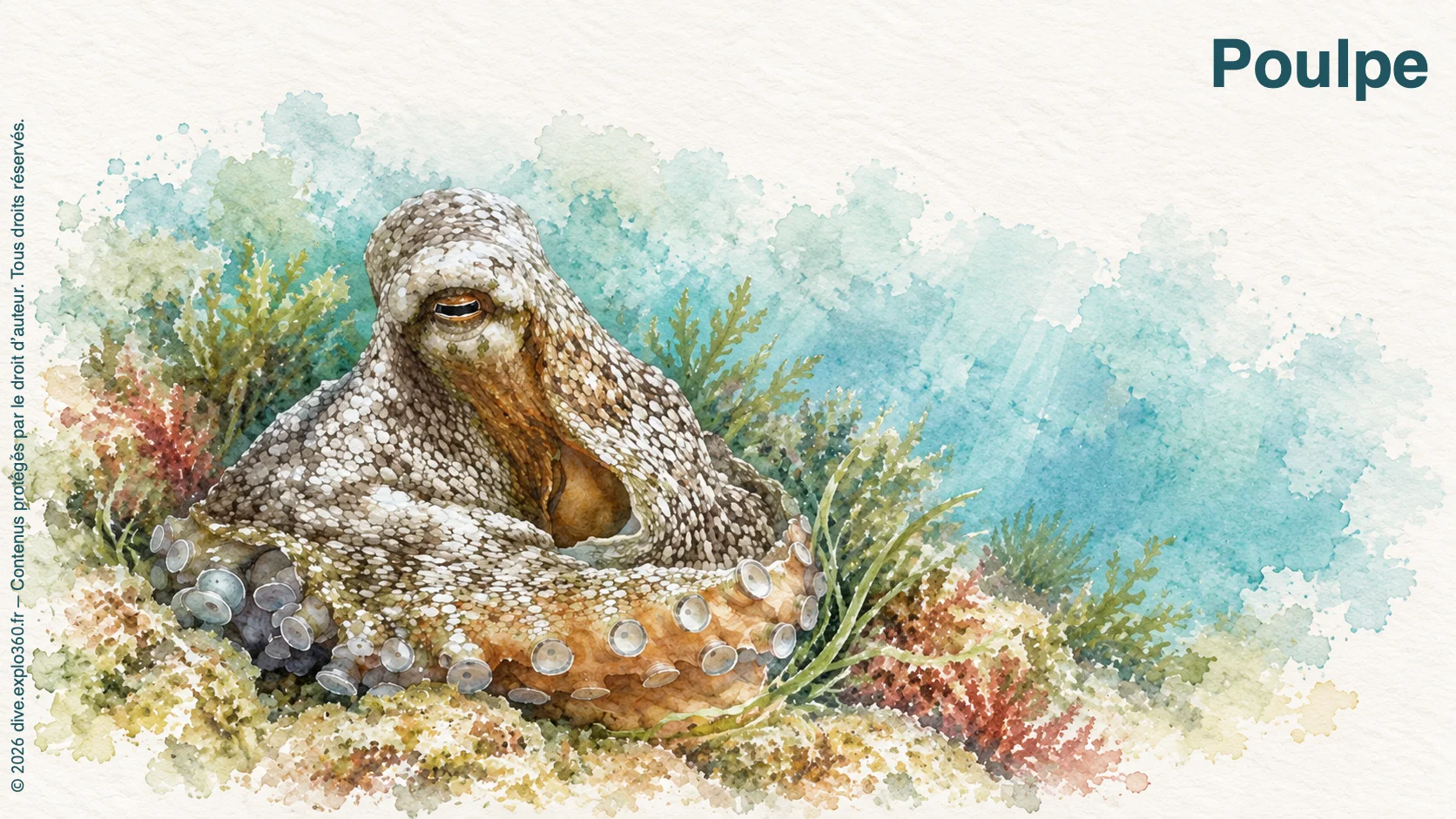
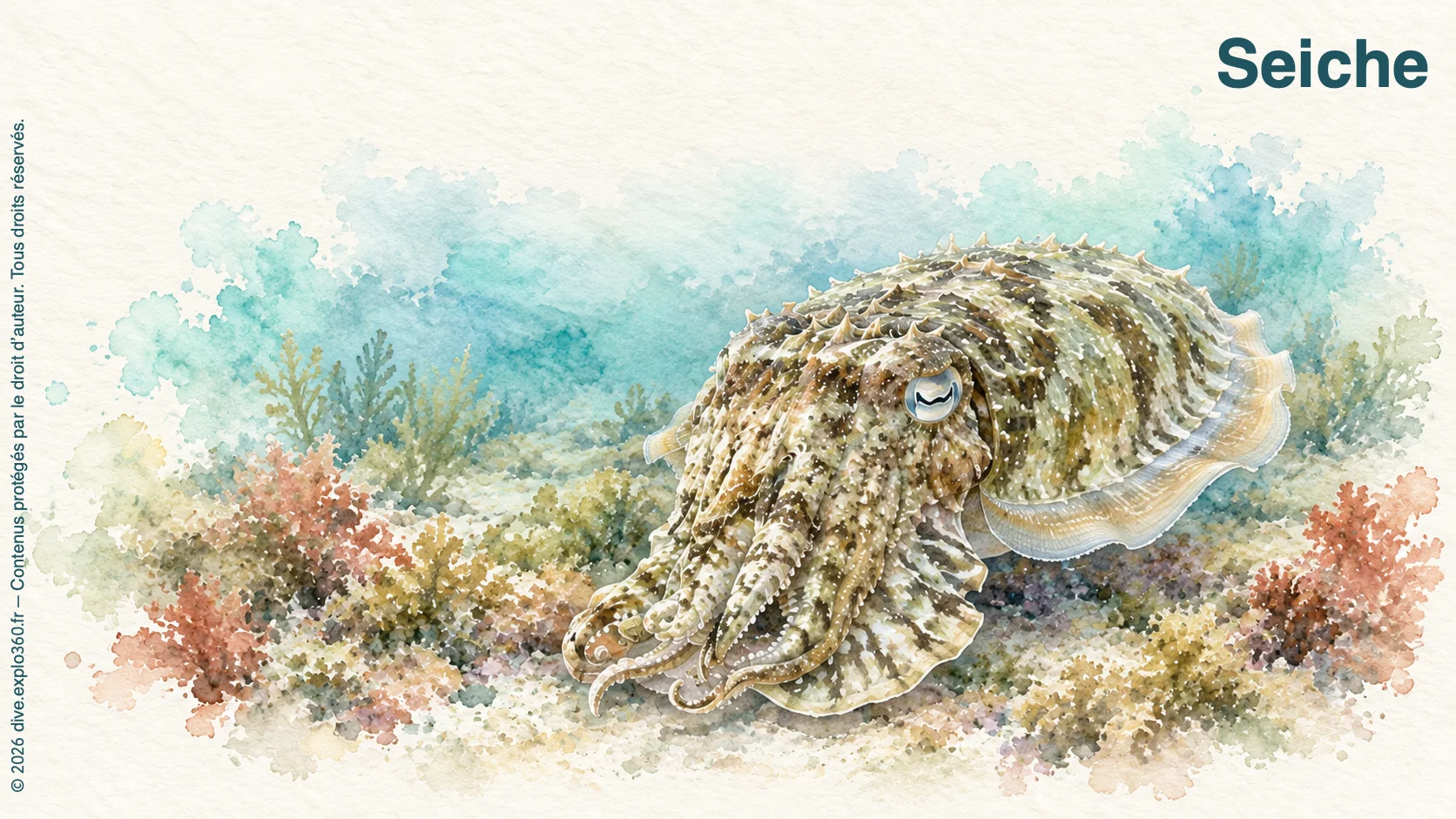
A cuttlefish or octopus can change its pattern within moments. In some species, smooth skin can also rise into bumps that change its texture. Those changes can conceal an animal, and changes in appearance can also play a part in hunting, defence and encounters with others of its own species.
Chromatophores
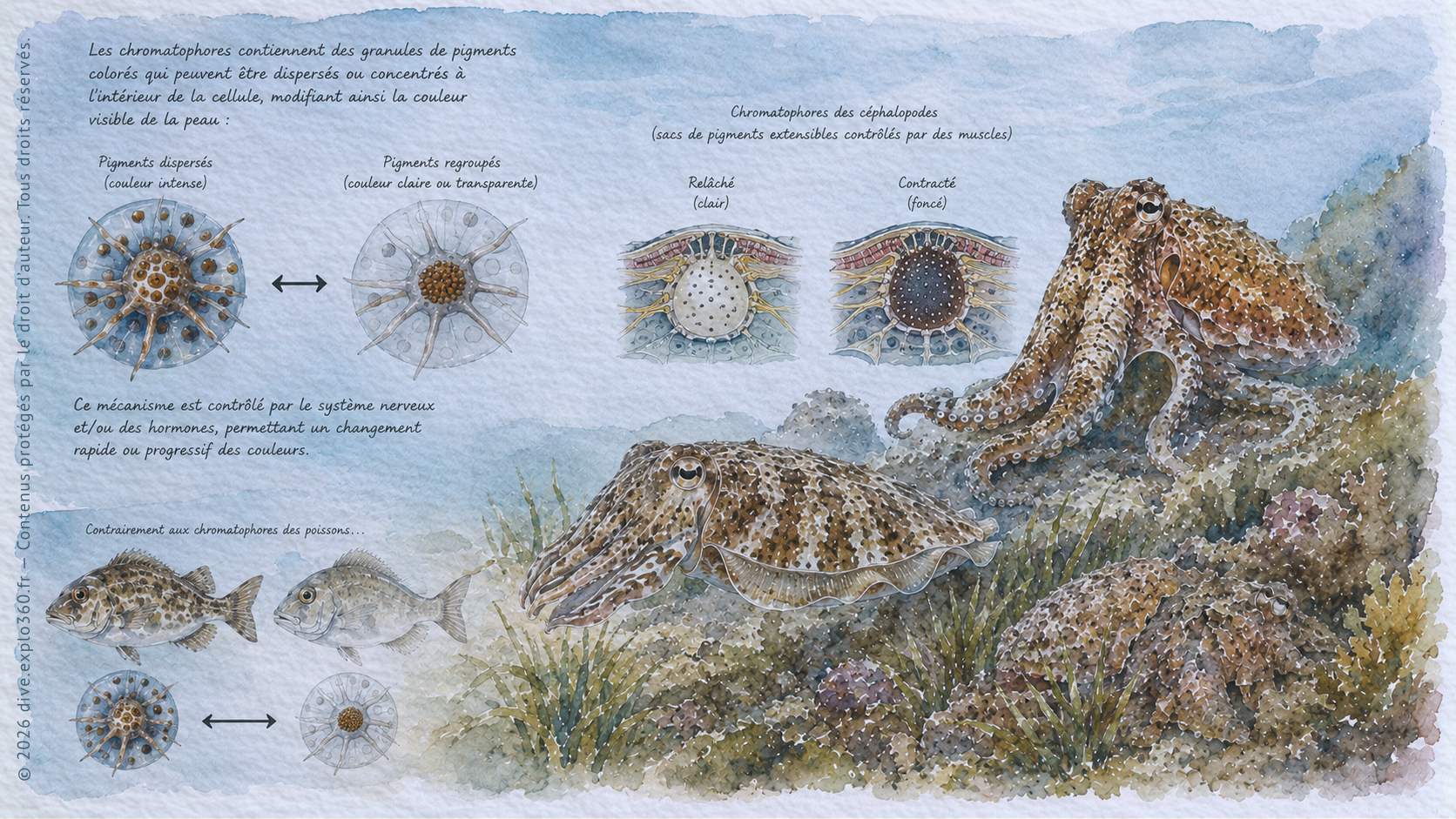
In cuttlefish and octopuses, each chromatophore has a small elastic sac of pigment. When the muscles around it contract, they stretch the sac and expose a wider patch of colour. The nervous system can change which patches are visible in an instant.
Many fish change shade by moving pigment granules within cells. The granules can spread out or gather together without the whole pigment sac being stretched by muscles.
Melanophores
Xanthophores
Erythrophores
Leucophores
Iridophores
Explore the same world