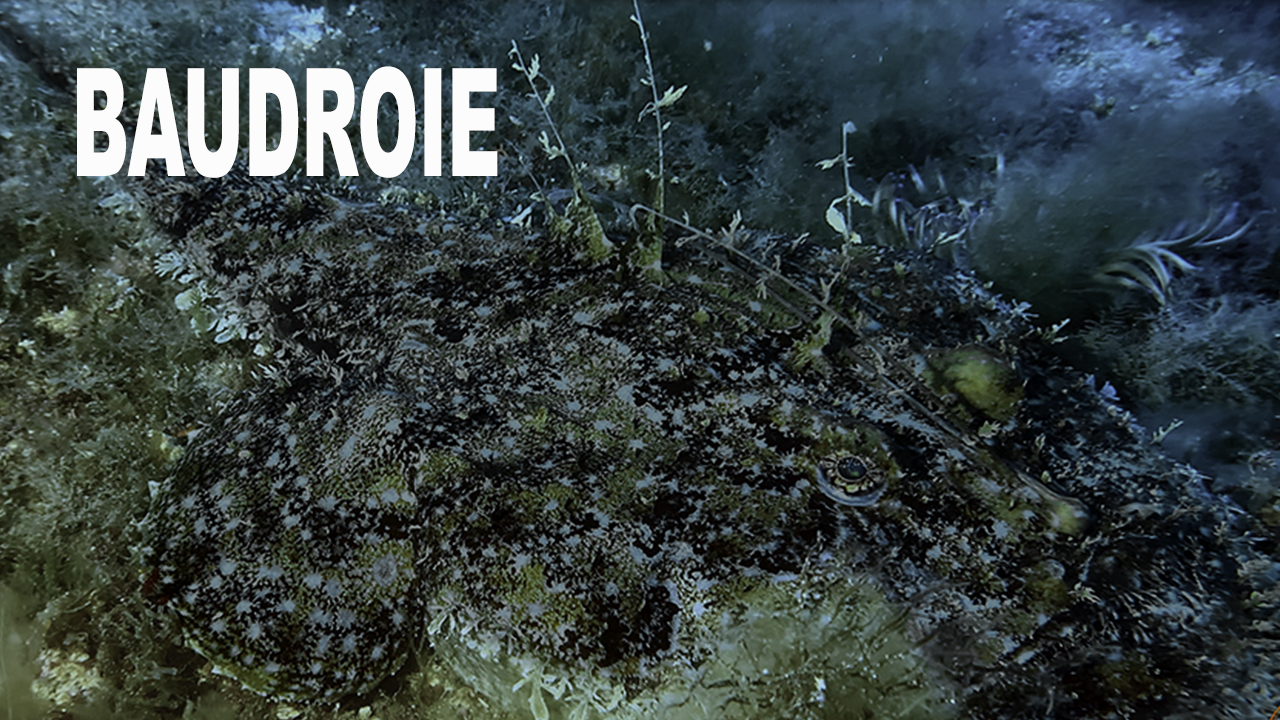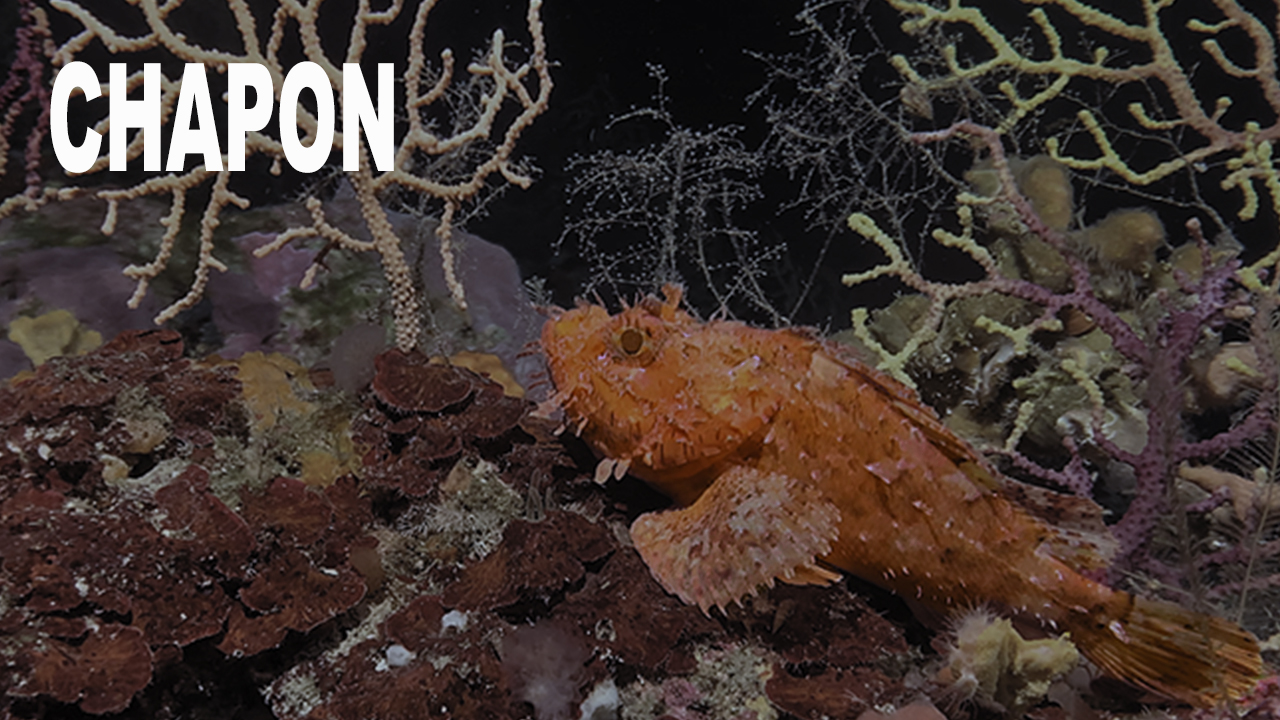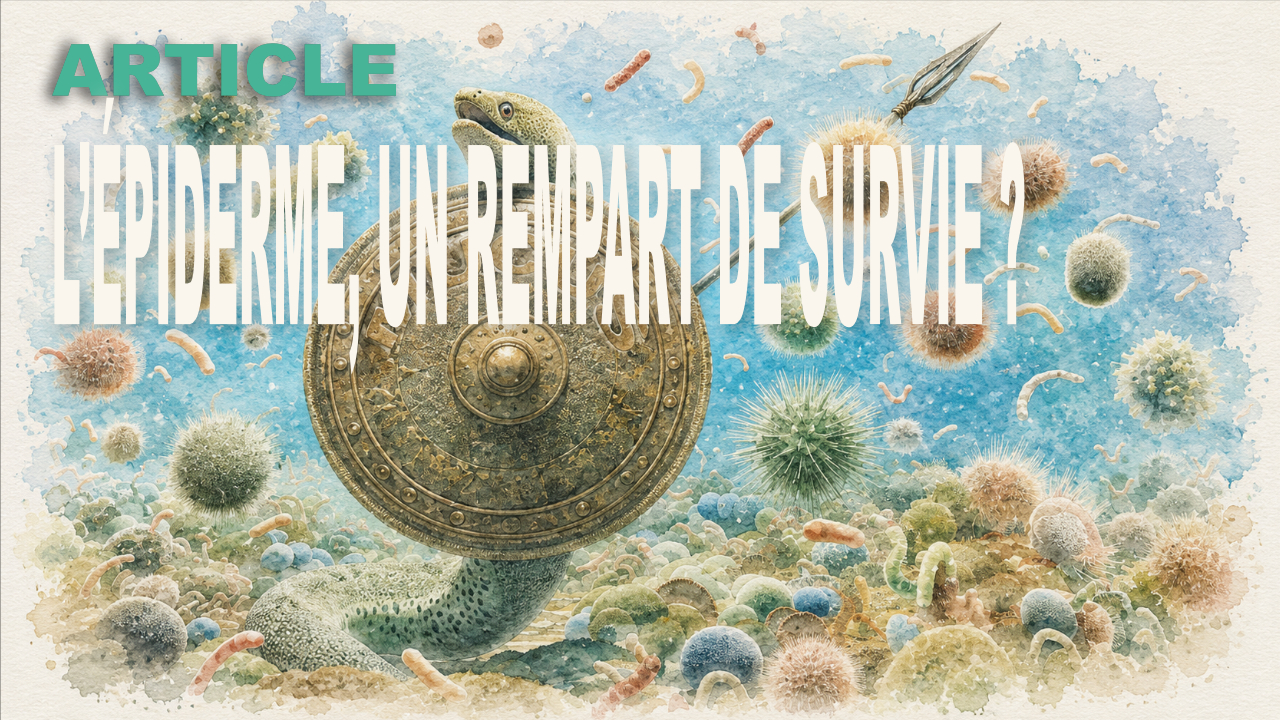

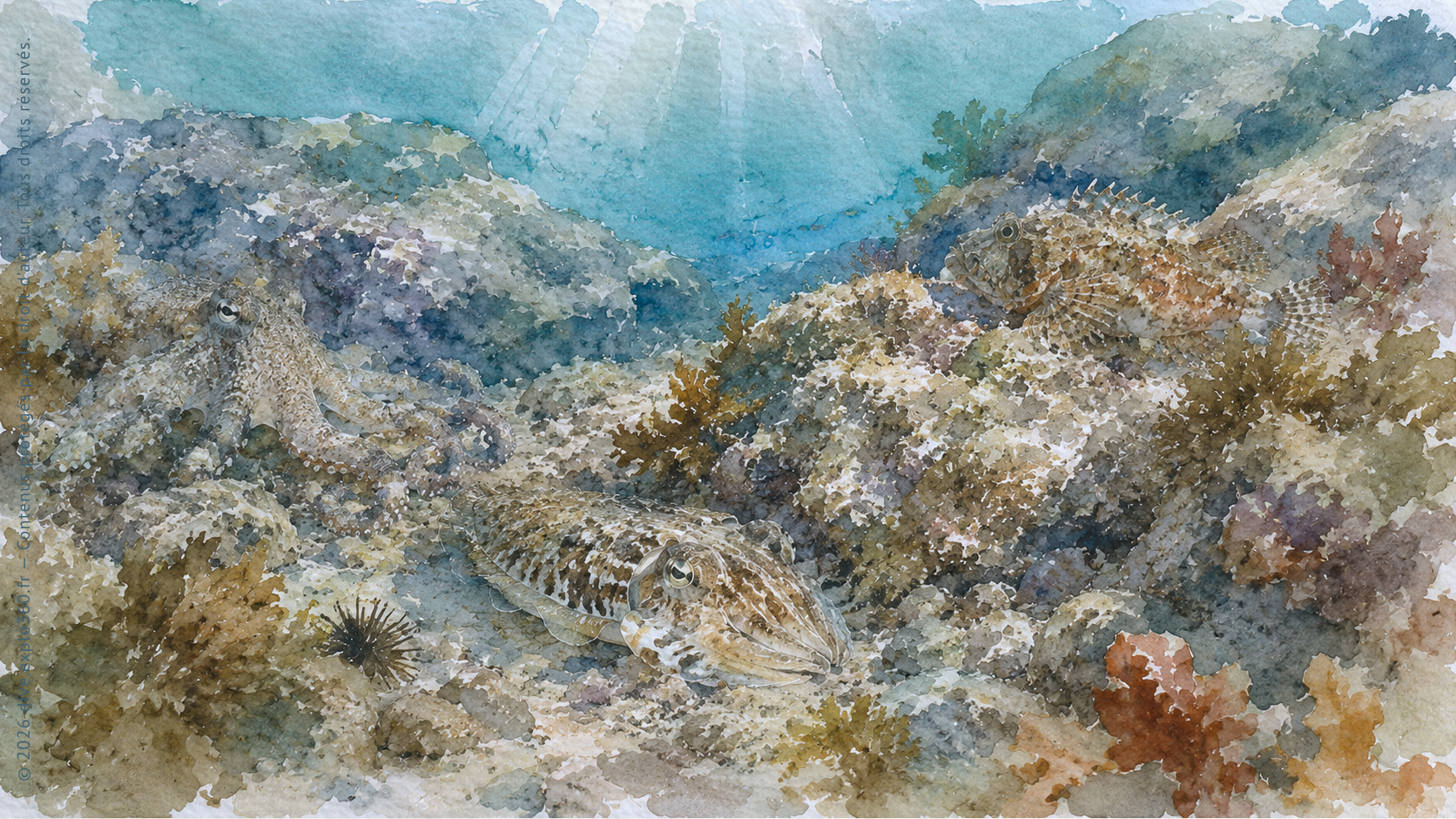
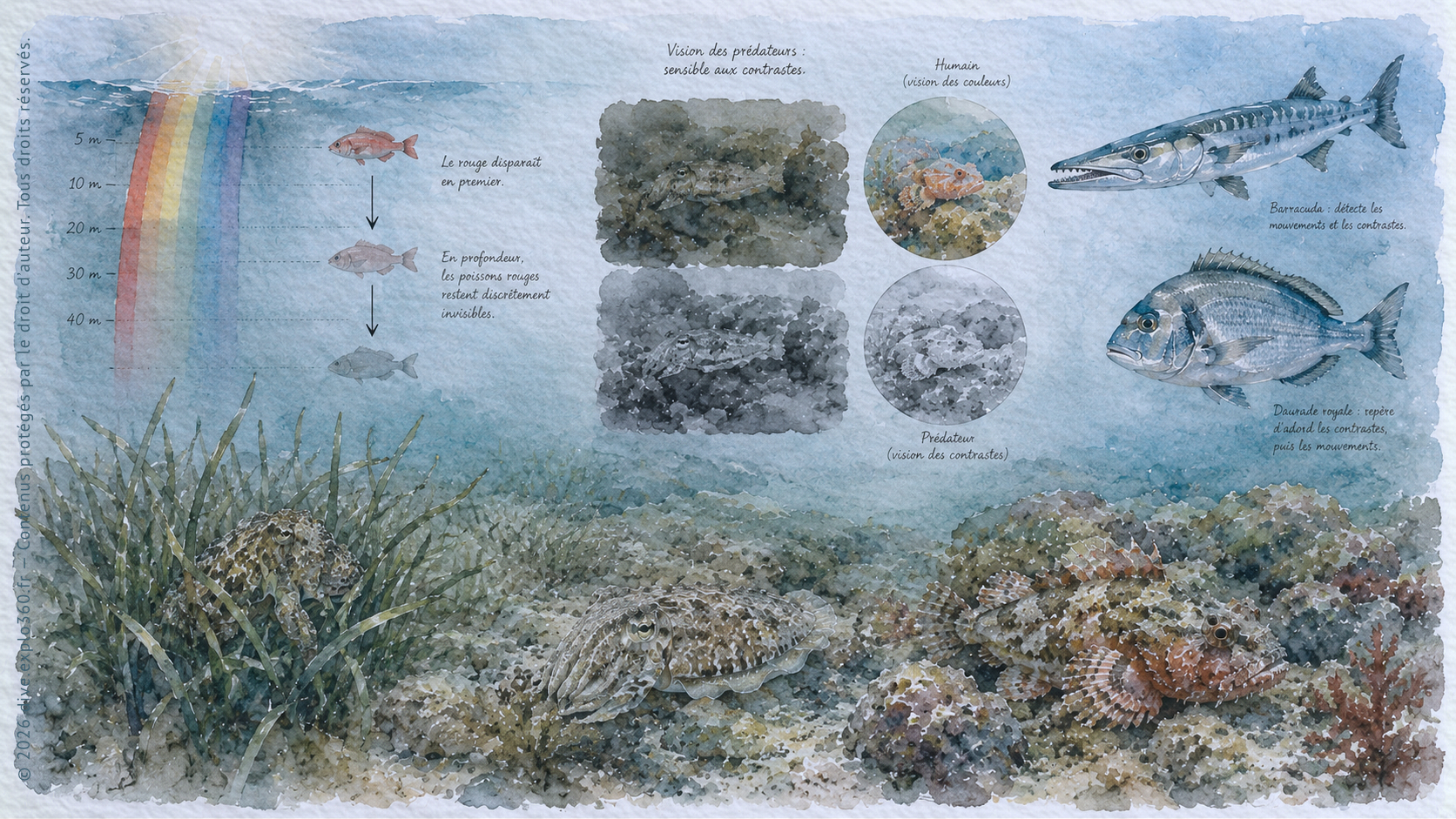
Underwater, light and colours change with depth. Movements and contrasts can also help a predator spot prey.
An animal can therefore become difficult to see through its colour, but also by hiding its outline or simply staying still.
ACTIVE CAMOUFLAGE
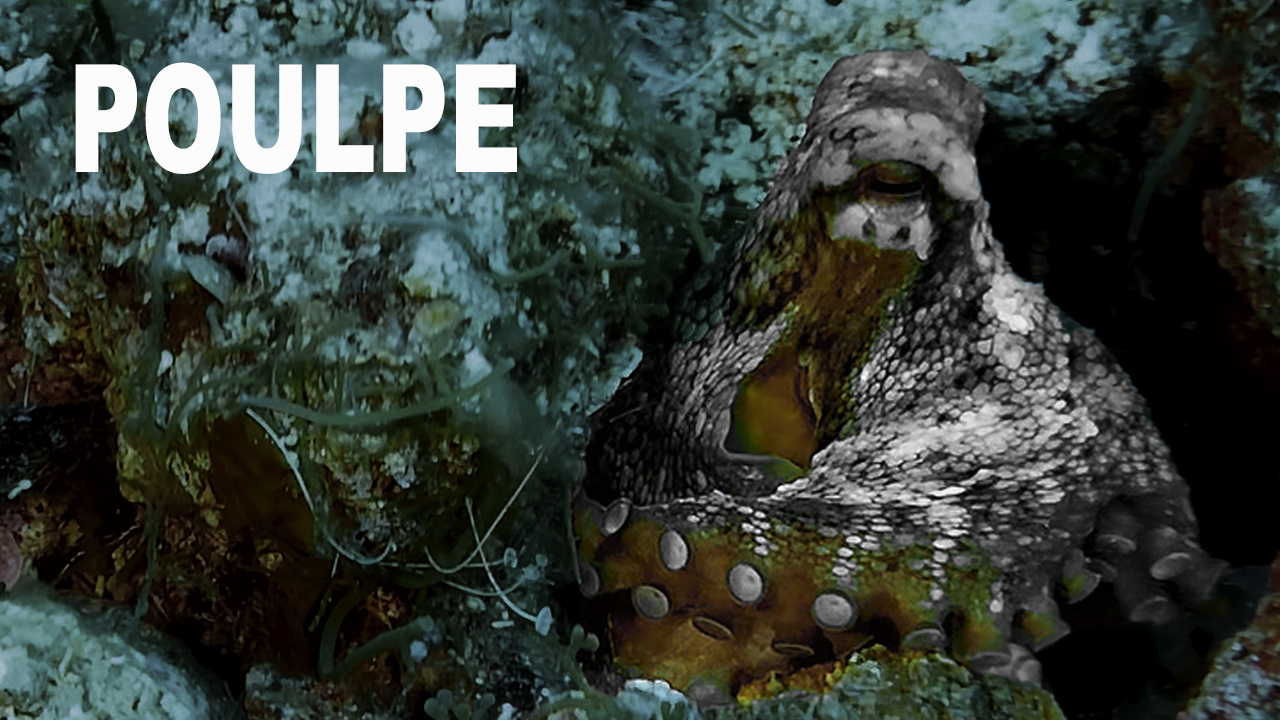
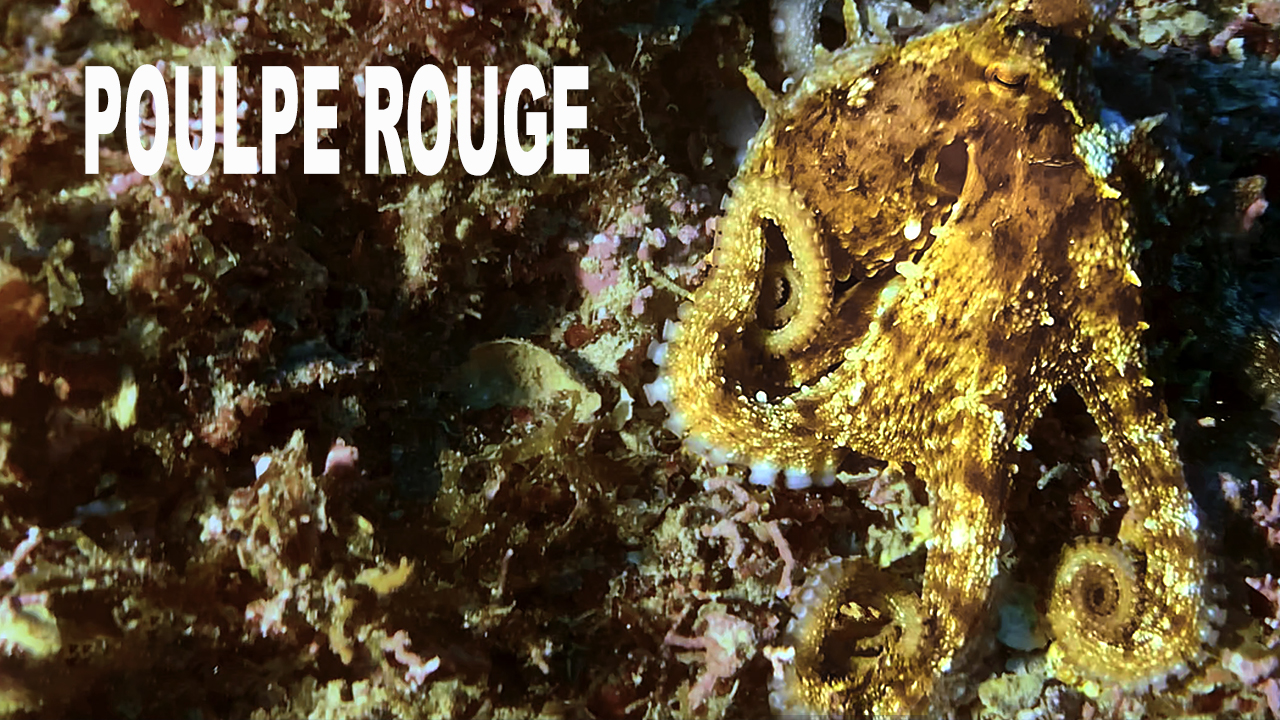
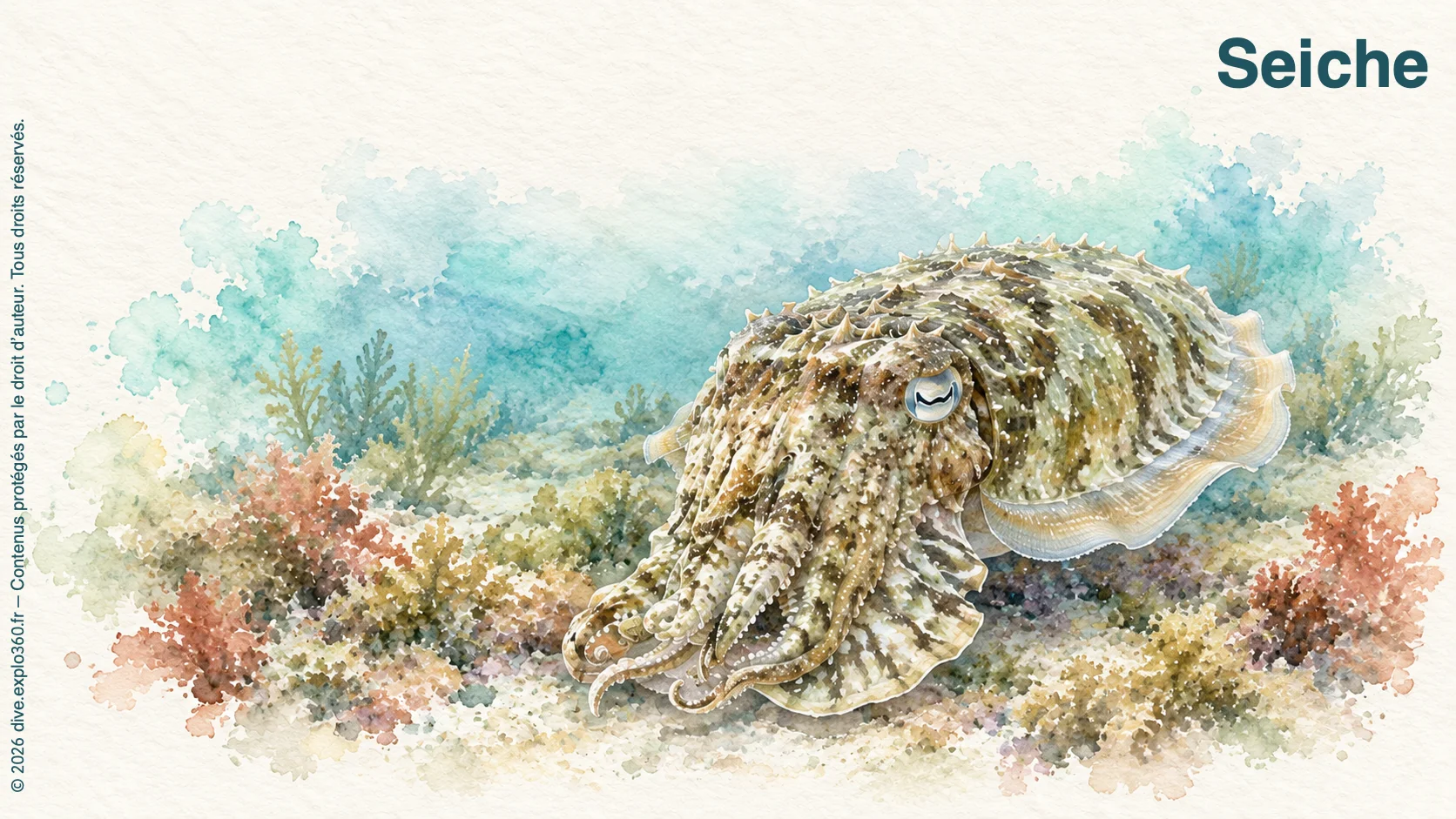
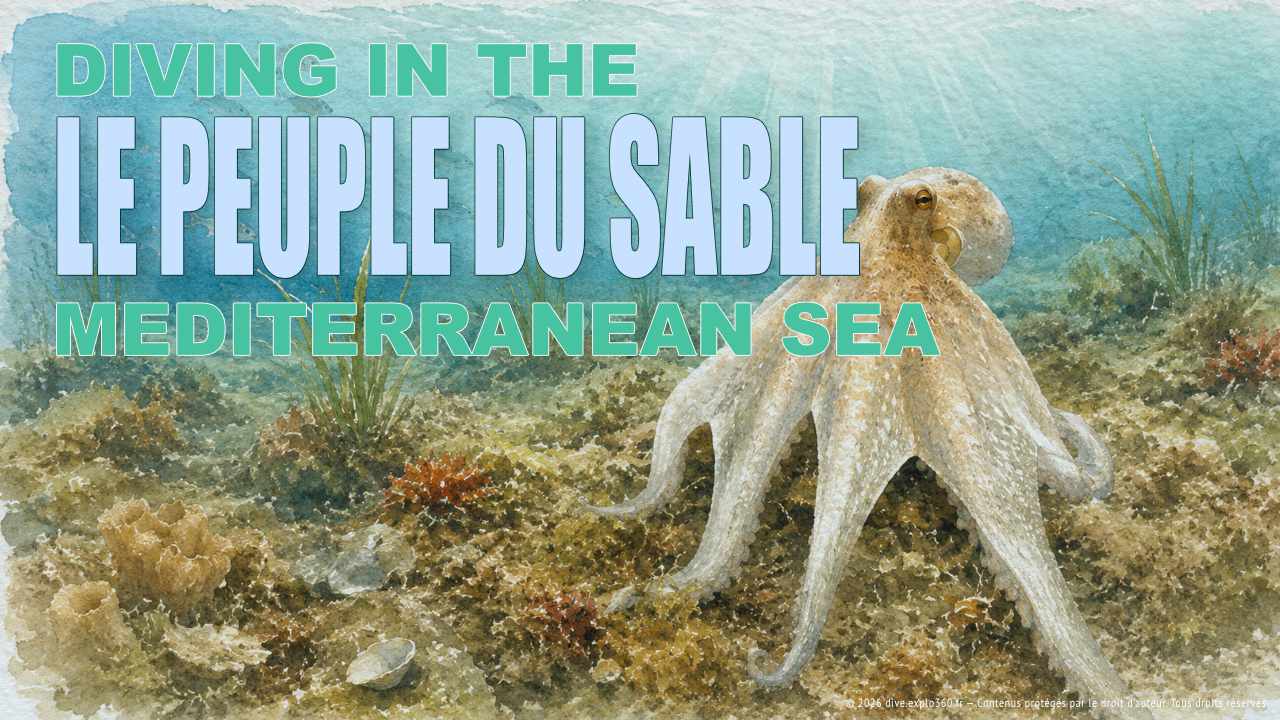
Cuttlefish and octopuses can quickly change their colours and patterns. Octopuses can also alter their skin texture.
These transformations allow them to blend better into their environment.
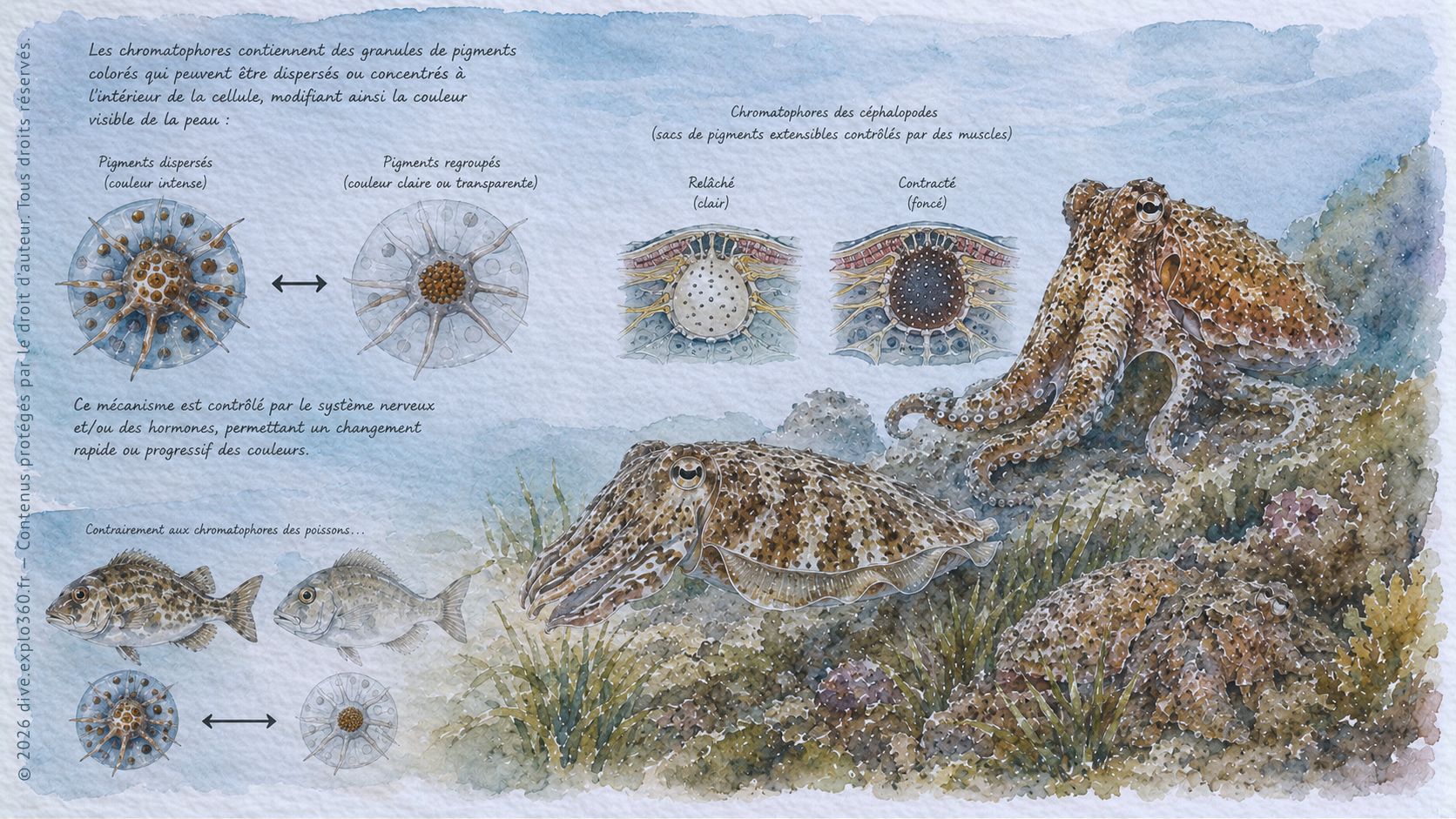
In cuttlefish and octopuses, they are small sacs containing pigments. Muscles allow them to expand or shrink, quickly changing the skin’s appearance.
Other structures also reflect light and contribute to the colours we see.
PASSIVE CAMOUFLAGE
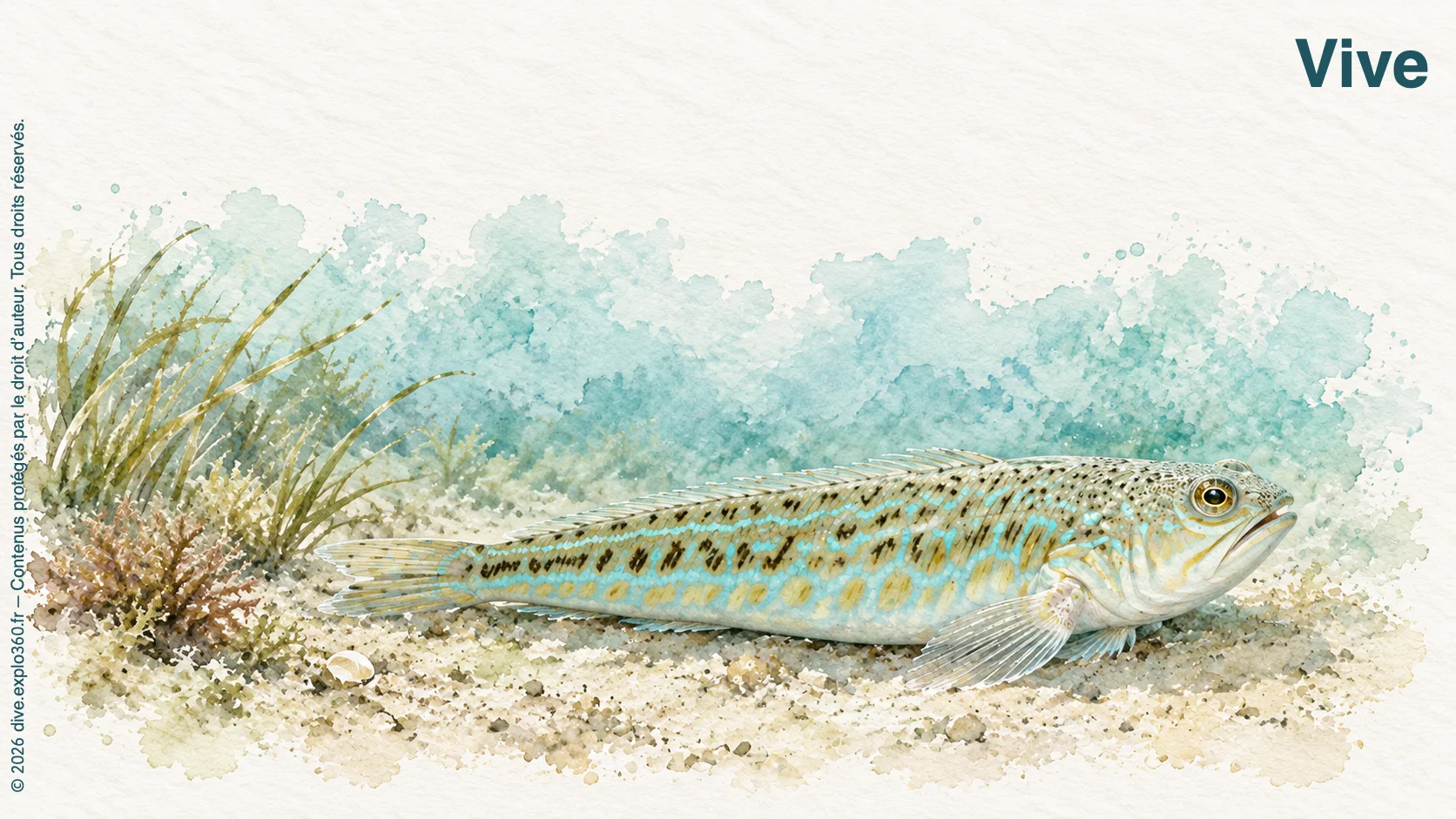
Their bodies already have colours, shapes or patterns similar to their surroundings. By remaining still, they become even harder to spot.
AMIGANSEAU CONTENT
The rest of this article is for subscribers
Log in with your AMIGANSEAU licence to continue reading.
All active AMIGANSEAU licences give access to the full article.Explore the same world