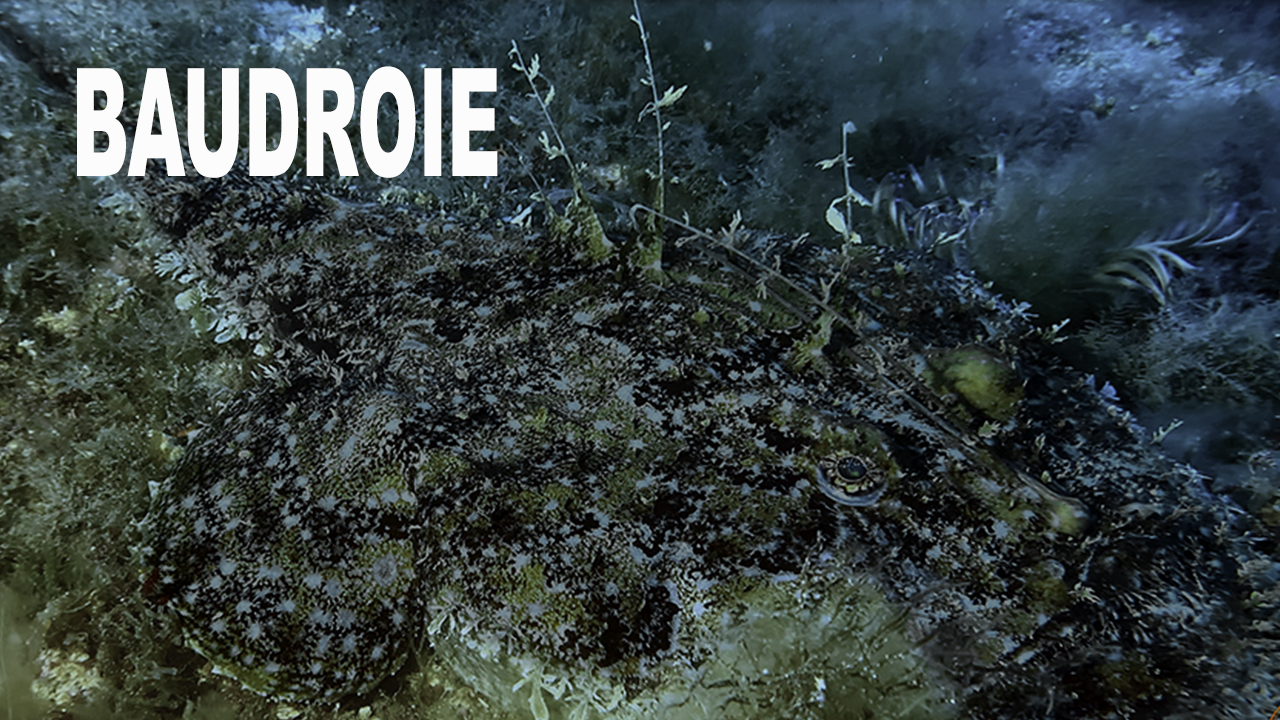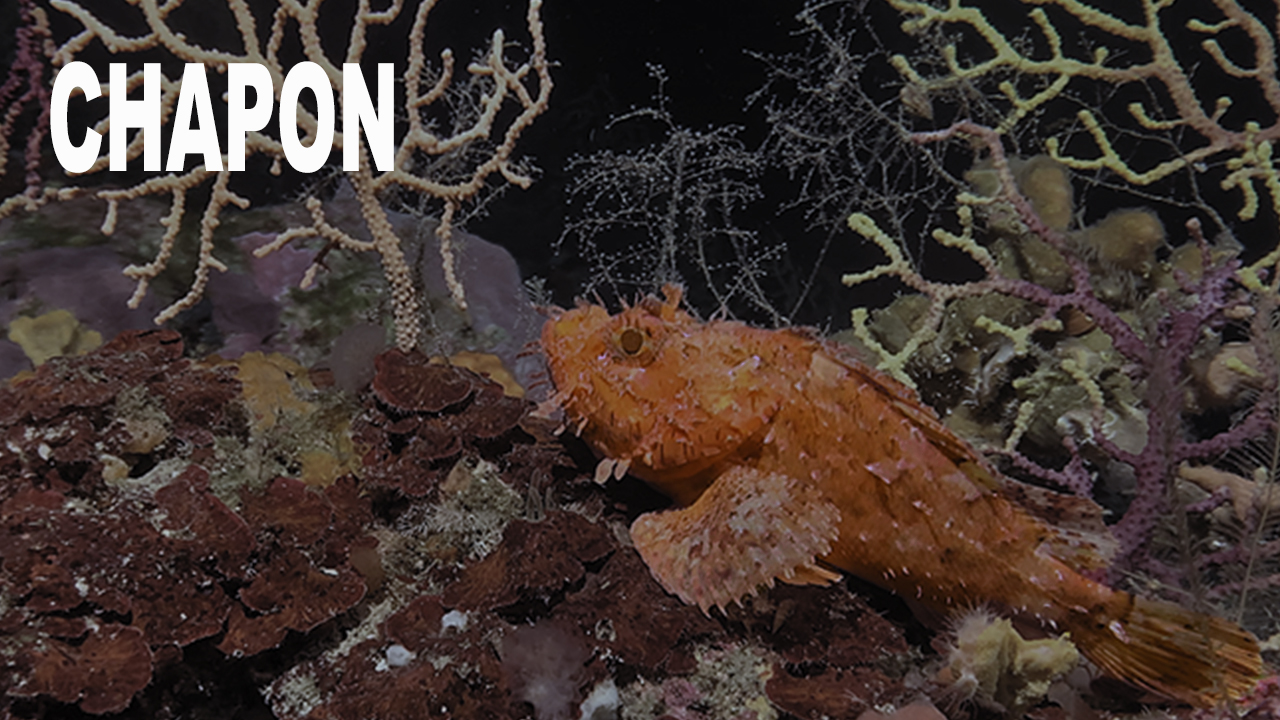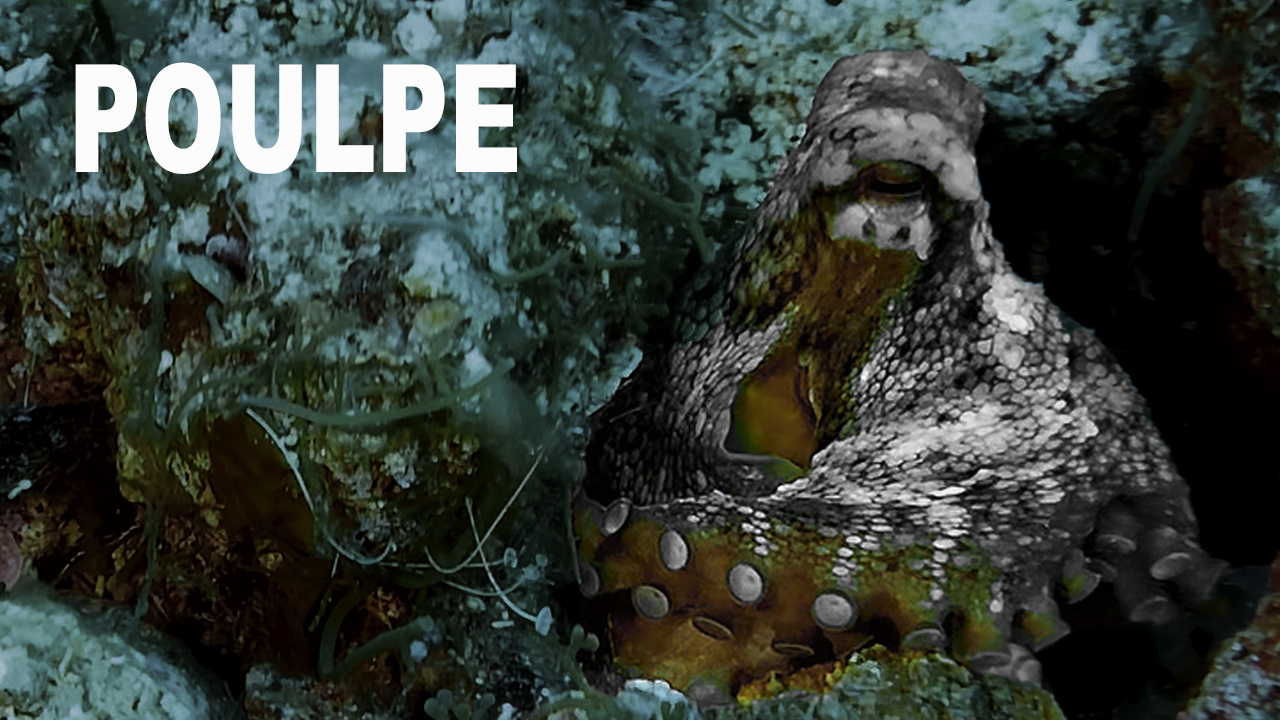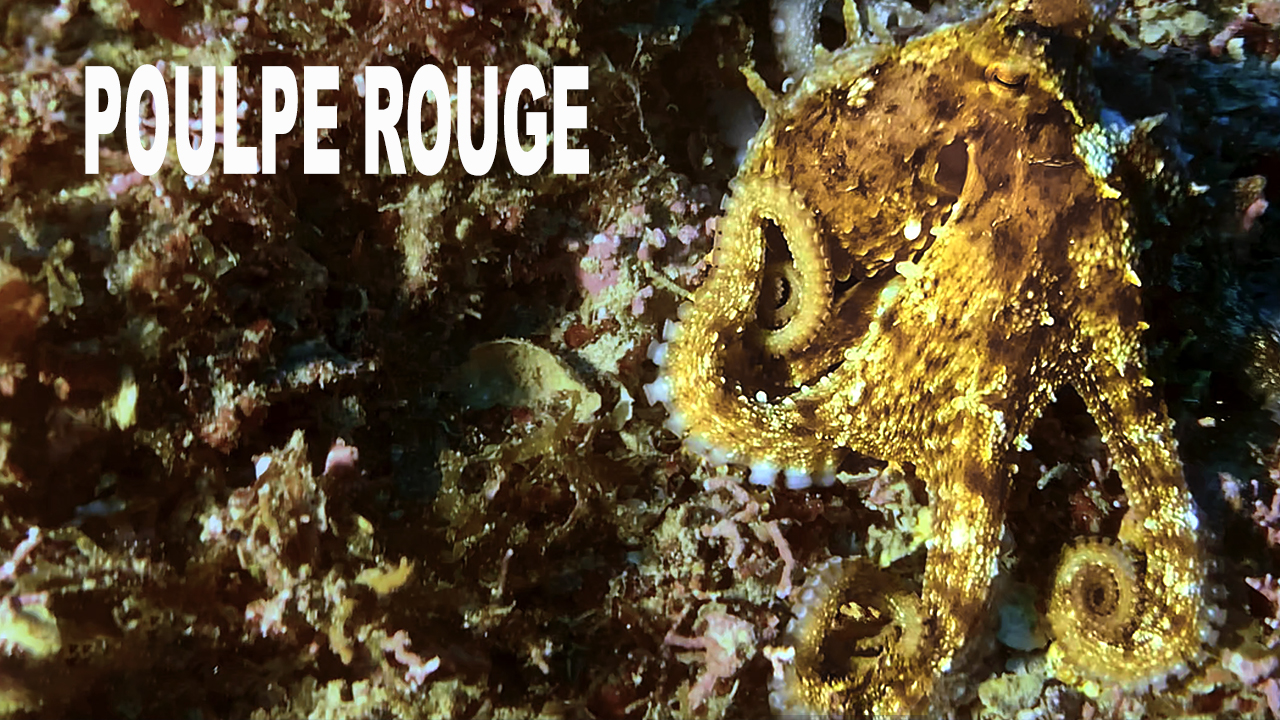

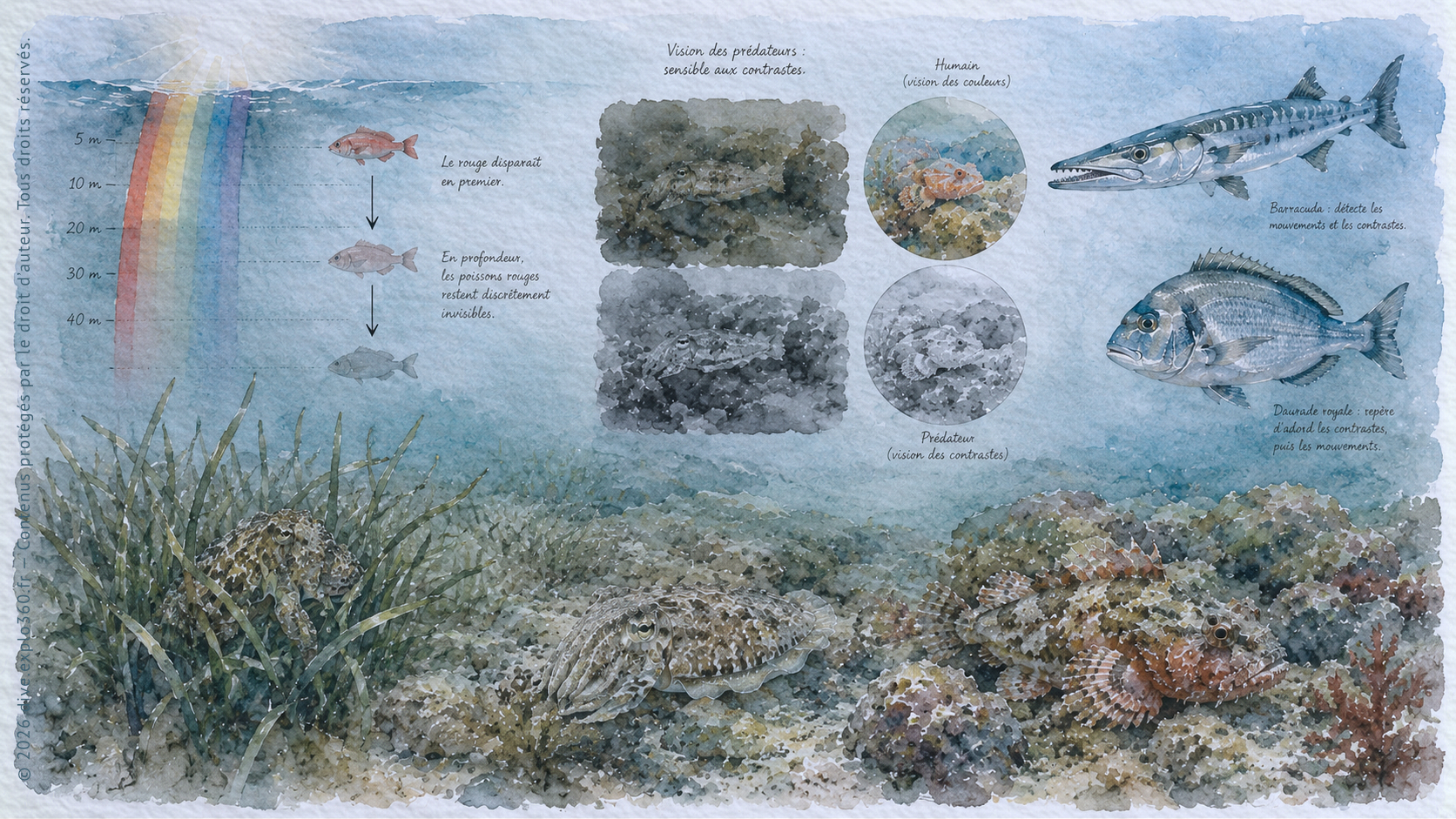
Underwater, light is gradually absorbed. Colours therefore do not remain equally visible as depth increases. Red, in particular, is absorbed quickly.
Movements, contrasts and outline can also play an important role in detecting an animal. Good camouflage is therefore not just about having ‘the right colour’: it can also hide the body’s contours or involve staying perfectly still.
ACTIVE CAMOUFLAGE
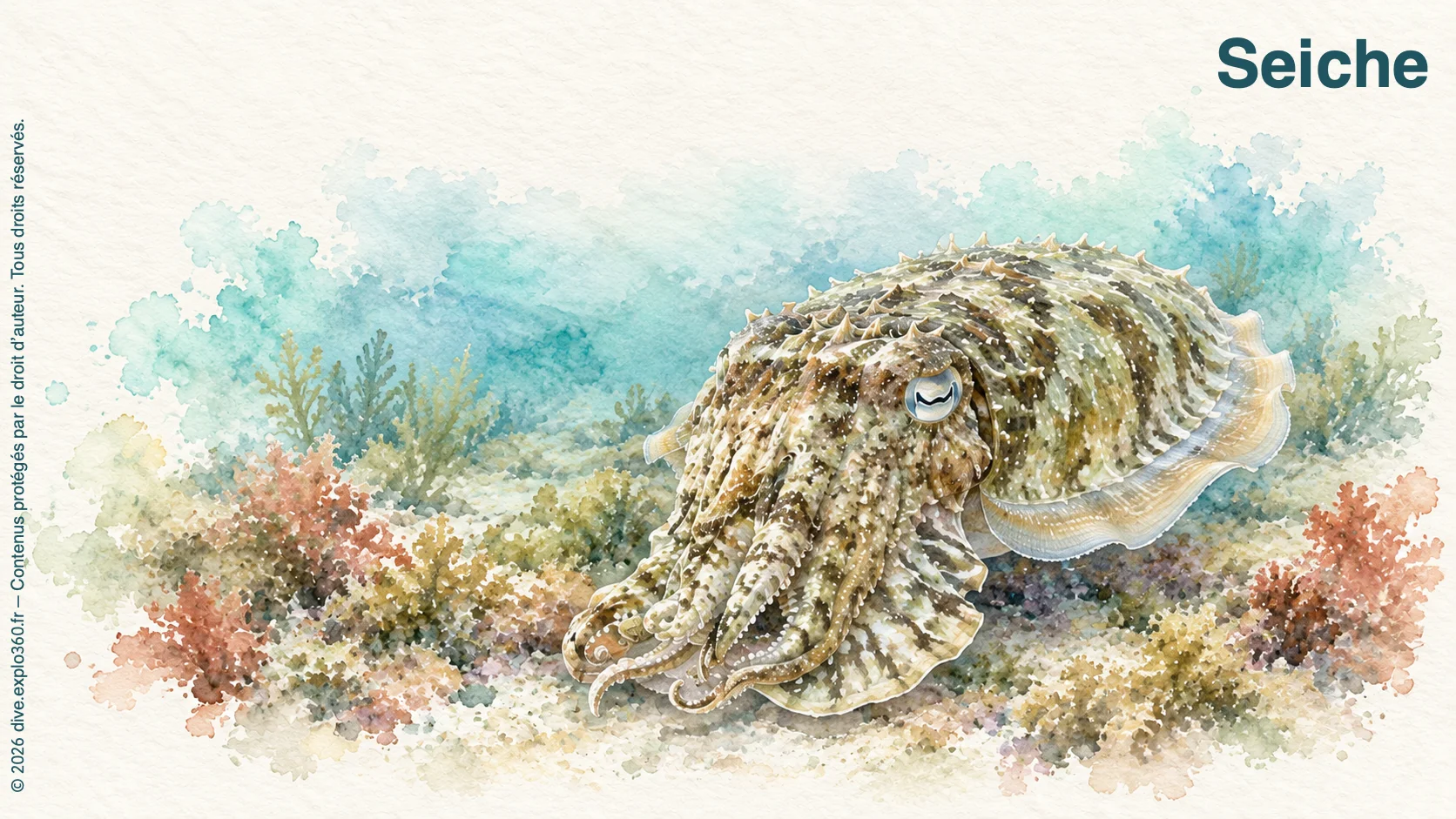
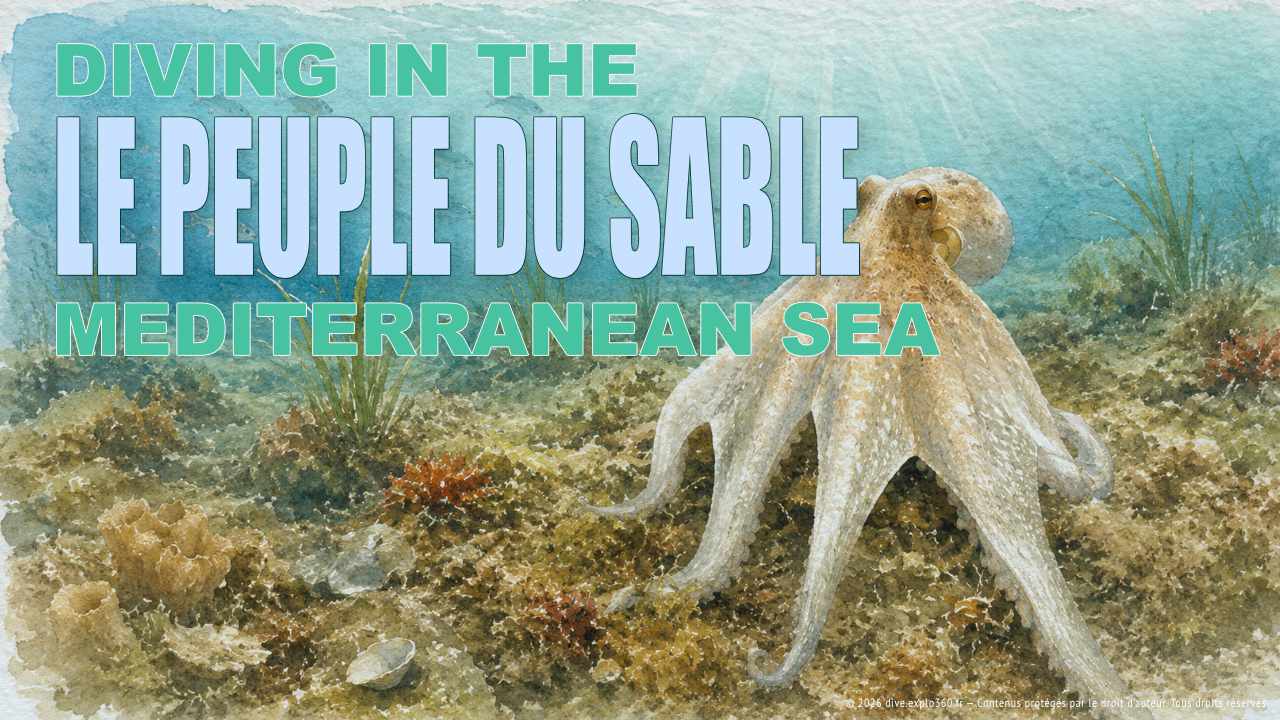
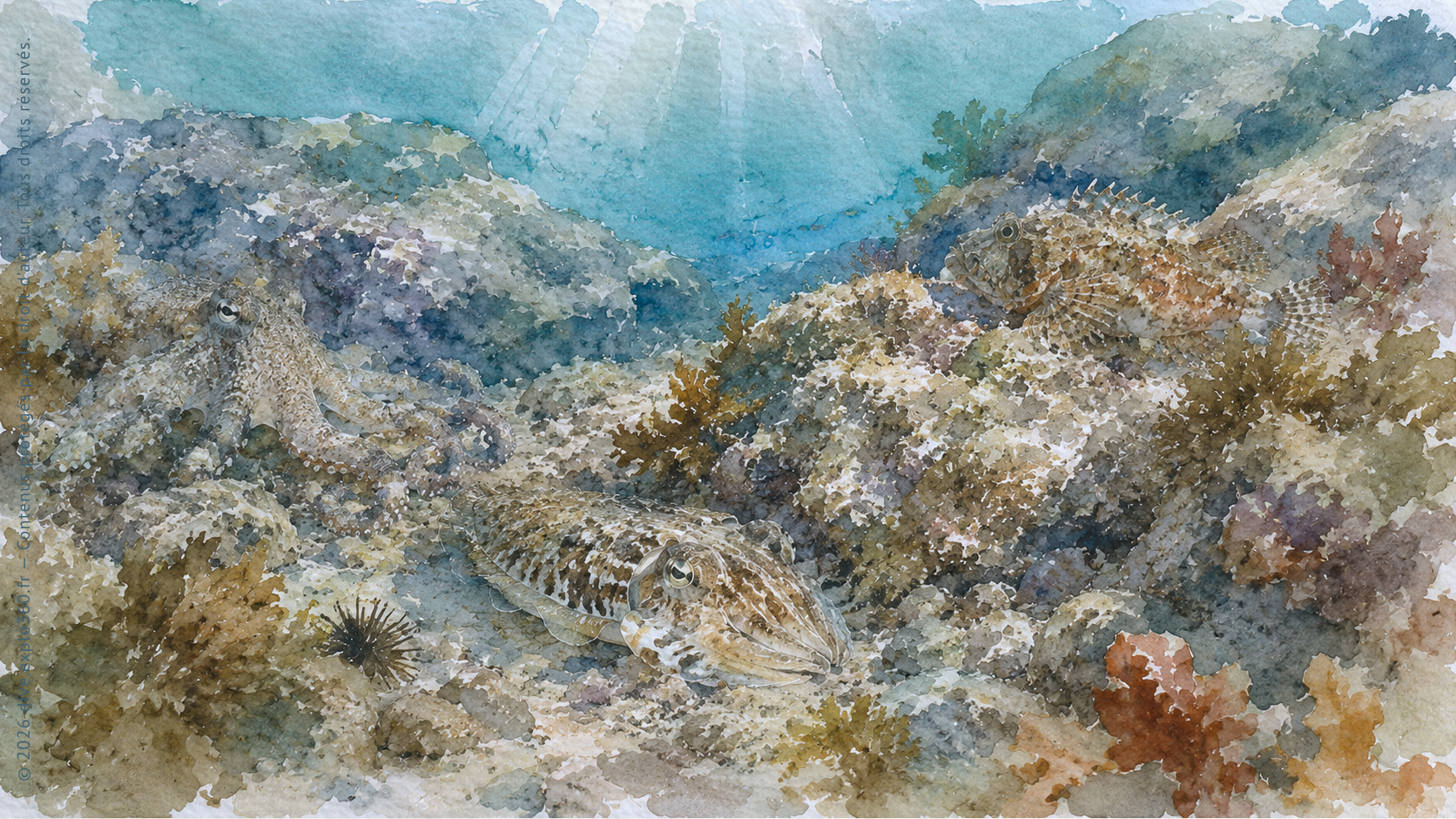
In cephalopods such as cuttlefish and octopuses, colour and pattern changes can be very rapid. Skin texture can also be altered in some species.
This ability is used for camouflage but can also contribute to hunting, defence and communication.
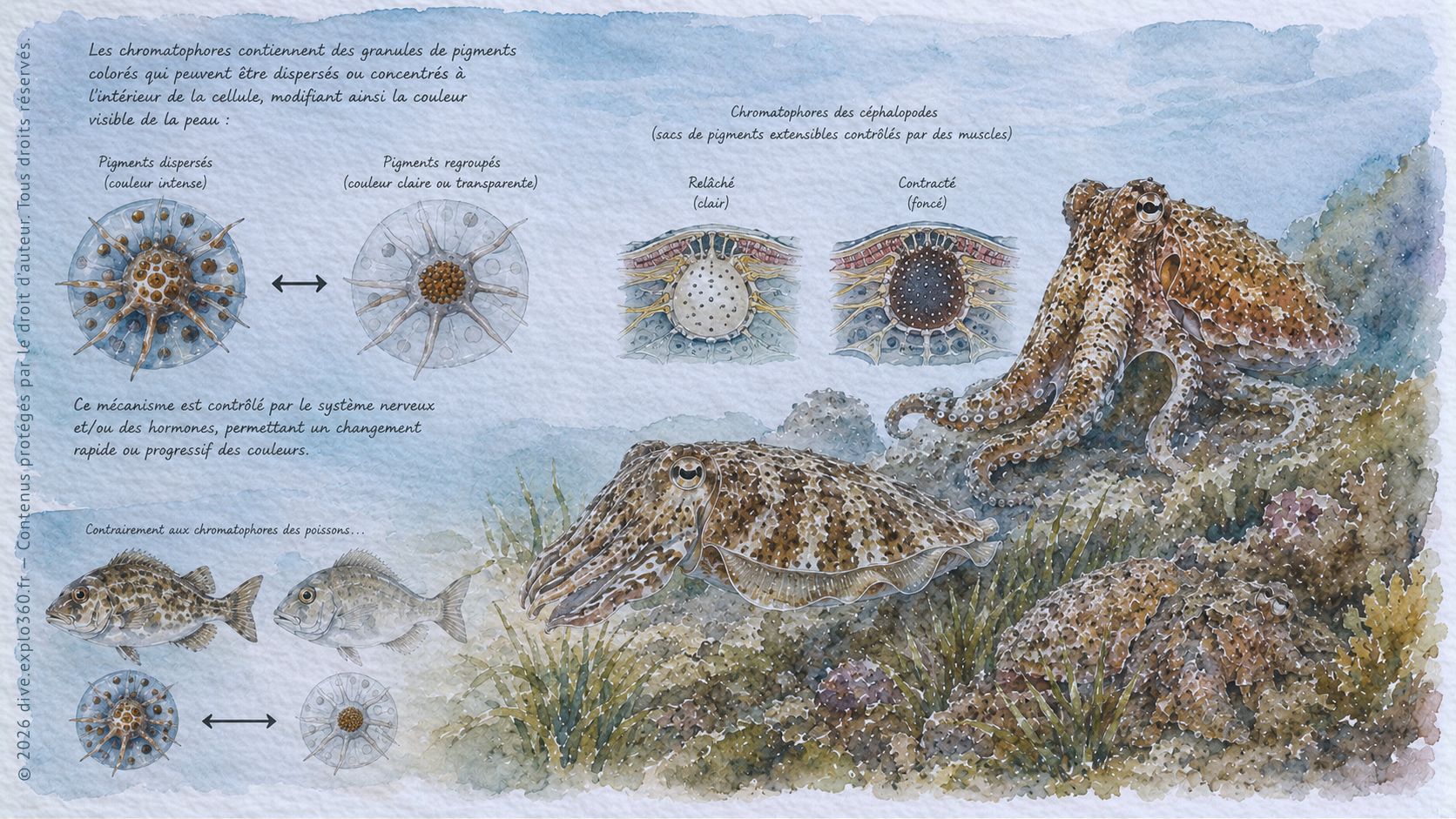
In cephalopods, chromatophores are expandable pigment sacs controlled by muscles. Their contraction or expansion allows the skin’s appearance to change quickly.
Other structures, such as iridophores and leucophores, contribute to light reflection and expand the range of possible colours.
PASSIVE CAMOUFLAGE
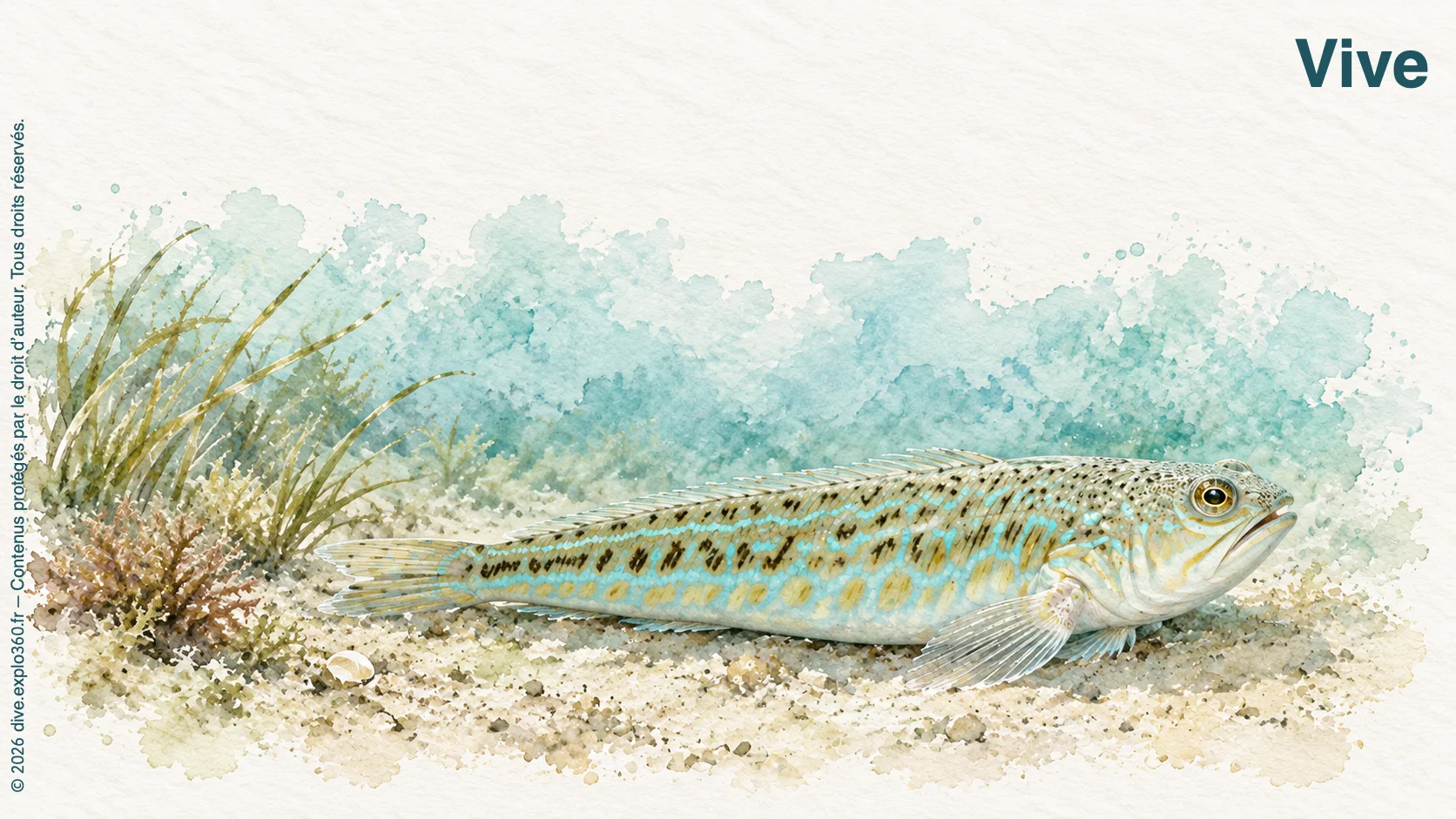
Some naturally have colouring, patterns or a shape that make them difficult to distinguish from their surroundings. Their behaviour often complements this appearance: remaining still, positioning themselves against rock or burying themselves can greatly improve their camouflage.
AMIGANSEAU CONTENT
The rest of this article is for subscribers
Log in with your AMIGANSEAU licence to continue reading.
All active AMIGANSEAU licences give access to the full article.Explore the same world