Why do fish form schools?
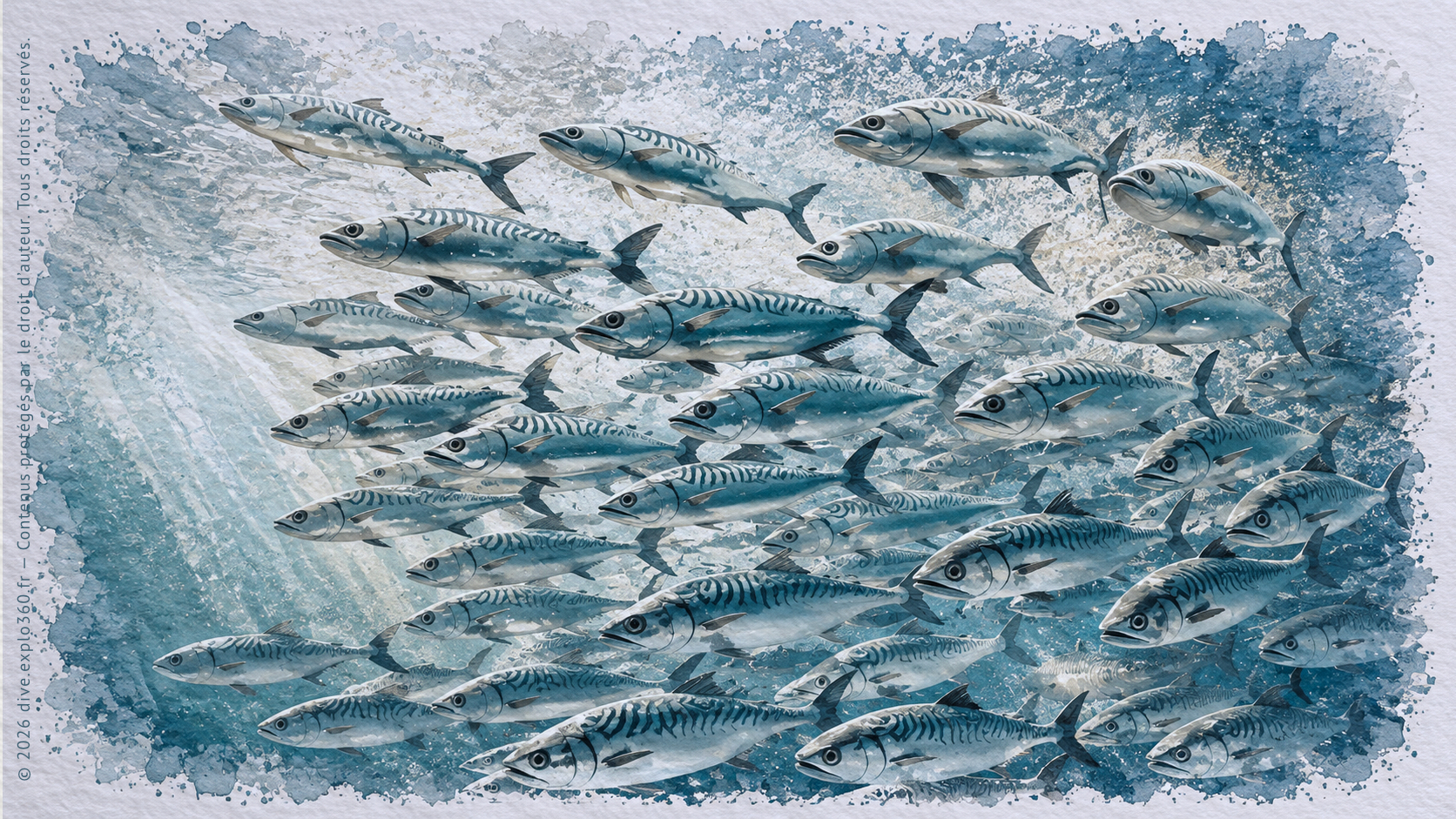
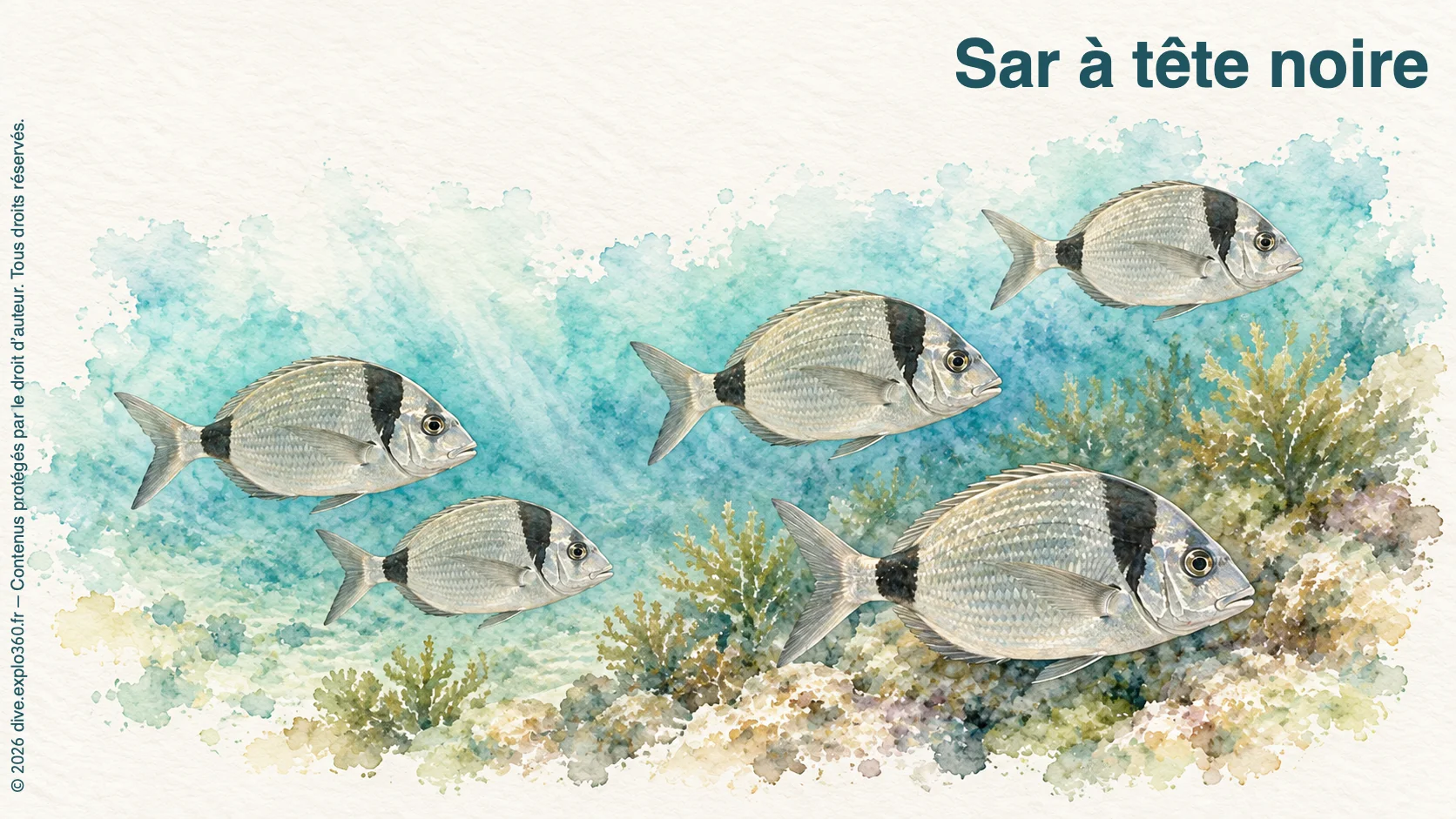
For many fish, swimming in a school can improve the odds of surviving an encounter with a predator.
A predator may have trouble keeping track of one target when many fish are moving close together. A school can also help its members find food, since more than one fish can respond when a patch of food is found.
Being in a group can also make it easier to find a mate.
Protection
Searching for food
Facilitating reproduction
The shapes schools of fish take
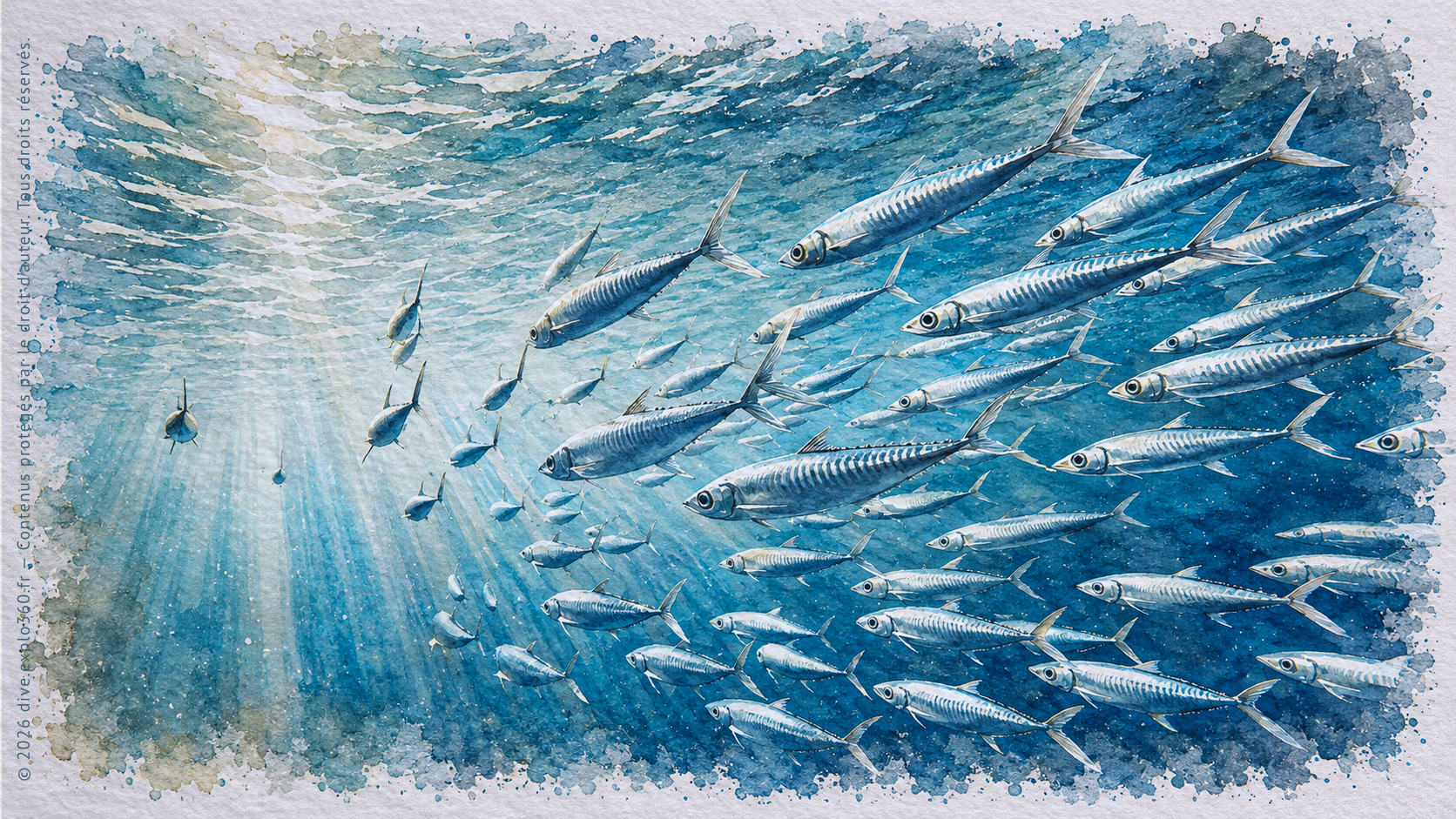
A school can stretch, tighten or turn as individual fish adjust to one another and to conditions around them. Speed, the space available and an approaching predator can all affect its shape. The same formation can arise in different situations.
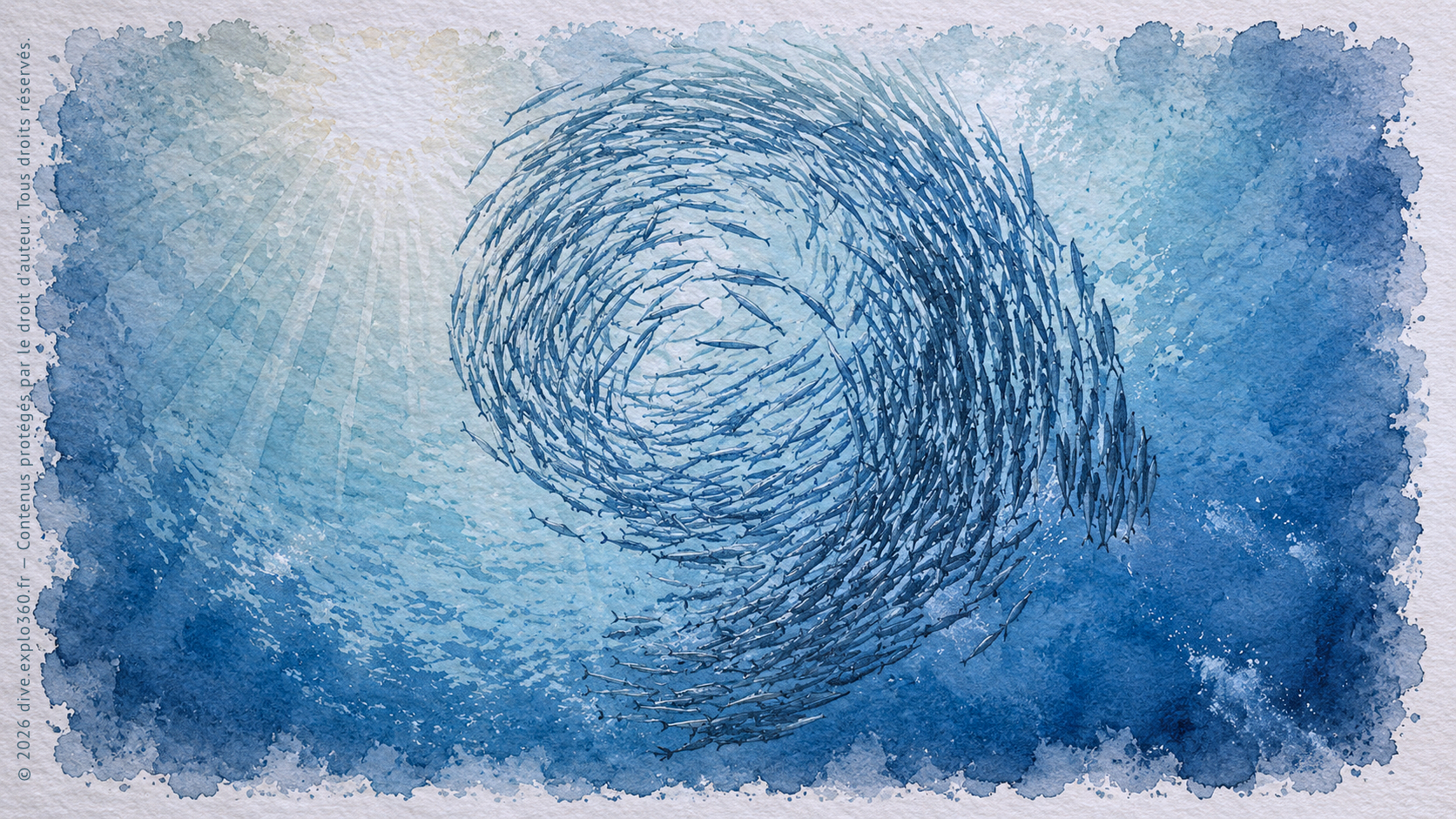
1. The vortex
A school can turn in a circle, sometimes forming a vortex. Fish can take up this formation in several situations. To interpret it, look at what happened just before they began to turn.
2. The ball
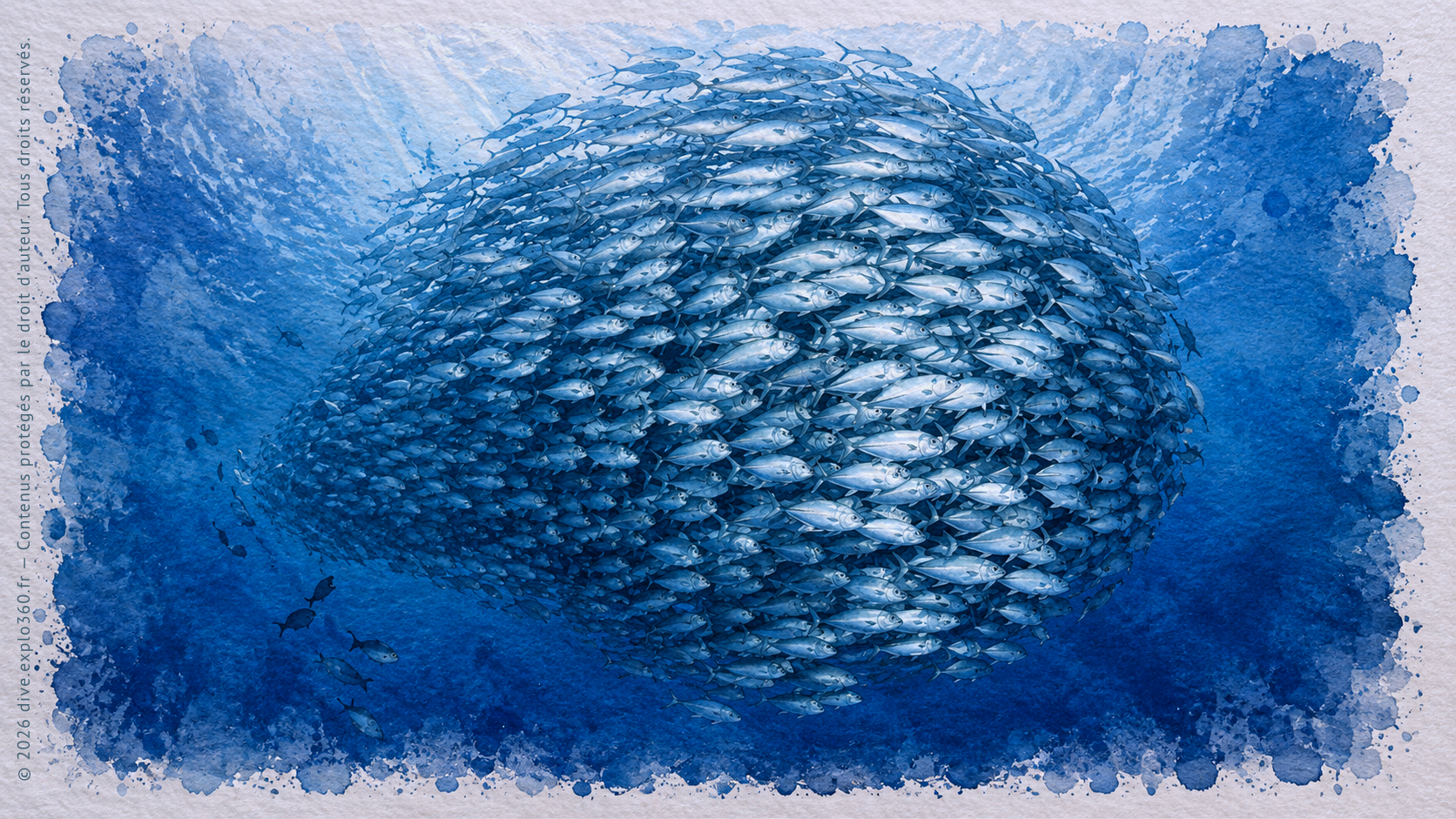
A school under attack can tighten into a dense ball. A predator may find it harder to track one fish, and each fish may face a smaller share of the risk. A tight group can also draw predators, and even fish at the centre can be caught.
3. The linear school
In an elongated formation, fish swim alongside one another in a line or band. A school can spread out while travelling or searching for food. During longer journeys, how far apart the fish swim can influence how much effort it takes to keep moving.
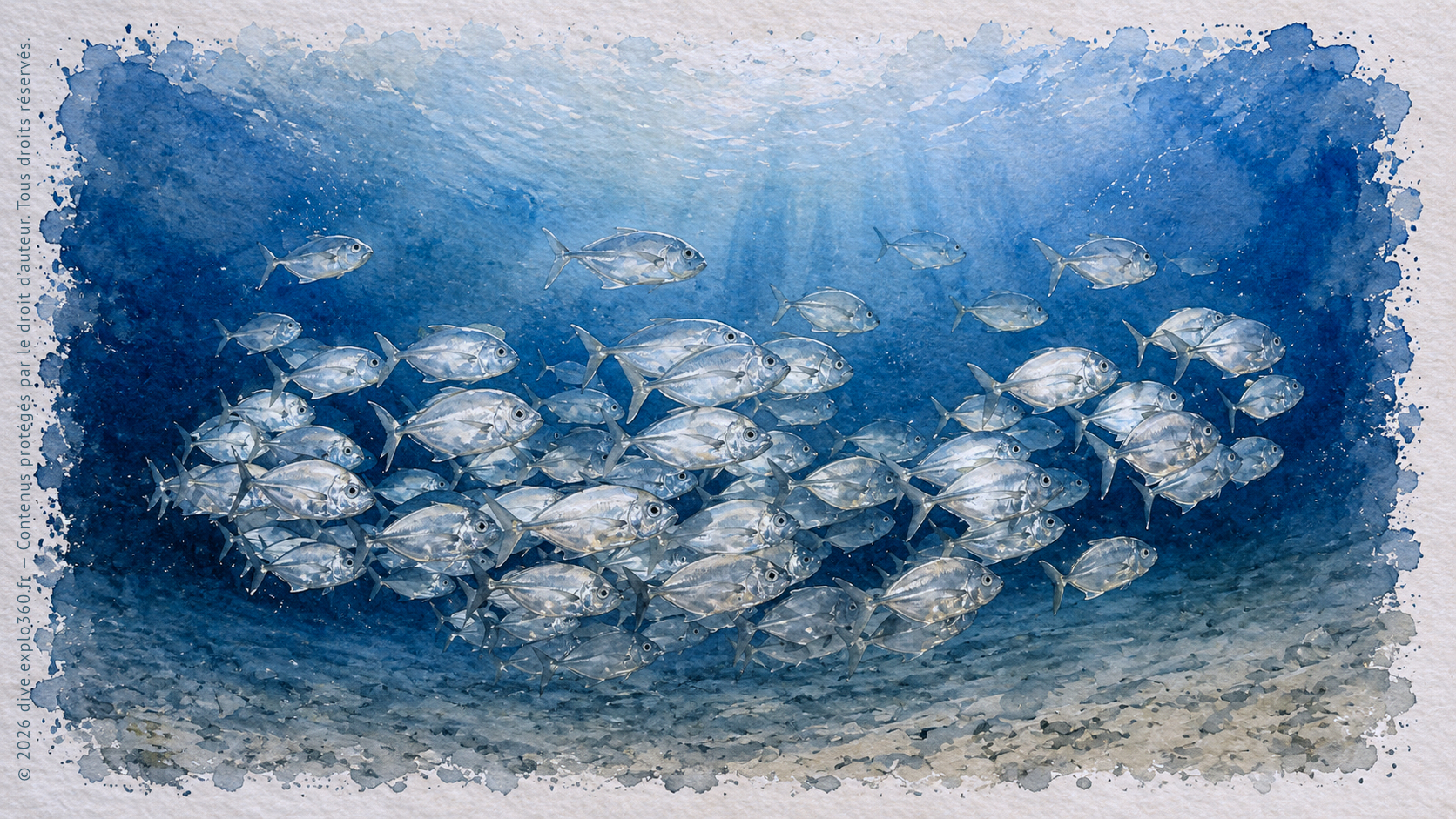
4. The fountain
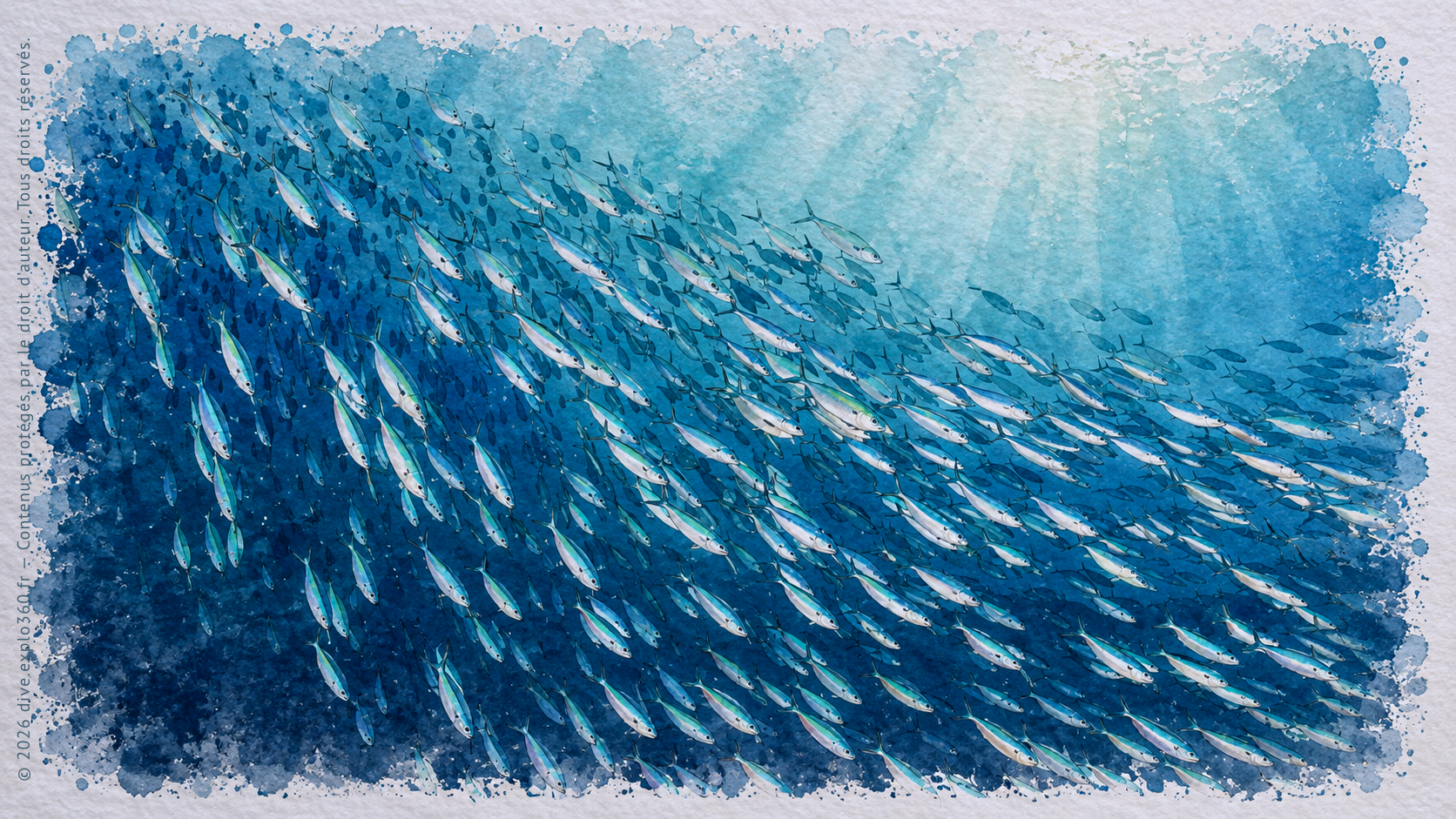
When a predator rushes in, the fish may split and swim past it on either side, then close ranks behind it. This is called the fountain response. The route the fish take depends on how the predator attacks and where they can escape.
1. Sensory perception
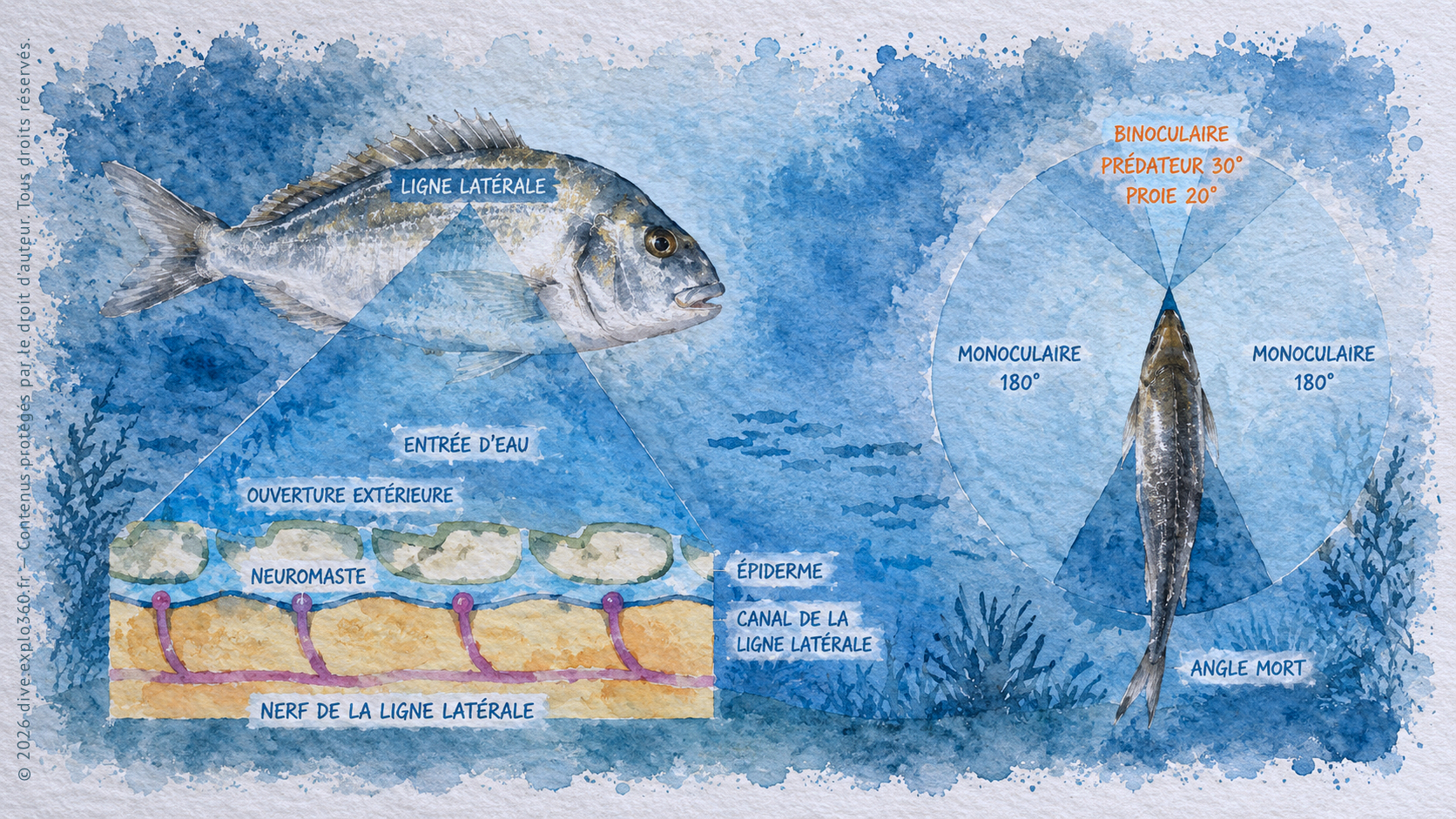
Fish pick up their neighbours’ movements by sight and by sensing the water around them.
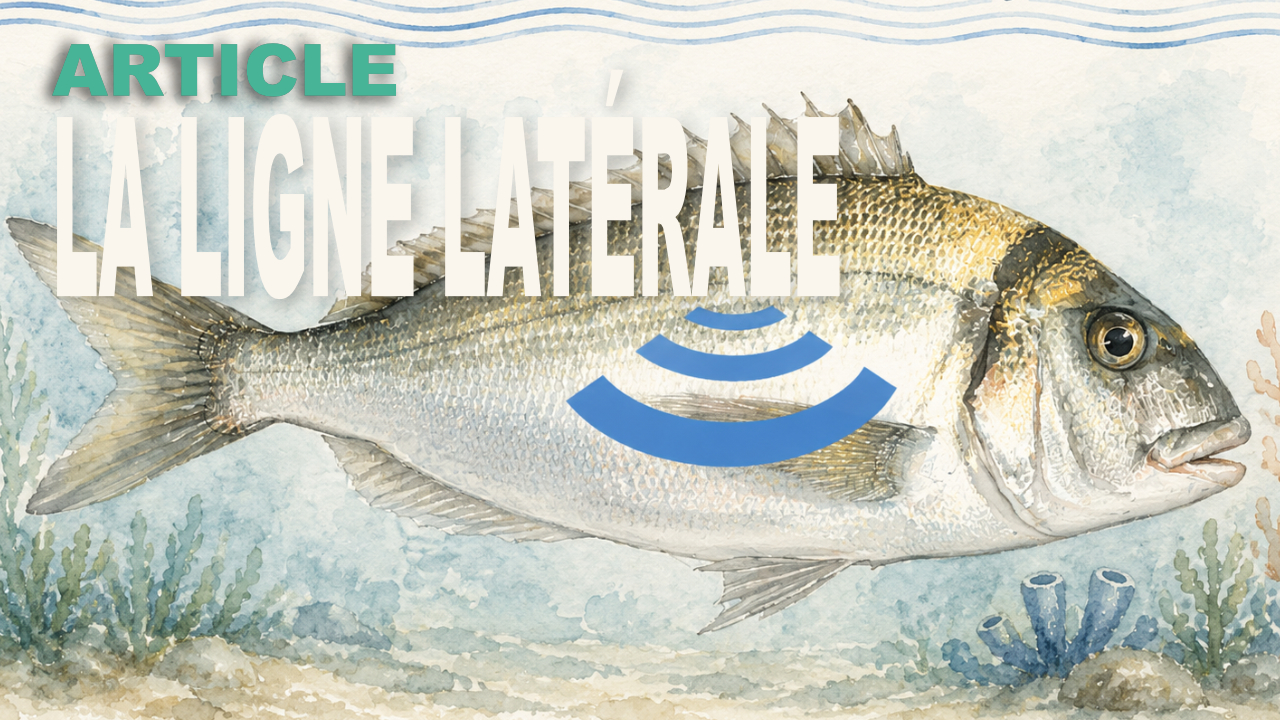
The lateral line The lateral line detects local water movements and vibrations. It can pick up the movement of a nearby fish even in poor visibility.
Vision Peripheral vision helps fish keep track of the positions and movements of nearby school members.
2. Replication behaviour*
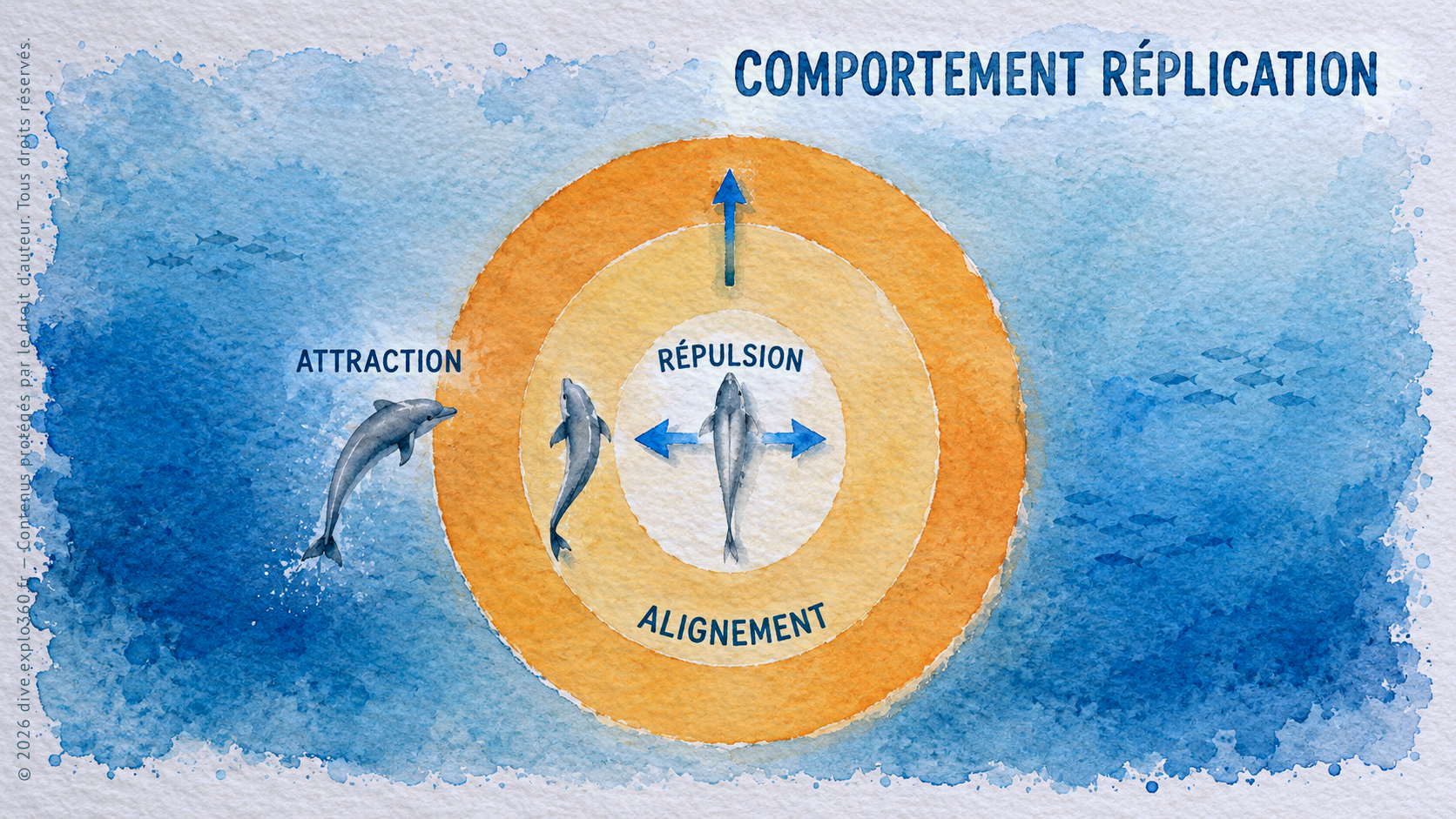
In the simulator, fish approach their neighbours, adjust their heading and move away when they get too close. These three rules are known as attraction, alignment and repulsion.
Real fish respond differently depending on the species and the situation. In some experiments, fish came into alignment through attraction and repulsion alone. The simulation shows what can happen under one set of rules.
3. Social communication
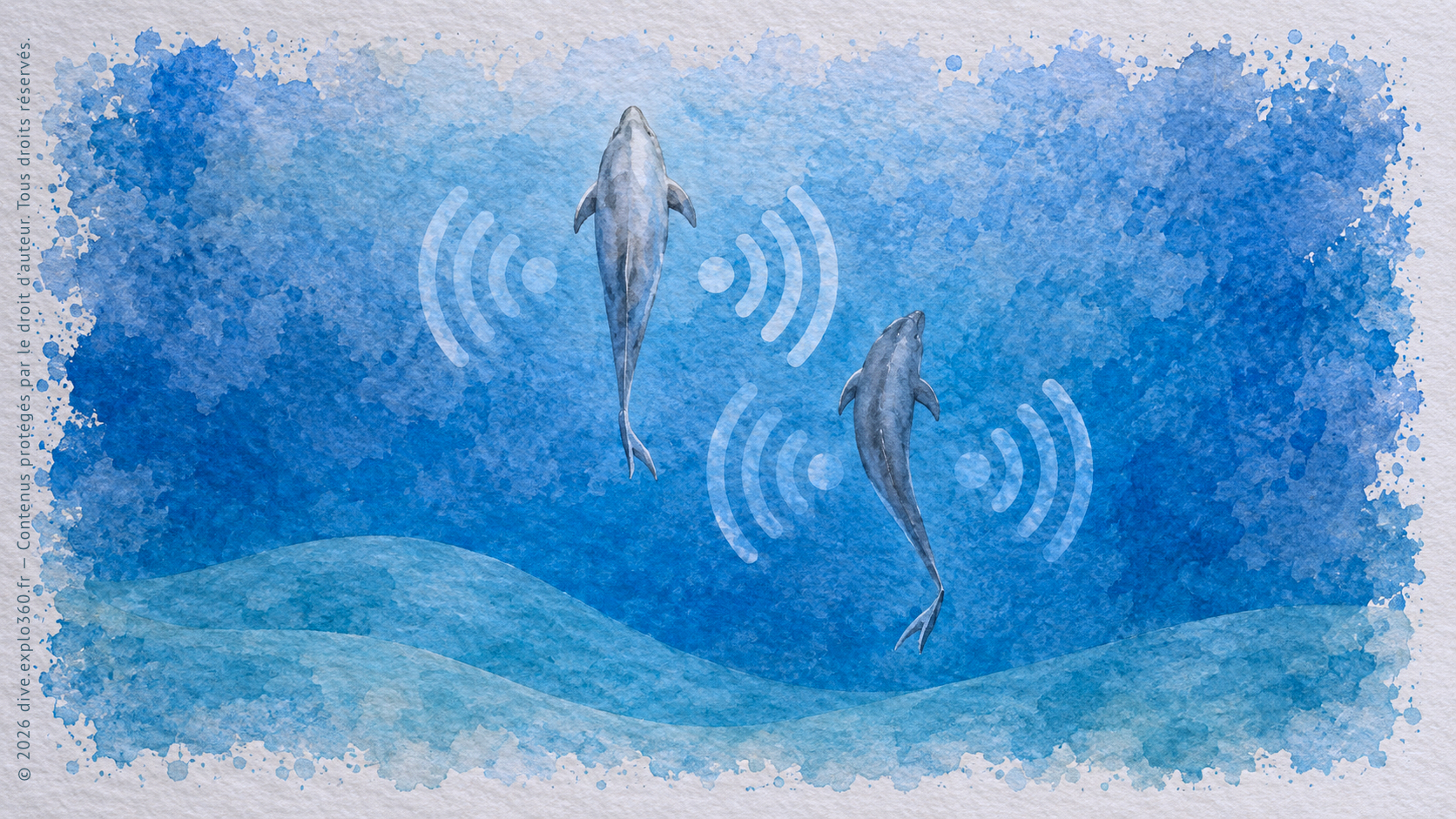
Vision and the lateral line provide information about neighbours and nearby disturbances. A turn can spread through the school as each fish responds to the movement of others.
4. Regulation by ‘leaders’ or decentralised coordination
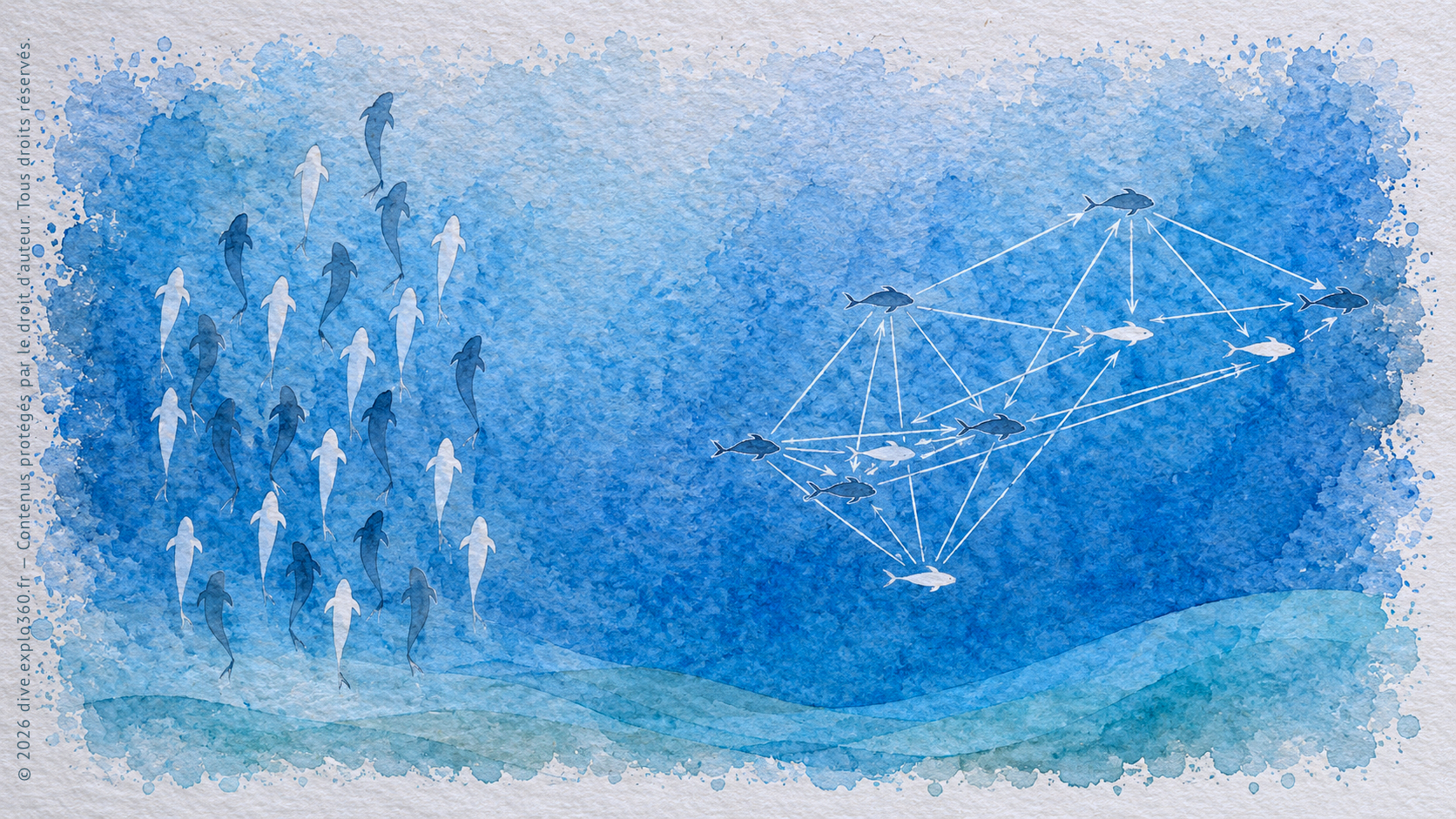
Many schools move without a permanent leader. Fish adjust their movements in response to neighbours, and the group can turn or change shape as those responses spread. When danger appears, one or a few fish can make the first move and others may follow.
Interactive quiz
Test your knowledge
A brief introduction presents the main idea of this slide.
Interactive quiz
Test your knowledge
Question 1 out of 5Score: 0
How do fish manage to swim together without colliding?
What advantages can a school offer fish? (Choose all that apply.)
What happens when danger appears?
What advantage can schooling offer when a predator appears?
What can a fish use to track its neighbours?
Final result
Quiz completed
correct answers
Conclusion
Sources
A brief introduction presents the main idea of this slide.
Explore the same world