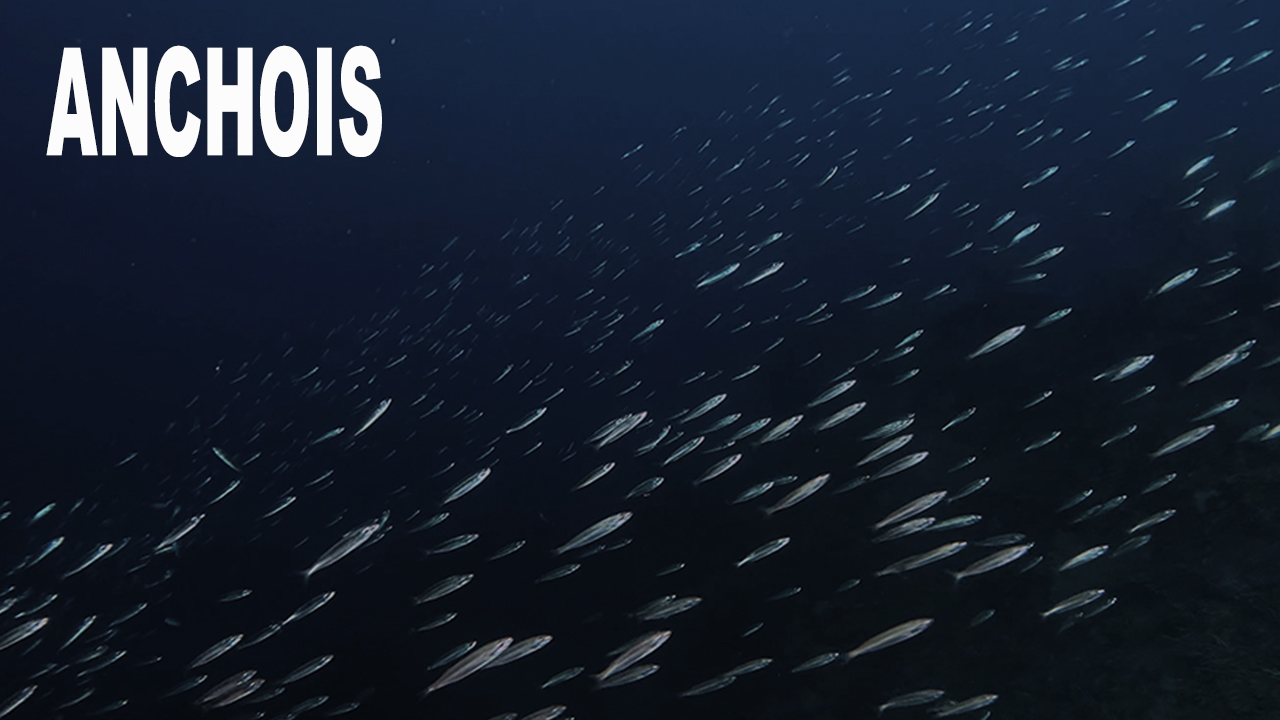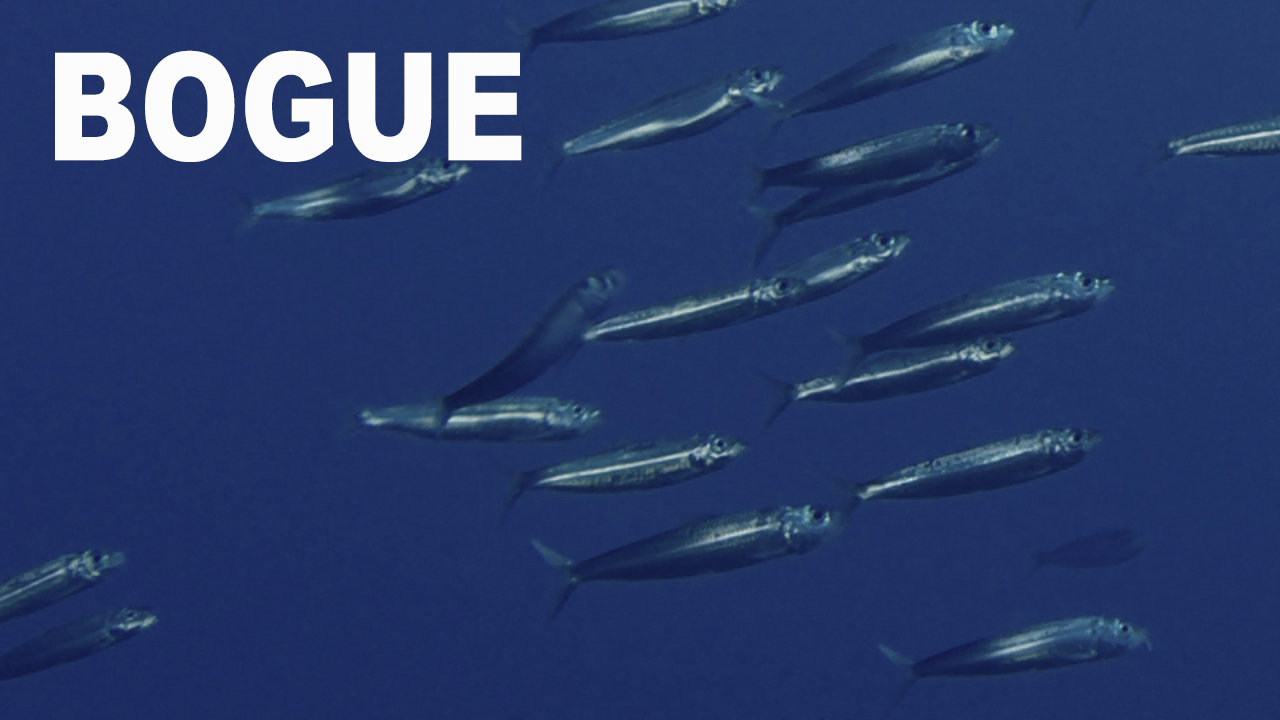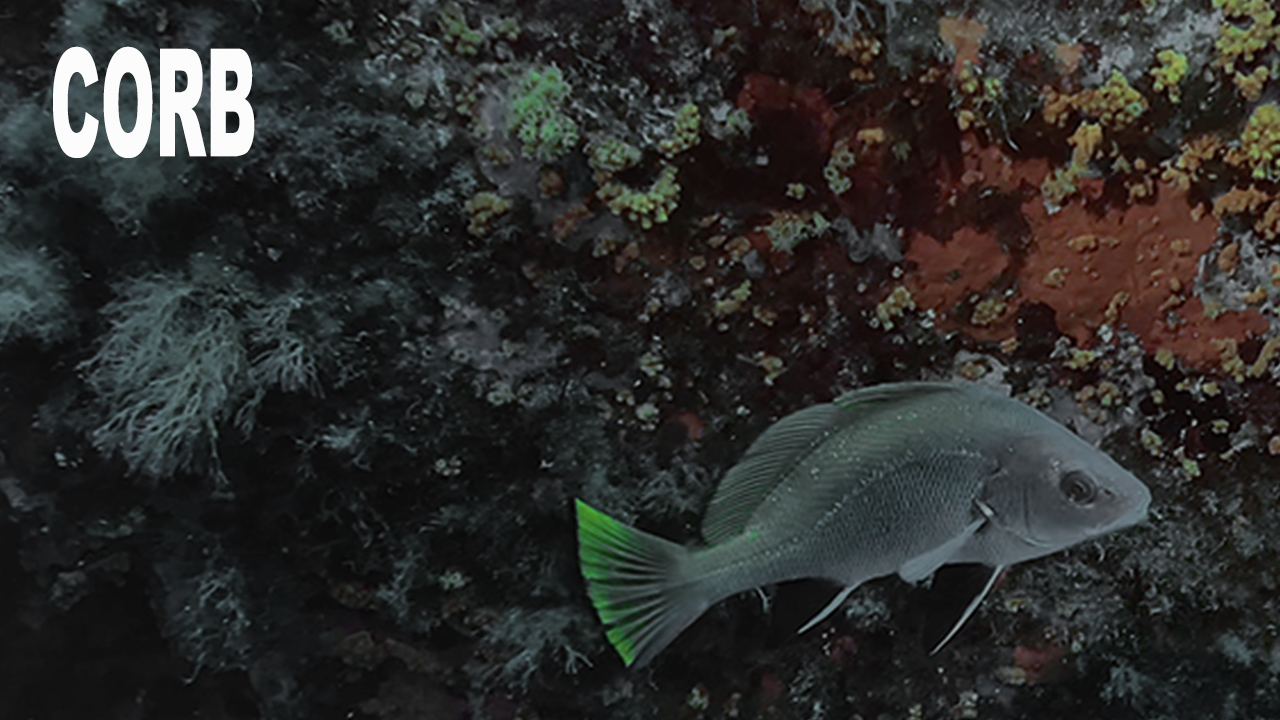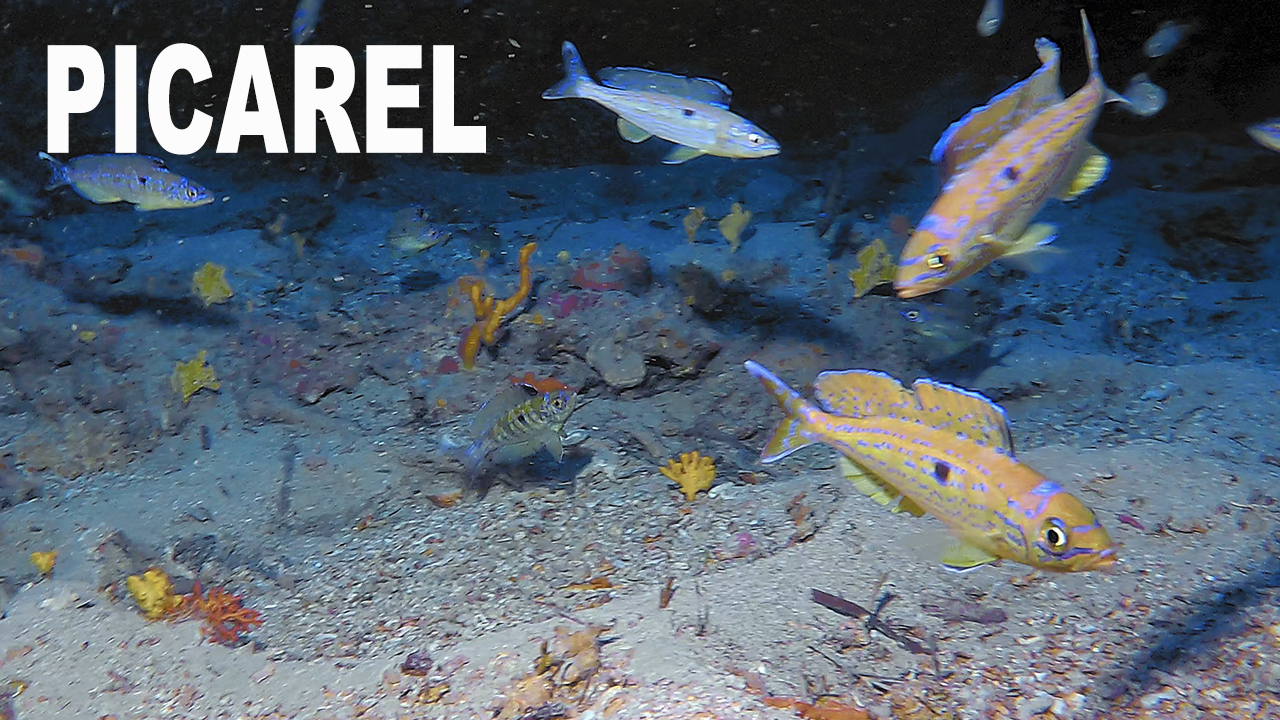

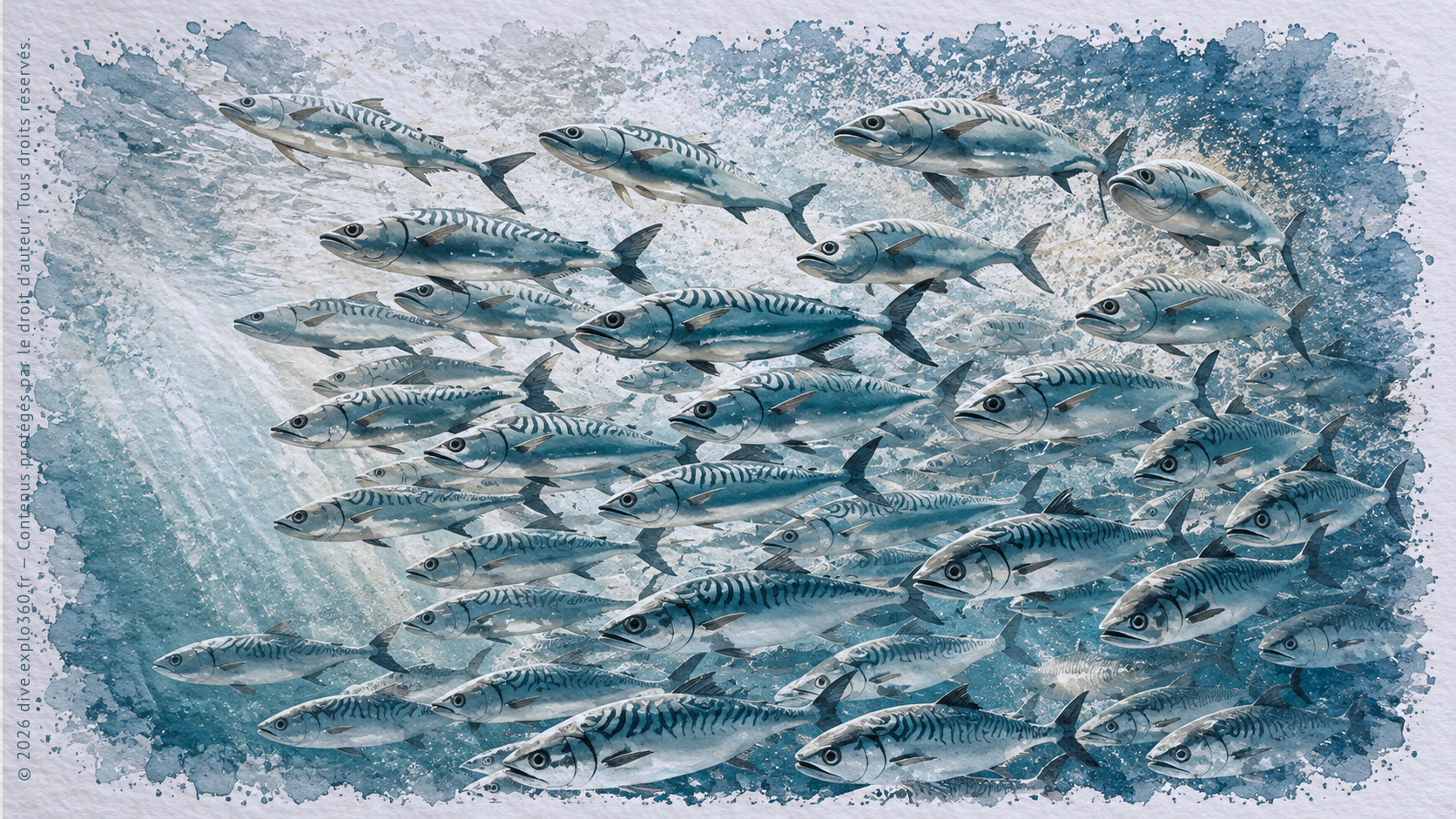
To protect themselves
It may find it harder to follow a single fish.
Staying in the group can therefore help a fish avoid being caught.
To find food
If some find it, the others can join them.
To meet one another
This can also help them find a mate to reproduce.
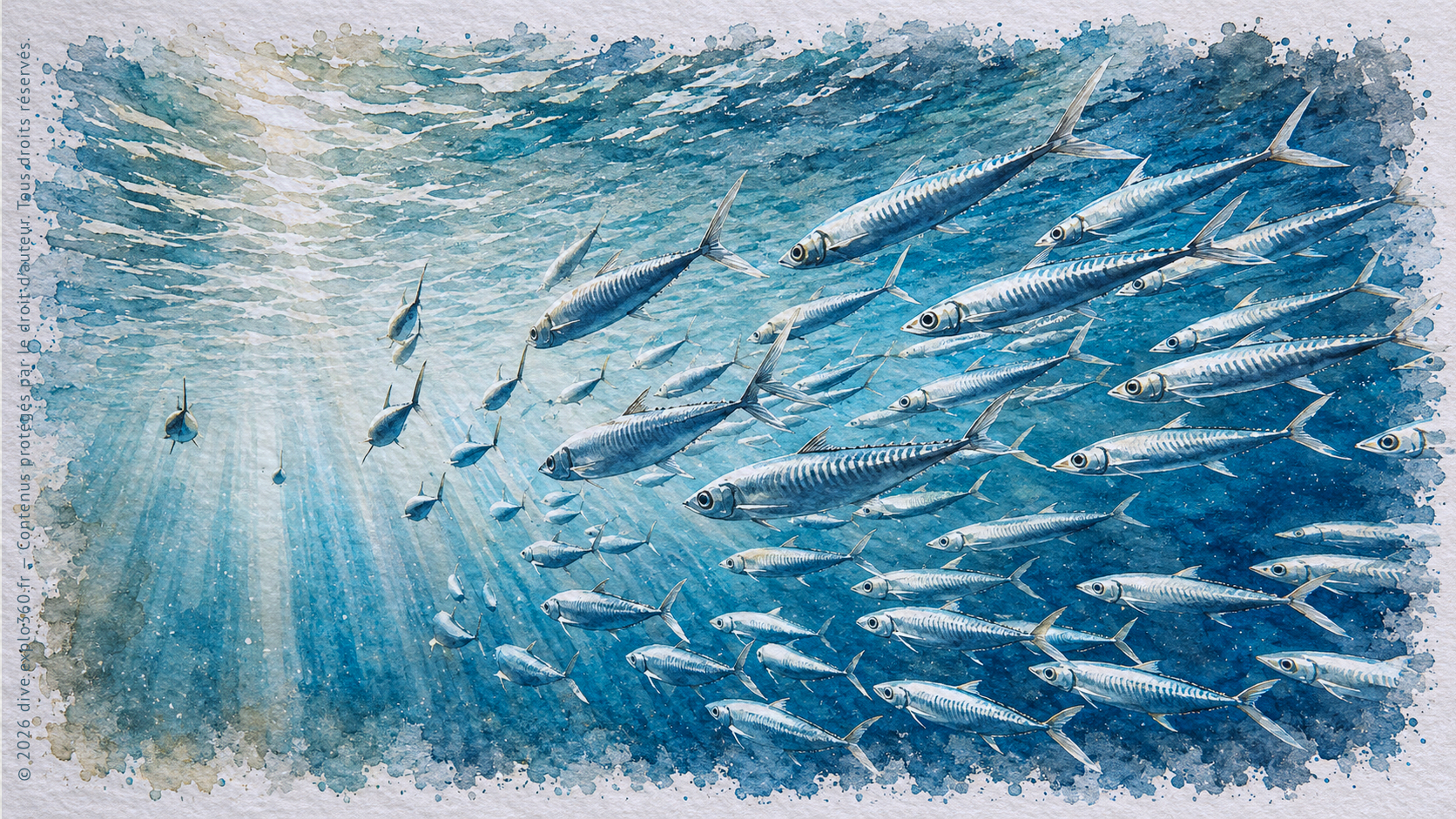
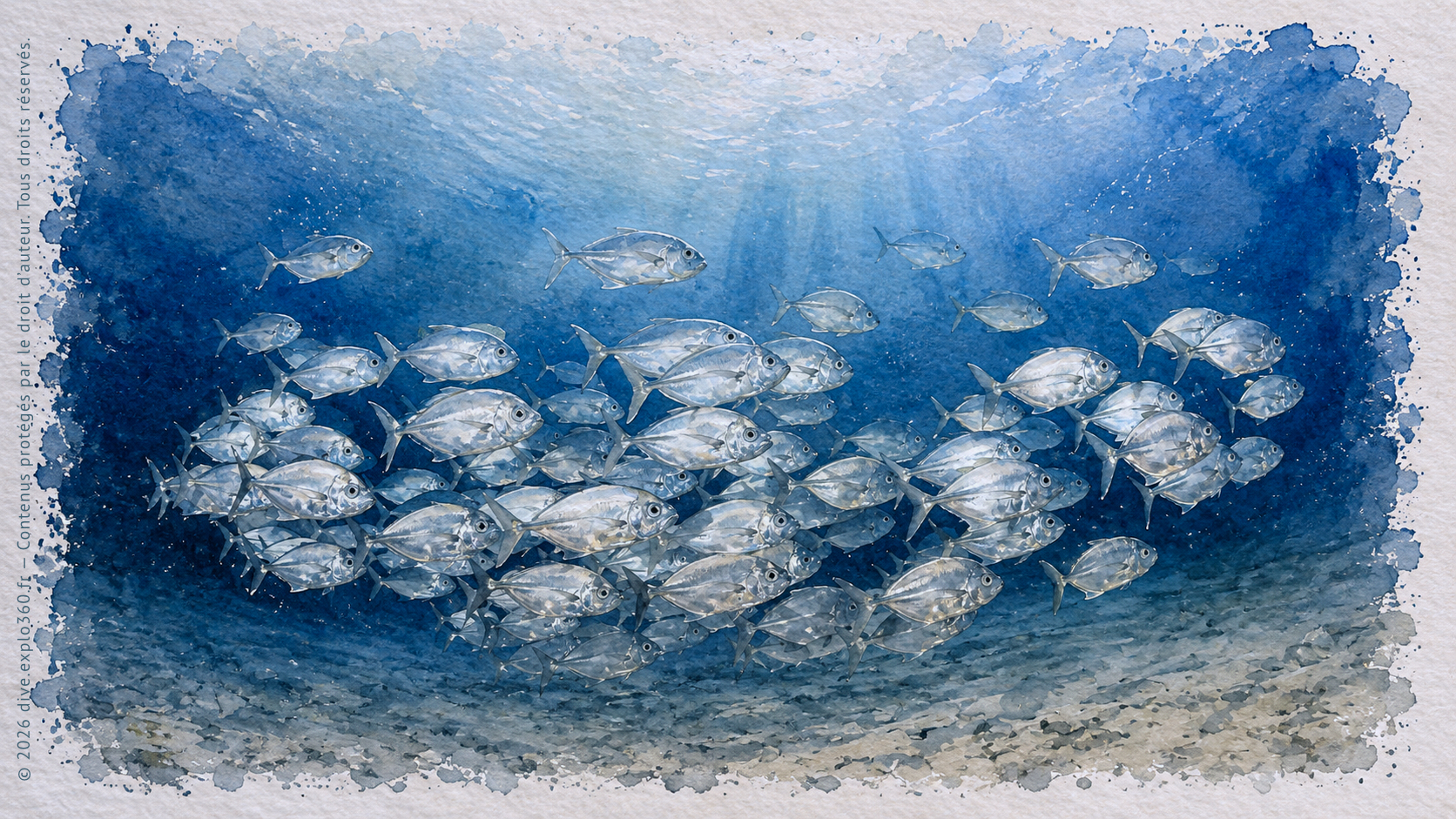
It can become round, stretch out or even turn like a whirlpool.
A predator may then have trouble choosing which fish to chase.

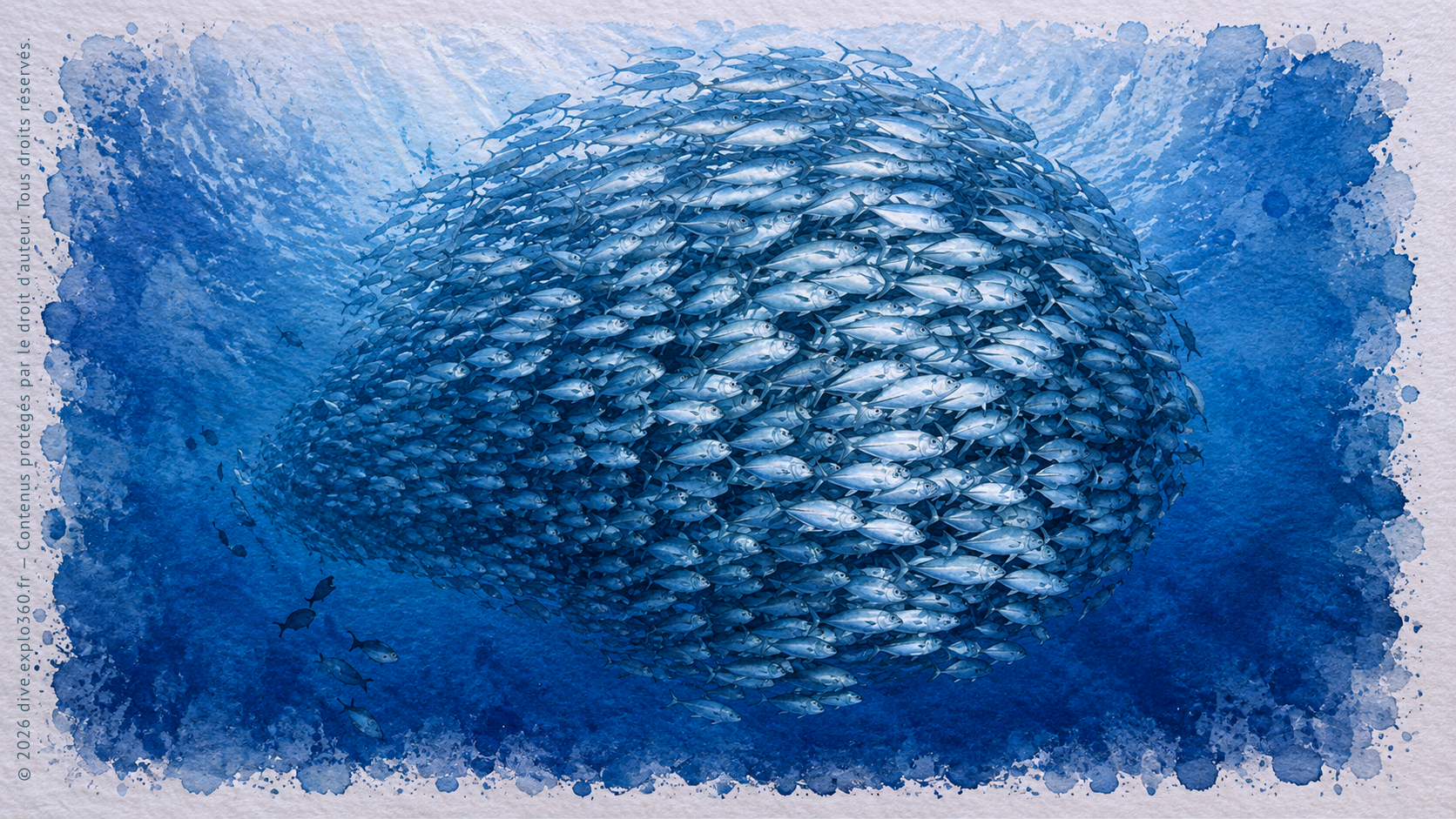
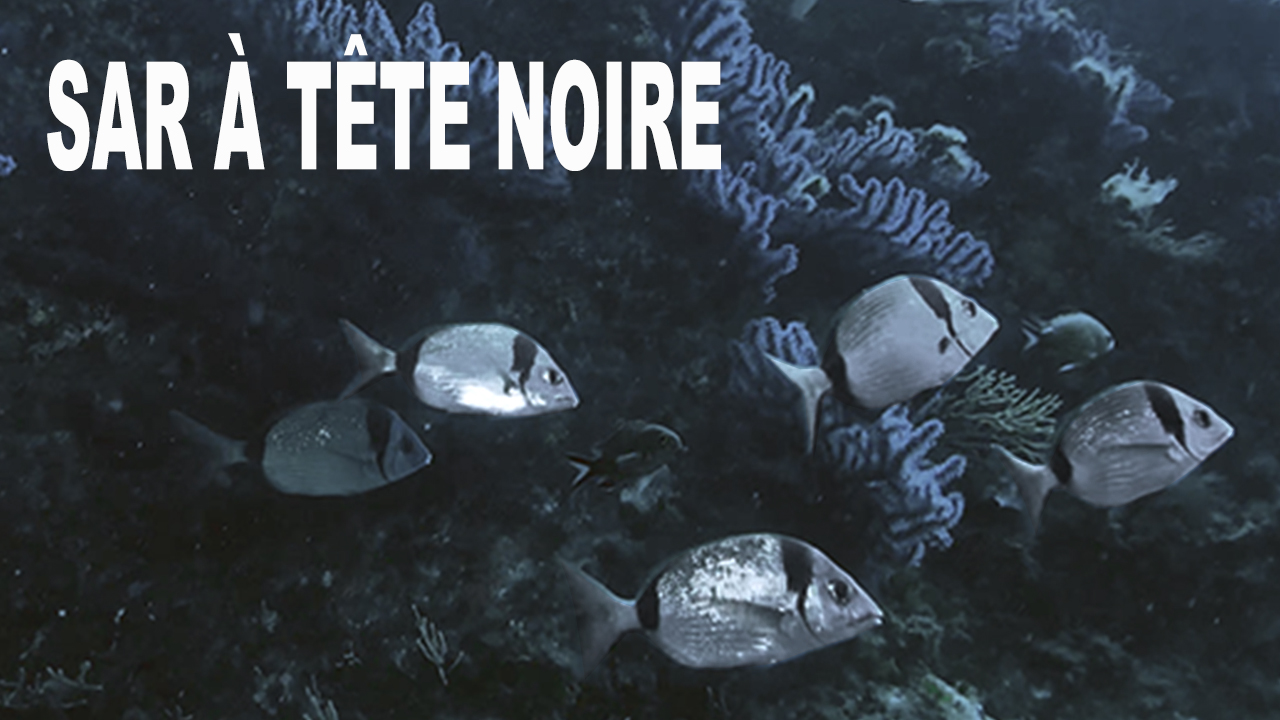
The school becomes very compact and looks like a large ball.
This shape allows them to travel while staying together.
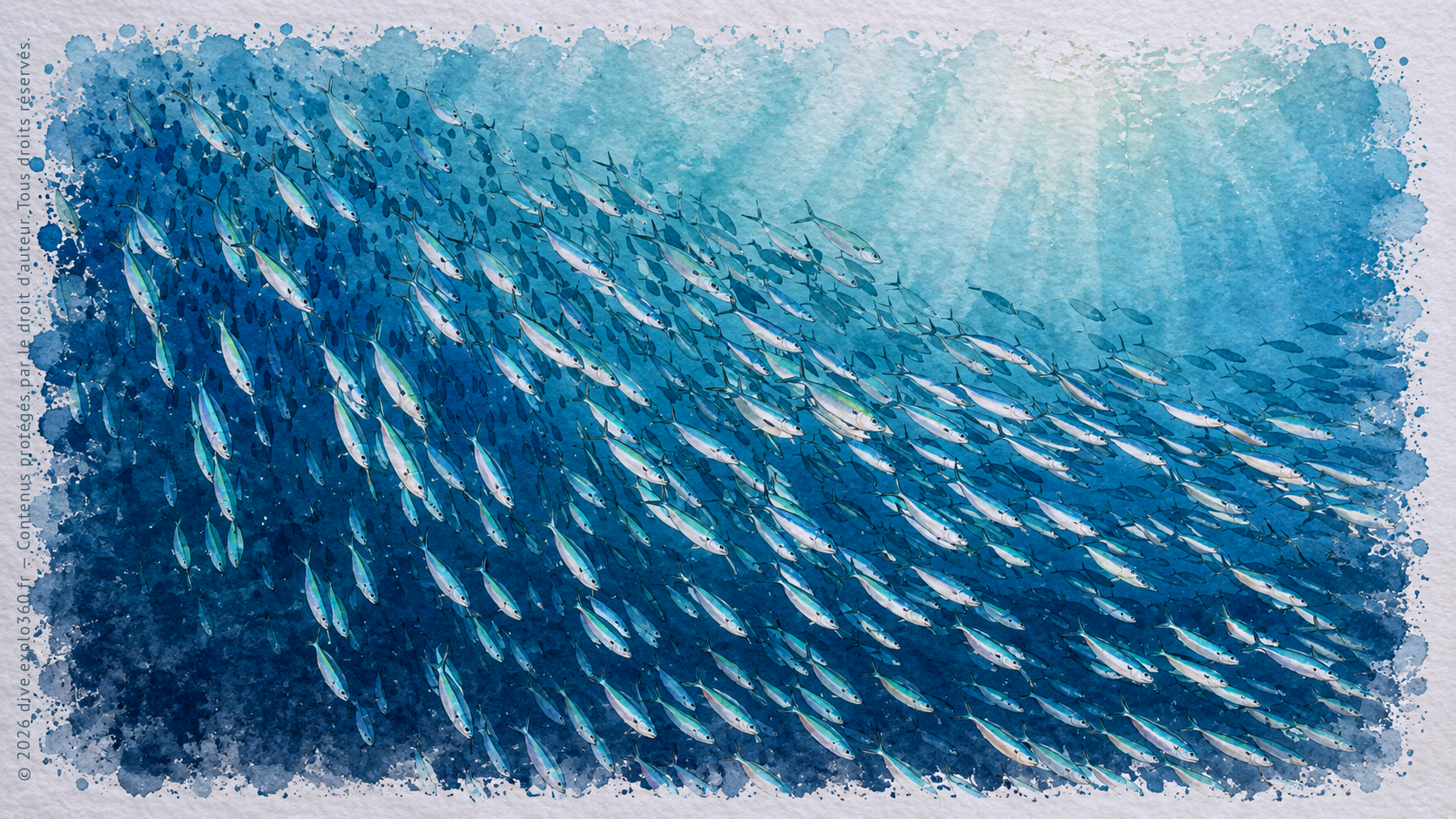
Their movement may then look like water in a fountain.
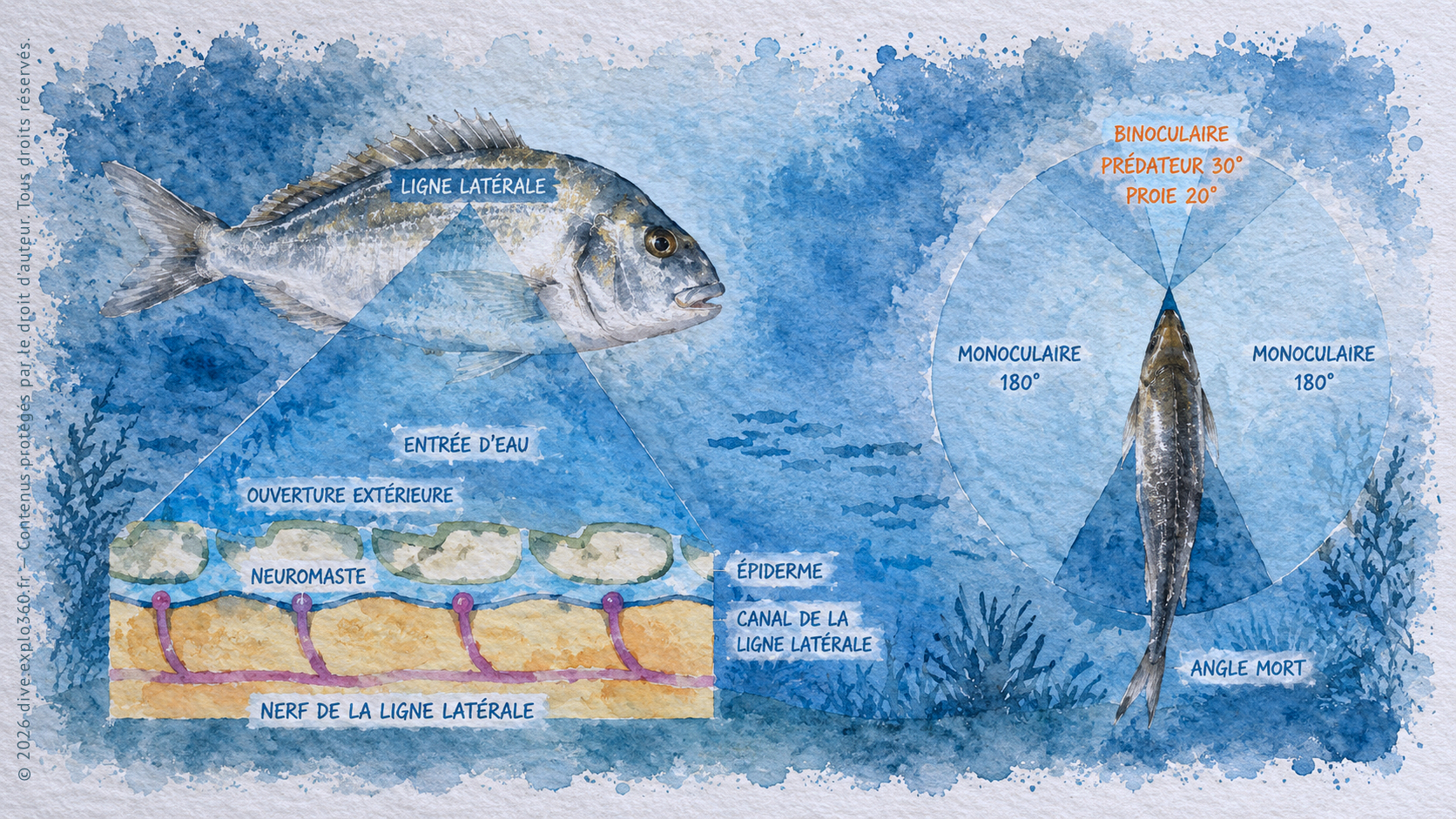
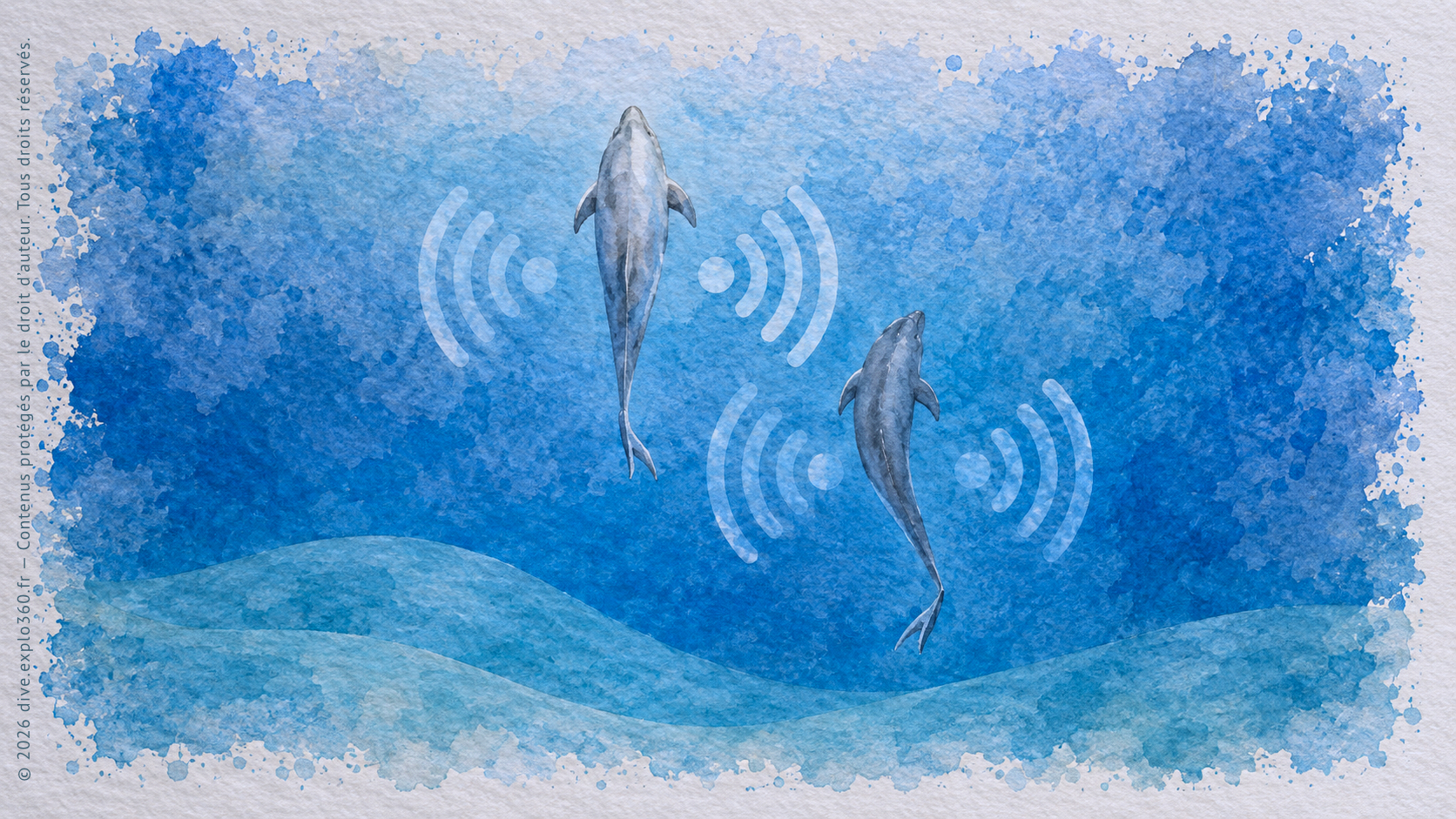
They also have a special sense called the lateral line. It helps them sense water movements around their body.
They can thus tell when a neighbour is approaching or changing direction.
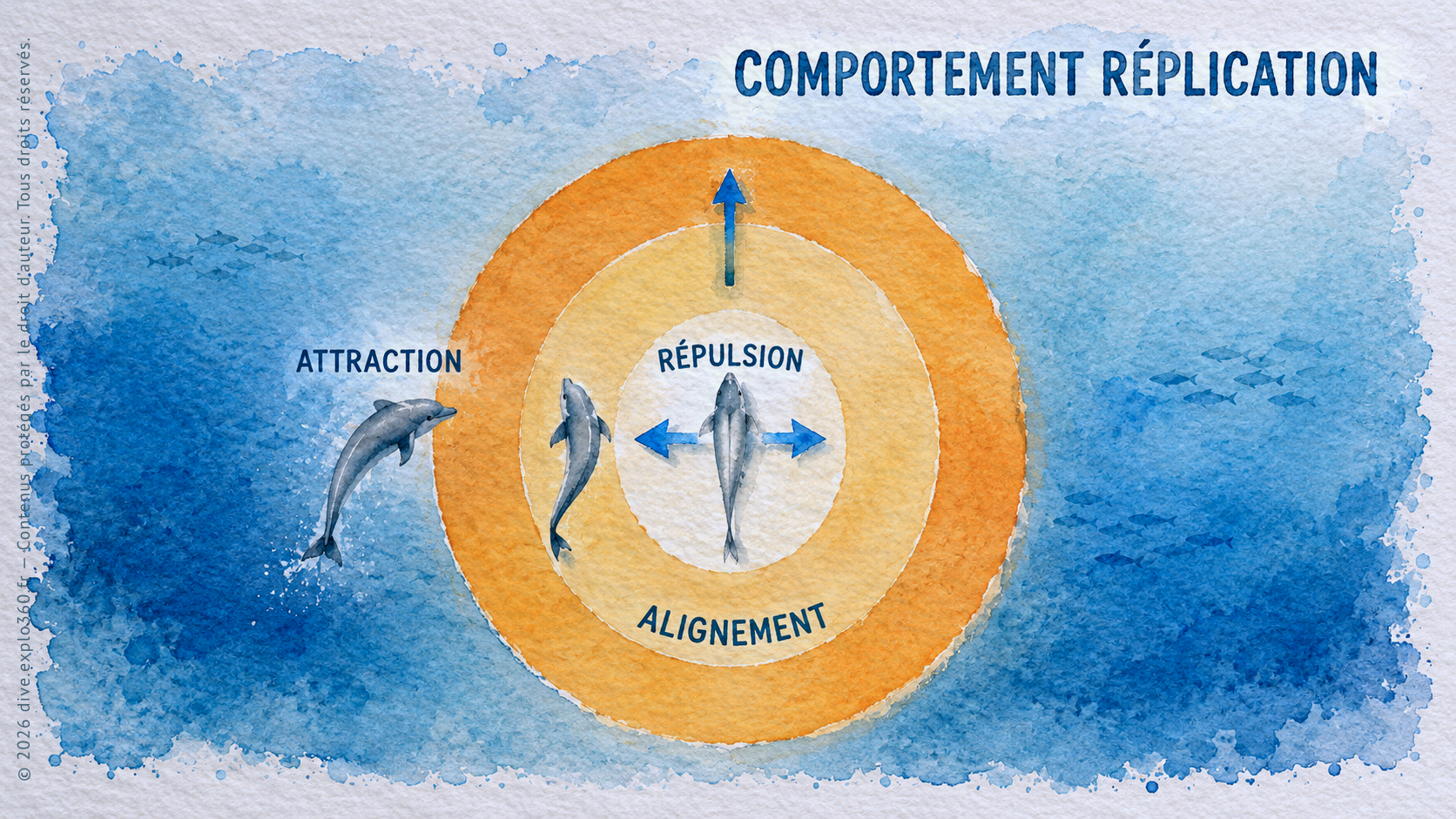
Move closer if the others are too far away.
Swim in the same direction as its neighbours.
Move away a little if another fish is too close.
This is how fish stay together without bumping into one another.
Its neighbour sees or senses this movement and turns too.
Then another fish does the same.
Very quickly, the whole school can change direction.
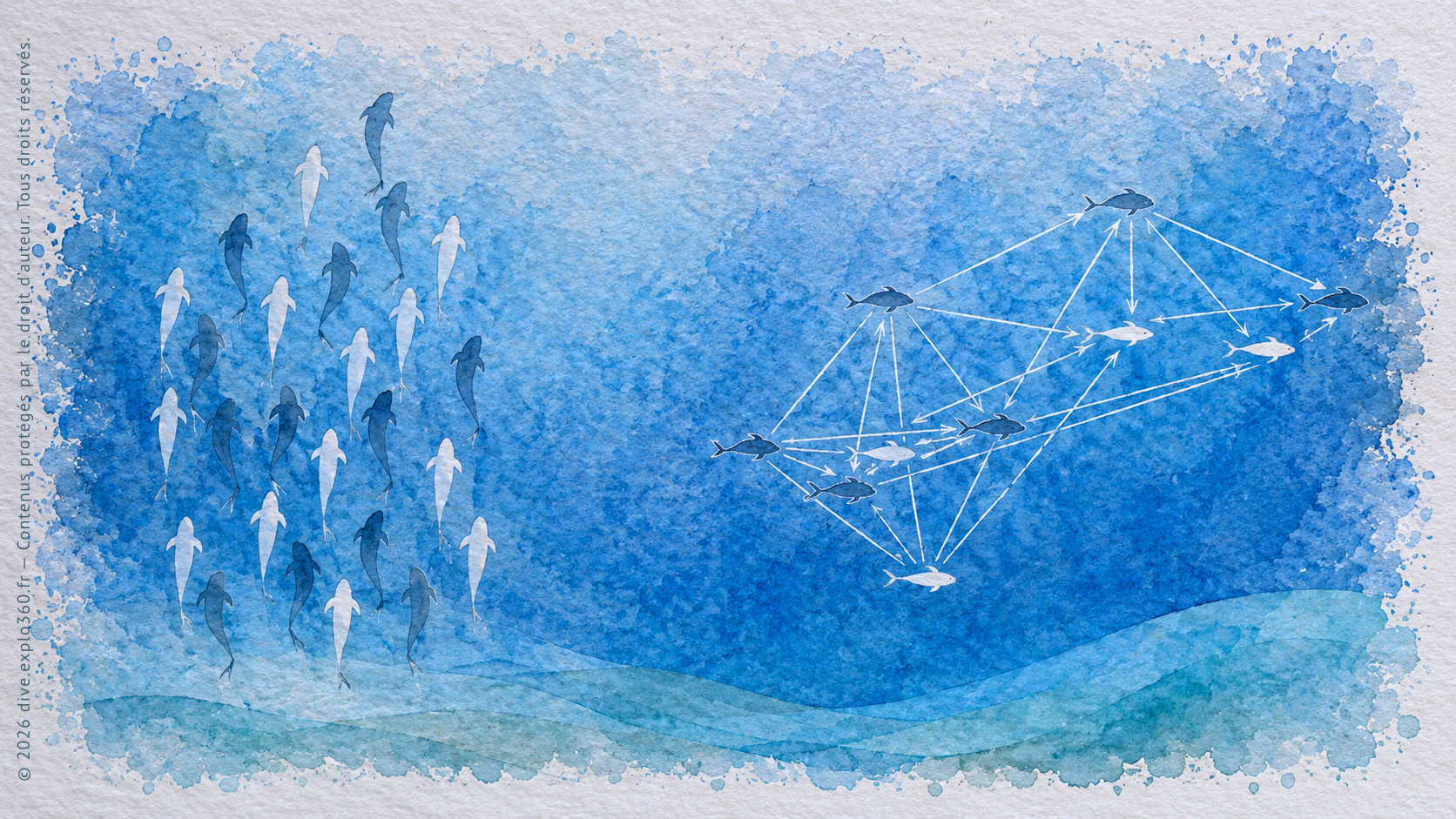
Each fish mainly pays attention to those nearby.
All these small changes made by each fish allow the whole school to move together.
Interactive quiz
Test your knowledge
2 question(s) to test your knowledge.
Interactive quiz
Test your knowledge
Question 1 out of 2Score: 0
Why do some fish swim in schools?
How do fish in a school swim together without bumping into one another?
Final result
Quiz completed
correct answers
Conclusion
They watch their neighbours, sense their movements and adjust their direction.
By following a few simple rules, hundreds of fish can thus swim together without bumping into one another.
Sources and references
This section is intended for teachers, parents and educators who wish to check or explore the information in the article further. It is not part of the reading expected of the child.
Explore the same world