
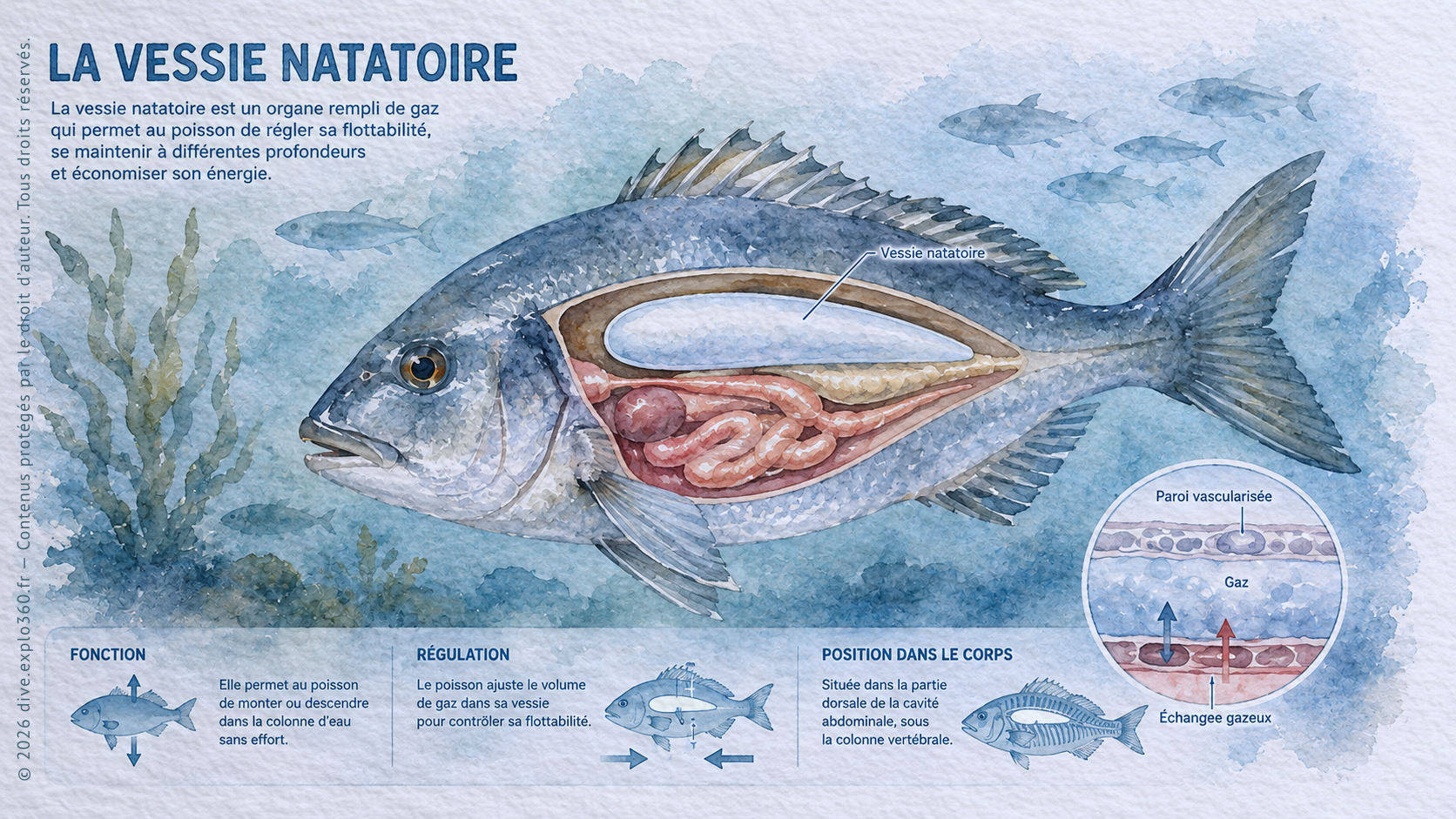
SWIM BLADDER?
It lies in the abdominal cavity. By varying the amount of gas it contains, the fish can change its buoyancy.
When it reaches near-neutral buoyancy, it can remain at a relatively stable depth without swimming continuously to avoid sinking or rising.
Conversely, when the gas volume decreases, its average density increases and it becomes more likely to sink.
The exact process depends on the type of swim bladder and the mechanisms the species uses to add or remove gas.
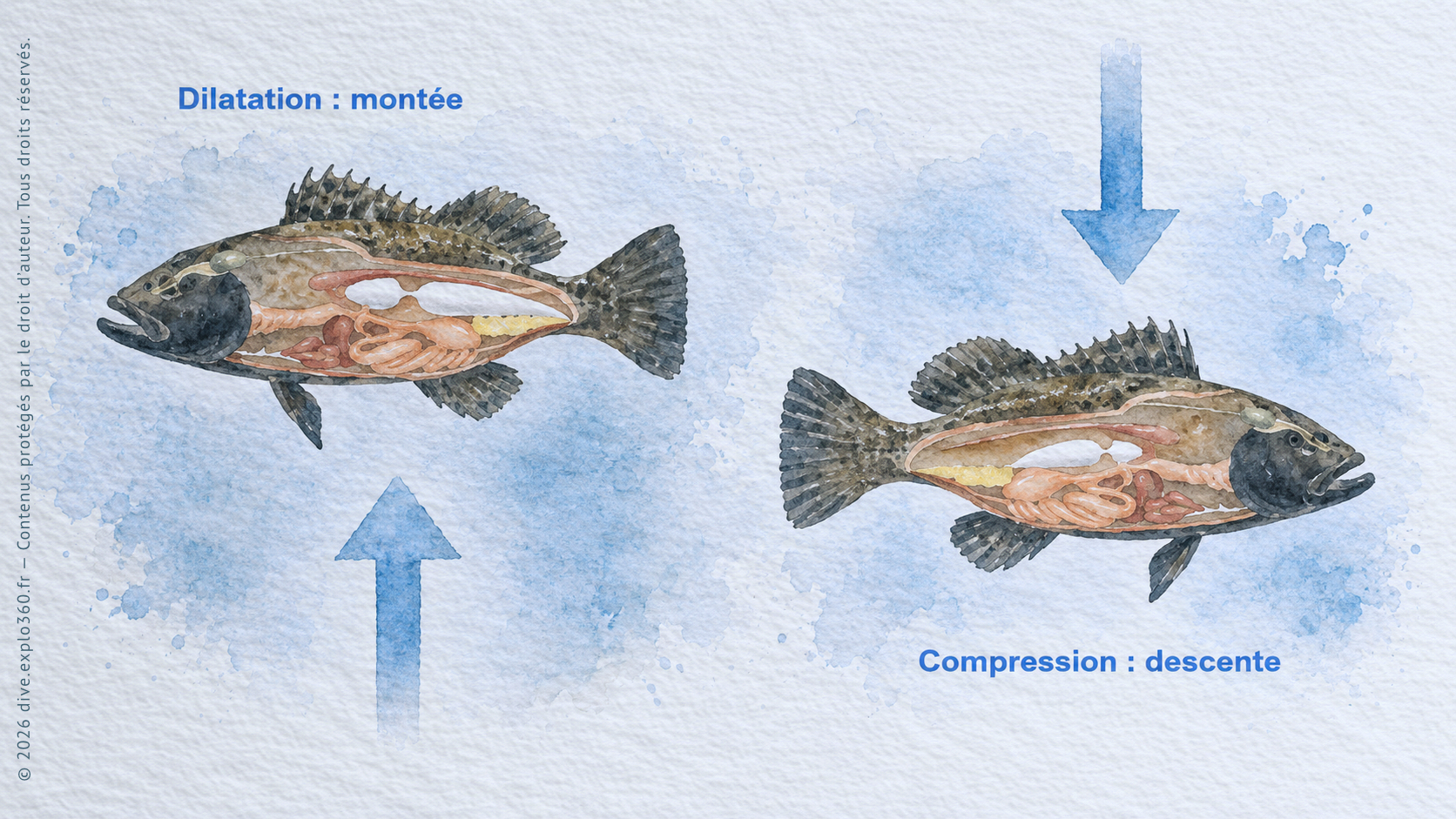
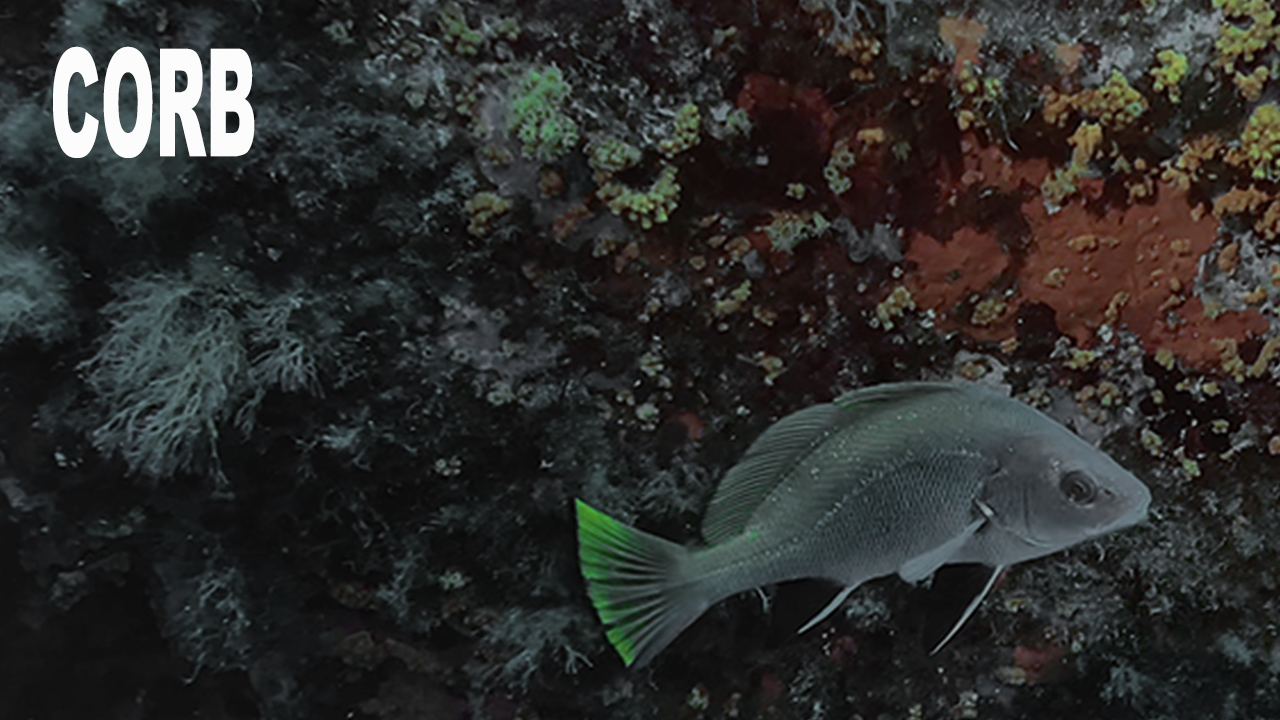
Brown meagre
In some species, it also contributes to producing or detecting sounds.
In the brown meagre, it can help produce sounds used in interactions between individuals.
In other groups of fish, the swim bladder may be associated with the auditory system and improve perception of certain sound vibrations.
AMIGANSEAU CONTENT
The rest of this article is for subscribers
Log in with your AMIGANSEAU licence to continue reading.
All active AMIGANSEAU licences give access to the full article.Explore the same world