The parrotfish’s secret

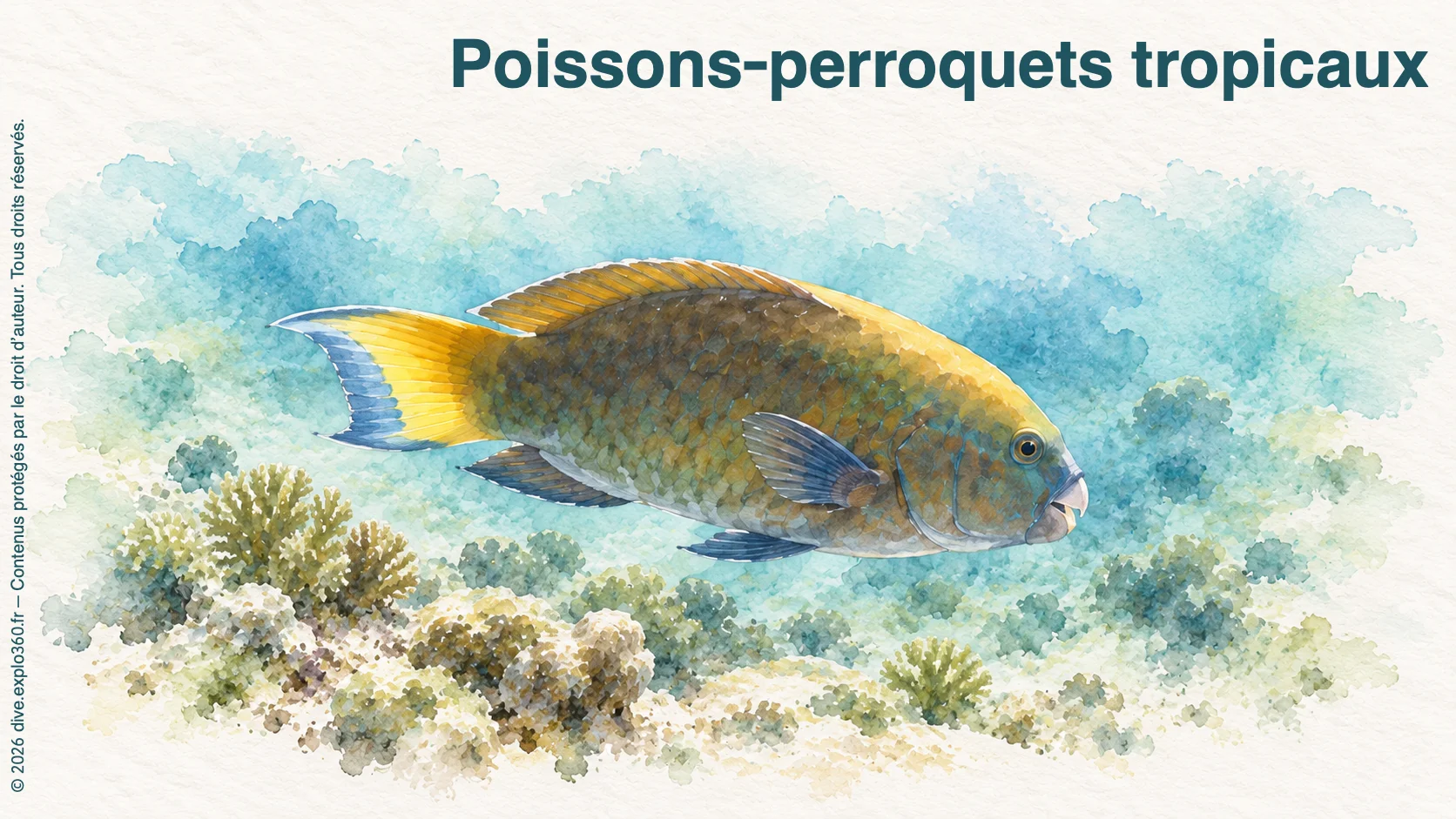
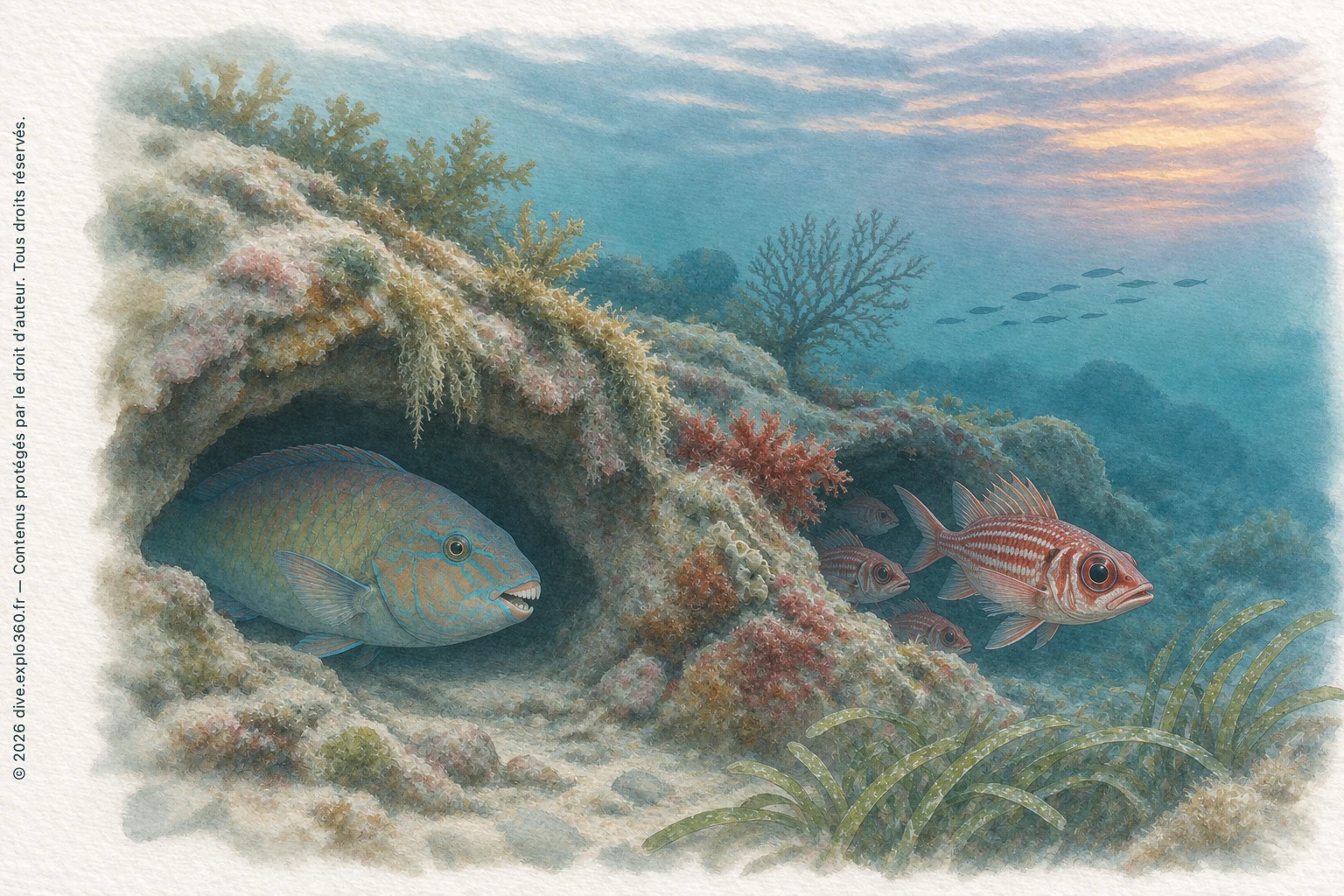
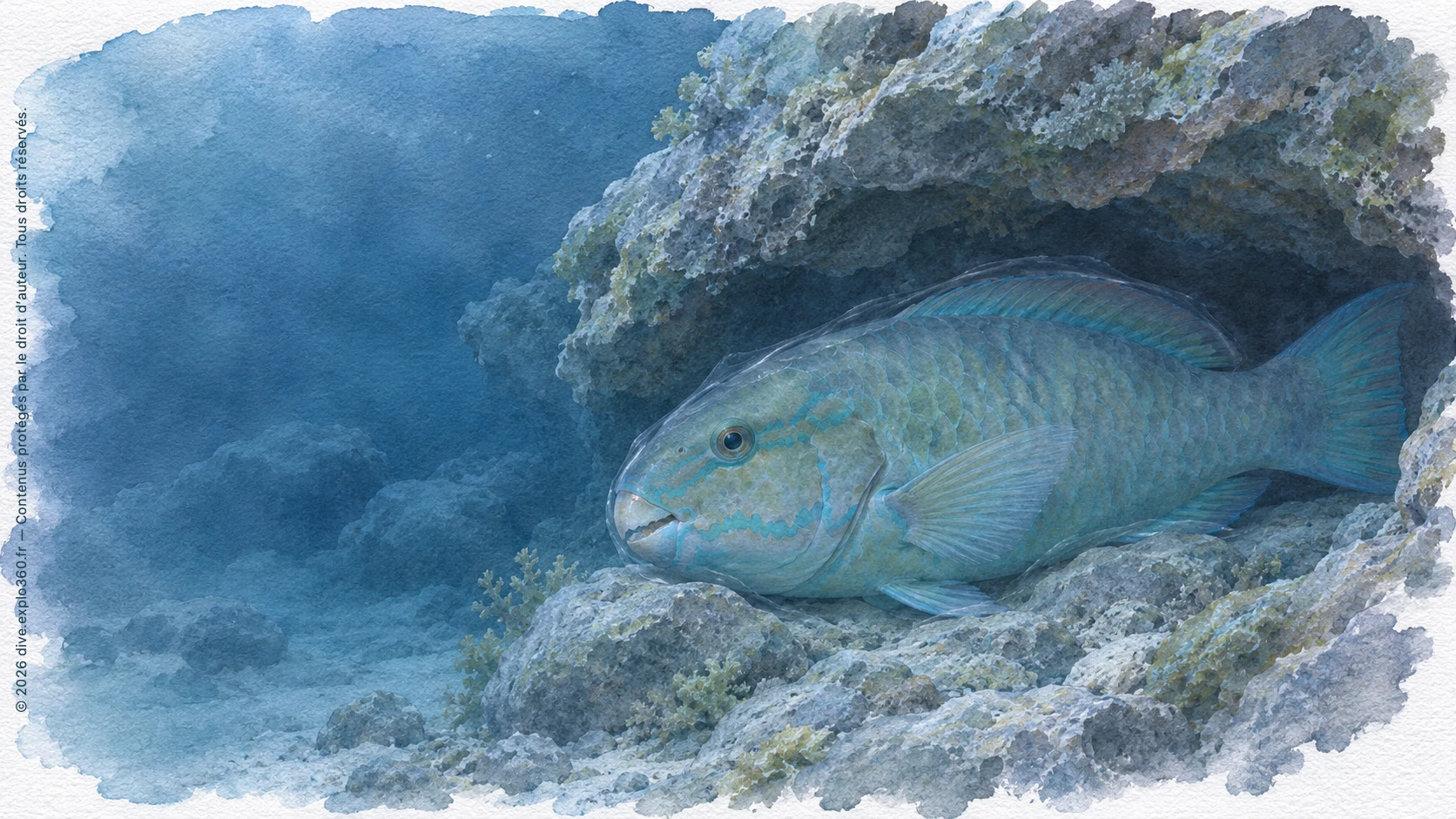
In an experiment with Chlorurus sordidus, researchers compared gnathiid attacks on fish with and without cocoons. The difference between the two groups suggests that the cocoon protects against parasites. It does not establish the fish’s state of alertness inside the cocoon.
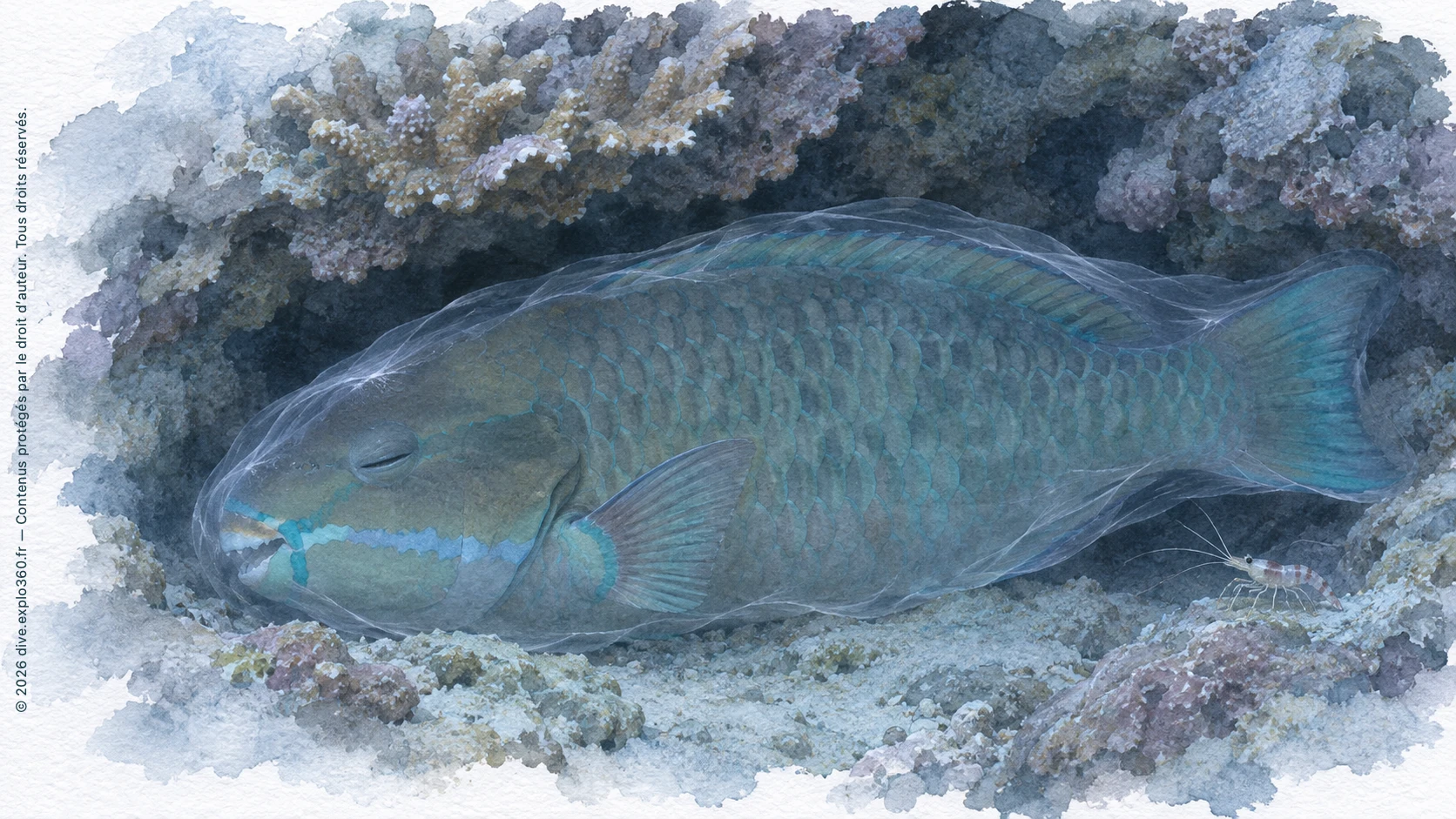
A translucent cocoon around a parrotfish.
The mucus cocoon reduced attacks by small parasitic crustaceans in the experiment with Chlorurus sordidus. © dive.explo360.fr — All rights reserved. Reproduction requires permission.
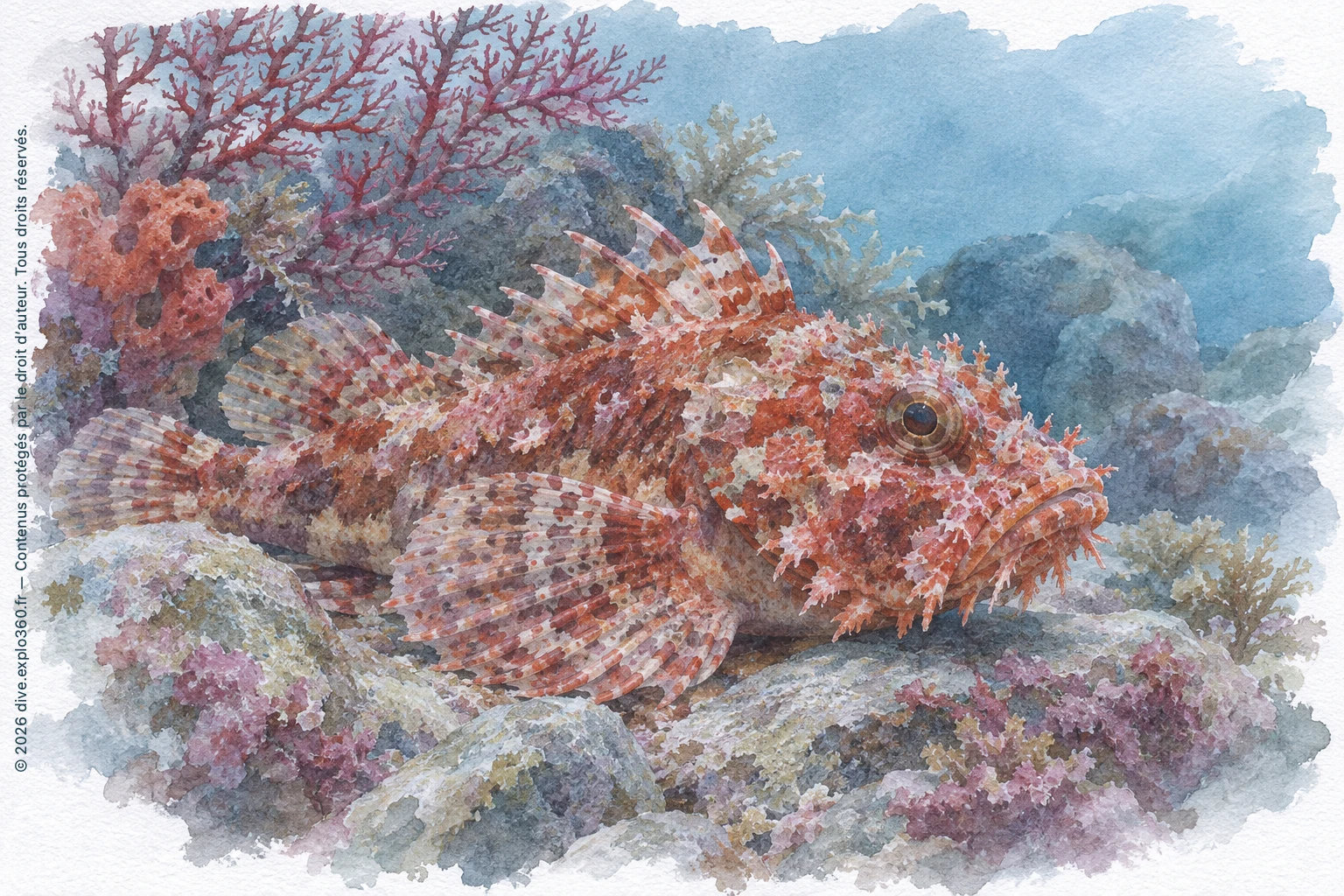
A scorpionfish motionless among rocks.
A scorpionfish can stay perfectly still while watching for prey. Look for other clues to tell whether a fish is asleep. © dive.explo360.fr — All rights reserved. Reproduction requires permission.

The puzzle of open eyes

Both a scorpionfish in ambush and a sleeping fish can stay still. In behavioural sleep, activity falls and it takes a stronger stimulus to elicit a response. The fish can also return to normal activity quickly when roused.

Three clues to compare

1

Activity

Movement decreases.
2

Responsiveness

A stronger signal may be needed to elicit a response.
3

Waking

The fish can become active again.

Does the zebrafish make up for lost sleep?

Sleep rebound is an increase in sleep after deprivation. Researchers have observed sleep rebound in zebrafish under certain experimental conditions. A lack of rebound under another protocol is not enough to rule out sleep.
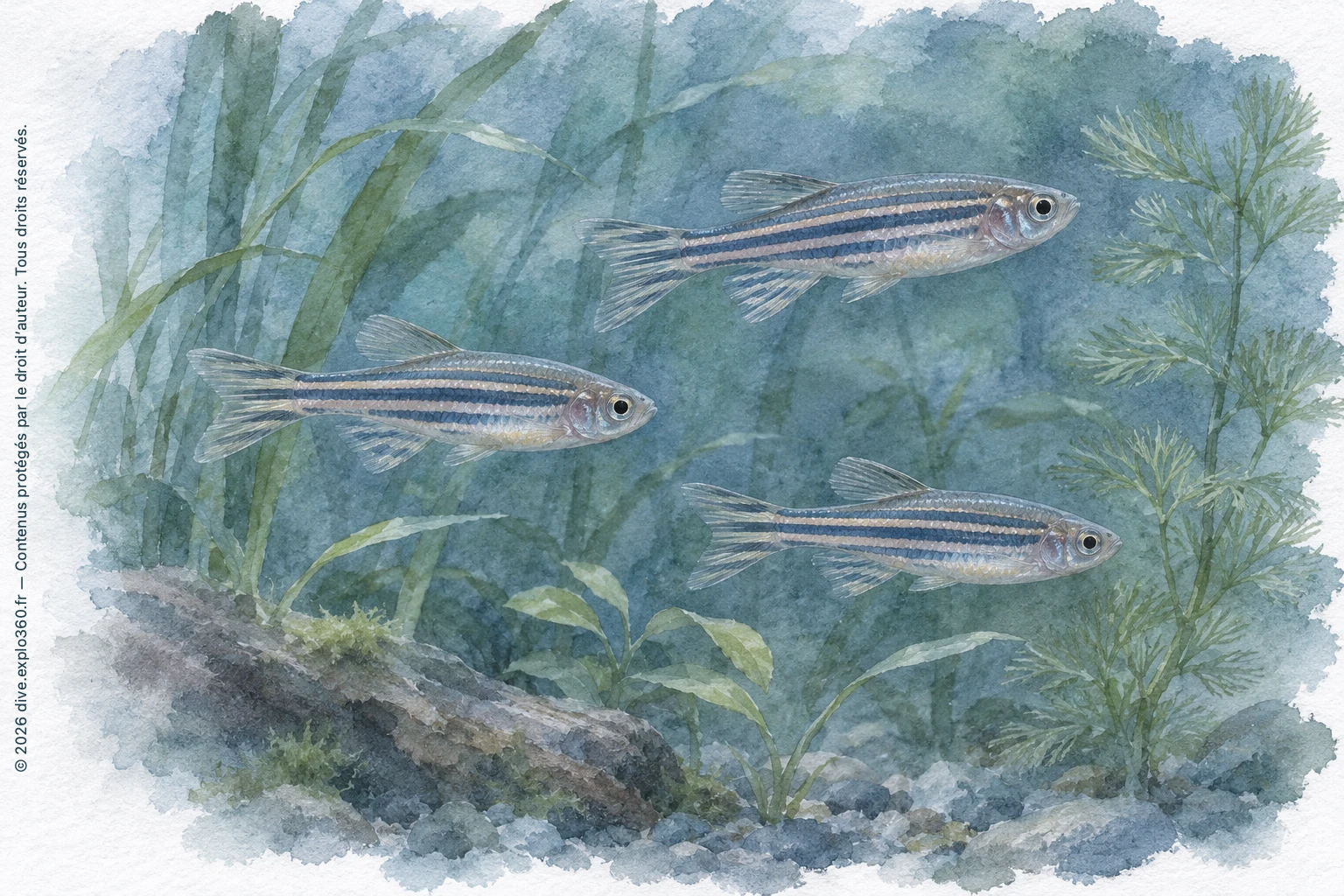
Striped zebrafish among freshwater plants.
Zebrafish are freshwater fish. To study sleep, researchers track how the fish move and how readily they respond to signals. © dive.explo360.fr — All rights reserved. Reproduction requires permission.
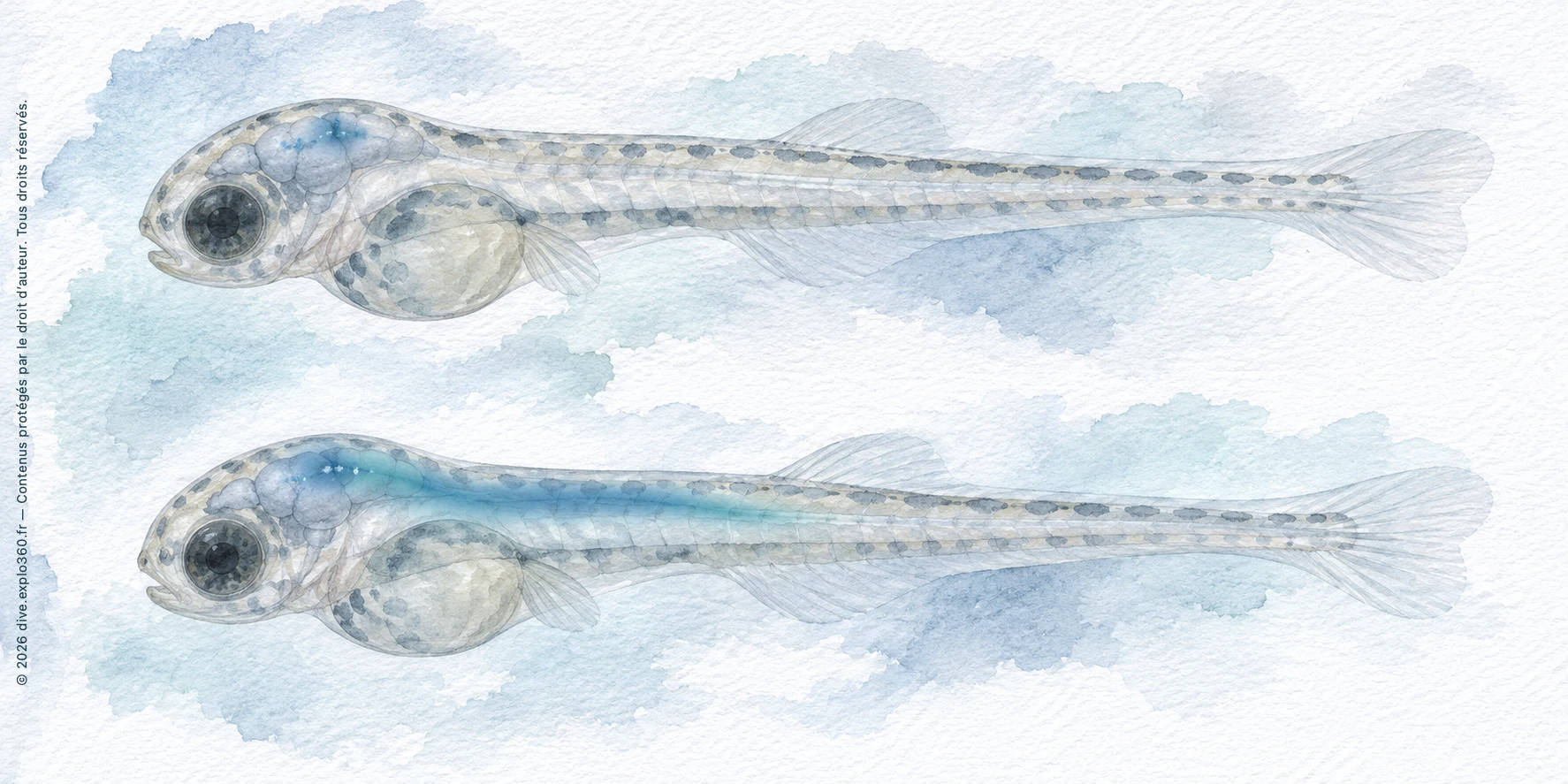
Two schematic views of a young zebrafish’s nervous system.
The diagram illustrates slow discharges and the spread of neural activity. It does not depict an actual recording. © dive.explo360.fr — All rights reserved. Reproduction requires permission.

The night the brain gave up its secret

The 2019 study combined neural imaging with measurements of eye movements, muscle activity and heart rhythm. The recordings distinguished slow, recurring bursts of neural activity from a wave that spread through the nervous system. The two states share some features with mammalian sleep, and the resemblance is partial.

Continue reading

AMIGANSEAU CONTENT

The rest of this article is for subscribers

Log in with your AMIGANSEAU licence to continue reading.

All active AMIGANSEAU licences give access to the full article.