


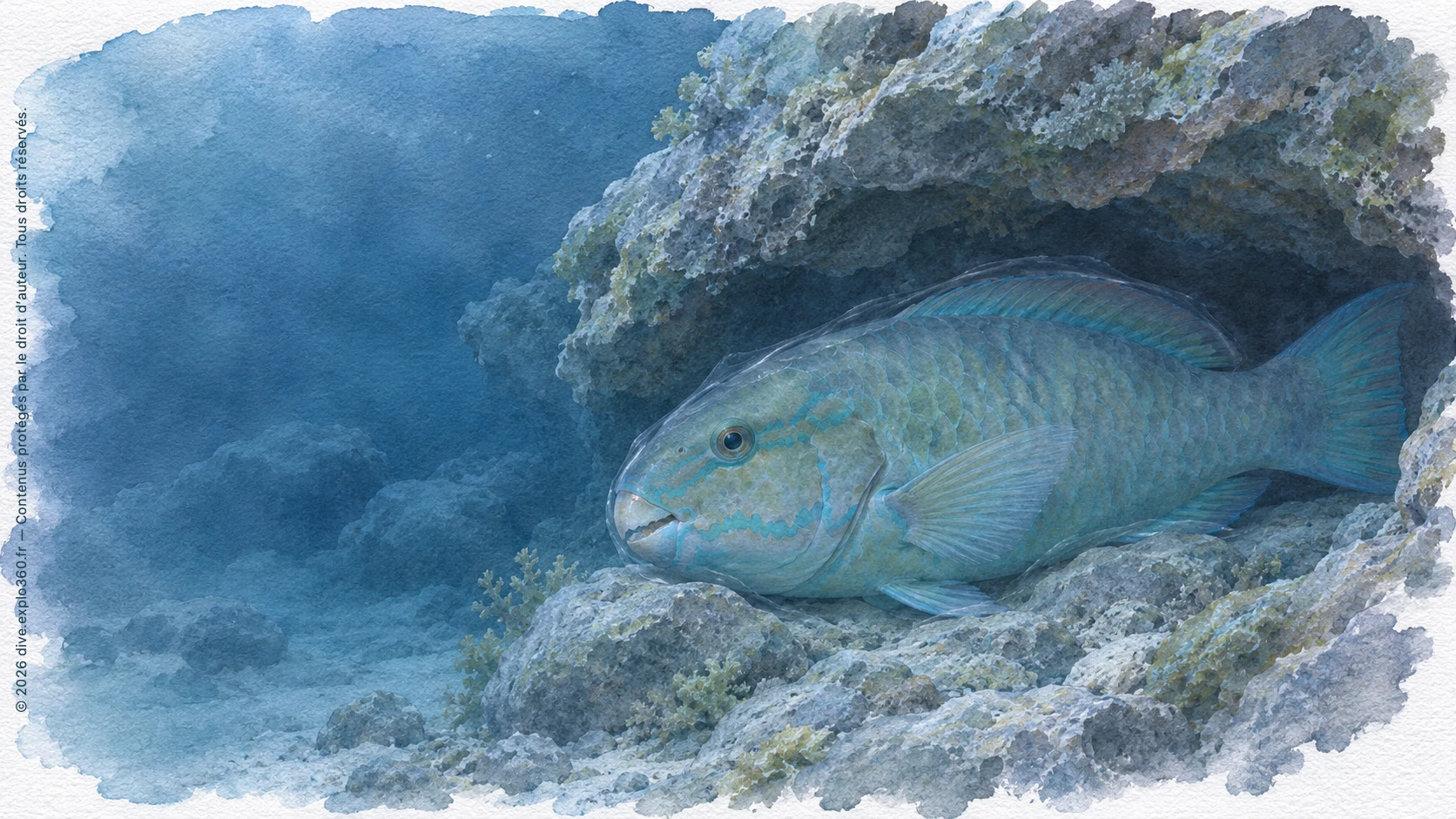
A fish inside a cocoon

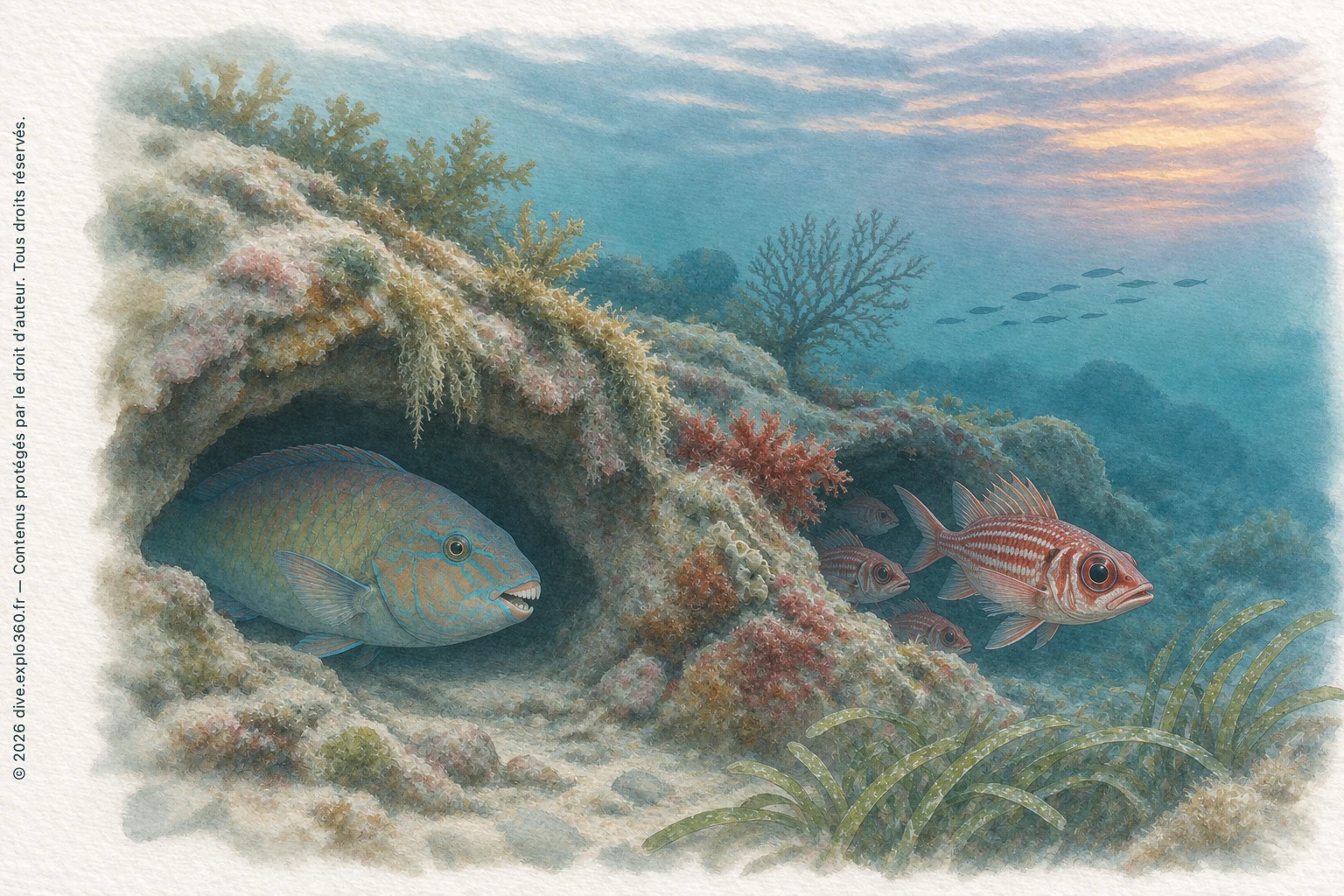
As night falls, some parrotfish hide among the rocks. A layer of mucus wraps around the fish like a thin bag. It can keep tiny parasites from reaching the fish.
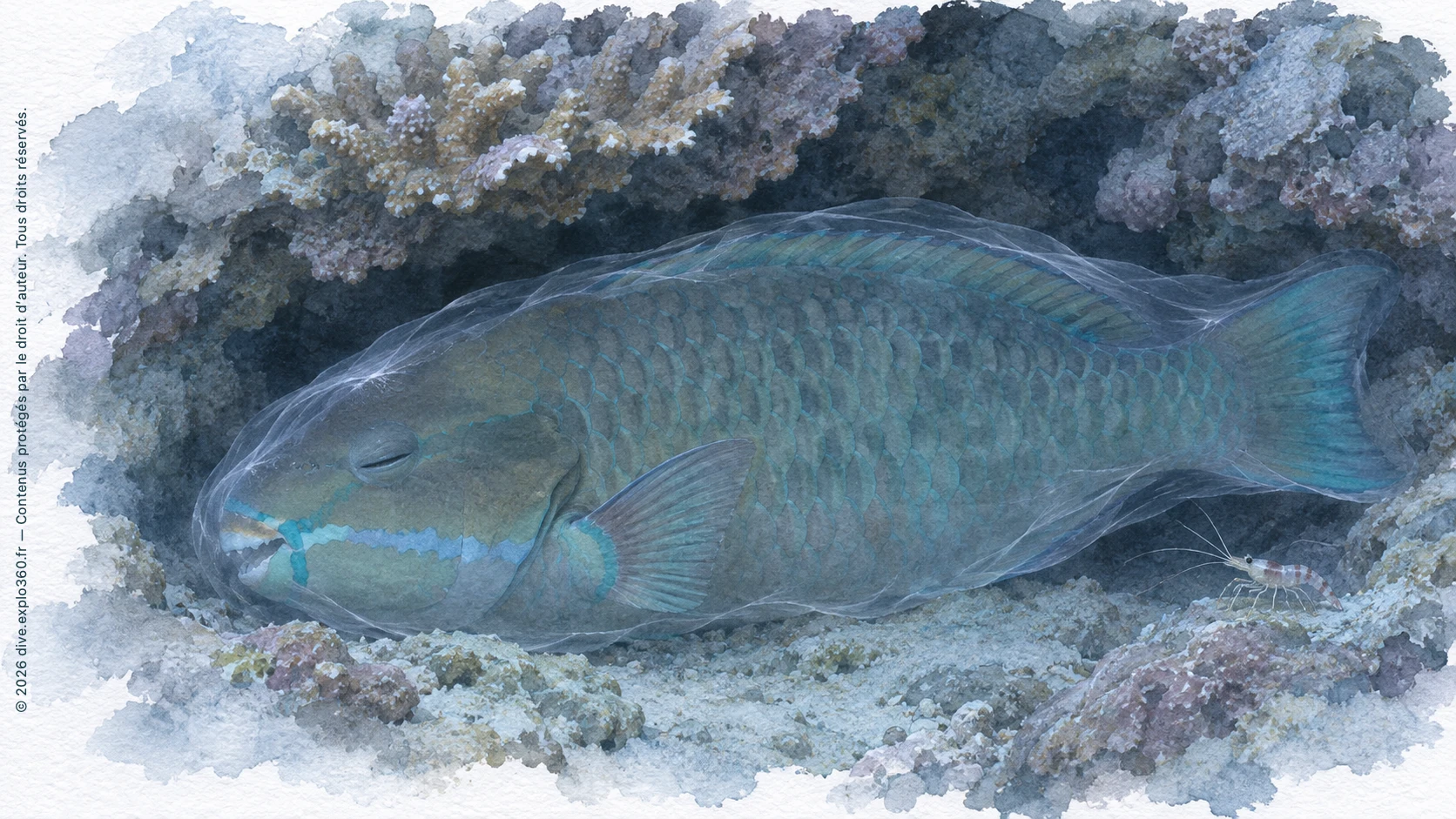
A translucent cocoon around a parrotfish.
The mucus cocoon reduced attacks by small parasitic crustaceans in the experiment with Chlorurus sordidus. © dive.explo360.fr — All rights reserved. Reproduction requires permission.
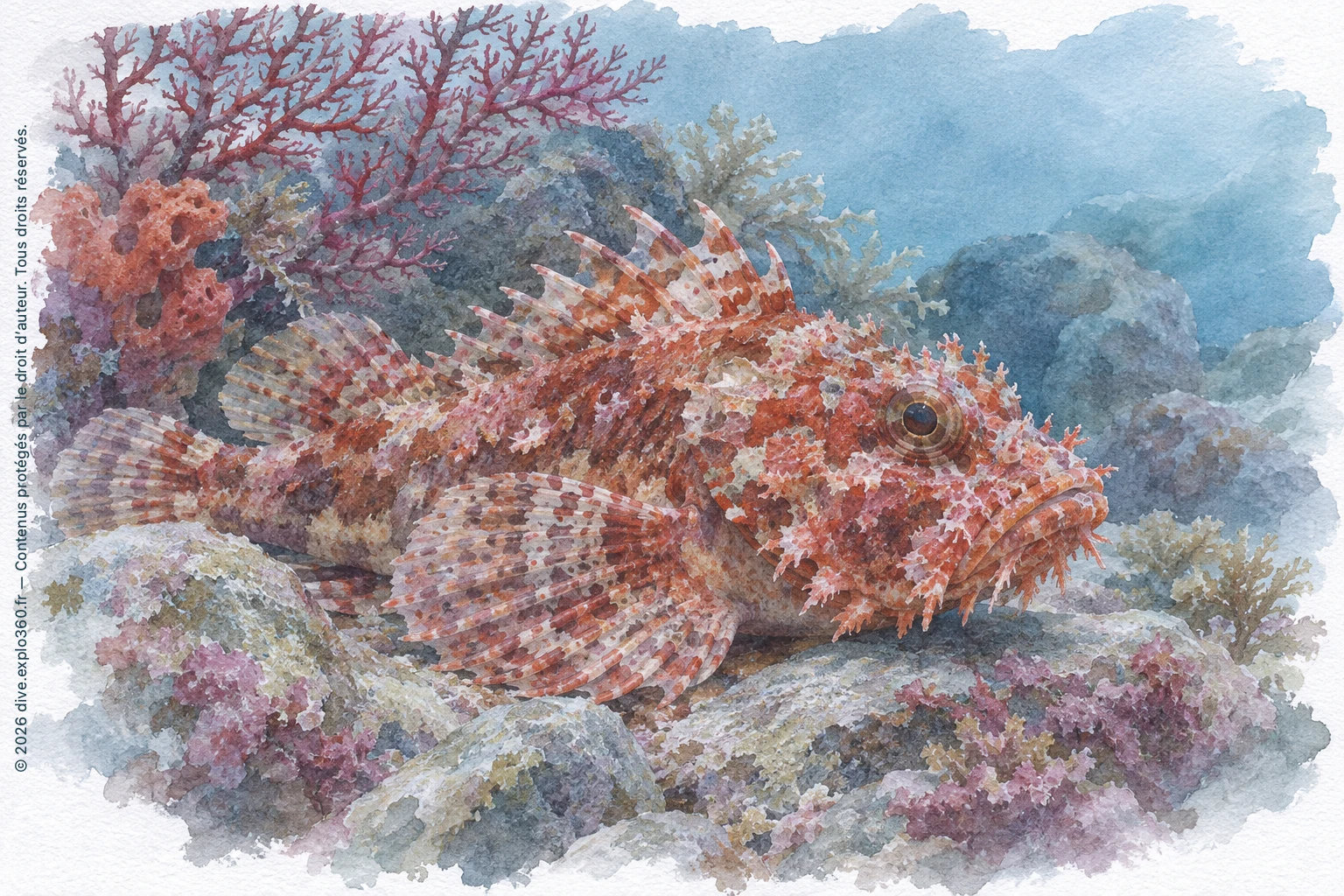
A scorpionfish motionless among rocks.
A scorpionfish can stay perfectly still while watching for prey. Look for other clues to tell whether a fish is asleep. © dive.explo360.fr — All rights reserved. Reproduction requires permission.

Waiting for prey or sleeping?

Look at the scorpionfish. It stays still while waiting for prey. A sleeping fish can also stay still, even with its eyes open. You need more clues to tell what it is doing.

Three clues to compare

1

Activity

Movement decreases.
2

Responsiveness

A stronger signal may be needed to elicit a response.
3

Waking

The fish can become active again.

Making up for lost sleep

A resting zebrafish may take longer to react to a signal or respond less often. In some experiments, zebrafish slept more after researchers kept them from resting.
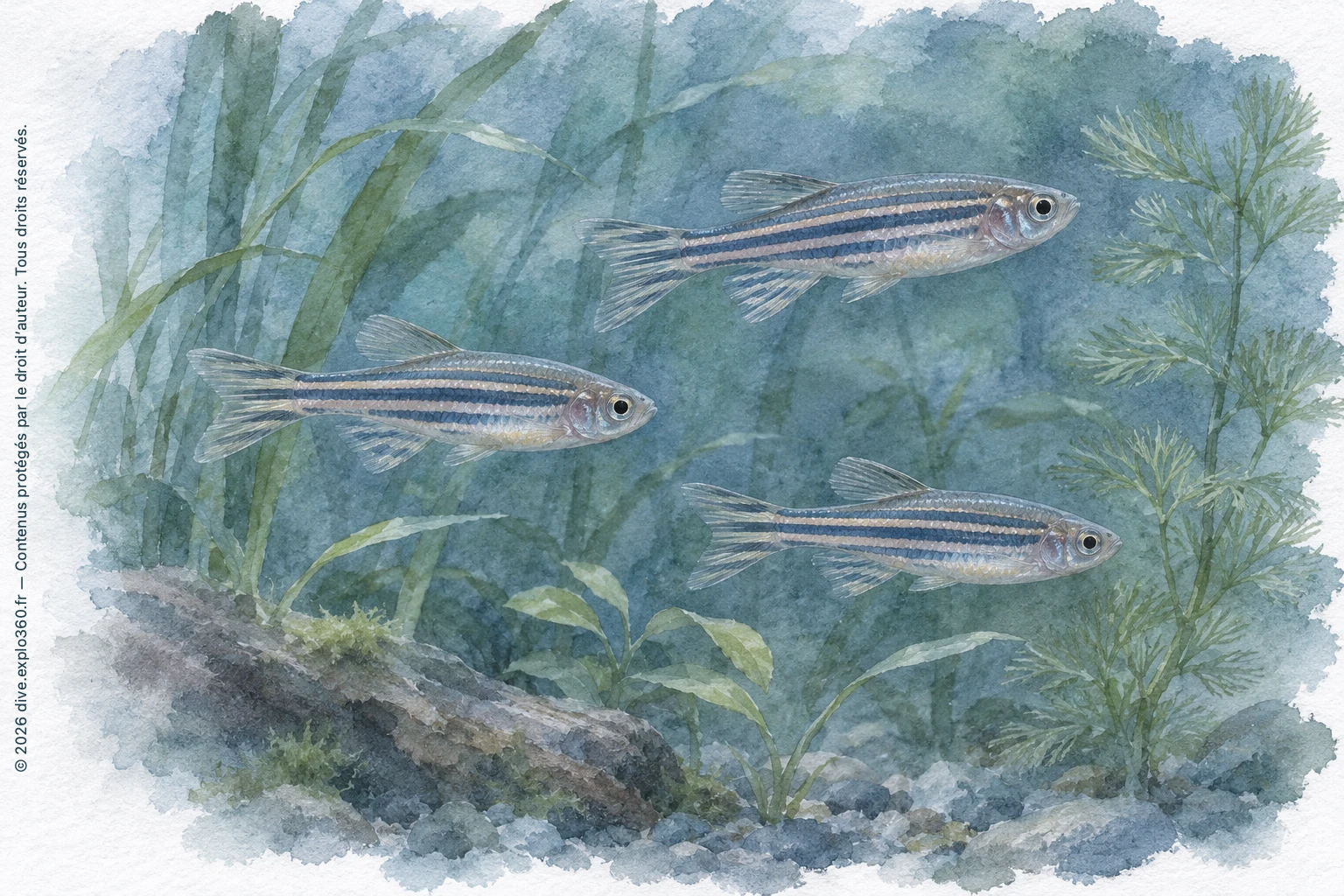
Striped zebrafish among freshwater plants.
Zebrafish are freshwater fish. To study sleep, researchers track how the fish move and how readily they respond to signals. © dive.explo360.fr — All rights reserved. Reproduction requires permission.
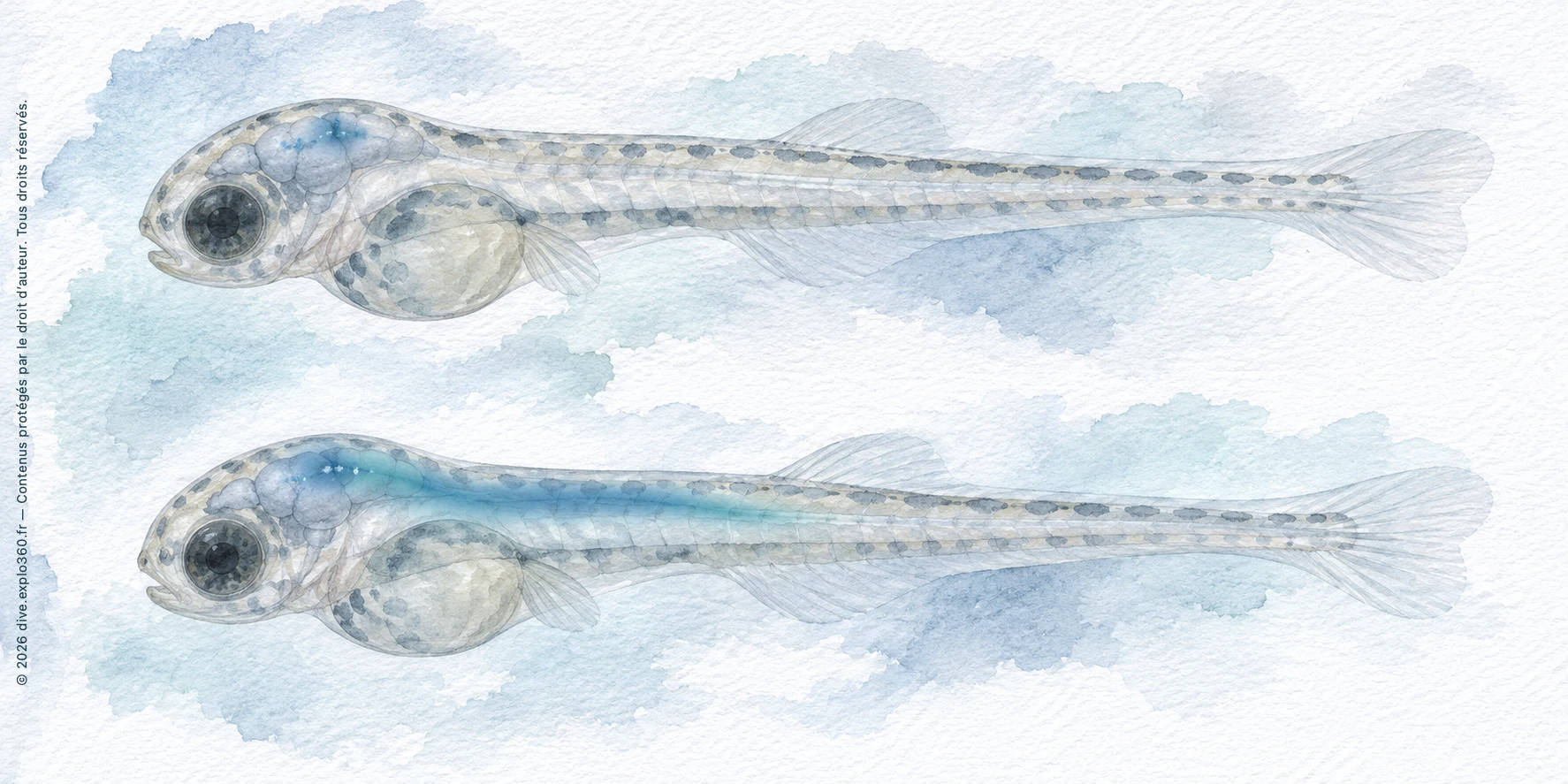
Two schematic views of a young zebrafish’s nervous system.
Researchers can record a fish’s brain activity while it rests. © dive.explo360.fr — All rights reserved. Reproduction requires permission.

Waves in the brain

Scientists watched what happened inside the brain of a sleeping zebrafish. They saw two patterns. In one, short bursts of activity came and went slowly. In the other, activity spread like a wave.
Continue reading

AMIGANSEAU CONTENT

The rest of this article is for subscribers

Log in with your AMIGANSEAU licence to continue reading.

All active AMIGANSEAU licences give access to the full article.