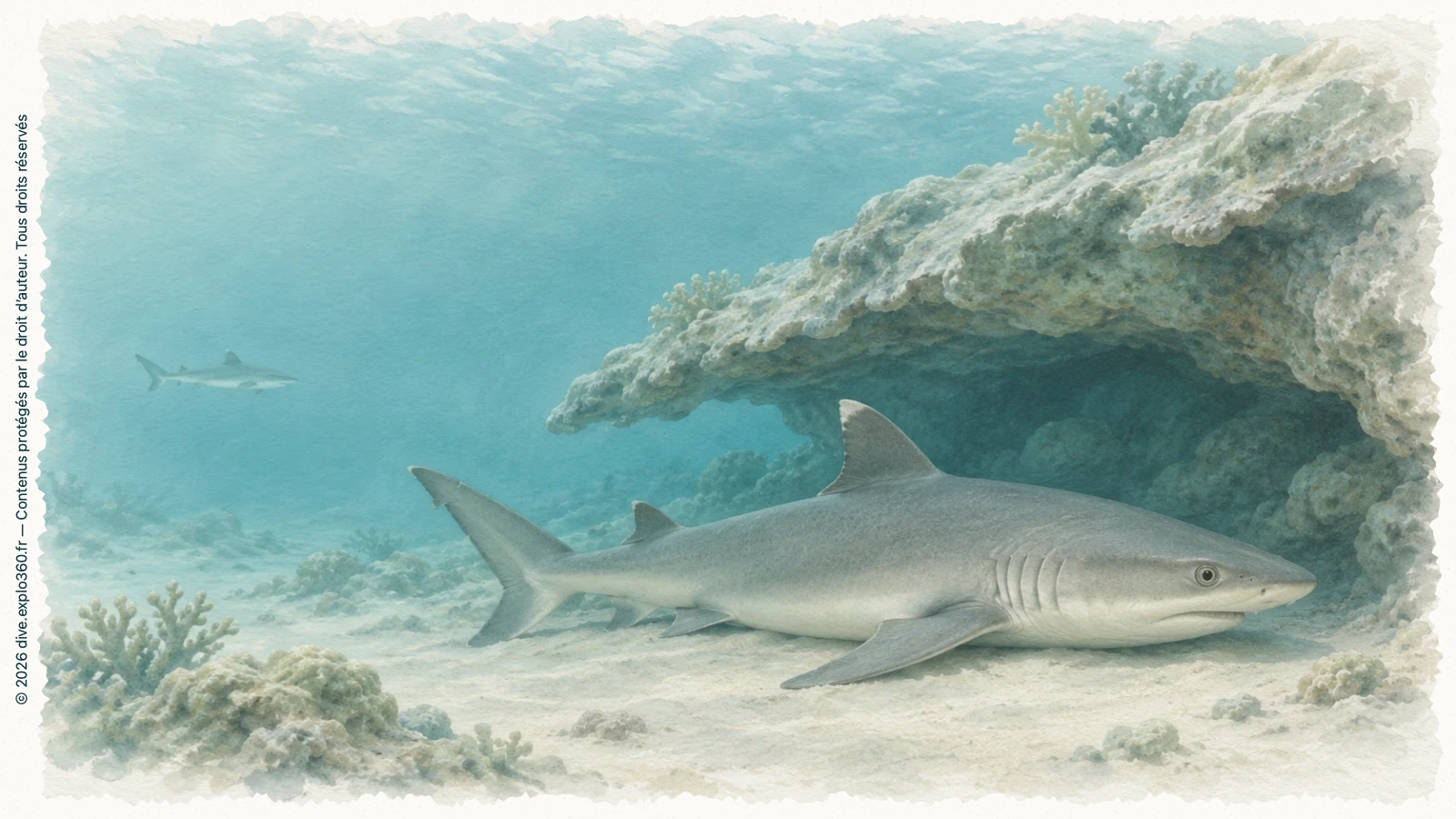
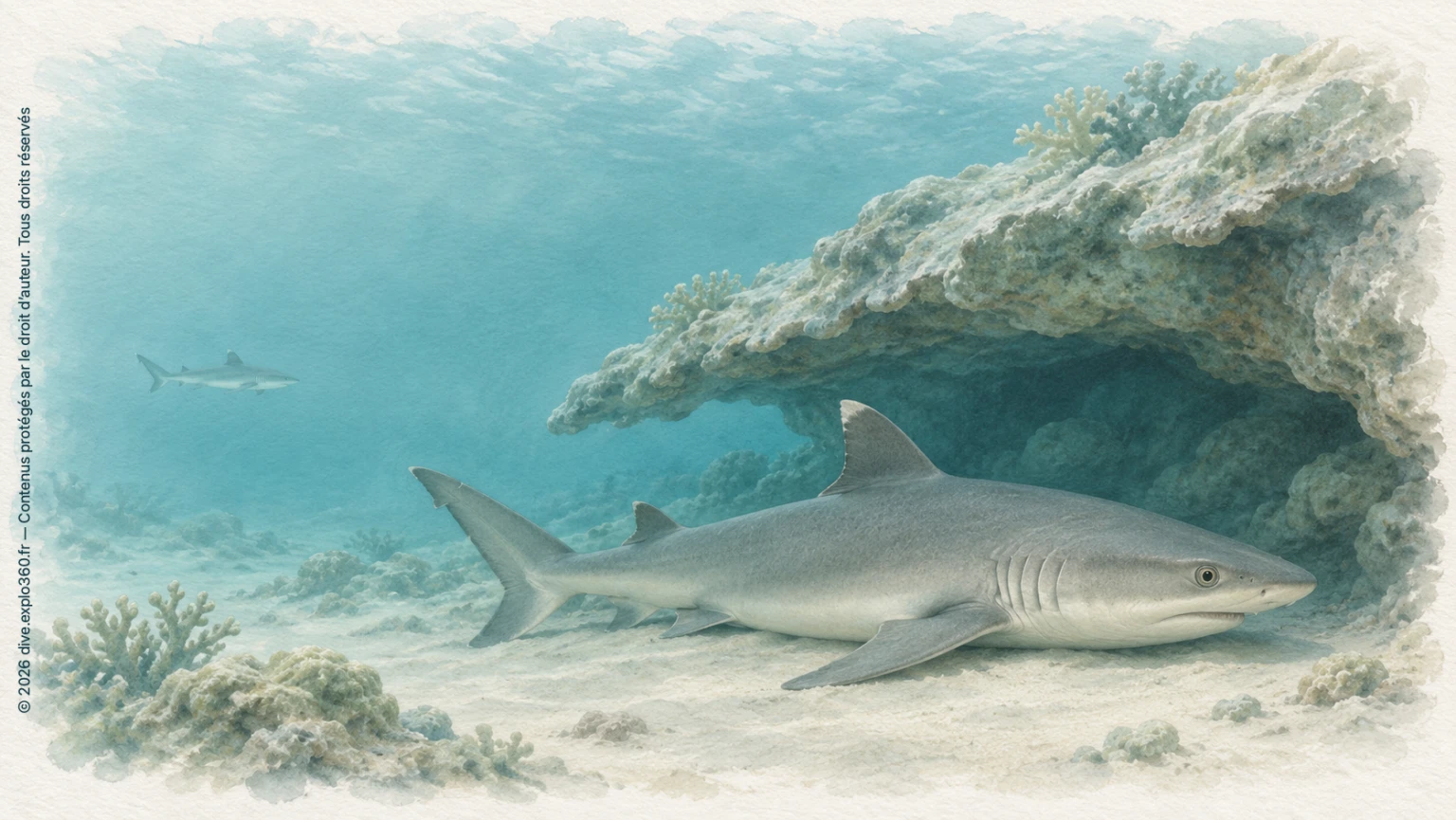
A shark resting on the cave floor
In the tropical Indo-Pacific, whitetip reef sharks, Triaenodon obesus, regularly spend long periods on the seabed. Look under an overhang, inside a cave or on a sheltered patch of sand and you may find several sharing a refuge. Their gills keep working while they lie still. Like other sharks, they take up oxygen dissolved in water. What matters is a steady supply of water at the gills.
The mouth and throat draw water in, push it over the gills and send it out through the gill slits. This is buccal ventilation, also called buccopharyngeal pumping. The pump keeps the water moving even when the shark stays put. That is how a shark can spend hours in a shelter with little current.
It can also stay alert while lying there. From outside the cave, stillness could mean quiet wakefulness or sleep. Researchers can begin to tell the two apart by measuring what it takes to make the shark react.
How scientists recognise sleep in a still shark
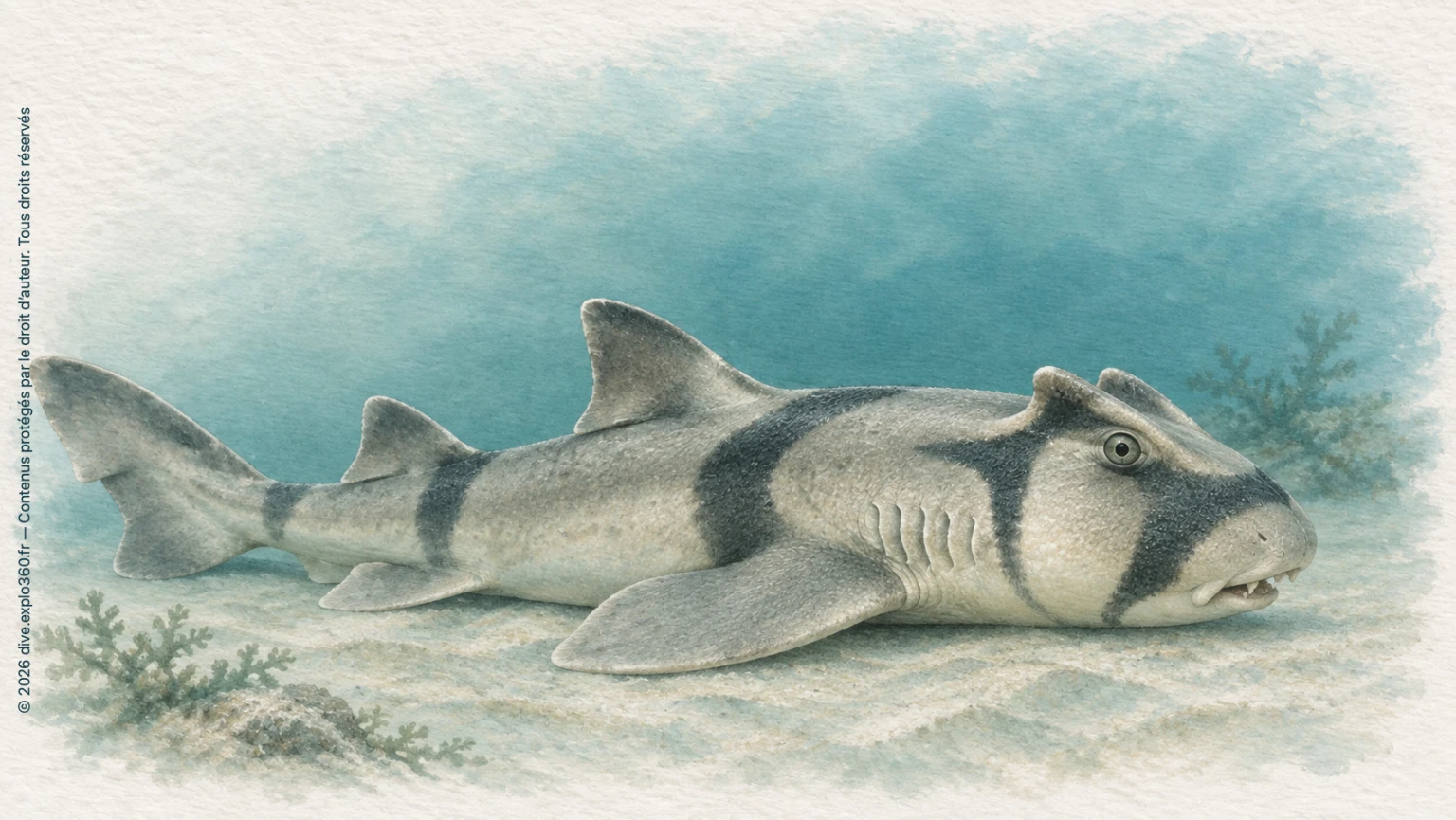
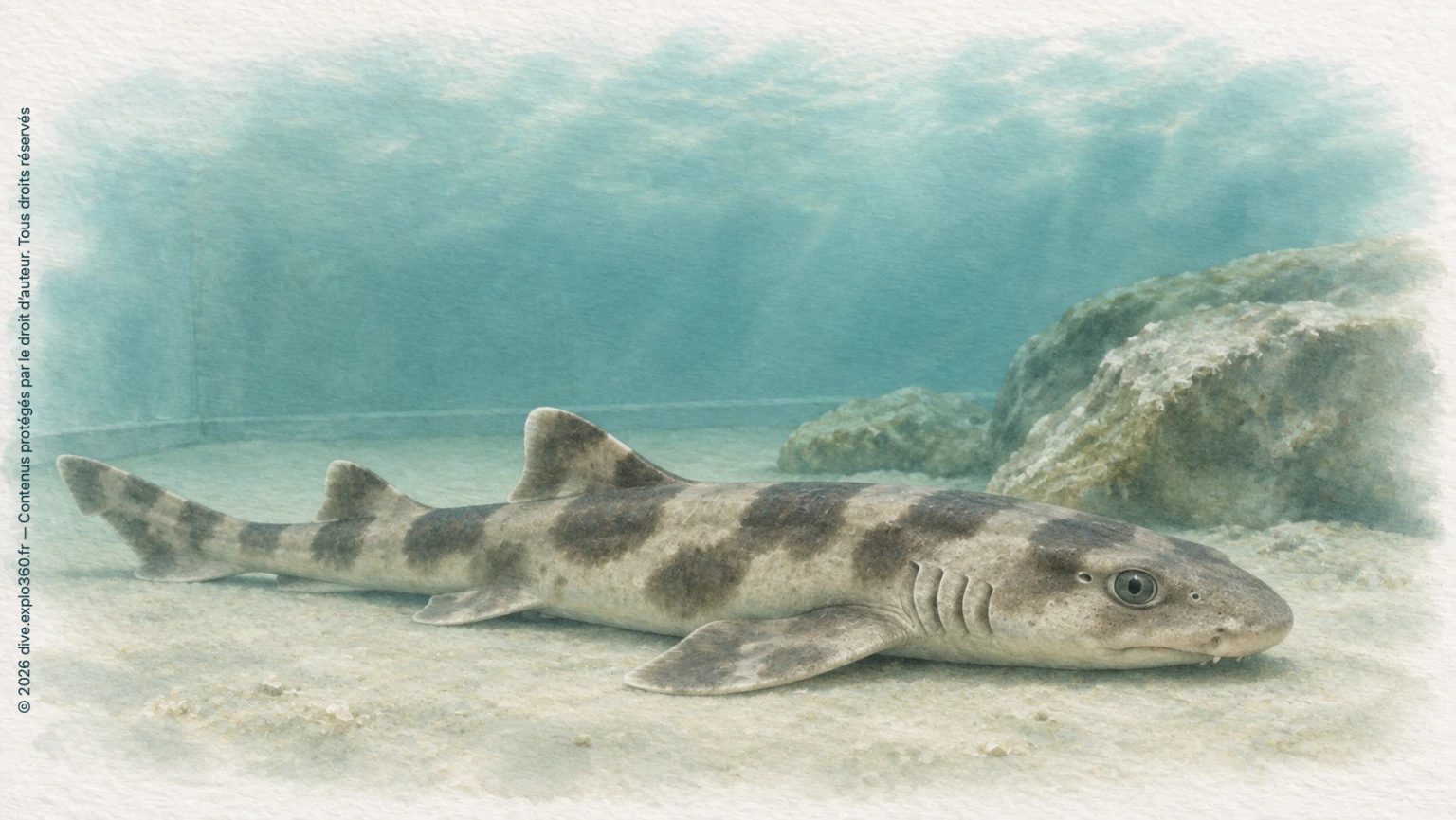
Off Australia, Port Jackson sharks, Heterodontus portusjacksoni, spend long periods motionless. New Zealand’s draughtsboard shark, Cephaloscyllium isabellum, does much the same. That gave researchers a chance to compare how each species reacts when active and after a spell of inactivity. An animal that is asleep usually takes more stimulation to rouse than one that is awake.
After lying still for a while, sharks of both species needed stronger electrical stimulation before they reacted. That rise in the threshold for a response is one of the main behavioural clues to sleep. Draughtsboard sharks offered a further clue. Their bodies lay flatter against the bottom and they took up less oxygen than during quiet wakefulness.
That comparison matters because a shark can be awake and motionless. The lower oxygen uptake showed that a sleeping draughtsboard shark was using less energy even compared with one that was already lying still. The eyes were a poorer guide. A draughtsboard shark could keep them open as it slept.
Two ways of moving water over the gills
To understand why some sharks rest on the bottom while others keep swimming, follow the path water takes through the gills. In sharks that use buccopharyngeal pumping, muscle movements keep water flowing while the body remains still. These animals can exchange gases without swimming forward. Nurse sharks, Ginglymostoma cirratum, can do this. They may stay on the bottom for long periods, including in reef shelters.
Other species rely mainly on forward motion. Water enters the mouth as the shark swims, passes over the gills and leaves through the gill slits. This is called ram ventilation. Some open-water sharks, such as the shortfin mako, Isurus oxyrinchus, need to maintain sufficient water flow across their gills by this means. A prolonged stop in still water can therefore reduce their oxygen supply.
Some sharks can combine the two methods or adjust their behaviour according to their activity and the surrounding conditions. The ability to stop depends on the species and the circumstances.