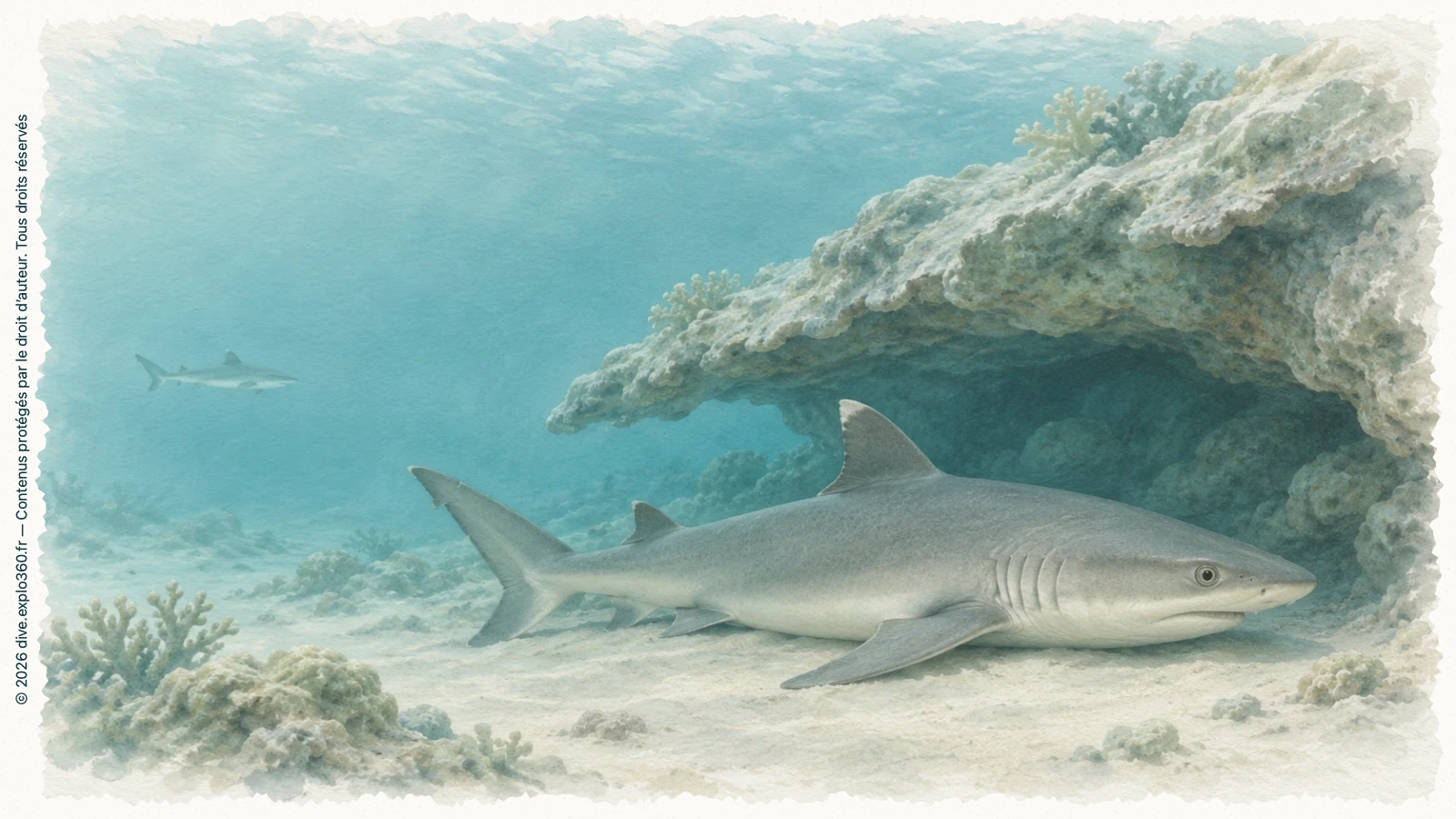
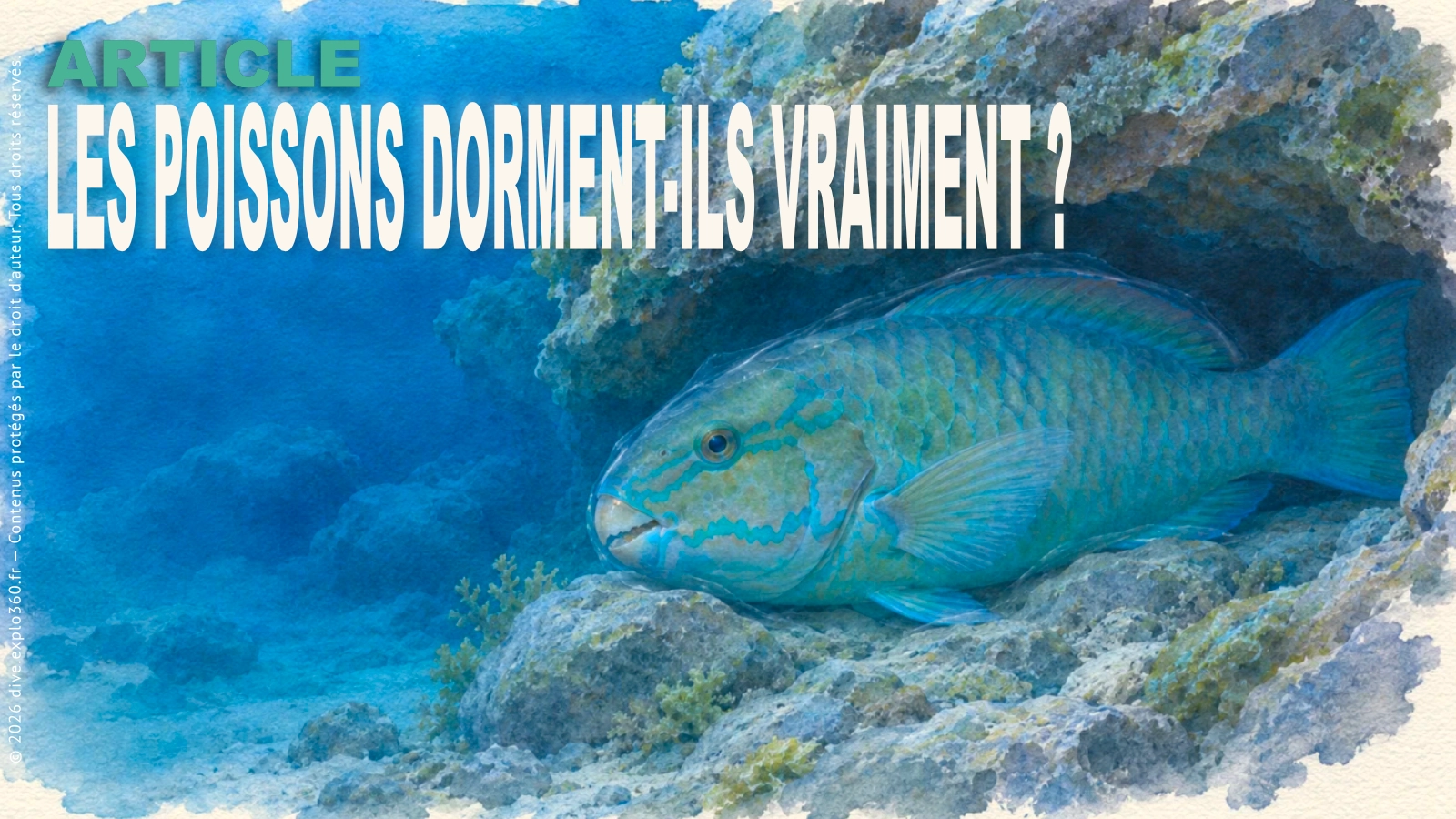
A shark can rest in a cave

A whitetip reef shark can settle on the seabed and keep water flowing over its gills without swimming.
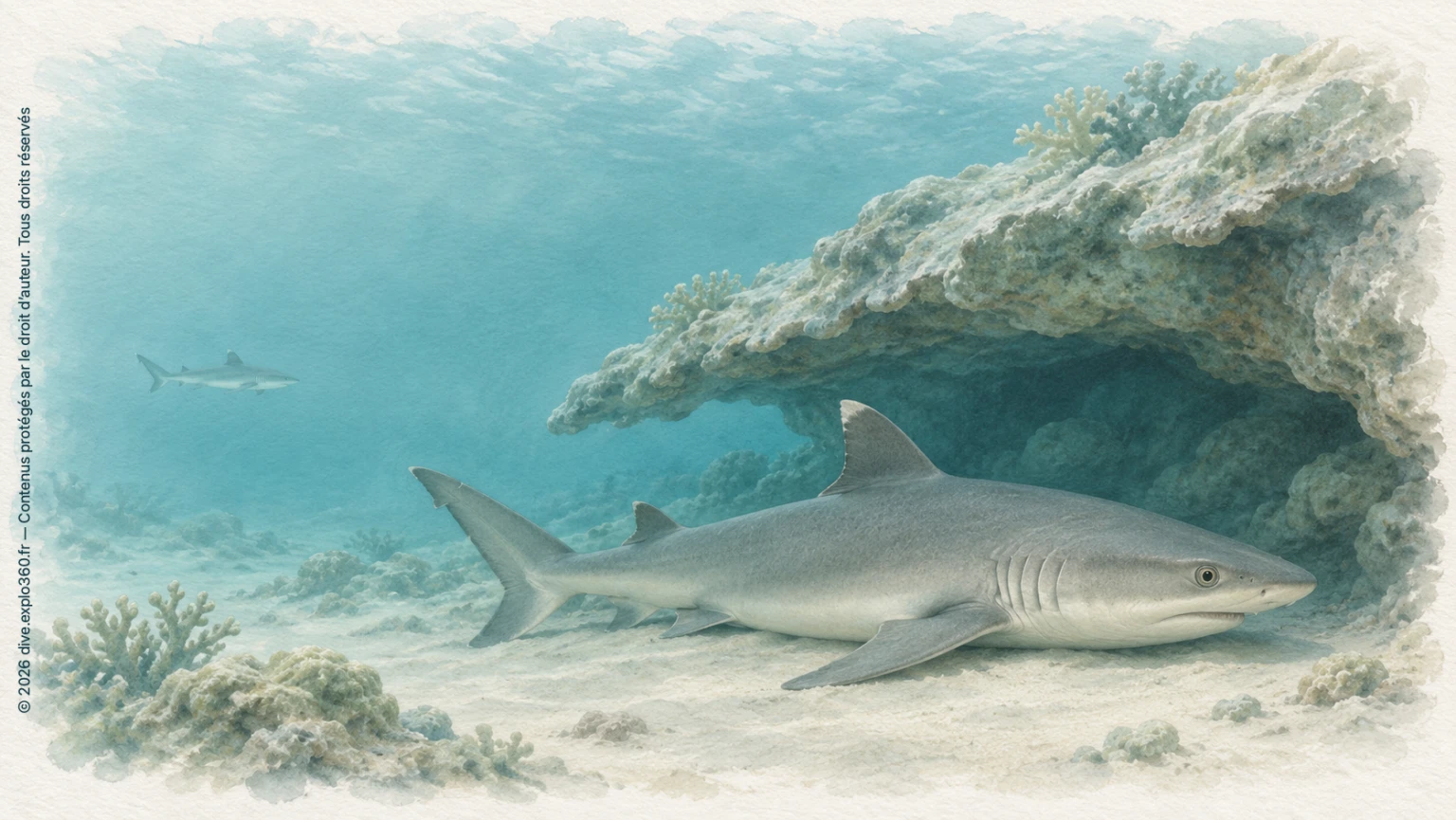
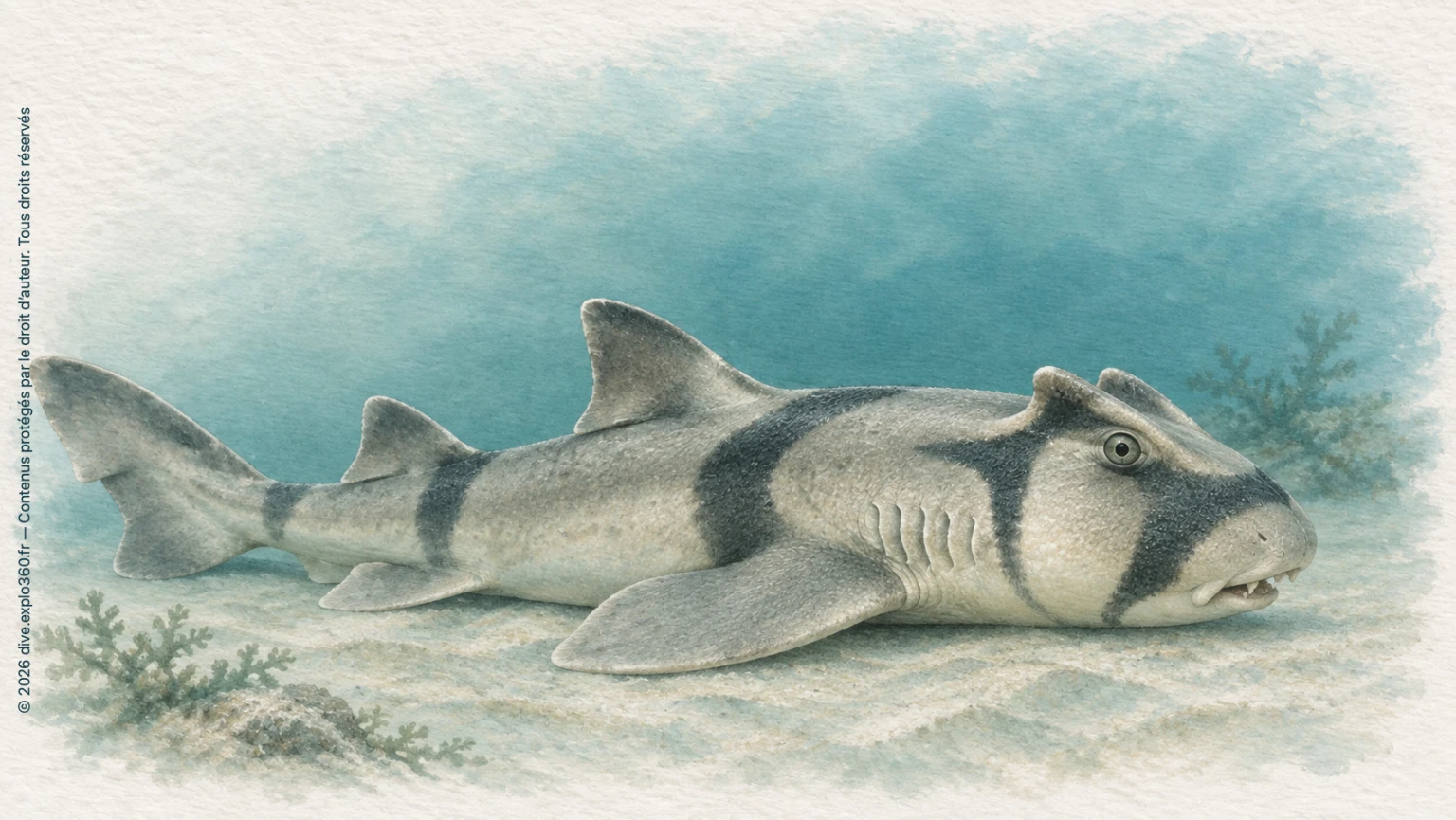
A motionless shark. A shark’s posture alone cannot tell us whether it is asleep.
A shark’s posture alone cannot tell us whether it is asleep. © dive.explo360.fr — All rights reserved. Reproduction requires permission.

How hard is it to rouse a shark?

Researchers compare how readily a shark responds when it is active and when it has been still for a while. If it takes a stronger stimulus to get a reaction, the shark may be asleep.
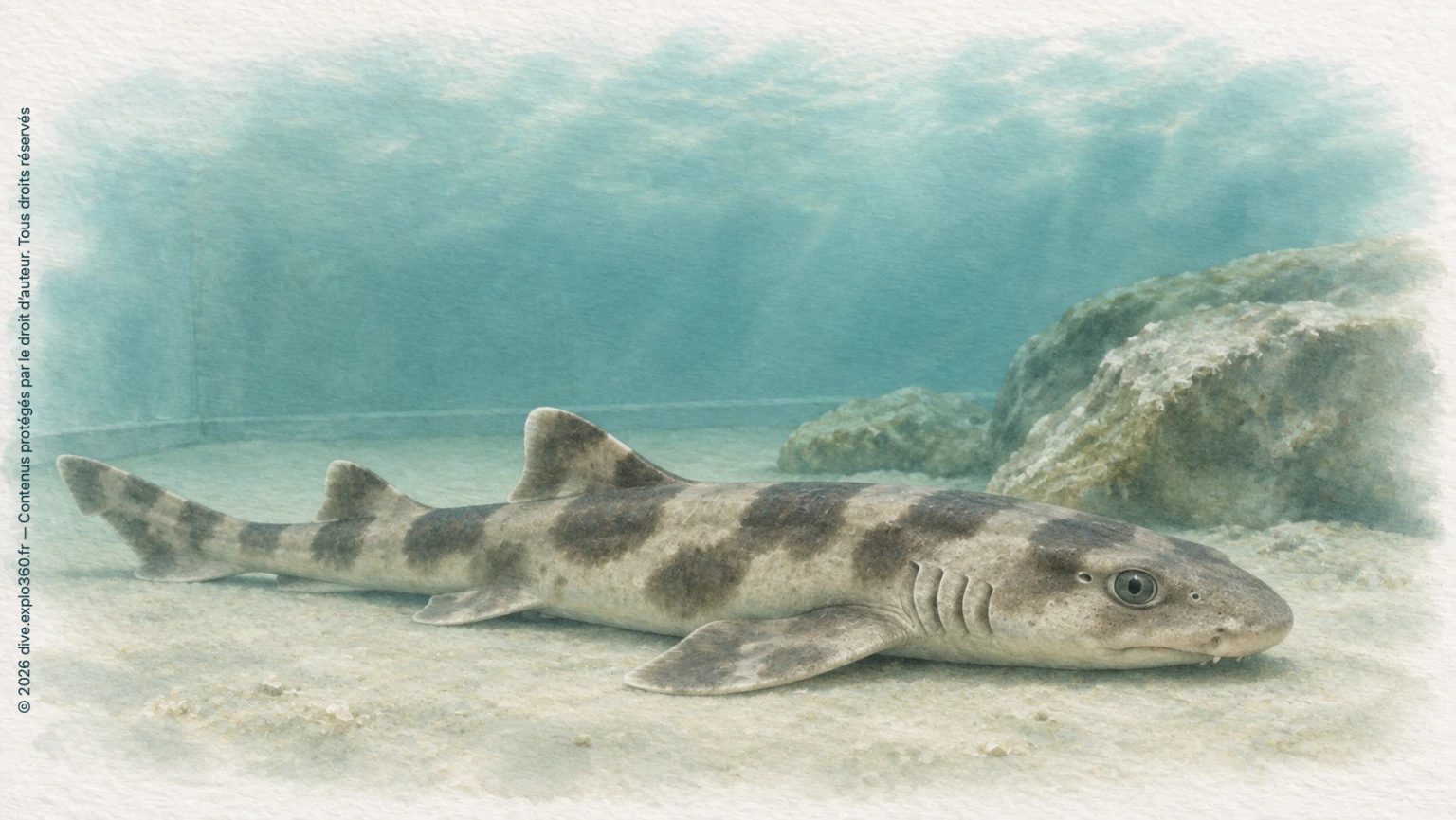
How can we recognise sleep? Researchers compare responsiveness, posture and oxygen uptake.
Researchers look at the shark’s posture and how it reacts. In the draughtsboard shark, responsiveness, posture and oxygen use help distinguish states of rest. © dive.explo360.fr — All rights reserved. Reproduction requires permission.

Gills need moving water

Some sharks use muscles in the mouth and throat to pump water over their gills, so they can breathe without swimming. Others get most of that flow by swimming forwards.
Breathing while still. Some sharks pump water using movements of the mouth and throat.
Some sharks move water over their gills even when they are not swimming. Mouth and pharynx movements allow active ventilation in some species. © dive.explo360.fr — All rights reserved. Reproduction requires permission.

Continue reading

AMIGANSEAU CONTENT

The rest of this article is for subscribers

Log in with your AMIGANSEAU licence to continue reading.

All active AMIGANSEAU licences give access to the full article.