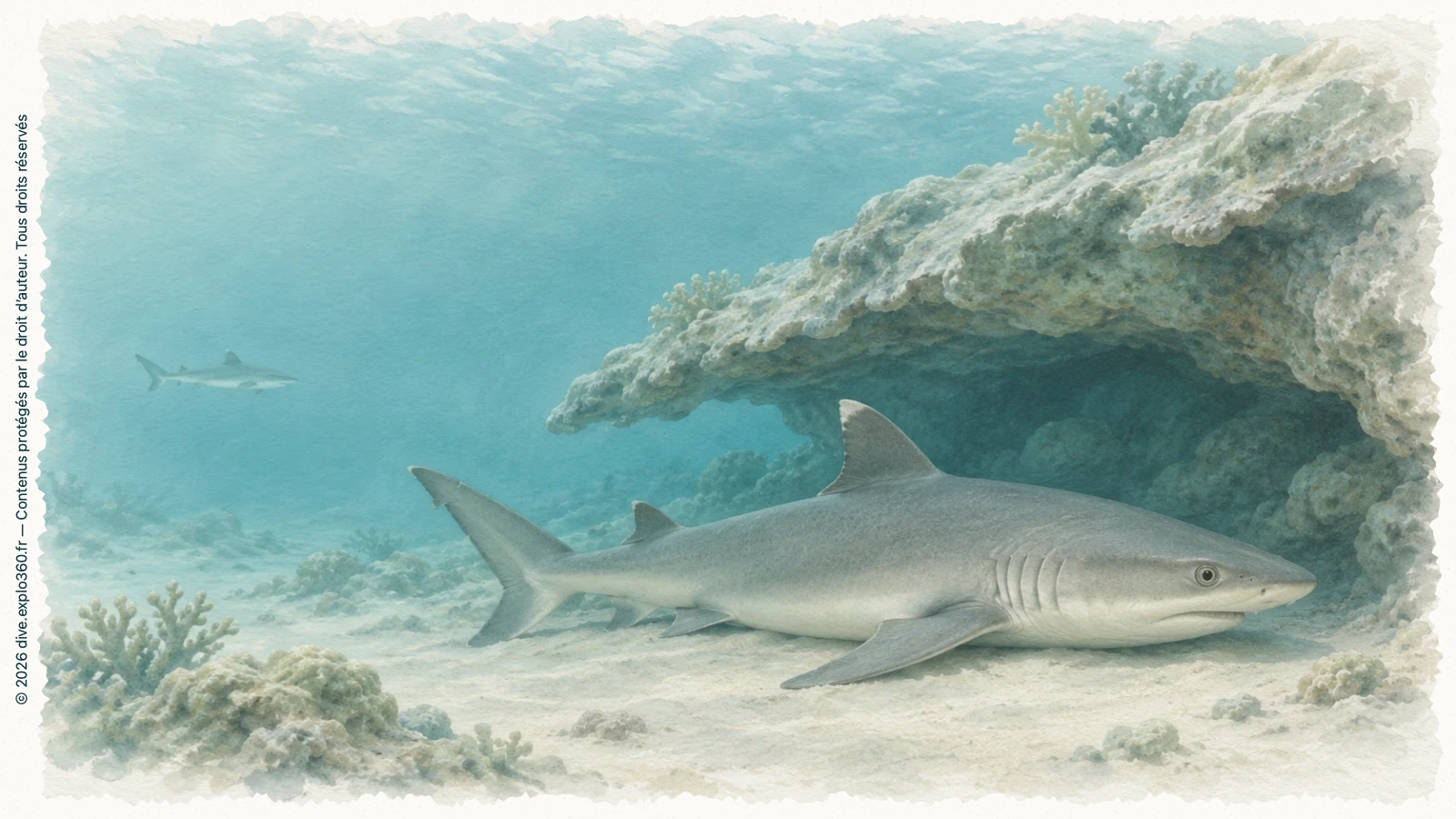
A shark can rest in a cave

A whitetip reef shark moves its mouth and throat to keep water passing over the gills. This buccopharyngeal pump lets it breathe while lying still.
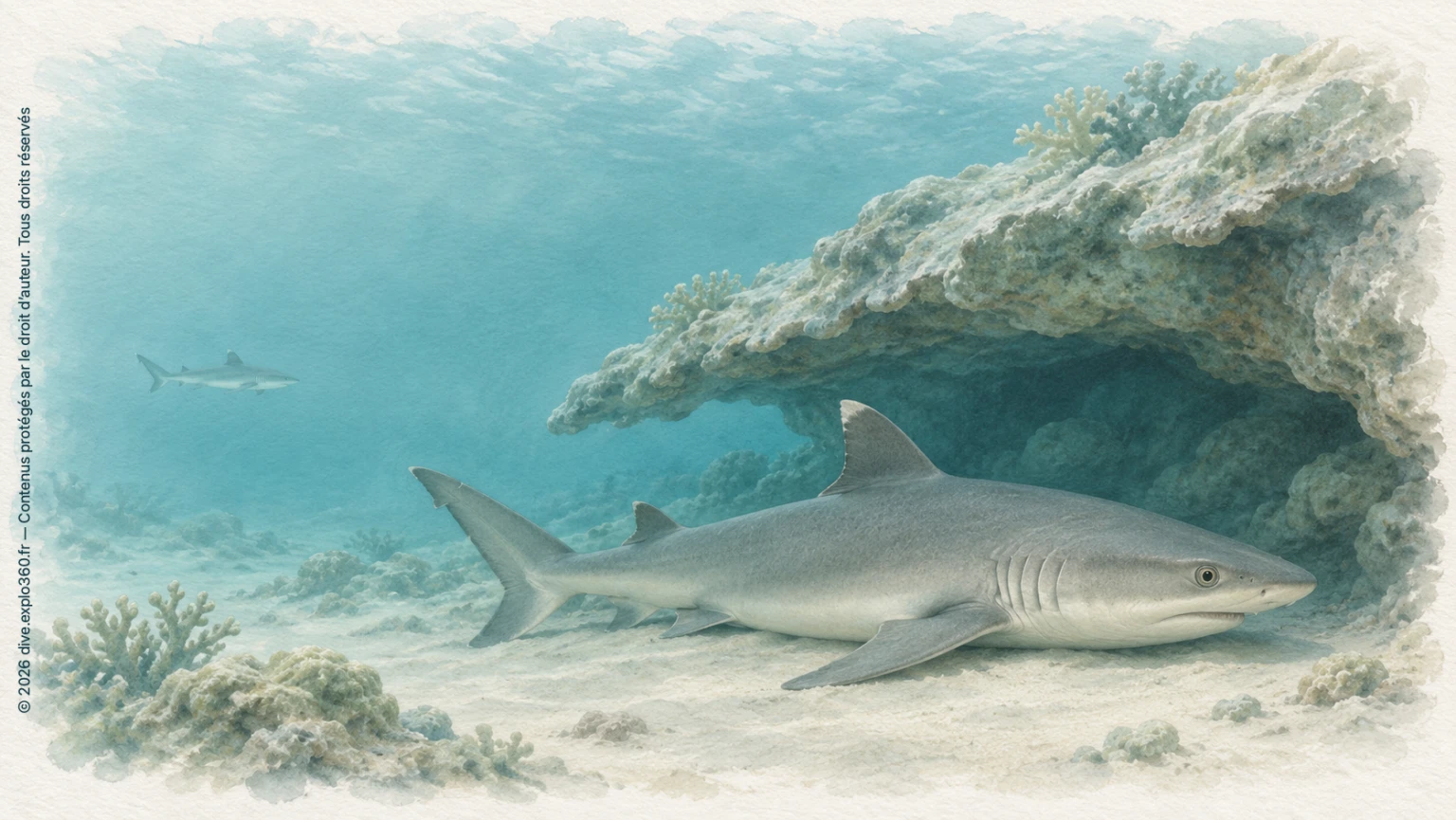
A motionless shark. A shark’s posture alone cannot tell us whether it is asleep.
A shark’s posture alone cannot tell us whether it is asleep. © dive.explo360.fr — All rights reserved. Reproduction requires permission.

Measuring responsiveness and metabolism

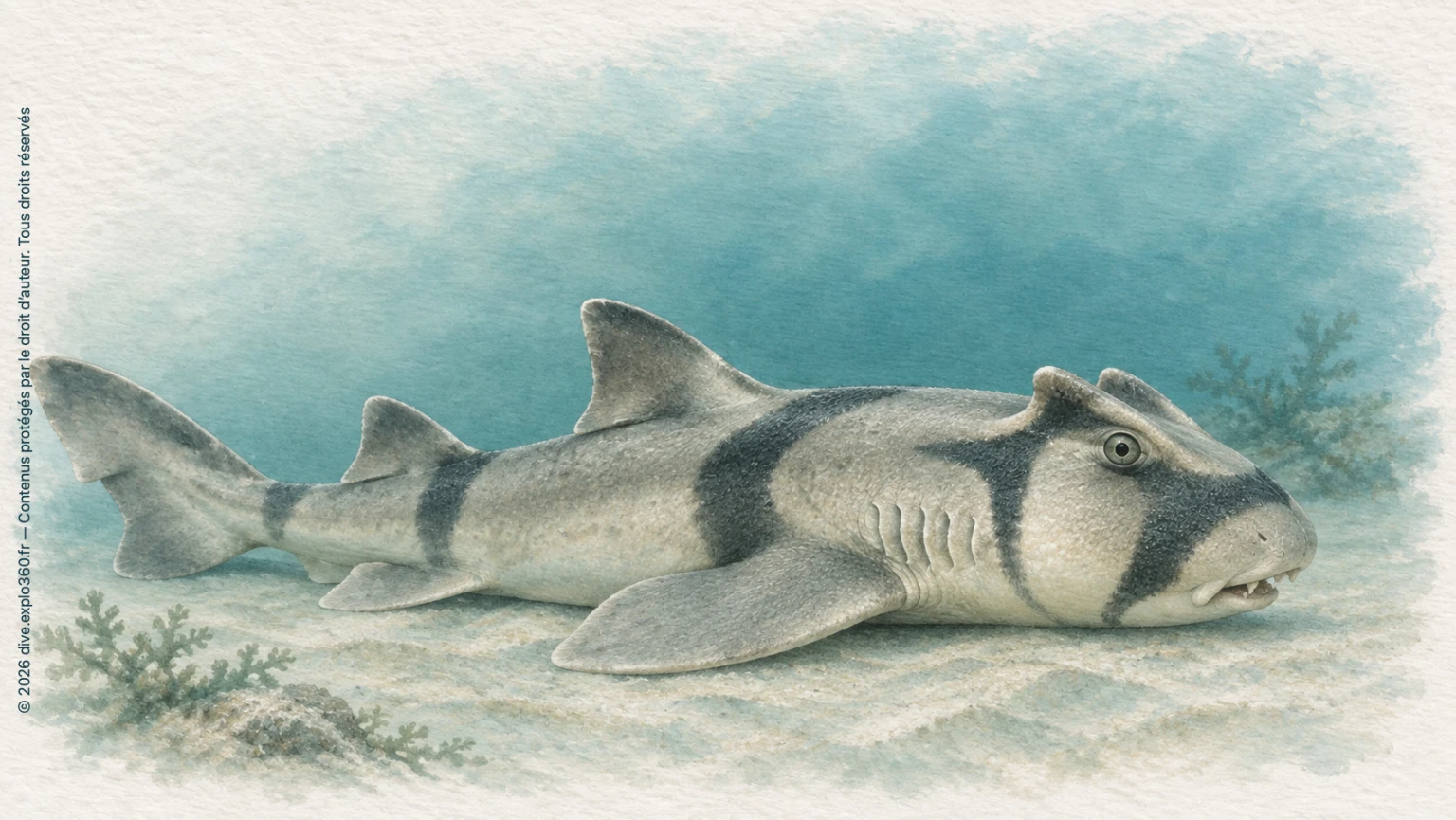
After a sustained period of inactivity, draughtsboard sharks take more stimulation to rouse. They also lie flatter against the bottom and use less oxygen than when resting awake. The three clues together help distinguish sleep from quiet wakefulness.
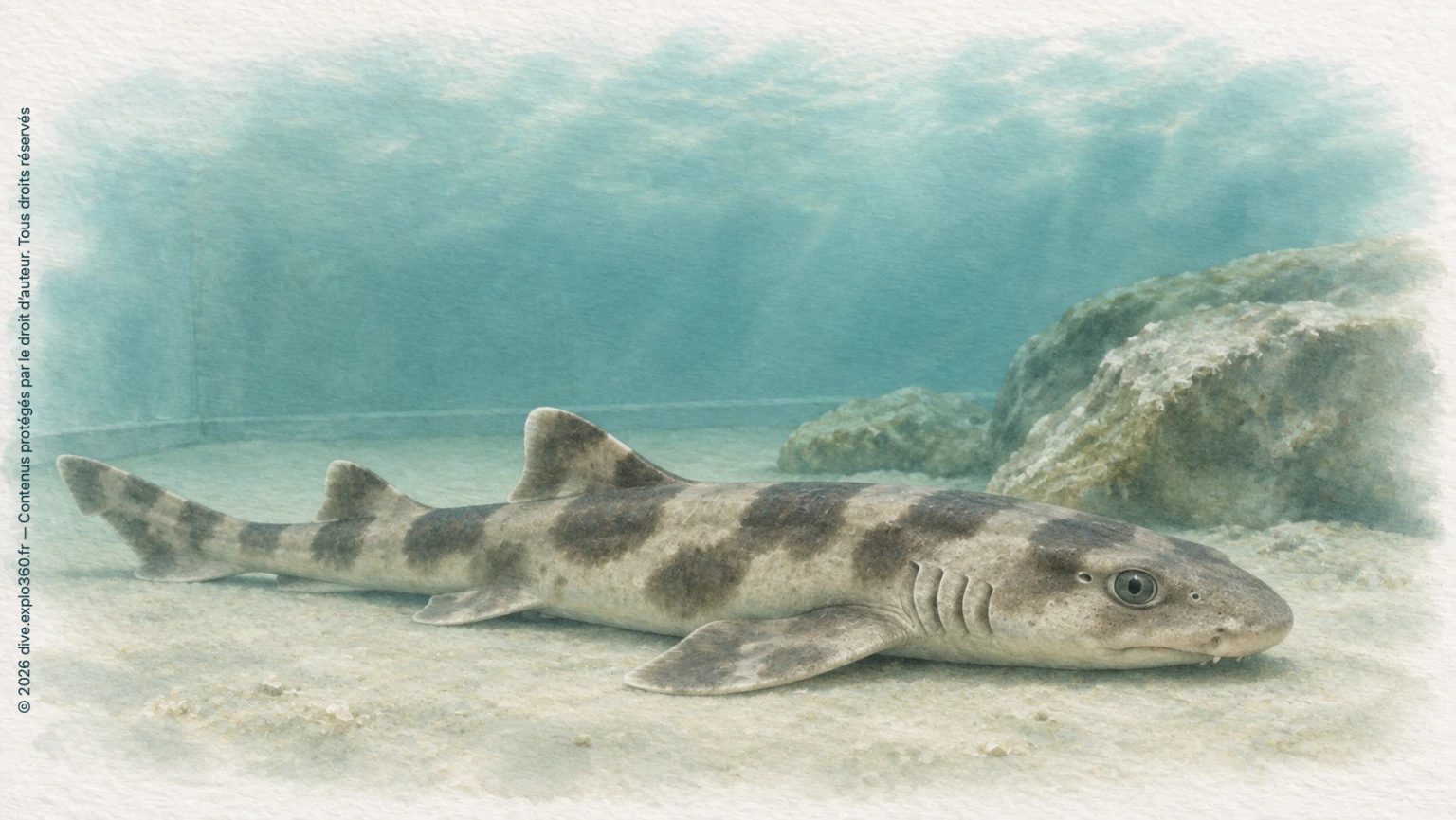
How can we recognise sleep? Researchers compare responsiveness, posture and oxygen uptake.
In the draughtsboard shark, responsiveness, posture and oxygen use help distinguish states of rest. © dive.explo360.fr — All rights reserved. Reproduction requires permission.

Comparing ventilation strategies

In buccopharyngeal pumping, muscles move water through the mouth and over the gills even when the shark is stationary. In ram ventilation, forward motion drives water over the gills.
Breathing while still. Some sharks pump water using movements of the mouth and throat.
Mouth and pharynx movements allow active ventilation in some species. © dive.explo360.fr — All rights reserved. Reproduction requires permission.

Continue reading

AMIGANSEAU CONTENT

The rest of this article is for subscribers

Log in with your AMIGANSEAU licence to continue reading.

All active AMIGANSEAU licences give access to the full article.