An underwater forest… made of grass
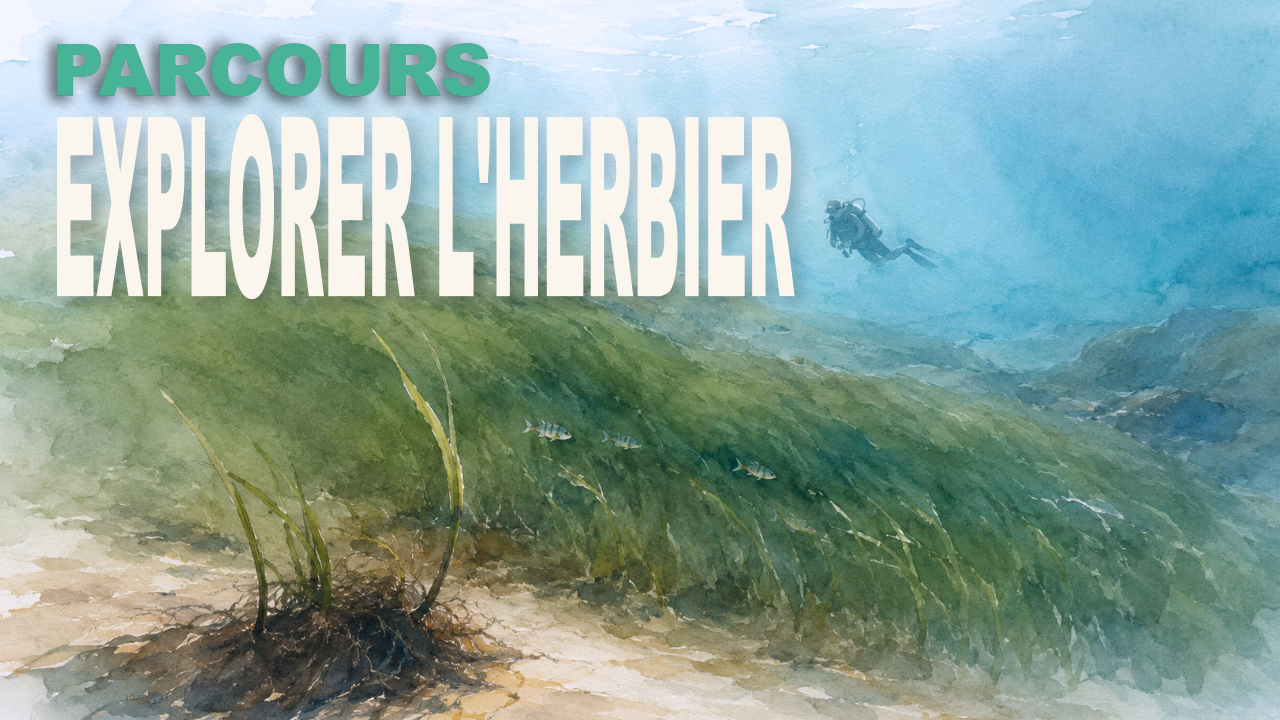
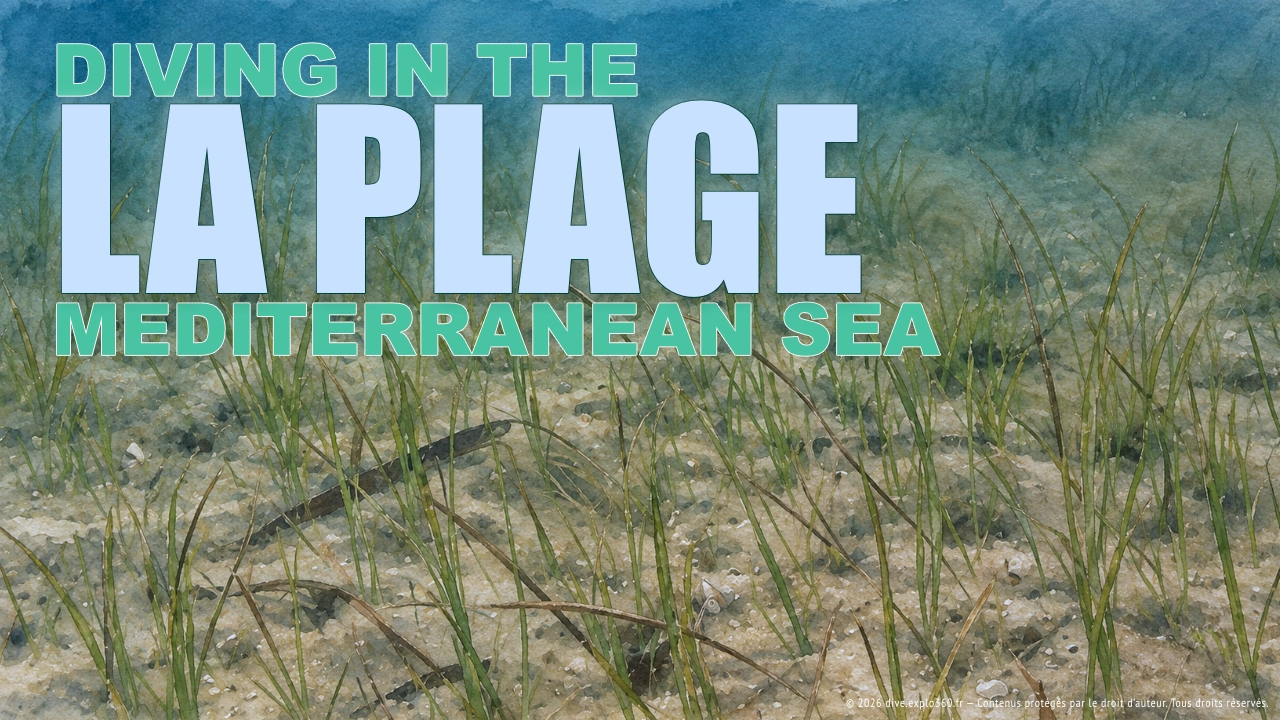
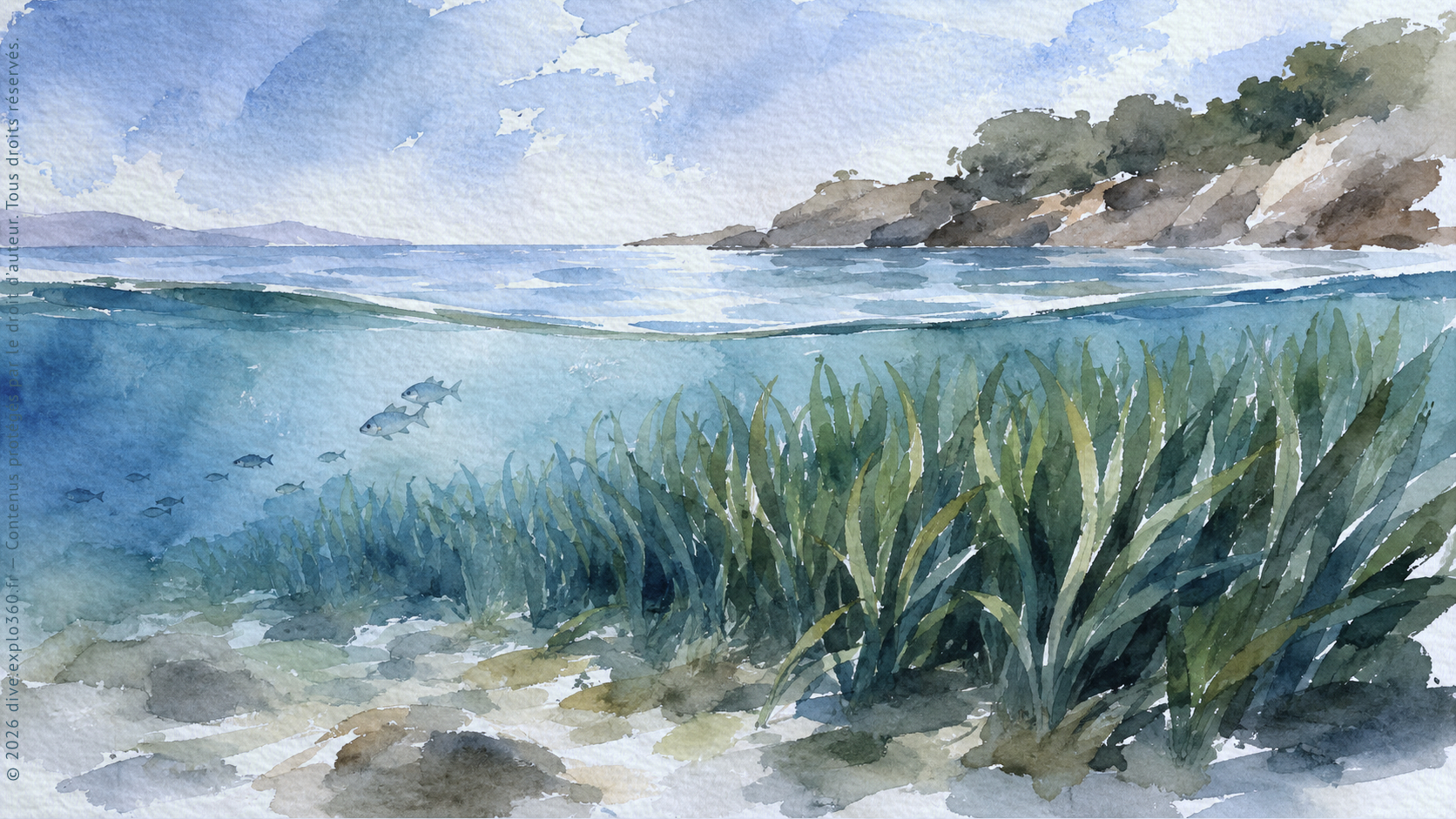
Neptune grass is a Mediterranean flowering plant. Its long leaves grow in tufts. Together they form an underwater meadow.
How does a seagrass meadow begin?
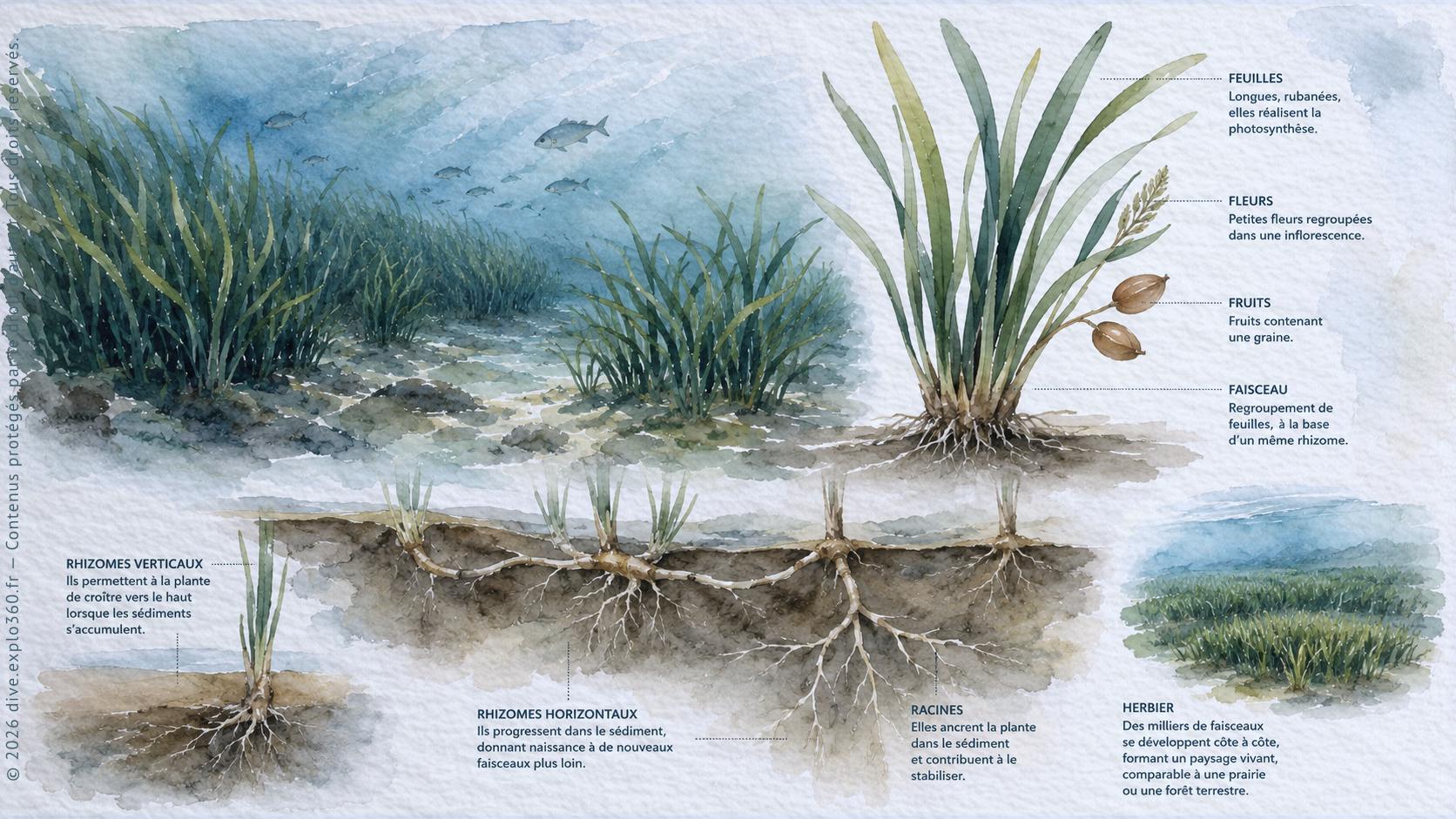
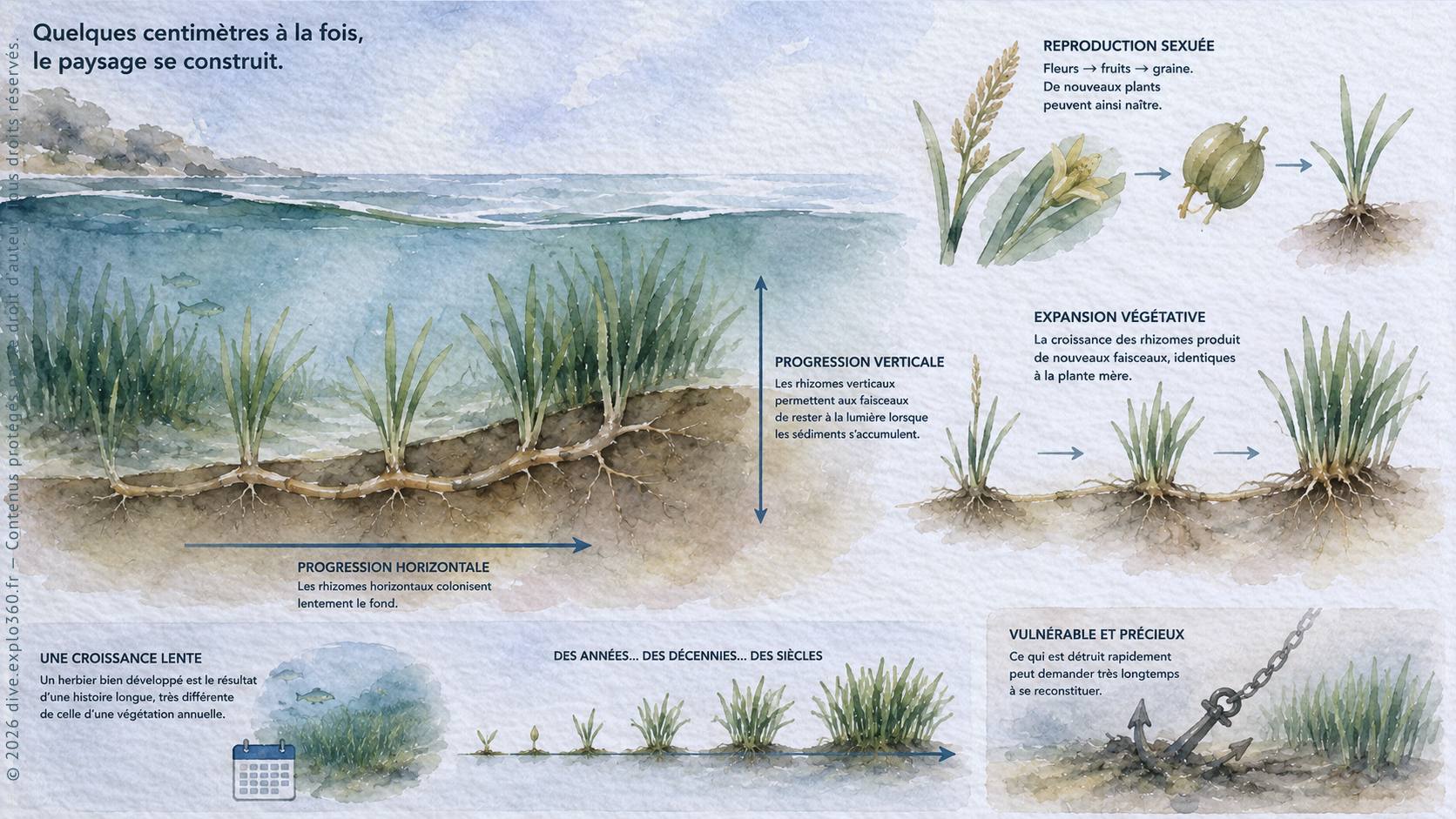
Neptune grass can grow from seed. It also spreads along the seabed on stems called rhizomes. New bunches of leaves grow from those stems.
What we see… and what is hidden
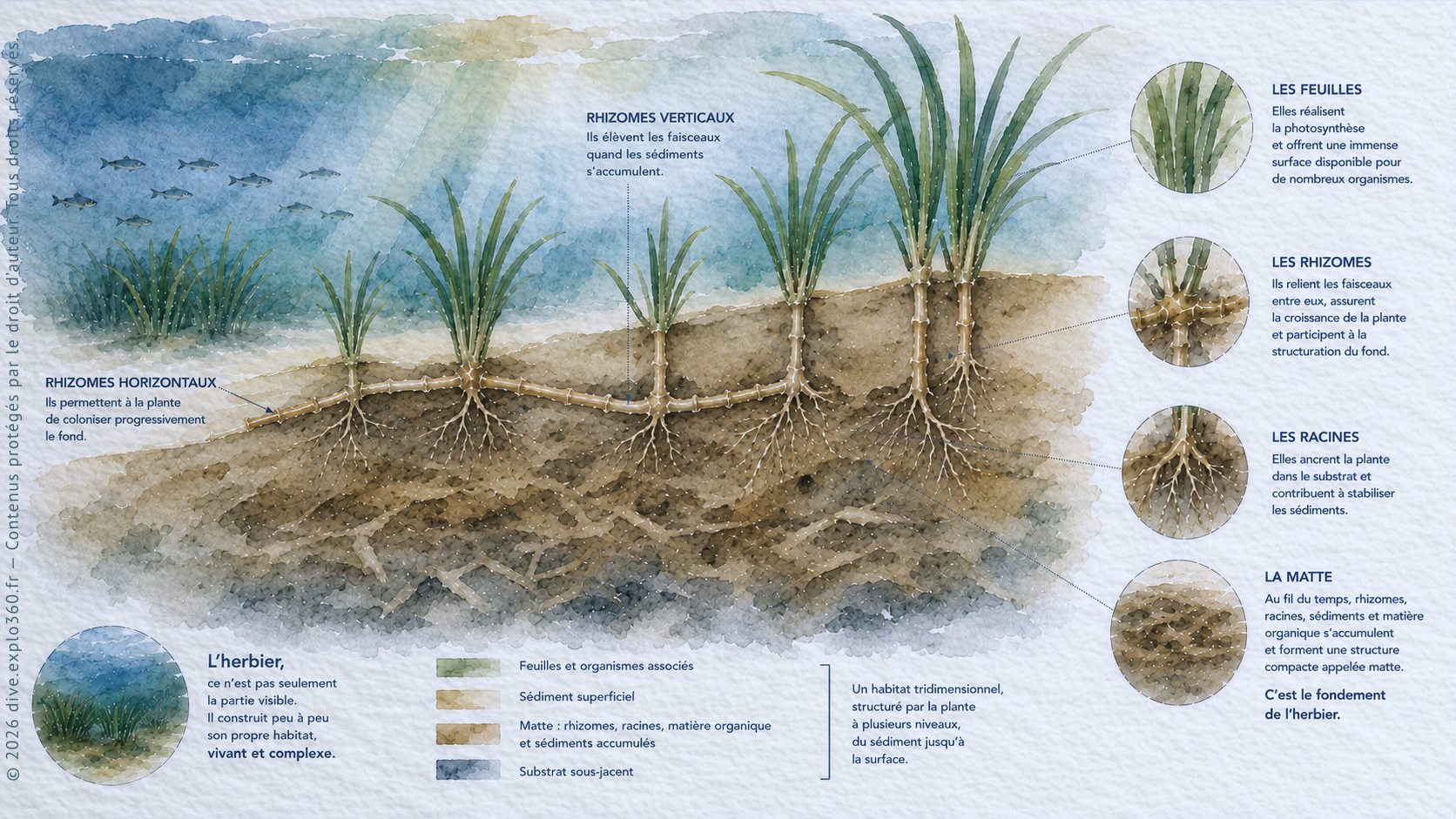
Leaves collect light. Roots hold the plant in the seabed. Part of the meadow therefore lies below the sand.
The matte: invisible foundations
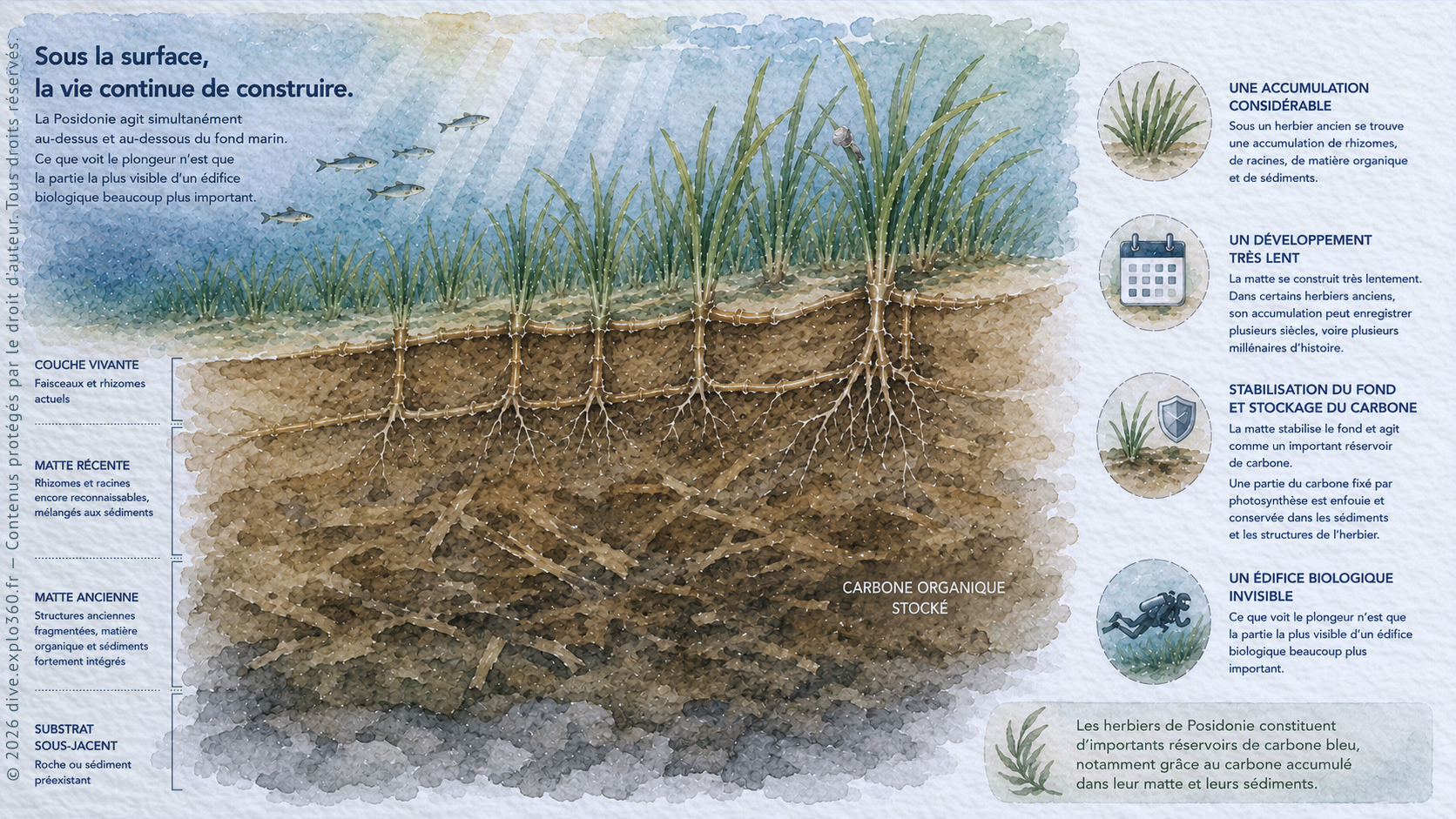
Roots, old stems and grains of sand slowly pile up under the meadow. This layer is called the matte.
Turning light into life
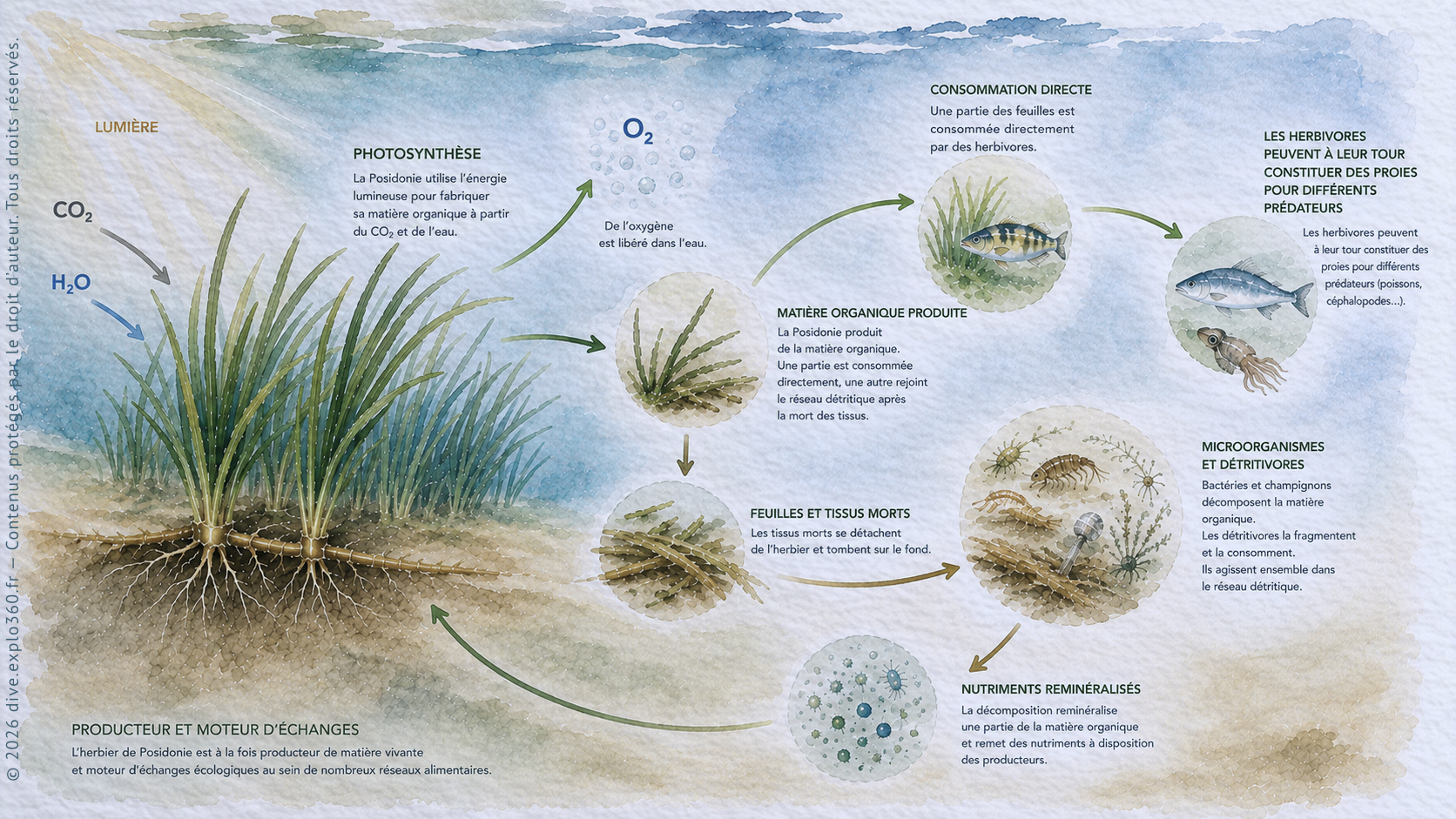
The plant uses light to make sugars and releases oxygen. This is called photosynthesis. Some of the food the plant makes can feed other living things.
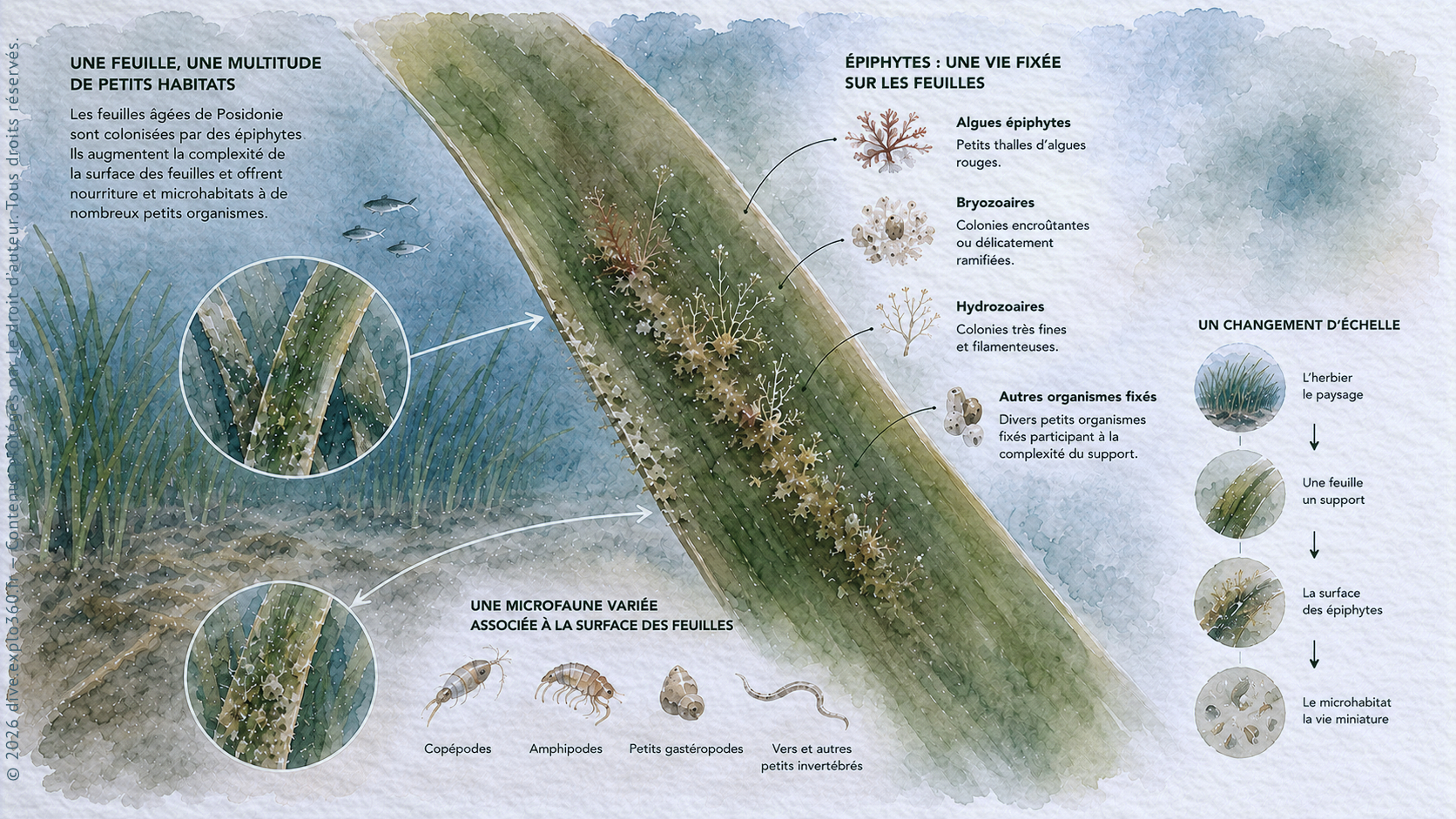
A leaf is never really alone
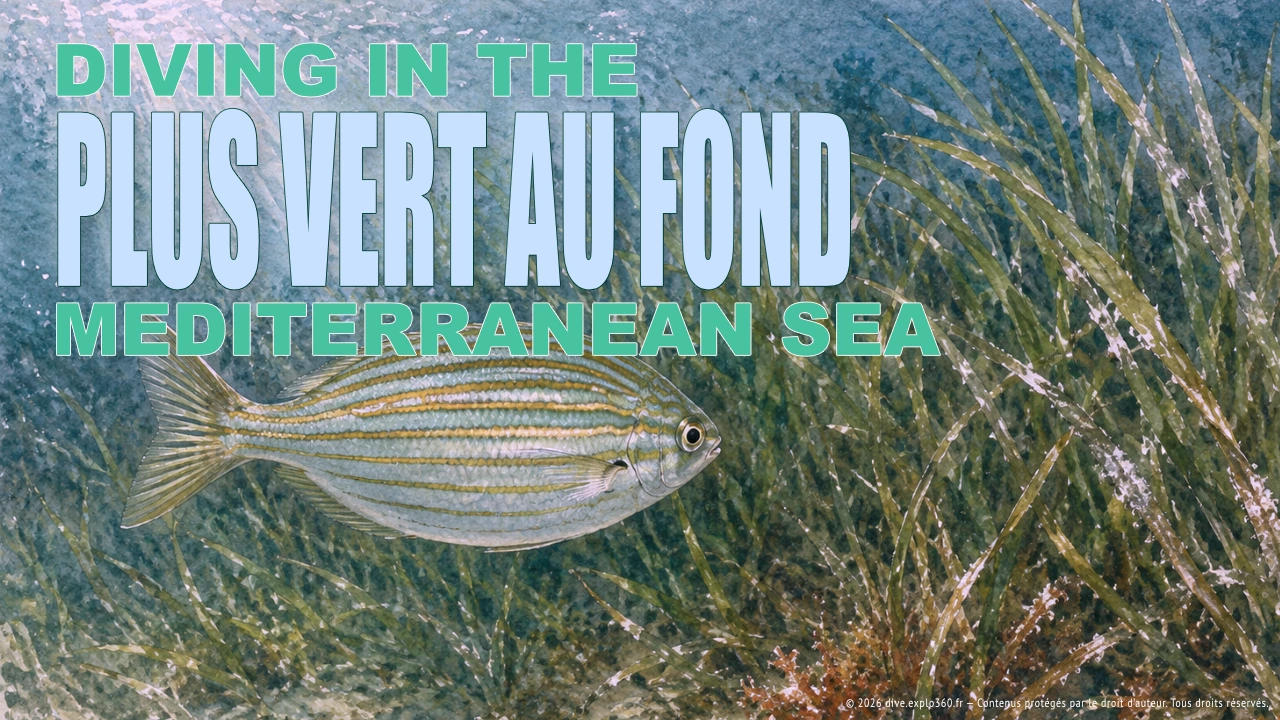
Small algae and tiny animals can live on a leaf. A single leaf already provides a surface for several living things.
A refuge in the sea
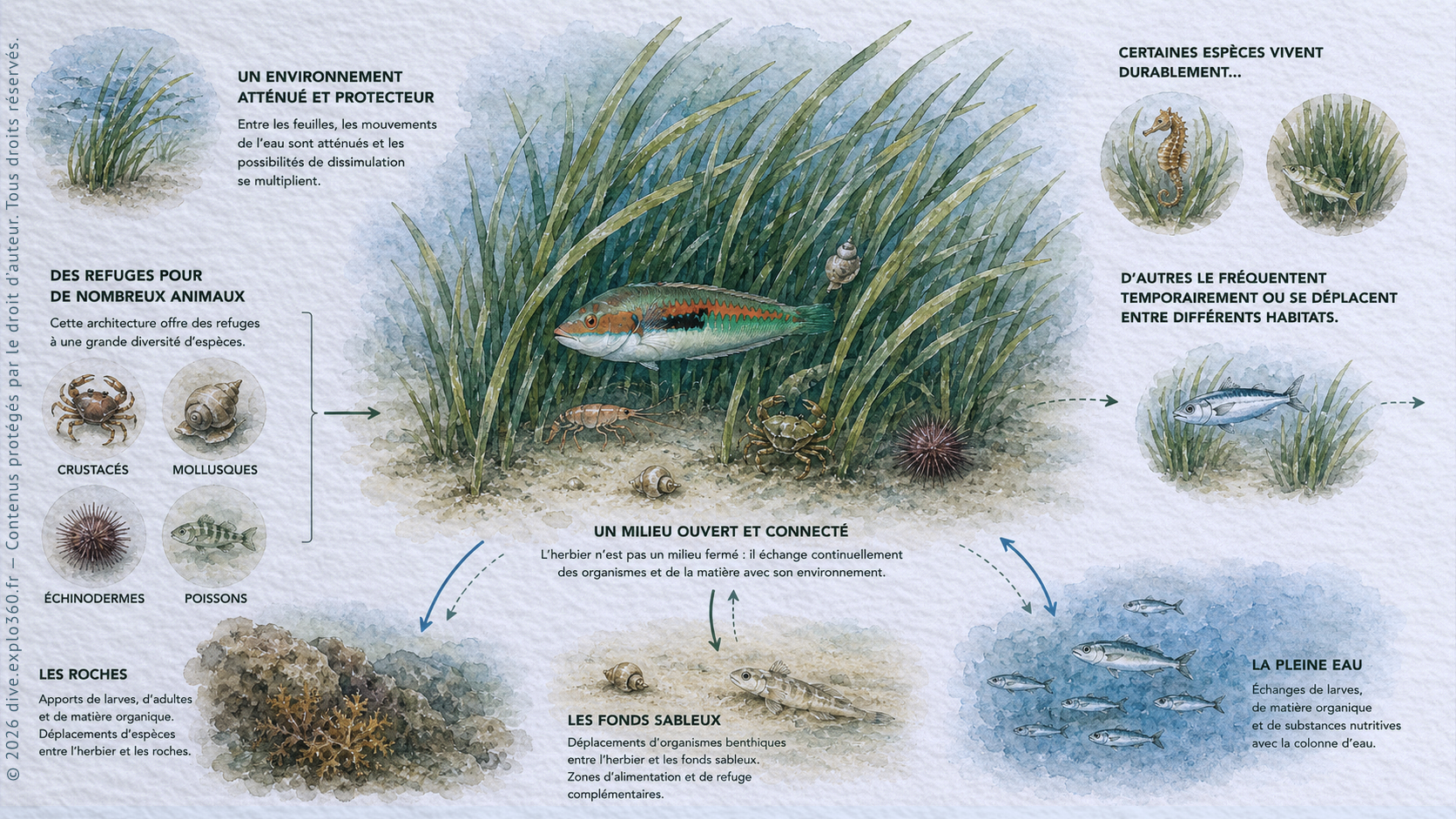
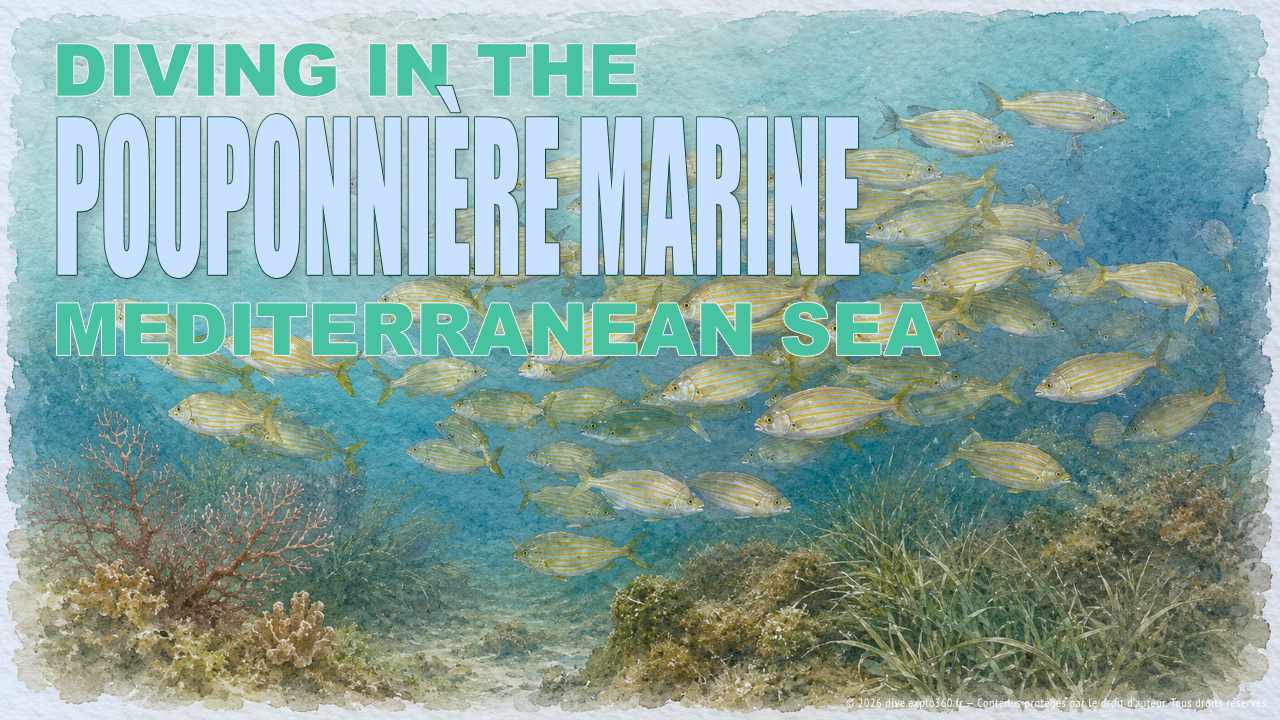
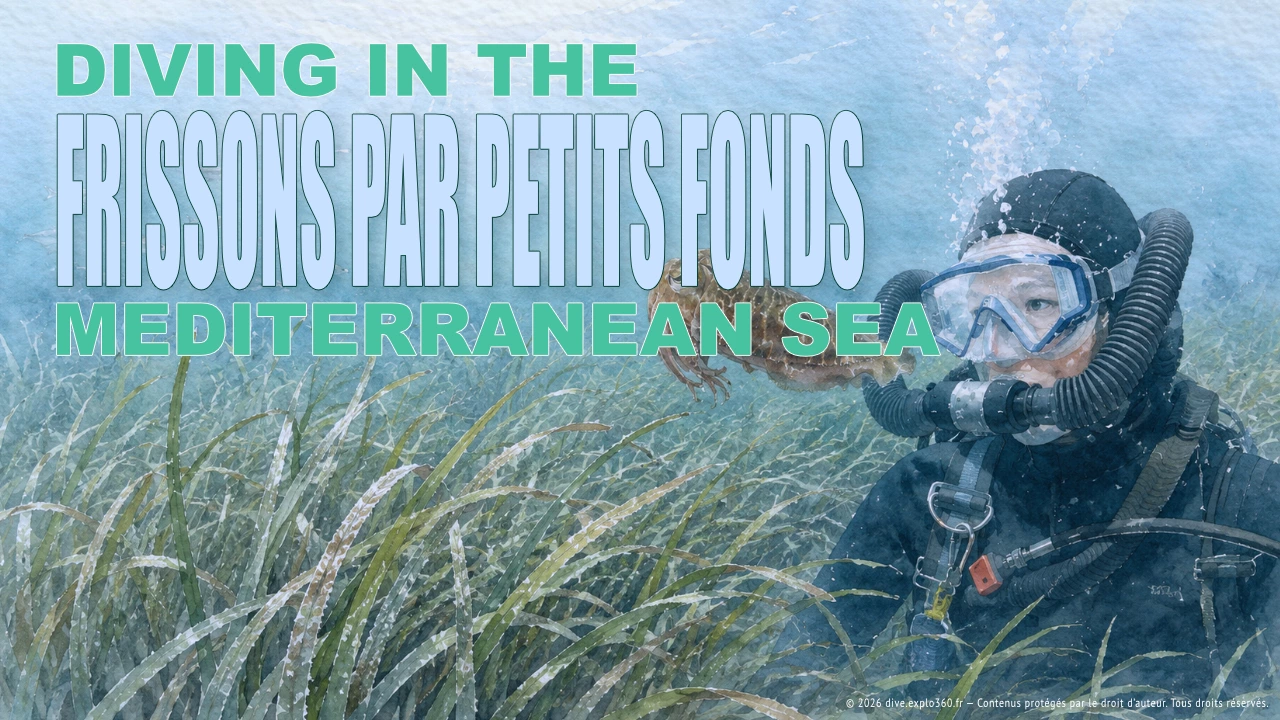
Animals hide, feed or hunt among the leaves. Some stay for a long time; others only pass through.
Explore the same world
Explore further
Species guides
 Species guidesNeptune grassDiscover →
 Species guidesSalema porgyDiscover →
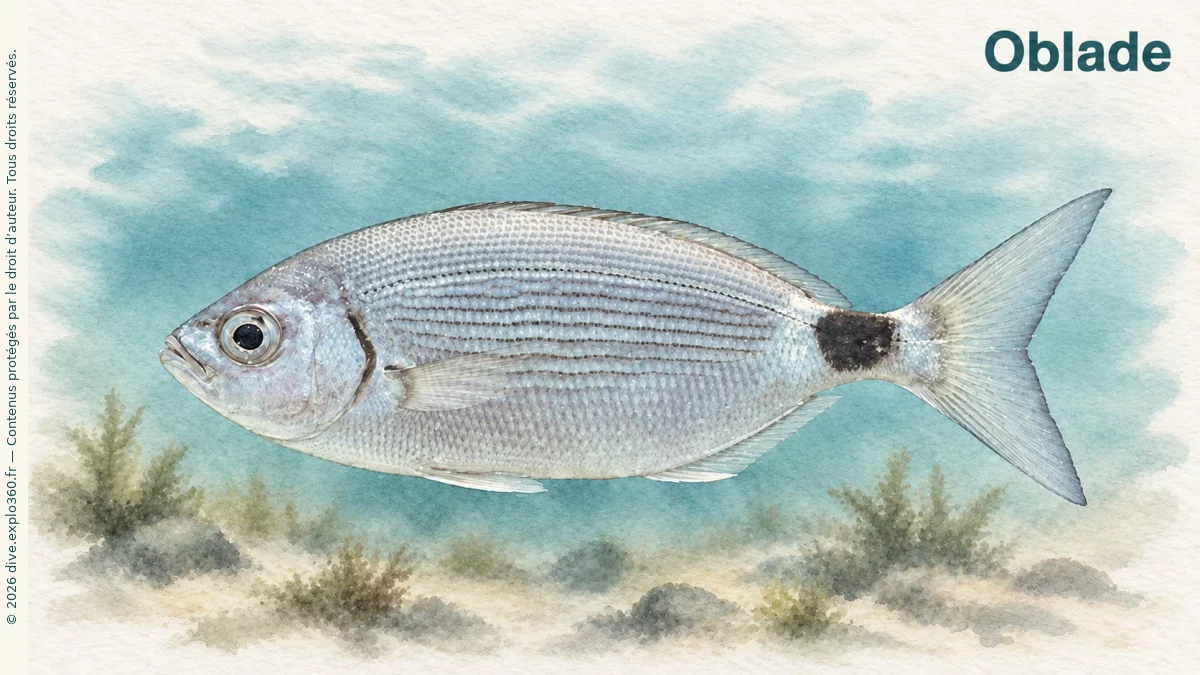 Species guidesSaddled seabreamDiscover →
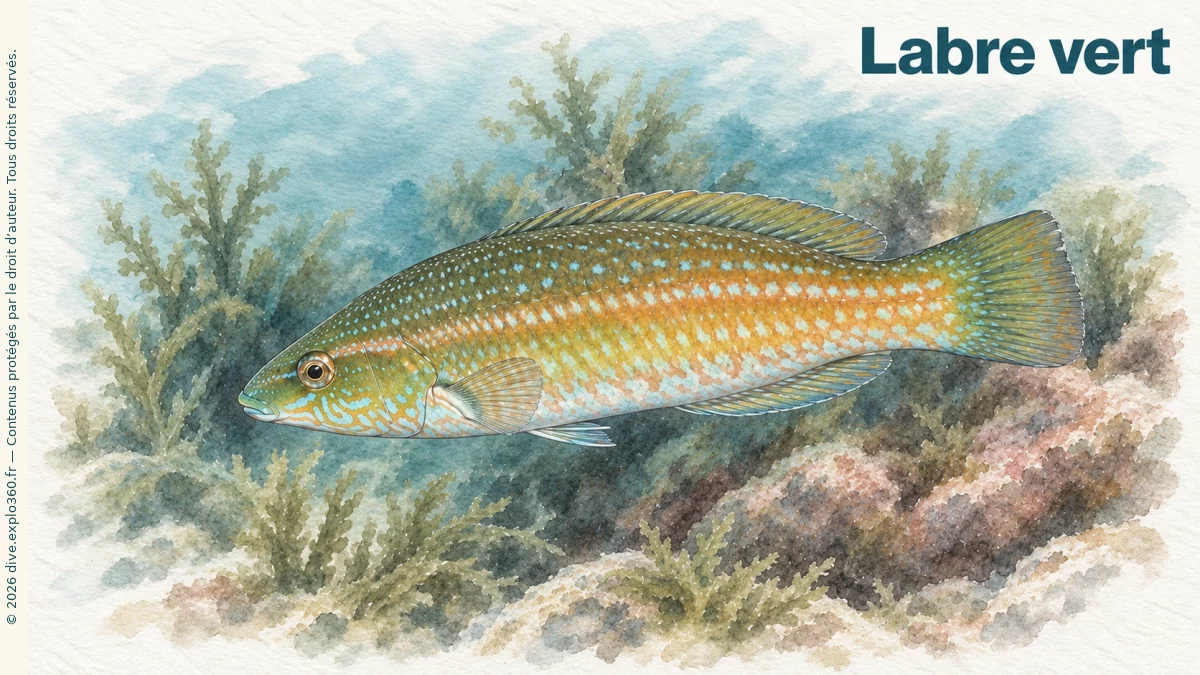 Species guidesGreen wrasseDiscover →
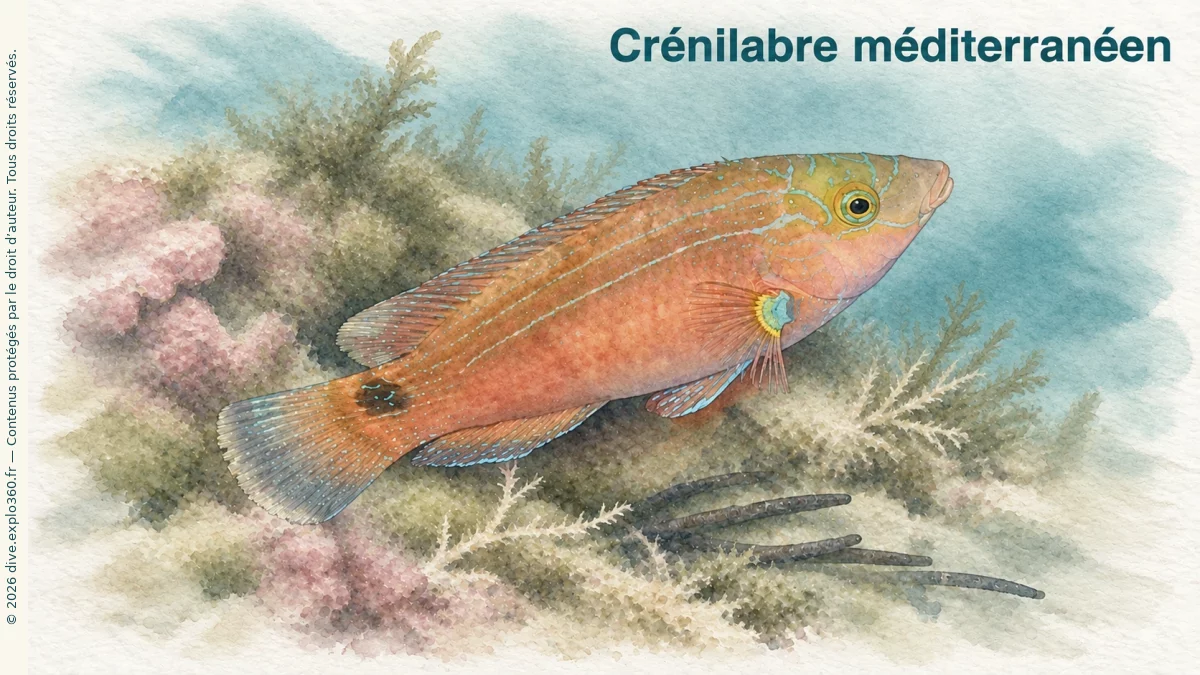 Species guidesAxillary wrasseDiscover →
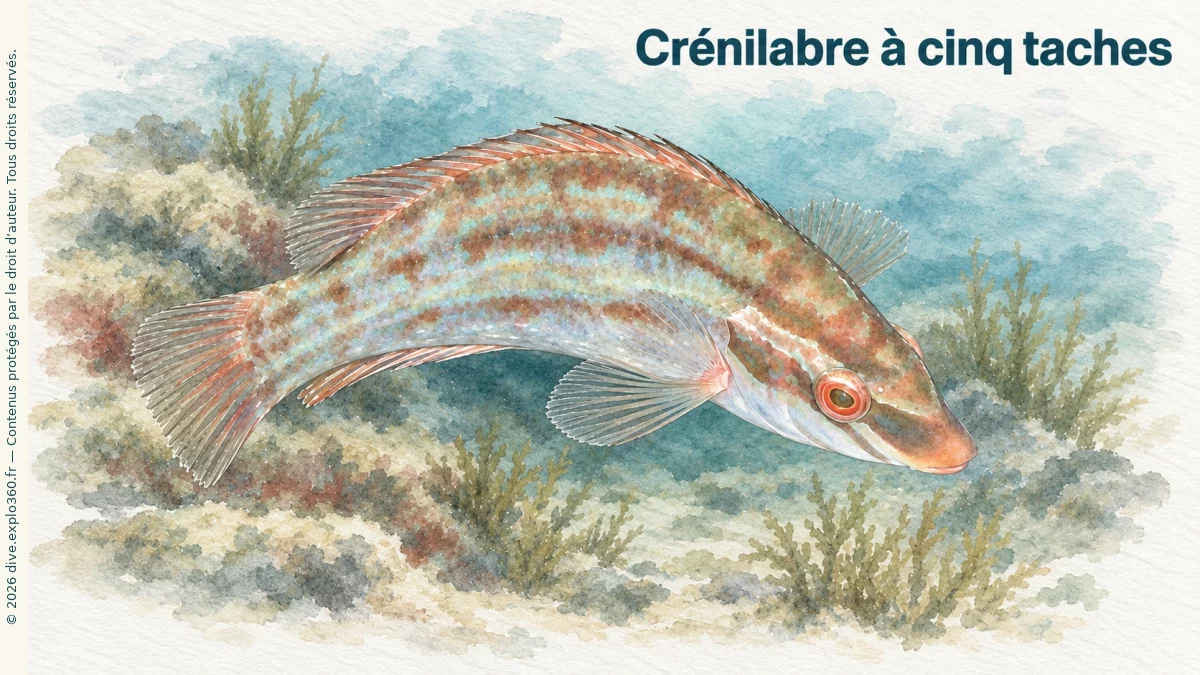 Species guidesFive-spotted wrasseDiscover →
View the other 32 species guides
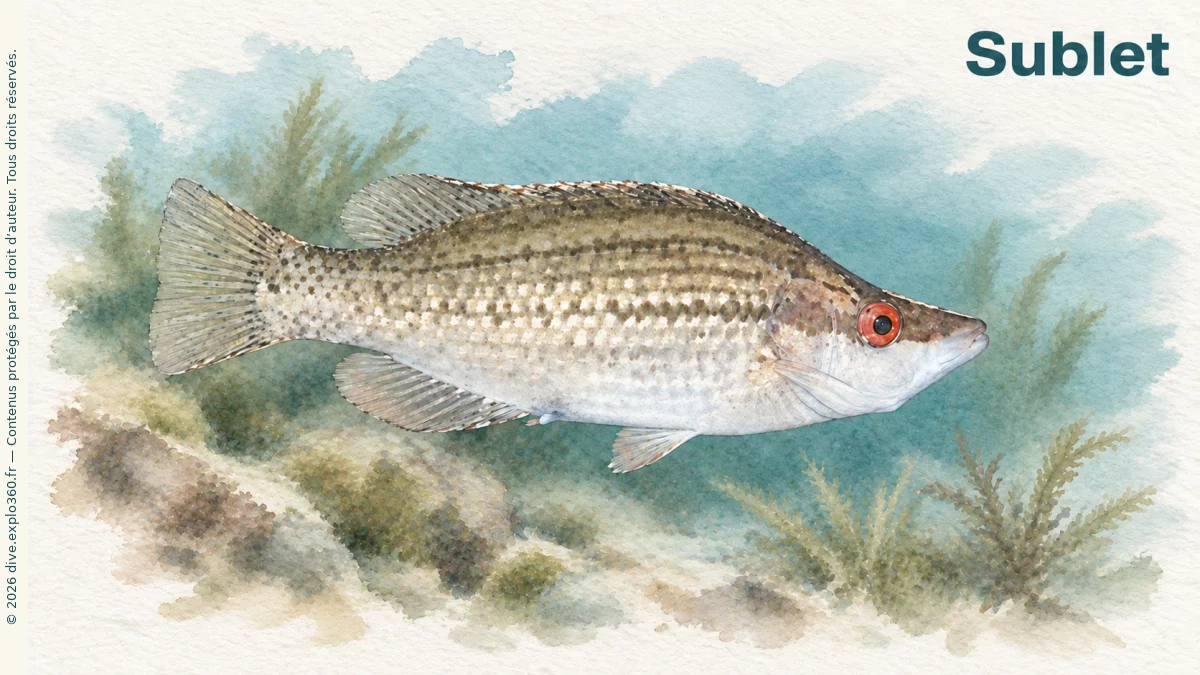 Species guidesLong-snouted wrasseDiscover →
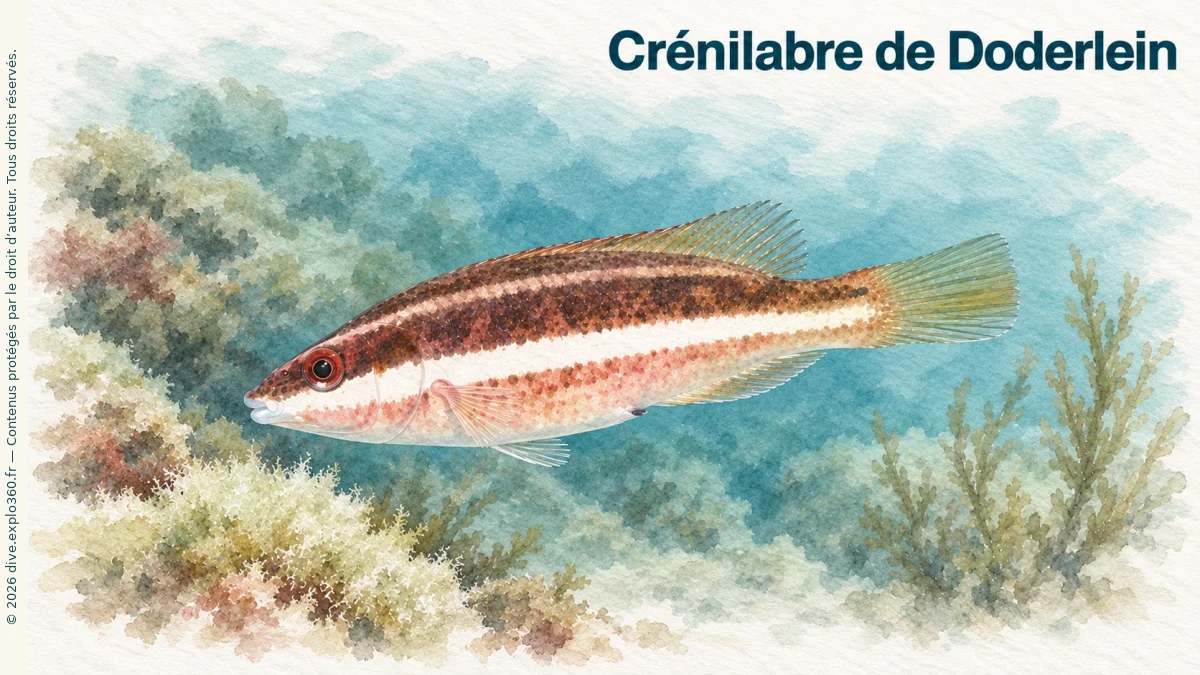 Species guidesLong-striped wrasseDiscover →
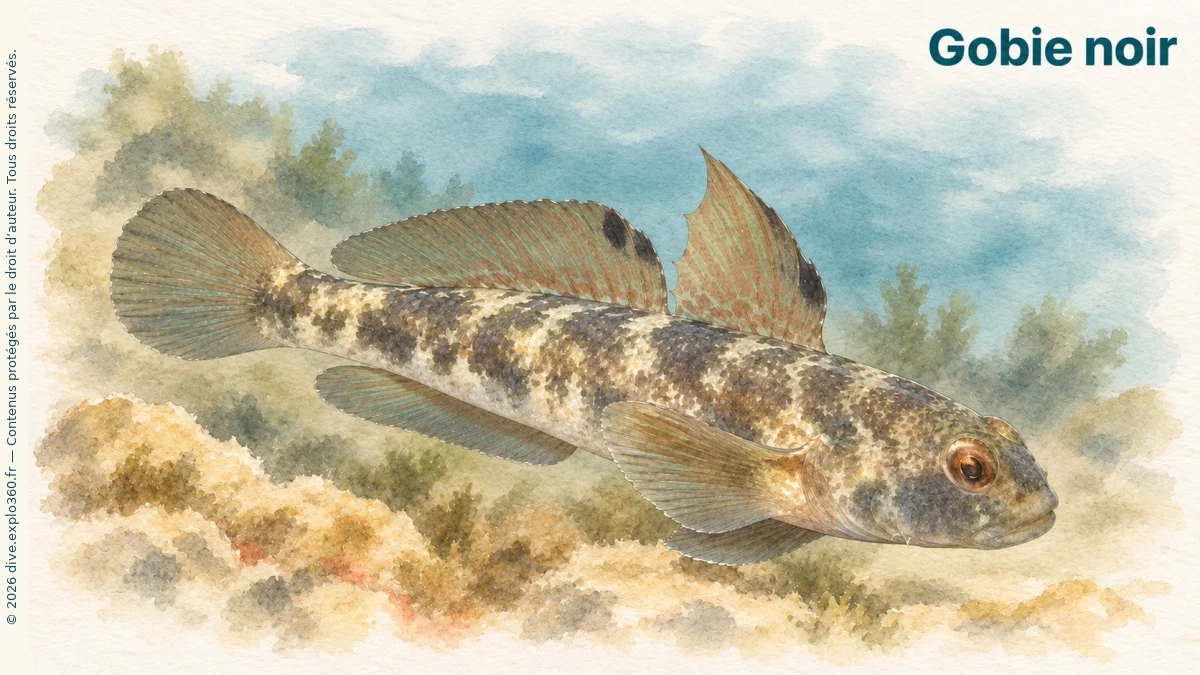 Species guidesBlack gobyDiscover →
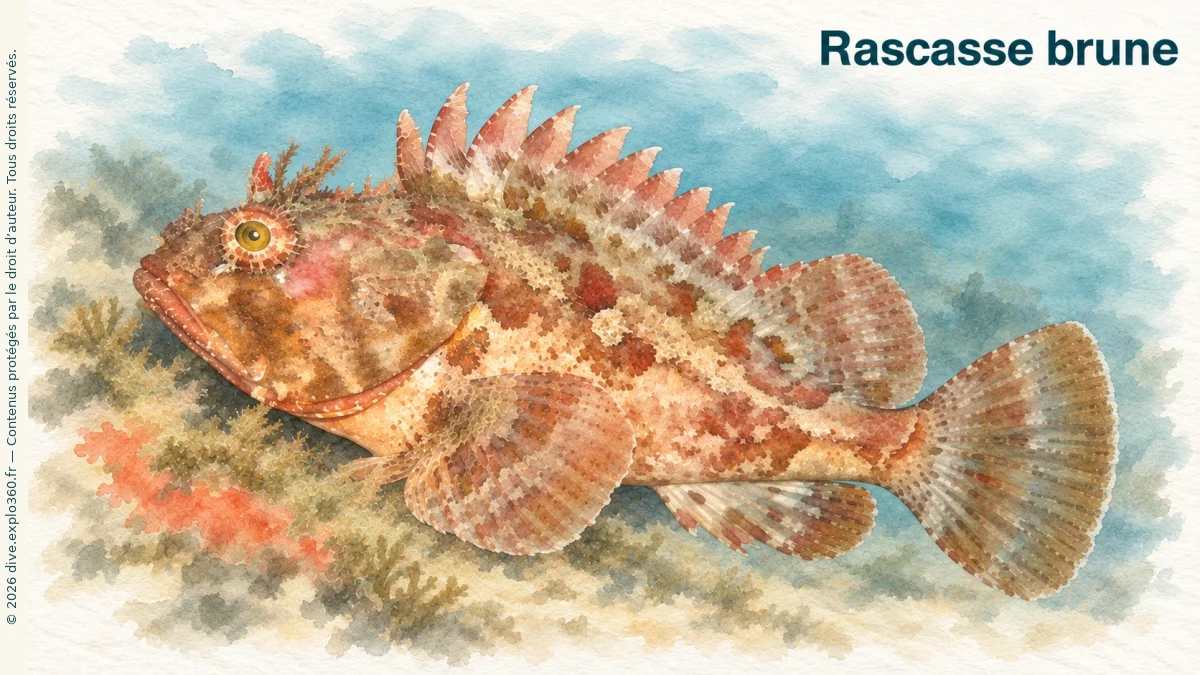 Species guidesBlack scorpionfishDiscover →
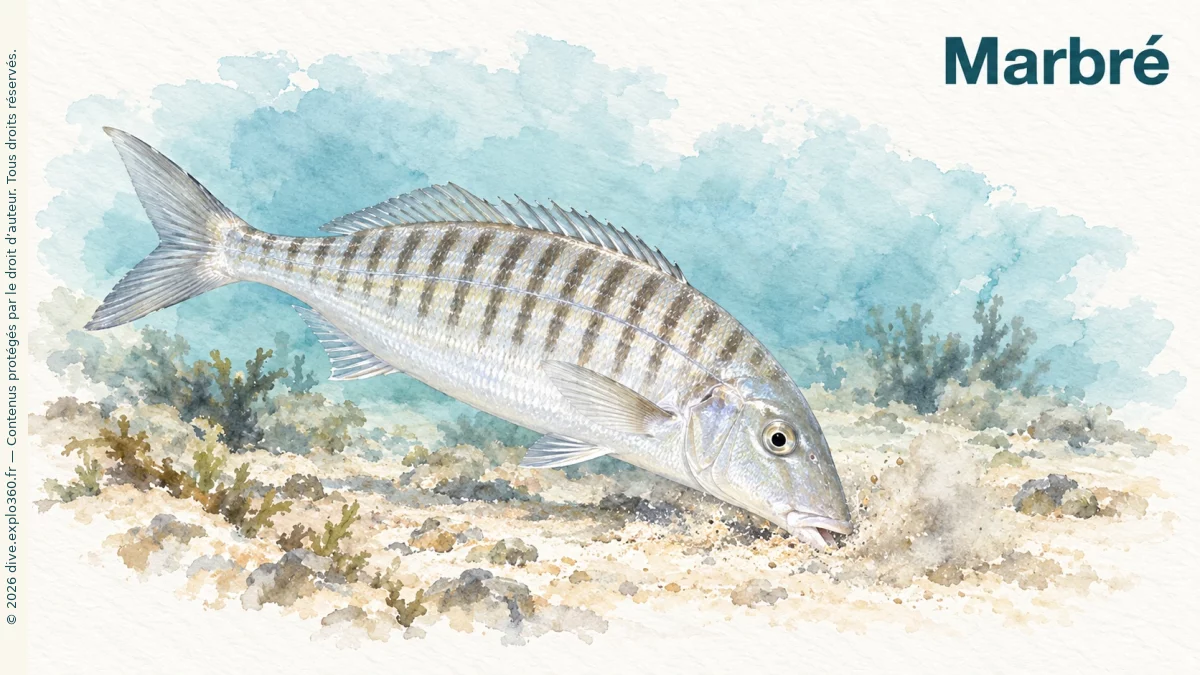 Species guidesStriped seabreamDiscover →
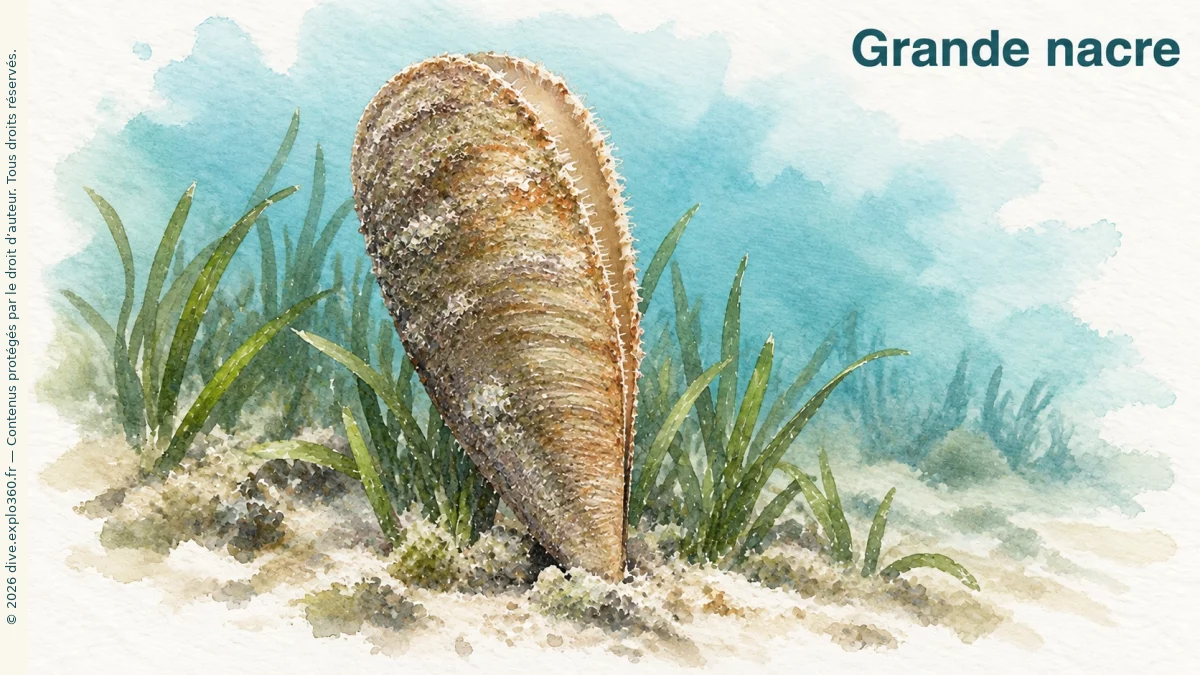 Species guidesFan musselDiscover →
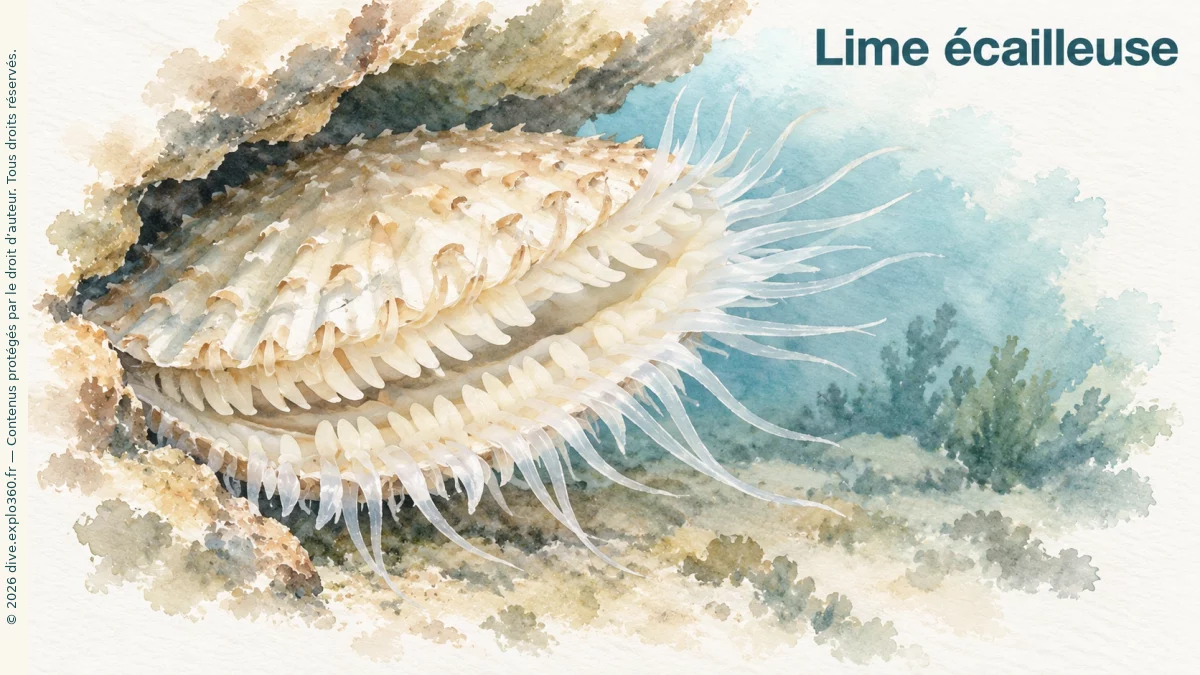 Species guidesScaly file shellDiscover →
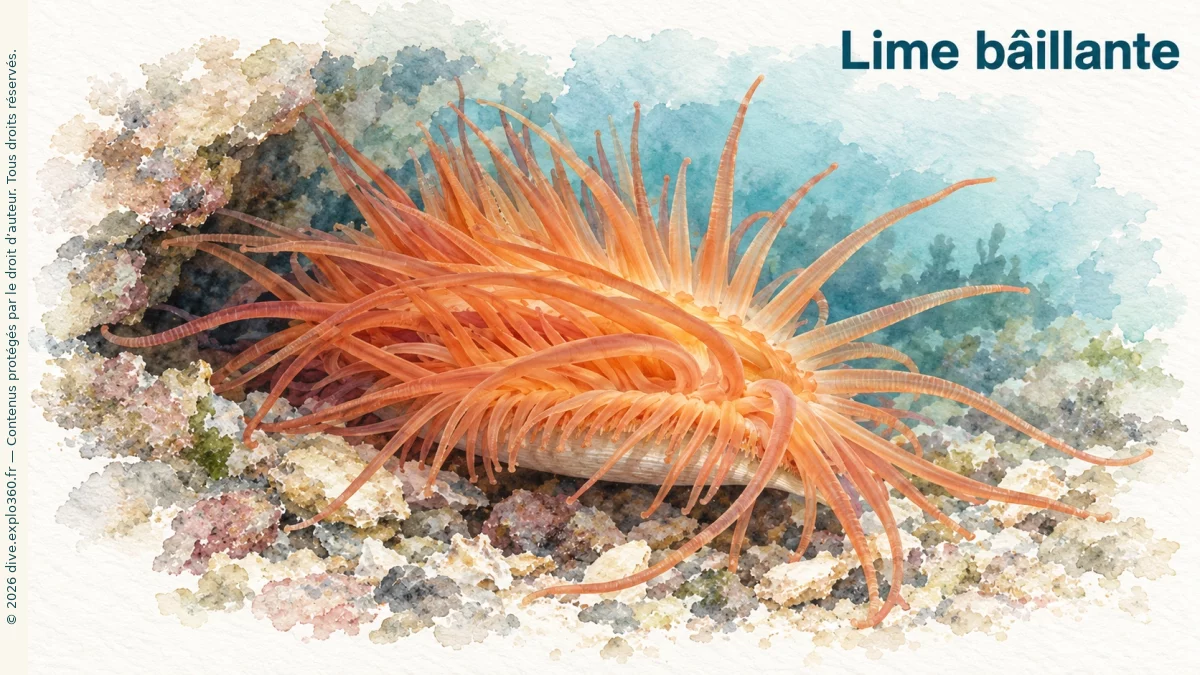 Species guidesFlame shellDiscover →
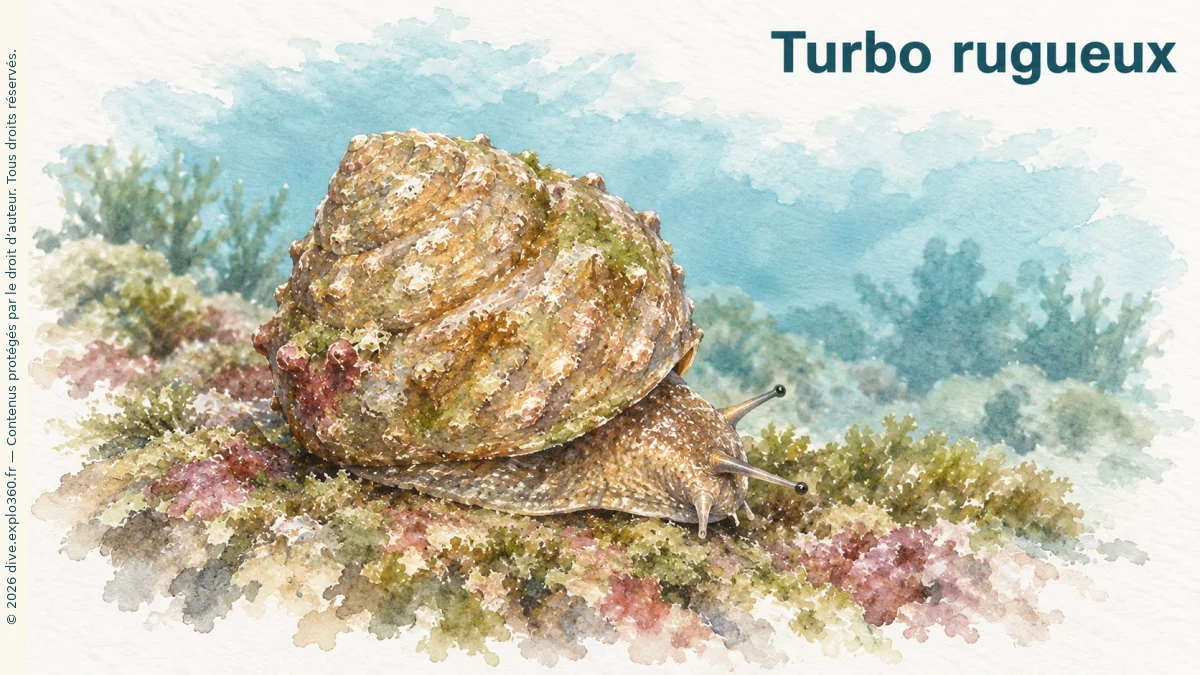 Species guidesRough turboDiscover →
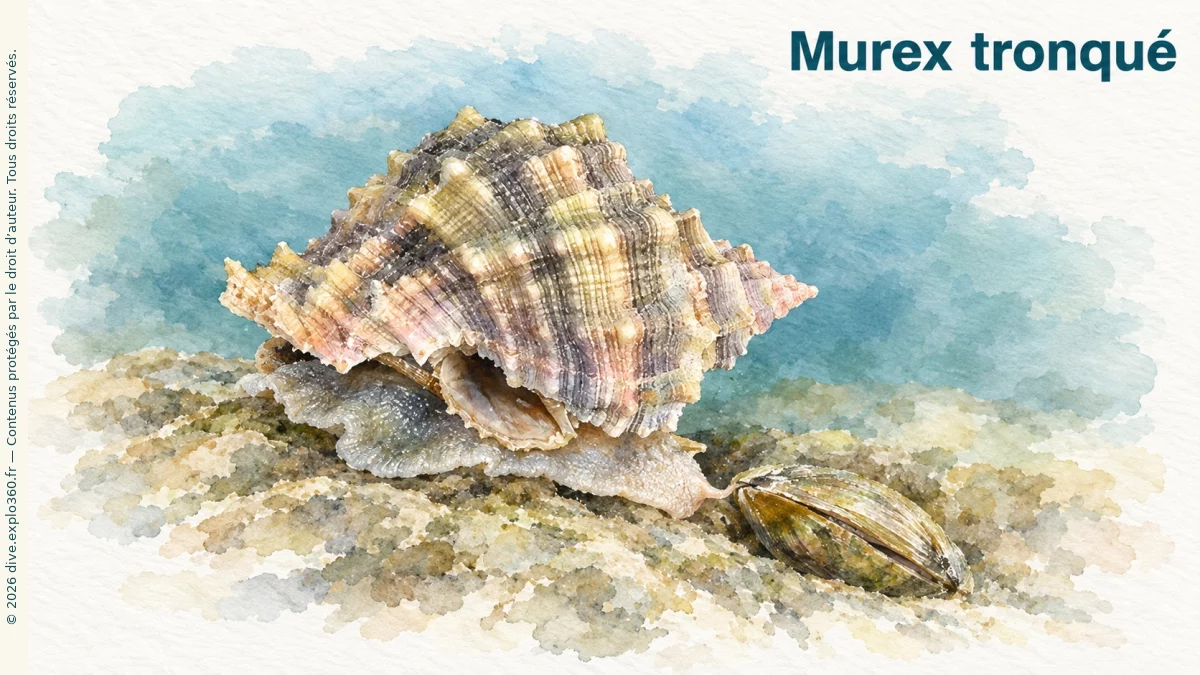 Species guidesBanded murexDiscover →
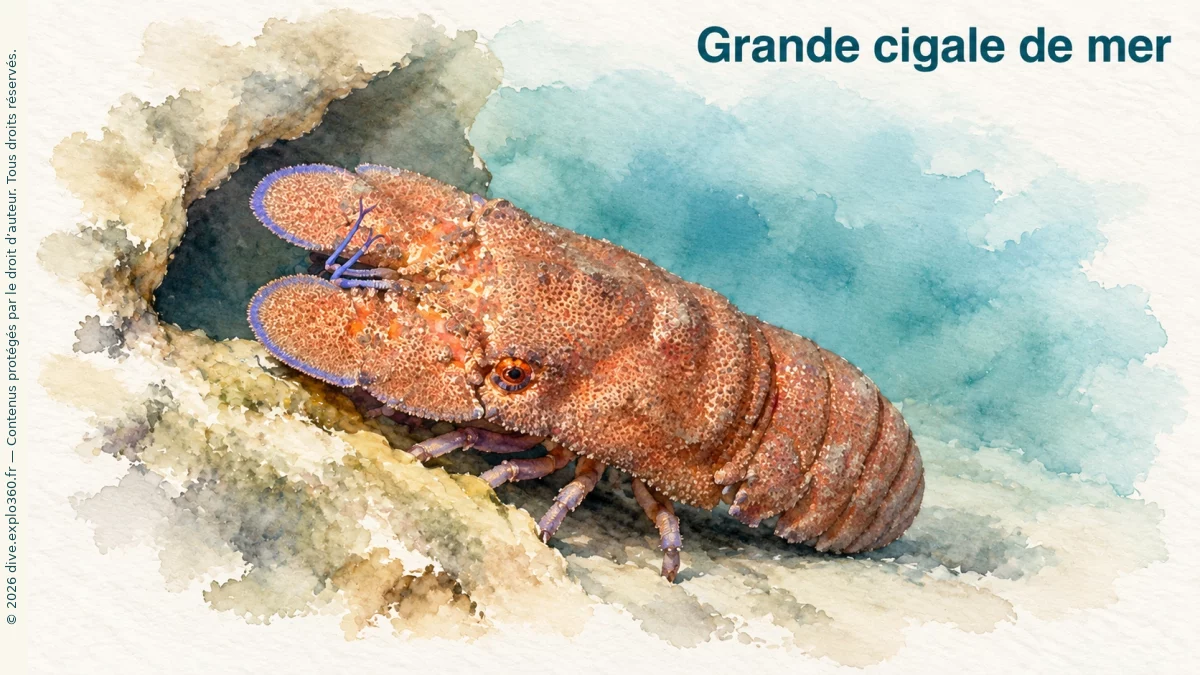 Species guidesMediterranean slipper lobsterDiscover →
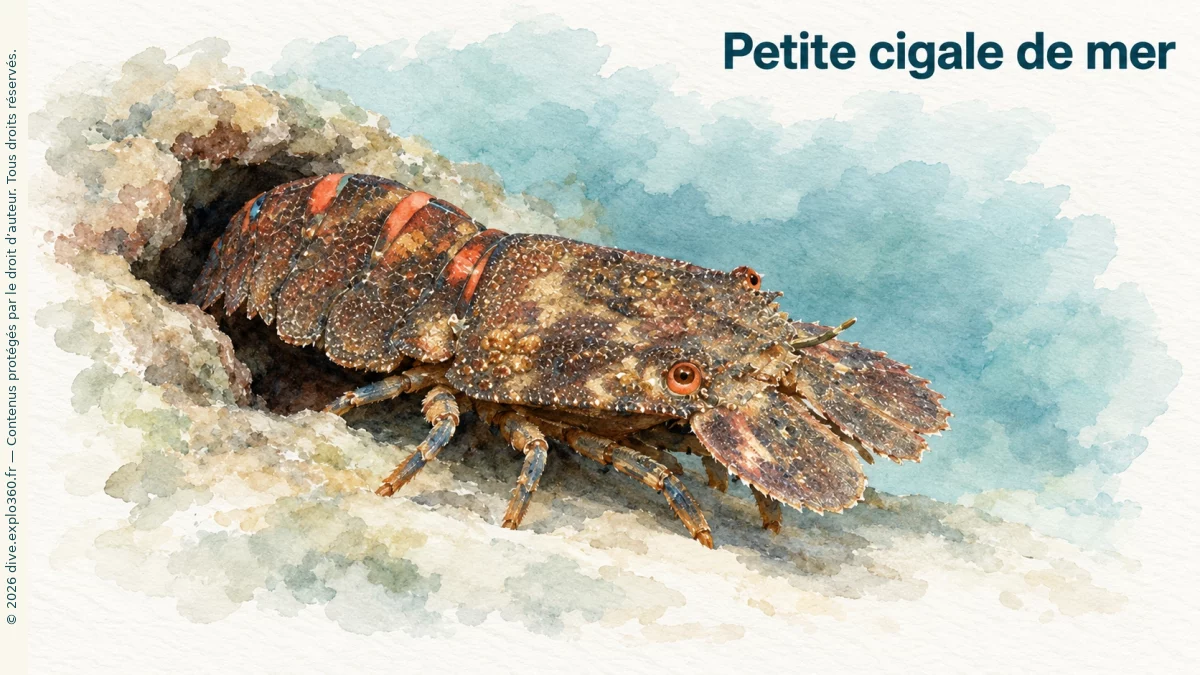 Species guidesSmall European locust lobsterDiscover →
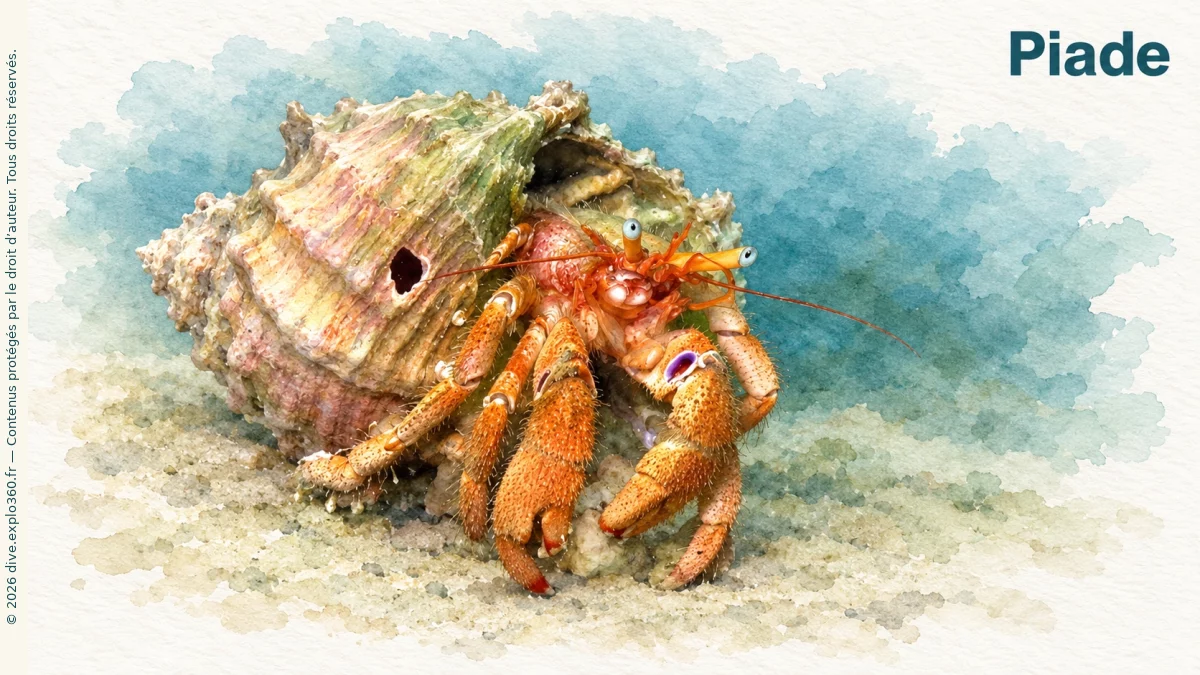 Species guidesHermit crabDiscover →
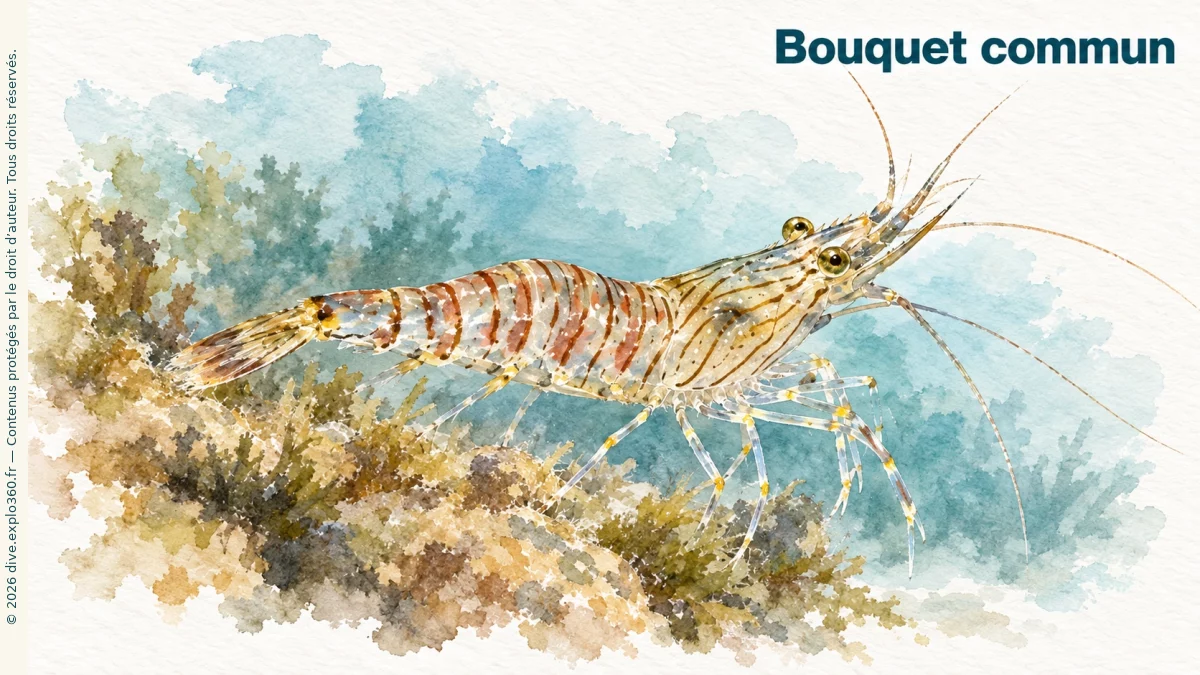 Species guidesCommon prawnDiscover →
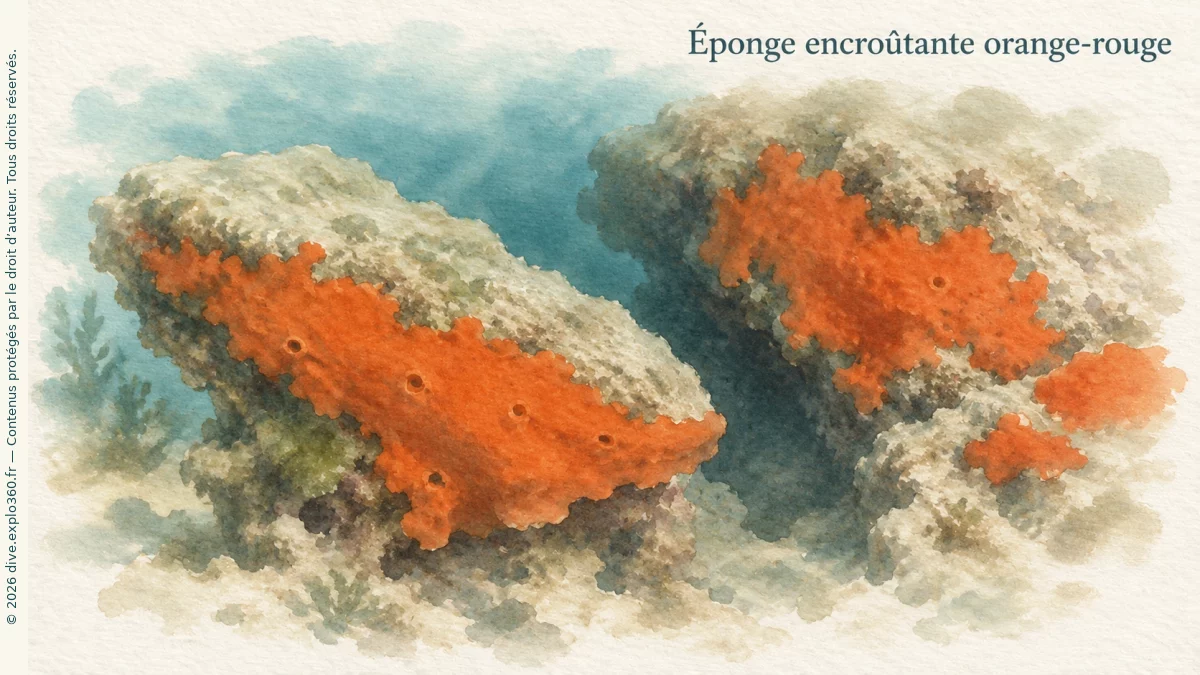 Species guidesOrange-red encrusting spongeDiscover →
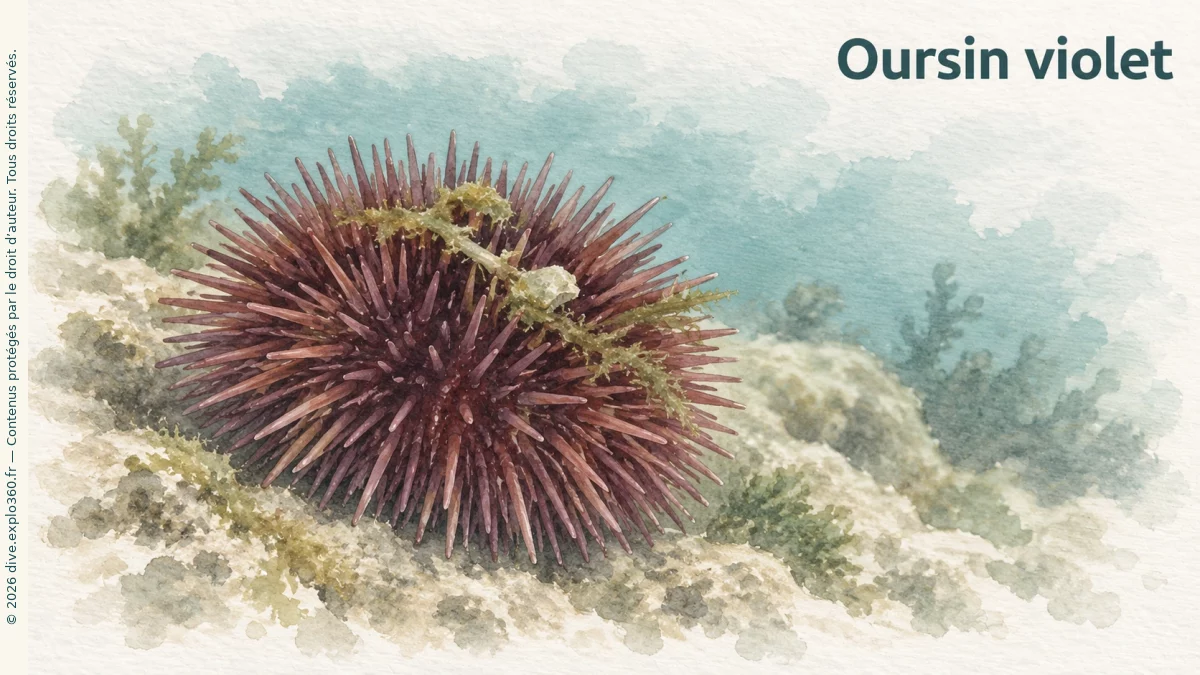 Species guidesPurple sea urchinDiscover →
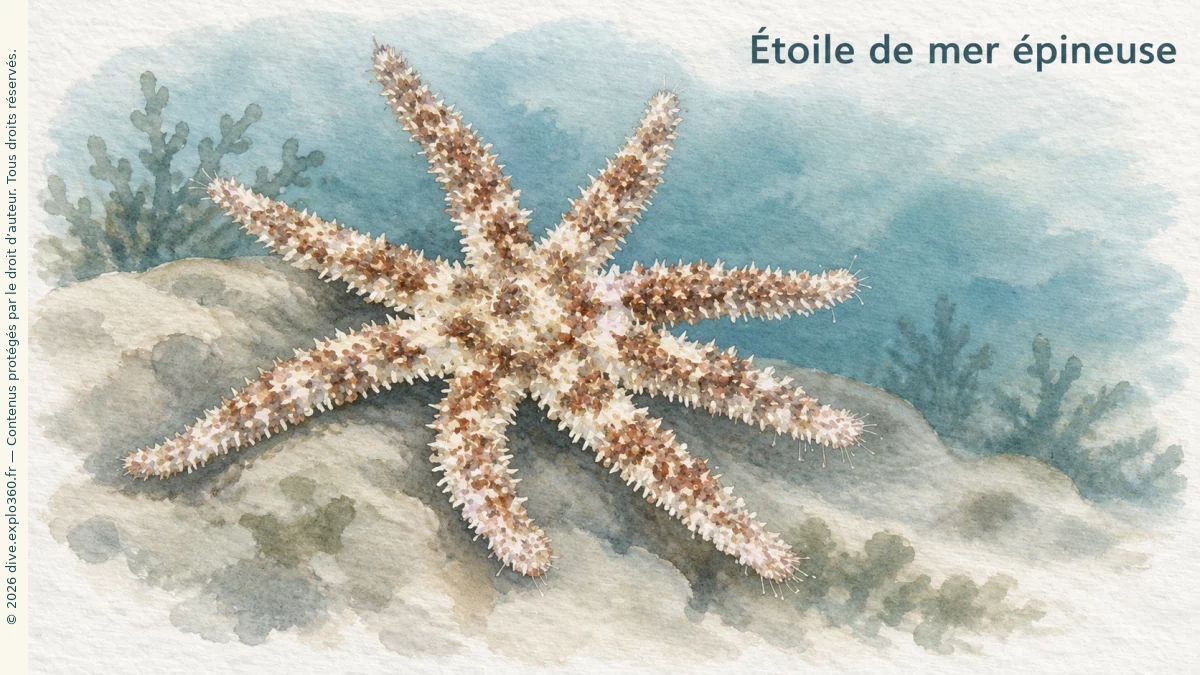 Species guidesSpiny starfishDiscover →
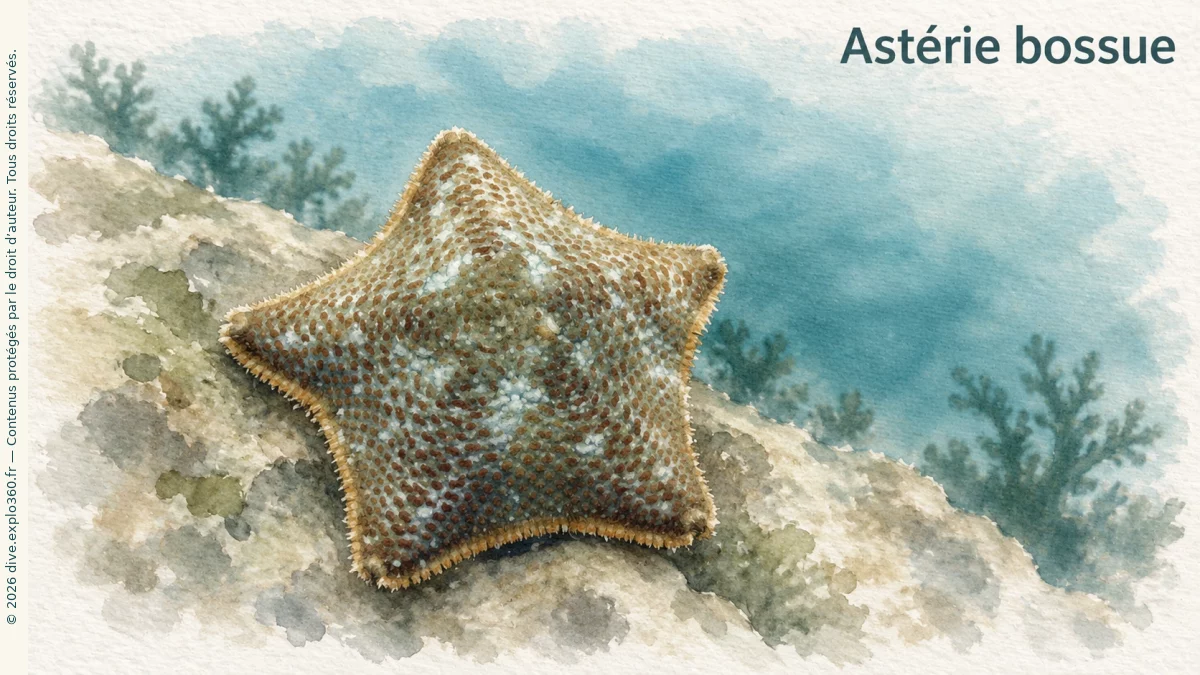 Species guidesCushion starDiscover →
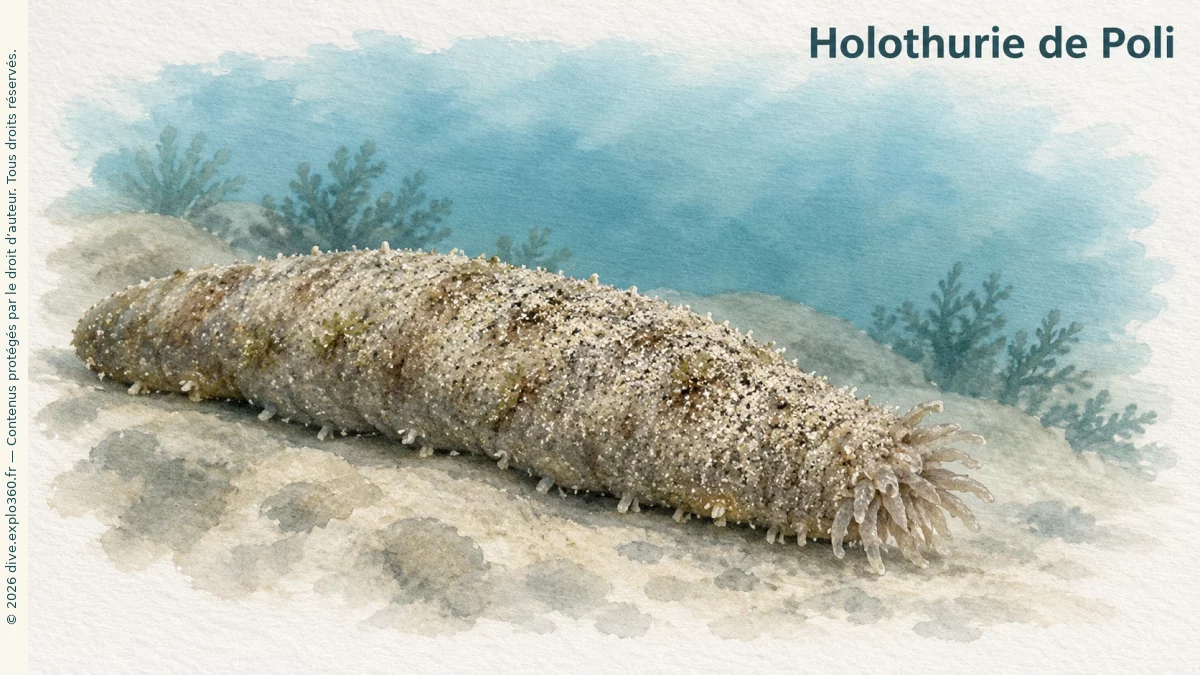 Species guidesPoli’s sea cucumberDiscover →
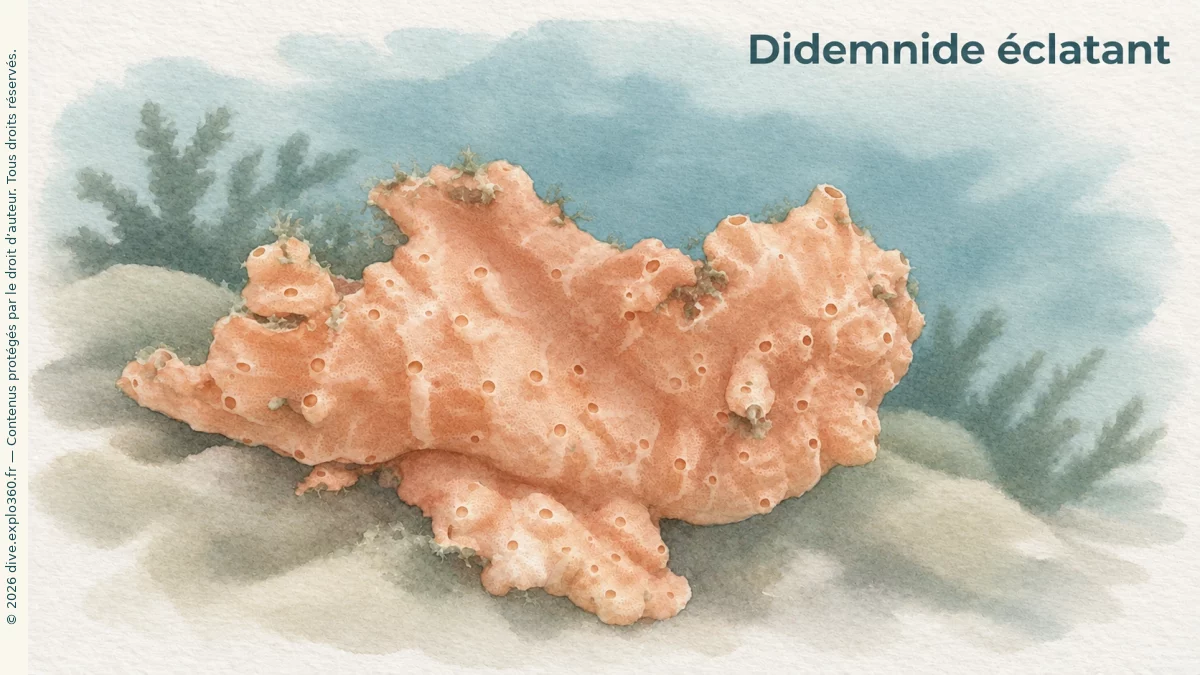 Species guidesOrange didemnid sea squirtDiscover →
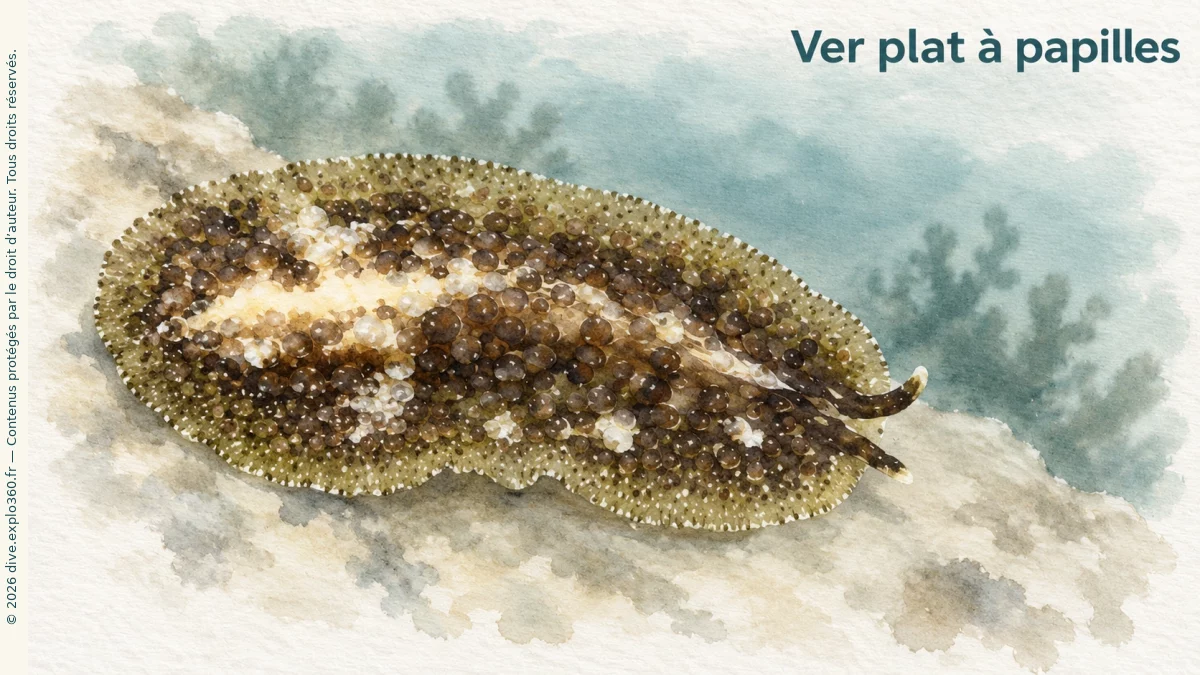 Species guidesPapillose flatwormDiscover →
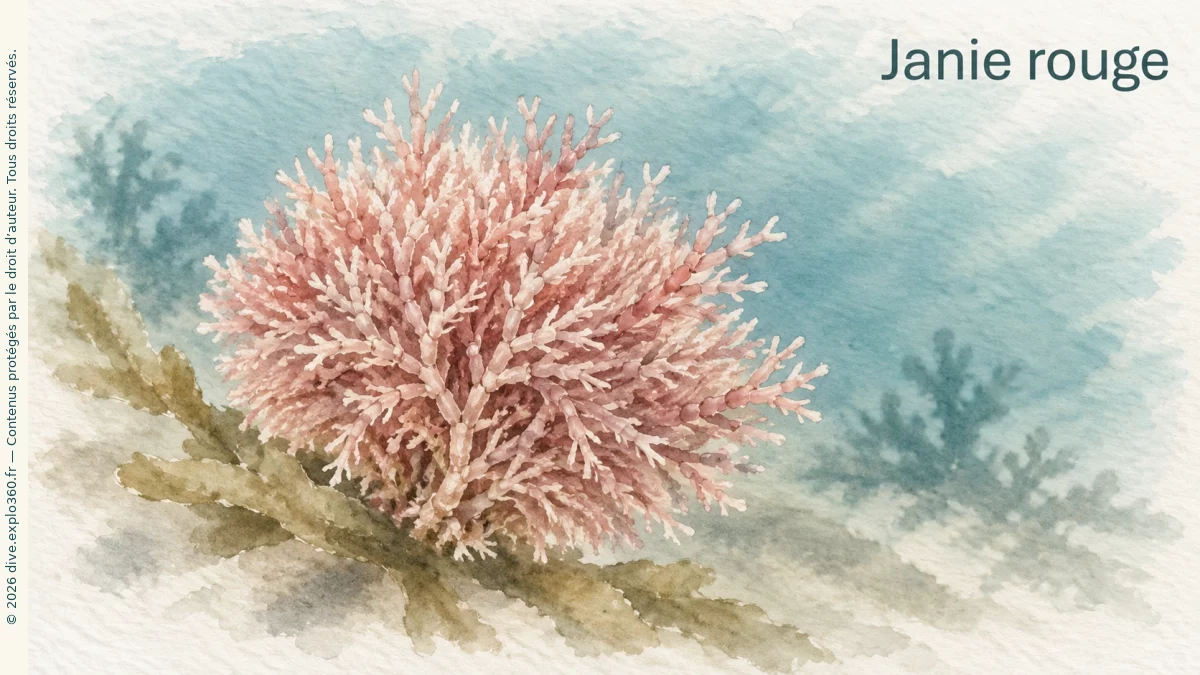 Species guidesRed janiaDiscover →
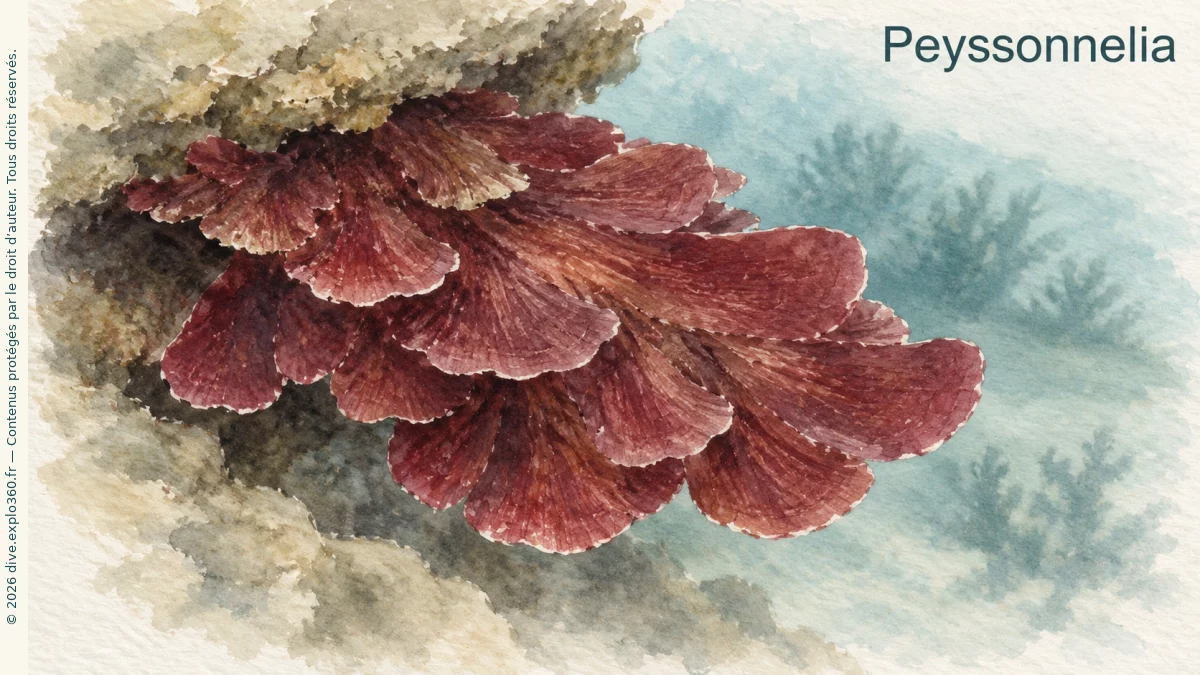 Species guidesPeyssonneliaDiscover →
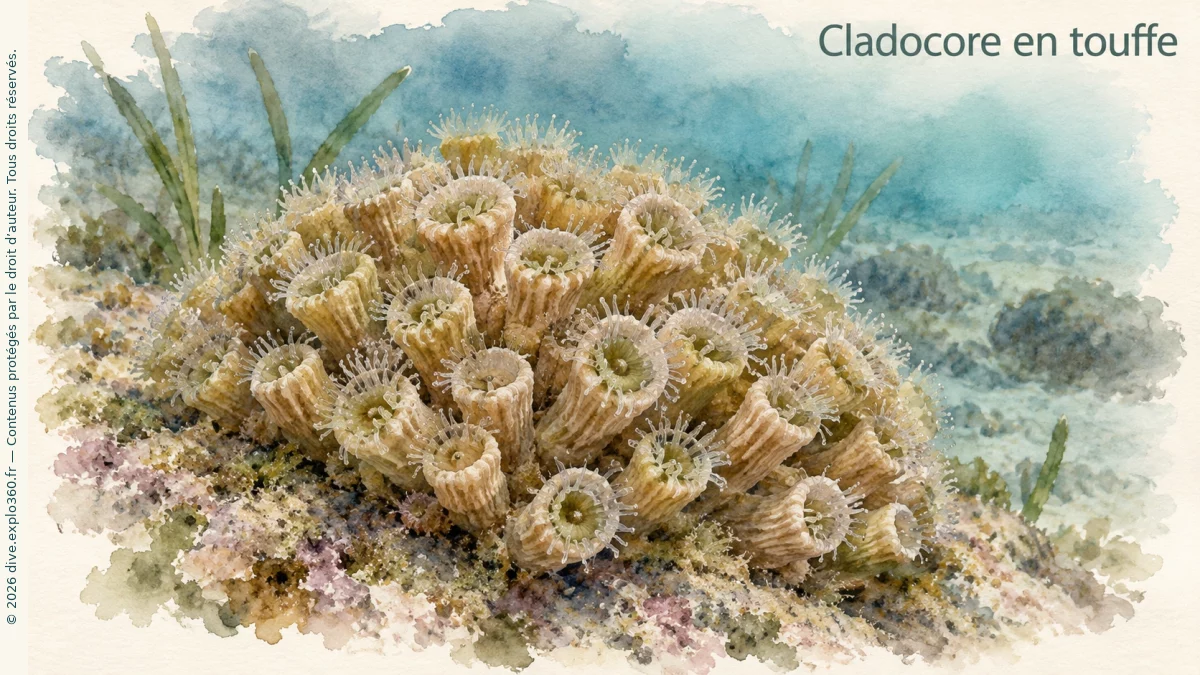 Species guidesMediterranean pillow coralDiscover →
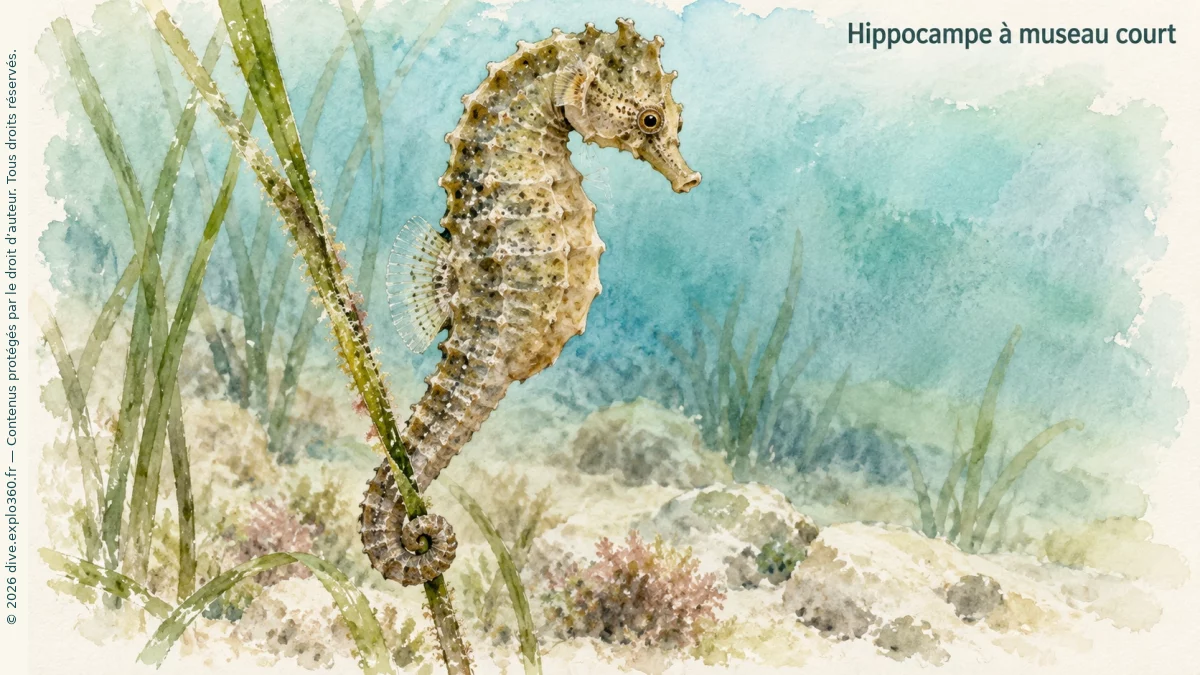 Species guidesShort-snouted seahorseDiscover →
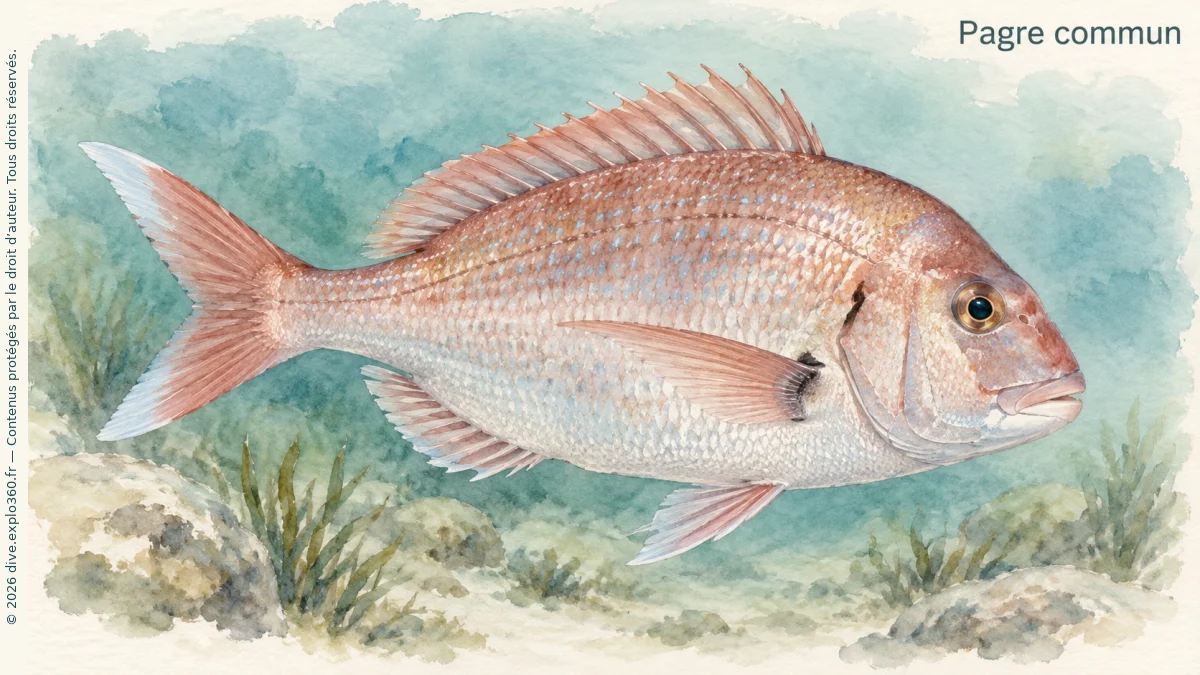 Species guidesRed porgyDiscover →
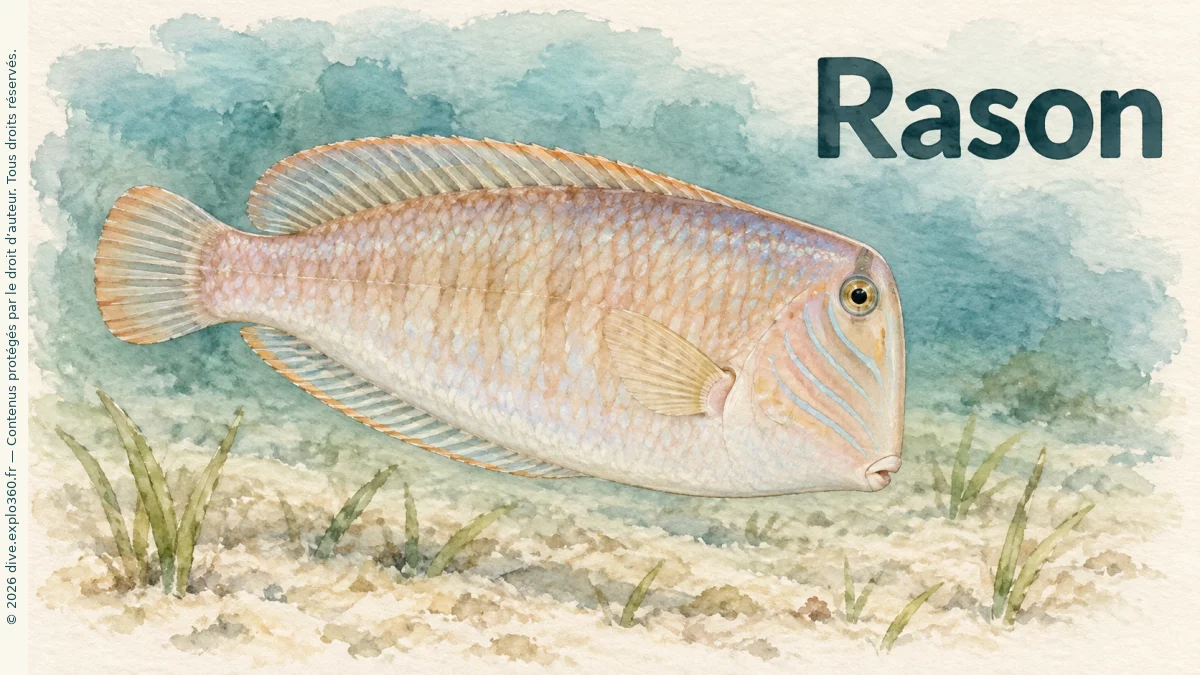 Species guidesPearly razorfishDiscover →
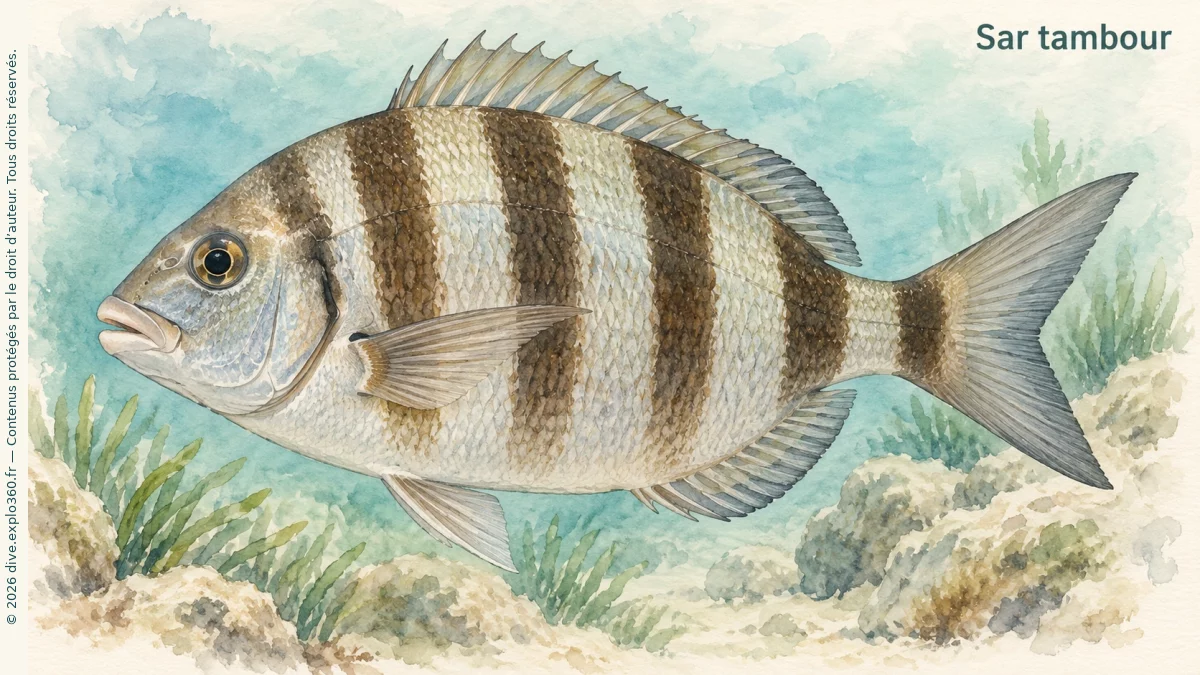 Species guidesZebra seabreamDiscover →
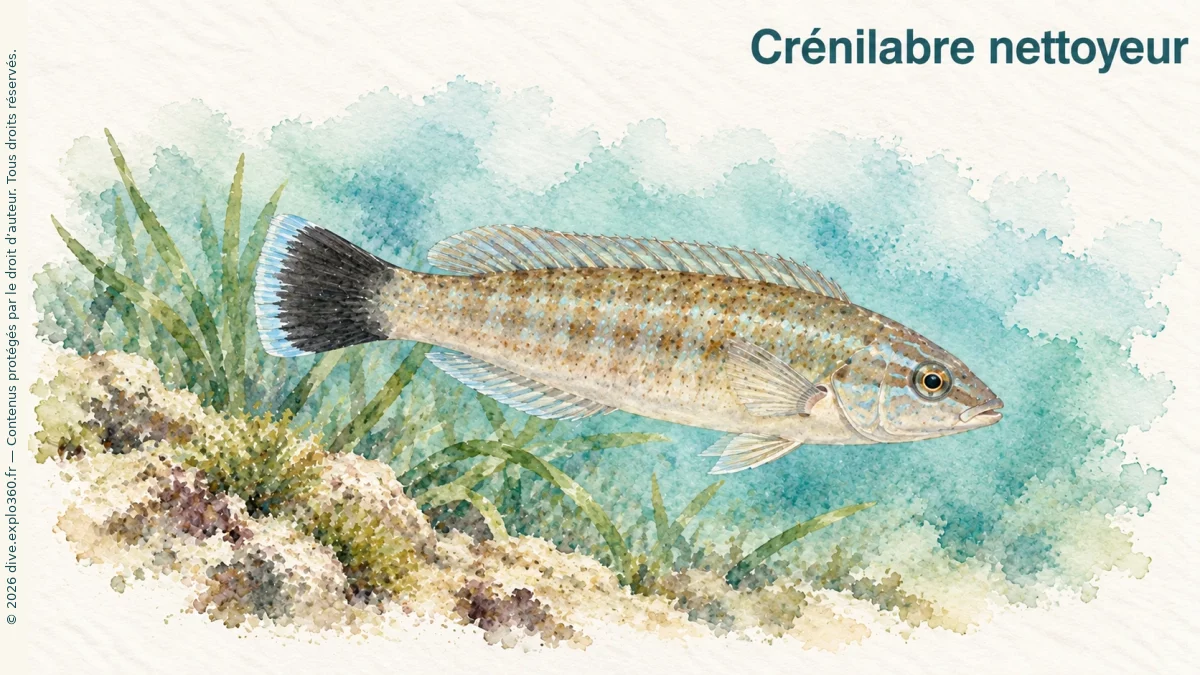 Species guidesBlack-tailed wrasseDiscover →
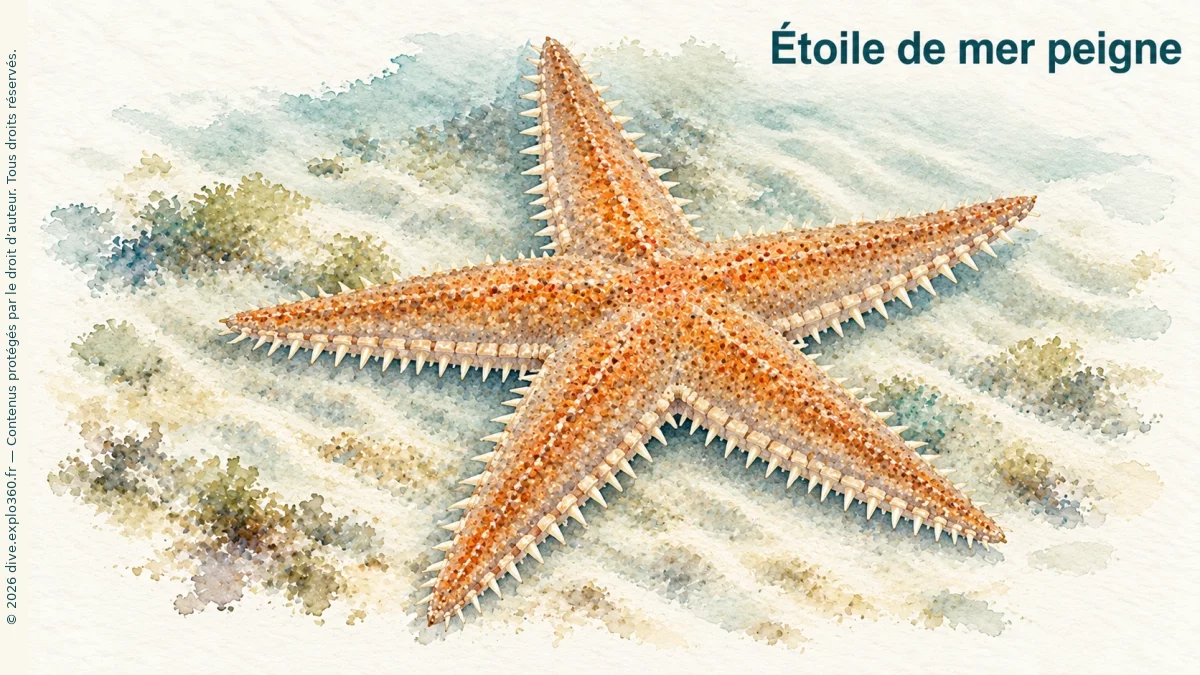 Species guidesRed comb starDiscover →
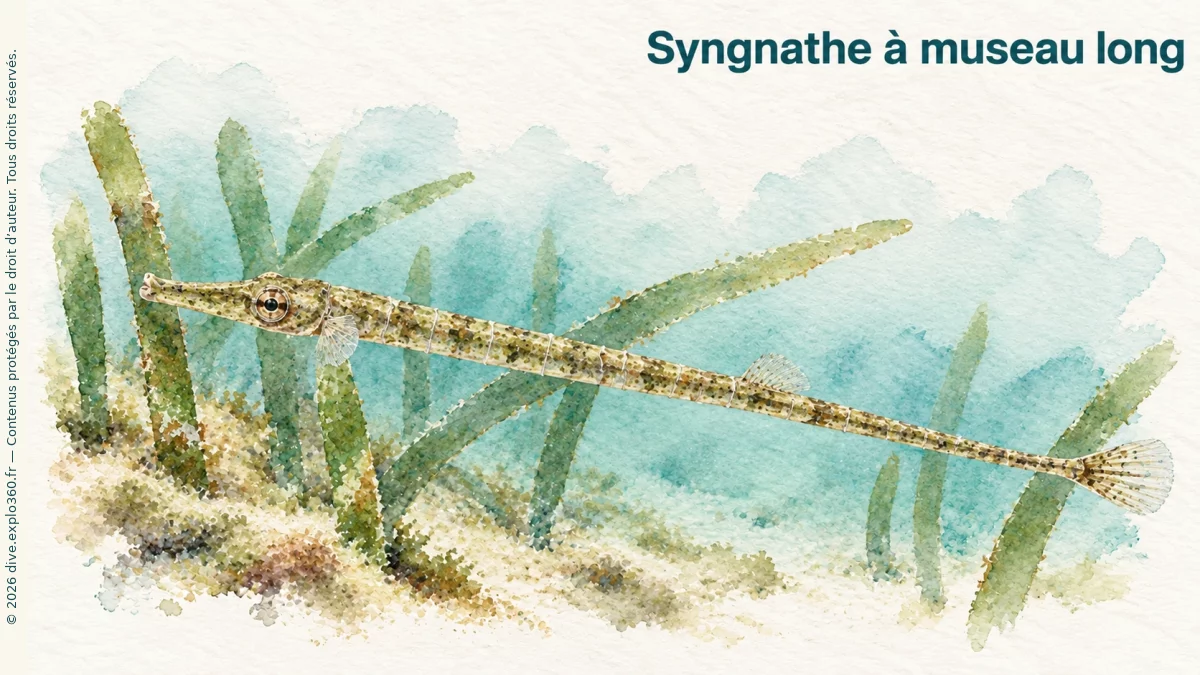 Species guidesBroad-nosed pipefishDiscover →
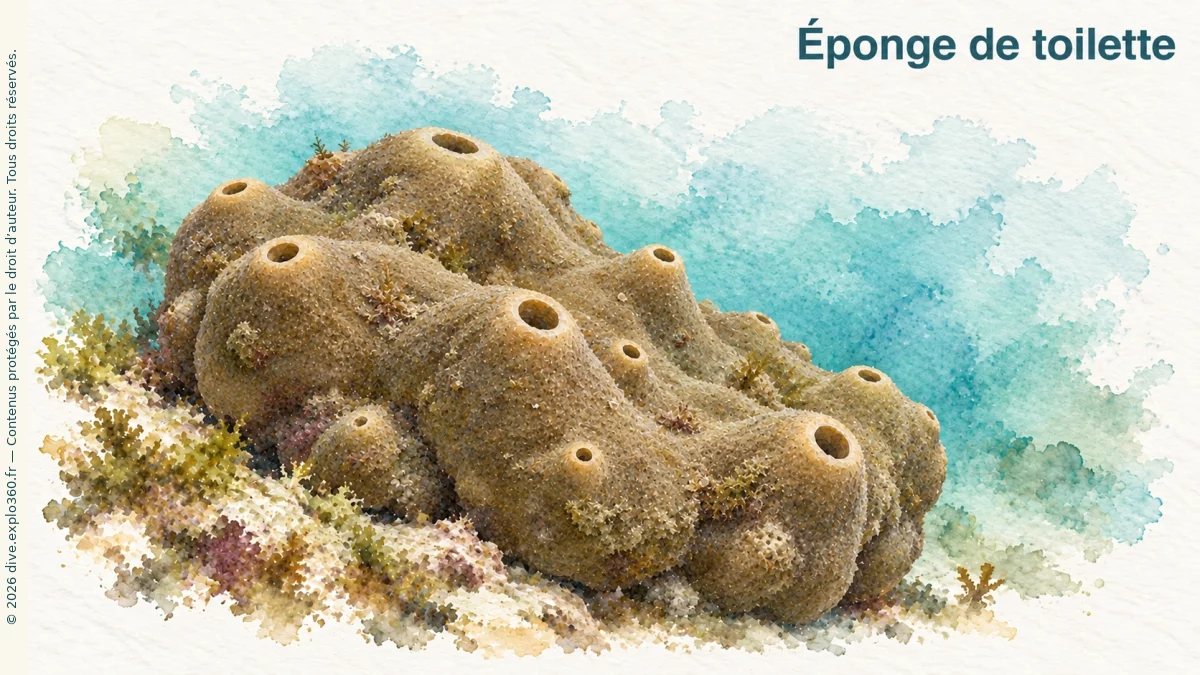 Species guidesBath spongeDiscover →