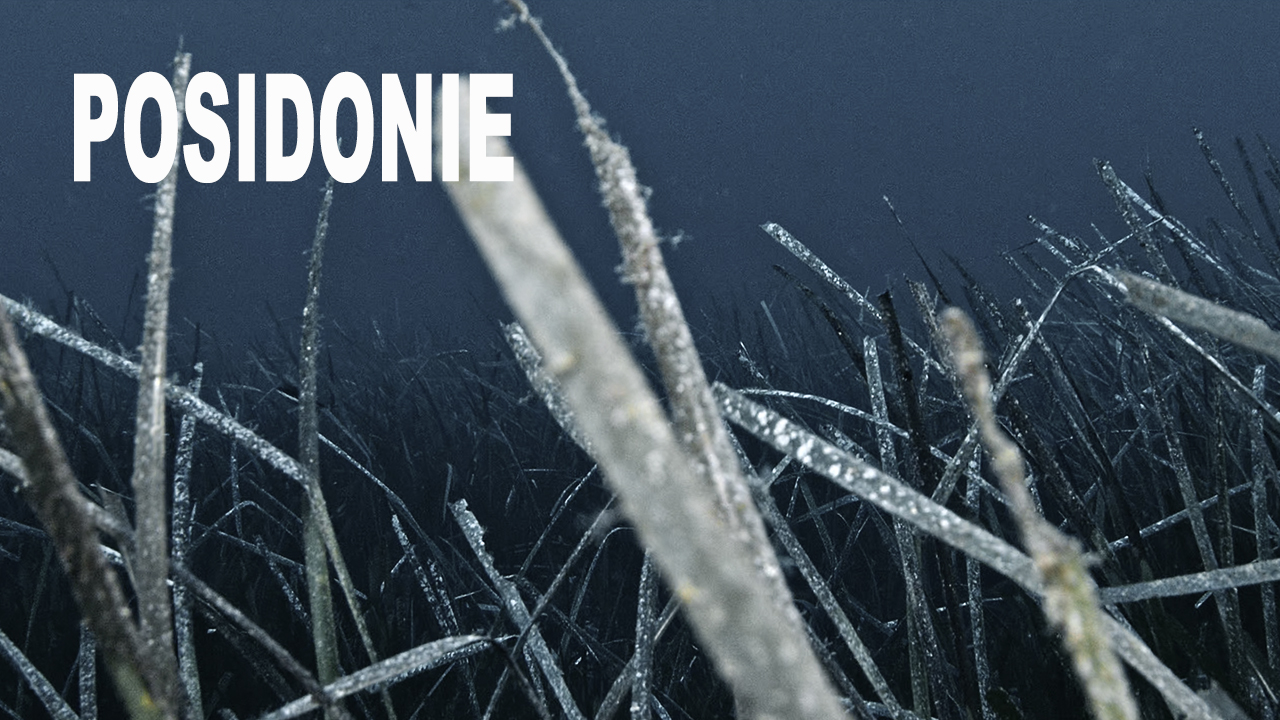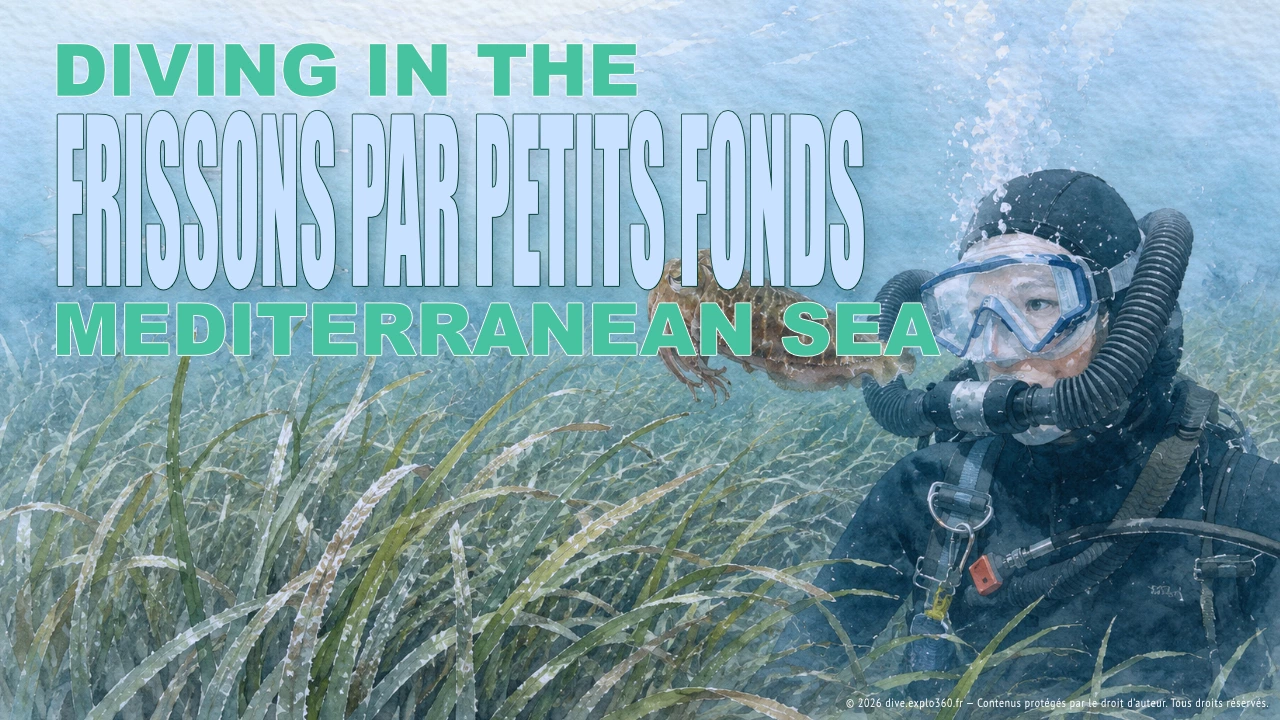

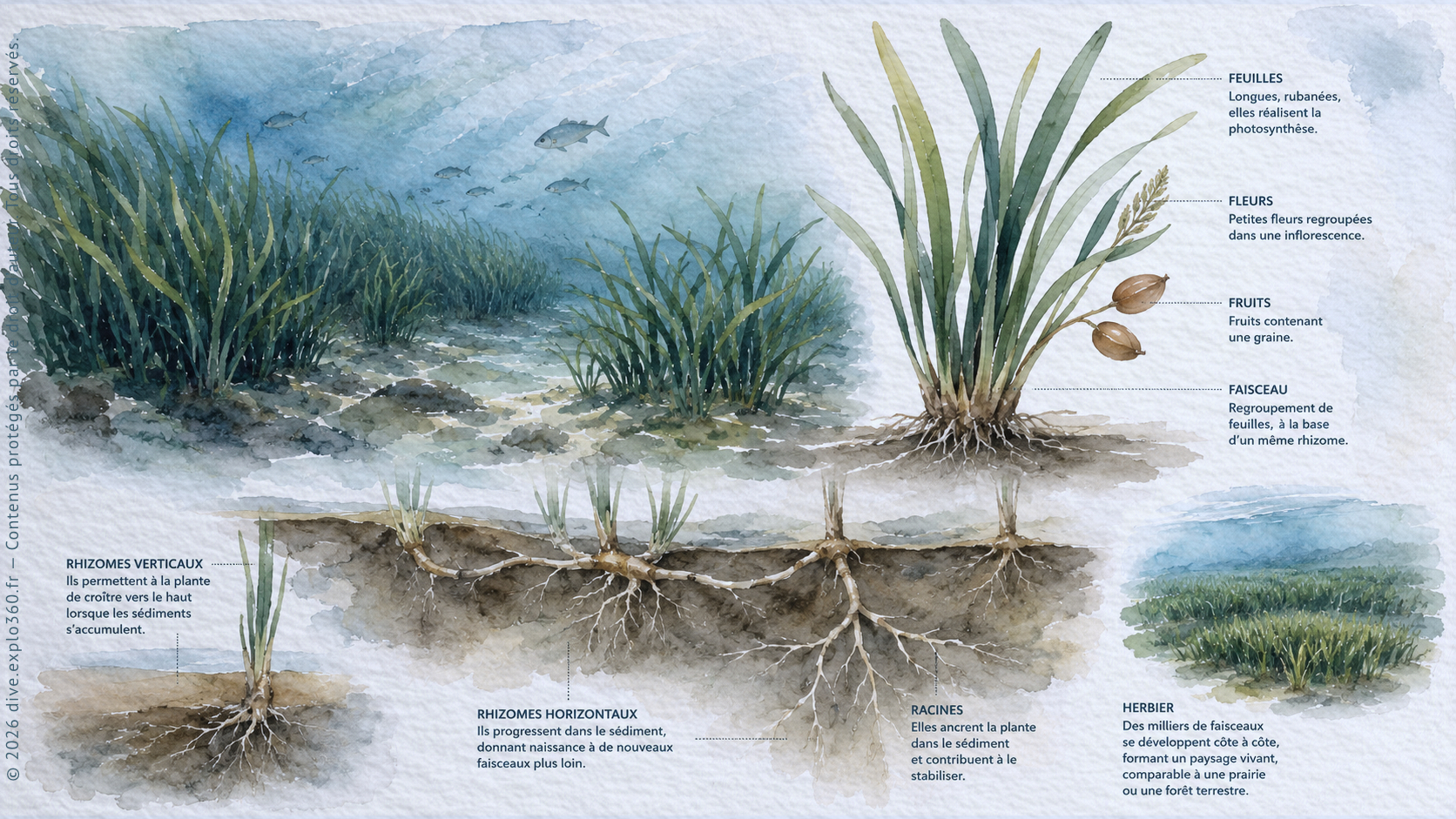
It has roots, special stems called rhizomes, leaves, flowers and fruits.
Its long leaves grow in groups called shoots.
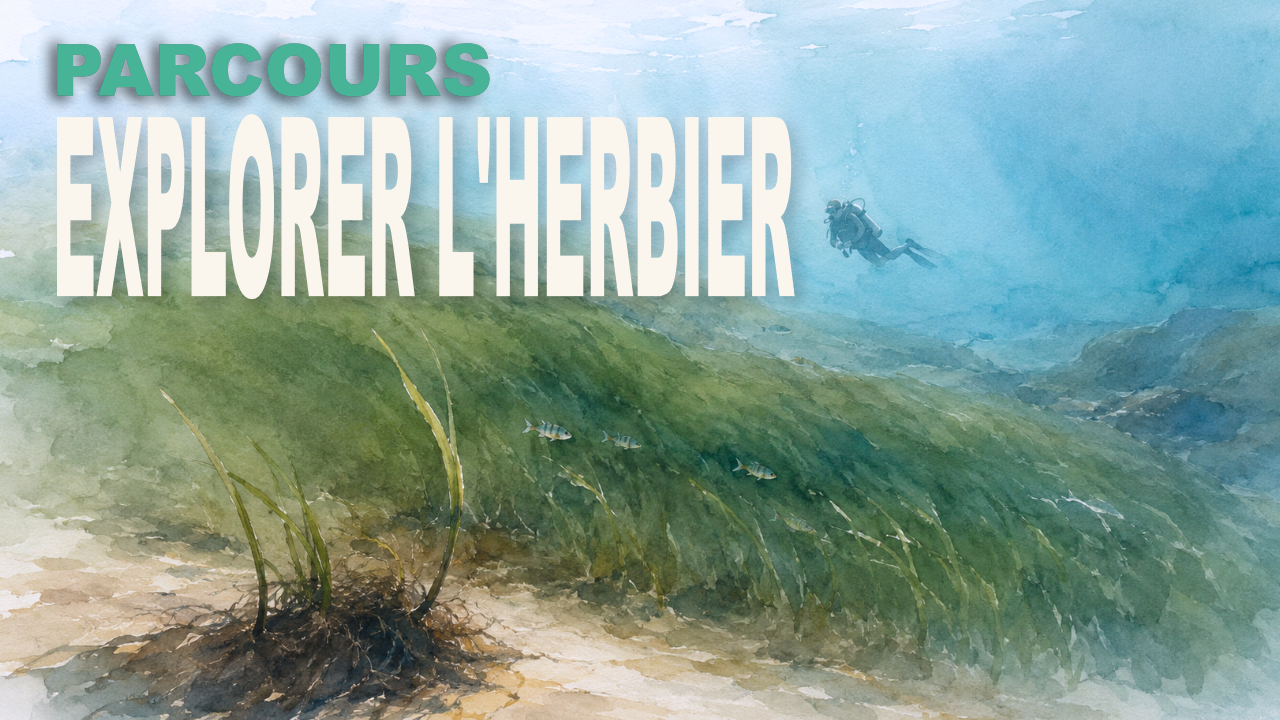
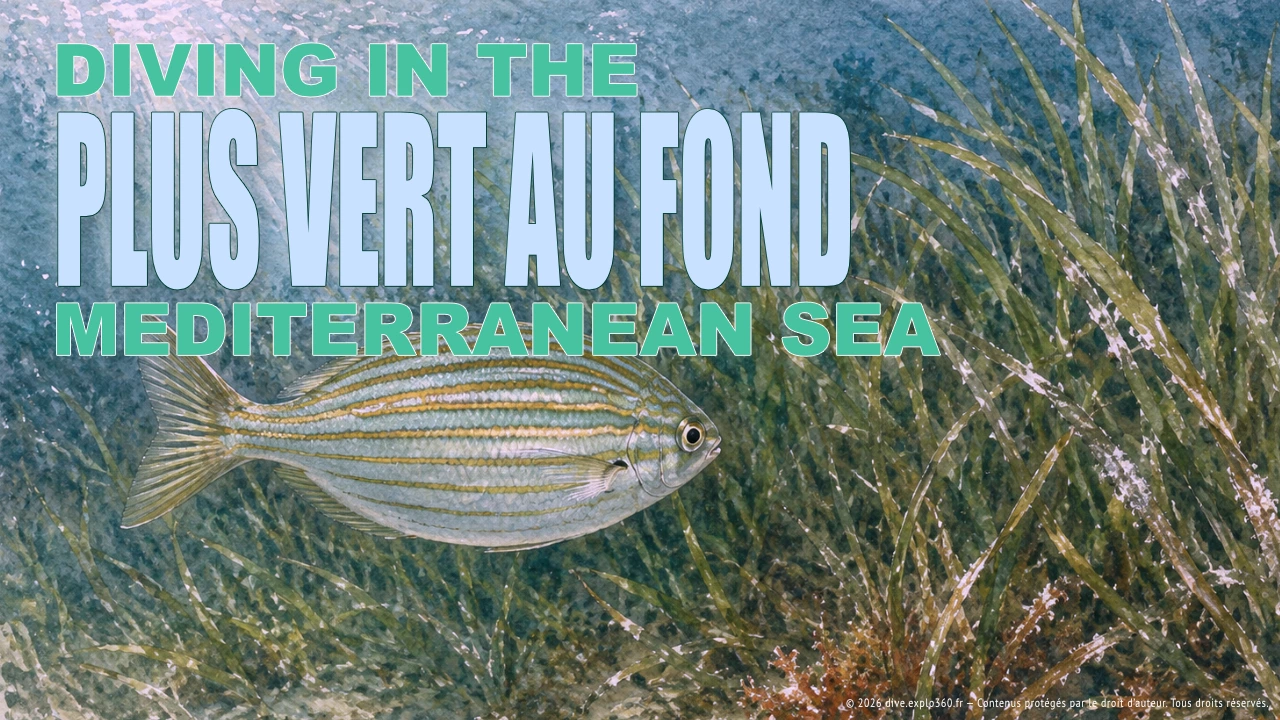
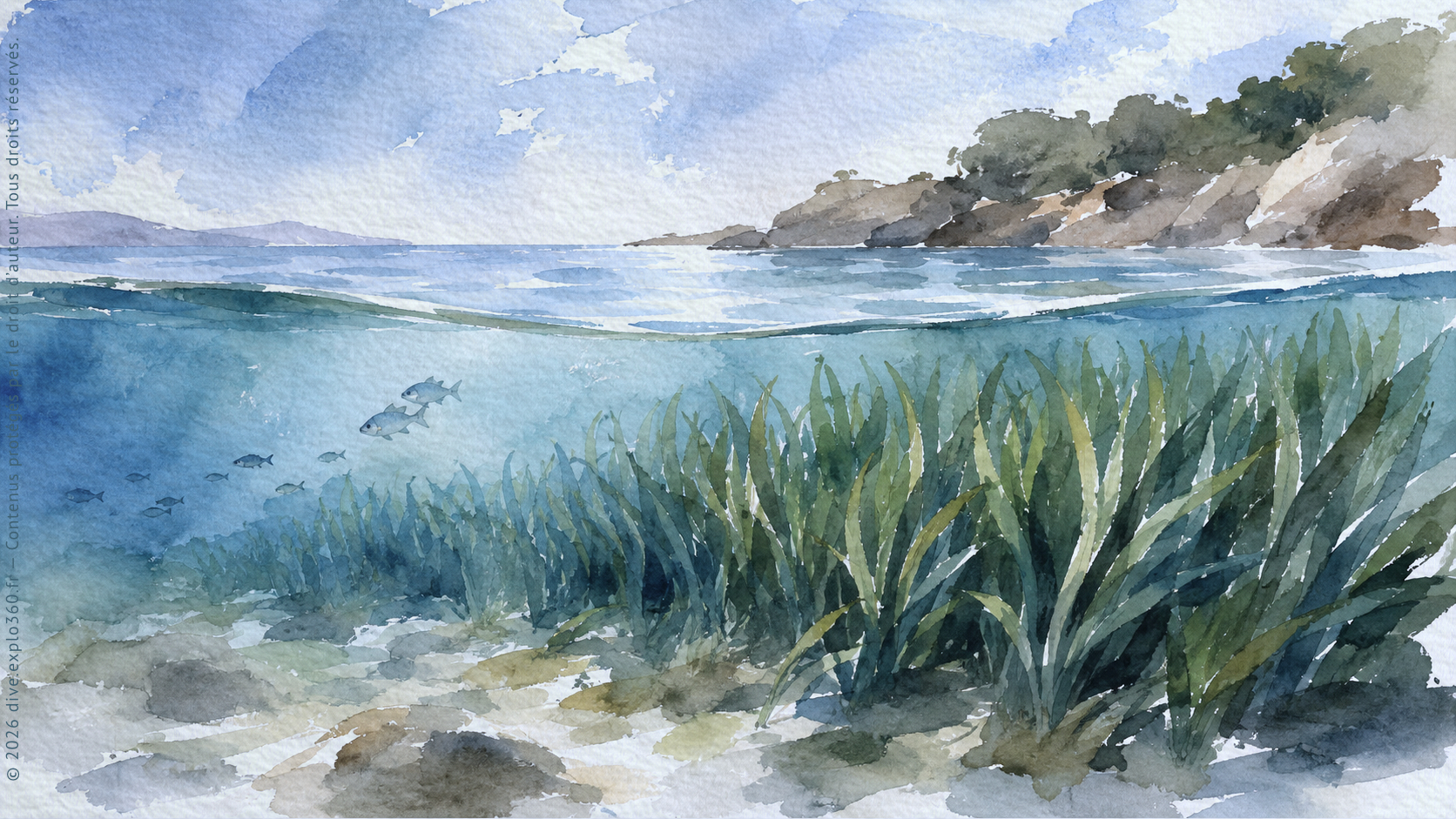
When many shoots grow side by side, they form a large underwater meadow: a seagrass meadow.
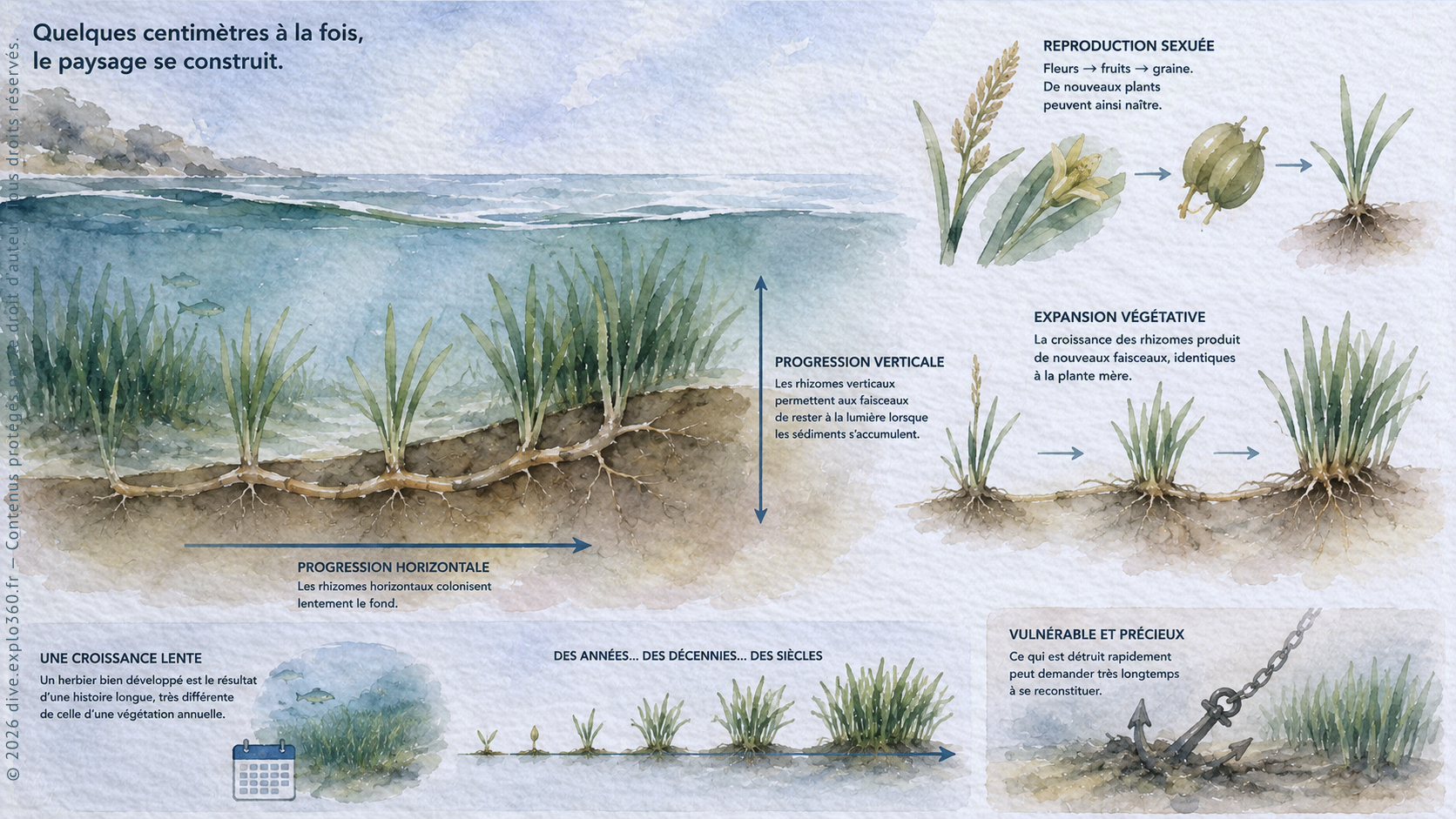
It can also spread through its rhizomes, which grow beneath the seabed.
New shoots of leaves then appear.
But Posidonia grows very slowly. A large meadow may therefore be very old.
If it is damaged, it may take an extremely long time to recover.
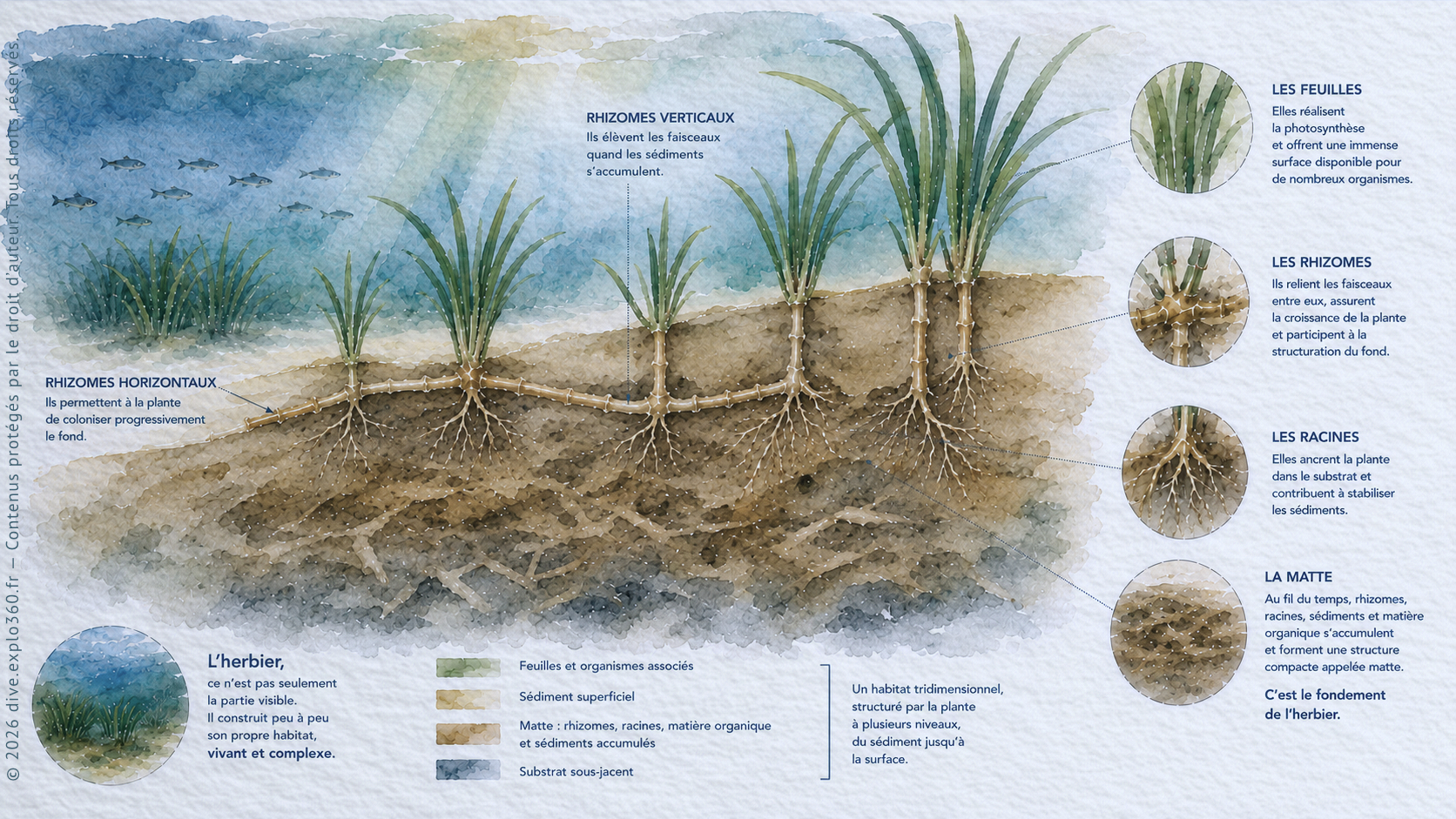
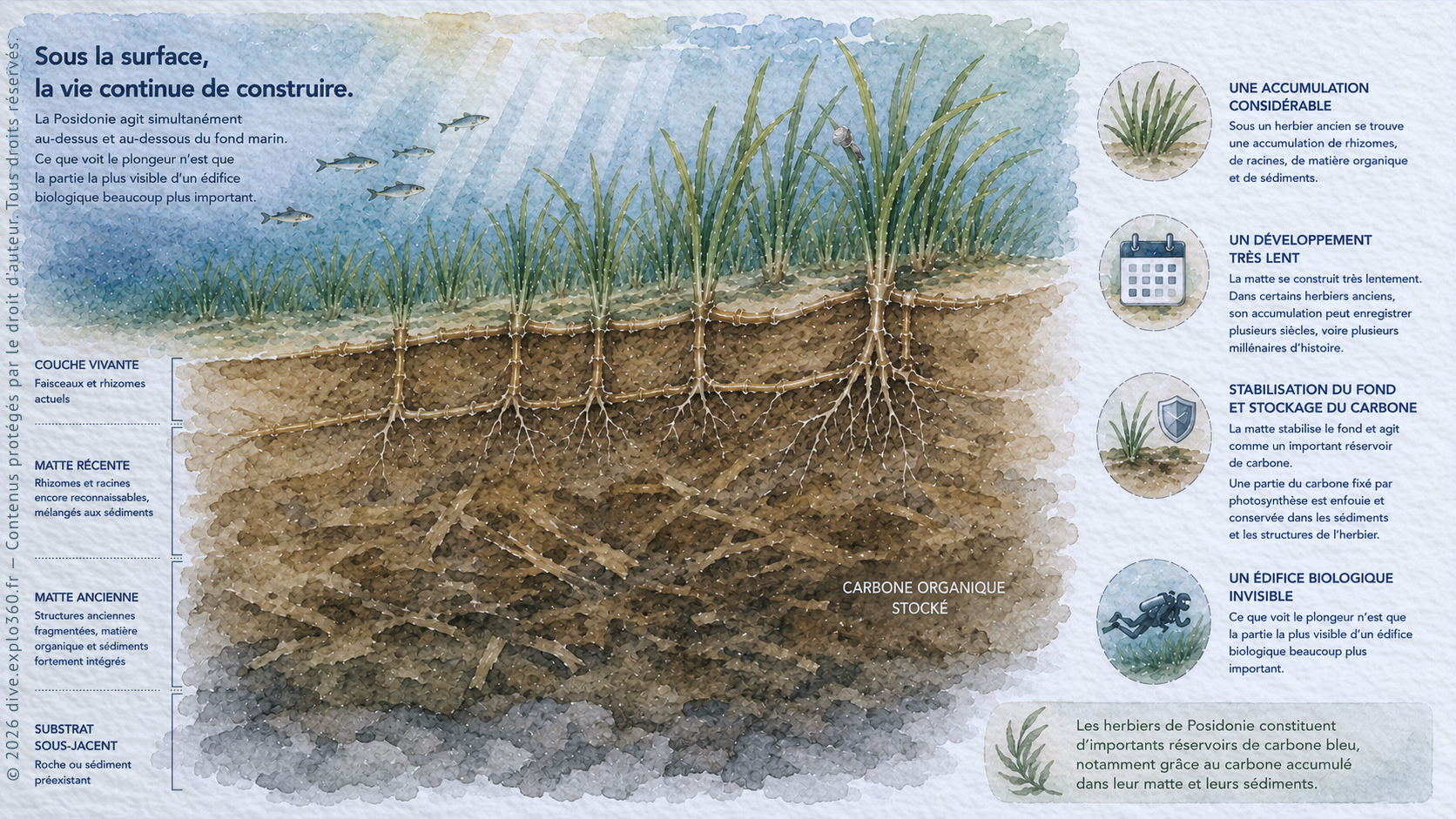
But an important part of the plant is hidden beneath the seabed.
The leaves capture light.
The rhizomes allow the plant to grow.
The roots hold it in the seabed.
Over time, roots, rhizomes, sand and other material build up beneath the meadow. They form a structure called the matte.
It forms as roots, rhizomes, sediment and organic matter accumulate.
It helps keep the seabed in place.
It can also store carbon for a very long time.
The meadow therefore extends far below its leaves.
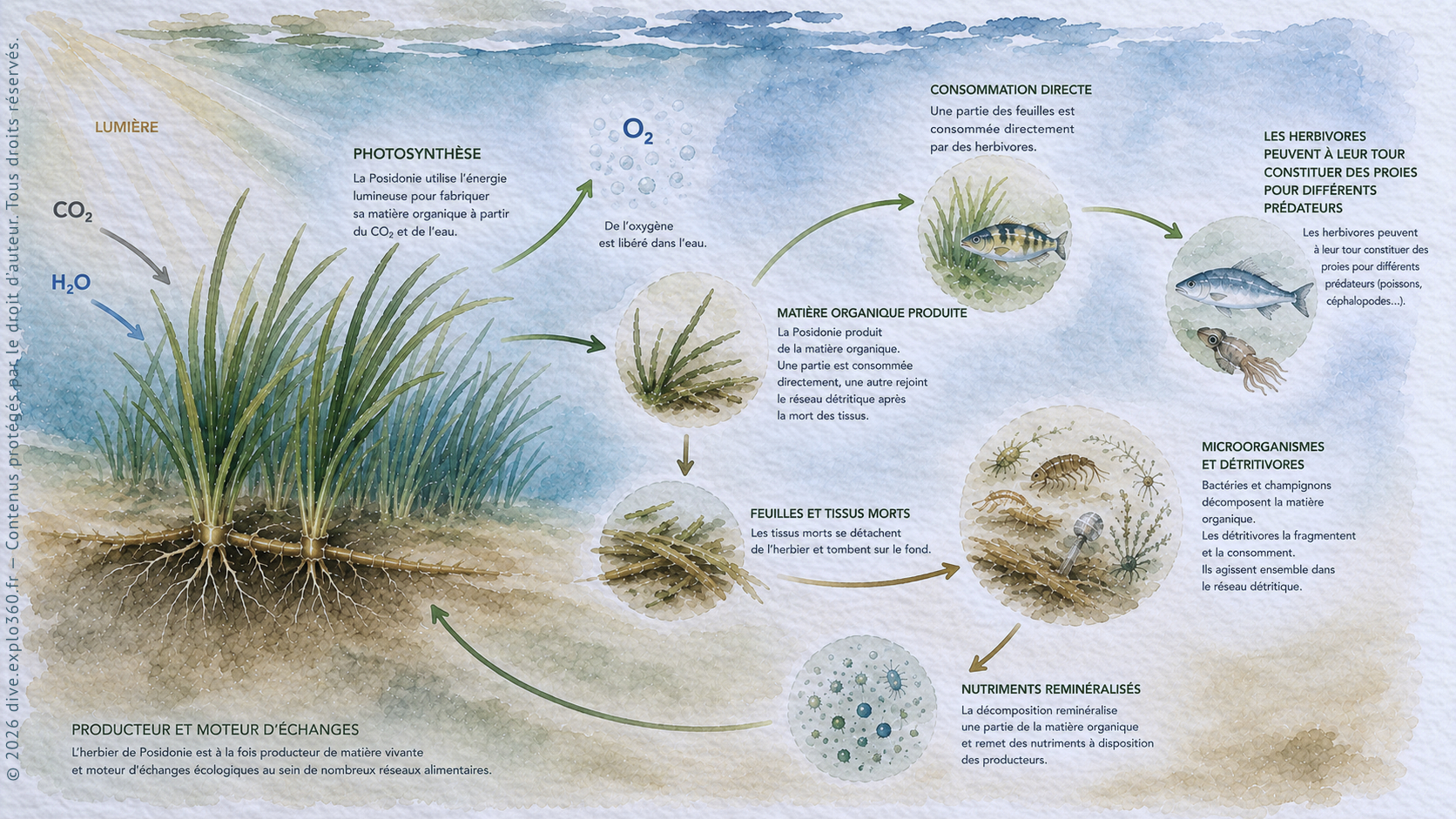
This process is called photosynthesis.
Through it, the plant makes its own material and releases oxygen.
This material can then provide food for other living things.
Even dead leaves continue to feed the ecosystem as they break down.
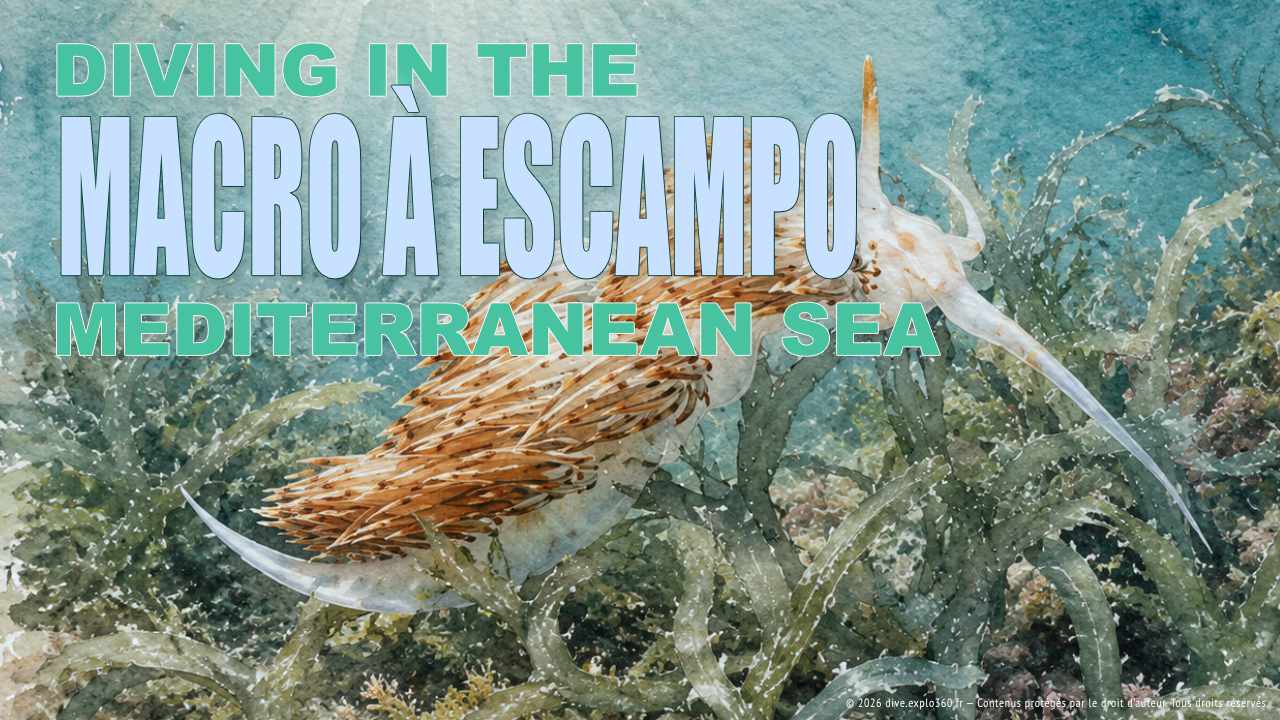
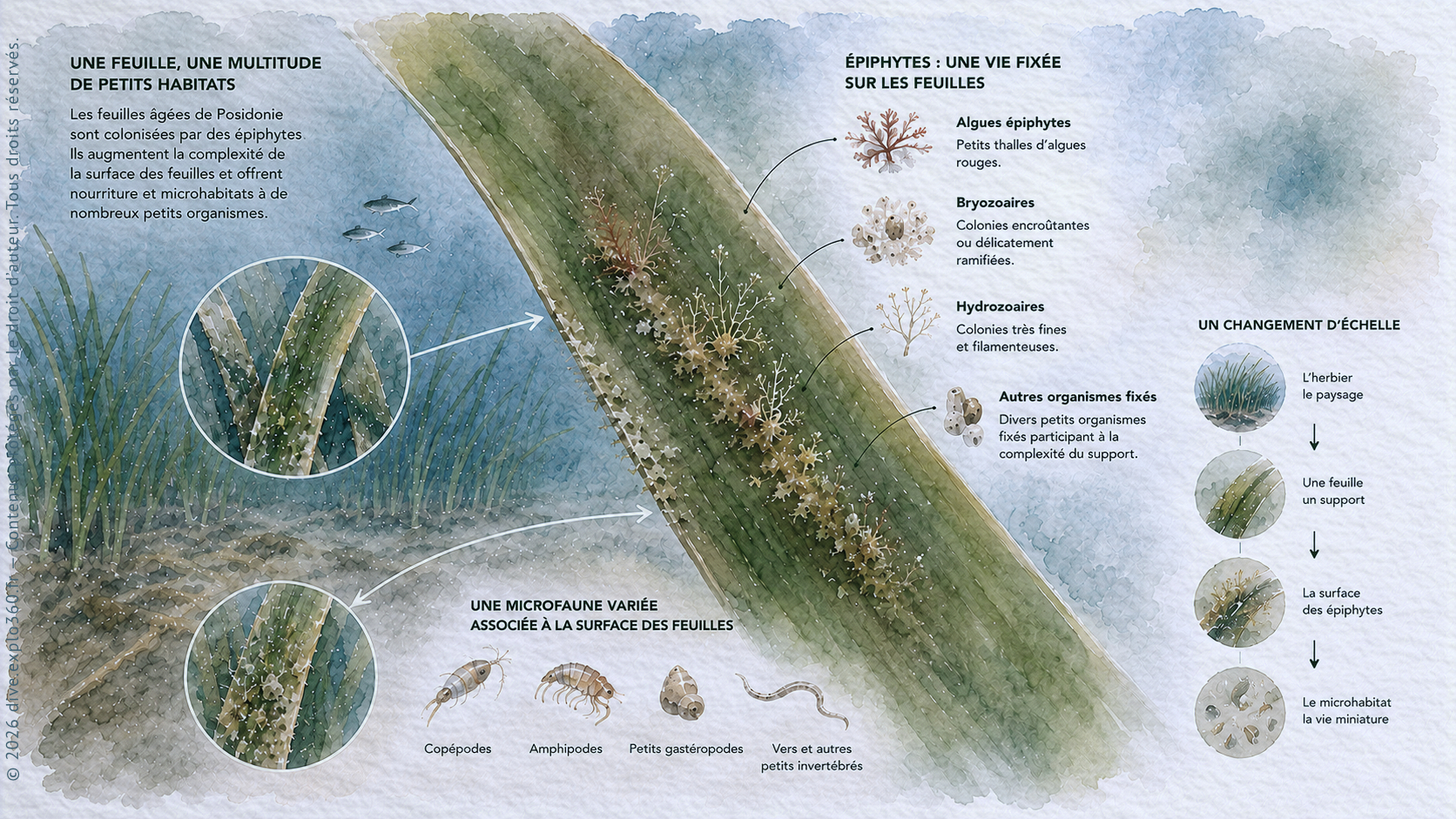
Tiny organisms can live on it or attach to it: small algae, bryozoans, hydrozoans and many others.
These organisms can themselves attract small animals.
A single Posidonia leaf can therefore become a whole little habitat.
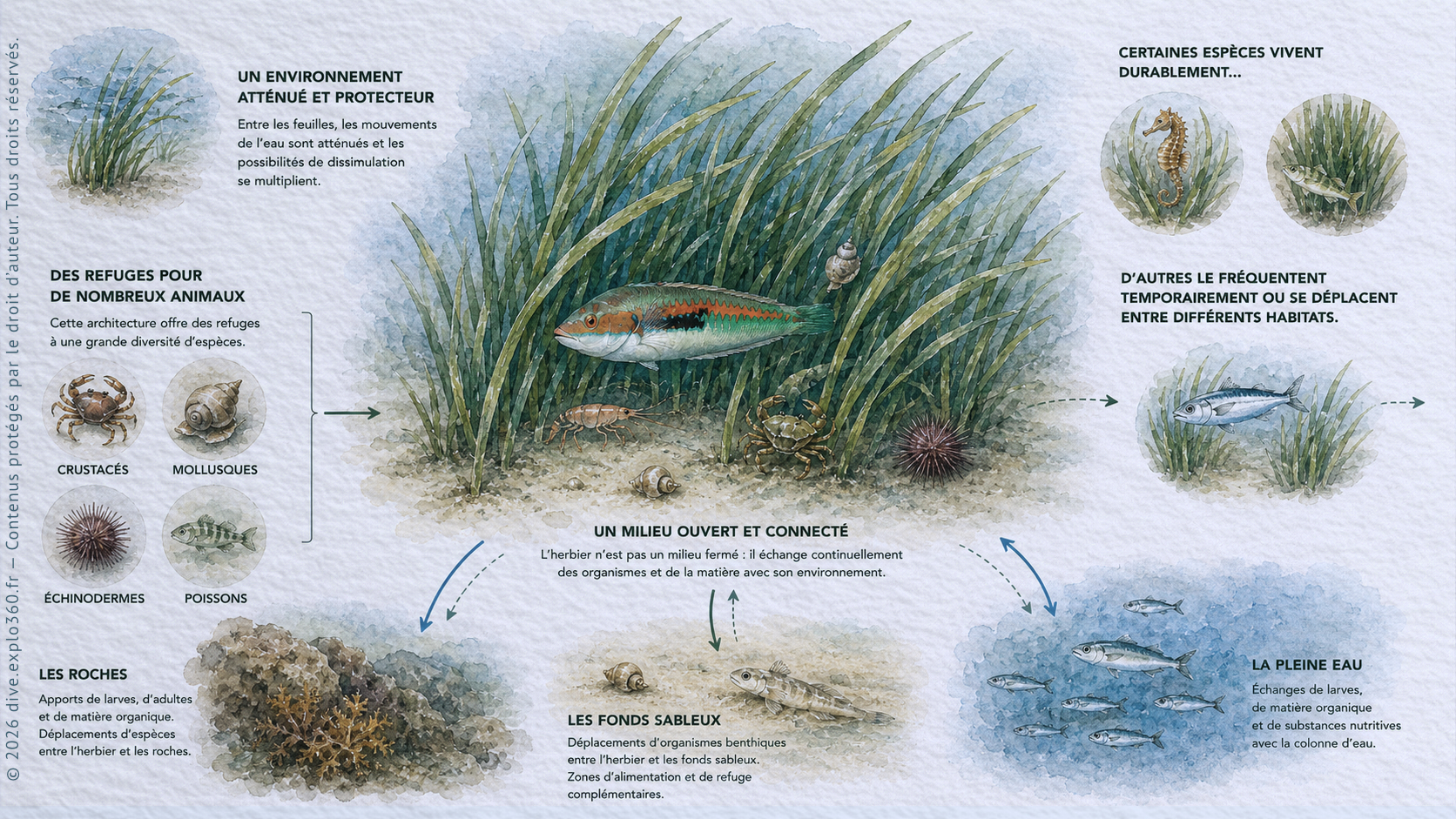
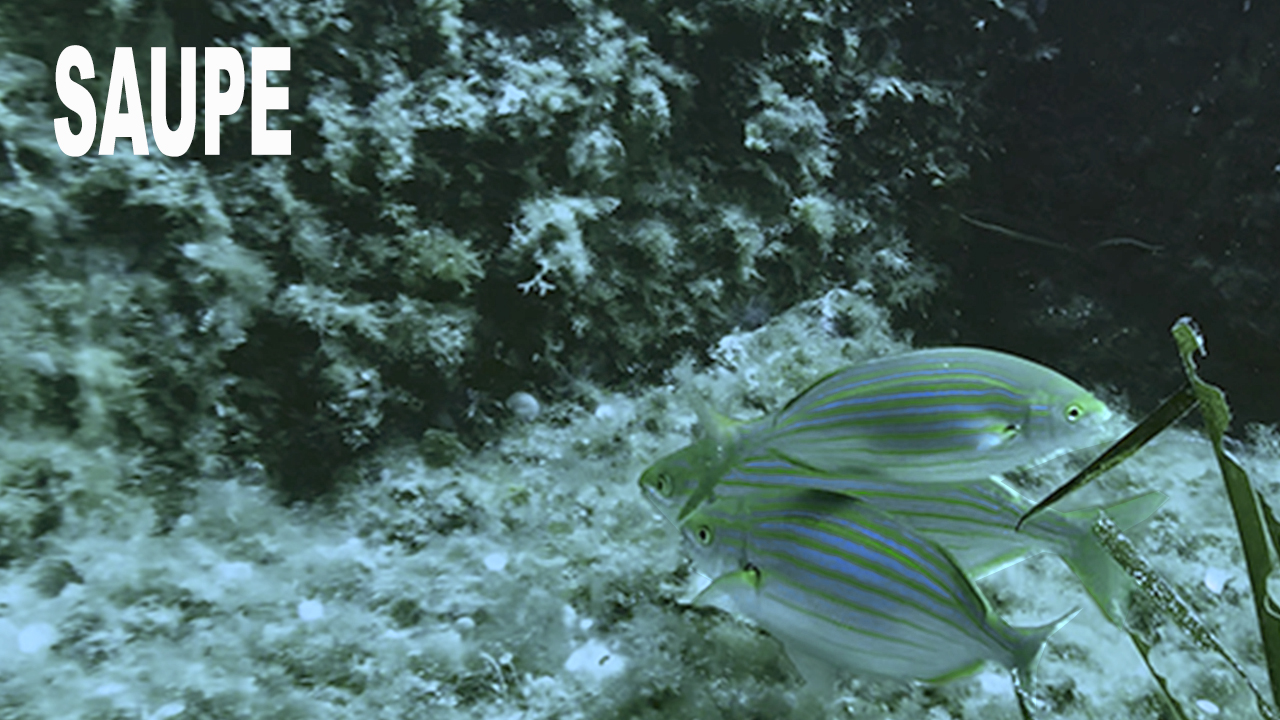
Fish, crustaceans, molluscs and other animals can shelter, look for food or hunt there.
Some live in the meadow. Others only visit.
AMIGANSEAU CONTENT
The rest of this article is for subscribers
Log in with your AMIGANSEAU licence to continue reading.
All active AMIGANSEAU licences give access to the full article.Explore the same world