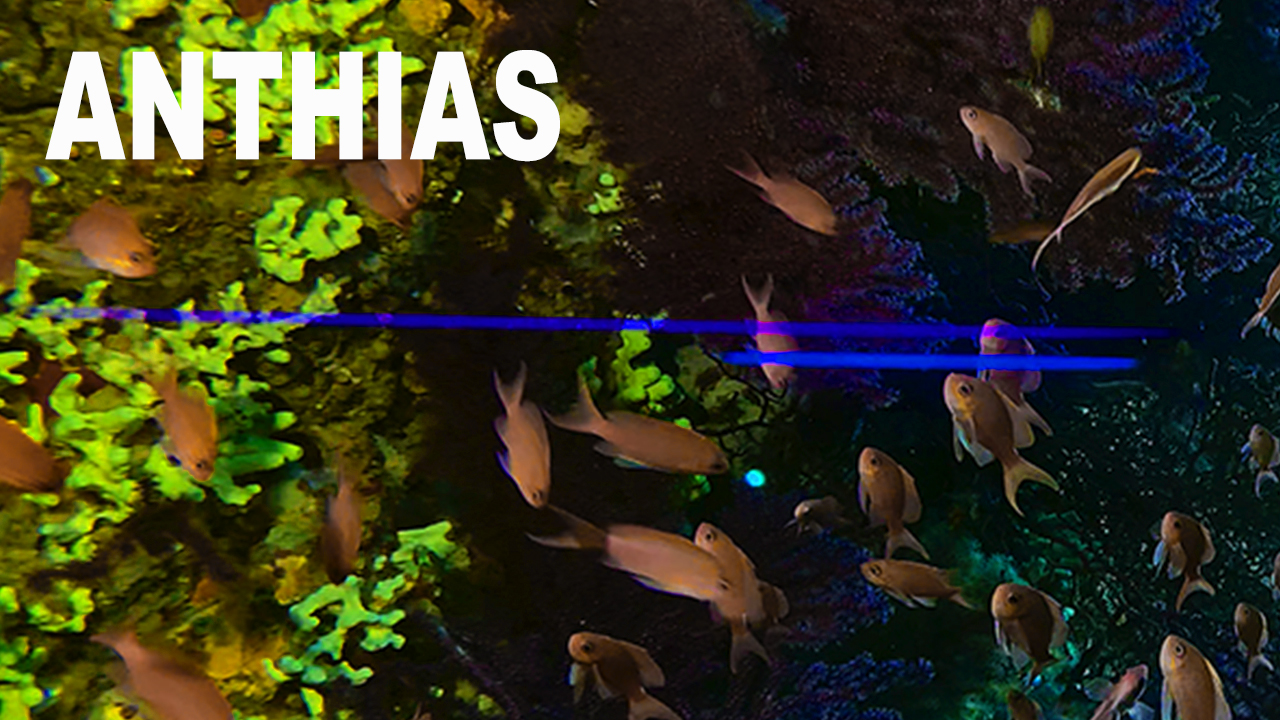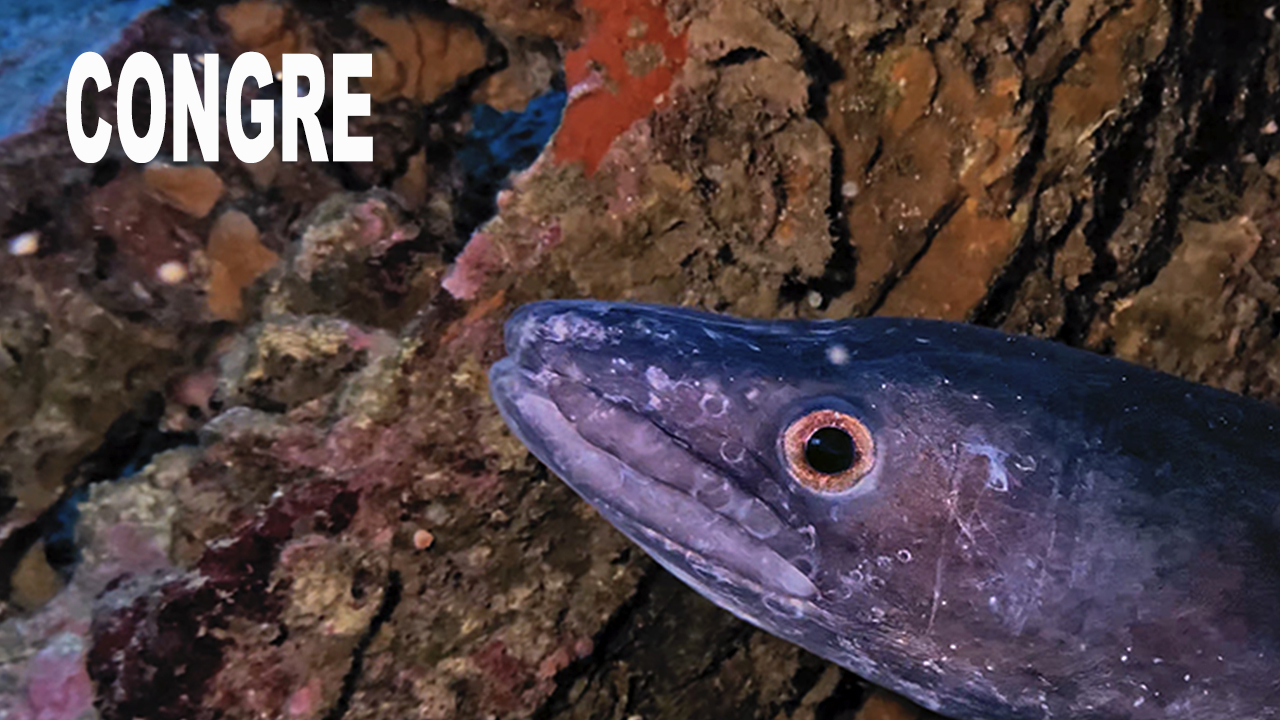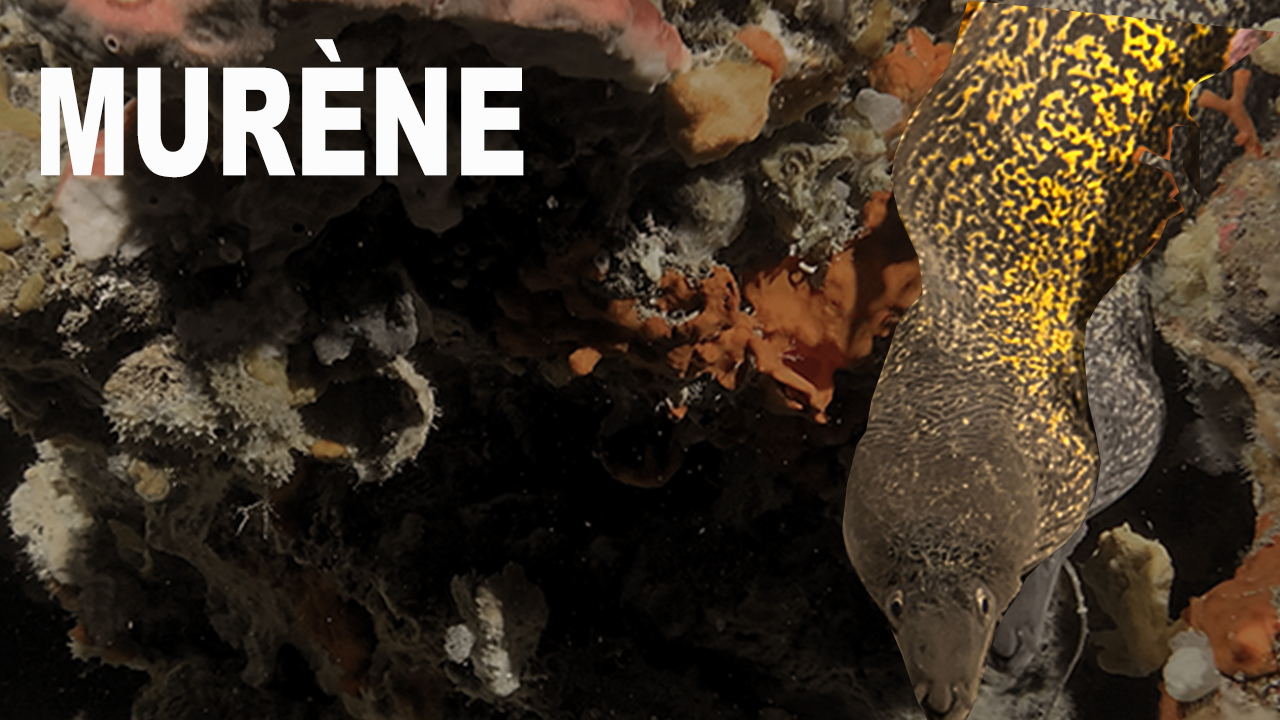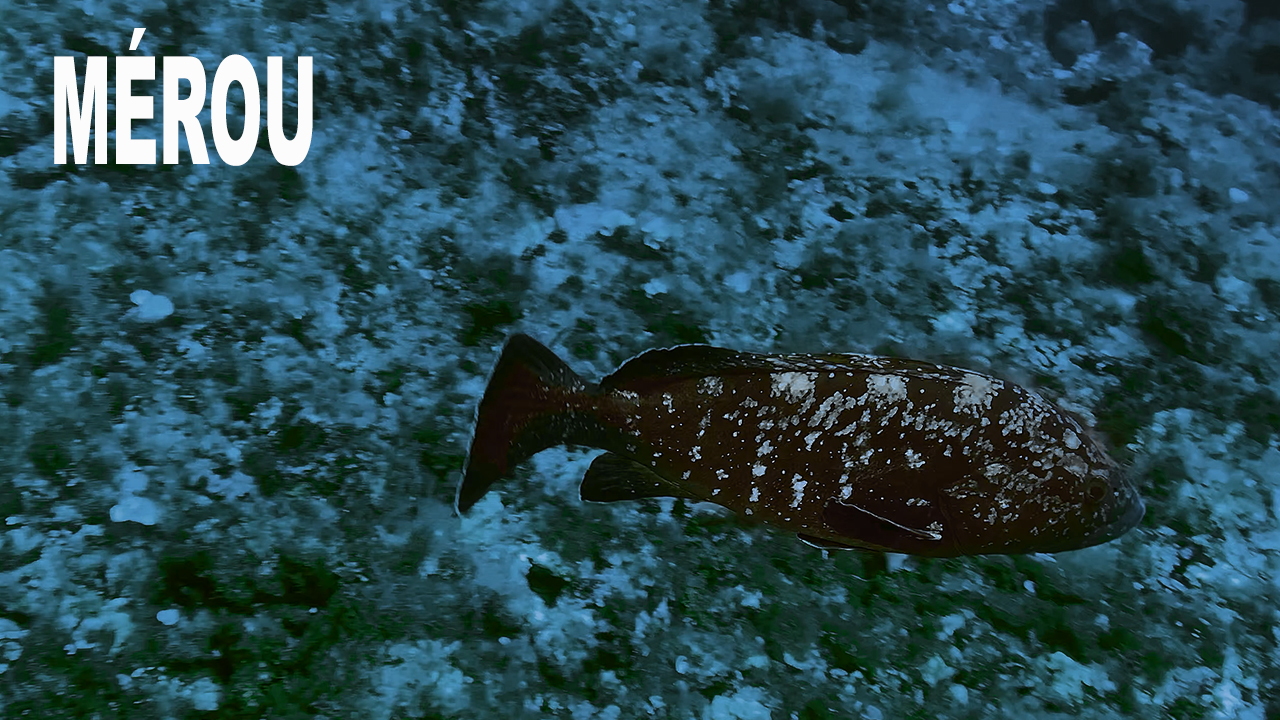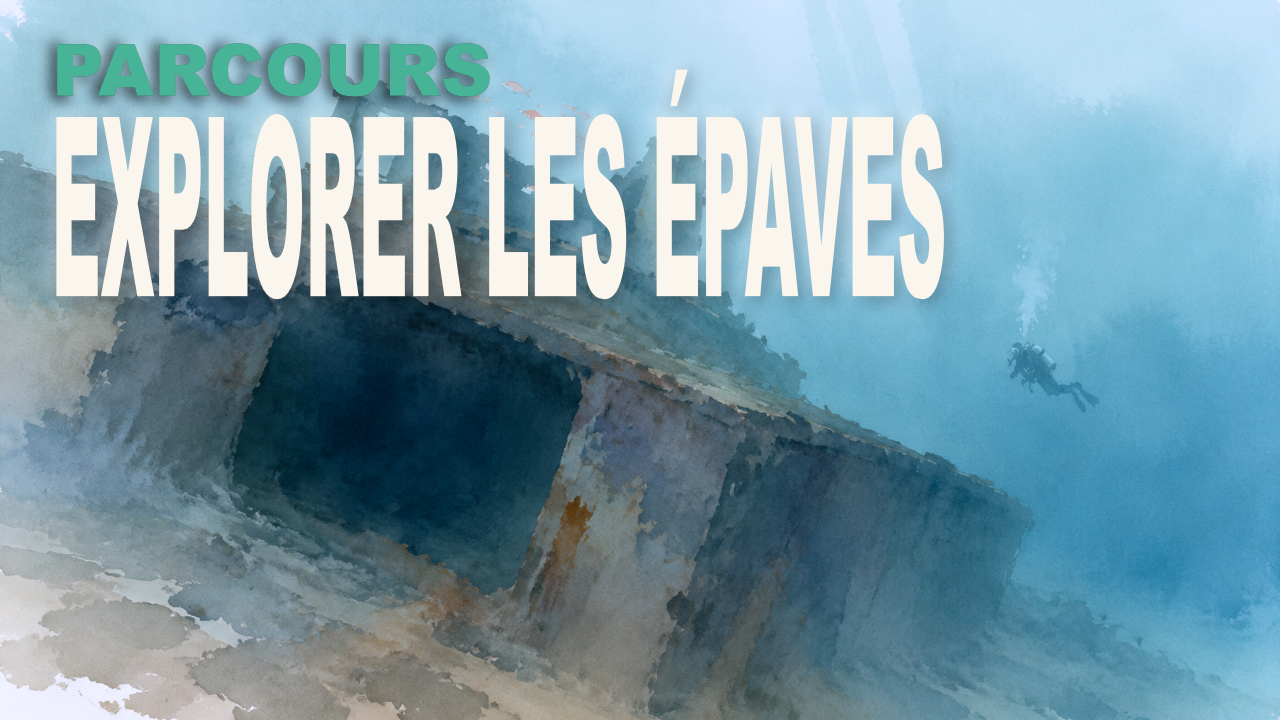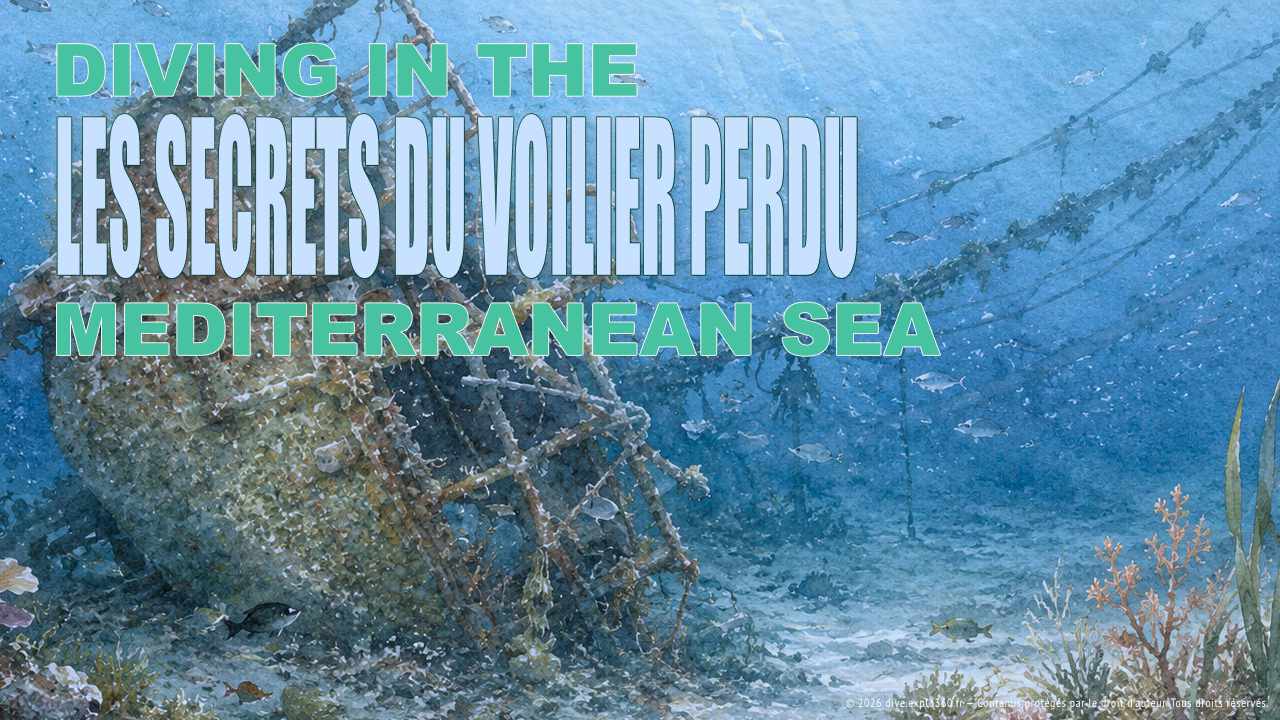

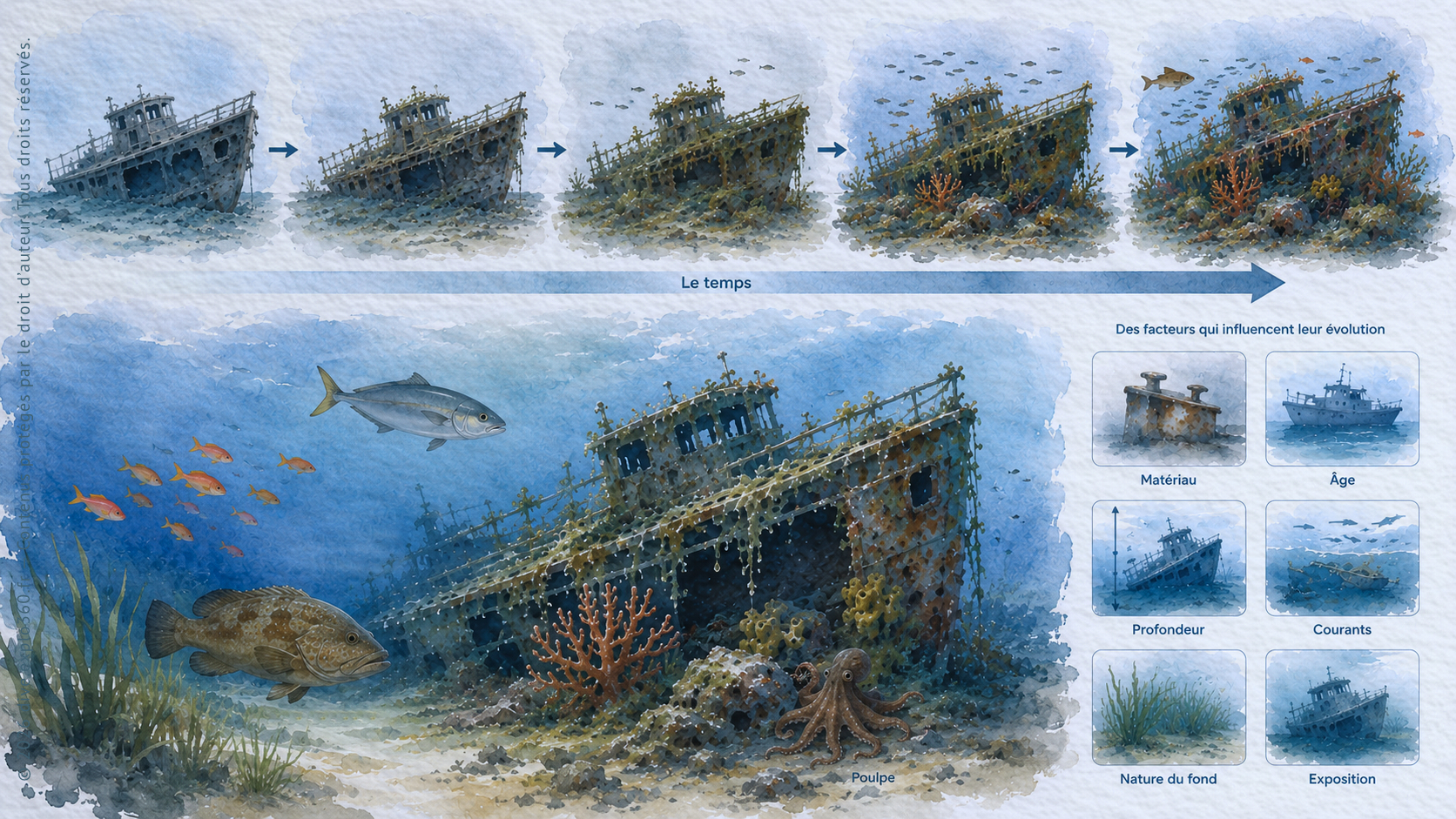
At first, the wreck is almost empty.
Tiny living things settle on its surface. Then other organisms come and attach themselves.
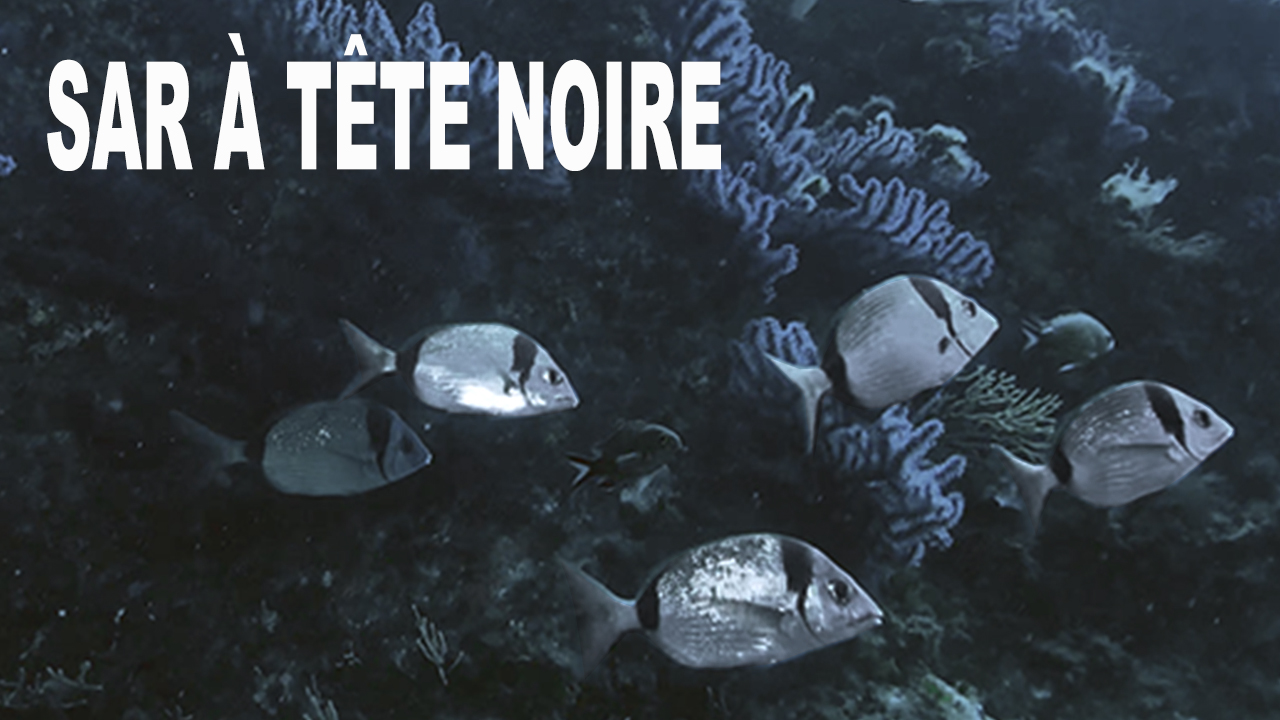
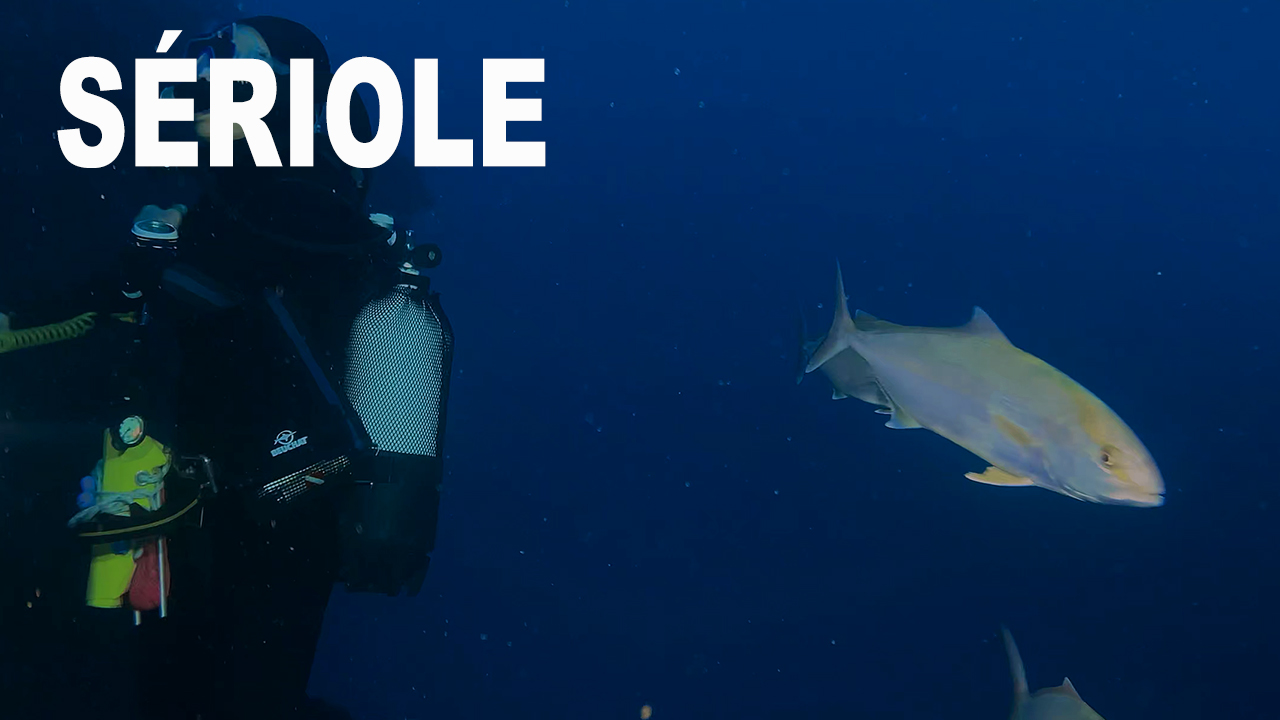
Animals hide in the holes and fish swim around the wreck to find shelter or food.
Not all wrecks become the same. How they change depends on where they lie and what they were built from.
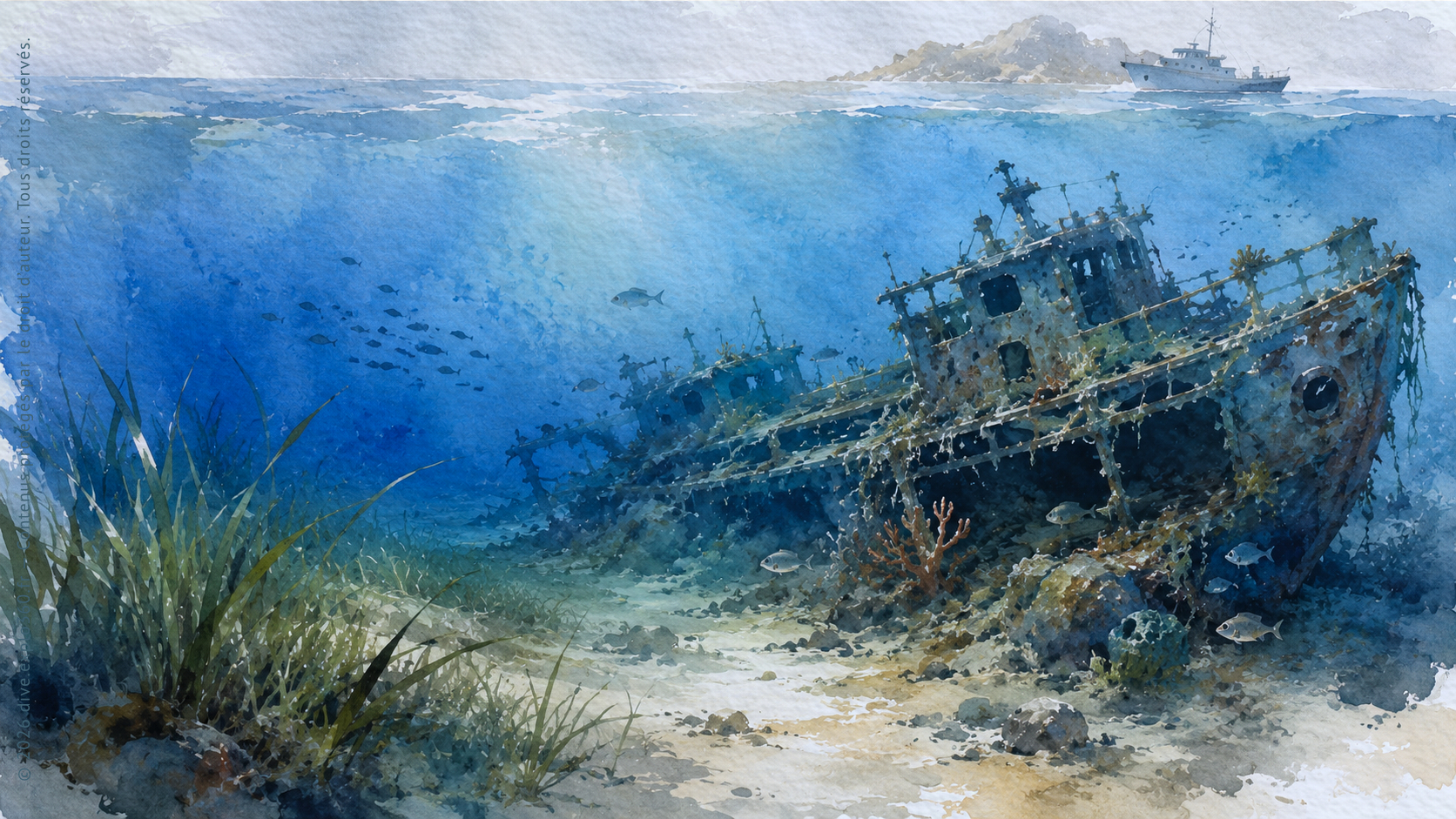
Imagine a large boat resting on an almost flat stretch of sand.
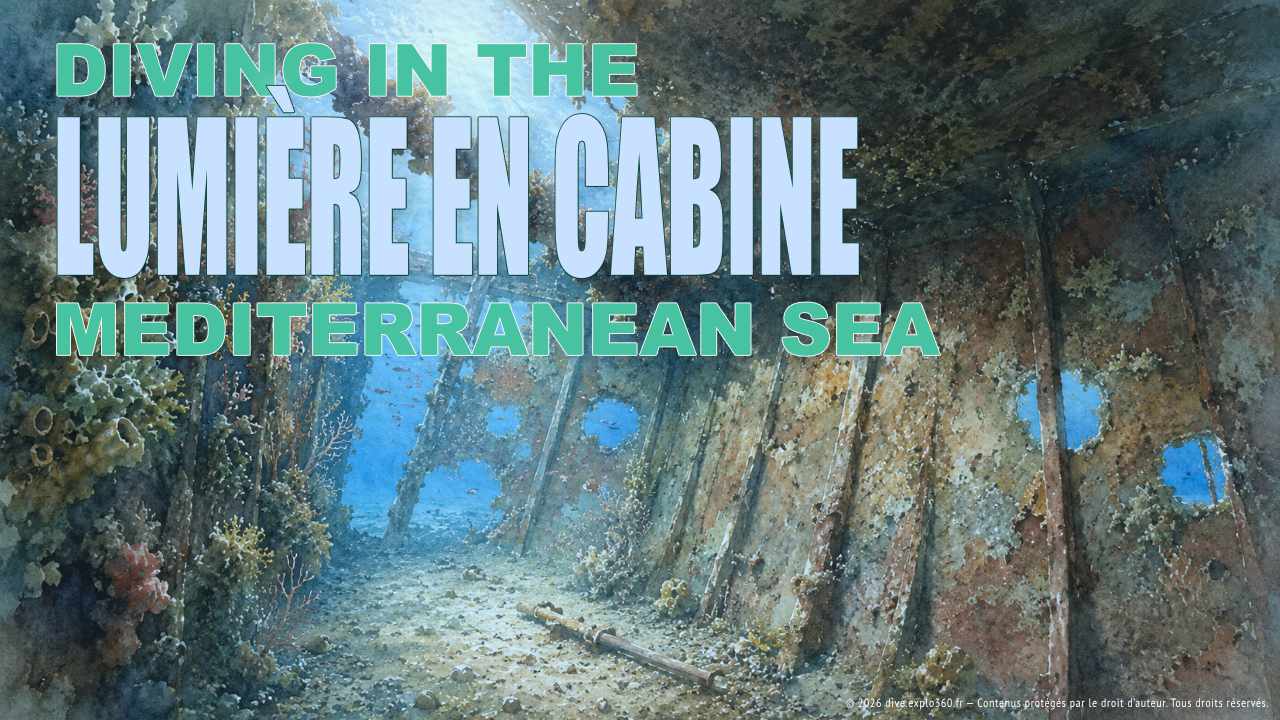
Suddenly, it brings walls, holes, high points and dark areas. For marine animals, these are new places to explore and use.
On a rocky seabed, the change is smaller because rocks, cracks and hiding places are already there.
A NEW SHAPE ON THE SEABED
STEEL
In seawater, steel rusts and gradually becomes weaker. Holes may appear and some parts may fall away.
WOOD
Small marine animals can bore into wood and damage it. Wood hidden under the sand can sometimes stay in good condition for longer.
ALUMINIUM
Aluminium does not change in the same way as steel. However, seawater can attack it in certain places and make small holes.
RESIN AND FIBRES
These materials do not rust like metal, but they can still age and slowly become weaker in water.
THE BOAT REACHES THE SEABED.
MICROSCOPIC LIVING THINGS SETTLE.
OTHER ORGANISMS BEGIN TO COVER THE SURFACES.
ANIMALS USE THE HOLES, WALLS AND HIDING PLACES.
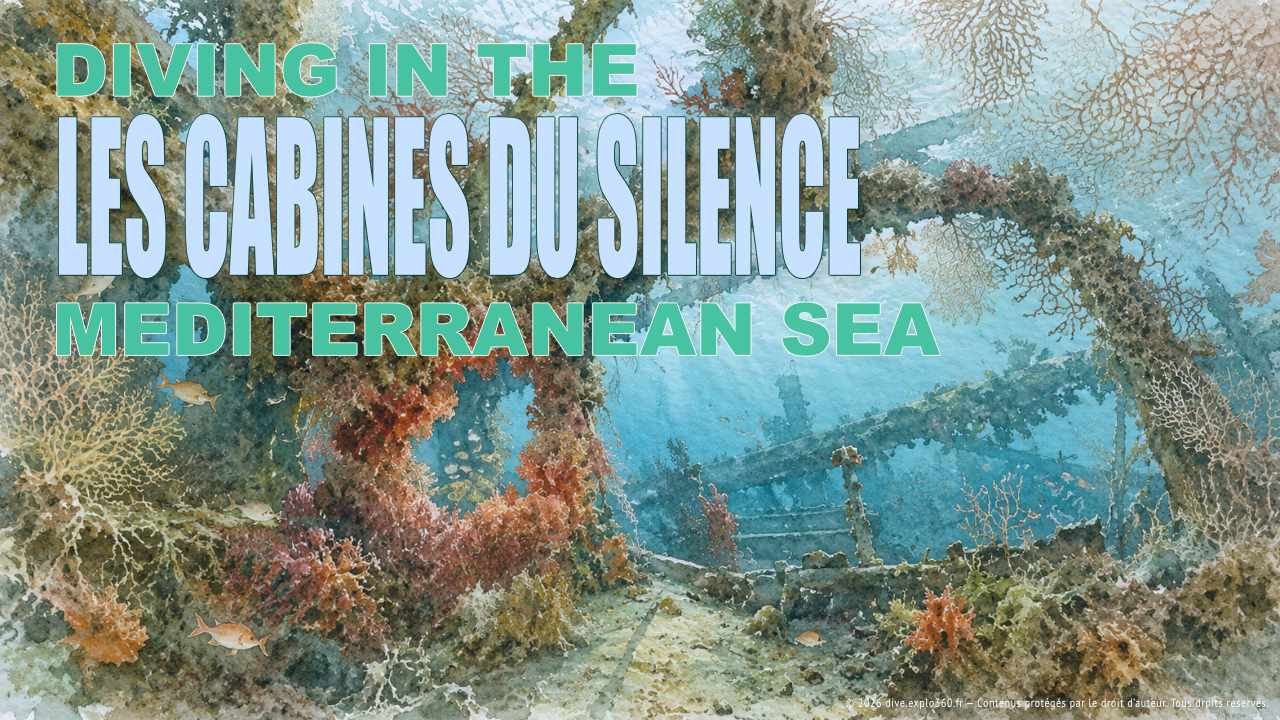
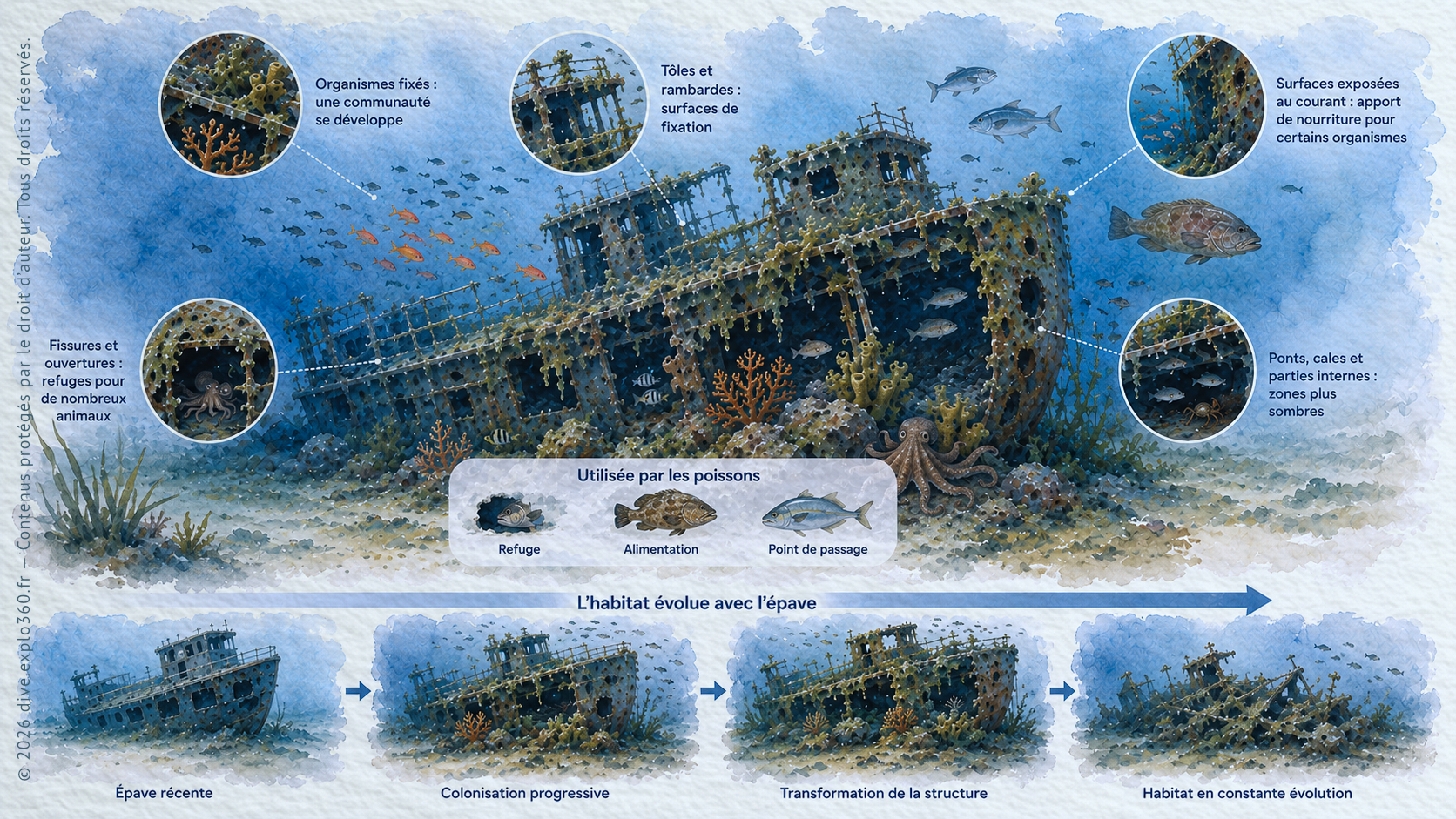
Over time, more and more creatures inhabit the wreck.
A wreck has many different places.
Some organisms live attached to its walls. An octopus may hide in an opening. Fish may enter the cavities or swim around the boat.
But the wreck continues to age. Holes appear, some parts fall away and the hiding places change.
AMIGANSEAU CONTENT
The rest of this article is for subscribers
Log in with your AMIGANSEAU licence to continue reading.
All active AMIGANSEAU licences give access to the full article.Explore the same world