THE WRECK COMES TO LIFE

The wreck comes to life
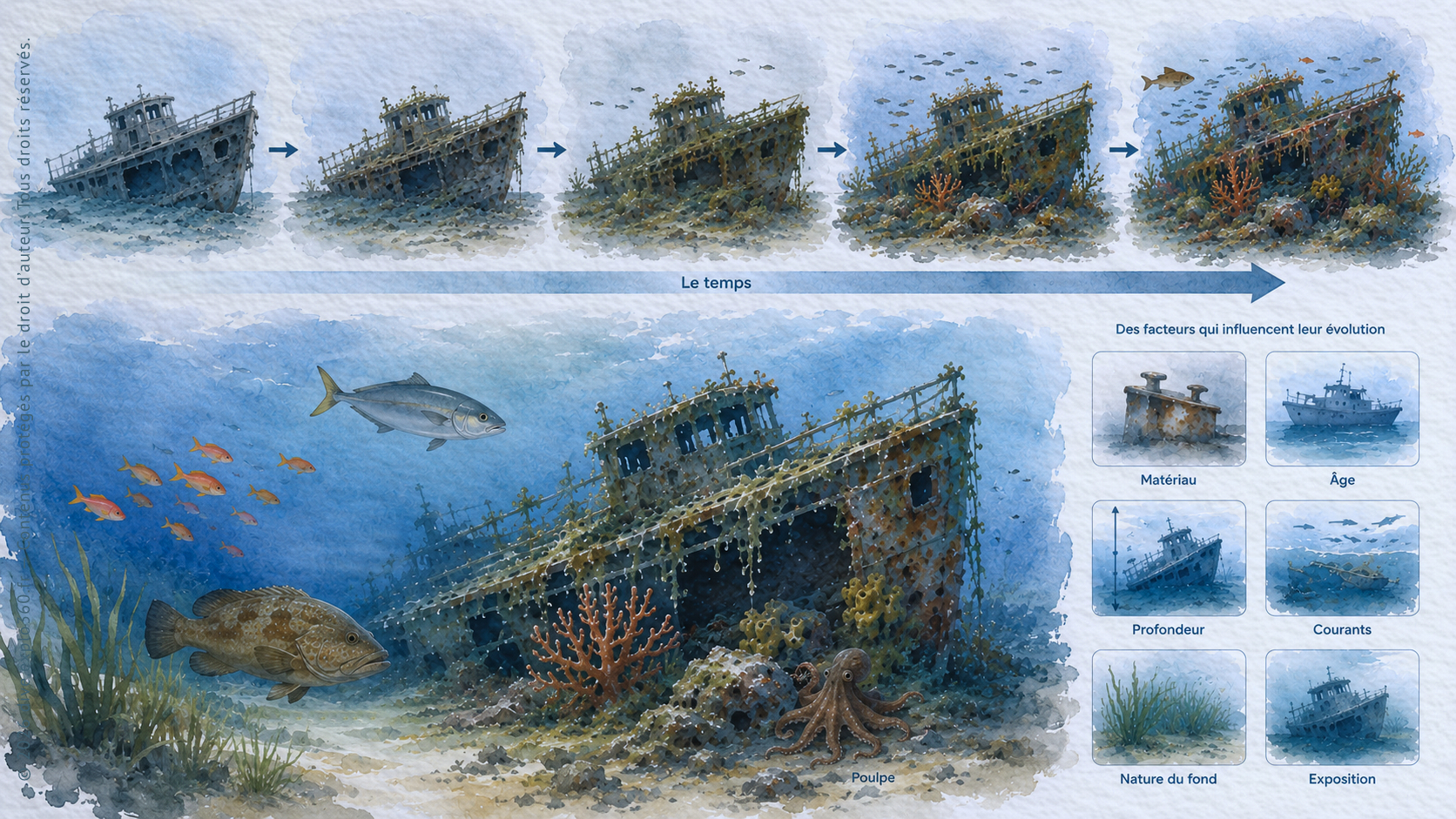
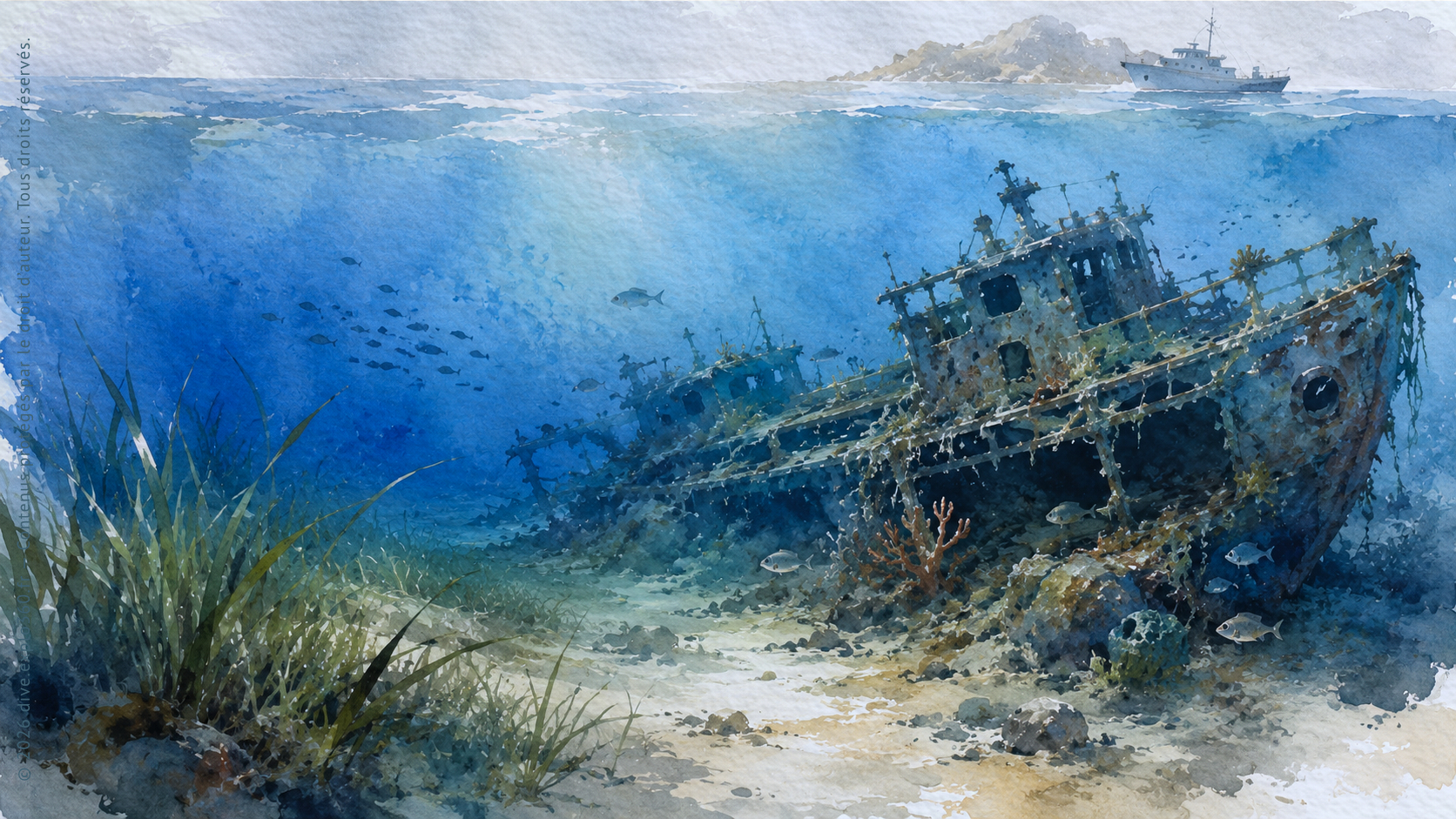
Little by little, the wreck becomes covered in life. Its walls and openings become shelters for many animals. © dive.explo360.fr — All rights reserved. Reproduction requires permission.

At first, the wreck has few living things on it.

Tiny organisms settle on the surface. Before long, others can attach themselves there too.

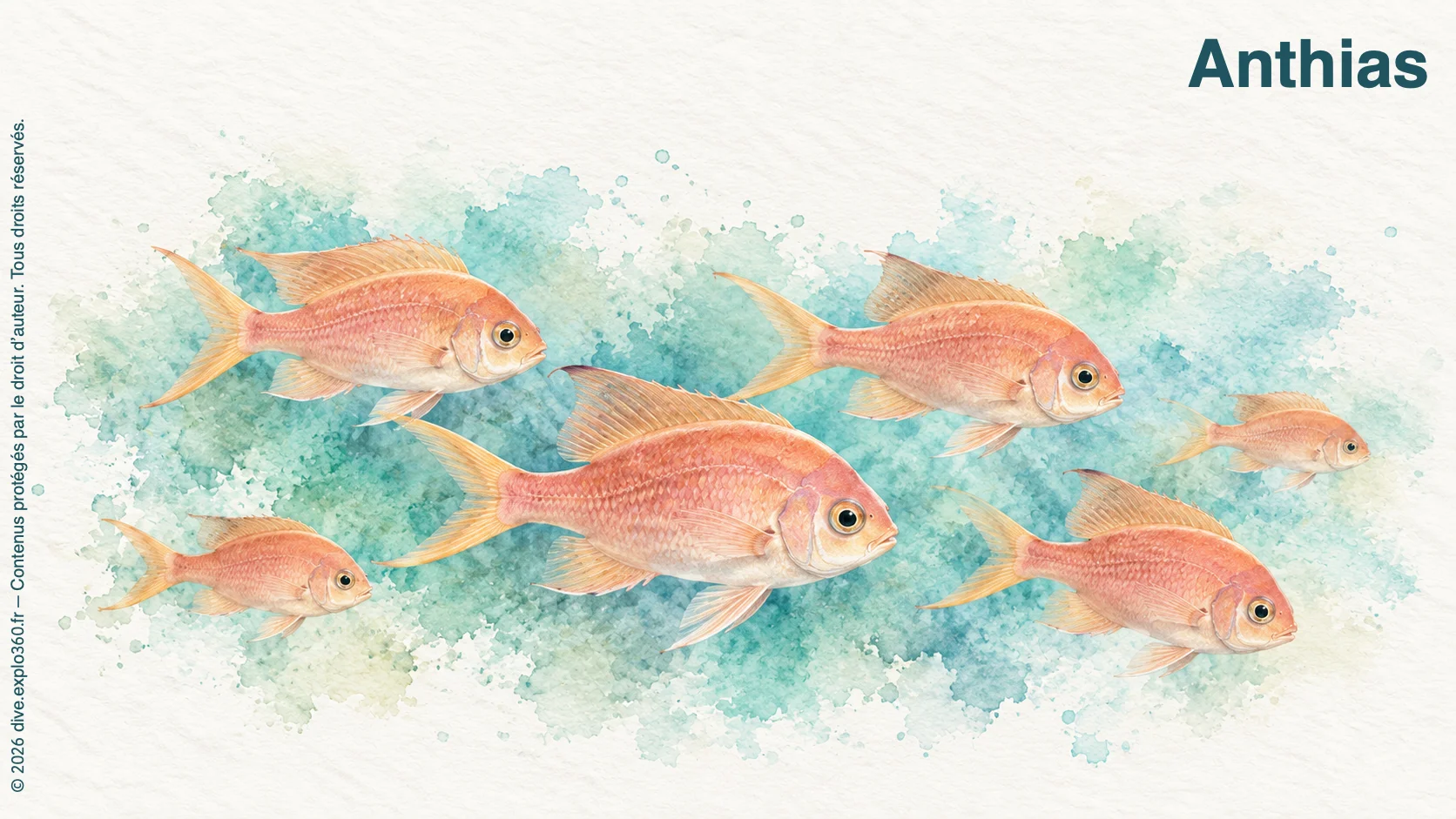
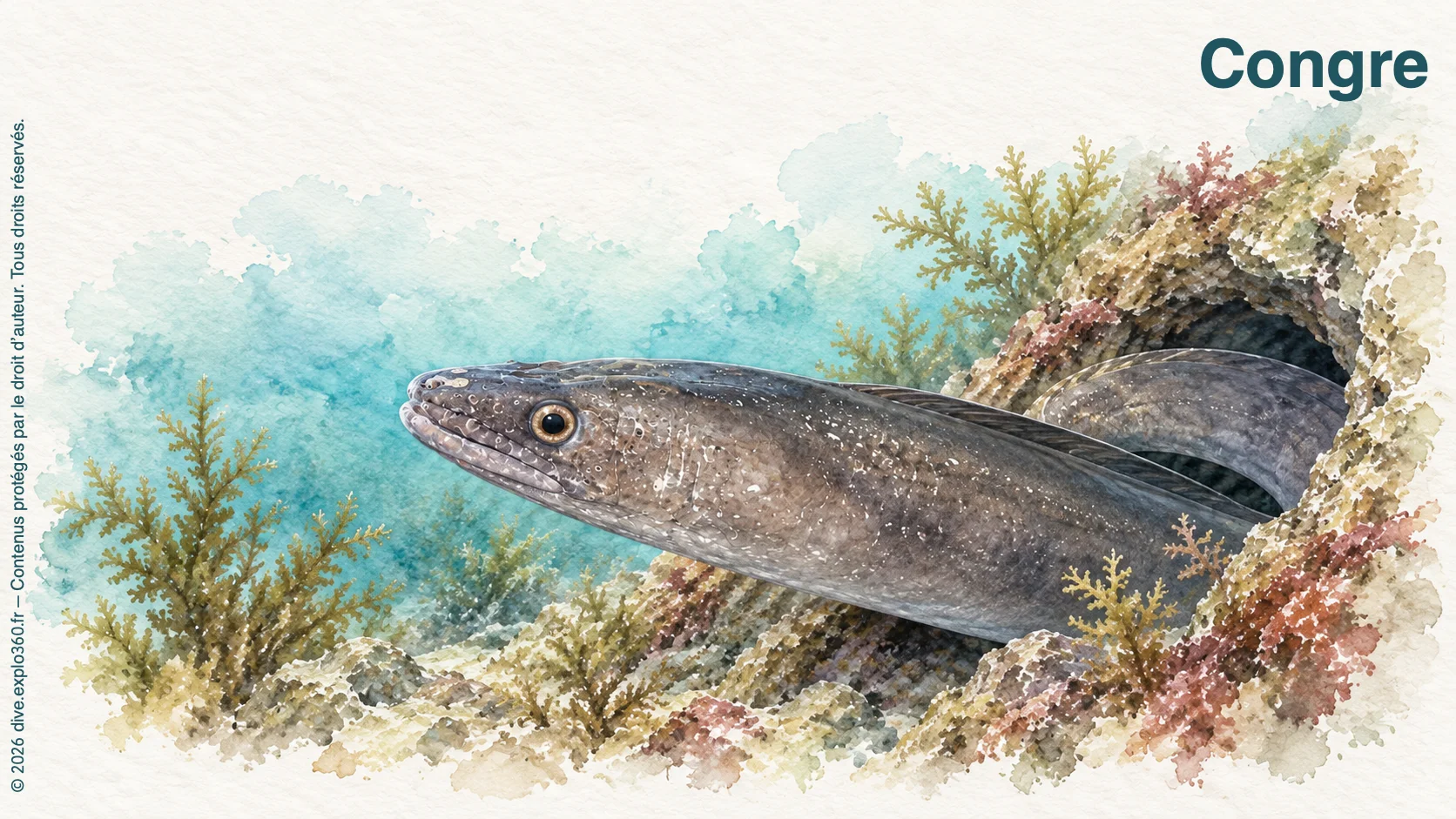
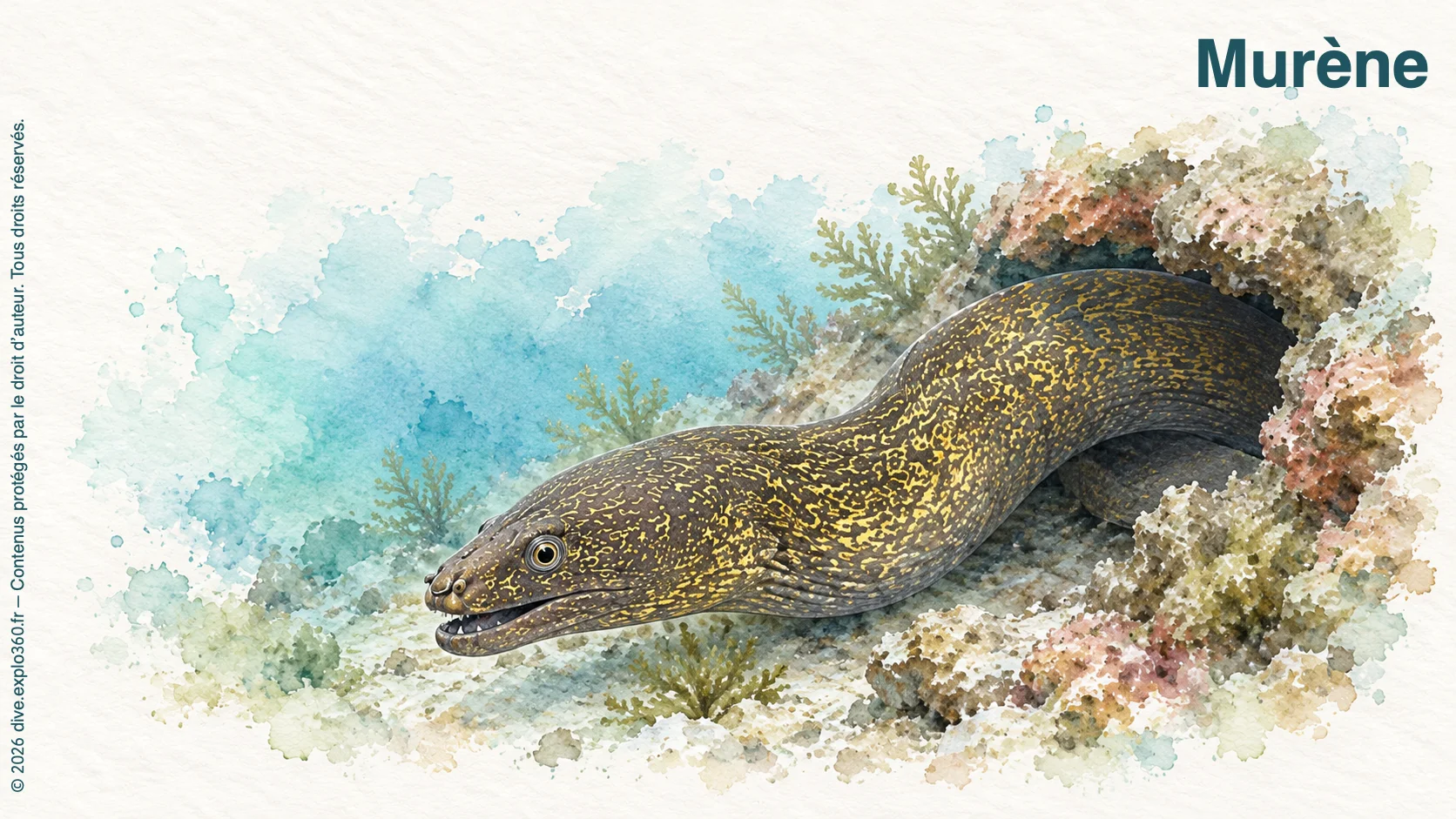
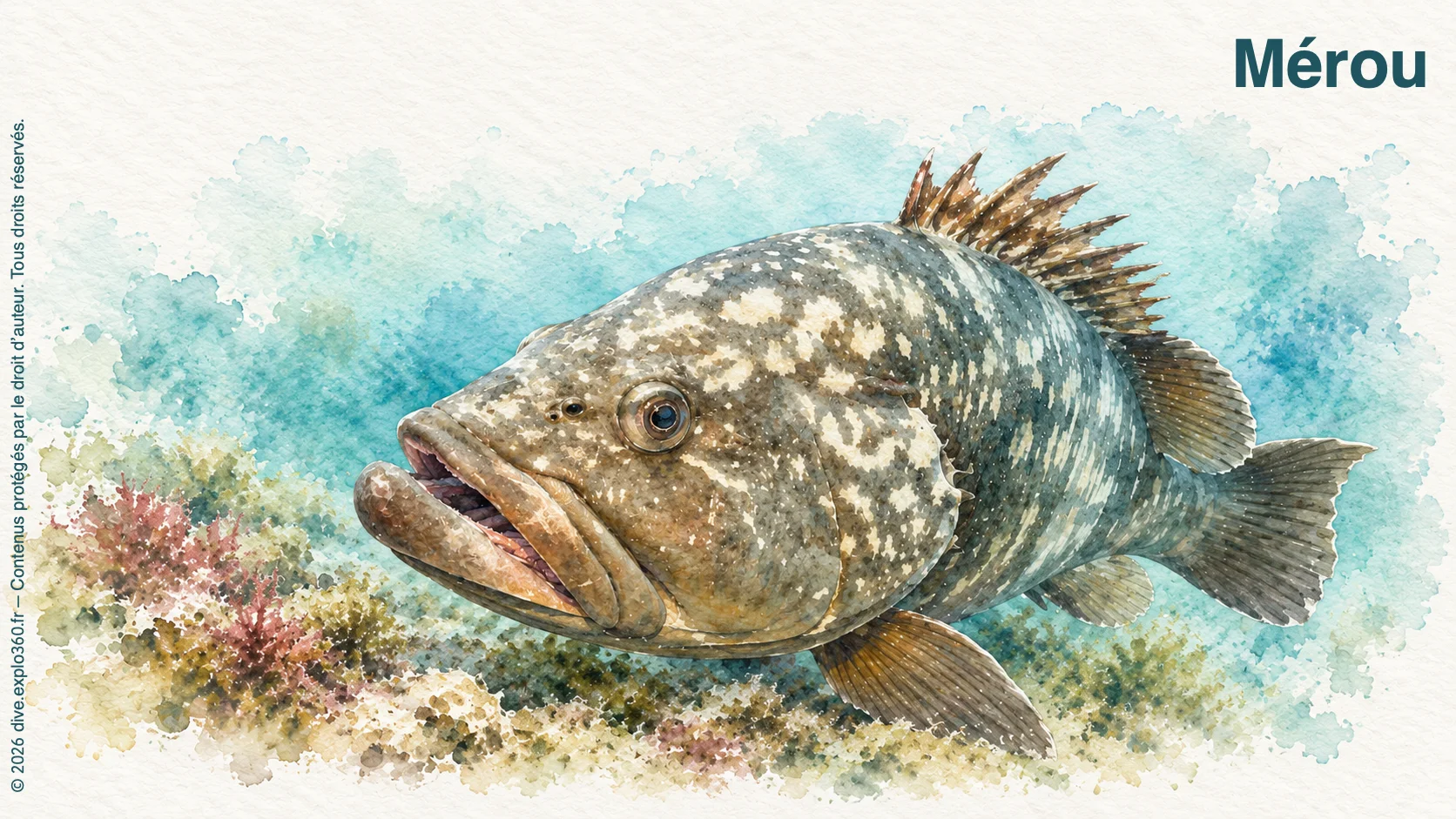
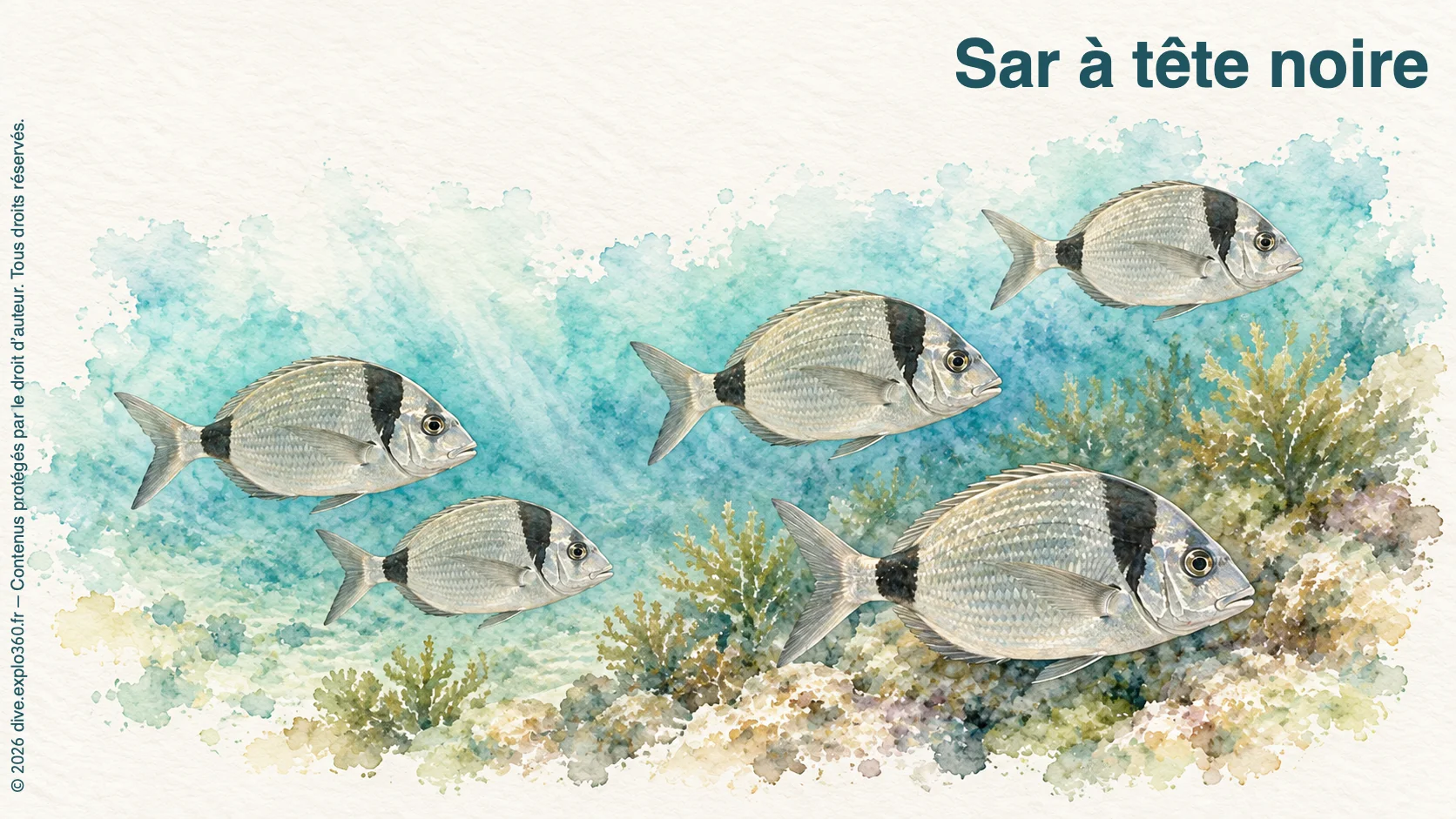
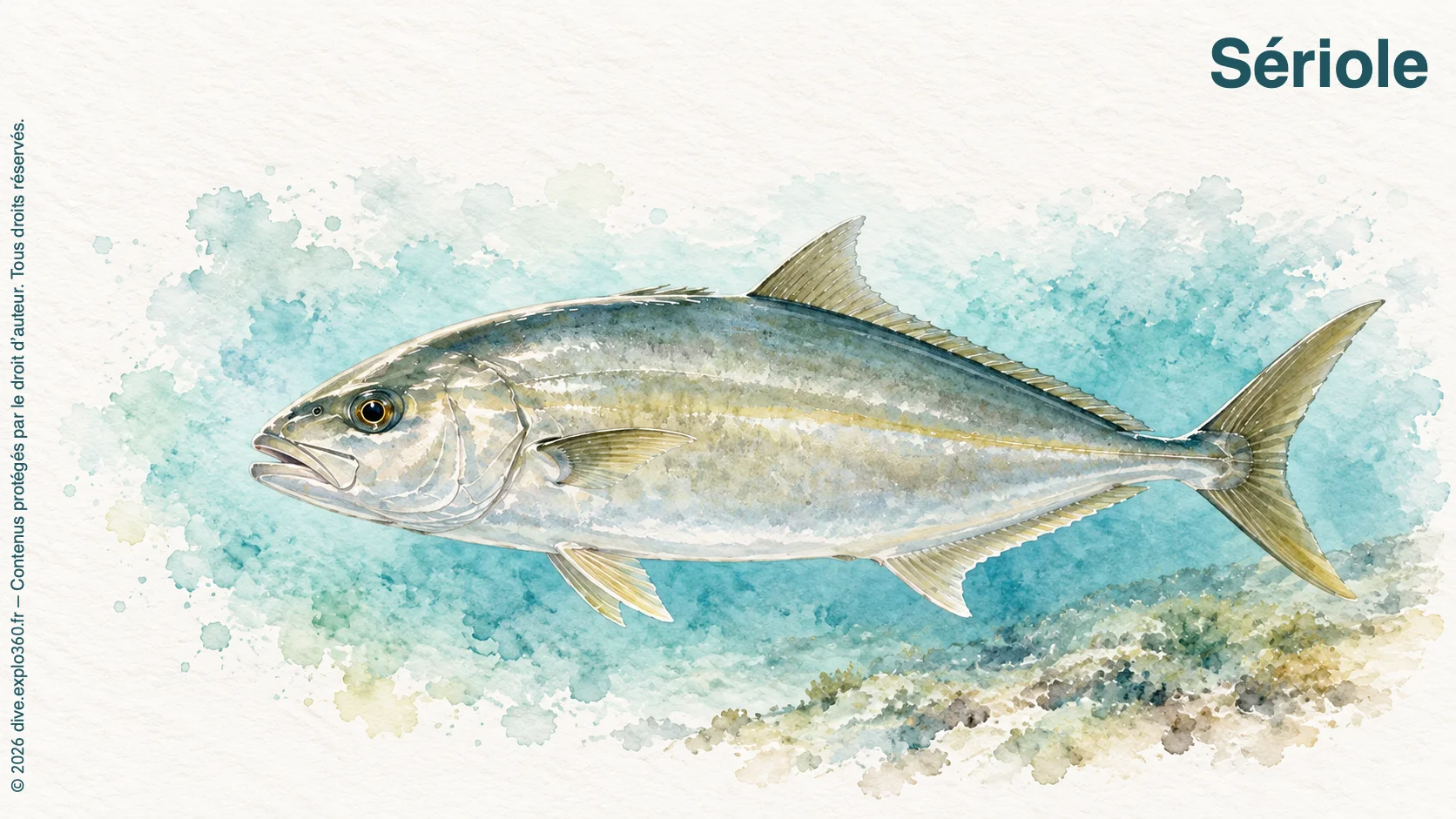
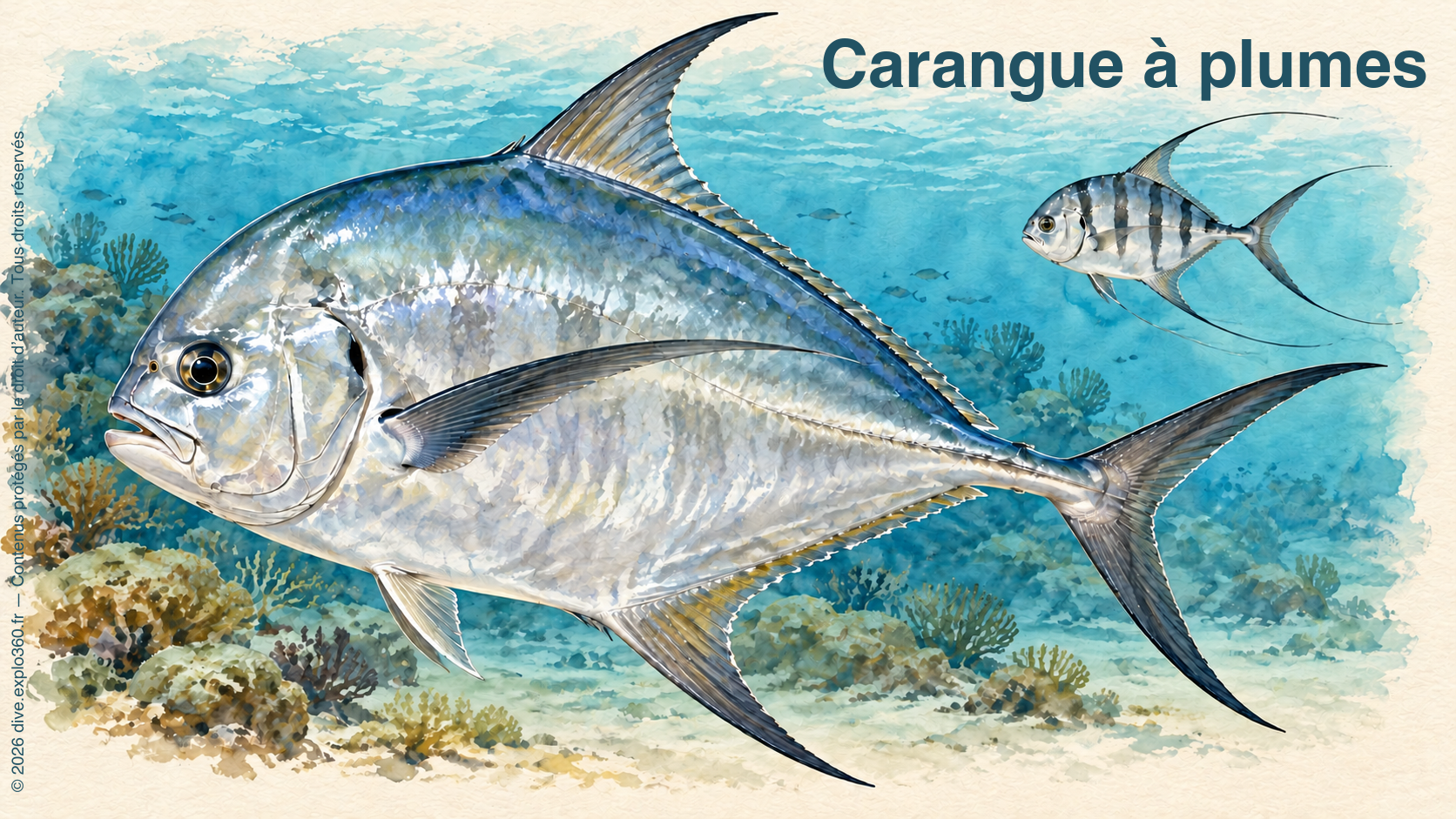
Some animals hide in the holes. Fish swim around the wreck looking for shelter or food.

How the wreck changes depends on where it lies and what the boat was made of.

Picture a boat lying on a flat stretch of sand.

Its sides rise above the seabed, and its openings lead into dark spaces. Animals can use those new hiding places.

On a rocky seabed, animals may already have cracks to hide in. There, the boat adds to the shelter the rocks provide.

A NEW SHAPE ON THE SEABED

DIFFERENT MATERIALS, DIFFERENT FATES

1

STEEL

In seawater, steel rusts and gradually becomes weaker. Holes may appear and some parts may fall away.

2

WOOD

Small marine animals can bore into wood and damage it. Wood hidden under the sand can sometimes stay in good condition for longer.

3

ALUMINIUM

Aluminium does not change in the same way as steel. However, seawater can attack it in certain places and make small holes.

4

RESIN AND FIBRES

These materials do not rust like metal, but they can still age and slowly become weaker in water.

THE STAGES OF COLONISATION

1

THE BOAT REACHES THE SEABED.

2

MICROSCOPIC LIVING THINGS SETTLE.

3

OTHER ORGANISMS BEGIN TO COVER THE SURFACES.

4

ANIMALS USE THE HOLES, WALLS AND HIDING PLACES.

Over time, more and more creatures inhabit the wreck.

AN INHABITED STRUCTURE

Different parts of the boat offer different kinds of shelter.

Some living things cling to the walls. An octopus may tuck itself into an opening. Fish can swim into gaps or around the boat.

As the boat ages, pieces can fall away. One hiding place may disappear while a new hole opens up.
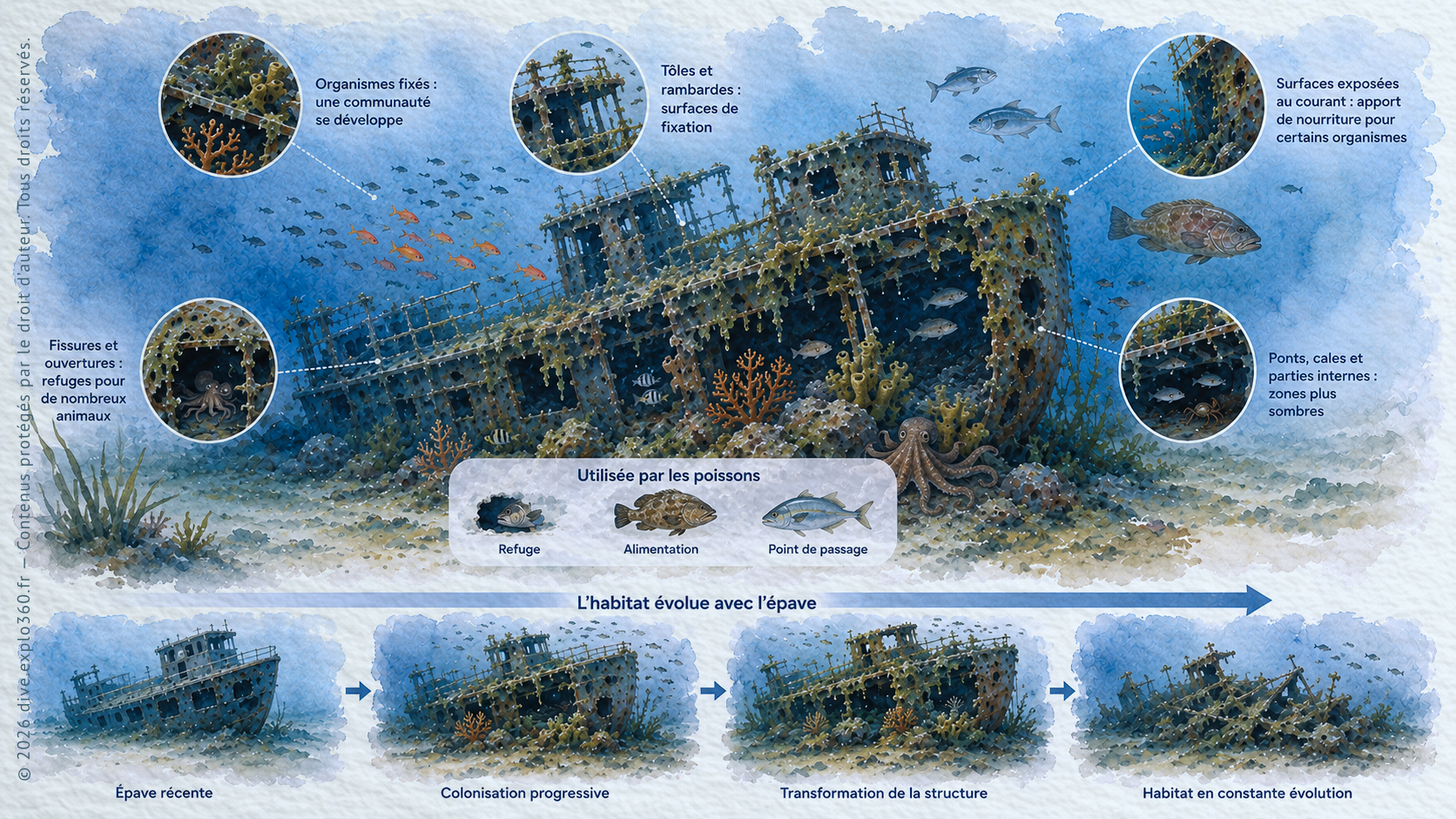
An inhabited structure
The walls, holes and dark parts of a wreck offer many shelters. But these shelters change as the wreck ages. © dive.explo360.fr — All rights reserved. Reproduction prohibited without permission.

Continue reading

AMIGANSEAU CONTENT

The rest of this article is for subscribers

Log in with your AMIGANSEAU licence to continue reading.

All active AMIGANSEAU licences give access to the full article.