
MAERL
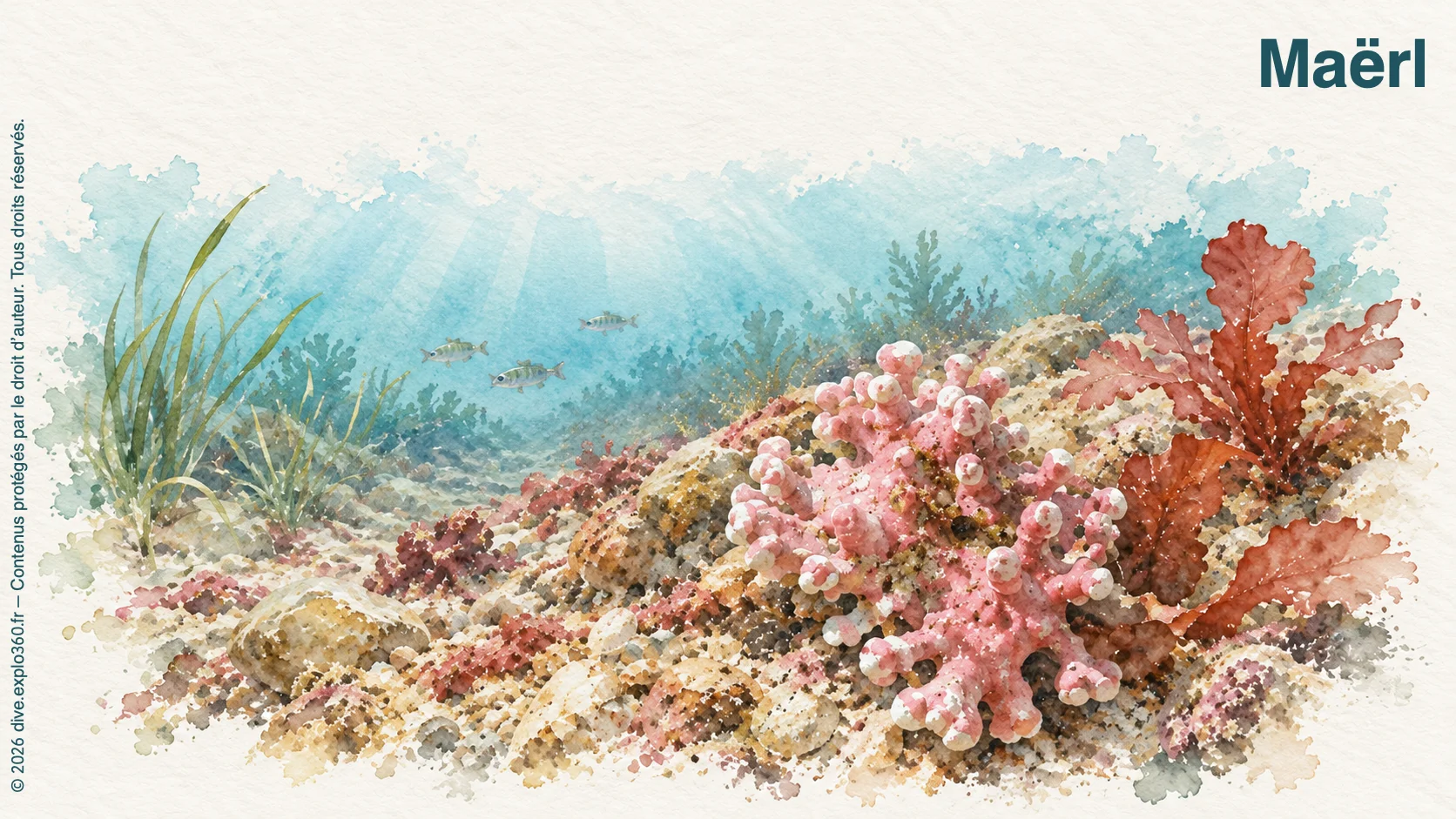
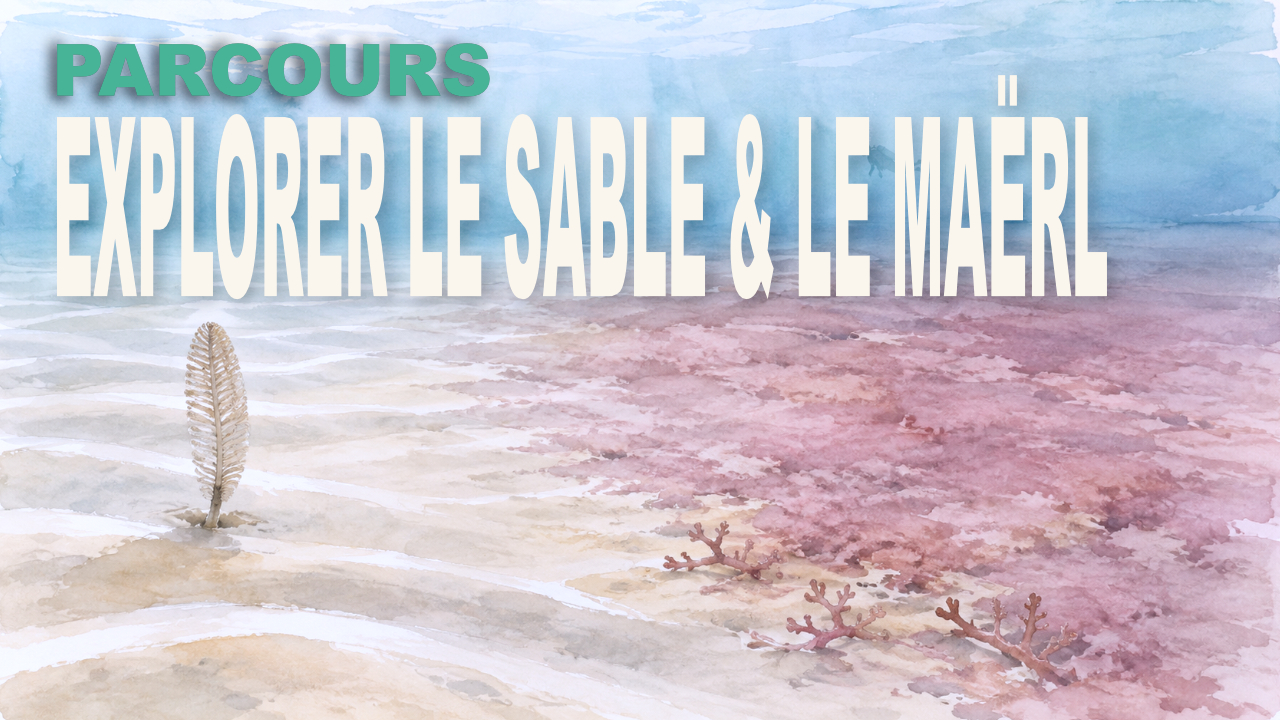
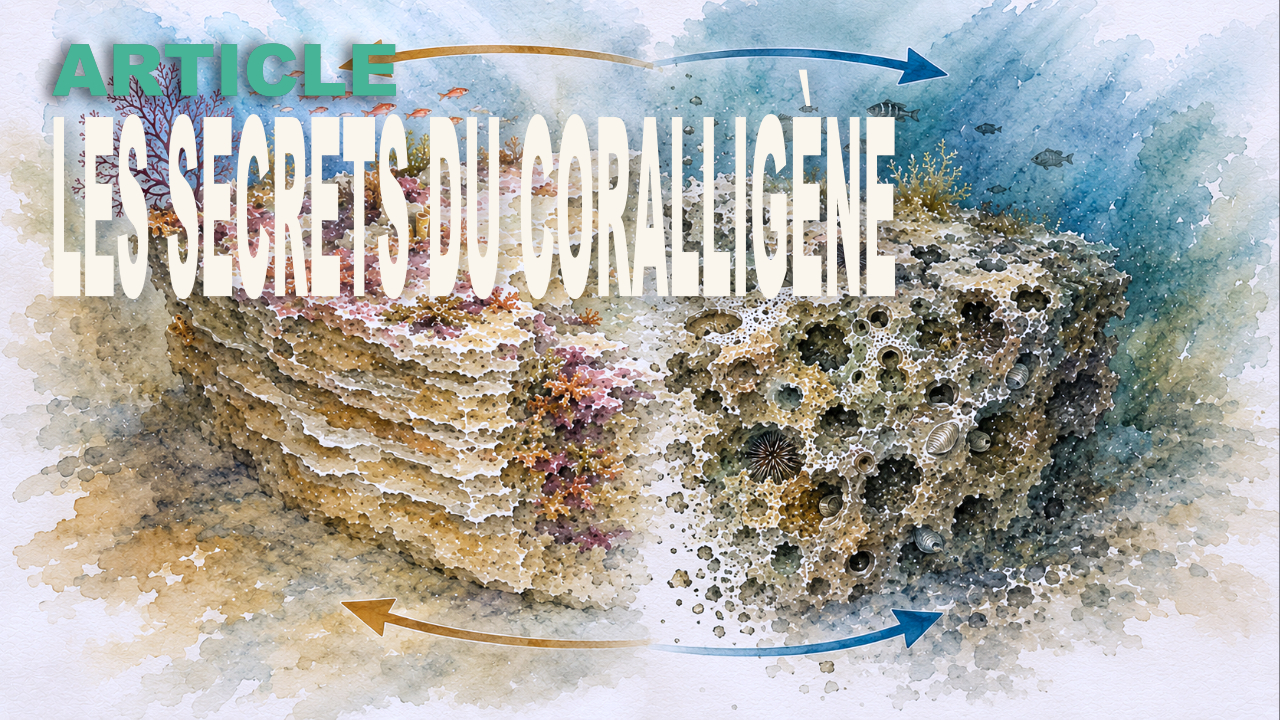
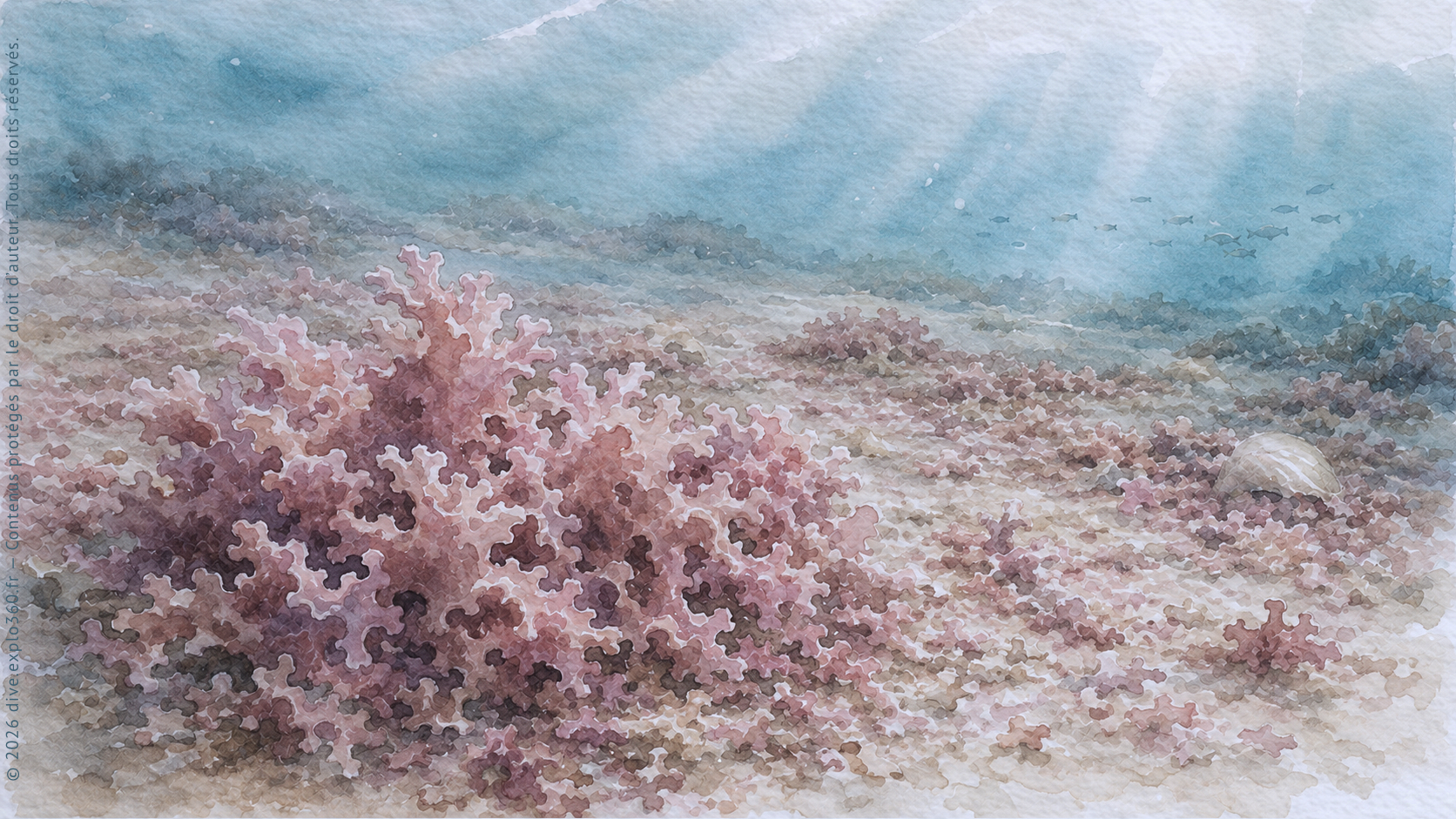
It is formed by calcareous red algae that live freely on the seabed, without being attached to rock.
As they grow, their branches accumulate and form an uneven carpet.
Many small spaces then appear between them. Animals can move about, live or find shelter there.
A landscape that seems mineral can therefore be partly built by living things.
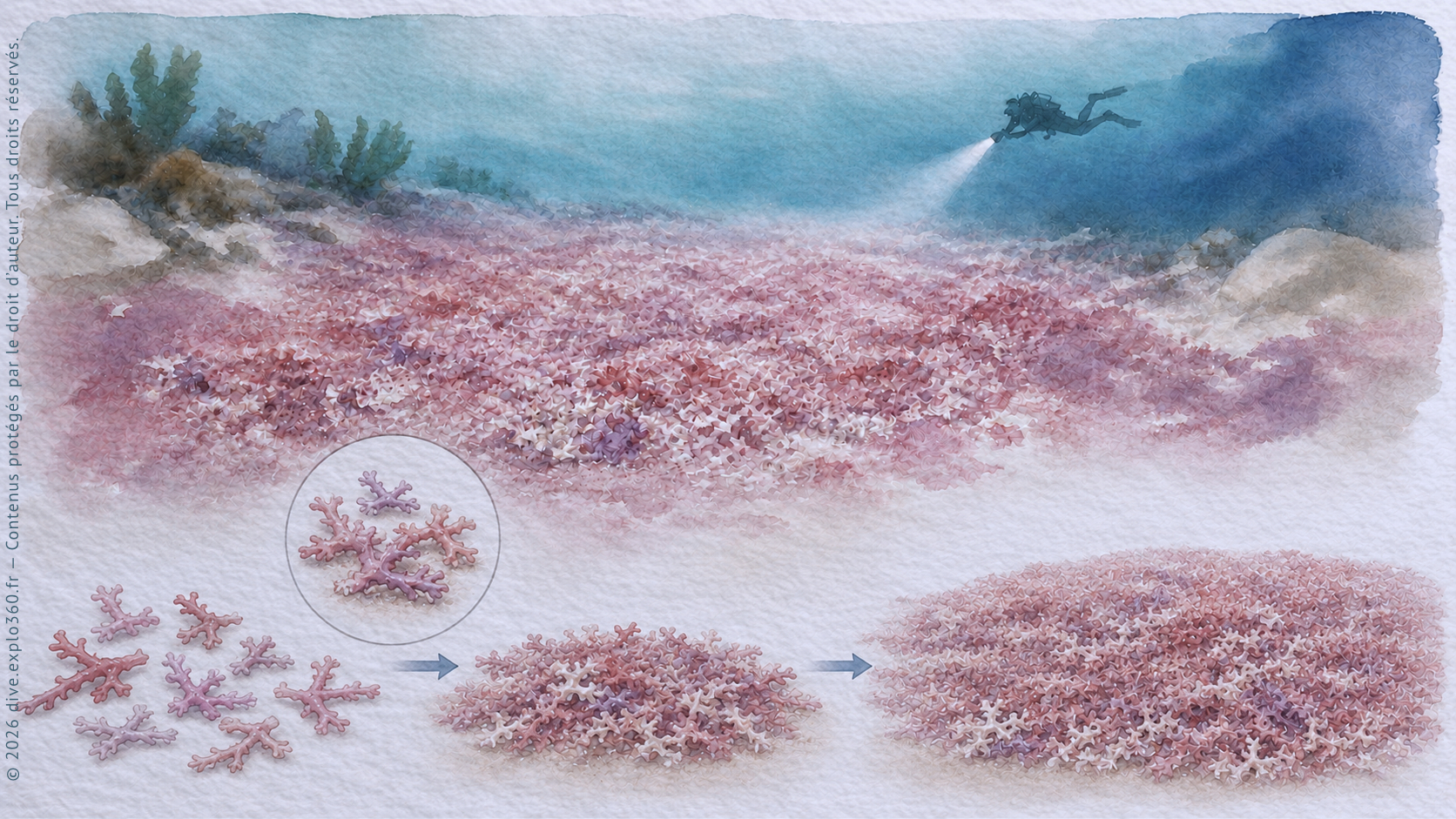
It then appears to be covered in small stone fragments.
Yet this is not simply gravel. Some of these fragments consist of calcareous red algae.
They live freely on the seabed and are not attached to rock.
As they grow and accumulate, they can form large areas called maerl beds.
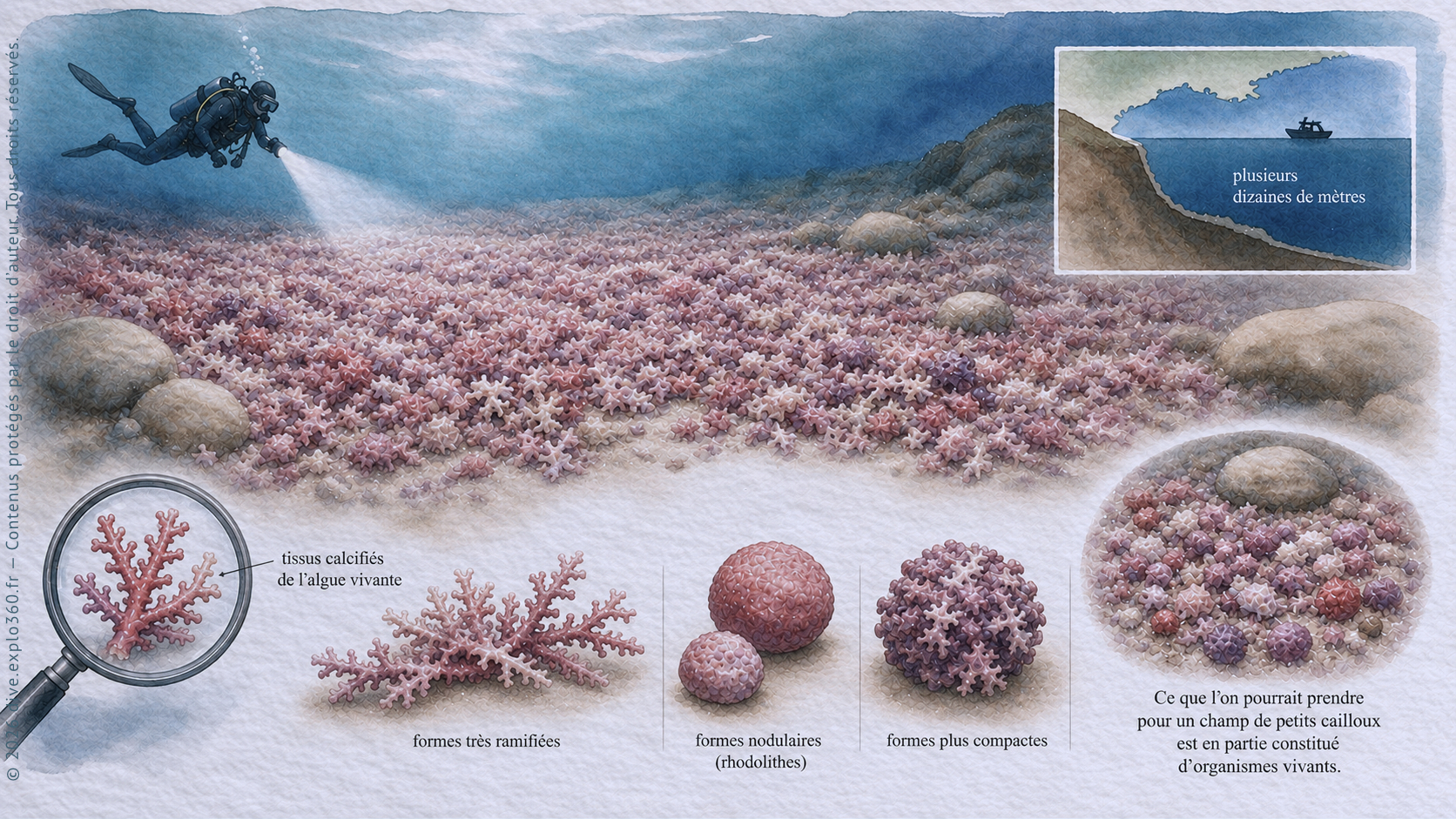
This is explained by the presence of calcium carbonate in the algae’s tissues. They become rigid and can take the shape of small branches or nodules.
The rounded or nodular forms are generally called rhodoliths.
They do not all have the same shape. Some are highly branched, while others are more compact.
In the Mediterranean, these formations occur on soft seabeds, often several tens of metres deep.
What looks like a small piece of stone can therefore be an alga.
AMIGANSEAU CONTENT
The rest of this article is for subscribers
Log in with your AMIGANSEAU licence to continue reading.
All active AMIGANSEAU licences give access to the full article.Explore the same world