SAND
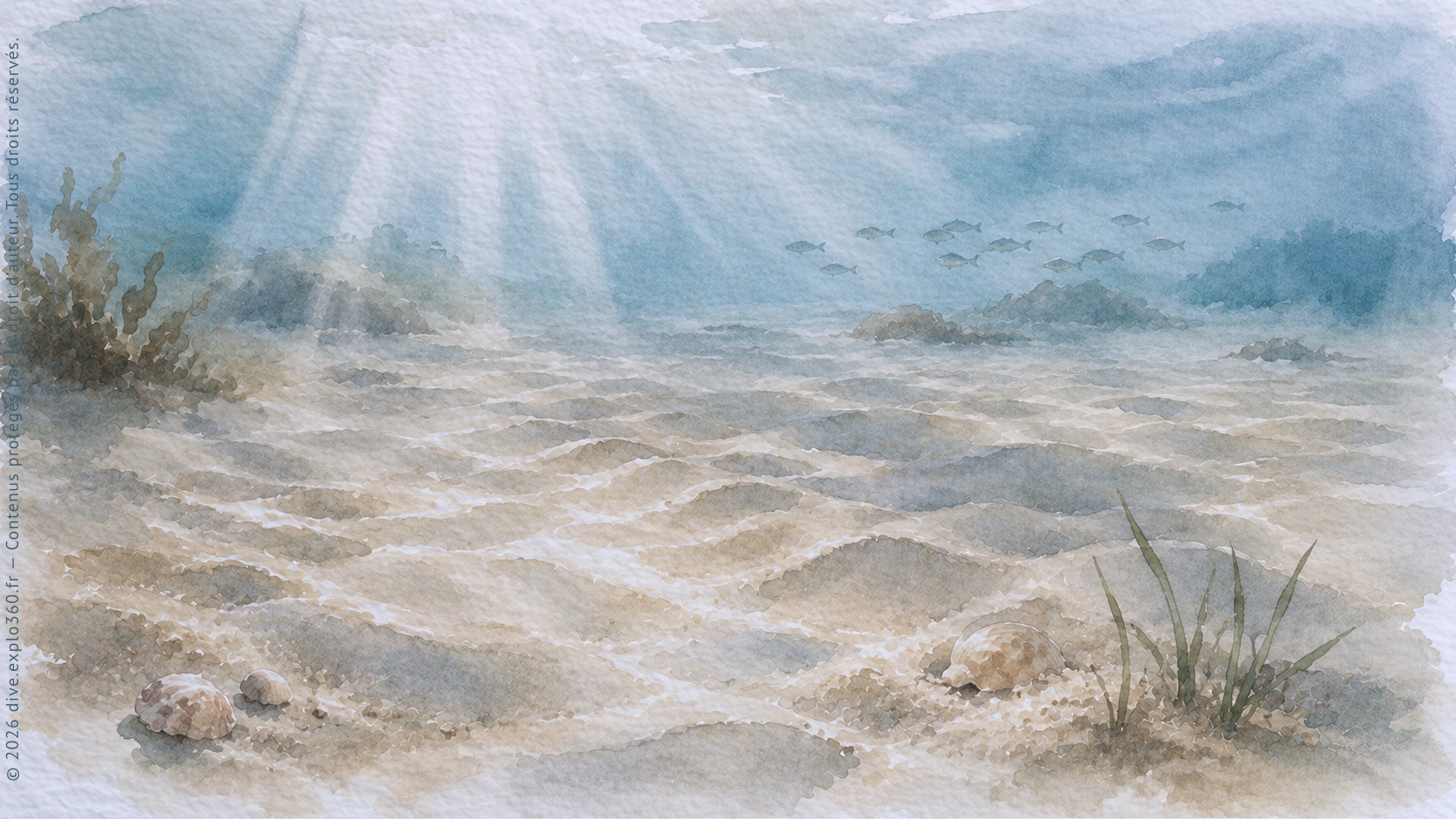
At first glance, sand often seems less alive than a rocky seabed. Yet many animals live there.
Some move across its surface. Others bury themselves completely or remain hidden just beneath the first few centimetres.
The sand provides both a place to live and a place to hide.
To discover its inhabitants, we need to learn to observe the little clues they leave behind.
A MOVING LANDSCAPE
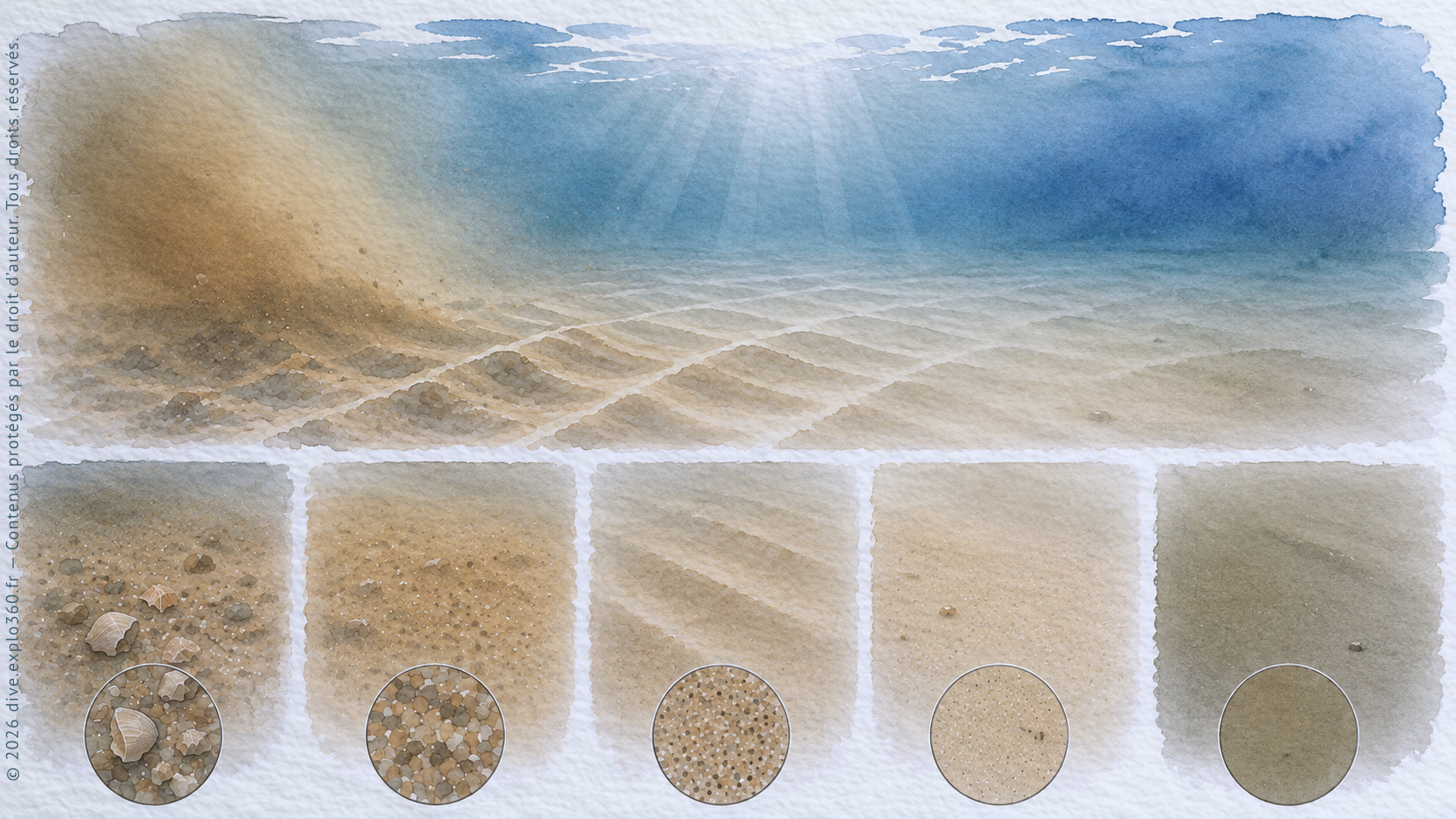
Sand is not still. Waves and currents move the grains and form the ripples sometimes seen on the seabed.
When the sea is rough, the landscape can change quickly.
Not all sandy seabeds are identical. Some have fine grains, others larger grains. Sand may also contain mud.
Depth and the strength of currents also play a role. These differences influence which species can live in each type of sand.
LIVING WITHOUT ROCKS
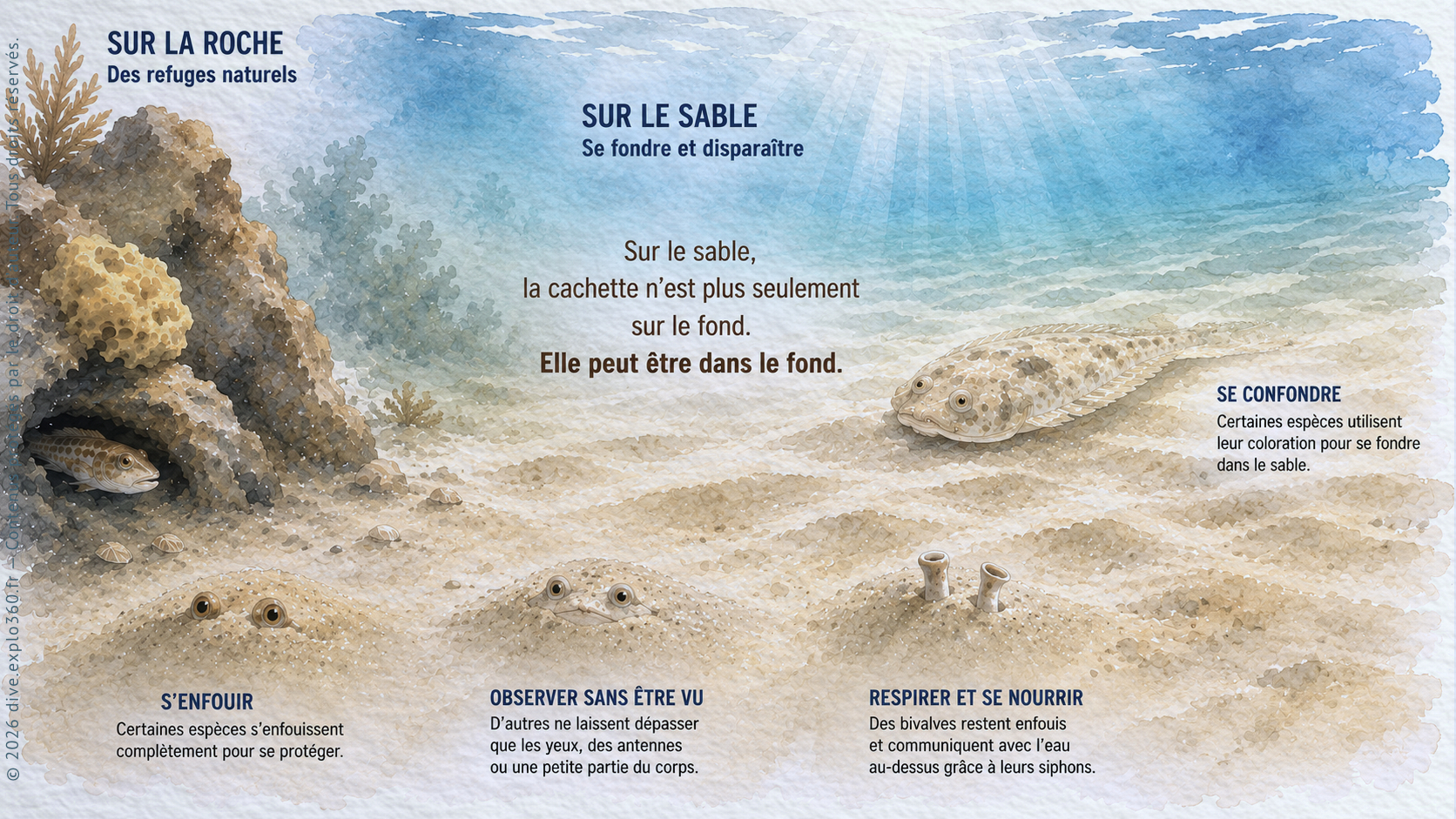
Among rocks, many animals can hide in holes and cracks. On sand, these hiding places are rare.
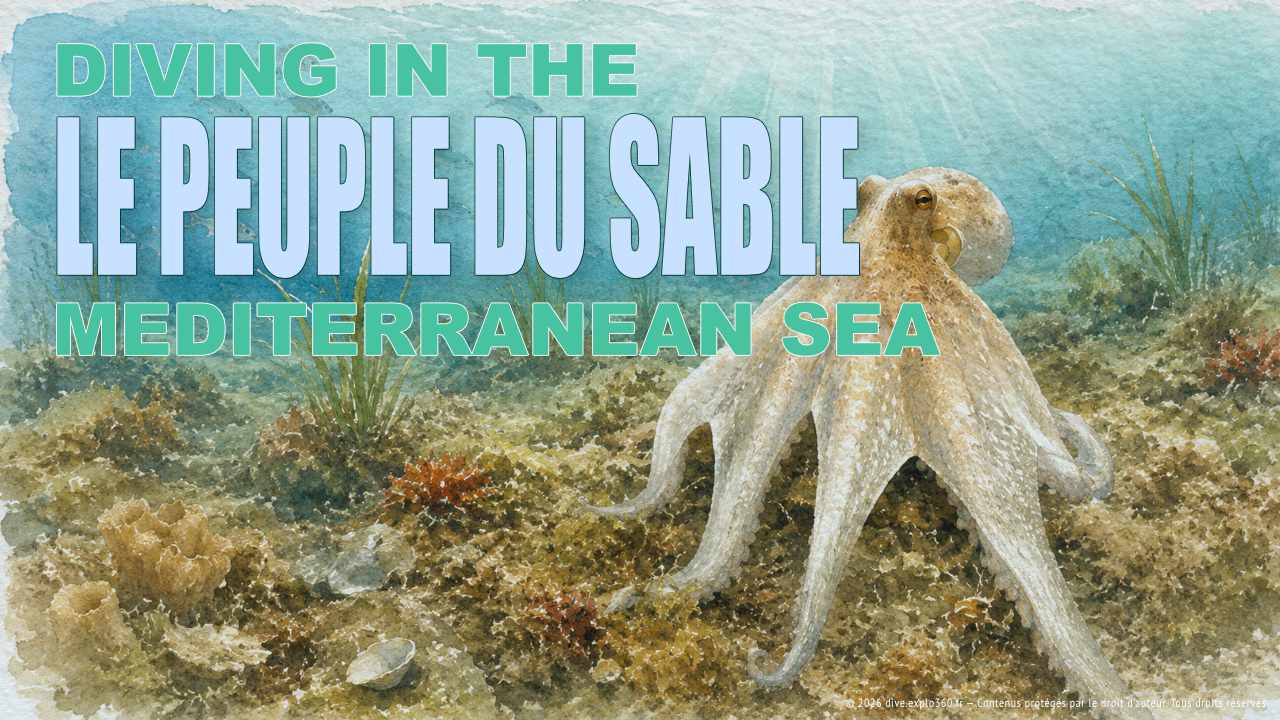
Some animals therefore use the sand itself for protection. They may bury themselves entirely or leave only their eyes, antennae or a siphon sticking out. A siphon is a tube that lets water pass in or out.
Others have colours similar to those of the seabed and become difficult to distinguish.
For these animals, the sand itself is a hiding place.
BREATHING BENEATH THE SAND
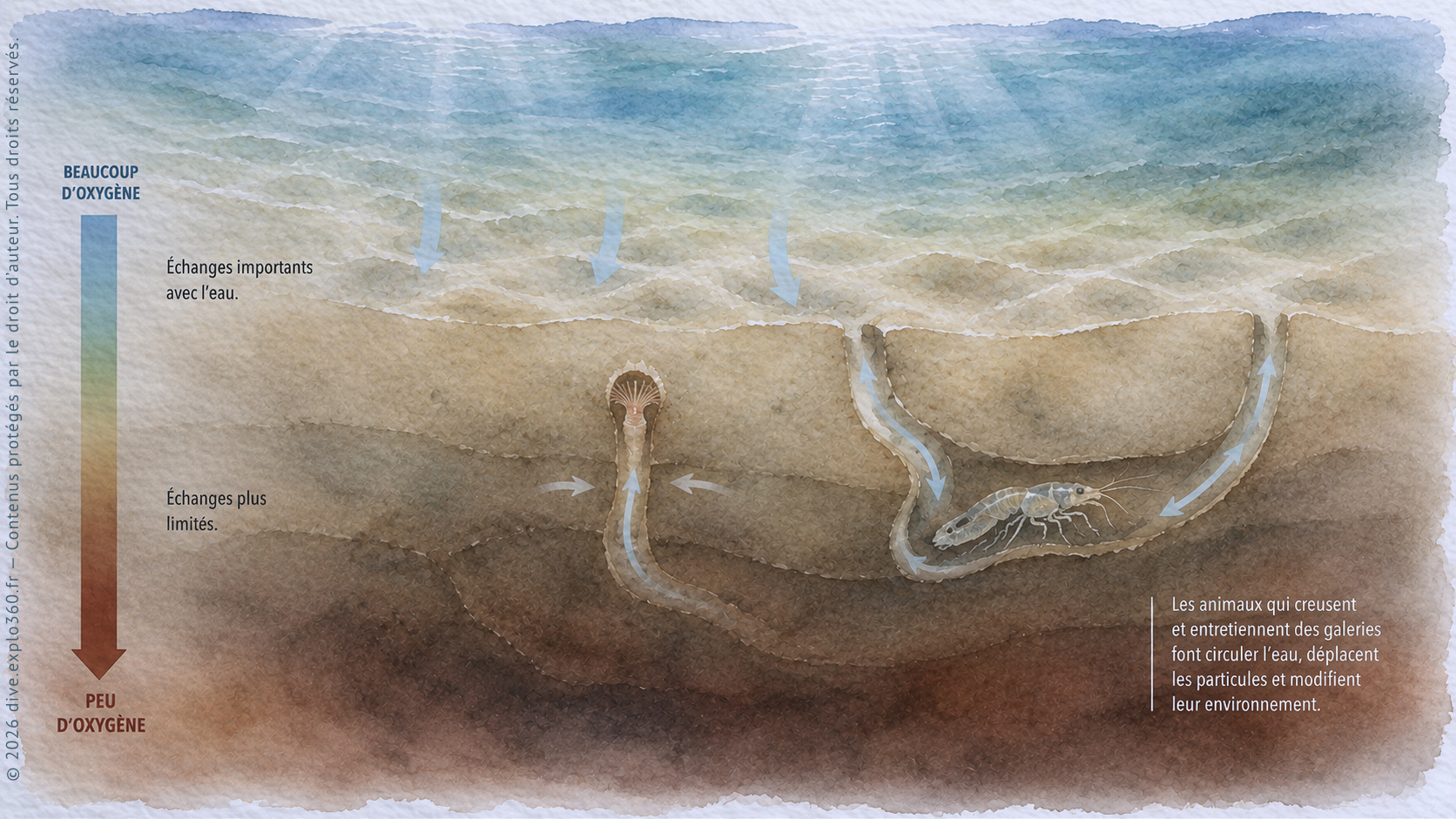
Oxygen can spread from the water into the sand or be carried in as water moves between the grains. How far it gets depends on the size of the grains, how much the sand is stirred and how much oxygen living things use. Some animals pump water through their burrows. That changes the supply close to the burrow.
TRACKS THAT TELL A STORY
How can we know an animal is there when it stays hidden?
We need to look for its tracks.
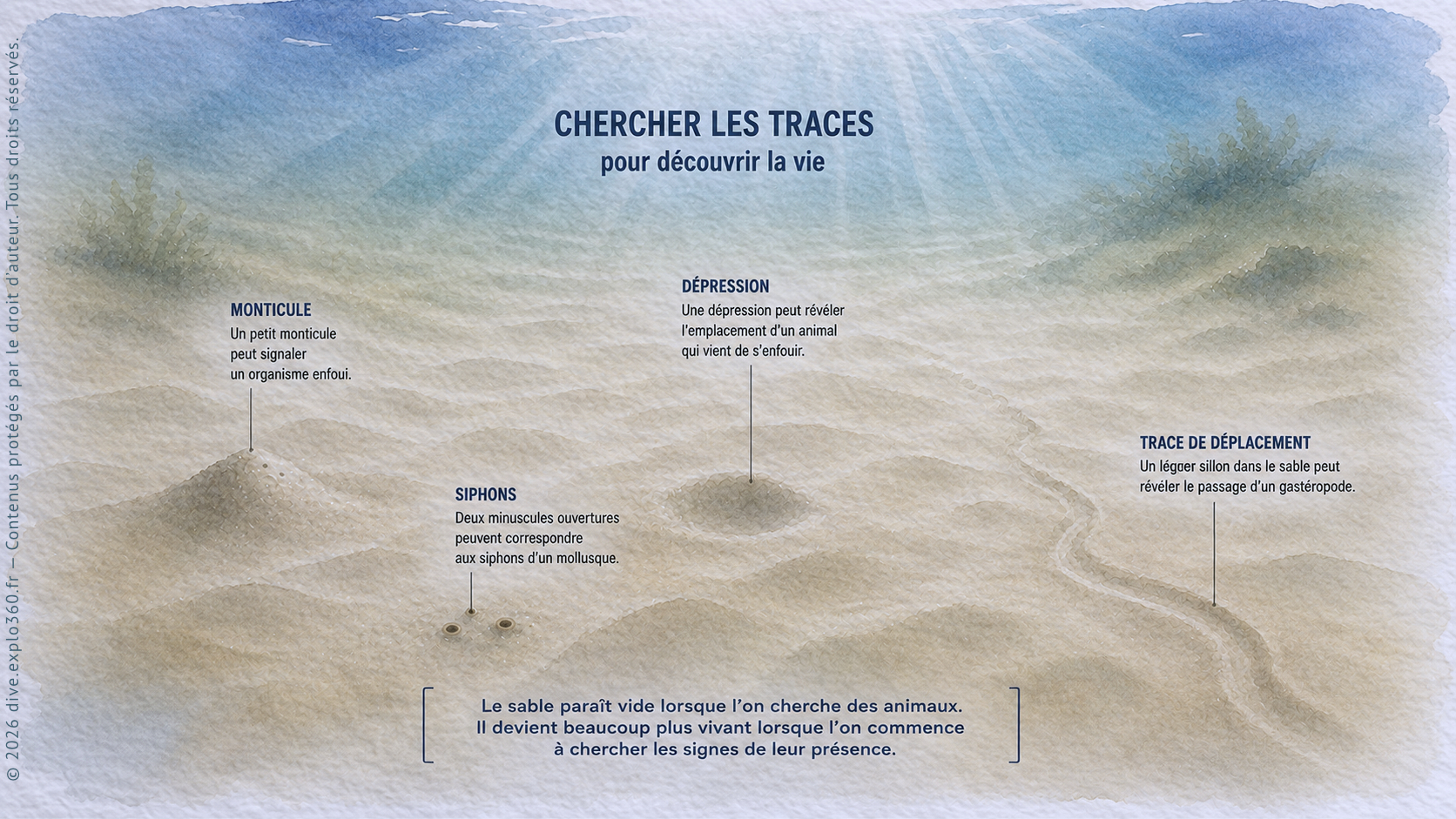
A small pile of sand may reveal a buried animal. A hole may be a burrow entrance. A tiny opening may mark the end of a siphon. Tracks or furrows sometimes show that an animal has moved.
Follow those marks and you may find evidence of an animal even if it stays buried.
DISAPPEARING TO SURVIVE
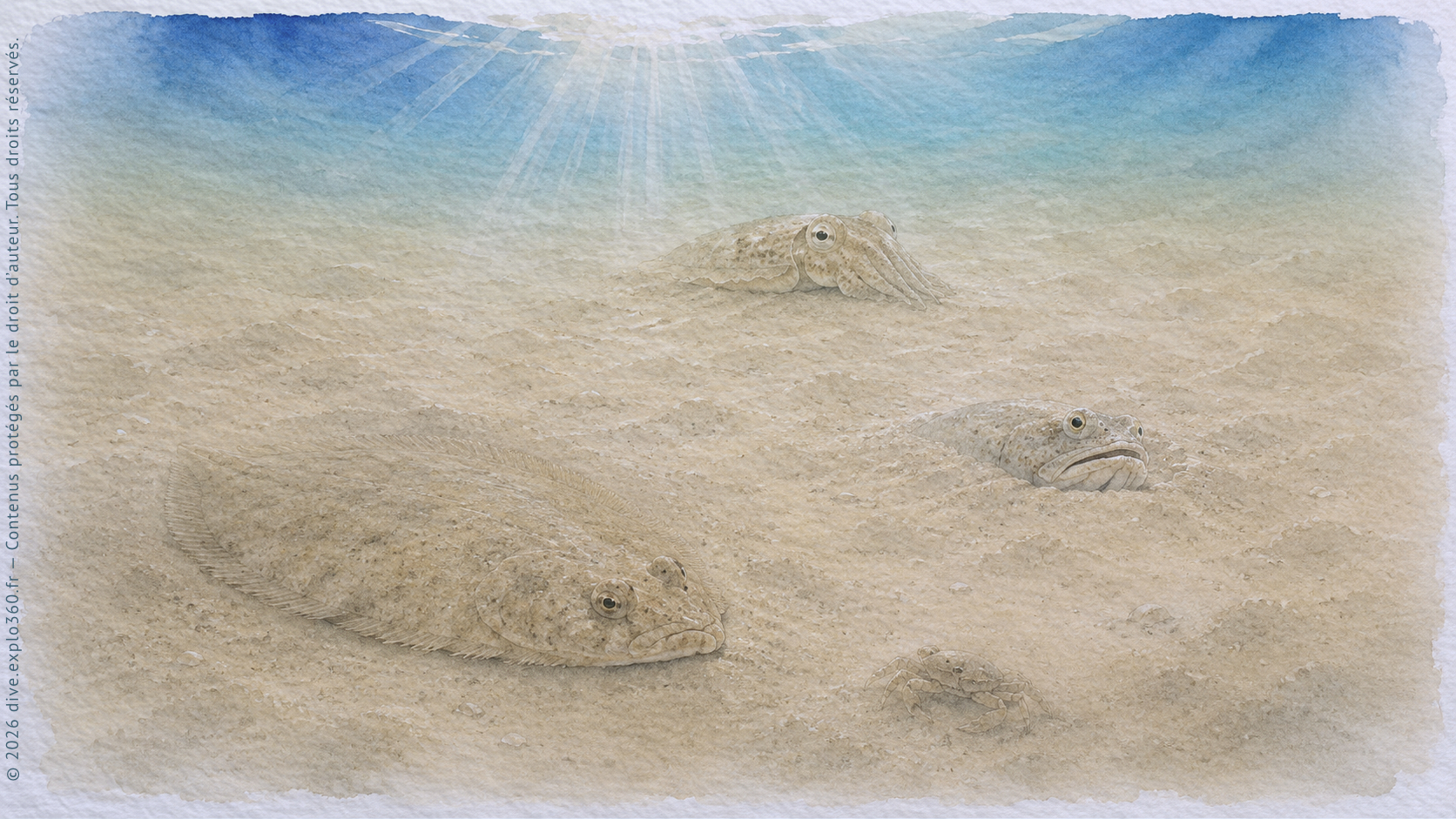
Some animals are particularly well adapted to camouflage on sand.
Sole have a flattened body and colours that make them difficult to distinguish from the seabed.
Weever fish can bury themselves almost entirely in the sand and wait for prey.
Cuttlefish and some crustaceans can also use their colouring, stay still or bury themselves.
Hiding in sand thus helps animals avoid predators or surprise prey.
AT NIGHT, THE LANDSCAPE CHANGES
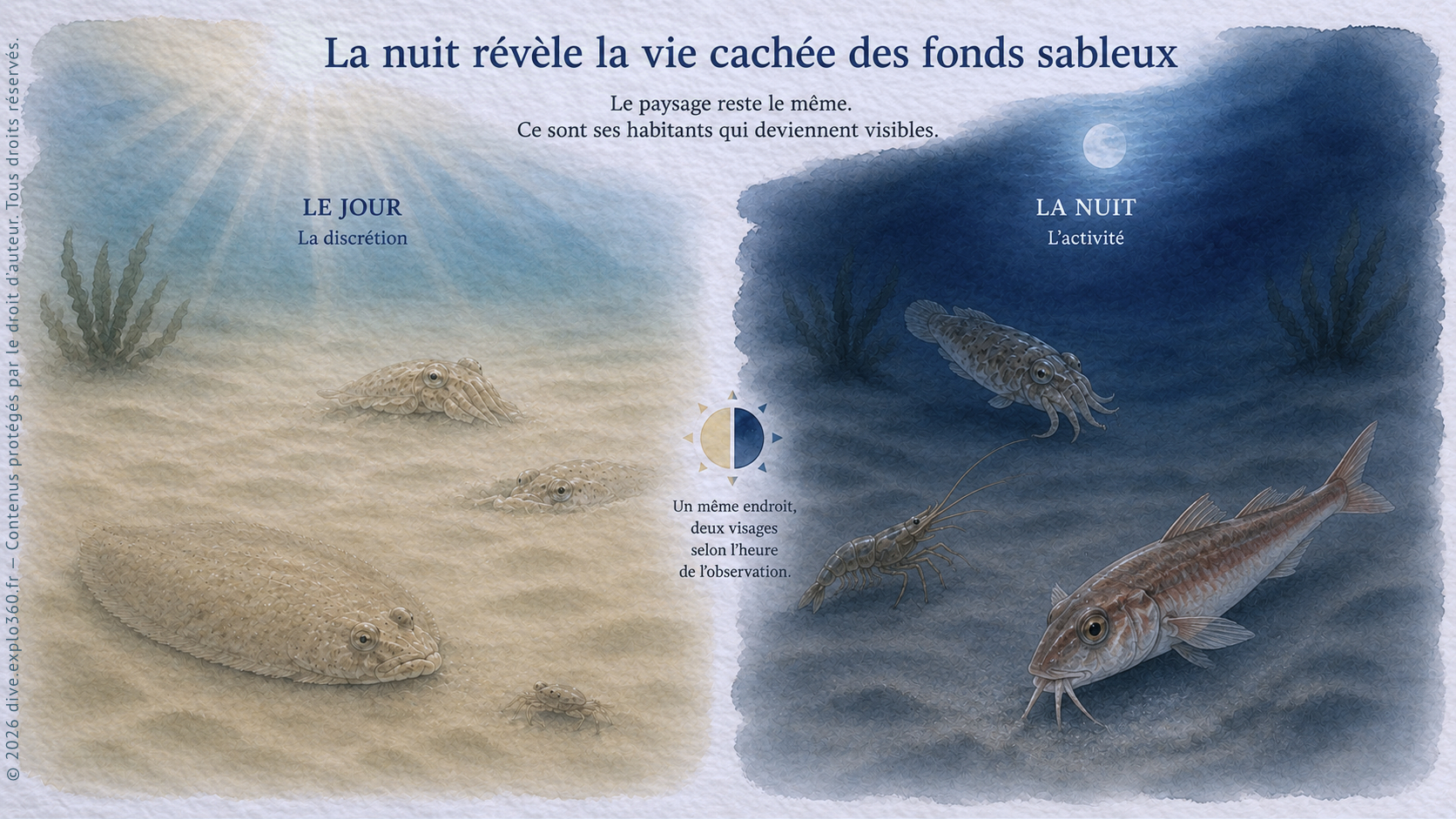
At night, some animals hidden during the day emerge from the sand.
Some crustaceans become more active and predators roam the seabed in search of food.
The landscape seems identical, but the animals we can observe are not necessarily the same.
A sandy seabed can therefore offer very different sights by day and by night.
Interactive quiz
Test what you know
A brief introduction presents the main idea of this slide.
Interactive quiz
Test what you know
Question 1 out of 5Score: 0
Why do some animals bury themselves in sand?
How do some buried animals remain in contact with the water?
Why are some fish difficult to see on sand?
How can waves change a sandy seabed?
What shelter can sand provide?
Final result
Quiz completed
correct answers
Conclusion
Many animals live on its surface or directly inside it. Some remain hidden and reveal their presence only through holes, tracks or small mounds.
Once you know what to look for, the marks in the sand can tell you where animals live and where they have been.
Sources
Explore the same world
Explore further
Habitats
Species guides
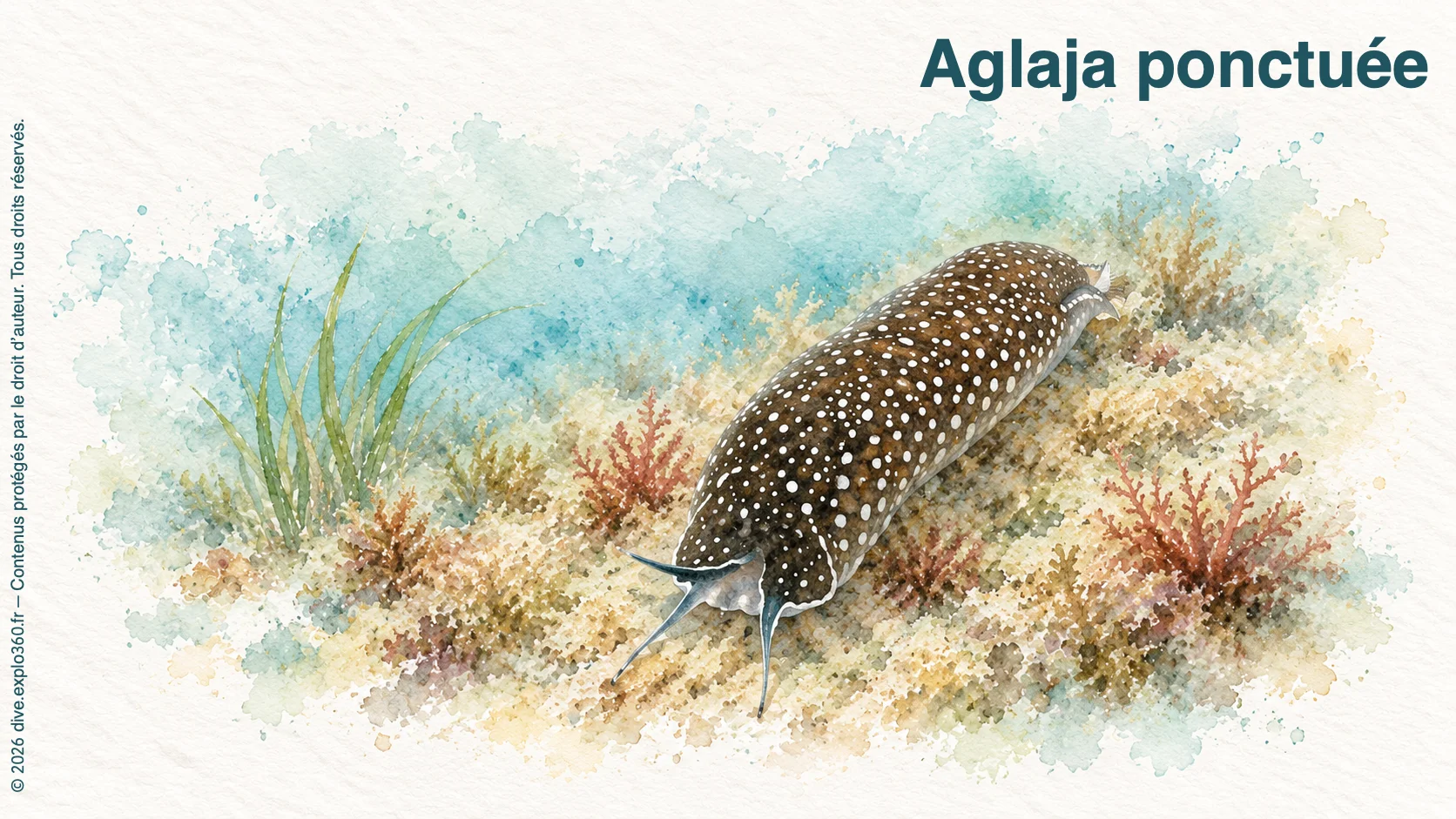 Species guidesThree-coloured AglajaDiscover →
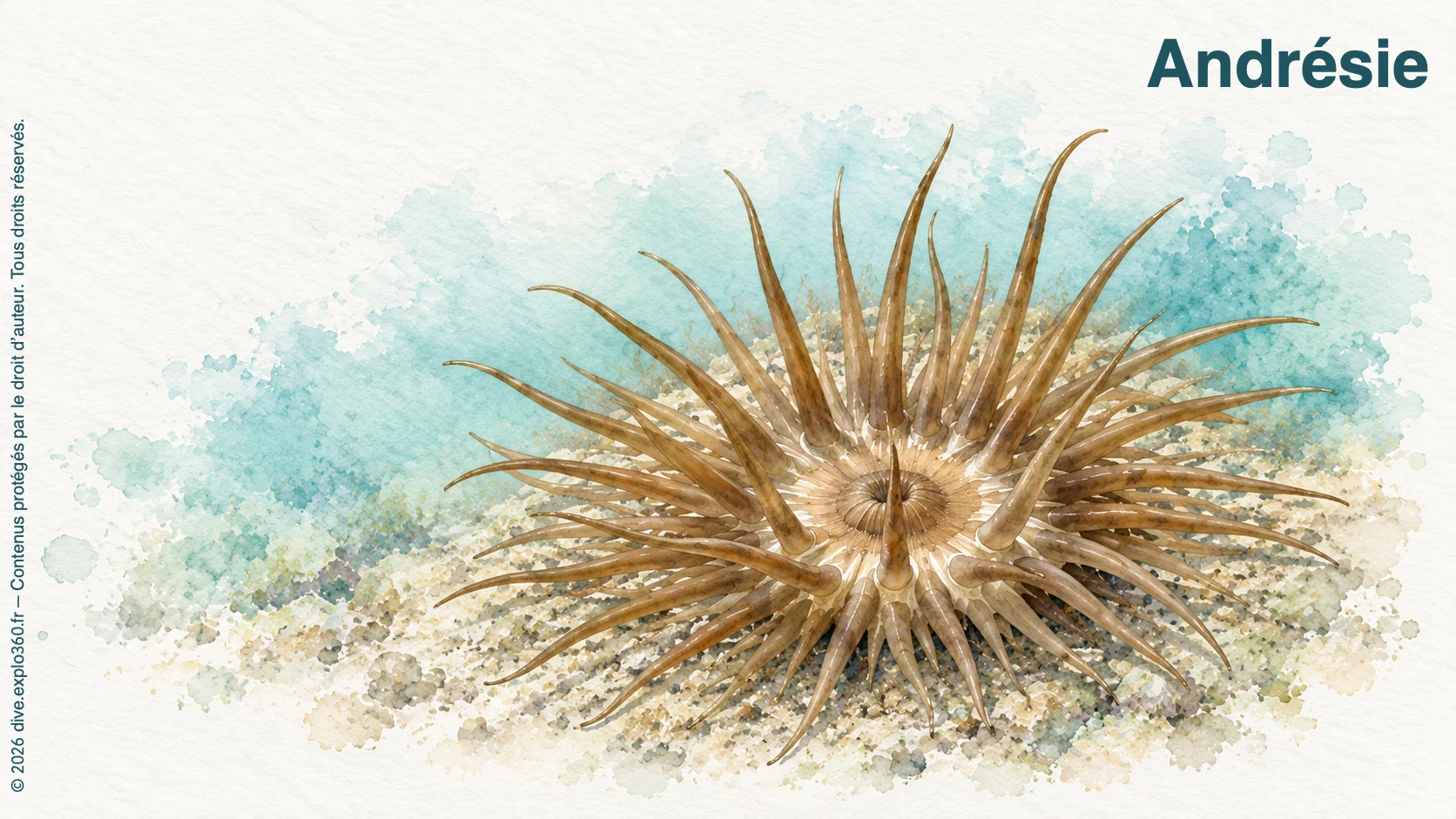 Species guidesBurrowing AnemoneDiscover →
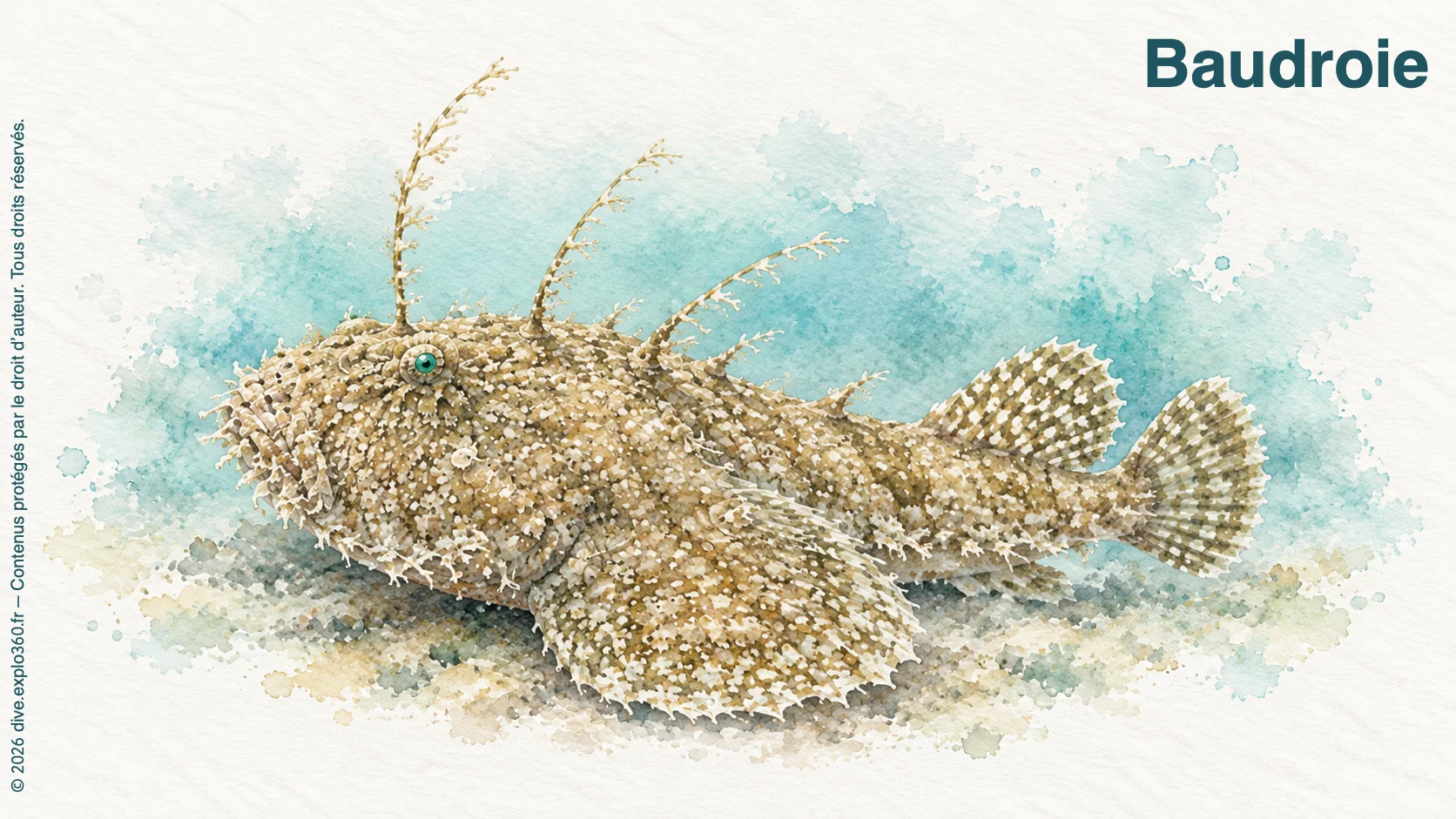 Species guidesAnglerfishDiscover →
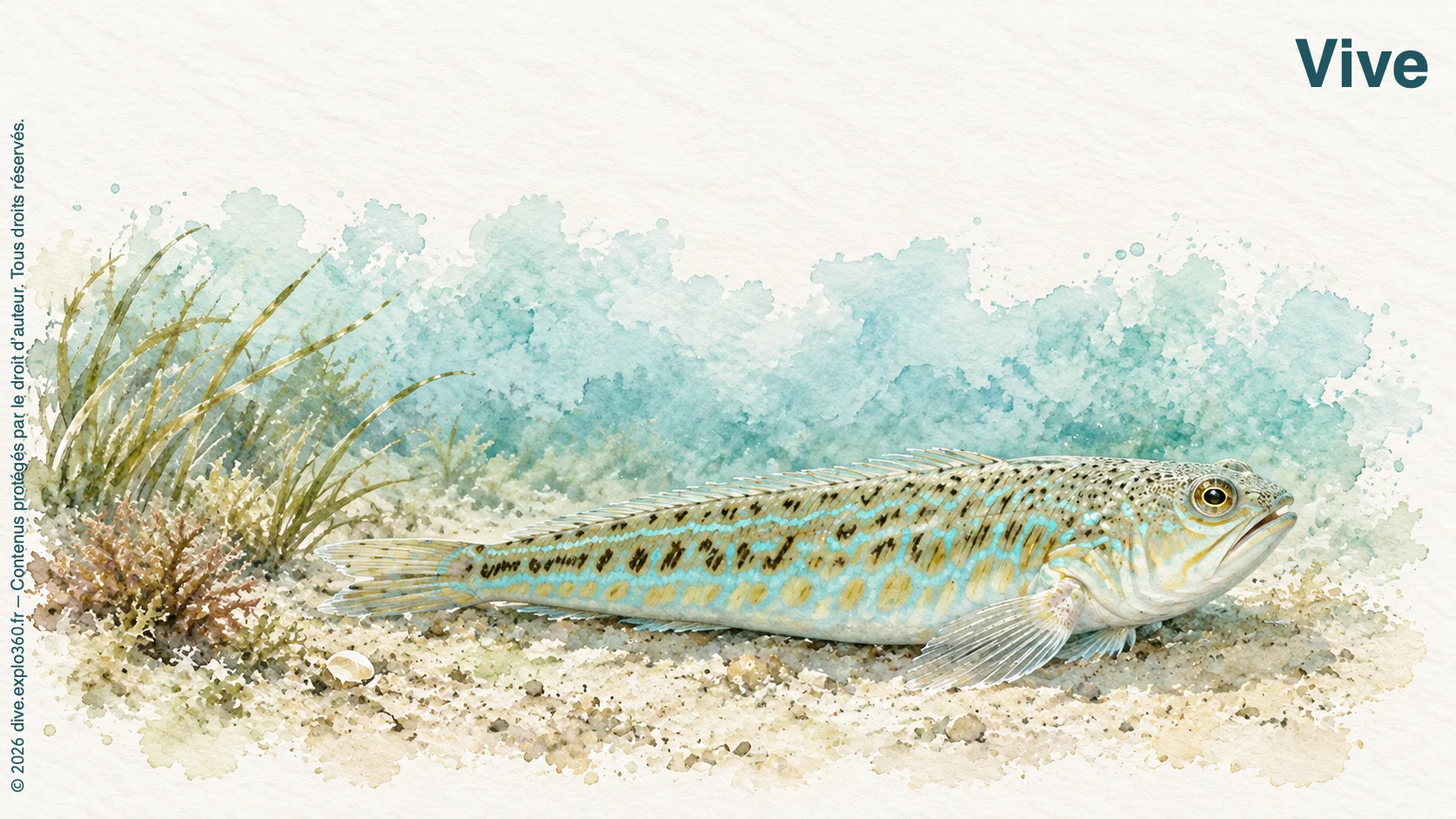 Species guidesGreater weeverDiscover →
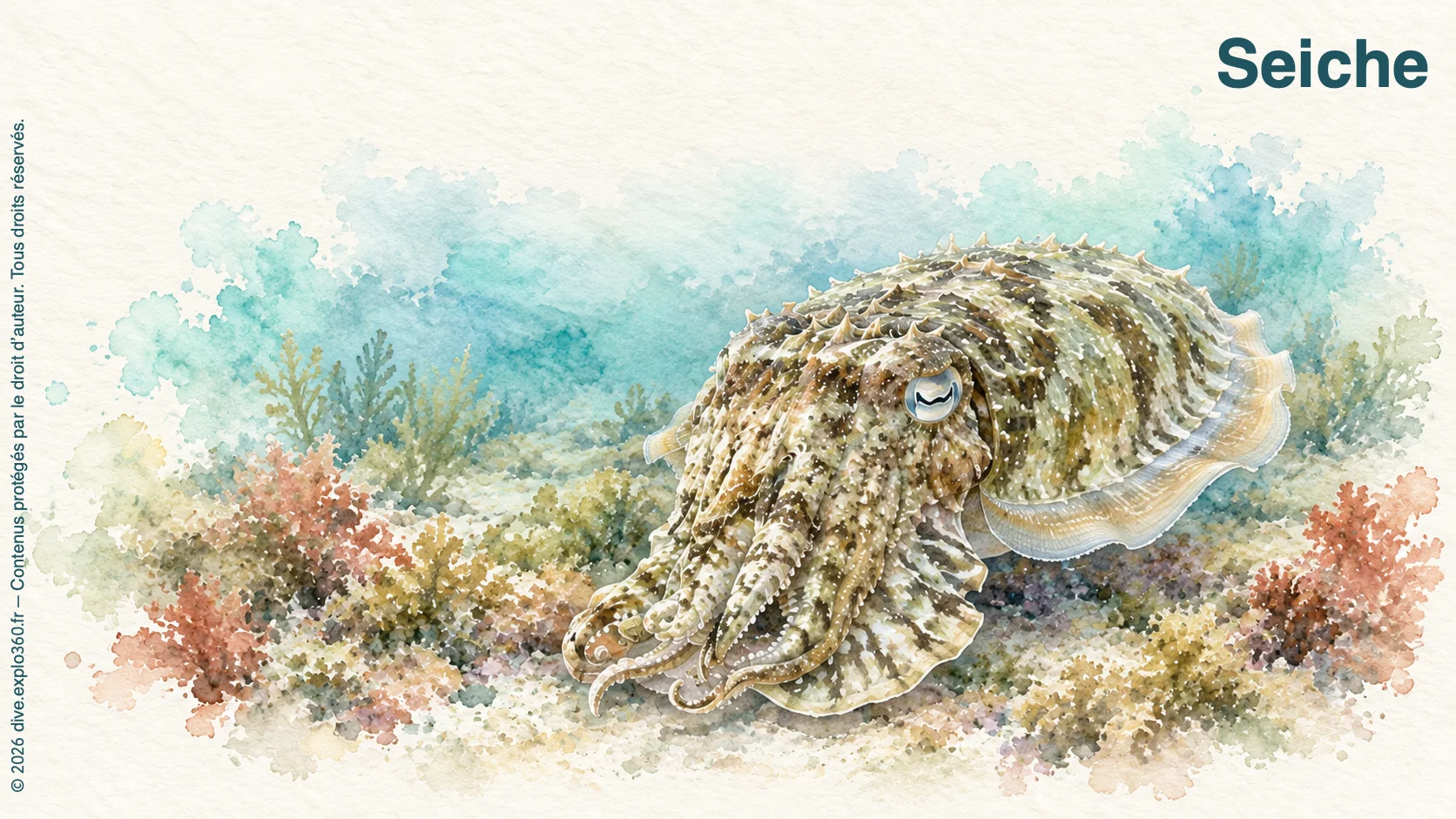 Species guidesCommon cuttlefishDiscover →
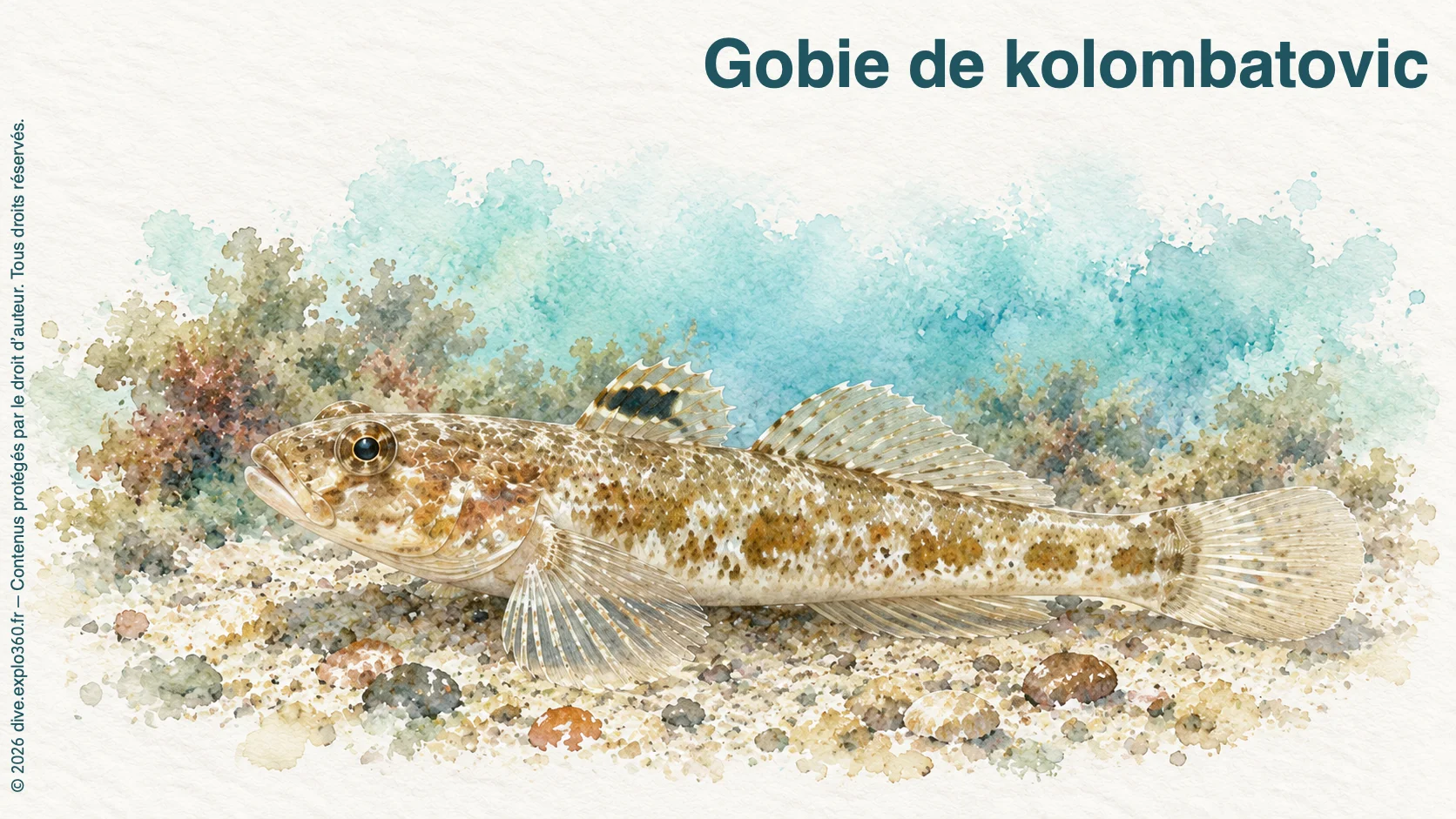 Species guidesKolombatovic’s GobyDiscover →
View the other 40 species guides
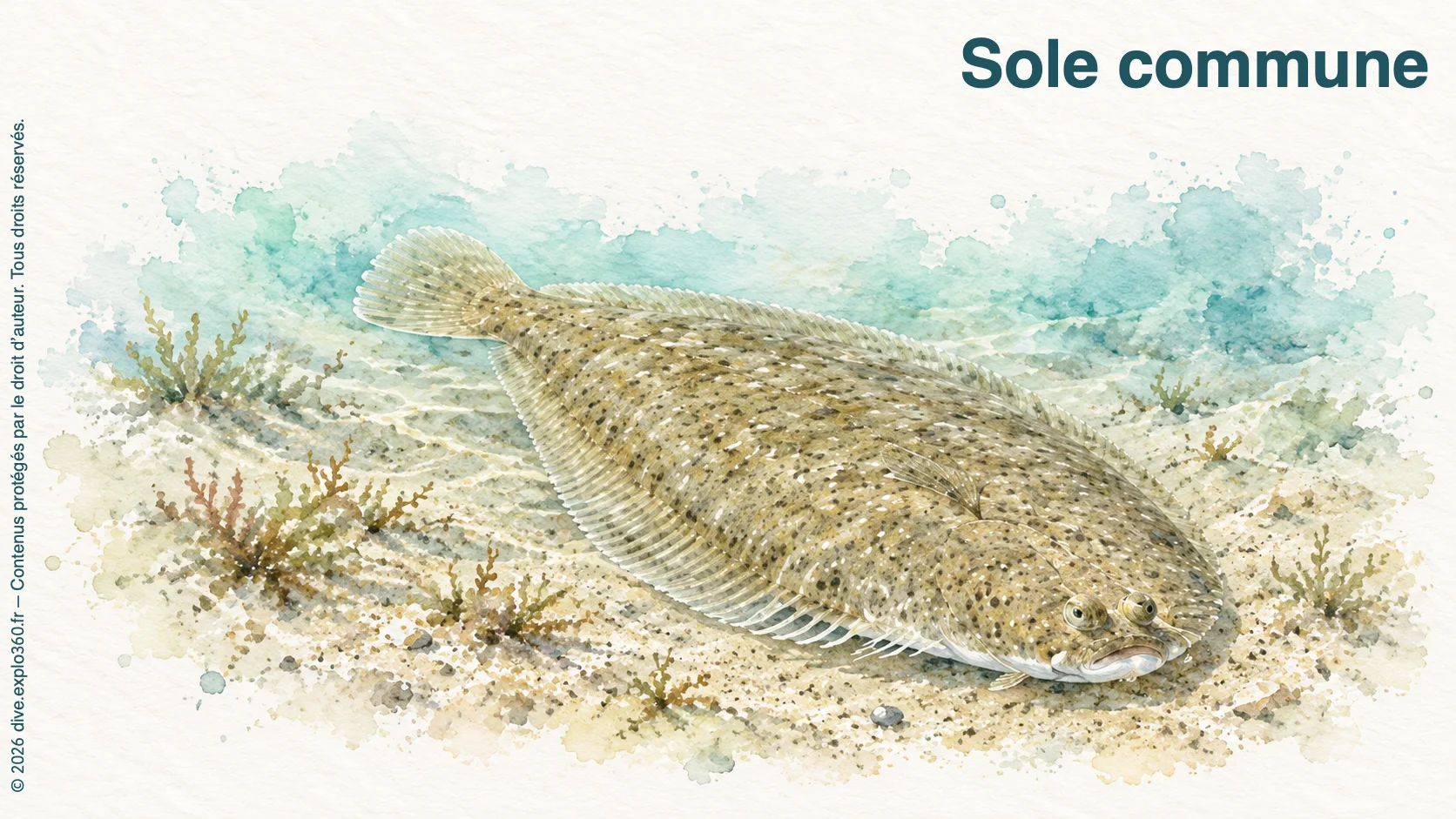 Species guidesCommon soleDiscover →
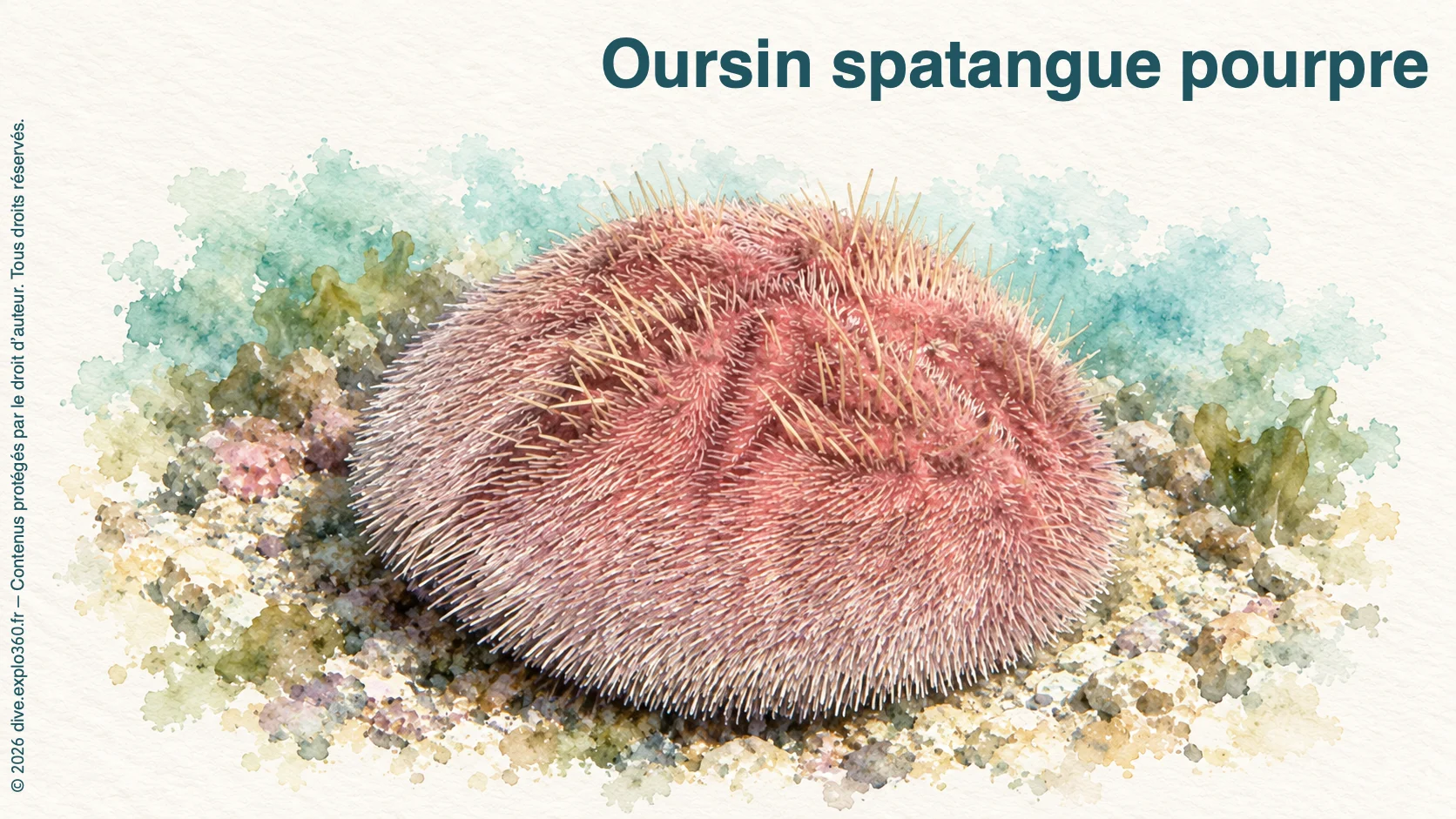 Species guidesPurple heart urchinDiscover →
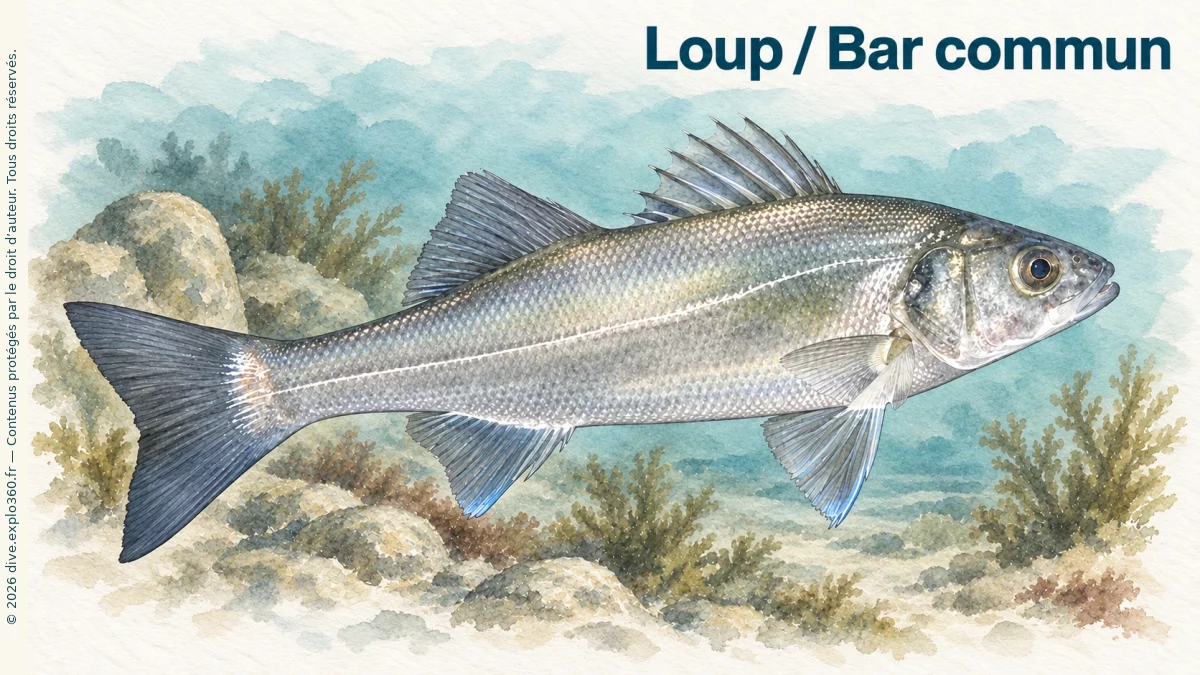 Species guidesEuropean seabassDiscover →
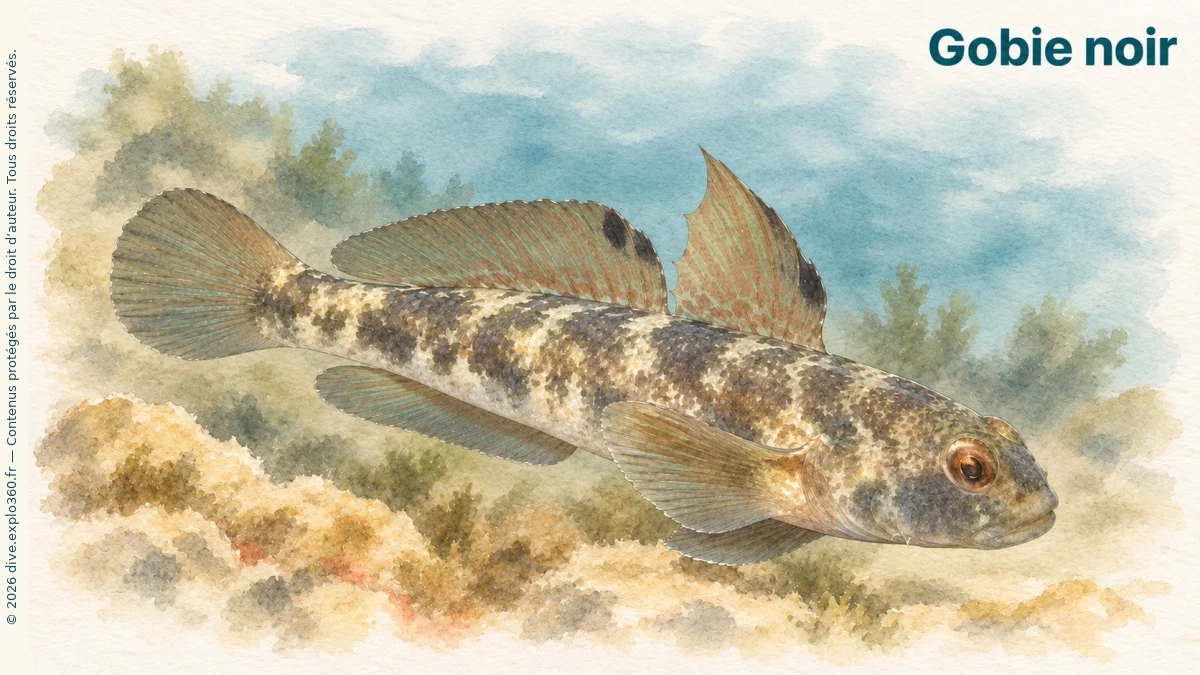 Species guidesBlack gobyDiscover →
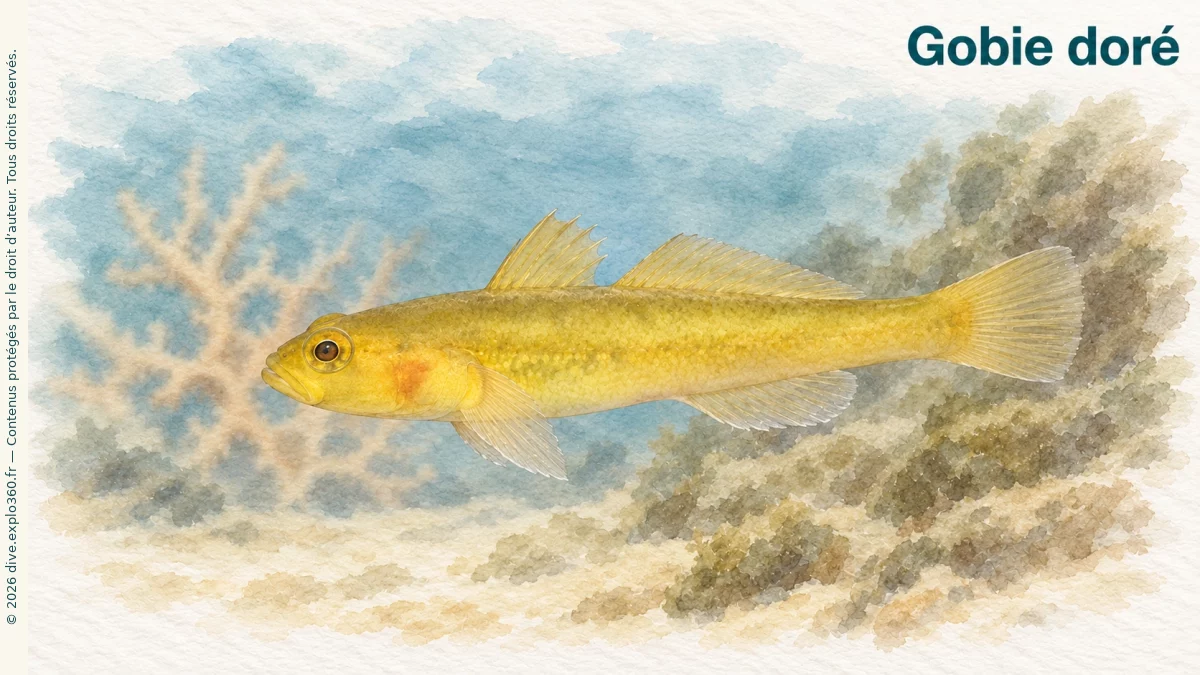 Species guidesGolden gobyDiscover →
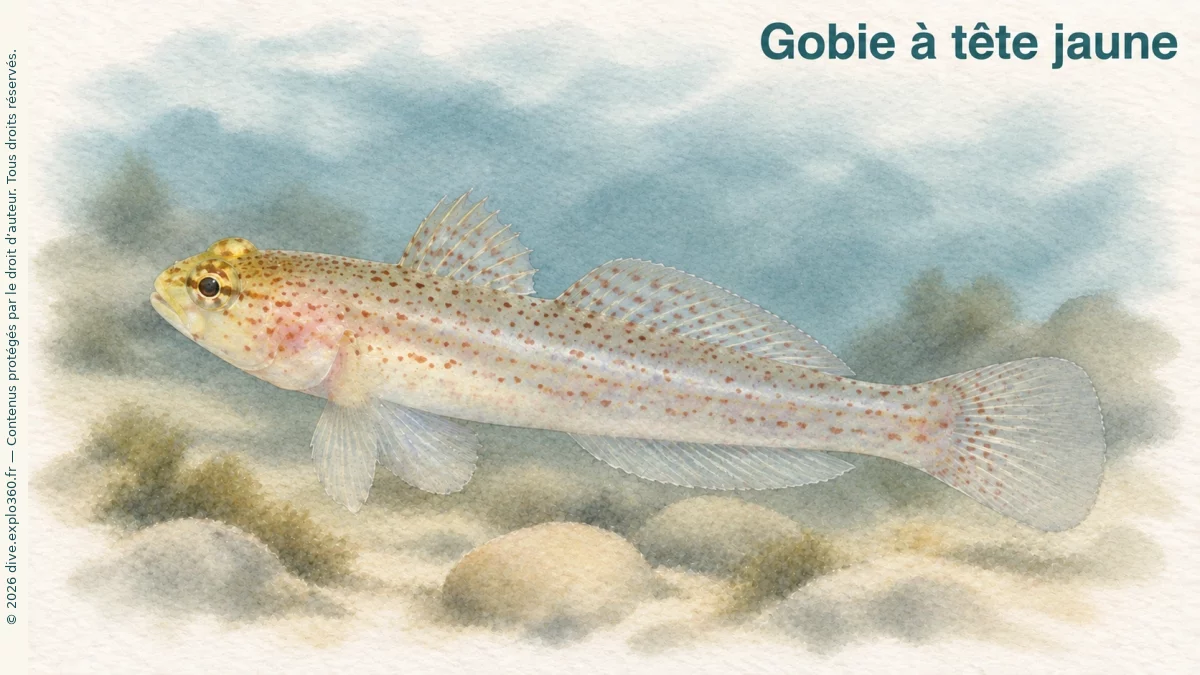 Species guidesYellow-headed gobyDiscover →
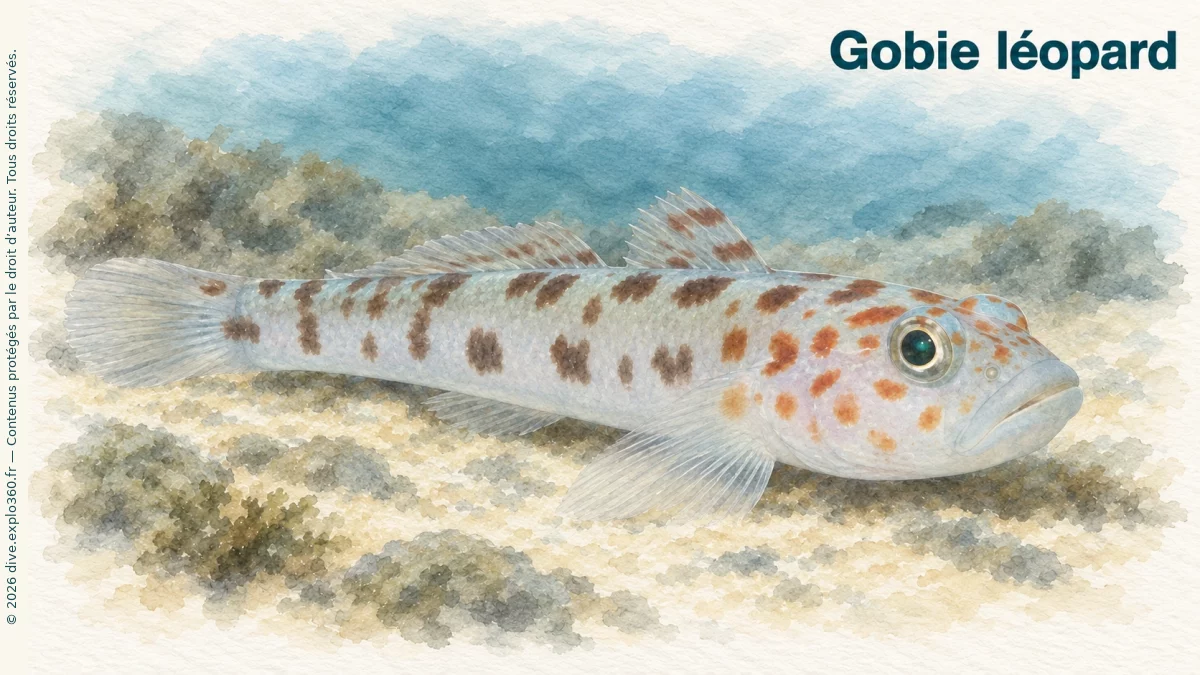 Species guidesLeopard-spotted gobyDiscover →
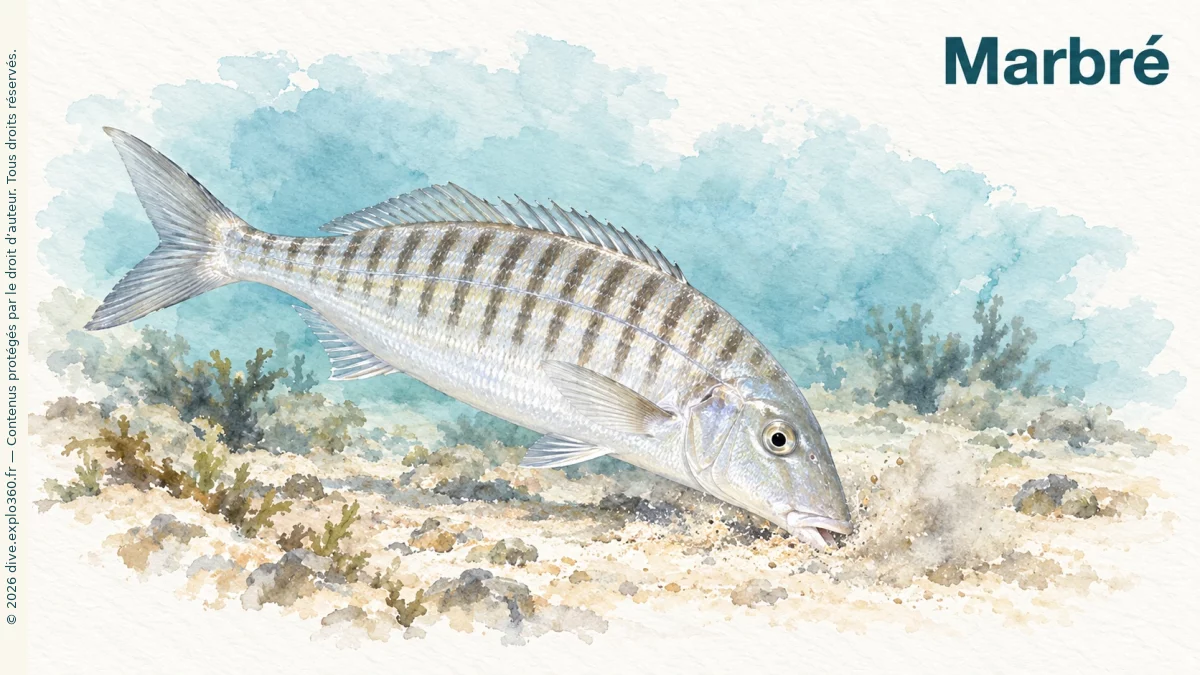 Species guidesStriped seabreamDiscover →
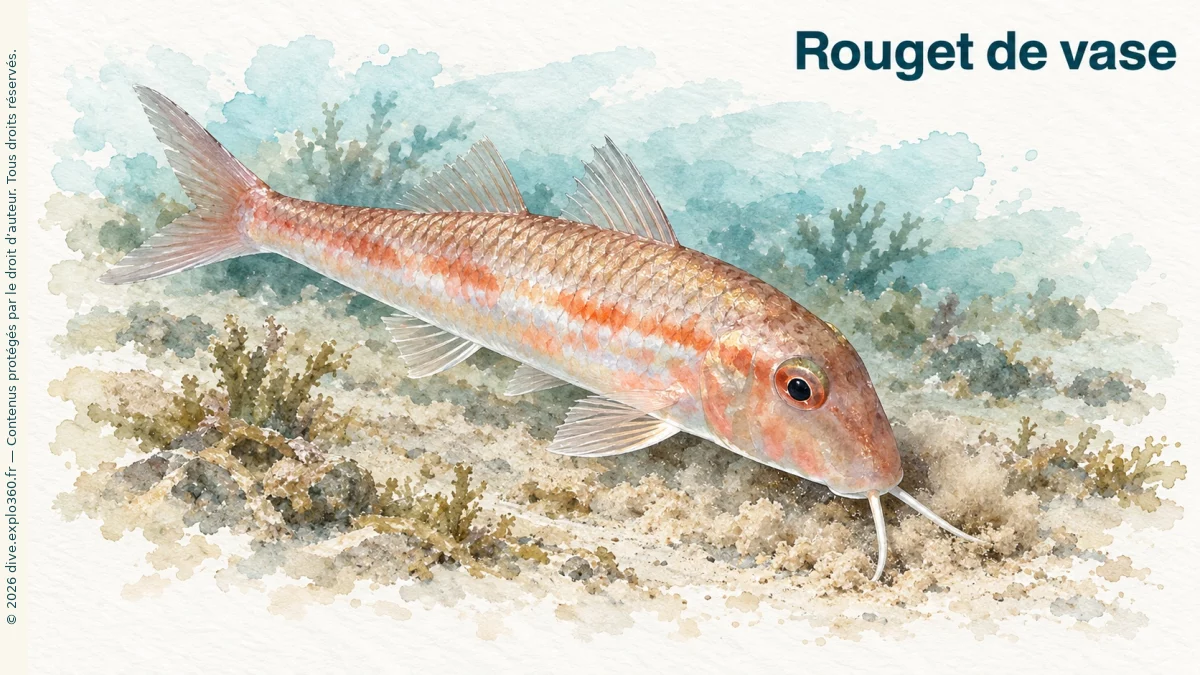 Species guidesRed mulletDiscover →
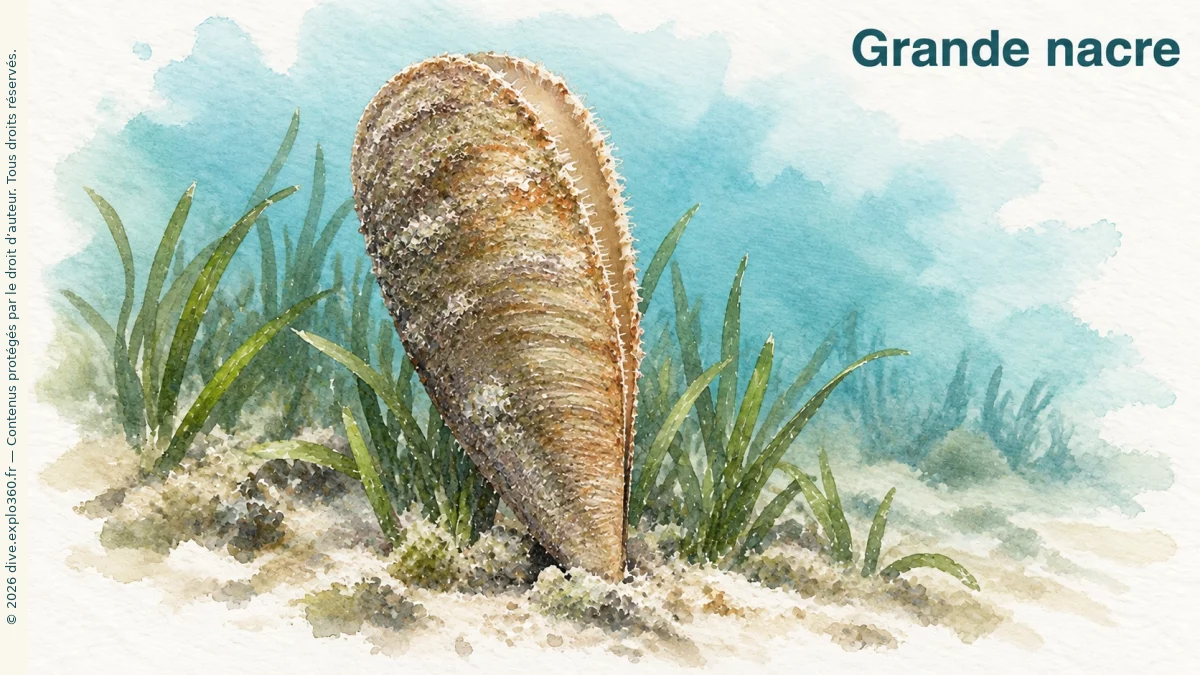 Species guidesFan musselDiscover →
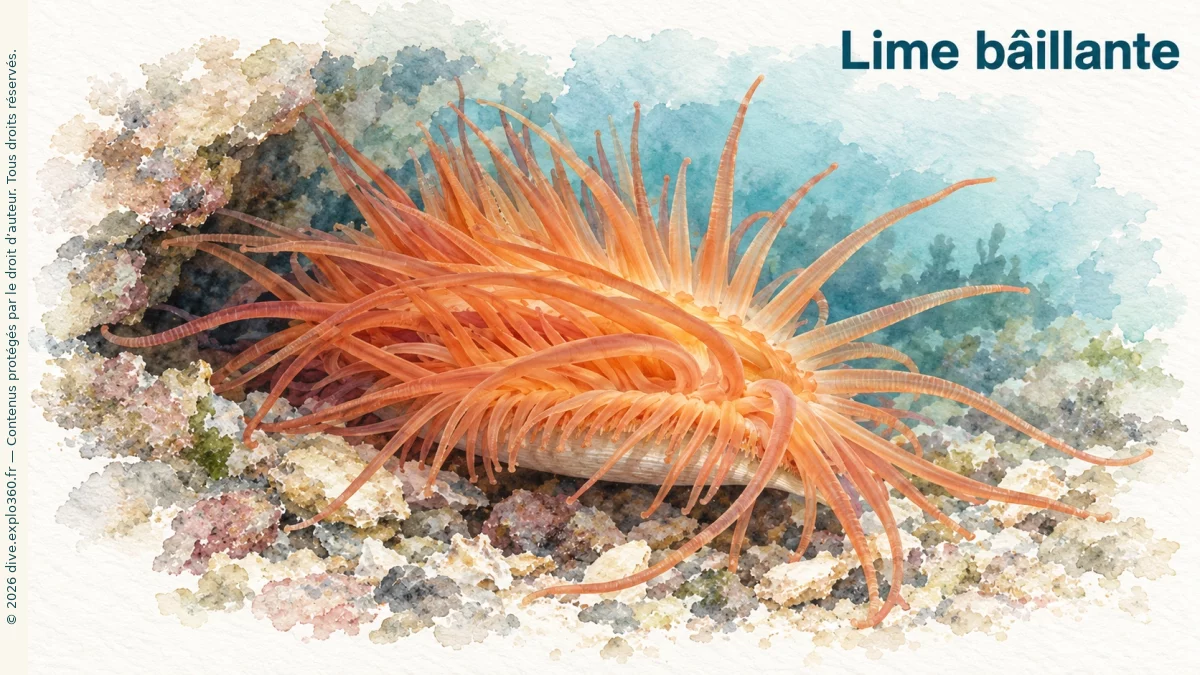 Species guidesFlame shellDiscover →
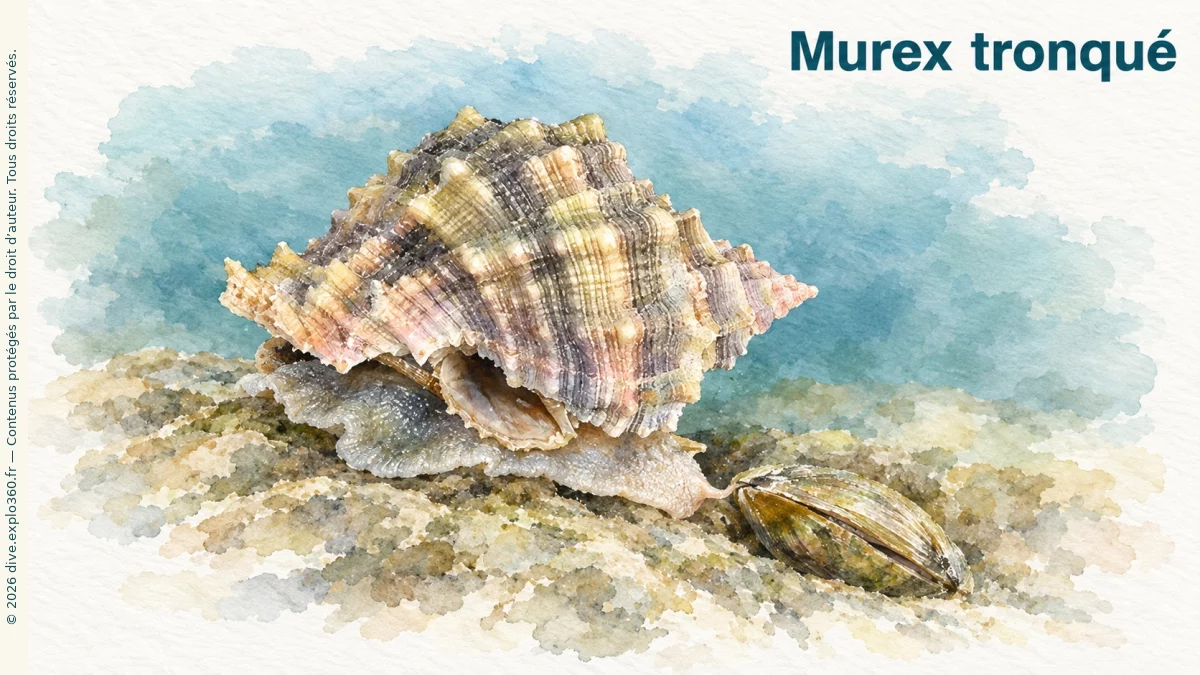 Species guidesBanded murexDiscover →
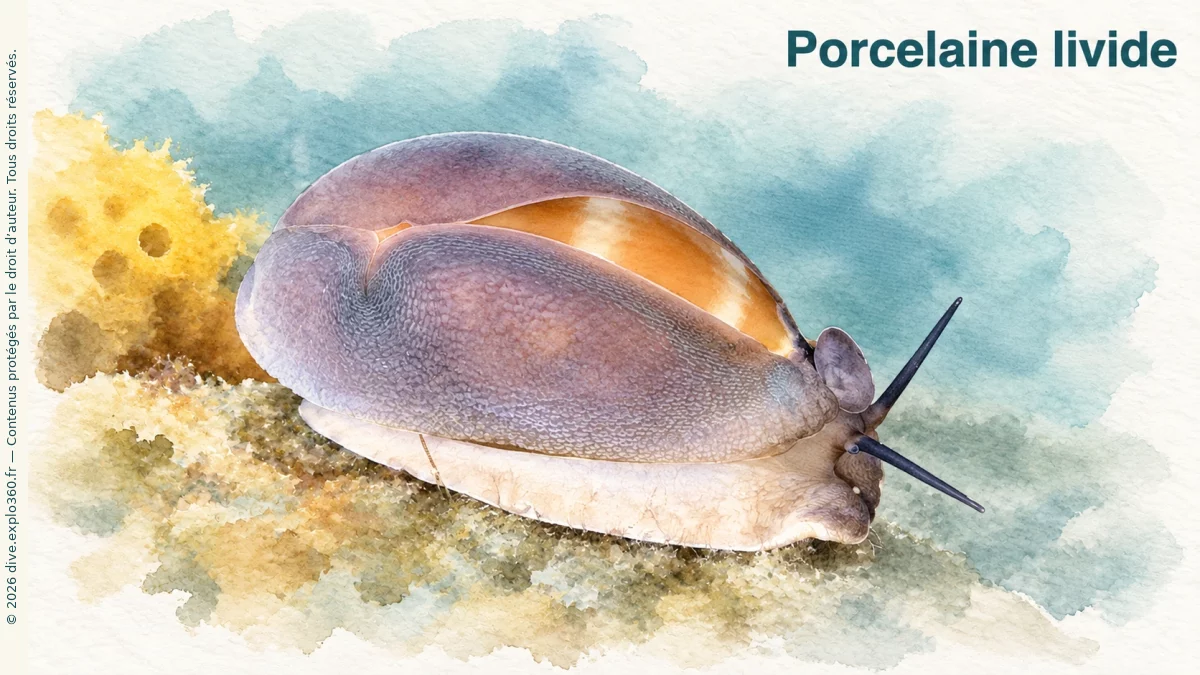 Species guidesLurid cowrieDiscover →
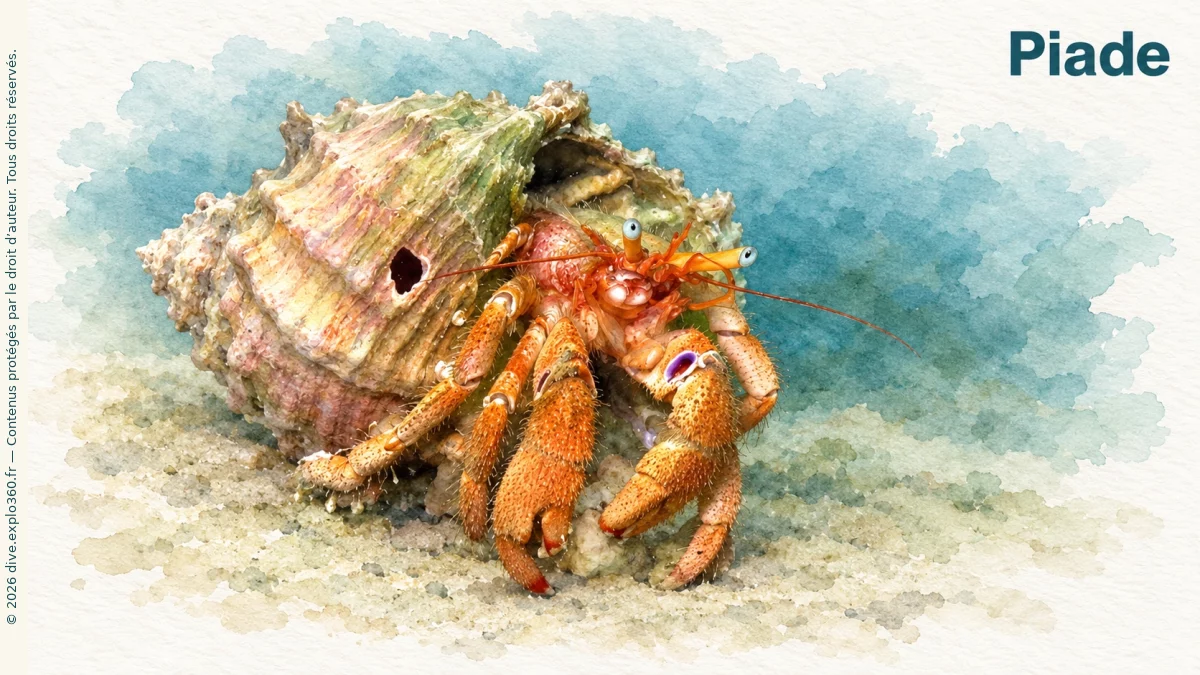 Species guidesHermit crabDiscover →
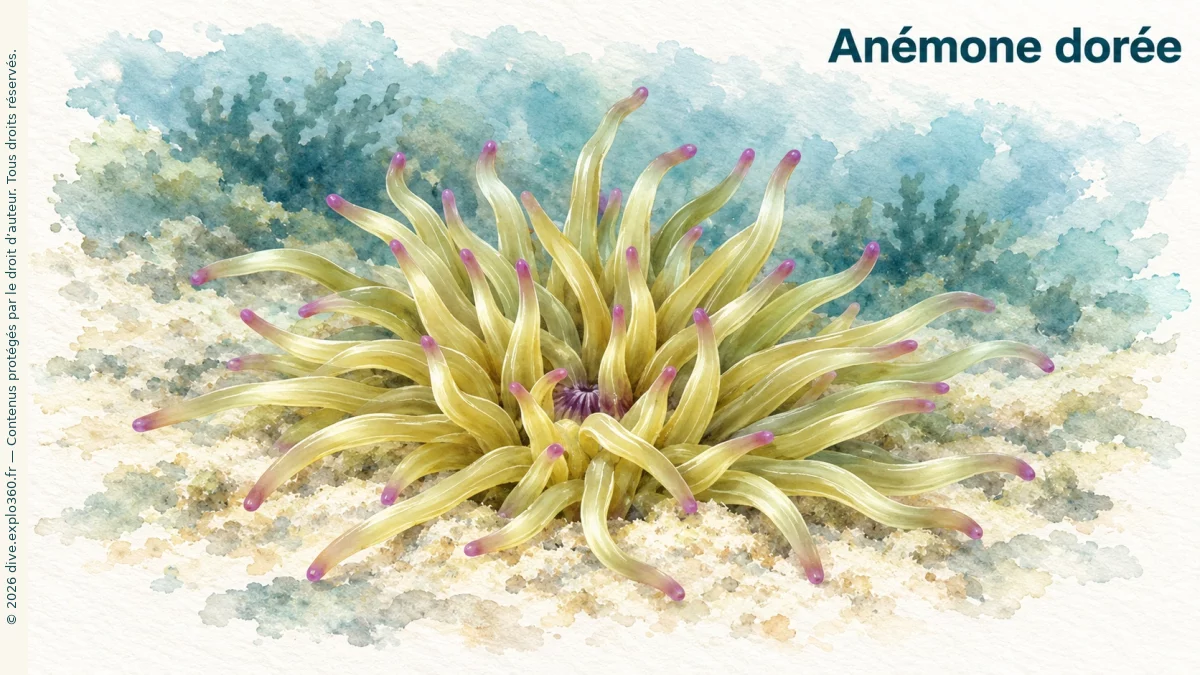 Species guidesGolden anemoneDiscover →
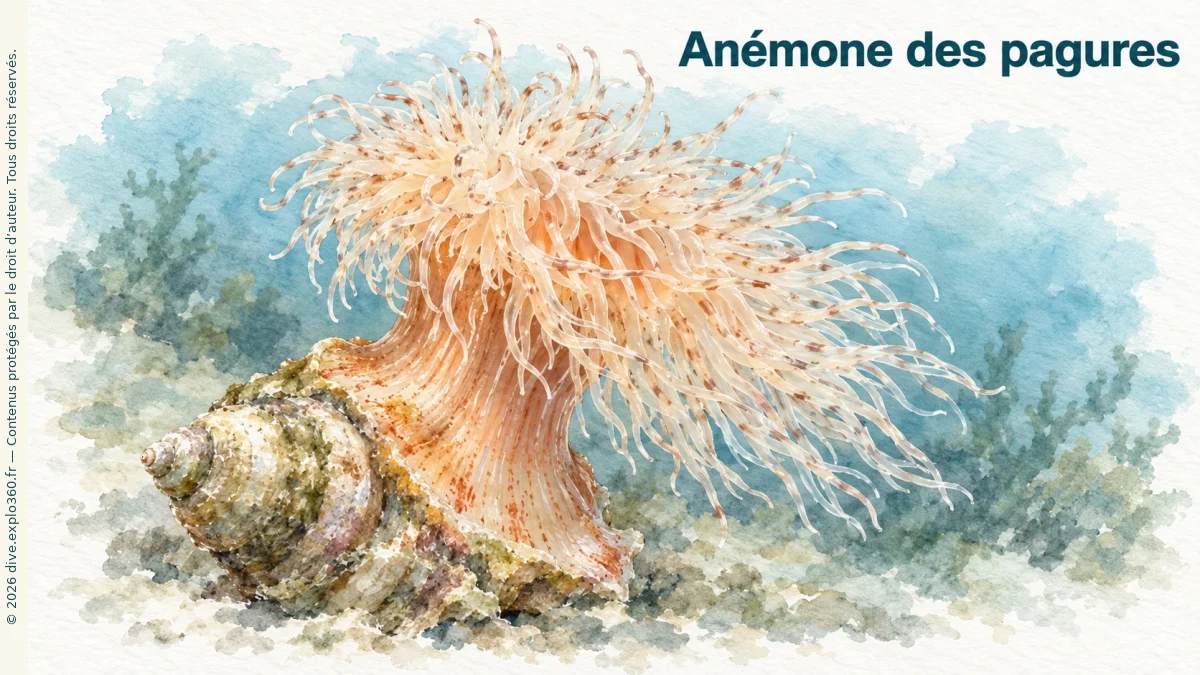 Species guidesHermit anemoneDiscover →
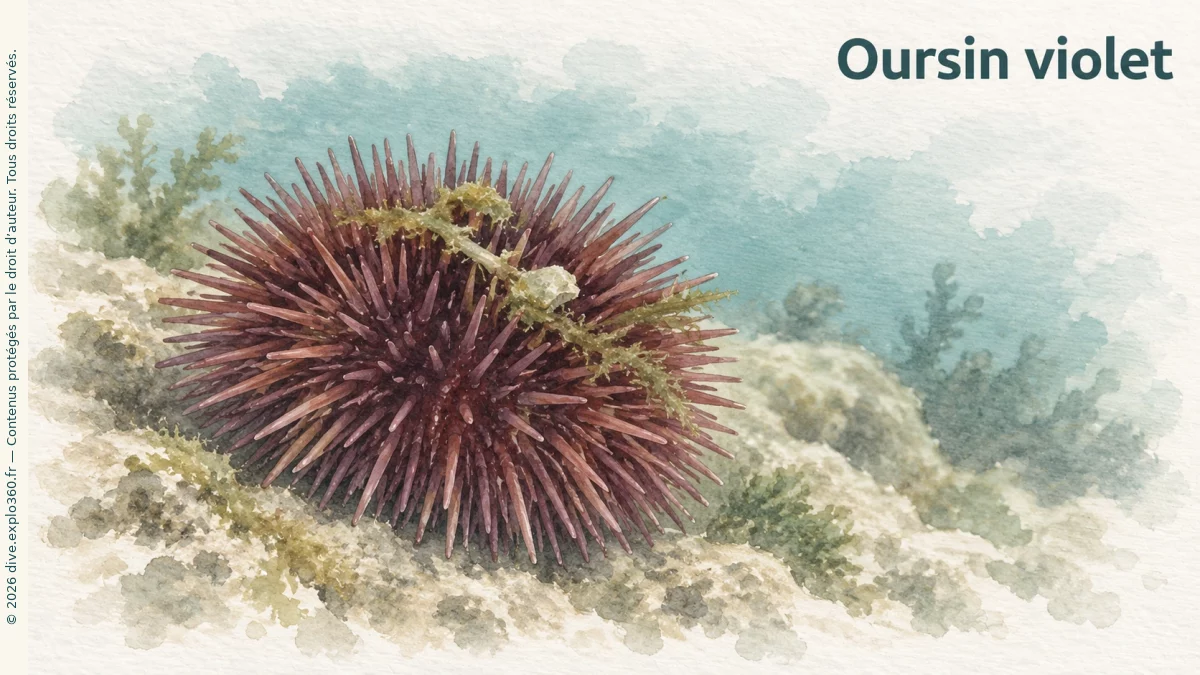 Species guidesPurple sea urchinDiscover →
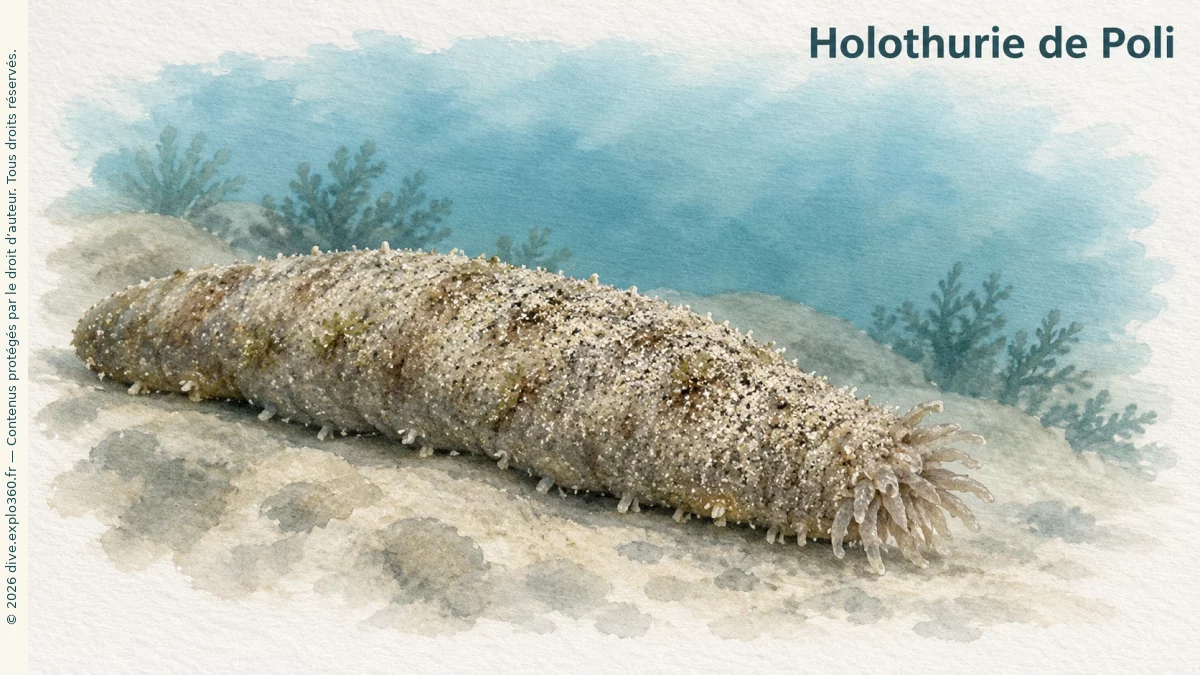 Species guidesPoli’s sea cucumberDiscover →
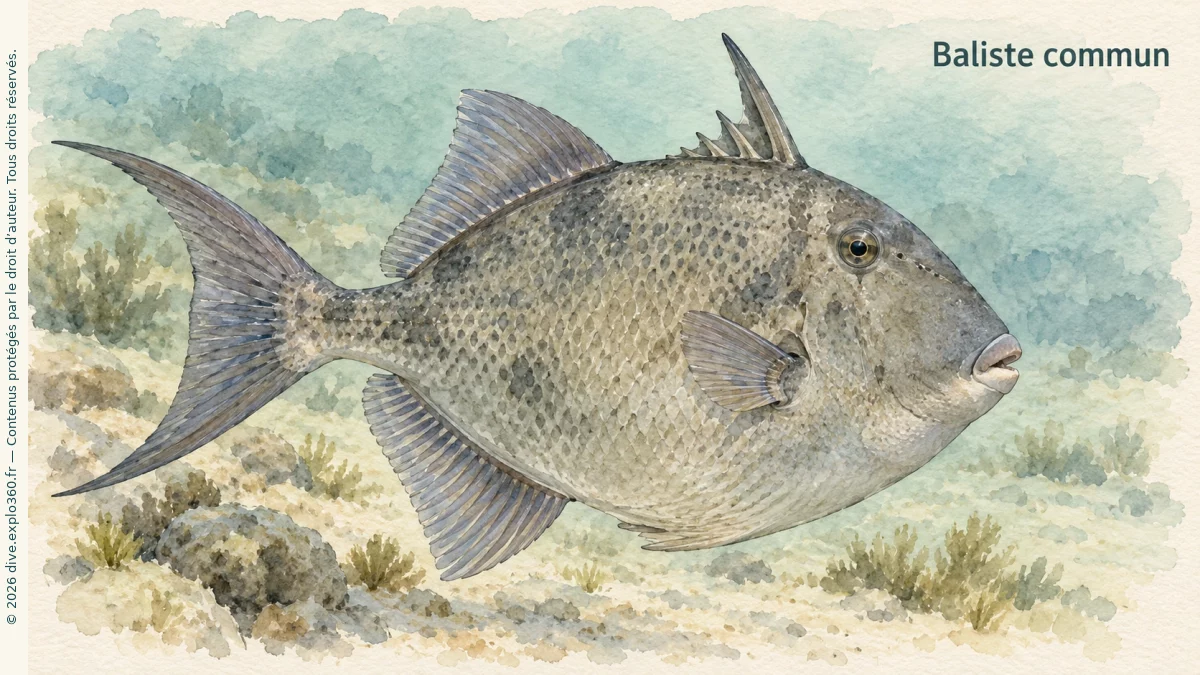 Species guidesGrey triggerfishDiscover →
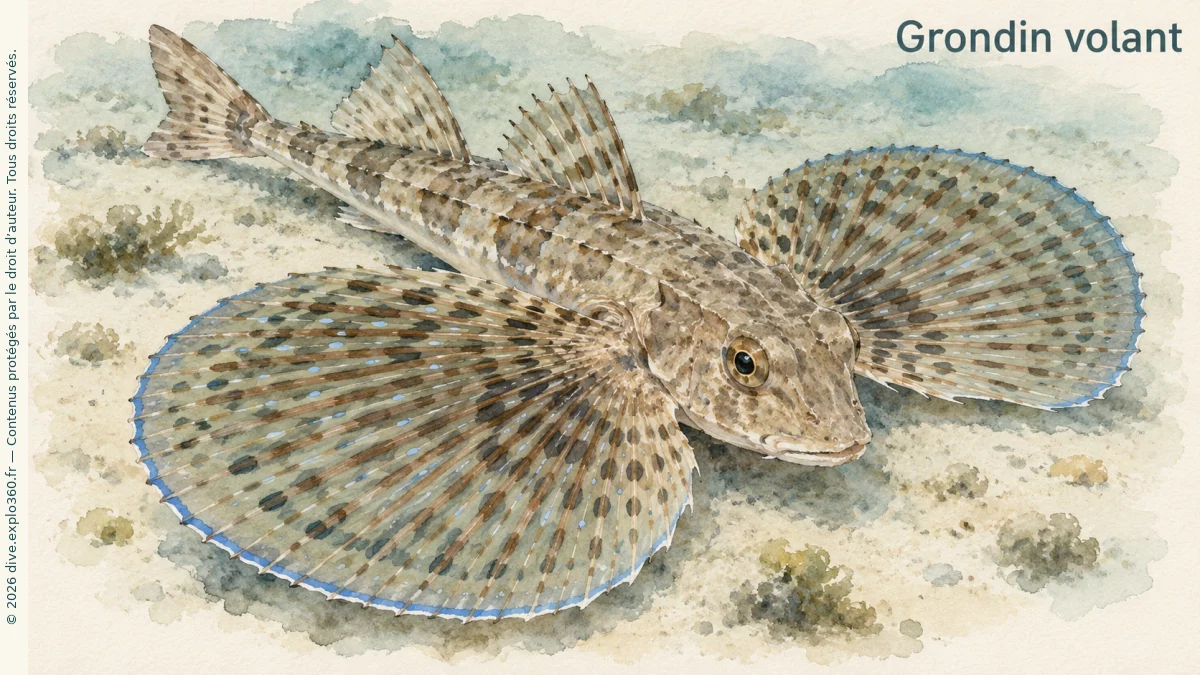 Species guidesFlying gurnardDiscover →
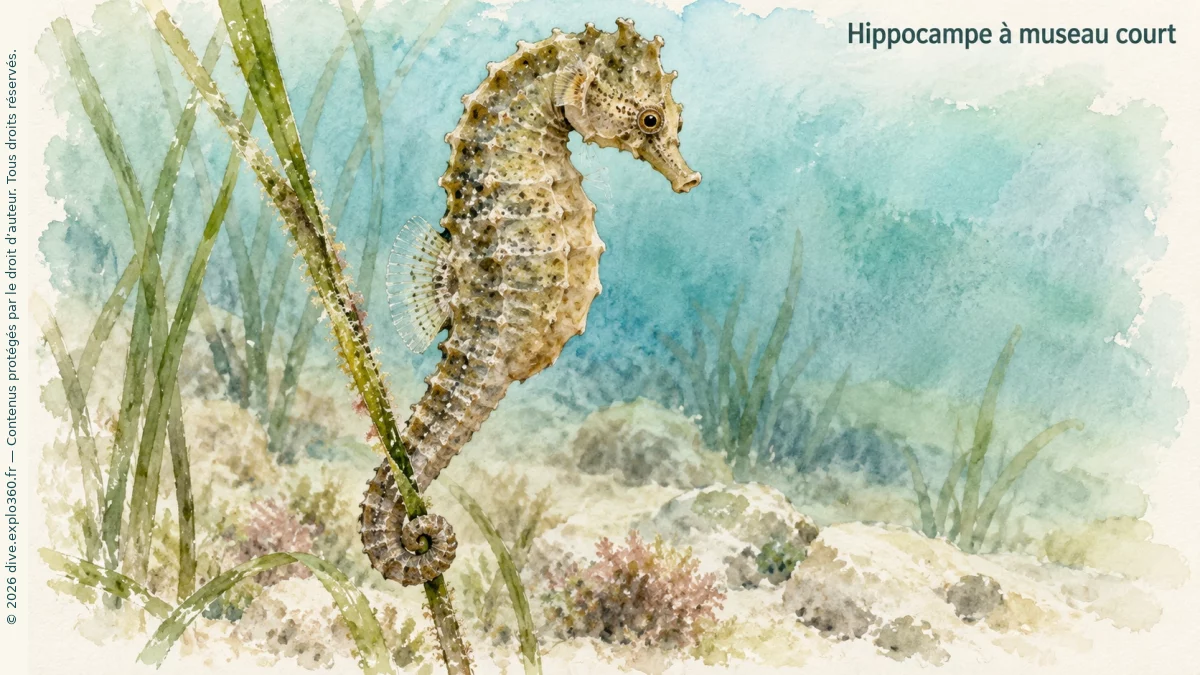 Species guidesShort-snouted seahorseDiscover →
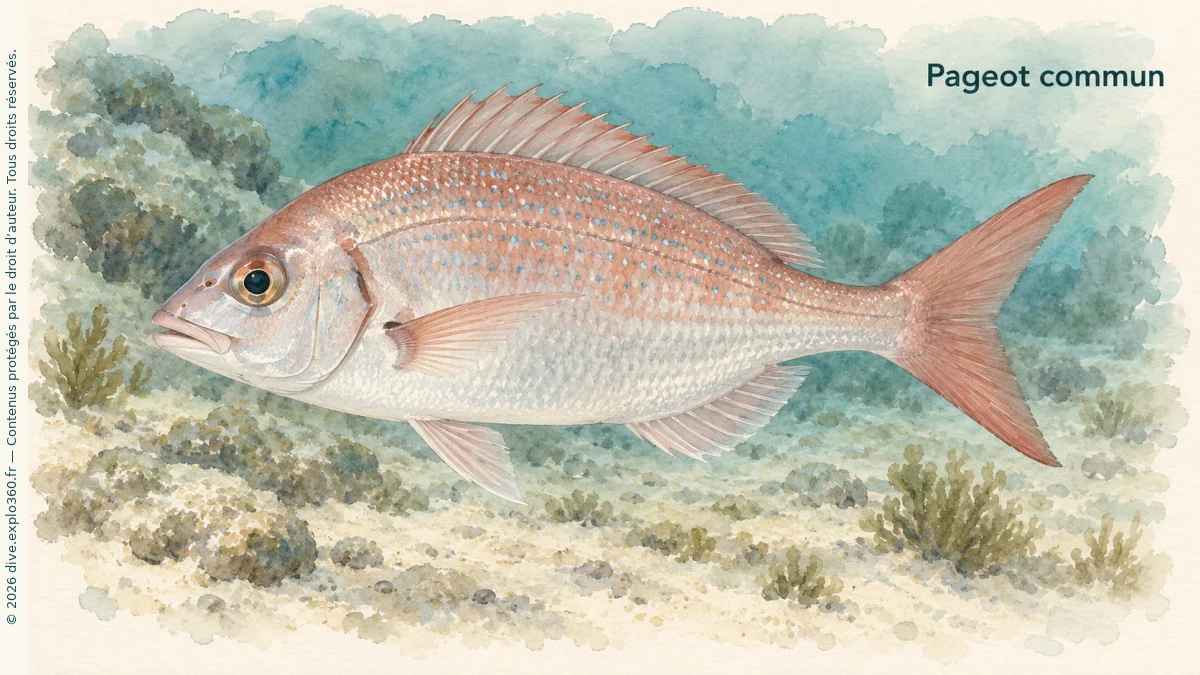 Species guidesCommon pandoraDiscover →
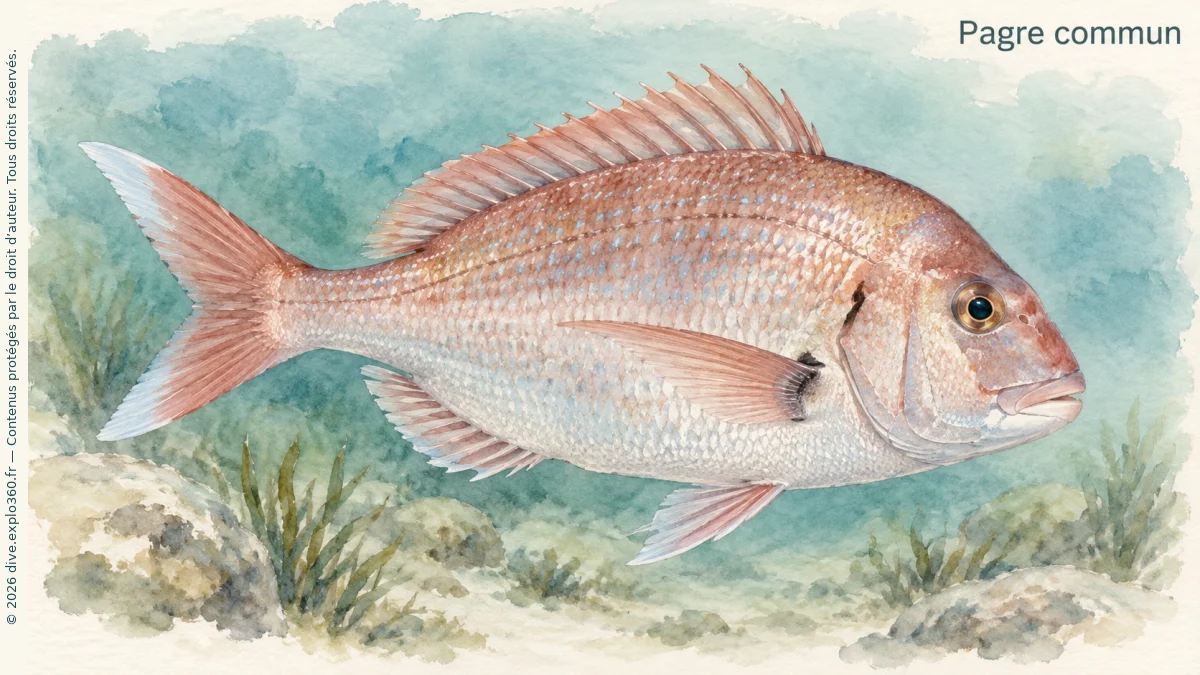 Species guidesRed porgyDiscover →
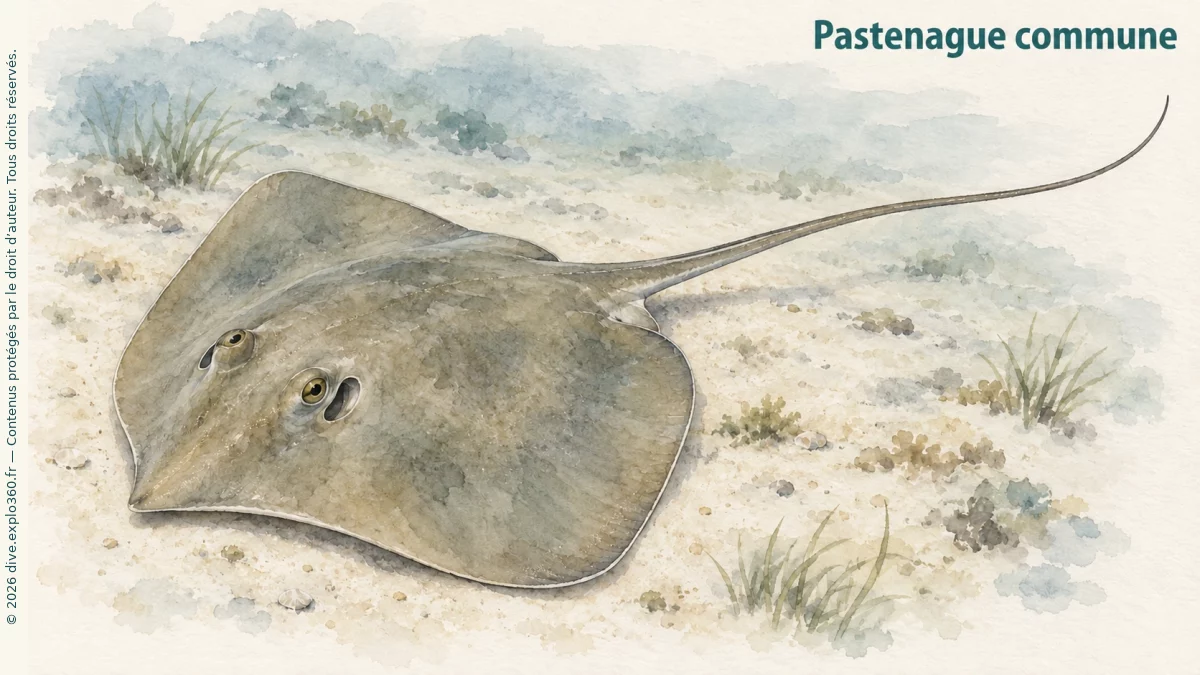 Species guidesCommon stingrayDiscover →
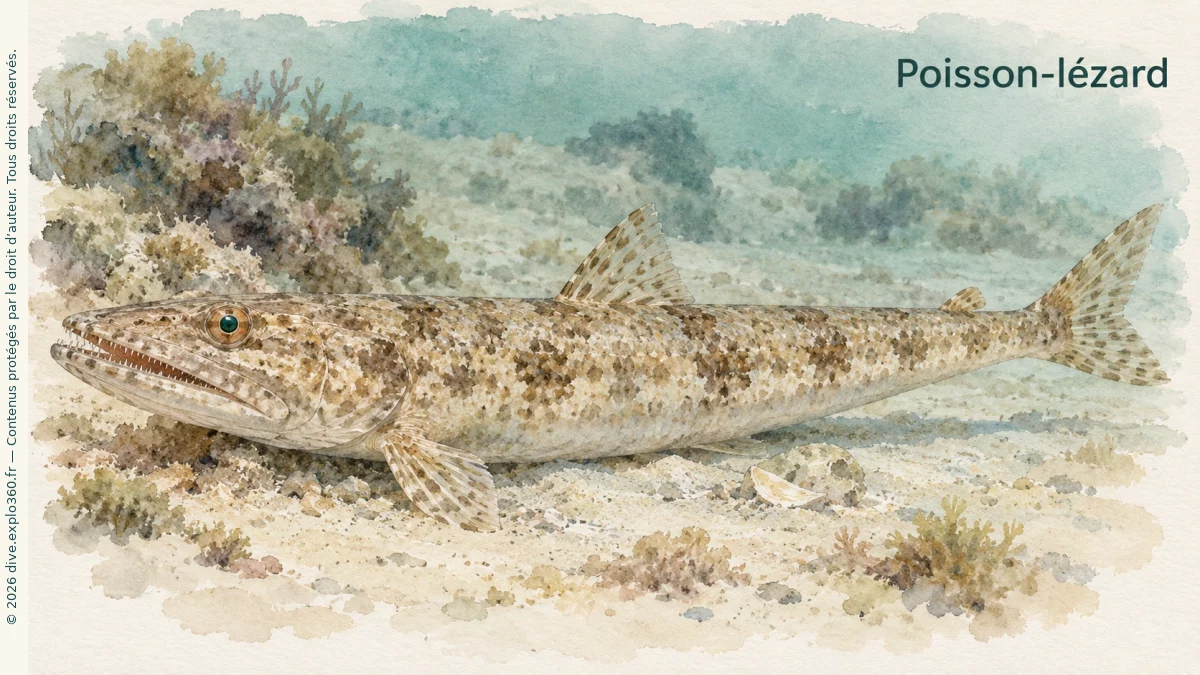 Species guidesAtlantic lizardfishDiscover →
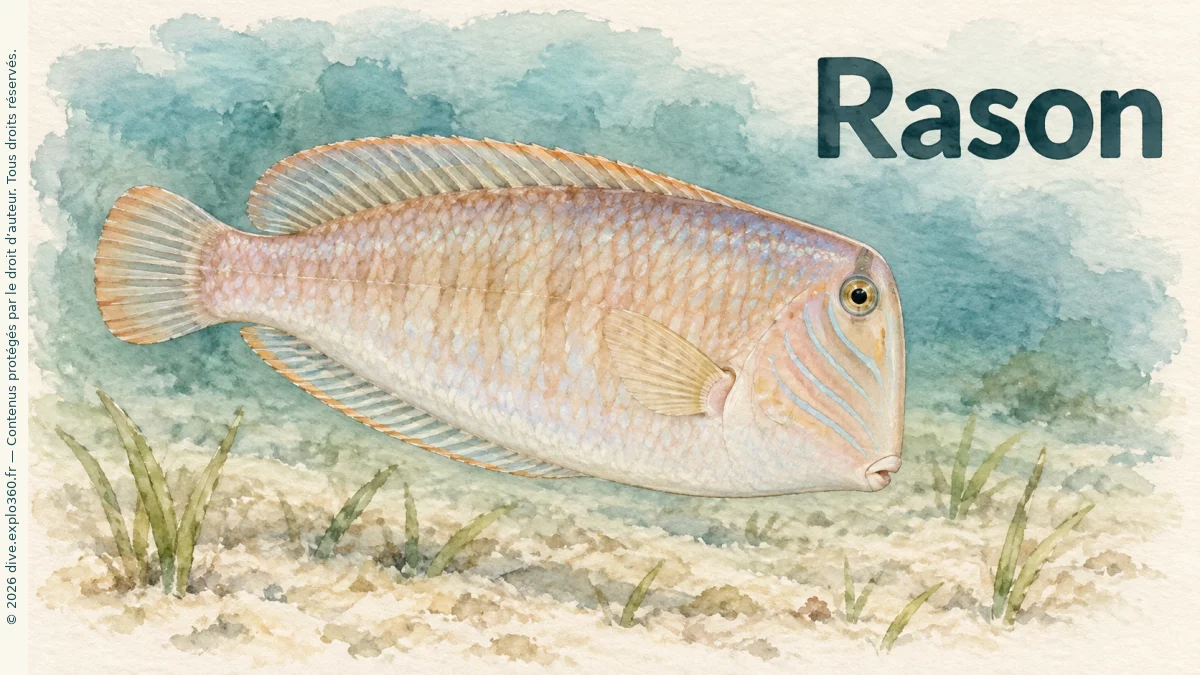 Species guidesPearly razorfishDiscover →
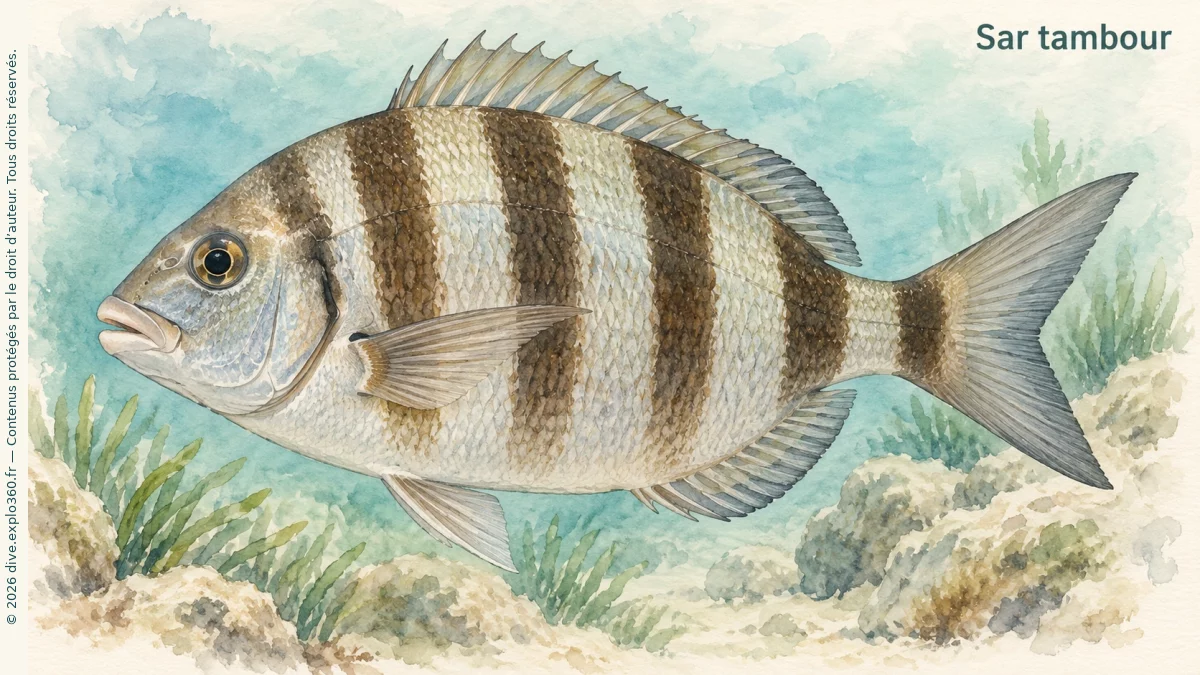 Species guidesZebra seabreamDiscover →
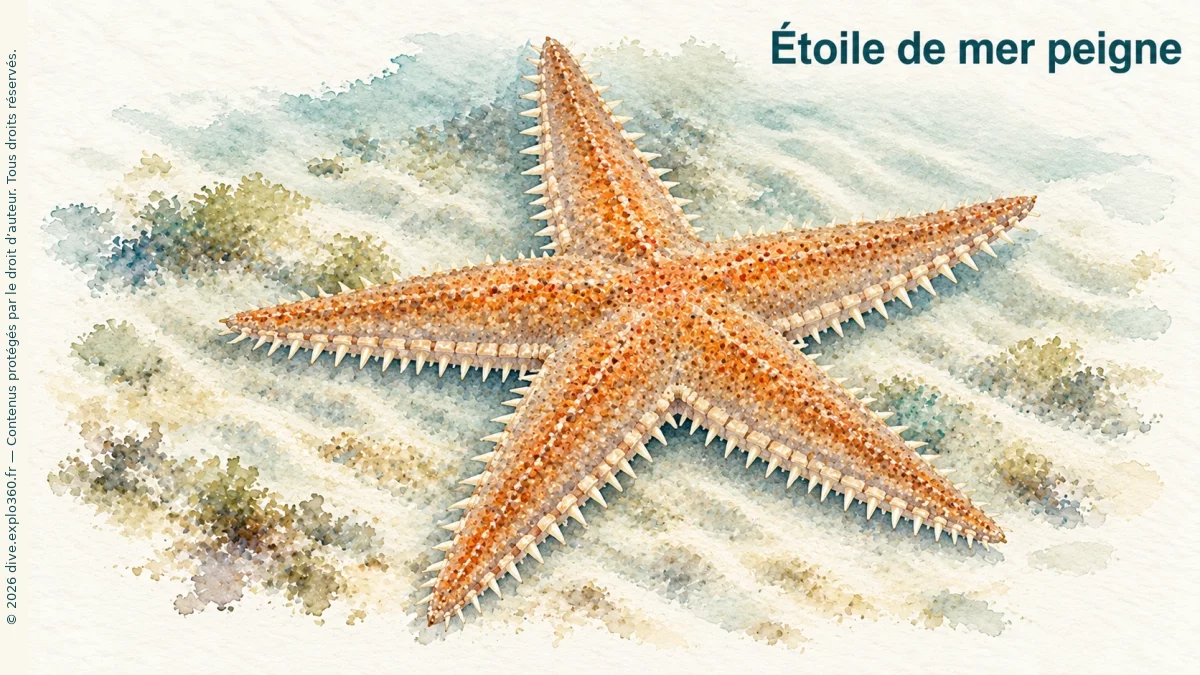 Species guidesRed comb starDiscover →
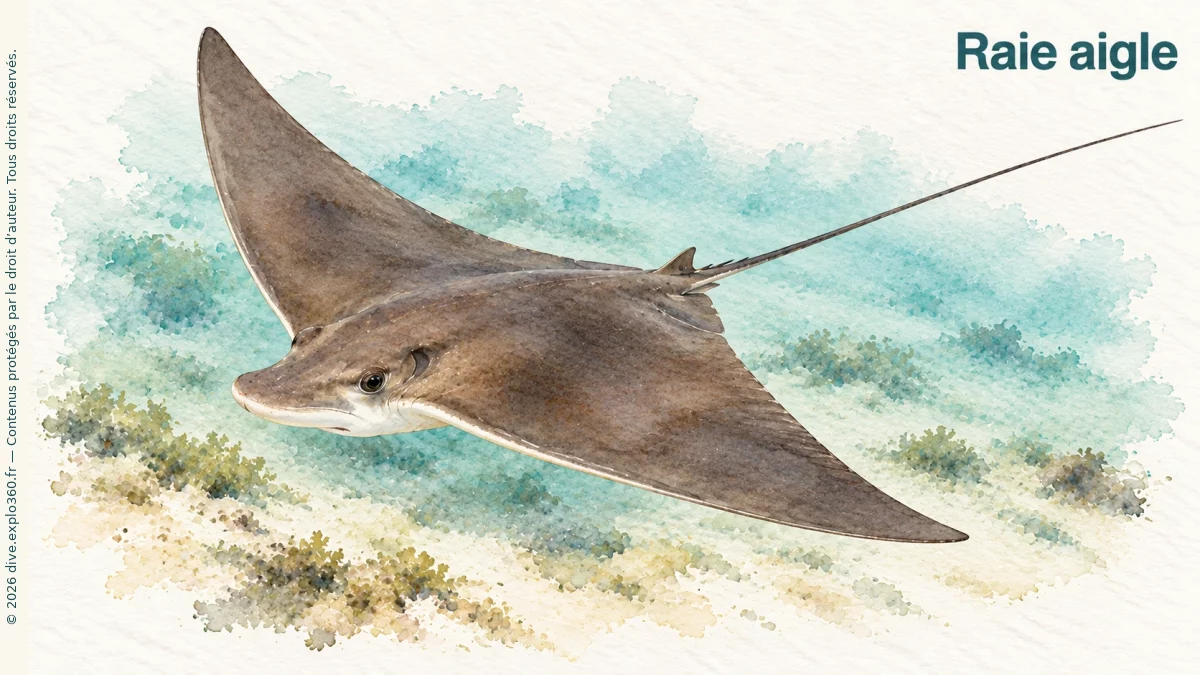 Species guidesCommon eagle rayDiscover →
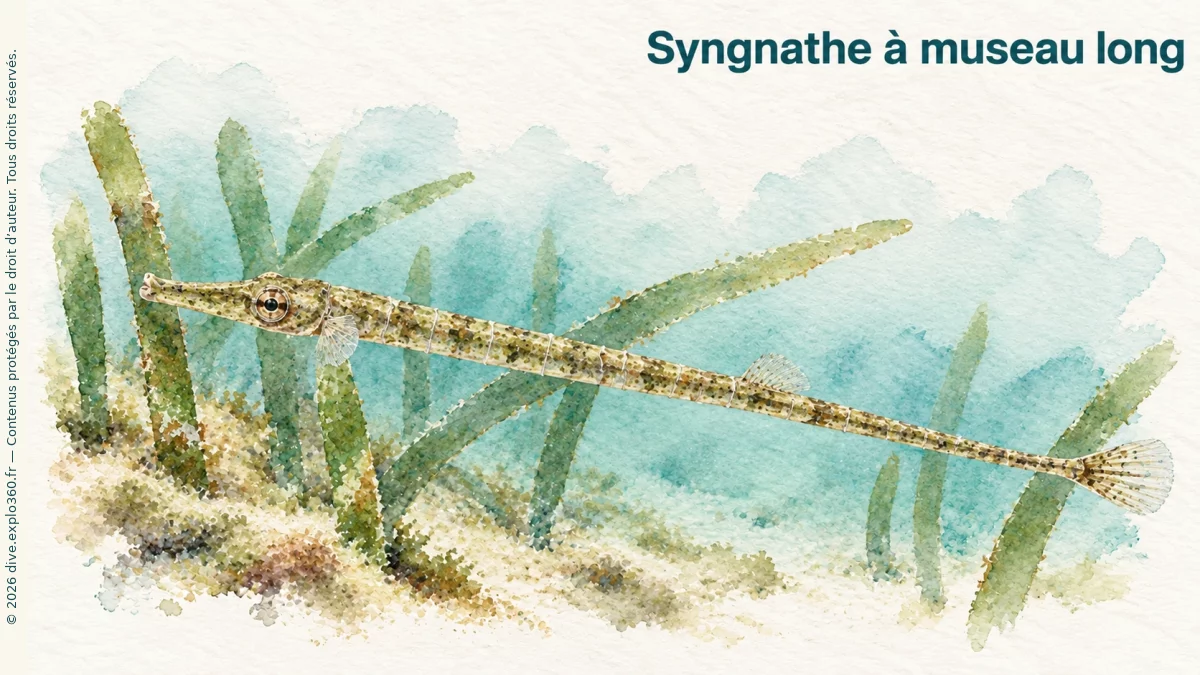 Species guidesBroad-nosed pipefishDiscover →
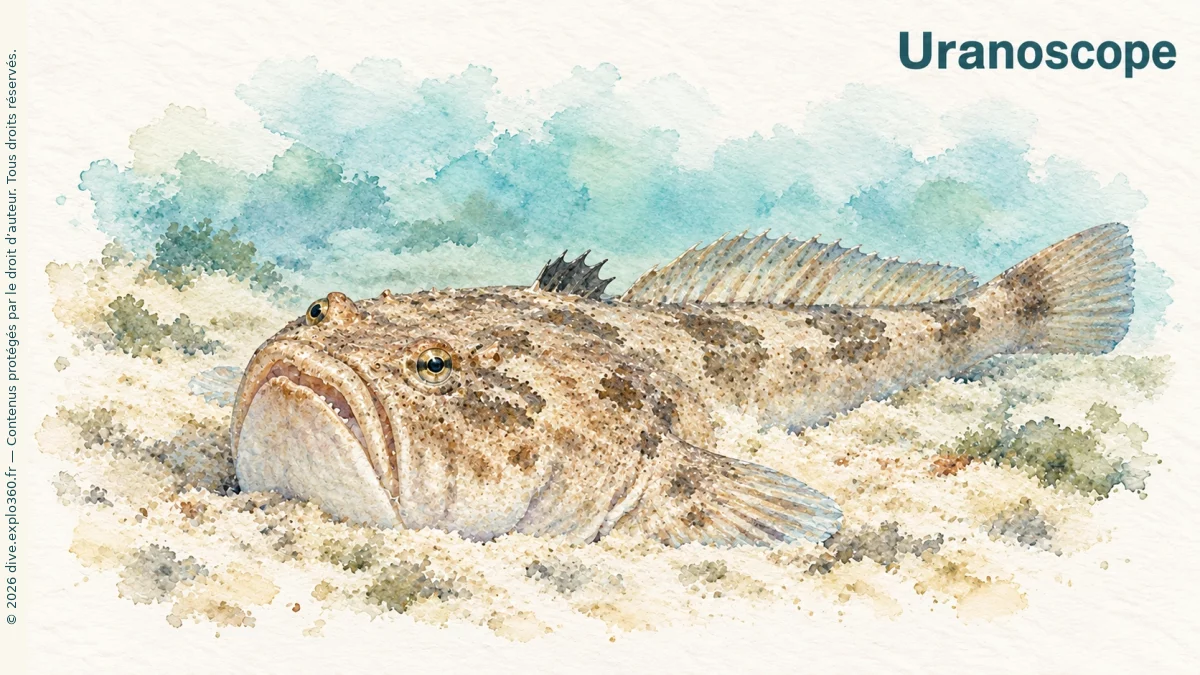 Species guidesAtlantic stargazerDiscover →
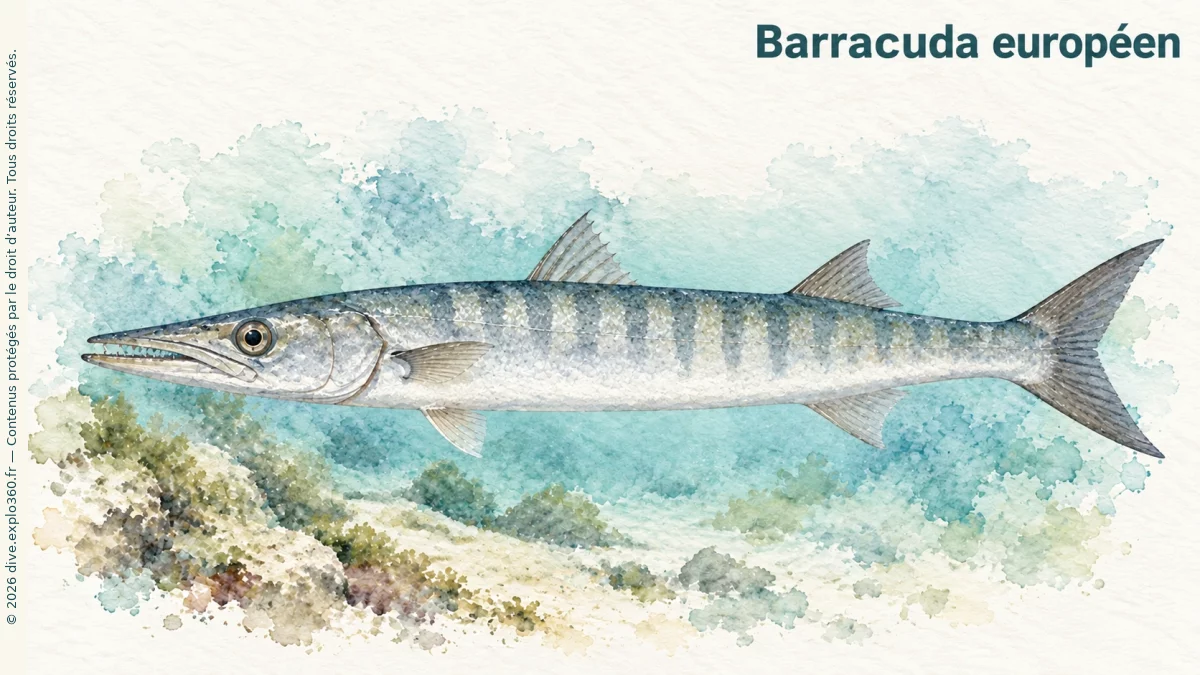 Species guidesEuropean barracudaDiscover →
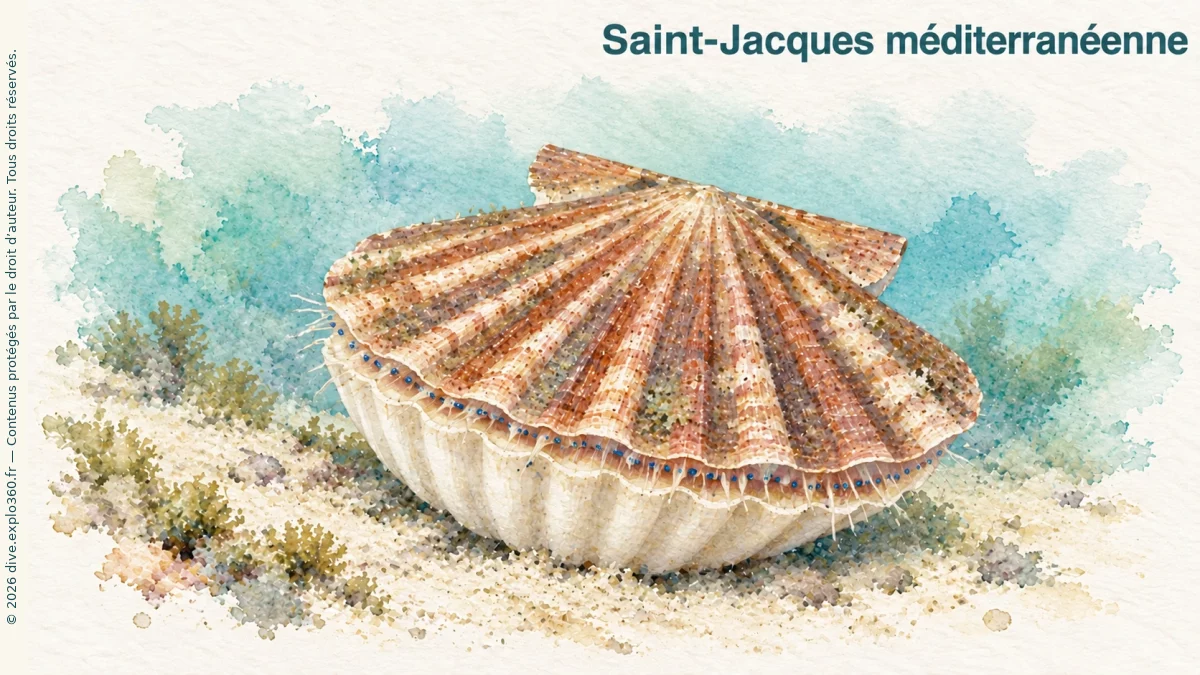 Species guidesMediterranean scallopDiscover →
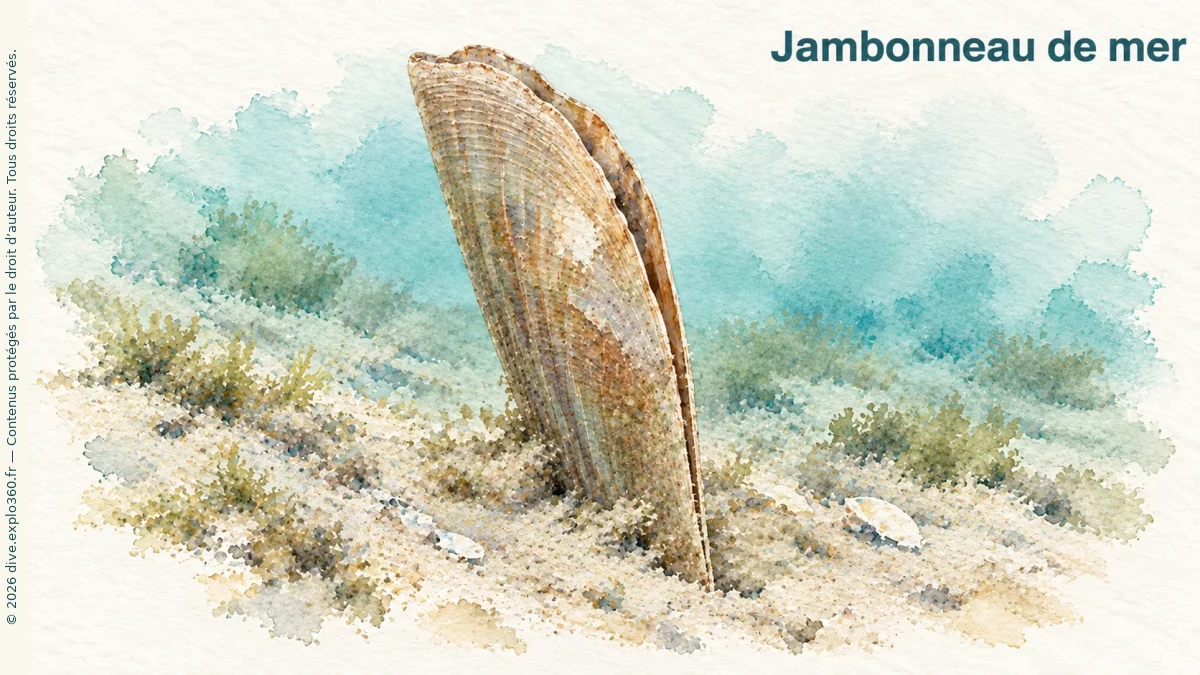 Species guidesBrittle pen shellDiscover →
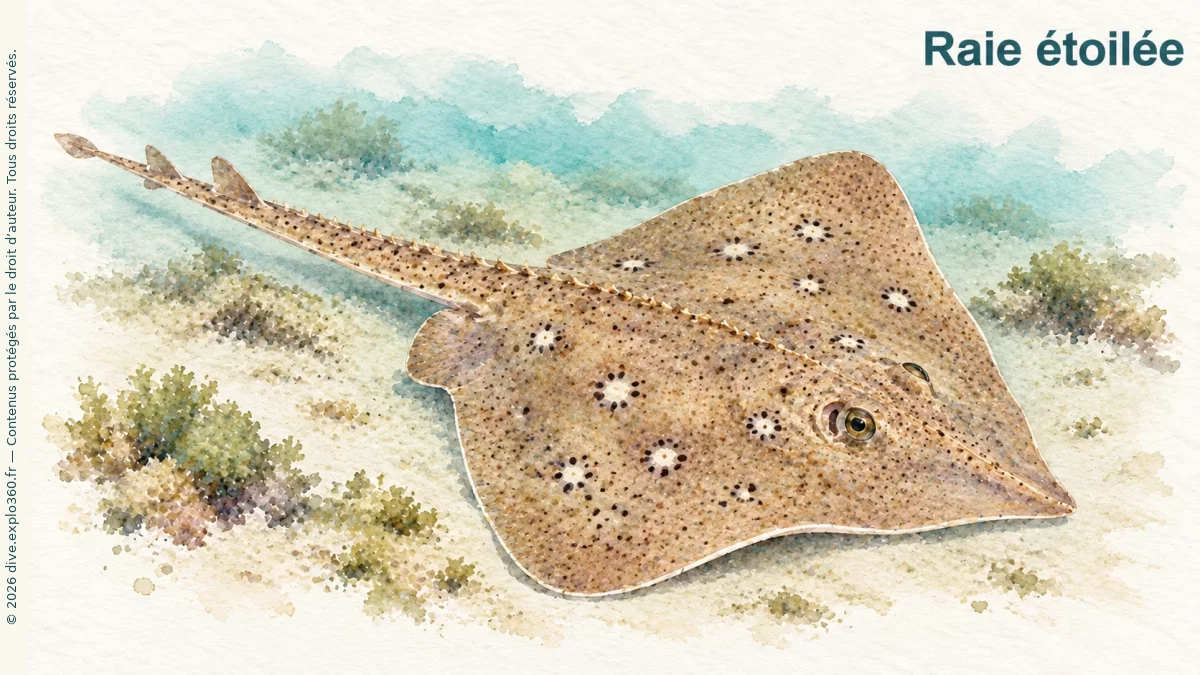 Species guidesMediterranean starry skateDiscover →
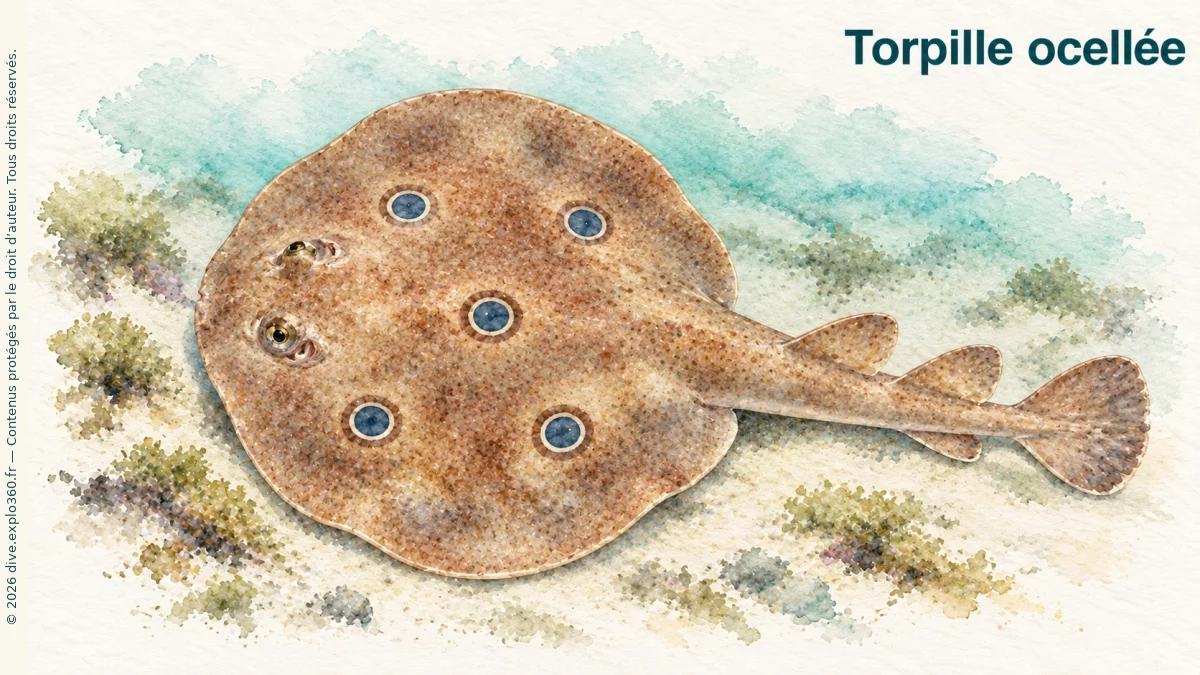 Species guidesCommon torpedoDiscover →
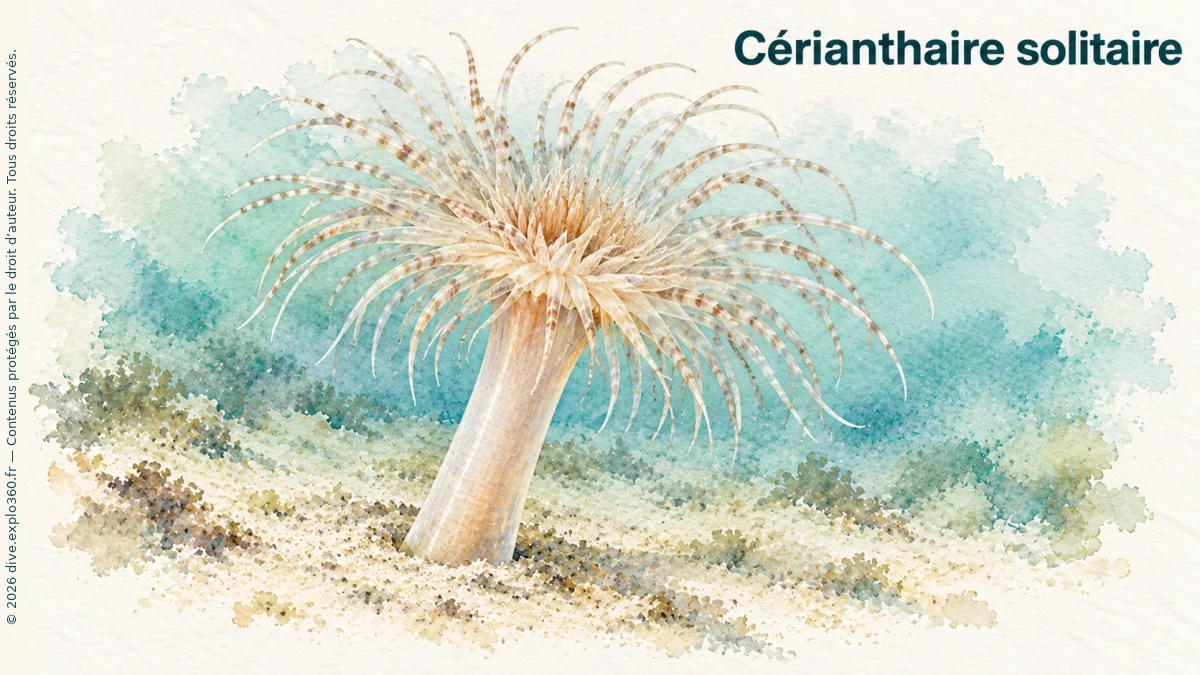 Species guidesSolitary tube anemoneDiscover →
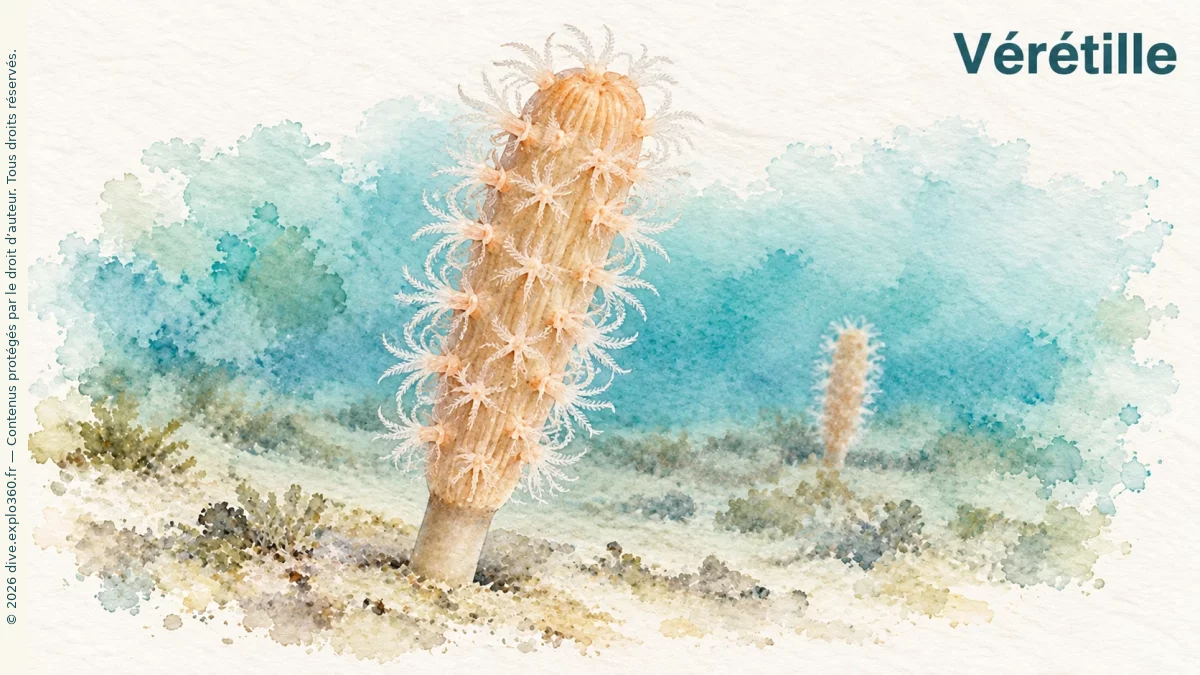 Species guidesCylindrical sea penDiscover →
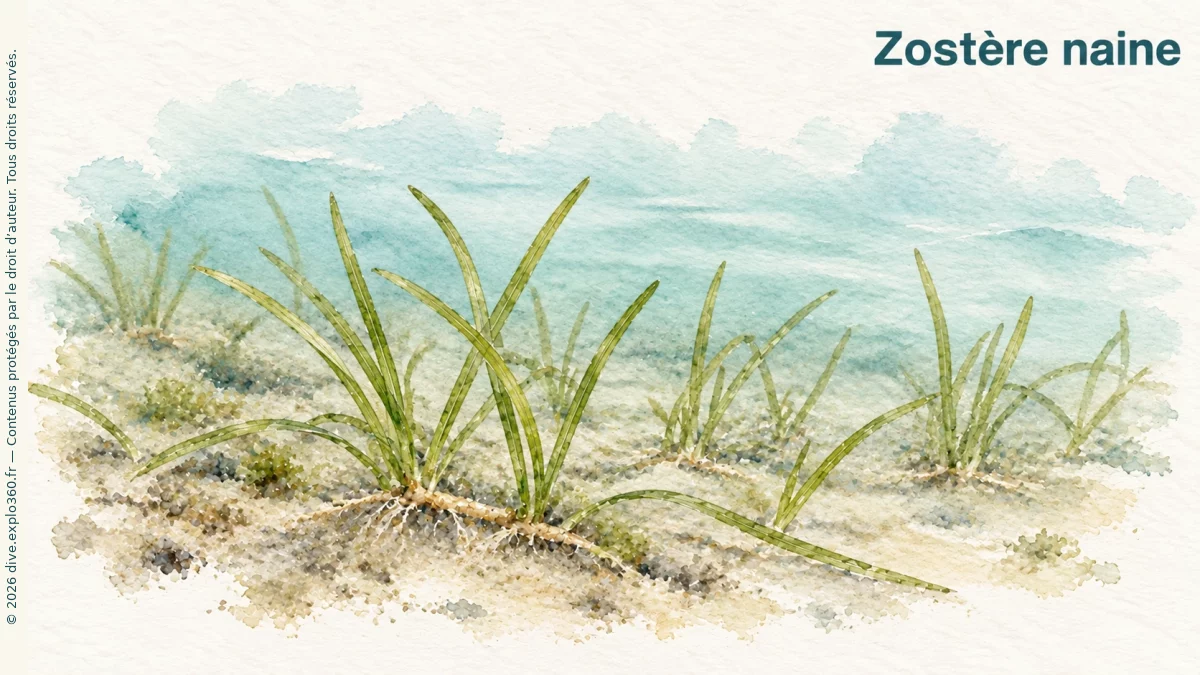 Species guidesDwarf eelgrassDiscover →
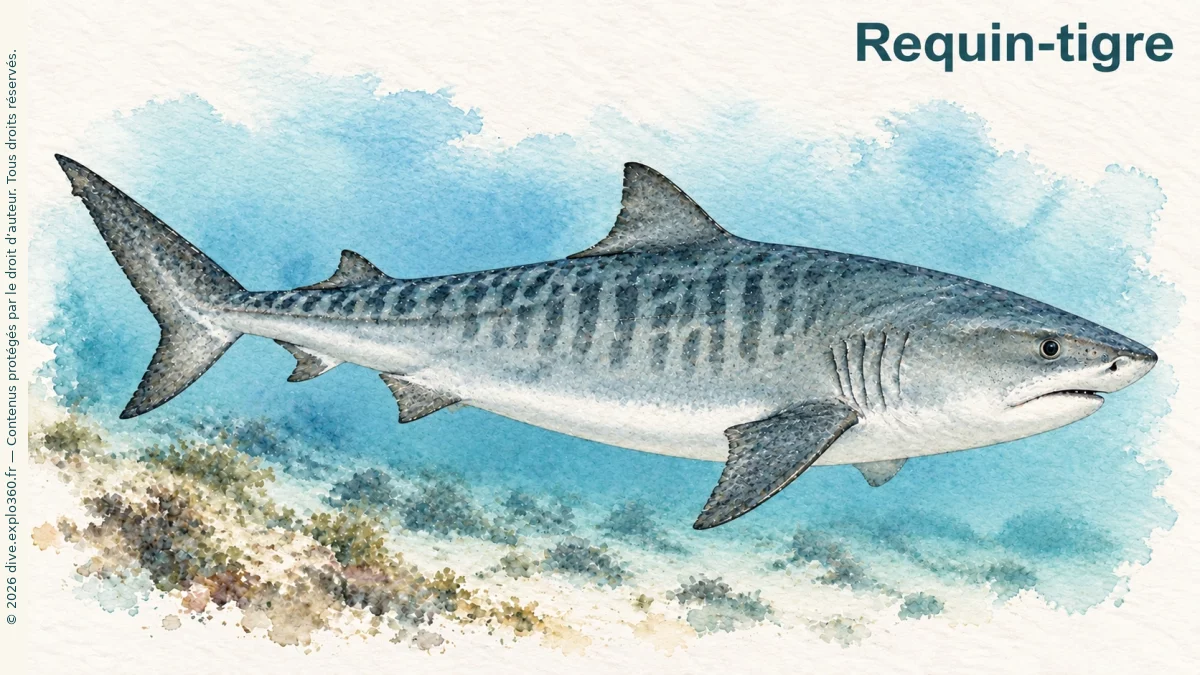 Species guidesTiger sharkDiscover →