SAND
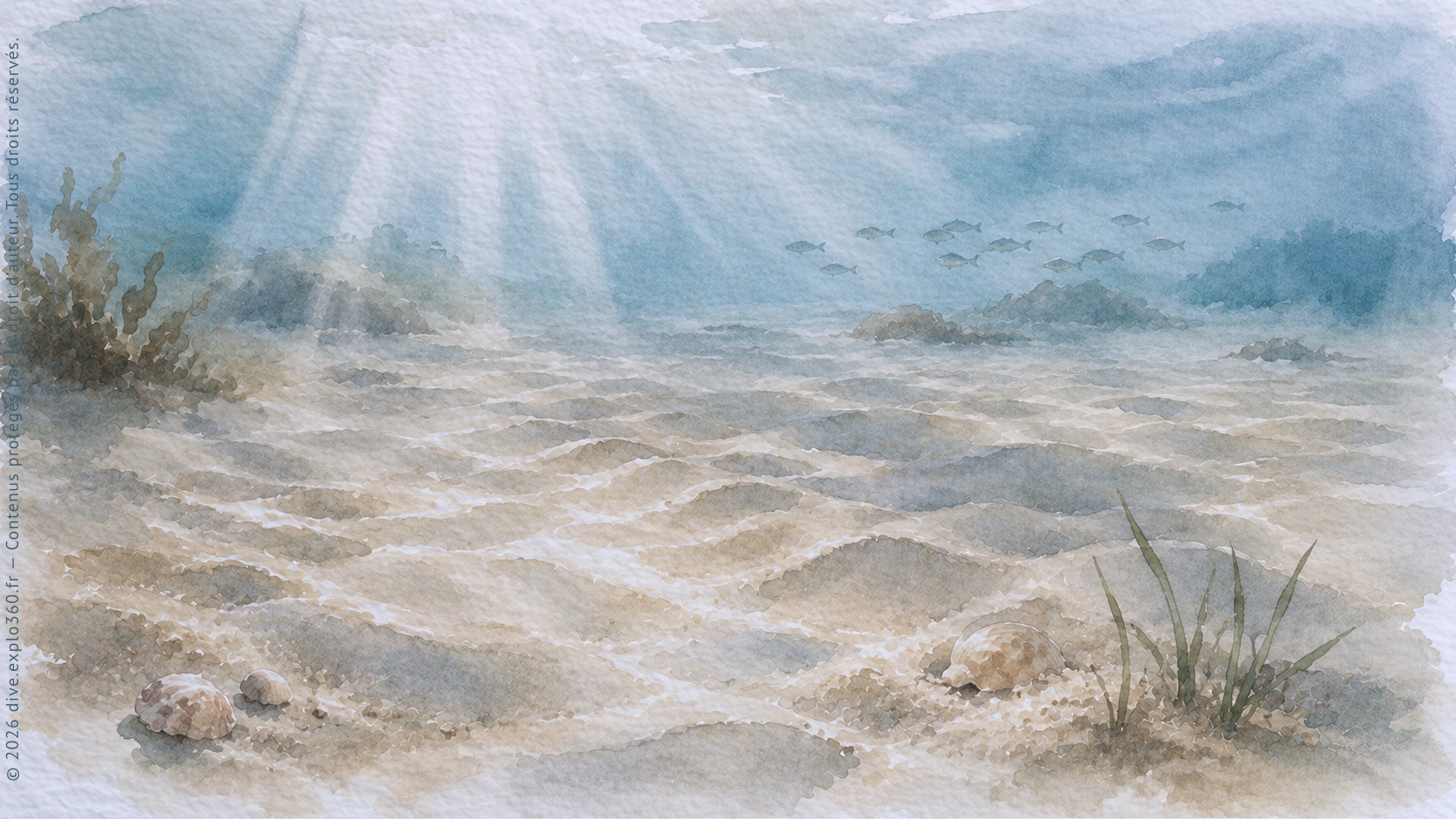
At first glance, a sandy seabed may seem almost empty. Yet beneath this mobile surface lies a complex habitat, continually transformed by waves, currents and the organisms living there.
Sand is a landscape, a refuge and a living environment all at once. Some animals live on its surface, while others bury themselves or move through the sediment.
Understanding sandy seabeds therefore means looking beyond what is immediately visible.
A MOVING LANDSCAPE
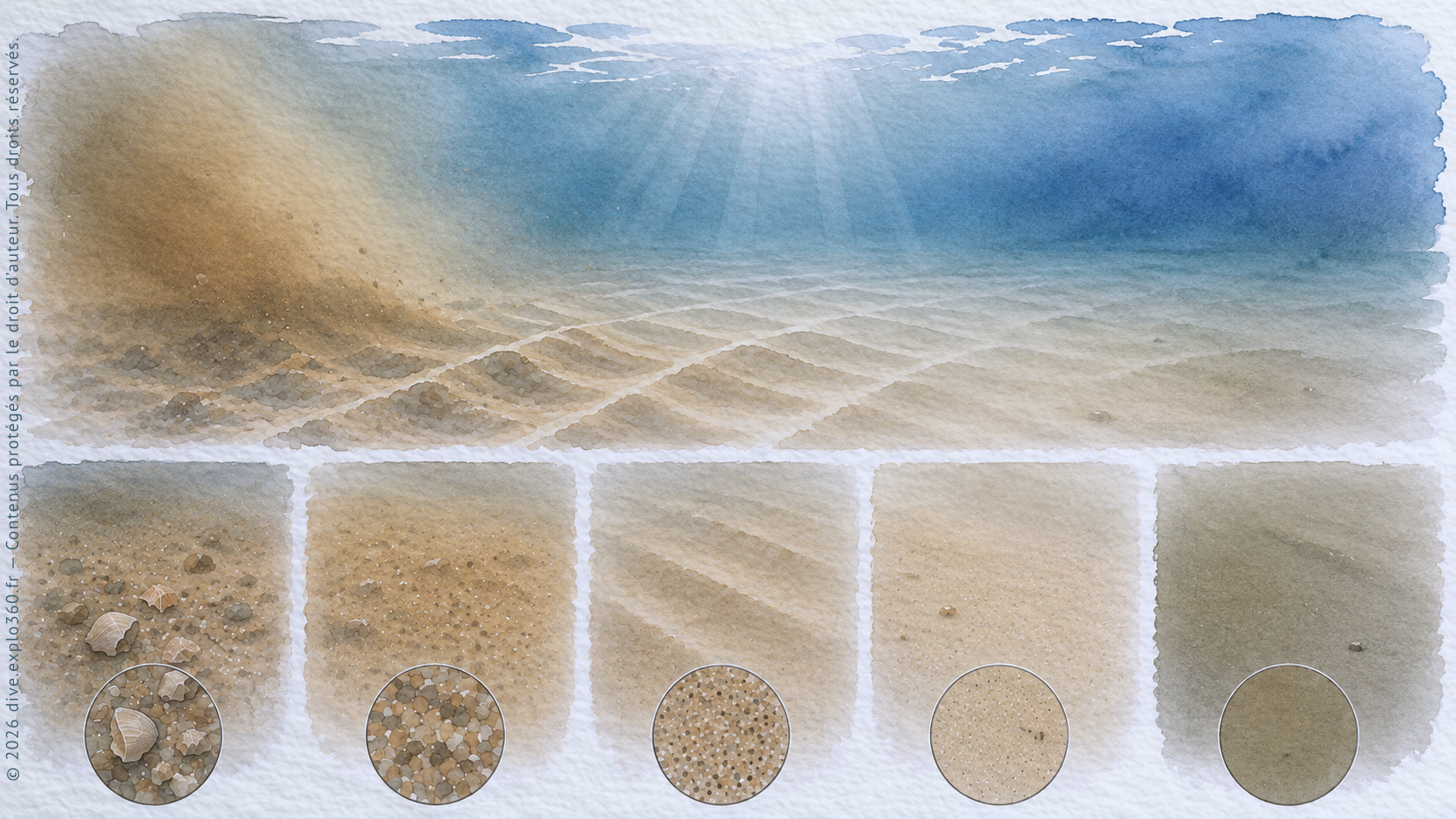
Unlike rock, sand is a mobile substrate. Waves and currents move the grains, create ripples and can make them disappear or shift. During a storm, the appearance of the seabed can change profoundly in just a few hours.
However, not all sandy seabeds are identical. Grain size and origin, water depth, mud content and current strength all shape the seabed.
Coarse sand that is regularly stirred up therefore does not support exactly the same organisms as finer, more stable sand. The physical characteristics of the environment directly influence which species can live there.
LIVING WITHOUT ROCKS
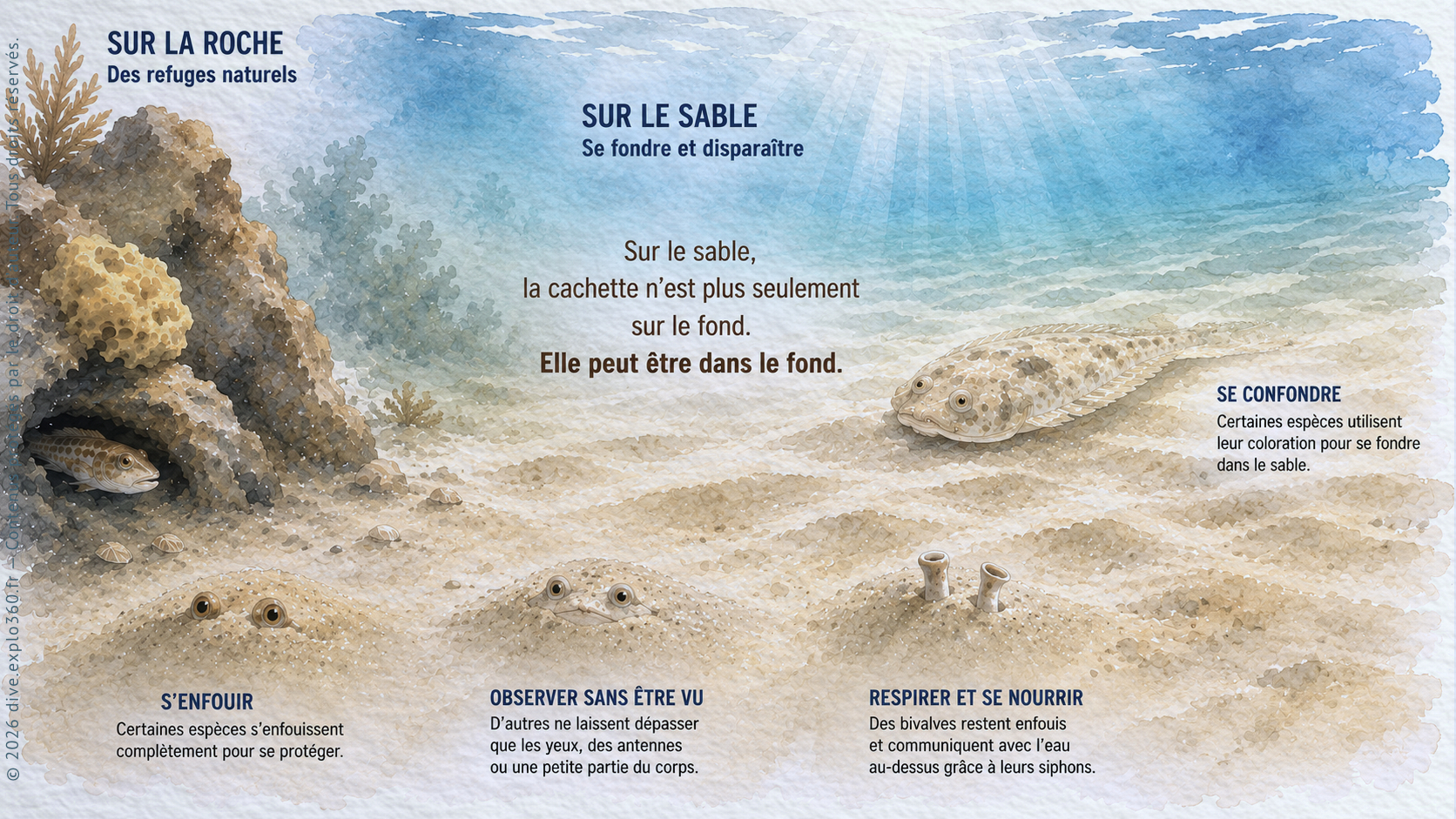
On a rocky seabed, animals can use cracks, cavities or overhangs for protection. On sand, these fixed refuges are much rarer.
Species have developed other strategies. Some bury themselves completely. Others leave only their eyes, antennae or a siphon extending out to maintain contact with the water.
Colouring can also allow an animal to blend into the seabed.
For many animals on a sandy seabed, shelter lies within the sediment itself.
BREATHING BENEATH THE SAND
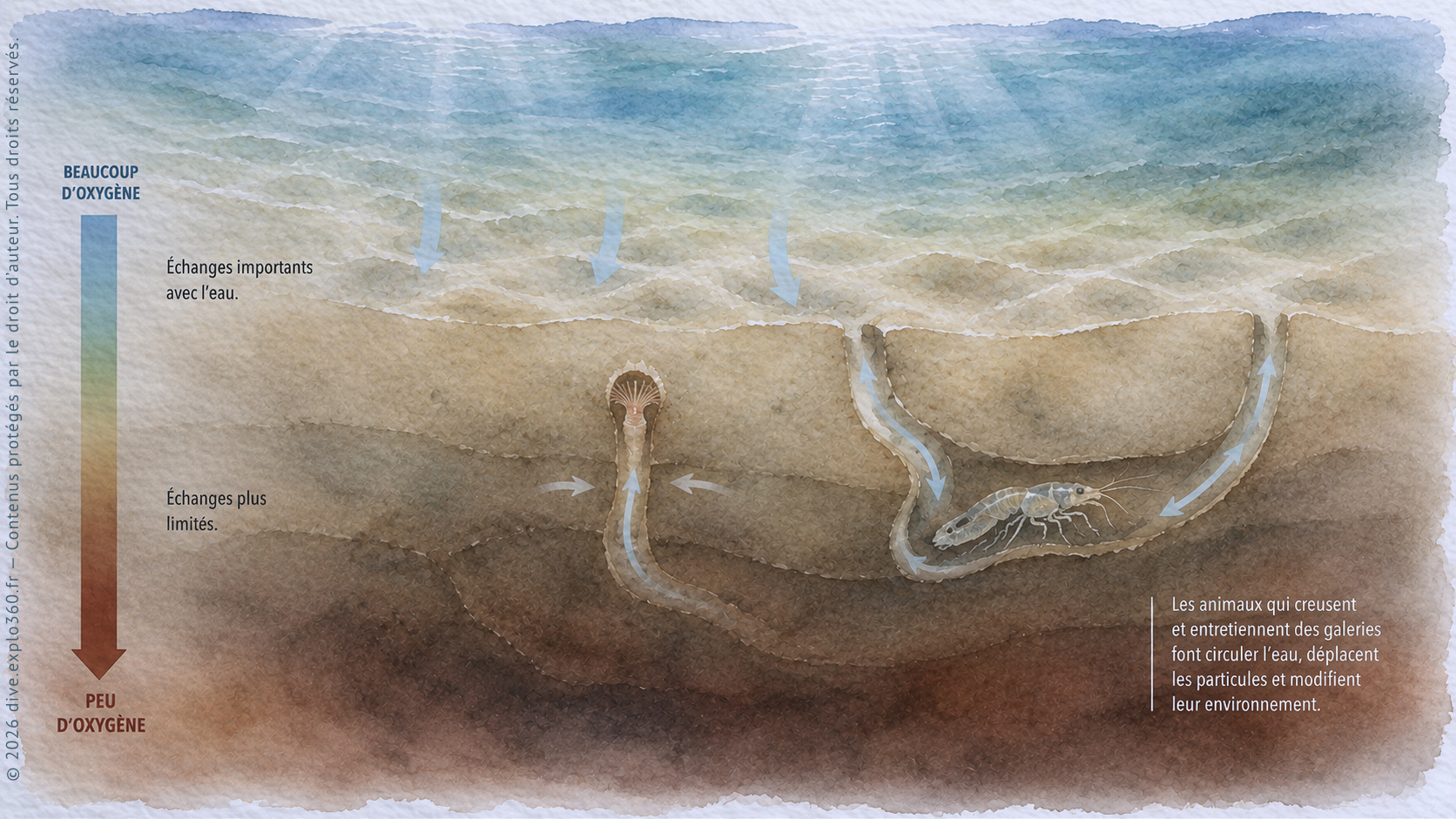
Oxygen reaches the sediment by diffusion and by water flowing through the spaces between grains. Grain size, mixing and the rate at which organisms consume oxygen determine how far it penetrates. Animals that circulate water through their burrows can increase the supply locally. Conditions elsewhere in the sediment may be very different.
TRACKS THAT TELL A STORY
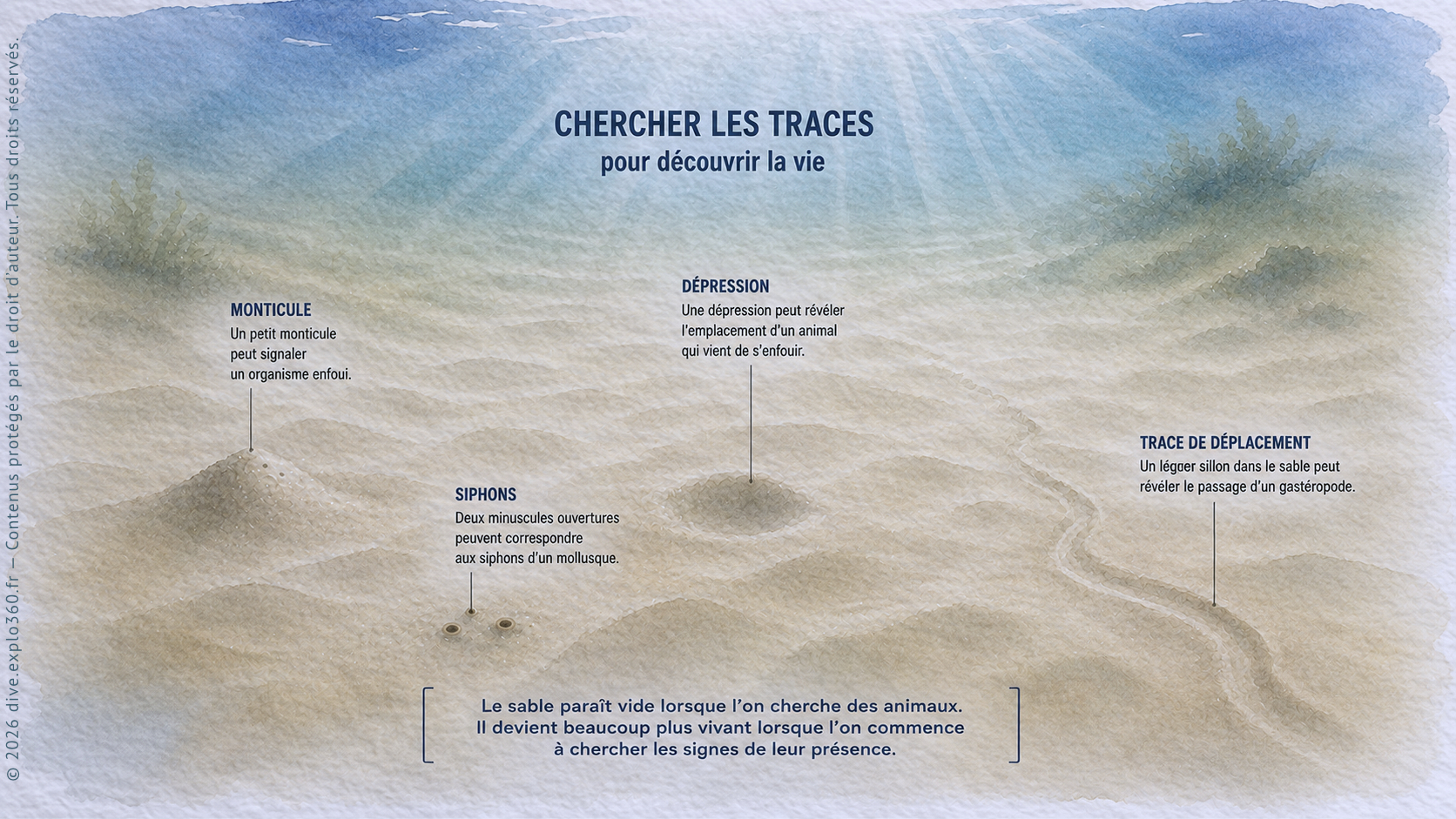
On a sandy seabed, seeing an animal is not always necessary to know it is there.
A small mound may indicate a buried organism. An opening may lead to a burrow or mark the tip of a siphon. A depression may reveal where an animal recently lay. Tracks or furrows may show that an organism has moved across the seabed.
These marks provide evidence of activity even while the animals themselves remain hidden.
DISAPPEARING TO SURVIVE
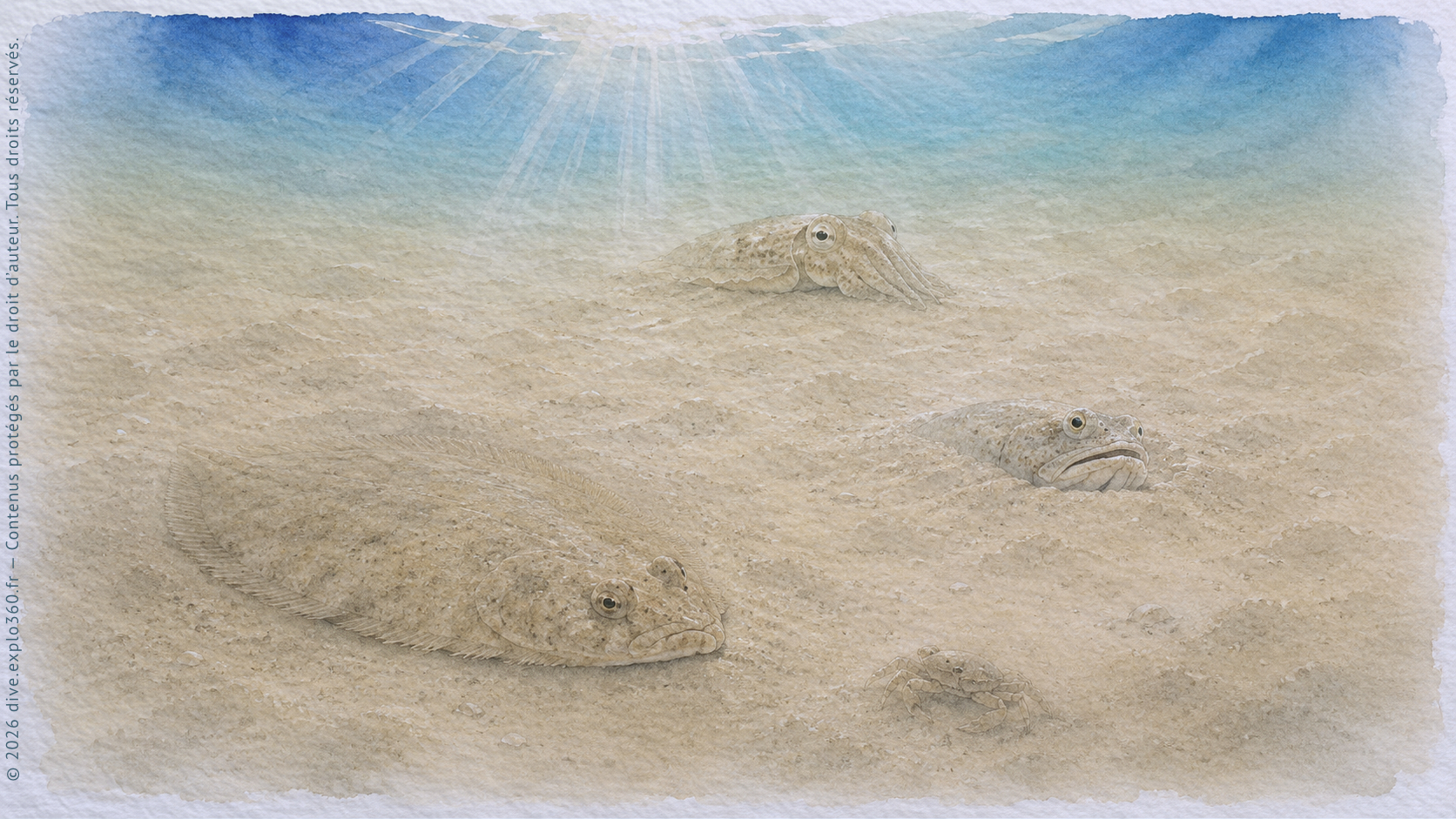
Sand offers many opportunities for camouflage.
Sole have a flattened body and colouring that allow them to blend into the seabed. Weever fish can bury themselves almost completely and wait for prey to pass.
Cuttlefish and some small crustaceans also use their colouring, stillness or burial to become difficult to spot.
Sand thus provides both a habitat and a means of concealment.
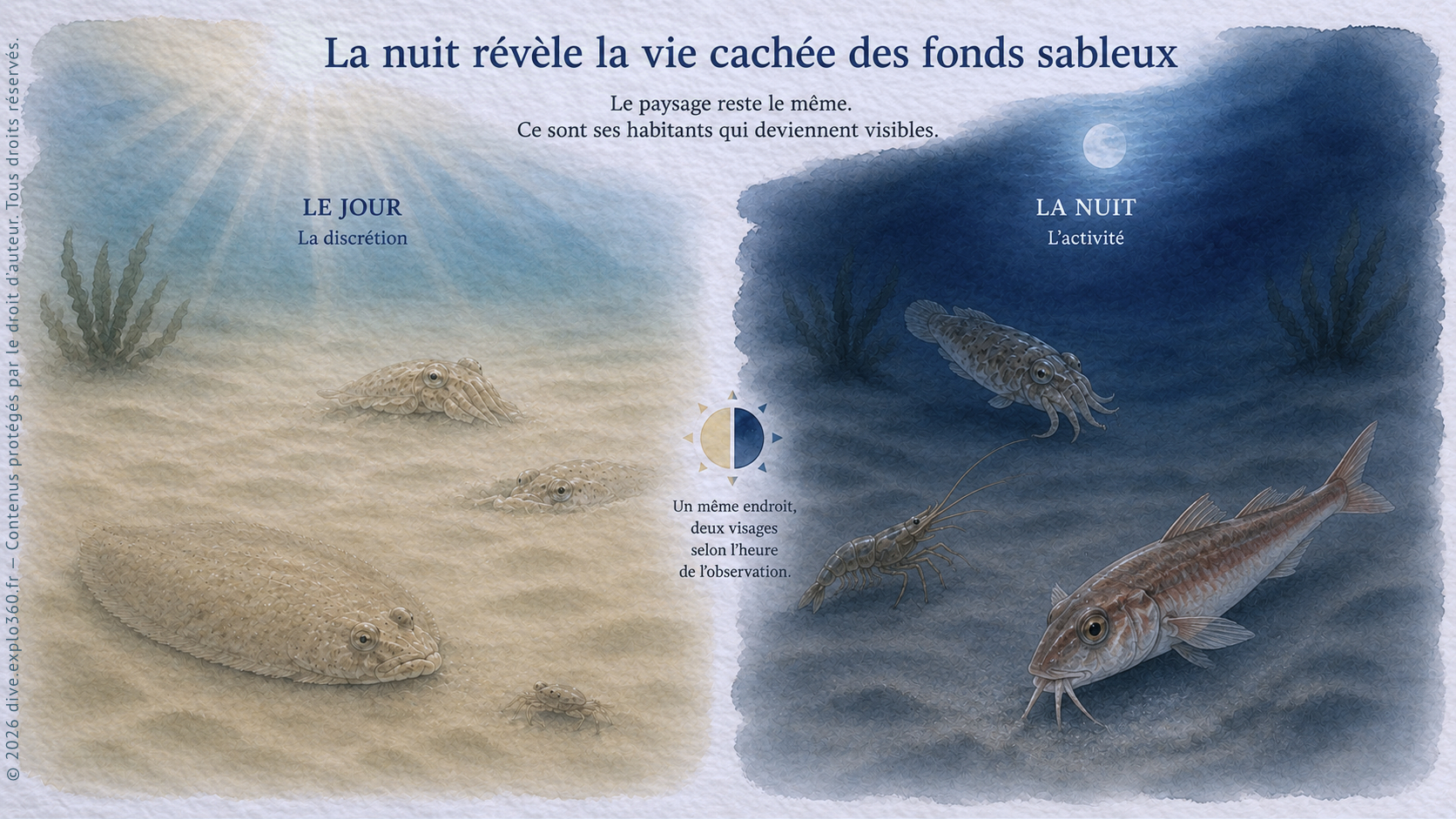
AT NIGHT, THE LANDSCAPE CHANGES
As light fades, some inhabitants of the sand become more active.
Some buried animals emerge and some crustaceans move more actively across the surface. Predators come to search for prey.
The seabed itself has not changed, but the visible species and their behaviour can be very different.
Observing the same sandy seabed by day and by night therefore reveals two complementary aspects of it.
Interactive quiz
Test your knowledge
A brief introduction presents the main idea of this slide.
Interactive quiz
Test your knowledge
Question 1 out of 5Score: 0
Why can two sandy seabeds support different communities?
Which strategies allow animals to live on or in a sandy seabed? (Choose all that apply.)
What are organisms living directly inside the sediment called?
Which clues can reveal animals hidden beneath the sand? (Choose all that apply.)
What generally happens deeper in the sediment?
Final result
Quiz completed
correct answers
Conclusion
Mounds, burrow entrances and moving grains can reveal activity below the surface.
Life extends down into the sediment, where both moving water and the organisms themselves continually reshape the habitat.
Sources
Explore the same world
Explore further
Habitats
Species guides
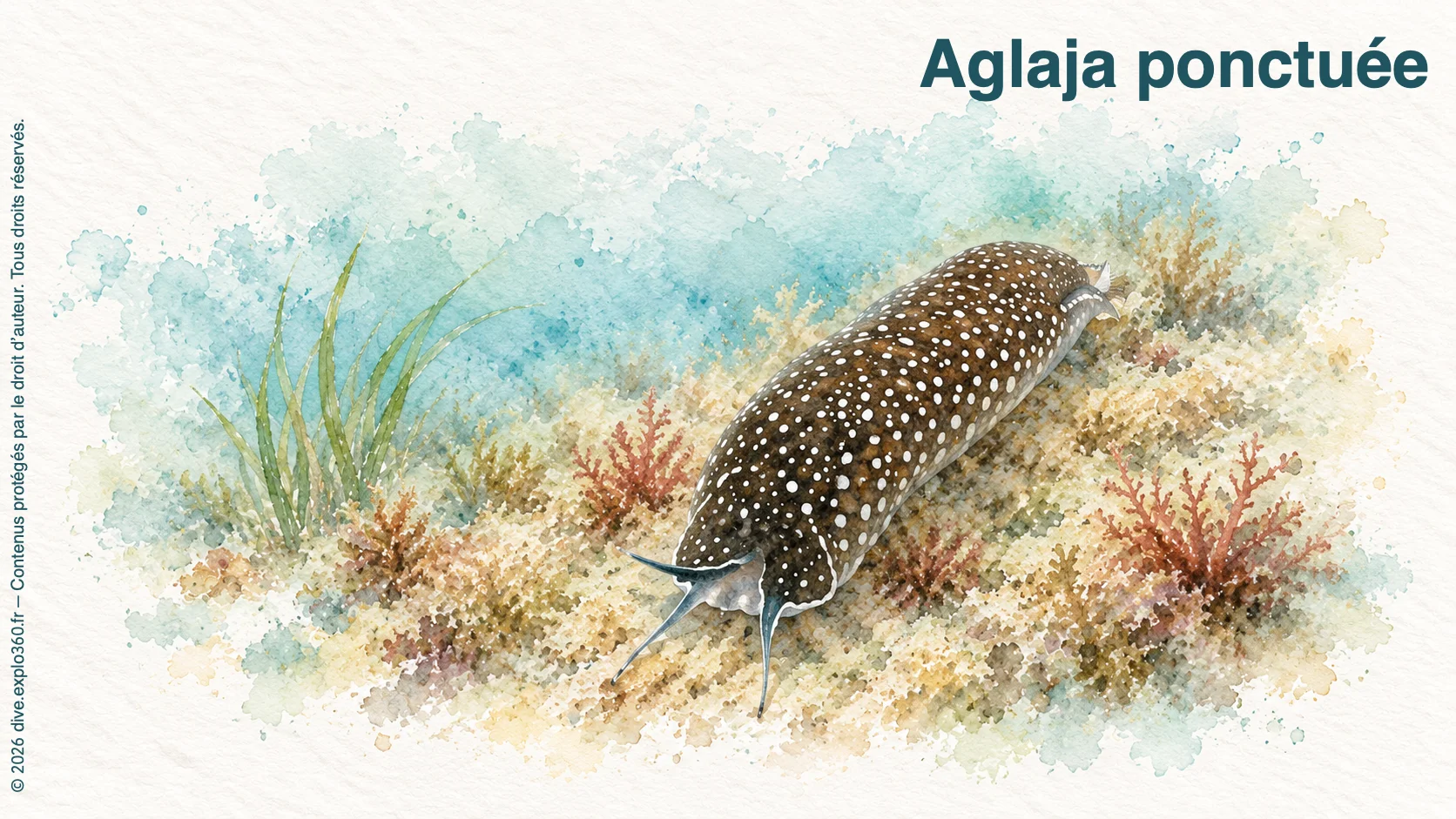 Species guidesThree-coloured AglajaDiscover →
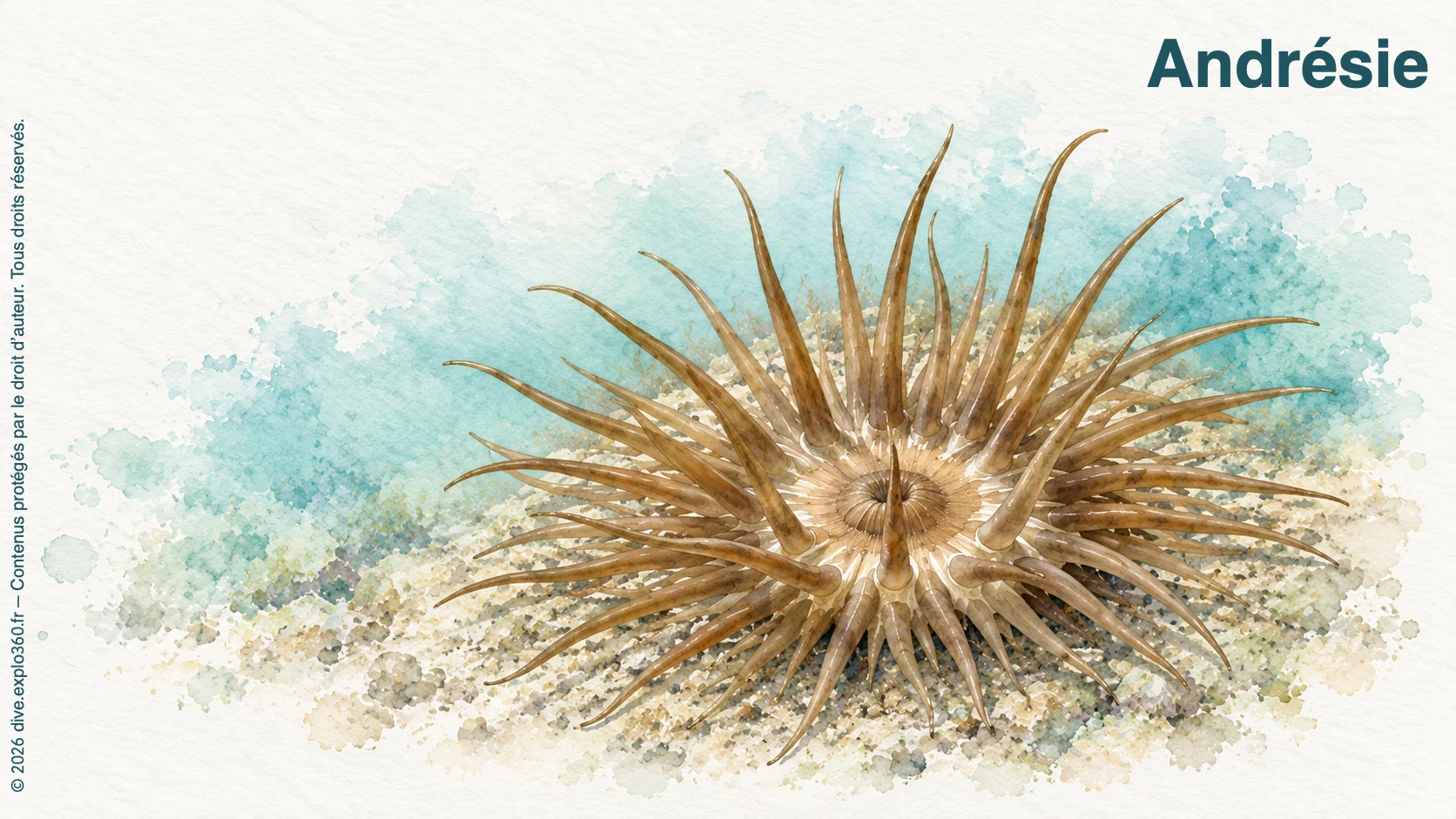 Species guidesBurrowing AnemoneDiscover →
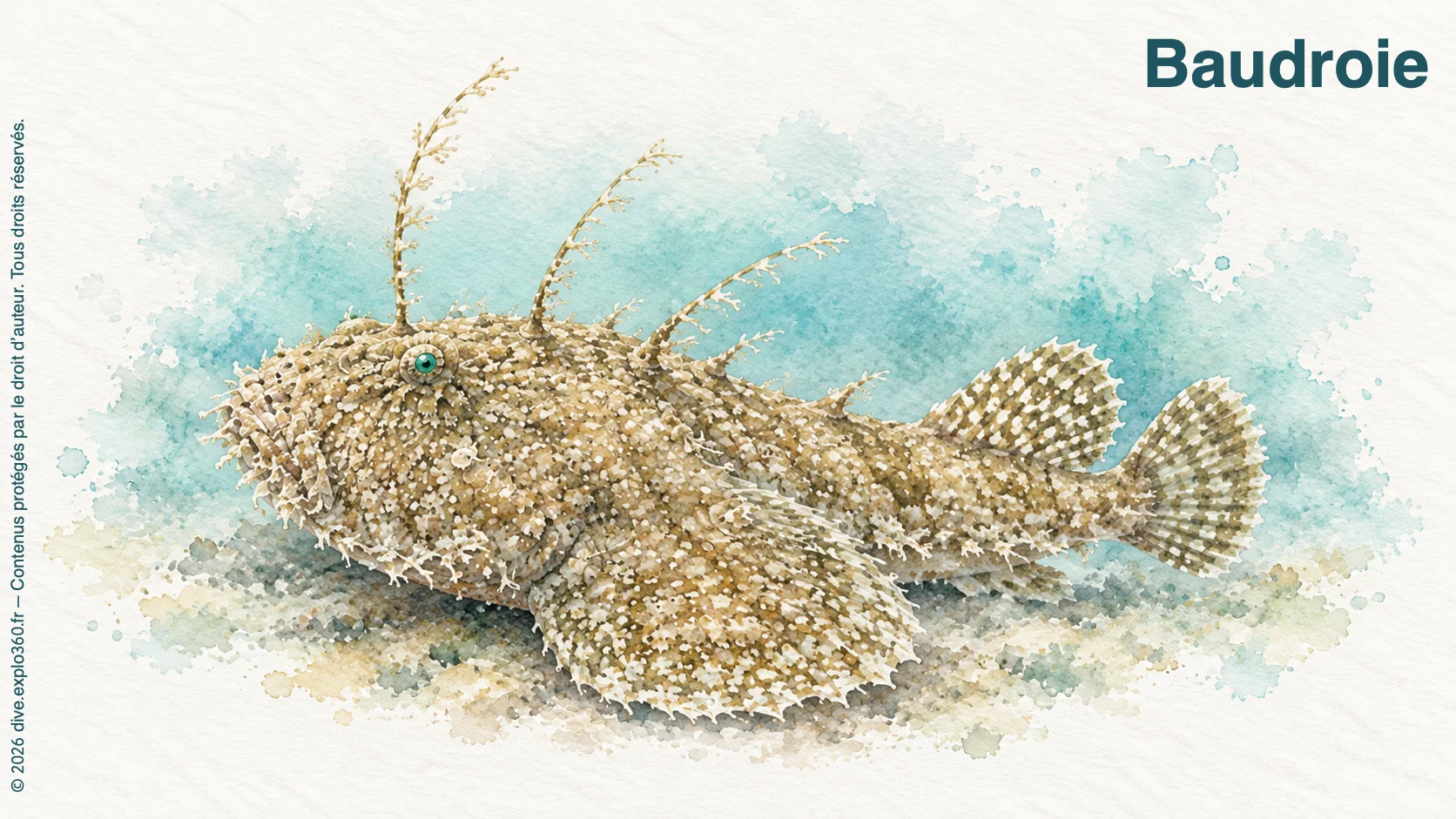 Species guidesAnglerfishDiscover →
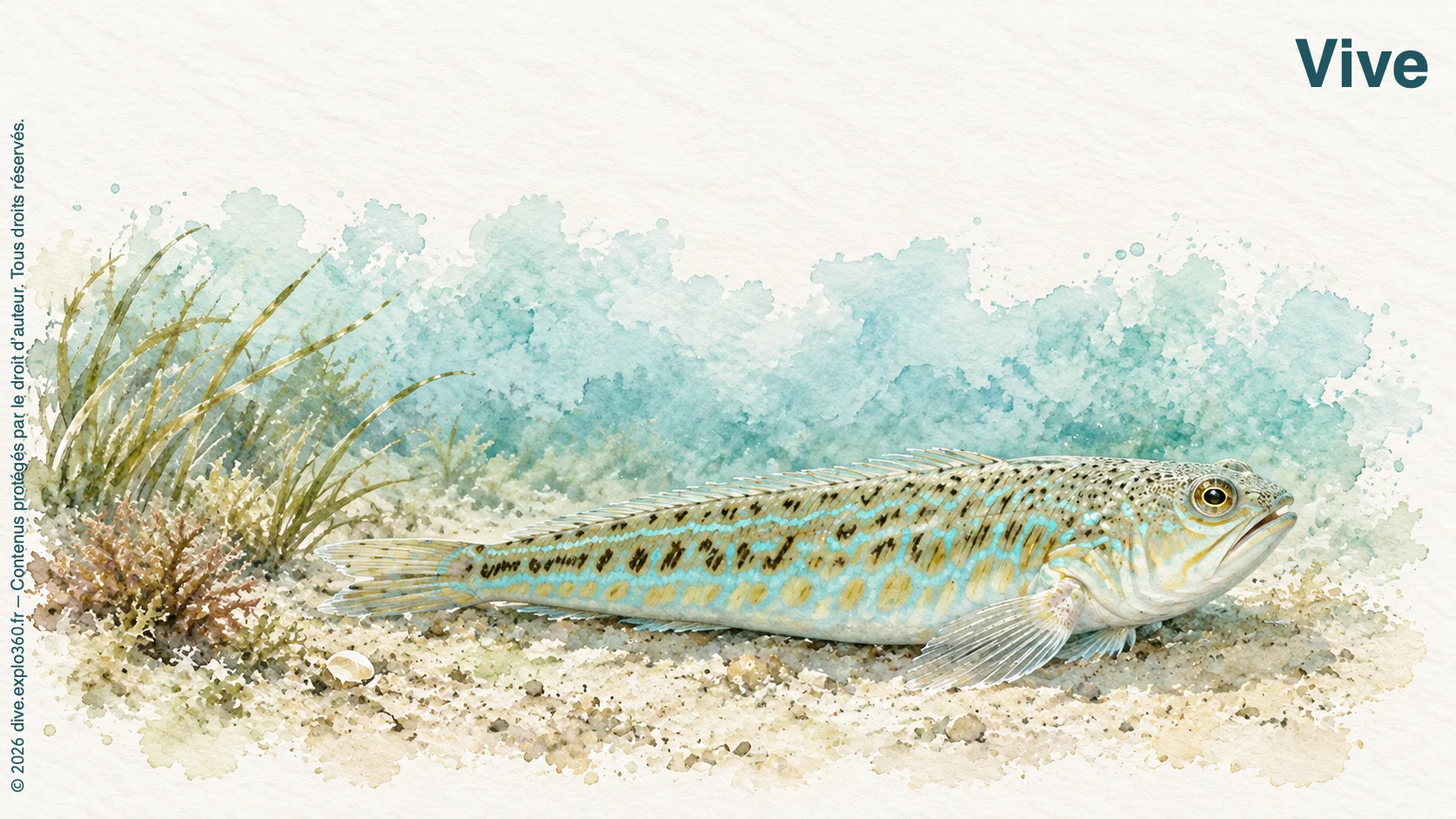 Species guidesGreater weeverDiscover →
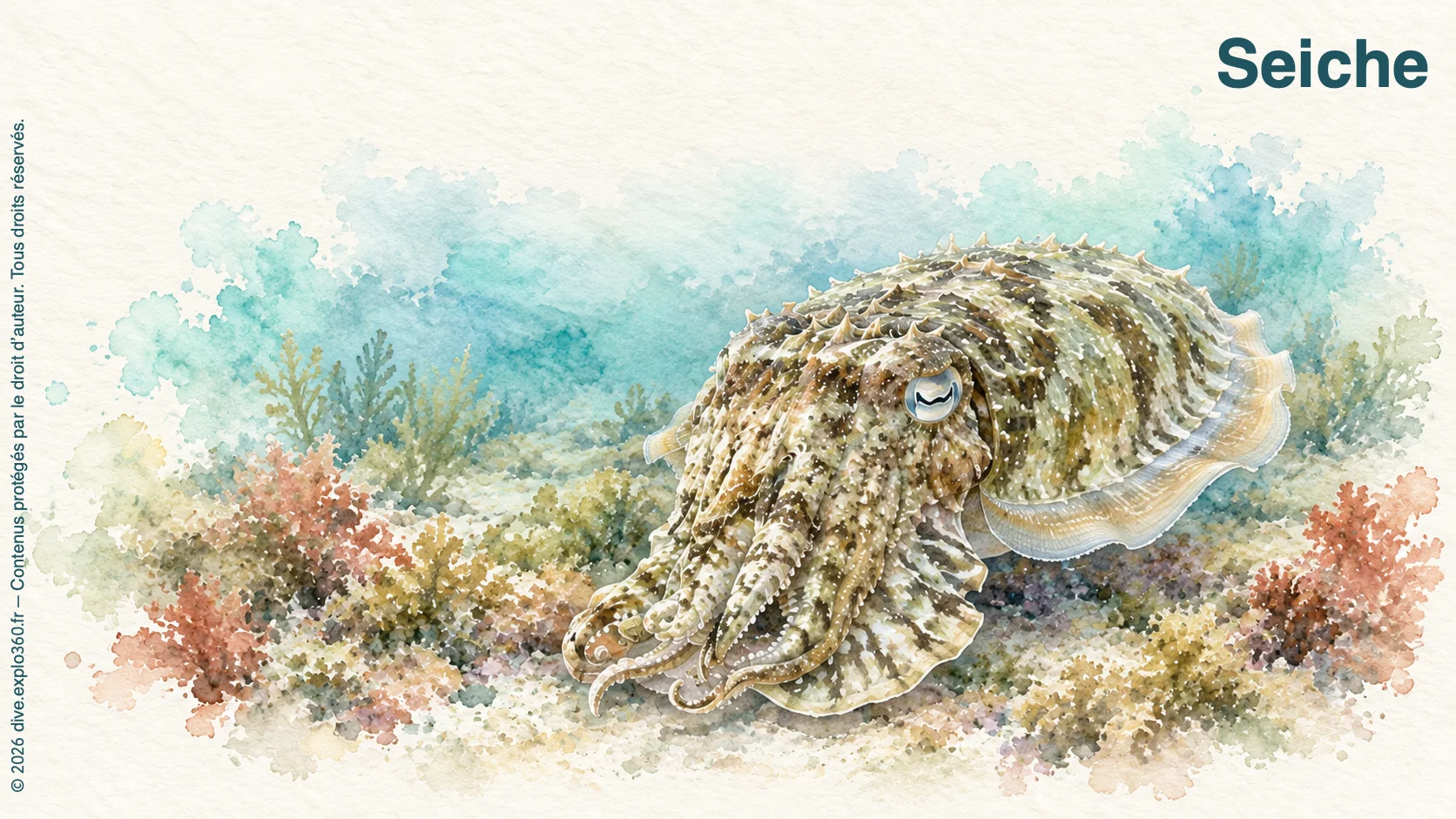 Species guidesCommon cuttlefishDiscover →
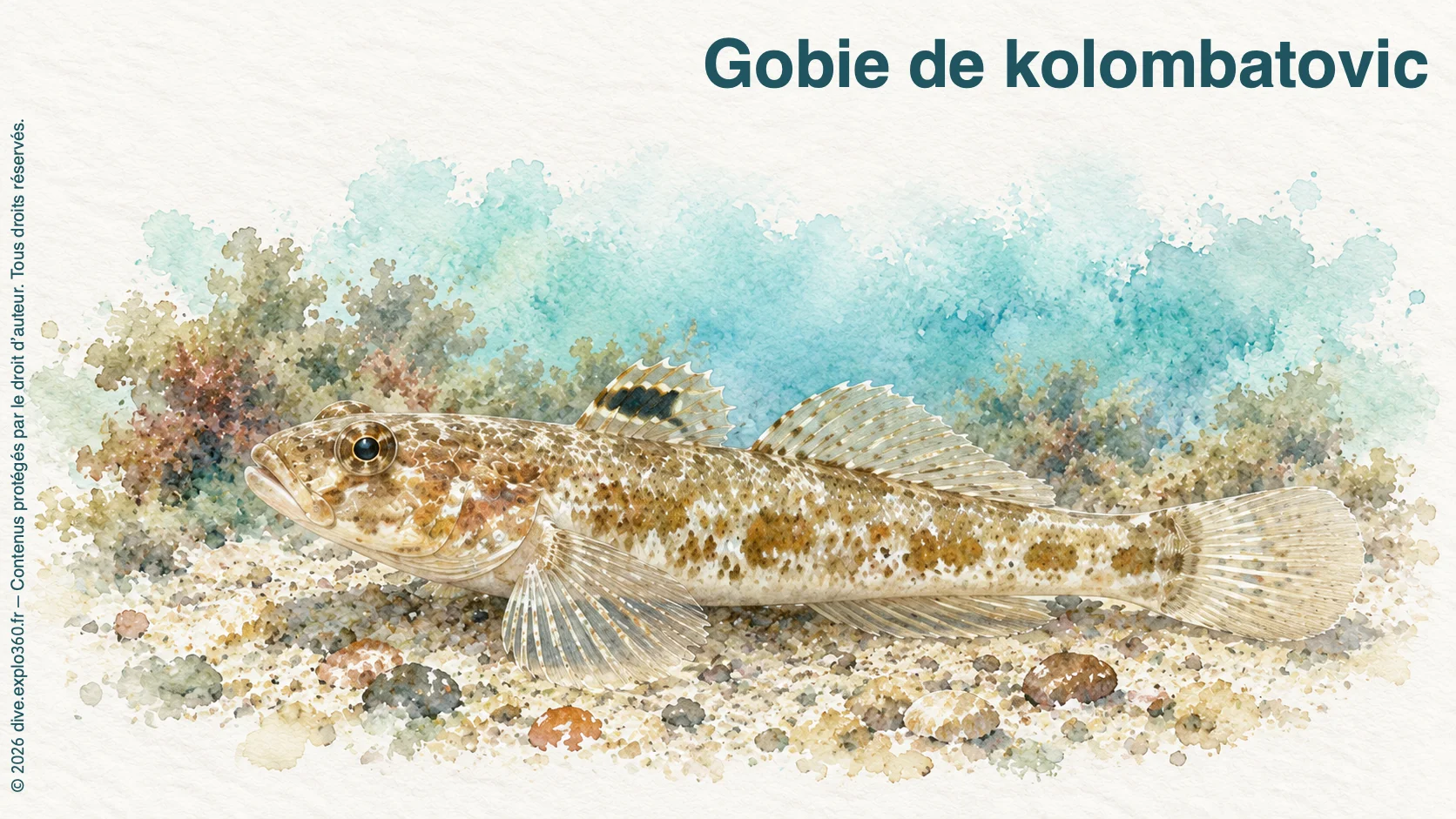 Species guidesKolombatovic’s GobyDiscover →
View the other 40 species guides
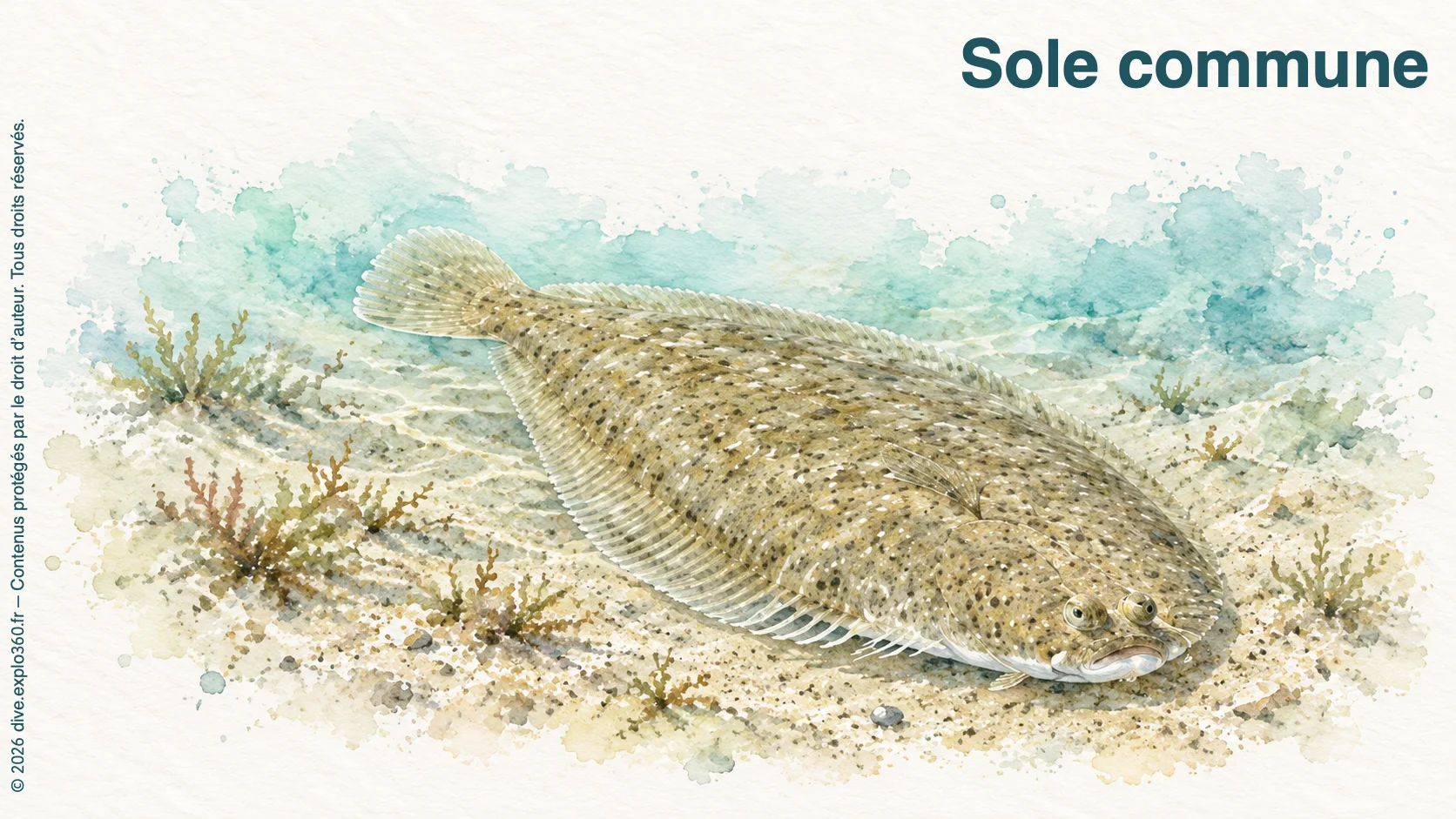 Species guidesCommon soleDiscover →
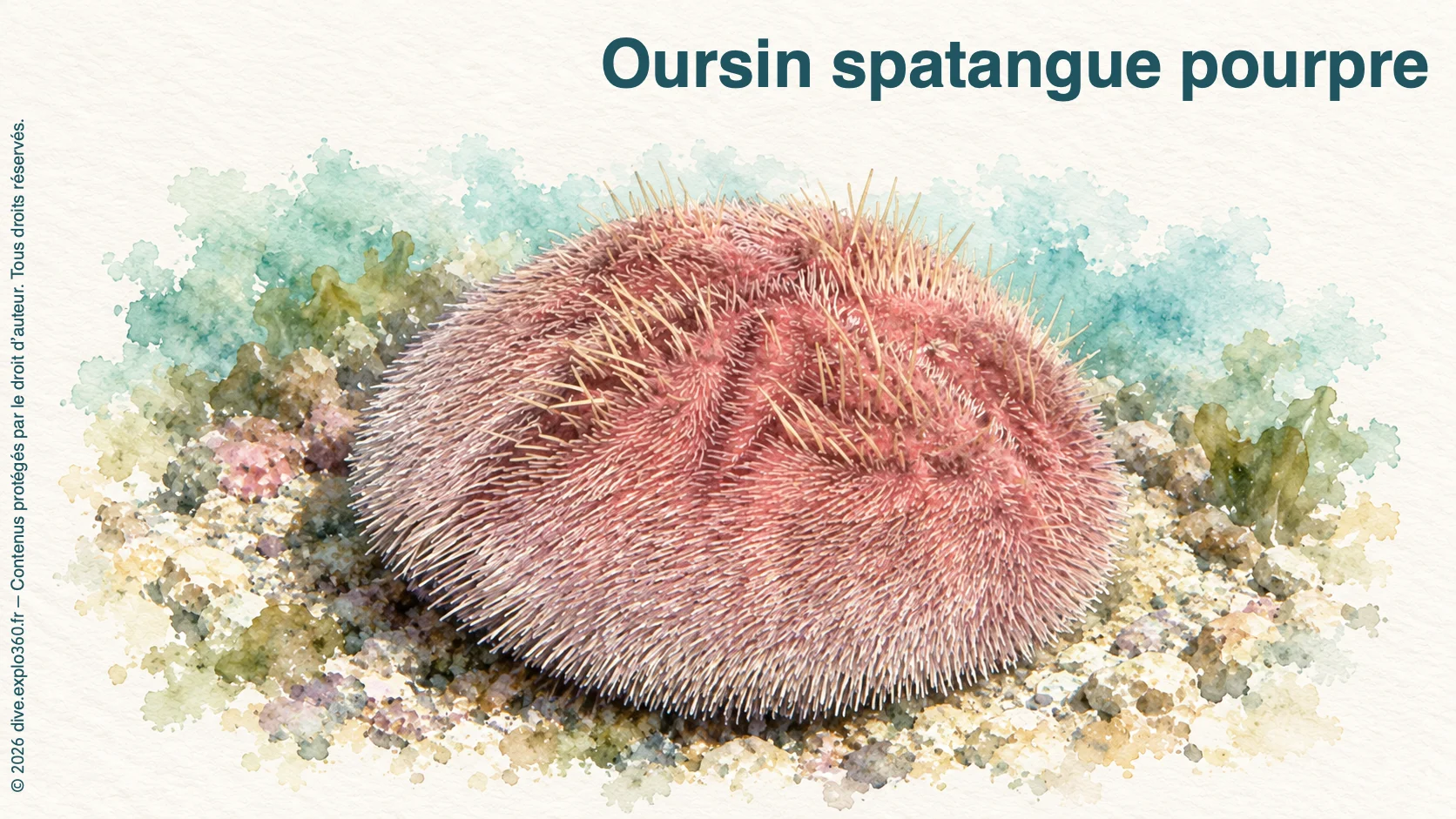 Species guidesPurple heart urchinDiscover →
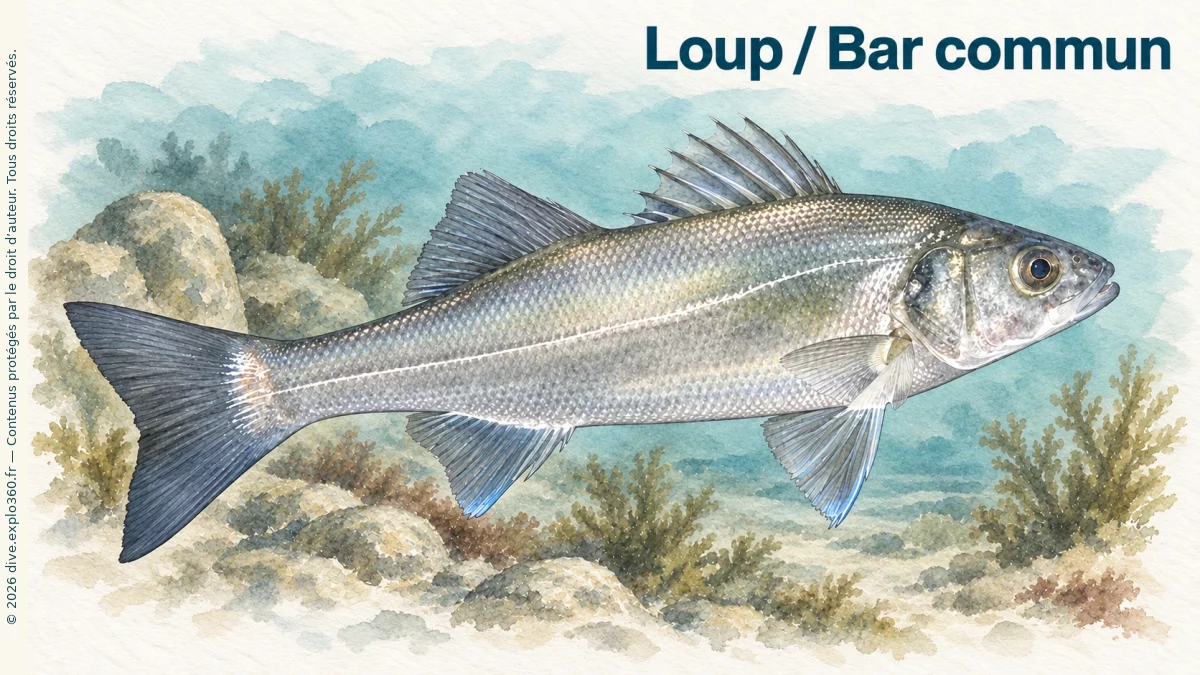 Species guidesEuropean seabassDiscover →
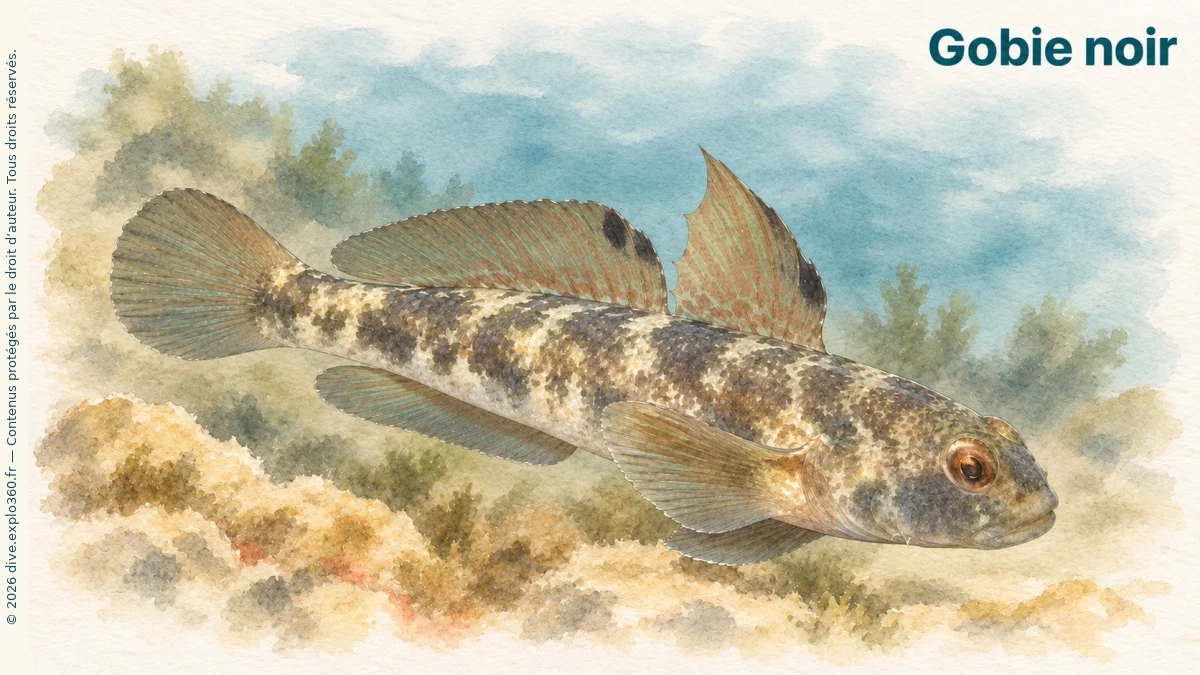 Species guidesBlack gobyDiscover →
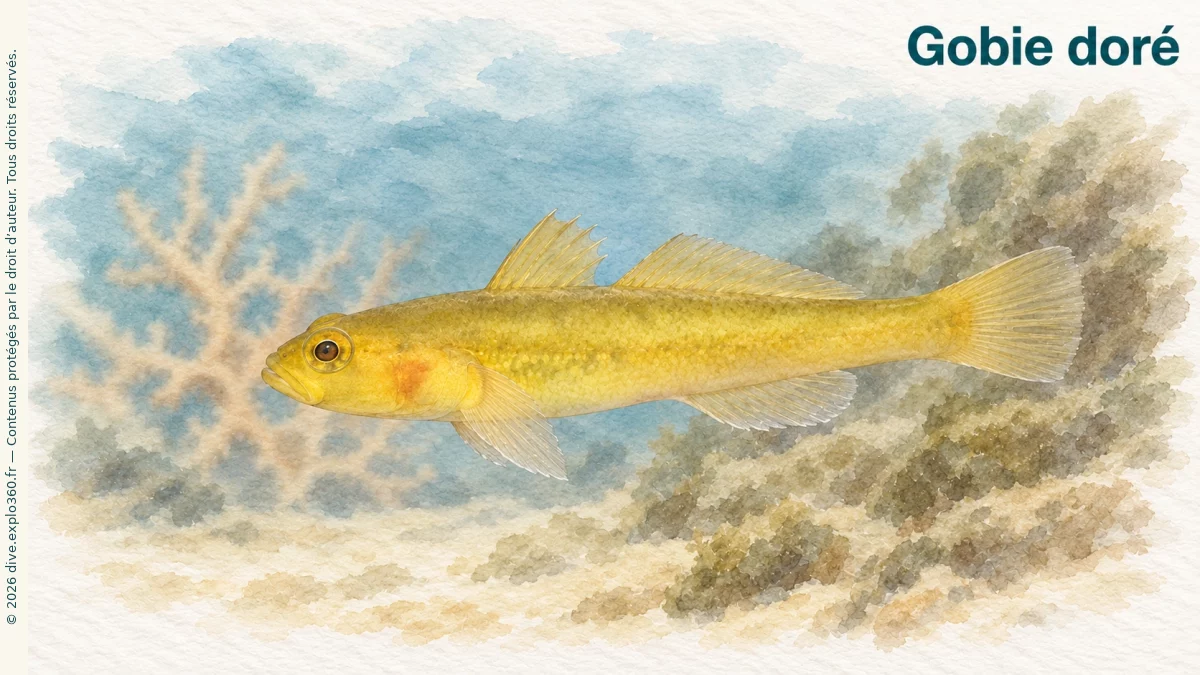 Species guidesGolden gobyDiscover →
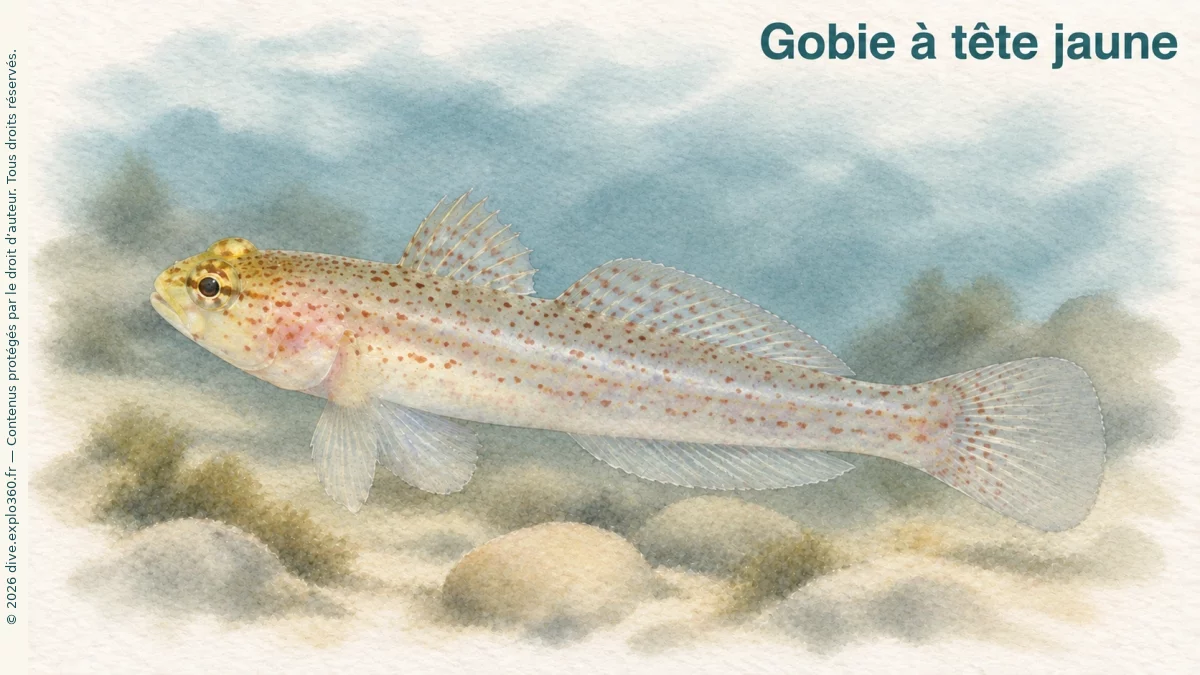 Species guidesYellow-headed gobyDiscover →
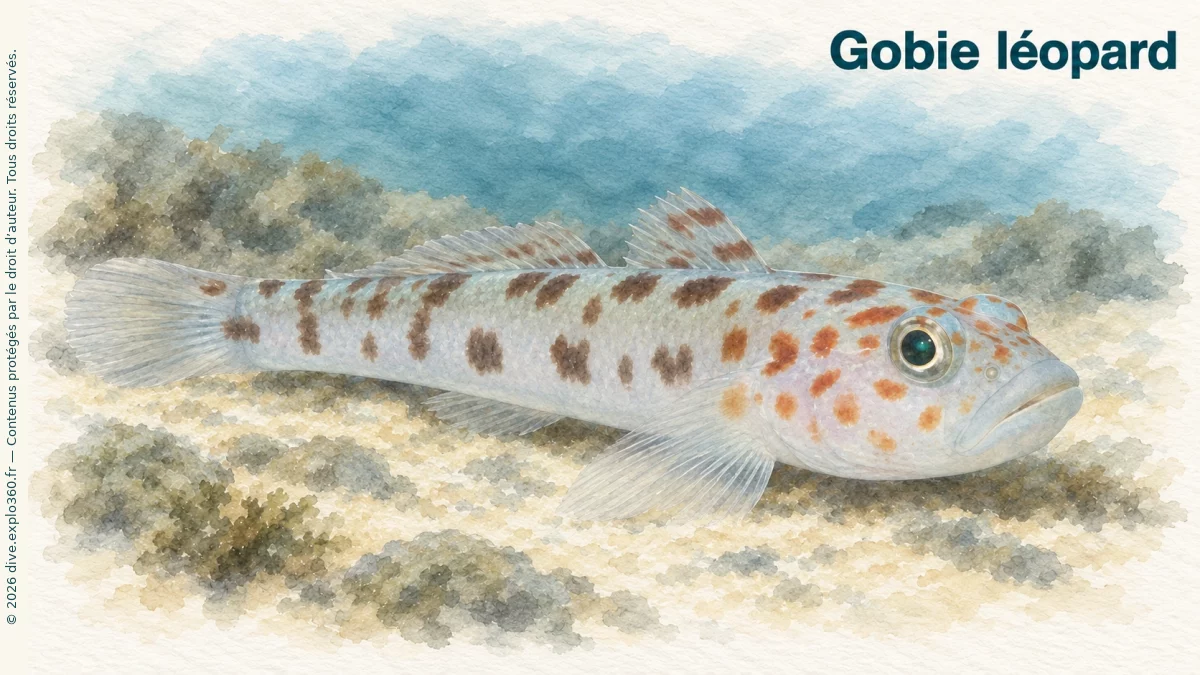 Species guidesLeopard-spotted gobyDiscover →
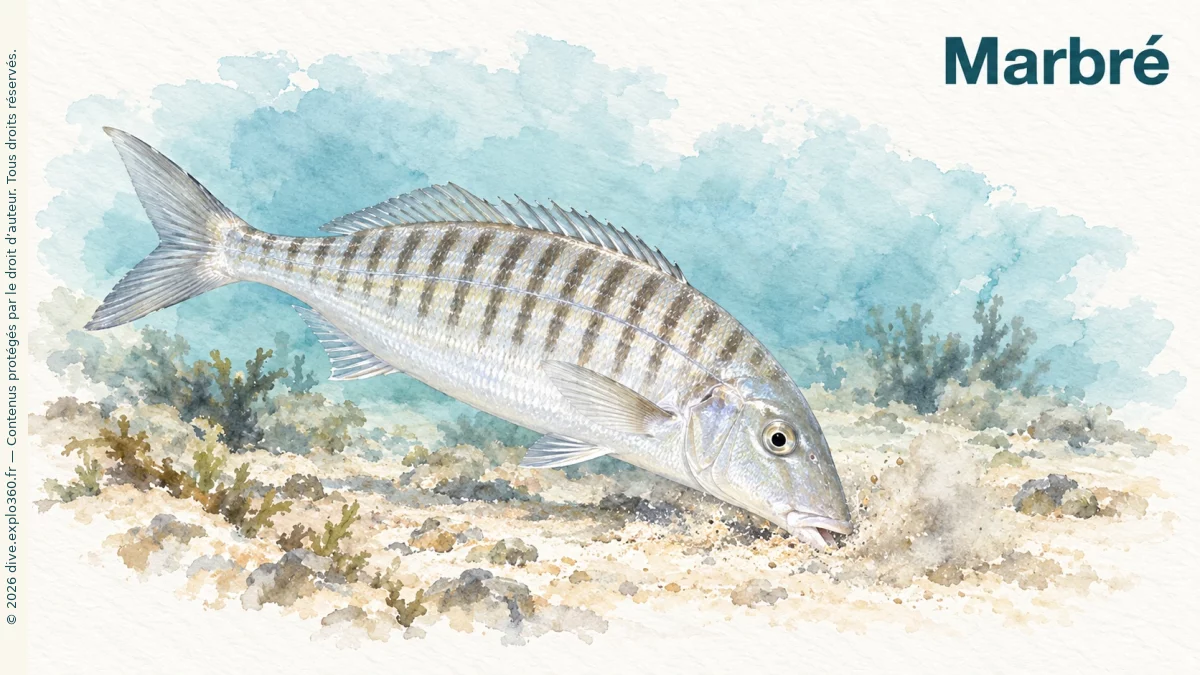 Species guidesStriped seabreamDiscover →
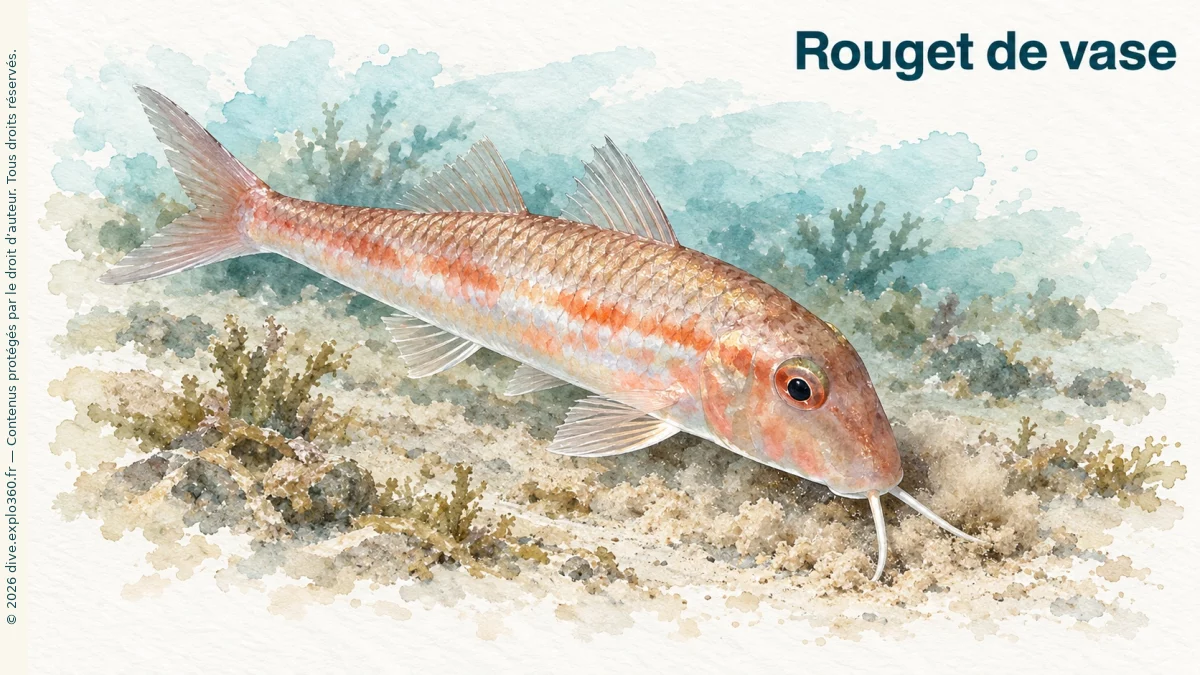 Species guidesRed mulletDiscover →
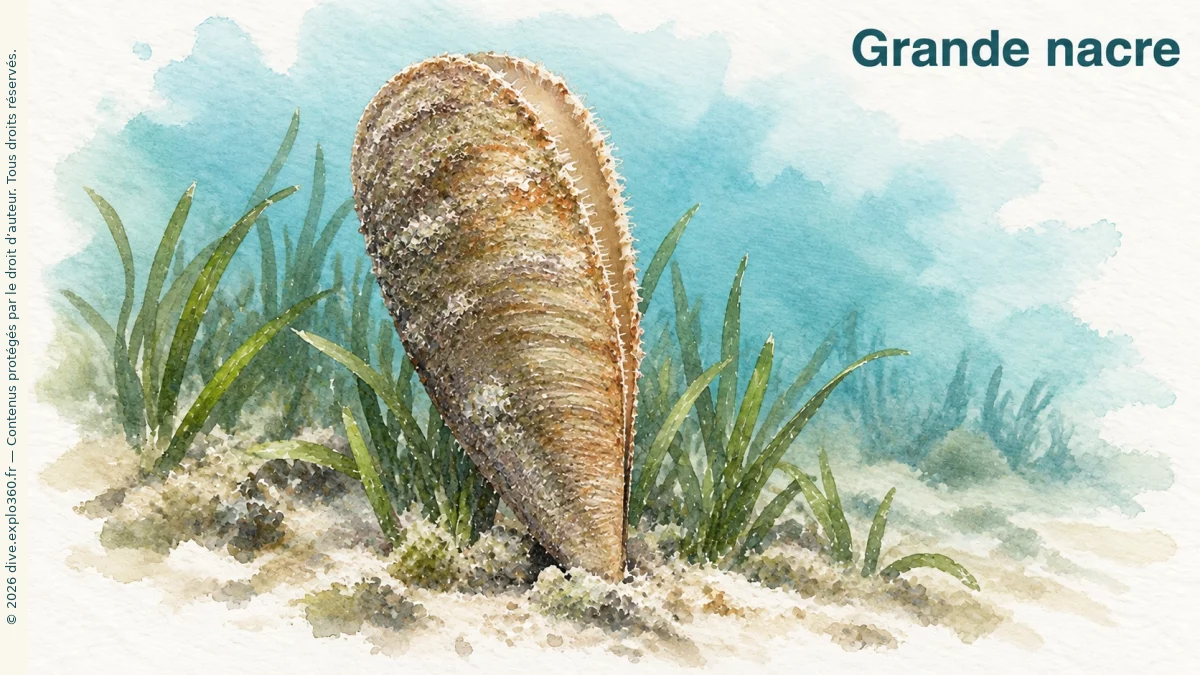 Species guidesFan musselDiscover →
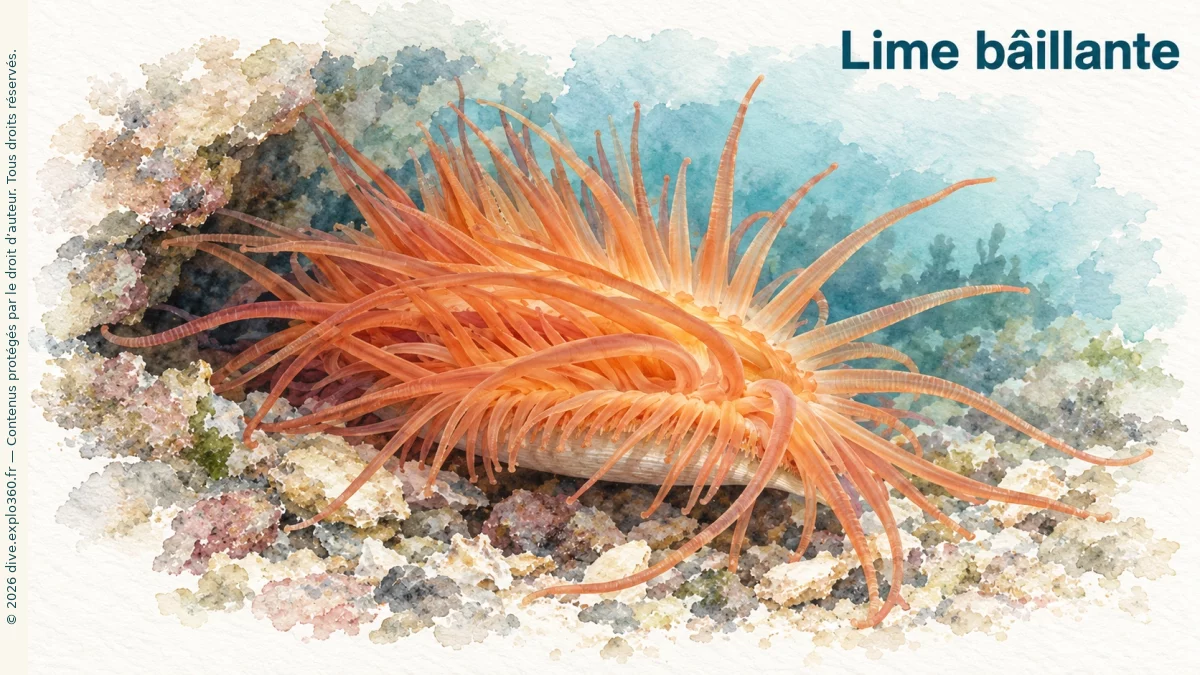 Species guidesFlame shellDiscover →
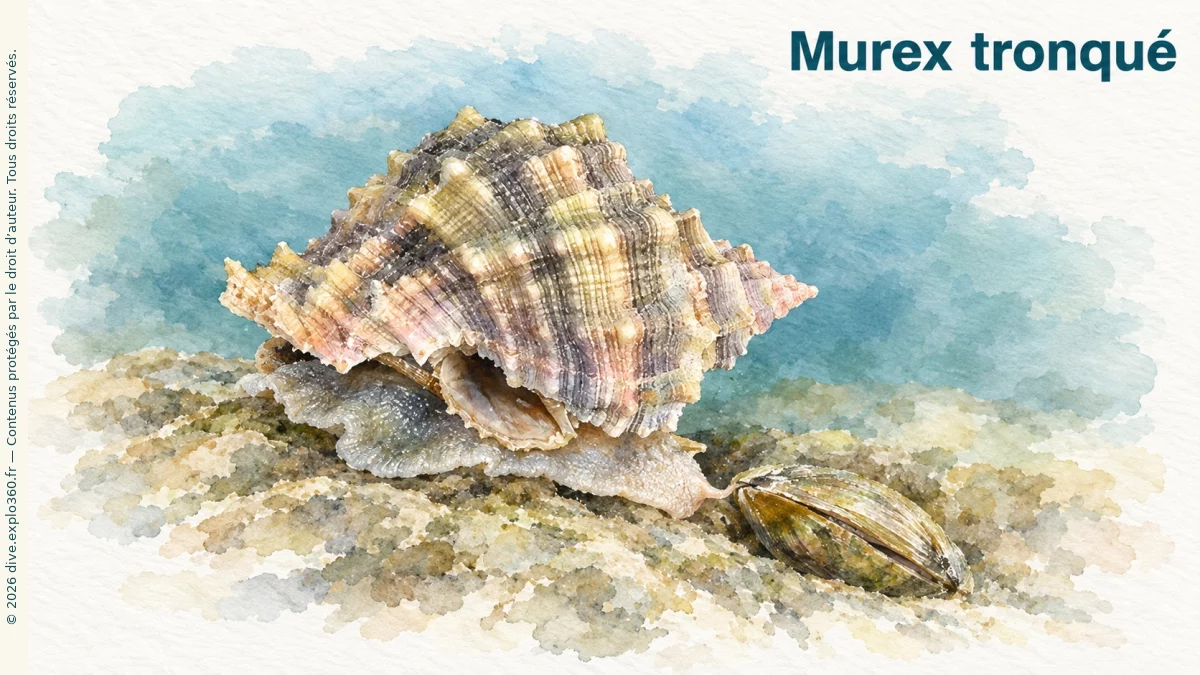 Species guidesBanded murexDiscover →
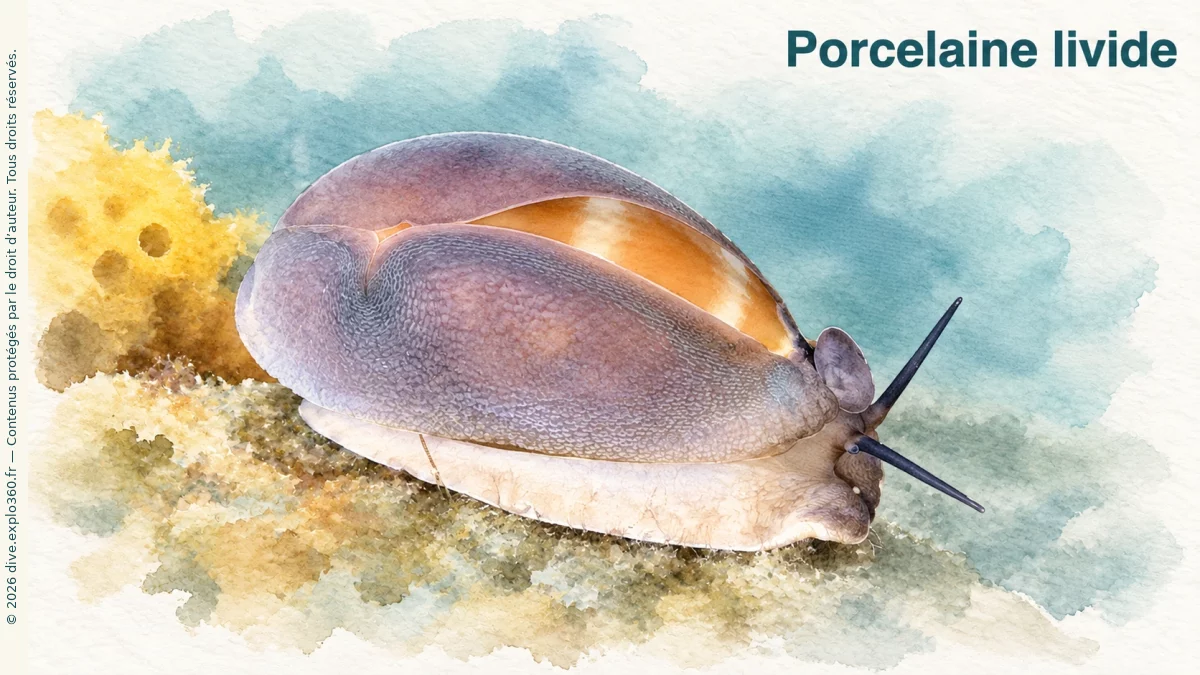 Species guidesLurid cowrieDiscover →
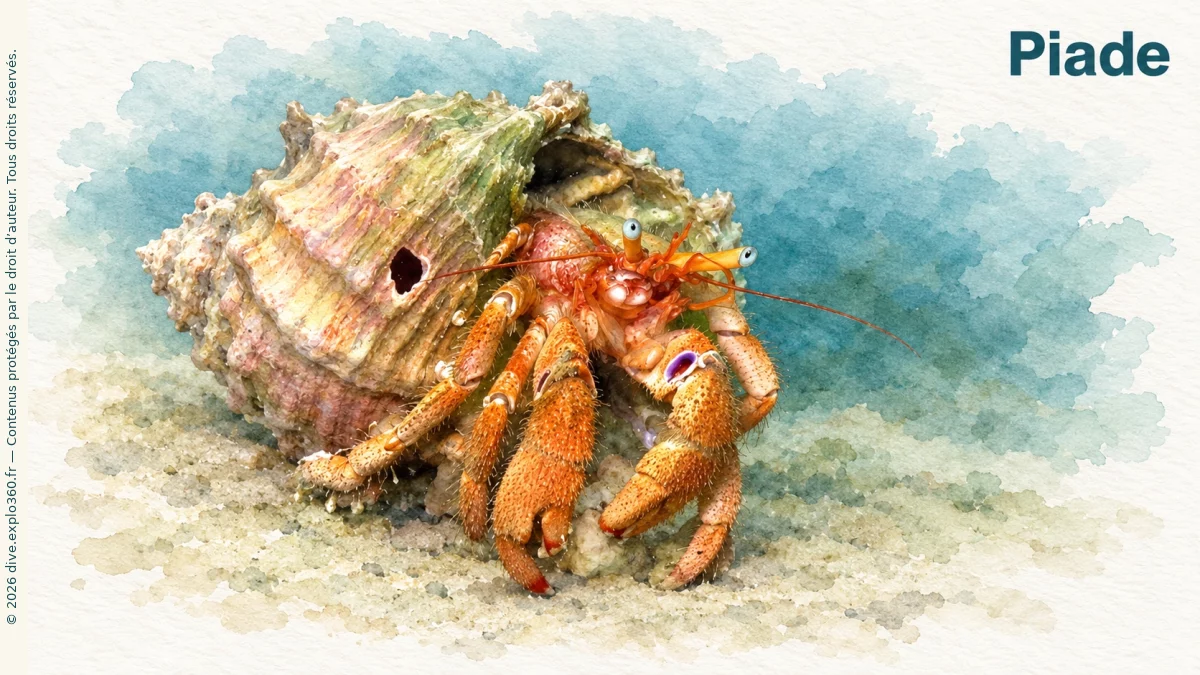 Species guidesHermit crabDiscover →
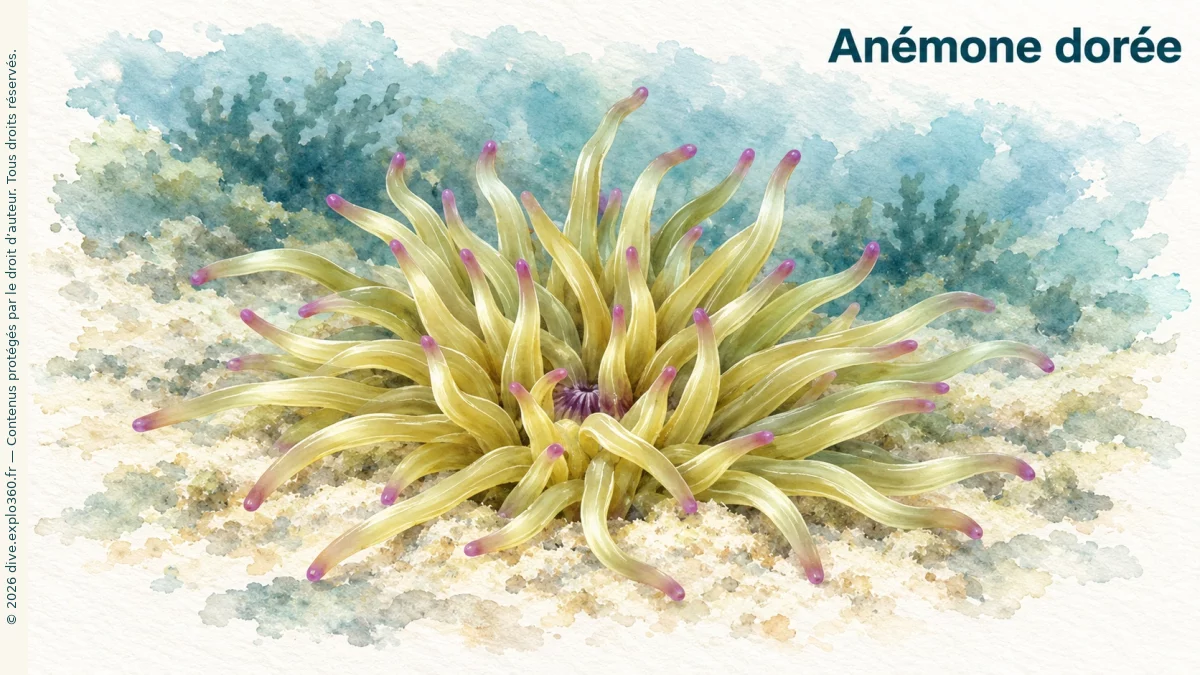 Species guidesGolden anemoneDiscover →
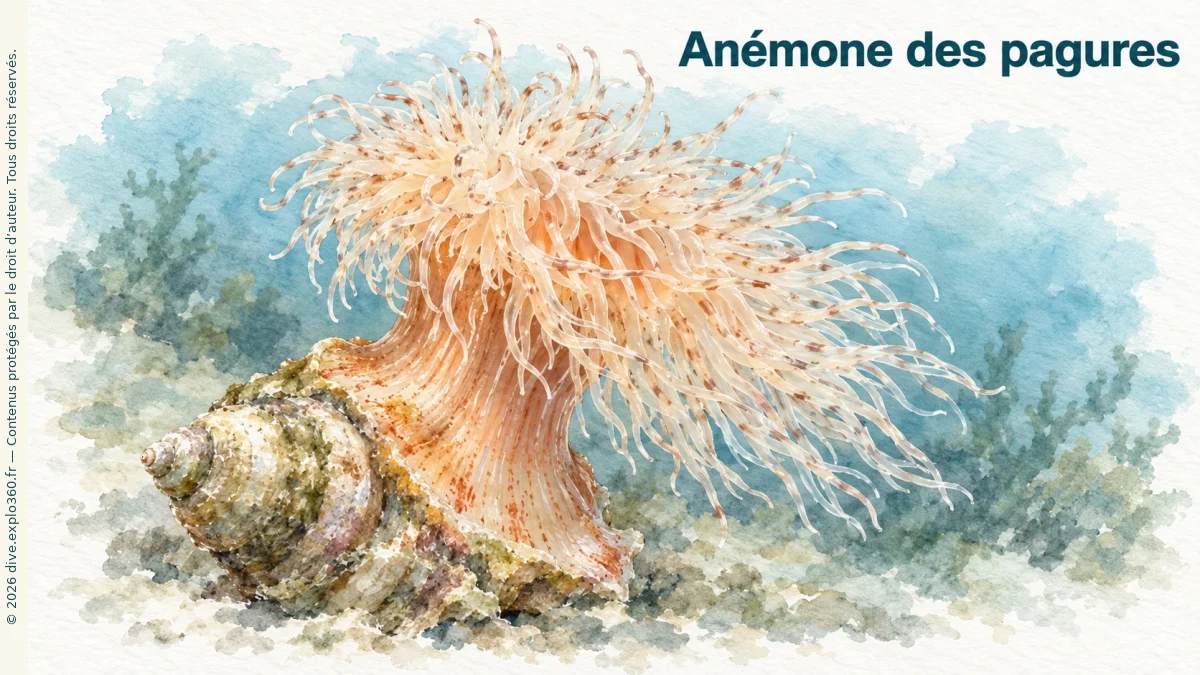 Species guidesHermit anemoneDiscover →
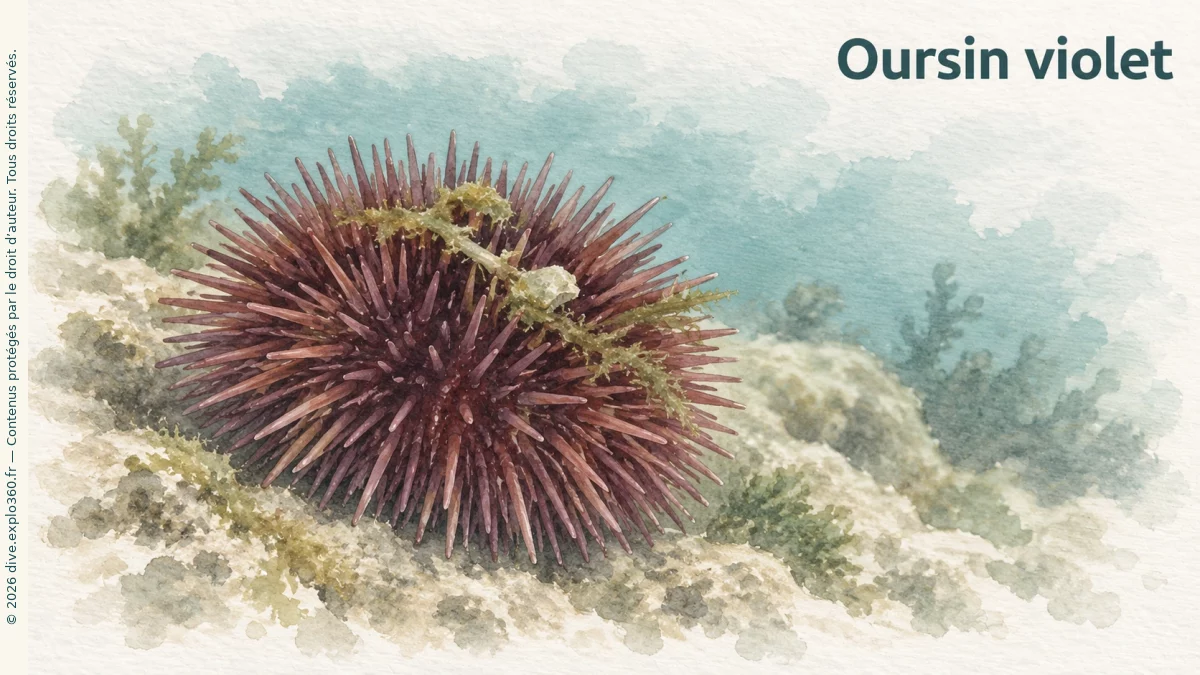 Species guidesPurple sea urchinDiscover →
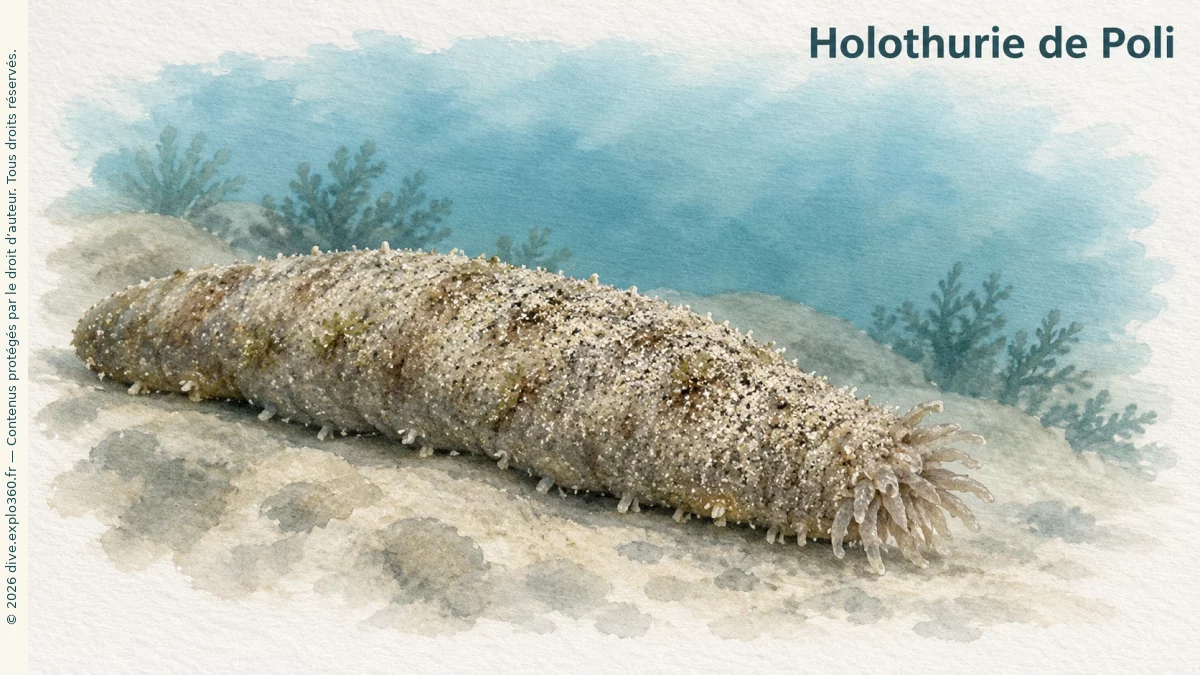 Species guidesPoli’s sea cucumberDiscover →
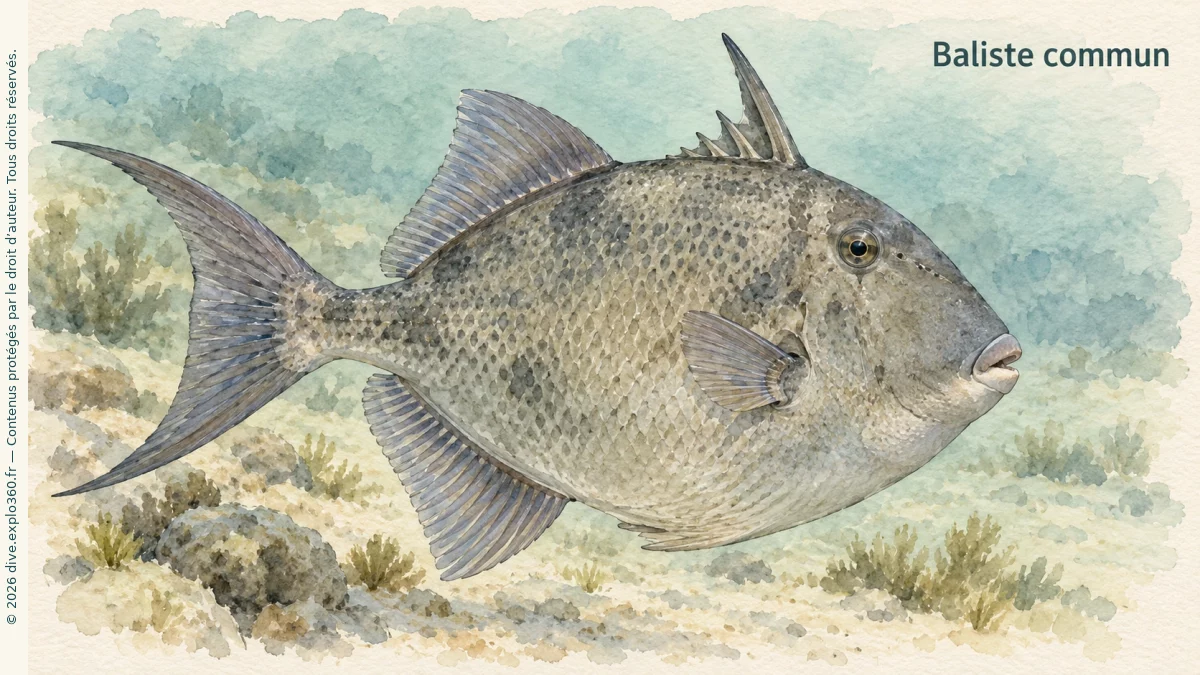 Species guidesGrey triggerfishDiscover →
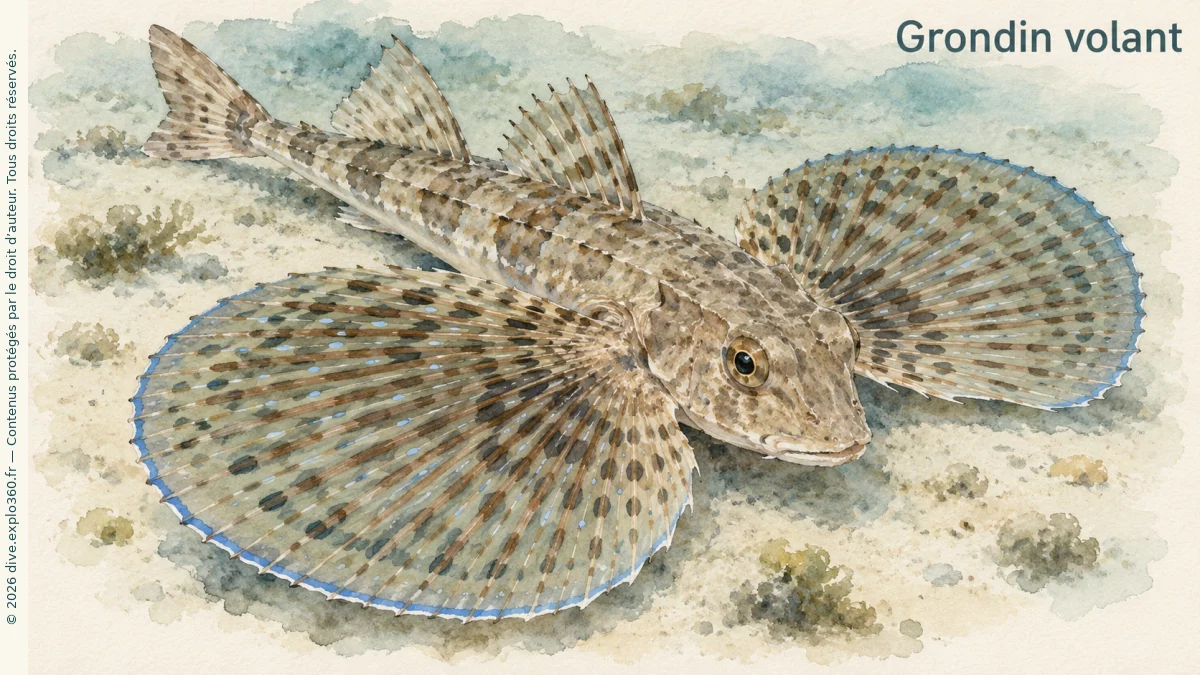 Species guidesFlying gurnardDiscover →
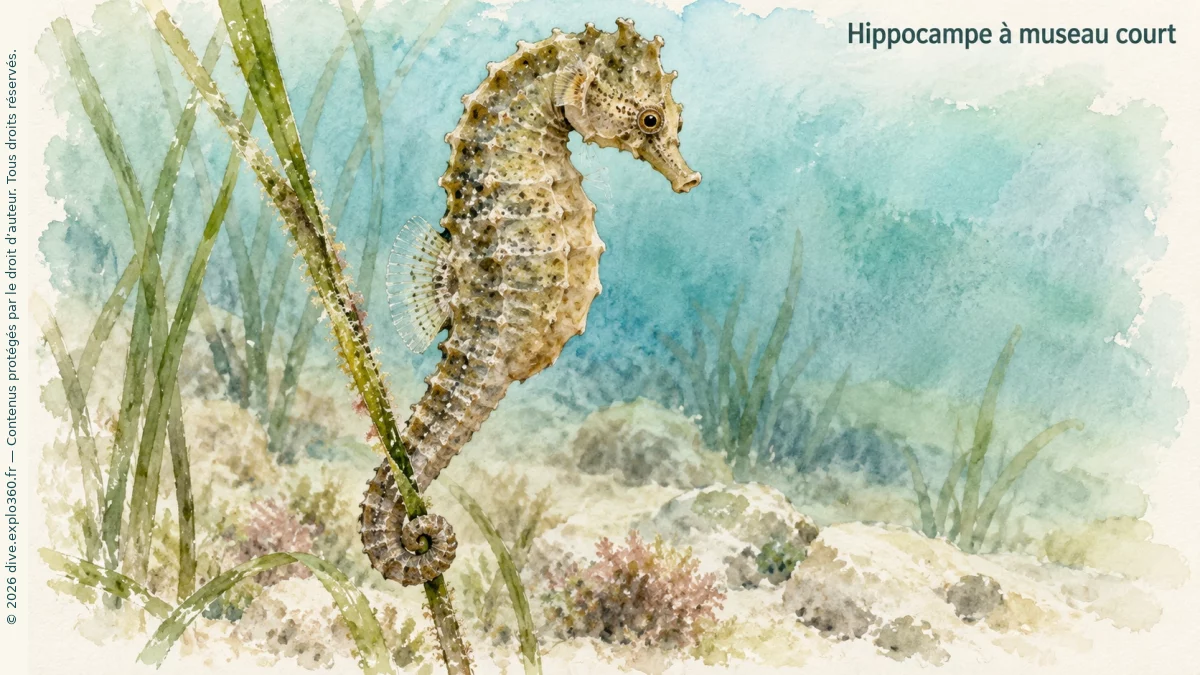 Species guidesShort-snouted seahorseDiscover →
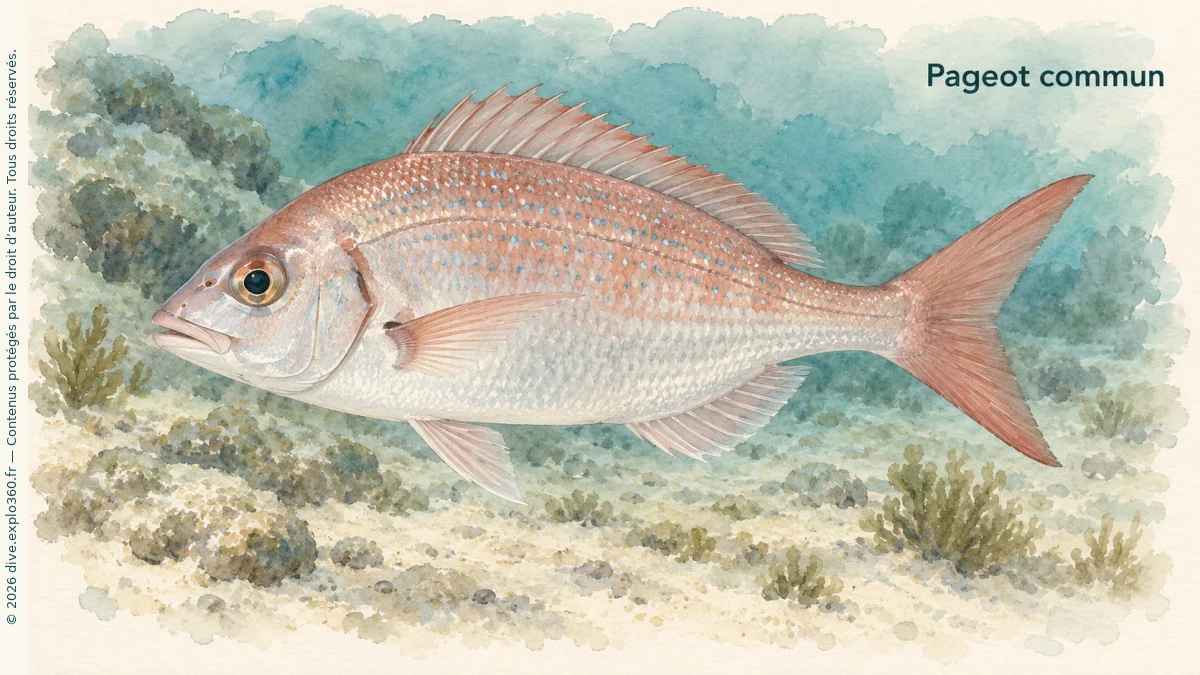 Species guidesCommon pandoraDiscover →
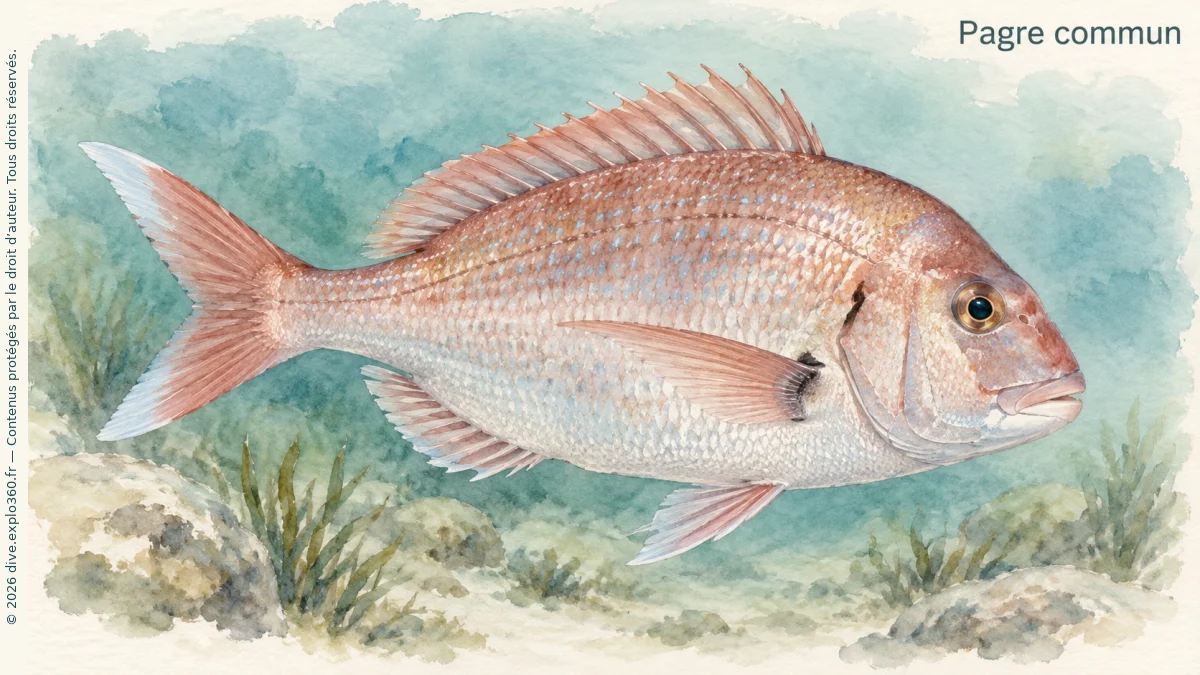 Species guidesRed porgyDiscover →
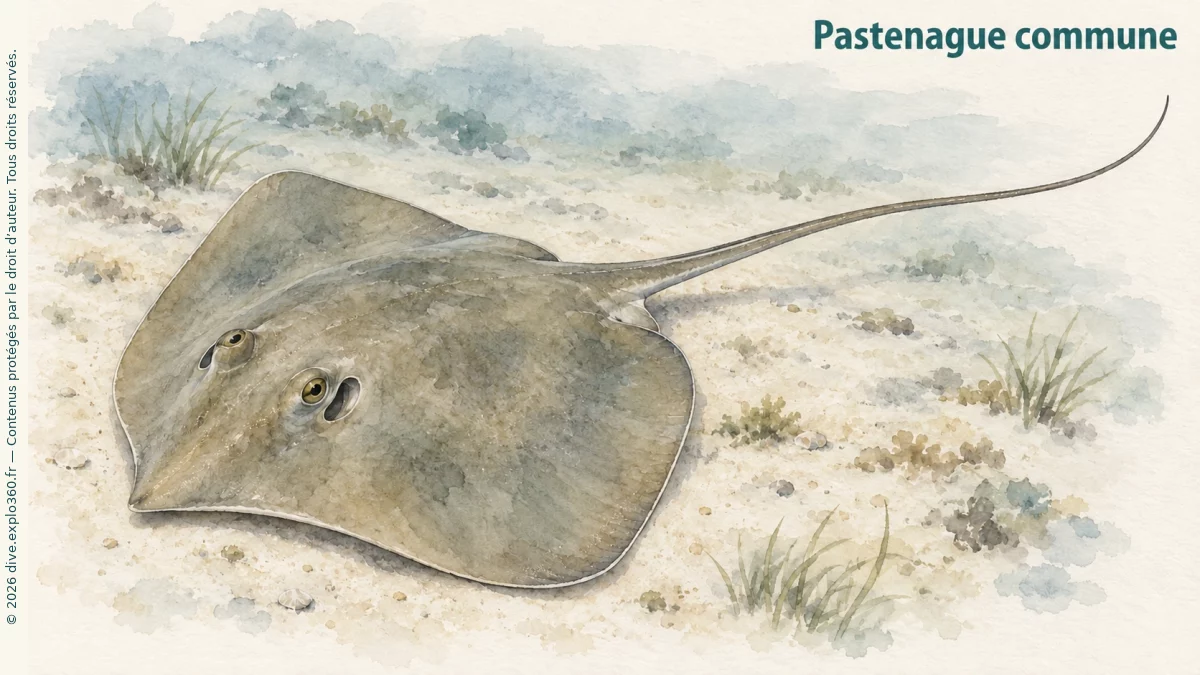 Species guidesCommon stingrayDiscover →
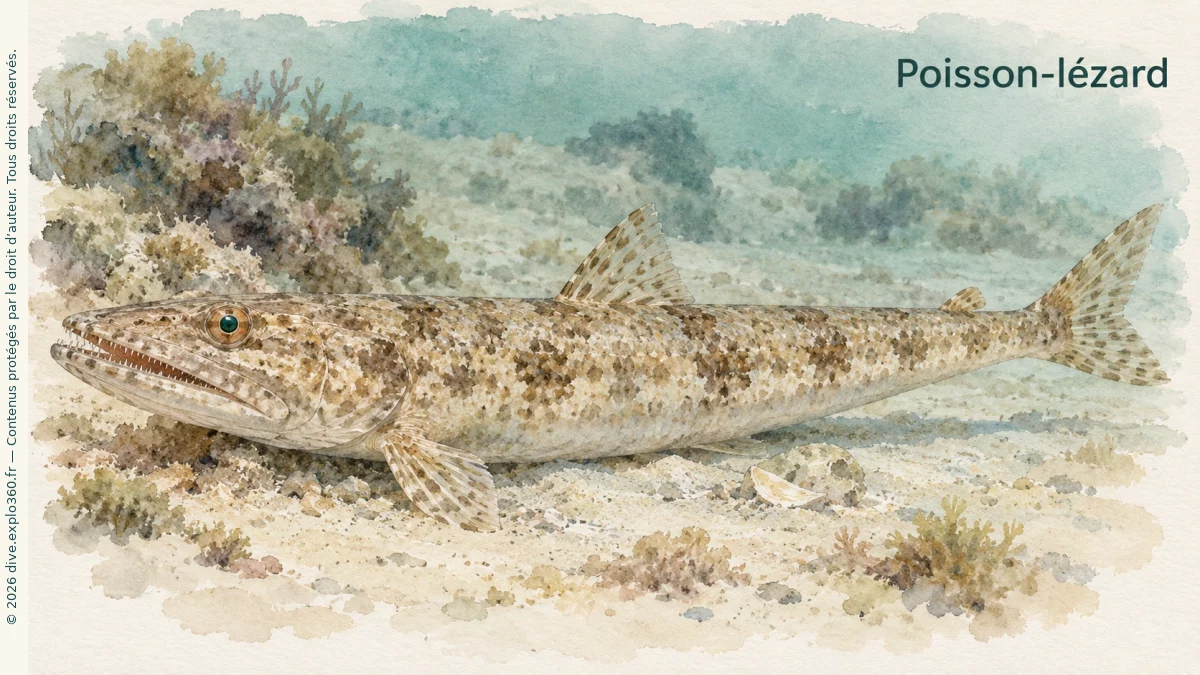 Species guidesAtlantic lizardfishDiscover →
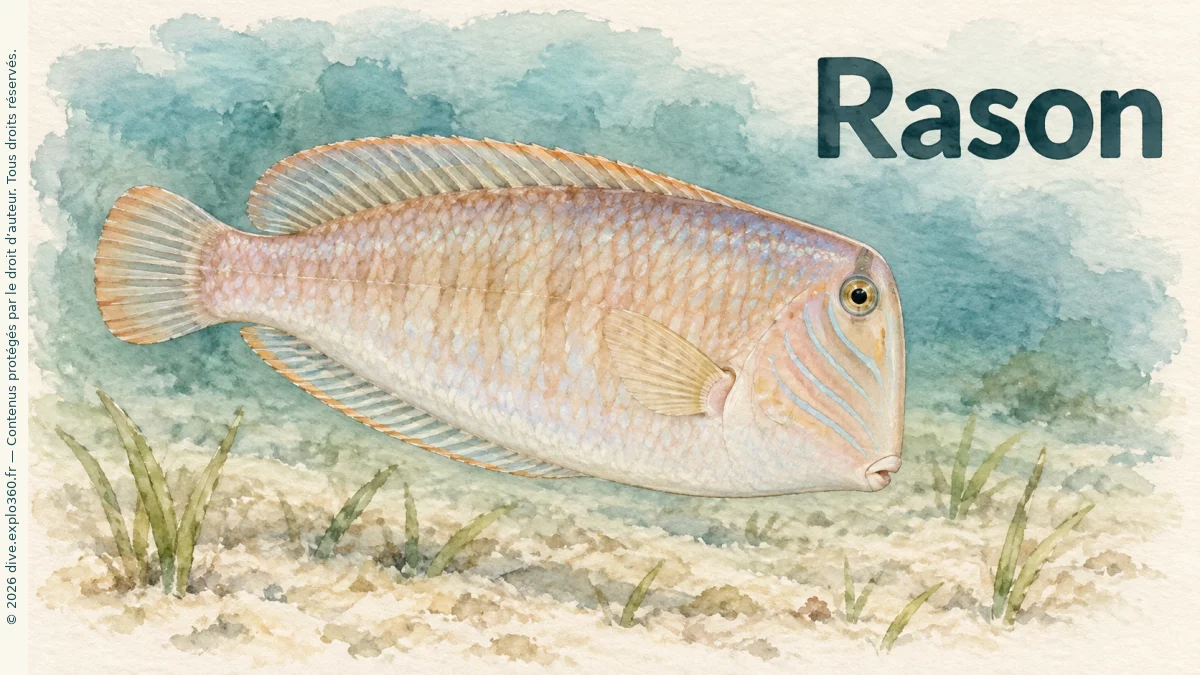 Species guidesPearly razorfishDiscover →
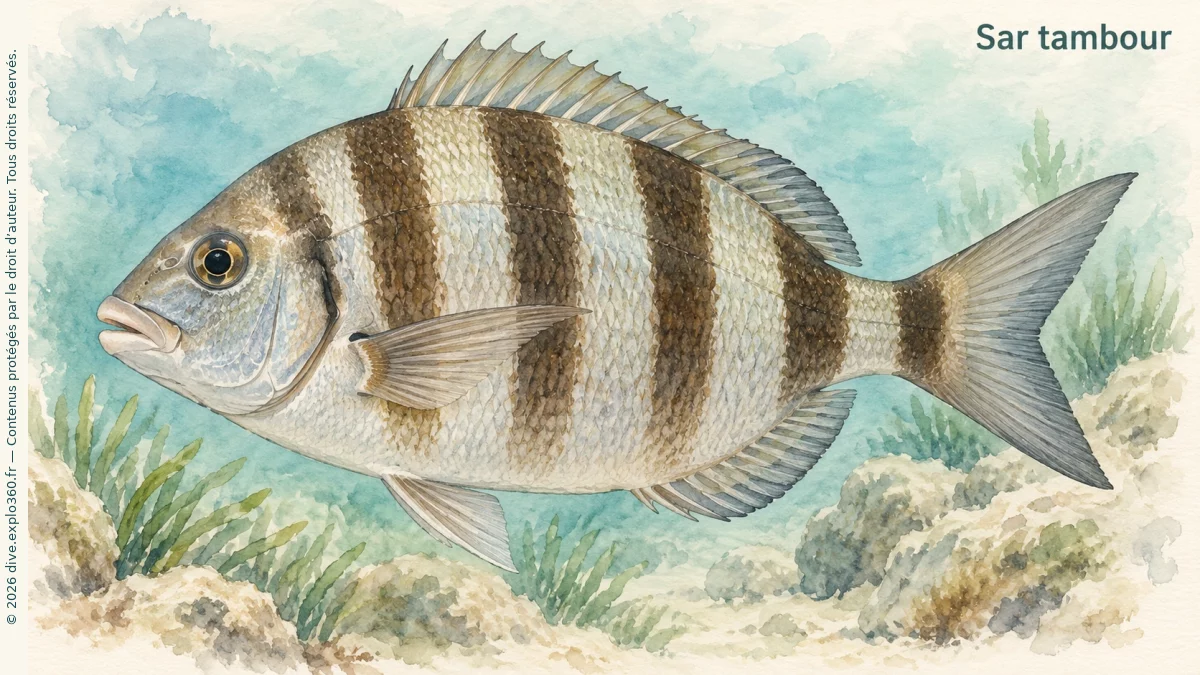 Species guidesZebra seabreamDiscover →
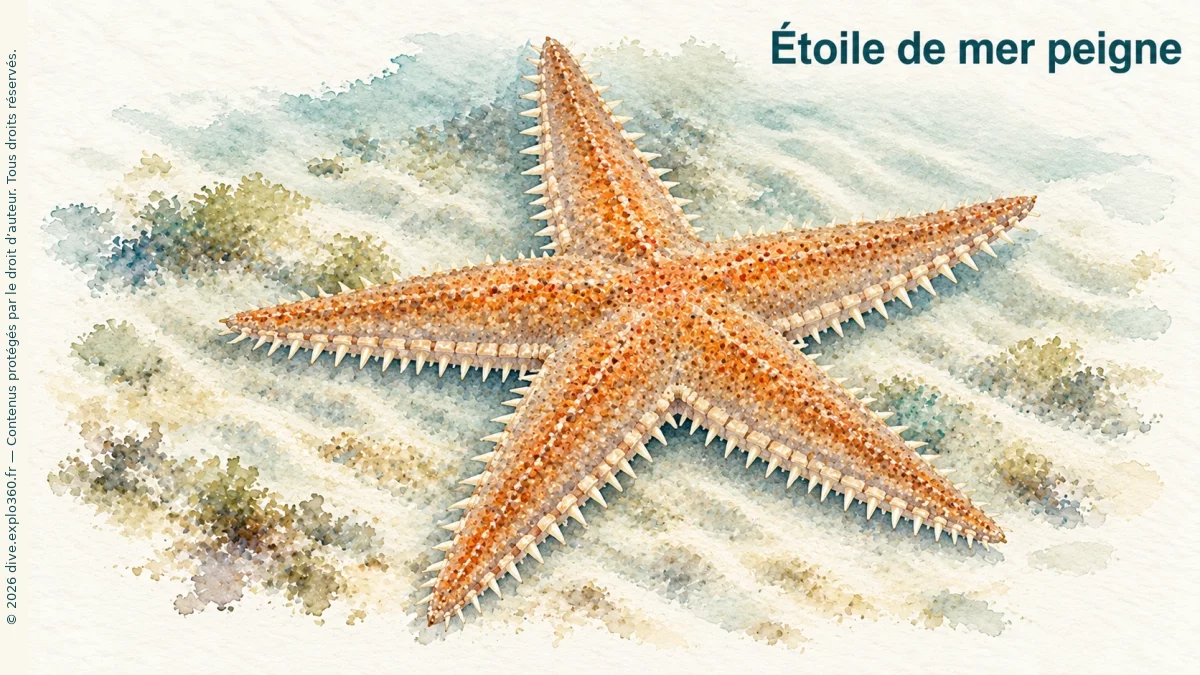 Species guidesRed comb starDiscover →
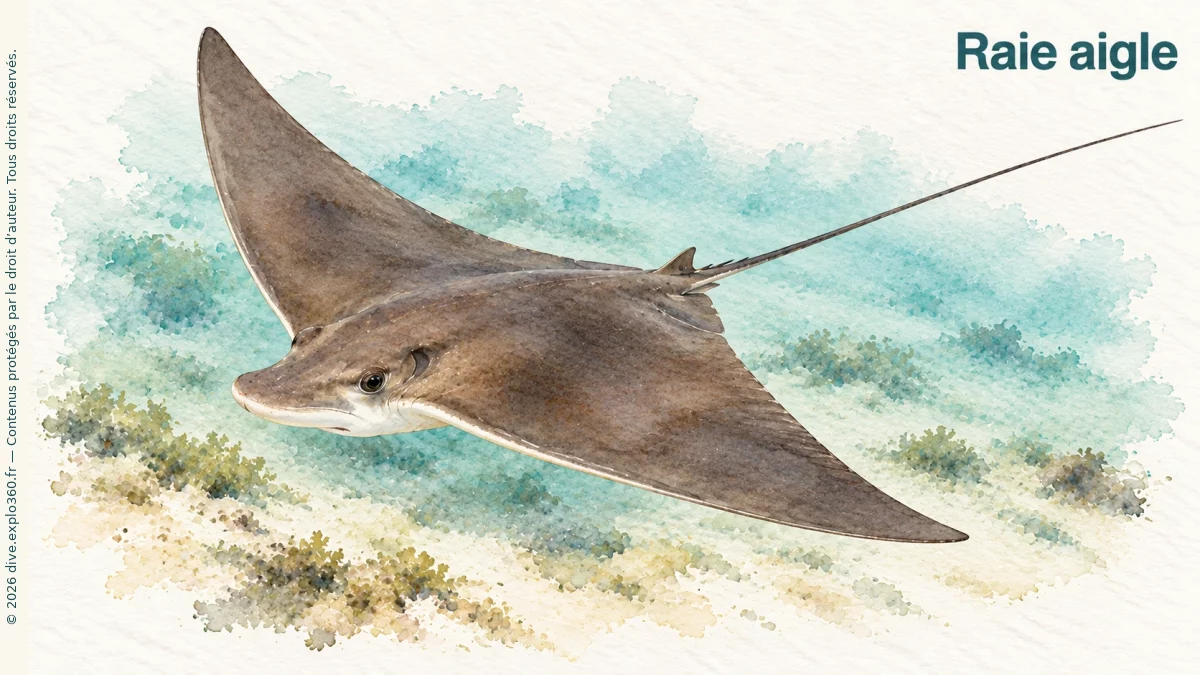 Species guidesCommon eagle rayDiscover →
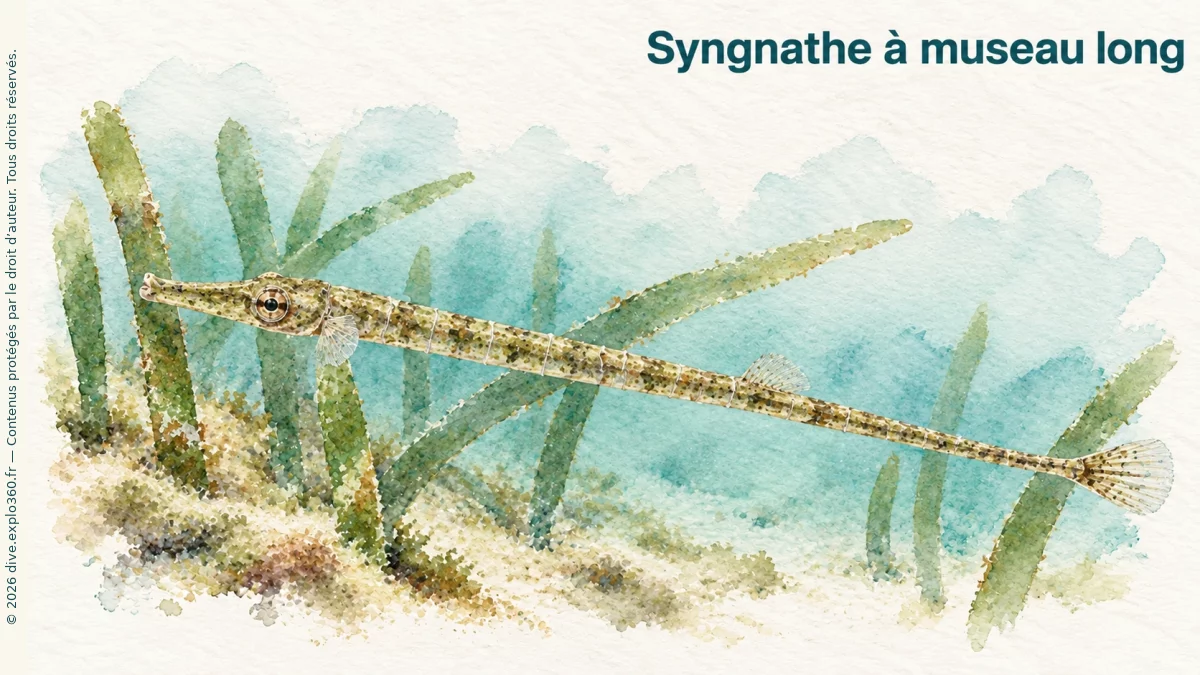 Species guidesBroad-nosed pipefishDiscover →
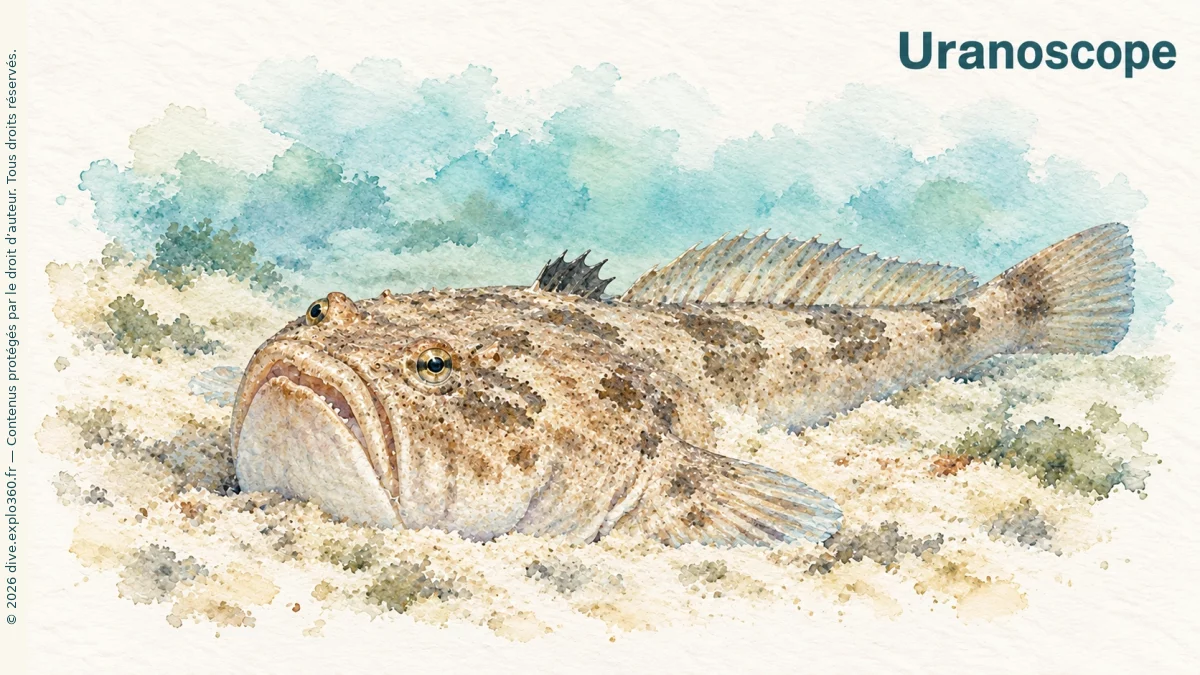 Species guidesAtlantic stargazerDiscover →
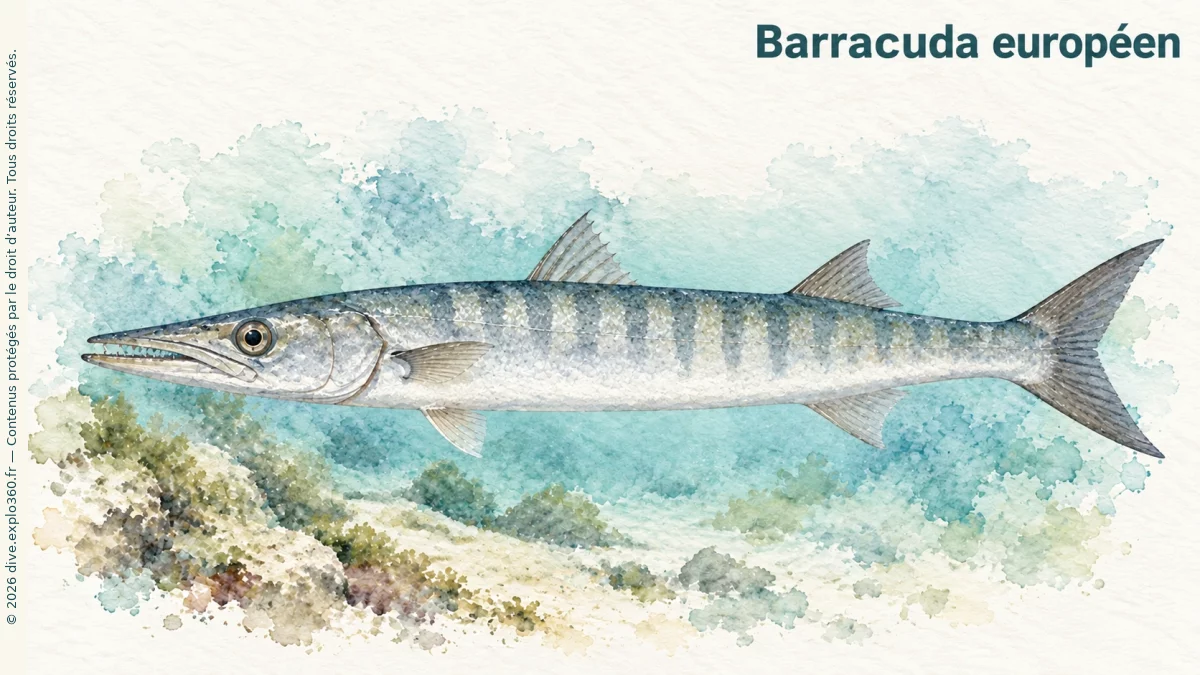 Species guidesEuropean barracudaDiscover →
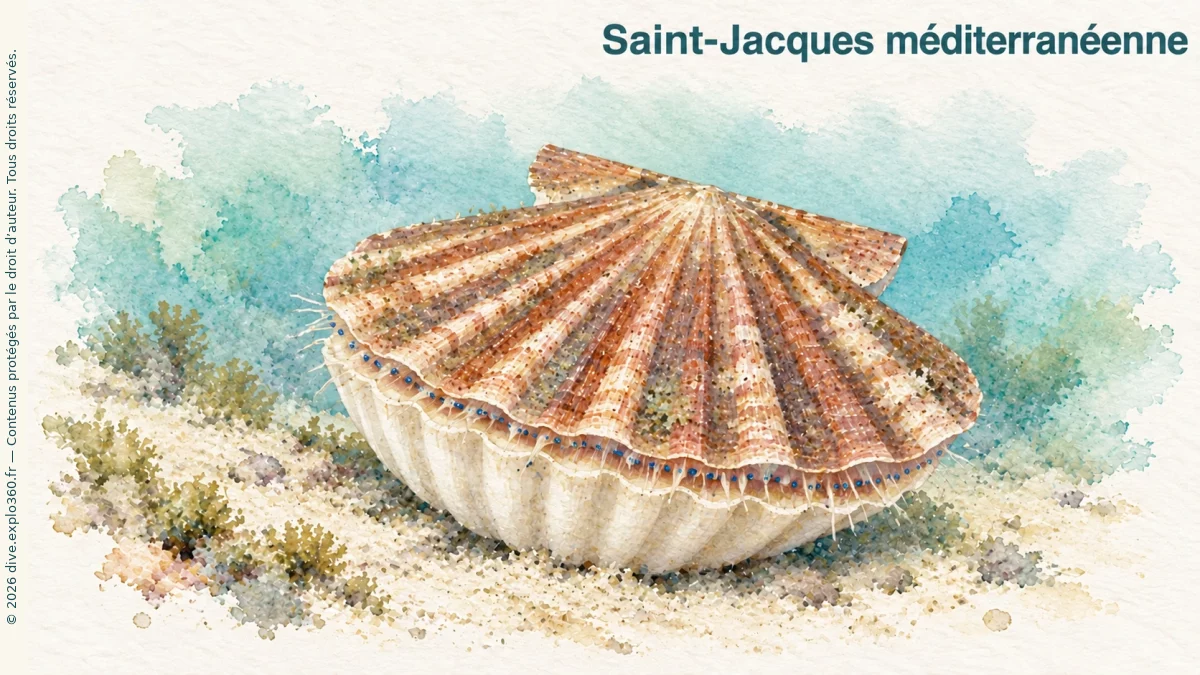 Species guidesMediterranean scallopDiscover →
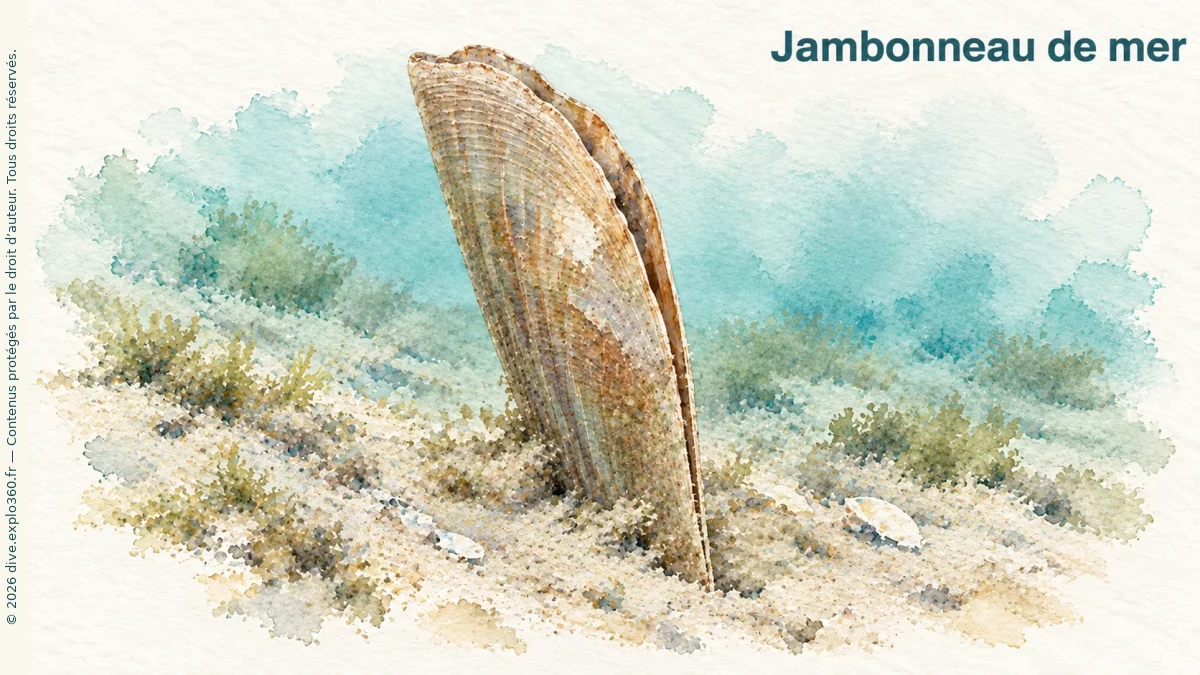 Species guidesBrittle pen shellDiscover →
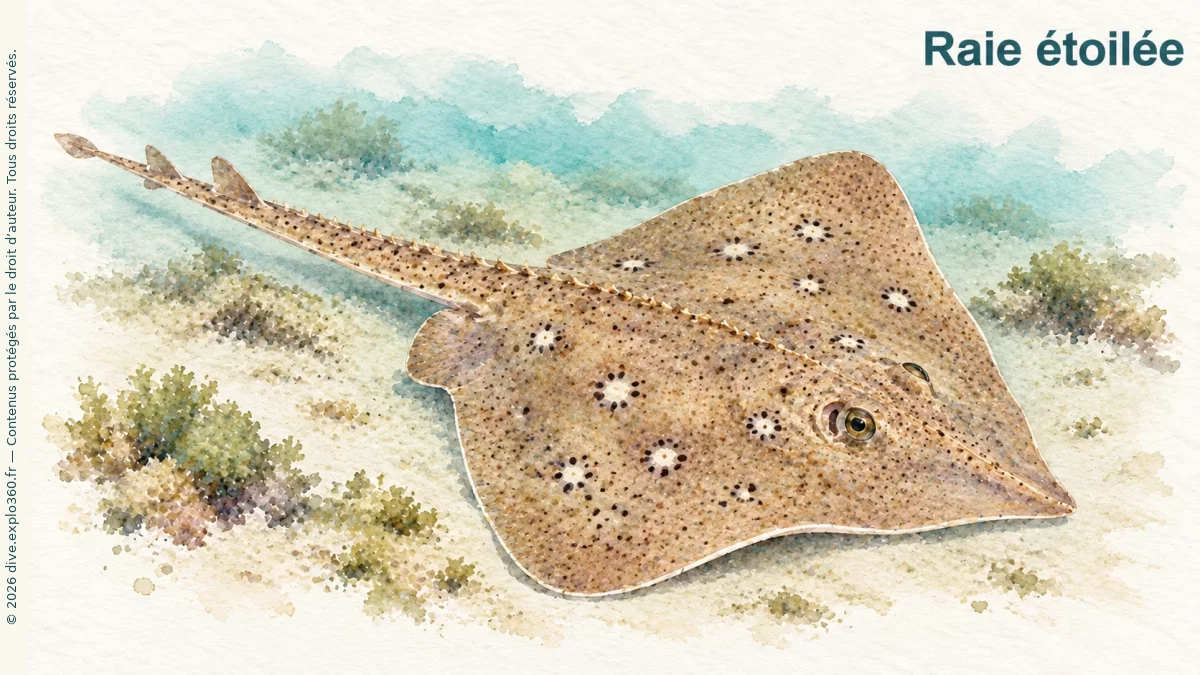 Species guidesMediterranean starry skateDiscover →
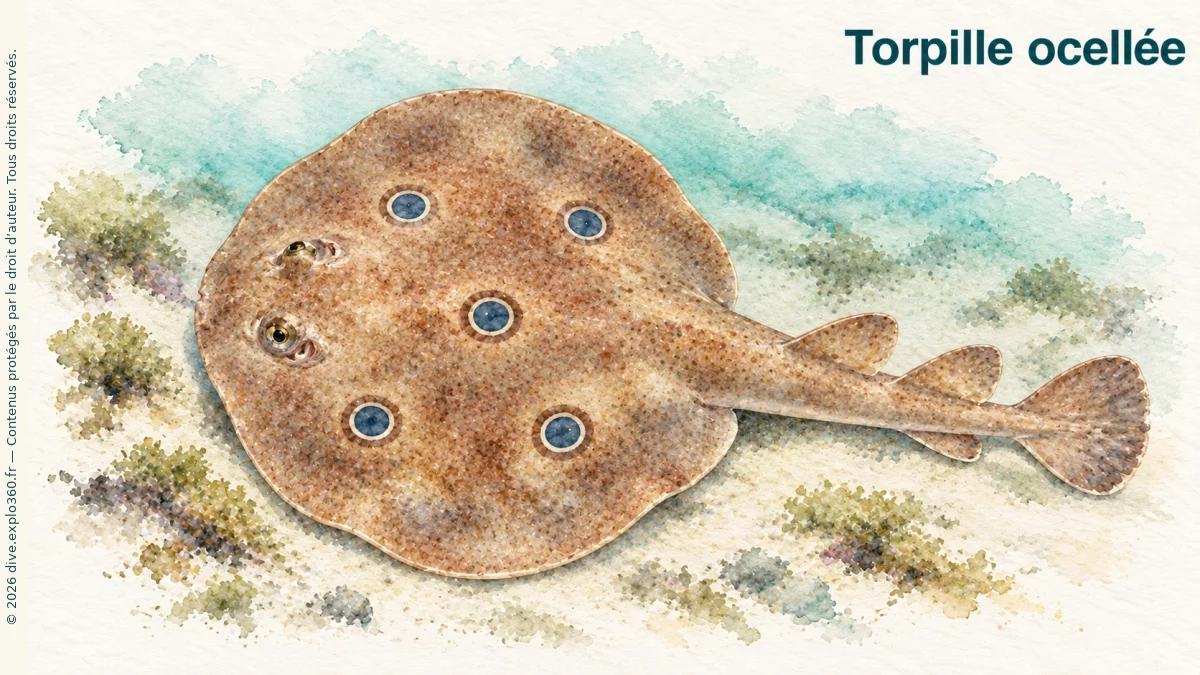 Species guidesCommon torpedoDiscover →
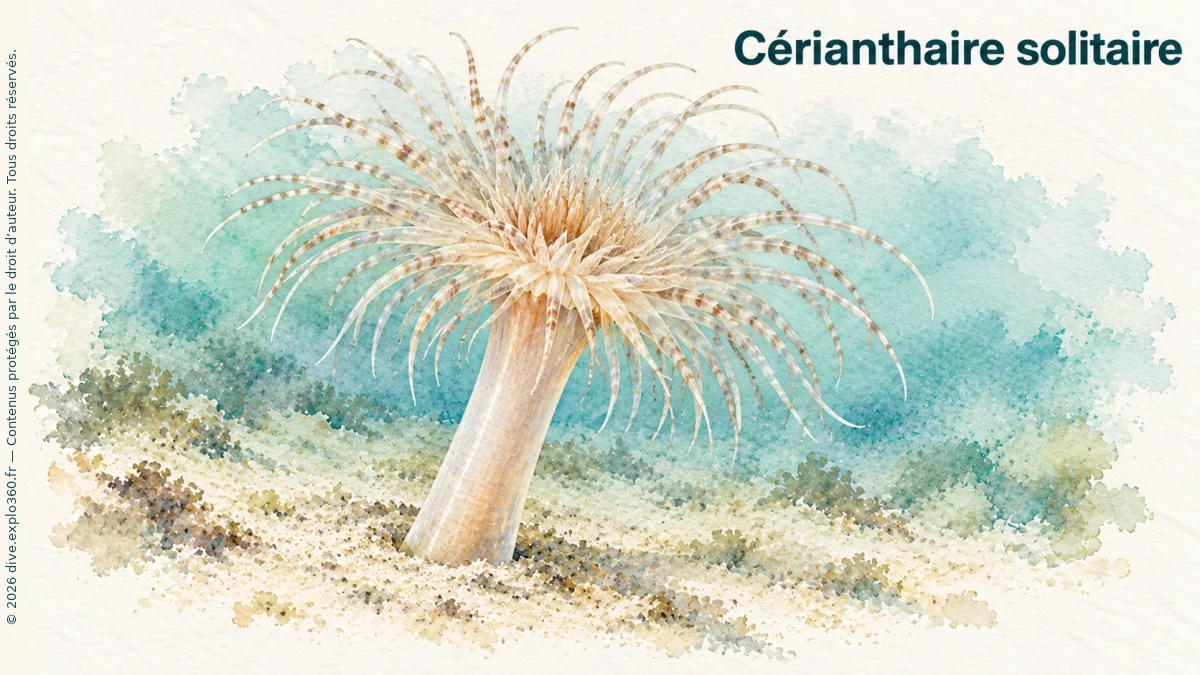 Species guidesSolitary tube anemoneDiscover →
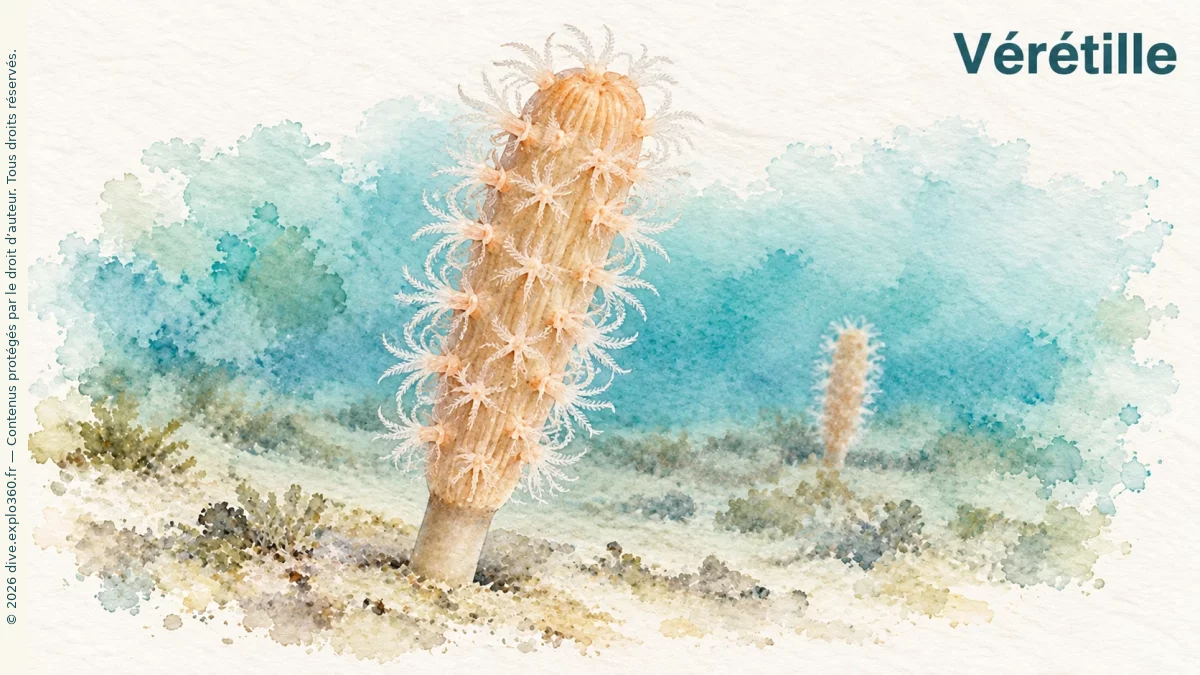 Species guidesCylindrical sea penDiscover →
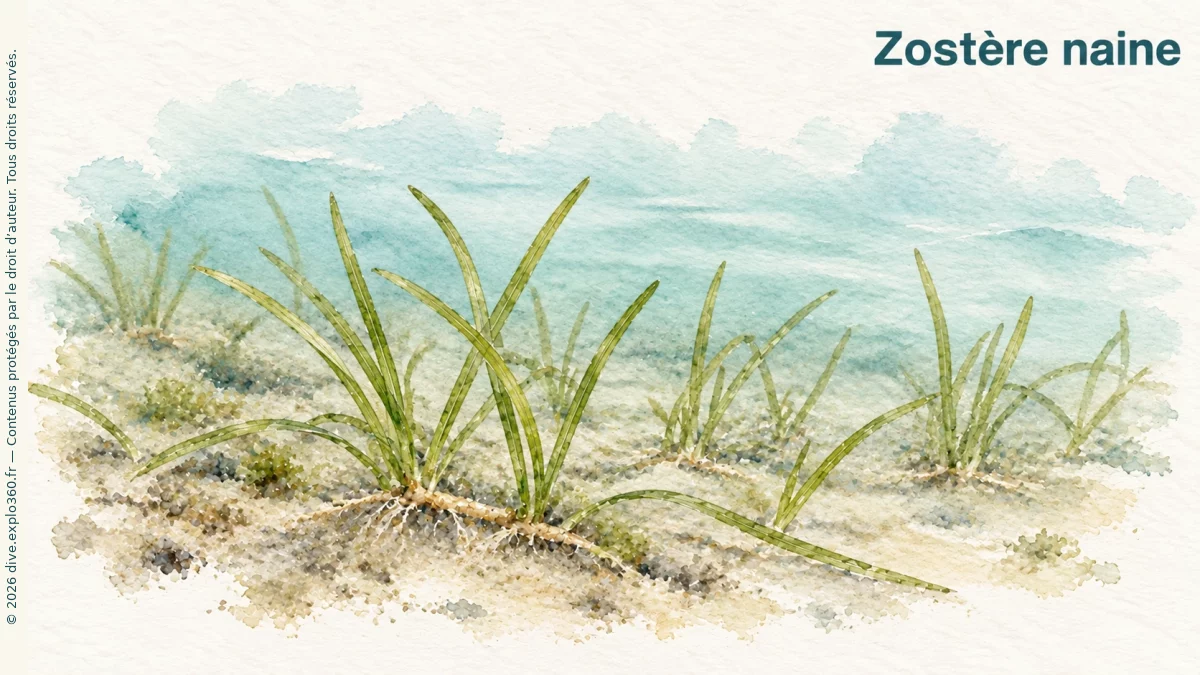 Species guidesDwarf eelgrassDiscover →
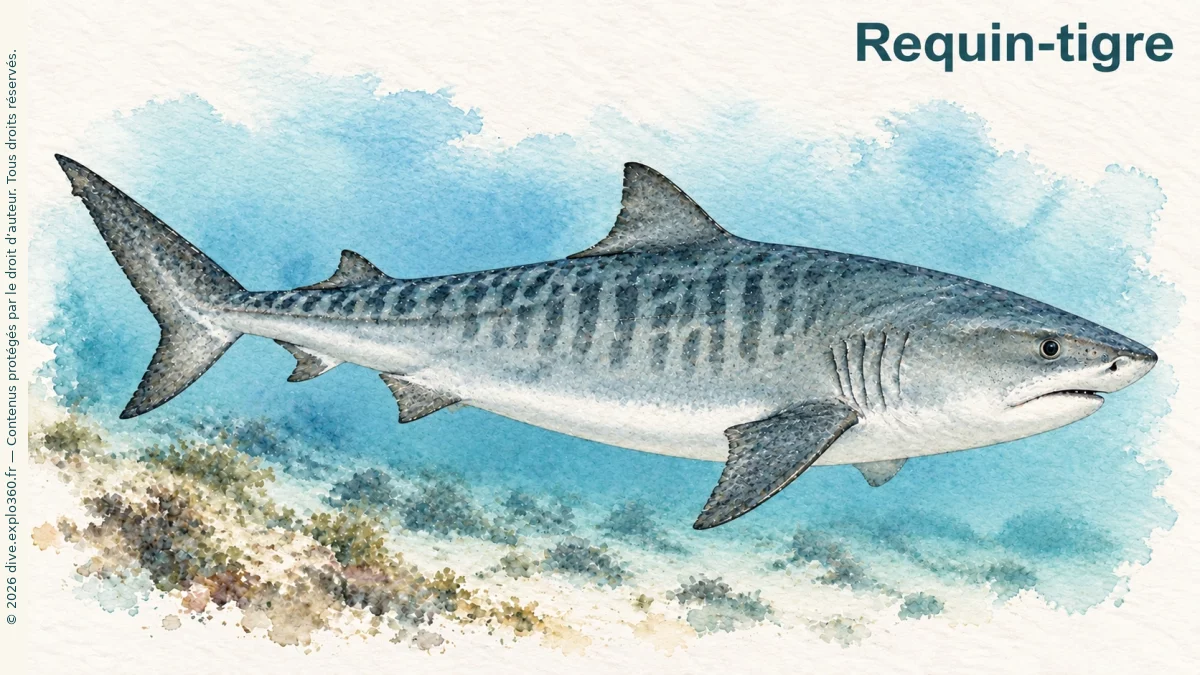 Species guidesTiger sharkDiscover →