
SAND
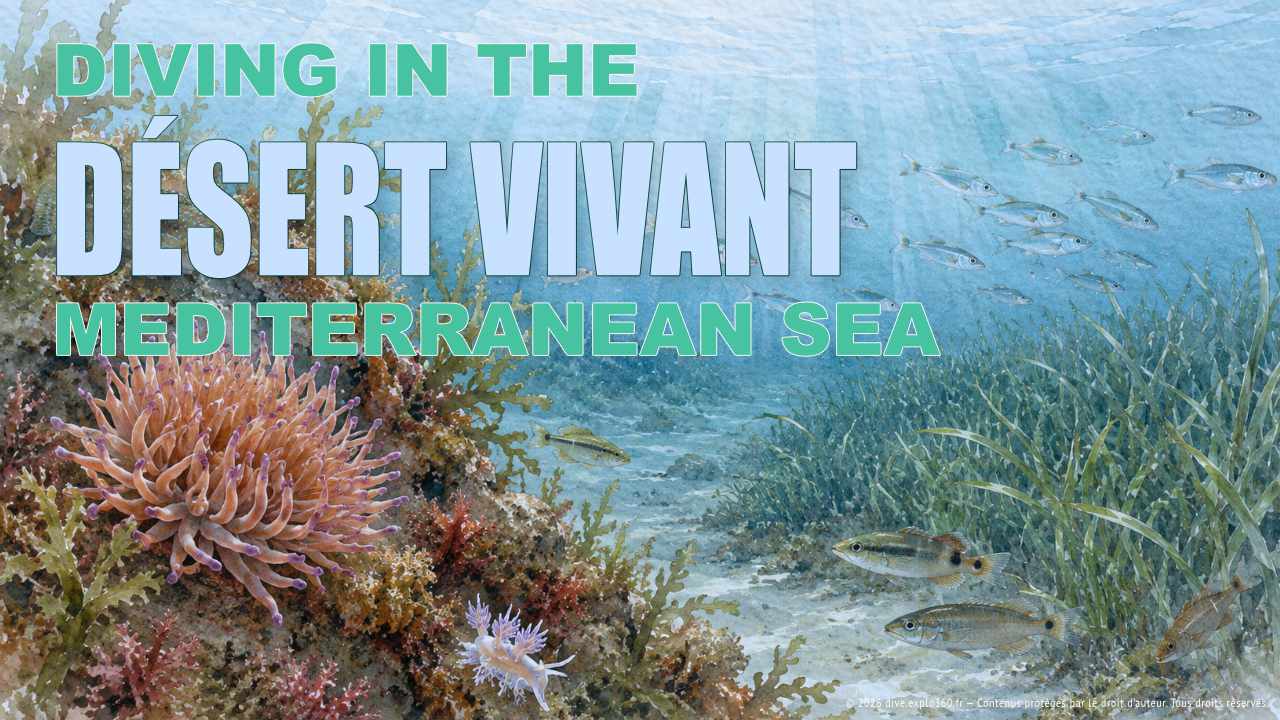
Yet many animals live there.
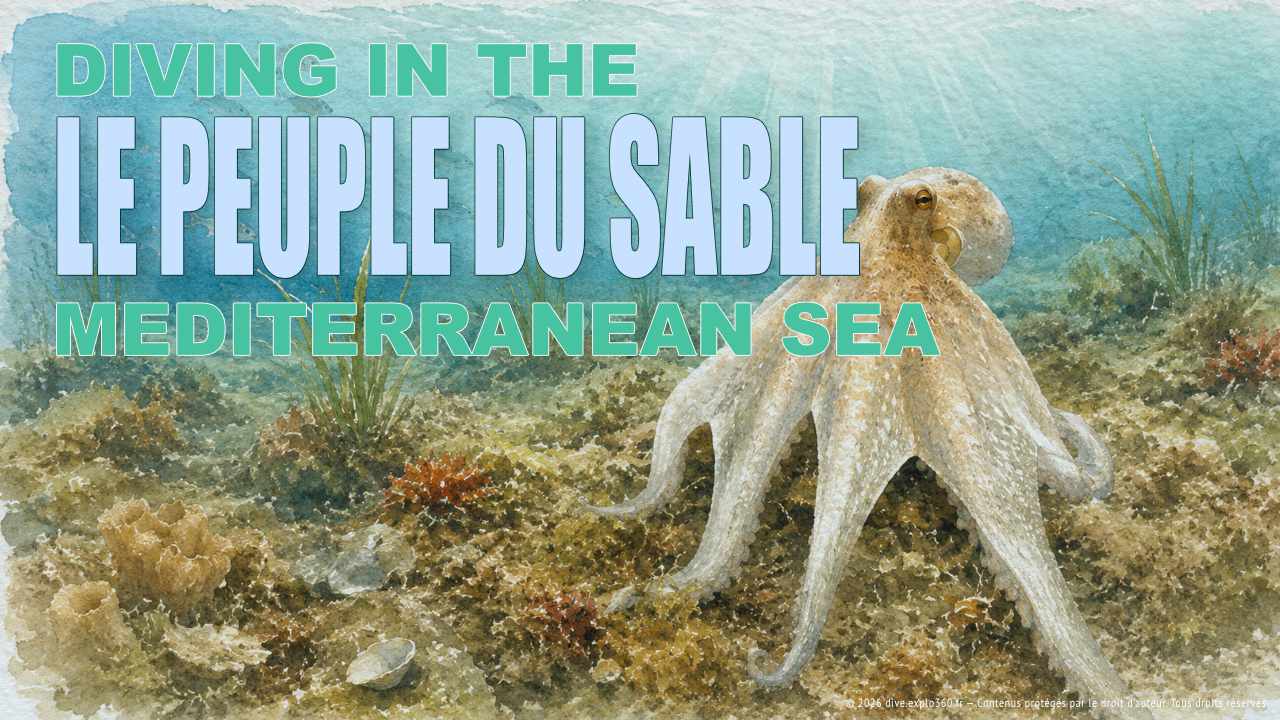
Some move over the sand. Others hide just beneath it or bury themselves completely.
Sand is therefore not just the floor of the sea. It is also a real habitat.
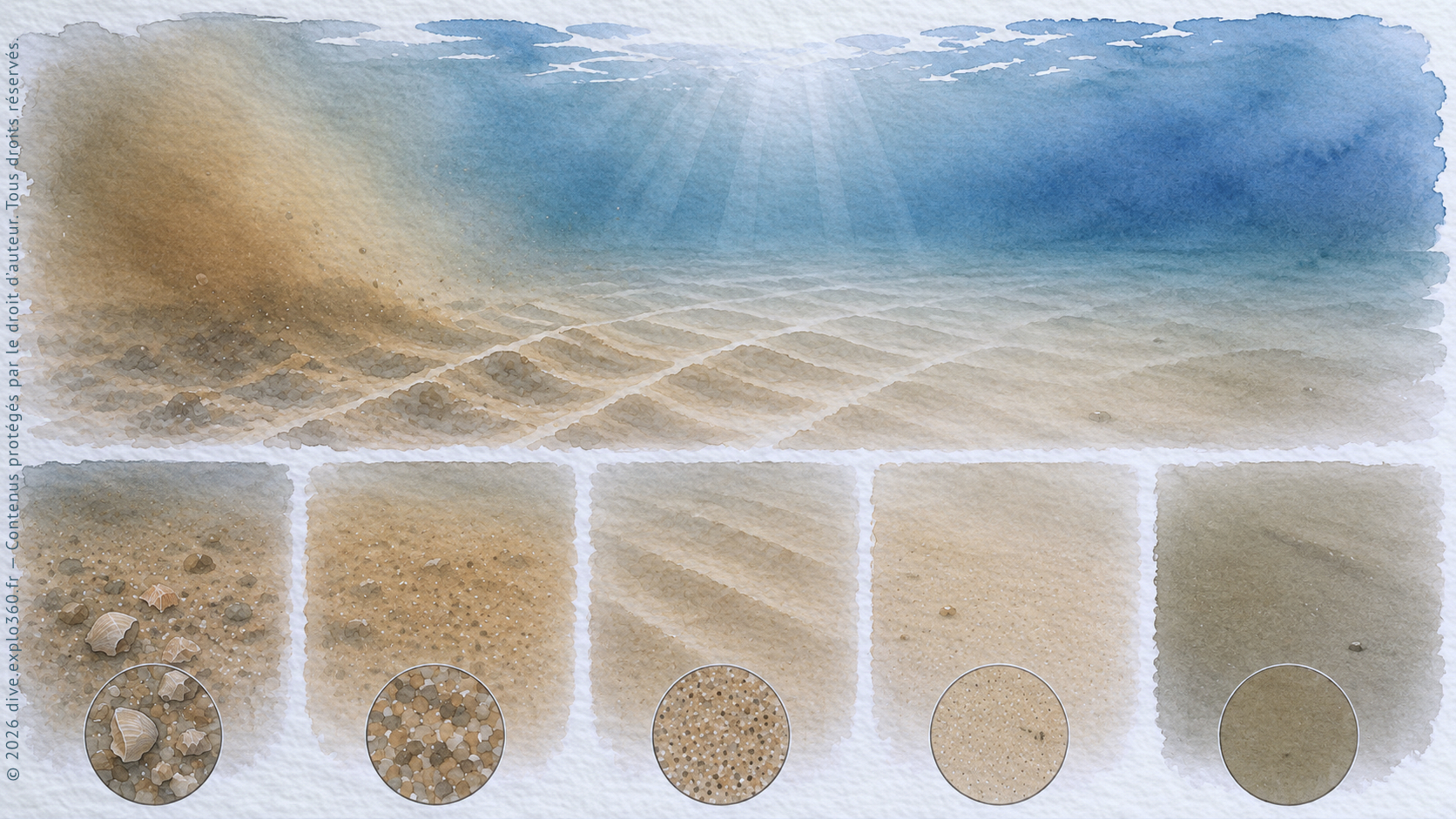
Waves and currents move the grains and can draw large ripples across the seabed.
When the sea is very rough, the landscape can change quickly.
Not all sand is the same. The grains may be fine or larger. In some places, sand is also mixed with mud.
These differences explain why we do not always find the same animals everywhere.
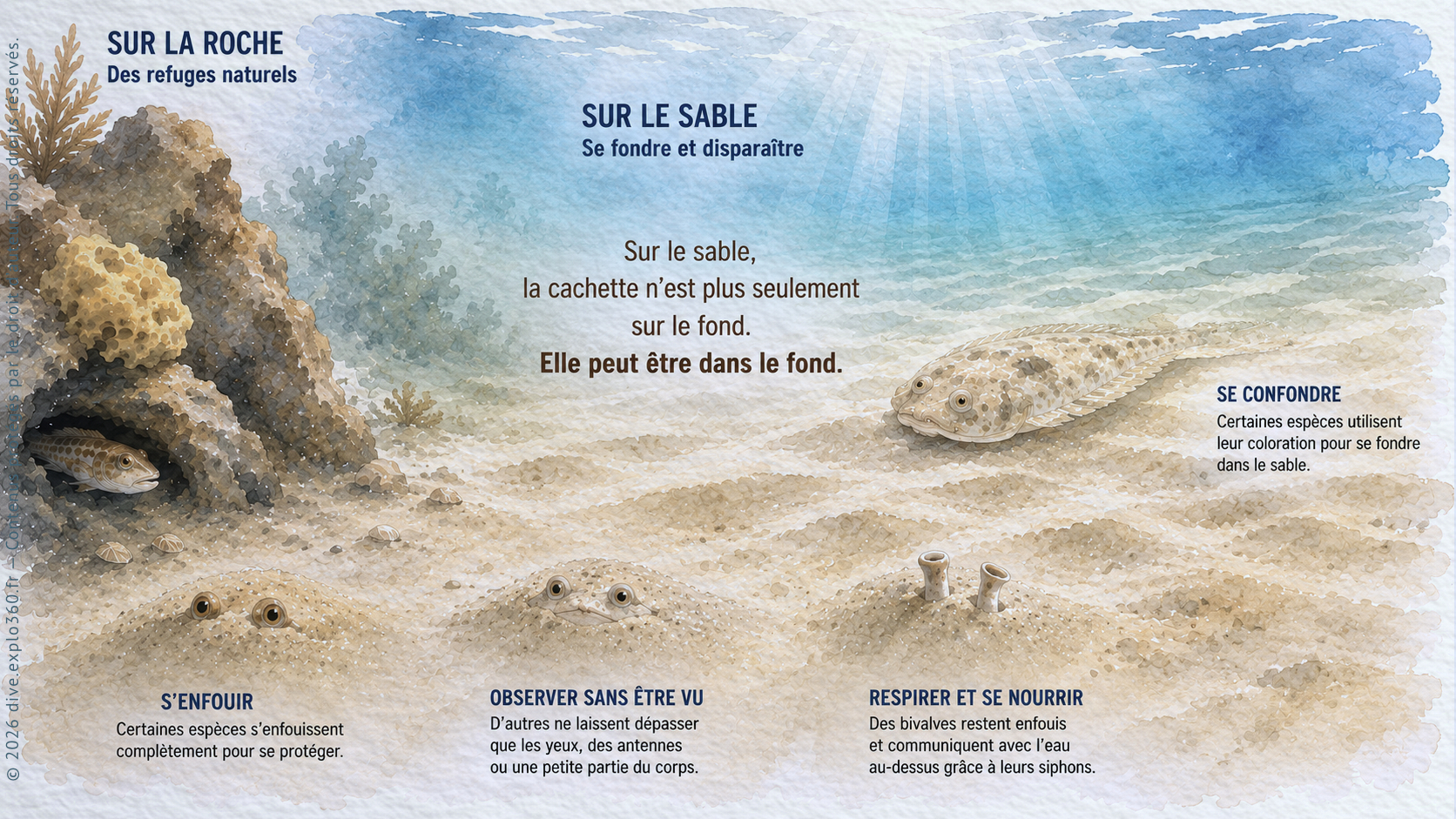
In sand, there are far fewer hiding places.
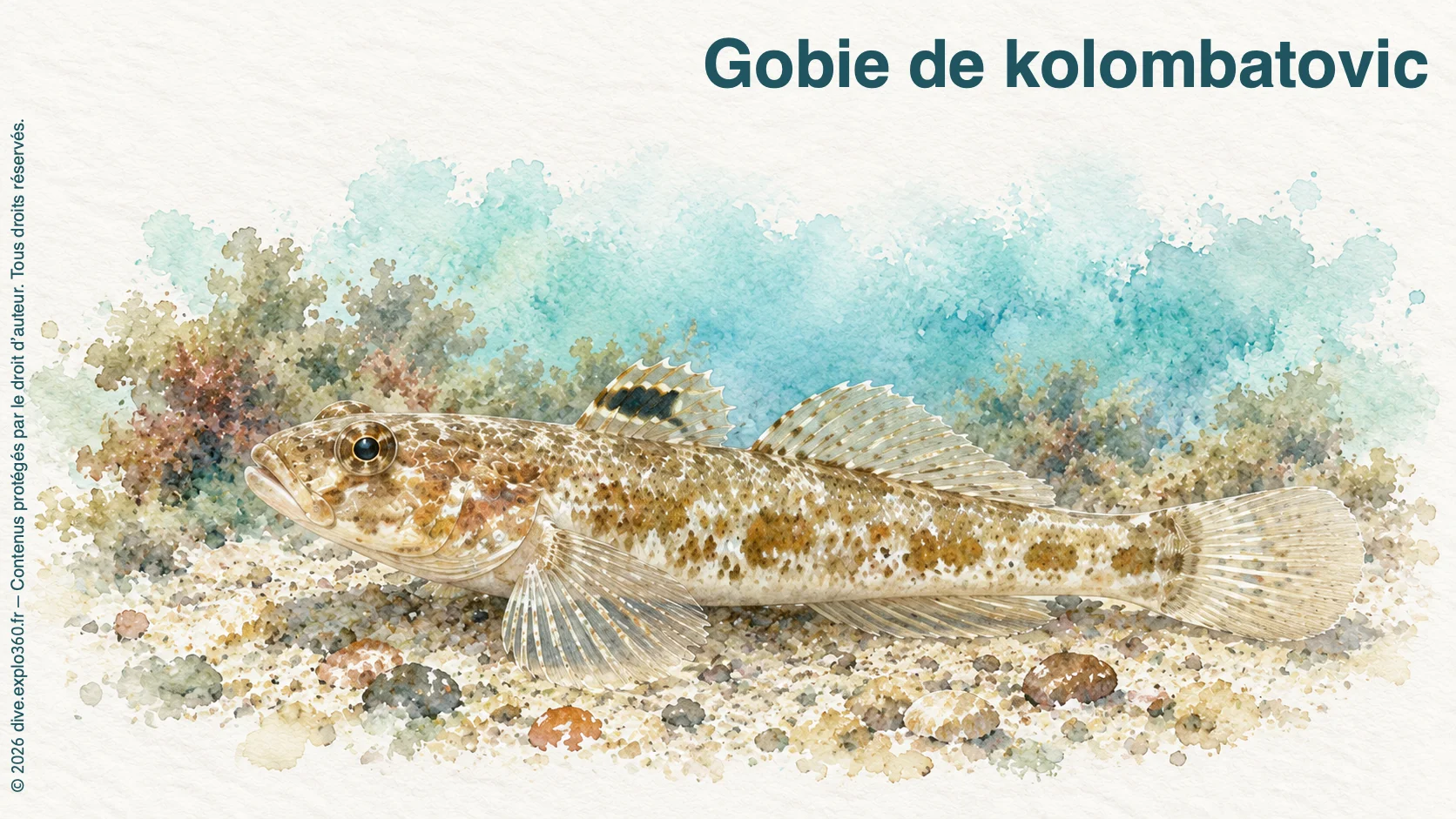
Some animals have found a solution: they hide right inside the sand!
They may bury themselves completely or leave only their eyes or antennae sticking out.
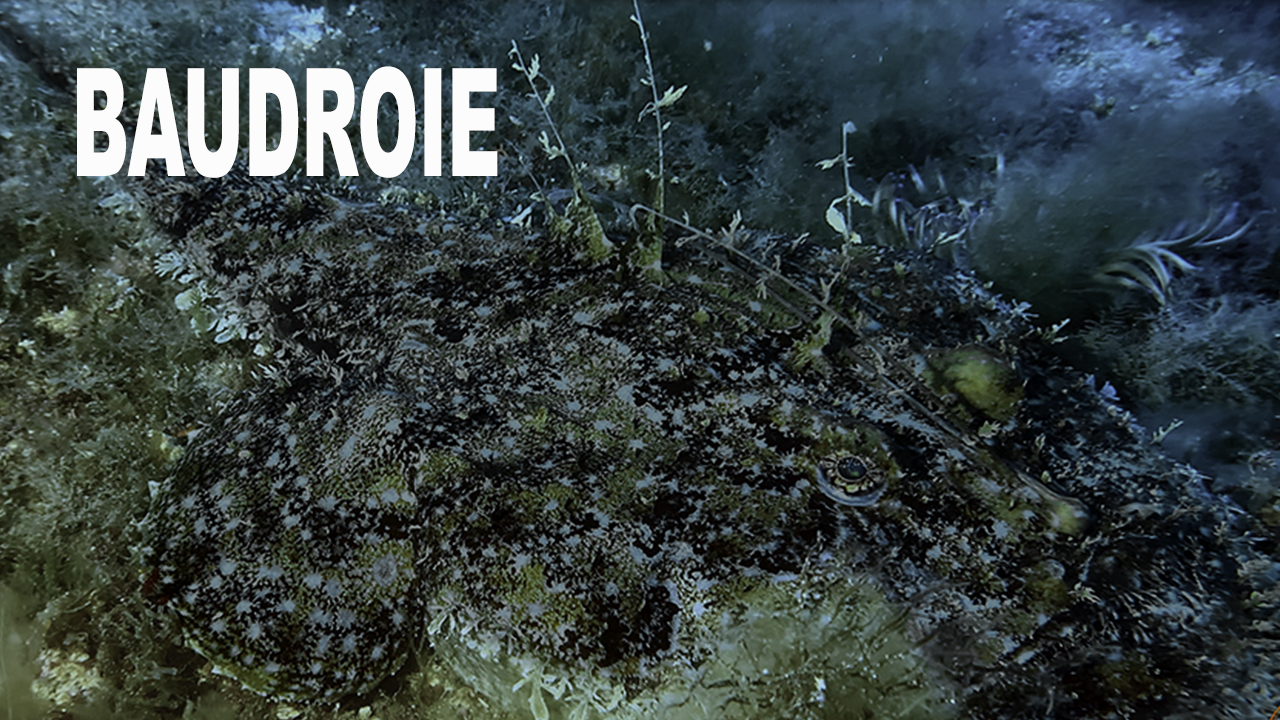
Others are almost the same colour as the seabed and become very hard to see.
Here, the hiding place may therefore be beneath our feet.
ON THE SAND
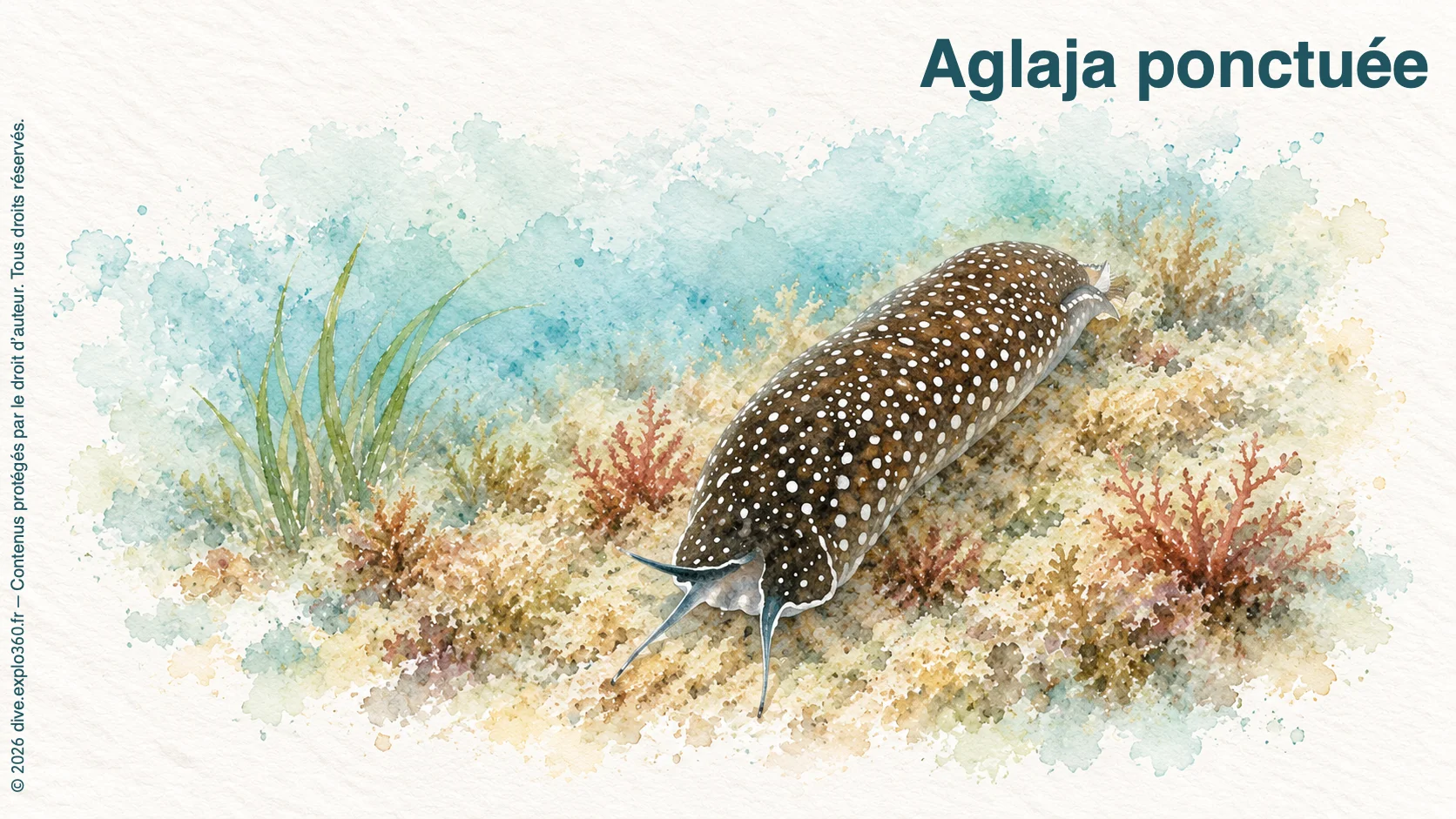
They look for food, rest or move across the sand.
They are often the easiest to observe.
HALF HIDDEN
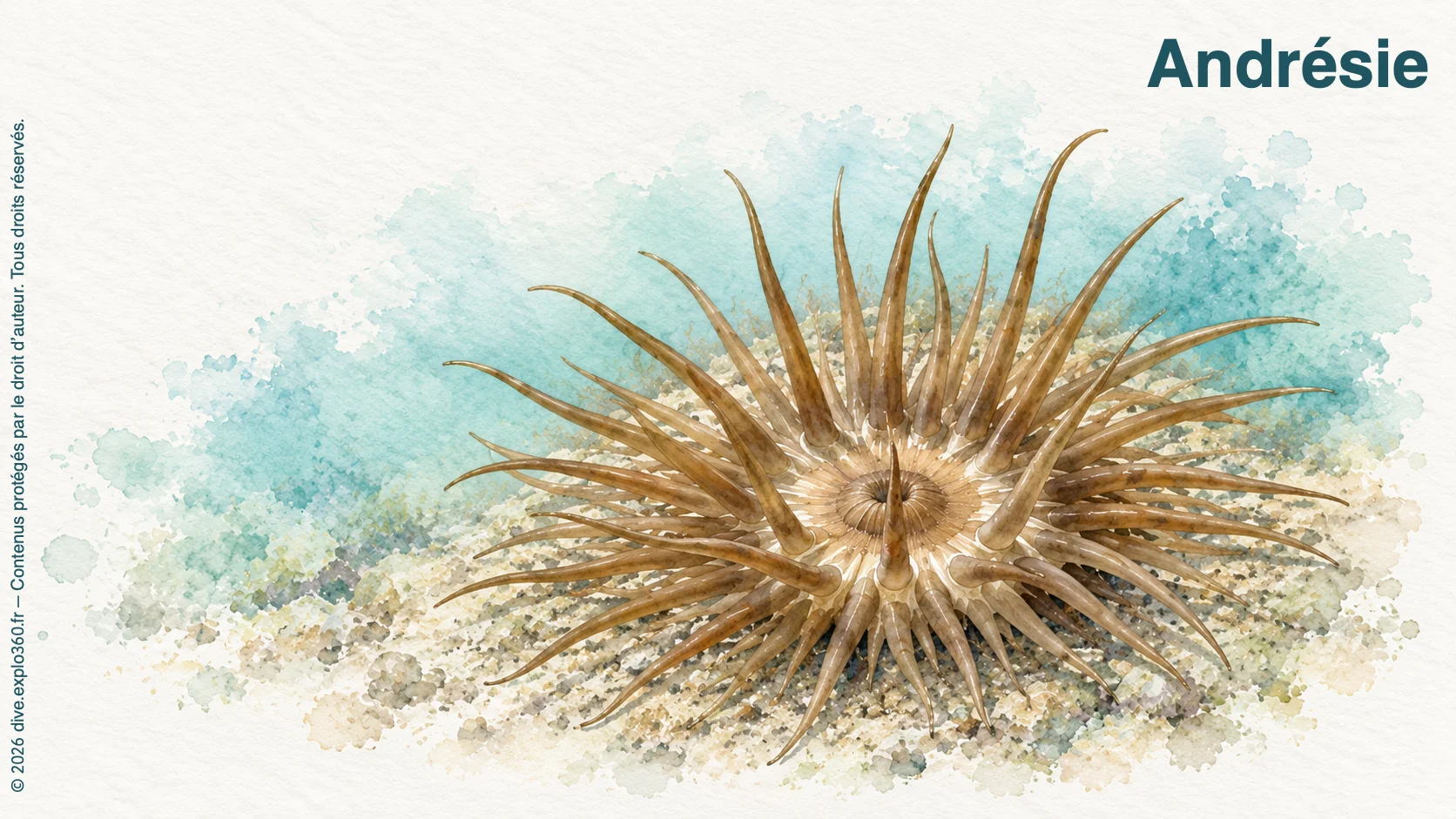
Some shellfish, for example, stay buried and use small tubes called siphons to make water flow through.
They are hidden without being completely cut off from the water above them.
BENEATH THE SAND
Some dig tunnels. Others move between the grains.
We rarely see them, but they are very much part of the sandy seabed’s inhabitants.
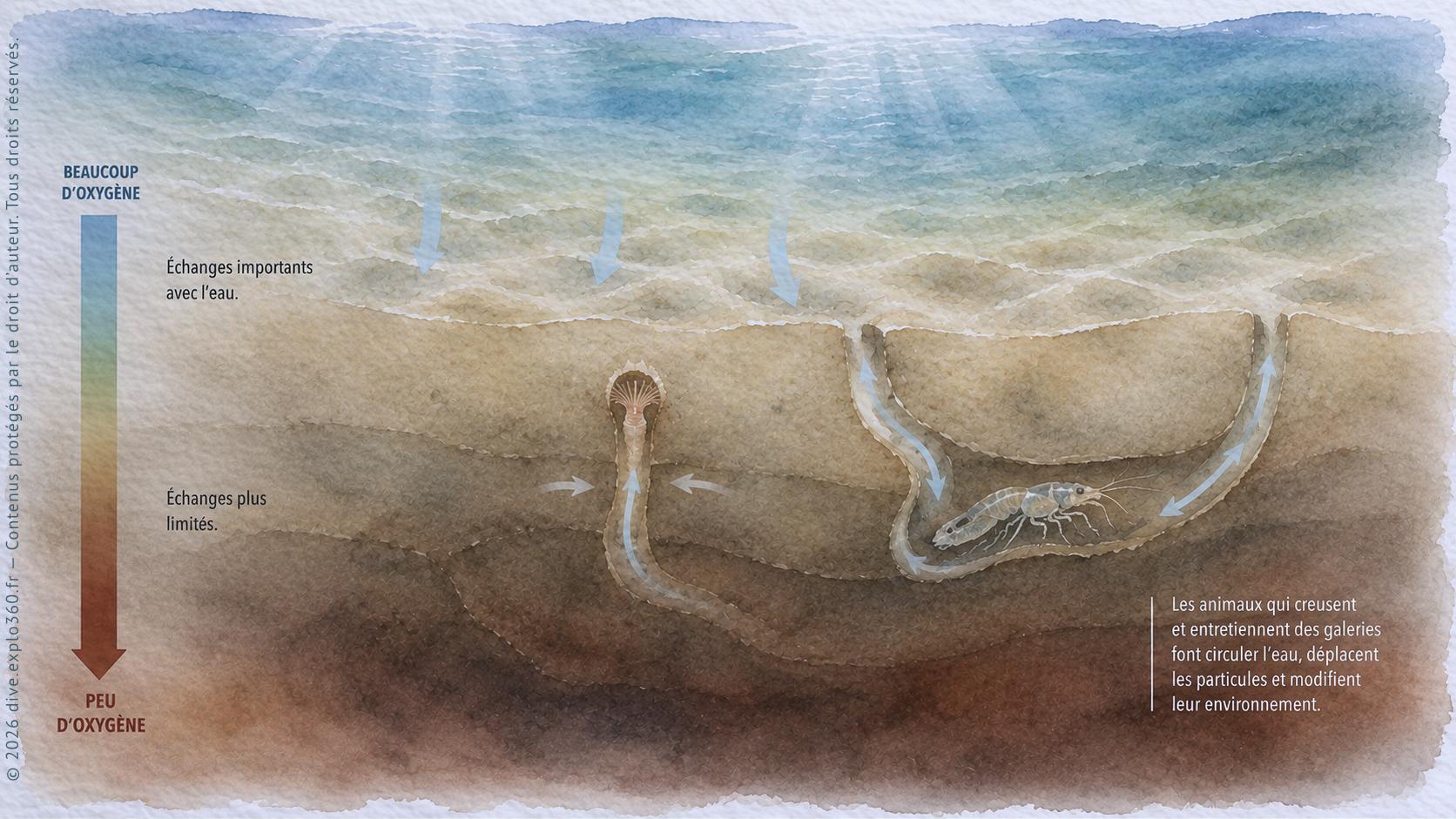
This water brings oxygen to the small animals living near the surface.
The deeper we go into the sand, the less easily water circulates.
Some animals dig burrows and move the grains. They too help move the sand around.
Sand therefore moves because of the sea, but also because of its inhabitants.
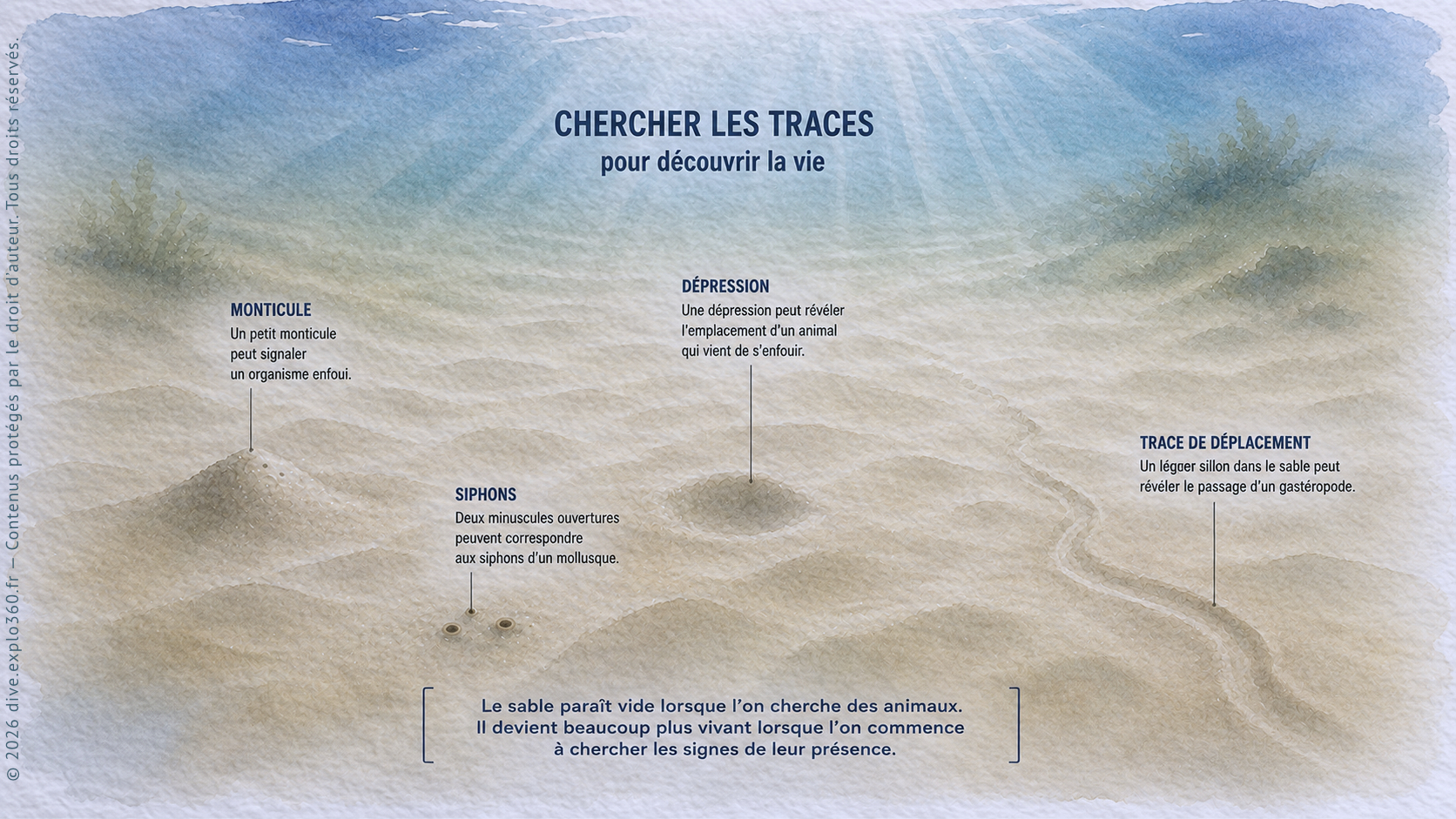
By looking for its tracks!
A small pile of sand may hide an animal. A hole may be the entrance to a burrow. A trail may show that an animal has moved.
Like footprints on a path, these clues tell us what happened on the seabed.
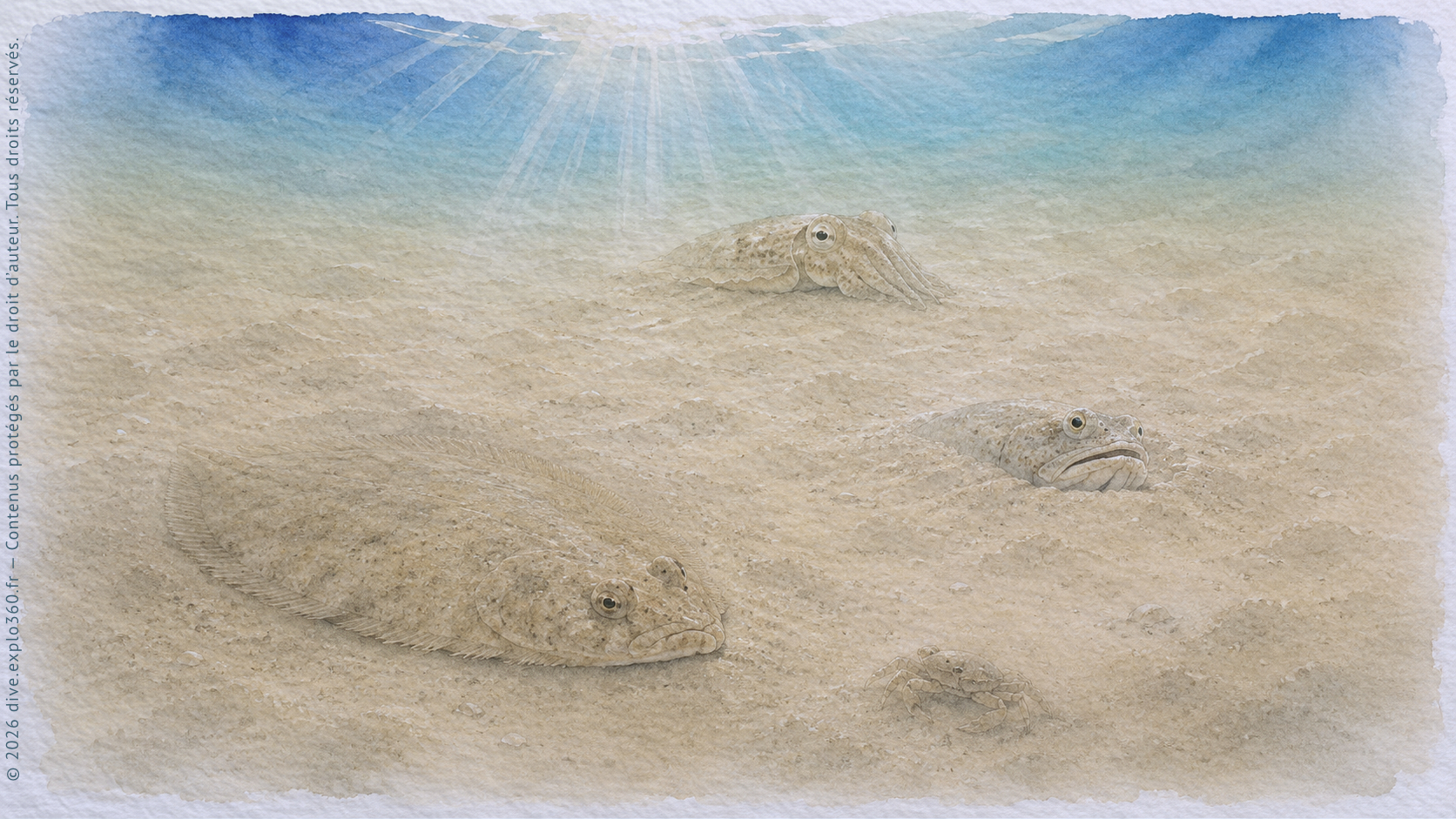
Sole are flat and their colour resembles the seabed.
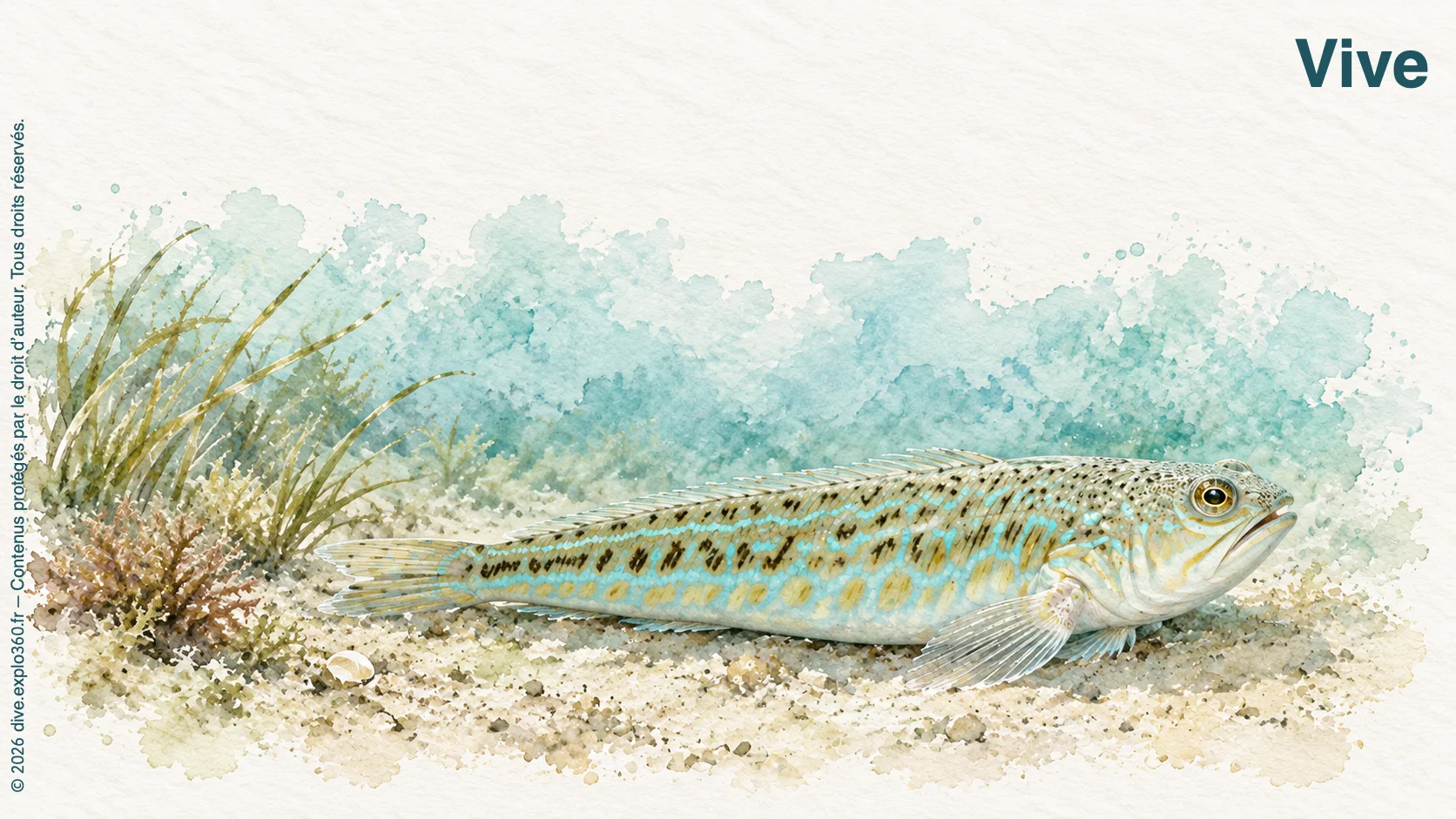
Weever fish can disappear almost completely beneath the sand.
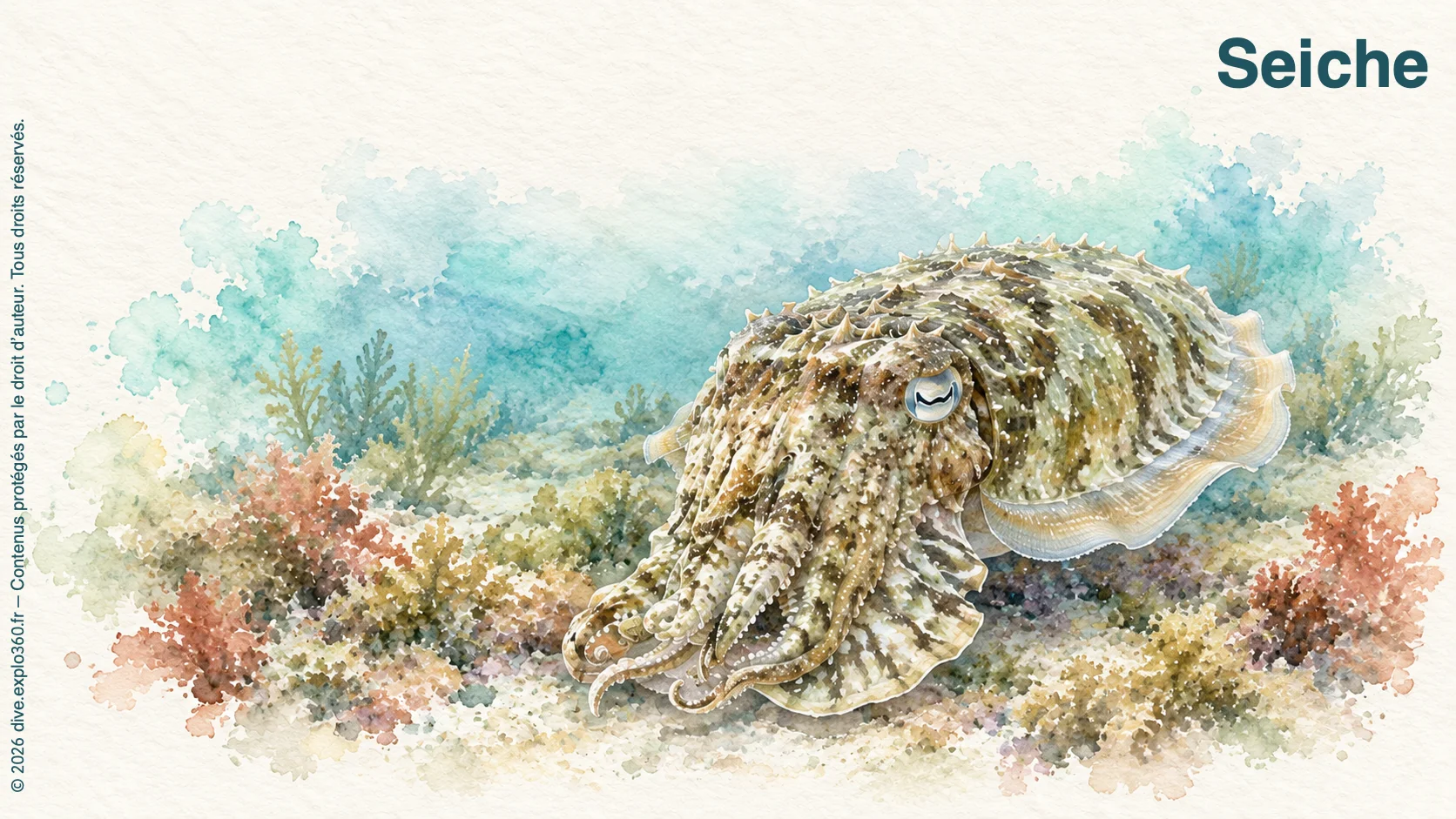
Cuttlefish and some small crustaceans can also become hard to spot thanks to their colour, by staying still or by hiding in the sand.
To survive, it is sometimes very useful not to be seen.
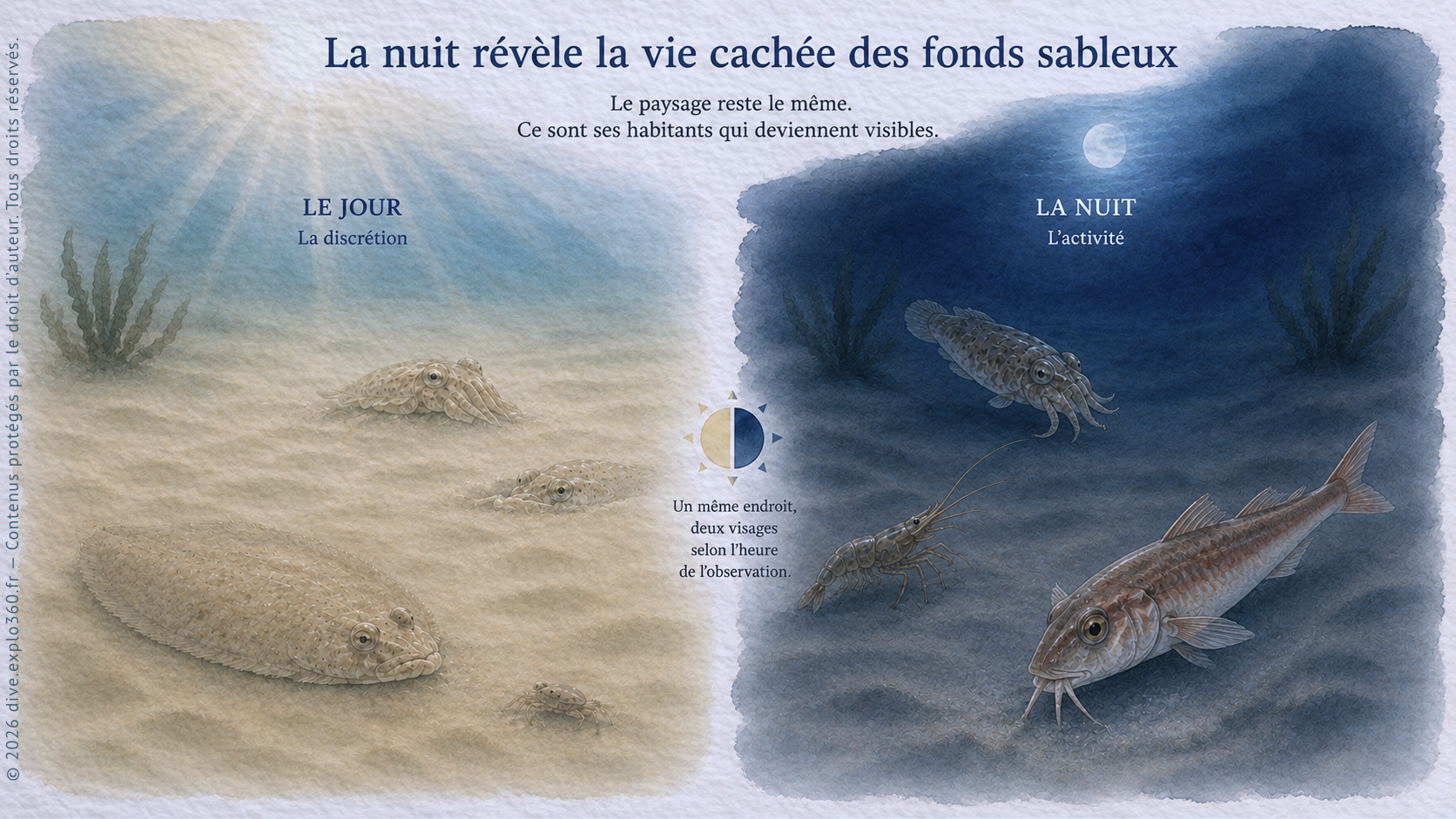
Some animals hidden during the day emerge from the sand. Crustaceans become more active and predators set off in search of food.
The seabed is still the same, but the animals we can observe change.
Under the sea too, some animals are active by day and others are more active at night.
Interactive quiz
Test your knowledge
2 question(s) to test your knowledge.
Interactive quiz
Test your knowledge
Question 1 out of 2Score: 0
Why do some animals hide in the sand?
How do some animals breathe when hidden in the sand?
Final result
Quiz completed
correct answers
Conclusion
Animals live on it, and others hide beneath it.
Even when we cannot see them, they may leave holes, trails or small piles of sand.
By learning to observe these clues, we discover that sand is a world full of life.
Sources and references
This section is intended for teachers, parents and educators who wish to check or explore the information in the article further. It is not part of the reading expected of the child.
Explore the same world