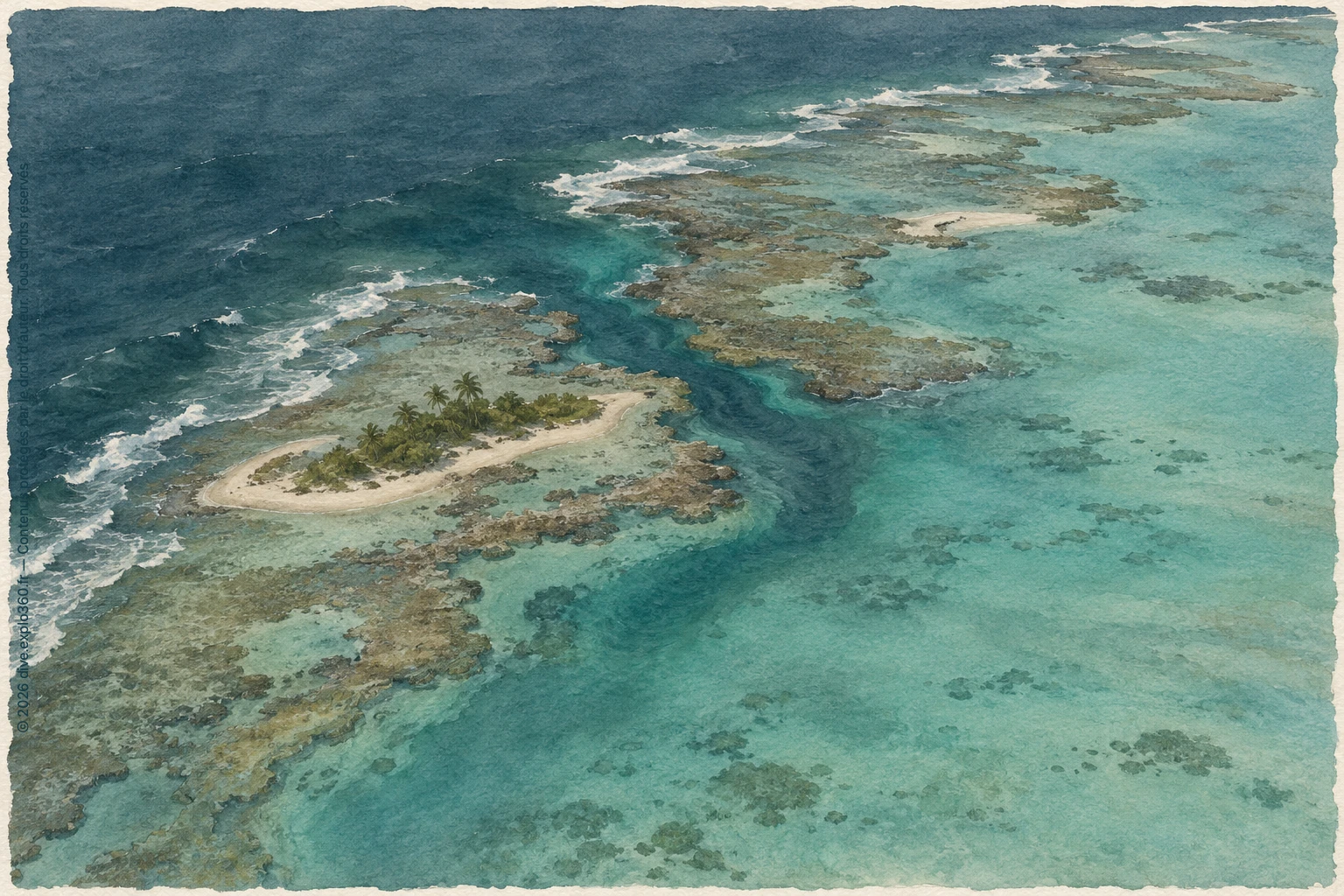
An archipelago built around lagoons
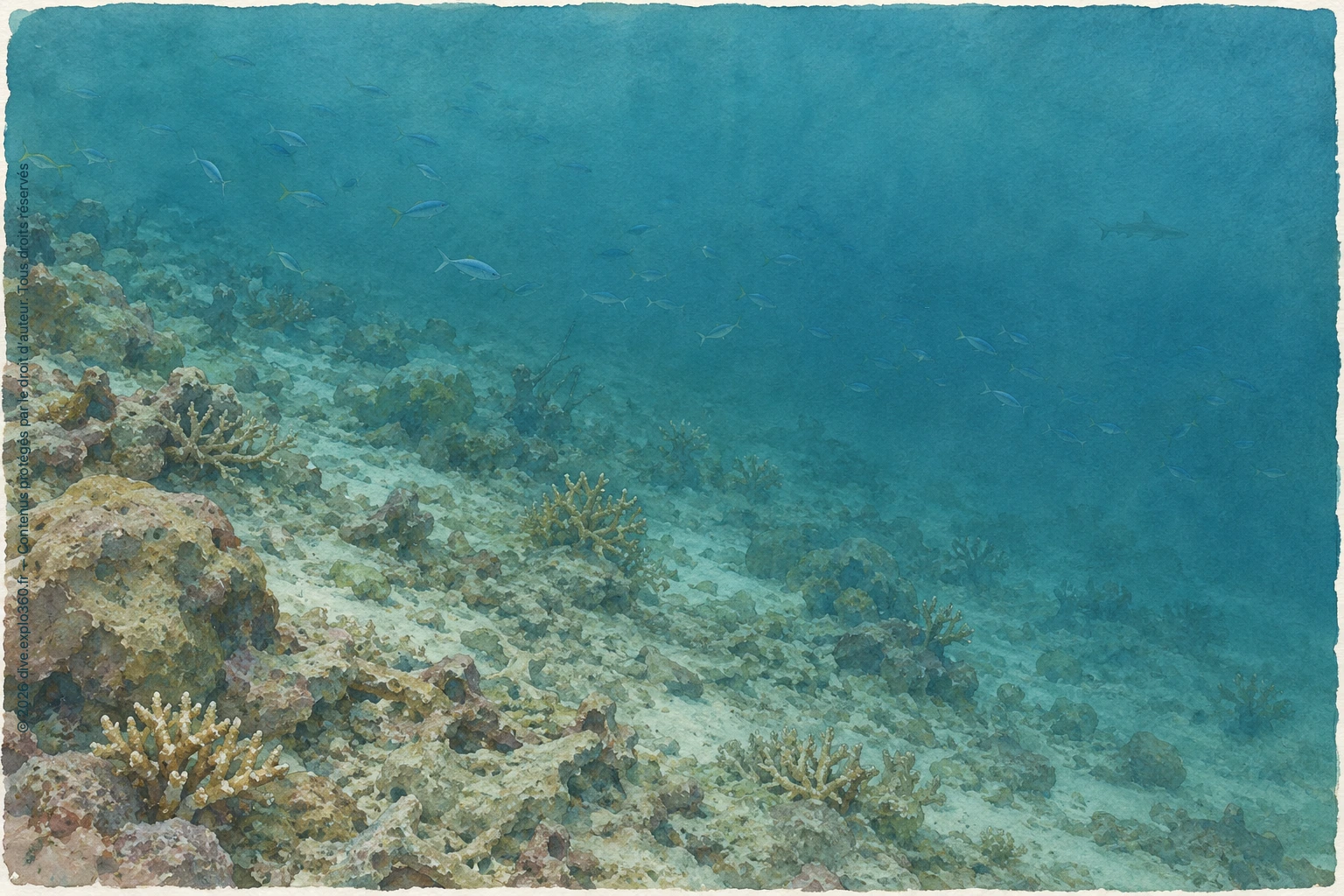
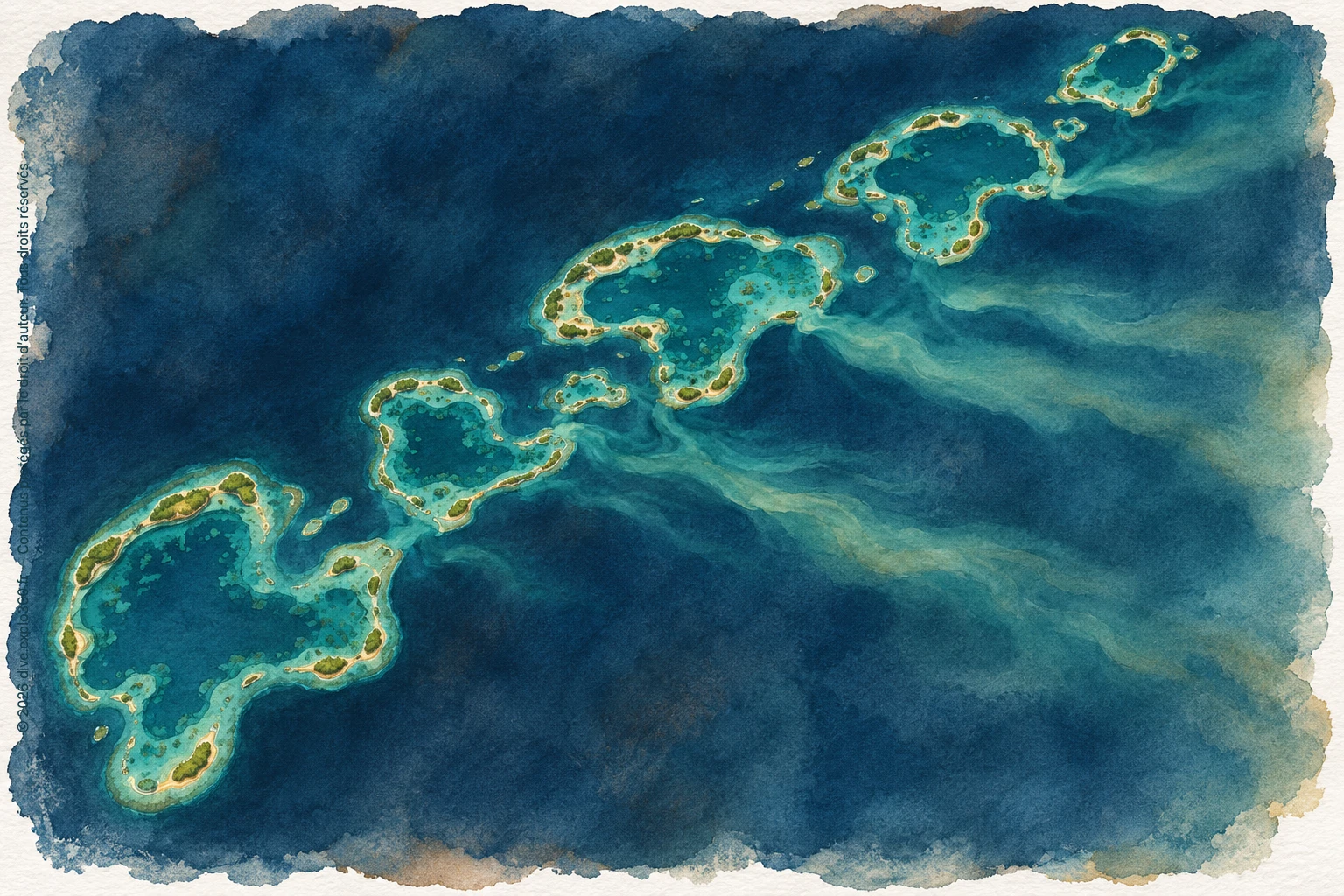
The Maldives form a long chain of atolls in the middle of the Indian Ocean. Their coral reefs sit on underwater formations whose sides can drop to great depths. Many atolls enclose lagoons dotted with isolated reefs, coral pinnacles and shoals. Gaps in the outer reef connect each lagoon to the ocean. These openings are known as passes, or kandu in Dhivehi, the language of the Maldives.
Some are relatively narrow. Others form wide corridors between the reefs. Their depth, orientation and seabed shape vary from one atoll to another. These differences have a direct effect on currents. When water enters a lagoon or comes out, some of that water flows through these openings. When a large volume of water flows through a narrow section, the current can speed up sharply.
As water flows around the reef, it can speed up around a headland, slow down in its lee or form eddies. Water can also move vertically near the drop-offs. These shifts affect where animals can feed and how much energy they spend swimming. A plankton-feeding fish can exploit the current that brings it food particles. A predator may spend time where fish gather. A shark can use water circulation to reduce the effort needed to maintain its position.
A single pass can offer very different conditions over just a few hundred metres.
When the ocean flows into the lagoon
At certain times, the current pushes ocean water into the atoll. Water flows through the pass and along the reefs into the lagoon. At other times, the flow reverses and lagoon water returns to the ocean. Tides help drive these exchanges. Monsoon winds and ocean currents also alter water movements around the atolls. The result depends on the combination of these forces and local geography.
The incoming flow varies in timing and strength from one day or pass to the next. As the current speeds up, water transports plankton, organic particles and small drifting organisms with it. The shape of the reef affects where the drifting organisms and particles go. Some particles pass through quickly. Others briefly accumulate where currents converge or trap them.
This helps explain how food becomes available in the passes. Large fish may follow their prey to spots where the current brings them together.
The first fish to make use of the current
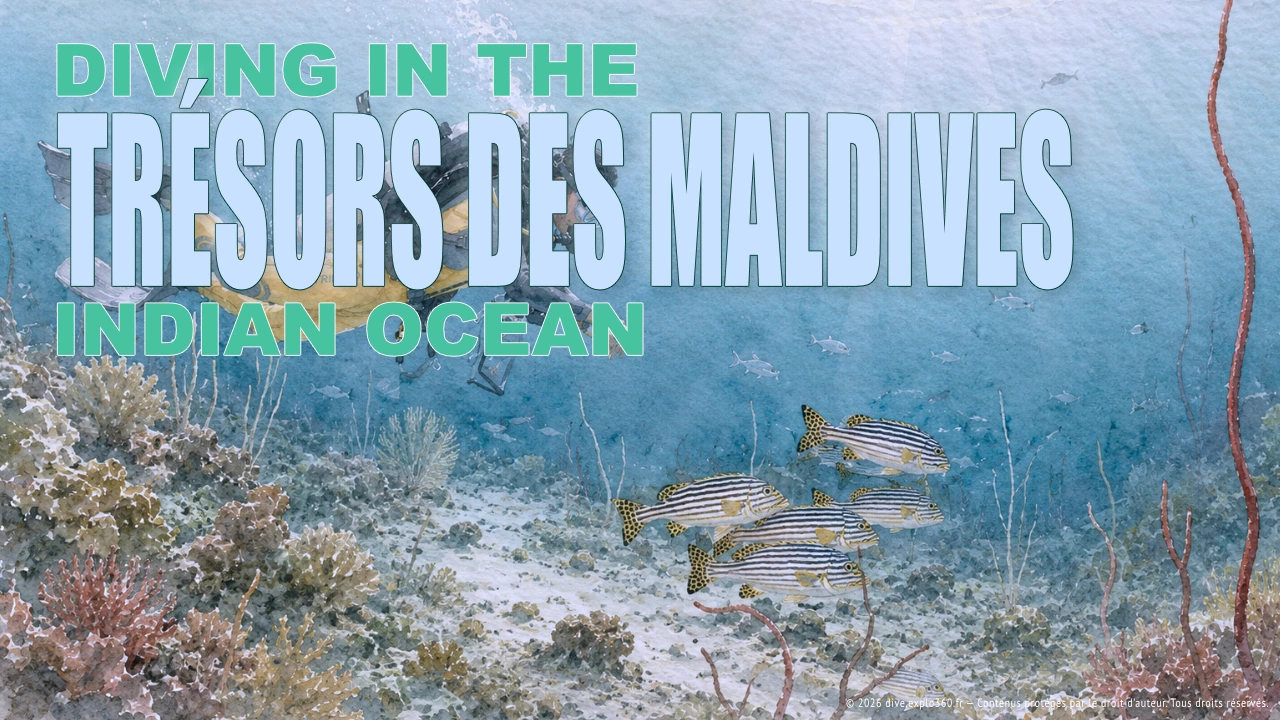
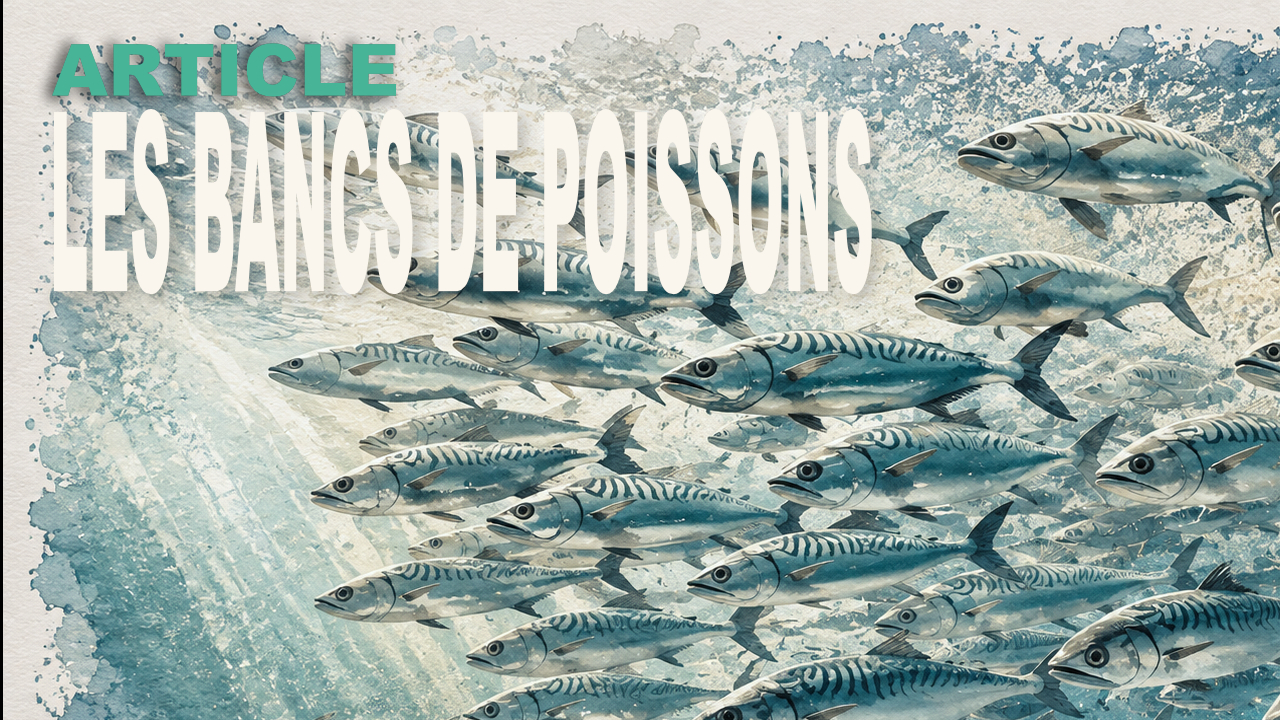
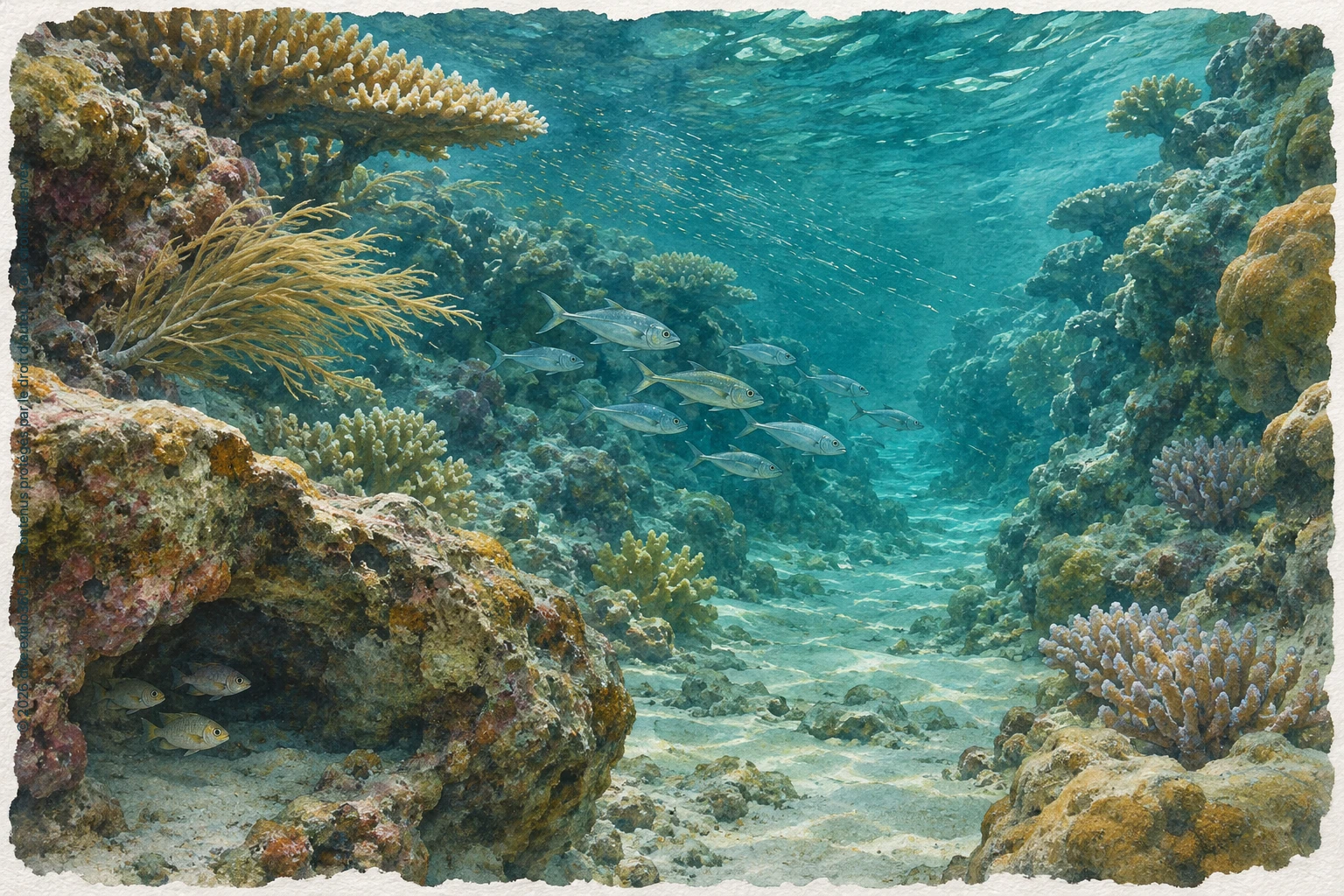
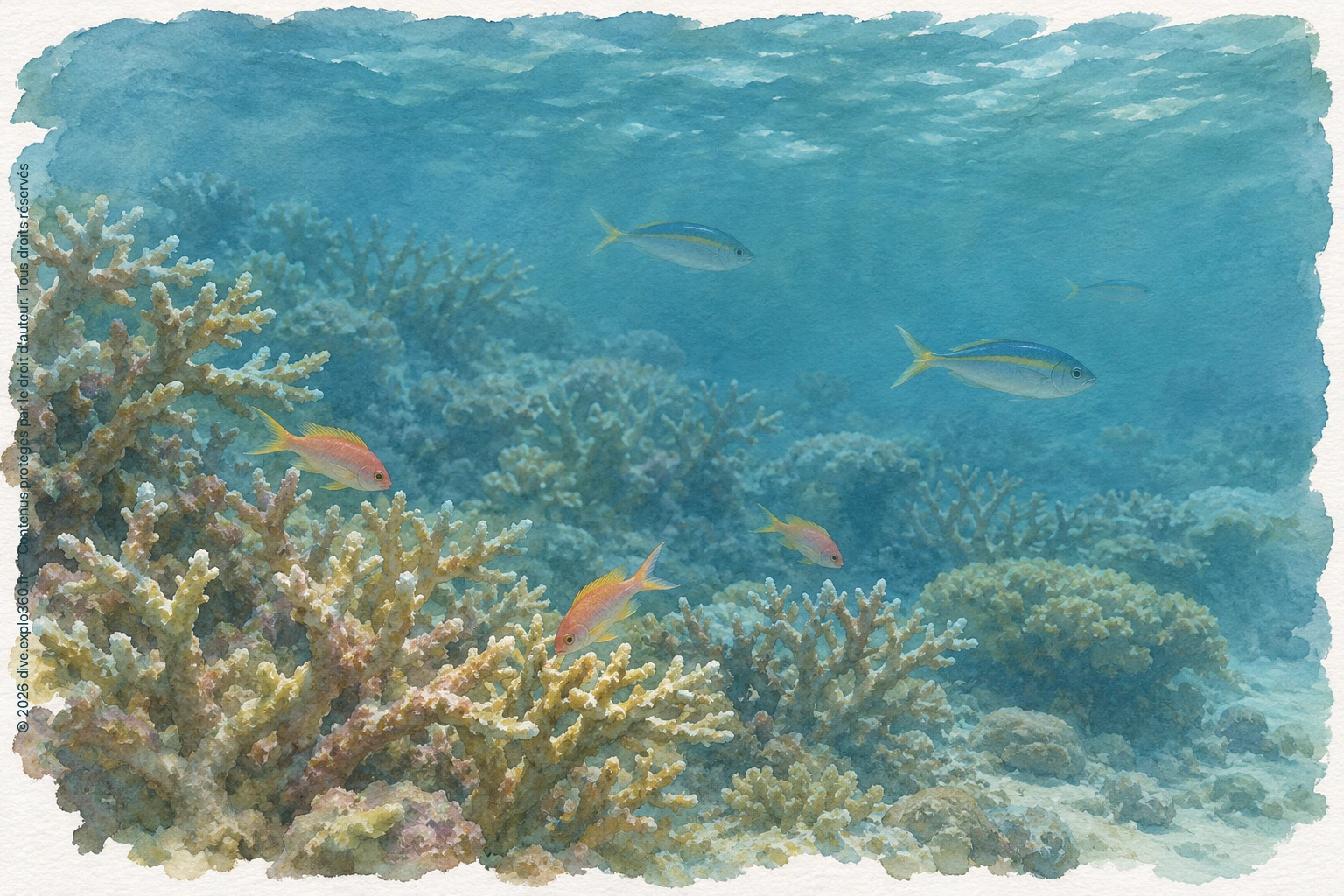
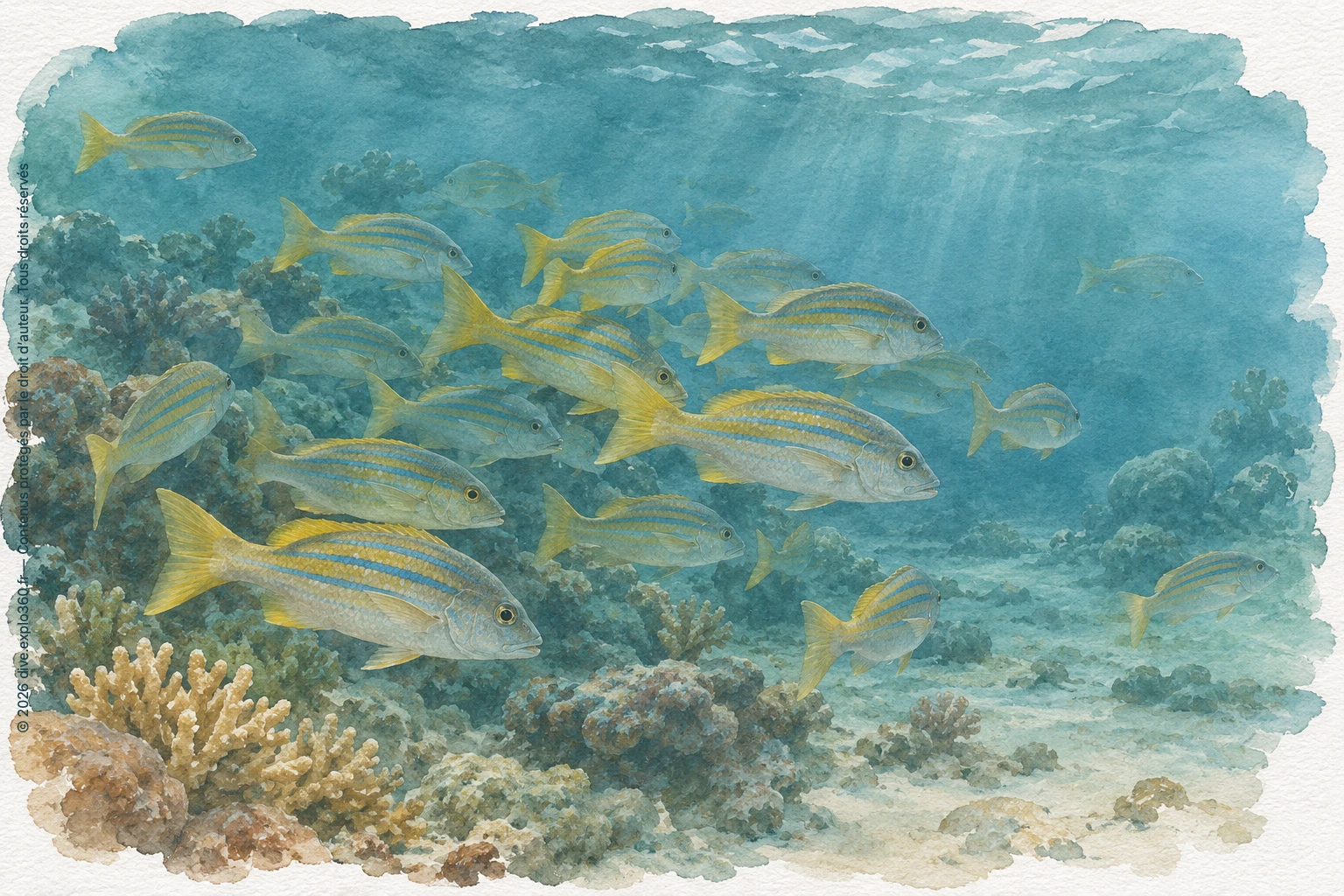
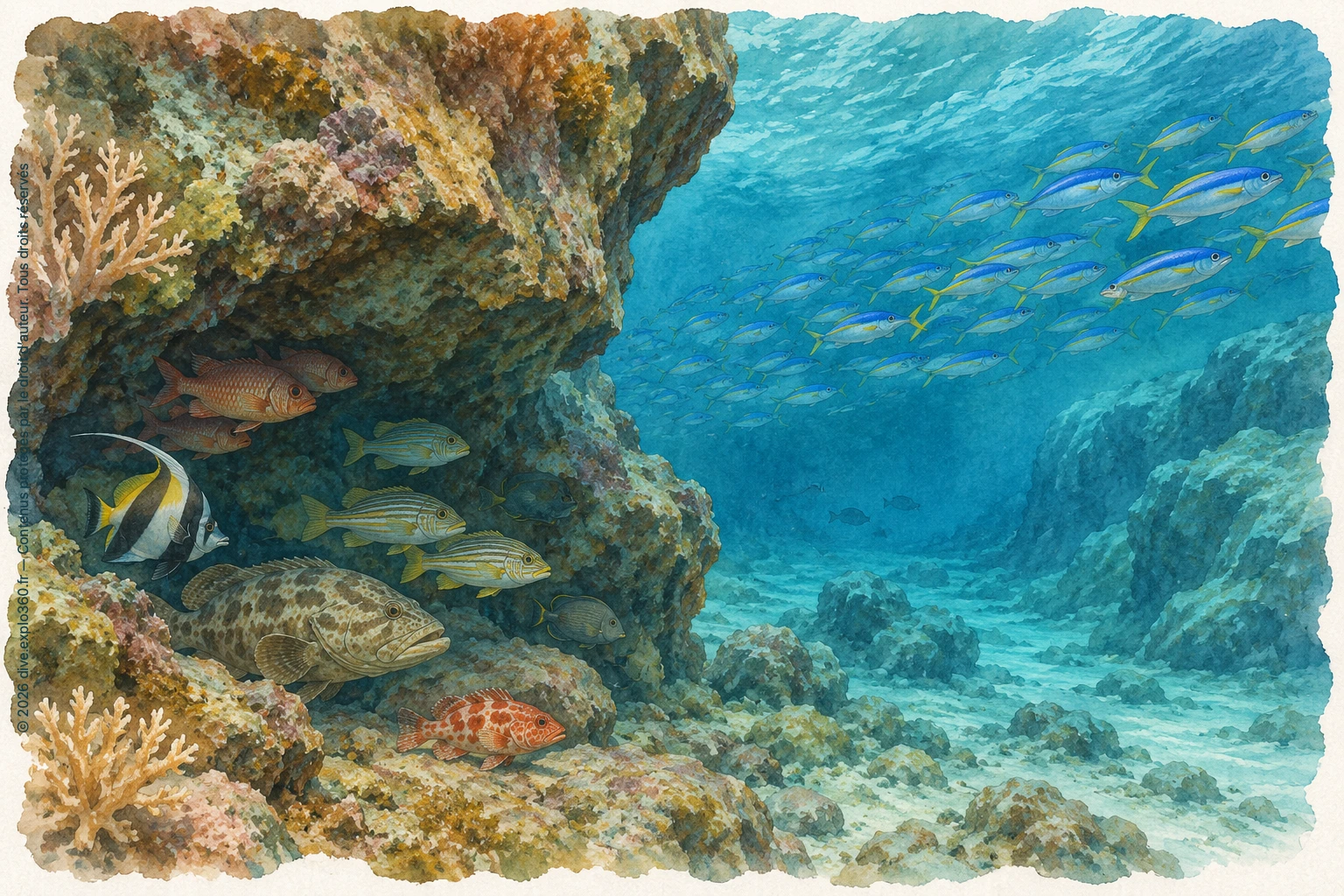
Above the reef, the fusiliers form schools that can number in the hundreds. Fusiliers, fish of the family Caesionidae, feed mainly on zooplankton. They pick off tiny crustaceans and other animals as they drift past. When the current continually renews the water around the reef, plankton-feeding fish can intercept organisms that are within their reach.
Their presence does not mean that all the water passing through the pass is exceptionally rich in plankton. Concentrations vary with ocean conditions, season and local movements. But a sustained current can quickly bring fresh prey within reach of a school. Schools can position themselves above a drop-off or along an exposed part of the reef where the current brings food.
Fish, however, have to cope with the energy cost of swimming. A very strong current can make it harder for fish to hold their position. Where the school settles depends on how much food passes within reach and how hard the fish have to swim to stay there. And when many small fish come together, other animals can take advantage of the gathering.
The hunters arrive
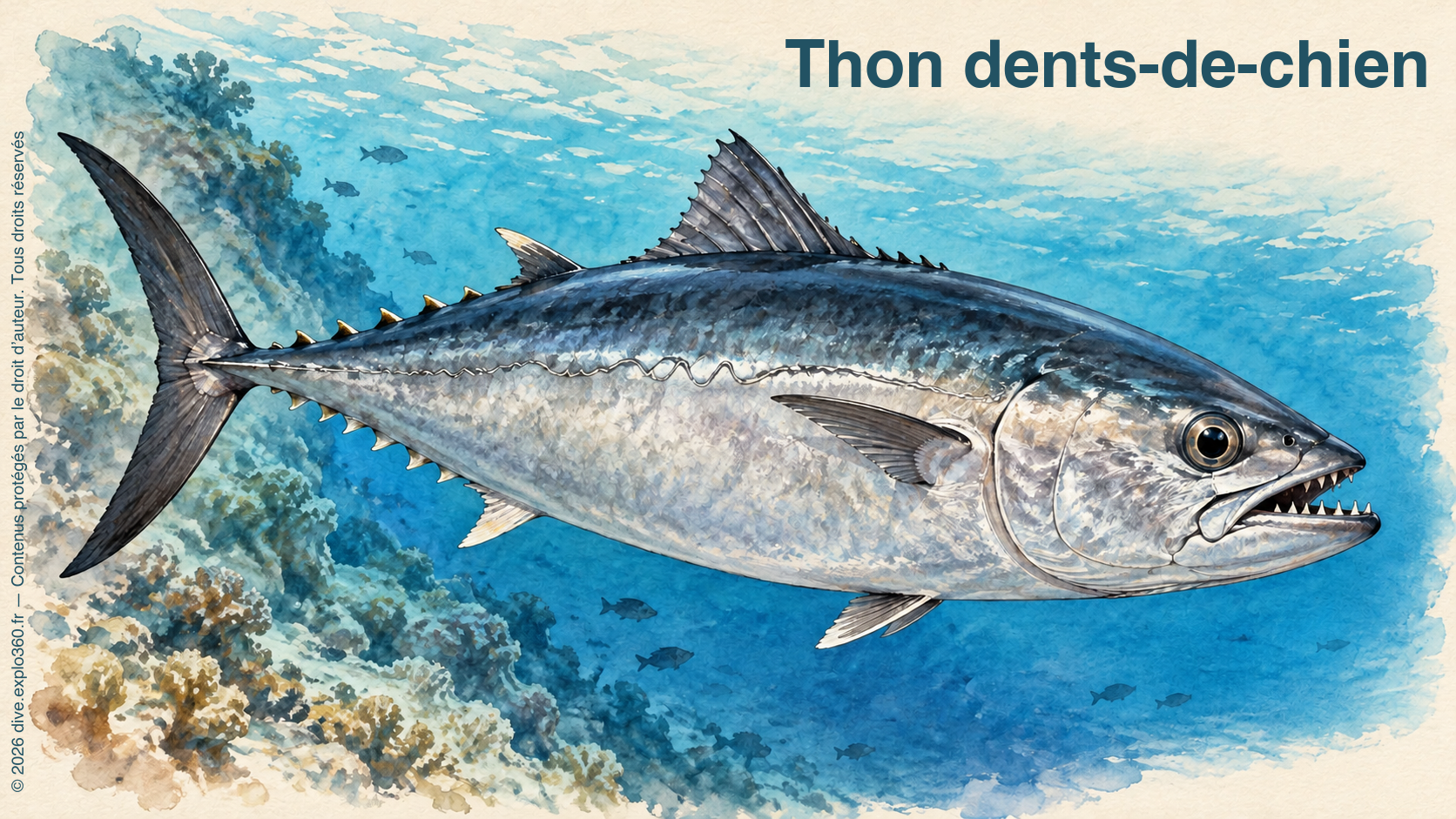
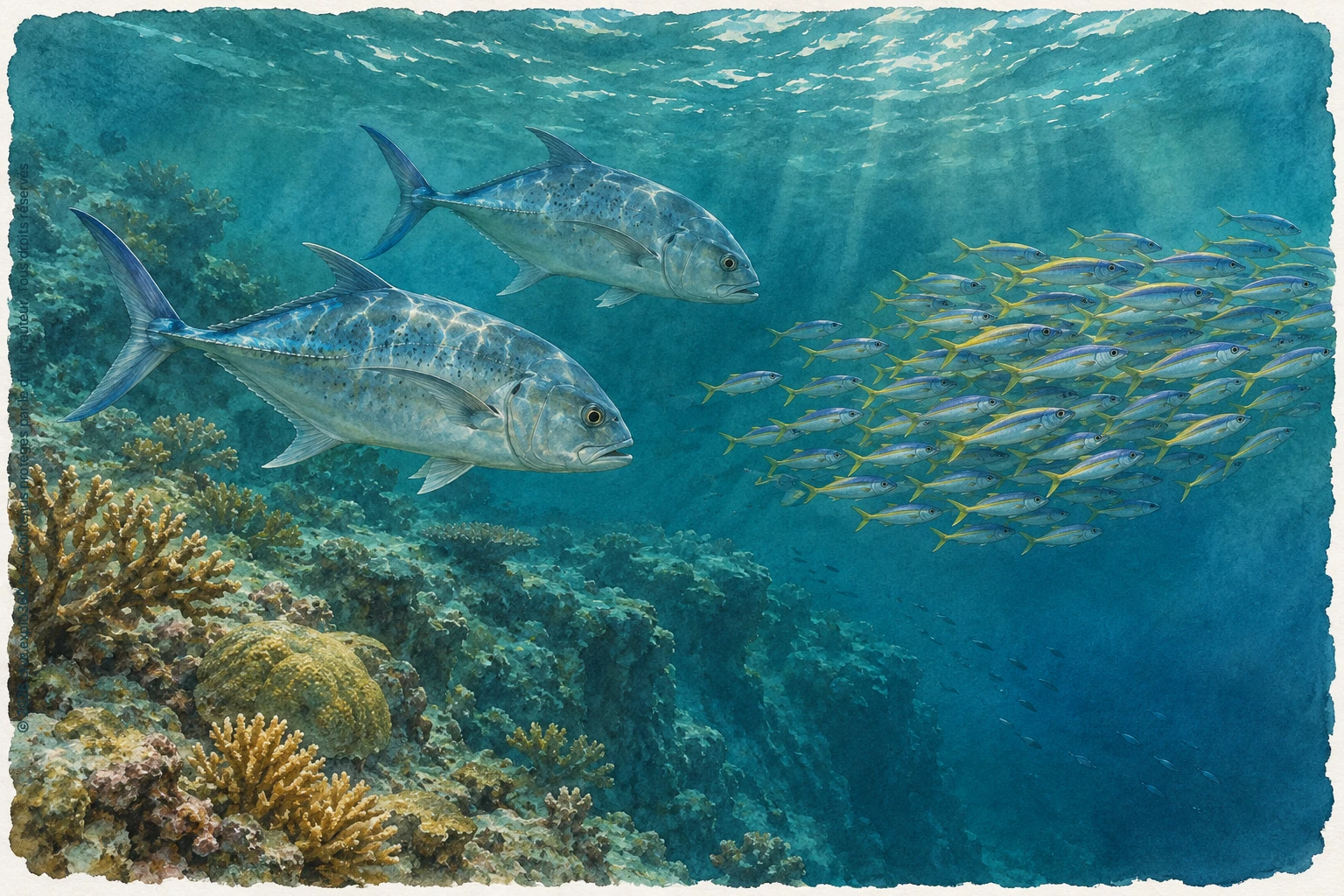
Jacks are among the predators you may see in Maldivian passes. They swim fast enough to chase fish in open water. Some species hunt alone. Others may gather in groups or hunt schooling fish. Tuna and other open-water predators also visit the archipelago, moving in and out of the passes. Plankton-feeding fish can provide food for larger predators.
Where jacks gather depends in part on where prey schools form. Where predators gather also depends on where their prey are, how easily they can catch them, their own movements and local conditions. The current can reshape the hunting ground. As the current carries food through the channel, schools can gather above the drop-off or along the reef. Ledges and narrow channels can concentrate prey or limit where it can escape.
The pass can bring plankton, the fish that feed on it and the predators that hunt those fish together. Favourable feeding conditions can help explain why large predators visit a pass. Water temperature and depth alone cannot account for their presence. Grey reef sharks are one example.
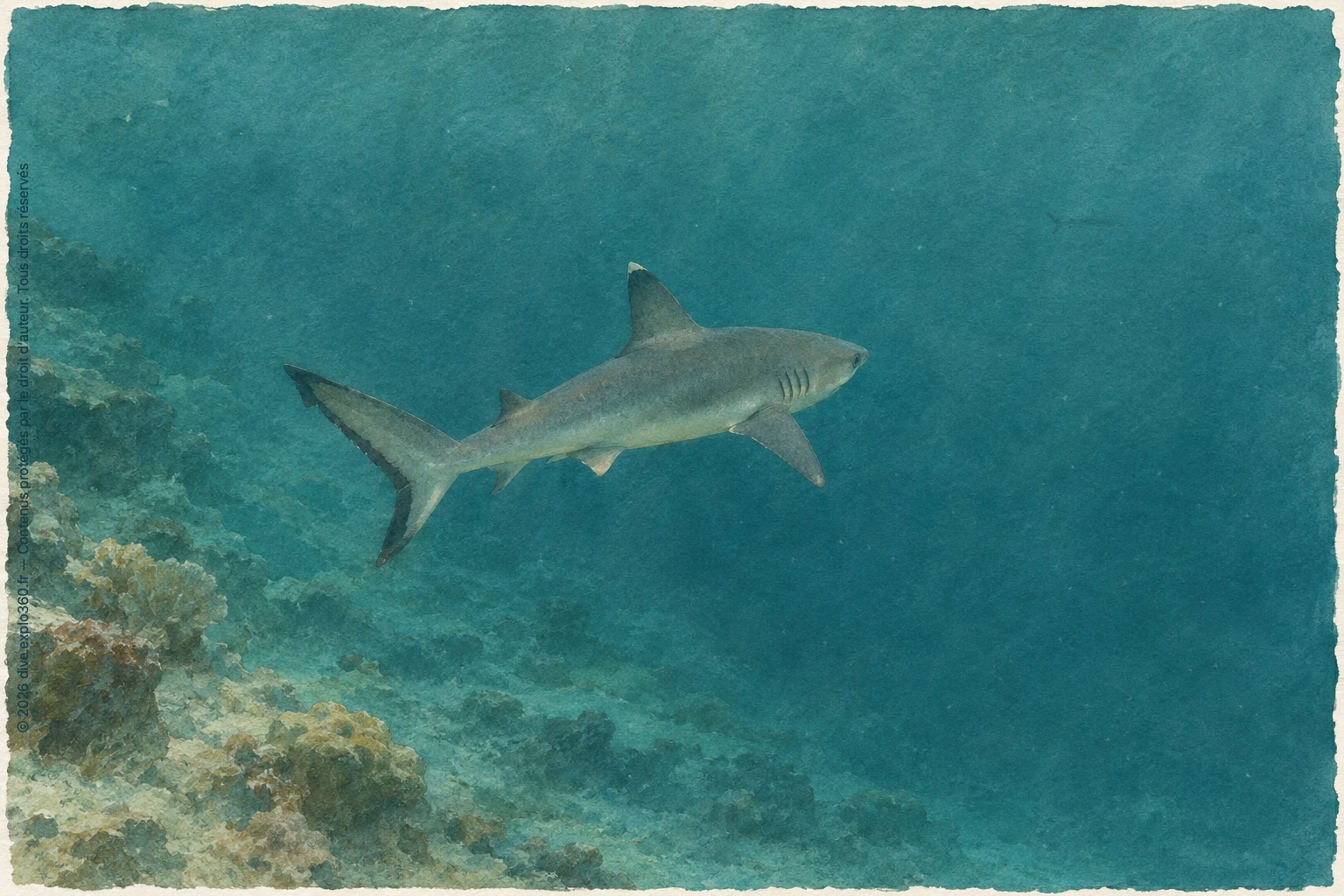
Sharks that seem to hang in the water
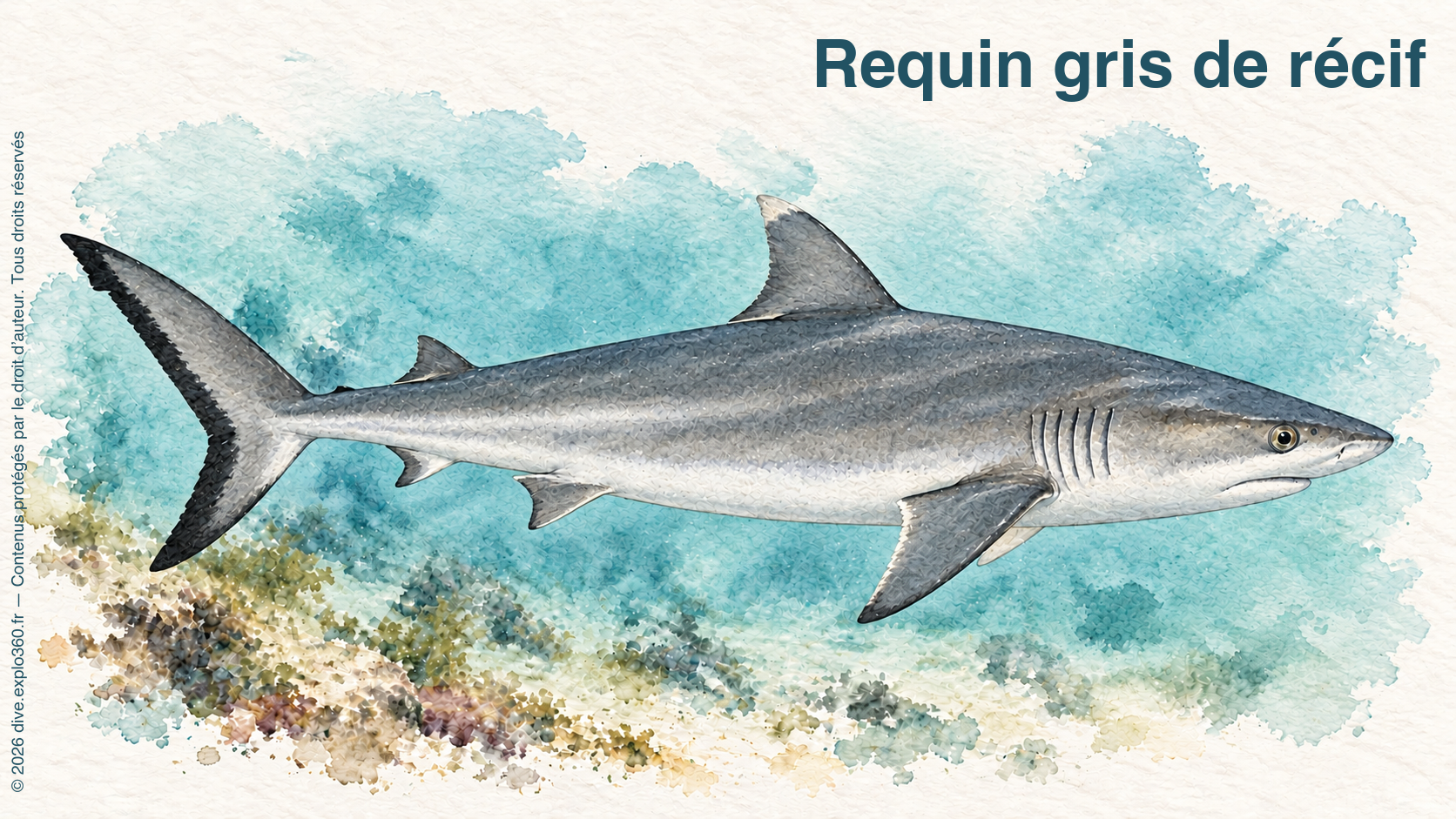
At the mouths of some passes, grey reef sharks (Carcharhinus amblyrhynchos) gather near the drop-off. From the reef, a diver may see them holding almost exactly the same position. They swim into the current and make little headway relative to the reef. They keep facing into the flow and adjust their fins to hold their position.
They keep swimming even when they appear almost motionless.
The current provides a flow of water over their gills and can contribute to their lift. In some configurations, upward currents created by the shape of the seabed allow sharks to maintain their position by spending less energy.
Where water rises over a ledge, the upward flow can help support the shark’s weight. Observations at Miyaru Kandu and Villingili Kandu show how grey reef sharks respond to the current in two Maldivian passes. Grey reef sharks regularly gather near the ocean drop-off when the current flows into the atoll. But when the current reverses, their behaviour changes.
At Miyaru Kandu, observers saw the sharks gather farther inside the pass, near a seabed feature likely to generate an upward current. In Villingili Kandu, the sharks instead gathered below the drop-off. The two sites illustrate how flow direction and seabed shape can affect where sharks gather. The same observations recorded many potential prey fish, including fusiliers, jacks and bigeyes (family Priacanthidae). Predation events were also documented.
The pass can offer favourable conditions for swimming as well as opportunities to feed. But food is not enough to explain all the gatherings.
Sharks that return, including young individuals
Some grey reef sharks return to the same passes. On repeated visits to Miyaru Kandu, observers recognised individual sharks and saw young sharks swimming among adults. Sightings of juveniles and newborn or very young sharks show that several age groups use some passes.
Seeing young sharks in a pass is only one piece of evidence that it may serve as a nursery. To determine whether a pass serves as a nursery, researchers examine whether juveniles are more common there than at other sites, whether they stay or return, and whether juveniles use the site repeatedly across years.
Repeat sightings can help researchers track how individual sharks use the pass. Grey reef sharks also visit cleaning stations near drop-offs. Small cleaner fish can remove external parasites or damaged tissue from the animals that visit these stations. Sharks can therefore return to the same area for different reasons. A pass can offer food, currents that make swimming easier, and cleaning stations.
Sharks may use different parts of a pass for these activities, or use the same area at different times. This is why a group of sharks facing into the current may be doing something other than hunting.
Monsoons shift favourable conditions
Across the archipelago, the monsoon also changes how water circulates.
For part of the year, the prevailing winds blow from the southwest. During the other major season, they come mainly from the northeast.
As the winds change, so do the currents and the location of the most productive waters.
The Maldivian atolls form a chain of underwater obstacles in the open ocean. When currents meet the underwater slopes of the atolls, they can mix water between depths and bring nutrient-rich water up in some places.
These inputs promote the production of phytoplankton in some illuminated areas.
Phytoplankton also feeds part of the zooplankton, which is a resource for many fish and large filter feeders.
This is one form of the island mass effect. Where currents interact with the seabed, they can make the waters around an island more productive than the open ocean nearby.
In the Maldives, this effect varies according to season and location. The most productive waters do not necessarily remain on the same side of the atolls all year round.
Observations of manta rays illustrate this seasonal shift.
Their seasonal distribution changes with the monsoon, and they are more frequent on the sides of the atolls downstream of the dominant currents, where conditions can promote the development and accumulation of their food resources.
When the monsoon reverses, the most favourable areas can shift.
The timing of large gatherings is therefore not solely dependent on the tide of the day. It is also part of an oceanic circulation that changes over the months.
Mantas and sharks use passes differently
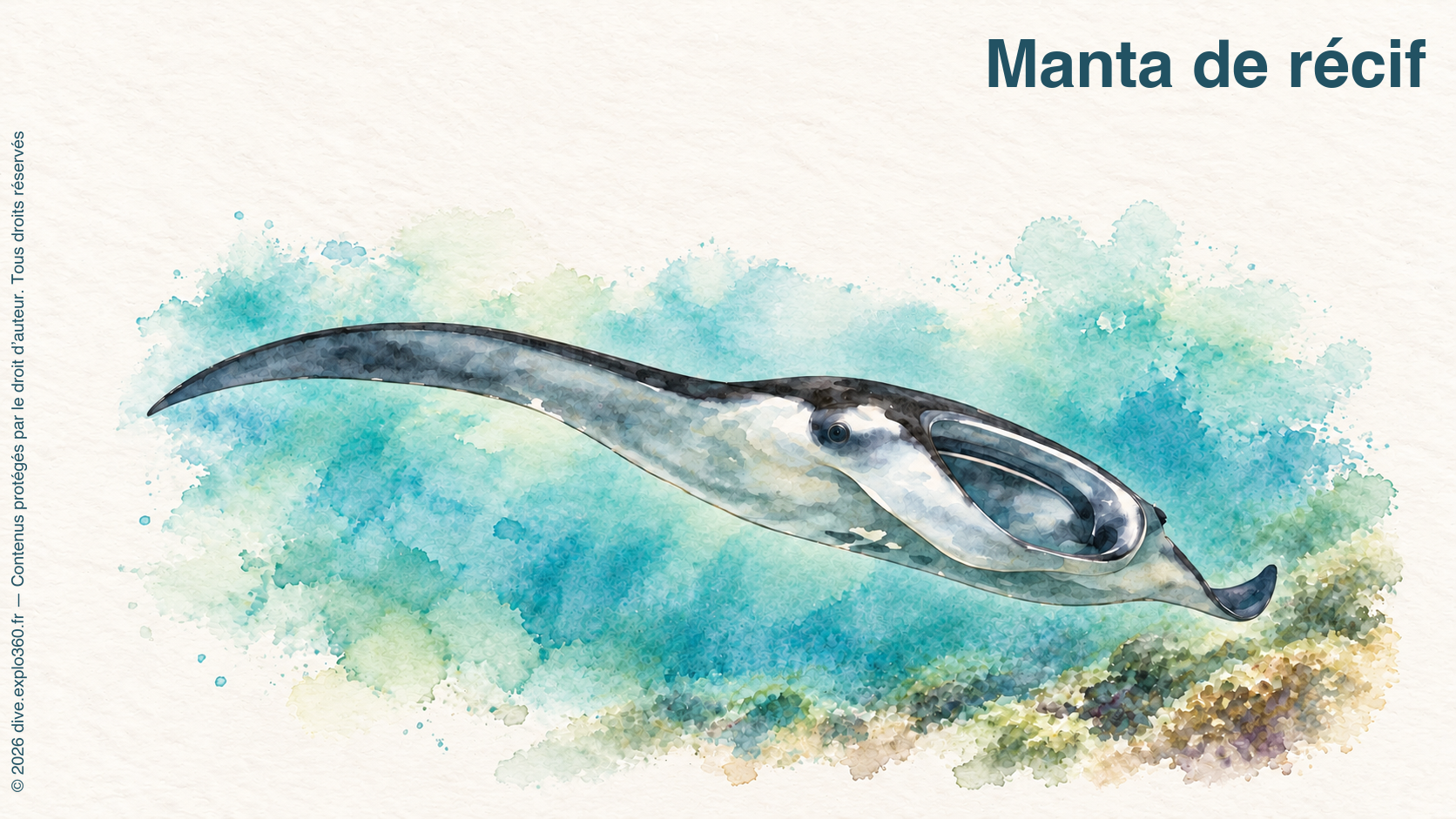
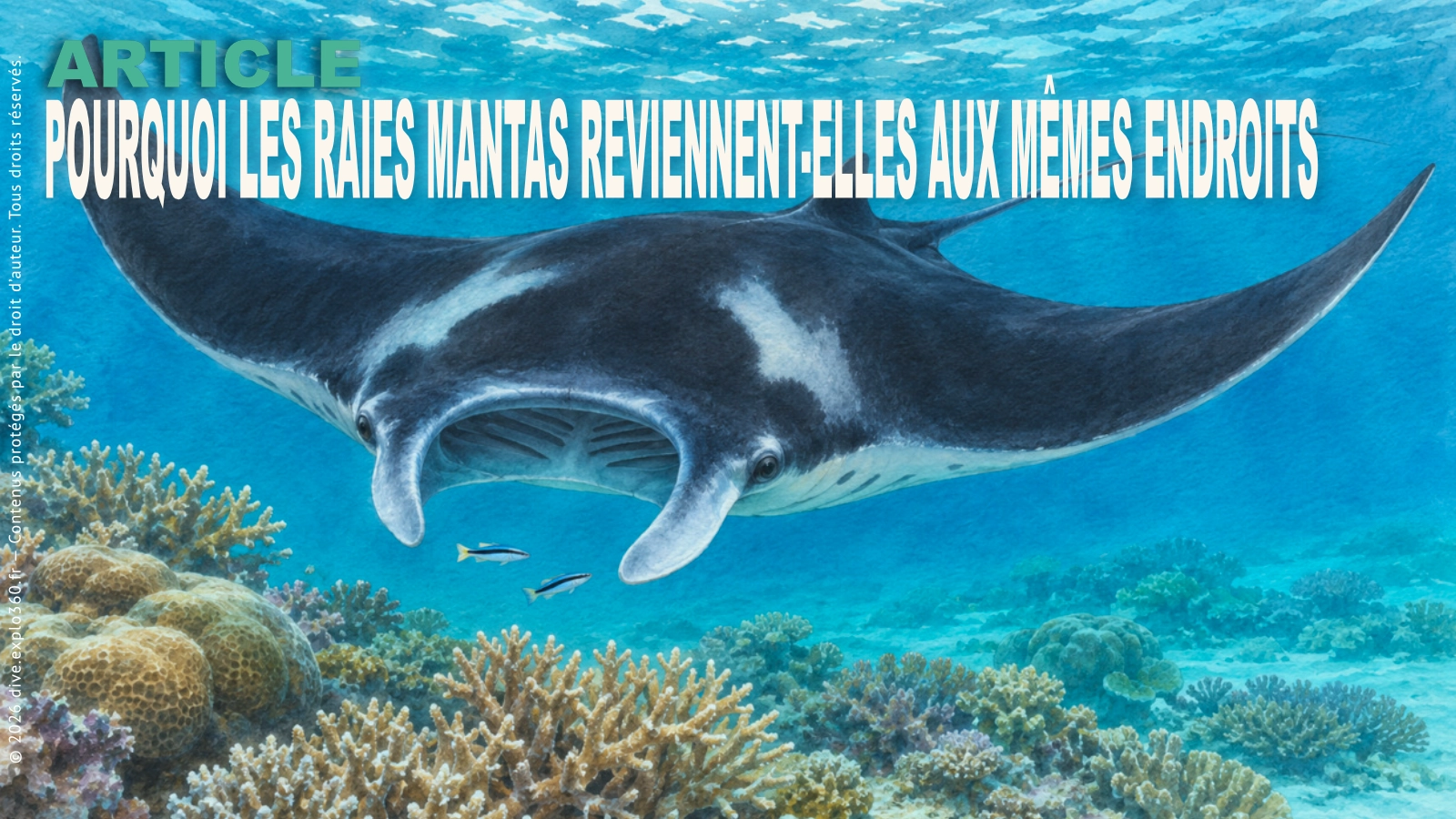
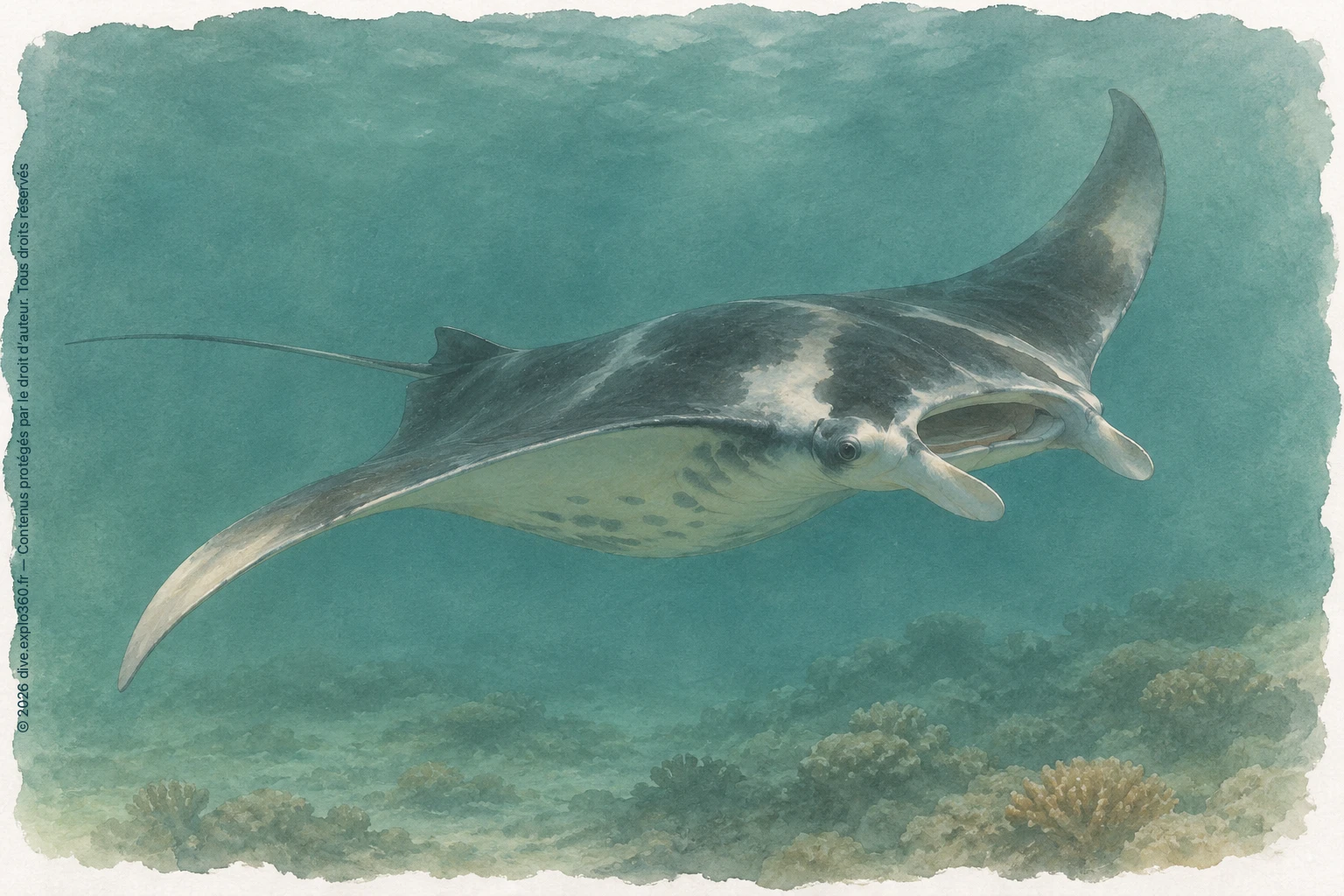
Reef manta rays (Mobula alfredi) also visit passes and reefs near drop-offs. They feed on tiny drifting animals. The manta filters zooplankton from the water. As it swims, it unrolls the lobes on either side of its mouth to guide water towards the filters that trap its prey. How suitable a site is for feeding depends in part on how densely prey is concentrated there.
A current can make a site a good place to feed if it brings enough plankton. However, a fast current carrying little prey may offer few feeding opportunities. Mantas also use cleaning stations. They can slow down, circle above a reef feature or stay in an area where cleaner fish remove parasites from their bodies.
A manta making repeated passes through a patch of plankton behaves differently from one circling over a cleaning station. In Baa Atoll, monitoring of several sites showed that the factors associated with manta presence varied according to how the rays used each site. Hanifaru Bay is mainly a feeding site. Nelivaru Thila is a cleaning station. Mantas can use Dhigu Thila for several activities.
The same species therefore uses distinct locations according to its activities. Watching how a manta swims and whether it opens its mouth can help distinguish feeding from a visit to a cleaning station.
Hanifaru: when water brings the giants together
In Baa Atoll, a small bay offers a striking example of how currents concentrate food. Hanifaru is a shallow bay whose surrounding channels and reefs steer the flow of water. At times, tides and monsoon currents cause zooplankton to build up in the small bay. Manta rays can then gather in large numbers.
With their mouths open, they make repeated passes through dense patches of prey and change course as those patches shift. When the plankton is particularly dense, several individuals can follow one another in lines. In some circumstances, these lines curl into rotating groups in a pattern sometimes called cyclone feeding. Observers recorded gatherings of more than a hundred mantas, with episodes exceeding two hundred individuals.
These gatherings are intermittent. Plankton concentrations change rapidly with circulation conditions. Mantas may arrive when food becomes abundant and then disperse when conditions are no longer favourable to them. Field measurements confirmed that the mantas fed in areas with very high zooplankton concentrations.
More recently, a model published in 2026 found that tidal flow around the bay’s reef contours could generate eddies that trap particles. In the model, their formation and disappearance corresponded to the periods favourable to manta gatherings.
This mechanism explains how a small portion of the ocean can temporarily become an exceptional feeding area. The particular shape of Hanifaru Bay helps explain how it works. Other Maldivian passes can have different patterns of circulation.
A school can gather for more than feeding
A dense school of fish at the entrance of a pass may give the impression that a large amount of food has just arrived. Feeding fish may be seen picking off prey as the current carries it past. Fish can gather for other reasons too. In some reef fish species, adults gather to breed, and these gatherings may be associated with specific locations, lunar phases, or periods when currents help disperse eggs and larvae.
Fish can then gather in unusually large numbers to reproduce. Such breeding gatherings are known in various reef fishes in the Indo-Pacific, including some groupers and snappers. A large school by itself gives little indication of whether the fish are spawning. Observers look for courtship displays, the release of gametes or other evidence of spawning.
Researchers have recorded species known to form spawning aggregations in the Maldivian passes they studied. Observing a school’s behaviour can help establish whether it is there to spawn. For predators, however, these concentrations may represent an opportunity to capture prey. A pass can become busy for a short time as different species use it to feed, breed, take advantage of the current or cross the atoll.
Why might a pass look empty the next day?
One day, many sharks gather above the drop-off. The next day, in the same place, only a few individuals appear. The animals may still be nearby. If the current has reversed, fish may have shifted deeper or around a bend in the channel. Current speed also matters. A lull can cut off the flow of plankton to a feeding spot. An exceptionally strong current may send some animals looking for shelter.
Schools can also move beyond the area that divers observe. On a larger scale, monsoons change the seasonal distribution of resources and species. Monitoring in Lhaviyani Atoll showed seasonal changes in which sharks and rays were present and how often observers saw them. Sightings peaked towards the end of the southwest monsoon, especially in August and September.
That pattern applies to the sites and years monitored. The timing can differ at other Maldivian passes. Gatherings vary with local conditions, the species present and the features of each atoll. As the flow changes, large fish shift their position within the pass or move elsewhere.
What divers see, and what they miss
From the edge of a drop-off, you can see some of what happens in the pass. Plankton-feeding fish hold their position in the current. Grey reef sharks use particular parts of the reef. Jacks swim through schools of fish. A manta may appear near a cleaning station. However, the diver does not directly see nutrient distribution, phytoplankton concentrations or vertical movements of water.
A diver also needs more than the animal’s position to infer what it is doing.
A shark may be using the flow to hold its position. A manta circling over one spot may be visiting a cleaning station. A dense school can form in response to food, social interactions or breeding conditions.
Several of these processes can play out in the same pass. The shape of the atoll sets the routes water can take. The tide can reverse the flow within hours, while the monsoon can shift feeding grounds for months. A single dive reveals only part of how these processes work.
Interactive quiz
Test your knowledge
5 question(s) to test your knowledge.
Interactive quiz
Test your knowledge
Question 1 out of 5Score: 0
What is an atoll pass?
What changes the current during the day?
What does moving water carry?
Why do some manta rays gather?
Why might a channel look empty the next day?
Final result
Quiz completed
correct answers
A meeting place shaped by currents
The current is still flowing through the pass. The fusiliers stay in a school above the reef. Further on, grey reef sharks hold their position near the drop-off, while jacks disappear in the blue.
In a few hours, the current may reverse. The schools will move, the sharks may move to another part of the reef and the conditions that drew them there will have changed.
The pass will stay in the same place.
That is what makes these openings between the lagoon and the ocean distinctive. Their geography is relatively stable, but the water that passes through them constantly changes.
The currents transport planktonic organisms, bring a fresh supply of food and create areas where fish can use the shape of the reef to their advantage. Predators sometimes find large numbers of prey gathered there. Sharks can take advantage of currents that make swimming easier. Mantas visit some passes to feed or to reach cleaning stations.
None of these mechanisms alone is sufficient to explain all the gatherings.
Together, these processes make some passes especially busy.
In the Maldives, large fish gather where the tide, the monsoon and the shape of the seabed create favourable conditions. Those conditions change as the tide and monsoon shift.
Return when the tide turns and look for the same animals. Where they move can tell you how they use the water flowing between the lagoon and the ocean.
Scientific references
Explore the same world